

Choosing a Coronary Stents Supplier
Choosing the right coronary stents supplier
When a cath lab schedule is fixed and a case cannot move, supplier performance stops being a pricing discussion and becomes an operational issue. For hospitals, independent distributors, and physicians sourcing outside local channels, a coronary stents supplier is judged on one thing first - whether the exact branded device is available, correctly identified, and ready for export without delay.
That is why coronary stent procurement usually comes down to fewer variables than many general purchasing categories. Buyers already know the manufacturer, platform, diameter, length, and often the exact reference number they need. The real question is whether the supplier can support fast, accurate sourcing across branded inventory while reducing the risk of substitution, backorder surprises, or incomplete shipment documentation.
What buyers expect from a coronary stents supplier
A professional coronary stents supplier should operate like a procurement partner, not a general catalog reseller. In interventional cardiology, device selection is not interchangeable just because two products fall under the same category. Physicians often request a specific stent family based on lesion profile, deliverability preference, prior case experience, or compatibility with the rest of the procedural setup.
That means sourcing must be precise. A buyer should be able to request a product by manufacturer name and exact identifier, then receive confirmation against the same identifier. If the quote comes back with vague descriptions, partial naming, or "equivalent" language, purchasing risk goes up immediately.
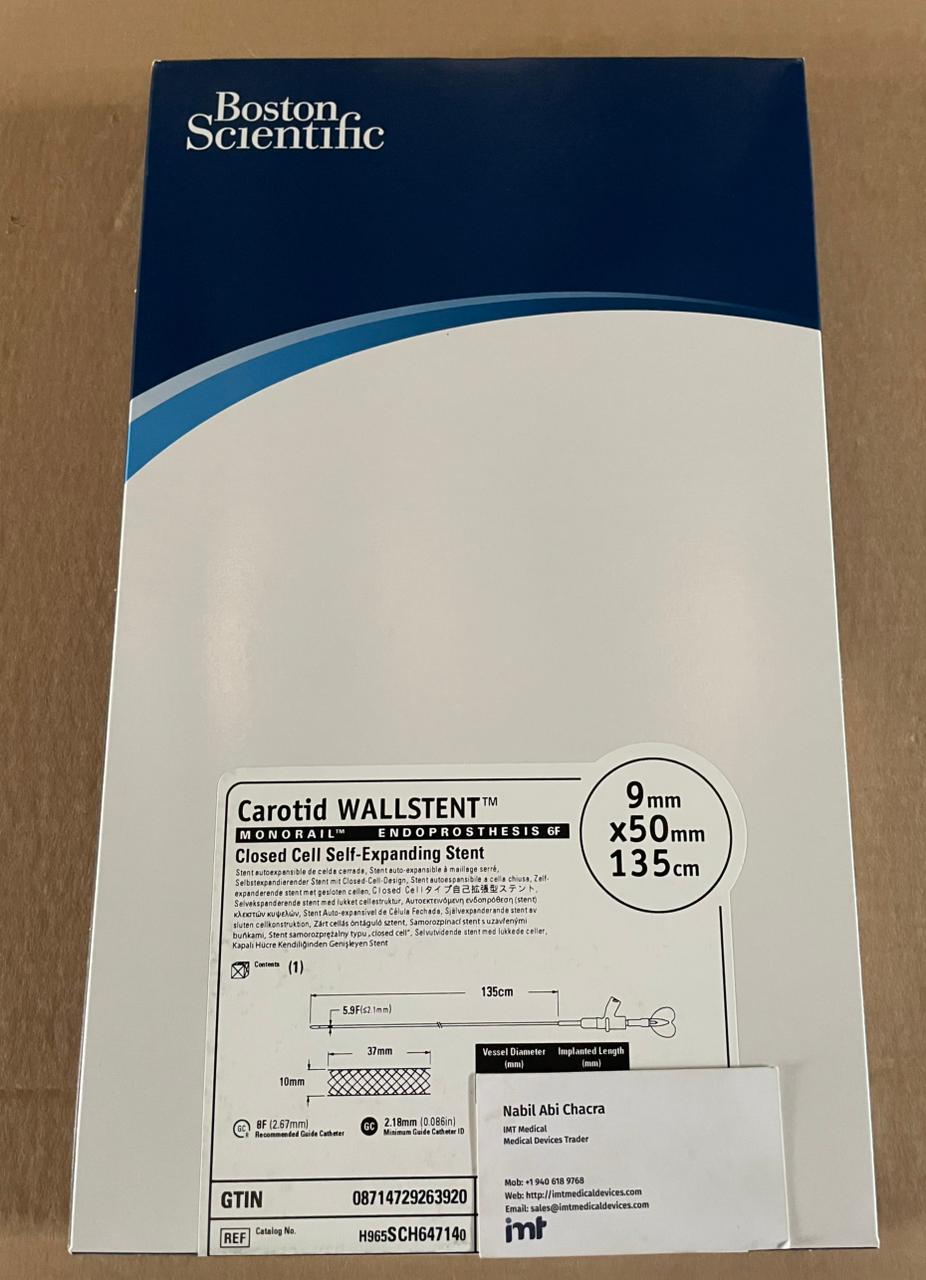
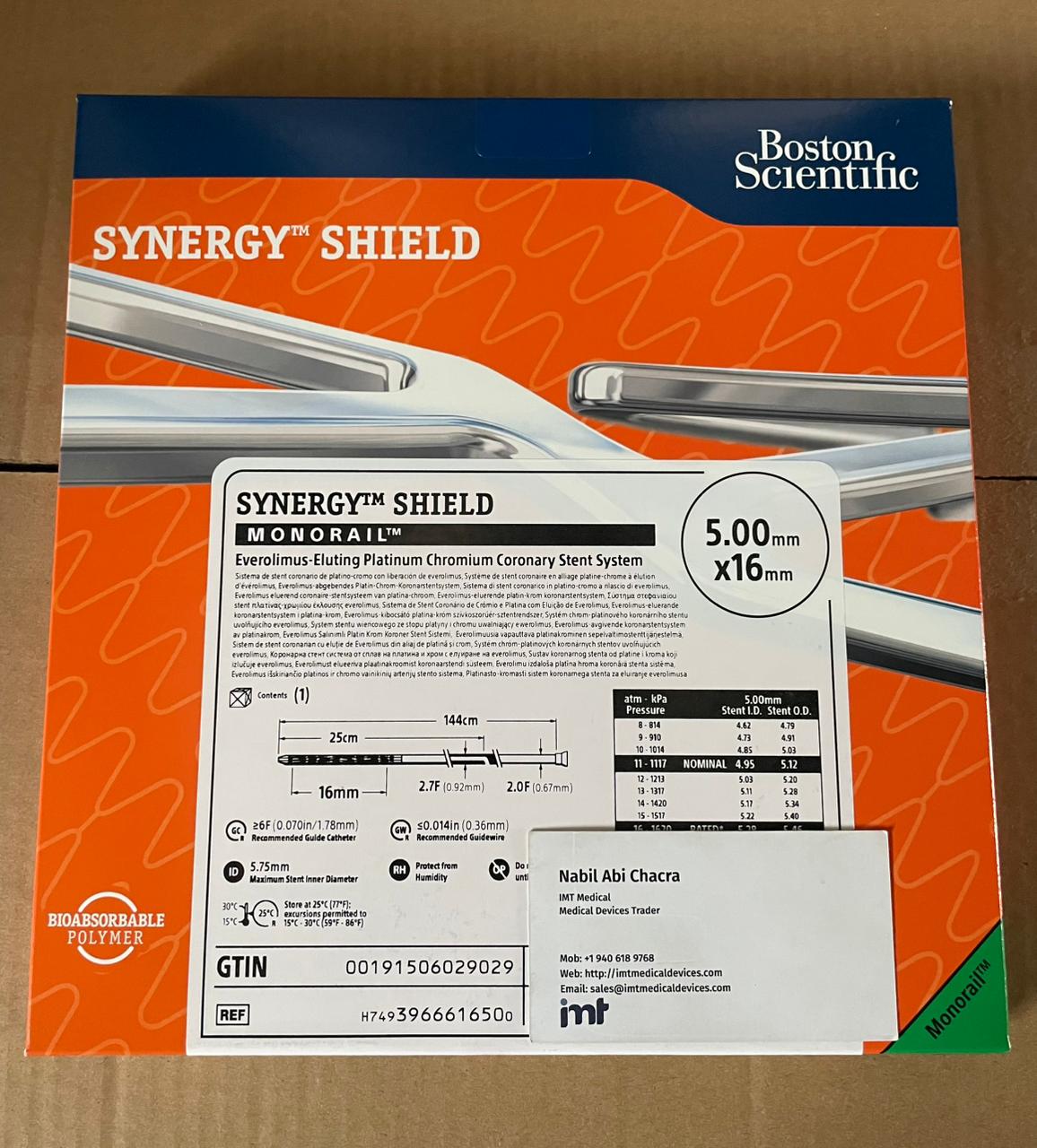
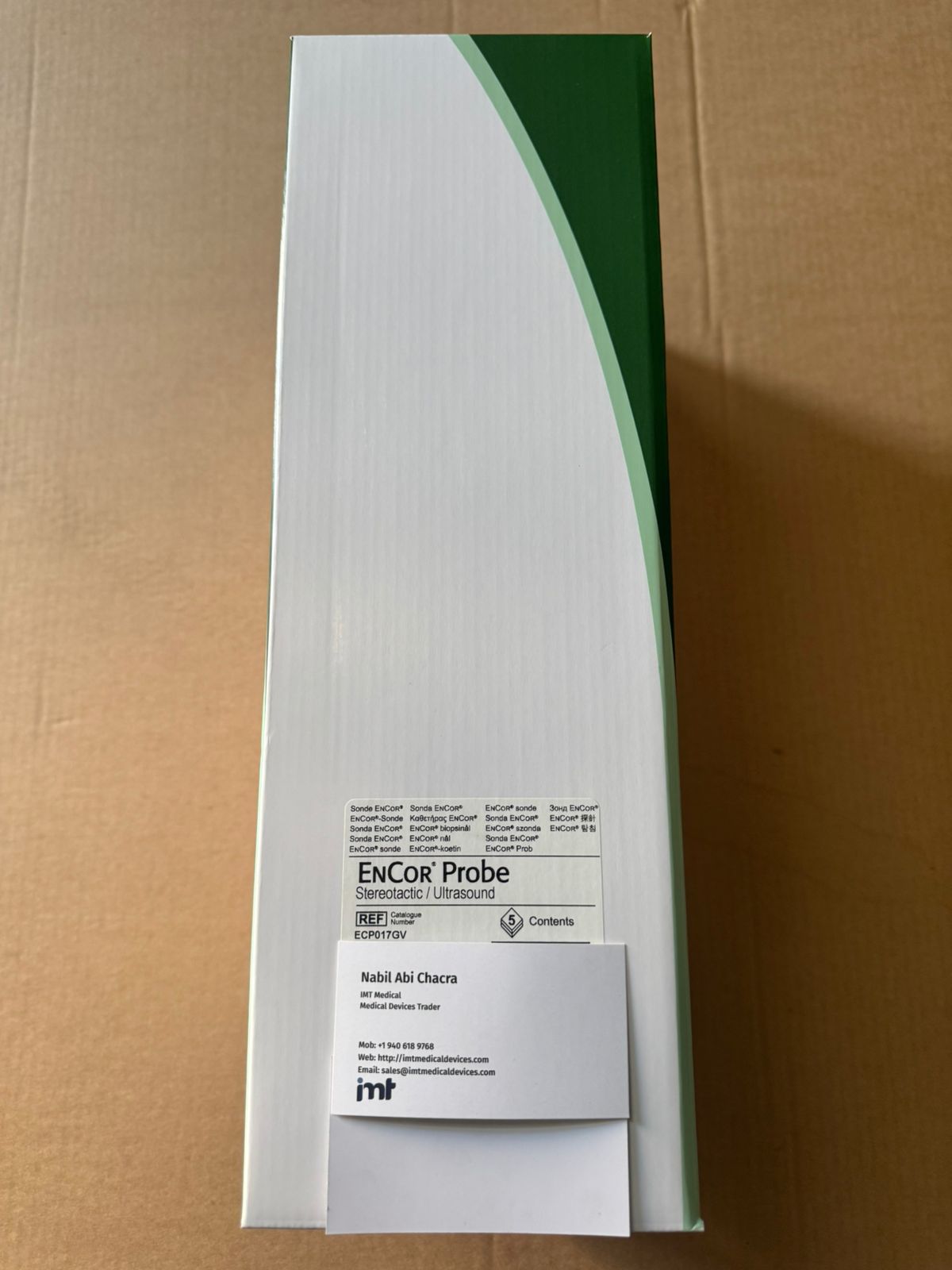
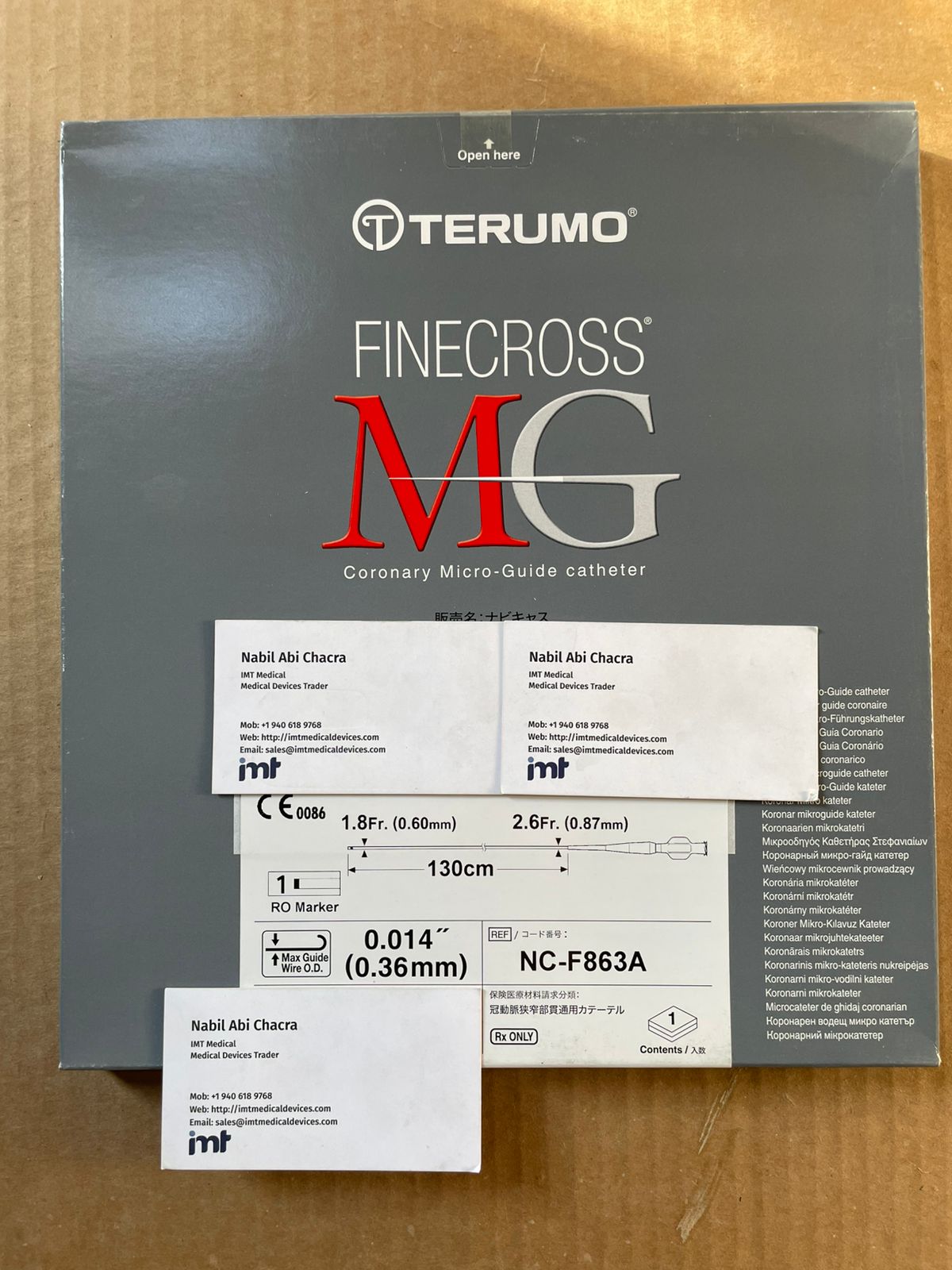
The strongest suppliers build confidence through specificity. That includes recognized brands such as Medtronic, Boston Scientific, Abbott, Cordis, and Terumo, with exact product naming that allows hospital procurement teams and distributor buyers to verify what is being quoted before they commit.
Why exact part numbers matter more than broad product claims
In coronary intervention, broad claims like "drug-eluting stent available" are not useful to a professional buyer. The useful information is the device family, size matrix, packaging configuration, and reference number. Procurement teams need that level of detail for internal approvals, physician confirmation, customs documentation, and stock reconciliation.
A supplier that works at SKU level reduces friction across the whole process. The quote can be checked faster, substitutions can be avoided, and cross-border shipments are easier to validate when the invoice and packing list match the requested item exactly. This matters even more for customers purchasing outside incumbent local distributor relationships, where internal stakeholders may ask for additional verification before authorizing the order.
There is also a practical inventory reason. Two stents from the same manufacturer may serve different procedural preferences or be approved differently within a facility. A part-number-driven sourcing process keeps the discussion aligned with what the cath lab actually intends to use.
Evaluating inventory depth, not just brand logos
Many suppliers can list major manufacturers. Fewer can support real procurement with meaningful stock depth across adjacent categories. A coronary stent order is often tied to the rest of the case setup, so buyers should look beyond the stent line alone.
If a supplier can also source balloon catheters, guidewires, guiding catheters, microcatheters, aspiration catheters, and vascular closure devices from established manufacturers, the procurement process becomes simpler. Instead of splitting urgent requirements across multiple vendors, a hospital or competing distributor can consolidate more of the order under one export workflow.
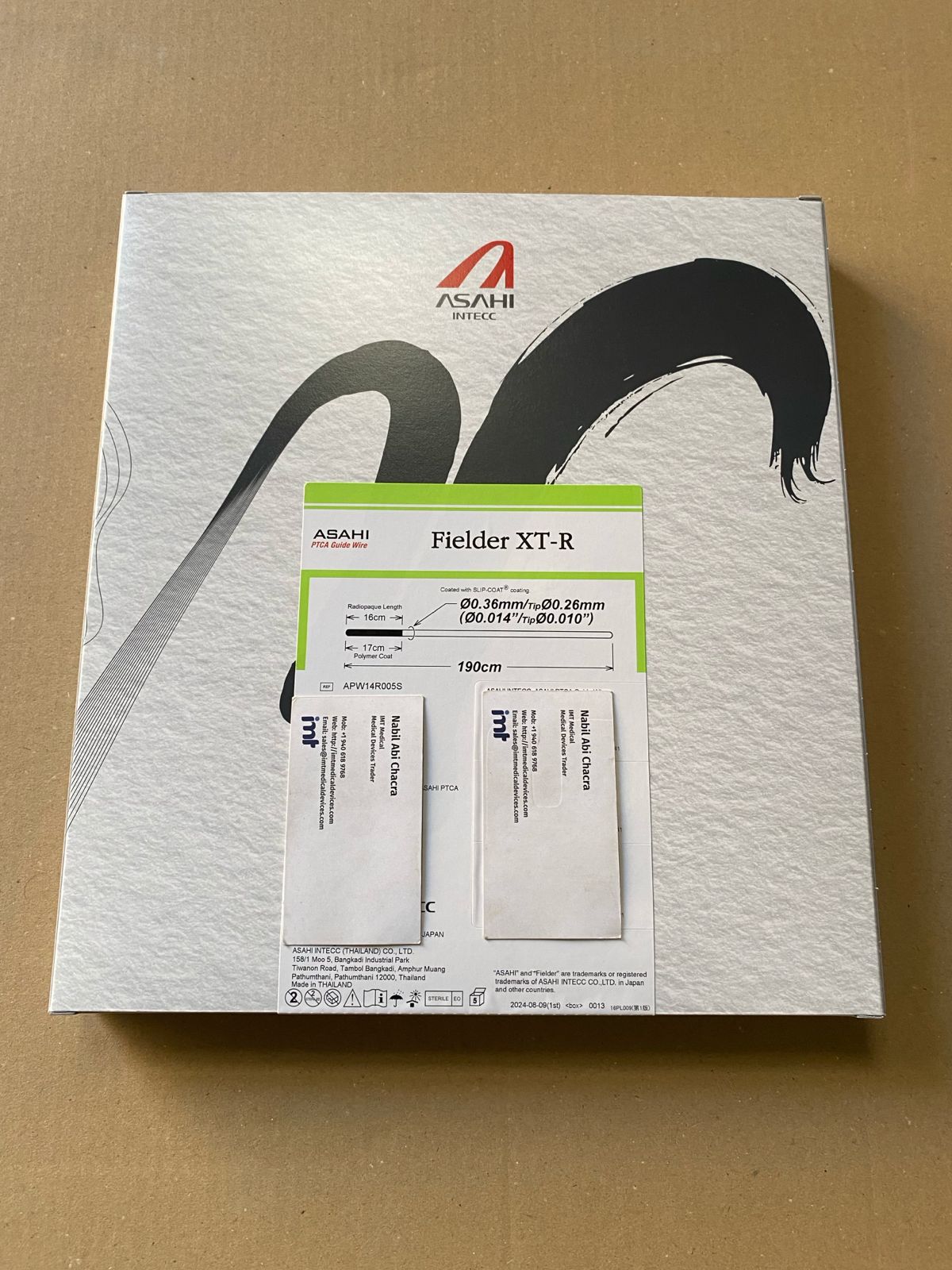
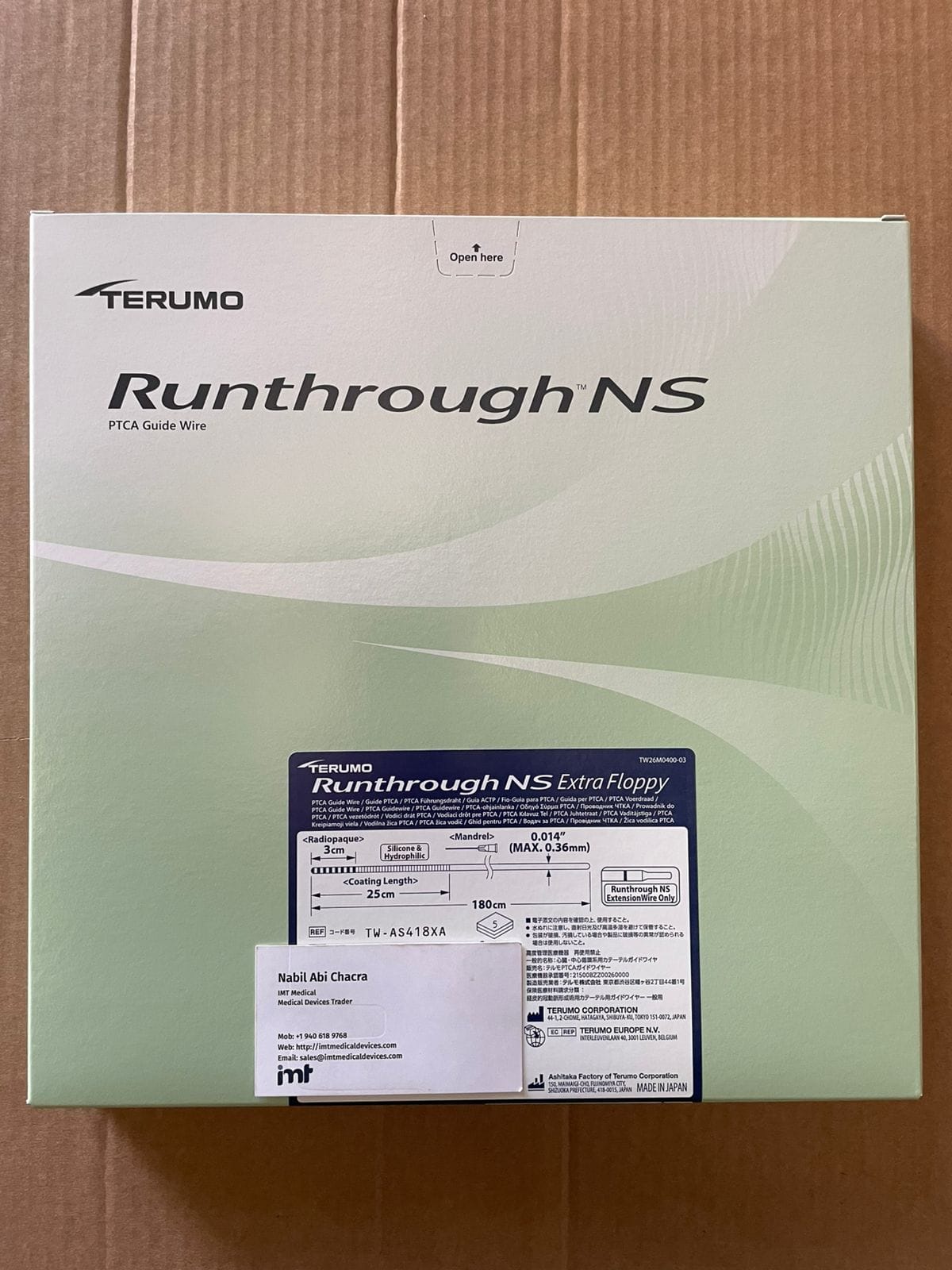
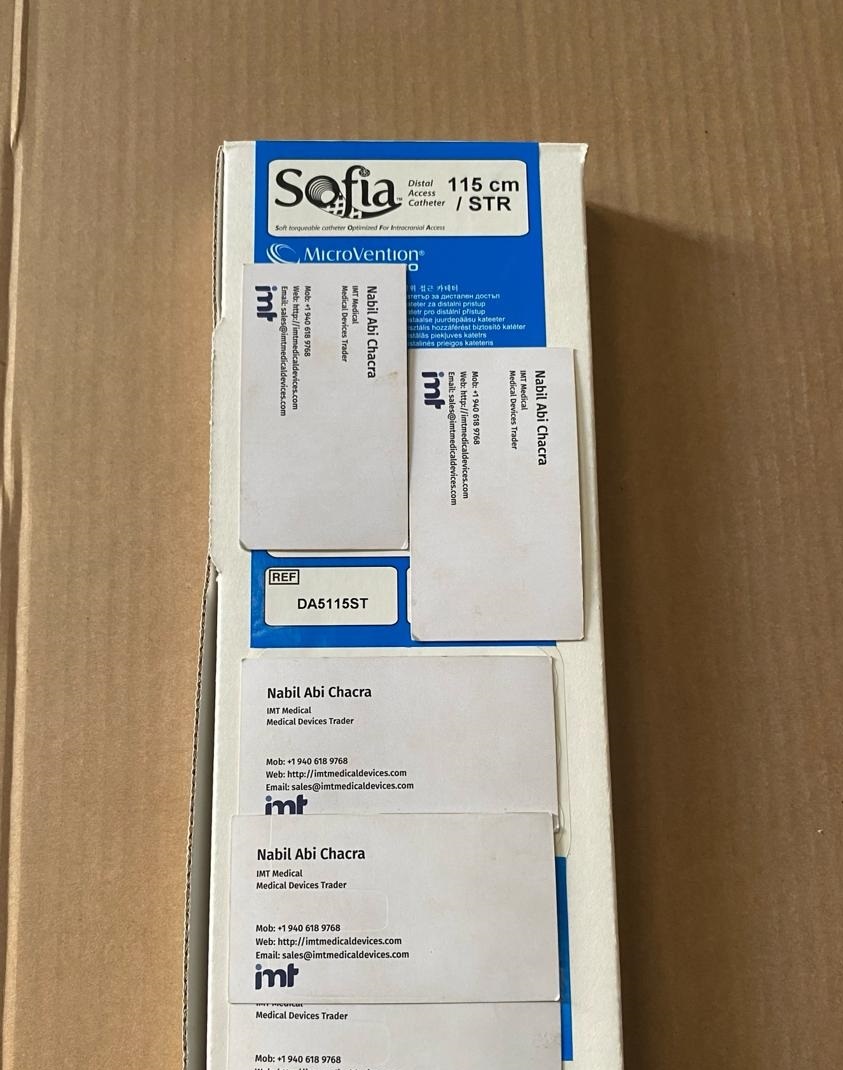
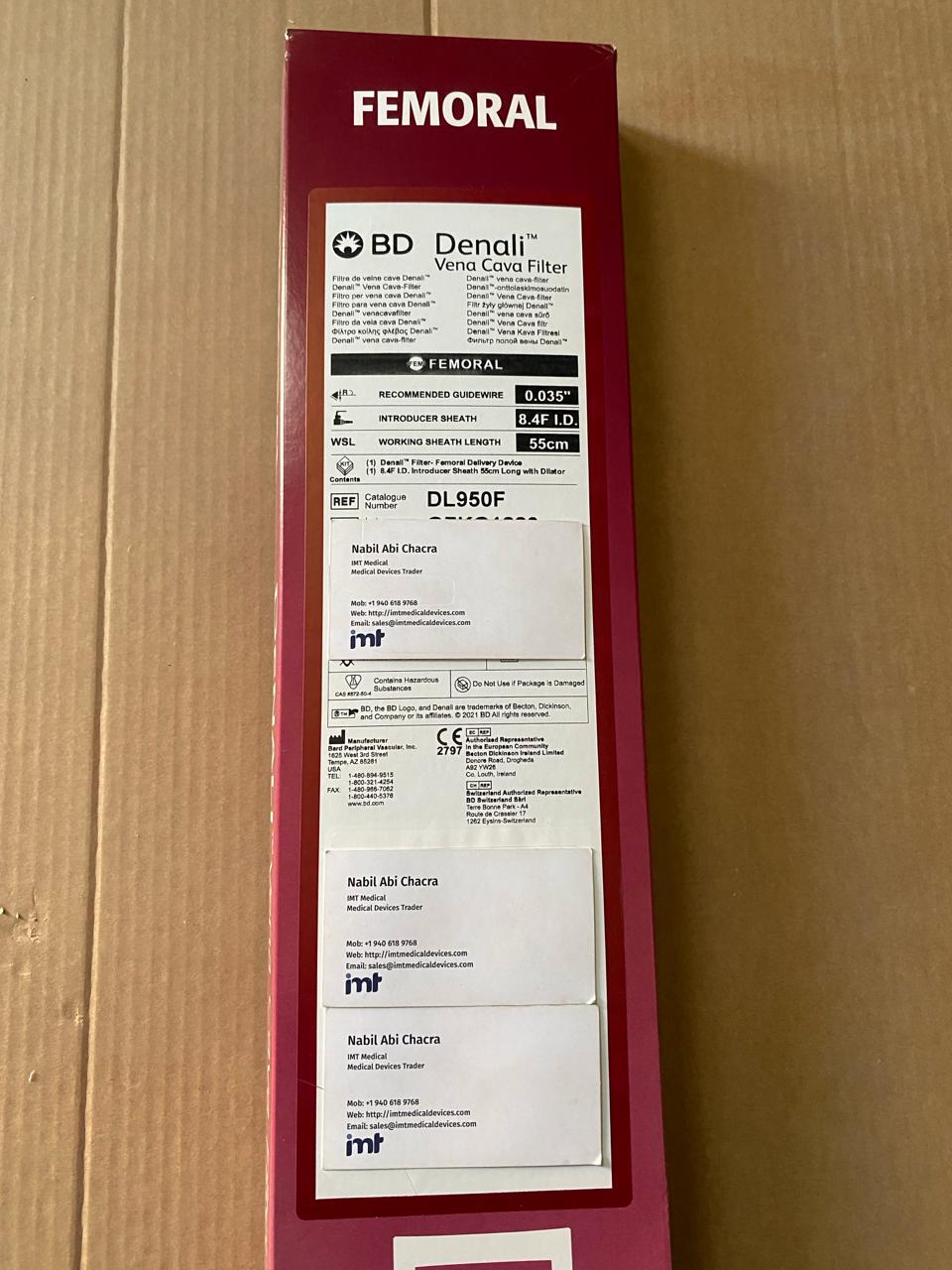
This is where branded breadth becomes operationally useful rather than promotional. A supplier carrying lines from Medtronic, Boston Scientific, Asahi, Terumo, Abbott, Cordis, BD, B. Braun, Ethicon, Smith and Nephew, MicroVention, and related manufacturers is better positioned to support procedure-linked purchasing decisions across cardiovascular, peripheral vascular, and neurovascular inventory.
That does not mean every buyer needs a one-stop source for everything. Sometimes a facility only needs a specific coronary stent reference. But when shortages appear or local distributors limit access, broader branded availability gives buyers more room to act quickly.
The procurement risks that matter most
For this market, the most common supplier failure is not dramatic. It is small inaccuracy repeated at the wrong time. A delayed confirmation, a reference number entered incorrectly, incomplete expiry detail, or a shipment packed without matching paperwork can slow a case schedule or create avoidable internal escalation.
A dependable coronary stents supplier should be ready to confirm availability, manufacturer, and identifier without ambiguity. They should also understand that export transactions involve more than picking inventory off a shelf. Buyers may need lot and expiry information, commercial documentation, and communication that fits procurement workflows rather than retail sales habits.
There is also a trade-off between price and certainty. The lowest quote is not always the lowest procurement cost if it comes with uncertain stock position or poor response time. Hospitals and distributors buying outside local channels typically already know this. They are trying to avoid dependency, not create a new source of uncertainty.
When alternative sourcing becomes necessary
Not every customer turns to an international supplier for the same reason. Some hospitals want an option outside the existing local distributor because pricing, lead time, or access to certain references is restrictive. Some distributors need a supply channel that lets them compete in markets dominated by incumbent relationships. Some physicians are simply trying to secure a familiar product line when local support is weak.
In these cases, the supplier's value is practical. Can they identify the requested product fast, issue a clean quote, and move the order through export efficiently? Can they support orders into Gulf markets, Latin America, Asia, China, or Russia when local conditions make sourcing more complex? Those questions matter more than brand language or general claims about service.
The answer can vary by product family and by current stock. A serious supplier will say so directly. Not every manufacturer line is equally available at all times, and not every market has the same import conditions. Clear communication is more useful than overpromising.
How professional buyers should qualify a supplier
The fastest way to qualify a coronary stents supplier is to test their process with a specific request. Ask for an exact product name, reference number, quantity, and destination. The response will usually tell you what you need to know.
If the supplier replies with a precise quote, confirms branded origin, and communicates in procurement language, that is a good sign. If they redirect the conversation into generic product education or avoid confirming identifiers, the sourcing risk is higher.
It also helps to assess whether the supplier understands category adjacency. A hospital buyer asking for a coronary stent may also need PTCA balloons, guidewires, guiding catheters, or closure products on the same transaction. A supplier familiar with cath lab purchasing will recognize that these requests often move together and should be handled with the same level of specificity.
At the same time, buyers should be realistic about what they need from the relationship. Some orders are purely transactional and driven by one urgent requirement. Others develop into recurring supply arrangements. The right supplier should be able to support both without forcing a complicated onboarding process for a straightforward quote request.
A supply model built for quote speed and order clarity
For professional buyers, the best sourcing experience is simple. You submit the product details, receive a quote against the same details, confirm the order, and get shipment visibility with documentation that matches the request. That sounds basic, but in medical device procurement it is often the difference between a usable supplier and a time-consuming one.
A catalog-first, quote-driven model works well for coronary intervention products because the buyer usually arrives with a clear clinical requirement. They do not need broad education. They need dependable sourcing of branded inventory and clean communication around availability.
That is the operating logic behind https://imtmedicaldevices.com - structured product sourcing for interventional buyers who already know the manufacturer and reference they need, and want a faster route to quotation and supply.
The most useful supplier is not the one with the loudest claims. It is the one that answers with the right part number, the right brand, and a realistic path to delivery when the case cannot wait.