

How to Choose a Vascular Closure Devices Supplier
A closure device order rarely fails because the category is confusing. It fails because one detail is off - the wrong platform for the sheath size, the wrong indication for access site, a mismatched introducer workflow, or a part number that looks right until it hits the shelf. For cath labs and vascular programs, that kind of miss shows up as case disruption, nonstandard backups, and avoidable inventory sprawl.
The practical way to reduce those risks is to treat the supplier selection like any other high-acuity interventional sourcing decision: brand authenticity, SKU-level accuracy, and predictable fulfillment matter more than broad claims. Below is a procurement-first framework for evaluating a vascular closure devices supplier when you already know what your physicians use and you need consistent access to the exact devices.
What “good” looks like in closure device supply
A closure device is not interchangeable just because it sits in the same category. Even within a single manufacturer portfolio, platforms differ by mechanism, access site, sheath compatibility, and clinical preference. So the baseline requirement for a supplier is simple: they must be able to quote and ship the exact branded SKU you specify, not a “similar” item.
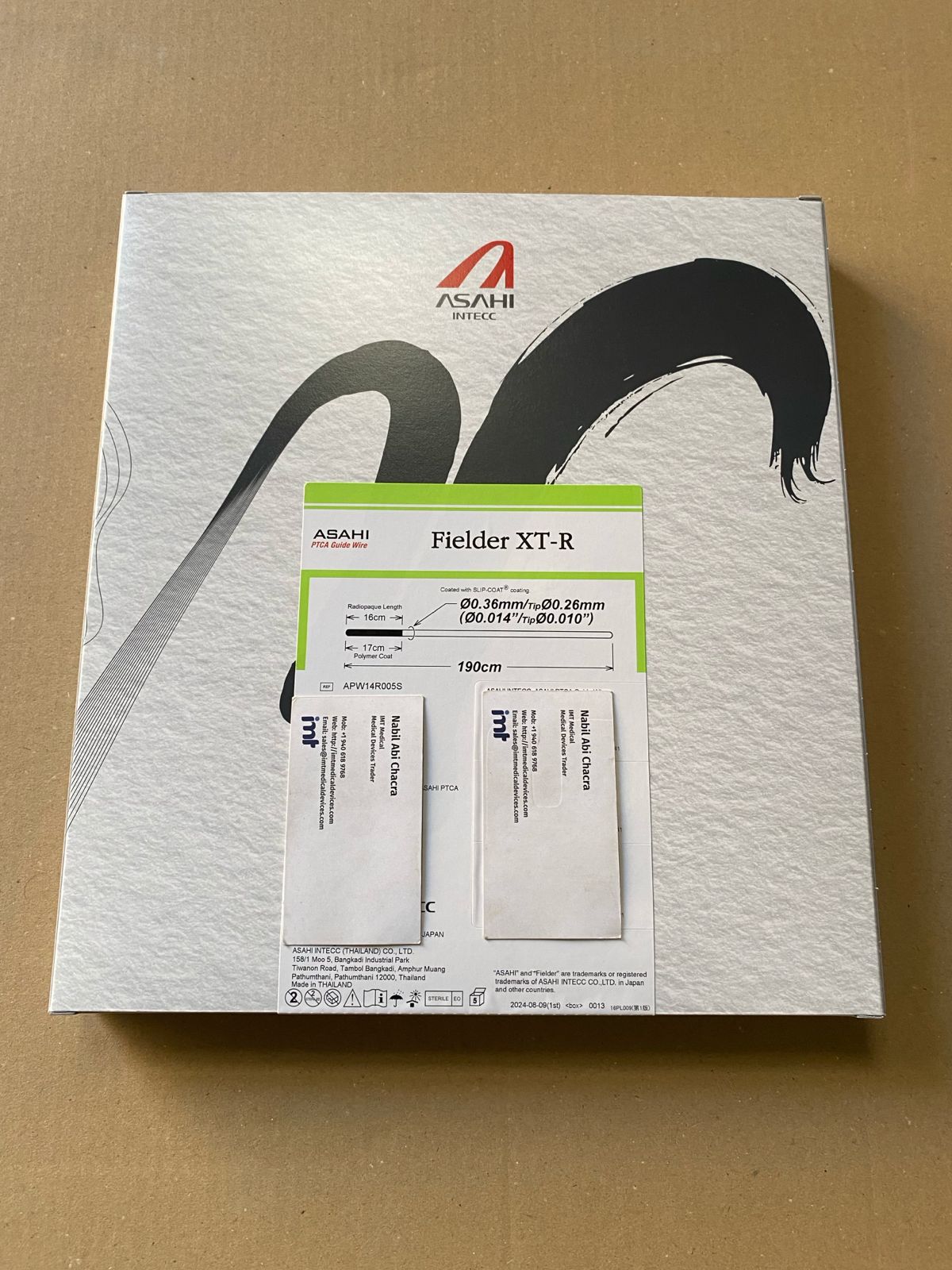
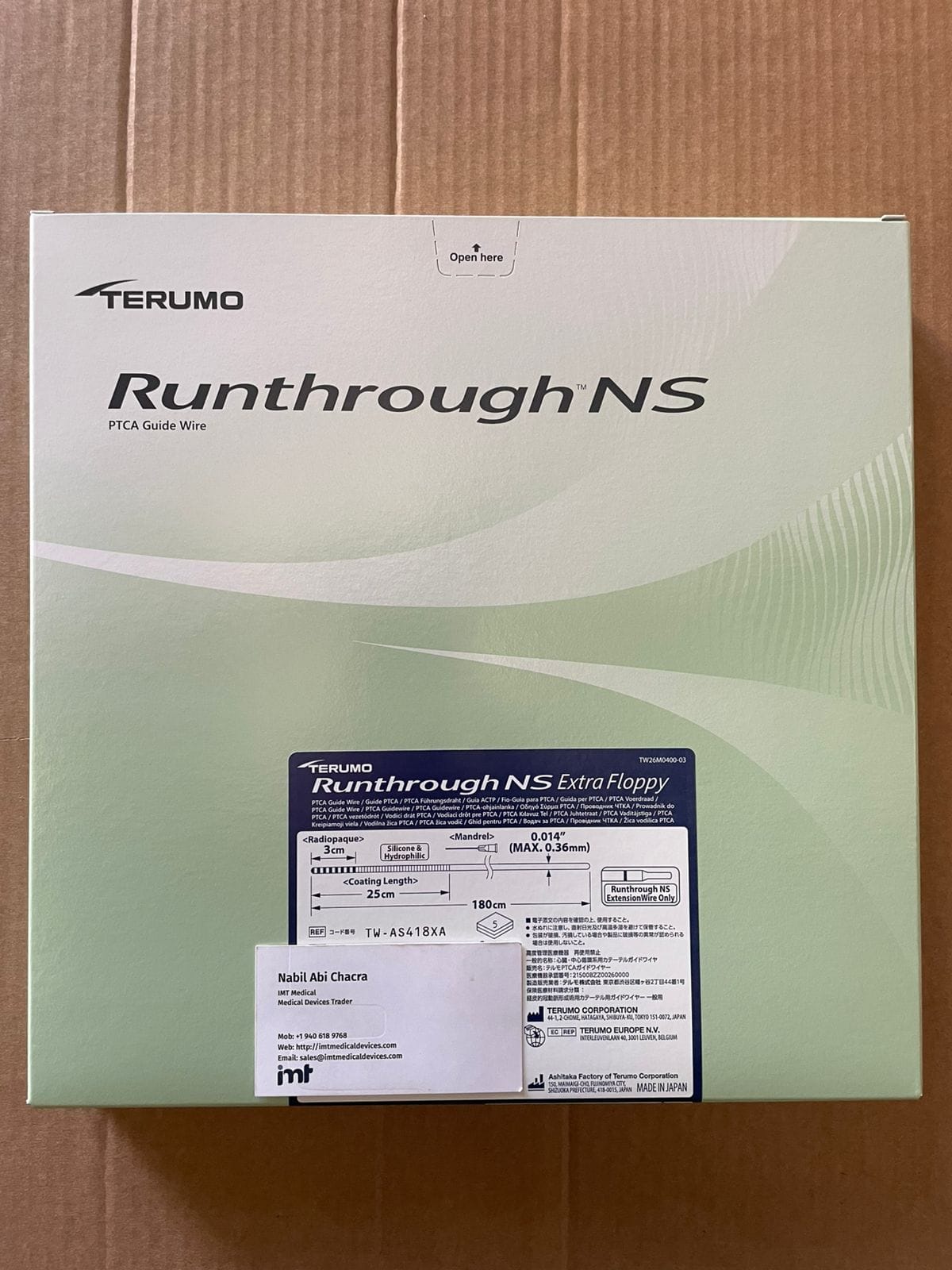
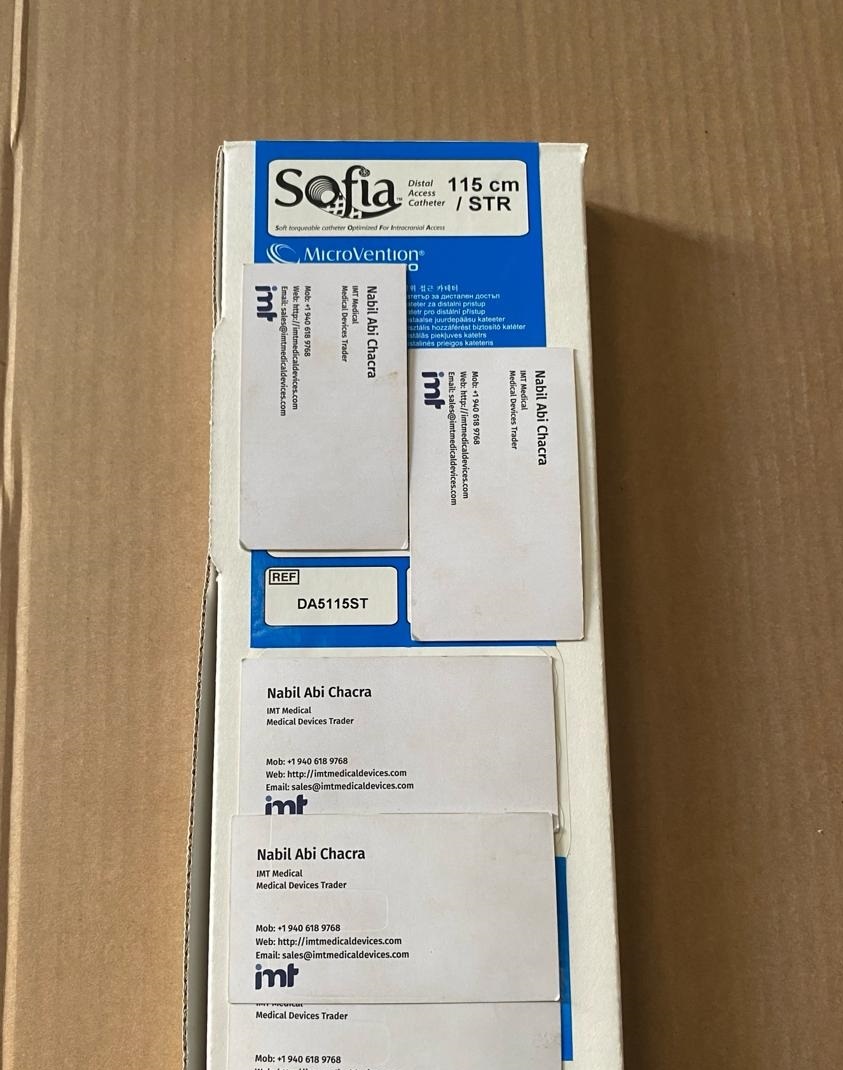
From a supply chain perspective, a strong supplier behaves less like a reseller and more like an extension of your item master. They can confirm manufacturer, exact reference number, packaging unit, and lead time without back-and-forth. They also understand that the closure device is often one line item inside a larger interventional pick list - guidewires, diagnostic and guiding catheters, balloon catheters, stents, microcatheters, aspiration catheters, and coils - and the operational win is consolidating compatible components through fewer vendors.
Start with standardization: whose platforms are on your shelf?
Most closure device purchasing is driven by physician preference and department standardization, not by price shopping per case. Before evaluating any supplier, align internally on the platforms you are actually expected to support. If your cath lab and vascular service line are standardized on specific manufacturers, your supplier must be able to support those manufacturers consistently.
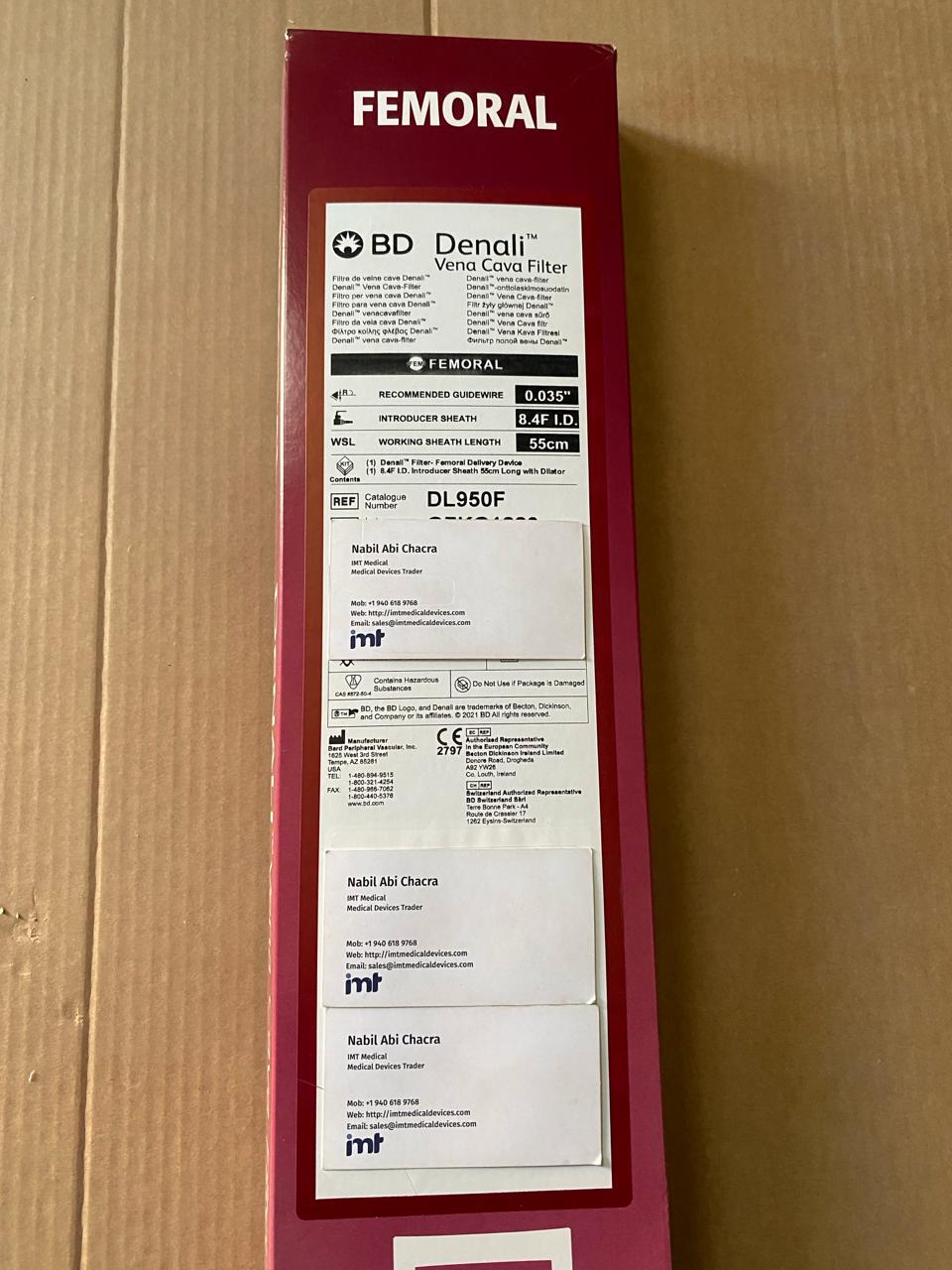
For many facilities, that means maintaining access to branded inventory from major manufacturers used across cardiovascular and peripheral procedures. In practice, procurement teams often look for suppliers that can support the same brand ecosystem across multiple categories, including Medtronic, Boston Scientific, Terumo, Cordis, Abbott, BD, B. Braun, and others. The goal is not “more brands” for the sake of variety. The goal is fewer exceptions and fewer one-off vendors.
There is a trade-off here. A supplier that lists every possible brand may still be weak at the SKU level if they cannot reliably source the references you use most. That is why the next step is to move from brand capability to part-number execution.
SKU discipline: the difference between a quote and a usable quote
A vascular closure devices supplier should be comfortable operating at the reference-number level. If your team sends a list of part numbers and gets back a response that replaces identifiers with generic descriptions, you should assume there will be friction later.
You want a quote format that makes it easy to validate against your item master and preference cards: manufacturer name, exact product name, REF or catalog number, packaging (box quantity), and expiry/lot handling expectations. If your facility is managing multiple campuses or a mix of cath lab and hybrid OR inventory, packaging clarity is not a minor detail. It impacts par levels, reorder points, and charge capture reconciliation.
This is also where you can test responsiveness. Send a short RFQ with two or three high-velocity SKUs and one less-common reference. A supplier that can confirm all four with clear identifiers and realistic lead times is typically the one that will perform when a backorder appears or when a physician adds a new platform.
Availability and lead time: what you should ask up front
Closure devices often become urgent purchases when volume spikes or when standard stock is constrained. The supplier you choose should be able to communicate availability in operational terms: in-stock versus available-to-source, expected ship window, and any constraints that would force substitution.
Ask how they handle time-sensitive orders and whether they support consolidated shipments with other interventional disposables. If a supplier can bundle closure devices with your guidewires, catheters, and other procedure essentials, you reduce receiving complexity and shorten the time between quote approval and shelf availability.
It also helps to clarify how they manage partial fulfillment. Sometimes you would rather receive 60% of the order immediately and backfill the remainder than wait for a complete shipment. Sometimes the opposite is true because partials complicate receiving and inventory counts. A supplier that can flex to your preference is easier to operationalize.
Compatibility support without clinical overreach
Procurement teams do not need a supplier to practice medicine. They do need a supplier to prevent avoidable ordering errors. The best closure device suppliers provide pragmatic checks: confirming sheath size ranges for the ordered SKU, flagging when an order includes mixed references that do not match typical usage, and asking clarifying questions when an RFQ is ambiguous.
This matters most in environments with multiple service lines using the same storeroom. Peripheral vascular, structural heart, and interventional radiology can have different access patterns and closure preferences. A supplier that forces everything into a single generic “closure device” bucket increases your risk of ordering the right category but the wrong device.
The trade-off is speed. Too many questions can slow an order. The right balance is a supplier that only escalates when the RFQ contains an obvious conflict or missing identifier.
Quality assurance and traceability: non-negotiables
For branded closure devices, the expectation is manufacturer authenticity and clean traceability. Your supplier should be able to support standard receiving requirements: intact packaging, lot and expiry visibility where required, and documentation aligned to your internal QA process.
If you operate in an environment with strict recall management or accreditation-driven documentation, ask how the supplier handles traceability fields on paperwork. You are not looking for a complex quality program narrative. You are looking for consistency: predictable documents, predictable labeling, and predictable handling.
This is also where vendor consolidation can help. When you source multiple interventional categories from the same supplier, your receiving team deals with fewer documentation formats and fewer exceptions.
Export capability: when cross-border sourcing is the requirement
For many facilities and distributors, the key differentiator is not local delivery but cross-border procurement. If your organization is sourcing branded interventional disposables across borders, closure devices become part of a larger export workflow: documentation, shipping timelines, and predictable communication.
A vascular closure devices supplier that supports export should be able to quote with clear incoterm expectations (if applicable to your process), align shipping with temperature and handling requirements where relevant, and coordinate consolidated shipments across multiple product categories. They should also be comfortable working with professional buyers who already know the references they need and are trying to minimize transaction cycles.
Export introduces a real trade-off: even when a supplier can source the SKU, transit time and customs processing can stretch lead times. The supplier’s job is to make those constraints explicit at the quote stage so you can plan par levels accordingly.
The buying workflow: catalog-first beats email chains
For closure devices, the most efficient suppliers run a product-led workflow. That means you can browse by category, filter by manufacturer, locate the exact item name and reference, and request pricing through a structured quote process.
This approach reduces the two most common causes of purchase delays: unclear product identification and long clarification threads. When the catalog is SKU-forward, your team can copy the exact references into an RFQ, attach internal item numbers if needed, and move directly to approval.
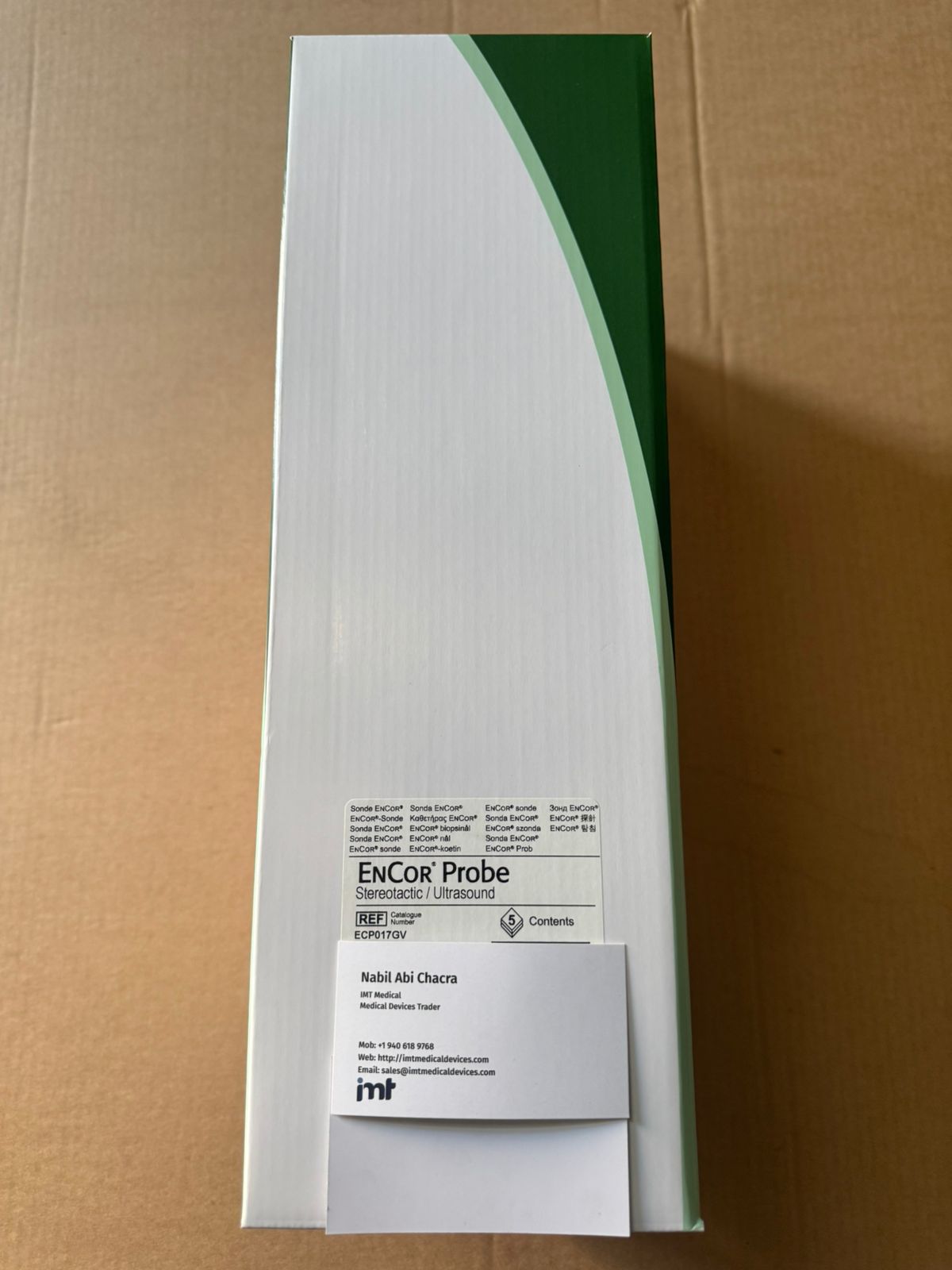
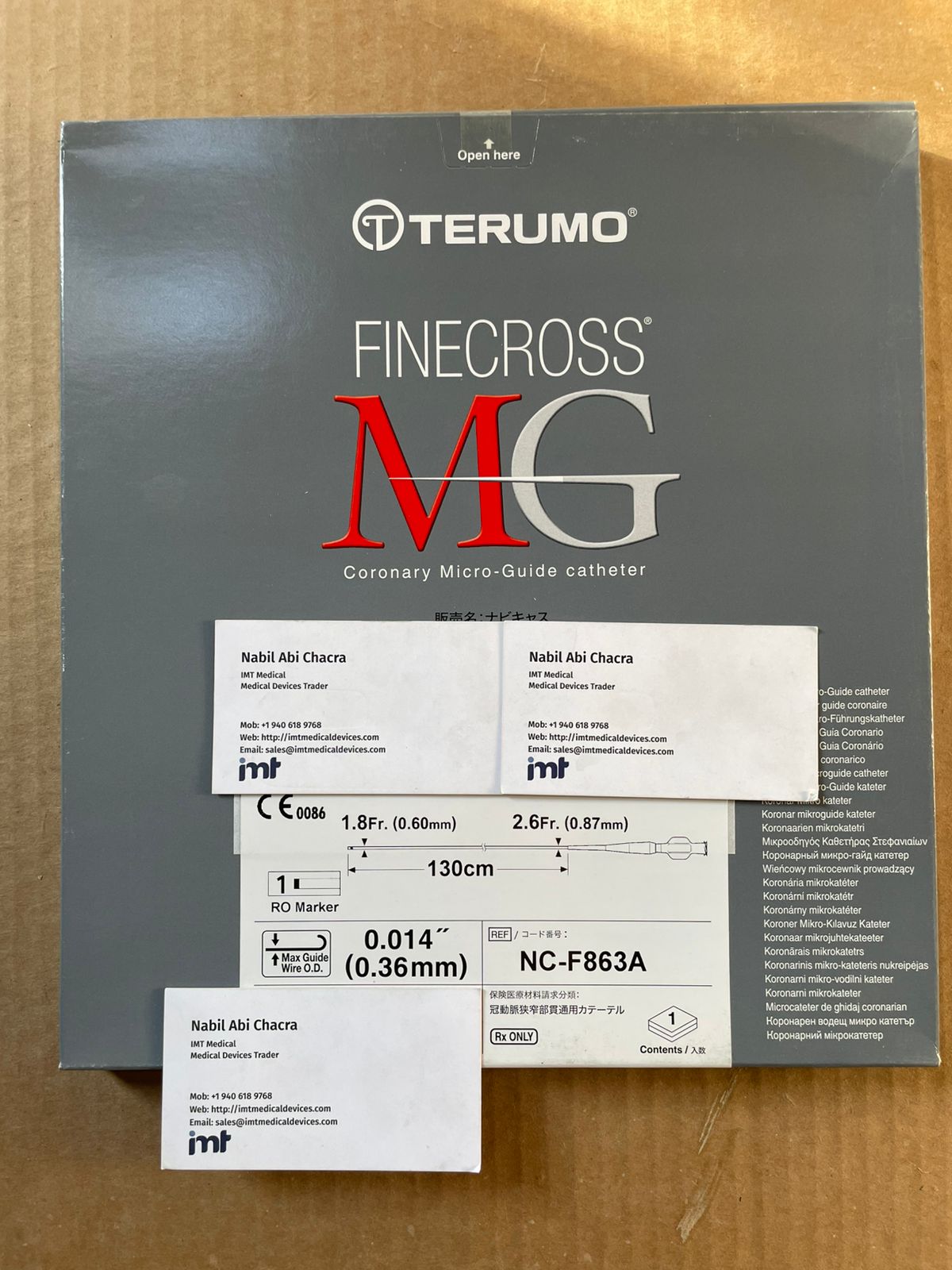
If your organization prefers this model, a distributor such as IMTmedicaldevices.com is structured around branded, product-indexed interventional inventory across cardiovascular, peripheral, and neurovascular categories, with quote initiation through a personalized offer form. For procurement teams, the operational value is straightforward: fewer vendors to manage when you need multiple compatible components, and less time spent translating clinical preference into an orderable SKU.
Questions that actually predict supplier performance
If you only evaluate suppliers on price, you will miss the factors that drive total purchasing friction. The questions that tend to predict performance are practical and easy to verify.
First, can they quote exactly what you specify, including REF numbers and packaging units, without substituting descriptions? Second, can they separate “in stock” from “available to source” and give a ship window you can plan around? Third, can they support your receiving and traceability expectations consistently?
Finally, ask how they handle multi-line orders. Closure devices are rarely purchased alone. A supplier that can support a broader interventional list - guidewires, guiding catheters, balloons, stents, microcatheters - reduces the administrative overhead that most procurement teams are trying to eliminate.
Closing thought
The fastest way to stabilize closure device inventory is not to add more alternatives. It is to tighten the path from physician preference to an exact, quotable SKU - and then choose a supplier that treats that SKU precision as the product, not the paperwork.