
Bulk Pricing for Drug-Eluting Stents 2026: A B2B Procurement Guide
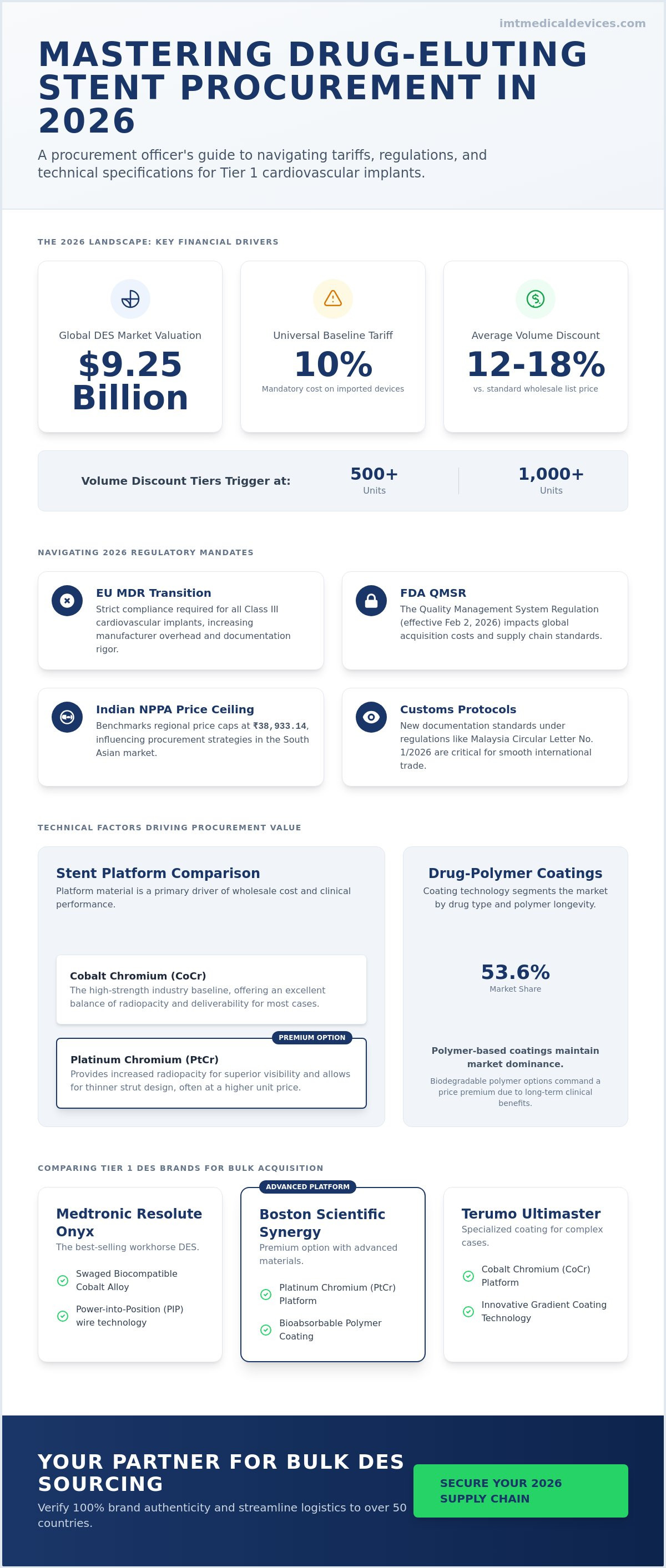
A 10% universal baseline tariff on imported medical devices is now a mandatory cost factor for every global procurement officer in 2026. With the global drug-eluting stent market hitting a $9.25 billion valuation this year, the competition to secure favorable bulk pricing for drug-eluting stents 2026 is intense. You're likely aware that managing Class III implants requires more than high-volume orders; it demands strict compliance with the final EU MDR transition and the Indian NPPA ceiling price of ₹38,933.14. Reliable procurement hinges on balancing these regulatory mandates against manufacturer-specific contract rates from Tier 1 suppliers.
This guide provides the technical data needed to master the 2026 wholesale environment for Medtronic, Terumo, and Boston Scientific inventory. We promise to help you verify 100% brand authenticity while streamlining international shipping to fifty countries. Our analysis covers current pricing tiers, the impact of the FDA’s February 2, 2026, Quality Management System Regulation (QMSR), and the latest customs protocols under Malaysia Circular Letter No. 1/2026. Efficiency in documentation and logistics is the only way to protect your margins this year.
Key Takeaways
- Identify 2026 contract rate shifts driven by the EU MDR transition for Class III cardiovascular implants.
- Analyze technical specifications of Cobalt Chromium and Platinum Chromium platforms to assess procurement value.
- Secure bulk pricing for drug-eluting stents 2026 through tiered volume models for Medtronic Resolute and Boston Scientific Synergy systems.
- Manage international supply chains via specialized cold chain protocols and customs documentation for export to 50+ countries.
The 2026 Landscape for Bulk Drug-Eluting Stent Pricing
The 2026 global market for a drug-eluting stent (DES) is currently valued at $9.25 billion. Procurement professionals face a 10% universal baseline tariff on all imported medical devices this year. This shift forces a move away from unpredictable spot-buy arrangements toward structured bulk pricing for drug-eluting stents 2026. Authorized distributors provide the necessary price stability for cardiology labs by absorbing short-term market volatility and logistical surcharges. Efficiency in the 2026 landscape requires understanding the intersection of manufacturer contract rates and new regulatory fees. Global logistics efficiency is the primary differentiator for distributors handling Class III implants across fifty countries. Pricing stability depends on the distributor's ability to navigate these complex international trade barriers while maintaining high-capacity inventory. This ensures that hospitals can maintain continuous operations without the risk of sudden price spikes or inventory shortages. Reliable partners focus on technical specifications and brand reputations to facilitate rapid information retrieval for busy procurement officers. This systematic approach minimizes ambiguity in the global medical supply chain.
Wholesale Pricing Tiers and Volume Commitments
Procurement models divide into tiered volume discounts and fixed-contract rates. Standard procurement involves quarterly orders with minimal price protection. High-volume procurement requires annual commitments to secure the lowest price points. Discount thresholds trigger at 500-unit and 1,000-unit marks for Tier 1 brands like Medtronic or Boston Scientific. Spot-buy pricing remains volatile due to international tariffs. Contractual pricing hedges against currency fluctuations for exporters serving fifty countries. In 2026, the average volume-based discount for Tier 1 DES ranges between 12% and 18% compared to standard wholesale list prices.
Regulatory Compliance and Its Effect on Acquisition Cost
The 2026 EU MDR transition for Class III implants has increased manufacturer overhead. This transition and the FDA’s Quality Management System Regulation (QMSR) effective February 2, 2026, impact global acquisition costs. Documentation must meet Malaysia Circular Letter No. 1/2026 standards for Southeast Asian trade. India’s NPPA ceiling price of ₹38,933.14, set February 13, 2026, benchmarks regional price caps. Modern standards dictate 15% safety stock levels to mitigate supply chain instability. These factors are now built directly into 2026 pricing structures. It's a logistical requirement ensuring 100% brand authenticity.
Technical Factors Influencing DES Procurement Costs
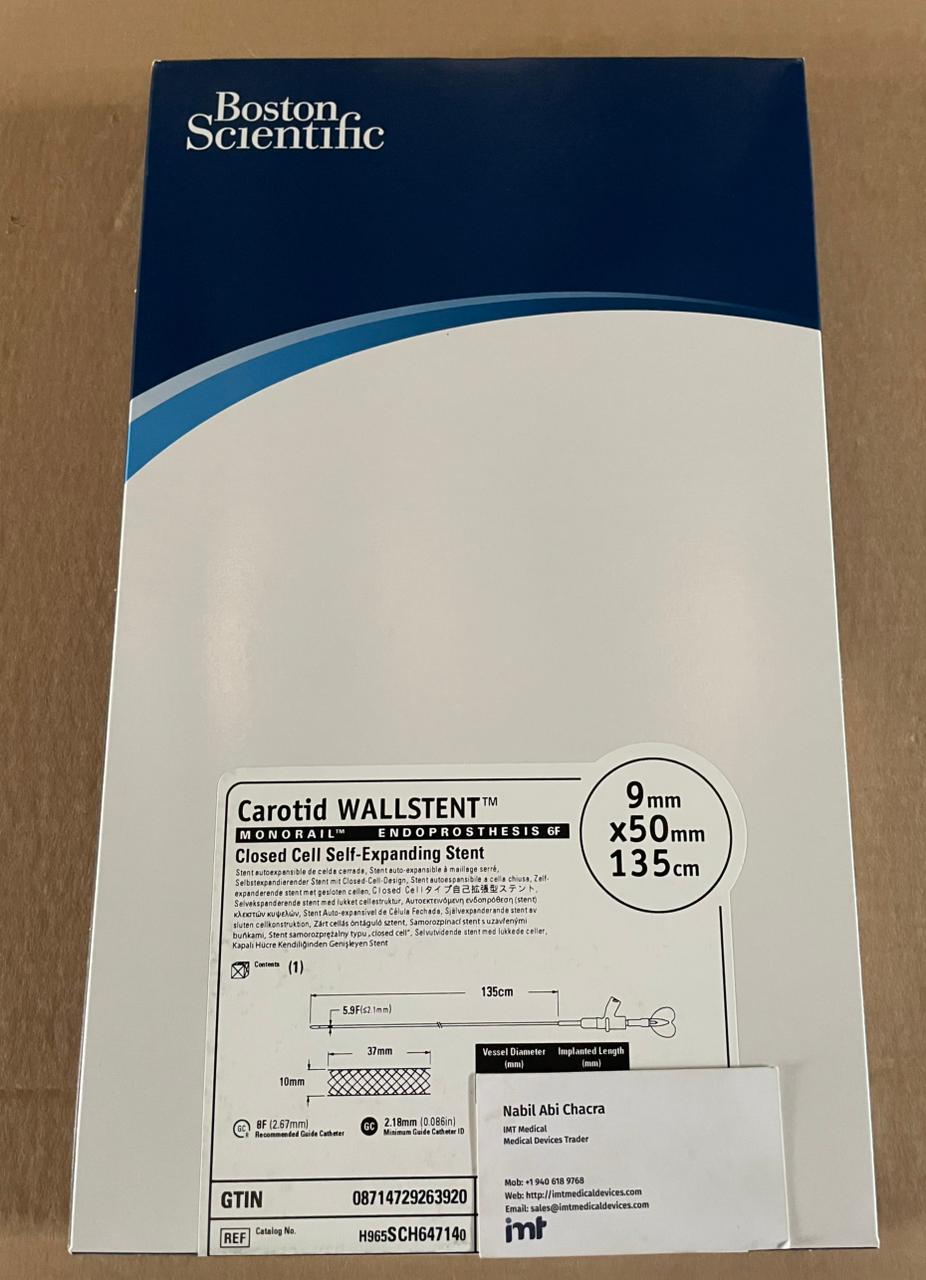
Technical specifications define the financial floor for B2B cardiology contracts. Platform material selection drives wholesale cost variance. Cobalt Chromium (CoCr) is the high-strength baseline for Tier 1 manufacturers. Platinum Chromium (PtCr) platforms, found in Boston Scientific Synergy systems, provide increased visibility and thinner struts. These platforms often carry a higher unit price in bulk pricing for drug-eluting stents 2026 agreements. Drug-polymer technology further segments the market. Everolimus-eluting stents are the standard for high-volume hospital procurement. Sirolimus-eluting stents offer specialized alternatives. Polymer-based coatings maintain a 53.6% market share in 2026. Biodegradable polymer coatings represent a major technological trend. They command a price premium over permanent polymer options. This premium reflects the focus on long-term restenosis prevention. These technical details are critical for Federal procurement of medical devices and international hospital tenders.
Stent Platform and Coating Innovations
Thin-strut technology reduces vessel injury. It increases manufacturing precision costs. Procurement officers must evaluate the cost-to-benefit ratio for complex lesion intervention. Technical specifications determine the model's suitability for difficult anatomy. Accurate data allows for better forecasting of clinical needs.
- Medtronic Resolute Onyx: Best seller. Power-into-Position (PIP) wire. Swaged Biocompatible Cobalt Alloy.
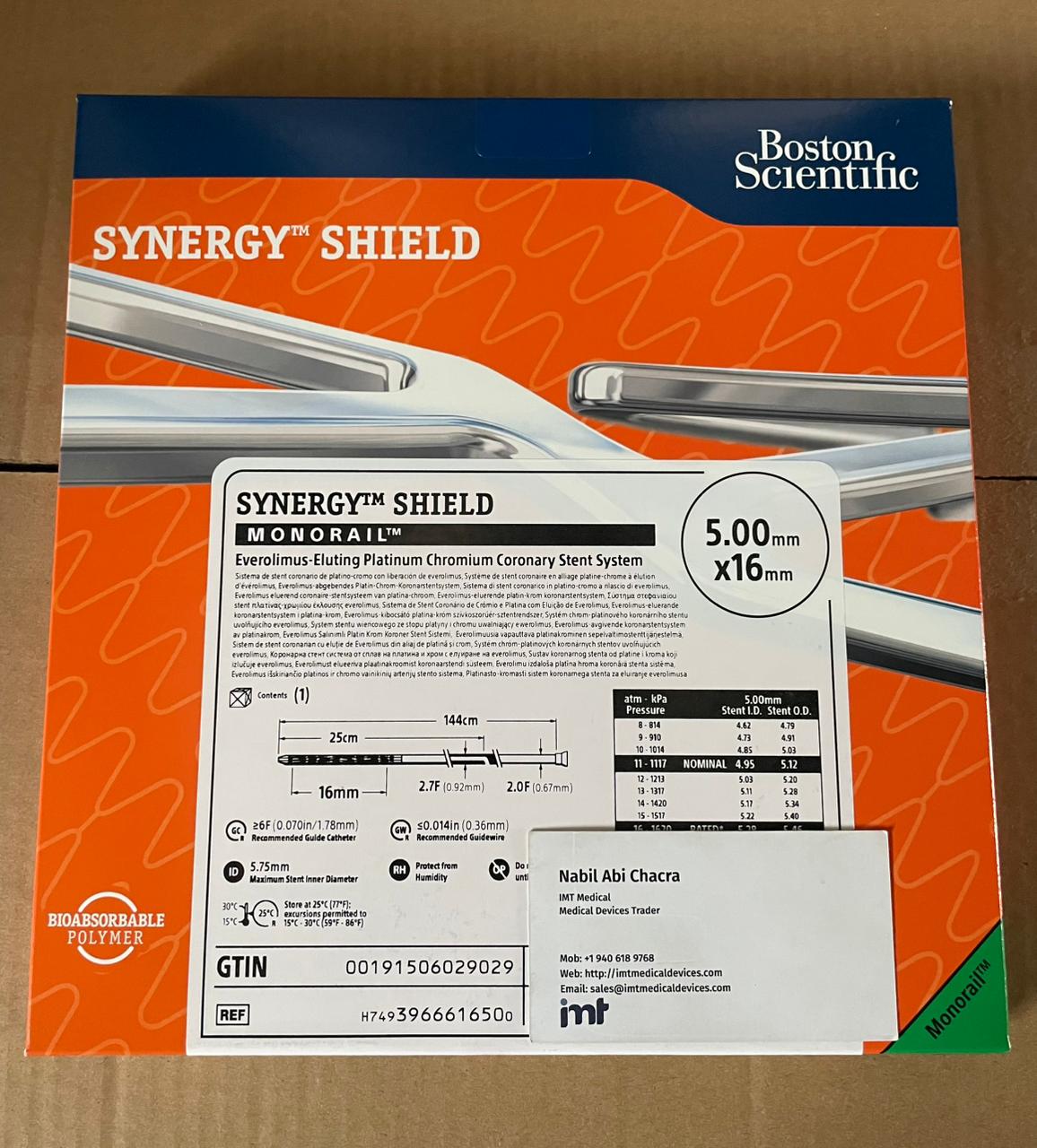
- Boston Scientific Synergy: Platinum Chromium platform. Bioabsorbable polymer.
- Terumo Ultimaster: Cobalt Chromium platform. Gradient coating technology.
Standard platforms for simple lesions allow for tighter margin management. High-performance platforms for bifurcations or small vessels require specific SKU tracking. Inventory systems must distinguish between polymer-free and polymer-based models to meet clinical requirements. This technical precision ensures that hospitals don't waste budget on over-specified implants for routine cases.
Delivery System and Balloon Catheter Bundling
Integrated delivery systems determine procedural success and total acquisition cost. Bundling PTCA balloon catheters with DES orders is a standard financial strategy for 2026. This approach streamlines inventory for varied stent lengths and diameters. Hospitals account for 66.5% of the demand for drug-eluting stents this year. This volume necessitates precise stock rotation to avoid expiration of Class III implants.
- Size range: 8mm to 38mm lengths.
- Diameter range: 2.0mm to 5.0mm.
- Compatibility: Standard 0.014-inch diagnostic guide wires.
Technical checklists for integrated systems prioritize trackability and crossability. Accurate SKU management prevents overstocking. Reliable delivery systems reduce the need for additional rescue equipment. If you need to optimize inventory levels, contact our logistics team for current availability and technical data sheets. Our system prioritizes rapid information retrieval for all major cardiology brands.
Comparing Tier 1 DES Brands for Bulk Acquisition
Medtronic, Boston Scientific, Terumo, and Abbott dominate the 2026 procurement landscape for coronary intervention. Each manufacturer maintains a specific market position that influences wholesale contract structures. Medtronic leads in volume demand with the Resolute Onyx series, while Boston Scientific captures the premium segment through the Synergy platform. Terumo provides competitive logistical advantages for the Ultimaster series in international markets. Understanding these brand-specific dynamics is essential for optimizing bulk pricing for drug-eluting stents 2026. The latest Drug-Eluting Stent Market Outlook confirms that hospitals account for 66.5% of global demand, emphasizing the need for robust brand-specific inventory. Reliable procurement hinges on the distributor's ability to provide high-capacity access to these prestigious global names while navigating the 10% universal baseline tariff on imported devices.
Brand-Specific Procurement Framework
Medtronic Resolute Onyx remains the primary inventory anchor for most cardiology labs. Its market share dominance is driven by high reliability and clinical familiarity. Boston Scientific Synergy commands premium pricing due to its bioabsorbable polymer technology and Platinum Chromium platform. It's the preferred choice for complex lesions where long-term restenosis prevention is critical. The Promus series from Boston Scientific offers a more cost-effective alternative for standard procedures. Terumo Ultimaster is highly effective for international distribution, offering competitive pricing tiers for large-scale tenders. Abbott Xience series continues to serve as a clinical benchmark, maintaining steady wholesale demand across fifty countries. These brands define the technical baseline for any professional B2B contract.
Authenticity Verification in Global Wholesale
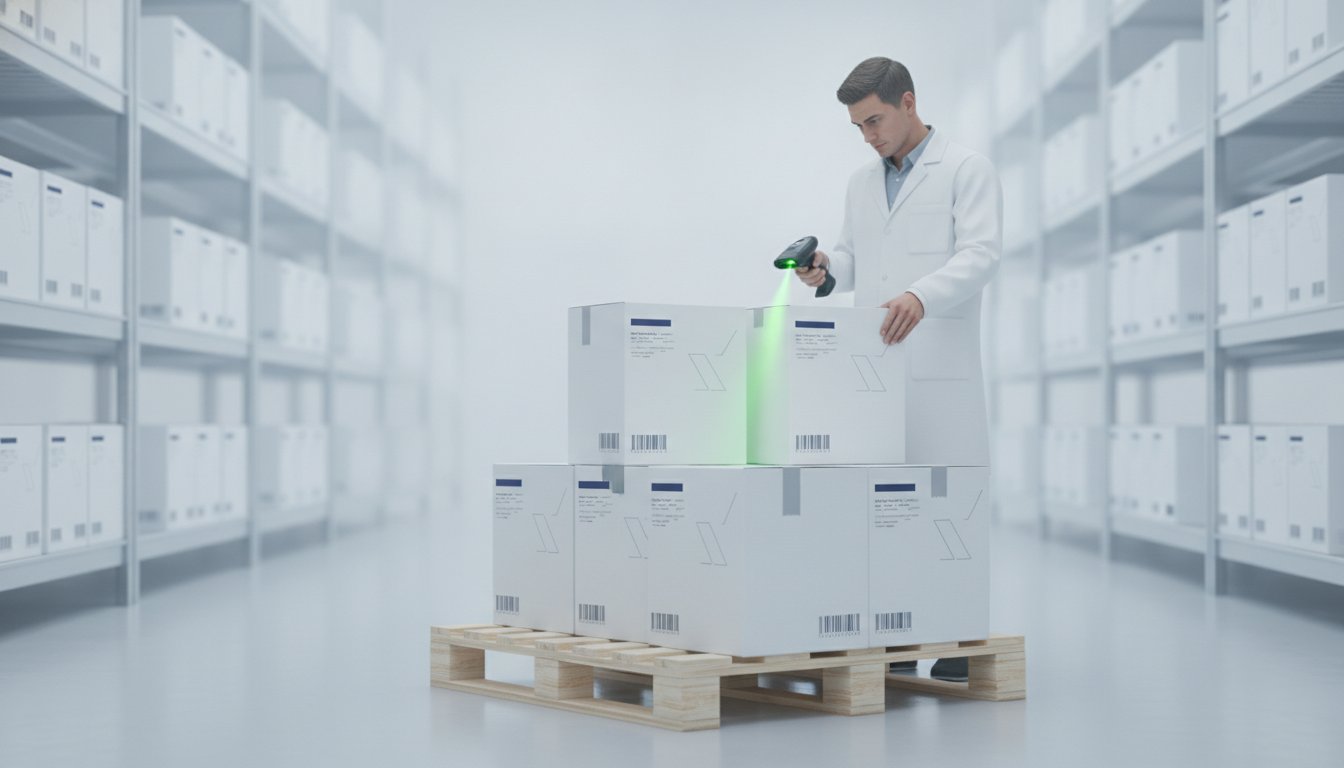
Class III implants like coronary stents require 100% brand authenticity. Procurement from authorized distributors is the only way to ensure patient safety and regulatory compliance. We verify manufacturer authorization for every product code in our inventory. Our "Export 50 Country" capability serves as a primary trust signal for international partners who value logistical reach and reliability. Technical evaluation of wholesale suppliers must include strict criteria:
- Serial number tracking: Mandatory for all Class III coronary stents to ensure traceability.
- Documentation: Every shipment must include manufacturer-verified certificates of origin and sterility.
- Gray market risks: Unauthorized supplies often bypass cold chain protocols and lack manufacturer warranty protections.
We use "Product Details" as a rhythmic anchor for our inventory lists to ensure rapid data transmission for procurement officers. This structured approach prevents the acquisition of sub-standard or counterfeit devices. Avoiding gray-market risks is not just a regulatory hurdle; it's a financial necessity in the 2026 interventional market. Authentic Tier 1 products ensure that your facility meets the FDA’s Quality Management System Regulation (QMSR) standards effective February 2, 2026.
Logistical Management for International DES Distribution
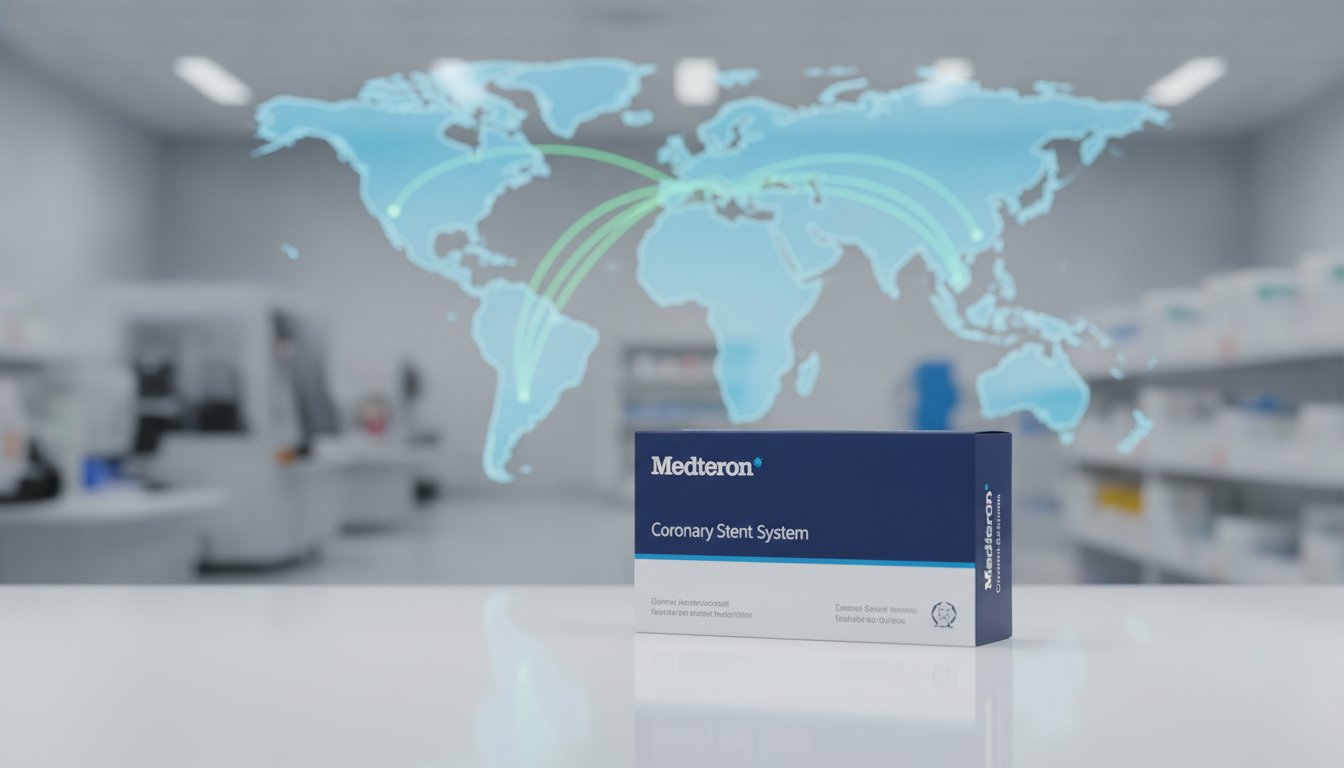
International distribution of Class III cardiology implants requires precise temperature control. Cold chain integrity is mandatory for drug-polymer coatings. Exposure to temperature extremes compromises the structural stability of the drug-release mechanism. Bulk pricing for drug-eluting stents 2026 accounts for these technical logistical requirements. High-value cargo insurance is standard for every shipment to mitigate transit risks. We manage export operations to fifty countries. Specialized handling fees cover the costs of validated thermal packaging and real-time monitoring sensors. Logistics efficiency is the primary factor in maintaining the integrity of premium brands like Medtronic, Terumo, and Boston Scientific during long-haul transit. Reliable partners prioritize technical specifications over brand storytelling to ensure rapid information retrieval for procurement teams.
Documentation and Regulatory Clearance
Documentation accuracy prevents border delays and inventory stagnation. Every shipment of coronary stents requires specific paperwork for customs clearance. Certificates of Origin and Free Sale must accompany all Class III medical device exports. New requirements under the Malaysia Circular Letter No. 1/2026 dictate specific labeling and registration data for 2026 imports. Failure to provide exact serial number tracking can result in immediate seizure by customs authorities. We streamline this process by providing pre-verified documentation packages for every order. Rapid data transmission allows procurement officers to track compliance status in real-time. This reduces the risk of administrative bottlenecks in the global supply chain.
Inventory and Supply Chain Optimization
Supply chain stability relies on accurate lead time calculations and diversified shipping routes. Strategic planning is essential for cardiology labs requiring high-volume inventory. Our Medical Device Distribution Guide outlines advanced procurement strategies for the 2026 market. Mitigating global logistical disruptions requires a proactive approach to stock management. Current procurement standards recommend maintaining 15% safety stock levels for all critical interventional devices. This buffer protects against sudden port congestion or airline capacity shifts. Hospitals, representing 66.5% of DES demand, can't afford procedural delays due to stockouts.
- Transit monitoring: GPS and thermal data logging for every pallet.
- Lead times: 7 to 14 days for standard international air freight.
- Insurance: Full replacement value coverage for all Class III implants.
- Compliance: 100% adherence to the FDA Quality Management System Regulation (QMSR) of February 2, 2026.
Efficiency in the 2026 landscape is defined by logistical reliability. Protecting the value of bulk pricing for drug-eluting stents 2026 requires a partner with proven international reach. If you need to secure your 2026 inventory, view our global cardiology export catalog for immediate availability. We prioritize technical precision in every shipment to ensure 100% brand authenticity upon delivery. It's the only way to maintain a reliable bridge between major manufacturers and international markets.
IMT Medical Devices: Your Partner for Bulk DES Sourcing
IMT Medical Devices operates as a high-capacity international distributor specializing in coronary intervention technology. We provide direct access to Tier 1 inventory from Medtronic, Boston Scientific, Terumo, and Abbott. Our operational model focuses on transactional efficiency and global logistics. We maintain strategic distribution hubs in Georgia, Dubai, Turkey, and Poland to ensure rapid delivery. This expansive network supports optimized bulk pricing for drug-eluting stents 2026 across diverse international markets. Our "Export 50 Country" capability serves as a primary trust signal for cardiology labs requiring scale and reliability. We prioritize technical specifications and product availability over narrative storytelling. This pragmatic approach ensures that medical procurement officers receive precise data for rapid decision-making.
B2B Procurement Solutions
Our procurement framework utilizes volume-based pricing tiers to maximize hospital budget efficiency. We offer structured discounts for high-volume orders of Class III implants. Personalized offer generation allows for complex procurement needs involving multiple product categories. We provide comprehensive technical support for guidewire and accessory selection. This ensures procedural compatibility between stents and delivery systems. Our inventory includes a wide range of best sellers and specialized models.
- Product Details: Medtronic Resolute Onyx DES
- Product Details: Boston Scientific Synergy Bioabsorbable Polymer DES
- Product Details: Terumo Ultimaster Cobalt Chromium DES
- Product Details: Abbott Xience Sierra Everolimus-Eluting Stent
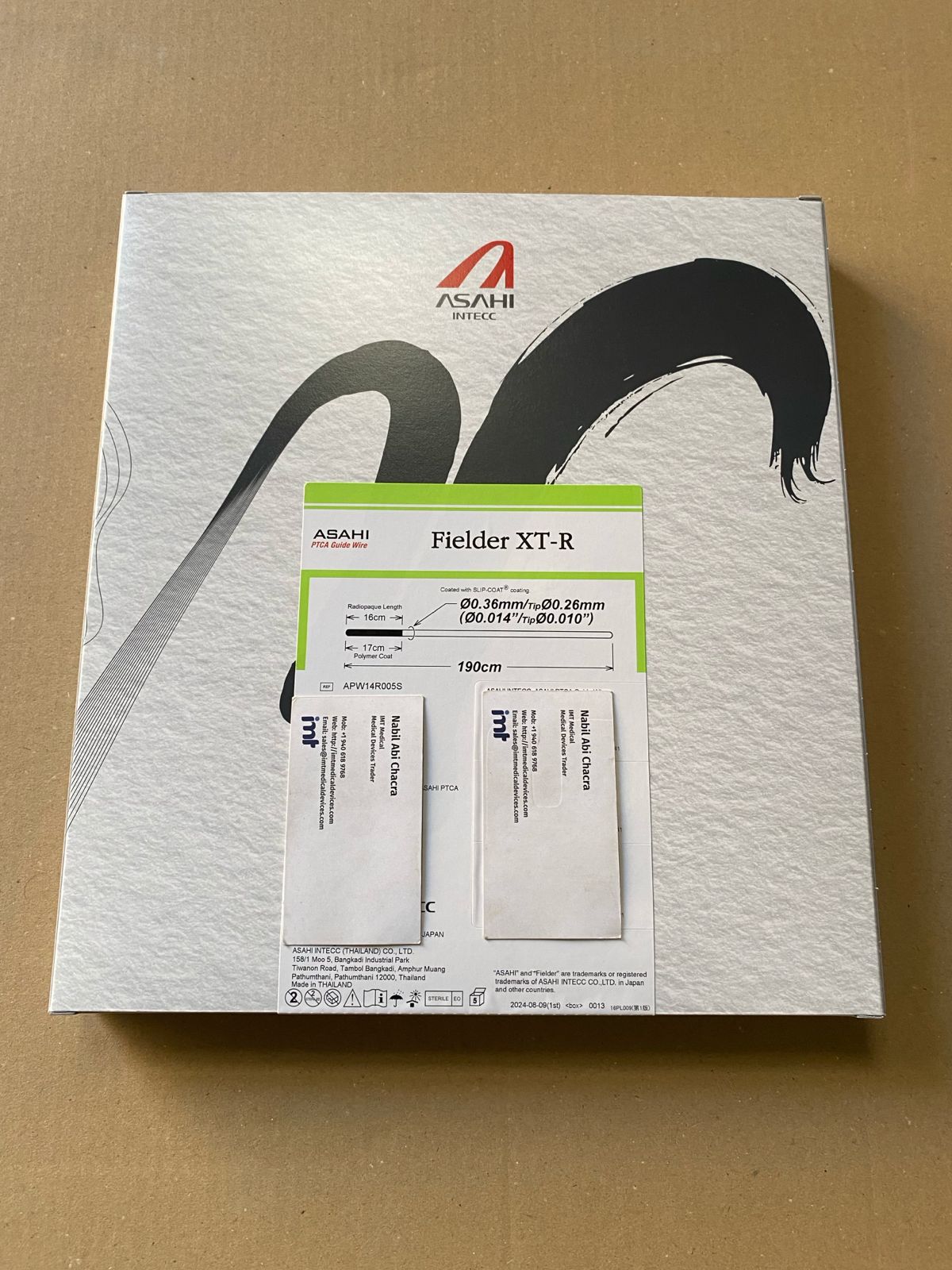
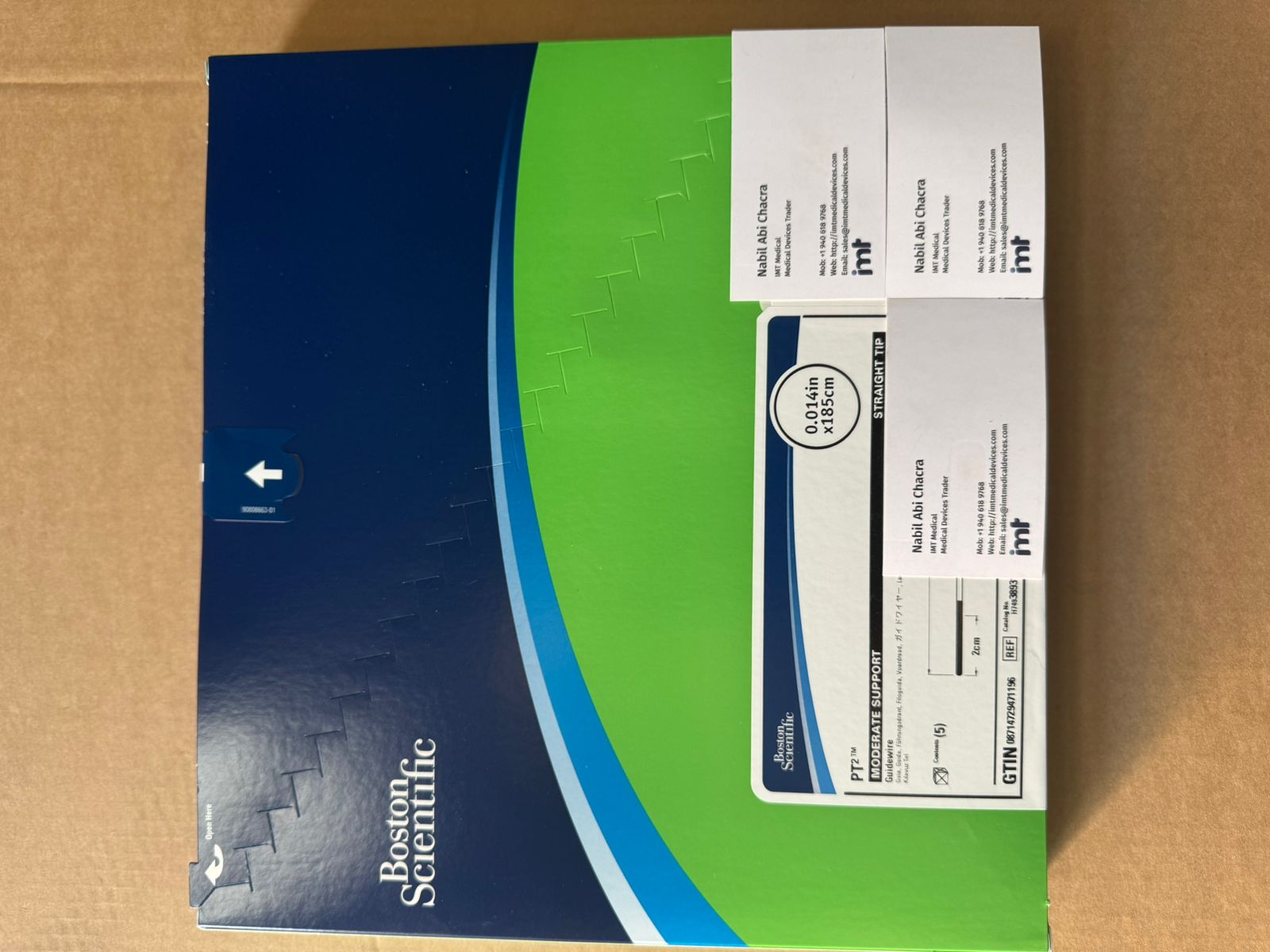
- Product Details: Asahi Intec PTCA Guide Wires
- Product Details: Medtronic Euphora PTCA Balloon Catheters
Pricing stability is maintained through manufacturer-authorized supply chains. We manage the 10% universal baseline tariff and regional price caps like the Indian NPPA ceiling of ₹38,933.14. Our system allows for rapid information retrieval regarding model numbers and technical specifications. This minimizes ambiguity in the procurement process for busy interventional departments. We don't engage in retail; our focus remains strictly on wholesale and export operations.
Global Supply Chain Reliability
Logistical reliability is the foundation of our international trade operations. We maintain a proven track record in cold chain logistics for sensitive cardiology implants. This protects the integrity of drug-polymer coatings during transit. We navigate the 2026 regulatory landscape with technical precision. Our documentation processes comply with the FDA Quality Management System Regulation (QMSR) effective February 2, 2026. We adhere to the final EU MDR transition requirements for Class III coronary stents. Every shipment includes 100% brand authenticity verification through serial number tracking.
Our logistics team handles export documentation for over fifty countries. We manage the specific requirements of Malaysia Circular Letter No. 1/2026 and other regional customs protocols. Real-time thermal monitoring ensures that bulk pricing for drug-eluting stents 2026 reflects a secure, validated supply chain. We serve as a vital, efficient bridge between major manufacturers and global healthcare providers. Contact IMT Medical Devices for a 2026 DES Price List and technical data sheets. Our high-capacity inventory is ready for immediate international export.
Optimize Your 2026 Cardiology Procurement Strategy
Success in the 2026 interventional market requires a shift from reactive spot-buying to structured volume-based agreements. Securing competitive bulk pricing for drug-eluting stents 2026 depends on your ability to verify brand authenticity while managing the 10% universal baseline tariff. Our analysis confirms that hospitals must prioritize logistical reliability to maintain the 15% safety stock levels required by modern standards. Technical precision in SKU management for Medtronic, Terumo, and Boston Scientific inventory prevents procedural delays and budget waste. Hospitals can't afford inventory gaps in the current regulatory environment.
IMT Medical Devices serves as an authoritative bridge between major manufacturers and global markets. We maintain strategic distribution hubs in Dubai, Turkey, and Poland to ensure rapid information retrieval and product availability. As an authorized distributor for Tier 1 brands, we provide serial number tracking and certified documentation for every Class III implant. Our proven track record includes exporting to fifty countries with 100% adherence to cold chain protocols. You'll gain a reliable partner committed to industrial competence and logistical reach.
Request a Bulk Pricing Quote for 2026 Drug-Eluting Stents to secure your facility's inventory requirements. We look forward to supporting your high-volume procurement goals.
Frequently Asked Questions
How is bulk pricing for drug-eluting stents calculated in 2026?
Calculations rely on tiered volume thresholds, manufacturer contract rates, and the 10% universal baseline tariff. Discount triggers typically occur at 500-unit and 1,000-unit increments for Tier 1 brands. Regional price caps, such as the Indian NPPA ceiling of ₹38,933.14 set on February 13, 2026, also benchmark global wholesale floors. Contractual bulk pricing for drug-eluting stents 2026 protects against the currency fluctuations common in international trade.
What are the main differences between Everolimus and Sirolimus stents in procurement?
Everolimus-eluting stents represent the high-volume procurement standard for 66.5% of hospital demand. Sirolimus-eluting stents serve as specialized alternatives with different drug-release profiles. Procurement teams prioritize Everolimus platforms for routine cases due to broader SKU availability across brands like Medtronic and Abbott. Technical specifications for drug-polymer technology directly influence the unit cost in large-scale tenders.
Does IMT Medical Devices provide documentation for customs clearance?
Yes, every shipment includes a complete documentation package for international export. We provide Certificates of Origin, Certificates of Free Sale, and manufacturer-verified sterility reports. Our documentation complies with the Malaysia Circular Letter No. 1/2026 and the FDA Quality Management System Regulation (QMSR) of February 2, 2026. This ensures rapid customs clearance across fifty countries.
How can I verify the authenticity of wholesale medical stents?
Authenticity verification requires serial number tracking and manufacturer-authorized supply chain documentation. Authorized distributors provide 100% brand authenticity through direct sourcing from manufacturers like Terumo and Boston Scientific. Procurement officers should avoid gray-market supplies that lack verifiable certificates of origin or manufacturer warranty protections. Serial number validation is a mandatory safety standard for all Class III coronary implants.
What is the impact of EU MDR on the price of stents in 2026?
The final EU MDR transition for Class III implants in 2026 has increased manufacturer compliance overhead. These regulatory costs are integrated into current wholesale contract rates for European and international distribution. Procurement strategies must account for these shifts to maintain stable margins. Efficiency in documentation reduces the risk of administrative surcharges during the import process.
Are there specific storage requirements for drug-eluting stents during shipping?
Yes, drug-eluting stents require strict cold chain integrity to protect sensitive drug-polymer coatings. Validated thermal packaging and real-time monitoring sensors are mandatory for long-haul transit. Exposure to temperature extremes compromises the structural stability of the drug-release mechanism. Professional logistics management ensures that stents remain within manufacturer-specified ranges during export to fifty countries.
Can I source permanent pacemakers and stents in a single wholesale order?
Yes, consolidating permanent pacemakers and drug-eluting stents into one shipment is a standard procurement strategy. This consolidation reduces logistical costs and simplifies customs documentation for cardiology labs. We maintain high-capacity inventory for both categories, allowing for synchronized delivery of critical interventional and rhythm management devices. It's an efficient way to manage diverse inventory needs.
What is the typical lead time for international DES distribution?
Lead times range from 7 to 14 days for standard international air freight. This duration depends on the proximity to our strategic hubs in Dubai, Turkey, Poland, and Georgia. Strategic route planning and pre-verified documentation help mitigate the 2026 global logistical disruptions. We prioritize rapid information retrieval to provide accurate transit estimates for every wholesale contract.