
Permanent Pacemakers: A B2B Procurement and Technical Guide
Global demand for Cardiac Rhythm Management (CRM) devices is projected to reach 26.9 billion dollars by 2030, yet procurement delays often stem from a 15% discrepancy in technical compatibility between regional model variations. Procurement officers recognize that sourcing authentic permanent pacemakers requires more than just a purchase order. It demands precise technical alignment and a verified supply chain to avoid the high costs of inventory downtime. You need a streamlined method to compare specifications across major manufacturers while maintaining strict regulatory compliance during international transit.
This guide provides a professional technical analysis of current models from Medtronic, Boston Scientific, and Abbott. It delivers the essential data required for efficient bulk procurement and high-capacity global logistics. We analyze specific battery longevity benchmarks, lead compatibility, and export protocols for 50-country distribution. You'll find a detailed breakdown of model-specific features, such as the Medtronic Micra or Boston Scientific ACCOLADE series, alongside the logistics frameworks necessary to ensure device sterility across international borders. This technical overview clarifies the transition from manufacturer inventory to clinical availability.
Key Takeaways
- Analyze core CRM components and technical definitions required for high-capacity international distribution.
- Categorize permanent pacemakers by chamber involvement and pacing logic to optimize inventory selection and clinical application.
- Compare proprietary algorithms and technical specifications across leading manufacturers including Medtronic, Boston Scientific, Abbott, and Biotronik.
- Evaluate critical procurement parameters such as battery capacity (Ah) and projected device longevity for large-scale hospital contracts.
- Identify global logistics requirements for temperature-controlled transit and secure export of sensitive cardiac electronics to international markets.
Understanding Permanent Pacemaker Technology and Market Demand
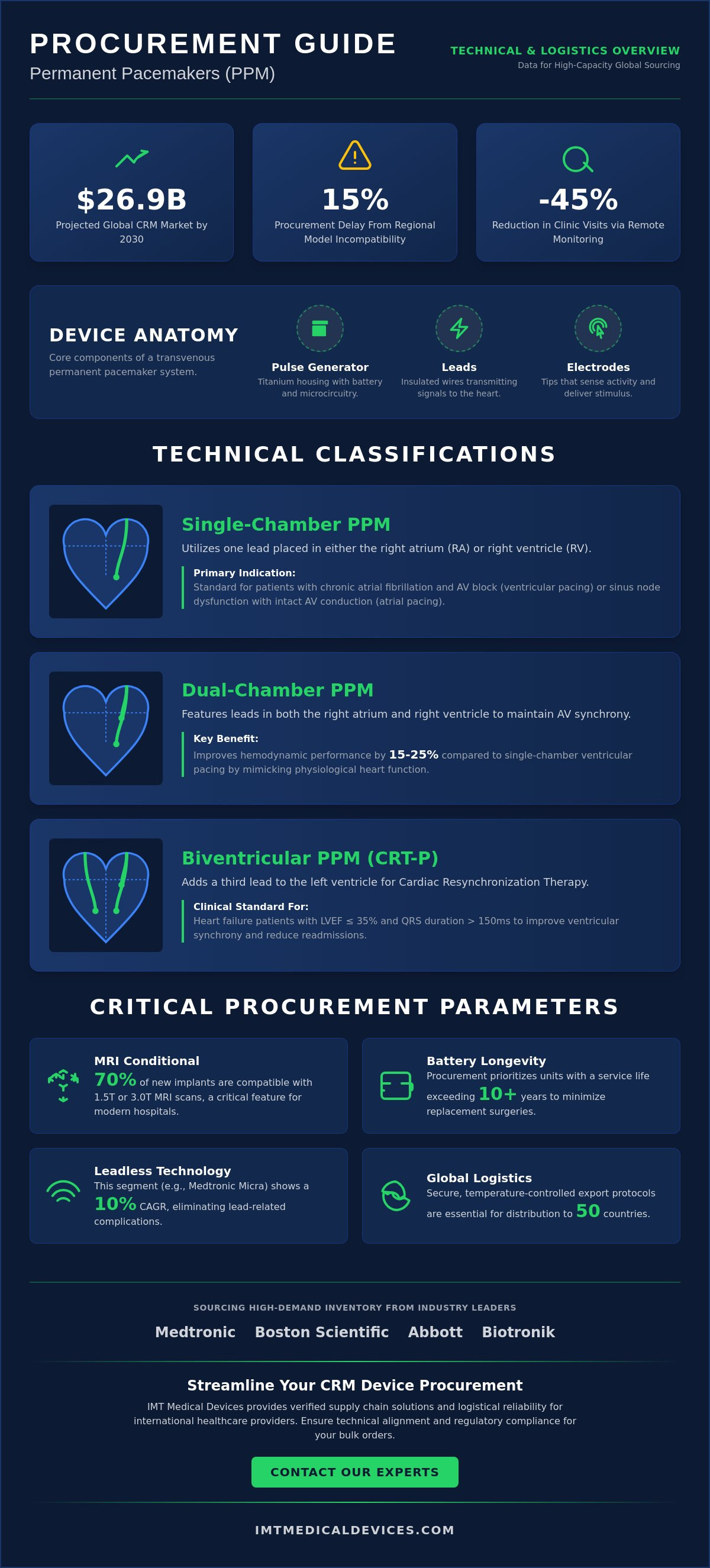
Permanent pacemakers (PPM) are life-sustaining Cardiac Rhythm Management (CRM) devices designed to treat chronic arrhythmias and conduction system disorders. These units provide long-term rhythm support by delivering electrical impulses to the myocardium when the heart's intrinsic conduction fails. The global market for bradycardia and heart failure treatments is projected to reach a valuation of $5.5 billion by 2026. This demand is driven by a 15% increase in the global geriatric population and higher diagnosis rates of cardiac rhythm pathologies.
Product Details:
- Pulse Generator: The sealed titanium housing containing the battery and microcircuitry.
- Leads: Insulated wires that transmit electrical signals between the generator and the heart.
- Electrodes: The contact points at the lead tip that deliver the stimulus and sense cardiac activity.
Modern pacemaker technology has transitioned toward sophisticated sensing algorithms and improved battery longevity. Procurement officers prioritize units that offer a service life exceeding 10 years to minimize the frequency of generator replacements. The integration of permanent pacemakers into digital health ecosystems is now a standard requirement for high-capacity medical facilities.
The Role of PPM in Modern Cardiology
Primary indications for implantation include symptomatic sinus node dysfunction and high-grade atrioventricular (AV) block. The evolution of rate-responsive pacing allows these devices to adjust heart rates based on physical activity levels, significantly improving patient quality of life. Clinical data indicates that physiological pacing, including His-bundle and left bundle branch pacing, improves ventricular synchrony. These advancements enhance hospital efficiency by reducing heart failure readmission rates. Remote monitoring capabilities now reduce in-person clinic visits by approximately 45%, allowing cardiology departments to manage larger patient volumes with existing staff.
Market Segment: Leaded vs. Leadless Pacemakers
The leadless pacemaker segment, represented by models such as the Medtronic Micra, is experiencing a Compound Annual Growth Rate (CAGR) of 10%. These self-contained units are implanted directly into the right ventricle, eliminating lead-related complications and pocket infections. Despite this growth, traditional transvenous systems remain the gold standard for multi-chamber pacing and complex cardiac synchronization.
Procurement shifts are heavily favoring MRI-conditional and remotely monitored devices. Current data shows that 70% of new implants are MRI-compatible at 1.5T or 3.0T strengths. As a global distributor, IMT Medical Devices manages the export of these essential CRM technologies to 50 countries. We focus on high-demand inventory from industry leaders like Medtronic, Boston Scientific, and Abbott to ensure logistical reliability for international healthcare providers.
Technical Classifications of Permanent Pacemakers (PPM)
Device categorization follows the specific cardiac chambers requiring stimulation and the logic of the pulse generator. Clinical selection depends on the underlying arrhythmia, such as sick sinus syndrome or high-grade AV block. Research from the National Heart, Lung, and Blood Institute indicates that permanent pacemakers are essential for patients with bradycardia where the heart's natural conduction system fails. Procurement teams must distinguish between three primary hardware configurations:
- Single-chamber systems: Utilizes one lead in either the right atrium or the right ventricle. Ventricular pacing is the standard for patients with chronic atrial fibrillation and AV block. Atrial pacing is reserved for sinus node dysfunction with intact AV conduction.
- Dual-chamber systems: Features leads in both the right atrium and right ventricle. This configuration maintains AV synchrony. It mimics physiological heart function and improves hemodynamic performance by 15% to 25% compared to single-chamber ventricular pacing.
- Biventricular systems (CRT-P): Incorporates a third lead positioned in the left ventricular epicardial vein via the coronary sinus. This is the clinical standard for heart failure patients with an LVEF of 35% or less and a QRS duration exceeding 150ms.
Pacing Modes and NBG Codes
The NASPE/BPEG generic code defines device functionality through a five-position letter system. The first three positions (e.g., DDD, VVI) identify the chamber paced, the chamber sensed, and the response to sensing. Procurement officers should prioritize the fourth position, the R (Rate Modulation) capability. Rate-responsive sensors, such as piezoelectric crystals or accelerometers, adjust the pacing rate based on patient physical activity. Clinical selection for DDD-R modes is the preferred choice for active patients requiring chronotropic competence. For high-volume facility requirements, sourcing wholesale cardiac rhythm management units ensures consistent access to these multi-mode configurations.
Lead Technology and Fixation
Lead design determines the long-term stability of the system. Active fixation leads use a deployable screw-in mechanism. These are preferred for patients with smooth endocardial surfaces or those requiring specific site pacing. Passive fixation leads utilize silicone tines to wedge into the trabeculae of the heart. Material choice impacts lead diameter and flexibility. Silicone remains the industry standard for biostability; however, polyurethane (Pellethane) allows for thinner lead bodies with high tensile strength. Lead reliability is the primary driver of system longevity. Failure in lead insulation or conductor coils accounts for approximately 1% to 4% of system complications annually. Procurement specifications must verify compatibility between the pulse generator header and lead connectors, typically following IS-1 or IS-4 international standards.
Comparative Analysis of Leading CRM Manufacturers
Global procurement of permanent pacemakers requires a technical evaluation of battery longevity, MRI safety, and proprietary pacing algorithms. Four manufacturers dominate the international market: Medtronic, Boston Scientific, Abbott, and Biotronik. Each brand offers distinct advantages in hardware durability and software efficiency. Selection often depends on the Technical Classifications of Permanent Pacemakers required for specific patient pathologies, such as sick sinus syndrome or high-grade AV block.
- Medtronic Azure: 13.7-year projected longevity; 1.5T and 3T MRI compatibility.
- Boston Scientific Accolade: 14.7-year projected longevity; EnduraLife battery technology.
- Abbott Assurity MRI: 10.4 cc device volume; smartphone-based remote monitoring.
- Biotronik Evity: 15-year service life; ProMRI technology for full-body scans.
Proprietary algorithms differentiate these platforms. Medtronic utilizes Managed Ventricular Pacing (MVP) to reduce unnecessary right ventricular pacing by 99%. Boston Scientific employs the Rythmiq algorithm to manage bradycardia while prioritizing intrinsic conduction. These software solutions directly impact battery life and long-term clinical outcomes. Procurement officers must prioritize devices that balance these algorithmic efficiencies with hardware reliability.
Medtronic Pacemaker Portfolio
Medtronic remains a primary choice for high-capacity international distributors due to its global serviceability and Export 50 Country reach. The Azure and Micra platforms represent the current technical standard. Micra is a leadless system that eliminates pocket-related complications and lead fractures. It's 93% smaller than conventional permanent pacemakers. The Azure platform integrates BlueSync technology. This allows for secure, encrypted Bluetooth communication between the device and the patient's smartphone. It streamlines remote monitoring and reduces the need for in-person clinic visits.
Boston Scientific and Abbott Solutions
Boston Scientific leads in battery chemistry through EnduraLife technology. Their devices utilize a 1.0 Ah battery capacity, providing up to 14.7 years of service. This longevity reduces the frequency of generator replacements. Abbott (formerly St. Jude Medical) focuses on the Assurity MRI series. It's known for its small footprint and the Merlin.net Patient Care Network. Comparison of remote monitoring ecosystems shows distinct workflows:
- Boston Scientific Latitude: Uses a bedside communicator to transmit data automatically.
- Abbott Merlin: Utilizes the myMerlin app for real-time data transmission via mobile devices.
Both manufacturers provide 1.5T and 3T MRI compatibility across their premium lines. This ensures patients don't lose access to critical diagnostic imaging. The choice between these systems often rests on the existing monitoring infrastructure within the hospital system and the specific battery requirements of the patient population.
Critical Procurement Specifications for Cardiac Implants
Bulk procurement of permanent pacemakers requires precise technical vetting. Evaluating high-volume orders involves a focus on electrical performance and logistical compatibility. Procurement officers prioritize units with a battery capacity between 1.0 Ah and 1.4 Ah to ensure long-term clinical utility. Lead impedance stability is another non-negotiable metric; standard operating ranges must stay between 300 and 1000 ohms. Any deviation outside these parameters indicates potential lead insulation failure or conductor fracture. Sensing threshold stability ensures the device correctly identifies intrinsic cardiac activity, preventing inappropriate pacing or inhibition.
- Product Details: Medtronic Azure XT DR MRI
- Product Details: Boston Scientific Accolade MRI
- Product Details: Biotronik Evity 8 DR-T
Remote monitoring integration is now a standard requirement for international tenders. Software licensing must be clarified at the point of purchase. Many systems require annual subscriptions for cloud-based data hosting. Procurement teams should verify if the hardware includes built-in GSM or Wi-Fi transmitters for home monitoring. This technical infrastructure is vital for our Export 50 Country logistics network, where local follow-up clinics might be distant from the patient.
Longevity and Replacement Cycles
Calculating the Total Cost of Ownership (TCO) for CRM devices extends beyond the initial unit price. It includes the cost of remote monitoring and the inevitable surgical replacement. Battery chemistry dictates these intervals; Lithium Carbon Monofluoride (Li-CFx) cells offer higher energy density than older Lithium-Iodine variants. This chemistry supports 12 to 15 years of service life at 50% pacing. ERI accuracy is vital because it provides a predictable 90-day window for elective replacement before the device reaches End of Service (EOS).
Regulatory and Sterility Standards
Procuring permanent pacemakers for international markets requires strict adherence to FDA Class III PMA or CE Mark MDR certifications. These devices must comply with ISO 13485 quality management systems to ensure manufacturing consistency. Packaging integrity is a primary logistical concern. Sterile implants must maintain a shelf-life of 5 to 8 years under varied storage conditions. We verify all double-pouch Tyvek packaging before transit to ensure zero compromise in sterility during long-haul freight.
Global Sourcing and Logistics for Permanent Pacemakers
Global procurement of permanent pacemakers involves complex logistical hurdles. These Class III medical devices contain sensitive lithium-iodine batteries and micro-circuitry susceptible to environmental stress. Shipping protocols must maintain stable temperatures, typically between 15°C and 25°C, to prevent component degradation. Specialized wholesalers mitigate these risks through validated cold chain solutions and climate-controlled transit. It doesn't help to source premium hardware if the supply chain compromises device integrity.
Inventory stability depends on reliable distribution channels. Procurement officers require partners who can manage high-volume orders while ensuring every unit remains within manufacturer specifications. Effective logistics reduce lead times and prevent stockouts in critical cardiology departments. Reliable sourcing ensures that technical specifications and battery life remain uncompromised during long-haul transit.
Supply Chain Integrity and Export Logistics
Managing the international distribution of Medtronic and Boston Scientific products requires deep regulatory expertise. Exporting to 50+ countries involves navigating unique customs requirements and medical device registration rules. Documentation must be precise. Essential paperwork includes Certificate of Origin, Free Sale Certificates, and ISO 13485 compliance records. Errors in these documents cause significant delays at border checkpoints, which can disrupt surgical schedules. For detailed strategies on managing these complexities, consult our Medical Device Distribution: A Global Guide to Supply Chain and Procurement.
- Temperature-controlled transit: Validated packaging solutions for protecting electronic integrity.
- Customs clearance: Specialized Harmonized System (HS) codes for CRM technology.
- Regulatory compliance: Adherence to EU MDR or local health authority standards.
- Serial tracking: End-to-end monitoring for global recall readiness.
IMT Medical Devices: Your CRM Supply Partner
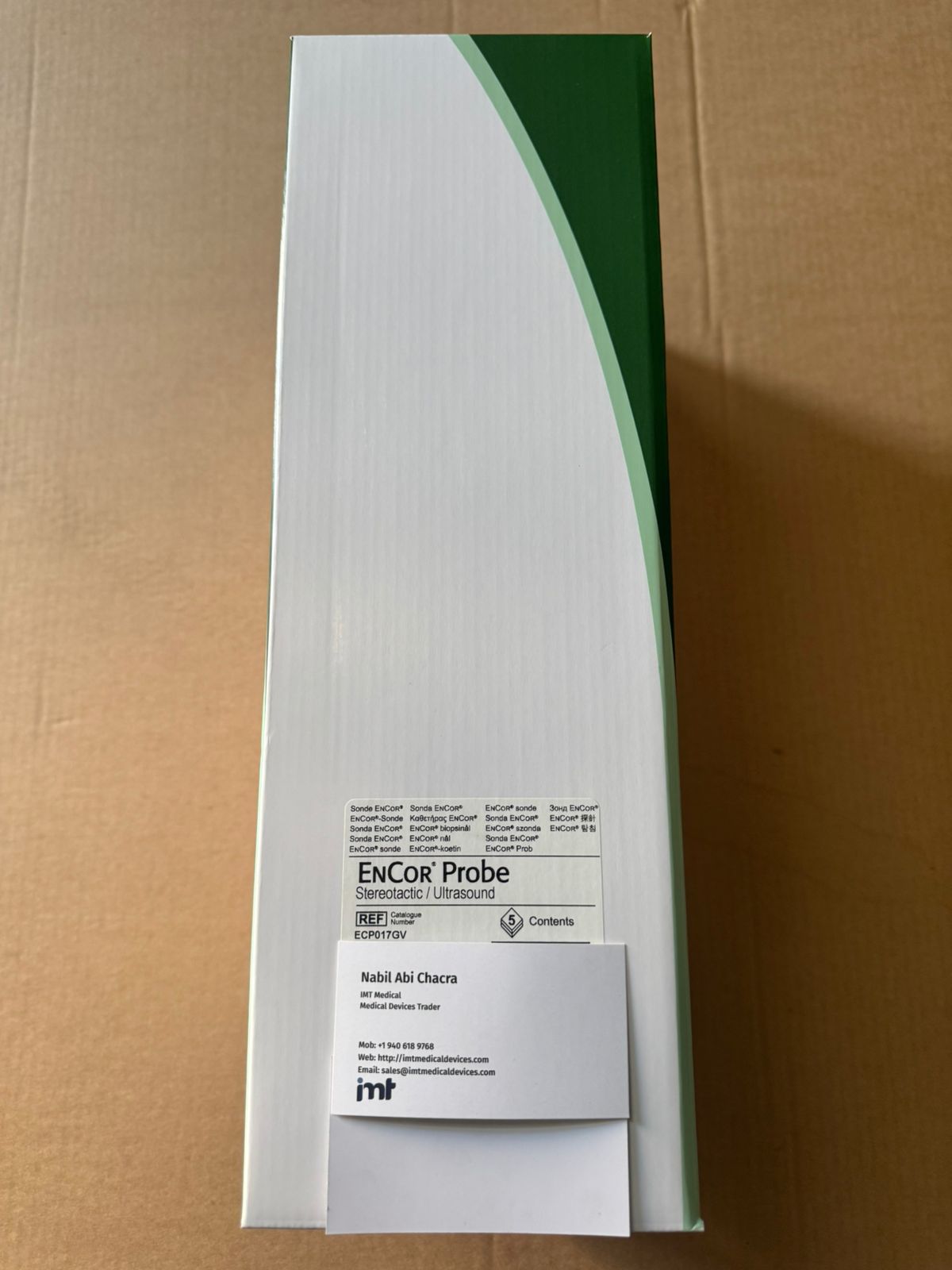
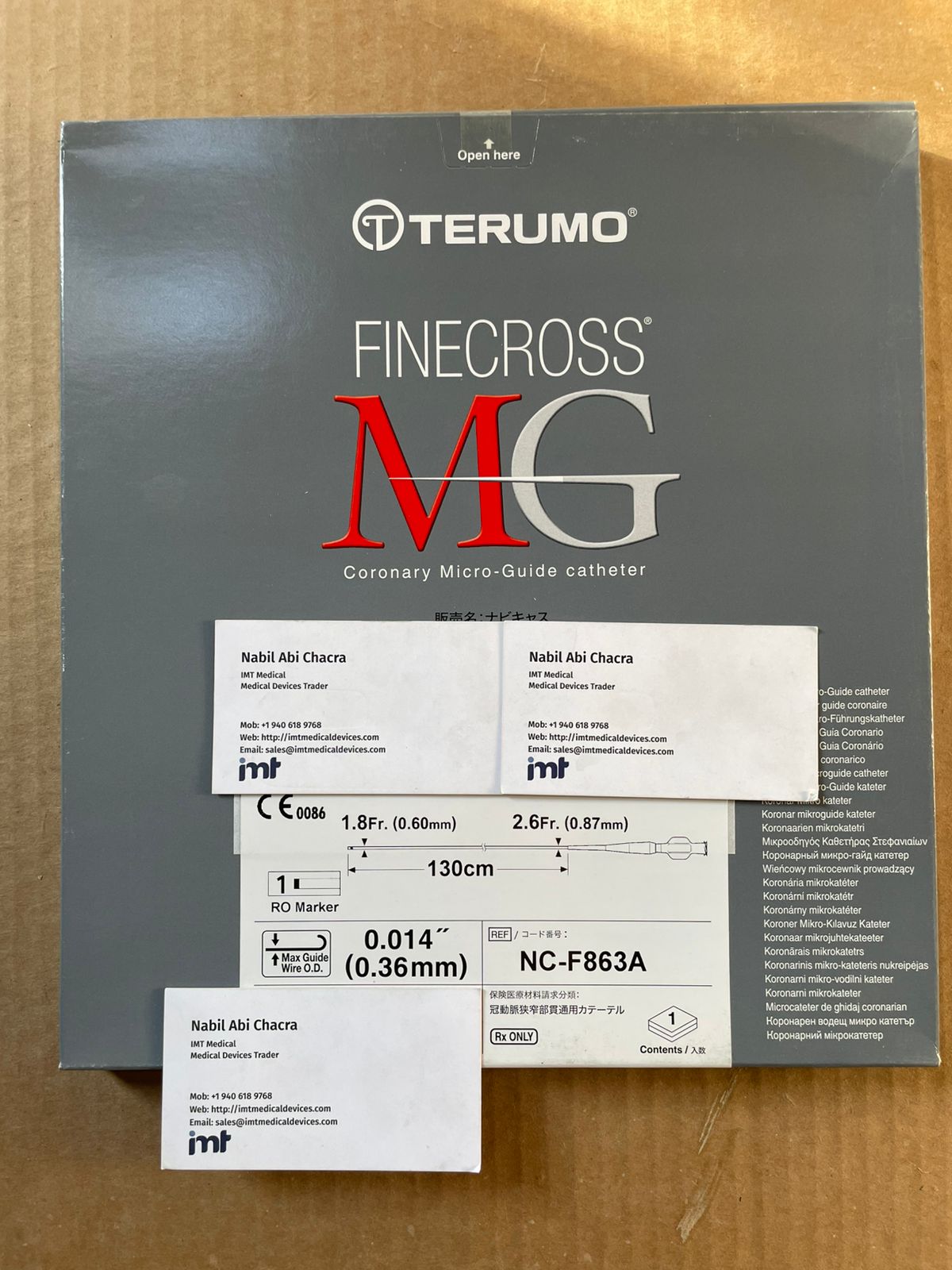
IMT Medical Devices operates as a high-capacity wholesale partner for international markets. We provide direct access to premium permanent pacemakers from industry leaders including Medtronic, Abbott, and Terumo. Our logistical framework is built for speed and technical accuracy, ensuring cardiology departments receive authentic technology without administrative friction. It's our priority to maintain a digital warehouse environment that reflects real-time availability.
Our Export 50 Country claim reflects a robust infrastructure capable of handling complex international shipping mandates. We provide comprehensive logistics documentation, ensuring smooth customs transitions for all CRM products. Our inventory management focuses on product availability and rapid dispatch to meet urgent clinical needs.
- Brand Access: Medtronic, Abbott, Terumo, Boston Scientific.
- Product Details: Single-chamber, dual-chamber, and leadless pacemaker systems.
- Logistics: Global export capability with full documentation support.
- Reliability: Consistent supply of high-demand cardiology consumables.
Partnering with a specialized wholesaler ensures a reliable bridge between manufacturers and international healthcare providers. This relationship eliminates the unpredictability of regional supply chains and secures the technical pipeline for cardiac rhythm management.
Streamlining Global Cardiac Device Procurement
Efficiently sourcing permanent pacemakers demands a focus on technical specifications and manufacturer authenticity. Hospitals and distributors must navigate a complex CRM landscape where Medtronic, Boston Scientific, and Abbott set the standard for device longevity and pacing algorithms. Procurement success relies on identifying high-performance pulse generators that meet specific clinical classifications while ensuring a stable supply chain for cardiac implants. It's essential to partner with a distributor that understands the urgency of medical logistics and the necessity of original equipment manufacturing (OEM) quality.
IMT Medical Devices bridges the gap between premium manufacturers and international markets. We operate as a high-capacity exporter to over 50 countries, supported by strategic operational hubs in Dubai, Poland, Turkey, and Georgia. Our inventory features authentic technology from Medtronic, Boston Scientific, and Abbott, providing the reliability required for large-scale medical procurement. We've built a logistical framework that prioritizes speed and technical precision for every shipment. Secure the inventory your healthcare facility needs to maintain high standards of patient care today.
Request a wholesale quote for Permanent Pacemakers
We look forward to supporting your international supply chain requirements with efficiency and professional expertise.
Frequently Asked Questions
What is the difference between a pacemaker and an ICD for procurement?
Pacemakers manage bradycardia while ICDs provide high-voltage therapy for ventricular tachycardia and fibrillation. Procurement teams distinguish these by HCPCS codes and technical specs; ICDs require larger capacitors and specialized leads. Standard devices focus on pacing pulses, whereas ICDs function as both a pacer and a defibrillator for sudden cardiac arrest prevention.
How long does the battery typically last in a modern permanent pacemaker?
Modern permanent pacemakers offer a service life between 8 and 15 years. Longevity depends on lead impedance and pacing percentage. For example, the Medtronic Azure model utilizes high-density chemistry to reach the upper end of this range. Procurement officers should evaluate the Projected Longevity data in the technical manual for each specific SKU.
Are all permanent pacemakers MRI-conditional in 2026?
Approximately 98 percent of new cardiac rhythm management devices entering the market in 2026 are MRI-conditional. Brands like Boston Scientific and Abbott design their current portfolios for 1.5T and 3.0T environments. Older legacy stock might lack this rating, so verify the ProMRI or SureScan labeling on the outer packaging before wholesale distribution of permanent pacemakers.
What are the main advantages of leadless pacemakers like the Medtronic Micra?
The Medtronic Micra provides a 90 percent reduction in complications compared to transvenous systems because it eliminates the lead and surgical pocket. It's 93 percent smaller than a traditional generator. This design removes common failure points like lead fractures or pocket infections. It's a high-demand item for international markets seeking minimally invasive solutions.
How is the sterility of pacemakers maintained during international shipping?
Manufacturers use double-barrier Tyvek pouches sterilized via ISO 11135 ethylene oxide processes. These seals maintain a sterile path for up to 5 years under proper climate-controlled storage. We manage logistics to 50 countries using reinforced corrugated over-packaging to prevent puncture or compression of the primary sterile barrier during air freight.
What documentation is required for the wholesale export of cardiac implants?
Wholesale export requires a Certificate of Free Sale (CFS), ISO 13485 quality management certificates, and a detailed Commercial Invoice. Customs authorities in most of our 50 export countries also demand a Packing List with specific lot numbers and expiration dates. These documents ensure regulatory compliance and traceability across the global supply chain.
Can permanent pacemakers be programmed remotely after implantation?
Clinicians don't perform remote programming for safety reasons, but they can conduct remote monitoring. Systems like Medtronic CareLink or Boston Scientific Latitude transmit 100 percent of diagnostic data via Bluetooth or inductive telemetry. This allows for daily checks of battery status and lead integrity without an in-person clinic visit.
What is the standard warranty period for premium CRM devices?
Premium CRM devices typically carry a 5 to 10 year limited warranty on the pulse generator. The exact duration depends on the manufacturer's specific terms for the model number in question. Most warranties cover device replacement if the battery reaches its elective replacement indicator earlier than the specified timeframe under normal use conditions.