
How to Choose a Reliable Hospital Medical Device Supplier
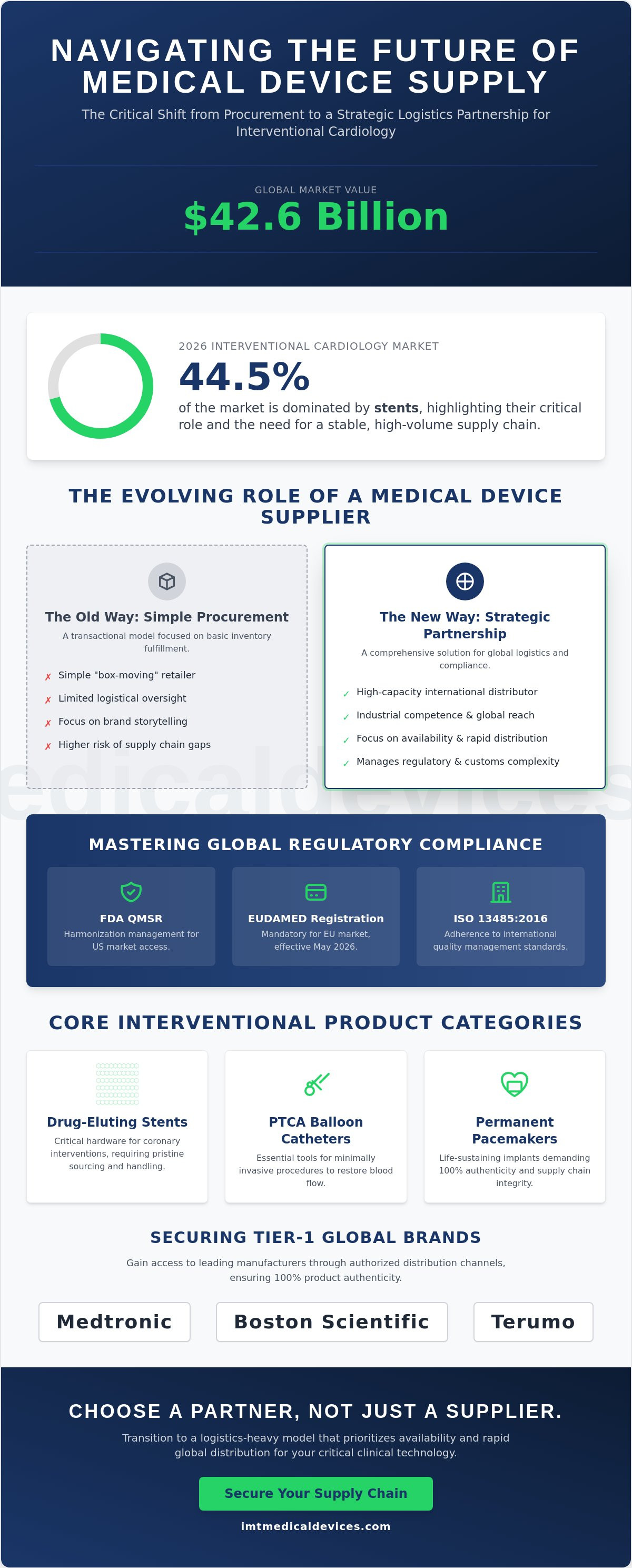
In 2026, stents account for 44.5% of the interventional cardiology market, yet hospital systems face persistent supply chain instability for these high-stakes implants. Choosing a hospital medical device supplier isn't just about inventory; it's about securing a logistics partner that manages the FDA QMSR harmonization and mandatory EUDAMED registration effective as of May 28, 2026. This requires a shift from simple procurement to a focus on industrial competence and global reach.
Procurement teams know that sub-standard products and complex customs documentation for medical exports represent unacceptable operational risks. You'll master the complexities of sourcing interventional devices like drug-eluting stents, PTCA balloon catheters, and permanent pacemakers from manufacturers such as Terumo, Medtronic, and Boston Scientific. This article previews the criteria for establishing a partnership that ensures 100% authenticity for cardiology implants while managing international supply chains. We examine the transition to ISO 13485:2016 standards and the strategies for maintaining a stable flow of critical clinical technology in a $42.6 billion global market.
Key Takeaways
- Identify the criteria for selecting a hospital medical device supplier capable of managing high-volume global logistics and technical inventory.
- Analyze the rising demand for minimally invasive interventional technologies like drug-eluting stents, PTCA balloon catheters, and permanent pacemakers.
- Secure access to Tier-1 global brands, including Medtronic, Boston Scientific, and Terumo, through authorized distribution channels.
- Manage complex international export logistics, focusing on specialized regulatory compliance and efficient customs documentation for medical hardware.
- Transition from simple procurement to a logistics-heavy partnership model that prioritizes product availability and rapid global distribution.
What is a Hospital Medical Device Supplier in the Global Market?
A modern hospital medical device supplier operates as a high-capacity international distributor rather than a simple retailer. In the 2026 healthcare ecosystem, these entities serve as critical bridges between major manufacturers and global hospital systems. The role has evolved into a comprehensive supply chain solution provider that manages the flow of specialized clinical technology across borders. This shift is driven by the need for industrial competence in managing international logistics and complex regulatory documentation. It's no longer just about moving boxes; it's about maintaining a digital warehouse of high-speed inventory feeds for procurement professionals.
Hospitals are increasingly moving toward specialized interventional technology partners to secure a stable supply of critical hardware. This transition prioritizes product availability and logistical reliability over brand storytelling. Understanding What is a Medical Device? and its specific classification is fundamental to recognizing the regulatory burden these suppliers carry. They must ensure 100% authenticity for high-stakes hardware while navigating the complexities of global trade. Manufacturer-authorized distribution is the only way to mitigate the risks of sub-standard products in high-acuity environments.
B2B Wholesale vs. Direct Manufacturer Sourcing
Specialized wholesalers provide significant efficiency in bulk procurement. While direct manufacturer sourcing is common in domestic markets, international distributors bridge the gap in regions where manufacturers like Medtronic or Boston Scientific lack a direct logistical presence. This model allows hospital systems to optimize budgets through volume-based pricing. It also simplifies the procurement process by consolidating multiple manufacturer lines into a single interface. Rapid information retrieval and clear technical specifications allow procurement teams to identify specific items at a glance, maximizing the speed of data transmission.
The Critical Nature of Interventional Supplies
High-acuity hardware requires rigorous supplier vetting standards. Implants such as coronary stents and cardiac pacemakers are not general medical-surgical supplies; they are critical infrastructure for surgical departments. A reliable hospital medical device supplier ensures that these items are stored and transported under strict regulatory conditions. Failure in the supply chain for these devices directly impacts hospital surgical throughput and patient safety. Specialized partners focus on coronary intervention and peripheral intervention technologies to maintain the high standards required for interventional cardiology and neurovascular procedures. Pragmatic partners value scale and reach to ensure these critical supplies arrive exactly when needed.
Core Product Categories for Modern Interventional Departments
Interventional departments require a high-acuity inventory that exceeds the capabilities of generalist distributors. While standard vendors focus on PPE or consumables, a specialized hospital medical device supplier maintains deep stocks of life-critical hardware for catheter-based procedures. In 2026, stents remain the dominant category, representing 44.5% of the interventional cardiology market. Managing this inventory demands a partner with industrial competence in sourcing latest-generation platforms from manufacturers like Medtronic, Boston Scientific, and Terumo. Availability of these specialized tools directly dictates the surgical throughput of modern vascular and cardiac labs.
Procurement professionals must prioritize vendors that understand the technical specifications of high-stakes implants. Maintaining Regulatory Compliance for Medical Devices is mandatory for all items in these categories, especially for Class III devices. Establishing a logistics-heavy partnership ensures that your facility isn't just buying inventory but securing a vital link to global innovation in minimally invasive surgery.
Interventional Cardiology and Coronary Intervention
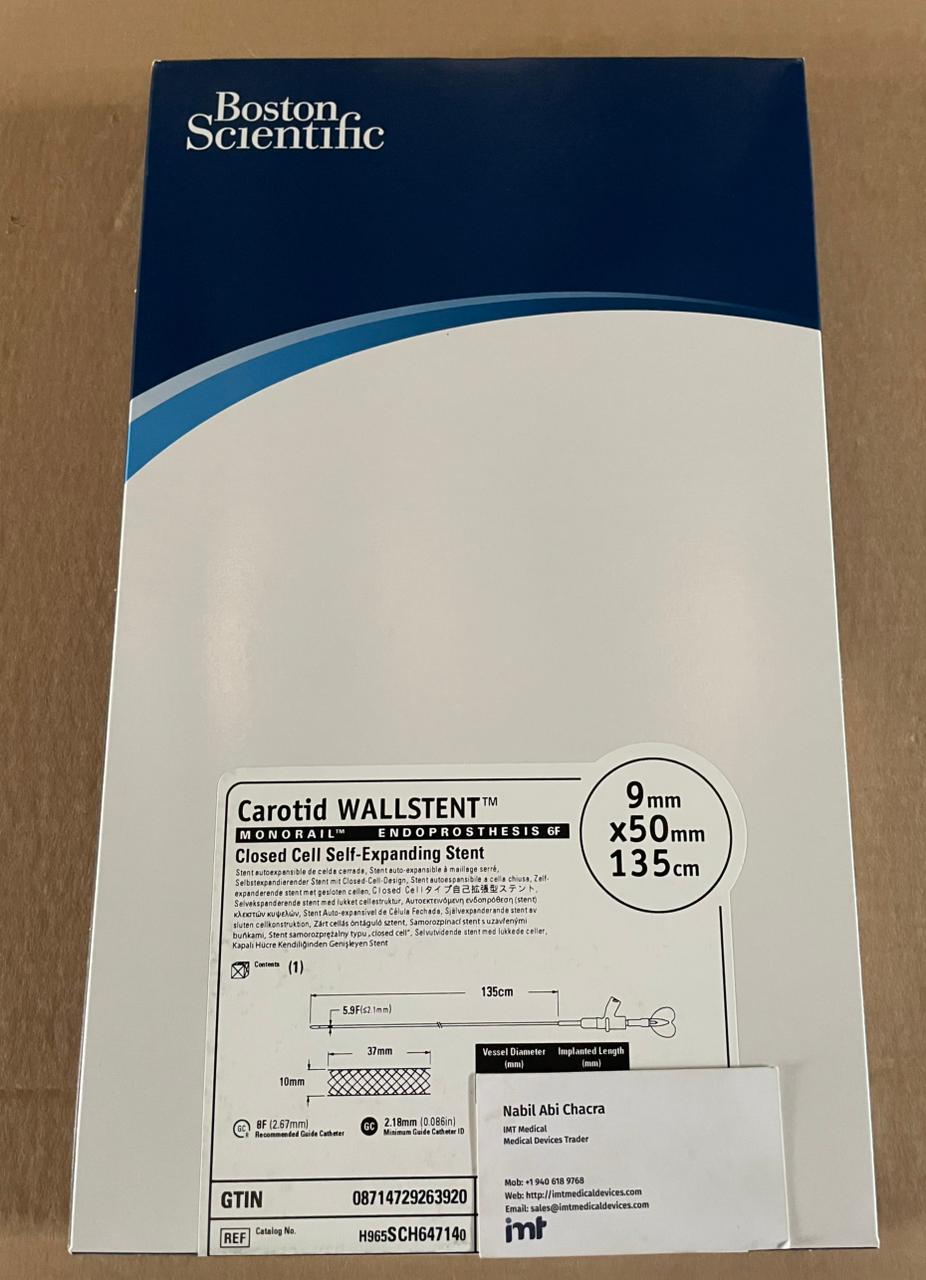
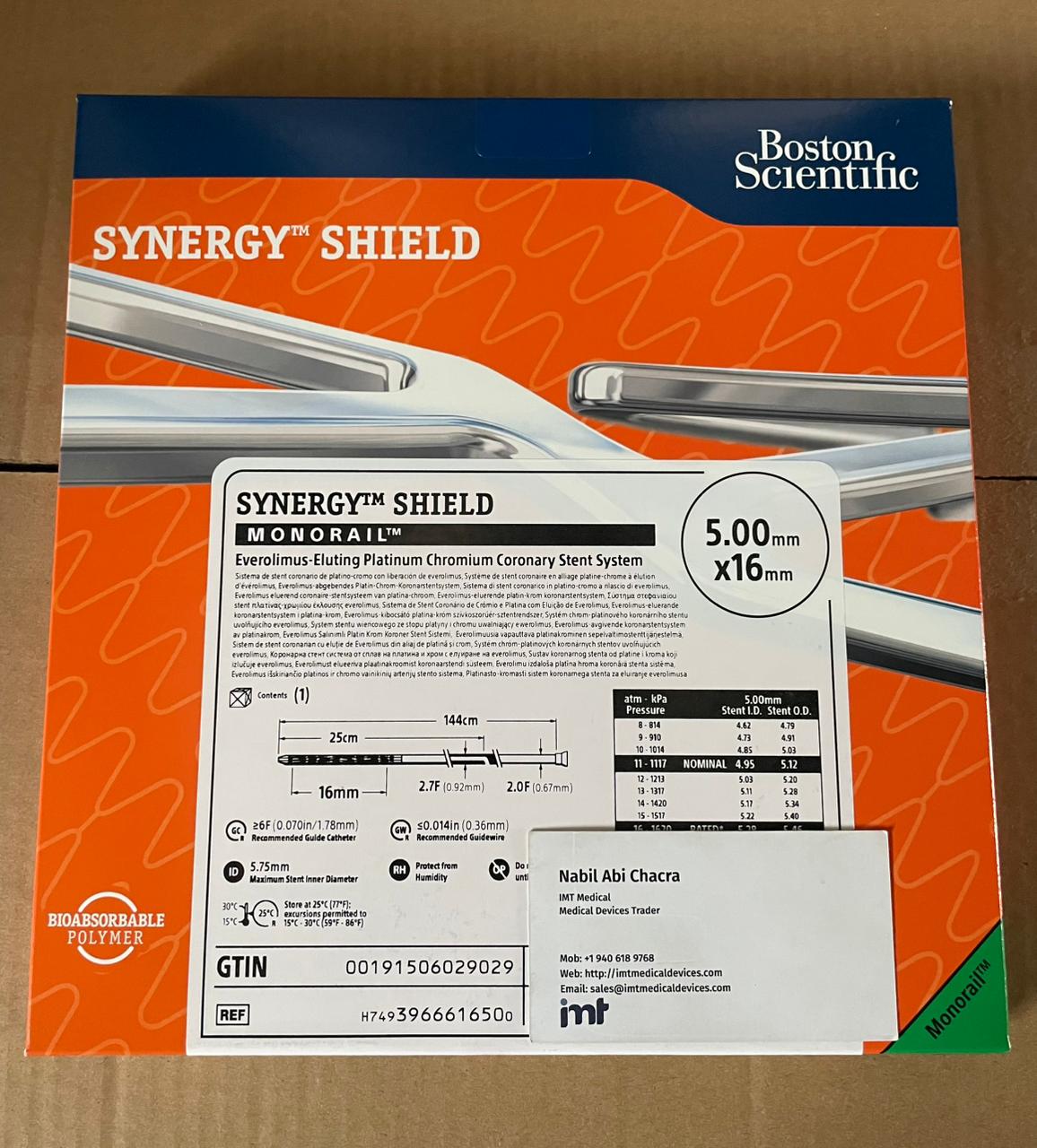
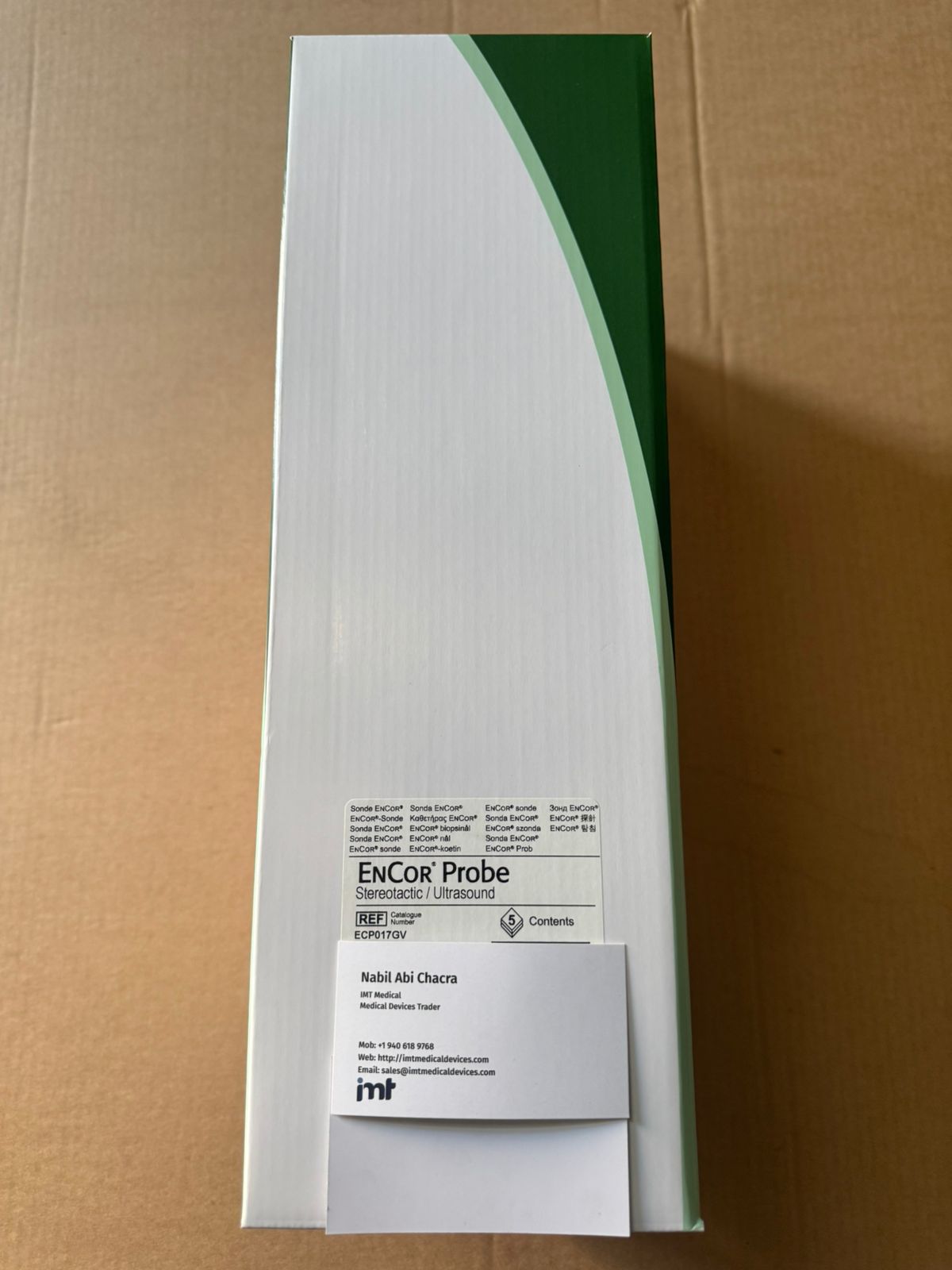
The evolution of Drug-Eluting Stents has shifted focus toward ultrathin struts and bioresorbable polymers. These devices require precise storage and handling to maintain technical integrity. Alongside stents, the necessity of PTCA Balloon Catheters in modern PCI procedures cannot be overstated. Sourcing includes semi-compliant, non-compliant, and specialty cutting balloons for complex calcified lesions. For detailed technical specifications, refer to our PTCA Balloon Catheters Guide to streamline your 2026 procurement cycle.
Cardiac Rhythm Management (CRM) and Electrophysiology
Procurement strategies for Permanent Pacemakers and ICDs focus on battery longevity and MRI compatibility. Specialized Electrophysiology Catheters for mapping and ablation are also critical for treating atrial fibrillation, particularly as Pulsed-Field Ablation (PFA) technology gains market share. Reliable sourcing ensures access to the latest software updates and hardware revisions from Tier-1 brands. See our Permanent Pacemakers Guide for a comprehensive analysis of device longevity and technical identifiers.
Peripheral and Neurovascular Intervention
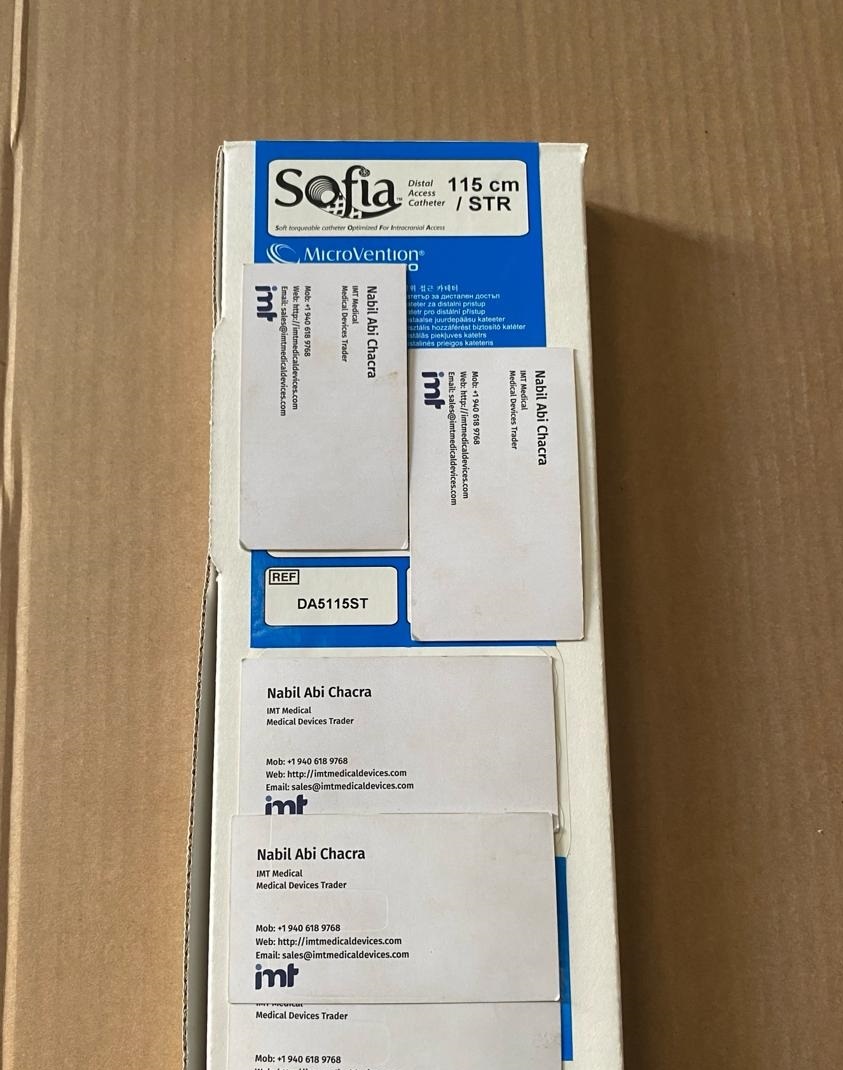
Managing supply for Peripheral Stents involves stocking various diameters and lengths for diverse vascular pathologies. Neurovascular procedures demand even higher precision, requiring specialized Neurovascular Guidewires and coils for intracranial access. Sourcing Microcatheters is essential for reaching complex distal anatomy during stroke interventions or aneurysm coiling. You can review our full range of coronary intervention solutions to see how we bridge the gap between manufacturers and international markets.
Sourcing Tier-1 Brands: The Medtronic and Boston Scientific Factor
High-risk interventional procedures demand hardware from established global leaders. Clinical outcomes in complex PCI or rhythm management are tied directly to the technical precision of Tier-1 manufacturers. A professional hospital medical device supplier ensures that procurement departments maintain access to Medtronic, Boston Scientific, and Abbott, even when direct manufacturer supply chains experience regional disruptions. This manufacturer-centric approach prioritizes premium technology over private-label alternatives that often lack the same clinical validation.
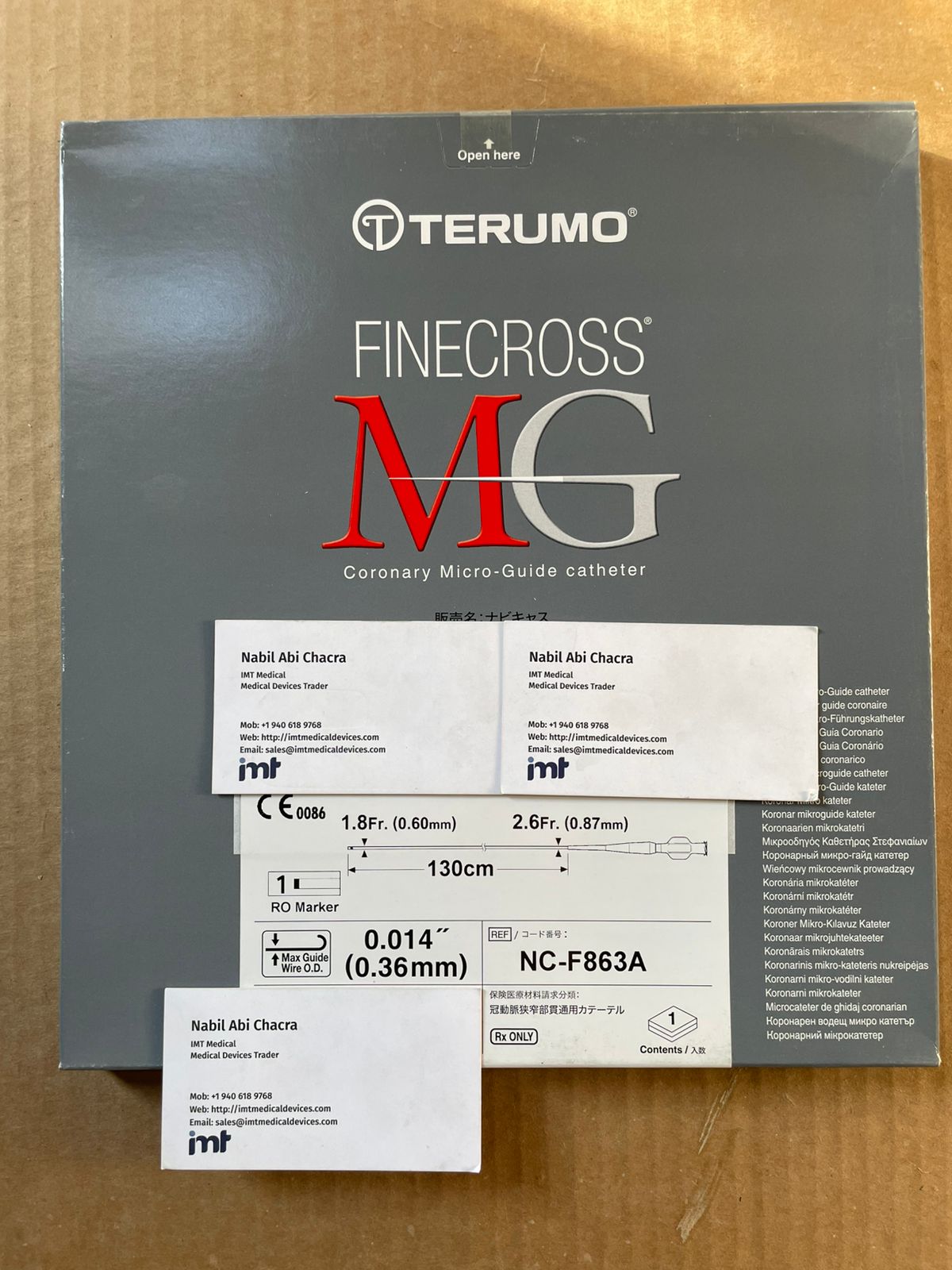
Logistics partners must manage brand-specific inventory availability to maintain hospital surgical schedules. This involves tracking technical identifiers and ensuring that latest-generation platforms are available for rapid export. Specialized suppliers also provide access to niche leaders like Terumo and Asahi Intec; these brands are essential for vascular access and complex lesion crossing. Efficiency in sourcing these brands requires a partner that values scale and reach, acting as a vital bridge between major producers and international markets.
The Importance of Manufacturer Authenticity
Grey-market sourcing presents significant risks to patient safety and regulatory standing. Sub-standard or counterfeit implants lack the necessary clinical documentation and quality control. Reliable suppliers mitigate these risks through rigorous lot number verification and expiration date monitoring. This ensures that every drug-eluting stent or pacemaker meets the manufacturer's original specifications. Technical integrity is the primary trust signal in B2B medical commerce. Pragmatic partners prioritize clarity and product availability to eliminate ambiguity in the supply chain.
Key Manufacturers in the IMT Portfolio
The IMT inventory feed focuses on high-capacity distribution of industry-standard hardware. Information is organized for utility and speed, allowing procurement teams to identify specific technical codes quickly.
- Medtronic Products: Comprehensive range for interventional cardiology, cardiac rhythm management, and neurovascular procedures.
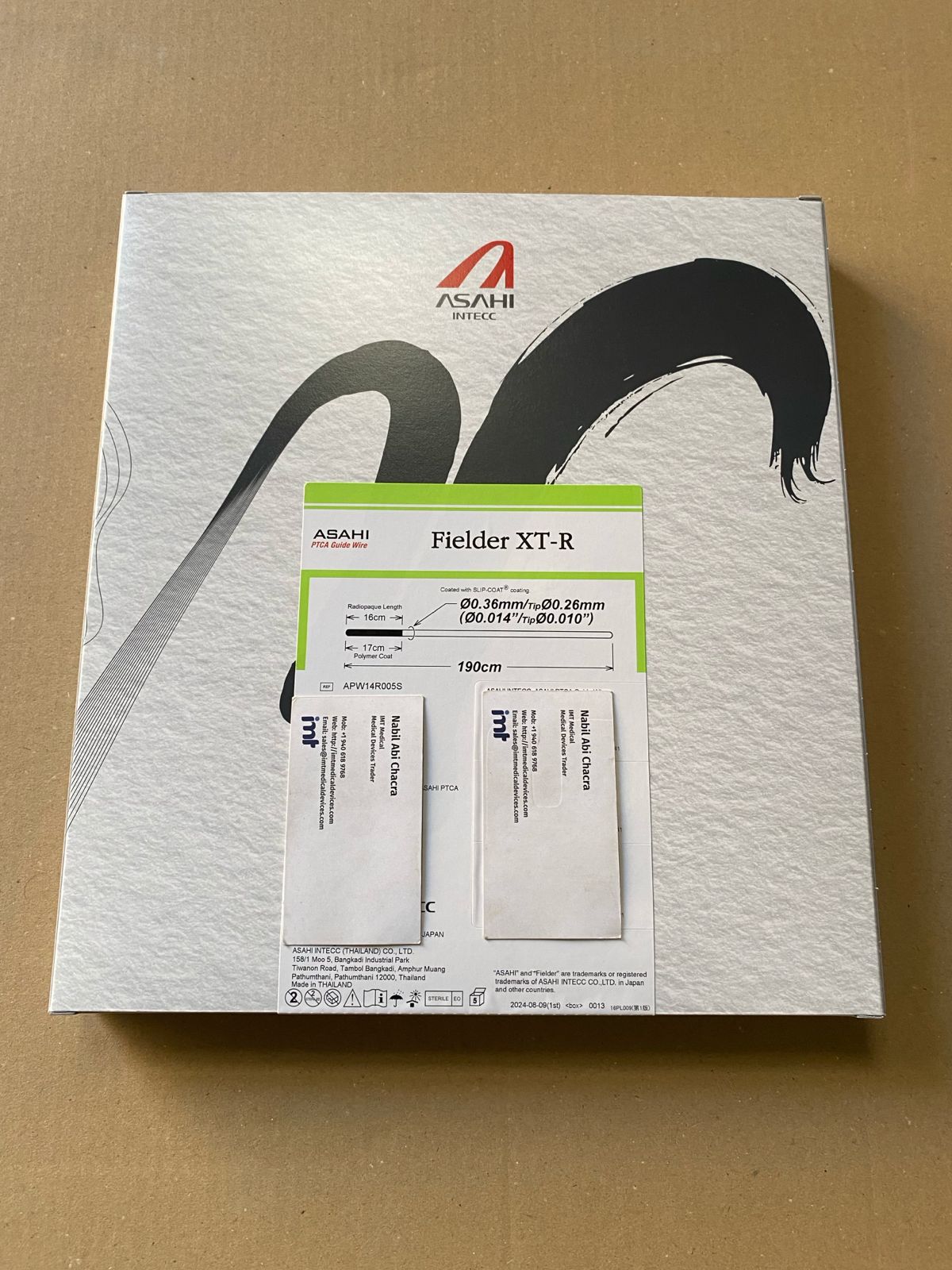
- Asahi Intec: Specialized coronary guidewires known for superior torque response and distal access precision.
- Boston Scientific: High-performance stent platforms and electrophysiology hardware for advanced clinical interventions.
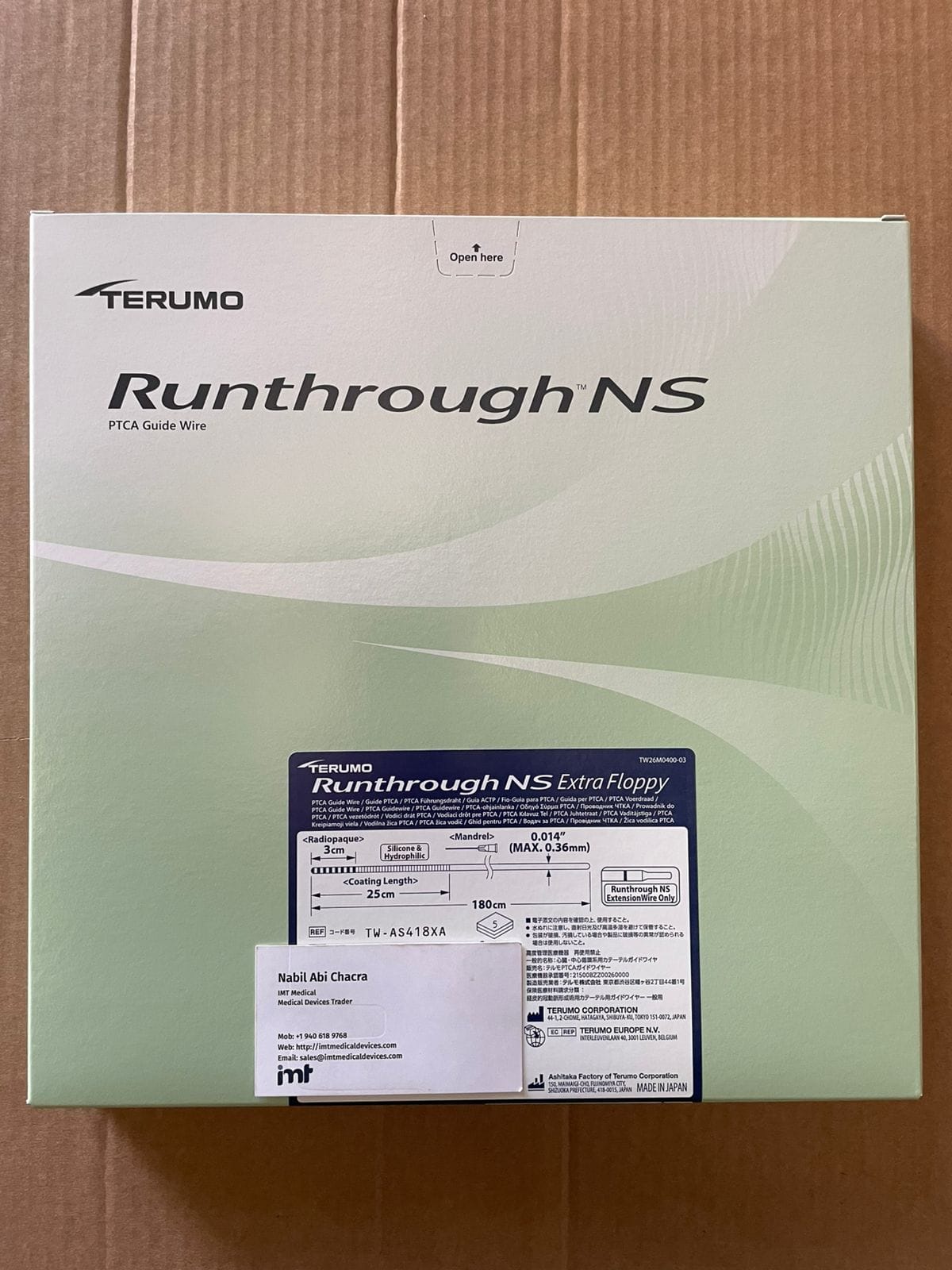
- Terumo: Industry-leading radial access technologies and hydrophilic-coated guidewires for peripheral and coronary use.
Accessing these brands through a single logistics-heavy partner optimizes procurement efficiency and ensures a stable supply of authentic technology. This model supports industrial competence by providing rapid access to the world's most prestigious medical hardware.
International Export Logistics and Regulatory Compliance
Global logistics for medical hardware require a level of industrial competence that exceeds standard commercial shipping. A high-capacity hospital medical device supplier must manage the transition of Class III devices across diverse regulatory jurisdictions while maintaining strict environmental controls. This process involves more than simple transit; it requires a focus on logistical reliability and the management of international supply chains as critical infrastructure. Procurement professionals prioritize partners that offer a digital warehouse interface for rapid information retrieval regarding export status and documentation compliance.
The journey from a central warehouse to an international hospital system involves multi-layered oversight. Every shipment of high-acuity hardware, such as drug-eluting stents or permanent pacemakers, must undergo rigorous customs vetting. Failure to provide accurate technical specifications or identifying codes results in costly delays that impact hospital surgical throughput. Reliability in this area is a primary trust signal, indicating that the distributor is a serious player in the global medical supply chain.
Navigating Global Compliance and Documentation
Efficiency in international trade depends on precise documentation. Every export requires a specific set of anchors for regulatory approval:
- Certificates of Origin: Verification of manufacturing location to determine tariff eligibility and trade compliance.
- CE Markings and FDA Approvals: Mandatory evidence of safety and efficacy for all interventional hardware.
- EUDAMED Registration: Compliance with mandatory EU database registration for all new devices placed on the market as of May 28, 2026.
- ISO 13485:2016 Standards: Adherence to international quality management systems harmonized with the FDA QMSR.
Specialized handling for sensitive cardiology equipment is mandatory. Importing medical devices into specific markets like Turkey and Poland requires deep knowledge of local healthcare regulations and customs duties. Suppliers must manage specialized regulatory documentation to ensure that high-stakes implants reach their destination without technical or legal compromise.
Strategic Logistics Hubs for Fast Distribution
Regional distribution offices in Georgia, Dubai, and Turkey serve as vital bridges between major manufacturers and international markets. These strategic hubs allow a hospital medical device supplier to reduce lead times for critical surgical supplies by positioning inventory closer to high-demand regions. A regional presence facilitates faster customs clearance and provides a logistical anchor for hospitals in Eastern Europe, the Middle East, and Central Asia. This expansive reach ensures that latest-generation technology from brands like Medtronic and Terumo is available for urgent clinical needs. For a detailed analysis of supply chain management, read our Global Distribution Guide.
Establish a reliable procurement pipeline by reviewing our international export capabilities to secure your hospital's critical inventory needs.
Choosing IMT Medical Devices as Your Hospital Partner
IMT Medical Devices operates as a high-capacity international wholesaler and exporter, serving hospital systems in over 50 countries. We position ourselves as a pragmatic partner for procurement teams requiring a stable supply of high-stakes interventional hardware. Our model prioritizes industrial competence and logistical reliability, ensuring that clinical technology moves swiftly from our warehouse to international medical facilities. Establishing IMT as your hospital medical device supplier provides a vital bridge between major manufacturers and global markets. We manage the complexities of international commerce, allowing hospital systems to focus on surgical throughput and patient outcomes.
Expertise in Interventional Cardiology and Vascular Tech
Our inventory is rooted in specialized clinical technology for cardiology and neurovascular departments. We maintain an exhaustive range of manufacturer-authorized hardware, including drug-eluting stents, PTCA balloon catheters, and permanent pacemakers. This focus allows us to provide technical assistance that simplifies procurement decisions for complex surgical departments. Partners gain direct access to premium platforms such as the Medtronic Resolute Integrity stent. Our technical knowledge ensures that every item in our digital warehouse matches the specific identifiers required by modern vascular labs. We organize information for utility and speed, reflecting the urgent nature of the interventional industry.
Reliable Global Supply Chain Solutions
The IMT logistics-heavy model is designed for speed and precision across international borders. We handle specialized export documentation and maintain environmental controls for sensitive hardware. Our volume-based wholesale pricing model allows hospital systems to optimize their budgets while securing authentic technology from Tier-1 brands. We operate from strategic regional hubs in Georgia, Dubai, and Turkey to reduce lead times for critical surgical supplies. This pragmatic approach eliminates the risks of sub-standard products and supply chain instability.
Establishing a B2B supply partnership involves a streamlined identification process. Procurement teams provide specific technical codes and manufacturer requirements for immediate inventory confirmation. Our system facilitates rapid data transmission, allowing for efficient logistical planning and customs clearance. This no-nonsense partnership model serves as a primary trust signal for healthcare providers requiring a stable hospital medical device supplier for their interventional departments. We value scale and reach, positioning our entity as a serious player in the global medical supply chain.
Contact IMT Medical Devices for a wholesale quote to secure high-value interventional hardware for your international hospital system.
Optimizing Global Procurement for Interventional Departments
Securing a stable supply of high-acuity hardware requires a transition from generalist procurement to specialized logistics. Reliable access to Tier-1 manufacturers like Medtronic and Boston Scientific ensures that surgical departments maintain high standards of clinical efficacy. Regulatory compliance, including the management of mandatory EUDAMED registration and FDA QMSR harmonization, serves as the foundation of a secure international supply chain. These structural anchors are essential for maintaining surgical throughput in modern vascular and cardiac labs.
Choosing IMT Medical Devices as your hospital medical device supplier provides a vital link to a global distribution network. With strategic offices in Georgia, Dubai, Turkey, and Poland, we facilitate the rapid export of critical inventory to over 50 countries. Our focus on industrial competence and manufacturer-authorized hardware eliminates the risks of sub-standard products and logistical delays. This model prioritizes technical integrity and volume-based efficiency for large-scale hospital systems.
Establish a robust procurement pipeline that prioritizes product availability and global reach. Request a Wholesale Quote for Hospital Medical Devices to optimize your facility's inventory management today. Your interventional department's operational success depends on a partner that values scale and precision.
Frequently Asked Questions
How do you ensure the authenticity of medical devices from brands like Medtronic?
Authenticity is guaranteed through rigorous lot number verification and direct manufacturer-authorized sourcing protocols. Every device remains in original manufacturer packaging with intact sterilization seals and traceable technical identifiers. This manufacturer-centric approach eliminates the risk of grey-market or sub-standard hardware in high-acuity surgical environments. We prioritize logistical reliability by maintaining a digital warehouse of high-speed inventory feeds for all Tier-1 cardiology implants.
What regions does IMT Medical Devices serve for international export?
We serve healthcare providers in over 50 countries, with a primary focus on the Middle East, Eastern Europe, and Central Asia. As a global hospital medical device supplier, we utilize strategic hubs to maintain a stable supply of interventional technology in diverse markets. This expansive reach ensures that premium brands like Medtronic and Terumo are available for rapid distribution in regions where manufacturers lack a direct logistical presence.
How is the shipping of temperature-sensitive cardiology implants handled?
Shipping of temperature-sensitive devices utilizes validated cold chain logistics and specialized thermal containers. Real-time temperature monitoring ensures that implants like drug-eluting stents maintain technical integrity during international transit. It's mandatory to maintain strict environmental control to meet the storage requirements specified by manufacturers for all high-stakes cardiology hardware. This focus on logistical status prevents product degradation and ensures clinical performance upon delivery to the hospital system.
What documentation is provided to ensure regulatory compliance for imports?
We provide a comprehensive documentation package including Certificates of Origin, commercial invoices, and detailed packing lists for every shipment. Each export includes the necessary manufacturer technical specifications and regulatory approvals required for local customs clearance in diverse jurisdictions. This precision in documentation minimizes lead times and prevents technical delays during the import process. Our focus on clarity and product availability streamlines the regulatory vetting for all interventional supplies.
Can IMT Medical Devices provide bulk pricing for large-scale hospital tenders?
Yes, we offer volume-based wholesale pricing for large-scale hospital tenders and institutional procurement programs. Our model is designed for industrial competence, providing competitive rates for high-volume orders of pacemakers, catheters, and stents. This allows hospital systems to optimize their clinical budgets while securing authentic technology from Tier-1 global brands. We provide rapid price retrieval and technical identifier codes to facilitate the tender application process.
What is the typical lead time for international medical device delivery?
Lead times vary by region but are significantly optimized through our strategic distribution hubs in Georgia, Dubai, and Turkey. We prioritize rapid information retrieval and inventory availability to ensure fast processing of urgent clinical orders. Utilizing regional offices allows us to bypass common logistical bottlenecks in international medical hardware transit. It's our priority to maintain a predictable and structured delivery experience for procurement professionals regarding stock status.
Do you offer support for customs clearance in markets like the UAE or Georgia?
Specialized support for customs clearance is provided through our regional offices in Dubai and Georgia. We manage the specialized regulatory documentation and local healthcare requirements necessary for smooth import operations into the UAE and surrounding markets. This local presence serves as a primary trust signal, ensuring that a hospital medical device supplier can navigate regional complexities effectively. We act as a vital, efficient bridge between major manufacturers and international hospital systems.
Are all products provided with the necessary CE or FDA certifications?
All interventional hardware in our inventory meets the manufacturer-specified CE or FDA certification requirements. We ensure that every device complies with international standards, including the ISO 13485:2016 quality management system and EUDAMED registration protocols. Adherence to these certifications is mandatory for all Class III medical devices distributed through our global network. This ensures 100% authenticity and safety for high-stakes cardiology implants and neurovascular hardware.