

Choosing a Neurovascular Distributor
When a thrombectomy case is scheduled, nobody wants a substitute product discussion at the last minute. Neurovascular purchasing is usually decided long before the patient arrives, and the distributor matters because availability, part-number accuracy, and shipment timing directly affect procedure readiness.
For hospitals, specialty centers, independent physicians, and competing distributors, choosing a neurovascular distributor is less about marketing claims and more about whether the supplier can deliver the exact branded device requested, in the required configuration, with clear quote handling and minimal back-and-forth. That is the real buying standard.
What a neurovascular distributor actually needs to do
A neurovascular distributor is not just a company that lists coils, microcatheters, and guidewires. In practice, the distributor has to function as a sourcing layer between procurement teams and manufacturers, while reducing ordering risk. That means the right distributor should be able to identify products by exact manufacturer naming, reference numbers, packaging details, and compatibility context.
In neurovascular procedures, small specification errors can create major delays. A generic description such as "microcatheter" is rarely enough to place an order with confidence. Buyers typically need the exact product family, size, length, tip profile, and manufacturer reference. A supplier that cannot work at that level is likely to slow down the process.
The stronger distributors also understand that hospitals and cath labs often buy across adjacent categories, not just neurovascular. A facility handling stroke or aneurysm intervention may also procure coronary, peripheral, and access products from the same supply channel. This matters because consolidated sourcing can reduce administrative friction, but only if the distributor maintains clear category structure and accurate product identification.
Why hospitals look beyond the local neurovascular distributor
Many buyers do not switch suppliers because they want novelty. They switch because the existing route is too restrictive, too slow, or too dependent on a limited commercial relationship. In some markets, hospitals are tied to local channels that do not always provide enough inventory depth, enough brand choice, or enough pricing flexibility.
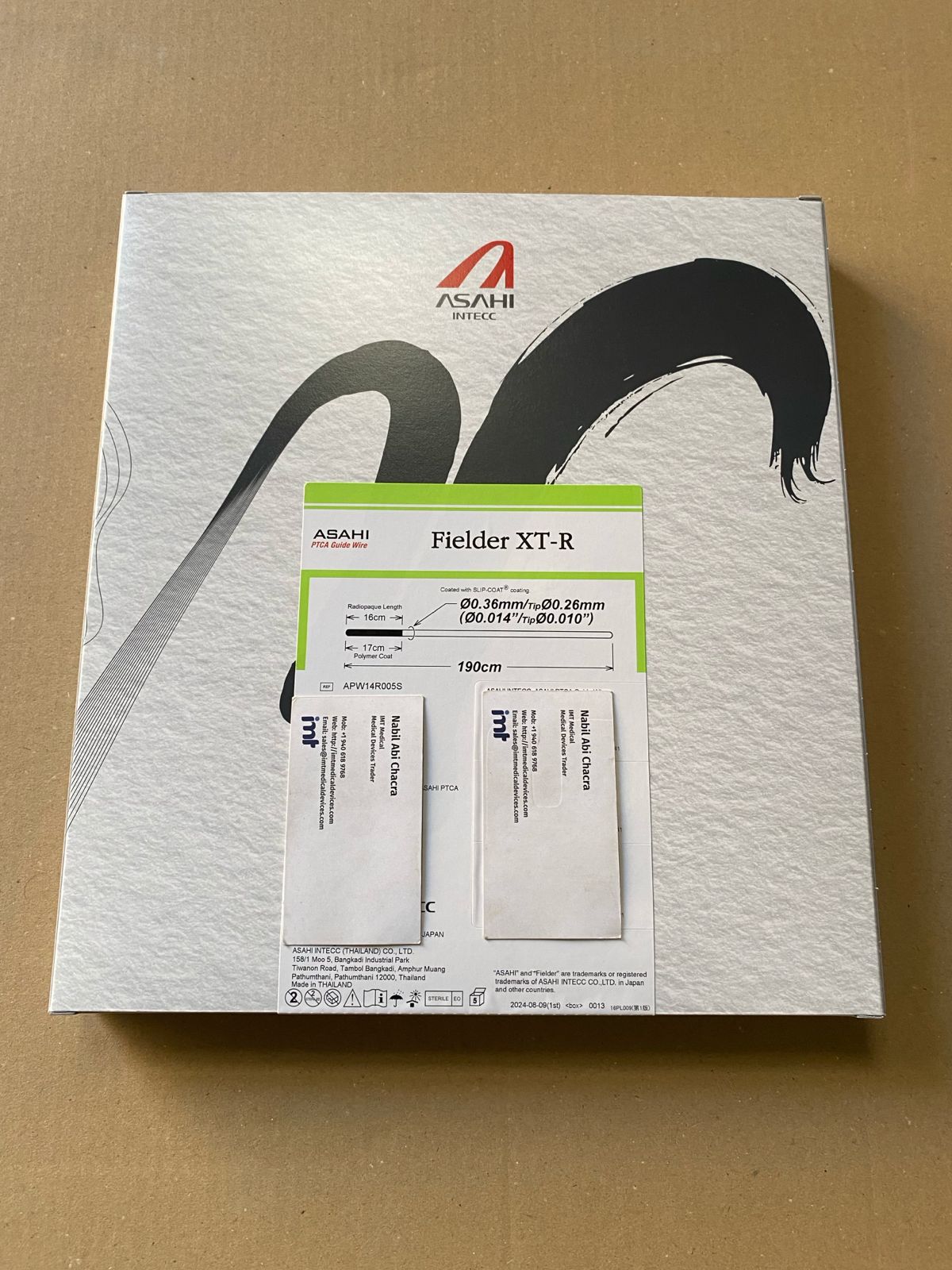
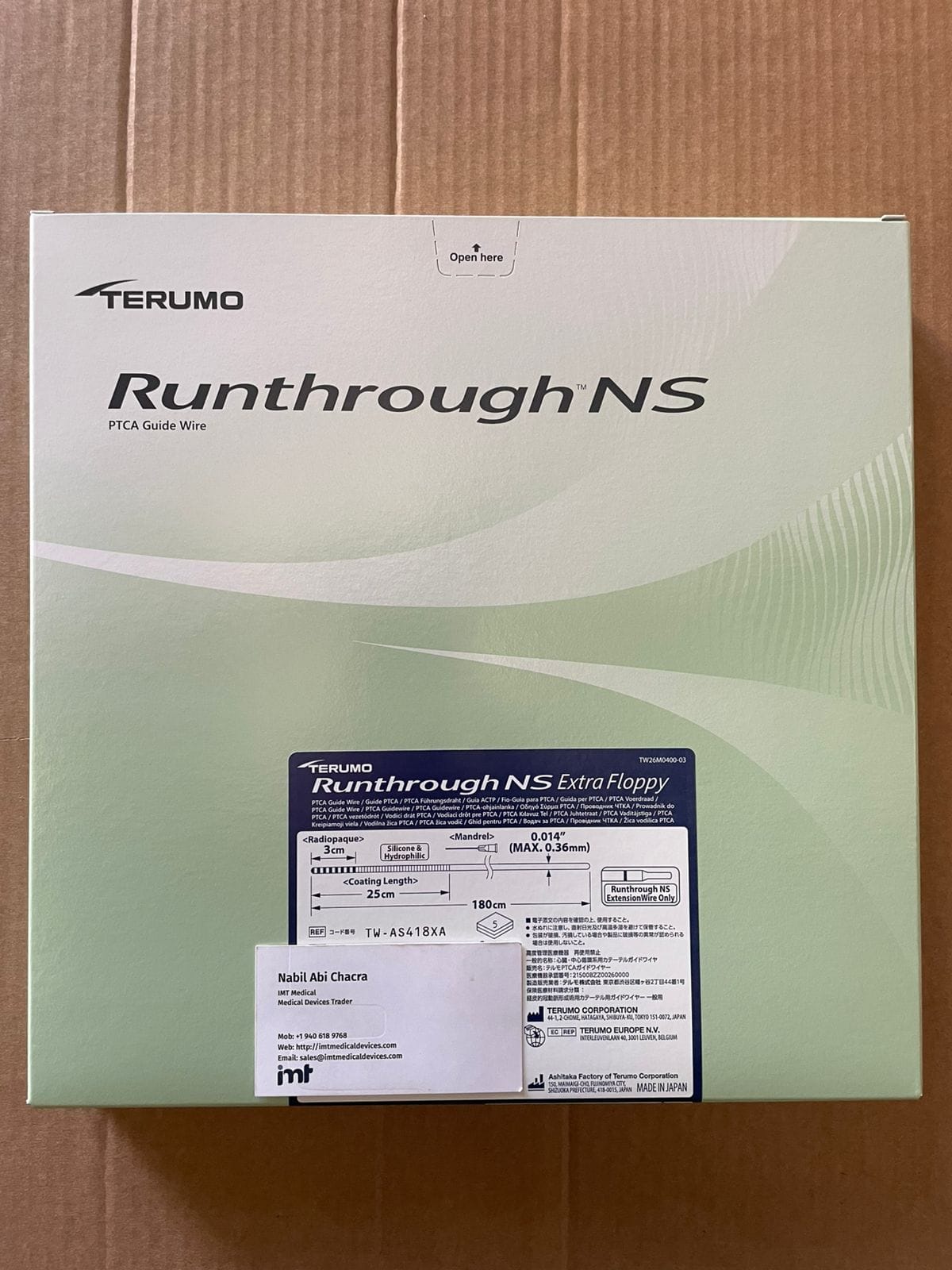
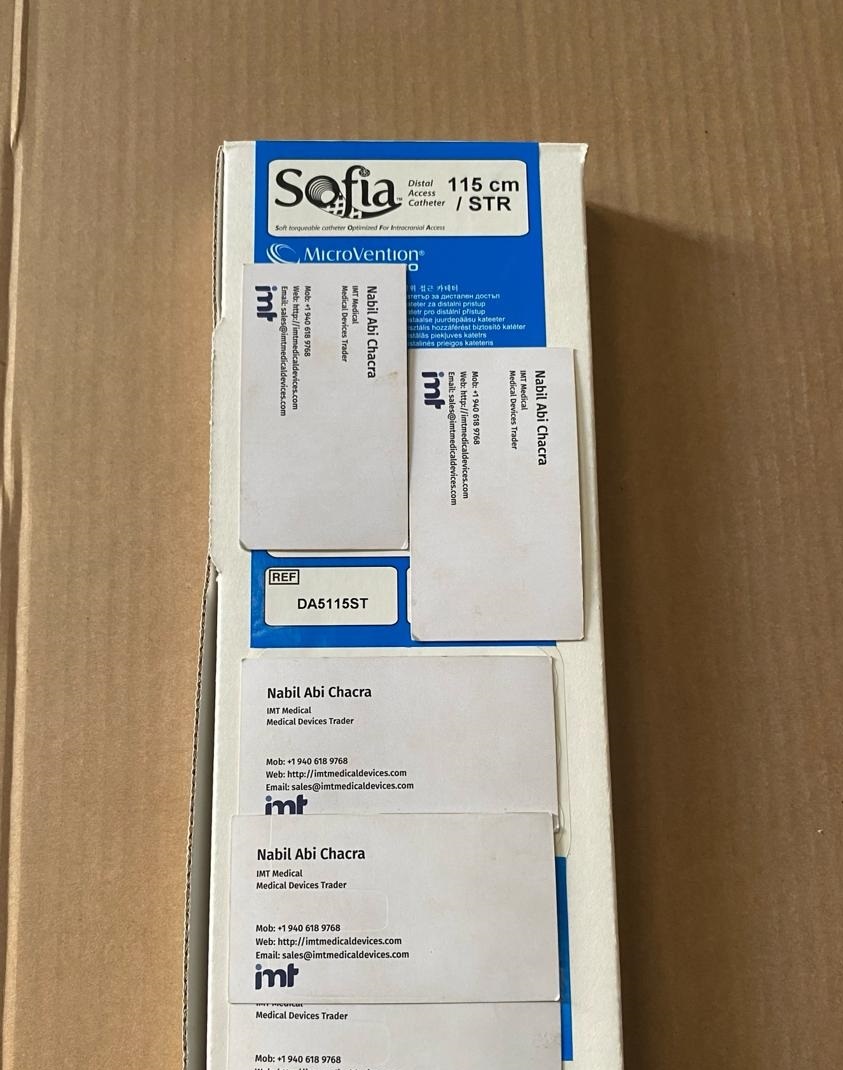
That is especially relevant when physicians are trained on specific platforms and do not want to change device families simply because local distribution is constrained. If a team prefers products from Medtronic, MicroVention, Terumo Neuro, Boston Scientific, Asahi, Abbott, or Cordis, procurement needs a distributor that can source those brands reliably and quote them clearly.
There is also a practical issue for competing distributors. If they are active in the same geography but need access to branded interventional stock outside the dominant local network, they need a supply partner that understands how distributor-to-distributor transactions work. The requirements are different from a standard hospital sale. Product accuracy, export handling, commercial responsiveness, and quote speed become the deciding factors.
Inventory depth matters more than broad claims
In neurovascular supply, saying "we carry leading brands" is not enough. Buyers need to know whether the distributor can source exact items within high-demand categories such as aspiration catheters, microcatheters, guidewires, embolization coils, guiding catheters, balloons, and access devices.
The real test is whether the supplier can handle exact product requests instead of redirecting the buyer toward alternatives. A hospital may ask for a specific coil platform, a defined microcatheter configuration, or a named aspiration catheter for stroke intervention. If the distributor responds with only broad category coverage, that creates procurement risk.
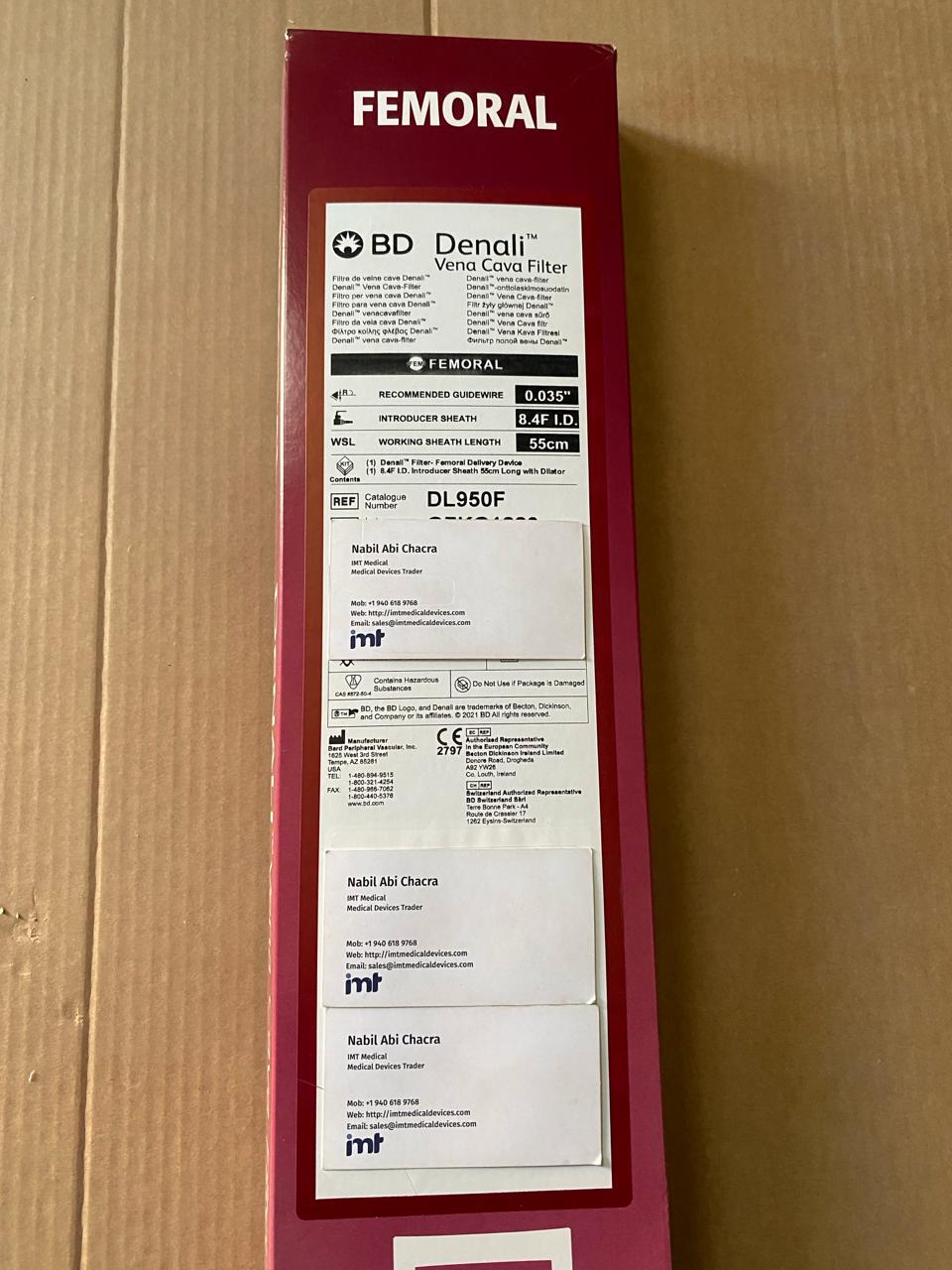
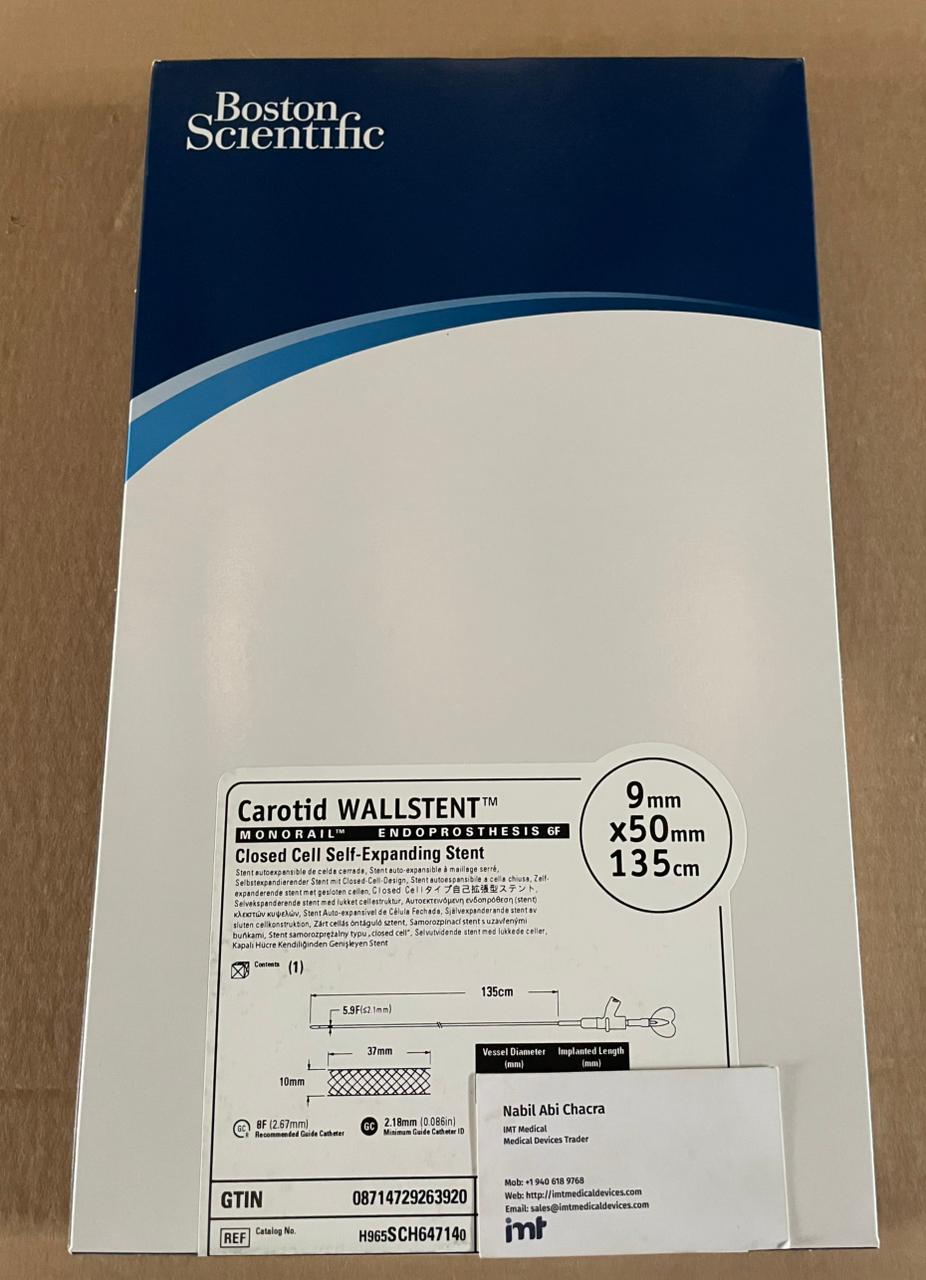
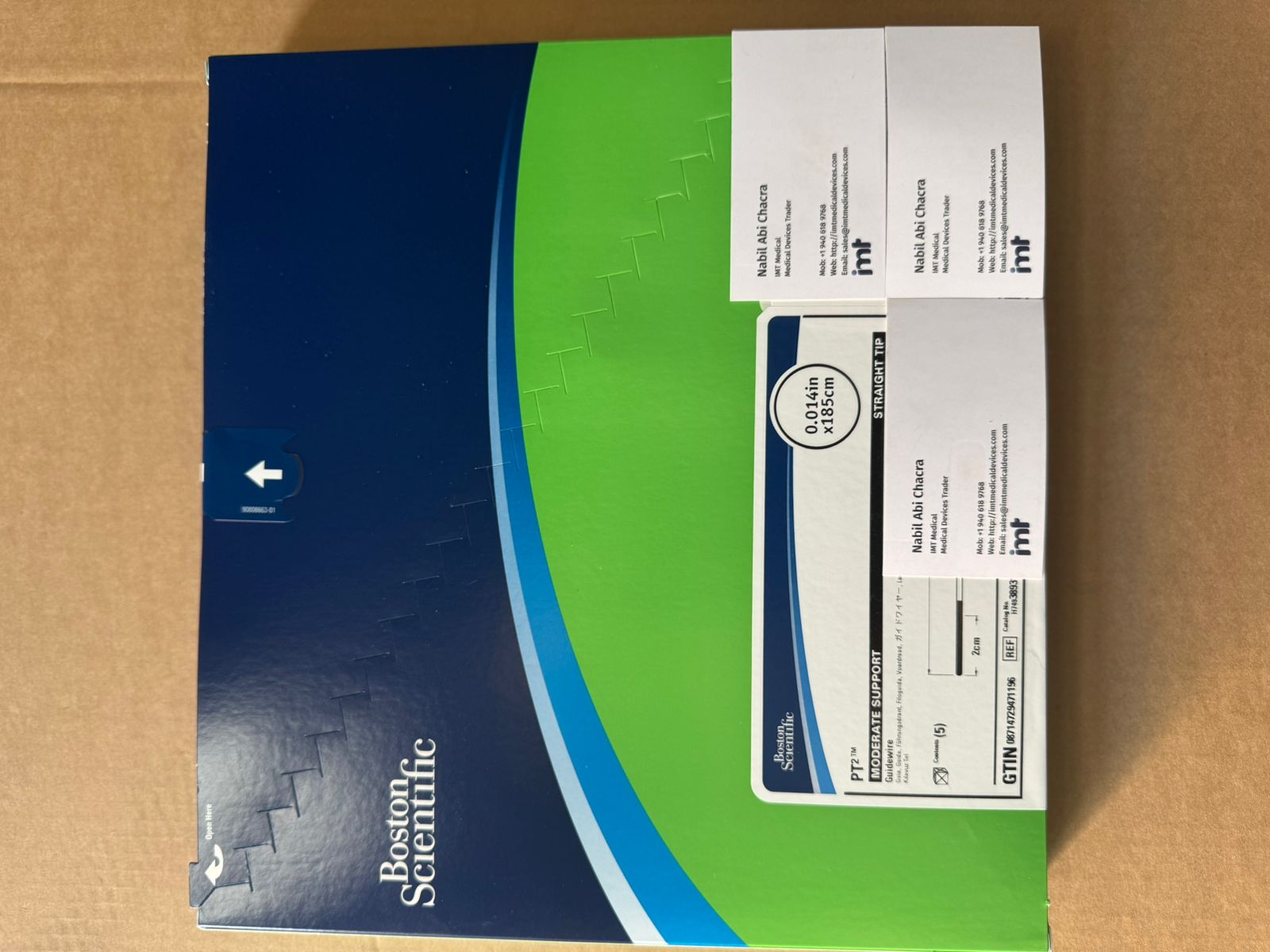
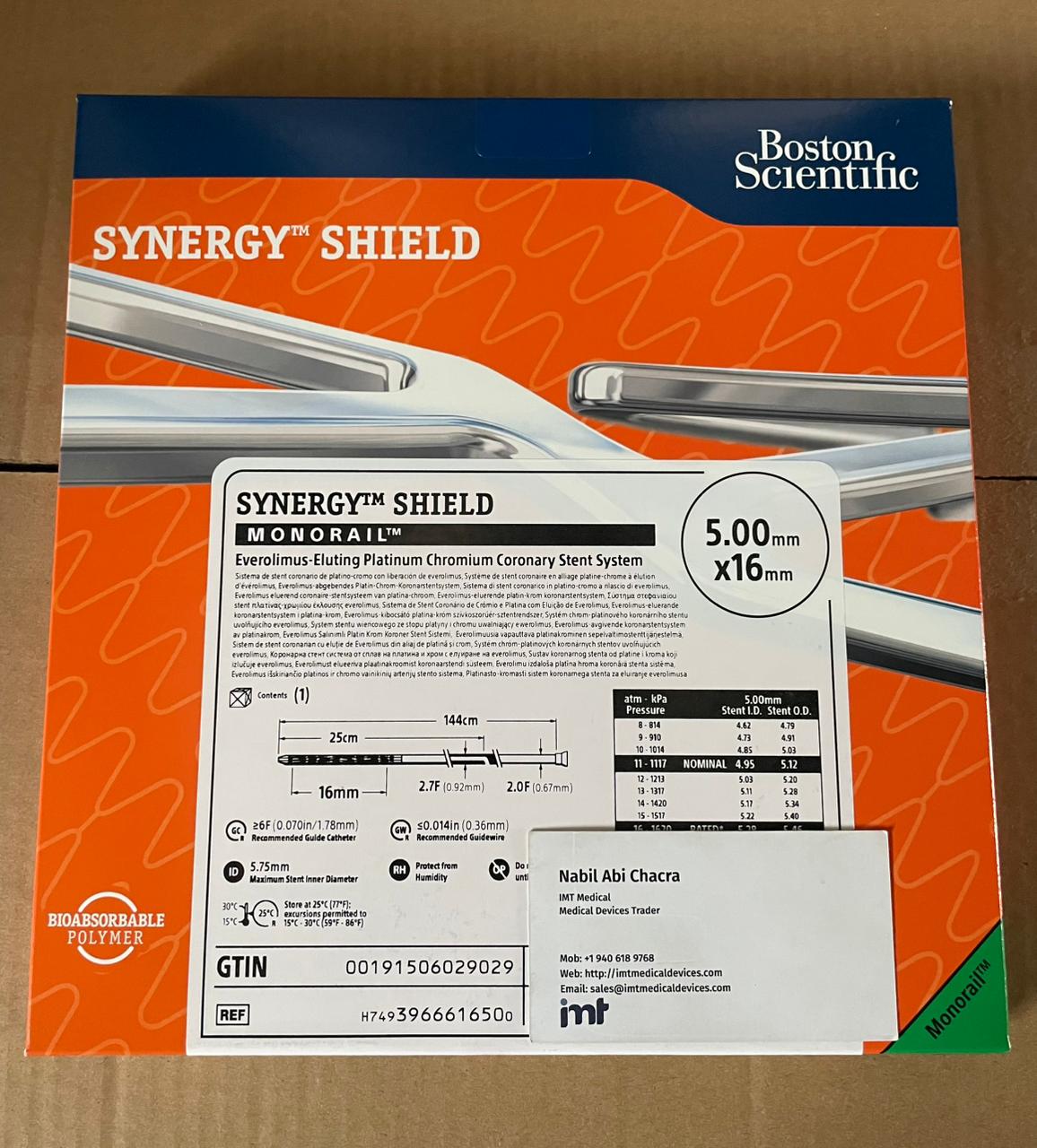
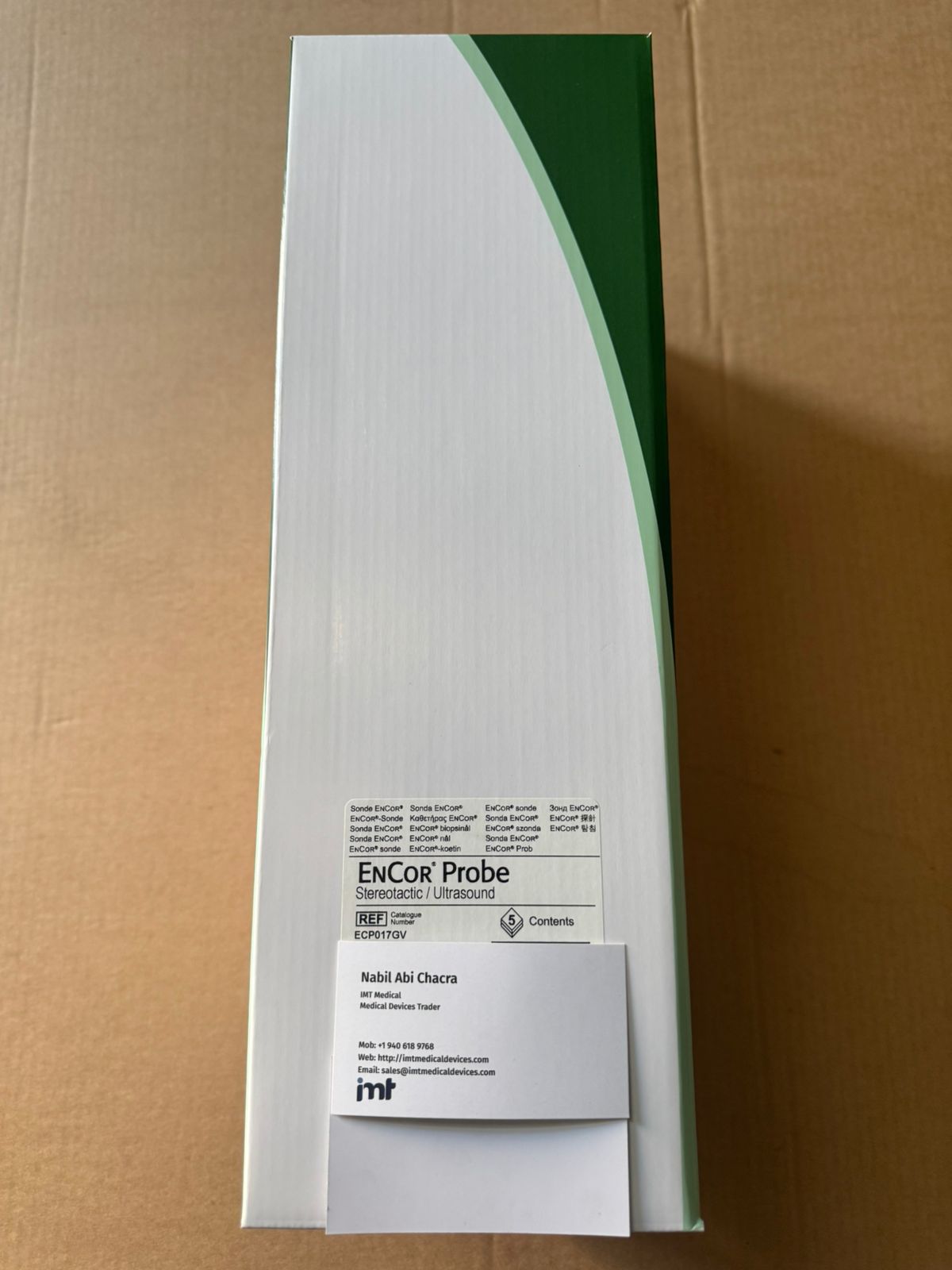
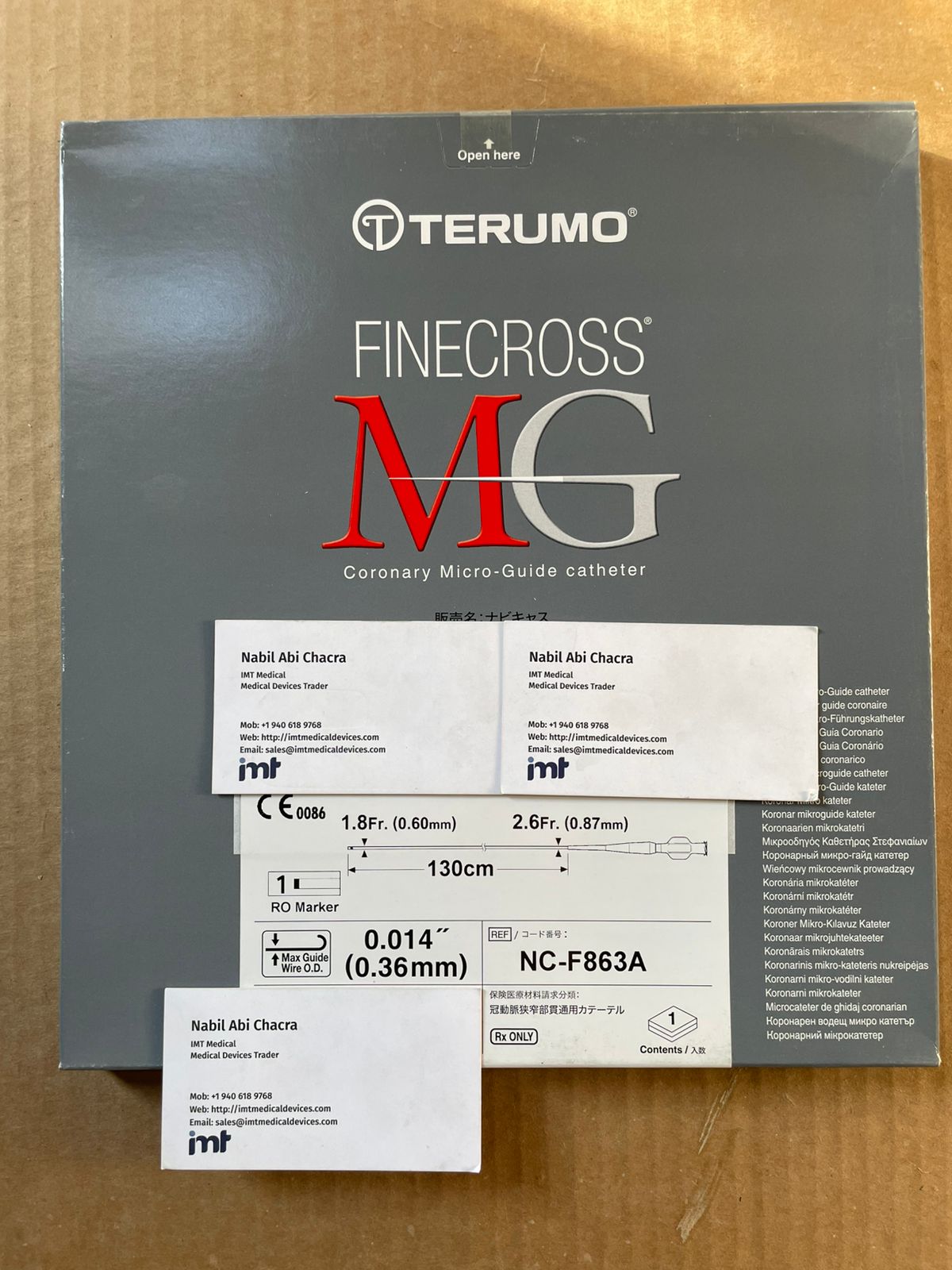
A dependable supplier should be comfortable working from exact brand and SKU-level requests. That includes common neurovascular and interventional names across manufacturers such as Medtronic, Boston Scientific, Asahi, MicroVention, Terumo Neuro, Terumo, Cordis, BD, B. Braun, Abbott, and related device lines used in high-acuity settings. In many cases, the buyer already knows the product. The distributor's job is to confirm availability and commercial terms, not to re-educate the customer.
The role of part-number accuracy in procurement
Part-number accuracy is one of the clearest indicators of a capable neurovascular distributor. Clinical teams may refer to a device by brand family, but purchasing teams usually need exact references for ordering, approval, and internal documentation. If quotes arrive with vague descriptions or inconsistent identifiers, the chance of delay increases.
This is even more important when products move across borders or through multi-step purchasing chains. A distributor serving hospitals and trade buyers in Gulf countries, Latin America, Asia, China, or Russia must operate with precise item matching. The farther the shipment travels, the less room there is for ambiguity.
A useful supplier should be able to confirm not just the brand, but the exact variant requested. That includes size, length, profile, and packaging format where relevant. For procurement teams, this reduces rework. For physicians, it reduces the risk that the wrong device arrives for the planned case mix.
Quote speed is not a convenience feature
In this market, quote speed is part of the service itself. Procurement teams often work under internal approval deadlines, case scheduling pressure, or stock replacement needs. Slow quoting creates operational drag, especially when the buyer already knows the manufacturer and part number.
Fast quote handling does not mean careless quote handling. The better standard is quick response with exact product confirmation. If there is a backorder, the distributor should say so directly. If there is stock, the quote should reflect the requested item without forcing multiple clarification cycles.
This is where a supply-chain-focused distributor has an advantage over a heavily sales-scripted one. Buyers are rarely looking for a long product pitch. They want to know whether the item is available, whether the source is credible, what the lead time looks like, and how quickly the order can move.
What to check before placing business with a distributor
The first checkpoint is brand alignment. If your physicians request Medtronic, MicroVention, Terumo Neuro, Boston Scientific, Asahi, or Abbott devices, confirm that the distributor regularly works with those manufacturers and can identify the exact product references you need.
The second is category fit. A supplier may be strong in coronary or peripheral intervention but only lightly active in neurovascular. That does not automatically rule them out, but it does change the risk profile. Neurovascular purchasing requires familiarity with specialized product lines and tighter item matching.
The third is communication quality. A strong distributor answers in purchasing language. That means product name, reference, quantity, availability, and lead time. If responses are heavy on general claims and light on specifics, that usually signals future friction.
The fourth is export and fulfillment discipline. If you are sourcing internationally, the distributor should be used to handling documentation, shipment coordination, and commercial communication for cross-border orders. Not every supplier does this well.
When substitution is acceptable and when it is not
There are situations where an alternative product can be reviewed, but in neurovascular procedures that decision usually belongs to the physician and the hospital, not the distributor. A supplier can present options if requested, but pushing substitutions because the requested item is unavailable is often where trust breaks down.
For commodity-style categories, some flexibility may exist. For highly specific neurovascular devices, much less so. A distributor that understands this will treat substitutions carefully and only within the buyer's stated parameters.
That approach matters because procurement is not only about cost. It is also about standardization, physician preference, and procedural familiarity. An item that looks equivalent on paper may still be a poor operational fit.
What serious buyers usually prefer
Most serious buyers prefer a distributor that is easy to search, easy to quote from, and exact in its product handling. They want recognizable manufacturer names, clear category coverage, and confidence that a request for a specific part number will not turn into a generic catalog reply.
That is why catalog structure matters. If a distributor organizes products by interventional use case - coronary, peripheral, and neurovascular - buyers can move faster. If those categories are supported by exact manufacturer naming and quote-ready product identification, the process becomes more reliable.
For organizations that need an external sourcing option outside existing local channels, this model is practical. It supports hospitals that want more flexibility, physicians who need access to preferred brands, and distributors that need inventory sources to stay competitive. IMTmedicaldevices.com operates in that lane, with a branded interventional catalog built for quote-driven procurement rather than broad educational selling.
The useful test is simple: if you send the product name and reference today, can the distributor answer clearly, accurately, and without wasting your team's time? If the answer is yes, you are dealing with a supply partner worth keeping.