

Coronary Intervention Products That Buyers Need
A delayed coronary case rarely fails because a clinical team lacks skill. More often, the problem starts earlier - the right SKU is unavailable, an approved brand is backordered, or procurement has to split an order across multiple suppliers. For hospitals, cath labs, and distributors, coronary intervention products are not a generic category. They are a tightly specified purchasing requirement tied to physician preference, procedural compatibility, and supply continuity.
In practical terms, buyers are usually not looking for a broad explanation of PCI. They are matching exact device categories to recurring case demand, brand formularies, and inventory risk. That makes product accuracy, manufacturer recognition, and export capability more important than broad marketing claims.
What falls under coronary intervention products
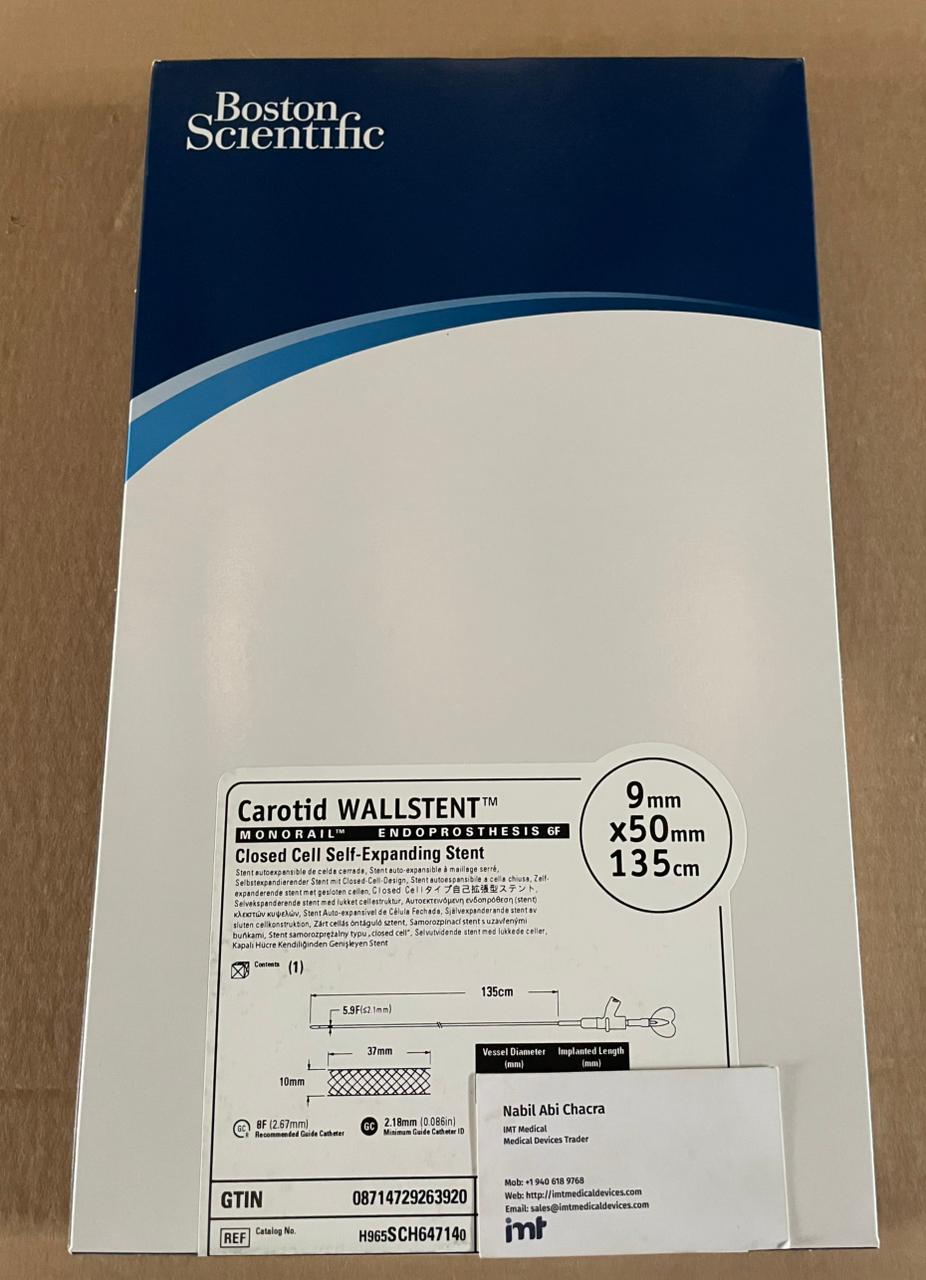
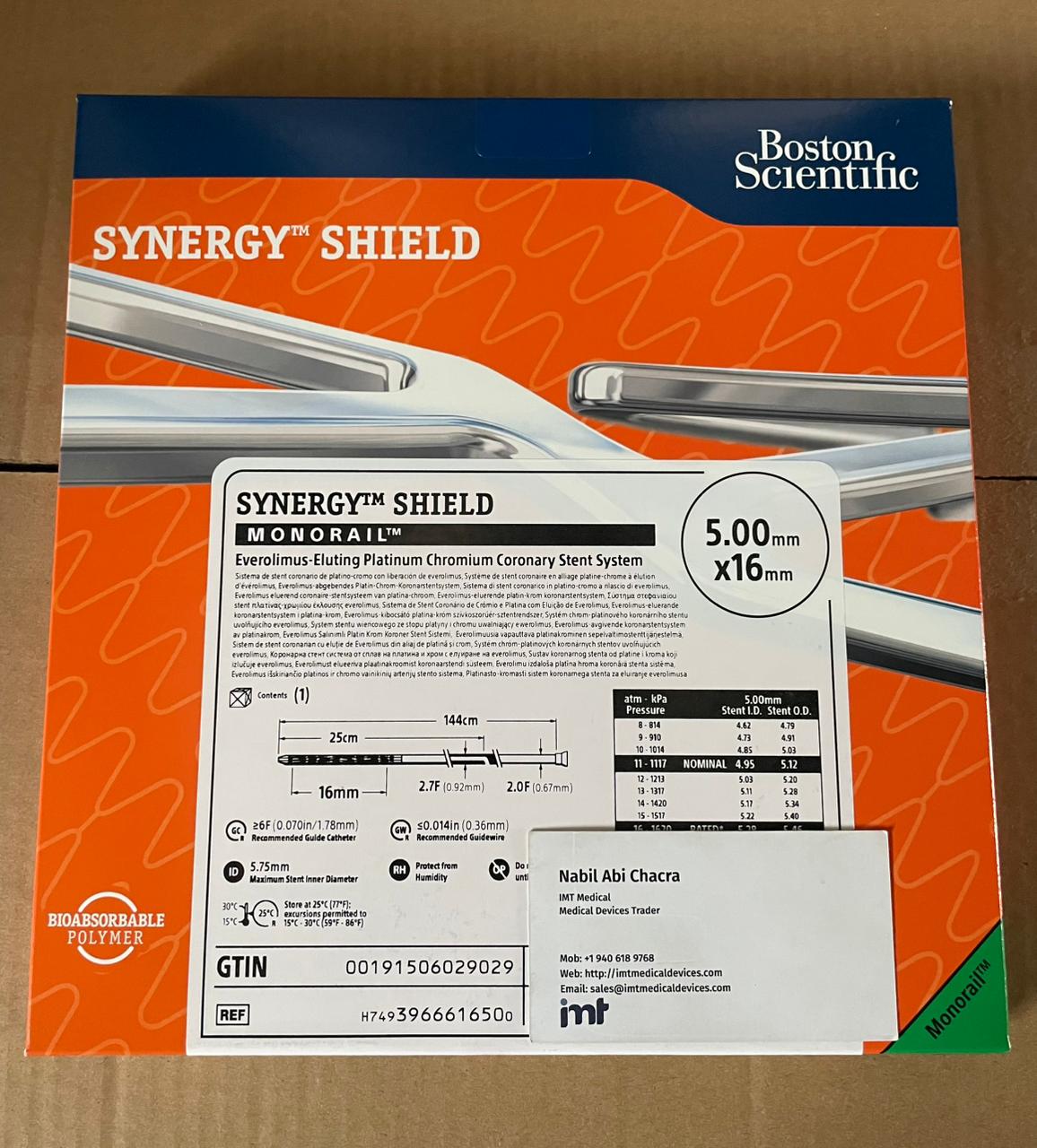
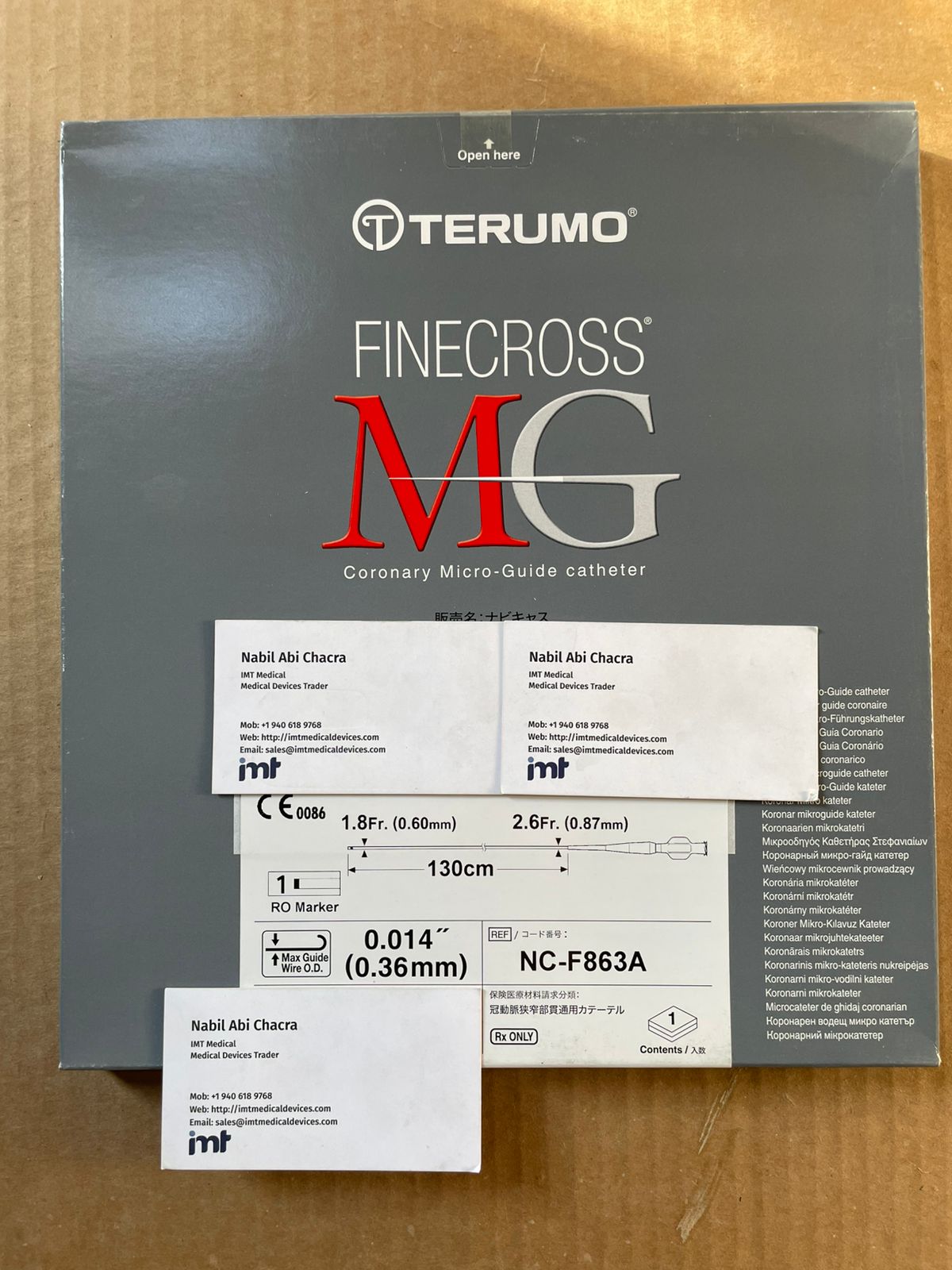
Coronary intervention products typically include the core devices used to access, cross, dilate, stent, and support coronary lesions during interventional cardiology procedures. The category usually starts with coronary guidewires, guiding catheters, diagnostic catheters, PTCA balloons, and coronary stents. Depending on the case mix, buyers may also need micro catheters, inflation devices, aspiration catheters, manifold systems, vascular closure devices, and related accessories.
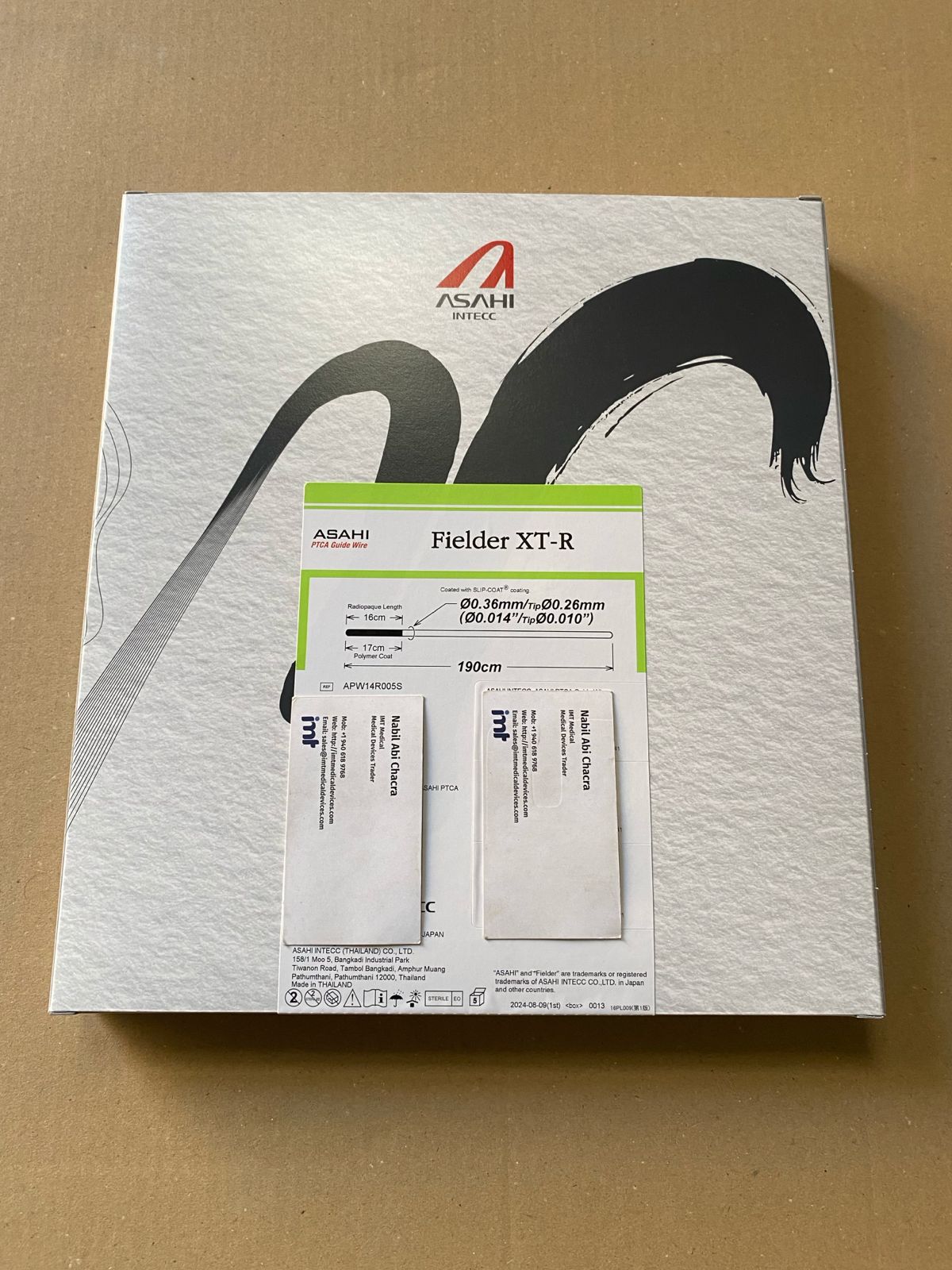
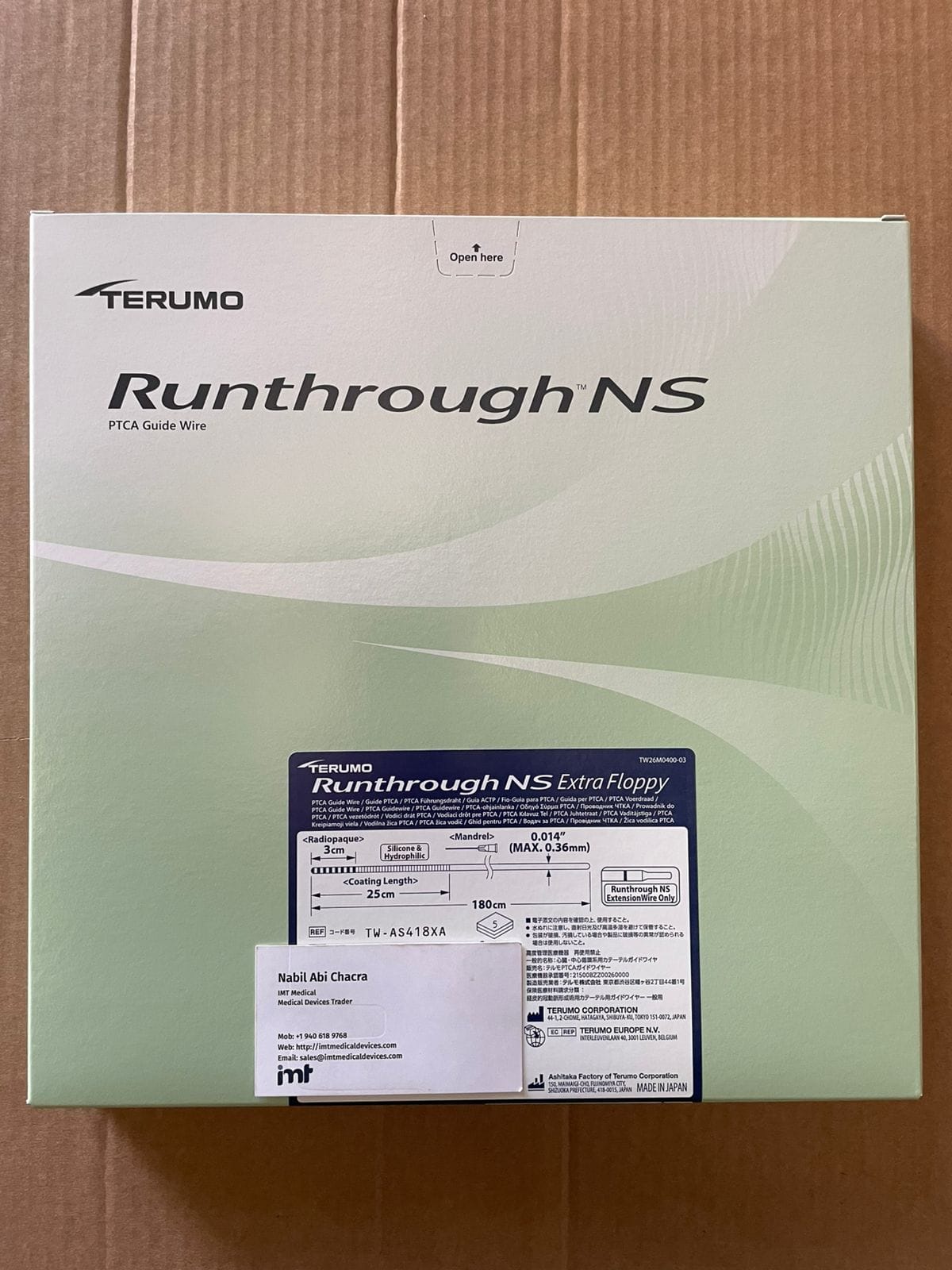
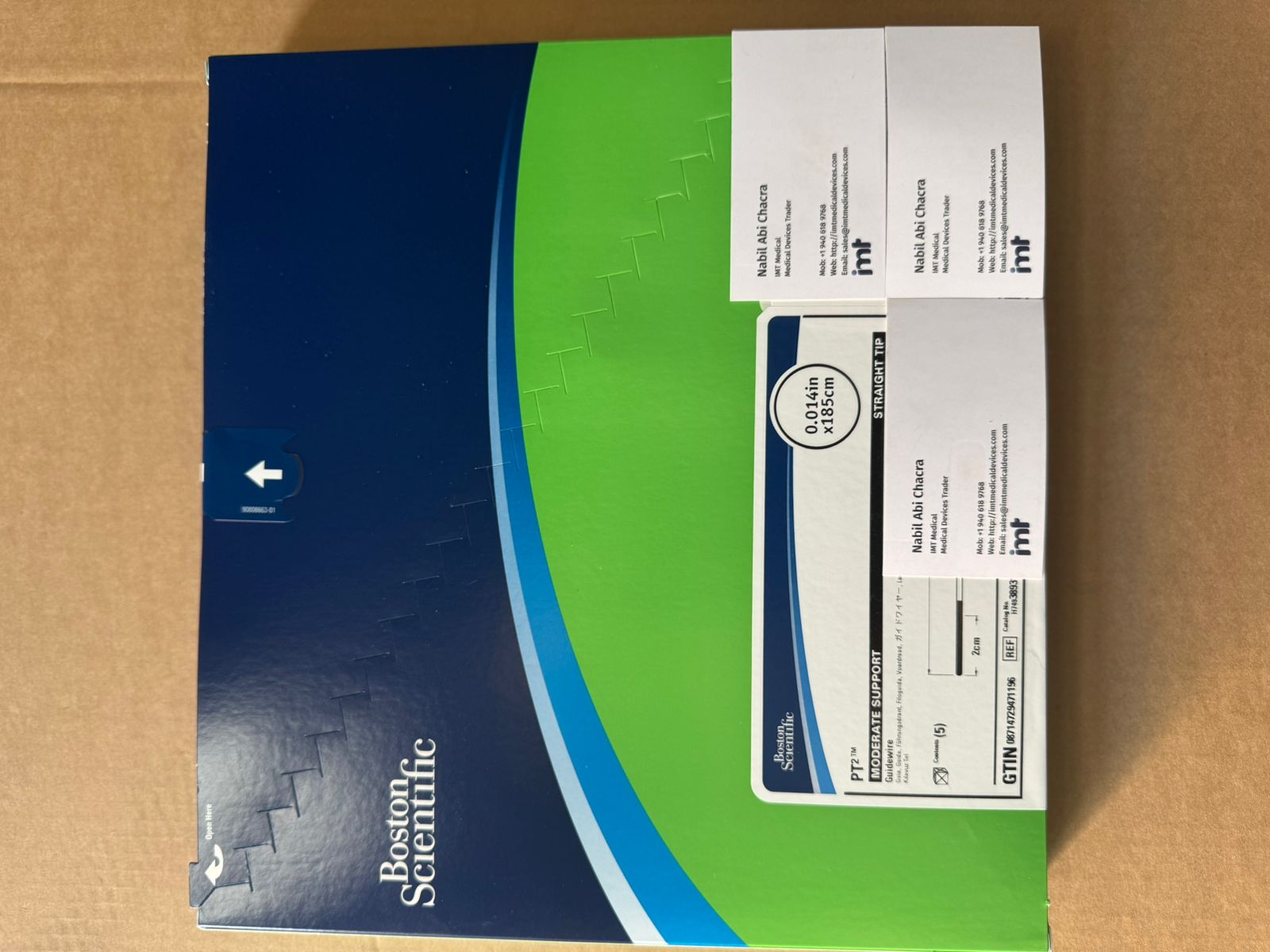
From a sourcing perspective, these products are not interchangeable simply because they share a category label. A 0.014 guidewire portfolio can vary significantly by coating, tip load, support profile, torque response, and crossing behavior. The same applies to balloons and stents, where lesion type, vessel size, deliverability requirements, and operator preference shape demand. Procurement teams that treat the category as a simple line item usually run into avoidable substitutions and delays.
Why branded coronary intervention products remain the priority
In this segment, brand matters because procedural familiarity matters. Interventional cardiologists often work from established preferences based on trackability, pushability, deployment behavior, shaft response, or long-term confidence with a platform. As a result, buyers commonly specify established manufacturers such as Terumo, Asahi, Abbott, Boston Scientific, Medtronic, and Cordis rather than accepting broad equivalents.
That purchasing behavior is not just clinical habit. It reduces friction across approval workflows, supports standardization in the cath lab, and helps maintain consistency in outcomes and staff handling. For distributors and international procurement teams, branded sourcing also lowers uncertainty around acceptance in regulated healthcare environments where recognized manufacturers are easier to validate internally.
There is a trade-off, of course. Branded products can create concentration risk when demand spikes or specific references become difficult to source in certain regions. That is why many professional buyers aim for two levels of control at once - strict adherence to approved brands where necessary, and access to a supplier with enough portfolio breadth to offer adjacent options within the same manufacturer family or across approved alternatives.
The core coronary intervention products procurement teams monitor closely
Coronary stents
Coronary stents are usually the most visible line item, but they are only one part of the purchasing picture. Buyers need to account for platform type, diameters, lengths, deliverability profile, and physician preference by lesion subset. In many institutions, approved stent ranges are narrow, which makes source reliability more important than broad selection alone.
For wholesale and export purchasing, stent procurement also depends on expiration management, storage conditions, and documentation accuracy. These are routine details, but they become critical in cross-border transactions where timing and paperwork can affect usable shelf life upon arrival.
PTCA balloons
Balloon demand often spans pre-dilation, post-dilation, and lesion-specific use. Buyers may need a mix of semi-compliant and non-compliant options across multiple diameters and shaft lengths. Stocking too narrowly can create procedural bottlenecks, while overbuying slower-moving sizes can tie up budget unnecessarily.
This is where usage data matters. A purchasing team that reviews balloon utilization by case type and operator can often refine its stocking strategy without reducing procedural readiness.
Guidewires
Guidewires are one of the most preference-sensitive segments within coronary intervention products. Support level, tip design, lubricity, and lesion-crossing characteristics can all influence whether a wire is acceptable for a given team. Brands like Asahi and Terumo are often requested by name for exactly this reason.
For procurement, the challenge is balancing standard stock with specialist demand. A lab may use a stable set of workhorse wires regularly, but still require smaller-volume CTO or complex-lesion references on dependable lead times.
Guiding catheters and support devices
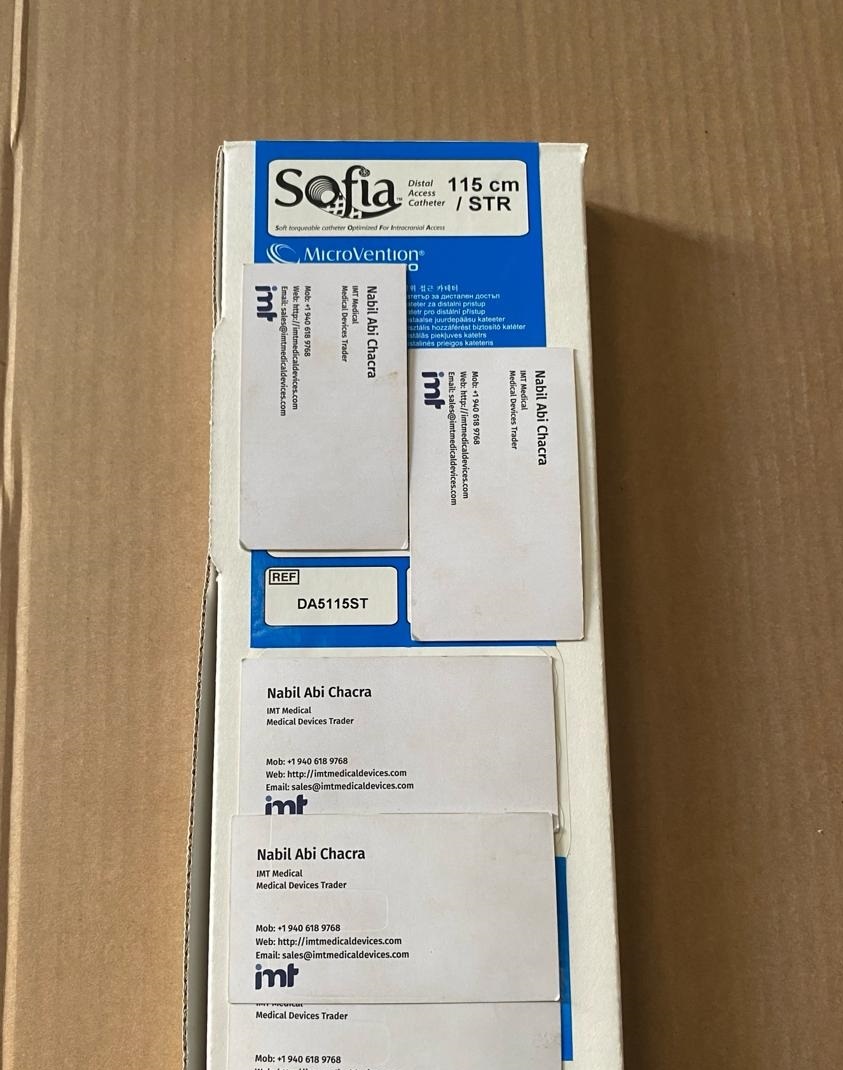
Guiding catheters shape access strategy and backup support. Their procurement tends to be driven by compatibility, preferred curves, French size, and access approach. Even when unit price pressure exists, buyers usually avoid unnecessary changes here because small differences in handling can affect procedural efficiency.
Support devices and adjunctive products follow a similar pattern. They may not represent the largest spend category, but if they are missing, cases can stall quickly.
What experienced buyers look for in a coronary intervention products supplier
A supplier serving this category needs to do more than list product families. Professional buyers generally evaluate four issues at once: whether the products are authentic branded devices, whether exact references can be quoted accurately, whether multi-brand sourcing can be consolidated, and whether export logistics are handled competently.
Exact nomenclature is especially important. In coronary intervention, a near match is often not a match. Product naming, size configuration, packaging details, and manufacturer reference accuracy all affect whether a quote is usable for internal approval.
Portfolio breadth also matters more than it first appears. A buyer sourcing stents from one vendor, guidewires from another, and closure devices from a third may still complete the order, but the administrative cost is higher. Consolidation through one wholesale partner can reduce quote cycles, shipping complexity, and vendor management overhead.
For international customers, export support is not a side service. It is part of the product offer. Documentation, destination handling, shipment coordination, and communication speed can be as important as the catalog itself when procurement windows are tight.
How to evaluate fit before requesting a quote
The fastest procurement decisions usually come from a simple review of operational fit. First, confirm whether the supplier handles the branded coronary portfolio you actually buy, not just the general category. Second, assess whether they can support repeat purchasing rather than a one-time opportunistic order. Third, verify whether they understand international fulfillment if your organization buys across borders.
It also helps to judge responsiveness by the quality of the quote process. A capable B2B supplier should be comfortable working from exact references, manufacturer names, and volume requirements. Vague responses at this stage usually signal friction later.
For many buyers, a good sourcing partner is not the one with the longest product list. It is the one that can reliably quote the right branded SKUs, across multiple intervention categories, with communication that matches the urgency of hospital and distributor procurement.
Coronary intervention products and the value of category consolidation
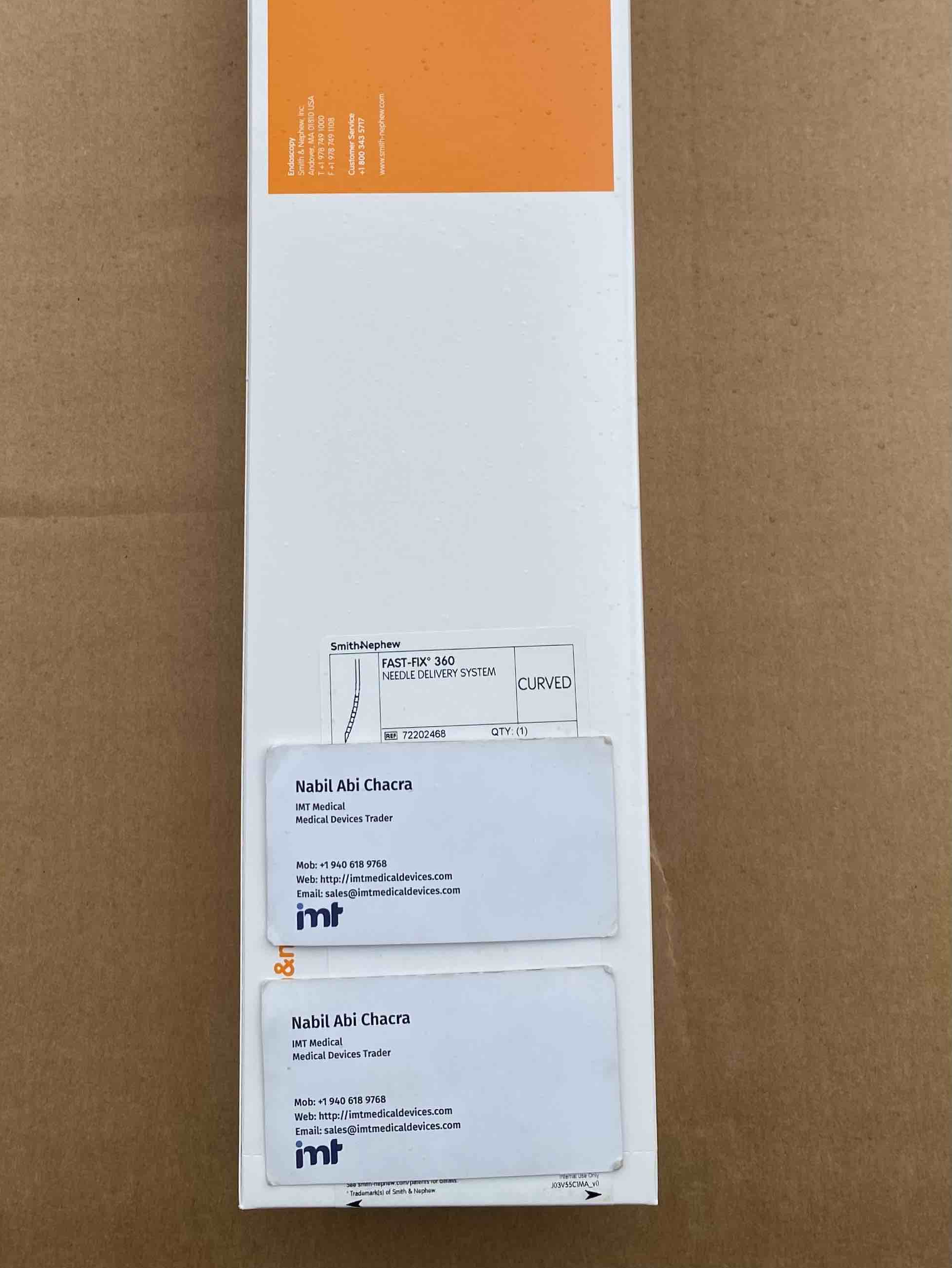
Many organizations do not buy coronary products in isolation. A single procurement cycle may also include peripheral intervention products, neurovascular devices, aspiration catheters, sutures, vascular closure devices, or laboratory brands. That is why supplier breadth can create real efficiency when purchasing teams are under time pressure.
A consolidated sourcing model is particularly useful for distributors and international healthcare buyers serving multiple facilities. Instead of reopening separate vendor conversations for each category, they can centralize branded device procurement through one channel. For buyers working across regions, this approach can reduce administrative burden without lowering specification control.
At IMTMedicalDevices.com, that model is built around recognized manufacturers and inquiry-based wholesale supply rather than consumer-style e-commerce. For professional buyers, that distinction matters because the purchase decision is usually driven by exact product need, not by browsing behavior.
Where sourcing decisions get difficult
The hardest cases are usually not about identifying the right product category. They involve competing constraints. A physician may require a preferred stent platform, finance may push for tighter controls, and logistics may limit what can be moved quickly into a given market. The correct answer depends on the institution, the approval framework, and the urgency of demand.
That is why procurement teams benefit from suppliers that understand substitutions only where clinically and commercially appropriate. Sometimes a case requires strict brand continuity. Sometimes a broader approved range is acceptable. A useful supplier recognizes that difference and quotes accordingly.
The same applies to inventory planning. Holding deeper stock on every coronary line item is not always efficient, but understocking critical references carries obvious procedural risk. The right balance usually comes from actual usage patterns, lead-time experience, and access to a supplier that can support repeat replenishment with consistency.
Coronary intervention purchasing works best when it is treated as specification-driven procurement, not commodity buying. The more precisely a supplier supports branded devices, exact references, and international fulfillment, the easier it becomes to keep the cath lab focused on cases rather than shortages.