

DES Platform Comparison: Technical Analysis of Leading Drug-Eluting Stents
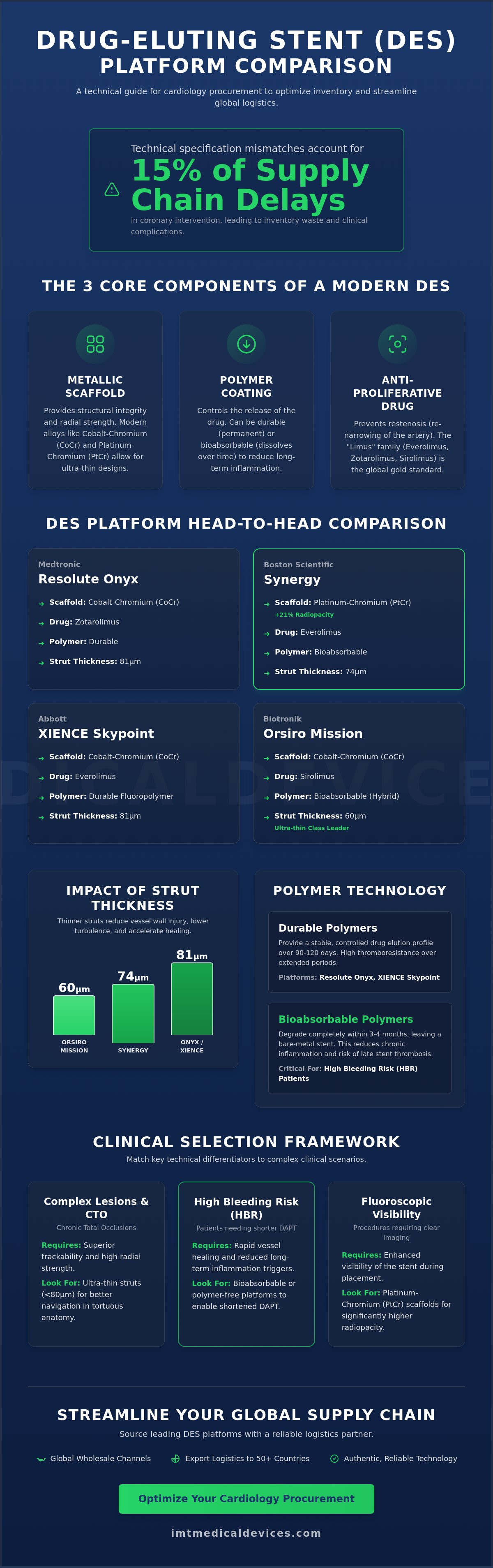
A 2023 analysis of cath lab procurement cycles found that technical specification mismatches account for 15% of supply chain delays in coronary intervention. Selecting the optimal device requires a precise evaluation of metallic alloys, polymer durability, and drug elution profiles. You understand the risks. Choosing the wrong platform for complex lesions leads to inventory waste and clinical complications. This technical des platform comparison provides the data required to optimize your cardiology procurement and streamline global logistics.
You'll find a detailed analysis of Medtronic, Boston Scientific, and Abbott platforms. We've structured technical specifications into a clear comparison table. This includes strut thickness and polymer biocompatibility for the Medtronic Resolute Onyx, Boston Scientific Synergy, and Abbott XIENCE Skypoint. This guide validates your selection process. It confirms your access to a reliable partner capable of exporting to 50 countries. It's an essential resource for procurement officers seeking industrial competence and logistical reliability in the medical device sector.
Key Takeaways
- Analyze the technical evolution of metallic scaffolds and polymer coatings to differentiate between bioabsorbable and polymer-free technologies.
- Execute a comprehensive des platform comparison involving Medtronic, Boston Scientific, and Abbott to optimize cardiology inventory.
- Match specific DES platforms to complex clinical scenarios, including chronic total occlusions (CTO) and high bleeding risk (HBR) patients.
- Identify key technical differentiators in strut thickness and polymer profiles that impact clinical outcomes in complex coronary interventions.
- Leverage global wholesale channels and export logistics to streamline the procurement of leading stent brands across 50+ countries.
Evolution of Drug-Eluting Stent (DES) Platforms in 2026
Drug-eluting stents integrate three specific technical components: a metallic scaffold, a polymer coating, and an anti-proliferative drug. This Evolution of Drug-Eluting Stent (DES) Platforms has transitioned from first-generation permanent polymer models to current ultra-thin bioabsorbable and polymer-free technologies. A technical des platform comparison is essential for procurement officers evaluating clinical performance and vessel healing rates. Modern PCI standards prioritize rapid re-endothelialization to minimize the risk of neoatherosclerosis and late-term complications.
The Role of Scaffold Material
Modern scaffold design relies on Cobalt-Chromium (CoCr) and Platinum-Chromium (PtCr) alloys to replace older stainless steel structures. CoCr alloys, utilized in the Medtronic Resolute Onyx, provide high structural integrity with thinner struts. PtCr alloys, found in the Boston Scientific Synergy, offer a 21 percent increase in radiopacity over CoCr, which improves visibility during complex fluoroscopic procedures. Radial strength is the physical capacity of the stent scaffold to resist the inward compressive forces of the vessel wall to maintain lumen patency. Strut thickness in 2026 models typically ranges from 60 to 81 microns. Thinner struts reduce vessel wall injury and accelerate the healing process after implantation.
Drug Elution Kinetics
The "Limus" family of drugs remains the global gold standard for preventing restenosis. This group includes Sirolimus, Everolimus, and Zotarolimus. Everolimus is the primary agent for Abbott Xience and Boston Scientific Synergy, while Zotarolimus is the foundation of the Medtronic Resolute series. A comprehensive des platform comparison requires an analysis of how these drugs are released. Durable fluoropolymers provide a stable, controlled elution profile over 90 to 120 days. Bioabsorbable polymers, such as PLGA, degrade completely within 3 to 4 months. This degradation eliminates long-term inflammatory triggers, significantly reducing the risk of late stent thrombosis.
Product Details:
- Medtronic Resolute Onyx: CoCr scaffold, Zotarolimus drug, 81-micron strut thickness.
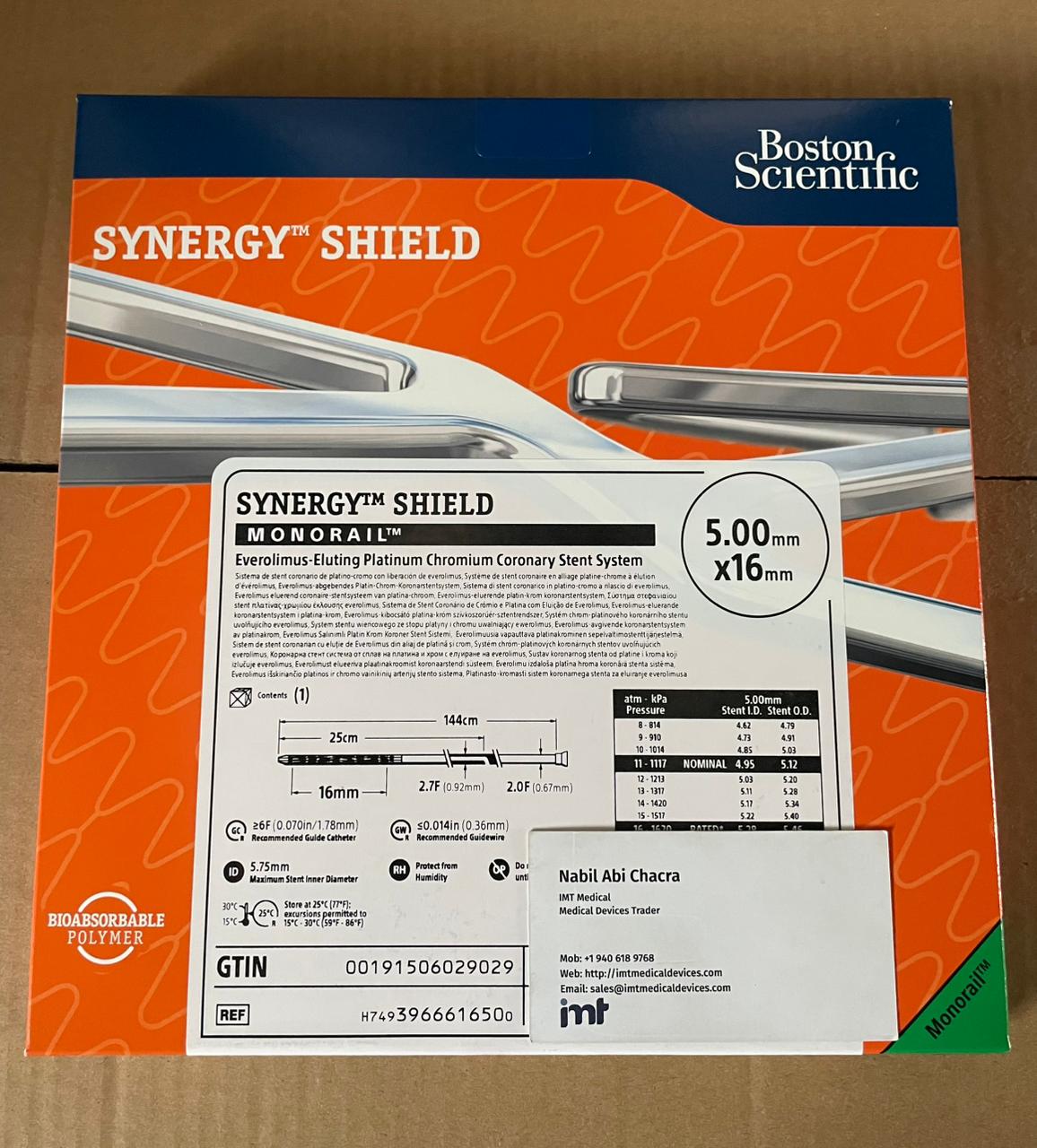
- Boston Scientific Synergy: PtCr scaffold, Everolimus drug, Bioabsorbable polymer, 74-micron strut thickness.
- Abbott Xience Skypoint: CoCr scaffold, Everolimus drug, Durable fluoropolymer.
- Biotronik Orsiro Mission: CoCr scaffold, Sirolimus drug, 60-micron ultra-thin struts.
IMT Medical Devices facilitates the global distribution of these high-performance coronary intervention tools. Our Export 50 Country logistical network ensures that hospitals and clinics receive authentic medical technology with maximum efficiency. We focus on technical precision and brand reliability to support international medical supply chains. It's our priority to maintain a robust inventory of the industry's best sellers for immediate wholesale export.
Key Technical Differentiators: Strut Thickness and Polymer Profiles
Technical performance in a des platform comparison depends on the interaction between strut thickness, polymer biocompatibility, and scaffold geometry. Modern interventional cardiology prioritizes ultra-thin struts to minimize vascular injury and accelerate vessel healing. Platforms featuring struts under 80 microns, such as the BIOTRONIK Orsiro (60 microns) and Boston Scientific Synergy (74 microns), demonstrate superior trackability in tortuous anatomy compared to standard thin-strut designs like the Abbott Xience (81 microns). Thinner struts displace less blood volume and cause less turbulence, which directly improves the thromboresistance profile of the device.
Polymer Technology: Durable vs. Bioabsorbable
Polymer selection directly influences long-term safety and inflammatory response. Durable fluorinated polymers, utilized in the Xience series, maintain a high thromboresistance profile over extended periods. Conversely, bioabsorbable polymers like polylactic acid (PLA) are engineered to degrade after the drug elution phase, typically within 90 to 120 days. This transition to a bare-metal state reduces chronic inflammation, a critical factor for high-bleeding-risk (HBR) patients requiring shortened dual antiplatelet therapy (DAPT) durations. Clinical data suggests that polymer-free DES, such as the BioFreedom platform, provide a safer alternative for HBR populations by eliminating polymer-related hypersensitivity entirely. For a detailed breakdown of these materials, refer to our technical specifications checklist for evaluation criteria.
Strut Architecture and Vessel Healing
Stent geometry dictates the balance between flexibility and radial strength. Open-cell architectures provide the necessary conformability for complex bifurcations; closed-cell designs offer more uniform plaque coverage to prevent prolapse. Strut thickness is the primary driver of arterial wall recovery speed. Re-endothelialization is the physiological process where a new layer of endothelial cells covers the stent struts to restore vascular integrity. Thicker struts disrupt laminar flow and delay this process, increasing the risk of late stent thrombosis.
- Medtronic Resolute Onyx: Uses 81-micron cobalt alloy struts with a CoreWire technology for enhanced radiopacity.
- Terumo Ultimaster: Features a 80-micron gradient bioresorbable polymer coating applied only to the abluminal surface.
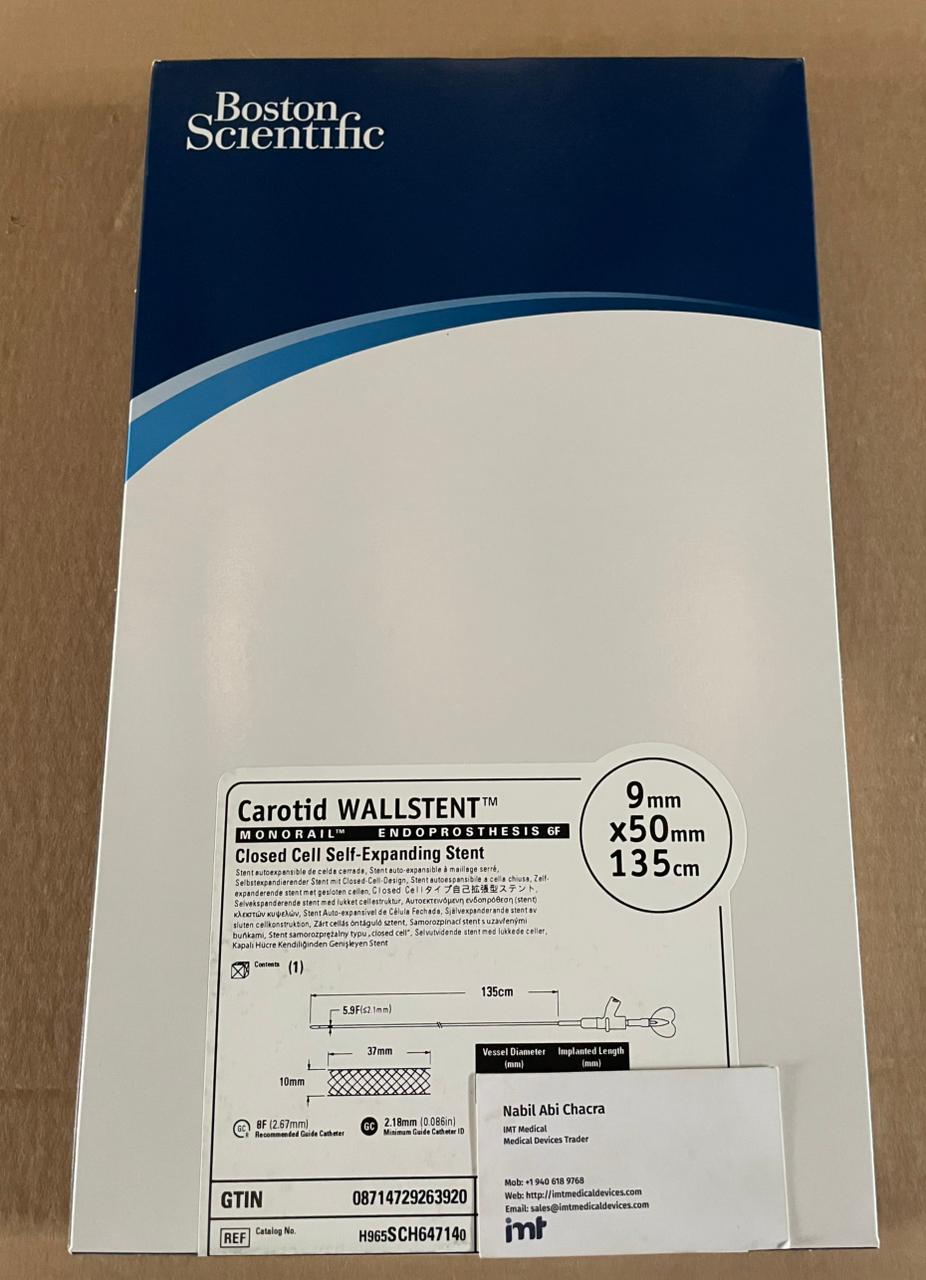
- Boston Scientific Synergy: Combines a 74-micron platinum chromium frame with a 4-month bioabsorbable polymer.
Procurement officers must prioritize platforms that balance radial force with the lowest possible micron profile to ensure rapid healing. For bulk inventory requirements and international logistics, consult our global medical supply chain experts for availability on leading DES models across fifty countries.
Platform Comparison: Medtronic vs. Boston Scientific vs. Abbott
Selecting the appropriate stent requires a rigorous des platform comparison based on scaffold material, polymer biocompatibility, and clinical track records. Medtronic, Boston Scientific, and Abbott dominate the global market with distinct engineering philosophies. Procurement teams prioritize these brands for their documented performance in complex coronary interventions and high-volume cath lab environments.
Medtronic Resolute Onyx Analysis
The Medtronic Resolute Onyx utilizes a Swaged-Molded technology. This manufacturing process involves a single strand of cobalt-chromium wire shaped into a sinusoidal pattern and laser-fused. It creates a continuous architecture that eliminates welds, enhancing structural integrity. Technical specifications include:
- Core Wire: Platinum-iridium core for maximum radiopacity without increasing strut thickness.
- Strut Thickness: 81 μm for workhorse sizes; optimized for 2.0 mm small vessel indications.
- BioLinx Polymer: A blend of hydrophobic C10, hydrophilic C19, and PVP polymers. It's designed for a 180-day elution profile.
Resolute Onyx is the preferred choice for bifurcation lesions. Its design allows for significant over-expansion. A 4.5 mm stent can expand to 6.0 mm, maintaining radial strength during the provisional stenting technique.
Boston Scientific Synergy Overview
Boston Scientific Synergy focuses on the "early healing" niche. It uses a Platinum-Chromium (PtCr) alloy scaffold. This material provides a high strength-to-weight ratio, allowing for some of the thinnest struts in the industry. Key features include:
- Polymer Type: Bioabsorbable PLGA (Poly D,L-lactide-co-glycolide).
- Absorption Timeline: Polymer disappears within 3 to 4 months, leaving a bare metal scaffold after drug elution is complete.
- Coating: Abluminal-only coating to reduce total polymer load and promote rapid endothelialization.
The Synergy platform's 74 μm strut thickness improves flexibility. It's a primary option for high bleeding risk (HBR) patients where shorter dual antiplatelet therapy (DAPT) is required. The PtCr alloy ensures visibility remains high despite the thin-strut profile.
Abbott Xience Skypoint Technical Specs
Abbott Xience Skypoint represents the latest evolution of the Xience family. It relies on a multi-layer fluorinated polymer system. This PVDF-HFP polymer is recognized for its thromboresistance and long-term durability. Technical benchmarks include:
- Material: Cobalt-Chromium (CoCr) alloy.
- Safety Record: Backed by 10+ years of data from the Xience V, Alpine, and Sierra iterations.
- Expansion Limits: Improved expansion ranges for the Skypoint model, facilitating better apposition in tapered vessels.
Xience Skypoint remains a global benchmark for safety. The fluorinated polymer interacts with blood proteins to create a protective layer, reducing the risk of late stent thrombosis. It's a standard inventory item for international distributors exporting to 50 countries.
Comparative Deliverability and Complex Lesions
In a technical des platform comparison, deliverability in calcified anatomy is determined by crossing profile and longitudinal strength. Synergy offers the highest flexibility for tortuous vessels. Resolute Onyx provides superior visibility for precise placement in dense calcium. Xience Skypoint balances radial strength with a low-friction coating for easier delivery through long, multi-stent constructs. Each platform meets specific procedural demands in modern interventional cardiology.
Clinical Selection Framework for Complex Coronary Lesions
A technical des platform comparison requires matching stent architecture to specific lesion morphology. Chronic Total Occlusions (CTO) demand high radial strength and superior deliverability. Thin-strut cobalt chromium (CoCr) or platinum chromium (PtCr) platforms, such as the Medtronic Resolute Onyx or Boston Scientific Synergy, offer the trackability needed for tortuous anatomy. Bifurcation lesions require platforms with large side-cell access to facilitate provisional stenting and lateral branch patency.
- Diabetes Mellitus (DM): Select platforms with proven antiproliferative efficacy in high-risk metabolic profiles.
- High Bleeding Risk (HBR): Utilize stents validated for 1-month Dual Antiplatelet Therapy (DAPT) protocols, such as the Abbott Xience Skypoint.
- Multi-vessel Disease: Evaluate drug-eluting stent benefits regarding long-term polymer stability and revascularization rates.
Intravascular imaging via IVUS or OCT verifies platform performance. Clinical data from the ULTIMATE trial shows that IVUS-guided PCI reduces Target Vessel Failure (TVF) by approximately 30% compared to angiography alone in complex cases. Procurement decisions should prioritize stents with technical specifications that accommodate these imaging-guided optimization steps. Accurate sizing and apposition remain the primary drivers of long-term patency.
Addressing the #1 Procurement Objection: Brand vs. Outcome
Clinicians don't find a single "best" stent for every patient. Selection is patient-specific and data-driven. High-volume cardiac labs perform cost-benefit analysis by reviewing registry data like SWEDEHEART or the NCDR CathPCI Registry. Premium DES platforms reduce long-term costs by lowering the 2% to 5% annual risk of Target Lesion Revascularization (TLR) seen in older generations. Evidence-based procurement focuses on clinical outcomes and technical specifications rather than brand-first marketing. A des platform comparison based on 12-month MACE (Major Adverse Cardiac Events) rates provides the most reliable ROI for hospital systems.
Future Trends in DES Technology
The status of Bioresorbable Scaffolds (BRS) in 2026 focuses on ultra-thin struts to mitigate early-generation thrombosis risks. AI-driven stent selection is now a reality. Software automates vessel sizing and lesion preparation planning. Drug-coated balloons (DCB) complement DES, particularly for small vessel disease and in-stent restenosis (ISR) management. These hybrid approaches define the next decade of coronary intervention. IMT Medical Devices monitors these shifts to ensure the availability of the latest CE-marked and FDA-approved technologies.
Global Supply Chain: Sourcing Leading DES Platforms with IMT
IMT Medical Devices operates as a specialized global wholesaler for premium interventional cardiology products. We provide direct access to the industry's most advanced technologies from Medtronic, Boston Scientific, and Abbott. Our infrastructure facilitates a detailed des platform comparison by offering all major technical specifications and models through a single, streamlined procurement channel. We maintain a consistent inventory of high-demand stent systems to prevent supply chain disruptions in critical care environments.
Our logistical network extends to 50+ countries. We utilize a "brand-first" approach to ensure healthcare providers receive authentic, factory-sealed technology. Each shipment adheres to rigorous quality control standards, including specialized cold chain management where required. Our global reach is supported by four strategic distribution hubs:
- Georgia: Serving the Caucasus and Central Asian markets.
- UAE: Centralized logistics for Middle Eastern and African healthcare providers.
- Turkey: Key transit point for rapid fulfillment across Europe and Asia.
- Poland: Primary gateway for European Union distribution and regulatory compliance.
Bulk procurement through IMT Medical Devices offers clear advantages for large-scale hospitals and international distributors. We focus on high-capacity fulfillment, ensuring that even large-volume orders for Resolute Onyx, Synergy, or Xience platforms are processed with industrial efficiency. Our operations prioritize product availability and logistical speed over narrative marketing.
Streamlined Export and Documentation
We manage the complexities of international medical device regulations and customs clearance. Our team produces precise documentation required for cross-border transit, minimizing delays at port entries. We offer volume-based pricing tiers tailored for cardiology departments and wholesale partners. This structure ensures that high-demand stent models remain accessible even during global shortages. Reliability in the supply chain is our primary metric of success. We utilize standardized protocols for every export, ensuring that technical specifications and model numbers match procurement requests exactly.
Strategic Sourcing Partners
IMT Medical Devices bridges the gap between major manufacturers and global healthcare providers. We provide a direct link to authentic inventory from renowned international brands. Our role as a pragmatic, expansive partner allows us to support healthcare systems in 50+ countries with verified medical technology. We focus on the technical requirements of coronary intervention, providing the exact tools needed for complex procedures. Procurement officers can utilize our platform to compare technical data and secure bulk inventory through a single point of contact. Inquire about bulk DES pricing and export logistics to optimize your facility's des platform comparison and procurement strategy.
Optimizing Global Coronary Supply Chains for 2026
Modern interventional cardiology demands absolute precision in device selection. Technical data from 2026 highlights that ultra-thin struts and bioresorbable polymers are now the baseline for reducing late-stage clinical complications. This des platform comparison clarifies how specific mechanical properties of the Medtronic Onyx Frontier and Abbott Xience Skypoint influence outcomes in complex bifurcations. Healthcare providers and procurement officers must ensure direct access to these leading technologies to maintain high patient care standards across international borders.
IMT Medical Devices provides the logistical expertise required for high-volume distribution. We're an authorized wholesaler for Medtronic, Terumo, and Boston Scientific, managing a robust supply network from strategic offices in the UAE, Georgia, Poland, and Turkey. With a proven track record of exporting to over 50 countries, we simplify the complexities of medical device procurement. Our infrastructure supports rapid inventory turnover and ensures that vital interventional tools reach the clinics where they're needed most. Partnering with a reliable distributor ensures your facility stays ahead of technical shifts in the cardiovascular market.
Contact IMT Medical Devices for Global DES Wholesale and Export Solutions to secure your supply of premium stent platforms today.
Frequently Asked Questions
What are the main differences between Medtronic Resolute Onyx and Boston Scientific Synergy?
Resolute Onyx features a composite wire design with a Platinum Iridium core, while Synergy utilizes a bioabsorbable polymer on its abluminal surface. Onyx has an 81 micrometer strut thickness compared to the 74 micrometer struts found in Synergy. These technical specifications drive selection in a des platform comparison. Onyx provides superior radiopacity for visualization, whereas Synergy focuses on rapid polymer resorption within 4 months to reduce long-term inflammation.
How does strut thickness affect the clinical performance of a DES platform?
Thinner struts improve clinical performance by reducing vessel wall trauma and accelerating endothelialization. Strut thickness below 81 micrometers correlates with lower rates of stent thrombosis and restenosis. Trials like BIO-RESORT confirm that ultra-thin struts lead to a 15 percent reduction in target lesion revascularization. This structural factor remains a critical metric in any des platform comparison for complex coronary interventions where vessel injury must be minimized.
Which DES platform is best for patients with high bleeding risk (HBR)?
Medtronic Resolute Onyx is the first DES with FDA and CE Mark approval for one month Dual Antiplatelet Therapy (DAPT) in HBR patients. The Onyx ONE Global Study tracked 1,996 patients to confirm safety in this specific population. Boston Scientific Synergy also supports shortened DAPT durations due to its bioabsorbable polymer. These platforms minimize bleeding events by allowing earlier cessation of blood thinning medications without increasing ischemic risk.
What is the standard drug used in the Abbott Xience stent family?
Every stent in the Abbott Xience family, including Xience Sierra and Xience Skypoint, uses Everolimus as the primary antiproliferative drug. The drug is delivered via a Fluorinated Copolymer at a standard dose of 100 micrograms per square centimeter. This specific combination has been tested in 100 clinical trials involving over 40,000 patients since its initial launch in 2006, making it a benchmark for safety and efficacy.
Can bioabsorbable polymers improve long-term outcomes compared to durable polymers?
Bioabsorbable polymers don't necessarily outperform durable polymers in short term trials, but they aim to reduce Very Late Stent Thrombosis (VLST). By dissolving within 120 days, these polymers leave a bare metal surface that reduces chronic inflammatory responses. Data from the EVOLVE II trial shows Synergy’s bioabsorbable polymer maintains a 1.1 percent definite stent thrombosis rate at five years, suggesting long term stability for the patient.
How does IMT Medical Devices handle international shipping for cardiology stents?
IMT Medical Devices manages international shipping through a dedicated logistical framework that serves 50 countries globally. We prioritize rapid export for Medtronic, Boston Scientific, and Abbott coronary stents. Our system uses structured Product Details to ensure accurate part number matching for wholesale orders. We maintain high capacity inventory to meet the urgent procurement needs of international hospitals and distributors through efficient air freight channels.
Are these DES platforms compatible with MRI procedures?
Current DES platforms from major manufacturers are MRI Conditional and safe for scanning under specific clinical conditions. Patients can undergo 1.5 Tesla or 3.0 Tesla MRI procedures immediately after the implantation procedure. You don't need a waiting period for Xience, Onyx, or Synergy stents. Always verify the specific manufacturer Instructions for Use (IFU) for static magnetic field and spatial gradient limits before starting the scan.
What documentation is required for importing DES platforms into the UAE or Georgia?
Importing DES into the UAE or Georgia requires a Certificate of Free Sale (CFS), a CE Certificate, and a detailed packing list. The UAE Ministry of Health requires Class III medical device registration for all coronary stents entering the country. Georgia requires documentation translated into Georgian or English for customs clearance. IMT Medical Devices provides all necessary export documentation to ensure seamless transit through international customs for every shipment.