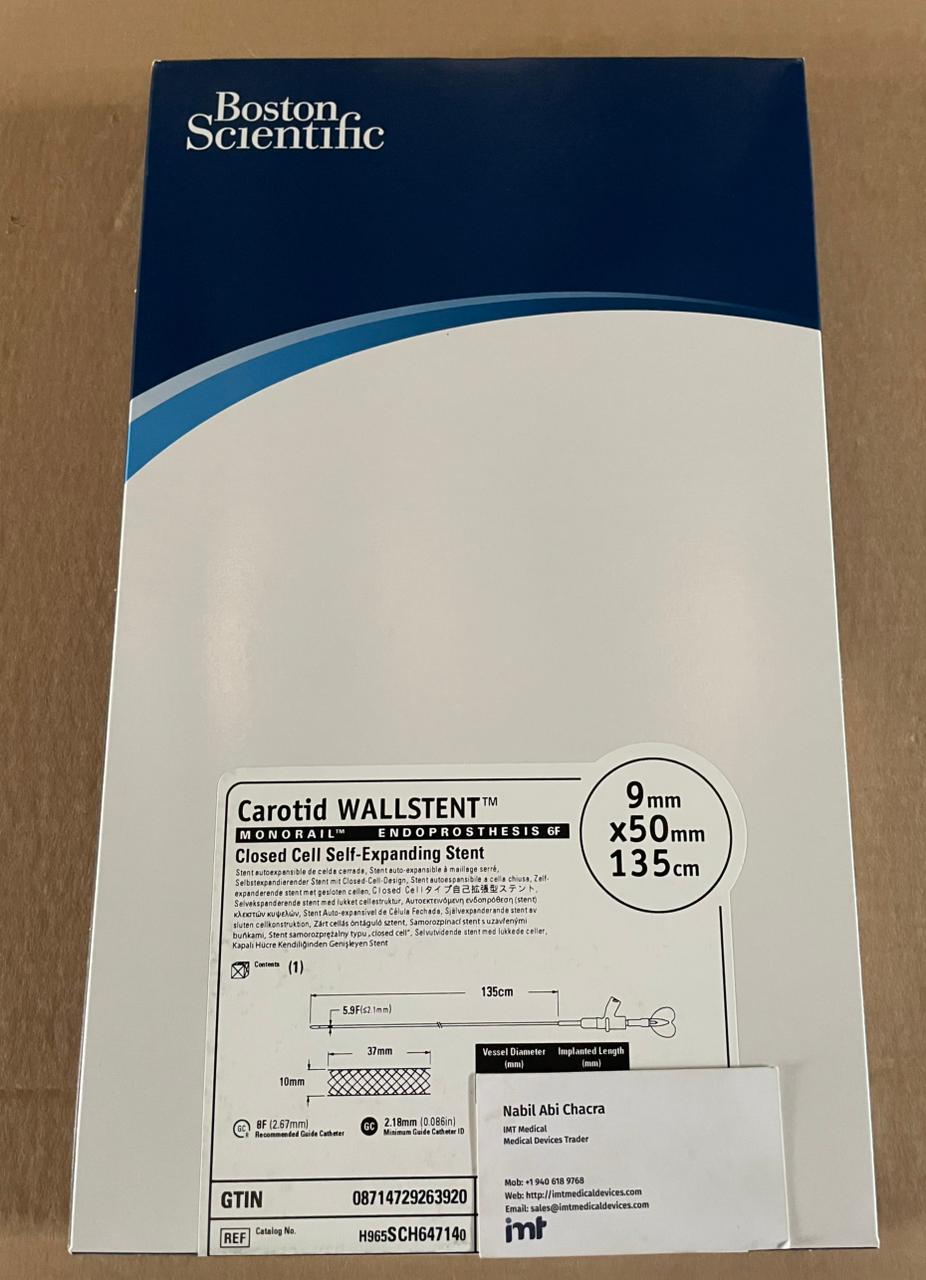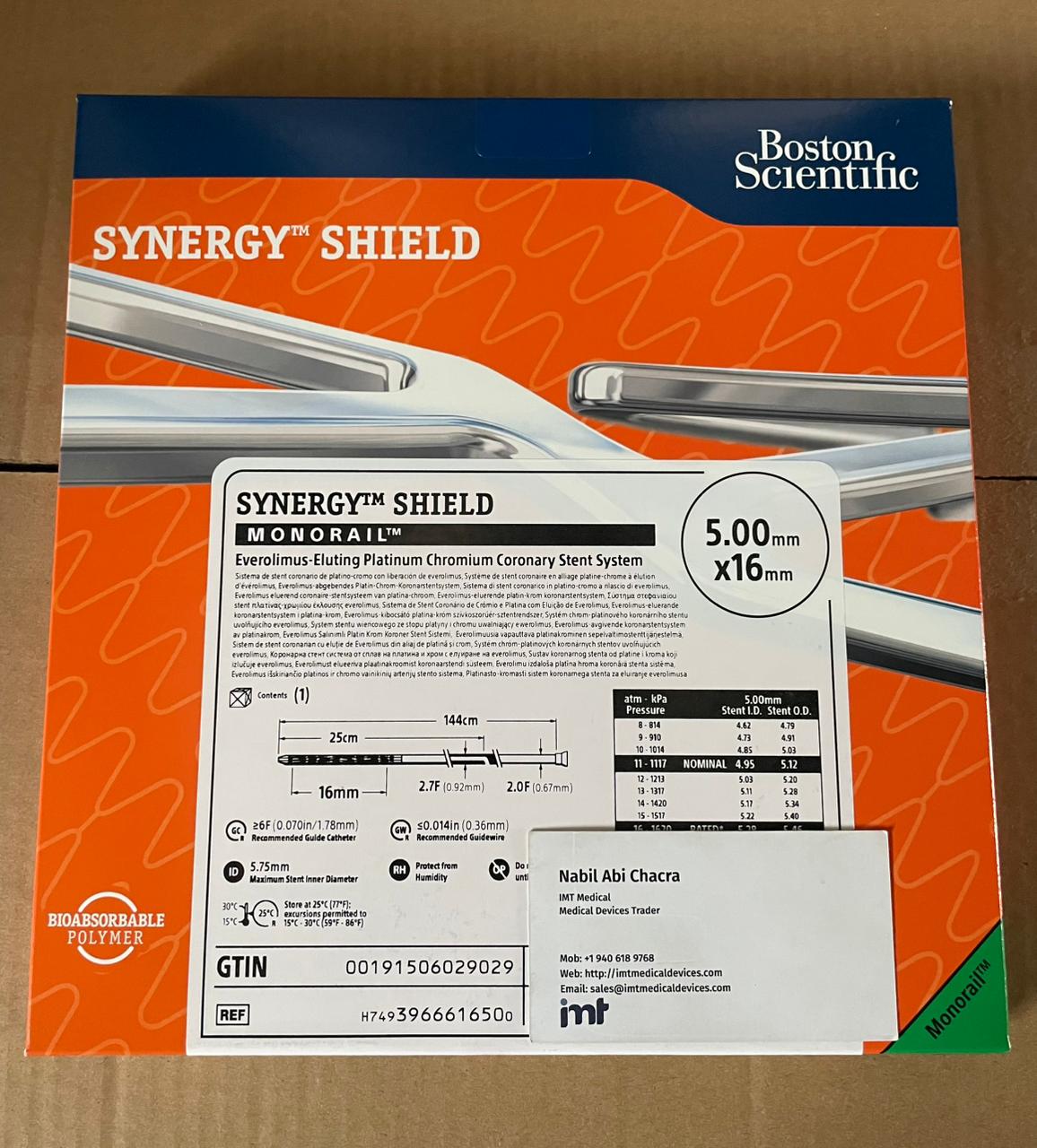


Drug-Eluting Stents: A B2B Guide to Global Procurement and Supply (2026)
Cardiovascular disease prevalence is projected to increase by 90% between 2025 and 2050, yet 100% tariffs on patented imports are currently reshaping the global procurement landscape. Procurement officers face a volatile market where drug-eluting stents must meet both clinical excellence and strict logistical compliance. Securing Tier-1 inventory like the Boston Scientific TAXUS Express2 Atom or the Medtronic Onyx Frontier requires a partner capable of navigating the May 28, 2026, EUDAMED mandatory data deadline and complex cross-border trade barriers.
It's clear that supply chain disruptions and cold chain integrity failures are unacceptable for critical cardiac implants. This guide provides a comprehensive technical and logistical framework to source high-quality DES platforms from established global brands. We detail specific procurement protocols for Abbott, Medtronic, and Boston Scientific systems, examine the 15% preferential tariff rates for EU and Japanese imports, and outline a strategy for optimizing hospital inventory with high-turnover models. From FDA Premarket Approval requirements to Export 50 Country logistics, this overview ensures your facility maintains a reliable, compliant supply of life-saving technology.
Key Takeaways
- Identify technical benchmarks like 60-80 micron strut thickness and alloy selection to optimize the clinical performance of drug-eluting stents.
- Evaluate high-turnover platforms from Medtronic, Abbott, and Boston Scientific based on deliverability and bioabsorbable polymer technology.
- Secure international supply chains by prioritizing cold chain integrity and precise regulatory documentation for cross-border coronary intervention kits.
- Leverage wholesale distribution frameworks with "Export 50 Country" reach to stabilize inventory levels and bypass local supply disruptions.
Understanding Drug-Eluting Stent (DES) Technology and Clinical Significance
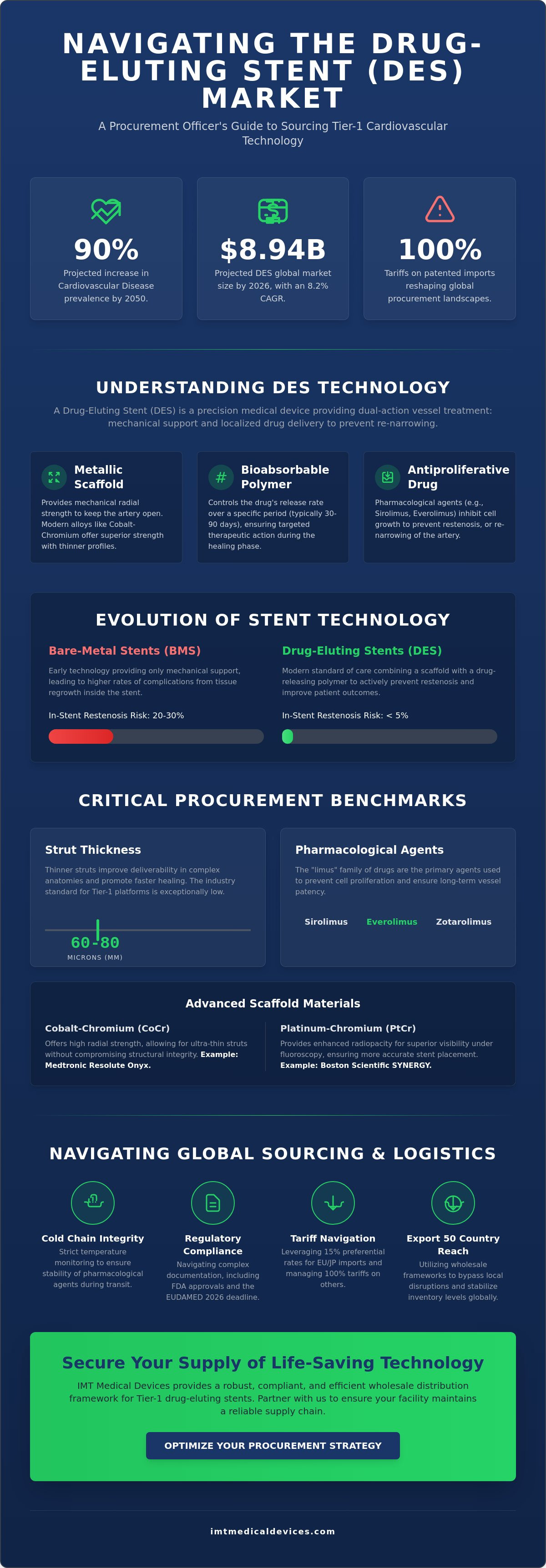
A Drug-eluting stent (DES) is a high-precision medical scaffold designed to provide mechanical vessel support while simultaneously releasing antiproliferative medication to prevent arterial re-narrowing. It's the primary tool for modern interventional cardiology. By 2026, the global market for drug-eluting stents has grown to a projected $8.94 billion, reflecting an 8.2% CAGR from the previous year. These devices function through a dual-action mechanism where the metallic scaffold provides structural patency and the pharmacological coating inhibits biological restenosis. This technology remains the gold standard for Percutaneous Coronary Intervention (PCI) due to its superior clinical outcomes compared to legacy platforms.
Clinical success depends on the drug-polymer-scaffold triad. The scaffold provides radial strength; the polymer controls the drug's release rate; and the pharmacological agent prevents cell proliferation. Procurement officers must verify the synergy of these components to ensure high clinical turnover and patient safety. Product Details for these platforms prioritize drug dosage accuracy and consistent release profiles to ensure predictable clinical outcomes across diverse patient populations.
Evolution from Bare-Metal Stents (BMS) to Modern DES
The transition from Bare-Metal Stents (BMS) to modern DES platforms represents a major leap in PCI efficacy. Early BMS models carried a 20% to 30% risk of in-stent restenosis. Modern drug-eluting stents have reduced these rates to less than 5% in most clinical scenarios. Current industry standards prioritize thinner struts, typically between 60 and 80 microns, to improve deliverability and promote faster endothelialization. This technological shift has directly lowered re-intervention rates and improved long-term survival statistics for patients with complex coronary artery disease. Thinner struts also facilitate navigation through tortuous anatomy, which is a key requirement for complex coronary interventions.
Pharmacological Agents: Sirolimus, Everolimus, and Zotarolimus
Modern stents utilize the "limus" family of drugs to ensure long-term vessel patency. Sirolimus, Everolimus, and Zotarolimus are the primary agents used in Tier-1 platforms like the Medtronic Onyx Frontier or the Abbott Esprit BTK system. These drugs arrest the cell cycle to prevent the excessive tissue growth that leads to restenosis. Release kinetics are a critical procurement metric; controlled elution typically occurs over a 30 to 90-day window. This precise delivery prevents artery renarrowing during the most vulnerable healing phase. Maintaining the integrity of these drug coatings during global transit is a core competency of IMT Medical Devices, supporting our Export 50 Country logistical framework. Every shipment follows strict temperature monitoring to ensure the pharmacological agents remain stable until the point of care.
Evaluating DES Platforms: Technical Specifications for Procurement
Procurement standards for drug-eluting stents require rigorous evaluation of mechanical and pharmacological properties. Current Tier-1 platforms prioritize ultra-thin struts, typically 60 to 80 microns, to facilitate rapid endothelialization. This reduced profile minimizes the risk of late-stage complications and improves deliverability in tortuous coronary anatomy. High-capacity distributors focus on these metrics to ensure clinical efficiency and product turnover. The Technical specifications of drug-eluting stents confirm that scaffold material and polymer biocompatibility are the primary drivers of long-term patient outcomes.
Modern scaffolds utilize Cobalt-chromium (CoCr) or Platinum-chromium (PtCr) alloys. These materials offer superior radial strength and radiopacity compared to legacy stainless steel. Enhanced visibility under fluoroscopy is essential for accurate placement in bifurcated lesions. Precise placement ensures that clinicians can verify stent apposition without excessive contrast use, protecting patient renal function. Technical benchmarks for procurement include:
- Cobalt-Chromium (CoCr): High radial strength allows for thinner struts without compromising structural integrity; found in Medtronic Resolute Onyx.
- Platinum-Chromium (PtCr): Enhanced radiopacity for superior visibility in complex lesion subsets; featured in Boston Scientific Synergy.
- Bioabsorbable Polymers: Reduces the risk of chronic inflammation by dissolving after the drug elution phase, typically within 3 to 6 months.
Strut Geometry and Deliverability
Stent design dictates flexibility and pushability. Procurement officers should look for open-cell designs that allow for side-branch access in complex interventions. Precise expansion is critical; therefore, sourcing high-quality ptca balloon catheters is necessary to ensure optimal stent-to-wall contact. Proper sizing reduces vascular injury and improves long-term patency. Product Details for these devices emphasize the relationship between strut profile and the reduction of vessel wall trauma during deployment.
Polymer Biocompatibility and Thromboresistance
Polymer choice impacts thromboresistance and the risk of late stent thrombosis. Durable polymers remain stable, while bioabsorbable coatings disappear after drug elution is complete. Abluminal-only coatings, where the drug is only on the vessel-facing side, accelerate healing of the luminal surface. These platforms are particularly suited for high-bleeding-risk (HBR) patients who require shorter dual antiplatelet therapy (DAPT) durations. Inventory management at IMT Medical Devices focuses on these technical benchmarks to provide reliable solutions. Our "Export 50 Country" logistics network ensures that these high-spec drug-eluting stents reach international facilities in optimal condition. You can request a wholesale quote to secure authentic Tier-1 inventory for your facility.
Comparison of Leading DES Brands: Medtronic, Boston Scientific, and Abbott
Selecting the correct platform for drug-eluting stents requires a brand-first analysis of clinical data and mechanical specifications. Medtronic, Boston Scientific, and Abbott dominate the global market, representing a combined market share exceeding 75% as of 2025. Each manufacturer offers distinct advantages in deliverability, visibility, and healing profiles. A comprehensive overview of drug-eluting stent technology highlights that while the underlying goal of preventing restenosis is shared, the mechanical execution varies significantly across these Tier-1 providers. Procurement officers must evaluate these differences to align hospital inventory with specific patient demographics and procedural volumes.
Abbott Xience Series maintains its status as the global "workhorse" in cath labs. The platform utilizes a durable fluorinated copolymer and a cobalt-chromium scaffold. With over 15 years of clinical data, Xience platforms like the Skypoint and Alpine models provide predictable results in high-volume settings. Inventory management for Xience is streamlined by its extensive size matrix, offering diameters from 2.0mm to 5.0mm and lengths up to 48mm. This range ensures coverage for nearly all lesion types, from small distal vessels to large proximal segments. Product Details for the Xience line emphasize its low 0.003 inch strut thickness, which promotes rapid endothelialization.
Medtronic Resolute Onyx vs. Resolute Integrity
The Resolute Onyx represents a significant technical upgrade over the older Resolute Integrity platform. Onyx features CoreWire technology, which incorporates a dense metal core to enhance radiopacity without increasing strut thickness. This design is critical for small vessel and bifurcated lesions where precise placement is mandatory. Medtronic Resolute Onyx is also a primary choice for high-bleeding-risk (HBR) patients, as it's indicated for one-month dual antiplatelet therapy (DAPT). Sourcing authentic Medtronic products through specialized distributors ensures that cardiology centers maintain access to these high-demand HBR platforms.
Boston Scientific Synergy and Promus Platforms
The Boston Scientific Synergy platform focuses on rapid healing via bioabsorbable polymer technology. Unlike durable polymer stents, the Synergy coating dissolves within 3 to 4 months after drug elution is complete, leaving behind a bare platinum-chromium scaffold. This reduces long-term inflammatory responses and potential late-stage complications. For large proximal vessels, the Synergy Megatron provides increased radial strength and over-expansion capabilities up to 6.0mm. The Promus Premier remains a reliable, cost-effective alternative for standard cases, utilizing an everolimus-eluting durable polymer system. IMT Medical Devices facilitates the bulk export of these platforms, leveraging our Export 50 Country capability to meet the procurement needs of international healthcare providers.
Global Sourcing and Logistics for Interventional Cardiology Supplies
Logistics for cardiovascular implants requires higher precision than standard medical supplies. Drug-eluting stents feature sensitive antiproliferative coatings that degrade if exposed to thermal stress or improper handling. Transcontinental export of DES requires specialized climate-controlled containers and continuous data logging to ensure pharmacological stability from the manufacturer to the sterile field. Procurement officers must prioritize logistical transparency to maintain clinical efficacy and patient safety across global supply chains. Efficient "Export 50 Country" operations rely on these rigorous standards to move Tier-1 inventory through international transit hubs.
Bulk procurement strategies must balance international lead times with hospital inventory turnover. High-volume cath labs typically operate on a 30 to 60-day turnover cycle for "workhorse" sizes. Sourcing must account for a 14 to 21-day transit window to prevent stockouts of critical diameters like 3.0mm and 3.5mm. Strategic partners with expansive reach ensure that regional disruptions don't compromise the availability of life-saving interventional tools.
Cold Chain Integrity and Sterility Standards
Thermal stability is non-negotiable for medicated scaffolds. Most everolimus or zotarolimus coatings require strict storage between 15°C and 30°C. Deviations outside this range can alter elution kinetics, potentially leading to inconsistent clinical results. Air freight shipments utilize validated thermal packaging and electronic temperature loggers to monitor conditions in real-time. Reliable distribution protocols demand that these data logs are verified upon arrival. Sourcing from distributors with proven logistics frameworks is the only way to guarantee that the drug-polymer-scaffold triad remains intact during long-haul transport.
Regulatory Compliance and Export Documentation
Cross-border trade involves complex regulatory hurdles, especially for Class III medical devices. Markets like the UAE, Turkey, Georgia, and Poland require specific documentation for customs clearance. Key requirements include the Certificate of Origin, Bill of Lading, and a valid Declaration of Conformity. As of May 28, 2026, compliance with the four mandatory EUDAMED modules is essential for all products entering the European market. Ensuring all drug-eluting stents carry valid CE marks or regional equivalents is a core procurement requirement. Professional medical device distribution partners simplify these processes by managing regional registrations and ensuring all documentation meets current international standards. Contact our logistics team to optimize your international procurement and secure a resilient supply of interventional cardiology products.
Bulk Procurement Solutions for Drug-Eluting Stents with IMT Medical Devices
IMT Medical Devices functions as a high-capacity bridge between Tier-1 manufacturers and international healthcare systems. Procurement of drug-eluting stents through our wholesale framework ensures access to authentic, latest-generation technology. We maintain a robust inventory of Medtronic, Terumo, and Boston Scientific platforms to prevent stockouts in critical care environments. Our "Export 50 Country" capability provides logistical certainty for hospital groups and regional distributors. This expansive reach is backed by strategic administrative hubs in Dubai and Georgia, allowing for rapid response to global demand fluctuations.
Price stability and inventory consistency are critical for high-volume cardiology centers. We offer competitive wholesale pricing tiers based on annual volume commitments or bulk project orders. This allows procurement officers to optimize budgets while securing premium cardiac implants that meet FDA and EU MDR standards. Our supply chain management extends beyond stents to include essential procedural accessories. We provide a single-source solution for specialized guidewire technology, aspiration catheters, and balloon dilators. This integrated approach minimizes administrative overhead and simplifies international export documentation.
Wholesale Availability of Tier-1 Cardiac Implants
Consistent stock levels of high-demand DES platforms are verified daily across our regional warehouses. We provide a streamlined B2B ordering process for interventional cardiology kits. Product Details for our current inventory include:
- Medtronic Resolute Onyx: CoreWire technology for small vessel and HBR indications.
- Boston Scientific Synergy: Bioabsorbable polymer systems for accelerated healing.
- Terumo Ultimaster Tansei: Sirolimus-eluting platforms with enhanced deliverability.
- Abbott Xience Skypoint: Workhorse cobalt-chromium scaffolds with extensive clinical history.
Direct access to these manufacturers ensures that healthcare providers receive authentic technology with maximum shelf life. We prioritize high-turnover brands to help hospitals maintain lean, efficient inventory levels.
Streamlined Export Logistics to 50+ Countries
Navigating global trade barriers requires a partner with localized expertise in key trade hubs. Our strategic presence in the UAE, Poland, and Turkey facilitates rapid transit and simplified customs clearance. We manage all regulatory documentation, including Certificates of Origin and compliance with May 2026 EUDAMED mandates. Logistics solutions for drug-eluting stents are customized to protect the integrity of drug-polymer coatings. We utilize validated thermal packaging and real-time data loggers for all transcontinental air freight. This rigorous protocol ensures that sensitive coronary intervention supplies arrive in sterile, clinically ready condition. Inquire about our bulk export rates to stabilize your facility's supply chain and secure Tier-1 cardiac technology.
Strategic Procurement for 2026 Interventional Cardiology
Effective management of drug-eluting stents requires strict adherence to the May 28, 2026, EUDAMED regulatory deadlines and precise cold chain monitoring. Procurement officers must prioritize platforms with proven clinical data from manufacturers like Medtronic, Boston Scientific, and Terumo. Securing authentic Tier-1 inventory through a reliable distribution network minimizes the risk of stockouts and ensures hospital inventory remains optimized for high-turnover procedures. Technical specifications and brand reputation are the primary drivers of clinical success in modern cath labs.
IMT Medical Devices provides a high-capacity gateway to these essential cardiac technologies. We operate as an authorized wholesaler with strategic offices in the UAE, Georgia, Poland, and Turkey to facilitate rapid cross-border transit. Our "Export 50 Country" framework guarantees that sensitive medical tech reaches your facility in sterile, clinically ready condition. Request a wholesale quote for Drug-Eluting Stents from IMT Medical Devices to stabilize your supply chain with a partner that values logistical efficiency. We look forward to supporting your facility's clinical and operational goals through professional global distribution.
Frequently Asked Questions
What is the primary advantage of drug-eluting stents over bare-metal stents?
The primary advantage of drug-eluting stents over bare-metal stents is the significant reduction in in-stent restenosis rates. Bare-metal platforms carry a 20% to 30% risk of arterial re-narrowing; however, modern medicated scaffolds maintain these rates below 5% in most clinical settings. This improvement results from the controlled release of antiproliferative drugs that inhibit excessive tissue growth, leading to fewer re-interventions for the patient.
Which drugs are most commonly used in modern drug-eluting stent coatings?
Modern drug-eluting stents primarily utilize pharmacological agents from the "limus" family, specifically Everolimus, Sirolimus, and Zotarolimus. These drugs arrest the cell cycle to prevent neointimal hyperplasia within the vessel. Tier-1 brands like Medtronic and Abbott rely on these agents due to their proven safety profiles and effective elution kinetics in complex coronary lesions and small vessel interventions.
How long is the shelf life for a drug-eluting stent under proper storage?
A drug-eluting stent typically maintains a shelf life of 24 to 36 months when stored under optimal conditions. This duration depends on the stability of the pharmacological coating and the integrity of the sterile packaging. Procurement officers must verify expiration dates upon receipt to ensure inventory turnover aligns with clinical demand and manufacturer guarantees for high-turnover brands like Boston Scientific and Terumo.
What are the technical requirements for DES cold chain logistics?
Cold chain logistics for DES require strict temperature maintenance between 15°C and 30°C to prevent degradation of the drug-polymer coating. Transcontinental shipments utilize validated thermal packaging and electronic data loggers for continuous monitoring. Any deviation outside these parameters can compromise the elution profile, making verified logistical protocols essential for international export to hubs like Dubai, Warsaw, or Tbilisi.
Can drug-eluting stents be used in patients with high bleeding risk (HBR)?
Yes, specific drug-eluting stent models are indicated for patients with high bleeding risk (HBR) who require shortened dual antiplatelet therapy (DAPT) durations. Platforms like the Medtronic Resolute Onyx and Boston Scientific Synergy are clinically validated for 1-month DAPT protocols. These models promote faster vessel healing, which allows clinicians to safely discontinue blood-thinning medications earlier than with legacy platforms.
What documentation is required for the international export of cardiac stents?
International export of cardiac stents requires a comprehensive documentation package including a Certificate of Origin, Bill of Lading, and a valid Declaration of Conformity. As of May 2026, all devices entering the European market must also comply with the four mandatory EUDAMED modules. These documents ensure regulatory transparency and facilitate smooth customs clearance in regions such as Turkey, Georgia, and the UAE.
How does strut thickness impact the clinical performance of a drug-eluting stent?
Strut thickness directly impacts deliverability and the rate of vessel endothelialization. Modern drug-eluting stents feature ultra-thin struts between 60 and 80 microns to minimize vascular injury during deployment. Thinner profiles improve flexibility in tortuous anatomy and reduce the long-term risk of stent thrombosis by allowing the vessel wall to heal more rapidly around the metallic scaffold.
What is the difference between durable and bioabsorbable polymers in DES?
Durable polymers remain permanently on the stent scaffold, while bioabsorbable polymers dissolve completely after the drug elution phase is finished. Bioabsorbable coatings, such as those on the Boston Scientific Synergy, typically disappear within 3 to 6 months. This technology aims to reduce chronic inflammatory responses and potential late-stage complications associated with permanent foreign materials remaining in the coronary artery.