

Guiding Catheter Bulk Purchase: What to Check
A guiding catheter bulk purchase usually looks simple until the quote request gets specific. One team needs a particular curve configuration, another requires exact French sizes across multiple cases, and a distributor may need branded inventory aligned with existing physician preference. At volume, the difference between a workable order and a costly delay is rarely price alone. It is product accuracy, manufacturer alignment, documentation readiness, and the supplier's ability to fulfill consistently.
For hospital buyers, cath labs, and international distributors, guiding catheters sit inside a broader procedural inventory strategy. The product has to match physician technique, interventional workflow, and stocking logic. That is why bulk purchasing should be handled as a specification and continuity exercise, not just a line-item negotiation.
Why guiding catheter bulk purchase needs tighter control
Guiding catheters are not interchangeable in the way general consumables often are. Even within one brand family, shaft characteristics, support profile, coating behavior, and shape selection can materially affect procedural preference. A procurement team may be managing requests tied to coronary intervention, peripheral cases, or site-specific standardization decisions. If the order is not built around exact product nomenclature and accepted substitutions, the downstream impact reaches the procedure room quickly.
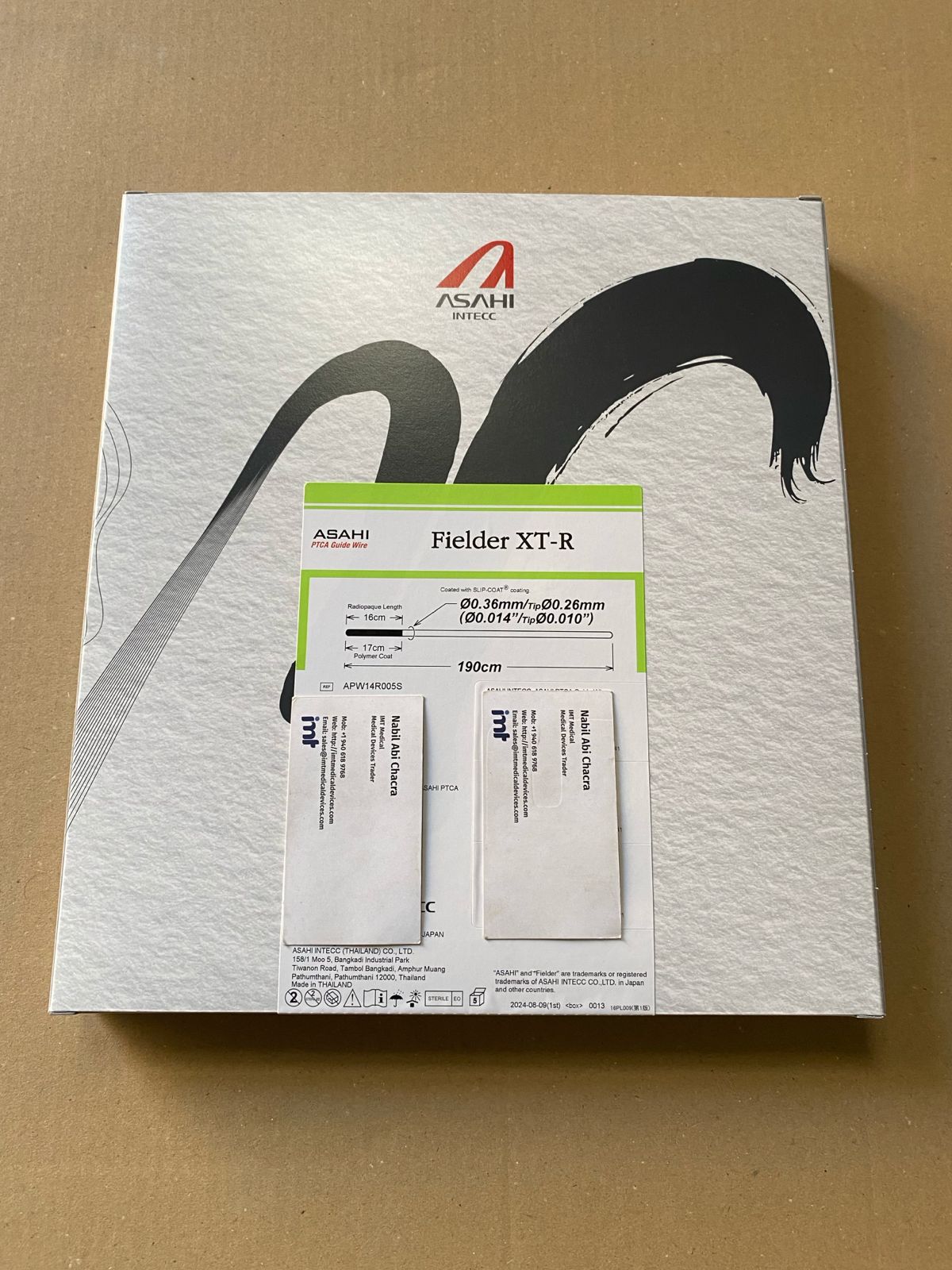
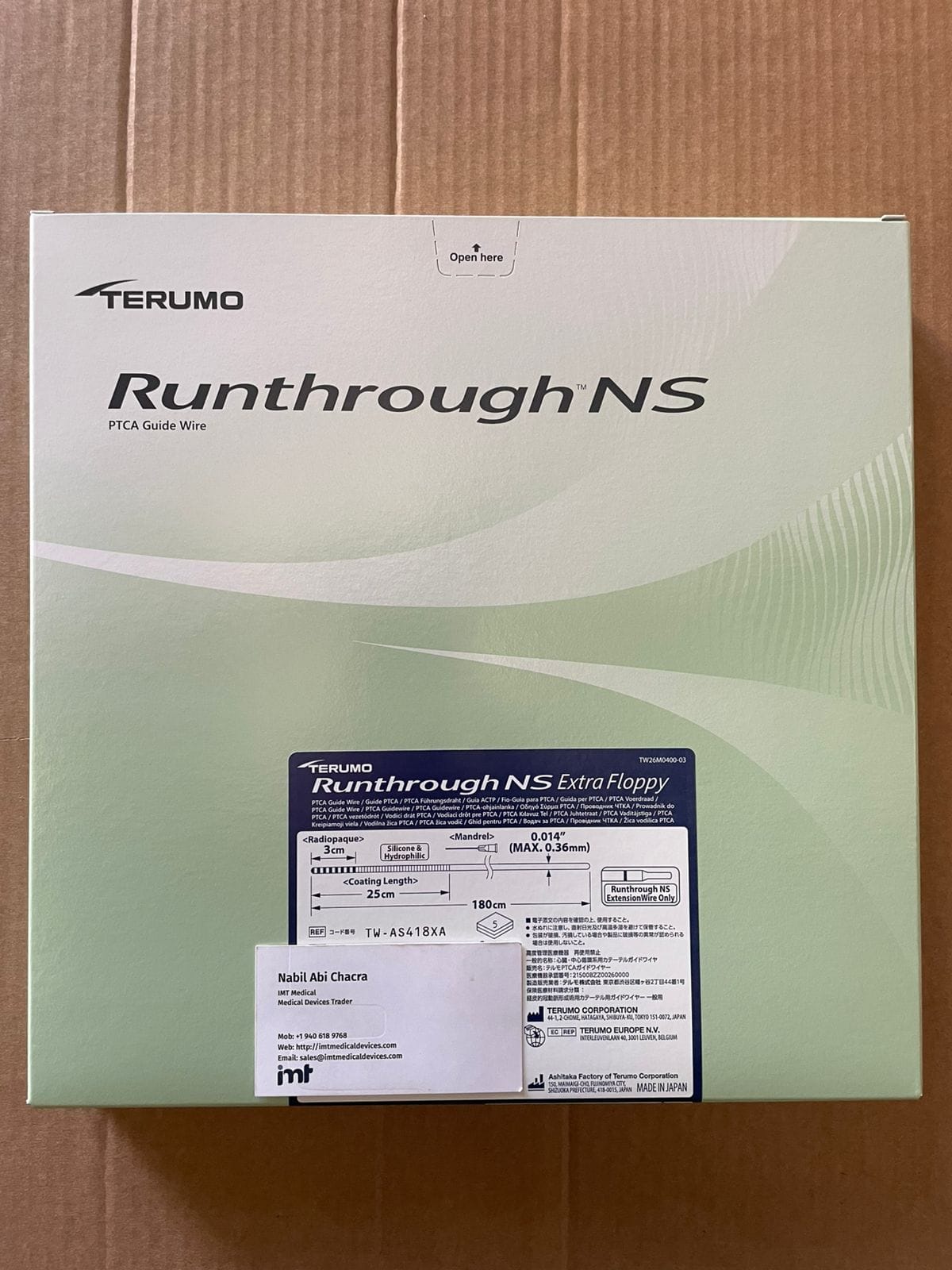
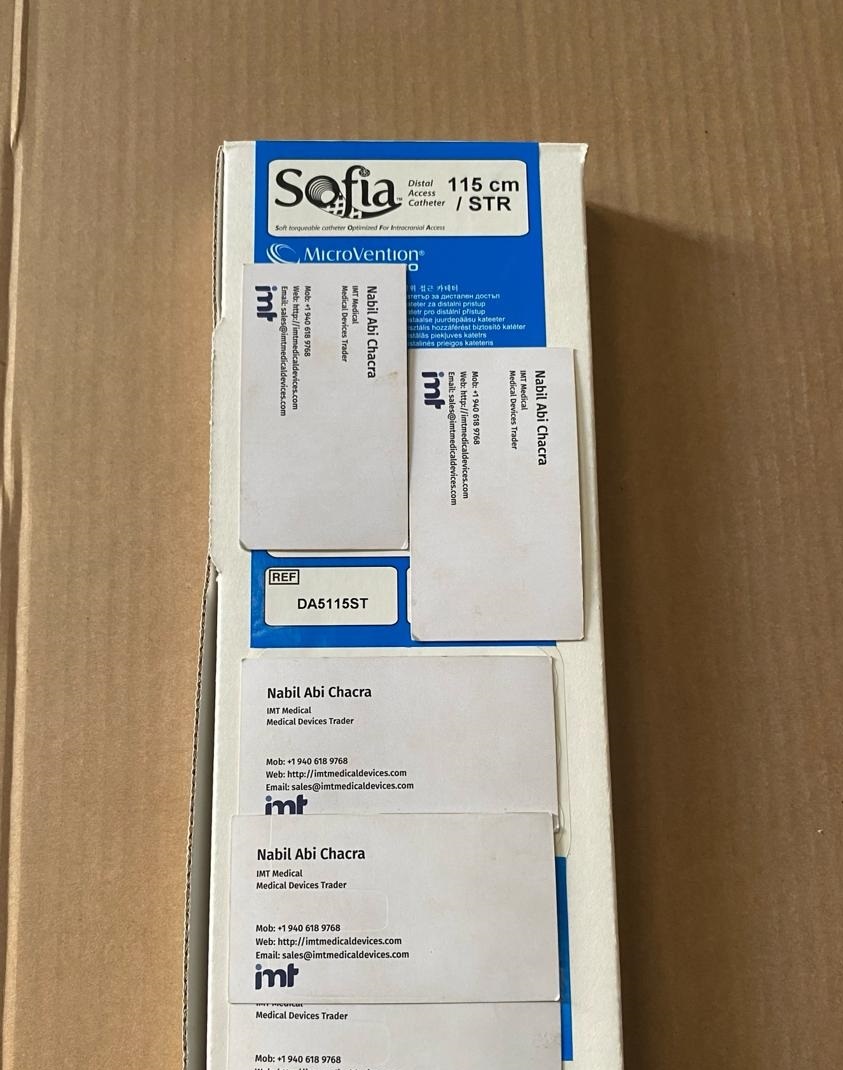
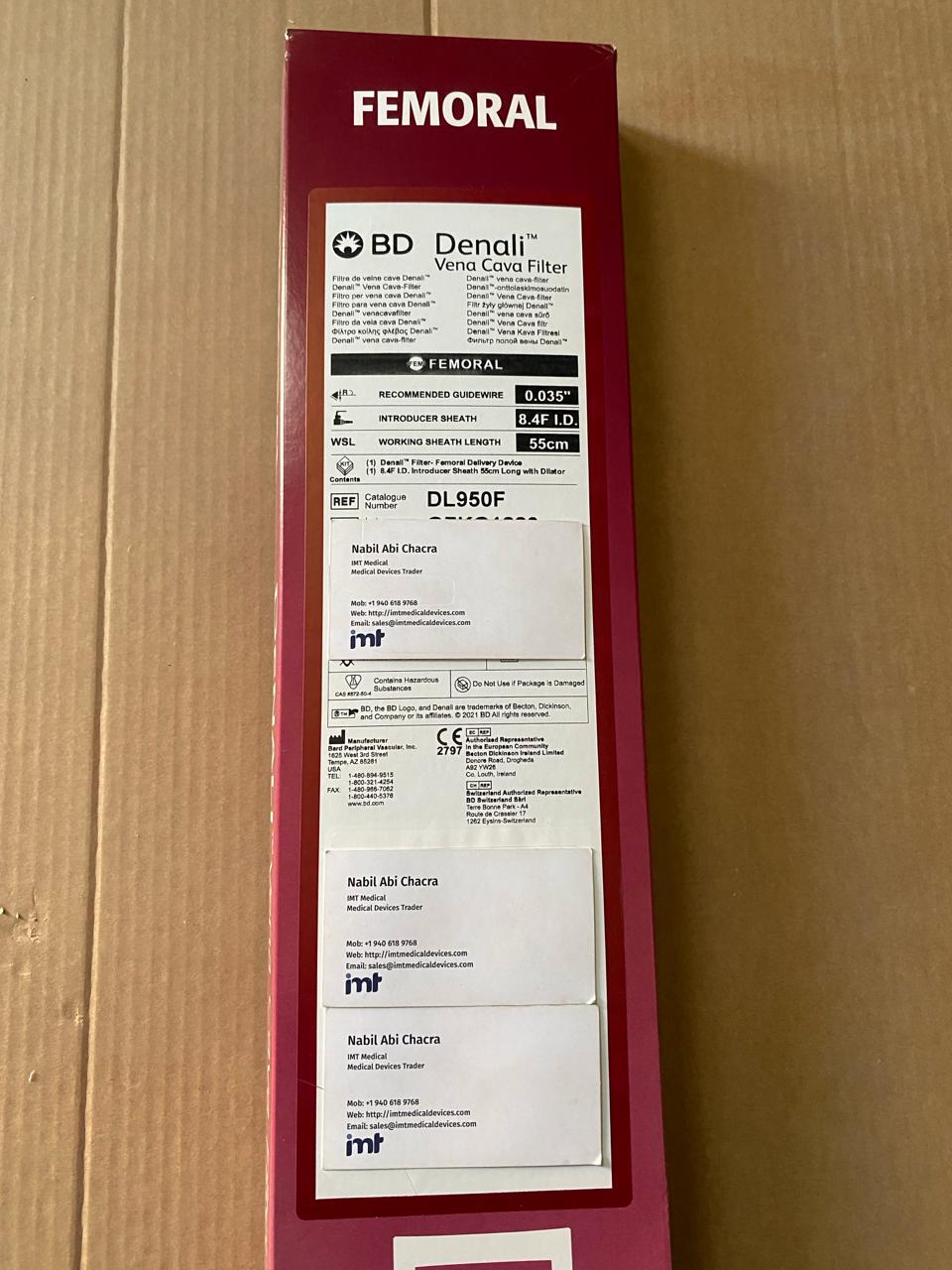
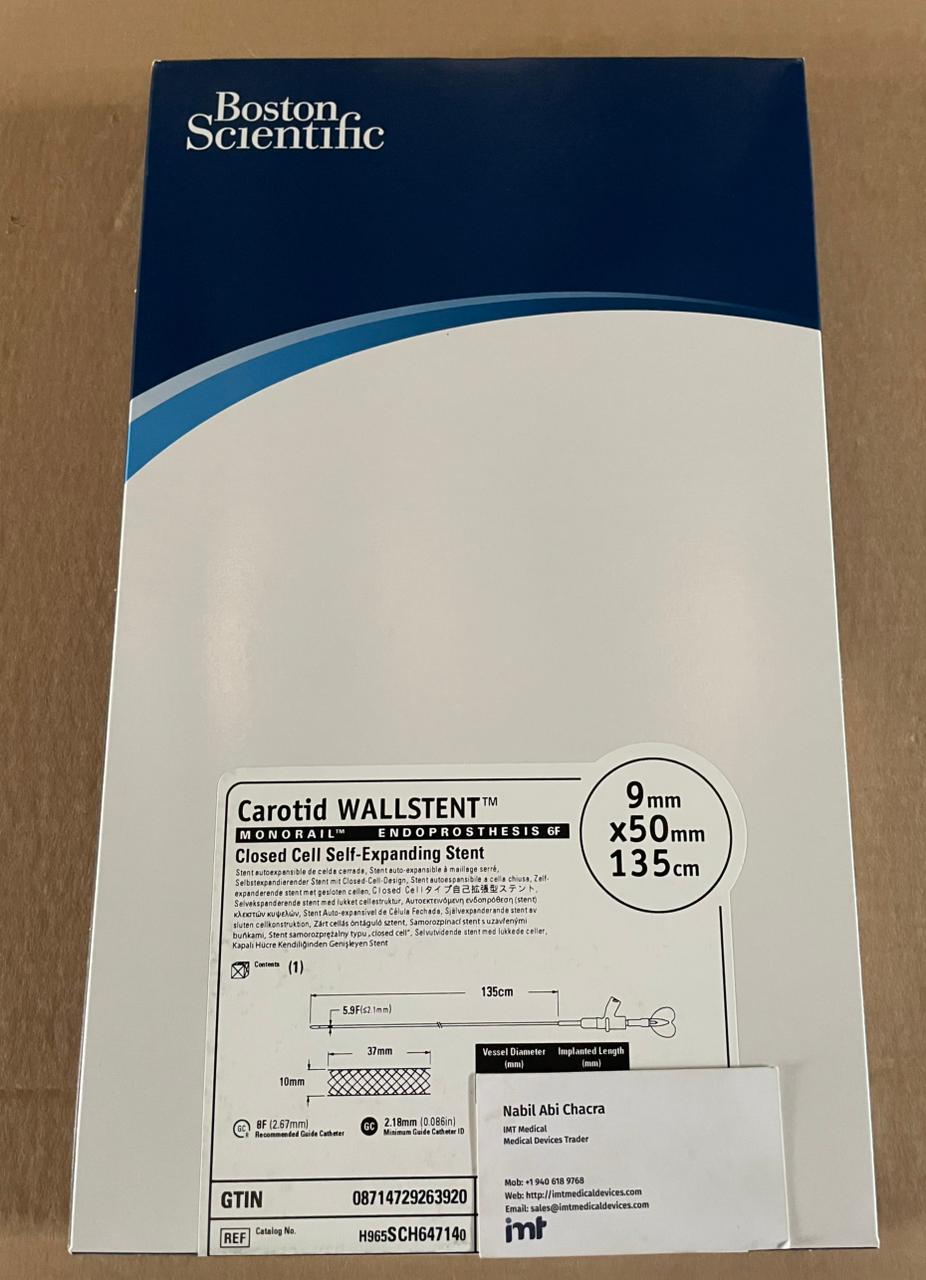
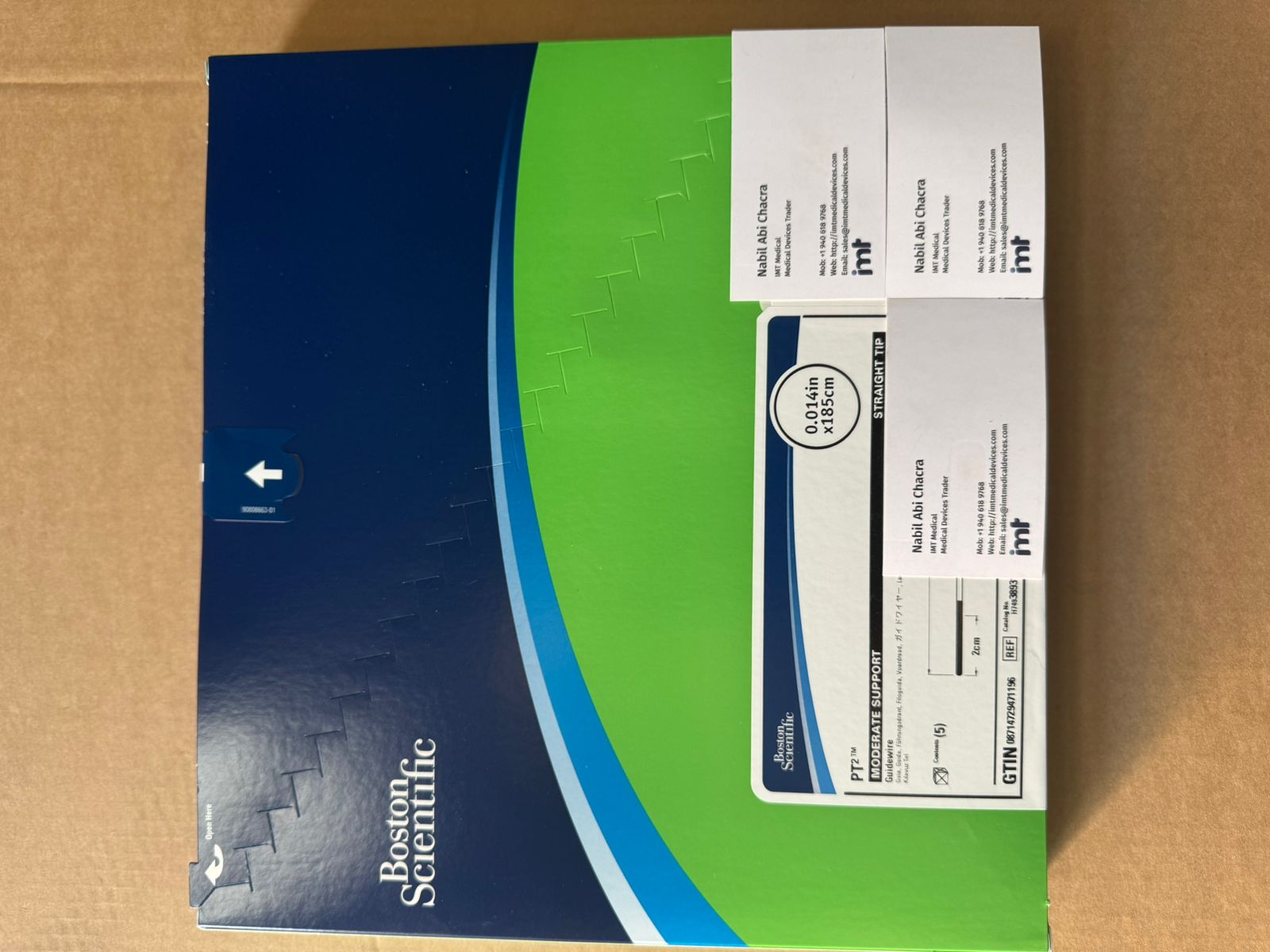
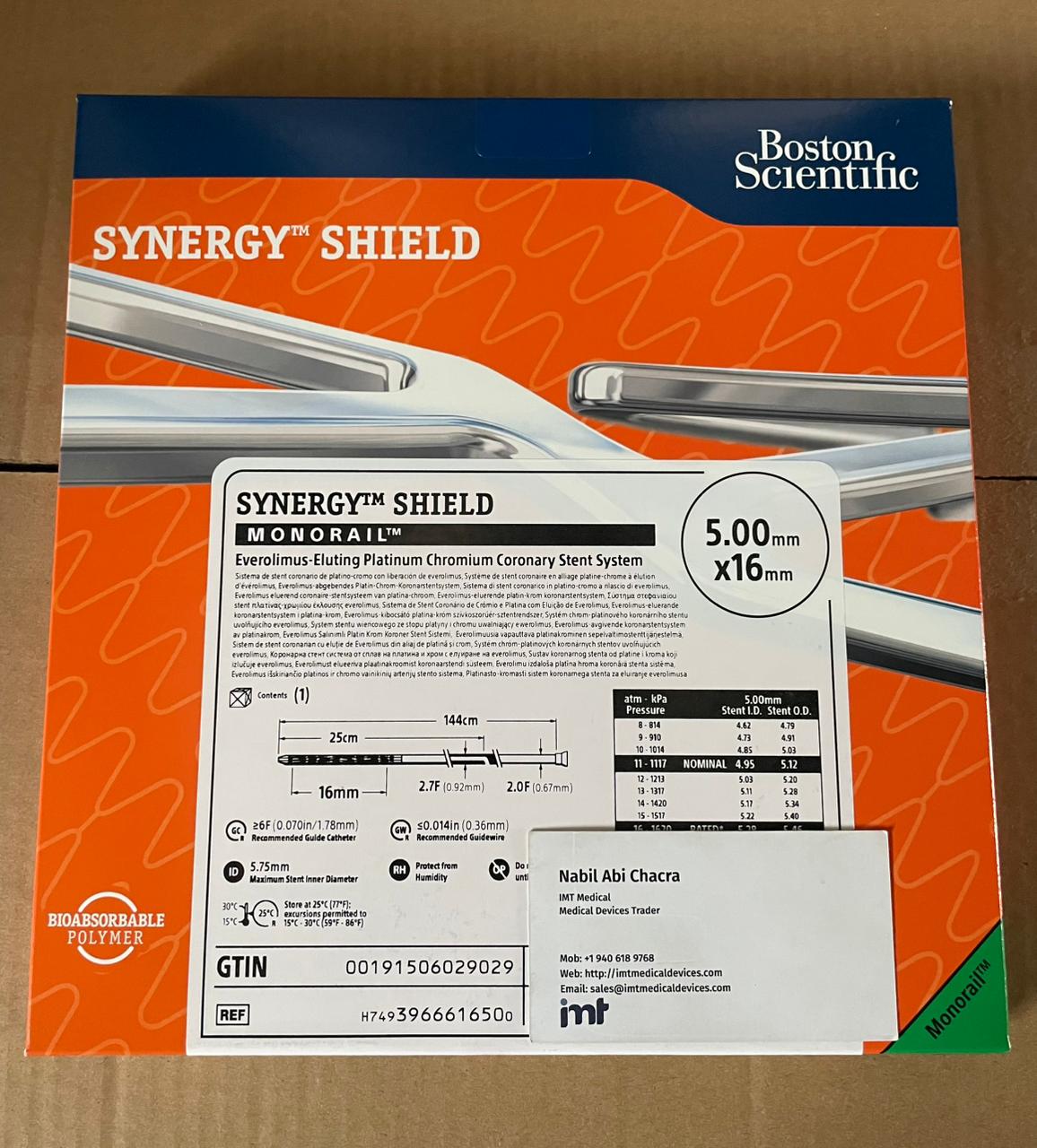
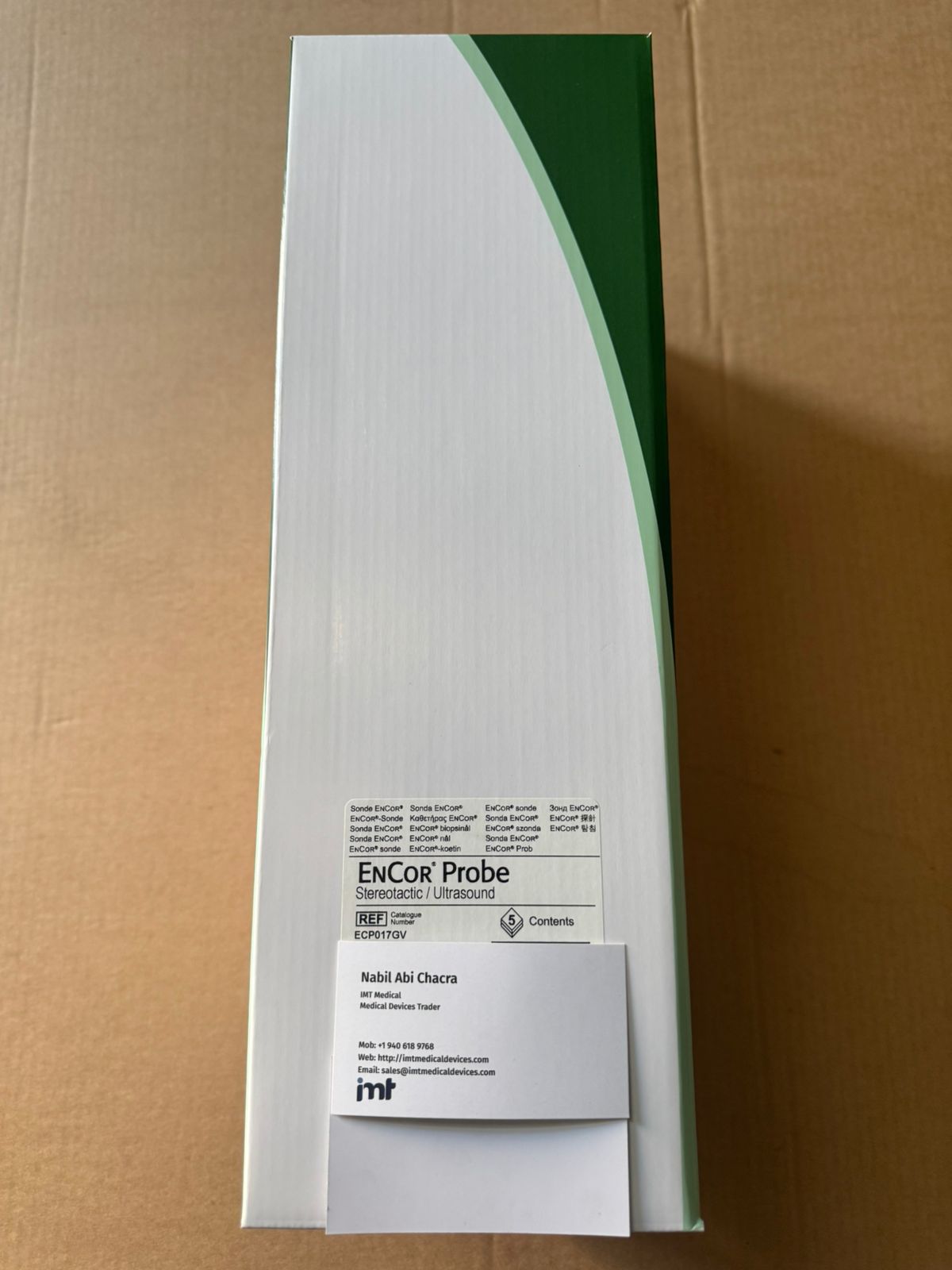
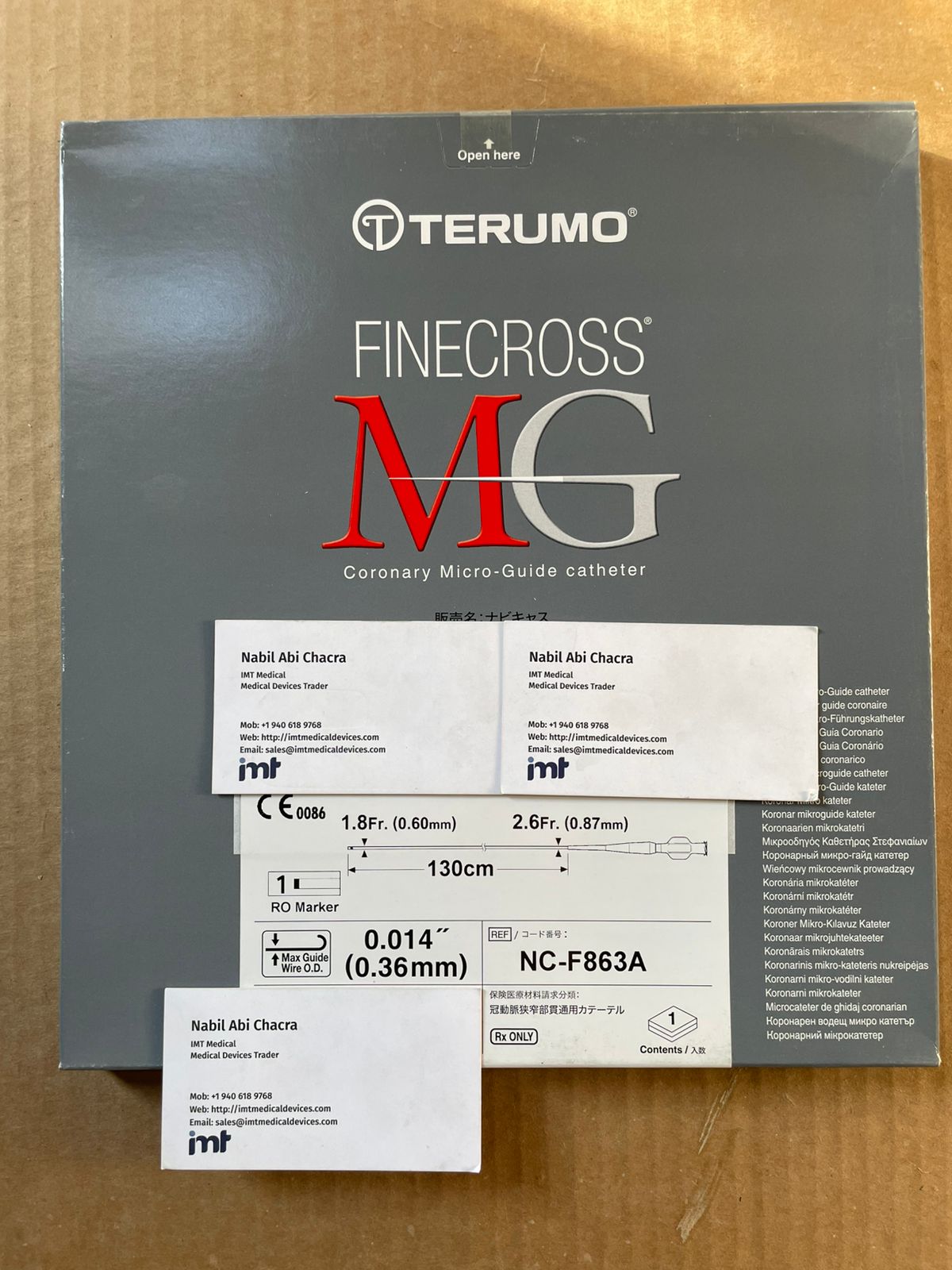
This is also where branded sourcing matters. In interventional settings, physician familiarity with recognized manufacturers is often non-negotiable. Buyers are not simply purchasing a category. They are purchasing a named product line with known performance history, established internal acceptance, and in many cases prior evaluation by the clinical team. That makes authenticity, traceability, and brand-specific availability central to the buying decision.
Large orders introduce another variable: supply continuity. A supplier may be able to quote one shipment, but that does not always mean they can support repeat demand, mixed SKU requirements, or export coordination for future replenishment. For procurement teams, a lower initial number may not offset the risk of fragmented resupply later.
What to verify before placing a bulk order
The first check is exact SKU accuracy. Guiding catheters are typically ordered by detailed specifications that can include brand, curve type, length, French size, and packaging details. If the request is built only around a general product description, the quote may come back with gaps or assumptions. Buyers save time when they provide the full nomenclature used internally or by the manufacturer.
The second check is brand consistency across the order. In many organizations, product acceptance is linked to physician preference or committee approval. Mixing brands to fill volume may look efficient on paper, but it can create objections at receipt or use. If substitutions are acceptable, that should be explicit. If they are not, the supplier should know that from the start.
The third check is lot, dating, and shelf-life expectations. This matters especially for distributors and organizations buying for staged usage rather than immediate consumption. A bulk order with uneven remaining shelf life may still meet minimum requirements, but it can complicate inventory rotation and resale planning. Serious buyers usually define these expectations before final confirmation, not after shipment preparation.
The fourth check is documentation. Depending on destination market, the transaction may require commercial documents, product identification details, and export support that align with customs and internal compliance processes. For international buyers, this is not an administrative side issue. It is part of whether the order lands on time and clears properly.
How to evaluate a supplier for guiding catheter bulk purchase
A capable wholesale supplier should be able to speak in exact product terms, not broad category language. That sounds basic, but it is one of the fastest ways to distinguish real device sourcing capability from general trading activity. When a buyer requests branded guiding catheters, the supplier should understand manufacturer naming, available configurations, and the practical constraints around sourcing specific volume.
Portfolio breadth also matters. Many procurement teams are not buying guiding catheters in isolation. They may also be sourcing guidewires, balloons, micro catheters, stents, aspiration catheters, closure devices, or lab brands in the same purchasing cycle. Consolidating branded procurement under one wholesale source can reduce administrative overhead and simplify shipment planning. It also helps when the supplier can support related categories without forcing the buyer to restart qualification with multiple vendors.
Responsiveness is another real purchasing factor. Bulk device procurement often moves around procedure scheduling, inventory thresholds, tender timing, or distributor commitments. Buyers do not need marketing language. They need clear answers on availability, acceptable lead times, pack quantities, and export feasibility. A supplier who answers precisely is usually easier to work with when the order becomes more complex.
Price matters, but total procurement risk matters more
Bulk buyers always compare pricing, and they should. But guiding catheter procurement is rarely won on unit cost alone. A quote that is slightly lower can become more expensive if it introduces uncertain origin, unclear documentation, inconsistent dating, or partial-fill risk. In interventional supply, the hidden cost is often operational.
There is also a difference between a good price on a single SKU and a good procurement result across a mixed order. A hospital or distributor may need several curve types and sizes, with some high-turn items and some slower-moving lines. The practical value of the supplier comes from supporting the entire purchasing requirement, not just the easiest products to source.
This is where quote quality matters. A useful quote is not vague. It should reflect exact products, realistic quantities, and clear commercial terms. If any item is subject to availability, that should be stated upfront. Buyers can then decide whether to split the order, revise quantities, or wait for a more complete fill. Clarity speeds approval and reduces revision cycles.
Common issues that slow down bulk orders
One common problem is incomplete request data. When buyers send only a product family name without configuration details, back-and-forth starts immediately. In a high-volume environment, that slows quotation, approval, and shipping. Even experienced teams can lose time here when internal demand is collected from multiple physicians or departments using shorthand references.
Another issue is unconfirmed acceptance of alternatives. Sometimes a requested branded SKU is temporarily constrained, but an equivalent option within the same manufacturer's range may be available. If the buyer has not defined whether alternatives can be reviewed, the order stalls. It is often more efficient to state approved alternatives at inquiry stage where possible.
Export handling is another frequent delay point for cross-border buyers. Product availability may be strong, but shipment timelines can still slip if consignee data, document requirements, or destination-specific import expectations are incomplete. For global procurement, supplier experience with export coordination is a practical advantage, not a secondary feature.
A better way to structure your inquiry
The most efficient inquiry for a guiding catheter bulk purchase is structured around exact need, not general intent. That means identifying manufacturer, SKU or full product description, quantity by line item, destination country, and required timing. If your team has shelf-life minimums, preferred shipping method, or restrictions on substitutions, include those details early.
It also helps to indicate whether the order is a one-time replenishment, a recurring purchasing program, or part of a wider branded device requirement. That context gives the supplier a better basis for quoting and planning. A serious wholesale partner can often support more effectively when demand continuity is visible.
For buyers managing multiple interventional product categories, one consolidated request can improve speed and control. Instead of separating guiding catheters from related devices across several vendors, it may be more efficient to build a broader quote package around your active brands and procedure lines. For organizations buying internationally, that can also simplify freight and documentation workflows.
IMTMedicalDevices.com fits this model because the business is structured around branded wholesale sourcing, exact product categories, and export-oriented supply rather than local retail-style selling. For procurement teams that already know the manufacturers and specifications they need, that approach is usually more efficient.
When bulk purchasing makes the most sense
Not every buyer should maximize volume at the same level. For a high-throughput cath lab or distributor with stable demand, bulk purchasing can improve inventory security and reduce purchasing frequency. For lower-volume centers, it may be smarter to balance unit economics against shelf life and storage discipline. The right order size depends on actual usage pattern, not just price breaks.
The same applies to standardization. If physician preference is still split across several guiding catheter brands or shapes, forcing a large single-line buy too early can create friction. In those cases, a mixed but controlled order may be more practical than aggressive consolidation. Procurement works best when it reflects how the product is truly used.
The strongest buying position comes from clear specifications, branded sourcing discipline, and a supplier that can support repeat demand with export competence where needed. When those pieces are in place, a guiding catheter order stops being a reactive stock purchase and becomes a more controlled part of procedural supply planning.
A good bulk order does not just arrive at the right price. It arrives with the right product, in the right configuration, with the right paperwork, and leaves fewer problems for the next purchasing cycle.