

Buy Coronary Stents: A Professional Procurement Guide
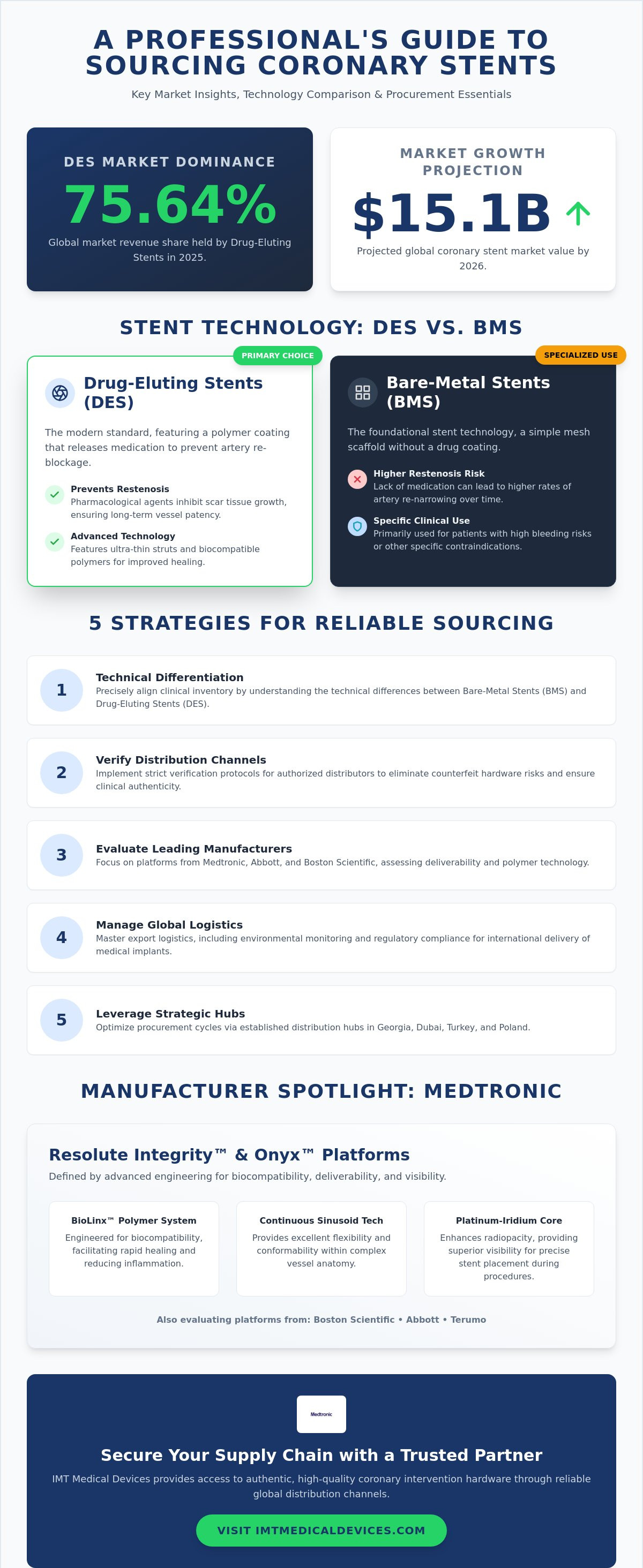
Drug-eluting stents commanded 75.64% of global market revenue in 2025, highlighting a massive shift toward advanced cardiology hardware. For procurement officers, the primary challenge isn't just finding inventory; it's the ability to buy coronary stents through secure, manufacturer-aligned channels that bypass counterfeit risks and ensure clinical authenticity. You're likely dealing with complex export documentation and rigid regulatory hurdles that vary significantly between jurisdictions. Supply chain delays frequently disrupt hardware delivery to critical care facilities, making reliable sourcing a priority.
This professional guide outlines a streamlined approach to sourcing authentic inventory from global leaders like Medtronic, Boston Scientific, and Terumo. You'll learn how to establish a reliable B2B supply link that prioritizes logistical efficiency and technical precision. We examine the 2026 regulatory landscape, including recent price revisions from the NPPA and DGDA, to provide a clear roadmap for importing high-quality stents. The following sections analyze inventory management strategies, manufacturer-specific technical identifiers, and the precise documentation protocols required for rapid international delivery across borders.
Key Takeaways
- Technical differentiation between Bare-Metal Stents (BMS) and Drug-Eluting Stents (DES) for precise clinical inventory alignment.
- Verification protocols for authorized distribution channels to buy coronary stents so it's easier to eliminate counterfeit hardware risks.
- Manufacturer-centric evaluation of Medtronic, Abbott, and Boston Scientific platforms focusing on deliverability and polymer technology.
- Strategic management of global export logistics, including environmental monitoring and regulatory compliance for medical implants.
- Optimization of procurement cycles through strategic distribution hubs in Georgia, Dubai, Turkey, and Poland where there's established infrastructure.
Understanding the Coronary Stent Market: Technical Categories for Procurement
Coronary stents are expandable mesh tubes designed to restore blood flow in narrowed or blocked arteries. In a professional B2B procurement context, these devices are classified as critical interventional cardiology hardware. Procurement officers looking to buy coronary stents must evaluate structural architecture, deliverability, and drug-delivery mechanisms to align with specific clinical requirements. A comprehensive Coronary stent overview highlights their evolution from simple scaffolds to complex drug-delivery platforms. Global supply is currently dominated by major manufacturers including Medtronic, Boston Scientific, and Abbott. The market's expanding rapidly, with projections suggesting a value of USD 15,078.6 million by 2026. This growth is driven by the increasing prevalence of cardiovascular disease and continuous innovation in stent strut thickness and polymer biocompatibility.
Drug-Eluting Stents (DES) vs. Bare-Metal Stents
Bare-Metal Stents (BMS) provided the foundational technology for vascular scaffolding but faced high rates of restenosis. Modern Drug-Eluting Stents (DES) solved this by incorporating specialized polymer coatings that release pharmacological agents such as everolimus or zotarolimus. These coatings inhibit the growth of scar tissue within the artery, maintaining vessel patency over longer periods. DES platforms are now the primary requirement for cardiology procurement, holding a 75.64% revenue share in 2025. While BMS are still used for specific patient profiles with high bleeding risks, the shift toward DES is nearly universal in high-volume centers. Professionals focus on sourcing DES with ultra-thin struts to improve vessel healing and reduce thrombotic events. High-capacity distributors prioritize DES inventory from established brands like Medtronic and Boston Scientific to ensure clinical reliability.
Specialized Stent Platforms: Stent Grafts and Peripheral Options
Comprehensive inventory management requires a broad portfolio of specialized hardware. Stent-graft systems are vital for managing coronary perforations or aneurysms during high-risk procedures. Vascular labs also require peripheral stents for iliac, renal, and femoral interventions. Procurement professionals must track these specific categories to ensure full operational readiness:
- Coronary Stent-Grafts: Vital for emergency perforation management and aneurysm repair.
- Peripheral Vascular Stents: Essential for non-coronary vascular lab requirements.
- Bioresorbable Scaffolds: Emerging technology designed for temporary vessel support without permanent implants.
Precise sizing is mandatory. High-capacity distributors maintain stock across all diameter and length specifications to avoid procedural delays. By 2026, the industry's moving toward AI-guided sizing tools to improve placement accuracy and patient outcomes. Reliable sourcing depends on direct access to the latest coronary stents and technical support from manufacturers like Terumo and Abbott.
Technical Evaluation of Leading DES Manufacturers
Manufacturer reputation serves as the primary trust signal in interventional cardiology procurement. When procurement officers buy coronary stents, they prioritize hardware with extensive clinical data and proven deliverability. Understanding the FDA regulatory classification for coronary stents ensures that sourced items meet strict safety standards for Class III medical devices. The global market relies on a few high-capacity manufacturers whose platforms define current clinical standards. Evaluating these manufacturers requires a focus on polymer technology, strut thickness, and radial strength.
Medtronic Resolute Integrity and Onyx Platforms
The Medtronic Resolute Integrity stent is defined by its continuous sinusoid technology and the BioLinx polymer system. This polymer is specifically engineered for biocompatibility, facilitating rapid endothelialization and reducing inflammation. The Resolute Onyx platform further advances this with a cobalt-chromium shell and a platinum-iridium core, enhancing radiopacity for precise placement. Procurement professionals value Medtronic's portfolio for its consistent deliverability in tortuous anatomy. High-volume labs often buy coronary stents from the Medtronic cardiology range to ensure standardized procedural outcomes across diverse patient profiles.
Boston Scientific Synergy and Megatron
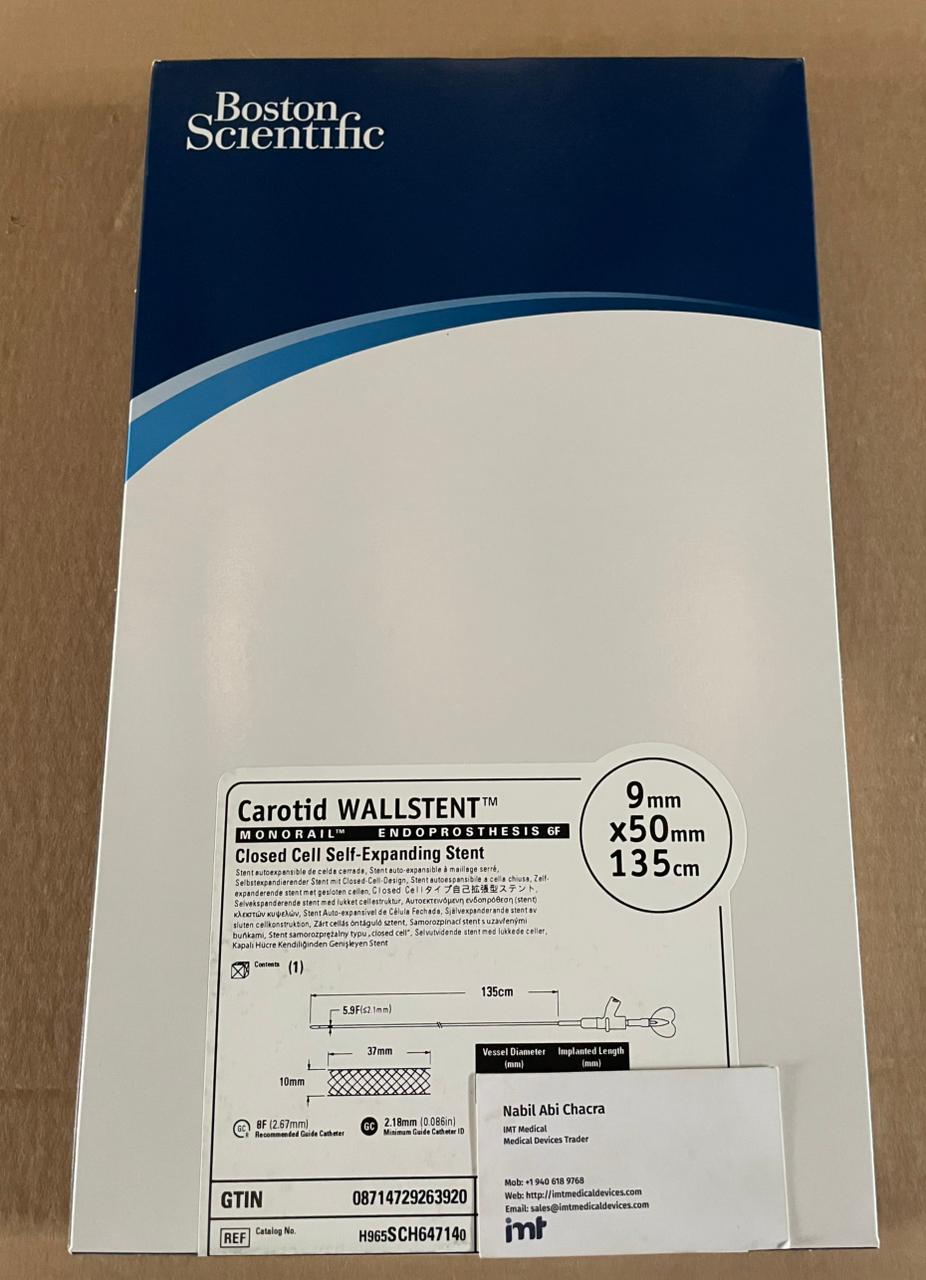
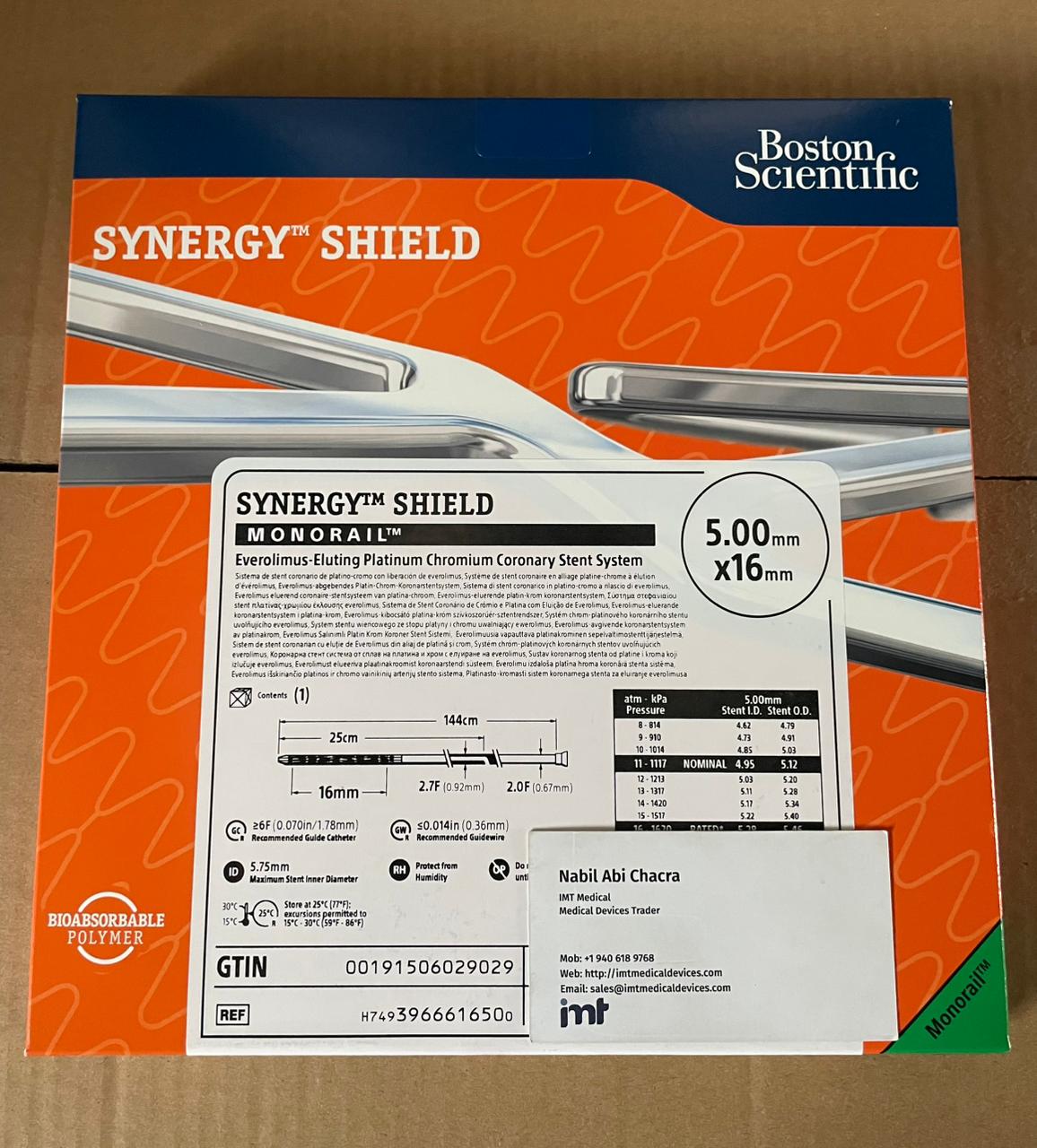
Boston Scientific utilizes bioabsorbable polymer technology to improve long-term clinical outcomes. The Synergy Megatron Everolimus-Eluting Stent is optimized for large vessel bifurcations and complex lesions. Its design features high radial strength and over-expansion capabilities, which are critical for aortic ostial or left main interventions. The Synergy platform's polymer disappears within four months, leaving only a bare-metal scaffold and reducing the risk of late-stage thrombosis. For centers managing complex vascular cases, the Boston Scientific interventional range provides essential specialized hardware.
Abbott XIENCE and Graftmaster Systems
The Abbott XIENCE family remains a global benchmark for clinical legacy and market ubiquity. These stents utilize a fluorinated polymer that has demonstrated consistent safety profiles across millions of implants. For specialized emergency interventions, the Abbott Graftmaster RX coronary stent-graft system is a mandatory inventory item. It provides the necessary coverage for coronary artery perforations. Abbott's hardware is a staple in high-volume cardiac catheterization labs due to its predictable performance. You can access the full Abbott product portfolio through established global distribution channels to maintain consistent supply levels.
Procurement Framework: Selecting a Global Stent Supplier
Selecting a partner to buy coronary stents requires more than a simple cost analysis. High-capacity procurement involves verifying authorized distribution channels to ensure product integrity and clinical authenticity. A comprehensive supplier must demonstrate inventory depth across all coronary intervention categories. This includes not just the primary scaffolds, but also the essential accessory hardware required for successful procedures. Procurement officers prioritize wholesalers with established logistical networks that can guarantee the availability of high-demand SKUs from Medtronic, Abbott, and Boston Scientific.
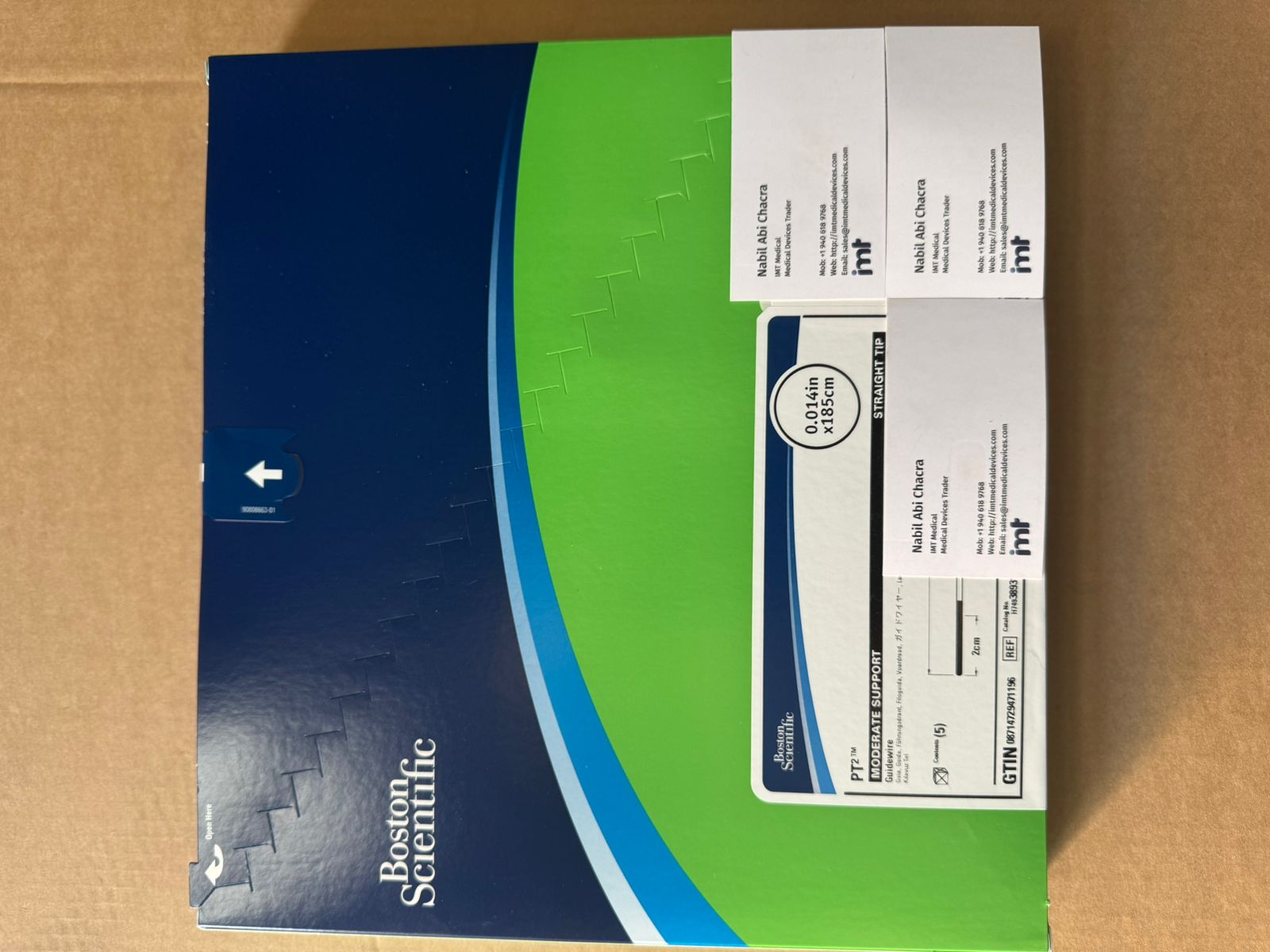
Efficient procurement cycles rely on bundling critical items. Sourcing stents alongside PTCA balloon catheters and guiding catheters from a single wholesaler reduces logistical overhead and simplifies documentation. It also ensures technical compatibility between delivery systems and implantable hardware. A manufacturer-agnostic partner allows procurement officers to select the best-performing items from different brands while maintaining a single, streamlined supply link. This approach minimizes the complexity of managing multiple vendor relationships and consolidated shipping costs.
Authenticity and Quality Assurance
Risk mitigation is paramount when dealing with sterile implants. Avoiding gray-market or counterfeit devices requires strict verification of certificates of origin. Professional wholesalers provide manufacturer batch tracking for every SKU, which is essential for regulatory compliance and patient safety. All sourced hardware must meet international standards, such as the CE Mark or FDA approval, to ensure clinical viability in global markets. Reliable partners implement rigorous quality management systems to monitor the environmental conditions of the inventory during storage and transit.
Bulk Pricing and Volume Tiers
Financial optimization in medical supply chains often depends on a volume-based procurement policy. Larger contracts significantly lower the unit cost of Drug-Eluting Stents (DES), allowing for better margin management for distributors and hospital groups. However, procurement officers must balance bulk discounts against the risk of inventory expiration. Sterile devices have fixed shelf lives, making precise demand forecasting a necessity. Procurement efficiency is the balance of stock availability and capital tie-up. Strategic partners offer flexible volume tiers that accommodate both high-volume hospital groups and specialized regional distributors, ensuring that inventory levels remain responsive to clinical demand without excessive storage costs.
Global Distribution: Managing Export Logistics and Regulatory Compliance
Exporting sensitive medical implants requires a high degree of logistical precision and technical oversight. When procurement officers buy coronary stents, they must account for cross-border transit times and the specific regulatory requirements of the destination country. Managing distribution to over 50 countries involves navigating complex medical device registries and customs protocols that vary significantly by region. Strategic inventory management allows distributors to buy coronary stents in bulk while delegating the complexities of international shipping to an authorized partner. A reliable partner ensures that all hardware remains within sterile, controlled environments throughout the entire supply chain. This logistical reliability is a primary trust signal for healthcare institutions operating in international markets.
Cold Chain Integrity and Sterile Handling
Maintaining the structural and chemical integrity of drug-eluting stents is mandatory for patient safety. The pharmacological coatings on DES platforms, such as those from Medtronic or Boston Scientific, are sensitive to extreme temperature fluctuations and humidity. High-capacity exporters utilize climate-controlled logistics and specialized packaging solutions to prevent coating degradation or sterile barrier compromise. Environmental monitoring systems provide a verifiable audit trail of the temperature conditions from the warehouse to the final delivery point. This level of sterile handling is essential for maintaining the clinical efficacy of the devices and ensuring they meet the technical specifications defined by the manufacturer.
Regulatory Compliance and Documentation
Smooth customs transit depends on the absolute accuracy of the export documentation. Each shipment requires a specific set of identifying records to clear international borders without administrative delay. Procurement professionals must verify that the following documents are present:
- Pro-forma Invoices: Detailing technical identifiers, manufacturer names, and commercial value.
- Packing Lists: Specifying exact batch numbers and expiration dates for every individual SKU.
- Certificates of Origin: Verifying the manufacturing source for customs duty assessment and trade compliance.
- Regulatory Certificates: Including CE Mark or FDA documentation required by regional health authorities for device registration.
Navigating regional registries in markets like Turkey, Georgia, or the UAE requires deep local knowledge of medical device legislation. A centralized logistics partner manages these documentation fees and regulatory tasks, significantly reducing the administrative burden on hospital procurement departments. This streamlined approach ensures that critical cardiology hardware arrives ready for immediate clinical use.
To optimize your international supply chain and ensure regulatory compliance, contact our logistics experts to discuss your specific regional distribution requirements.
IMT Medical Devices: Strategic Partner for Coronary Intervention Supply
IMT Medical Devices operates as a specialized global wholesaler focusing on high-capacity distribution for interventional cardiology. With strategic logistics centers in Georgia, Dubai, Turkey, and Poland, the entity provides a vital link between major producers and international healthcare markets. Procurement professionals looking to buy coronary stents benefit from a centralized supply chain that manages both inventory availability and complex export logistics. The entity's presence in these key regional hubs ensures rapid response times and localized regulatory expertise for hospitals and distributors. This infrastructure supports the reliable movement of critical hardware across global borders without the typical delays associated with fragmented supply chains.
Operational efficiency is maximized through a one-stop-shop model. Procurement teams can source complete procedural kits, including coronary guidewires and advanced stent systems, from a single provider. The portfolio features the industry's most prestigious brands, including Medtronic, Abbott, and Boston Scientific. This consolidation reduces administrative overhead and ensures that all components meet the technical compatibility standards required for high-risk cardiac interventions. When you buy coronary stents through a consolidated partner, you eliminate the need to manage multiple vendor contracts and divergent shipping schedules.
Manufacturer Relationships and Product Availability
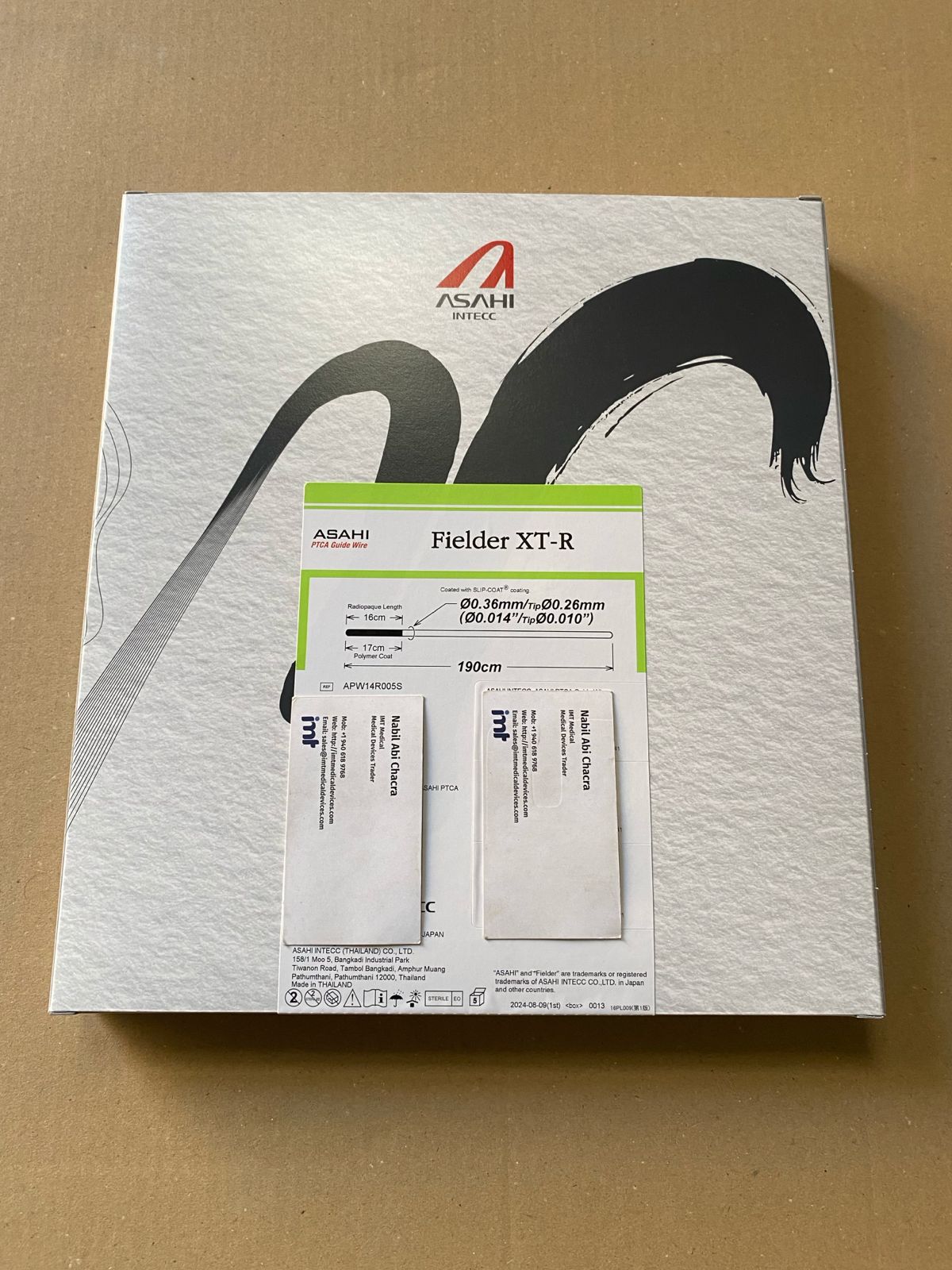
Access to premium technology is the core value proposition. IMT maintains robust supply lines for hardware from Terumo and Cordis, providing procurement officers with a manufacturer-agnostic selection of high-priority items. High-demand platforms like the Terumo Ultimaster Nagomi are available for large-scale healthcare providers requiring consistent stock levels. The inventory includes specialized hardware such as Asahi Intec guidewires and diagnostic catheters, ensuring that cath labs remain fully operational. The focus remains on high-end, authentic technology that meets the rigorous demands of modern cardiology departments.
Contact and Quotation Process
The B2B inquiry process is designed for speed and clarity. Procurement officers can request customized quotes tailored to specific volume requirements and international export destinations. Every transaction includes comprehensive logistics management. This ensures that the shipment arrives with all necessary regulatory documentation and sterile handling protections intact. To streamline your medical supply chain and access global inventory, inquire about coronary stent wholesale opportunities and discuss your bulk procurement needs with a dedicated logistics partner. Our team provides detailed technical specifications and batch tracking for all international orders.
Optimize Your Cardiology Supply Chain
Efficient procurement depends on technical alignment with leading DES platforms and a robust logistical framework. Strategic inventory management requires consistent access to premium hardware from Medtronic, Abbott, Terumo, and Boston Scientific. Managing these manufacturer-specific identifiers alongside complex export documentation ensures clinical authenticity and procedural safety. High-volume healthcare providers who buy coronary stents through established B2B channels minimize supply chain disruptions and maintain hospital operational readiness.
IMT Medical Devices facilitates global distribution to over 50 countries through strategic logistical hubs in Dubai, Turkey, Georgia, and Poland. These centers provide the necessary infrastructure for climate-controlled transit and rapid customs clearance. Procurement professionals can streamline their sourcing by centralizing their cardiology and interventional hardware requirements with a single, high-capacity partner. Request a wholesale quote for coronary stents and cardiology supplies to discuss your specific regional distribution needs. Establishing a resilient, manufacturer-aligned supply link is the most effective strategy for ensuring consistent access to life-saving medical technology.
Procurement and Logistics FAQ
How do I verify the authenticity of coronary stents when buying from a wholesaler?
Verification requires matching manufacturer batch numbers with official certificates of origin provided by the wholesaler. Authentic hardware always includes traceable identifiers that you can cross-reference through manufacturer-direct portals. Procurement officers should only buy coronary stents from distributors who provide full documentation and batch tracking for every individual unit in the shipment. This transparency is the primary safeguard against gray-market or counterfeit devices entering the clinical supply chain.
What are the shipping requirements for drug-eluting stents to ensure sterile integrity?
Drug-eluting stents (DES) require climate-controlled logistics to protect pharmacological coatings from temperature-induced degradation. High-capacity exporters use specialized medical packaging and environmental monitoring sensors to track conditions throughout the supply chain. Maintaining a consistent cold chain is essential for ensuring that the sterile barrier and drug-release mechanisms remain within technical specifications during long-haul international transit. Any deviation from these environmental standards can compromise the device's clinical efficacy.
Which coronary stent manufacturers are currently leading the market in 2026?
Medtronic, Abbott, Boston Scientific, and Terumo remain the dominant market leaders in 2026. These manufacturers provide the primary hardware platforms used in modern cardiology, such as the Resolute Onyx, XIENCE, and Synergy series. Market share is driven by extensive clinical data and the rapid adoption of ultra-thin drug-eluting technology. These platforms currently account for over 75% of global stent revenue due to their proven safety profiles and superior deliverability in complex anatomy.
Can I buy coronary stents in bulk for international hospital networks?
Bulk procurement is the standard model for large-scale hospital networks and regional distributors. Volume-based contracts allow for significant unit cost reductions and more efficient inventory management across multiple facilities. Strategic wholesalers manage these high-volume orders through centralized distribution hubs in locations like Dubai or Poland. This ensures that large-scale inventory remains responsive to the clinical demands of expansive cardiology departments while maintaining a streamlined, manufacturer-direct supply link.
What is the typical shelf life of a drug-eluting stent (DES) in inventory?
Most drug-eluting stents have a shelf life ranging from 18 to 36 months from the date of sterilization. This duration depends on the specific drug coating and the manufacturer's stability testing data. Procurement officers must implement strict first-in, first-out (FIFO) inventory protocols to prevent the expiration of sterile implants. Monitoring these dates is vital to minimize the financial loss associated with outdated stock and to ensure patient safety during interventional procedures.
How does IMT Medical Devices manage customs documentation for medical exports?
Documentation management is centralized to ensure rapid customs clearance across global borders. The process includes the generation of technical pro-forma invoices, detailed packing lists, and necessary regulatory certificates. By leveraging local expertise in hubs like Turkey and Georgia, the entity manages regional registration requirements and documentation fees. This reduces the administrative burden on the importing healthcare facility and prevents delays that could disrupt critical cardiology hardware availability.
What are the main differences between Medtronic and Boston Scientific stent platforms?
Medtronic platforms utilize the BioLinx permanent polymer system and continuous sinusoid technology for high deliverability. In contrast, Boston Scientific Synergy stents feature a bioabsorbable polymer that disappears shortly after the drug is fully eluted. This technical difference allows procurement officers to select hardware based on specific clinical preferences for long-term vessel healing. Both manufacturers provide high-performance scaffolds, but their polymer technologies offer different approaches to managing the risk of late-stage thrombosis.
Are there specific regulatory certifications required to import stents into the UAE or Turkey?
Importing coronary stents into the UAE requires registration with the Ministry of Health and Prevention (MOHAP). For the Turkish market, devices must be registered in the UTS (Product Tracking System) database to ensure traceability. A valid CE Mark is a foundational requirement for both regions. Professional wholesalers manage these regional compliance tasks to ensure that all imported hardware meets local medical device legislation and is ready for immediate clinical use upon arrival.