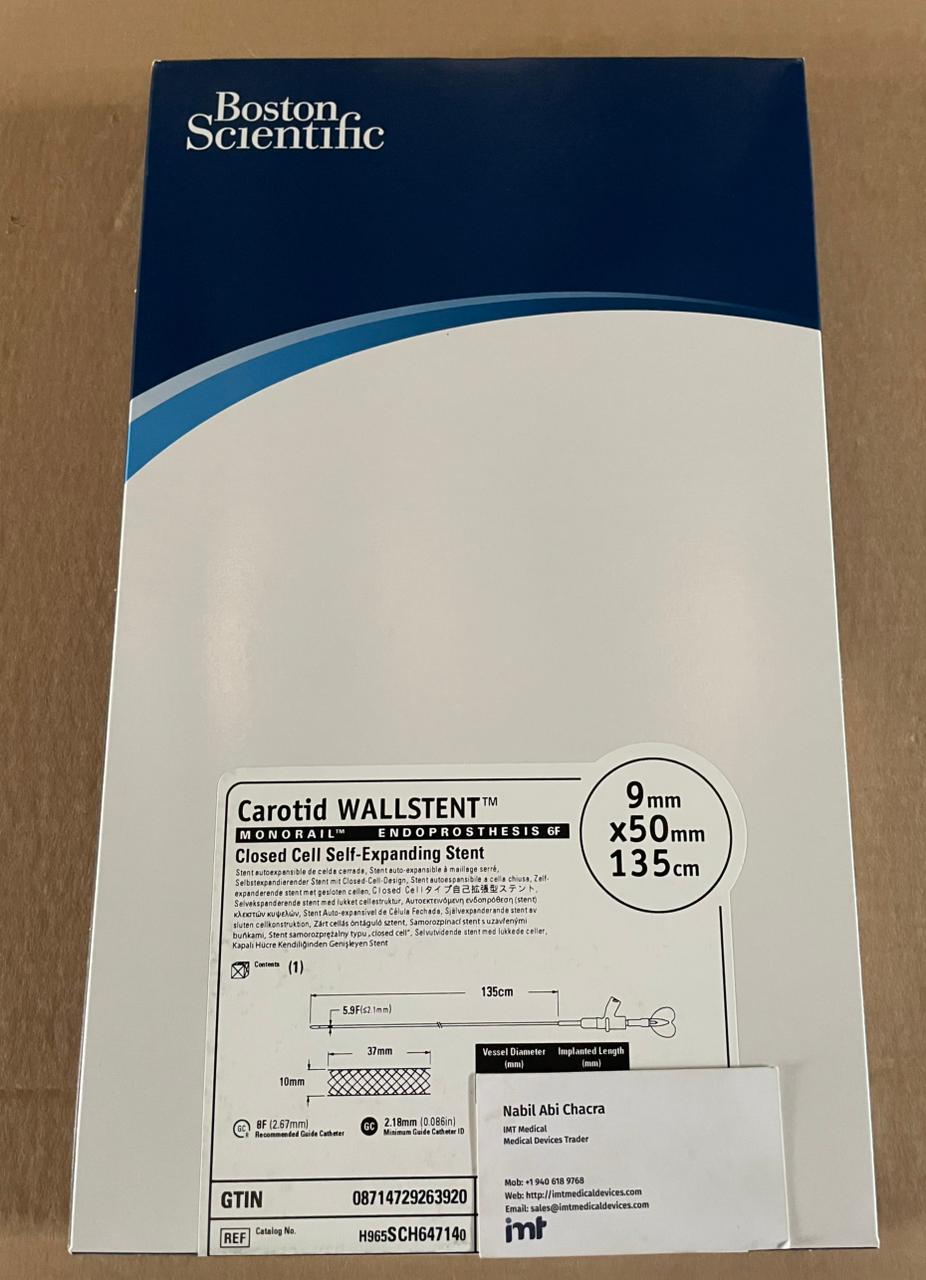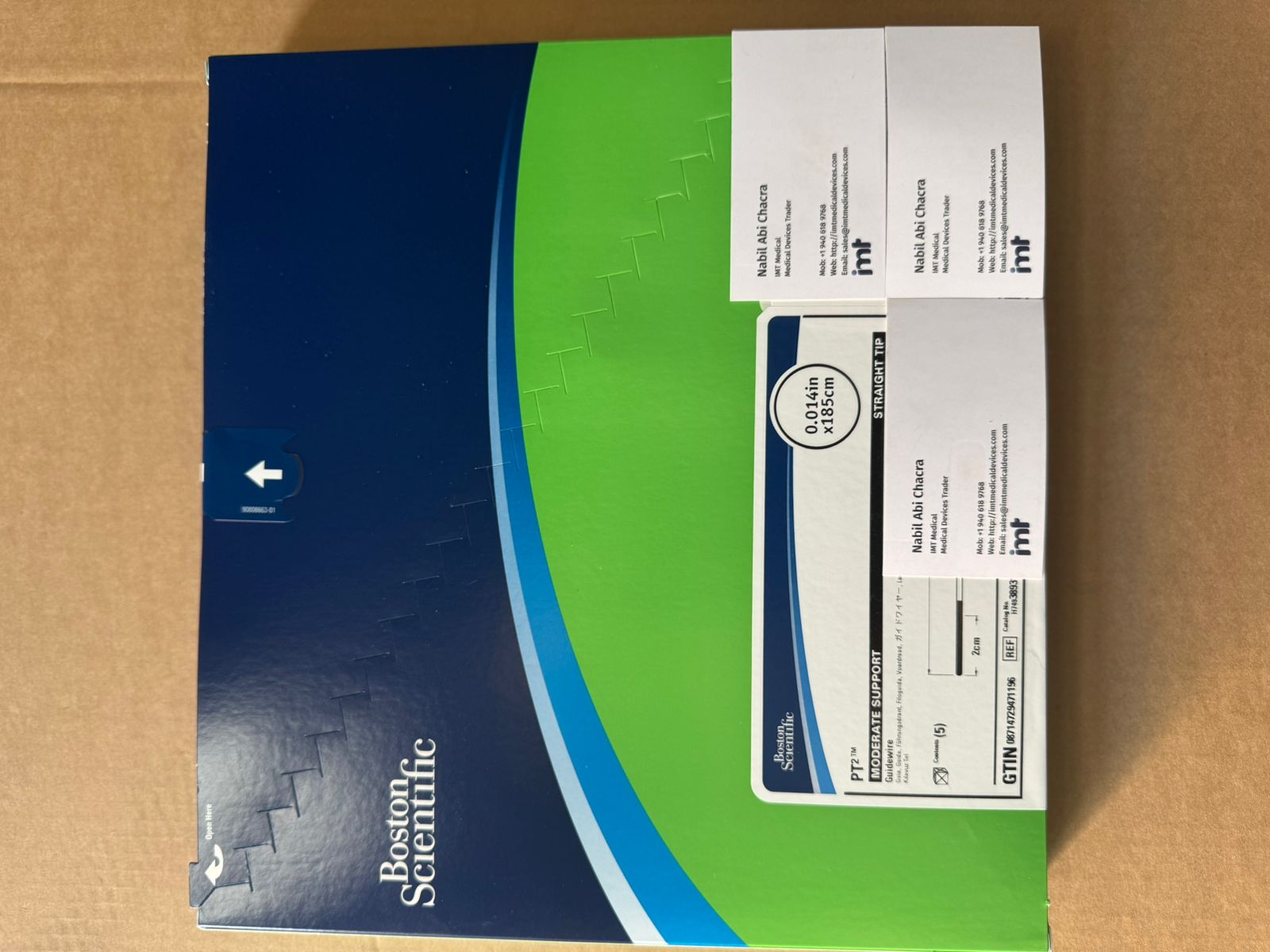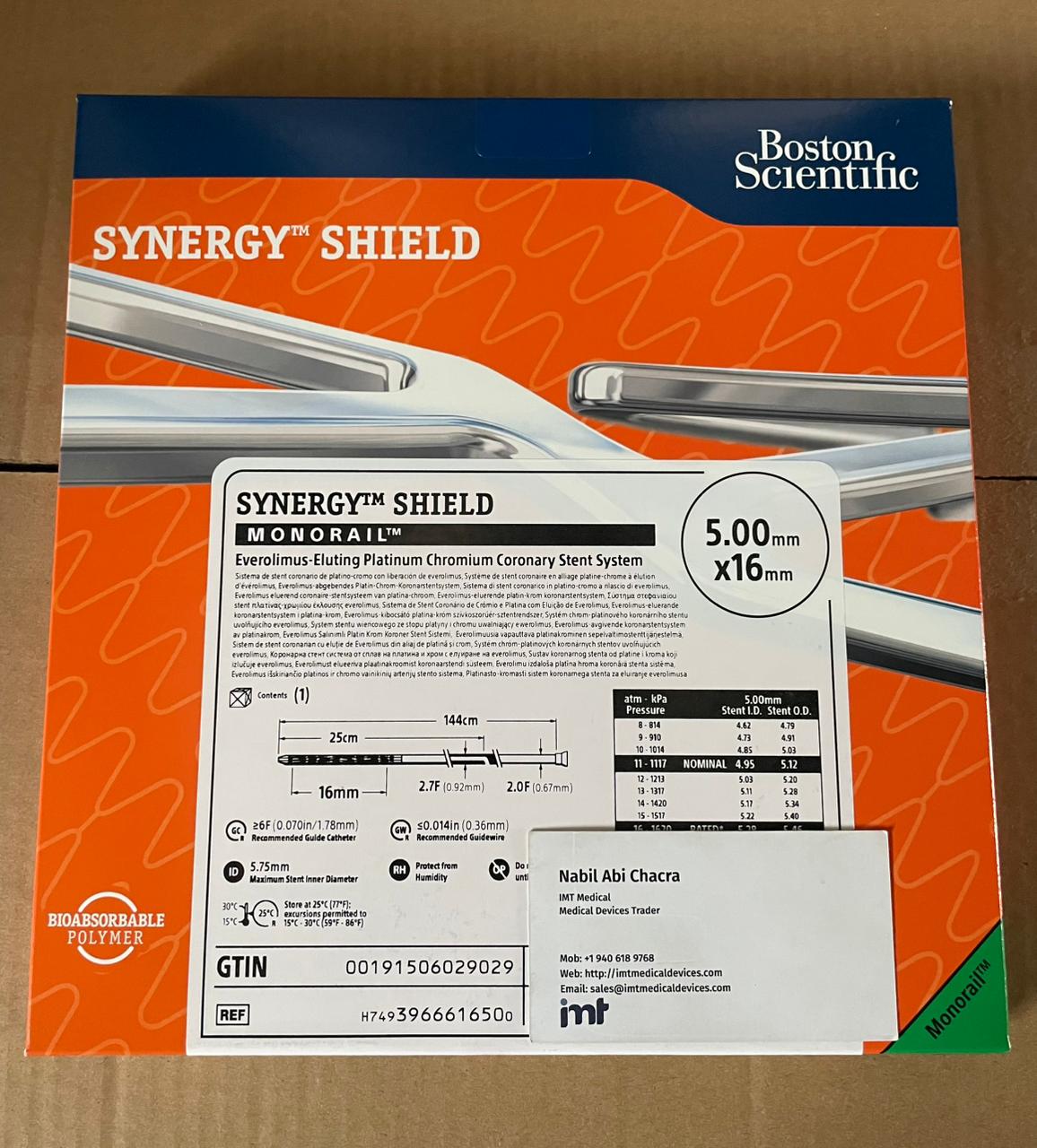

Trusted Coronary Stent Distributor: Quality Cardiac Care
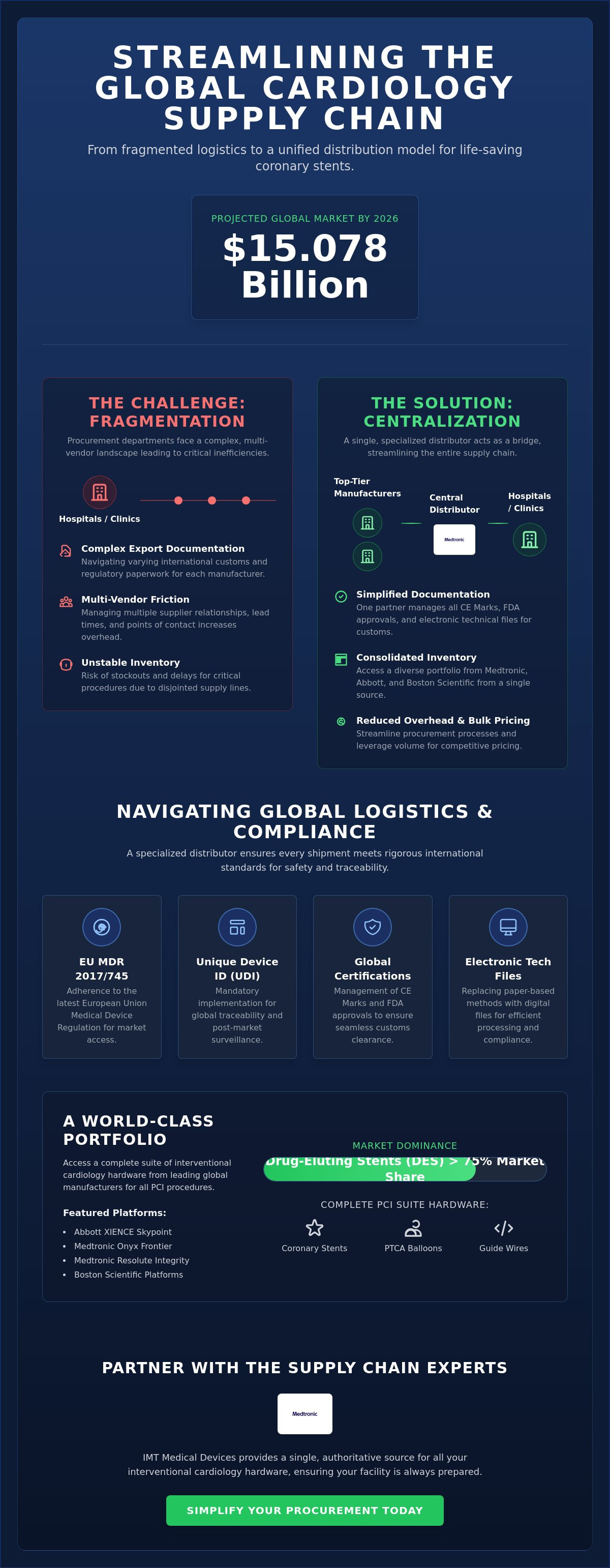
By 2026, the global coronary stents market is projected to reach USD 15.078 billion, yet procurement departments still struggle with fragmented supply chains and complex export documentation. You know that a reliable coronary stent distributor is the essential bridge between high-capacity manufacturers and the clinical environment. This guide provides a strategic framework for sourcing drug-eluting stents and managing international medical device logistics. We'll detail how to maintain stable inventory levels of DES platforms like the XIENCE Skypoint and Onyx Frontier from manufacturers such as Medtronic, Abbott, and Boston Scientific. You'll find technical insights on managing the transition to EU MDR 2017/745 and implementing mandatory Unique Device Identification (UDI) for global trade. We focus on streamlining customs through electronic technical files and securing bulk pricing from a single, authoritative source. This overview ensures your facility has the hardware required for complex PCI procedures, including those using the new CPT code 92930, without the friction of multi-vendor management.
Key Takeaways
- Identify the operational requirements of a coronary stent distributor to ensure reliable global delivery of sterile medical hardware.
- Evaluate technical specifications for drug-eluting stent portfolios from Medtronic, Abbott, and Boston Scientific to ensure clinical compatibility.
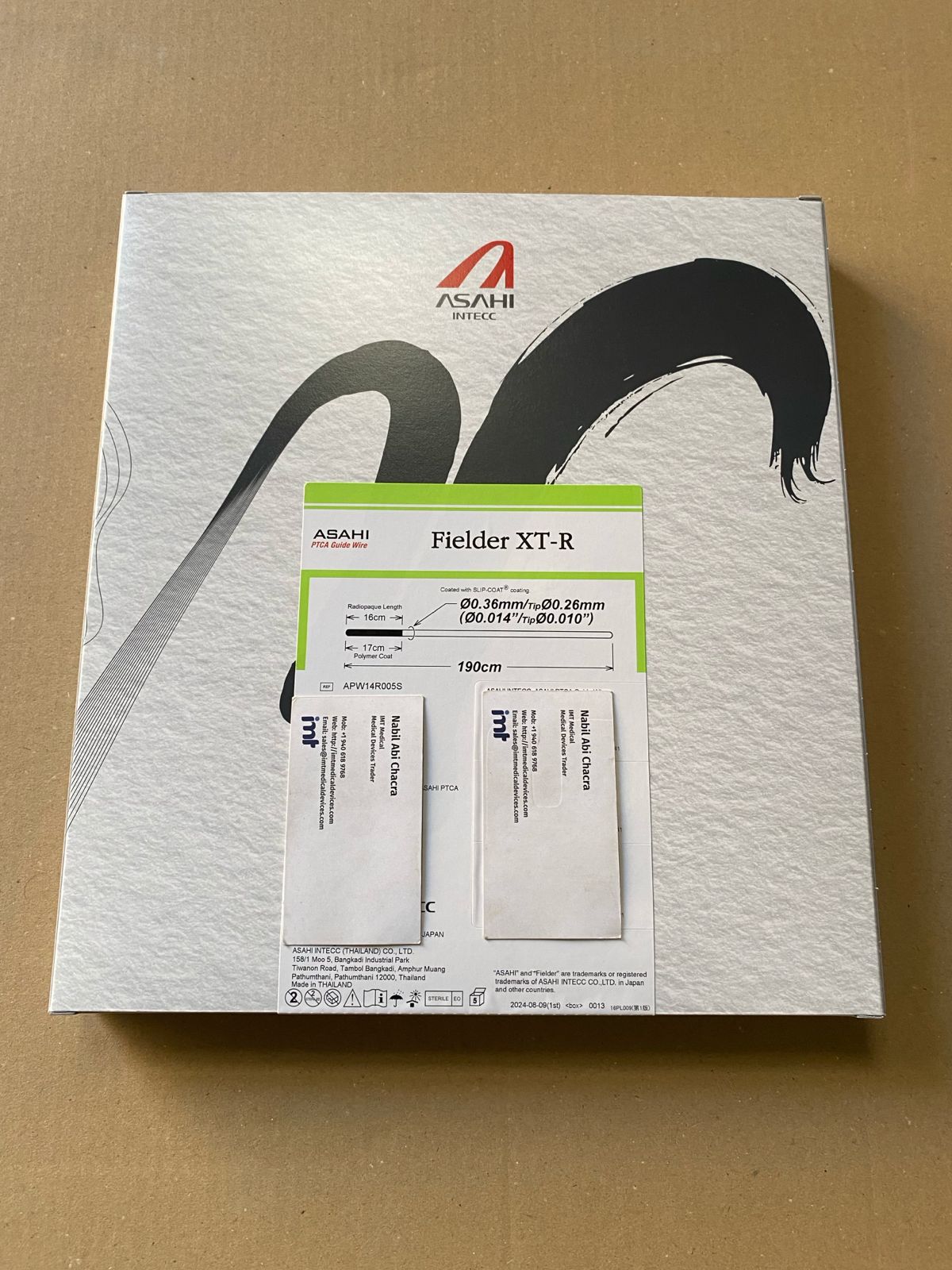
- Optimize PCI suite efficiency by matching stent platforms with high-performance PTCA balloon catheters and diagnostic guide wires.
- Simplify international export procedures through standardized documentation, including CE Marks, FDA approvals, and UDI compliance.
- Access a consolidated inventory of interventional cardiology hardware from a single global wholesaler to reduce procurement overhead.
What is a Coronary Stent Distributor and Why is Logistics Critical?
A specialized coronary stent distributor functions as a critical node in the interventional cardiology supply chain. These entities manage the high-volume procurement and international movement of coronary stents, ensuring that hospitals maintain inventory stability. To understand the medical context, one must first define What is a Coronary Stent: a specialized tubular scaffold used to treat stenotic coronary arteries. Wholesalers bridge the gap between Tier-1 manufacturers like Medtronic or Abbott and regional healthcare providers. This model eliminates the logistical friction inherent in direct OEM sourcing, especially across international borders where customs and regulatory documentation are complex.
Strategic selection of a coronary stent distributor determines the reliability of a facility's interventional cardiology suite. These partners manage more than just inventory; they oversee the technical validation of every shipment. They act as an authoritative filter, verifying that products like the Abbott XIENCE Skypoint or Medtronic Onyx Frontier meet local market certifications. This role is indispensable for maintaining the sterile integrity required for Class III medical implants during long-haul transit.
Global supply chain expertise is a technical requirement for modern procurement. It involves managing sterile integrity and regulatory alignment. By 2026, all devices must adhere to Unique Device Identification (UDI) standards for traceability. A distributor provides the necessary infrastructure to handle these mandates, ensuring that paper-based documentation is replaced by mandatory electronic technical files. This logistical competence prevents supply chain disruptions that can delay life-saving PCI procedures.
The Evolution of Drug-Eluting Stents (DES) in Modern PCI
PCI technology has moved from bare-metal scaffolds to advanced drug-eluting platforms. Early generations faced challenges with late-stent thrombosis. Contemporary DES systems utilize bioabsorbable polymers and anti-proliferative drugs like everolimus or zotarolimus to control neointimal hyperplasia. These platforms are designed for enhanced deliverability in complex lesions. The global coronary stents market is estimated to reach a valuation of USD 15.078 billion by 2026.
Wholesale vs. Retail: Understanding the B2B Supply Model
B2B procurement focuses on volume and manufacturer diversity. Hospitals require a mix of platforms for varying lesion complexities. Sourcing Medtronic Resolute Integrity alongside PTCA balloon catheters from a single partner reduces administrative overhead. This consolidated approach allows for competitive bulk pricing and streamlined shipping. Procurement professionals can find comprehensive insights into these processes in our Medical Device Distribution: A Global Guide. The model prioritizes rapid information retrieval and product availability over individual brand storytelling.
Evaluating Top-Tier Manufacturers: Medtronic, Abbott, and Boston Scientific
Procurement strategy requires precise technical alignment with clinical needs. A coronary stent distributor facilitates this by providing access to diverse platforms under a single logistical umbrella. Every device must comply with rigorous FDA regulatory standards for coronary stents. This ensures that hardware like the Medtronic Onyx Frontier, which received FDA approval on May 13, 2022, meets international safety benchmarks before export. Managing multi-brand portfolios requires an authoritative partner to navigate varying manufacturer lead times and documentation requirements.
A consolidated supply chain is the only way to maintain inventory stability for high-volume cardiac centers. By 2026, the demand for advanced drug-eluting stents (DES) continues to dominate the market, holding over 75% of the total share. Sourcing Medtronic, Abbott, and Boston Scientific products from a single wholesaler reduces administrative friction. This model allows procurement officers to focus on technical specifications rather than individual manufacturer logistics.
Medtronic Stent Portfolio: Resolute Integrity and Beyond
The Medtronic Resolute Integrity stent remains a primary choice for clinicians treating tortuous anatomy. It utilizes Continuous Sinusoid Technology for enhanced flexibility and deliverability. Key technical features include:
- BioLinx Polymer: A non-thrombogenic, biocompatible coating designed specifically for DES applications.
- Zotarolimus-Eluting Coating: Provides controlled drug release to prevent restenosis.
- Structural Integrity: Engineered for high radial strength in challenging lesions.
Wholesalers maintain high-volume stock of these units to support global PCI programs. Consistent availability of the Resolute series is essential for facilities performing complex interventions. Sourcing these through an international coronary stent distributor ensures that regional supply gaps don't impact patient care.
Abbott and Boston Scientific: High-Performance Alternatives
Specialized clinical scenarios demand specific hardware. The Abbott Graftmaster RX coronary stent graft system is a critical tool for managing acute coronary artery perforations. For large-vessel PCI, the Synergy Megatron offers a specialized design for proximal anatomy. Its everolimus-eluting coating and bioabsorbable polymer reduce long-term inflammatory response. Additionally, the Ultimaster Nagomi coronary stent represents Terumo's latest advancement in dual-therapy technology. Sourcing these through a single partner allows facilities to maintain a comprehensive inventory without managing multiple OEM contracts.
Inventory consolidation is the primary driver of procurement efficiency. It allows for bulk pricing and unified documentation across different manufacturer lines. You can browse our coronary stent catalog to identify the specific manufacturer codes required for your facility's upcoming procurement cycle.
Strategic Sourcing for Interventional Cardiology Suites
Cath lab procurement requires technical integration. A specialized coronary stent distributor provides the hardware required for end-to-end PCI procedures. This includes matching drug-eluting platforms with high-performance PTCA balloon catheters and precise coronary guidewires. Procedural success depends on the technical compatibility between the stent delivery system and the guiding catheter. Managing these components through a single logistical partner ensures that every device in the intervention suite is validated for interoperability.
Consolidated sourcing addresses the pain points of fragmented supply chains. It allows procurement officers to synchronize the arrival of stents with the necessary accessories. This strategy is essential for maintaining a stable inventory of high-demand sizes and specifications. By centralizing the supply chain, facilities reduce the administrative burden of managing multiple vendor contracts and international shipping schedules.
Bundled Procurement: Stents, Balloons, and Wires
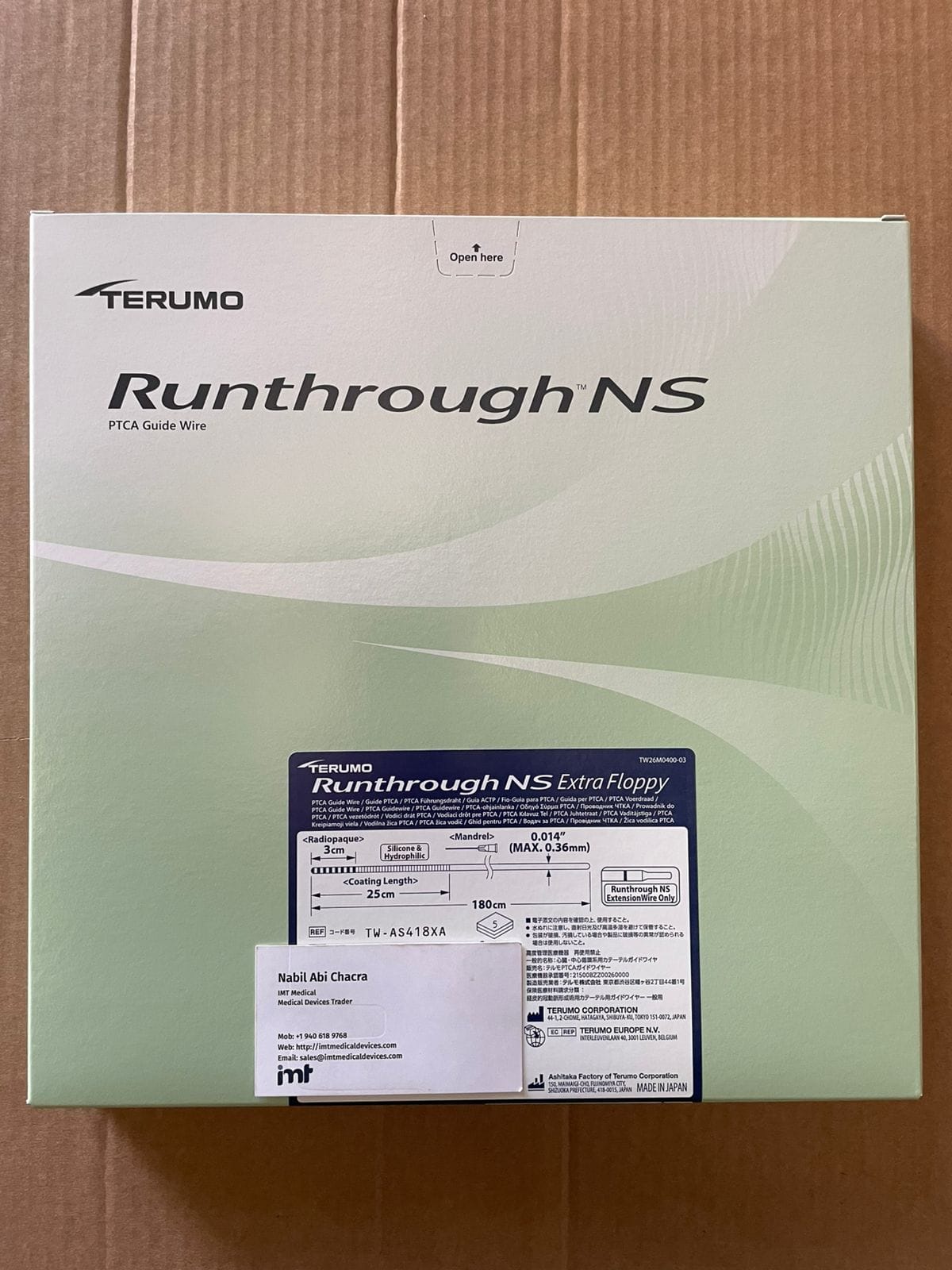
Bundled sourcing reduces logistical complexity. Sourcing full PCI kits from a single partner ensures that components like the Terumo Runthrough NS guidewire are available alongside major DES platforms. This consolidation minimizes shipping delays. It also simplifies the tracking of sterile expiration dates across multiple manufacturer lines. A single coronary stent distributor manages these variables to prevent stockouts during emergency interventions. Key benefits of bundled procurement include:
- Reduced Freight Costs: Unified shipping for stents, balloons, and catheters.
- Technical Alignment: Ensuring wires and balloons match the deliverability profiles of specific DES platforms.
- Regulatory Ease: Consolidated documentation for customs clearance of all PCI components.
Managing Inventory for Complex Lesions
Complex PCI requires a specific inventory profile. Bifurcation lesions and left main disease demand specialized stent sizes and high-pressure balloons. Facilities must also maintain peripheral stents for multi-vascular requirements. Technical specifications for balloon sizing and compliance are detailed in our PTCA Balloon Catheters Guide. This approach ensures that the interventional suite is prepared for both routine and complex vascular anatomy. Access to a multi-brand portfolio from a single wholesaler allows for rapid inventory adjustments based on clinical procedural volume.
Navigating International Export Logistics and Documentation
Exporting Class III medical devices requires technical precision that extends beyond the clinical environment. A professional coronary stent distributor manages the intersection of clinical hardware and international trade law. By 2026, all medical devices entering global trade must feature a Unique Device Identification (UDI) for full traceability. This regulatory shift makes paper-based documentation obsolete. International shipments now require electronic Technical Files to pass through customs without delay. Baseline documentation for every export includes Certificates of Origin, valid CE Marks under EU MDR 2017/745, and FDA approval certificates for US-manufactured platforms.
Logistics partners must hold ISO 13485 certification to ensure the quality management system aligns with medical industry standards. This certification is a primary trust signal for procurement officers in emerging markets. It guarantees that the distributor follows standardized protocols for handling, storage, and dispatch. Without these high-level controls, the risk of regulatory rejection at the border increases significantly.
Customs Clearance and Regulatory Frameworks
Regional medical device registries in markets like Georgia, Turkey, and the UAE require specific technical dossiers for local registration. A coronary stent distributor provides these dossiers, which include clinical data and manufacturer-authorized declarations. Having these documents pre-validated reduces lead times. It prevents hardware from being held in customs bonded warehouses where environmental controls may be inconsistent. Efficient logistics management involves navigating these local import permits before the cargo leaves the point of origin.
Supply Chain Security and Quality Assurance
Implantable hardware demands rigorous tracking systems to manage batch consistency and expiration dates. Distributors utilize digital inventory feeds to monitor the shelf life of drug-eluting stents and accessories. This prevents the shipment of short-dated stock to international partners. Maintaining the physical barrier of sterile packaging is the primary technical requirement for preventing procedural infections during international transit. Every shipment undergoes a multi-point inspection to verify that sterile seals remain intact after long-haul movement.
Reliable export logistics ensure that your facility maintains a continuous supply of life-saving hardware. You can contact our logistics team to discuss specific documentation requirements for your region and secure a streamlined export schedule.
Why Partner with IMT Medical Devices for Stent Distribution?
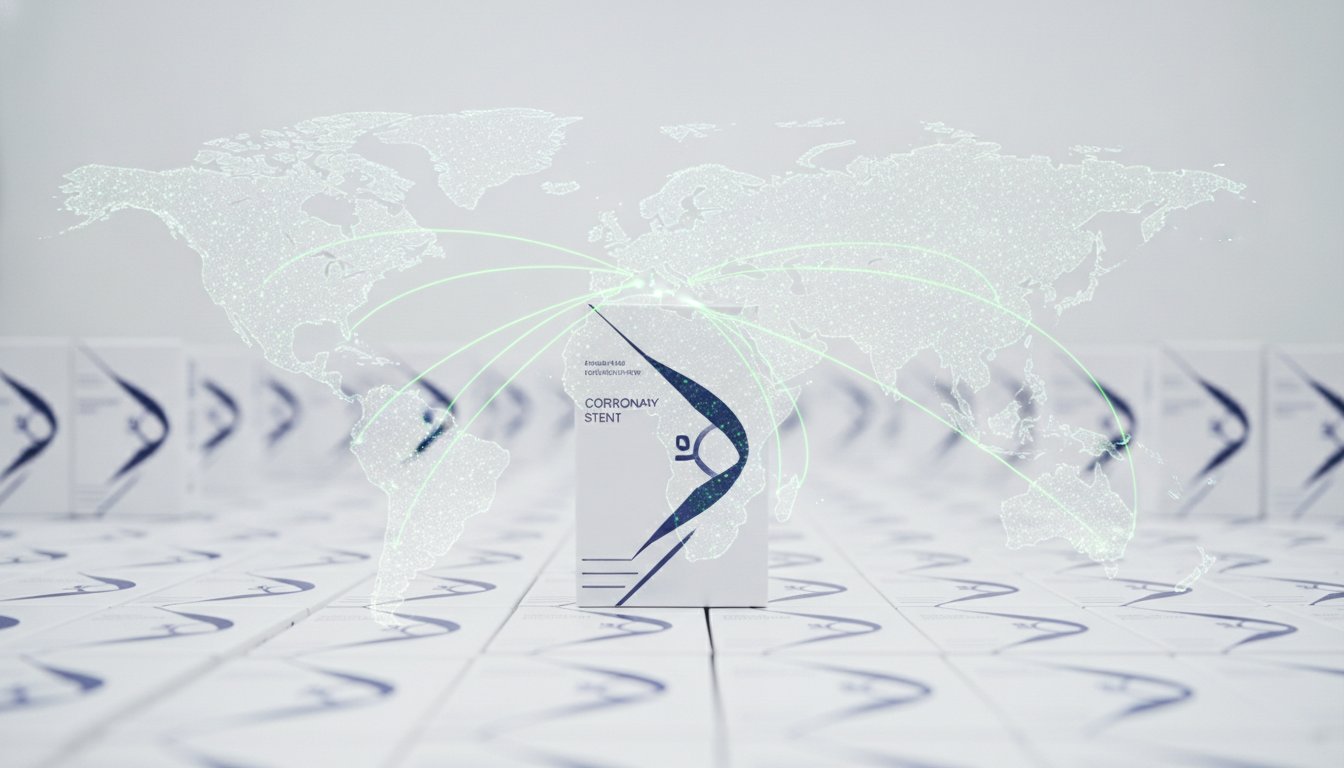
IMT Medical Devices operates as a high-capacity coronary stent distributor and global wholesaler. The entity focuses on the strategic export of interventional cardiology hardware to over 50 countries worldwide. Procurement professionals gain access to a consolidated multi-brand portfolio, including Medtronic, Boston Scientific, Terumo, and Abbott. This centralized supply model addresses the critical need for inventory stability and competitive bulk pricing. By acting as a single source for diverse DES platforms, IMT eliminates the logistical friction of managing multiple OEM contracts across varying jurisdictions.
Operational reliability is the core of this distribution model. IMT manages the technical complexities of international trade, from CE Mark validation under EU MDR to UDI compliance. Every shipment is processed with a focus on data accuracy and the rapid transmission of technical specifications. This authoritative approach ensures that healthcare providers receive authentic, high-end technology without the risk of supply chain disruptions or documentation errors at the border. Partnering with a specialized wholesaler provides the industrial competence required for modern medical procurement.
Global Reach and Logistical Infrastructure
Logistical efficiency is maintained through strategic hubs in Georgia, Dubai, and Poland. These locations serve as primary nodes for the international distribution of sensitive medical hardware. The infrastructure is designed for high-volume B2B sales, prioritizing speed and sterile integrity. IMT provides a reliable supply chain for emerging markets, navigating regional medical registries with precision. The capability to serve diverse geographic zones ensures that clinical suites remain operational regardless of local market volatility. Key logistical markers include:
- Strategic Hubs: Regional offices in Tbilisi, Dubai, and Warsaw for rapid dispatch.
- Export Compliance: Expertise in providing technical dossiers for local registration and import permits.
- Sterile Integrity: Standardized protocols for the transit of Class III medical implants.
- Inventory Scale: High-capacity stock of drug-eluting stents and PCI accessories.
Comprehensive Cardiology Support
The scope of the inventory extends beyond coronary interventions. IMT Medical Devices provides comprehensive support for cardiac rhythm management (CRM) suites. This includes the procurement of Permanent Pacemakers and ICDs from leading manufacturers like Medtronic and Abbott. Sourcing CRM devices alongside coronary stents allows for unified shipping and simplified procurement documentation. The commitment to providing authentic, brand-name technology ensures that facilities have access to the same hardware used in top-tier international medical centers. You can explore our full range of Coronary Stents and PCI solutions to identify the manufacturer codes and technical specifications required for your facility's next procurement cycle.
Optimizing Your Global Cardiac Supply Chain
Successful procurement in interventional cardiology requires more than product access; it demands a logistical partner capable of navigating the 2026 regulatory landscape. This involves maintaining compliance with UDI tracking and EU MDR certification while ensuring the sterile integrity of Class III implants. By consolidating your supply of drug-eluting stents with compatible PTCA balloons and guidewires, your facility reduces administrative friction and prevents inventory stockouts during emergency procedures.
IMT Medical Devices serves as a high-capacity coronary stent distributor, exporting authentic hardware to over 50 countries. With strategic offices in Georgia, UAE, Turkey, and Poland, we provide the industrial scale required for global medical trade. As an authorized wholesaler for Medtronic, Abbott, and Terumo, we ensure your facility receives premium technology through a streamlined and compliant export process. Our logistical infrastructure is designed for speed and technical accuracy, bridging the gap between major manufacturers and international markets.
Request a Quote for Bulk Coronary Stent Supply to stabilize your inventory and optimize your procurement cycle. Secure your supply chain today.
Frequently Asked Questions
What are the primary differences between Drug-Eluting Stents (DES) and Bare-Metal Stents (BMS)?
Drug-eluting stents utilize a specialized polymer coating to release anti-proliferative medication, such as everolimus or zotarolimus, which prevents neointimal hyperplasia. Bare-metal stents consist of a metallic scaffold without a drug coating. DES platforms currently hold over 75% of the global market share because they significantly reduce the risk of restenosis compared to older BMS technology.
How do I verify the authenticity of stents sourced from an international distributor?
Verification requires checking the Unique Device Identification (UDI) and manufacturer-authorized documentation. A professional coronary stent distributor provides full traceability from the original manufacturer to the clinical facility. Procurement officers should validate the presence of sterile seals, batch numbers, and current CE Certificates under EU MDR 2017/745 to ensure product legitimacy.
What documentation is required for importing coronary stents into Georgia or Turkey?
Importing into Georgia or Turkey requires a Certificate of Origin, a valid CE Mark, and local registration dossiers. Both regions have specific medical device registries that demand pre-validated technical data for customs clearance. Electronic Technical Files are now mandatory for international trade, replacing traditional paper-based documentation to ensure rapid processing at the border.
Can I source multiple brands like Medtronic and Abbott from a single distributor?
Sourcing Medtronic, Abbott, and Boston Scientific from a single partner is a standard B2B strategy for inventory consolidation. This model allows hospitals to maintain a diverse portfolio of drug-eluting stents and accessories without managing multiple OEM contracts. Consolidating your supply chain through one wholesaler reduces administrative overhead and simplifies international shipping logistics.
What is the typical lead time for international bulk orders of coronary stents?
Lead times range from 7 to 14 business days for stocked inventory, depending on the destination and local customs procedures. High-capacity distributors maintain buffer stocks of popular sizes and platforms to minimize delays. Prompt delivery is facilitated by using established logistical hubs in regions like Georgia, Poland, and the UAE to bypass common supply chain bottlenecks.
How are sterile medical implants protected during long-distance international shipping?
Sterile medical implants are protected by multi-layer physical barriers and ISO 13485 compliant handling protocols. Logistics teams utilize specialized packaging to maintain the sterile seal integrity during long-haul movement. Every shipment undergoes a multi-point inspection before dispatch to verify that all hardware meets international safety standards for Class III medical devices.
What technical support do distributors provide for the registration of medical devices?
Distributors provide comprehensive technical dossiers and manufacturer-authorized declarations to support regional device registration. This includes the clinical data and regulatory certificates required by health ministries for import permits. Accessing these documents through your coronary stent distributor accelerates the registration process in markets with strict medical device oversight.
Do you provide specialized stents for peripheral vascular interventions?
Specialized stents for peripheral vascular interventions are available as part of the broader interventional cardiology portfolio. These devices are sourced alongside coronary hardware to support facilities performing multi-vascular procedures. Maintaining a consolidated inventory of both coronary and peripheral stents ensures the interventional suite is equipped for diverse clinical lesion complexities.