

Trusted Coronary Stent Supplier for Advanced Cardiac Care
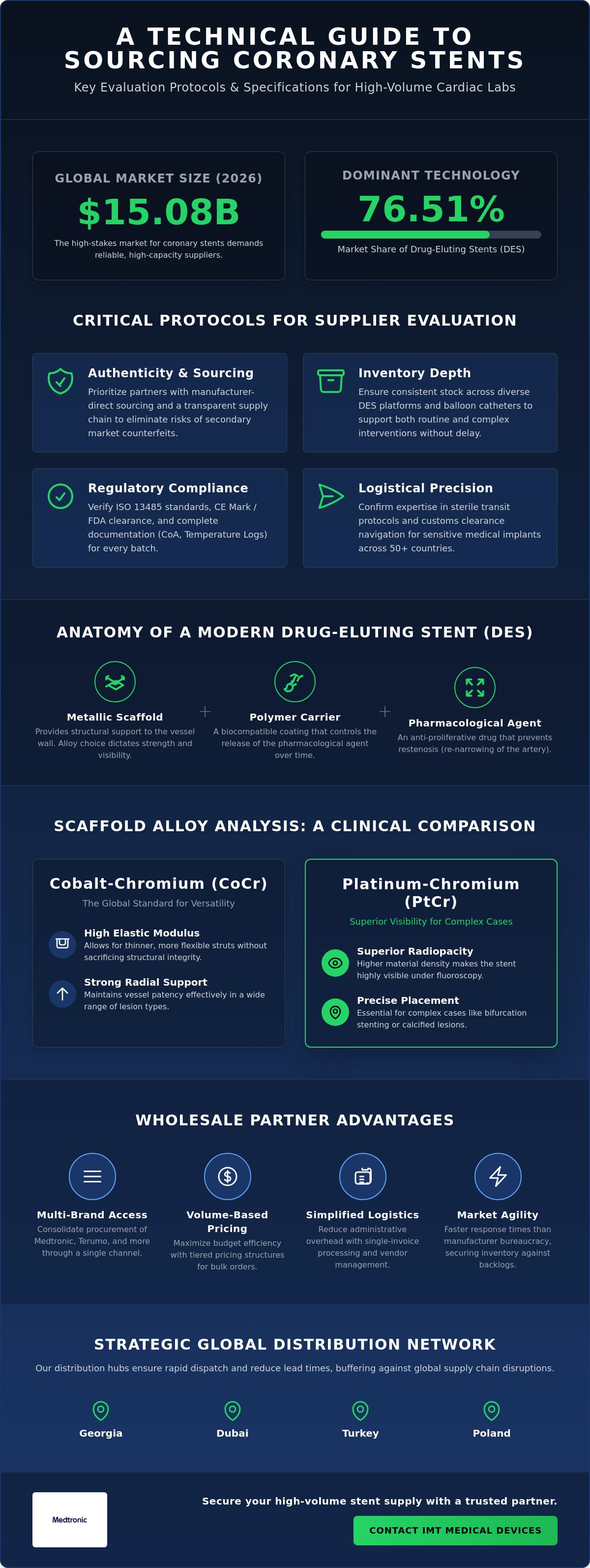
Authentic inventory and logistical precision are the only metrics that matter when selecting a coronary stent supplier for high-volume cardiac labs. With the global coronary stents market reaching $15.078 billion in 2026, the pressure to secure reliable hardware is intense. You likely recognize that inconsistent inventory and secondary market counterfeit risks represent critical threats to patient safety and facility operations. Logistical delays in the medical supply chain often result in depleted stock of essential drug-eluting stent (DES) models, stalling scheduled interventions and impacting clinical outcomes.
This guide establishes clear protocols for evaluating suppliers and securing Medtronic and Terumo stent platforms through verified wholesale channels. We provide a technical breakdown of current DES platforms, which currently hold a 76.51% market share, alongside strategies to streamline international procurement documentation. You'll gain a comprehensive overview of high-capacity distribution methods, manufacturer-specific specifications, and inventory management strategies for advanced cardiac care environments.
Key Takeaways
- Evaluation protocols for a coronary stent supplier. Priority on manufacturer-direct sourcing and inventory depth.
- Mechanical analysis of Cobalt-Chromium and Platinum-Chromium alloys. Assessment of radial strength for clinical interventions.
- Technical performance data for Medtronic Resolute Onyx and Terumo Ultimaster Nagomi platforms.
- International procurement strategies. Navigation of customs clearance and sterile transport across 50+ countries.
- Supply chain optimization via strategic distribution hubs in Georgia, Dubai, Turkey, and Poland.
Evaluating a Global Coronary Stent Supplier for Hospital Procurement
Procurement of interventional cardiology hardware requires a rigorous vetting process. A reliable coronary stent supplier must demonstrate a transparent supply chain, moving products from manufacturer to end-user without compromising sterile integrity. Authenticity is non-negotiable. Hospitals and cardiac labs must prioritize partners with documented histories of managing high-volume coronary stents across international borders. This logistical competence ensures that life-critical devices remain available for emergency and scheduled procedures.
Inventory depth remains a primary differentiator in a competitive market. Suppliers should maintain consistent stock across various generations of drug-eluting stent (DES) platforms, ensuring availability for both routine Percutaneous Coronary Intervention (PCI) and complex anatomies. Strategic distribution hubs in locations like Georgia, Dubai, Turkey, and Poland facilitate rapid dispatch. These regional centers effectively reduce lead times and provide a buffer against global supply chain disruptions.
Wholesale vs. Direct Manufacturer Sourcing
Wholesale partners offer a distinct advantage: multi-brand availability from a single point of contact. This consolidation streamlines the procurement cycle. Procurement officers access platforms from Medtronic, Terumo, and Boston Scientific through one channel. This approach minimizes administrative overhead and simplifies vendor management.
- Volume-based pricing: Tiered structures for bulk orders maximize budget efficiency.
- Inventory consolidation: Single-invoice processing for diverse DES models and balloon catheters.
- Agility: Faster response times in volatile markets compared to direct manufacturer bureaucracy.
High-demand markets require immediate stock replenishment. A wholesale partner acts as a vital bridge, holding inventory that might otherwise be subject to manufacturer backlogs. This creates a more resilient supply chain for the coronary stent supplier and the healthcare provider alike.
Regulatory Compliance and Certification Standards
Compliance verification is the foundation of patient safety. Every global distributor must adhere to ISO 13485 standards for medical device quality management. Documentation should be ready for inspection at any stage of the transaction. Essential records include:
- CE Mark and FDA clearance: Model-specific verification for international use.
- Certificate of Analysis (CoA): Batch-specific quality data confirming specifications.
- Temperature logs: Proof of environmental control during sterile transit.
Sterile integrity is fragile. International shipping protocols must account for specific customs requirements in over 50 countries. Suppliers with established export capabilities manage these complexities. They provide the necessary paperwork for seamless border crossing, ensuring hardware arrives clinic-ready. This technical oversight meets the stringent demands of modern cardiac care.
Technical Specifications in Modern Drug-Eluting Stent (DES) Platforms
Modern drug-eluting stents (DES) function through a tripartite system: a metallic scaffold, a polymer carrier, and a pharmacological agent. This design targets the prevention of restenosis by inhibiting smooth muscle cell proliferation within the vessel wall. The FDA classification for drug-eluting stents categorizes these as combination products, emphasizing the rigorous integration of device and drug components. For any coronary stent supplier, technical transparency regarding these components is vital for clinical adoption. PCI procedures rely on these precise specifications to ensure long-term vessel patency and minimize target lesion revascularization.
Alloy selection dictates the physical performance of the scaffold. Cobalt-Chromium (CoCr) remains a global standard due to its high elastic modulus, allowing for thinner struts without sacrificing radial support. In contrast, Platinum-Chromium (PtCr) platforms leverage higher material density for superior radiopacity. This visibility is essential during complex bifurcation stenting or when treating calcified lesions where precise placement is mandatory. Procurement departments must evaluate these alloy differences to match the specific anatomical challenges faced by their interventional teams.
Alloy Engineering and Deliverability
Thin-strut designs are engineered to maximize flexibility and minimize the footprint within the artery. Reducing strut thickness below 85 microns significantly lowers the profile of the device, aiding navigation through tortuous coronary anatomy. Deliverability is the ability of a stent to cross complex lesions. While thinner struts improve access, engineers must balance this against the need for visibility under fluoroscopy. A leading coronary stent supplier will offer "ultra-thin" platforms that aim to accelerate endothelialization, which is a key factor in reducing the risk of late stent thrombosis.
Polymer Technology and Drug Elution
The polymer coating acts as the primary delivery vehicle, controlling the release kinetics of "Limus" family drugs like Everolimus or Zotarolimus. Bioresorbable polymers are designed to degrade once the drug elution is complete, leaving only the metallic scaffold to reduce chronic inflammatory triggers. Permanent polymers, conversely, utilize highly biocompatible materials that remain on the stent indefinitely. Choosing between these technologies depends on patient-specific factors, including diabetic status and lesion complexity.
Medical professionals can explore coronary intervention products to review specific drug-polymer profiles across different manufacturers. Optimizing these release profiles is critical for maintaining therapeutic drug levels during the initial 30 to 90 days post-implantation. This period represents the window of highest restenosis risk, making the release kinetics of the chosen platform a primary clinical consideration.
Comparative Analysis of Top-Tier Coronary Stent Manufacturers
Effective procurement requires a comparative understanding of hardware performance across specific clinical indications. A high-capacity coronary stent supplier must provide access to diverse platforms that address varying lesion complexities. Medtronic, Terumo, Boston Scientific, and Abbott maintain dominant positions through distinct engineering philosophies. Choosing the correct manufacturer involves evaluating technical signatures such as strut architecture, polymer resorption rates, and specialized delivery systems.
Global distribution networks ensure these premium technologies reach cardiac labs without delay. Relying on a single brand can limit a facility's ability to treat complex anatomies. A versatile coronary stent supplier mitigates this risk by maintaining a multi-brand portfolio. This availability allows interventionalists to select the optimal tool for each patient, from routine blockages to emergency vessel perforations.
Medtronic and Terumo Portfolio Overview
Medtronic's Resolute series emphasizes structural consistency and visibility. The transition from the Medtronic Resolute Integrity Stent to the Onyx platform introduced Core Wire Technology. This design utilizes a composite wire with a cobalt alloy shell and a platinum core, maximizing radiopacity in thin-strut architectures. It's a critical feature for precise placement in complex PCI.
Terumo focuses on gradient coating and advanced drug elution. The Terumo Ultimaster Nagomi Coronary Stent features abluminal drug elution. The bioresorbable polymer is applied only to the vessel-facing surface. This reduces the total polymer load and potentially accelerates vascular healing. Key features include:
- Abluminal Coating: Targeted drug delivery to the vessel wall.
- Gradient Technology: Reduced drug concentration at the stent ends to minimize edge effects.
- Bioresorbable Polymer: Complete resorption typically occurs within 3 to 4 months.
Boston Scientific and Abbott Innovations
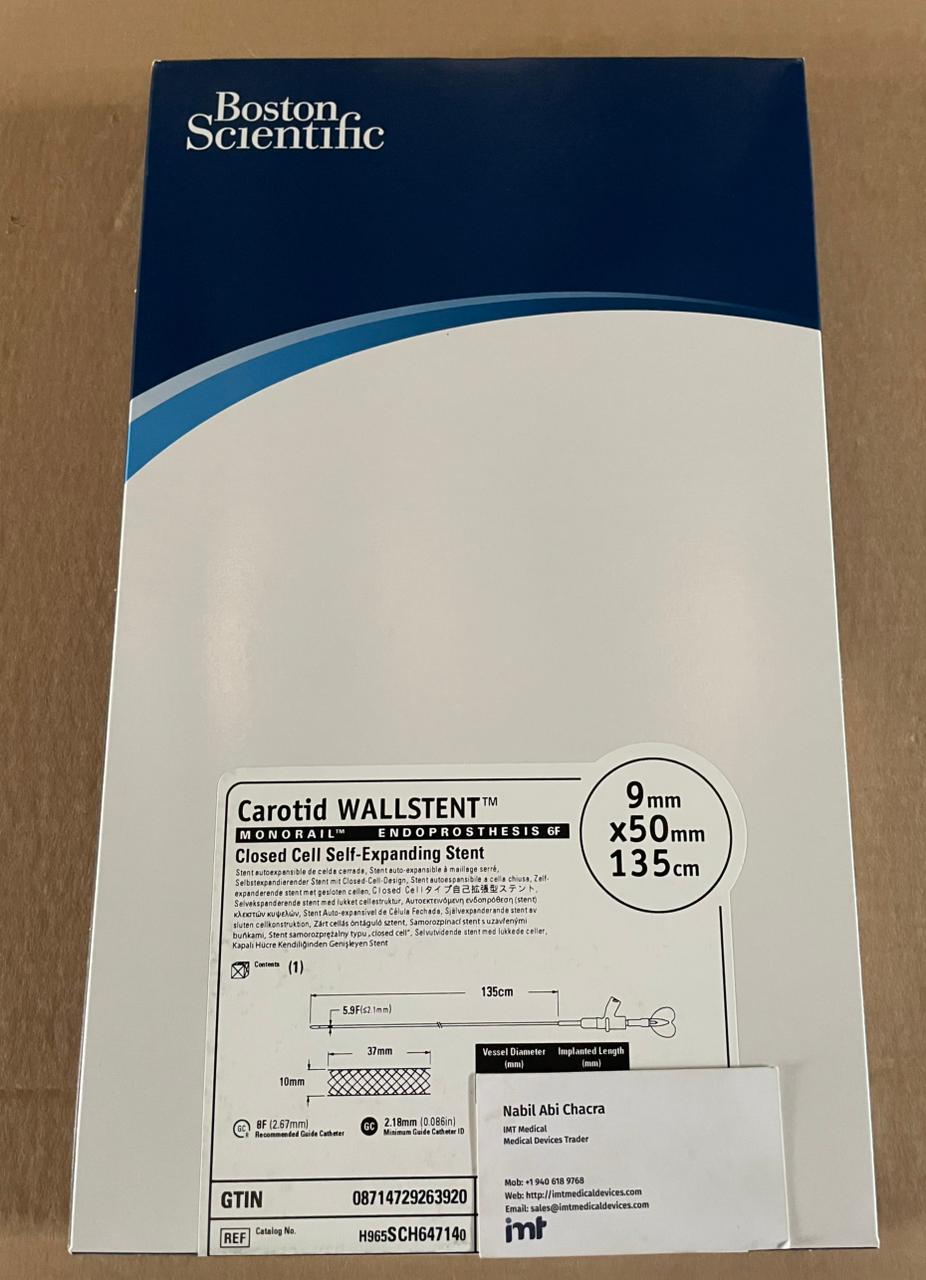
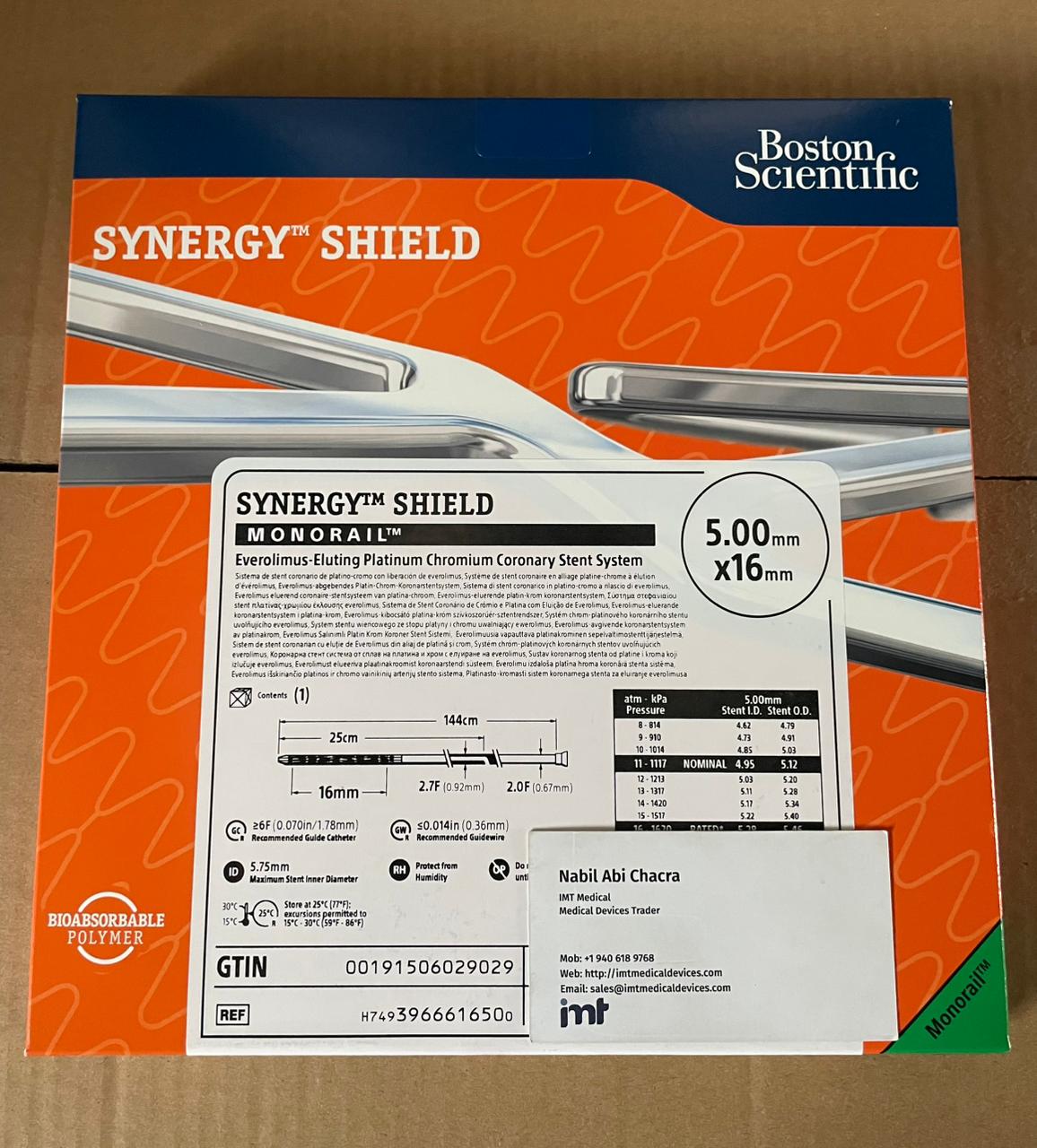
Boston Scientific focuses on polymer resorption and vessel-specific engineering. The Boston Scientific Synergy Megatron is specifically engineered for large proximal vessels. It features a bioabsorbable polymer that disappears shortly after drug elution is complete. This minimizes long-term metallic and polymer exposure in the coronary artery, which is vital for long-term patient outcomes.
Abbott provides critical niche hardware for procedural complications. The Abbott Graftmaster RX System is a specialized stent graft system. It's designed for the emergency treatment of coronary artery perforations or the management of coronary aneurysms. Unlike standard DES platforms, this system uses a sandwich design with a layer of PTFE between two metal stents to create a sealed conduit. This hardware is a mandatory component of emergency inventory in any high-volume cardiac lab.
Streamlining International Logistics for Sensitive Medical Implants
Logistical precision is the final checkpoint in medical procurement. A specialized coronary stent supplier must navigate complex customs frameworks and sterile transport protocols. Moving high-value medical implants requires more than standard freight. It demands clinical-grade handling and mastery of regulatory barriers in over 50 countries. Risk mitigation strategies, including real-time tracking and insured transit, protect the financial and clinical investment of the cardiac facility. Logistics isn't just about transport. It's about maintaining the chain of custody for life-saving hardware.
Exporting to Europe, Asia, and the Middle East involves distinct hurdles. Success depends on the technical dossier's accuracy. Documentation errors cause border delays. These delays compromise inventory stability. Precise paperwork ensures drug-eluting stents reach their destination without administrative friction. A partner's ability to manage these variables determines the reliability of the entire cardiac lab supply chain.
Just as precise documentation is required for device export, coordinating international patient travel post-surgery requires specialized expertise. For patients needing assistance returning home, RN MEDflights provides professional medical escort services for commercial flights to ensure a safe and managed journey.
Compliance Documentation for Global Export
Regulatory alignment with local health authorities is non-negotiable. Every shipment requires a structured document set:
- Certificates of Origin: Verifying manufacturing location for trade compliance.
- Packing Lists: Detailed breakdown of SKUs, batch numbers, and quantities.
- Airway Bills: Primary air freight transport documents.
- Certificates of Analysis: Confirming sterile integrity and technical specifications.
Specialized handling protects sensitive polymer coatings and sterile packaging. This oversight level is detailed in our Medical Device Distribution Guide. Maintaining these standards across multiple jurisdictions is a core competency for a global coronary stent supplier. It ensures that the product arriving at the hospital is identical in quality to the product that left the manufacturer.
Inventory Management and Turnover
Cardiac labs need consistent access to fast-moving hardware. Effective management prevents stockouts of critical sizes. A First-In-First-Out (FIFO) distribution model is standard. It's essential for implants with defined shelf lives. Constant monitoring of expiration dates ensures no device loses sterile certification during transit. This proactive approach minimizes waste and maximizes the utility of procurement budgets.
Procurement teams can browse all coronary stents to review current availability and batch data. High turnover rates signal a healthy supply chain. They reduce the risk of inventory obsolescence. Strategic partners maintain deep stock of primary DES platforms to meet procedural surges. Secure, high-capacity distribution is the foundation of lab efficiency. For reliable access to global medical technology, partner with IMT Medical Devices.
IMT Medical Devices: Your Strategic Partner for Bulk Stent Distribution
IMT Medical Devices functions as a high-capacity gateway for interventional cardiology hardware. We provide direct access to an exhaustive multi-brand portfolio including Medtronic, Terumo, and Boston Scientific. As a global coronary stent supplier, we prioritize the speed of data transmission and product availability. Our operations eliminate the fragmentation often found in international medical procurement. Partners secure authentic, manufacturer-certified hardware through a single, streamlined commercial channel. This efficiency is essential for maintaining the operational rhythm of high-volume cardiac labs.
Our track record includes the successful export of medical technologies to over 50 countries. We don't just move products; we manage the clinical and commercial risks associated with high-value medical device distribution. By bridging the gap between major manufacturers and international markets, IMT ensures that advanced cardiac care remains uninterrupted by supply chain volatility.
Global Reach and Strategic Hubs
Logistical efficiency is driven by our physical presence in key trade corridors. We maintain strategic hubs in Georgia, Dubai, Turkey, and Poland. These locations serve as regional anchors for rapid customs clearance and local health authority compliance. Each hub is optimized to reduce transit times and navigate the specific regulatory requirements of its respective territory.
- Georgia and Poland: Facilitating streamlined access to European and CIS markets.
- Dubai and Turkey: Optimizing supply routes for the Middle East and Africa.
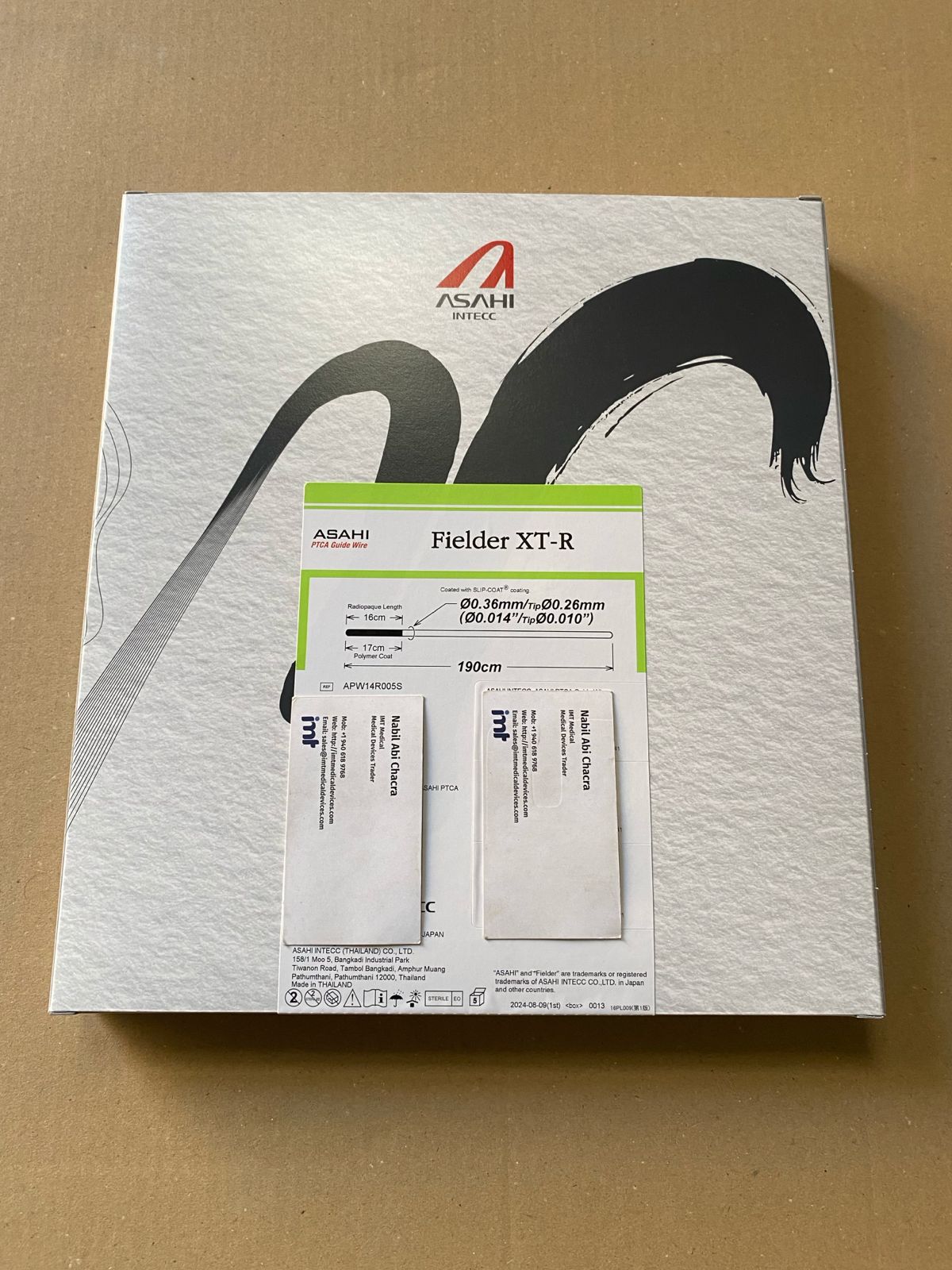
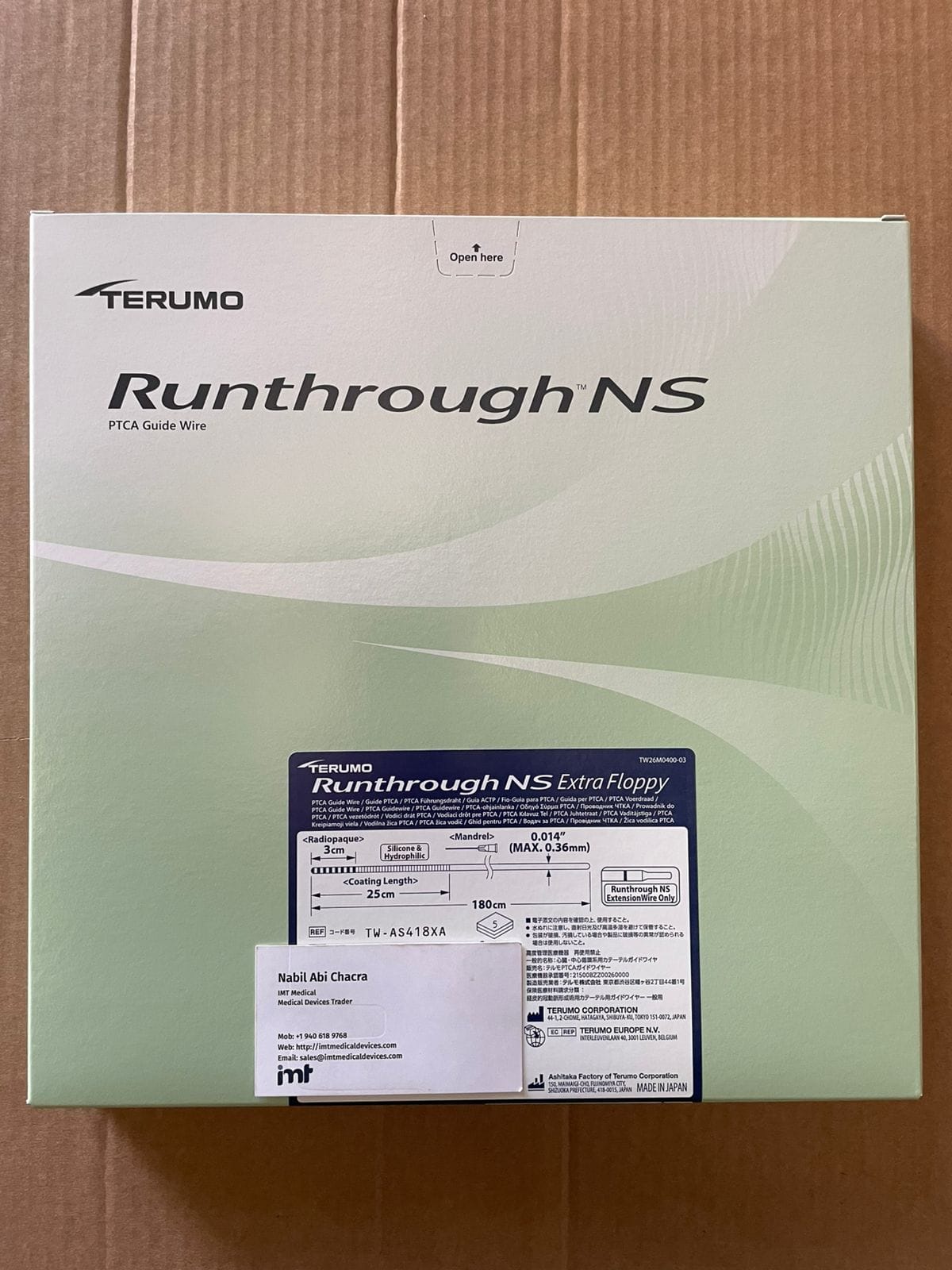
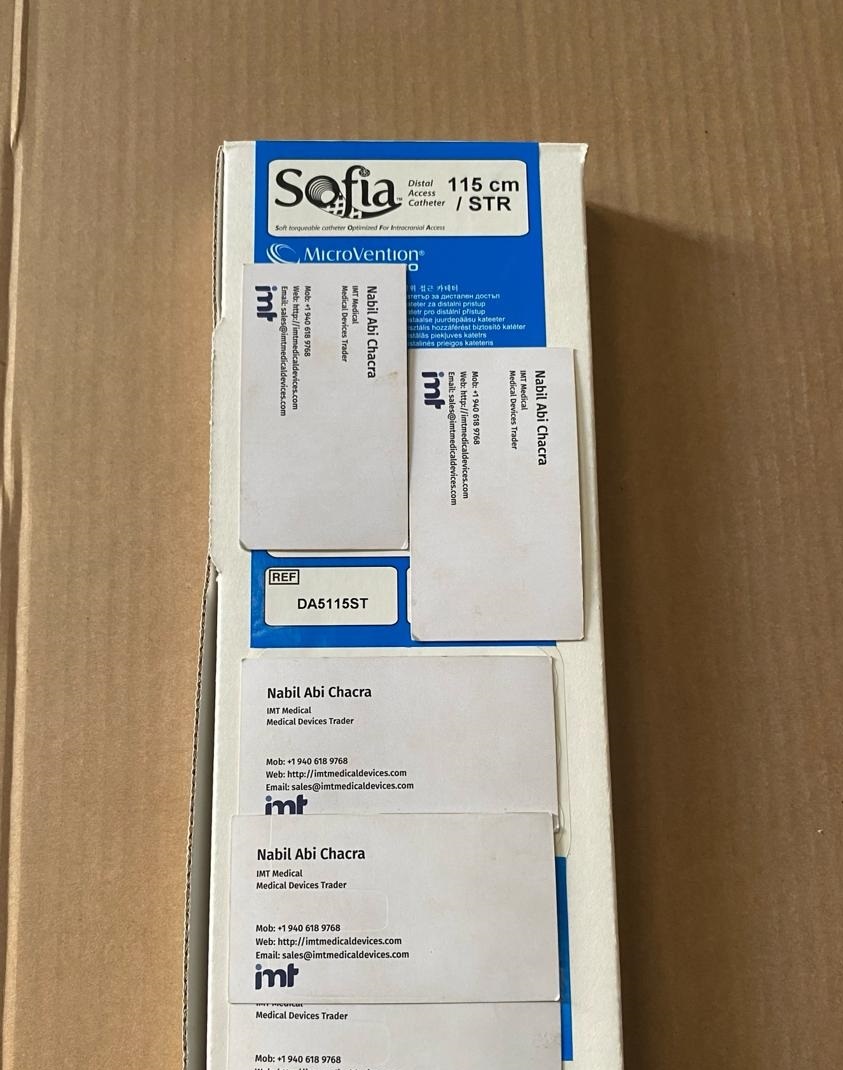
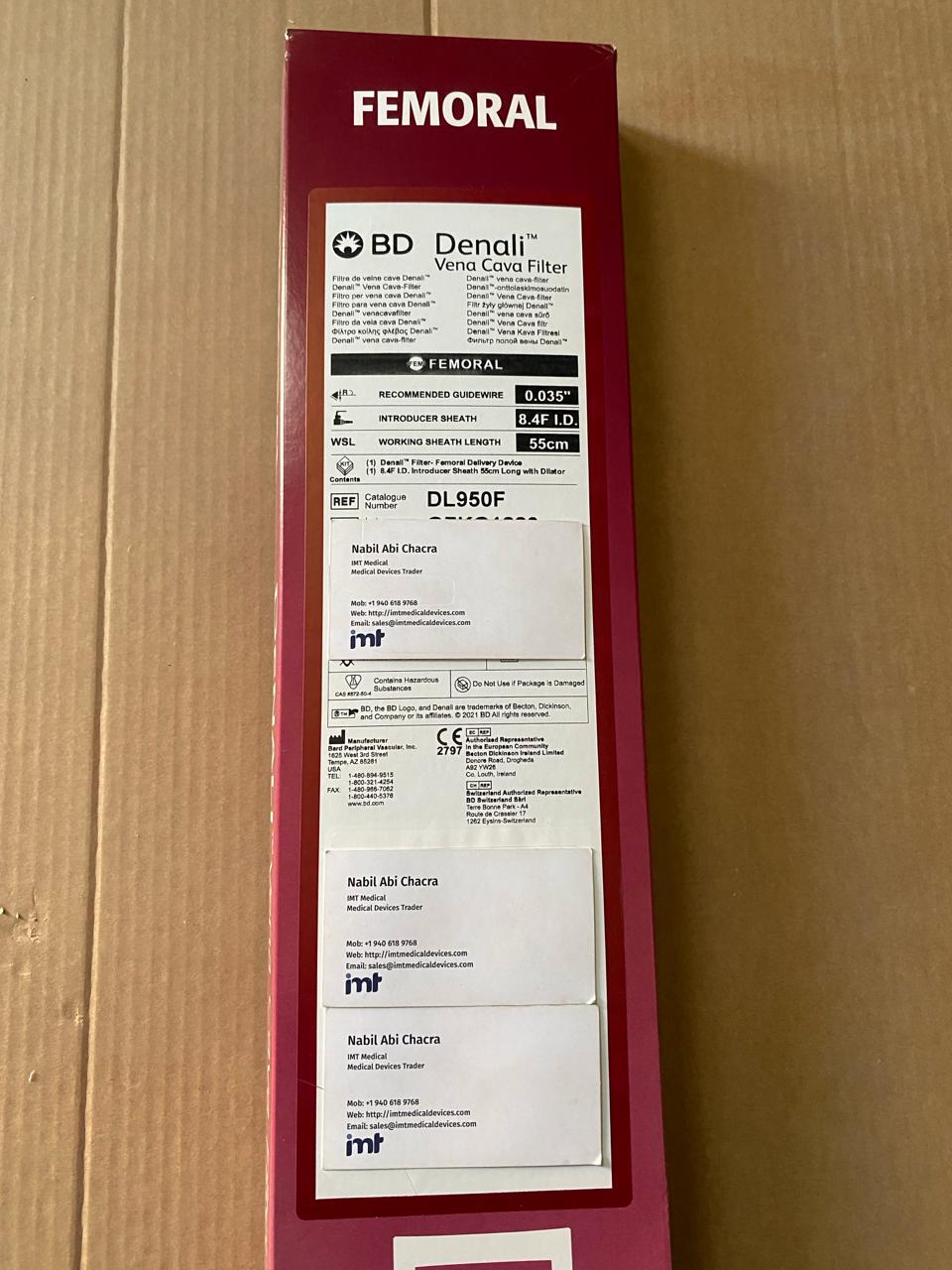
We ensure the absolute authenticity of every stent, catheter, and guidewire in our catalog. Each item undergoes rigorous verification against manufacturer-specific quality protocols before dispatch. This systematic oversight reduces the risk of secondary market counterfeit products entering the clinical supply chain. Our logistical network is engineered to handle the high turnover demands of modern cardiac labs, ensuring that sterile hardware arrives clinic-ready.
B2B Wholesale and Contract Logistics
Large-scale healthcare providers require more than just transactional supply. They need stable, long-term procurement solutions. IMT offers customized contract logistics designed for hospital groups and national distributors. We provide volume-based pricing tiers that maximize procurement budgets for high-frequency items like drug-eluting stents and balloon catheters. These agreements provide the inventory stability necessary for long-term clinical planning.
Our support extends beyond the warehouse. We manage the entire documentation lifecycle, from Certificates of Origin to final delivery at the facility. This comprehensive service allows cardiac centers to maintain consistent inventory levels without managing the complexities of international trade independently. For organizations expanding their cardiovascular capabilities, our Permanent Pacemakers Procurement Guide offers additional insights into specialized implant logistics. IMT Medical Devices remains the authoritative coronary stent supplier for partners requiring scale, reach, and industrial competence.
Optimizing Global Cardiac Supply Chains
Efficient procurement of interventional cardiology hardware requires a synthesis of technical expertise and logistical reach. We have established the critical roles of alloy engineering and abluminal drug elution in modern DES platforms. Securing a reliable coronary stent supplier is the final step in maintaining lab throughput and patient safety. IMT Medical Devices provides this stability through a consolidated inventory featuring Medtronic, Terumo, and Abbott. Our strategic offices in the UAE, Turkey, and Poland ensure rapid customs clearance and local compliance across international borders.
With a proven track record in global distribution to 50+ countries, we manage the complexities of the medical supply chain with industrial competence. High-capacity distribution. Authenticity verification. Global reach. Access our warehouse to secure your facility's inventory requirements. Request a Quote for Bulk Coronary Stent Supply to streamline your procurement operations. We look forward to supporting your cardiac care objectives through reliable technology access.
Frequently Asked Questions
What are the key factors to consider when choosing a coronary stent supplier?
Prioritize manufacturer authorization, inventory depth, and logistical reach. A reliable coronary stent supplier must demonstrate ISO 13485 compliance and a documented history of global exports. Reliability is measured by the ability to maintain consistent stock of specific drug-eluting stent (DES) generations without lead-time fluctuations.
How does a drug-eluting stent (DES) differ from a bare-metal stent (BMS) in procurement?
Procurement focus has shifted toward DES, which holds a 76.51% market share in 2026. DES platforms require more complex technical documentation regarding drug-polymer combinations and release kinetics. Bare-metal stents (BMS) are now secondary inventory, typically sourced for specific clinical cases where short-term dual antiplatelet therapy is required.
Which manufacturers offer the most reliable DES platforms for complex PCI?
Medtronic and Terumo produce the leading platforms for complex interventions. Medtronic Resolute Onyx utilizes Core Wire Technology for superior radiopacity; Terumo Ultimaster Nagomi features abluminal drug elution for targeted vessel healing. These technical identifiers are mandatory specifications for interventional cardiology procurement departments.
What documentation is required for the international export of coronary stents?
Exporting medical hardware requires a technical dossier including Certificates of Origin, Packing Lists, and Airway Bills. Health authority clearances, such as CE Mark or FDA documentation, are also mandatory. Precise paperwork prevents logistical delays and ensures the lawful entry of medical devices into over 50 countries.
How do suppliers ensure the sterile integrity of stents during global transit?
Industrial competence in a coronary stent supplier involves the use of validated, temperature-controlled environments and clinical-grade freight. Sterile packaging must remain uncompromised throughout the entire chain of custody. Suppliers utilize insured transport protocols and specialized handling to protect sensitive polymer coatings during global transit.
Can I source multiple brands like Medtronic and Terumo from a single supplier?
Yes, wholesale partners like IMT Medical Devices consolidate brands like Medtronic, Terumo, and Boston Scientific into a single catalog. Consolidating multi-brand inventory simplifies vendor management and reduces administrative overhead. This approach allows cardiac labs to access diverse stent architectures through one transactional channel.
What is the typical shelf life of a modern coronary stent?
Modern drug-eluting stents typically have a shelf life of 12 to 24 months. This duration is dictated by the stability of the pharmacological agent and the polymer carrier. Effective inventory management relies on First-In-First-Out (FIFO) protocols to ensure all hardware is distributed well before the expiration of its sterile certification.
How do I verify the authenticity of stents purchased through a wholesale distributor?
Verify authenticity by cross-referencing batch-specific Certificates of Analysis and manufacturer-linked serial numbers. Procurement professionals should check technical codes on the packaging against official manufacturer databases. Authorized distributors provide a transparent chain of custody from the production facility to the final delivery point.