

Sourcing Coronary Stents Wholesale: A Procurement Guide
The global coronary stents market is projected to reach a valuation of USD 15.07 billion by the end of 2026. This scale demands a sophisticated approach to supply chain management. Procurement professionals frequently encounter inventory inconsistency and the risk of counterfeit medical implants in high-demand sectors. Securing a reliable source for coronary stents wholesale is essential for maintaining clinical standards and operational continuity. You need a transactional partner focused on manufacturer-grade inventory and international logistical competence.
This article provides a technical framework for high-volume procurement of drug-eluting stents and interventional cardiology supplies. We'll examine the mandatory EUDAMED modules effective May 28, 2026, and the FDA's transition to QMSR requirements. You'll gain insights into optimizing volume-based pricing for interventional cardiology labs while ensuring 2026 regulatory compliance for international imports. We'll preview the logistical strategies needed to secure premium hardware from brands like Abbott, Medtronic, and Boston Scientific without the typical supply chain friction.
Key Takeaways
- Identification of 2026 market dynamics and the increasing demand for advanced drug-eluting stent (DES) platforms in high-volume B2B sectors.
- Technical benchmarking of industry leaders including Medtronic, Boston Scientific, and Terumo to ensure superior polymer biocompatibility and drug-elution profiles.
- Strategic criteria for coronary stents wholesale procurement with a focus on radial strength, radiopacity, and 12-18 month minimum shelf-life.
- Navigation of complex international regulatory frameworks, including mandatory EUDAMED modules and FDA QMSR standards for compliant global export.
- Optimization of interventional cardiology supply chains through specialized logistical hubs and rigorous cold chain integrity management.
The Global Market for Coronary Stents Wholesale in 2026
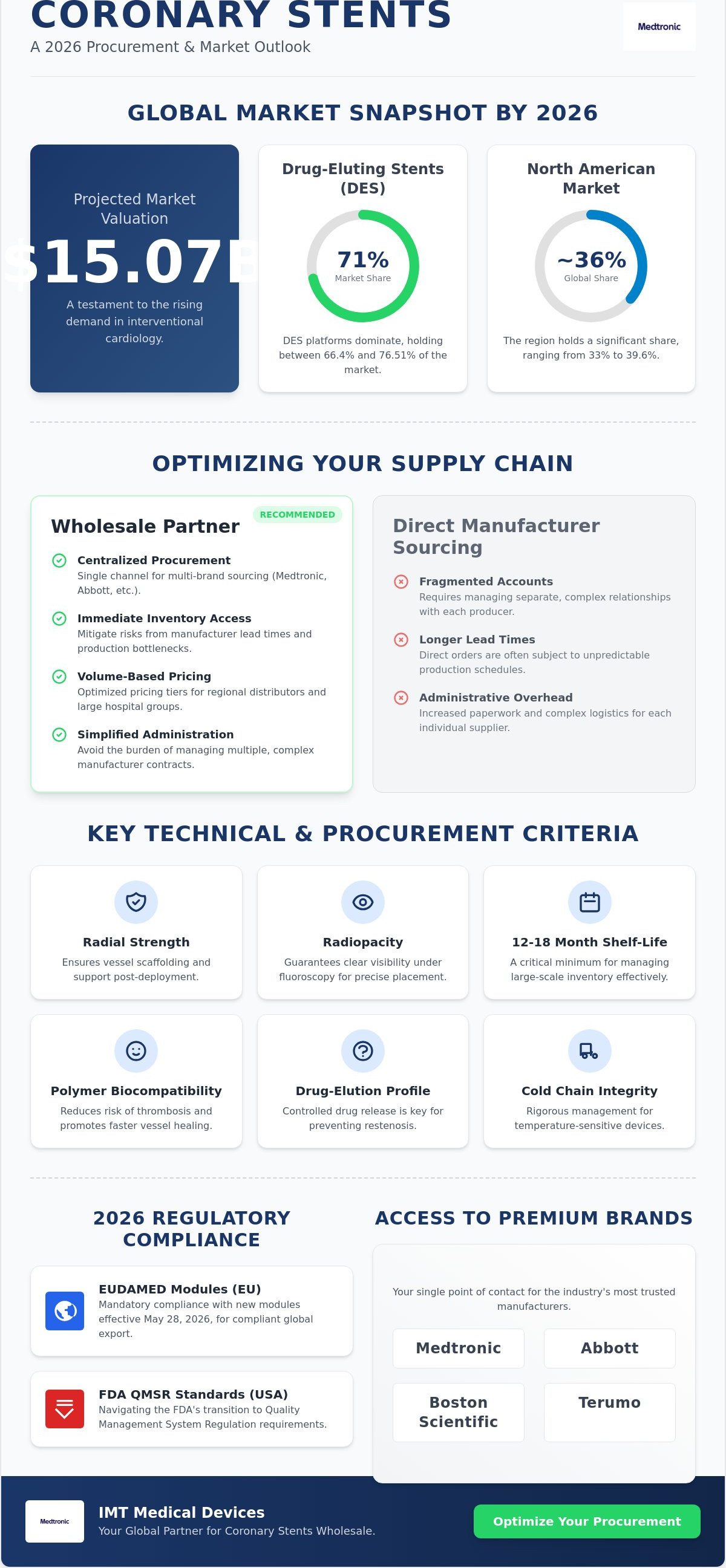
High-volume B2B supply of drug-eluting stents (DES) and bare-metal platforms defines the sector of coronary stents wholesale. It's a logistics model that bridges the gap between major manufacturer production cycles and regional clinical requirements. The global market size in 2026 is estimated between USD 7.38 billion and USD 15.07 billion. Drug-eluting stents remain the dominant segment, holding a market share between 66.4% and 76.51%. Regional market shares vary, with North America currently occupying approximately 33% to 39.6% of the global landscape.
Global supply chain stability directly impacts interventional cardiology outcomes. International wholesalers ensure that hospitals and regional distributors maintain access to critical hardware despite localized shortages. By managing large-scale inventory, these entities mitigate the risks associated with manufacturer lead times and production bottlenecks.
Primary Indications and Wholesale Demand Drivers
Increased prevalence of coronary artery disease (CAD) necessitates bulk procurement strategies for interventional labs. A comprehensive Coronary stent overview shows that clinical reliance on these devices is expanding. In 2026, regulatory bodies have adjusted pricing structures to manage this demand. As of June 9, 2026, the Directorate General of Drug Administration in Bangladesh reduced prices for several units. Specifically, certain stents dropped from Tk60,000 to Tk57,000. India also implemented price caps in April 2026, where drug-eluting stents are capped at Rs 39,186. These shifts drive private hospital tenders toward latest-generation platforms. Standardization of interventional accessories across global cardiology labs remains a priority for procurement officers.
Wholesale vs. Direct Manufacturer Sourcing
Efficiency drives the preference for a single wholesale partner over fragmented direct manufacturer accounts. Sourcing coronary stents wholesale allows for multi-brand procurement through a centralized logistical channel. This provides immediate access to high-demand SKUs from Medtronic, Boston Scientific, Terumo, and Abbott. Inventory availability is a critical advantage. Direct sourcing often involves longer lead times and complex account management for each producer.
Wholesale partners offer volume-based pricing tiers designed for regional distributors and large hospital groups. This model optimizes the supply chain for coronary stents and associated hardware. Procurement professionals gain logistical reliability and avoid the administrative burden of managing multiple manufacturer contracts. This industrial competence ensures that interventional cardiology labs maintain consistent stock levels of premium DES platforms.
Technical Analysis of Leading Stent Manufacturers and Platforms
Procurement of coronary stents requires a technical understanding of manufacturer-specific benchmarks. High-capacity interventional cardiology labs prioritize platforms with proven clinical data and predictable deployment profiles. The Global Coronary Stents Market reflects a shift toward ultra-thin drug-eluting stents (DES) with bioresorbable polymers. These technical specifications define the 2026 standard for patient safety and vessel healing. Sourcing coronary stents wholesale ensures access to these verified global brands while maintaining the volume required for large-scale clinical operations.
Inventory focus extends beyond coronary applications to include peripheral stents. While DES platforms dominate the market, peripheral hardware remains critical for comprehensive vascular intervention. Verified brands like Medtronic, Abbott, Terumo, and Boston Scientific provide the necessary technical differentiation. 2026 benchmarks prioritize polymer biocompatibility and controlled drug-elution profiles. These features reduce the risk of late-stent thrombosis and promote faster endothelialization. This creates a sense of industrial competence and logistical reliability in the supply chain.
Medtronic and Abbott: Industry Standards
The Medtronic Resolute Integrity Stent remains a benchmark for complex lesion management. Its Continuous Sinusoid Technology provides superior deliverability and conformability in tortuous anatomy. Abbott continues to lead with specialized platforms like the Graftmaster RX coronary stent graft system. This system is engineered for the treatment of coronary artery perforations and provides a critical safety net in the cath lab. Wholesale procurement of these platforms requires strict adherence to manufacturer-specific storage protocols. DES inventory must be maintained in temperature-controlled environments to preserve the integrity of the drug-polymer coating. High-volume buyers should verify technical codes to ensure compatibility with existing guiding catheters and guidewires.
Terumo and Boston Scientific Innovations
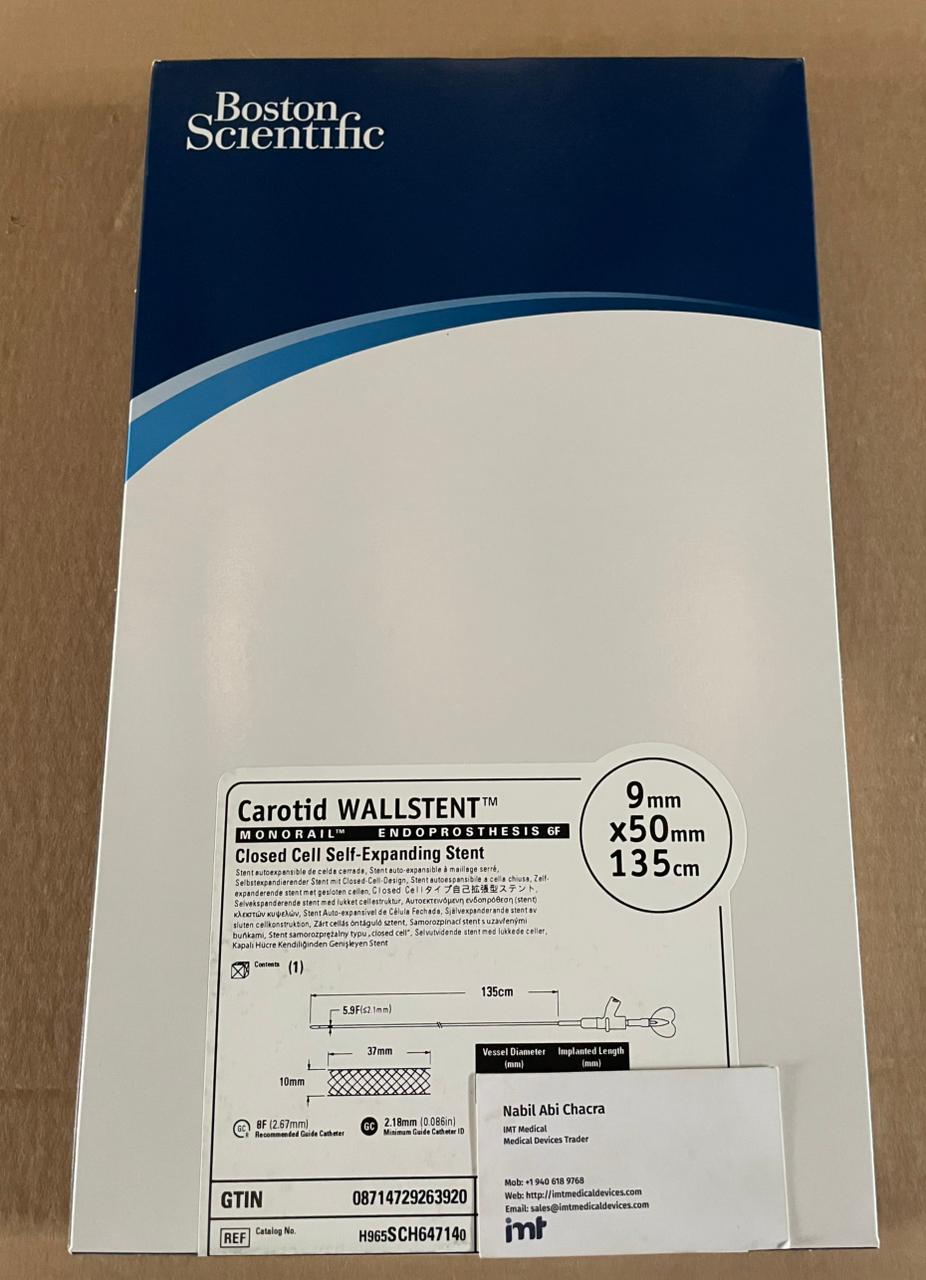
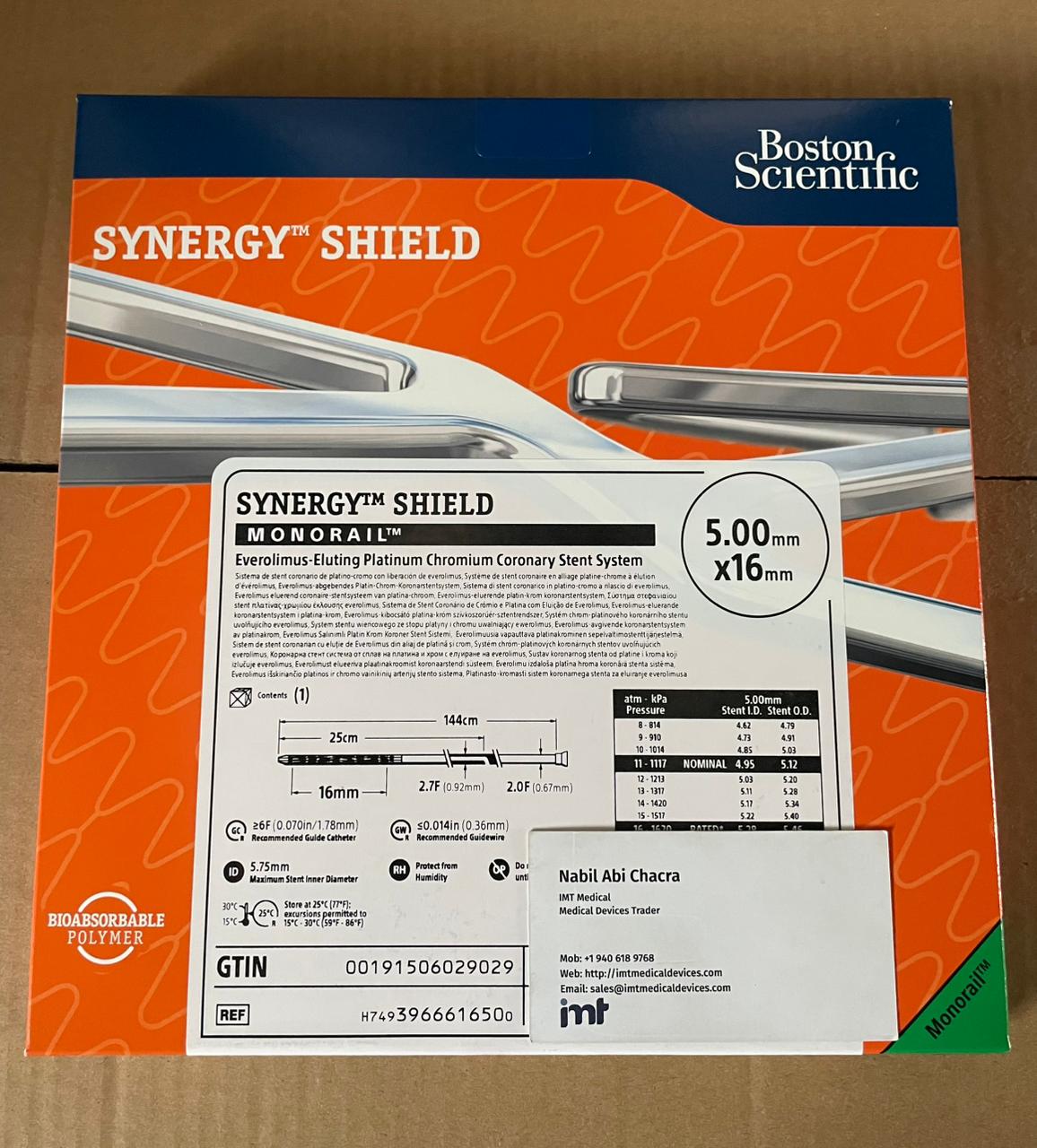
Clinical advantages of the Terumo Ultimaster Nagomi include its bioresorbable polymer and rapid abluminal drug elution. It's designed for high-performance vessel healing and reduced inflammation. For large-vessel stenting, the Boston Scientific Synergy Megatron offers high radial strength and exceptional radiopacity. These specifications are vital for precise placement in complex anatomy like the left main artery. Sourcing Boston Scientific products through a reliable coronary stents wholesale partner allows high-volume cardiac centers to optimize their hardware stock without compromising on technical quality. This manufacturer-centric approach ensures access to authentic technology.
Professional procurement teams value manufacturer reputations for reliability and innovation. You can view our full manufacturer portfolio to identify the specific hardware codes your facility requires for the current fiscal year.
Procurement Framework: Evaluating Stent Platforms for Bulk Purchase
The procurement of coronary stents wholesale depends on three primary technical metrics: deliverability, radial strength, and radiopacity. Deliverability defines the ease with which a stent crosses tortuous anatomy. Radial strength ensures the vessel remains patent against elastic recoil. Radiopacity allows for precise placement under fluoroscopy. Bulk purchase agreements must prioritize shelf-life management to prevent inventory stagnation. For international exports, ensuring a minimum 12-18 month expiry is a standard logistical requirement. This timeframe accounts for transit, customs clearance, and hospital shelf time.
Traceability and quality assurance are vital for high-volume B2B transactions. Verification of sterilization certificates and manufacturer batch codes is non-negotiable. Every unit must be traceable to its production lot to ensure compliance with international safety standards. Procurement officers should also evaluate the relationship between stent choice and PTCA balloon catheter compatibility. Pre-dilation and post-dilation balloons must match the stent's expansion limits to avoid edge dissections or malapposition.
Drug-Eluting Stent (DES) Platform Comparison
Market preference analysis for 2026 shows a continued lean toward Everolimus-eluting platforms due to extensive clinical safety data. Sirolimus-eluting platforms remain a high-volume alternative for specific regional tenders. Procurement trends indicate a shift from permanent polymer coatings to bioabsorbable polymers. These newer coatings reduce long-term inflammatory responses by disappearing after the drug is fully eluted. Modern DES platforms feature ultra-thin struts, typically ranging from 60 to 81 microns, which significantly minimize arterial injury and reduce restenosis rates. This technical advancement is a primary driver for updating existing hospital inventory lists.
Bundling Stents with Interventional Accessories
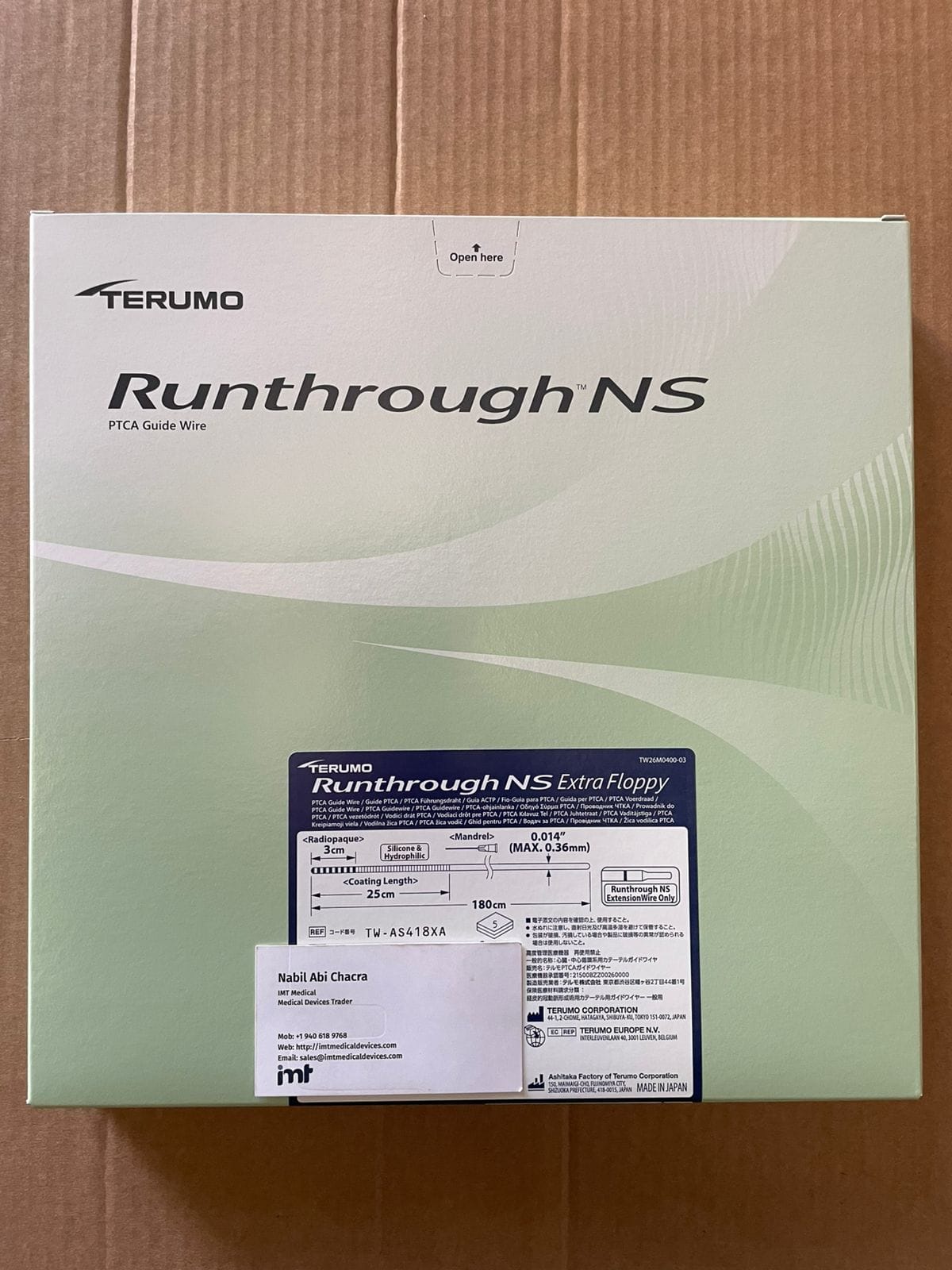
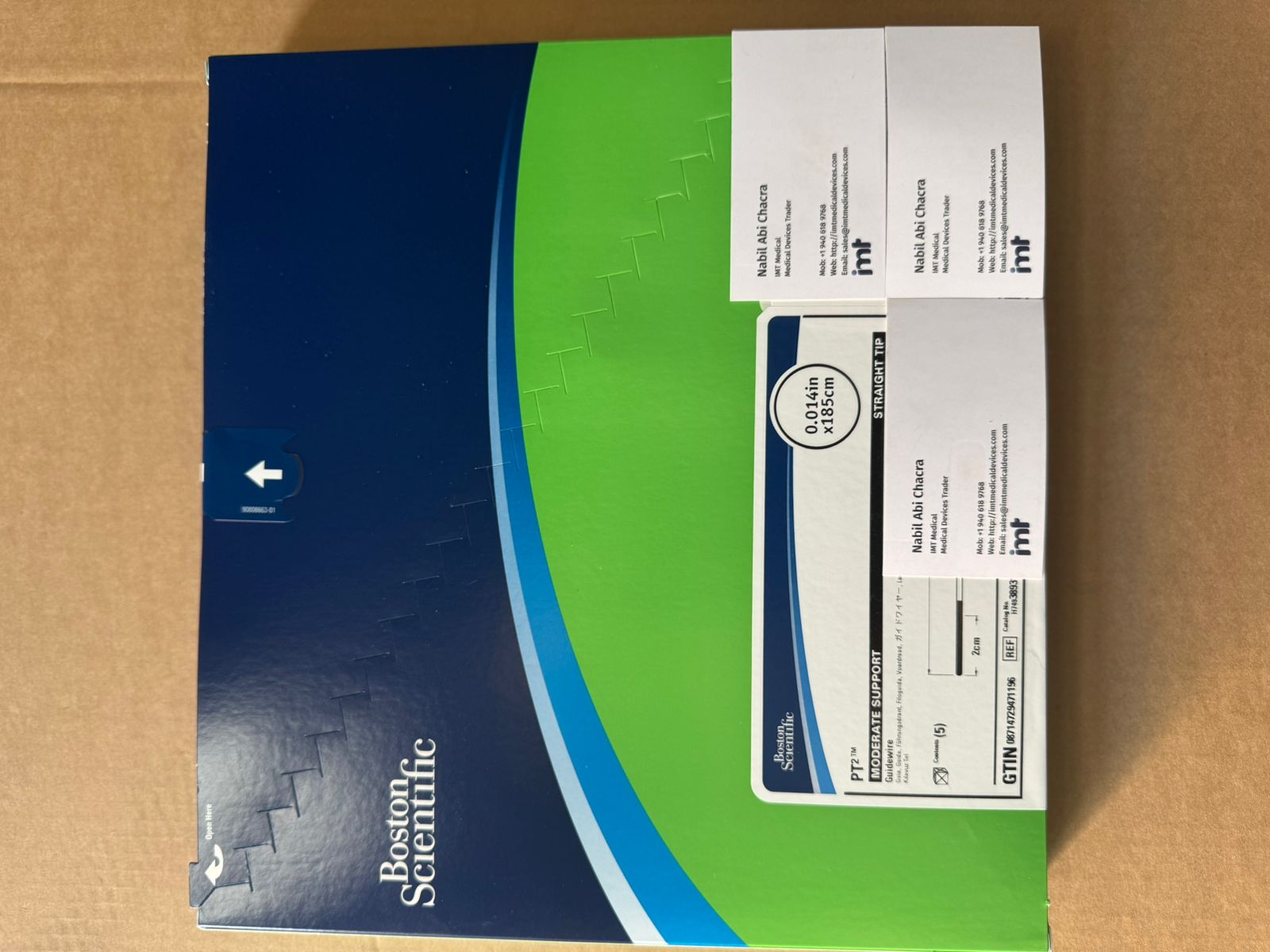
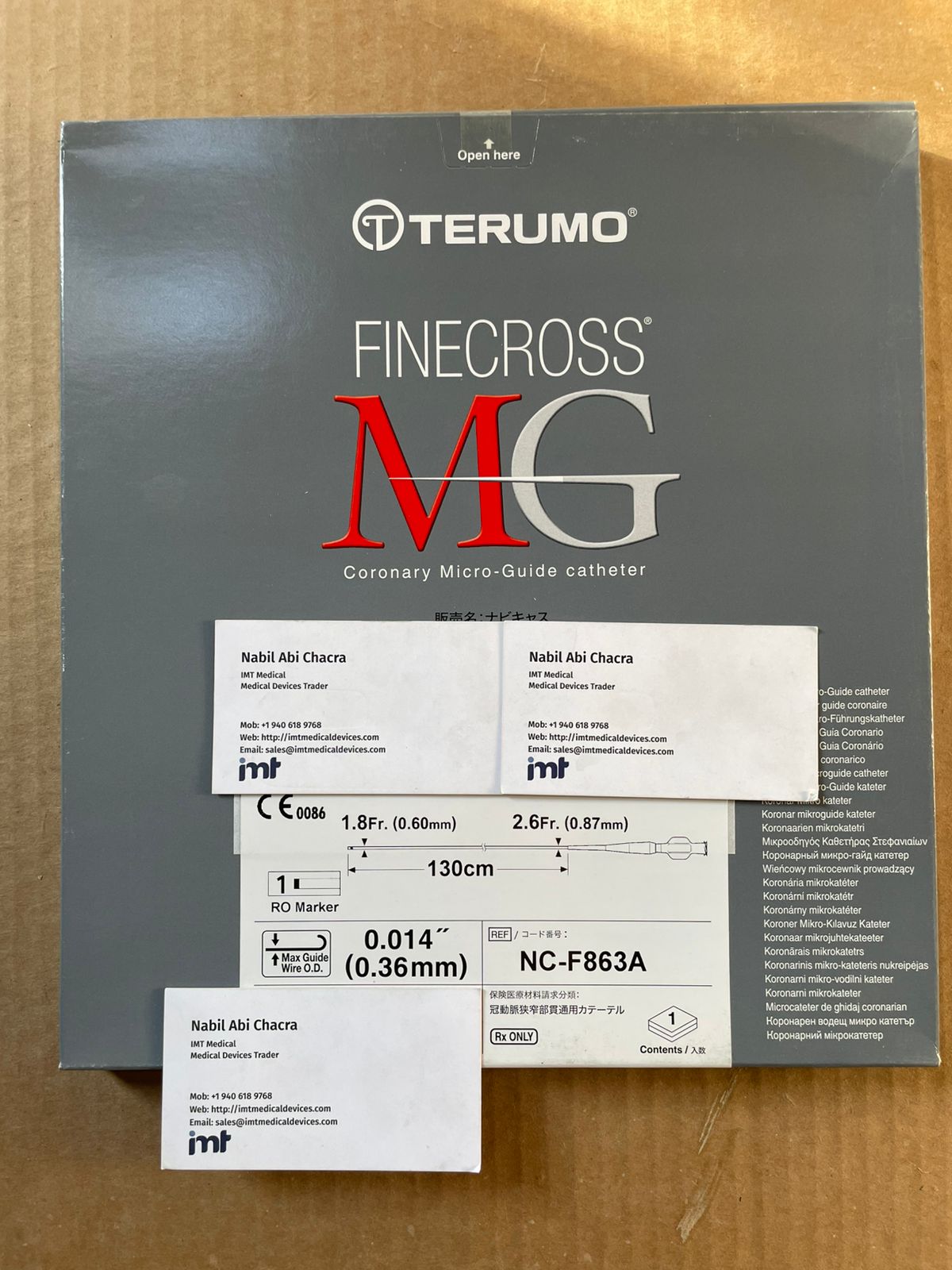
Procurement efficiency increases when bundling stents with essential interventional hardware. A comprehensive PCI kit includes coronary guidewires, guiding catheters, and inflation devices. Sourcing compatible Terumo Runthrough NS wires in bulk ensures that interventionalists have the necessary tools for diverse lesion morphologies. This strategy reduces administrative overhead and stabilizes the supply chain for complex procedures. Optimizing the supply chain for complete PCI kits allows for better volume-based pricing across multiple product categories. This manufacturer-centric approach simplifies logistics by consolidating shipments from major brands into a single, efficient delivery stream.
International Logistics and Regulatory Compliance for Stent Export
Global distribution of coronary stents wholesale inventory requires rigid adherence to international trade laws. Exporting to 50+ countries involves managing distinct regulatory frameworks for each region. Strategic distribution hubs in Georgia, Dubai, and Turkey facilitate rapid transit and minimize customs delays. These locations serve as logistical anchors for the Middle East, Central Asia, and Eastern Europe. Efficient movement of medical implants depends on a synergy between local customs expertise and international shipping standards. This industrial competence ensures that high-volume procurement remains a predictable and transactional process for global partners.
Regulatory Documentation and Certification
Compliance with ISO 13485 and the CE Mark is mandatory for all high-volume inventory. Effective May 28, 2026, four modules of the European Database on Medical Devices (EUDAMED) became mandatory. These include Actor Registration, UDI/Device Registration, Notified Bodies and Certificates, and Market Surveillance. Successful medical device distribution in Eastern Europe and the Middle East depends on the precise preparation of Certificates of Origin and Free Sale Certificates. These documents are essential for international tenders and regional healthcare ministry approvals. The FDA also transitioned to Quality Management System Regulation (QMSR) on February 22, 2026. This aligns 21 CFR Part 820 with ISO 13485 standards for all medical device exports.
Advanced Logistics for Sensitive Medical Hardware
Drug-eluting stents are sensitive to environmental fluctuations. Maintaining cold chain integrity and environmental stability during transcontinental air freight is a primary logistical priority. Specialized packaging protects the drug-polymer coating from temperature spikes and mechanical vibration. Real-time tracking systems provide visibility for urgent hospital supply needs. Insurance and liability frameworks must cover the high value of these medical implants during every stage of the export process. This logistical reliability is a primary trust signal for procurement professionals managing high-capacity clinical centers.
Managing customs clearance for coronary stents wholesale shipments in high-demand markets requires a proactive approach to regional tax laws and import duties. Strategic hubs in Tbilisi, Dubai, and Istanbul allow for the consolidation of shipments from multiple manufacturers. This reduces freight costs and improves the speed of delivery to interventional cardiology labs. Detailed documentation including commercial invoices, packing lists, and airway bills must be meticulously cross-referenced with regional import licenses. This level of precision minimizes the risk of port delays or seizure of sensitive inventory.
Review our international export capabilities to streamline your procurement of interventional hardware and ensure 2026 regulatory compliance.
IMT Medical Devices: Your Global Partner for Coronary Stents Wholesale
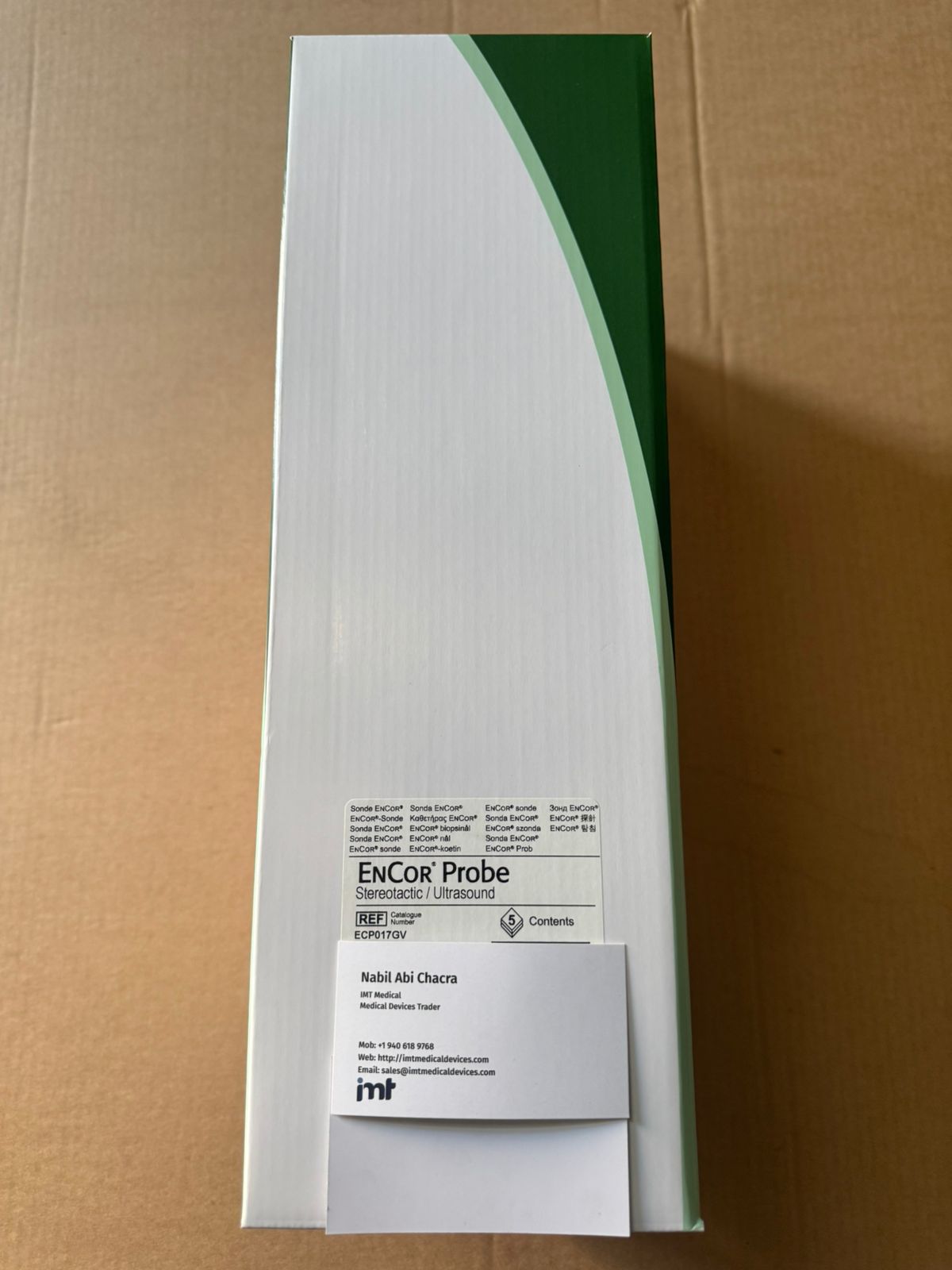
IMT Medical Devices functions as a pragmatic and authoritative bridge in the global medical supply chain. As a high-capacity wholesaler and exporter, the entity maintains an extensive inventory of specialized interventional hardware. The portfolio features industry-leading platforms from Medtronic, Boston Scientific, Terumo, and Abbott. This manufacturer-centric approach ensures all distributed technology remains authentic and compliant with 2026 clinical standards. With a distribution network covering over 50 countries, IMT Medical Devices provides the scale required by international healthcare providers and regional distributors.
Strategic hubs in Georgia, Dubai, Turkey, and Poland serve as the foundation for rapid global delivery. These locations are selected for their logistical efficiency and proximity to high-demand healthcare markets. We manage the complexities of international export, including the preparation of necessary regulatory documentation and adherence to evolving standards like EUDAMED and FDA QMSR. This logistical reliability translates to reduced lead times and secure transport for sensitive coronary stents wholesale shipments. Our offices in Tbilisi, Dubai, and Istanbul provide localized expertise in customs clearance and regional documentation requirements.
Strategic Distribution Capabilities
Our supply chain solutions are customized for large-scale healthcare projects and regional tenders. We provide comprehensive export logistics management for 50+ countries and detailed regulatory documentation support. Every shipment is managed with a focus on environmental integrity, utilizing temperature-controlled warehousing for DES platforms. This infrastructure supports direct access to premium DES, BMS, and peripheral platforms. Partners benefit from a structured approach to international tenders, ensuring all certifications are ready for immediate submission.
Contact and Procurement Procedures
Initiating a procurement cycle for coronary intervention products is a streamlined, transactional process. Procurement professionals can submit technical specifications and volume requirements through our professional inquiry portal. We prioritize volume-based pricing and structured contract negotiation for our long-term partners. This transactional efficiency allows procurement officers to focus on clinical outcomes rather than administrative delays. Inventory availability covers critical hardware including:
- Drug-Eluting Stents (DES) and Bare-Metal Stents
- PTCA Balloon Catheters and Cutting Balloons
- Permanent Pacemakers and ICDs
- Diagnostic Guide Wires and Guiding Catheters
- Peripheral Stents and Surgical Staplers
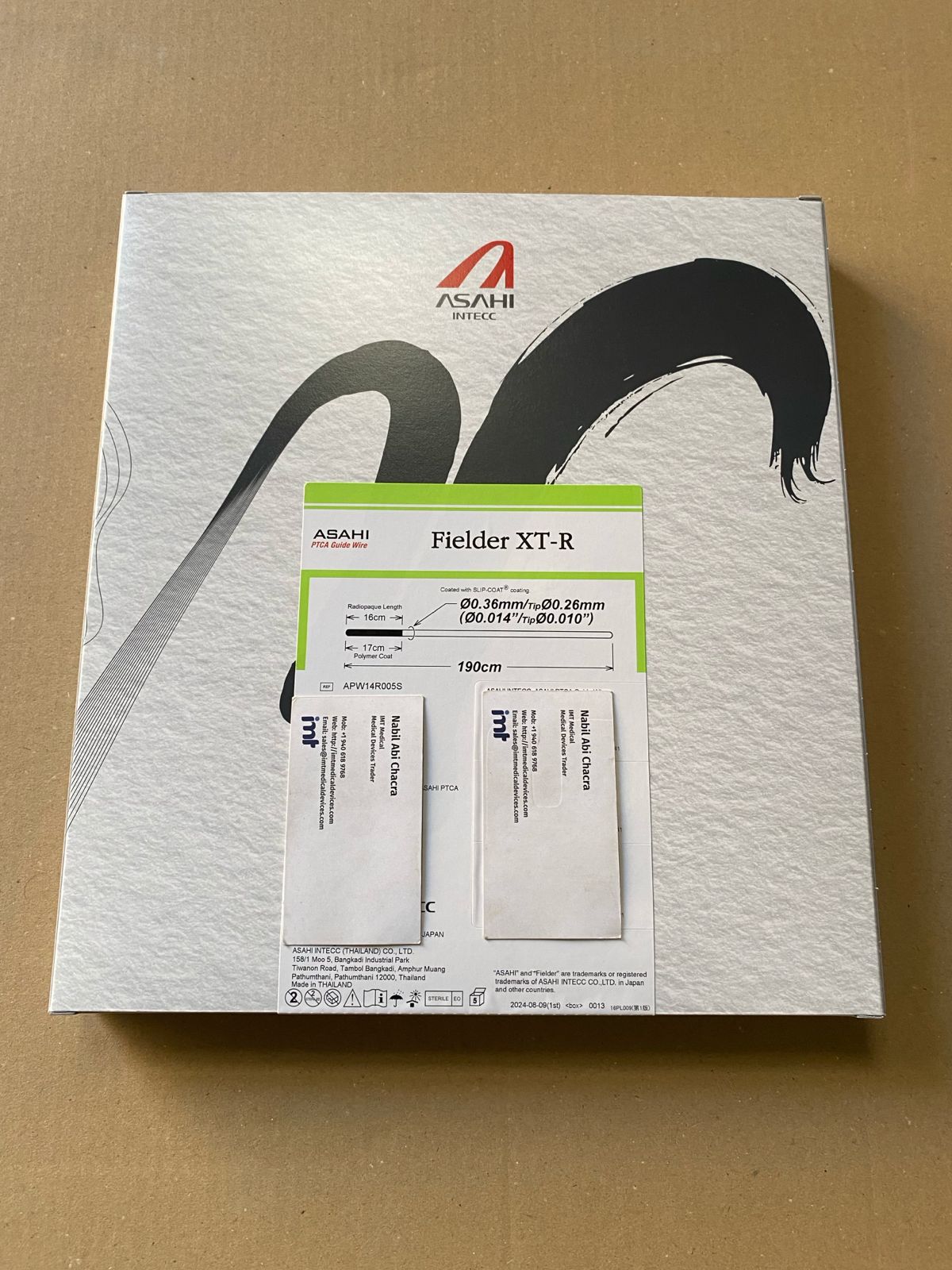
- Asahi Intec and Cordis accessories
Industrial competence and manufacturer-grade inventory define our role as a vital partner in the global cardiology market. We invite procurement professionals to contact IMT Medical Devices for a comprehensive coronary stent wholesale quote and technical consultation.
Optimizing Global Interventional Cardiology Supply Chains
Effective procurement in 2026 requires a synergy of technical hardware knowledge and logistical precision. Interventional cardiology labs must prioritize ultra-thin strut platforms and bioresorbable coatings while navigating mandatory EUDAMED modules and QMSR standards. Securing a reliable source for coronary stents wholesale inventory ensures that your facility maintains access to authentic technology from Medtronic, Abbott, and Terumo. This manufacturer-centric approach minimizes the risk of supply chain inconsistency in high-demand markets.
Logistical reliability is achieved through strategic offices in Georgia, Dubai, Turkey, and Poland. These hubs facilitate rapid distribution to over 50 countries while maintaining cold chain integrity for sensitive hardware. Our transactional model focuses on industrial competence and rapid information retrieval for procurement professionals. It's time to stabilize your inventory levels and achieve volume-based pricing through a single, authoritative partner.
Request a wholesale price list for coronary stents and interventional cardiology supplies to streamline your 2026 clinical operations. Your procurement strategy can achieve both regulatory compliance and logistical efficiency with the right global partner.
Frequently Asked Questions
How do I verify the authenticity of wholesale coronary stents?
Authenticity is verified through original manufacturer batch codes and sterilization certificates provided with every shipment. Procurement teams should cross-reference these identifiers with official producer databases to ensure hardware legitimacy. Every unit includes traceable technical specifications and producer-grade labeling. This level of transparency is standard for coronary stents wholesale transactions. It mitigates the risk of counterfeit or substandard medical implants entering the clinical supply chain.
What are the typical lead times for international medical device exports?
Typical lead times for international medical device exports range from 3 to 7 business days for air freight from strategic distribution hubs. Total transit time depends on destination-specific customs clearance protocols and local import licensing requirements. Utilizing regional offices in Dubai or Turkey often accelerates the process for EMEA markets. We prioritize rapid logistics tracking to ensure predictable delivery schedules for high-volume interventional cardiology supplies.
Are drug-eluting stents (DES) subject to specific temperature controls during shipping?
Drug-eluting stents (DES) require specific environmental controls to preserve the integrity of the drug-polymer coating. Temperature-controlled shipping and specialized packaging protect against thermal fluctuations during transcontinental flight. Maintaining these conditions is critical for preventing drug degradation or polymer instability. Logistical protocols follow manufacturer-specific storage guidelines to ensure the hardware remains clinically effective upon arrival at the interventional cardiology lab.
Can I source stents from multiple manufacturers like Medtronic and Terumo in a single shipment?
Consolidating coronary stents wholesale orders from multiple manufacturers like Medtronic, Abbott, and Terumo into a single shipment is a core benefit of wholesale partnerships. This model reduces freight costs and simplifies the administrative burden of managing multiple producer accounts. Procurement professionals can source a comprehensive range of DES platforms and interventional accessories through a centralized logistical channel. This approach improves inventory efficiency for high-capacity cardiac centers.
What documentation is required for importing coronary stents into the UAE or Turkey?
Importing coronary stents into the UAE or Turkey requires a commercial invoice, detailed packing list, certificate of origin, and a free sale certificate. Specific regional import licenses and ministry of health approvals must be active prior to shipment arrival at the port. Preparation of these documents is handled through our regional distribution hubs to minimize the risk of customs delays. Each document must precisely match the technical codes of the interventional hardware.
How does volume-based pricing work for interventional cardiology supplies?
Volume-based pricing operates on a tiered structure where the cost per unit decreases as the total procurement quantity increases. This framework is designed for regional distributors and large hospital groups seeking to optimize their supply chain budget. Pricing tiers are established based on the manufacturer name and the specific technical complexity of the hardware. Contract negotiation for long-term partners allows for price stabilization despite global market fluctuations.
What is the minimum shelf life guaranteed for wholesale stent inventory?
Wholesale stent inventory is guaranteed to have a minimum shelf life of 12 to 18 months for all international exports. This timeframe accounts for the logistics of transcontinental shipping and the necessary duration for hospital inventory rotation. Every shipment is inspected for expiry dates before leaving our distribution centers in Poland or Dubai. Procurement teams receive detailed batch lists including specific expiry data for each unit in the shipment.
Do you provide support for regulatory compliance and customs clearance?
Comprehensive support for regulatory compliance and customs clearance is a standard component of our international distribution service. We assist in the preparation of all necessary documentation for 50+ countries to ensure smooth market entry. This includes alignment with 2026 standards such as EUDAMED registration and FDA QMSR compliance. Our logistical expertise serves as a bridge between major manufacturers and regional healthcare providers.