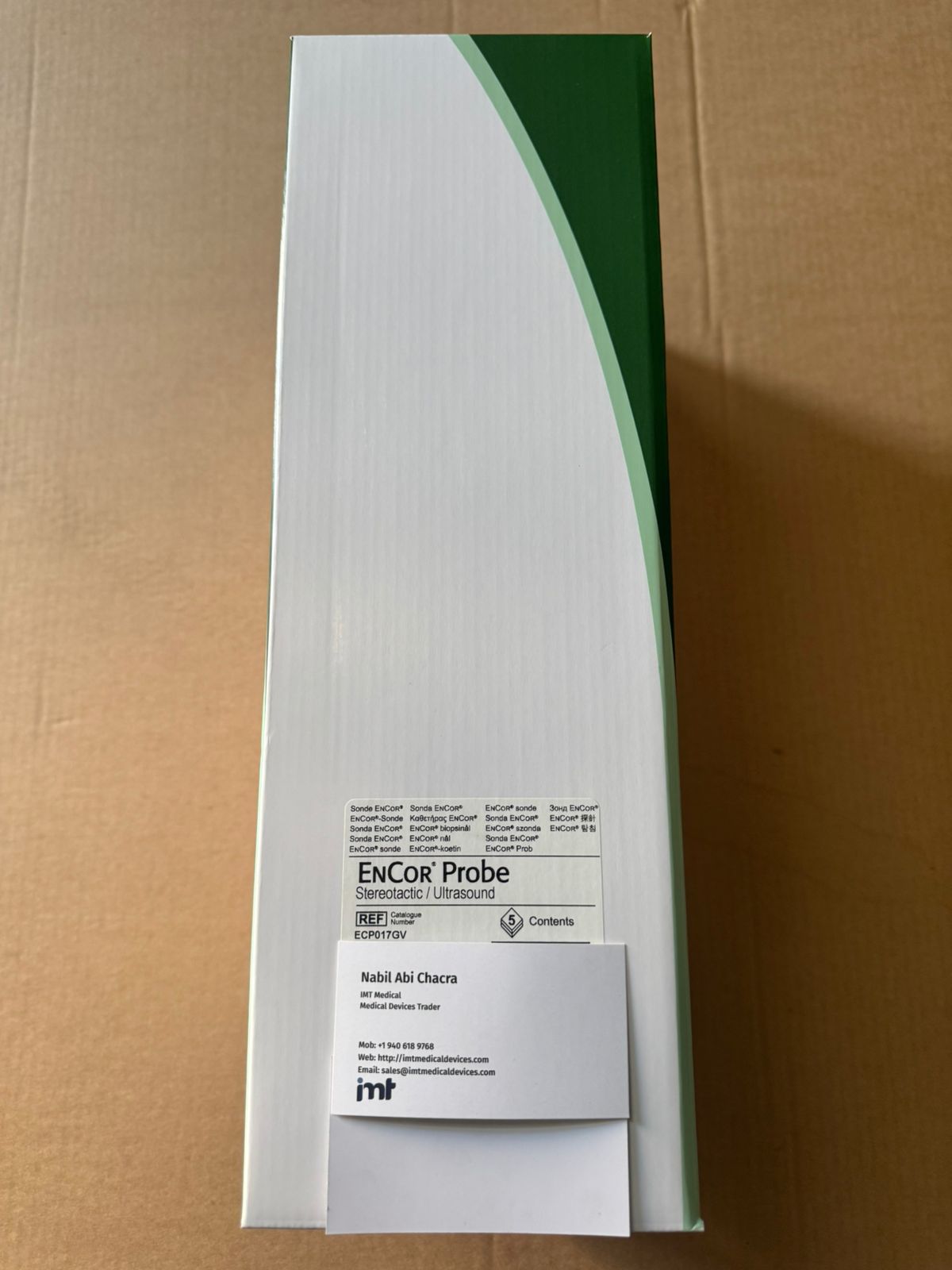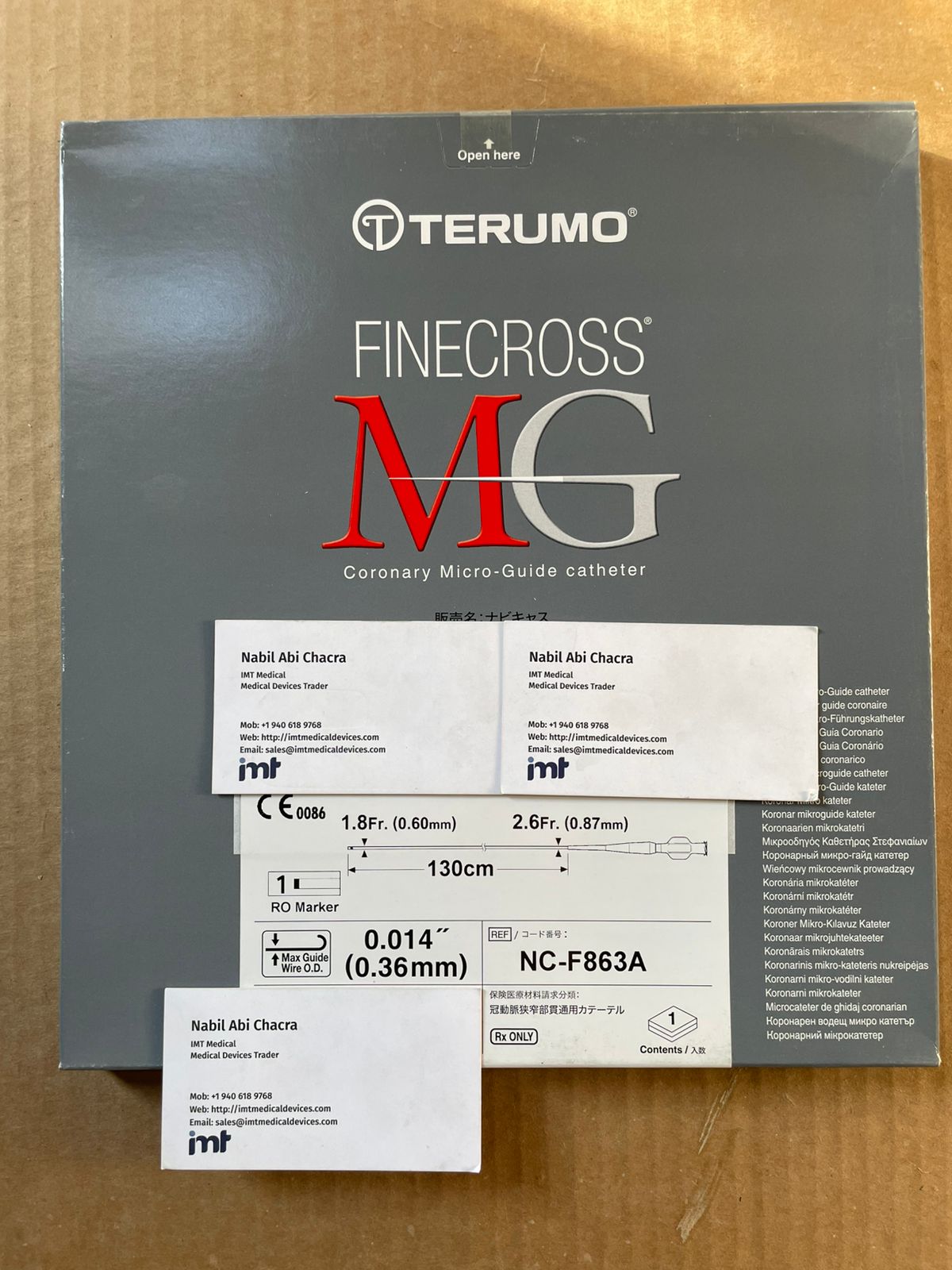

Interventional Cardiology Sourcing Checklist
A missed suffix on a balloon catheter SKU can create more delay than a backorder. In interventional procurement, the difference between compatible, approved, and available often comes down to small details checked early. That is why an interventional cardiology sourcing checklist is not administrative overhead. It is a control point for protecting procedural continuity, budget discipline, and purchasing accuracy.
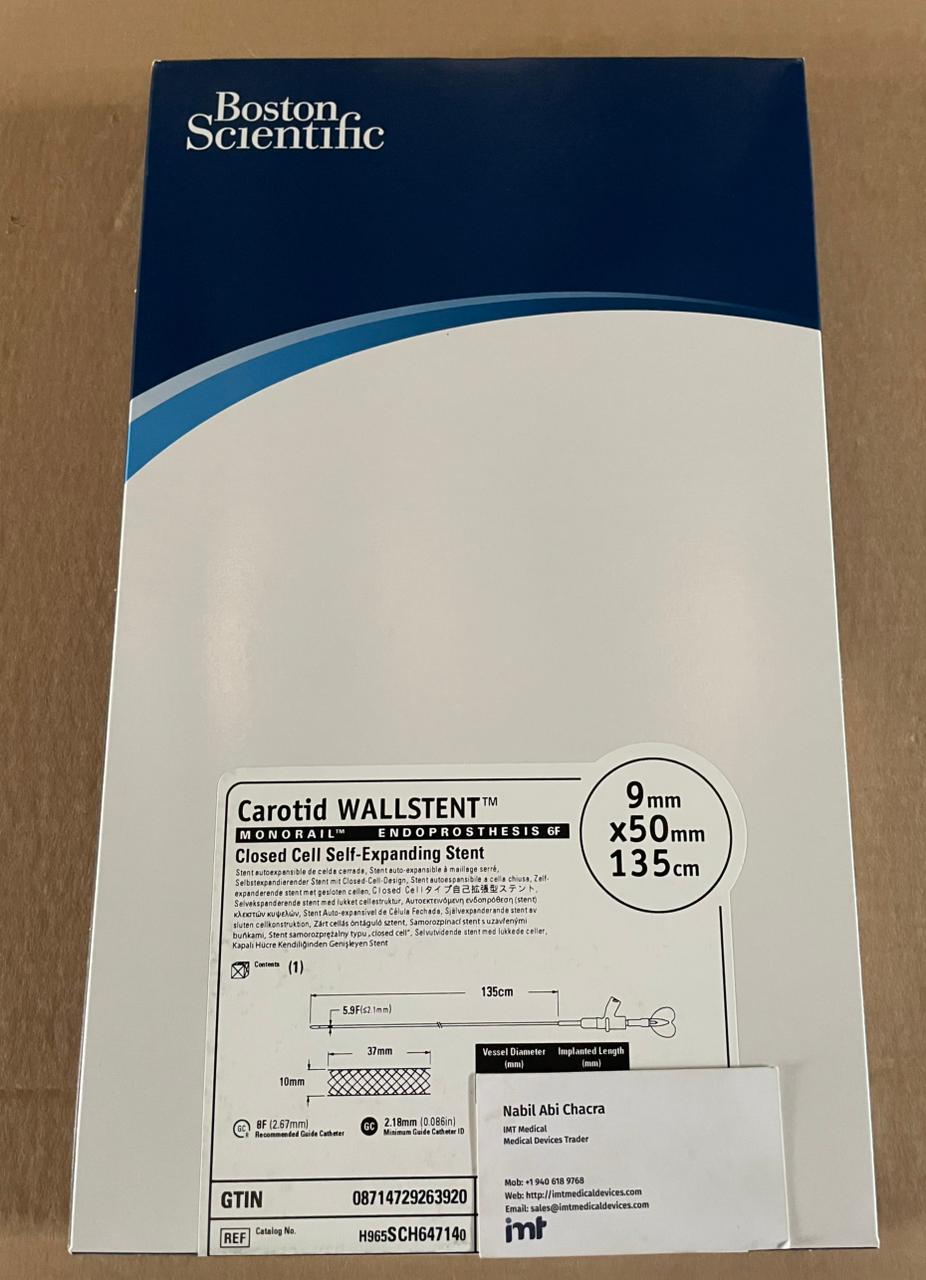
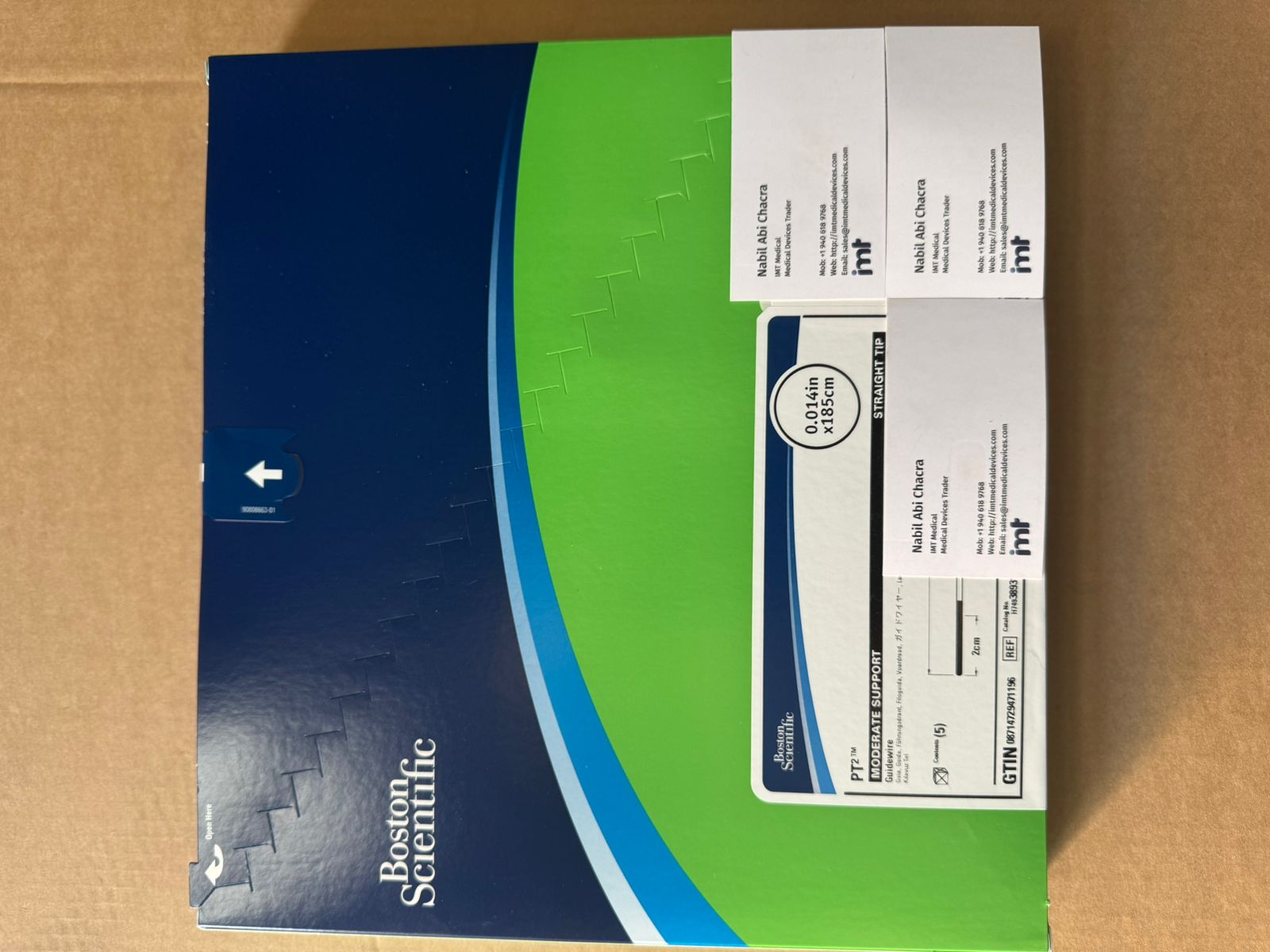
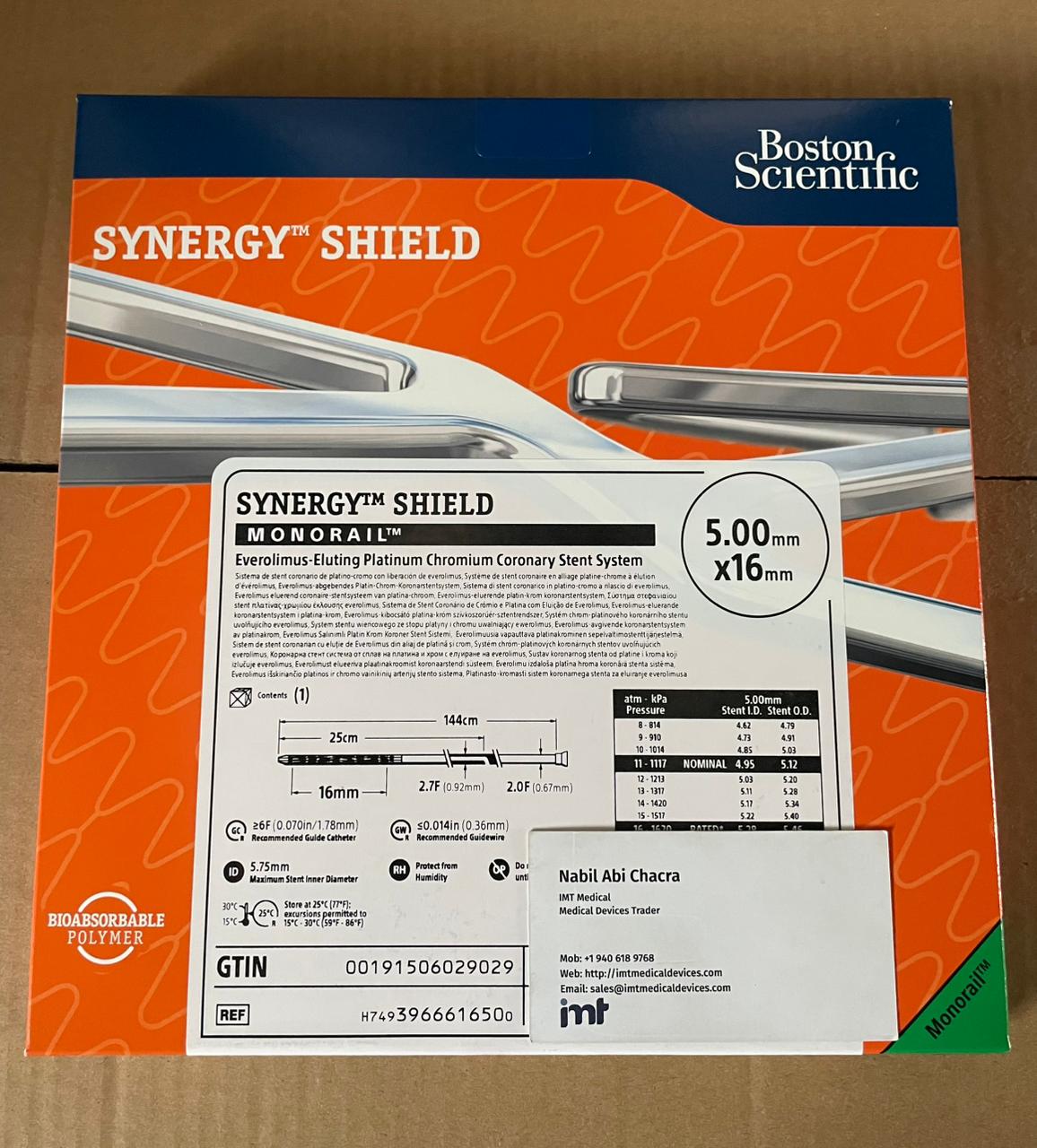
For hospitals, cath labs, distributors, and wholesale buyers, the sourcing challenge is rarely just finding a product category. It is confirming the exact branded device, packaging configuration, regulatory fit for the destination market, and realistic delivery path. Coronary stents, PTCA balloons, guidewires, guiding catheters, introducers, inflation devices, and vascular closure products all carry specification risks that can slow an order if the sourcing process is loose.
Why an interventional cardiology sourcing checklist matters
Interventional cardiology purchasing is specification-driven. Buyers are not comparing generic concepts. They are matching physician preference, procedure type, contract realities, and inventory planning against exact manufacturer references. A checklist brings consistency to that process, especially when procurement involves multiple brands such as Terumo, Asahi, Boston Scientific, Medtronic, Abbott, and Cordis.
It also reduces the hidden cost of rework. When a quote request arrives without complete brand, model, size, coating, shaft length, tip configuration, or packaging details, clarification adds time at every step. The same problem appears later if the order reaches shipping without confirming import documentation, shelf life expectations, or destination-country registration requirements. Good sourcing is not only about price. It is about reducing preventable friction.
The interventional cardiology sourcing checklist buyers should use
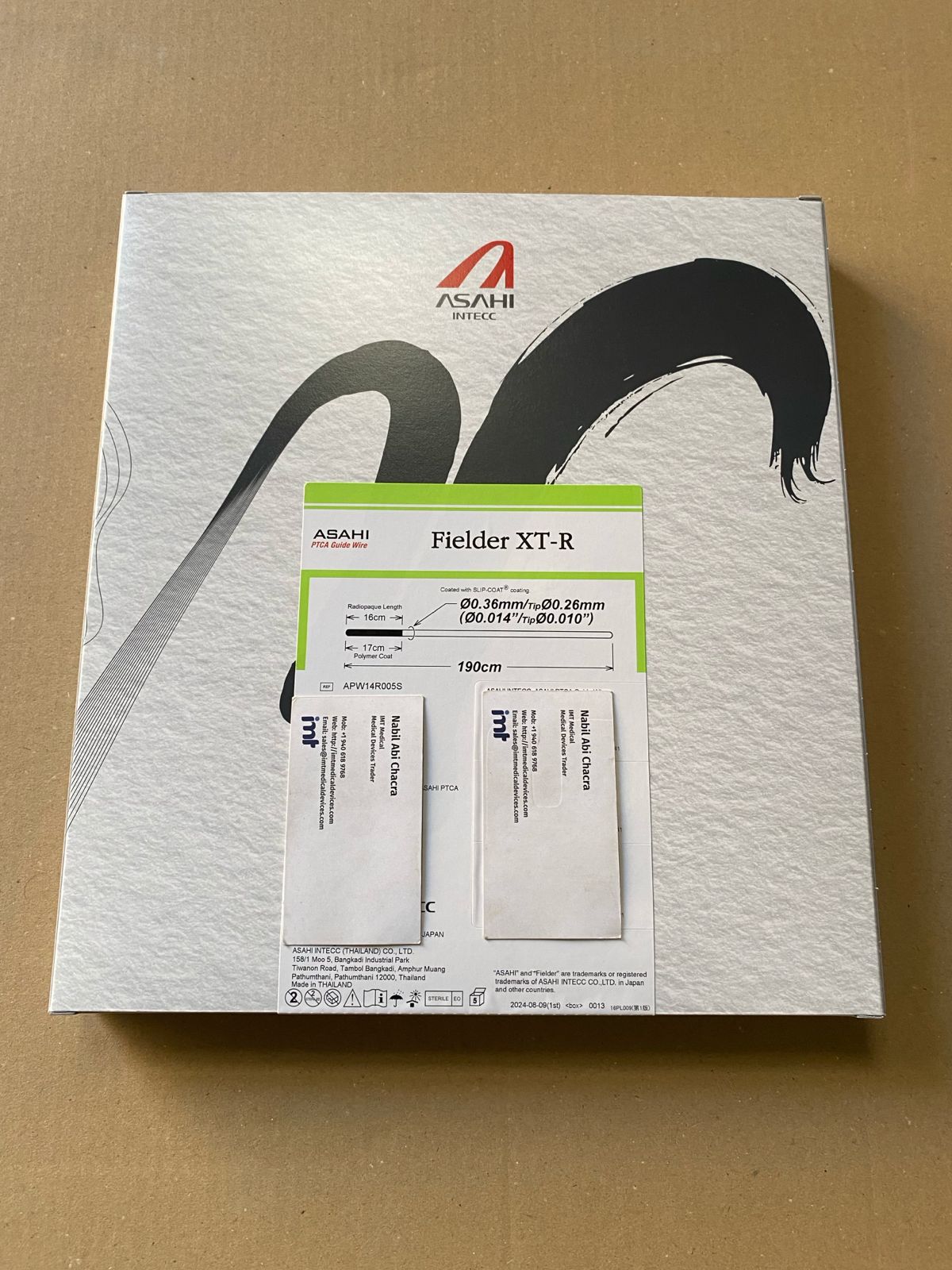
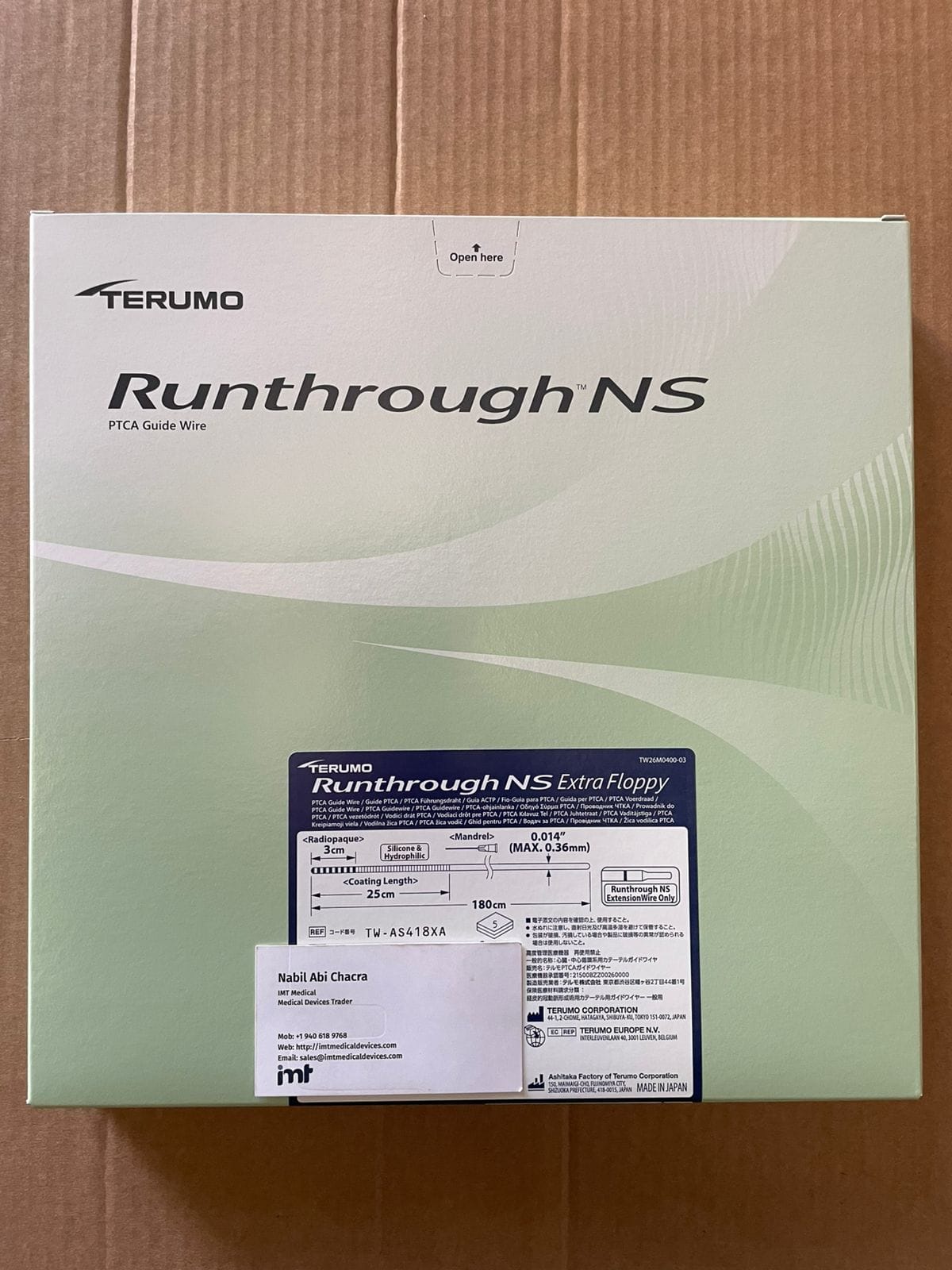
The first checkpoint is product identity. Start with the exact branded item, not just the category name. Asking for a coronary guidewire is not enough when the procedure may require a specific platform, diameter, length, coating, or support profile. The more precise the request, the faster a supplier can confirm availability and propose alternatives only when needed.
Confirm the manufacturer name, full product description, catalog number or SKU, and required quantity. If your team uses internal item codes, match them against the manufacturer reference before requesting a quote. This sounds basic, but many procurement delays begin with internal nomenclature that does not translate cleanly to the external supplier.
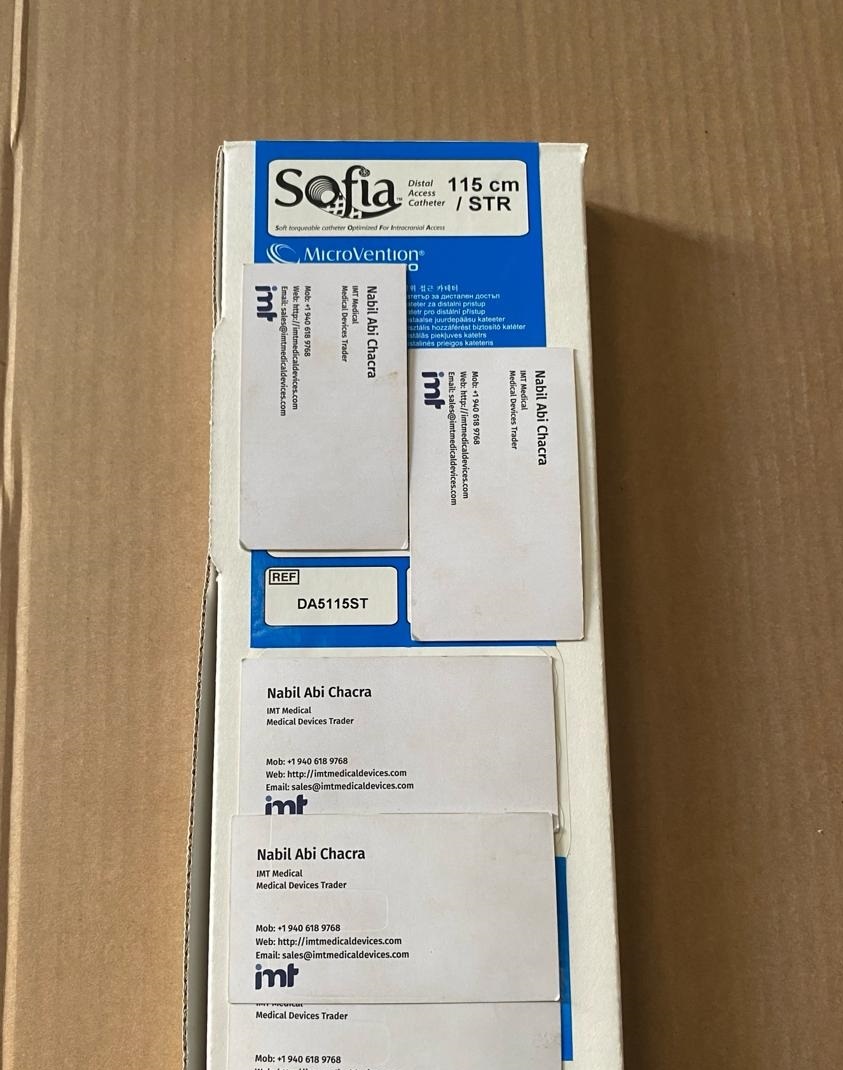
The next checkpoint is clinical fit. Procurement teams may not set the device strategy, but they do need to confirm that the request aligns with physician preference and the intended procedure. For example, a sourcing request for guiding catheters should account for French size, shape, and compatibility expectations. A request for balloons should reflect diameter, length, and lesion application. If substitution is acceptable, define the boundaries. If substitution is not acceptable, state that clearly from the start.
Brand specificity is another essential filter. In this market, brand is often the specification. A buyer may need an Abbott stent platform, an Asahi guidewire, or a Terumo access product because the clinical team knows the performance profile and wants consistency across cases. If the order is open to equivalent branded options, note that. If not, the supplier should know that only the requested manufacturer is acceptable.
Verify regulatory and market-fit details early
A common sourcing mistake is treating availability as the only hurdle. In practice, regulatory fit can be just as important. A device may be authentic, current, and in stock, yet still require market-specific review before export or import. That is especially relevant for buyers sourcing across borders.
Check whether the destination market requires specific labeling, registrations, language requirements, or import documentation. Shelf life can also matter. Some buyers need a minimum remaining shelf life for internal acceptance, and this should be confirmed before the order is finalized, not after the shipment is packed.
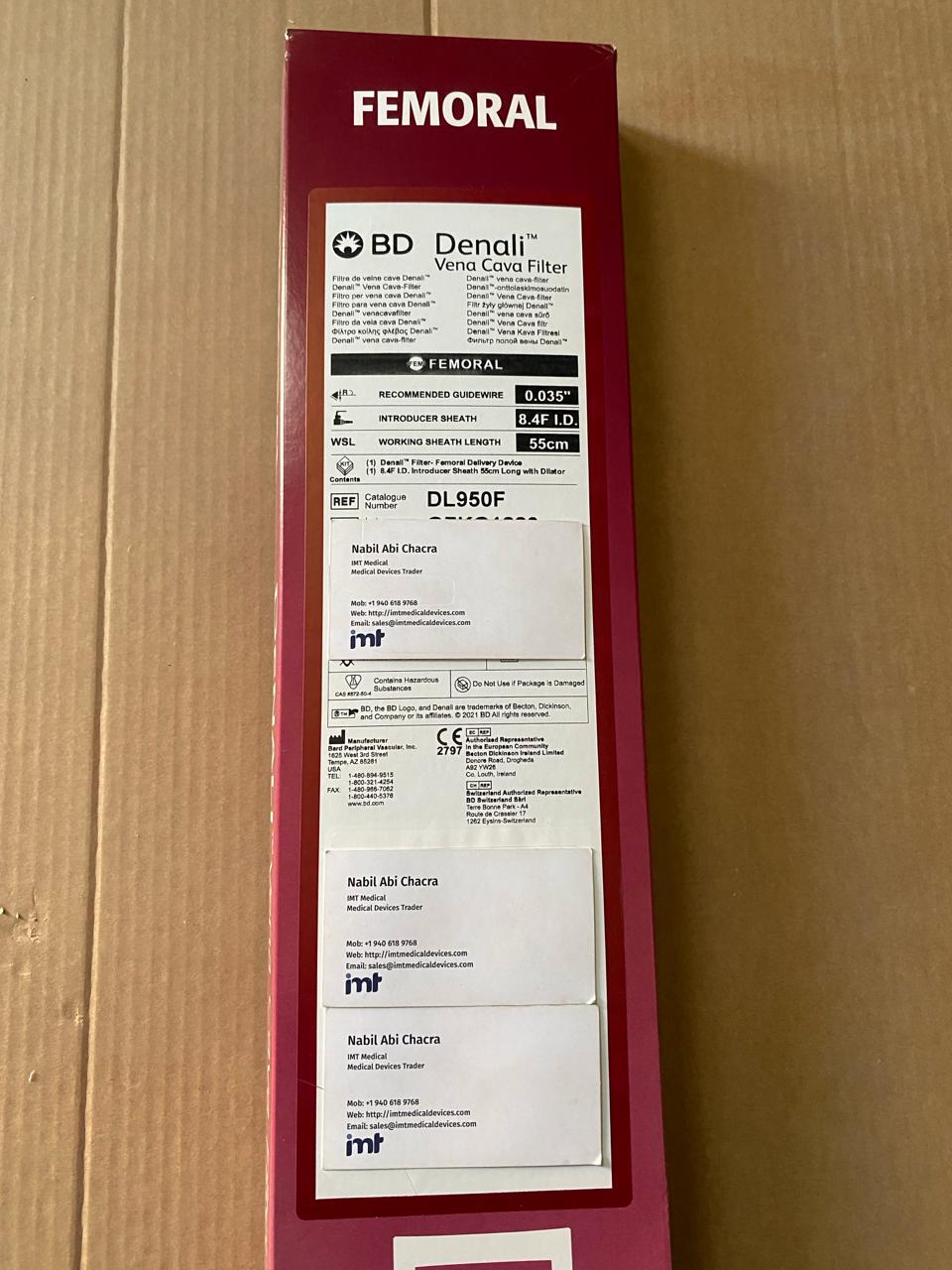
Packaging configuration deserves the same attention. Verify unit of measure, sterile packaging format, box quantity, and whether the quoted quantity refers to each unit, box, or case. This is particularly important when comparing offers from different sources. An attractive line price means little if the packaging assumption is wrong.
Assess supply continuity, not just current stock
One shipment solves one problem. Procurement performance depends on whether the supplier can support continuity across repeat orders. That is why a practical interventional cardiology sourcing checklist should include continuity questions, especially for fast-moving cath lab items.
Ask whether the quoted SKU is regularly available or only obtainable opportunistically. There is a significant difference between a supplier with reliable access to ongoing branded inventory and one working from occasional surplus. If your facility or distribution business needs recurring supply, ask about replenishment patterns, lead times, and alternatives within the same manufacturer portfolio.
This matters even more when a product line is under pressure. Some branded devices move quickly in certain markets, while others may be allocated, discontinued, or harder to secure in specific sizes. A capable sourcing partner should be able to indicate where continuity is strong and where planning flexibility is needed.
Quote accuracy depends on commercial clarity
Procurement efficiency improves when the commercial side of the request is as clear as the technical side. Include the required quantity, target delivery timing, destination country, and whether the order is a spot purchase or part of recurring demand. A supplier cannot give a realistic quote if the request leaves out shipping assumptions or volume context.
Incoterms, payment expectations, and export handling should be addressed early in the process. For international buyers, this is not a secondary issue. It affects landed cost, customs planning, and internal approval. The right supplier should be comfortable handling export-oriented transactions and communicating what documents can be provided with the shipment.
If you are consolidating multiple brands into one purchase, state that clearly. That changes how a supplier may structure the quote and timeline. One of the practical advantages of working with a broad portfolio source is the ability to reduce procurement fragmentation across product families and manufacturers.
Red flags that belong on any checklist
A sourcing process should not only confirm what looks right. It should identify what needs closer scrutiny. If a supplier cannot confirm exact product references, cannot distinguish between similar branded SKUs, or gives vague answers on packaging and documentation, that should slow the buying decision.
The same applies to pricing that appears disconnected from market reality. Low pricing is not automatically a problem, but unexplained pricing combined with weak product detail is a risk signal. Professional buyers know that authenticity, traceability, and condition matter more than an attractive number on a spreadsheet.
Another red flag is poor communication around expiry windows and shipping readiness. If these points are difficult to clarify before payment, they are unlikely to become easier afterward. In interventional categories, procurement confidence comes from specificity.
What a strong sourcing partner should provide
A useful supplier relationship is built on response quality, not just catalog size. Buyers should expect clear identification of manufacturer, model, SKU, packaging, and quantity basis. They should also expect realistic lead times and honest communication when an item is constrained.
Strong sourcing support also means understanding adjacent categories. Interventional cardiology orders often connect to peripheral intervention, vascular access, aspiration, closure, and related procedural products. A supplier with a wider branded portfolio can reduce the administrative burden of managing multiple vendors for clinically related lines.
For buyers operating internationally, export experience is a practical advantage rather than a marketing point. Documentation handling, shipment coordination, and familiarity with cross-border procurement requirements can remove delays that have little to do with the device itself. This is one reason many professional buyers prefer a quote-based wholesale partner such as IMTMedicalDevices.com when they need branded product access across several manufacturers.
Build the checklist into your buying process
The most effective checklist is the one your team actually uses before every RFQ and PO release. Keep it tied to the core decisions: exact SKU, brand acceptance, clinical specification, regulatory fit, packaging basis, shelf life, quantity, lead time, and shipping terms. That structure helps both sides move faster because it limits preventable back-and-forth.
It is also worth revisiting the checklist by product family. Guidewires, balloons, stents, and closure devices do not carry identical sourcing risks. A standard framework is useful, but the details should reflect what matters most for each category and destination market.
A well-run cath lab does not depend on guesswork, and neither should its procurement process. The more precise your sourcing inputs, the easier it becomes to secure the right branded interventional products with fewer delays, fewer corrections, and better control over supply.