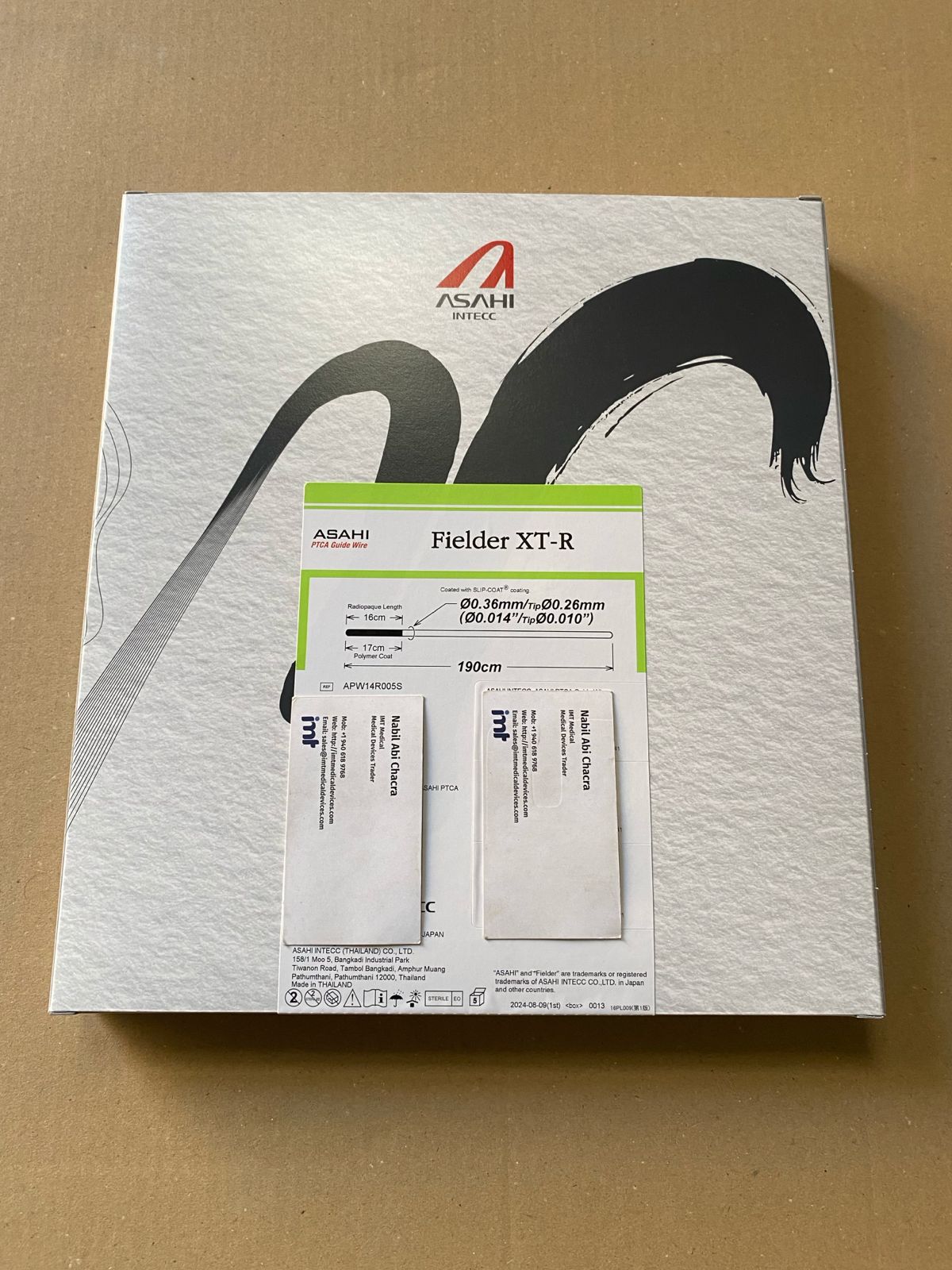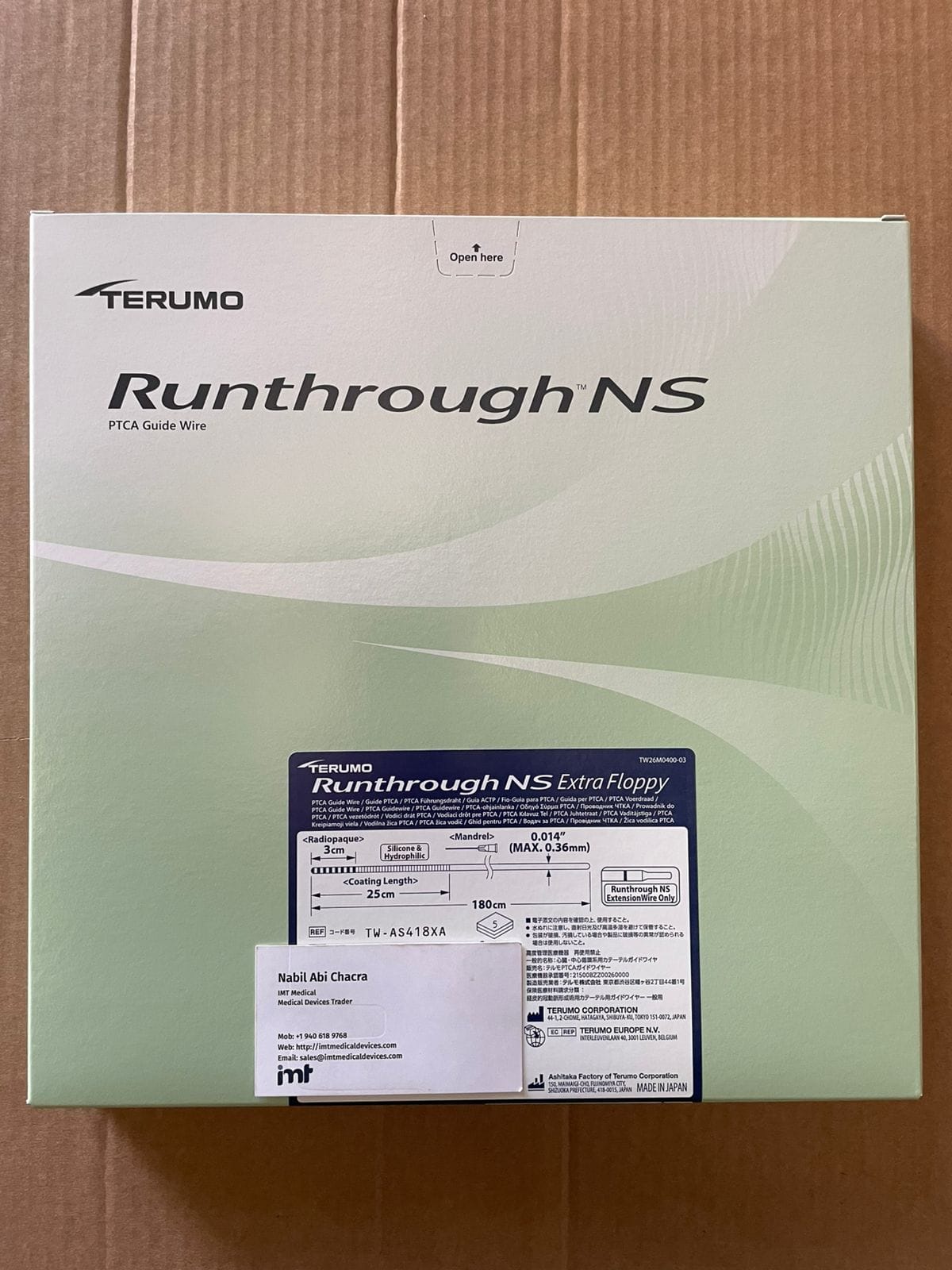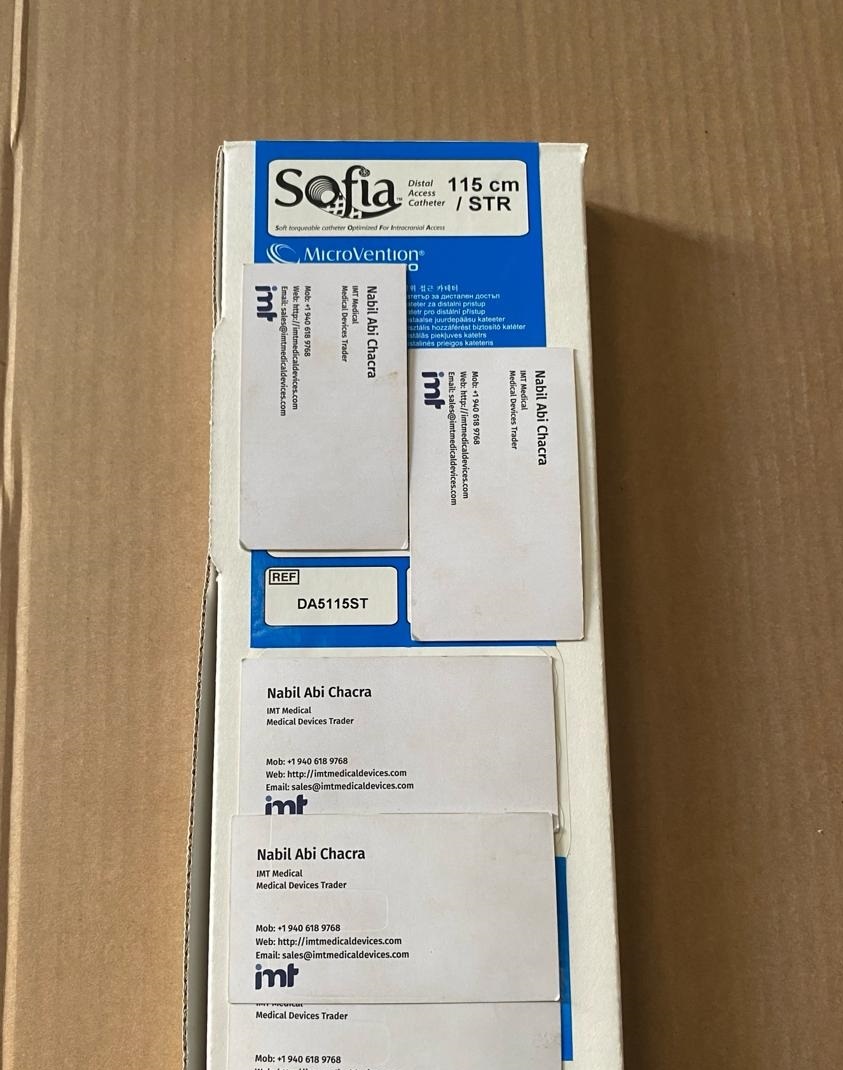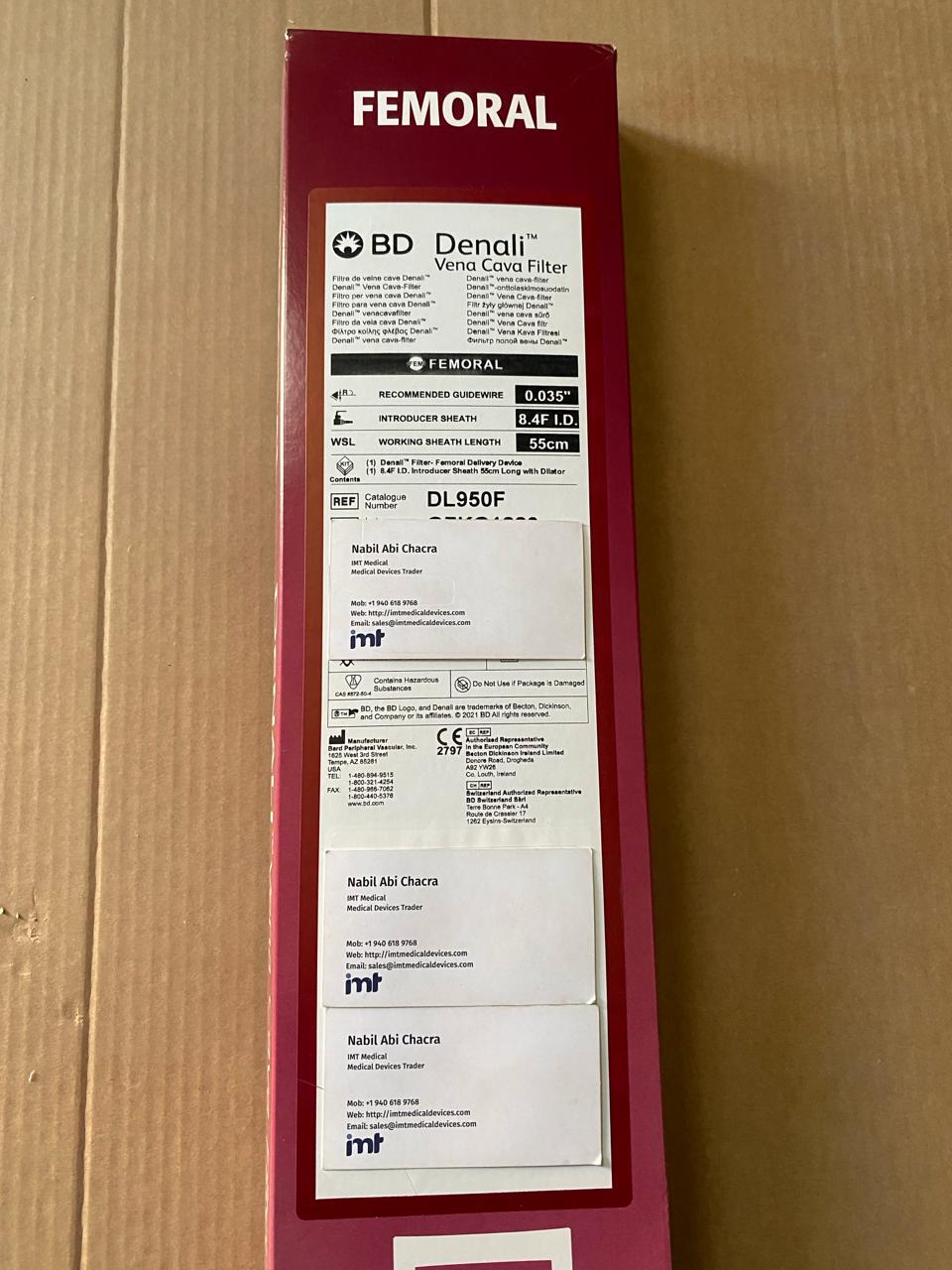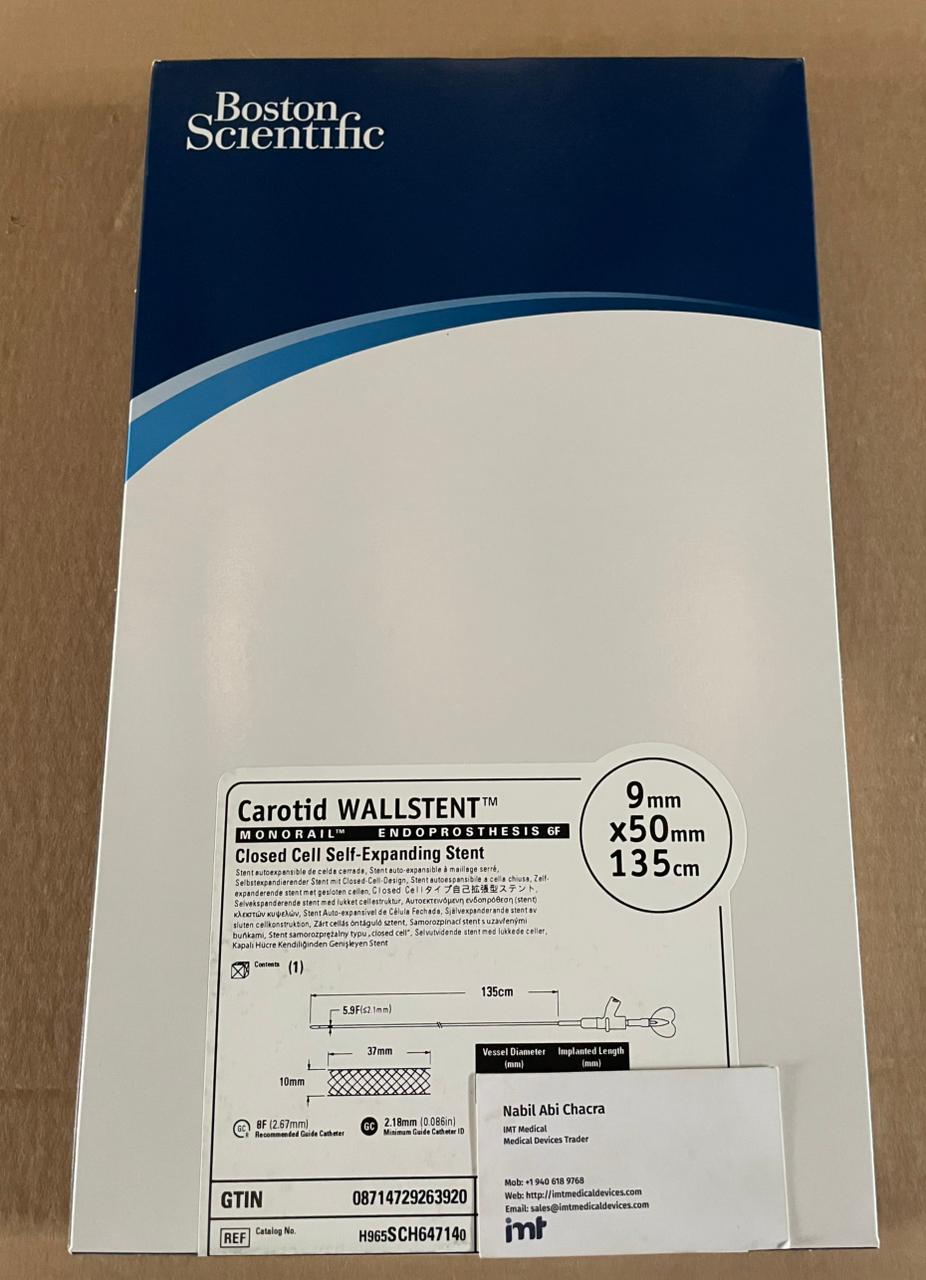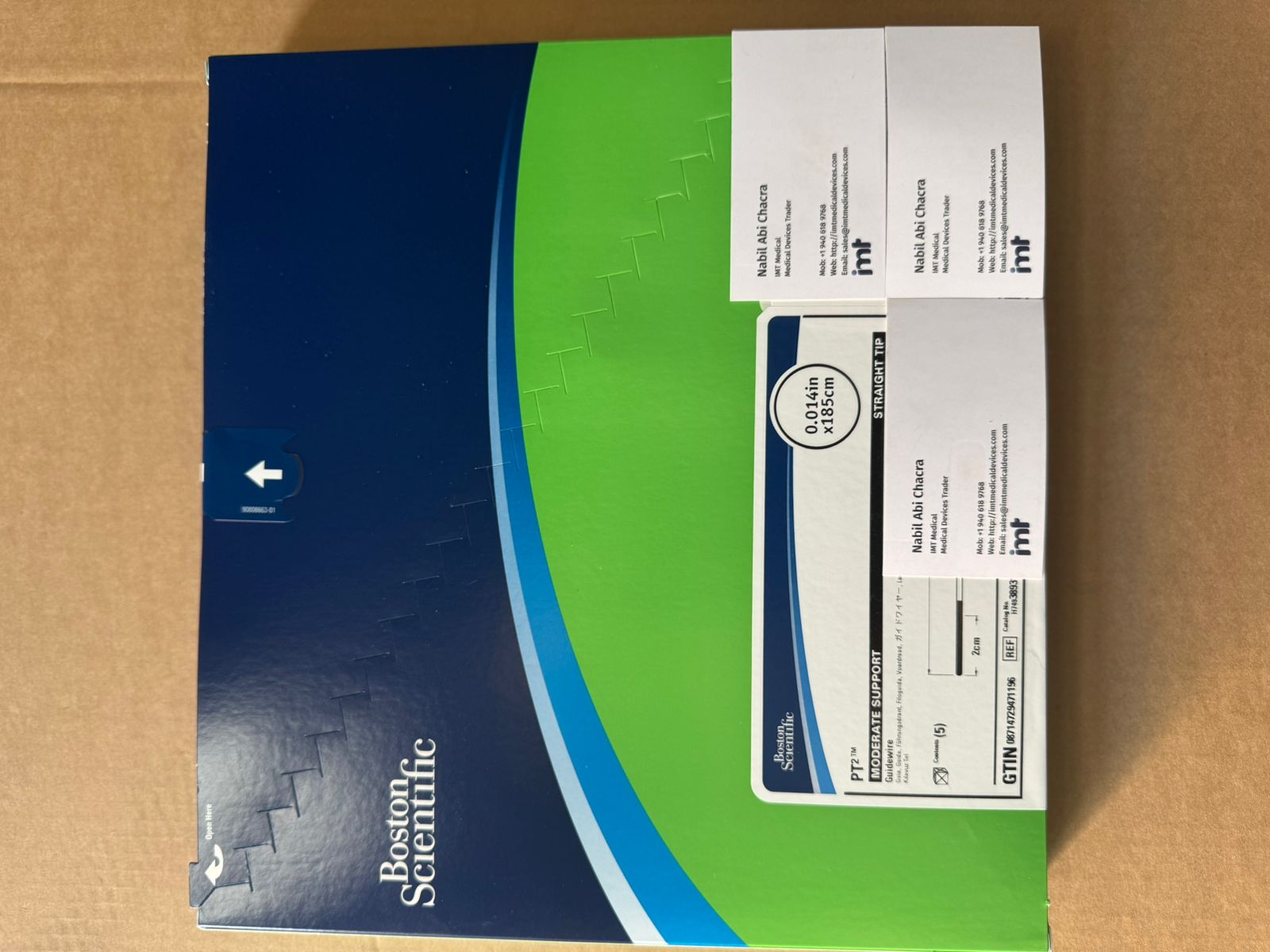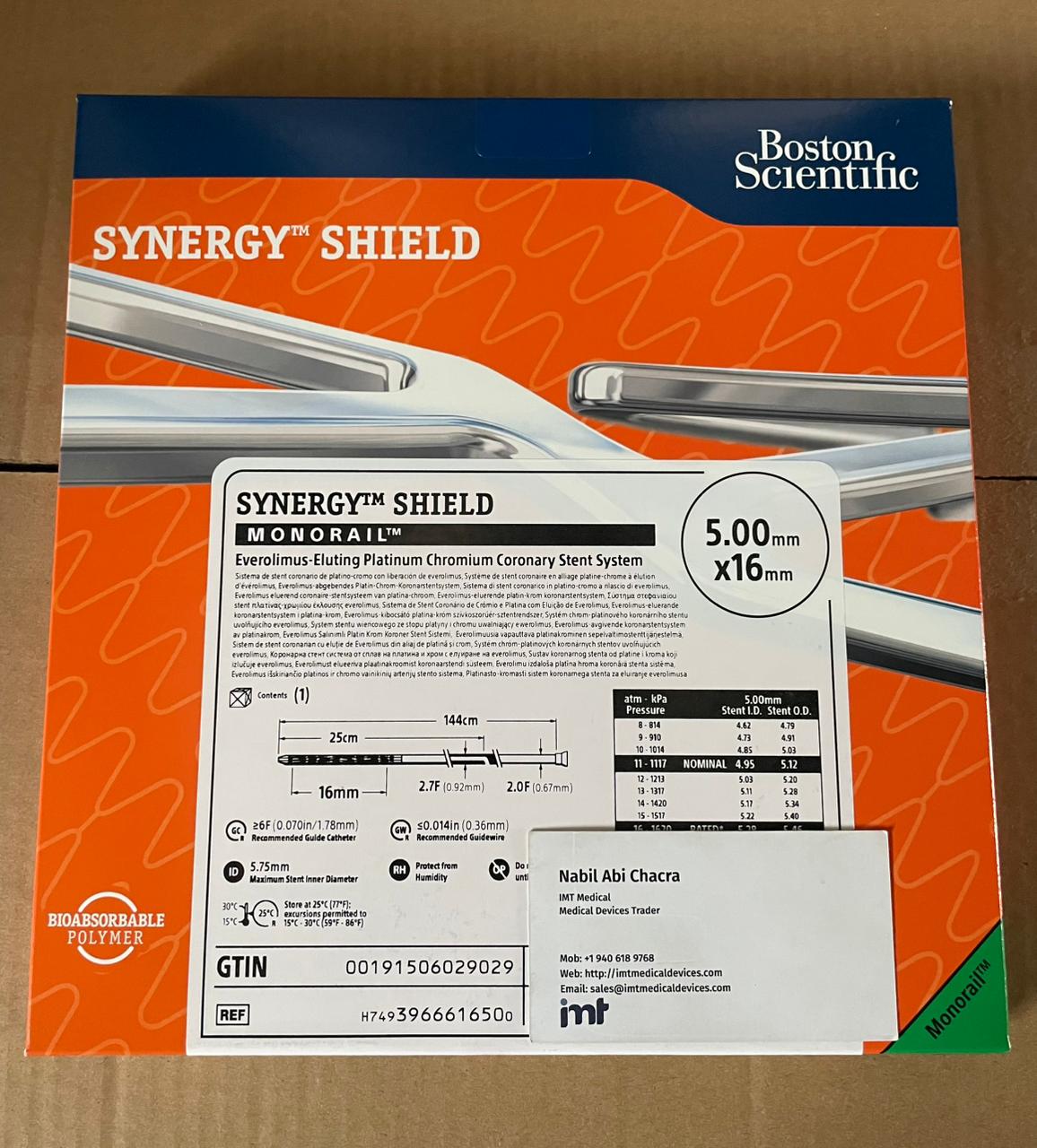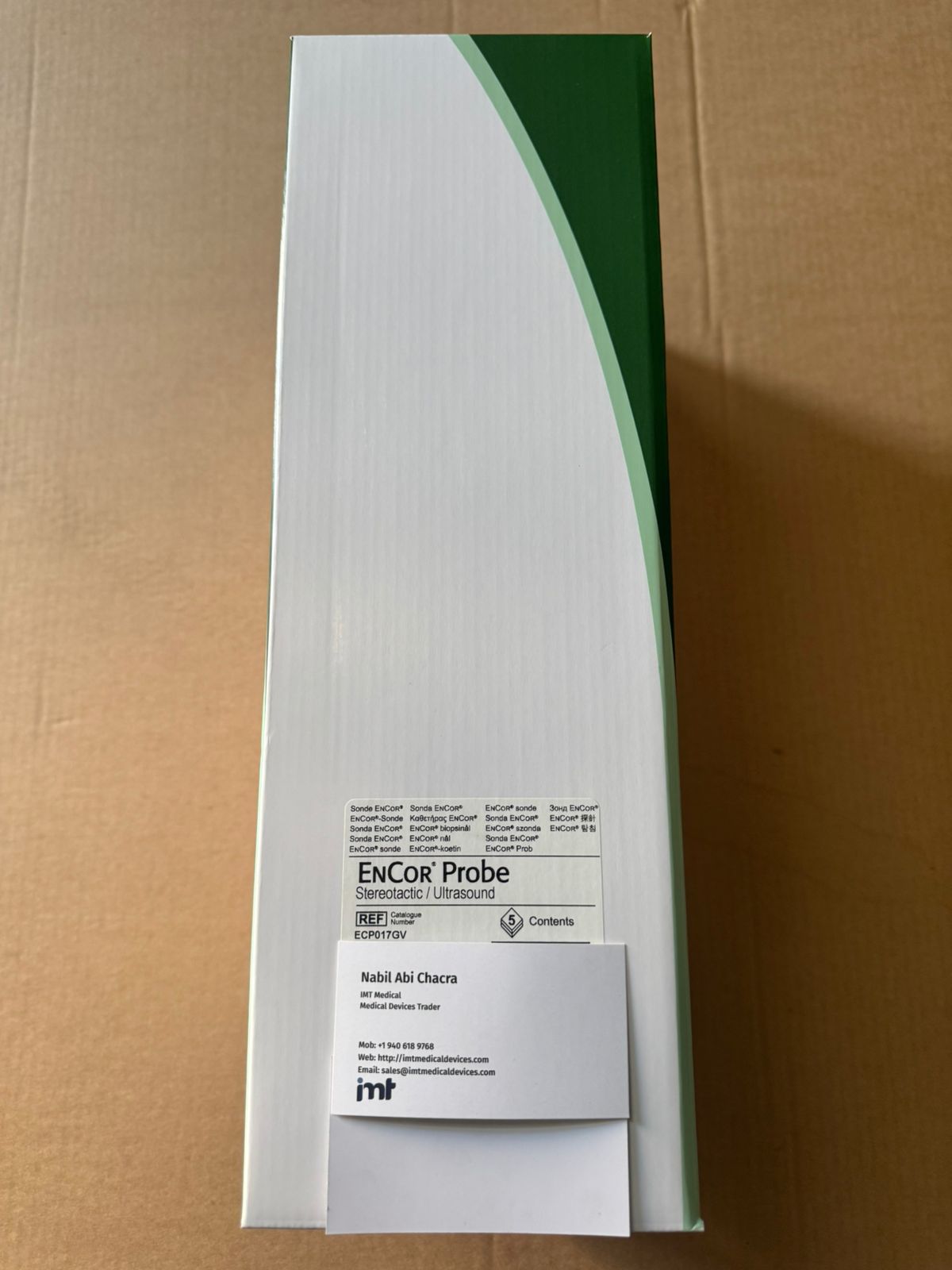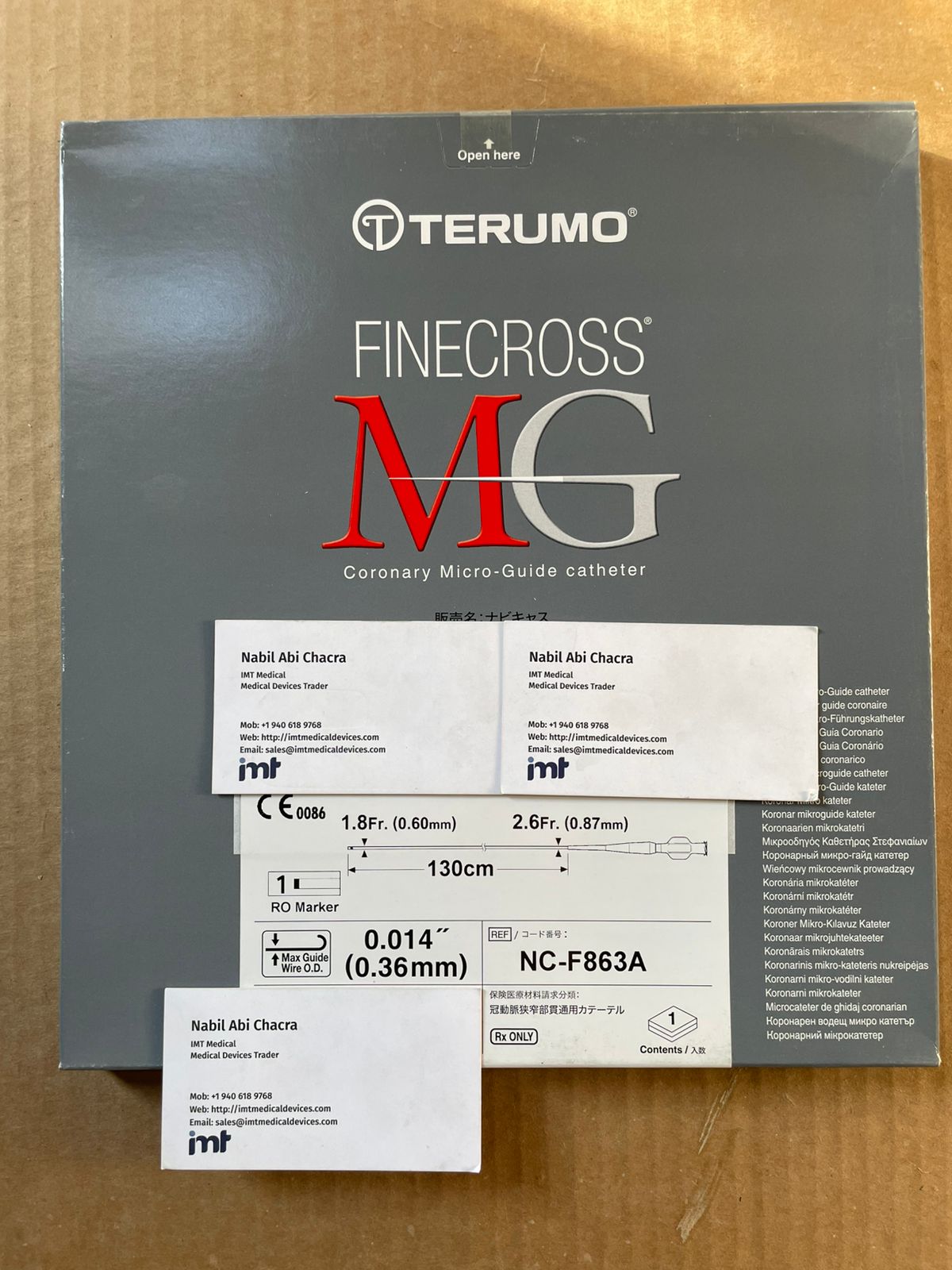

A case cart is built, a physician calls out a preferred wire, and your shelf has the same category but the wrong tip load, coating, or length. That is not a “close enough” problem in a high-acuity lab. For cath labs, vascular service lines, and neuro programs, a medical devices supplier is evaluated the same way procedures are run - by precision, availability, and predictability at the SKU level.
This is the practical reality behind vendor selection for interventional disposables. Pricing matters, but the operational cost of substitutions, delays, and one-off sourcing is usually higher. The goal is straightforward: get the exact branded components your clinicians use, in the right sizes and configurations, with a purchasing workflow that does not slow down scheduling.
What “medical devices supplier” means in interventional procurement
In interventional cardiology, peripheral vascular, and neurovascular, you are rarely buying a single device in isolation. You are building a compatible set - guide catheter plus guidewire plus balloon catheter plus stent, or microcatheter plus coil system, or aspiration catheter plus ancillary access and closure.
A medical devices supplier in this context needs to perform three functions consistently.
First, they need to carry real branded inventory from manufacturers your physicians specify. Second, they need to present products in a way that reduces ordering risk - clear product naming, sizes, and part numbers. Third, they need to support procurement execution - quotes, lead times, and logistics that match how your facility buys.
The “it depends” factor is that not every facility needs the same depth. A high-volume coronary program with standardized platforms will prioritize continuity on specific SKUs. A growing peripheral or neuro program may prioritize breadth across brands while preferences are still evolving.
The non-negotiables: authenticity and part-number accuracy
Interventional purchasing is not forgiving when item data is vague. If a supplier cannot provide exact manufacturer references, you end up with time-consuming back-and-forth, and the risk of mismatches increases.
A strong supplier experience is usually obvious in the catalog. You should see manufacturer names that matter to your service lines - Medtronic, Boston Scientific, Abbott, Terumo, Asahi, MicroVention, BD - paired with SKU-level identifiers and configuration detail. That combination does two things: it reduces the chance of ordering the wrong variant, and it shortens internal approvals because clinicians recognize what is being sourced.
Trade-off: some distributors keep product pages intentionally light and force everything through a rep. That can work for low-variation items, but for guidewires, balloon families, and microcatheters, it adds friction. Your team should not have to translate a physician preference card into a vague request.
Inventory breadth is not “more choices” - it is fewer purchase orders
Procurement teams talk about vendor consolidation because it reduces administrative load. In interventional, consolidation also reduces compatibility risk.
When your supplier carries a wide range of interventional categories - coronary and peripheral stents, balloon catheters, guidewires, guiding catheters, microcatheters, aspiration catheters, coils, and vascular closure devices - you can source procedure components together instead of piecing orders across multiple vendors. That helps with two practical problems: aligning delivery timing and keeping substitutions under control.
Breadth should still be organized. The catalog should mirror clinical workflows: coronary vs peripheral vs neurovascular, and then the components within each. If you cannot find a specific category fast, it is a signal that the supplier is not built for high-acuity procedural buying.
Availability and lead time: what to ask beyond “is it in stock?”
“Available” can mean several different things depending on how a distributor runs inventory and fulfillment. For time-sensitive programs, the questions that matter are operational.
Ask how availability is confirmed at the part-number level, how often inventory is reconciled, and whether the supplier can support repeat purchasing on the same SKUs. If you are standardizing on certain coronary guidewires or specific balloon diameters, consistency matters more than a one-time win.
Also ask how they handle backorders and substitutions. A professional supplier should be comfortable saying “no substitution without approval” and documenting alternates by exact reference, not by generic category.
Trade-off: the more specialized the SKU, the more you may need a quote-based workflow rather than a simple cart checkout. That is not a drawback if the quote process is fast and precise.
Compatibility checks: where errors actually happen
Most ordering errors are not dramatic. They are small mismatches that create real procedural friction.
Common examples include guidewire length or coating differences, guiding catheter curve or French size mismatches, balloon catheter shaft length issues, or microcatheter inner diameter mismatches relative to coil systems. The supplier does not replace clinical judgment, but they can reduce the error rate by presenting configuration detail clearly and encouraging SKU-based ordering.
If your facility uses physician preference cards, match supplier product data to those cards. If the distributor cannot support that mapping, your team will end up doing manual translations each time.
Quote workflows: what “request a personalized offer” should accomplish
Many interventional disposables are purchased through quote and sales workflows for legitimate reasons: pricing tiers, lot-level availability, shipping constraints, and export documentation.
A quote workflow should not feel like an obstacle course. It should do three things quickly: confirm the exact SKUs requested, confirm quantities and lead time, and provide a clear path to finalize purchasing through your established process.
From a procurement standpoint, the best quote requests are structured. You should be able to submit exact part numbers, desired quantities, and any constraints (no substitutions, preferred ship date, split shipment rules). The supplier should respond with a clean offer that is easy to approve internally.
If you need a catalog-first process where teams browse categories, identify exact SKUs, then initiate a quote, that model is available through distributors like IMTmedicaldevices.com, which is built around branded interventional inventory and a “personalized offer” request workflow.
Export capability: when cross-border sourcing is part of the job
For many facilities and distributors, access is the constraint, not demand. Export support becomes relevant when you are sourcing branded interventional devices for programs that operate across borders or when local availability is inconsistent.
Export capability is not just international shipping. It typically involves documentation, packaging integrity, and logistics coordination that keeps product identification intact through transit. If you purchase across borders, ask the supplier how they handle product labeling, shipping documentation, and whether they can maintain SKU-level traceability through the process.
Trade-off: export adds steps, and lead times can be less predictable. The operational win is reliable access to the correct branded items when local channels cannot meet demand.
How to evaluate a supplier’s catalog quality in 10 minutes
You do not need a long vendor review to spot whether a supplier is built for interventional purchasing.
Start by searching for the categories your programs use weekly: coronary guidewires, balloon catheters, guiding catheters, and closure devices. Then check neurovascular essentials if you support those cases - microcatheters, aspiration catheters, and coils. You are looking for organized navigation and product pages that use recognizable manufacturer naming and SKU-level detail.
Next, look for manufacturer breadth. A catalog that includes Medtronic, Boston Scientific, Abbott, Terumo, Asahi, MicroVention, and BD signals that the distributor is positioned to support physician preference across service lines. If the catalog is narrow, you will be back to multi-vendor sourcing.
Finally, confirm that the purchasing path matches how you work. If your process requires quotes, the request method should be straightforward. If it requires internal documentation, the supplier should be able to provide consistent identifiers and clean offers.
When a single supplier is not the right answer
There are situations where consolidation is not optimal.
If your facility is locked into manufacturer-direct contracts for certain product families, you may only need a distributor for gaps and continuity. If you are trialing new platforms, you may split sourcing intentionally to keep options open. And if your clinicians have highly specific preferences in a niche category, you may need a specialist channel for that subset.
The decision point is whether your primary constraint is administrative friction, SKU availability, or clinical standardization. Your supplier strategy should match the constraint, not a generic “one vendor” goal.
What good looks like after onboarding
After you select a medical devices supplier, performance shows up quickly.
Your team should see fewer clarifying emails, fewer mismatched items, and faster approvals because requests are submitted with exact part numbers. Clinicians should see more consistency in what arrives for cases. And supply chain should see fewer urgent spot buys that disrupt routine purchasing.
If those metrics do not improve, the issue is usually one of three things: the catalog data is not precise enough, the quote workflow is too slow, or availability is not being managed at the SKU level. All three are fixable, but only if they are measured and discussed directly.
Closing thought: interventional supply chain is not won by big promises. It is won by the small details that prevent one case delay at a time - the right brand, the right SKU, and a purchasing path that respects how cath labs actually run.