
International Medical Device Sourcing: A Strategic Procurement Guide for 2026
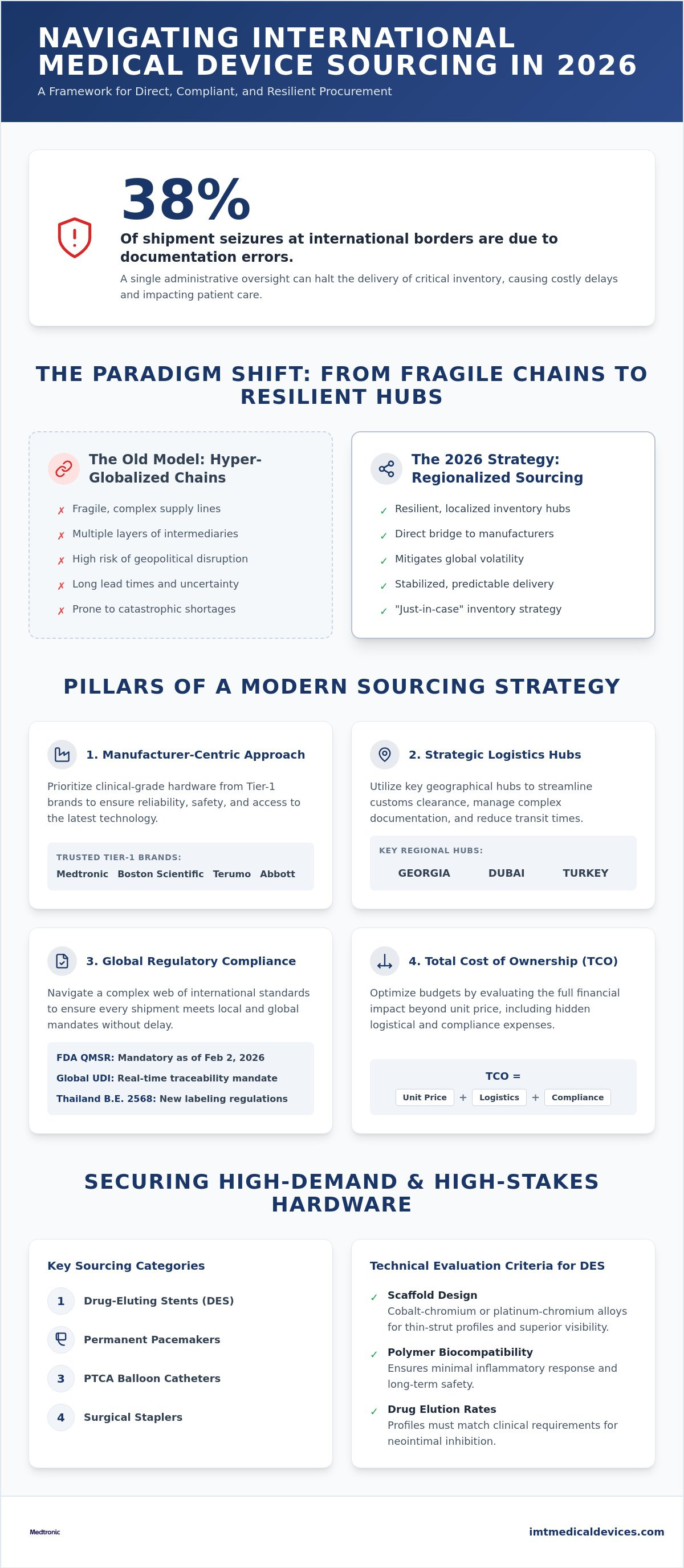
Documentation errors account for 38% of shipment seizures at international borders. For procurement professionals, a single administrative oversight can halt the delivery of critical inventory like Medtronic drug-eluting stents or Boston Scientific pacemakers. Procurement teams recognize that international medical device sourcing in 2026 requires more than just a purchase order. It demands strict alignment with the FDA Quality Management System Regulation (QMSR), which became mandatory on February 2, 2026, and real-time traceability via the global Unique Device Identification (UDI) mandate.
This guide provides the technical framework to bypass intermediaries and establish a direct, manufacturer-centric logistical bridge. You'll learn to optimize supply chains across strategic hubs like Georgia and Turkey while adhering to new regional standards, including Thailand's B.E. 2568 labeling regulations. We'll preview the shift toward digital technical files and outline strategies for securing high-demand hardware, such as PTCA balloon catheters and surgical staplers, with predictable delivery windows and total regulatory compliance.
Key Takeaways
- Transition to regionalized sourcing models to mitigate global supply chain disruptions and stabilize delivery timelines for 2026.
- Adopt a manufacturer-centric approach to international medical device sourcing, prioritizing clinical-grade hardware from Tier-1 brands like Medtronic, Terumo, and Boston Scientific.
- Utilize strategic logistics hubs in Georgia, Dubai, and Turkey to streamline customs clearance and manage complex regulatory documentation.
- Optimize procurement budgets by evaluating Total Cost of Ownership (TCO) beyond unit prices, accounting for hidden logistical and compliance expenses.
- Establish direct bridges to premium manufacturers to ensure consistent access to high-stakes inventory, including drug-eluting stents and permanent pacemakers.
The Evolution of International Medical Device Sourcing in 2026
International medical device sourcing is no longer a peripheral procurement activity. In 2026, it functions as a critical pillar of clinical operations and strategic risk management. The industry has moved away from the fragile, hyper-globalized chains of the previous decade toward a "regionalized" sourcing model. This transition prioritizes localized inventory hubs in jurisdictions like Georgia, Turkey, and Dubai. These hubs act as essential buffers, ensuring that hospitals can maintain access to drug-eluting stents and other high-stakes technology despite global logistical volatility.
Geopolitical shifts have fundamentally altered how cardiovascular hardware moves across borders. Hospitals in regions like Venezuela now look beyond domestic suppliers who often struggle with stockouts or restricted brand access. For these providers, direct international medical device sourcing provides the only reliable path to securing authentic Medtronic or Terumo inventory. By bypassing multiple layers of intermediaries, procurement teams reduce lead times and eliminate the uncertainty typical of local distribution networks.
Drivers of Global Procurement Growth
Technological disparity remains a primary driver for international trade. Manufacturing hubs in the United States and Europe continue to lead in the development of complex hardware, such as permanent pacemakers and electrophysiology catheters. Emerging markets require these Tier-1 brands to achieve advanced clinical outcomes, but domestic production often lags behind. Bulk wholesale procurement models allow regional providers to bridge this gap. By consolidating orders through a global wholesaler, facilities gain the price advantages of scale while ensuring their inventory meets the highest technical specifications defined by manufacturers like Abbott and Boston Scientific.
Challenges in Modern Supply Chains
The move toward "just-in-case" procurement has increased the demand for warehouse capacity in strategic transit zones. This strategy prevents the catastrophic shortages seen in previous years, but it introduces new complexities. Regulatory divergence is a persistent hurdle. Navigating various Medical Device Regulations across the EU, Middle East, and Asia requires specialized documentation and compliance expertise. Documentation errors account for 38% of shipment seizures, making the role of specialized wholesalers vital for risk mitigation. These entities manage the transition from paper-based to digital technical files, ensuring that shipments of PTCA balloon catheters and surgical staplers clear customs without costly delays or legal complications.
Selection Criteria for High-Stakes Medical Technology Sourcing
Strategic procurement in 2026 prioritizes a manufacturer-centric approach. Brand reputation serves as the primary trust signal for critical implants, where clinical-grade reliability is non-negotiable. Successful international medical device sourcing depends on the verification of clinical data and real-world evidence for every SKU. Procurement teams must evaluate hardware based on long-term patient outcomes and manufacturer-direct supply line stability. This medical technology industry overview highlights the necessity of aligning sourcing decisions with established global standards to ensure patient safety and operational efficiency.
Evaluating Interventional Cardiology Portfolios
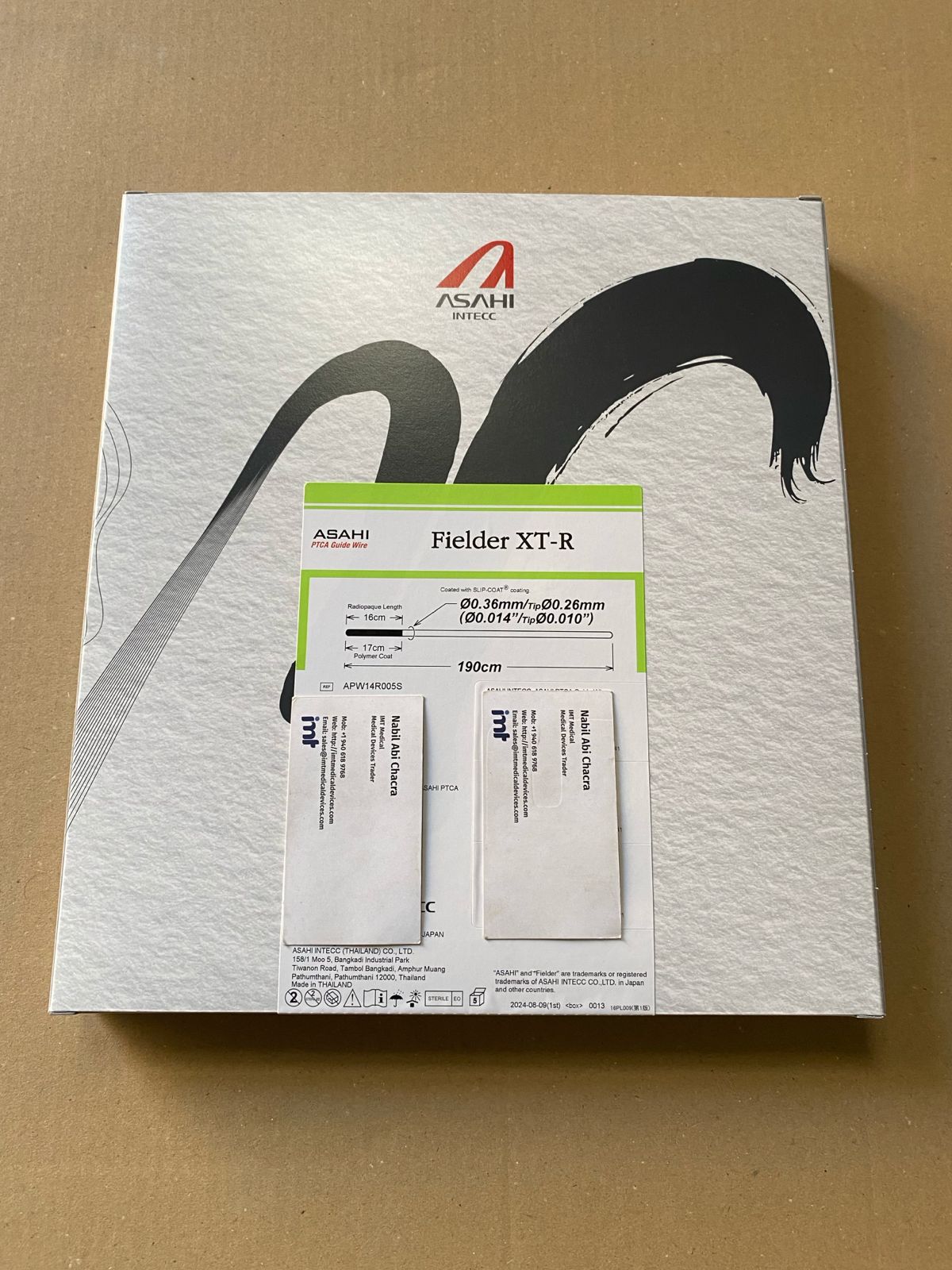
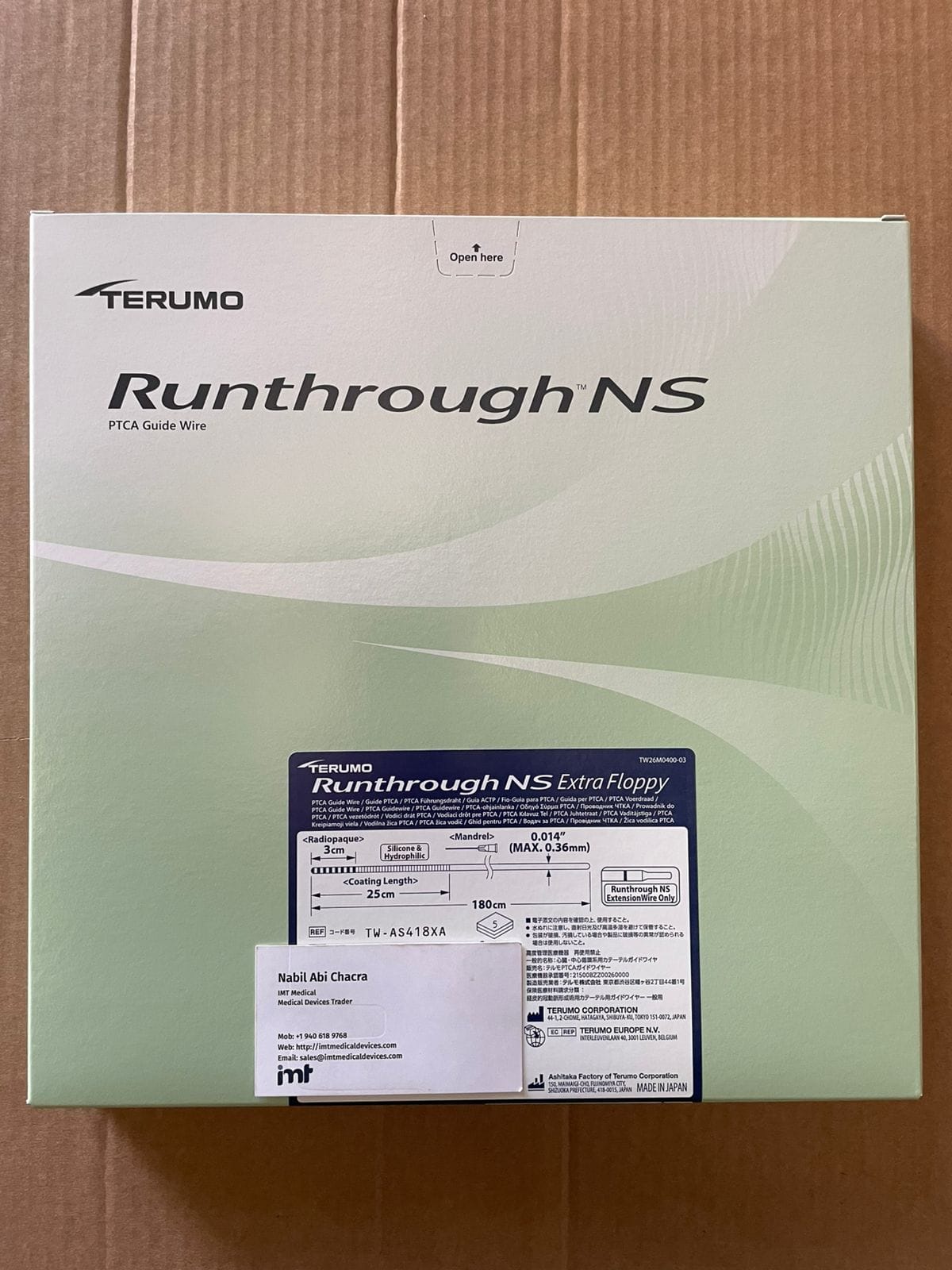
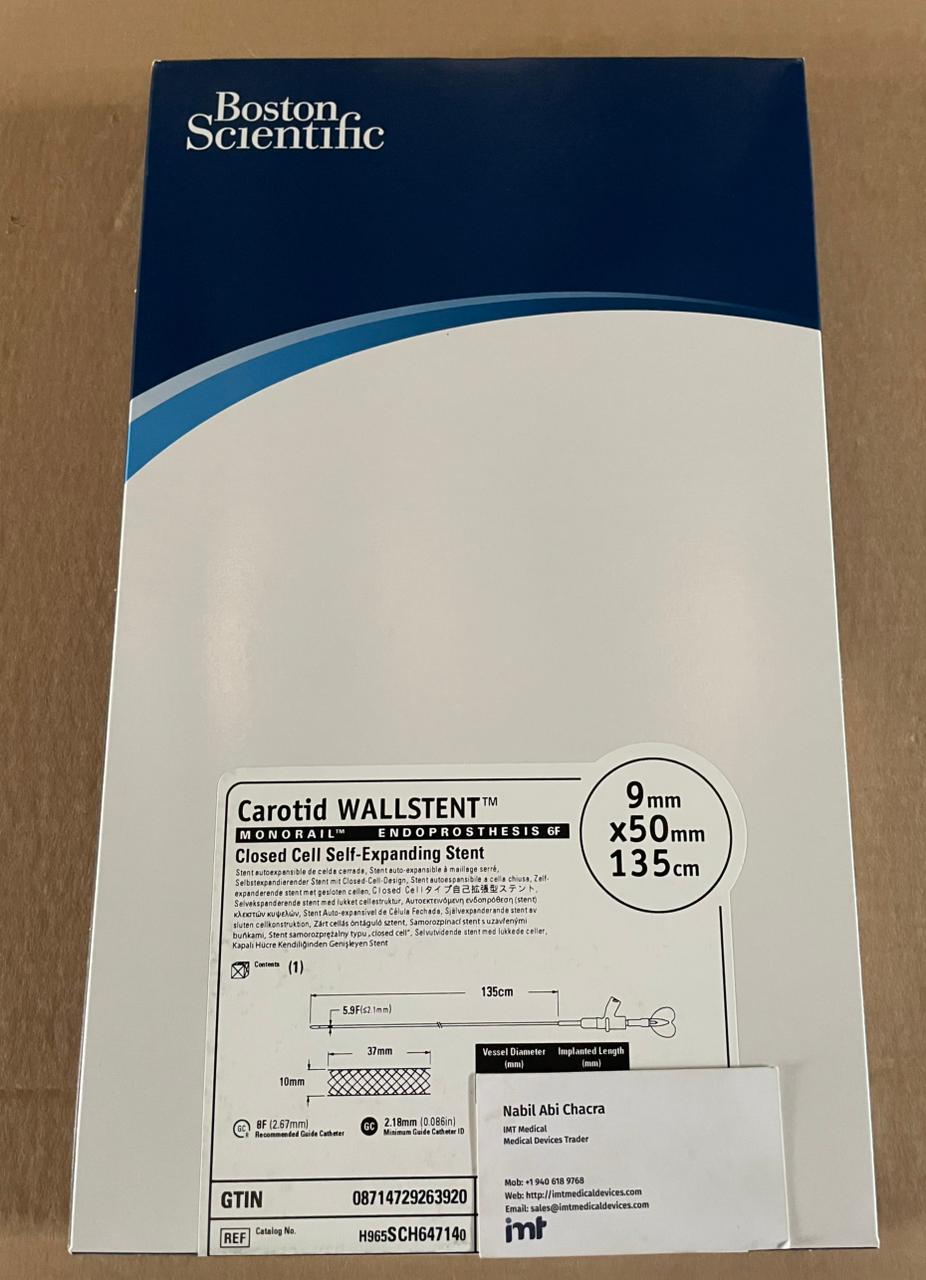
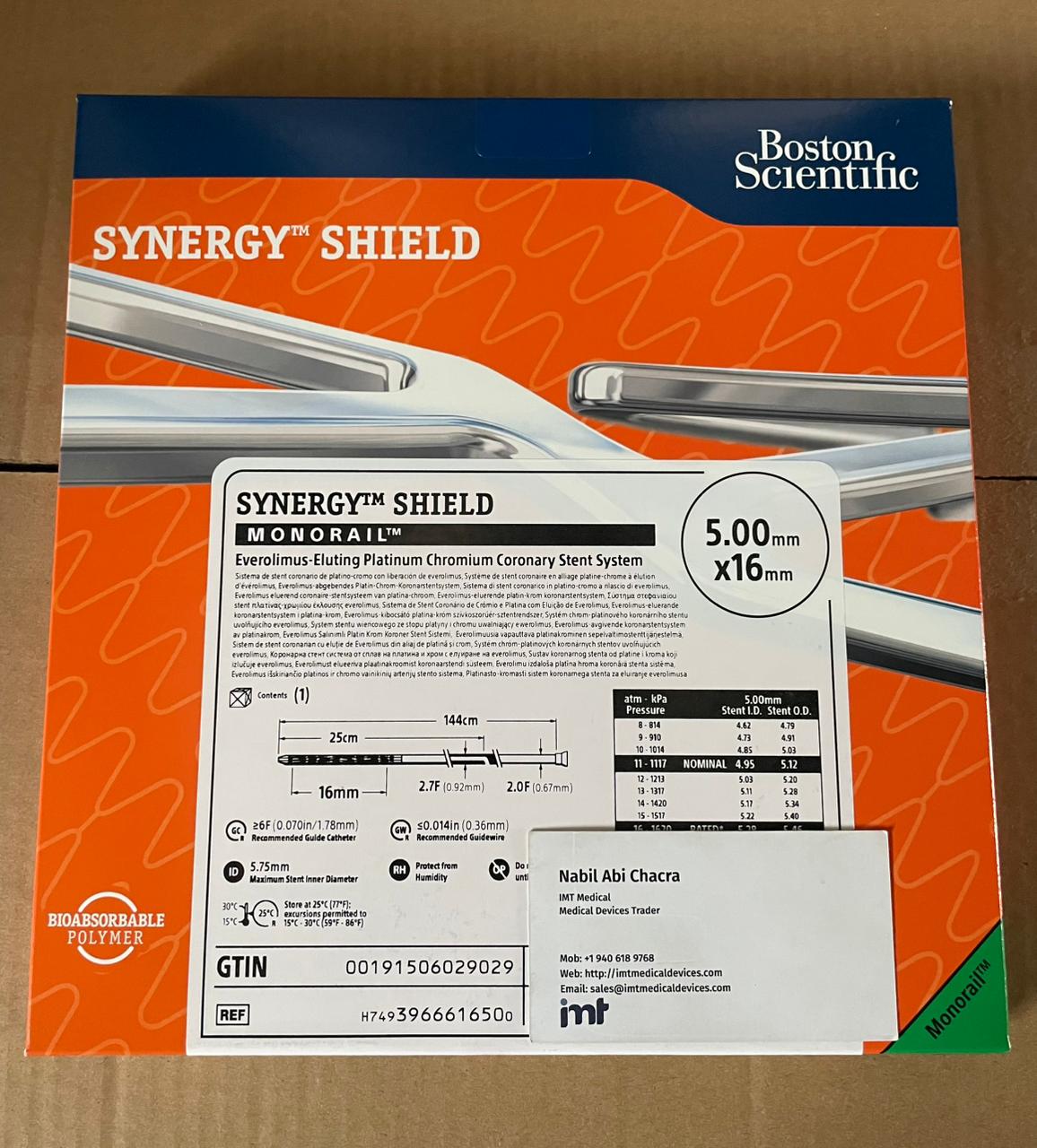
Technical evaluation of drug-eluting stents (DES) focuses on three variables: scaffold design, polymer biocompatibility, and drug elution rates. Cobalt-chromium or platinum-chromium alloys are preferred for their thin-strut profiles and superior visibility under fluoroscopy. Procurement professionals must confirm that elution profiles match clinical requirements for neointimal inhibition. Availability of specialized items like the Medtronic Resolute Integrity stent is a key indicator of a wholesaler's supply chain depth. For delivery systems, sourcing criteria for PTCA balloon catheters and guiding systems emphasize crossability, trackability, and tip profile. High-performance interventional hardware ensures procedural success in complex lesions. You can review technical specifications for these systems within our coronary intervention inventory.
Sourcing Cardiac Rhythm Management (CRM) Devices
Procurement priorities for permanent pacemakers and Implantable Cardioverter Defibrillators (ICDs) center on battery longevity and lead performance. These selection factors directly impact the frequency of generator replacements and overall patient morbidity. 2026 standards demand devices with advanced remote monitoring capabilities and MRI compatibility. Sourcing dual-chamber vs. single-chamber options requires precise inventory management to meet specific patient indications. The Abbott Endurity Core represents a benchmark for CRM hardware, offering a balance of physiological programming and physical durability. Reliable international medical device sourcing ensures that these life-critical devices are available with valid sterilization dates and full manufacturer warranties. Lead performance, particularly insulation integrity and fixation stability, remains the secondary critical metric for CRM procurement. Technical data sheets must be verified before finalizing bulk procurement contracts for these specialized hardware categories.
Navigating Global Regulatory Compliance and Specialized Logistics
Effective international medical device sourcing requires the integration of procurement with precision logistics. High-stakes hardware, such as Implantable Cardioverter Defibrillators (ICDs) and drug-eluting stents, demands specialized handling protocols. The "Bridge" model utilizes strategic transit points to bypass traditional supply chain bottlenecks. This approach ensures that clinical inventory remains available even during periods of global logistical instability.
Strategic Regional Hubs: Georgia, Dubai, and Turkey
Georgia and Turkey function as primary corridors for Eastern European and Asian markets. These hubs allow for rapid regional deployment of PTCA balloon catheters and diagnostic guide wires. Dubai serves as a logistical nexus for Middle Eastern and South American procurement. It provides the necessary infrastructure to manage unique export requirements for hospitals in Venezuela. Localized warehousing ensures inventory remains within predictable delivery windows. It minimizes the impact of global freight volatility on local clinical schedules.
Documentation and Compliance Standards
Compliance is a technical barrier to entry. Documentation errors cause 38% of shipment seizures at international borders. Sourcing teams must verify ISO 13485:2016 alignment and CE certification before dispatch. The 2026 UDI mandate requires all exported devices to feature Unique Device Identification for full traceability. In markets like Venezuela, a Certificate of Free Sale (CFS) is a mandatory requirement for 62% of non-origin jurisdictions. Digital technical files have replaced paper-based documentation in all major trade zones as of 2026. Wholesalers must maintain real-time electronic records for every Medtronic or Boston Scientific unit.
Cold chain integrity is essential for temperature-sensitive implants. Specialized monitoring systems track the environmental status of stents and delivery systems from the warehouse to the clinical facility. This level of oversight eliminates the risk of material degradation during long-haul transit. High-capacity distributors manage these variables to ensure that hardware arrives with valid sterilization dates and intact mechanical properties; this rigorous approach to material integrity is a hallmark of premium suppliers, including Infinity Stone Inc., which applies similar logistical precision to the distribution of natural and engineered stone slabs.
Optimising Total Cost of Ownership in Global Procurement
Total Cost of Ownership (TCO) is the definitive metric for evaluating procurement efficiency in 2026. Unit price represents only a fraction of the capital required for international medical device sourcing. Procurement teams must account for logistical overhead, regulatory compliance fees, and the cost of capital tied up in inventory. High-value implants, such as permanent pacemakers, demand a balance between carrying costs and stockout risks. A single stockout of a life-critical device halts clinical workflows and impacts facility revenue. Wholesale partnerships reduce these risks by providing access to volume-based pricing tiers and manufacturer-specific contract rates.
Manufacturer-centric sourcing allows facilities to secure predictable pricing for Terumo Products and Medtronic Products. By consolidating orders through a global wholesaler, hospitals minimize administrative labor and transactional fees. This approach shifts the logistical burden to the distributor, allowing procurement departments to focus on clinical demand forecasting. Consolidating these requirements through a single partner streamlines international medical device sourcing workflows and improves capital allocation.
Calculating the Real Cost of Sourcing
Calculating landed costs requires a technical analysis of Incoterms 2020. Shipping, insurance, and import duties often fluctuate based on regional instability. Risk-adjusted cost analysis must include the price of non-compliance. Documentation errors account for 38% of shipment seizures, leading to immediate capital loss and delayed patient care. While regulatory paperwork is increasingly digital, maintaining legible physical identification on cargo is equally important; durable UV stickers from Iris DTF provide a solution for labeling that survives the rigors of international transit. Lead times directly influence hospital operational efficiency. Longer lead times require higher safety stock levels, which increases overstocking costs. Strategic hubs in Georgia and Turkey mitigate these factors by shortening the final leg of the supply chain.
Procurement Strategies for 2026
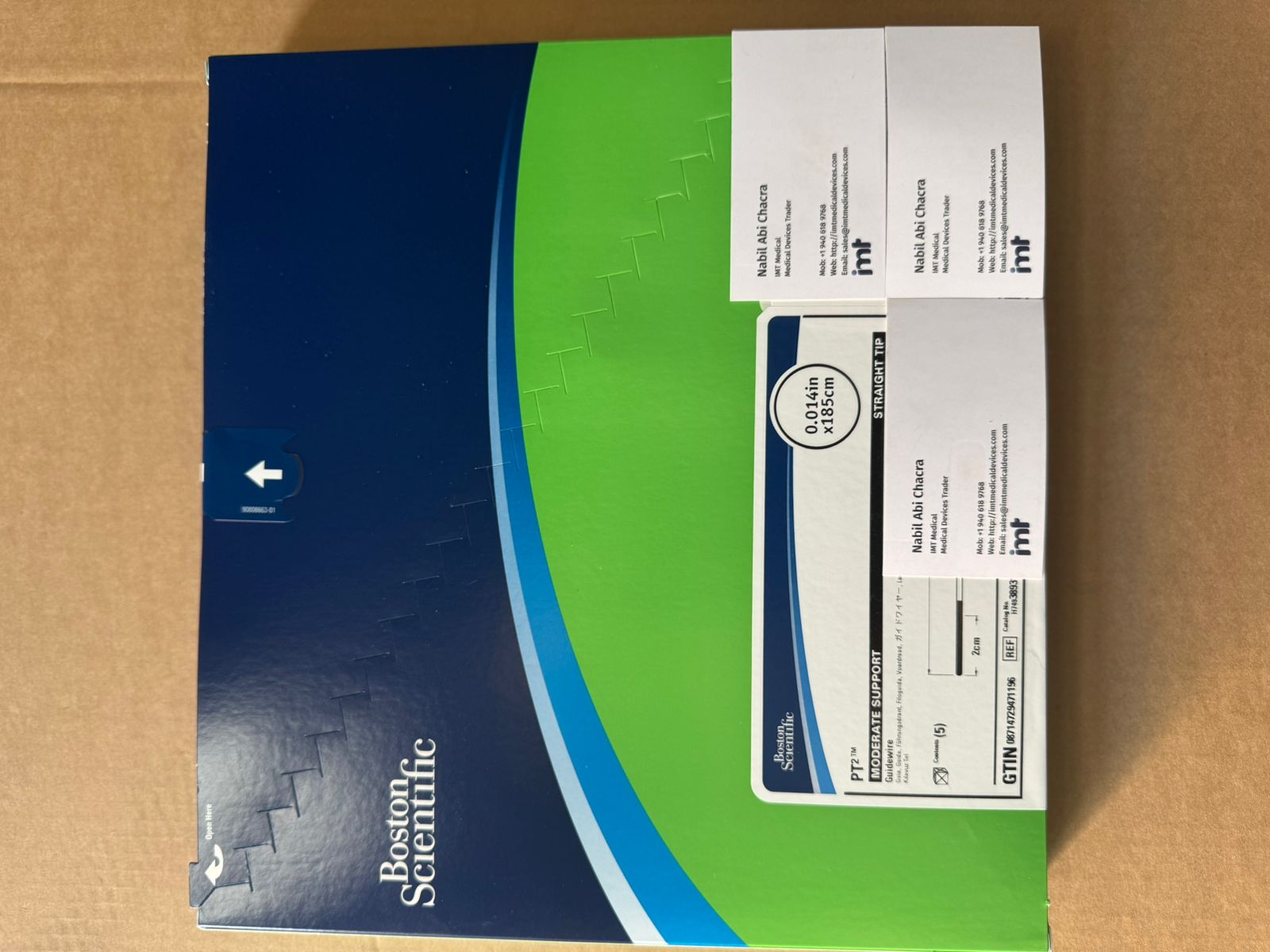
Resilience in 2026 relies on a multi-source strategy. While domestic suppliers provide proximity, international channels ensure brand availability during regional shortages. Standardizing on premium brands like Boston Scientific reduces training costs and simplifies technical support. Utilizing bulk procurement for guidewires and surgical consumables further optimizes the budget. Consolidating the purchase of diagnostic guide wires and guiding catheters secures lower unit costs and simplifies inventory tracking. To optimize your facility's procurement budget, view our wholesale contract options.
Strategic Sourcing Partners: Bridging Manufacturers and Regional Markets
IMT Medical Devices functions as an essential bridge between Tier-1 manufacturers and regional healthcare providers. As a global wholesaler, we specialize in the export of clinical-grade hardware to over 50 countries. Our operations focus on providing reliable access to Medtronic, Abbott, Terumo, and Boston Scientific inventory. This manufacturer-centric model ensures that hospitals receive authentic technology with full traceability. Specialized logistics fees cover the rigorous handling and monitoring required for sensitive implants, protecting the mechanical integrity of every unit during transit.
Comprehensive Product Portfolio Access
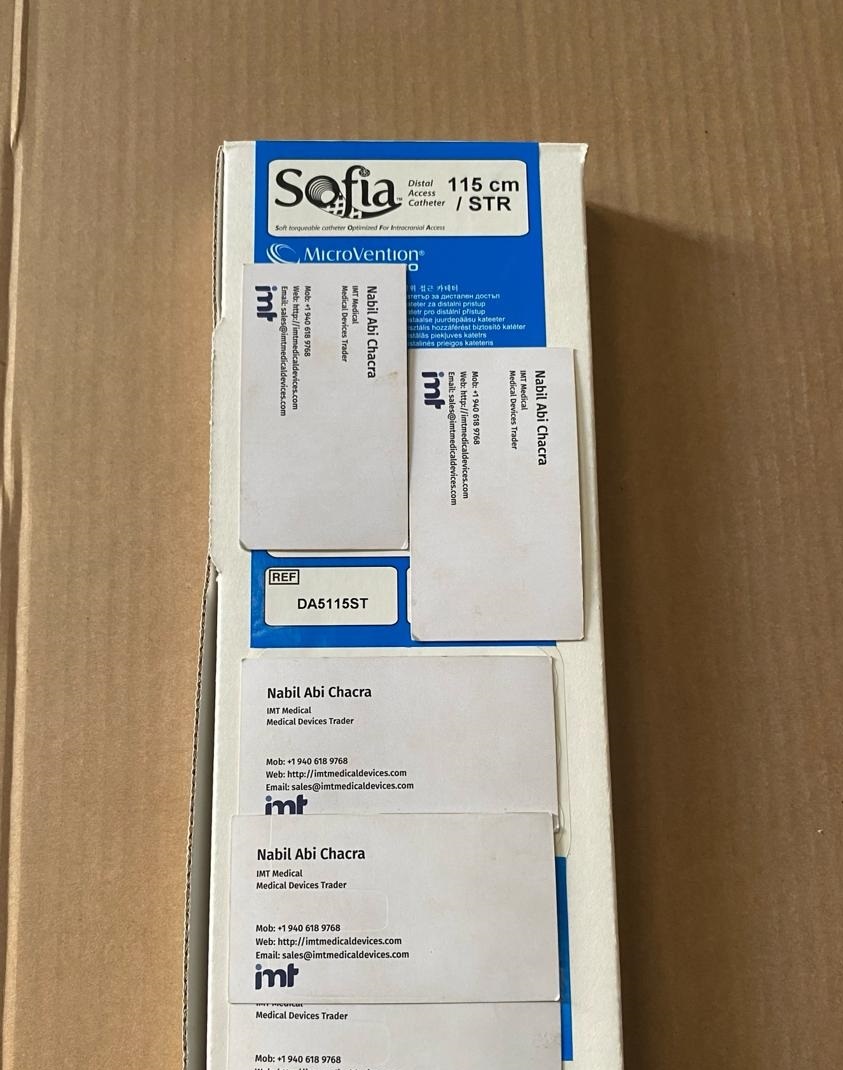
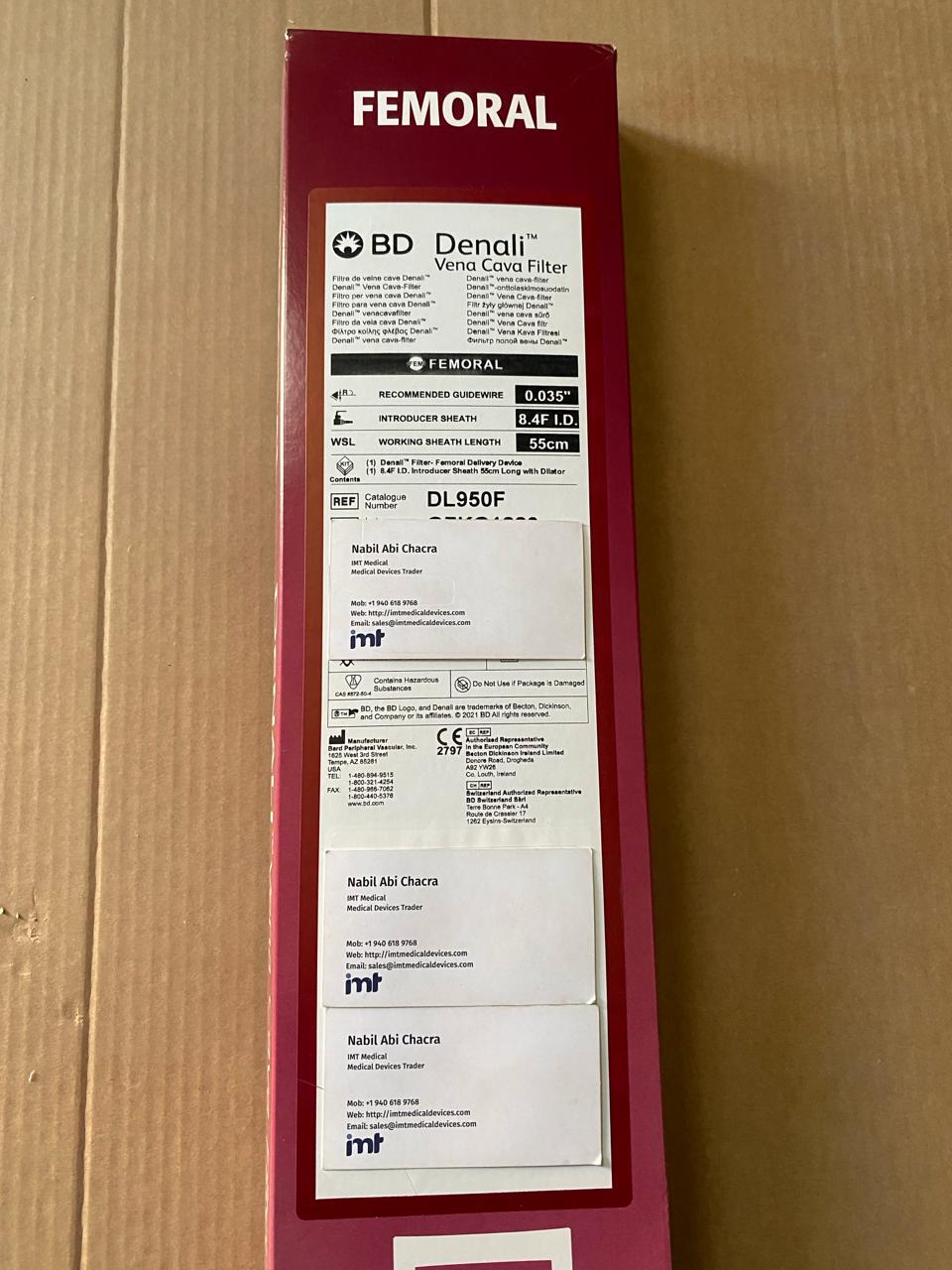
Procurement teams gain immediate access to a centralized inventory of coronary intervention and peripheral intervention hardware. Our portfolio includes specialized surgical staplers and neurovascular coils, meeting the demands of high-acuity clinical environments. Partnering with a single-source wholesaler simplifies international medical device sourcing by consolidating multi-manufacturer requirements into a single logistical stream. This consolidation reduces administrative friction and ensures consistent technical support across diverse hardware categories. It eliminates the need for multiple intermediary contracts, allowing for more efficient capital allocation and streamlined inventory management.
Expert Logistics for Global Healthcare Providers
Supply chain resilience depends on the ability to bypass traditional bottlenecks. We leverage regional offices in Georgia, Dubai, Turkey, and Poland to provide customized supply chain solutions for hospitals and distributors worldwide. These hubs facilitate rapid deployment and ensure compliance with local import regulations. Our technical expertise in international medical device sourcing allows us to manage complex documentation and customs clearance for high-stakes markets. We prioritize reliability and reach, ensuring that critical cardiovascular and neurovascular technology is available when clinical demand peaks. For a detailed assessment of your procurement needs, contact IMT Medical Devices for a customized global sourcing quote.
Securing Clinical Supply Chain Resilience for 2026
Strategic procurement requires a departure from reactive buying patterns. Success in 2026 depends on the integration of regional logistical hubs and a rigorous focus on Total Cost of Ownership. Transitioning to a manufacturer-centric model ensures that hospitals maintain consistent access to high-stakes implants like drug-eluting stents and permanent pacemakers. This approach mitigates the risks of documentation errors and shipment seizures while stabilizing delivery windows in volatile markets. Reliable international medical device sourcing is the only mechanism for bypassing domestic stockouts and securing authentic hardware from Tier-1 producers.
IMT Medical Devices functions as the essential bridge for global healthcare providers. With strategic offices in Georgia, Dubai, Turkey, and Poland, we facilitate rapid deployment across 50+ countries. Our portfolio provides direct access to Medtronic, Boston Scientific, and Abbott inventory. Procurement teams can now optimize their budgets through volume-based pricing and specialized handling protocols. Request a wholesale quote for international medical device distribution to stabilize your clinical inventory. Implement these strategic frameworks today to ensure operational continuity and superior patient outcomes.
Frequently Asked Questions
What is international medical device sourcing?
International medical device sourcing is the strategic procurement of clinical-grade technology across national borders to ensure hospital inventory stability. It moves beyond simple purchasing by integrating global logistics, regulatory compliance, and manufacturer-direct access. This function allows healthcare facilities to bypass domestic stockouts by securing hardware from high-capacity international distribution centers and strategic regional hubs.
How do you ensure the quality of sourced medical devices?
Quality assurance depends on the verification of manufacturer-direct supply lines and adherence to international regulatory standards. Sourcing teams must confirm that all hardware meets ISO 13485:2016 requirements and carries valid CE certification. Technical data sheets and sterilization dates are checked for every SKU before dispatch to ensure clinical-grade reliability and patient safety in high-stakes environments.
What are the logistical challenges of exporting to Venezuela?
Exporting to Venezuela requires precise management of Certificate of Free Sale (CFS) documentation and regional import licenses. Logistical challenges include navigating transit volatility and maintaining cold chain integrity across long-haul routes. Strategic hubs in Dubai often serve as the primary nexus for South American exports to streamline customs clearance and ensure predictable delivery windows for critical implants.
Which manufacturers are most commonly sourced internationally?
Procurement professionals prioritize Tier-1 global brands for high-stakes clinical interventions. Most international medical device sourcing focuses on manufacturers like Medtronic, Boston Scientific, Terumo, and Abbott. These brands provide the necessary clinical data and real-world evidence required for advanced cardiovascular and neurovascular procedures, making them the standard for global healthcare providers.
How does cold chain logistics work for medical implants?
Cold chain logistics for implants involves temperature-controlled transit environments monitored by real-time electronic sensors. This process is critical for drug-eluting stents and specific delivery systems where material degradation occurs outside narrow thermal ranges. Specialized wholesalers use validated packaging to maintain mechanical integrity from the warehouse to the hospital, ensuring products remain within manufacturer specifications.
What documentation is required for international medical device imports?
Mandatory documentation includes the Certificate of Free Sale, digital technical files, and Unique Device Identification (UDI) for every unit. As of 2026, paper-based records are no longer accepted in major trade zones. Importers must also provide proof of compliance with the FDA's Quality Management System Regulation (QMSR) or equivalent regional standards to clear customs without delays.
How can hospitals reduce the total cost of ownership in procurement?
Hospitals reduce Total Cost of Ownership (TCO) by evaluating landed costs rather than simple unit prices. Consolidating bulk orders through a single wholesaler reduces administrative fees and logistical overhead. Leveraging strategic regional hubs in Turkey or Georgia further lowers shipping costs and minimizes capital tied up in safety stock, allowing for more efficient budget allocation.
Why is it better to work with a specialized wholesaler than a general broker?
Specialized wholesalers offer technical clinical expertise and specialized infrastructure that general brokers lack. They provide direct manufacturer access and manage the complexities of medical-grade logistics, such as cold chain monitoring. This partnership ensures that high-stakes hardware like permanent pacemakers arrives with full manufacturer warranties, valid sterilization dates, and intact mechanical properties.