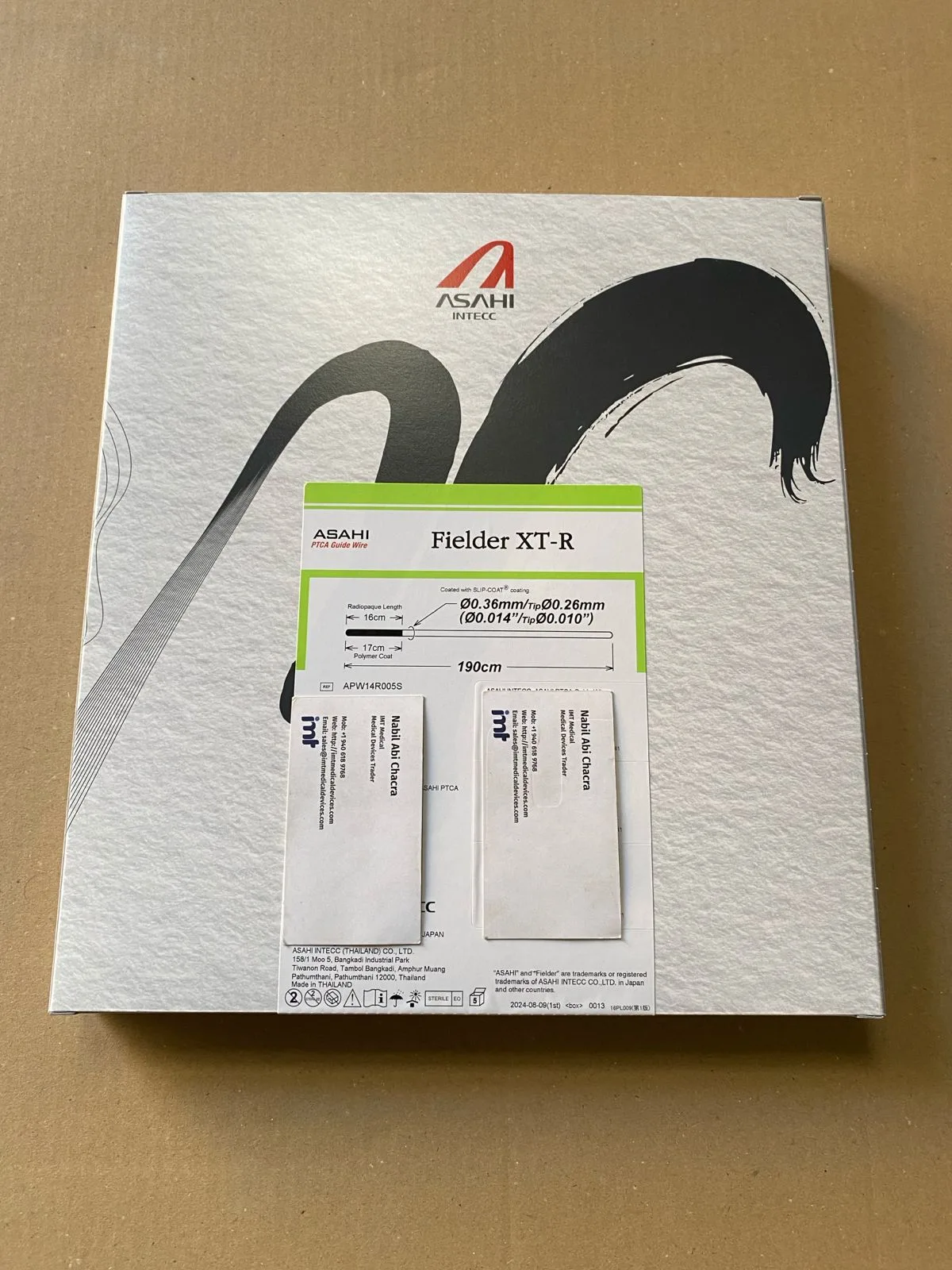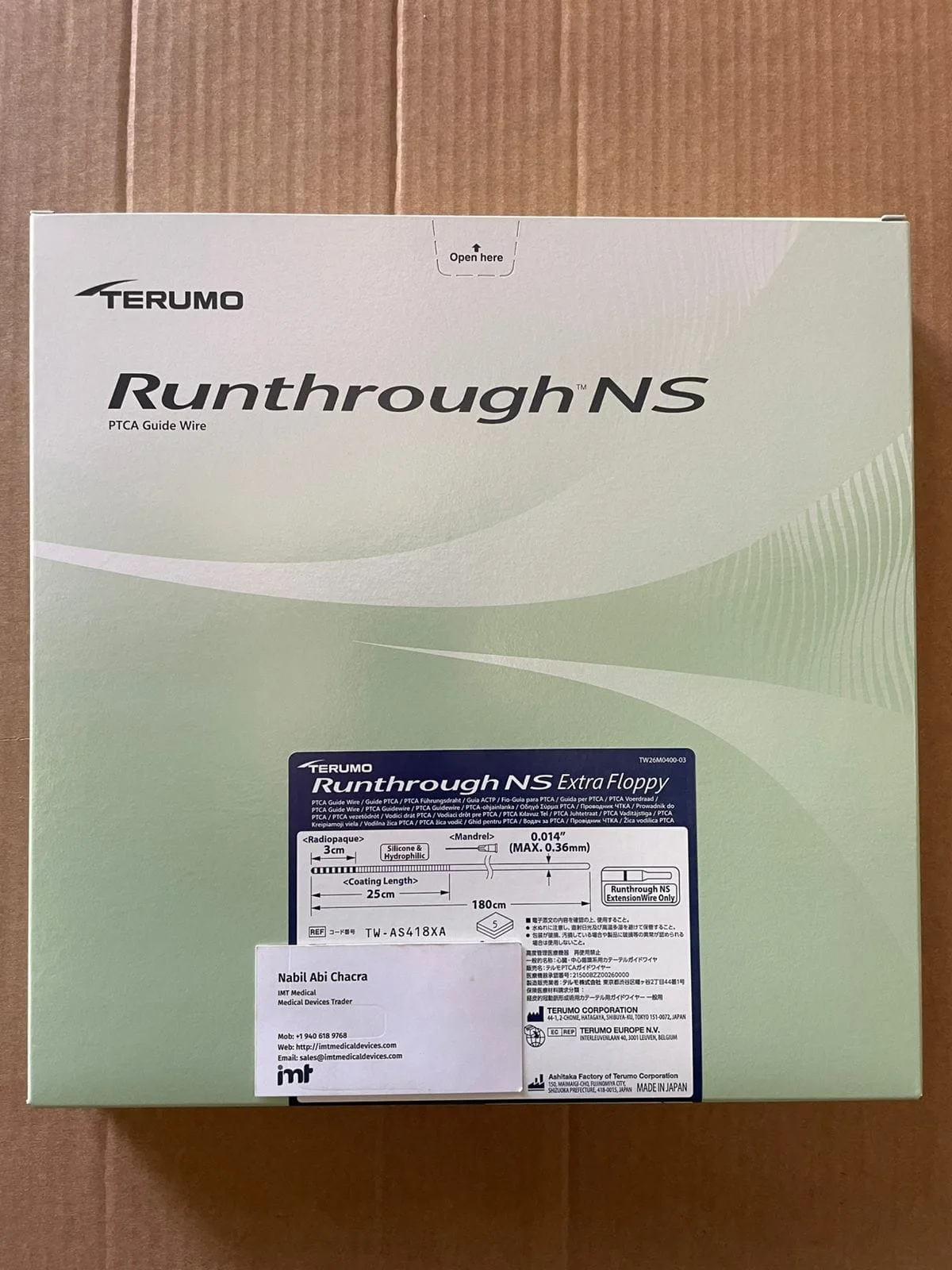

Sourcing High-Pressure Non-Compliant Balloons: A B2B Procurement Guide for 2026
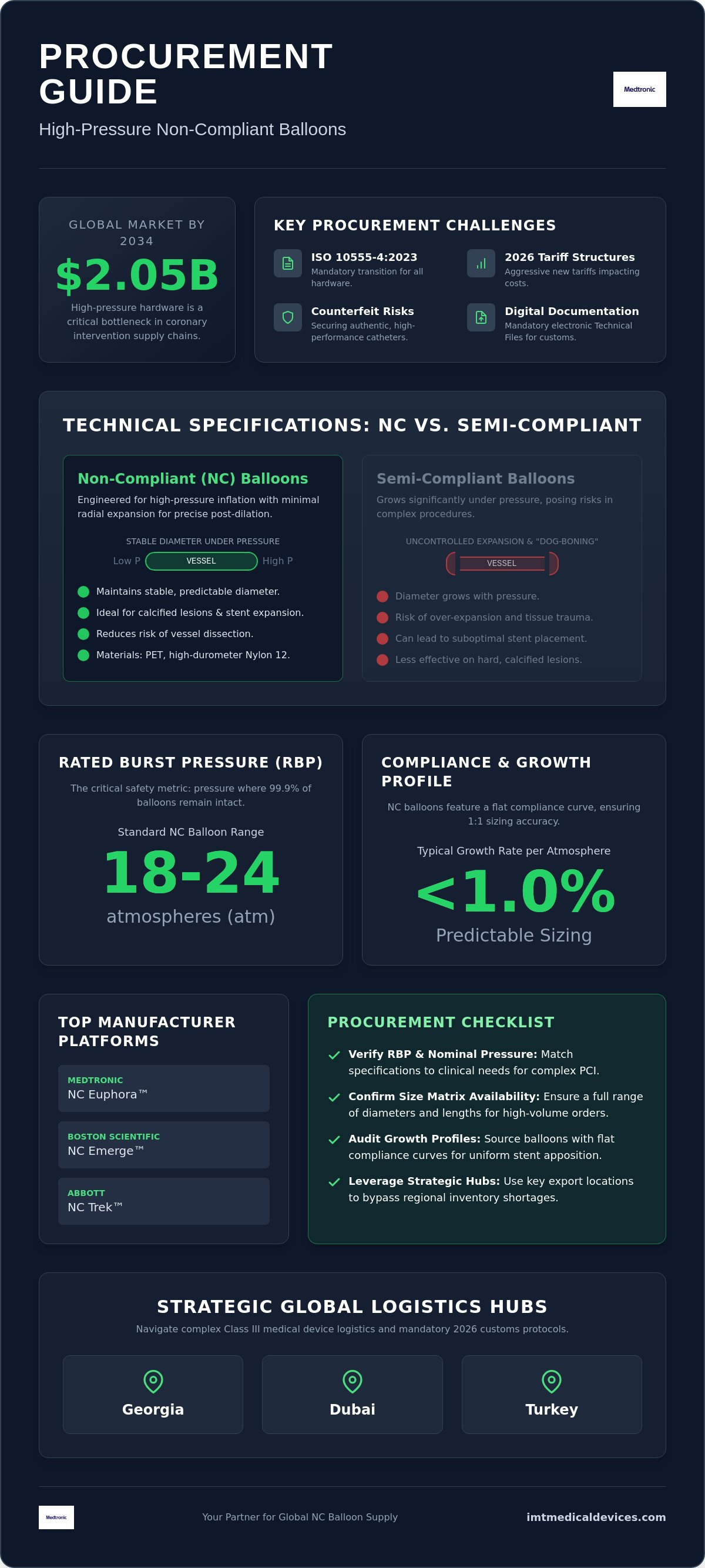
With the global non-compliant balloon market projected to reach $2.05 billion by 2034, high-pressure hardware remains the most critical bottleneck in coronary intervention supply chains. Procurement professionals currently face a volatile environment defined by the mandatory ISO 10555-4:2023 transition and aggressive 2026 tariff structures. Successfully sourcing high-pressure non-compliant balloons now requires more than just identifying a vendor. It demands a technical audit of Rated Burst Pressure (RBP) and a logistical framework that bypasses regional inventory shortages and sub-standard technical specifications.
You're likely aware that securing authentic, high-performance catheters from manufacturers like Medtronic, Boston Scientific, and Abbott is becoming increasingly complex due to counterfeit risks and mandatory digital customs documentation. This guide provides a specialized procurement framework to stabilize your medical device pipeline while maintaining clinical efficacy for essential post-dilation procedures. We'll analyze current RBP specifications for 2026 models, wholesale tier optimization strategies, and the transition to electronic Technical Files required for modern international trade hubs in Georgia, Dubai, and Turkey.
Key Takeaways
- Identify the clinical necessity of NC balloons for precise post-dilation and calcified lesion management in complex cardiology procedures.
- Establish a technical framework for sourcing high-pressure non-compliant balloons from global leaders like Medtronic, Boston Scientific, and Abbott.
- Compare flagship product lines including NC Euphora, NC Emerge, and NC Trek to align clinical needs with manufacturer-specific Rated Burst Pressure limits.
- Apply a standardized procurement checklist to verify RBP, Nominal Pressure, and size matrix availability for high-volume inventory orders.
- Leverage strategic export hubs in Georgia, Dubai, and Turkey to navigate complex Class III medical device logistics and mandatory 2026 customs protocols.
Technical Requirements for High-Pressure Non-Compliant Balloons
Non-compliant (NC) balloons serve a specialized function in interventional cardiology: high-pressure inflation with minimal radial expansion. Unlike semi-compliant versions that grow significantly under pressure, NC balloons maintain a stable diameter. This characteristic is vital for the balloon angioplasty procedure, specifically during post-dilation of drug-eluting stents. Sourcing high-pressure non-compliant balloons requires an understanding of material science. Manufacturers utilize Polyethylene Terephthalate (PET) or high-durometer Nylon 12 to achieve high Rated Burst Pressure (RBP). These materials provide the structural integrity needed to fracture calcified lesions without over-expanding the vessel wall. Precision in sourcing these devices directly impacts patient safety by reducing the risk of vessel dissection or trauma.
Inventory management for these devices hinges on technical precision. Procurement professionals must distinguish between nominal pressure and RBP to ensure the hardware matches the clinical application. High-pressure NC balloons are the standard for treating calcified lesions where lower-pressure alternatives would fail to achieve full vessel patency. Without the rigidity provided by high-durometer materials, balloons can lose their shape, leading to uneven force distribution. This lack of control often results in suboptimal stent expansion, which is a leading cause of procedural failure in complex cases.
Understanding Rated Burst Pressure (RBP)
RBP is the critical safety metric for any high-pressure balloon. It represents the pressure level where 99.9% of units will remain intact. Standard coronary balloons in the NC category typically offer RBP ratings between 18 and 24 atmospheres (atm). Specialized ultra-high-pressure models may reach higher limits for extreme calcification. Procurement teams must verify these specifications against clinical requirements for complex percutaneous coronary intervention (PCI). Reliable RBP data is the foundation of technical procurement. It ensures the hardware can withstand the mechanical stress of expanding a metal stent within a narrowed artery.
Compliance Curves and Growth Profiles
Compliance refers to the balloon's diameter change relative to pressure increases. NC balloons feature a flat compliance curve. They exhibit a growth rate of less than 1.0% per atmosphere after reaching nominal pressure. This predictable growth profile ensures 1:1 sizing accuracy. It's the primary mechanism for preventing "dog-boning." This phenomenon occurs when balloon ends expand more than the center, potentially damaging healthy tissue adjacent to the lesion. Sourcing high-pressure non-compliant balloons with verified growth profiles ensures uniform stent apposition. This technical alignment reduces the risk of late stent thrombosis and improves long-term clinical outcomes.
Comparing Top Manufacturers in the NC Balloon Market
Market dominance in the interventional cardiology sector is concentrated among four primary manufacturers: Medtronic, Boston Scientific, Abbott, and Terumo. These entities define the technical benchmarks for Rated Burst Pressure (RBP) and trackability. Sourcing high-pressure non-compliant balloons in 2026 requires a manufacturer-centric strategy. Procurement professionals must prioritize authentic hardware to ensure optimal clinical outcomes of non-compliant balloons during stent apposition and vessel preparation. Each brand utilizes proprietary material blends and coatings to balance the competing needs of pushability and flexibility within tortuous anatomy.
Availability trends for 2026 show a shift toward regionalized inventory hubs to mitigate global supply chain disruptions. Access to premium brands is currently prioritized through strategic distribution points in Georgia, Dubai, and Turkey. These hubs manage the mandatory electronic Technical Files required for modern customs clearance. Reliable access to these manufacturers is the primary driver for clinical efficacy in post-dilation procedures. You can explore the full range of coronary balloons available for immediate international export.
Medtronic NC Solutions
Medtronic's portfolio centers on the NC Euphora platform. This device is engineered for high crossability and a low entrance profile. Its Tapered Power-Tip design facilitates access to tight, calcified lesions. The proprietary HydroTrack coating enhances lubricity, reducing friction during delivery. For high-volume clinical settings, Medtronic Products offer a reliable baseline for procedural success. The NC Euphora's design minimizes the risk of balloon failure at high atmospheres, making it a staple for post-dilation in drug-eluting stent (DES) procedures.
Boston Scientific and Abbott NC Portfolios
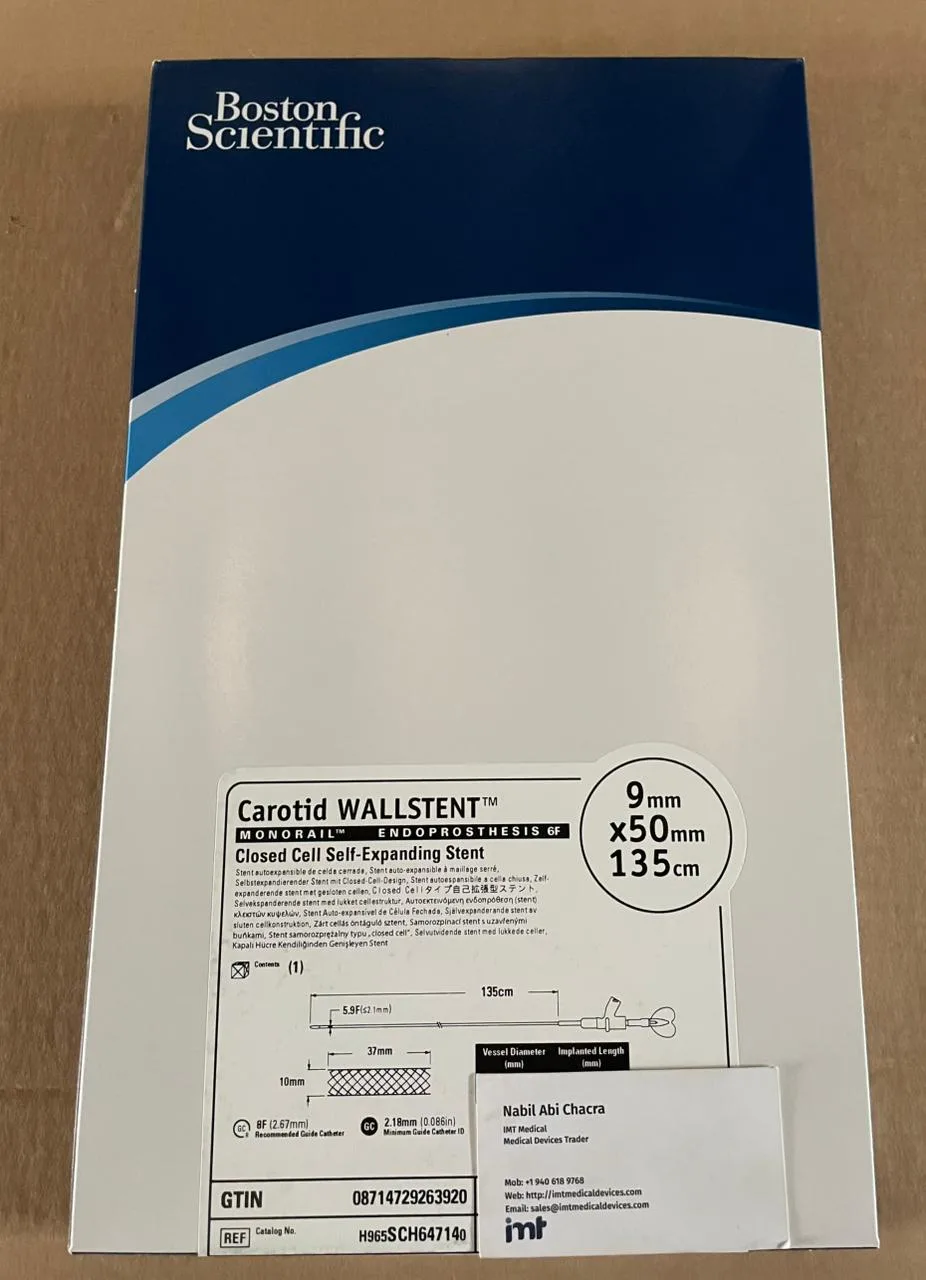
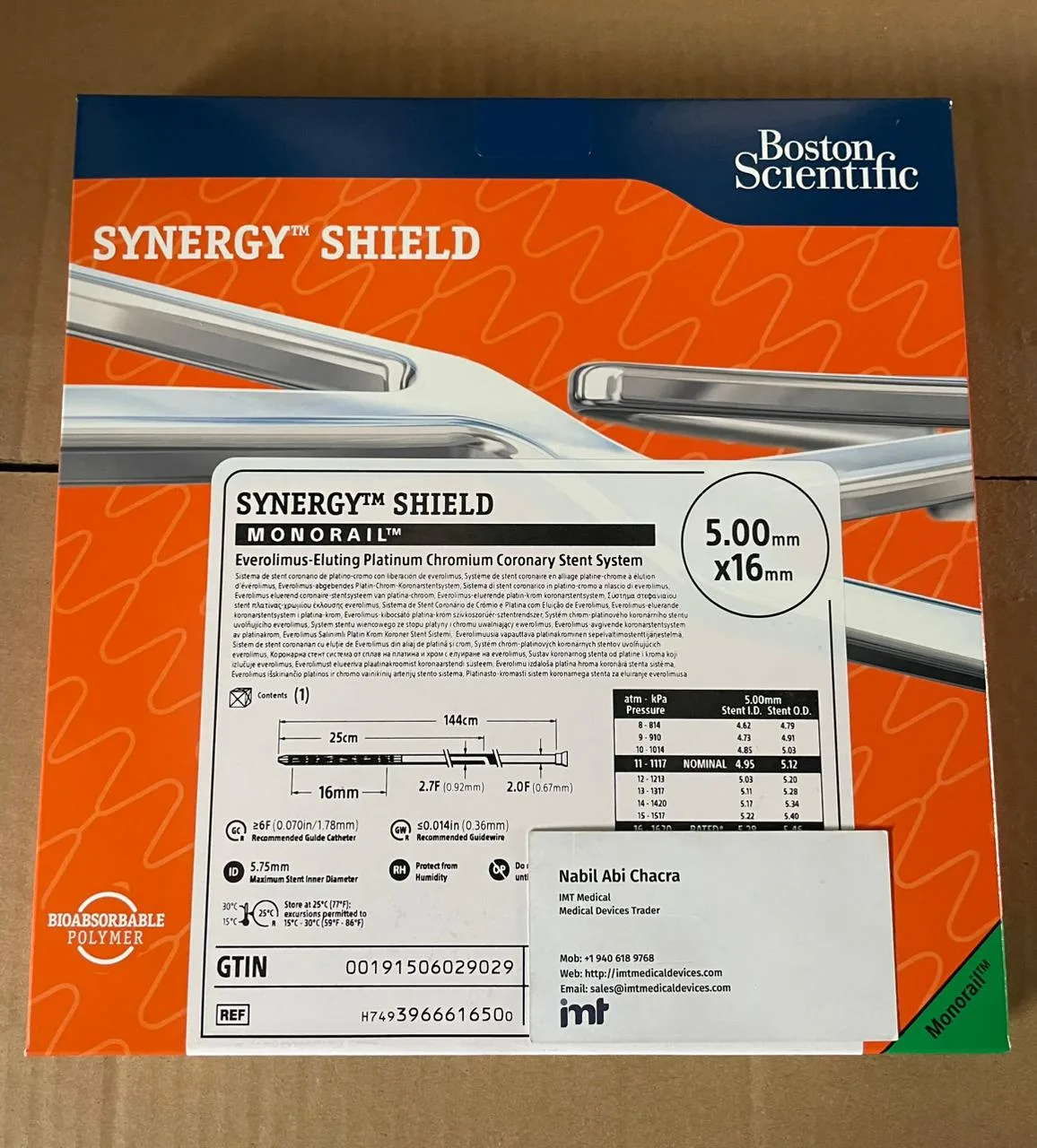
Boston Scientific's NC Emerge is a standard for complex PCI. It features a bi-segment inner shaft that balances pushability and flexibility. This design is particularly effective for navigating tortuous anatomy to reach calcified lesions. Abbott's NC Trek platform is recognized for durability and consistent RBP performance. Both brands utilize high-durometer materials to prevent radial expansion beyond nominal limits. Procurement teams can secure these premium Boston Scientific Products through established international export hubs. These platforms represent the peak of material science in 2026, offering the structural integrity required for fracturing resistant calcification.
Logistical reliability is as critical as technical specification. When sourcing high-pressure non-compliant balloons, verifying the manufacturer's RBP against the specific 2026 model codes is essential. This ensures that the hardware delivered to the clinic matches the rigorous standards required for high-pressure interventions. Establishing a direct link to these manufacturers through a verified wholesaler simplifies the procurement of Class III medical devices.
Procurement Checklist for High-Volume NC Balloon Sourcing
High-volume procurement of non-compliant hardware requires a rigorous verification protocol. Technical failure in the cath lab is often traceable to incorrect specification matching at the procurement stage. Sourcing high-pressure non-compliant balloons starts with a three-point pressure analysis: Nominal Pressure (NP), Rated Burst Pressure (RBP), and Mean Burst Pressure (MBP). These metrics define the safe operating window for the device. NP is the pressure at which the balloon reaches its labeled diameter. RBP is the maximum pressure for safe use, while MBP indicates the statistical average of burst points. Procurement professionals must cross-reference these values against manufacturer data sheets to ensure compliance with 2026 clinical standards.
A comprehensive size matrix is essential for inventory depth. Standard procurement catalogs must include diameters ranging from 2.0mm to 5.0mm and lengths from 6mm to 30mm. This range ensures coverage for diverse patient anatomies and lesion lengths. Regulatory compliance is non-negotiable for Class III devices. Every batch must carry a CE Mark or FDA approval, supported by ISO 13485 certification. Recent advances in angioplasty balloon technology have introduced thinner profiles without compromising RBP, requiring procurement teams to update their technical files. Sterilization via Ethylene Oxide (EO) and a minimum 24-month shelf-life are industry benchmarks for global distribution.
Evaluating Supplier Credibility
Authentication is the primary trust signal in medical device wholesaling. Procurement teams must verify manufacturer authorization and implement strict batch traceability. This prevents the entry of counterfeit or sub-standard technical hardware into the supply chain. Audit requirements for international wholesalers include verification of Good Distribution Practice (GDP) standards. Inventory depth is a critical metric; a reliable partner must maintain stock levels for high-demand sizes to prevent procedural delays. Verify that your partner can provide full documentation for every shipment of coronary intervention hardware.
Cost Optimization in B2B Sourcing
Effective sourcing high-pressure non-compliant balloons balances unit cost with logistical reliability. Volume-based pricing tiers are standard for large hospital systems and regional distributors. However, unit price is only one component of the total cost of ownership (TCO). TCO analysis must include customs duties, transport insurance, and the costs associated with supply chain stockouts. Utilizing established export hubs in Georgia, Dubai, or Turkey can optimize these logistical costs while ensuring rapid delivery of authentic technology. Efficient procurement focuses on long-term supply stability rather than short-term price fluctuations.
Global Logistics and Export Strategies for Medical Devices
Efficient global logistics are the backbone of medical device procurement. Moving Class III cardiology hardware across borders requires specialized knowledge of regional trade zones. Sourcing high-pressure non-compliant balloons involves managing more than just unit availability. It requires a robust export framework. Hubs in Georgia, Dubai, and Turkey serve as critical nodes for international distribution. These locations provide the necessary infrastructure for rapid customs clearance and secure storage of high-value inventory. Coordination between manufacturer lead times and transit schedules is essential for maintaining consistent stock levels in international clinics.
Documentation is the primary barrier to entry in regulated medical markets. Every shipment of NC balloons must include a Certificate of Origin and a Free Sale Certificate. Navigating regional import regulations in the UAE, EU, or Georgia requires precise technical file management. The transition to electronic Technical Files is mandatory in 2026. This digital shift minimizes delays at customs checkpoints. Managing export logistics fees and handling sensitive equipment requires a partner with established carrier relationships and a deep understanding of international commerce laws.
Documentation and Regulatory Compliance
- Requirement: Certificate of Origin and Free Sale Certificates for all Class III devices.
- Regulatory zones: Specialized protocols for UAE (MoHAP), EU (MDR), and Georgian customs.
- Digital files: Mandatory electronic Technical Files for 2026 trade compliance.
- Logistics management: Handling fees and specialized transit insurance for cardiology hardware.
Strategic Distribution Hubs
Dubai functions as the primary gateway for Middle East and Africa (MEA) medical supply chains. Its free zones facilitate rapid re-export with minimal administrative friction. Turkey and Poland serve as logistical bridges to the European market, providing bonded warehouse options for large-scale inventory. These hubs allow for the consolidation of shipments from multiple manufacturers like Medtronic and Abbott. This centralized approach reduces transit times and optimizes shipping costs for international clinics. For detailed information on our logistical reach, visit the IMT Company Overview.
High-value cardiology shipments require comprehensive risk mitigation strategies. This includes end-to-end tracking and specialized insurance coverage. While balloon catheters typically travel under ambient conditions, they remain sensitive to extreme temperature fluctuations during long-haul transit. Maintaining structural integrity is paramount for ensuring clinical efficacy upon arrival. Real-time visibility into the supply chain reduces the risk of stockouts in critical care environments. Establish a reliable supply line by partnering with an experienced global medical exporter today.
IMT Medical Devices: Your Partner for Global NC Balloon Supply
IMT Medical Devices operates as a specialized international wholesaler; it provides a streamlined bridge between top-tier manufacturers and global clinical markets. Our infrastructure supports distribution to 50+ countries. We maintain a high-capacity inventory of premium hardware from Medtronic, Boston Scientific, Abbott, and Terumo. Sourcing high-pressure non-compliant balloons requires a partner capable of managing both technical specifications and complex export documentation. Our hubs in Georgia, Dubai, and Turkey ensure that Class III cardiology devices reach their destination without the administrative delays typical of less specialized providers.
Inventory availability remains our primary value proposition. We focus on manufacturer-centric procurement; this guarantees that every unit meets the Rated Burst Pressure (RBP) and compliance standards discussed in previous sections. By centralizing the supply of PTCA catheters and drug-eluting stents, we reduce the complexity of cardiology procurement. Our team manages the mandatory 2026 electronic Technical Files and customs protocols, allowing hospital systems to focus on clinical delivery rather than supply chain friction.
Wholesale Solutions for Cardiology Clinics
Bulk procurement strategies through IMT optimize the total cost of ownership for interventional departments. We offer comprehensive access to the Coronary Balloons Category, including non-compliant platforms for post-dilation and calcified lesion treatment. Our inventory includes a full size matrix of diameters and lengths to match specific procedural requirements. For a deeper technical analysis of these devices, procurement professionals can refer to our PTCA Balloon Catheters Guide. This resource aligns procurement logic with the material science of high-durometer Nylon and PET balloons.
Requesting a Technical Quote
Securing a reliable supply line begins with a detailed Request for Quotation (RFQ). Procurement managers can submit RFQs for specific brands and size matrices. Our logistics experts provide consulting for international delivery, ensuring that all regional import regulations are satisfied. We provide clear data on lead times, batch traceability, and sterilization dates. Sourcing high-pressure non-compliant balloons in bulk requires precision in both technical matching and logistical execution. Contact IMT Medical Devices to initiate a technical quote for your cardiology hardware requirements and secure your 2026 inventory pipeline.
Optimizing Your 2026 Cardiology Supply Chain
Successful sourcing high-pressure non-compliant balloons in 2026 depends on a manufacturer-centric procurement strategy that prioritizes Rated Burst Pressure (RBP) and ISO 10555-4:2023 compliance. Procurement professionals must navigate the transition to electronic Technical Files and regionalized supply hubs to maintain inventory stability. By focusing on authentic hardware from Medtronic and Boston Scientific, clinics ensure clinical efficacy for post-dilation procedures while mitigating the risks of sub-standard technical specifications. It's essential to align with partners who understand the technical requirements of calcified lesion management and high-pressure inflation protocols.
IMT Medical Devices provides direct access to premium interventional hardware with specialized export logistics for 50+ countries. As an authorized wholesaler for industry leaders like Medtronic and Boston Scientific, we manage the complex documentation required for international Class III medical device trade. Our strategic hubs in Georgia, Dubai, and Turkey provide the infrastructure needed for rapid, reliable delivery of high-volume NC balloon orders. Secure your facility's operational readiness by partnering with a distributor that values technical precision and logistical scale.
Request a Wholesale Quote for High-Pressure NC Balloons to stabilize your cardiology inventory and optimize procurement costs today.
Frequently Asked Questions
What is the primary difference between sourcing compliant and non-compliant balloons?
Sourcing non-compliant (NC) balloons focuses on Rated Burst Pressure (RBP) and radial stability, whereas semi-compliant balloons are selected for their predictable growth during initial dilation. Non-compliant hardware is mandatory for high-pressure stent apposition where diameter must remain constant despite pressure increases. Procurement teams must prioritize NC materials like PET or high-durometer Nylon to ensure the device doesn't over-expand and cause vessel trauma.
Which manufacturers offer the highest Rated Burst Pressure (RBP) for NC balloons in 2026?
Boston Scientific, Medtronic, and Abbott lead the market with the highest RBP specifications for 2026. Specialized ultra-high-pressure models from Boston Scientific can reach up to 40 atm, while standard NC platforms like Medtronic NC Euphora and Abbott NC Trek typically offer RBP ratings between 18 and 24 atm. These specifications are critical for fracturing resistant calcified lesions in complex interventional procedures.
How do I verify the authenticity of NC balloons when sourcing from a wholesaler?
Authenticity verification requires checking the Unique Device Identification (UDI) and batch traceability codes against manufacturer databases. Sourcing high-pressure non-compliant balloons from authorized wholesalers ensures the hardware carries mandatory 2026 digital technical files and original sterilization seals. Procurement professionals should also request a Certificate of Analysis (CoA) for every batch to confirm the technical specifications match the manufacturer's RBP claims.
What are the standard shipping requirements for international medical device exports?
International exports for Class III devices require ambient temperature control, end-to-end tracking, and specialized transit insurance. Electronic Technical Files are now mandatory for customs clearance in major trade zones to prevent delays. Most balloon catheters travel via air freight to minimize transit time and ensure the structural integrity of the high-durometer materials is maintained throughout the supply chain.
Are there specific regulatory documents required for importing NC balloons into the UAE?
Importing into the UAE requires Ministry of Health and Prevention (MoHAP) registration alongside a Certificate of Free Sale and a Certificate of Origin. Digital documentation must be submitted through established portals to comply with 2026 customs protocols. Every shipment must also include a detailed packing list and commercial invoice that identifies the specific manufacturer and model codes for the NC catheters.
What is the typical shelf life for a high-pressure NC balloon catheter?
Most high-pressure NC balloon catheters feature a shelf life of 24 to 36 months. This duration is contingent on the integrity of the Ethylene Oxide (EO) sterilization packaging and manufacturer-specific stability testing. Procurement managers should implement a first-in, first-out (FIFO) inventory system to ensure that hardware is utilized well before the expiration date to maintain clinical safety and efficacy.
How does balloon trackability impact clinical choice in calcified lesions?
Trackability defines a balloon's ability to navigate tortuous anatomy and cross tight, calcified lesions. Low-profile designs and hydrophilic coatings, such as those found on the Medtronic NC Euphora platform, reduce friction and improve procedural success rates. A balloon with superior trackability allows the interventionalist to reach distal lesions that might be inaccessible with bulkier, less flexible hardware.
Can IMT Medical Devices provide bulk supply for both coronary and peripheral NC balloons?
IMT Medical Devices maintains a comprehensive inventory for both coronary and peripheral interventions. Our bulk supply capabilities cover PTCA and PTA balloons from Medtronic, Boston Scientific, Terumo, and Abbott for distribution to 50+ countries. This centralized approach simplifies sourcing high-pressure non-compliant balloons for hospital systems requiring a diverse range of diameters and lengths for various clinical applications.