
Global Medical Device Procurement: A Strategic Guide for 2026
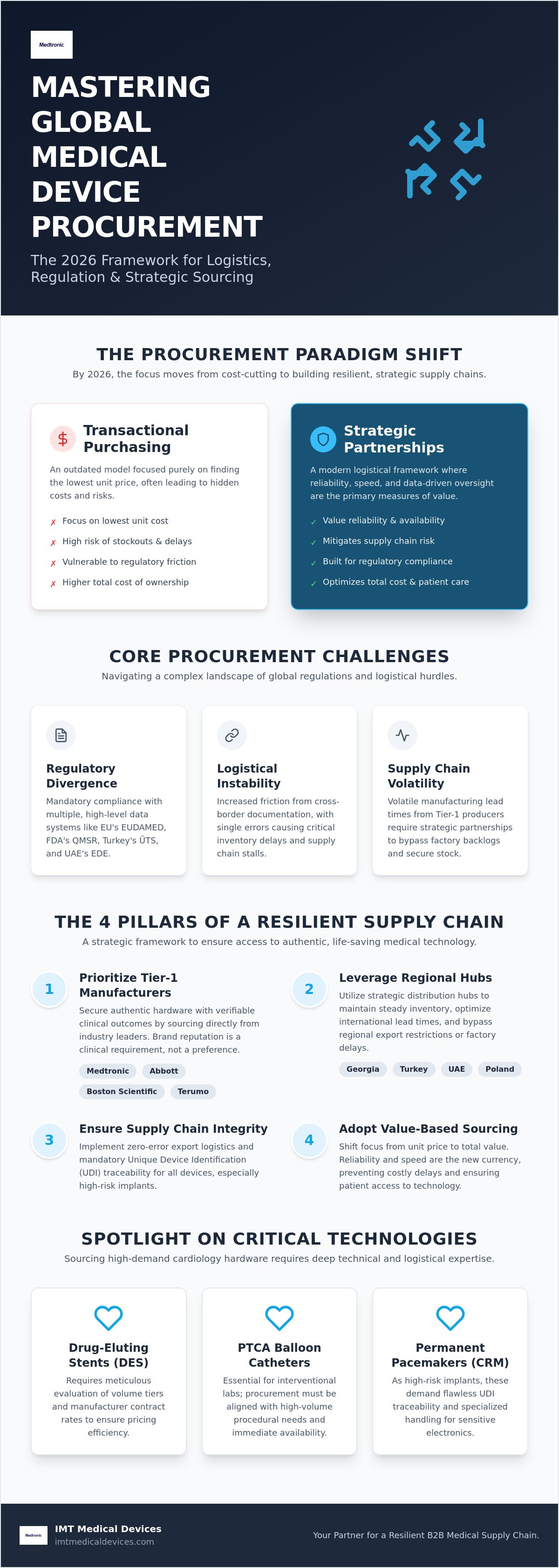
By 2026, global medical device procurement is no longer a search for the lowest unit price. It's a test of logistical infrastructure and regulatory precision. Procurement professionals face increasing pressure from mandatory EUDAMED registration in the EU and the FDA's Quality Management System Regulation (QMSR) that took effect on February 2, 2026. You're likely managing the friction of cross-border documentation and the risk of sub-standard hardware entering your clinical supply chain. It's a high-stakes environment where a single documentation error in the Turkish Product Tracking System (ÜTS) or a delay in the Emirates Drug Establishment (EDE) process can stall critical inventory.
This guide provides the technical framework to secure authentic technology from manufacturers like Medtronic, Boston Scientific, and Terumo while optimizing international lead times. You'll learn how to master international sourcing, from technical manufacturer selection for Drug-Eluting Stents and Permanent Pacemakers to cross-border logistics and regulatory compliance. We'll examine regional hub strategies in Georgia and Poland, mandatory Unique Device Identification (UDI) traceability, and the transition to centralized federal authorities for MENA market access.
Key Takeaways
- Transition from transactional purchasing to a strategic logistical framework to master global medical device procurement in 2026.
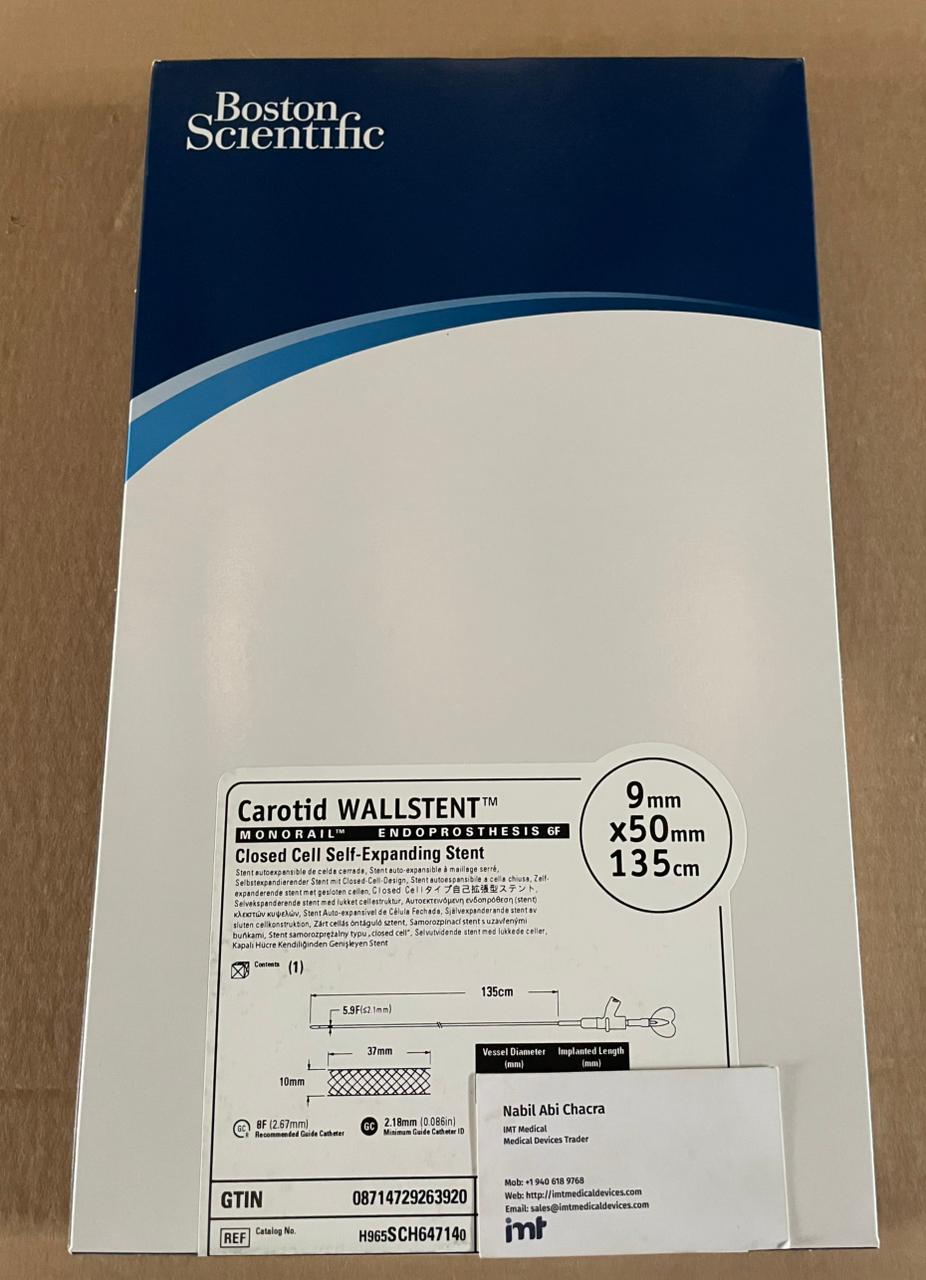
- Prioritize Tier-1 manufacturer selection for critical cardiology hardware, including Drug-Eluting Stents, PTCA Balloon Catheters, and Permanent Pacemakers.
- Ensure supply chain integrity through zero-error export logistics and specialized environmental handling for sensitive medical electronics.
- Utilize regional distribution hubs in Georgia, Turkey, UAE, and Poland to optimize international lead times and bypass factory delays.
- Build a resilient B2B supply chain by leveraging high-capacity wholesale partners to secure authentic inventory from Medtronic, Abbott, and Boston Scientific.
The Evolution of Global Medical Device Procurement in 2026
Global medical device procurement is currently defined as a multi-layered logistical and regulatory framework. It's no longer a simple purchasing function. By 2026, the industry has shifted from transactional buying to strategic supply chain partnerships. Industrial competence serves as the primary trust signal for B2B buyers. Reliability in the logistical bridge between manufacturers and hospitals is now more valuable than the hardware itself. Procurement is an exercise in data-driven oversight and risk mitigation.
In this high-pressure field where life-saving decisions are made daily, many professionals look for ways to reflect on the deeper meaning of their mission; for those who resonate with this, you can discover Memento Mori Clothing to find apparel inspired by the philosophy of mortality.
Procurement professionals face three core challenges: volatile manufacturing lead times, regulatory divergence, and logistical instability. Effective Medical Equipment Management requires navigating the mandatory EUDAMED modules in the EU and the FDA's QMSR standards which became effective February 2, 2026. These regulations demand high-level data connectivity across the entire product lifecycle. Without a partner capable of managing these technical specifics, clinical supply chains remain vulnerable to stockouts of critical coronary stents or diagnostic hardware. Global sourcing now requires a deep understanding of manufacturer-specific identifying codes and regional compliance mandates.
Value-Based Procurement vs. Traditional Cost Models
The cheapest unit price often creates the highest total cost of ownership. In 2026, value is measured by supplier reliability and immediate stock availability. A low-cost quote for Medtronic products or Boston Scientific products is useless if the items are stuck in a manufacturing backlog. Authenticity verification is now a mandatory procurement step. Buyers prioritize wholesalers who provide transparent UDI traceability for high-risk implants like cardiac implantable pacemakers. Reliability and speed are the new currency in clinical inventory management.
The Impact of Global Trade Policy on Medical Sourcing
Regional trade blocs in Europe and the Middle East continue to reshape medical device flow. The Emirates Drug Establishment (EDE) and Turkey’s ÜTS system represent regulatory hurdles. Success in global medical device procurement depends on logistical neutrality. This means the ability to move goods through diverse hubs like Georgia or Dubai to bypass regional export restrictions. High-capacity distributors use these hubs to maintain steady inventory levels regardless of localized trade friction. This approach ensures that technical specifications and manufacturer reputations remain the primary focus rather than logistical barriers.
Strategic Sourcing of Premium Cardiology and Vascular Technologies
Procurement professionals must move beyond generalist sourcing. Global medical device procurement in 2026 is a technical discipline. High-demand categories like Drug-Eluting Stents (DES) and Cardiac Rhythm Management (CRM) require a deep understanding of manufacturer-specific identifiers. Brand reputation isn't a marketing preference; it's a clinical requirement. Manufacturers like Medtronic, Abbott, and Boston Scientific dominate the market because their hardware provides verifiable clinical outcomes. Sourcing Drug-Eluting Stents in bulk necessitates a framework for evaluating volume tiers and manufacturer-specific contract rates. This ensures pricing efficiency without compromising on technology generations.
Technical manufacturer selection is the primary safeguard against sub-standard clinical hardware. In interventional cardiology, the difference between a Tier-1 stent and a generic alternative involves longitudinal data on late-stent thrombosis and restenosis rates. Reliable sourcing partners provide access to these premium datasets by maintaining direct ties to established global hubs. Evaluating volume tiers requires a clear view of total landing costs, including the price of specialized logistics for sensitive electronics. Strategic buyers use these metrics to justify the shift from local, low-volume suppliers to high-capacity international wholesalers.
Procuring Drug-Eluting Stents (DES) and PTCA Balloons
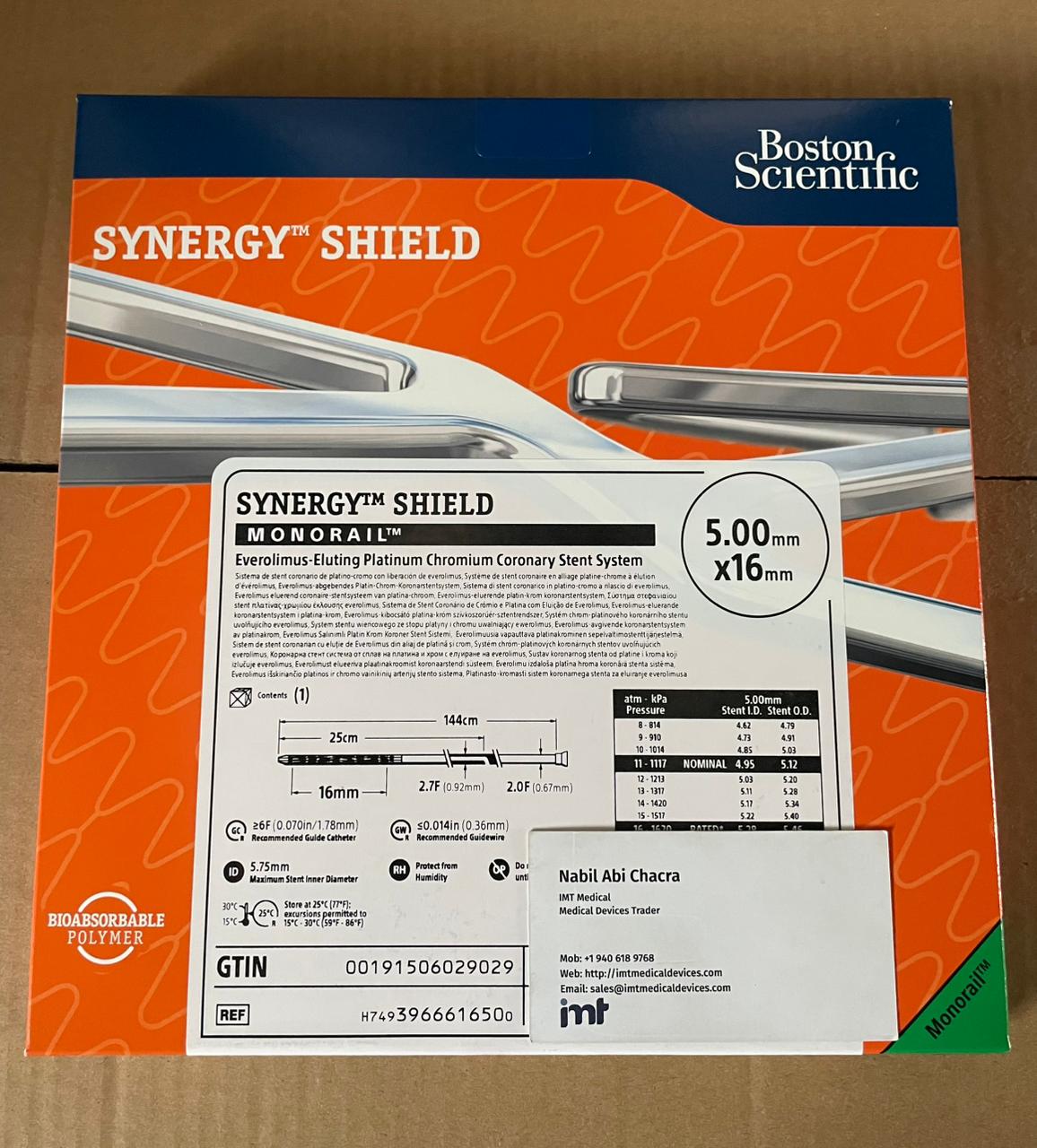
Interventional labs require precise technical specifications. Polymer biocompatibility and drug-release kinetics determine clinical success. Sourcing PTCA Balloon Catheters involves evaluating crossing profiles and trackability in tortuous anatomy. Procurement teams should compare the Medtronic Resolute Integrity platform with the Boston Scientific Synergy Megatron series. These platforms represent the industry standard for everolimus-eluting technology. Specialized cardiology inventory management ensures that interventionalists have access to the correct balloon-to-artery ratios for complex PCI procedures.
Cardiac Rhythm Management: Pacemakers and ICDs
Active implantable devices present unique procurement challenges. Battery longevity and lead performance are the primary selection criteria for Permanent Pacemakers. Accessing latest-generation ICDs requires a partner with deep manufacturer relationships. Devices like the Abbott Endurity Core illustrate the technical shift toward smaller, more efficient implantable hardware. For distributors seeking high-capacity inventory access, partnering with a specialized wholesaler ensures a consistent supply of these critical technologies. High-end CRM sourcing is defined by the ability to provide latest-generation hardware that minimizes the need for premature revision surgeries.
Navigating International Logistics and Regulatory Compliance
Logistics is the most critical failure point in global medical device procurement. Error-free execution is mandatory for high-value exports. A single discrepancy in the Turkish Product Tracking System (ÜTS) or a missing UDI code stops clinical hardware at the border. Managing the cold chain is equally vital; complex implants and drug-coated technologies require strict environmental controls to maintain efficacy. Real-time tracking and transit insurance aren't optional extras. They are essential risk mitigation tools for high-precision electronics like ICDs or pacemakers. Reliable distribution relies on a zero-error documentation framework to bypass customs bottlenecks and ensure product integrity upon arrival.
High-capacity wholesalers act as the industrial bridge between manufacturers and local markets. This role requires managing the friction of cross-border documentation while maintaining product sterility. Strategic transit insurance protects against the financial risks of logistical volatility. Real-time data feeds allow procurement teams to monitor inventory status from global hubs to final delivery. To ensure the mobile devices used for this tracking remain functional in the field, professionals can rely on My IPG for advanced screen protection solutions. This transparency is the only way to manage the lead-time expectations of modern interventional labs and surgical centers.
Regulatory Frameworks for Global Medical Exports
ISO 13485 standards provide the foundation for quality management in wholesale distribution. Compliance involves more than holding a certificate; it requires rigorous post-market surveillance and actor registration within the EUDAMED framework. Regional requirements vary significantly. In Turkey, CE marking is a prerequisite for ÜTS registration. In Georgia, while registration isn't mandatory, a classification letter from the Ministry of Labor, Health and Social Affairs is required before importation. Managing manufacturer-authorized distribution letters is a prerequisite for local registration and legal market entry.
Optimising Shipping for Sensitive Medical Equipment
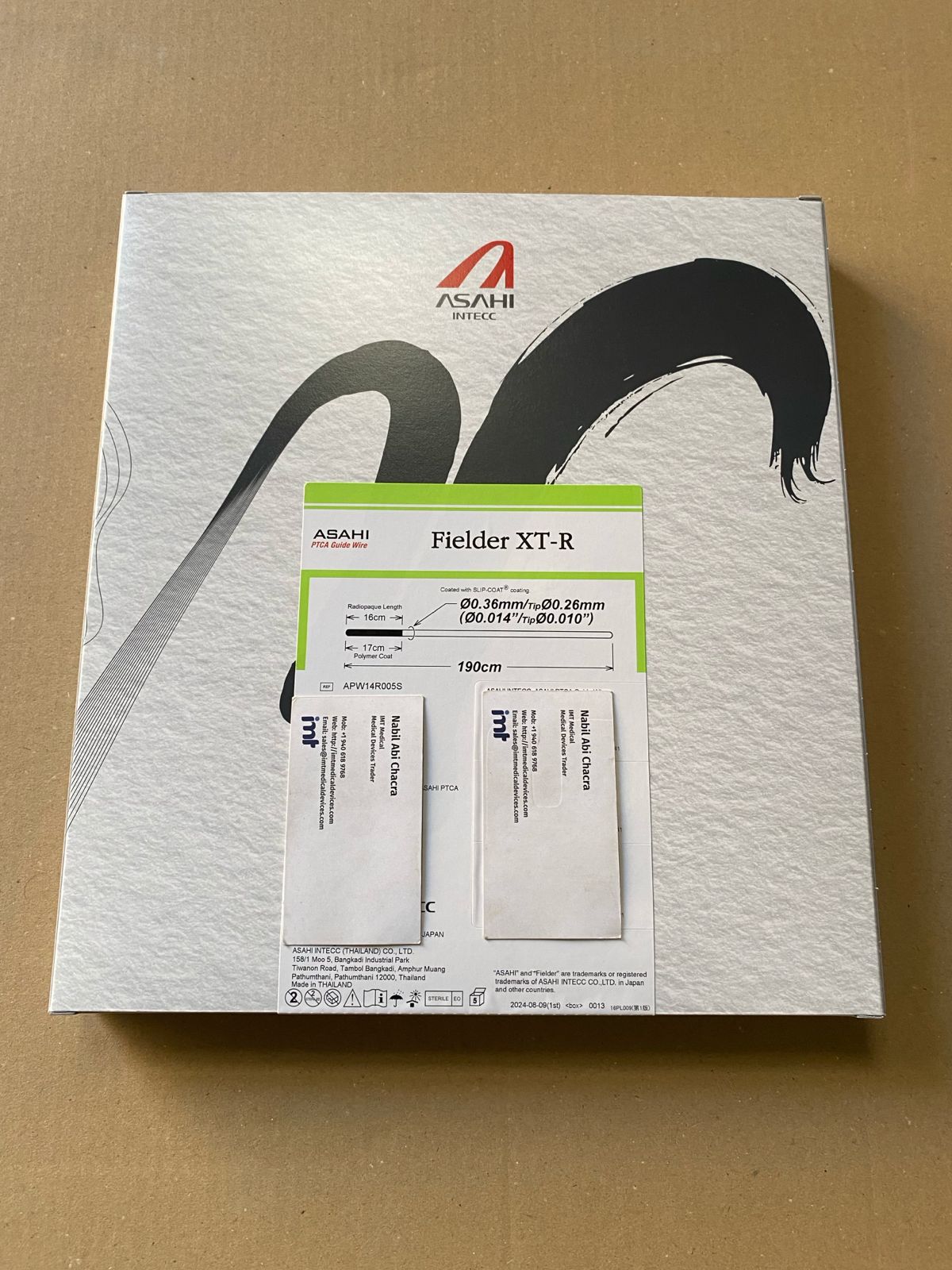
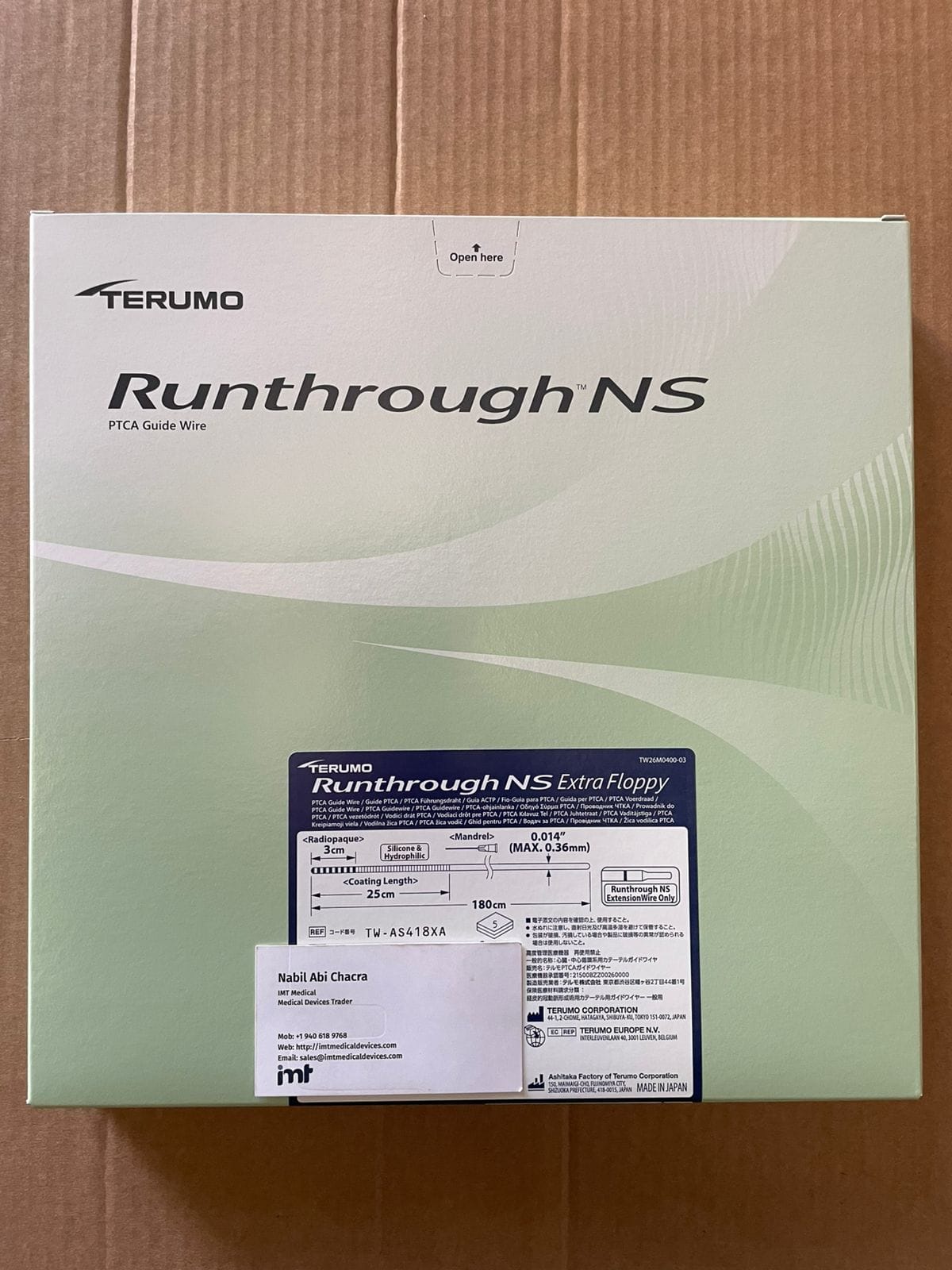
High-precision Guidewires and catheters require specialized handling. Sterile barriers must remain intact during multimodal transit to prevent clinical complications. Packaging standards must protect against mechanical shock and electromagnetic interference for electronic components. Air-freight remains the preferred solution for reducing lead times and minimizing environmental exposure. Strategic hubs in Dubai and Turkey allow for rapid deployment to Eastern Europe and the MENA region. This infrastructure ensures that sensitive hardware from Terumo or Asahi Intec reaches interventional labs without performance degradation.
Regional Procurement Hubs: Georgia, UAE, Turkey, and Poland
Direct-from-factory procurement models are increasingly inefficient in 2026. Global manufacturing backlogs and shipping volatility often disrupt clinical supply chains. Centralized regional hubs have replaced these models to provide immediate inventory access. These hubs act as the industrial bridge between Tier-1 manufacturers and local healthcare providers. They ensure that high-demand items like Drug-Eluting Stents and Permanent Pacemakers are available without long lead times. Strategic global medical device procurement now relies on these regional nodes to manage stock levels and regulatory compliance. It's a model that prioritizes availability over the traditional, slower factory-direct purchase order.
The UAE and Turkey serve as vital bridges between East and West. Their infrastructure allows for the rapid movement of Boston Scientific products and Medtronic products. Poland and Georgia facilitate access to Eastern European and Central Asian markets. These hubs also support the logistical path to South America. For example, serving the market in Venezuela requires a sophisticated transshipment strategy to navigate complex export documentation. This ensures that technical specifications and manufacturer reputations remain intact throughout the transit process. Logistical neutrality in these hubs allows for steady inventory flow regardless of regional trade friction.
Georgia and Poland: Gateway to the Eurasian Medical Market
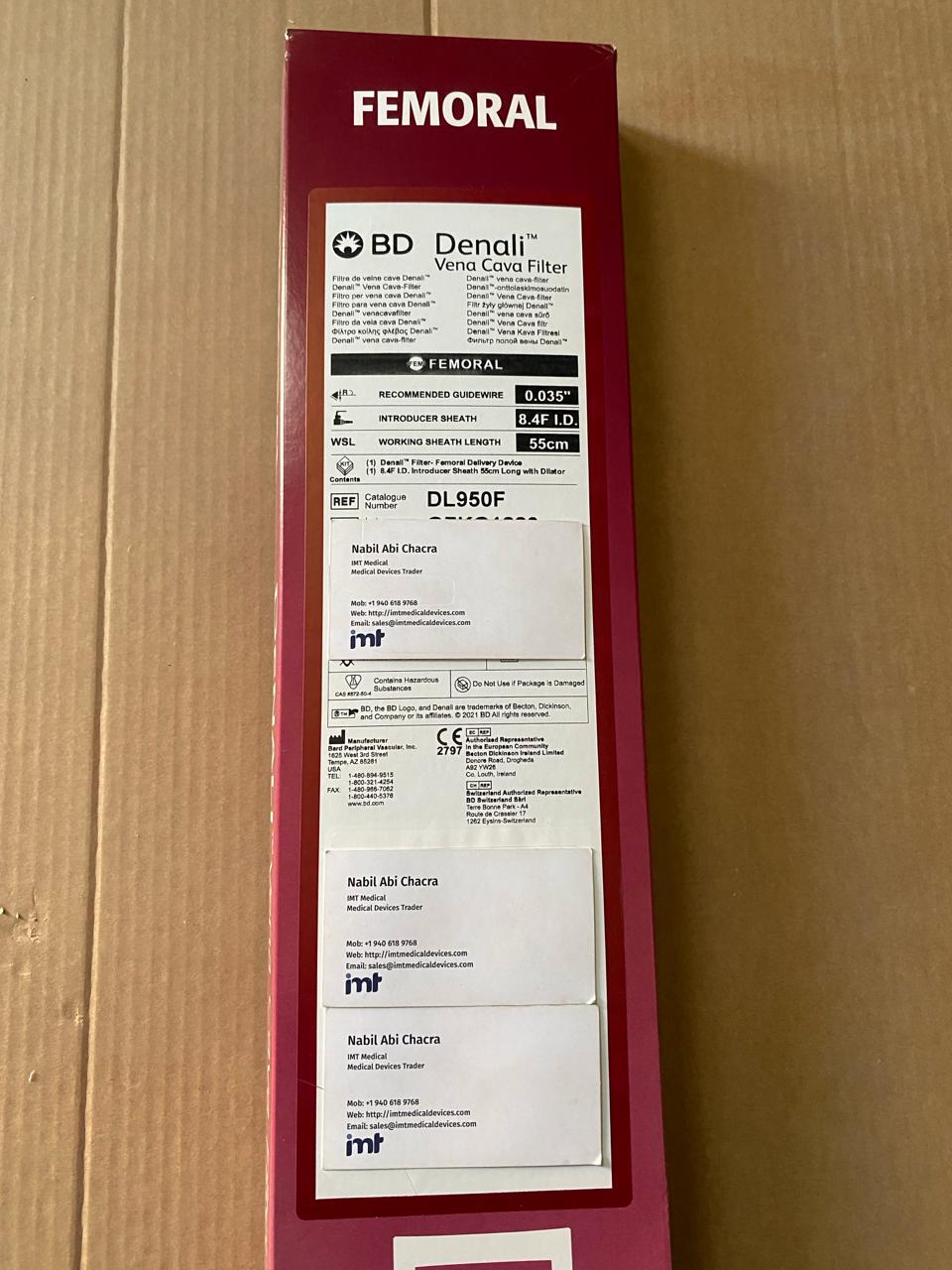
Georgia and Poland are the primary gateways to the Eurasian medical market. Tbilisi and Warsaw serve as logistical anchors for surrounding nations. Local inventory in these hubs allows distributors to bypass global manufacturing delays. Warsaw provides a direct link to the EU regulatory framework and URPL oversight. Tbilisi offers a strategic, duty-free entry point for Central Asian markets. These offices streamline regional certification and documentation. They ensure that coronary guidewires and catheters reach clinical settings with minimal administrative friction. This regional presence is essential for navigating the evolving legislative landscape in Poland and the classification requirements in Georgia.
The Middle East Hub: Dubai and Turkey
The Middle East hub, centered in Dubai and Turkey, offers unmatched logistical reach. Dubai’s infrastructure supports rapid global deployment of sensitive electronics and Terumo products. Turkey is a distribution powerhouse for medical consumables and high-volume B2B sales. The Turkish medical device market is estimated at up to $4 billion, supported by healthcare expenditure exceeding 5% of GDP. Strategic regional stockholding in these areas reduces the impact of factory shortages. It provides a reliable supply of PTCA Balloon Catheters and Asahi Intec products. These hubs enable a fast-paced, catalog-like procurement rhythm for international partners. They don't just provide storage; they offer a regulatory buffer for complex markets.
Access our high-capacity distribution network and contact IMT Medical Devices for strategic sourcing solutions.
Implementing a Resilient B2B Supply Chain with IMT Medical Devices
Wholesale procurement provides the industrial scale necessary for healthcare profitability in 2026. It's a shift from fragmented, low-volume buying to consolidated supply management. IMT Medical Devices ensures the immediate availability of Tier-1 brands like Terumo and Abbott to maintain clinical continuity. Volume-based pricing tiers allow hospitals and large-scale distributors to manage high-cost inventory while protecting operational margins. Establishing a long-term partnership provides a critical buffer against manufacturing volatility and global supply disruptions. Stock security is now a function of partnership depth rather than simple purchase orders.
Strategic global medical device procurement requires a partner capable of bridging the gap between premium manufacturers and international markets. Reliability is measured by the ability to provide authentic, latest-generation hardware without the delays typical of factory-direct models. By leveraging high-capacity inventory feeds, procurement teams can maintain steady stock levels of critical interventional hardware. This approach minimizes the risk of clinical downtime and ensures that specialized departments have the tools required for complex surgical and cardiology procedures. To see how these quality standards apply to advanced dental surgery, one can explore Zubni implantati at Implantološki centar Smile.
Comprehensive Portfolio Access
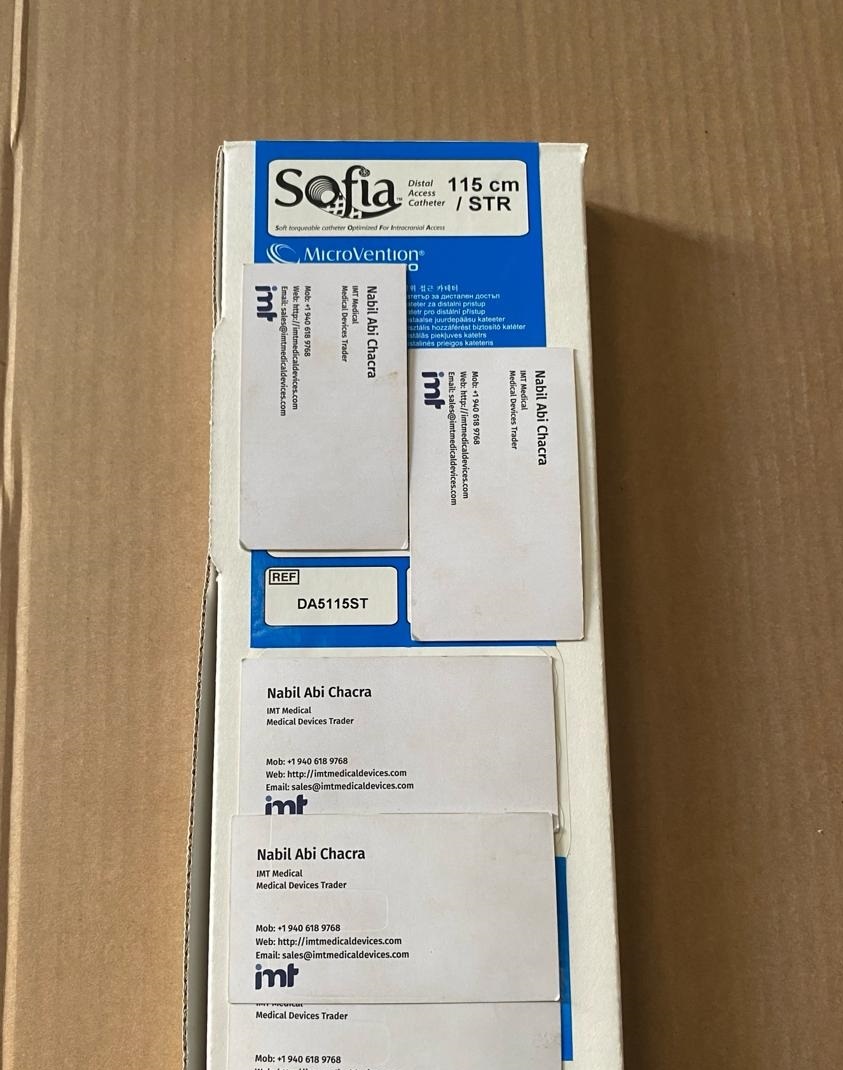
Accessing Peripheral Intervention and neurovascular hardware requires a specialized distribution partner. IMT provides a single point of access for Asahi Intec products, high-precision catheters, and diagnostic wires. Consolidation is a primary efficiency driver. Ordering multiple manufacturer lines through one partner reduces administrative overhead and simplifies international banking. One shipment containing diverse technical identifiers is easier to manage at the border. This centralized approach is the most efficient method to manage global medical device procurement for multi-disciplinary clinical centers.
Logistical Reliability as a Competitive Advantage
Logistical reliability is the ultimate trust signal in the B2B medical space. IMT’s multi-office strategy in Georgia, Dubai, Turkey, and Poland reduces regional supply chain risks by providing localized regulatory expertise. Each hub serves as a node for customized logistics, supporting healthcare providers in complex markets like Venezuela and Eastern Europe. These solutions include specialized handling for sensitive electronics and sterile barriers. Effective procurement professionals don't just buy products; they secure a logistical bridge. Requesting a manufacturer-specific price list and technical consultation is the next step in securing a resilient 2026 clinical supply chain.
Securing Your 2026 Clinical Supply Chain Infrastructure
Global medical device procurement in 2026 requires more than a purchase order. It's an industrial commitment to data-driven logistics and regulatory precision. Success depends on the ability to bypass manufacturing backlogs through strategic regional hubs and zero-error documentation. Prioritizing Tier-1 manufacturer reputations for high-risk implants ensures clinical reliability and operational profitability. By moving away from factory-direct models toward high-capacity wholesale partnerships, distributors and hospitals can secure consistent access to essential technologies. This framework protects your facility from stockouts and regulatory bottlenecks.
IMT Medical Devices serves as the industrial bridge between premium producers and international markets. With a portfolio including Medtronic, Abbott, and Terumo, we provide the scale required for complex clinical environments. Our strategic presence in Georgia, Dubai, Turkey, and Poland facilitates rapid export to over 50 countries. We handle the complexities of cold-chain management and cross-border customs so you don't have to. Contact IMT Medical Devices for Global Procurement Solutions to optimize your inventory lead times and technical hardware access. Build a more resilient and efficient medical supply chain today.
Frequently Asked Questions
How does global medical device procurement differ from local sourcing?
Global medical device procurement provides access to premium manufacturers like Boston Scientific and Terumo that may lack a local presence. It involves navigating international trade policy and cross-border logistics rather than simple local delivery. Global sourcing prioritizes brand reputation and latest-generation hardware over limited local availability.
What are the regulatory requirements for importing stents into Venezuela?
Importing stents into Venezuela requires a sophisticated transshipment strategy and compliance with local sanitary registration. Documentation must include manufacturer authorization letters and proof of origin. Strategic hubs in the UAE or Turkey often facilitate these shipments to manage complex export restrictions and ensure reliable product delivery.
Why is cold chain integrity critical for cardiac pacemakers?
Cold chain integrity preserves the functional lifespan of sensitive electronics and drug-release kinetics in coated hardware. For cardiac pacemakers, temperature control prevents premature battery degradation and maintains sterile barrier efficacy. Specialized logistical handling is mandatory to ensure these devices meet manufacturer performance standards upon arrival at the clinical center.
Can I procure Medtronic or Abbott products in bulk for international distribution?
Bulk procurement of Medtronic and Abbott products is available through authorized international wholesalers. This model provides high-capacity access to Drug-Eluting Stents and ICDs without factory-direct backlogs. High-capacity distributors manage the logistical bridge for global medical device procurement across multiple manufacturer lines to serve several clinical centers simultaneously.
What documentation is required for international medical device customs clearance?
Standard documentation includes commercial invoices, packing lists, and certificates of origin. Devices must carry Unique Device Identification (UDI) for traceability throughout the supply chain. Specific markets require additional items, such as the ÜTS registration in Turkey or classification letters from the Ministry of Labor, Health and Social Affairs in Georgia.
How do regional hubs in Georgia and UAE speed up medical supply chains?
Hubs in Georgia and the UAE reduce lead times by maintaining regional stockholding closer to target markets. Dubai’s infrastructure supports rapid deployment to the MENA region; Georgia facilitates access to Central Asian clinical centers. These nodes bypass global manufacturing delays by providing immediate inventory availability for urgent surgical requirements.
What is the role of a wholesaler in ensuring medical device authenticity?
Wholesalers act as the industrial bridge that verifies the origin of every unit. They ensure authenticity by maintaining traceable links to manufacturers like Abbott and Medtronic. This prevents sub-standard or counterfeit hardware from entering the clinical supply chain through rigorous UDI monitoring and actor registration within the EUDAMED framework.
How does volume-based pricing work for B2B medical procurement?
Volume-based pricing provides lower unit costs for high-capacity orders, improving healthcare provider profitability. This model uses manufacturer-specific contract rates and volume tiers to reward scale. It allows distributors to secure high-end hardware like PTCA balloons and stents while optimizing their total landing costs through consolidated shipments.