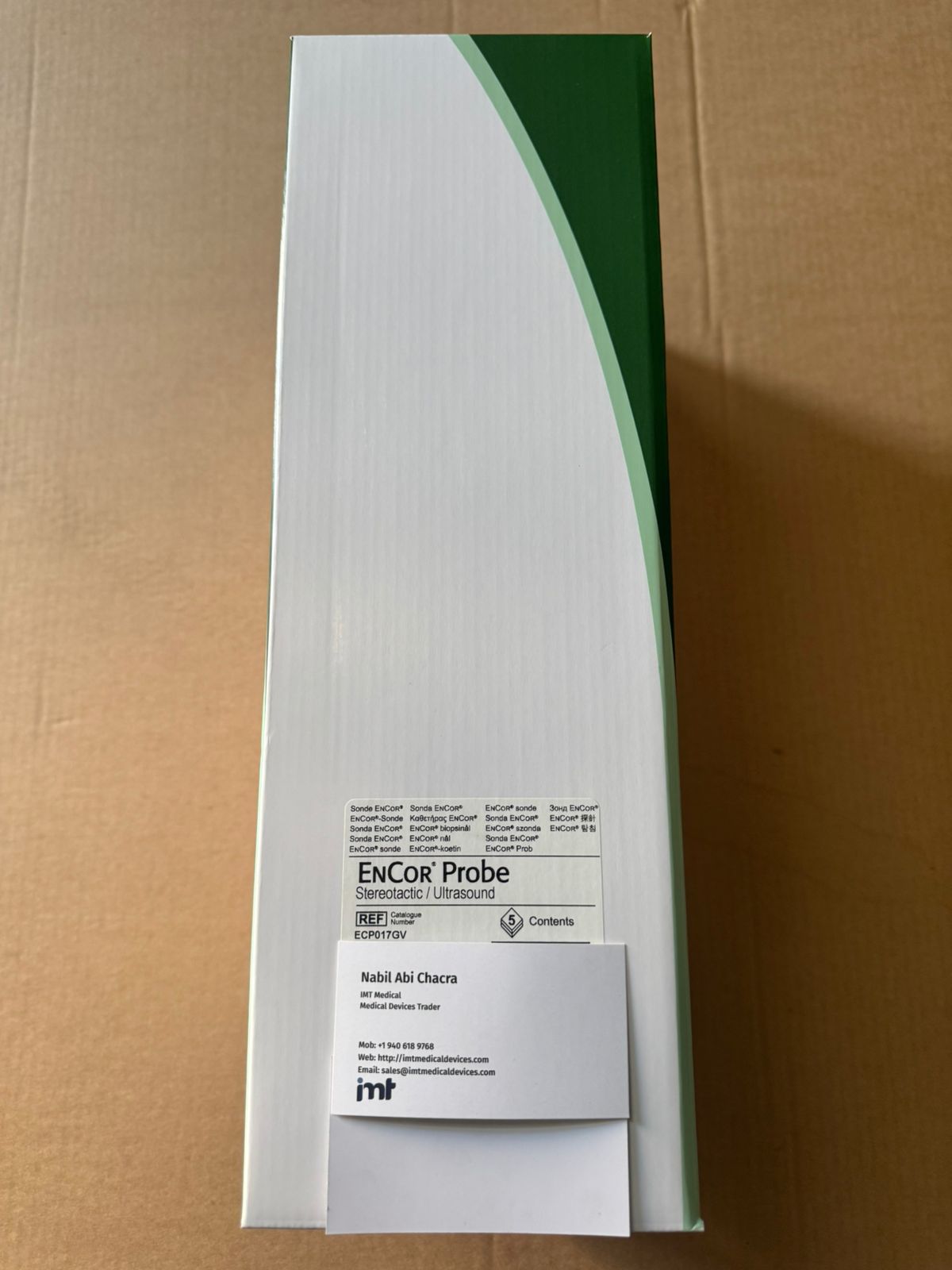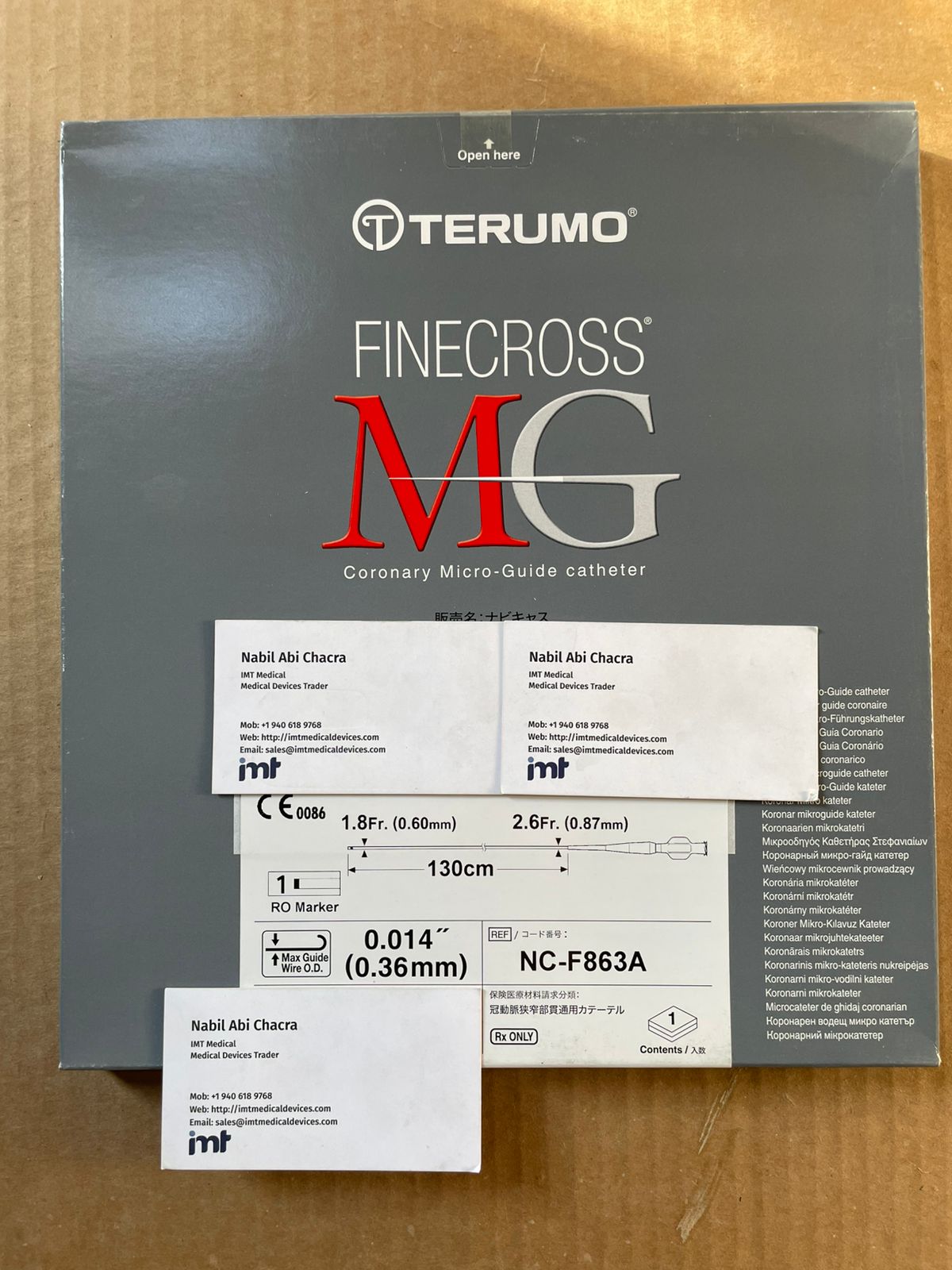

Medical Devices Wholesale Price Factors
Procurement teams rarely lose time on broad pricing questions. They lose time when a quote looks competitive at first, then changes once brand, lot availability, export documents, or MOQ enter the discussion. That is why medical devices wholesale price is not a single market number. It is a quote outcome shaped by product specification, manufacturer, quantity, destination, and supply conditions.
For hospitals, cath labs, laboratories, and distributors, the practical issue is not finding the lowest visible figure. It is getting a usable landed offer for authentic branded devices that matches the exact clinical requirement. A coronary guidewire, a neurovascular microcatheter, a vascular closure device, or a Roche laboratory item may all sit under the same purchasing umbrella, but they do not behave the same way in wholesale pricing.
What determines medical devices wholesale price
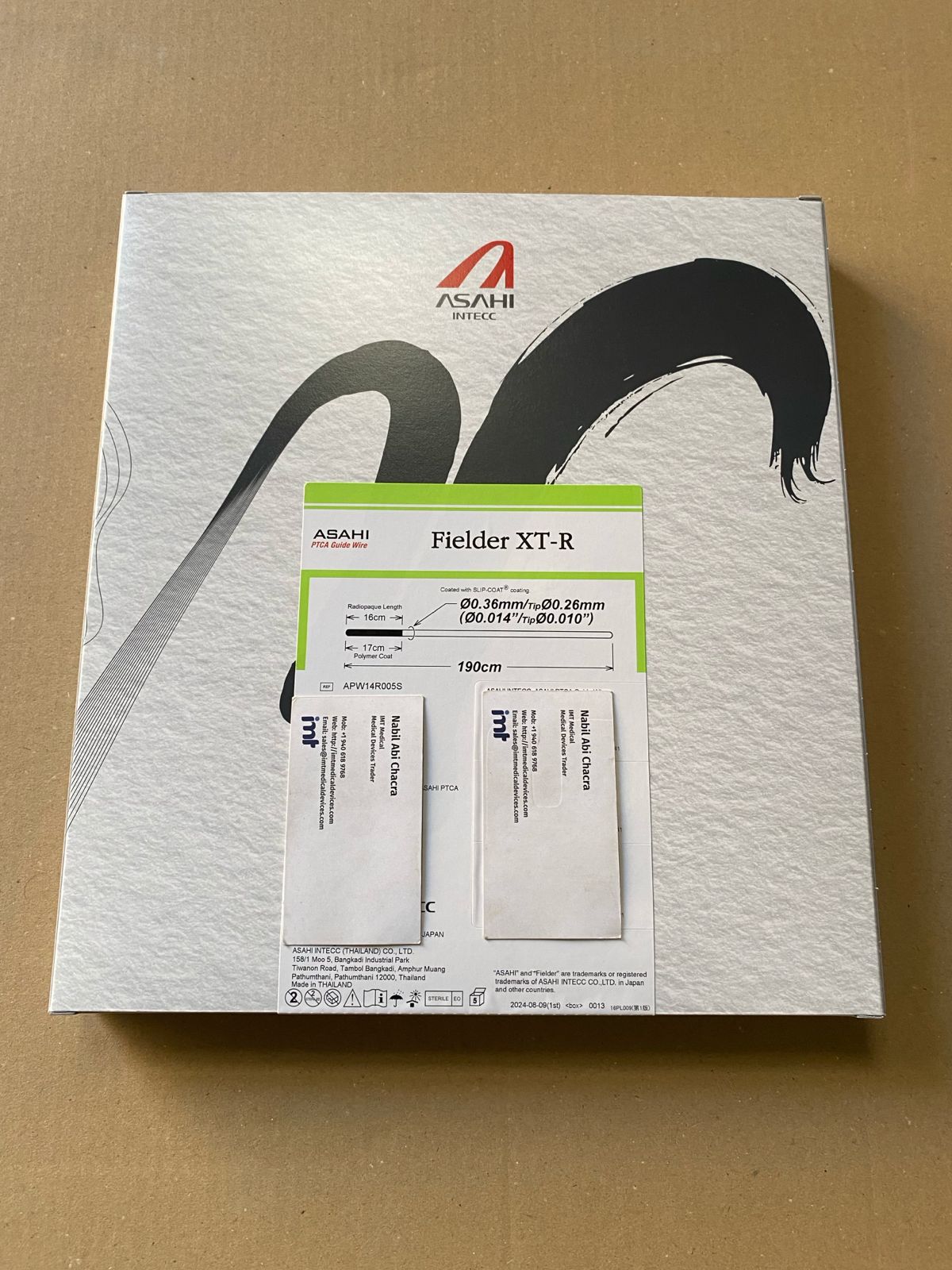
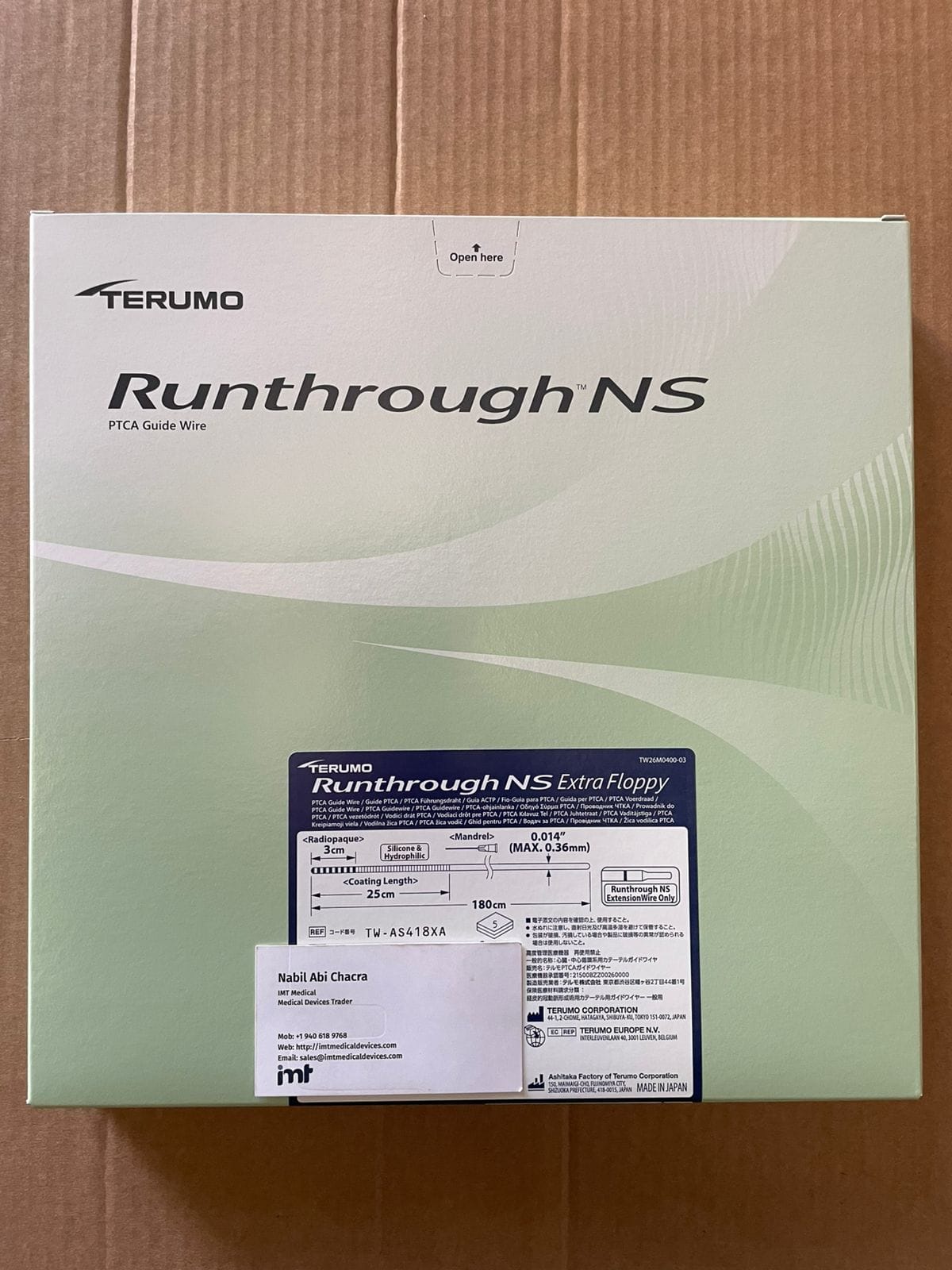
In professional procurement, price starts with exact identification. Brand and SKU matter because clinically similar products are not commercially interchangeable. A Terumo guidewire and an Asahi guidewire may serve related procedural needs, but the wholesale price will reflect brand positioning, product design, market demand, and current inventory channel conditions.
Packaging configuration also affects the quote. Some product lines move in standard carton quantities, while others are commonly requested by case volume or mixed SKU batches. If a buyer is building a consolidated order across interventional cardiology, peripheral intervention, neurovascular, and surgical categories, the line-item price may improve even if every SKU is not ordered in high volume individually.
Supply continuity is another major factor. Branded devices with stable production and broad international demand often price differently from specialized products with shorter availability windows. If a product is currently constrained, the medical devices wholesale price may reflect replacement sourcing difficulty, not just standard list logic.
Expiration profile can influence commercial terms as well. Some buyers prioritize longest shelf life for central inventory planning, while others can use near-term stock for immediate procedural demand. Those are different procurement situations and should not be priced as if they are identical.
Why branded products price differently at wholesale
Professional buyers already know that branded procurement is not only a preference issue. It is usually tied to physician familiarity, procedural consistency, formulary alignment, and regulatory comfort. That has a direct pricing effect.
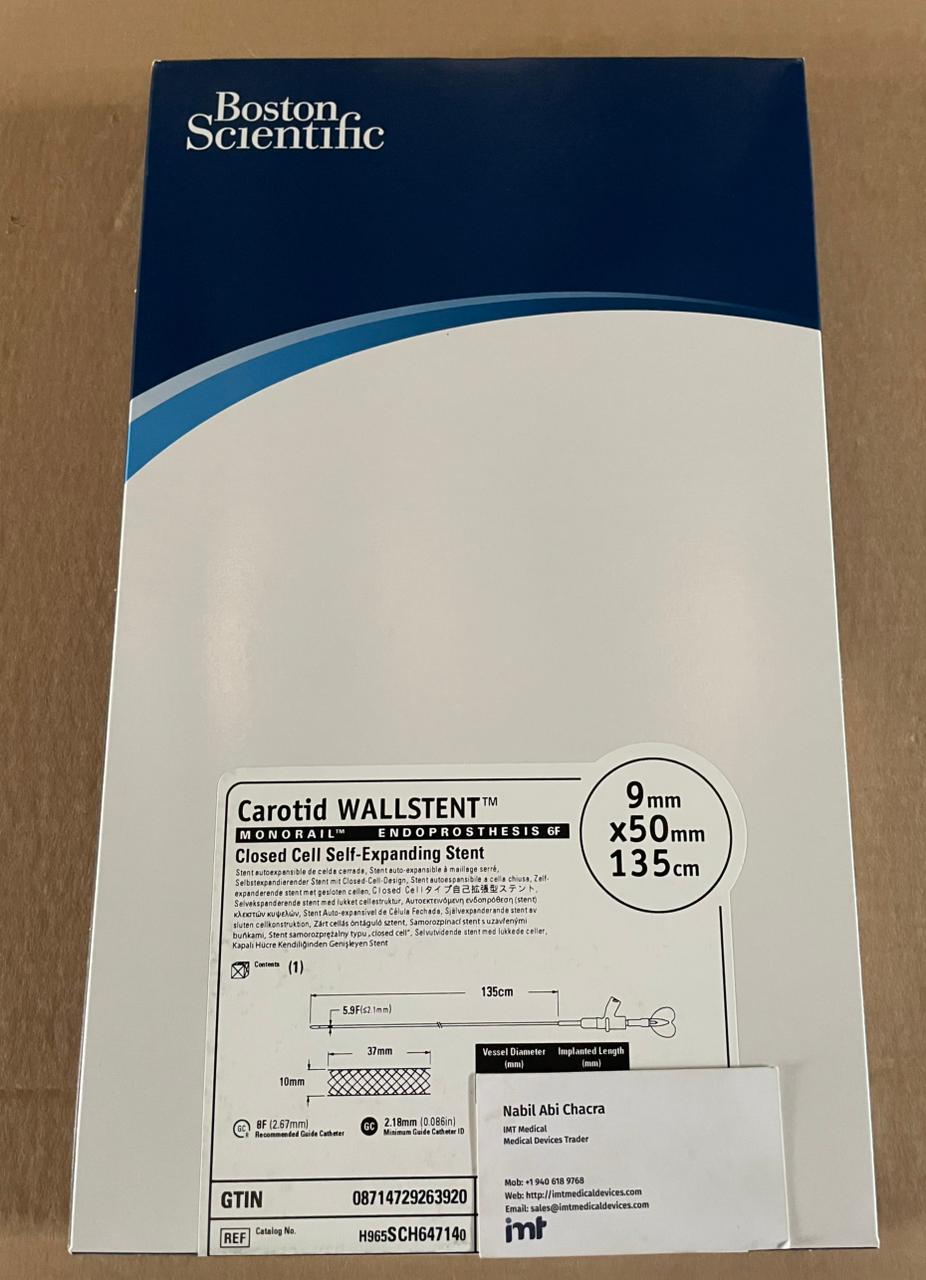
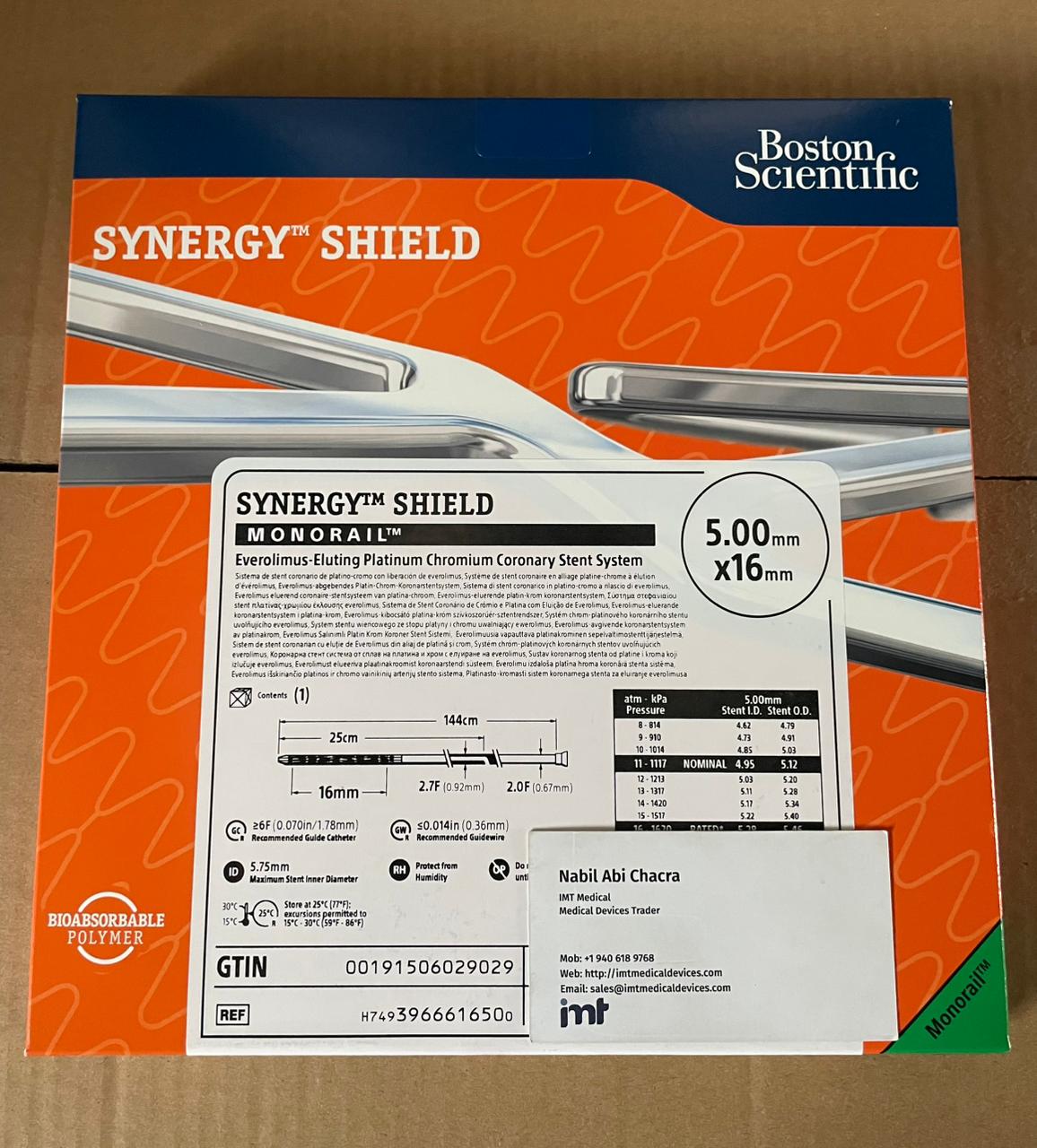
Manufacturers such as Boston Scientific, Medtronic, Abbott, Cordis, BD, Ethicon, Stryker, Siemens, Beckman Coulter, and Roche carry market recognition that supports demand across multiple countries. In wholesale terms, recognized brands often maintain pricing discipline better than lesser-known alternatives because the buying decision is based on trust, technical acceptance, and repeat use, not only unit cost.
That said, higher brand recognition does not always mean a higher final procurement cost. In some cases, consolidating multiple branded categories through a single wholesale source reduces administrative overhead, shipment fragmentation, and sourcing delays. The per-unit number matters, but the full procurement equation includes fulfillment efficiency and continuity of supply.
Volume matters, but not always in the same way
Buyers often expect a simple relationship between quantity and price. In practice, volume pricing depends on the product family, the brand, and how the order is structured.
High-turn interventional SKUs may support sharper breaks at larger quantities because demand is consistent and restocking is more predictable. More specialized neurovascular or peripheral items may have a narrower pricing band, even for larger orders, because availability and handling requirements are different.
Mixed orders can be commercially stronger than single-line orders. A hospital group sourcing coronary balloons, guiding catheters, aspiration catheters, sutures, and lab consumables through one inquiry may receive a better overall commercial package than a buyer requesting one isolated SKU in a larger number. Suppliers evaluate account value across the order, not only on one line.
This is why serious buyers should not rely on generic assumptions about bulk savings. A volume request needs to be tied to exact SKUs, forecasted demand, and shipment destination to produce a valid quote.
Export terms and destination change the quote
For international buyers, wholesale price is inseparable from export structure. The same device can produce different commercial outcomes depending on destination country, documentation requirements, shipment method, and whether the request is urgent or planned.
Export support adds operational value, but it also introduces variables. Some markets require additional document handling, product detail confirmation, or more careful alignment of packing and labeling expectations. Those steps are part of professional cross-border procurement. They are not side issues.
Freight arrangement also changes price logic. Air shipment for urgent procedural stock will not resemble consolidated freight for routine replenishment. If the buyer needs short lead time, the landed result can move materially even when the base product price remains unchanged.
For that reason, a usable quote should be reviewed in context. A low number without realistic export execution is not a better offer. It is only an incomplete one.
How buyers should compare wholesale offers
The most common mistake in comparing wholesale quotes is treating all offers as if they are built on the same assumptions. They usually are not.
A valid comparison starts with exact manufacturer, exact SKU, quantity, shelf-life expectation, and destination. If one supplier is quoting a different packaging unit, a shorter-dated lot, or a partial stock position, the comparison is already distorted. The lowest figure may not represent the same commercial commitment.
Authenticity and traceability also matter. In the medical device channel, procurement risk is not limited to price fluctuation. It includes brand integrity, supply reliability, and whether the source understands regulated product handling. That is especially relevant for interventional and laboratory categories where buyers cannot afford ambiguity on product identity.
The strongest quote is usually the one that answers operational questions before they become purchasing delays. Can the supplier support the required brands? Can the order be consolidated across categories? Is export capability established? Is stock position clear? Those questions often matter more than a narrow unit-price difference.
Medical devices wholesale price by category
Different categories move according to different commercial patterns. Interventional cardiology products such as coronary stents, PTCA balloons, guidewires, and guiding catheters are heavily influenced by brand preference, physician usage, and recurring procedural demand. That tends to create more structured pricing behavior around recognized SKUs.
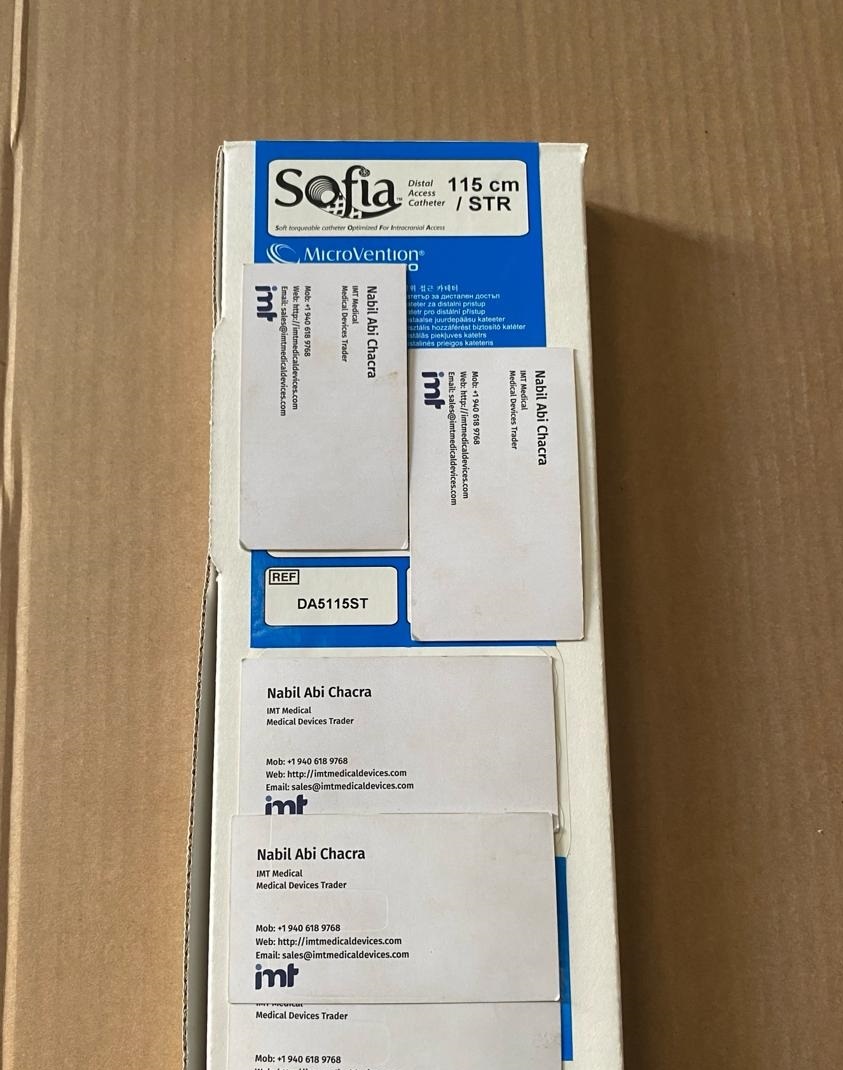
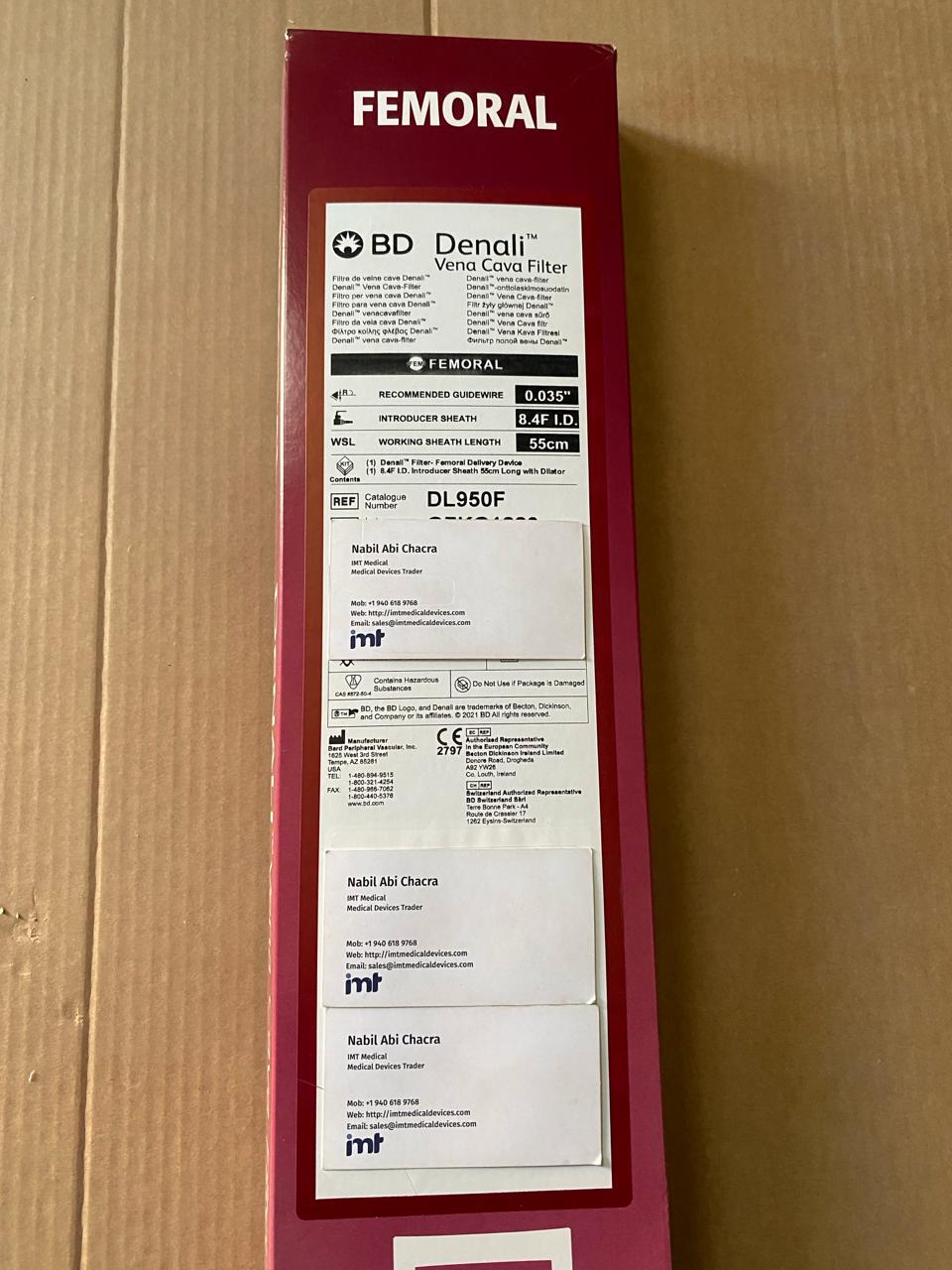
Peripheral intervention products can vary more widely depending on size range, device complexity, and the specific intervention mix at the buyer facility. Vascular closure devices and aspiration catheters often carry their own demand dynamics because they are tied to procedural pathways rather than broad general inventory.
Neurovascular devices are typically more specialized, and pricing often reflects narrower product substitutability. Buyers in this segment usually prioritize exact product match over broad comparison shopping.
Laboratory and diagnostic brands follow a different pattern again. Reagent systems, analyzers, and branded lab consumables are often purchased with continuity requirements in mind. In these categories, stock reliability can be as important as nominal wholesale cost.
How to get a faster, cleaner quote
If speed matters, the inquiry should be built for procurement review rather than general sales contact. Provide the manufacturer name, full product description, SKU or reference number, requested quantity, destination country, and any shelf-life requirement. If alternatives are acceptable, state that clearly. If they are not, state that as well.
It also helps to separate urgent requirements from forecasted orders. Immediate need and planned replenishment are priced differently because stock allocation and freight decisions are different. Combining both in one request is fine, but the commercial priority should be explicit.
For buyers sourcing across multiple specialties, consolidated RFQs tend to produce better results than fragmented requests. A supplier with broad branded coverage can often structure a more efficient offer when cardiology, neurovascular, surgical, and laboratory needs are reviewed together. That is one reason professional buyers work with sourcing partners rather than chasing isolated listings.
At IMTMedicalDevices.com, the commercial advantage is not only access to well-known manufacturers. It is the ability to turn exact product requirements into a quote that reflects real wholesale conditions, including cross-category sourcing and international fulfillment.
Why quote-based pricing remains the standard
Some buyers still ask why these products are not presented with a fixed global number. The answer is straightforward. Medical device procurement at wholesale level is too dependent on SKU precision, quantity, availability, and destination to be reduced to a universal posted price.
Quote-based pricing protects accuracy for both sides. It gives the buyer a commercially usable offer based on actual requirements, and it avoids the common problem of nominal prices that fail once stock, export, or brand specifics are confirmed.
For procurement professionals, that is usually the better path. The goal is not to collect abstract price points. The goal is to secure the right branded devices, in the right quantities, with terms that match operational reality. A good wholesale quote does exactly that, and that is where pricing becomes useful instead of merely visible.