
Navigating Customs for Medical Equipment Imports: A B2B Regulatory Guide
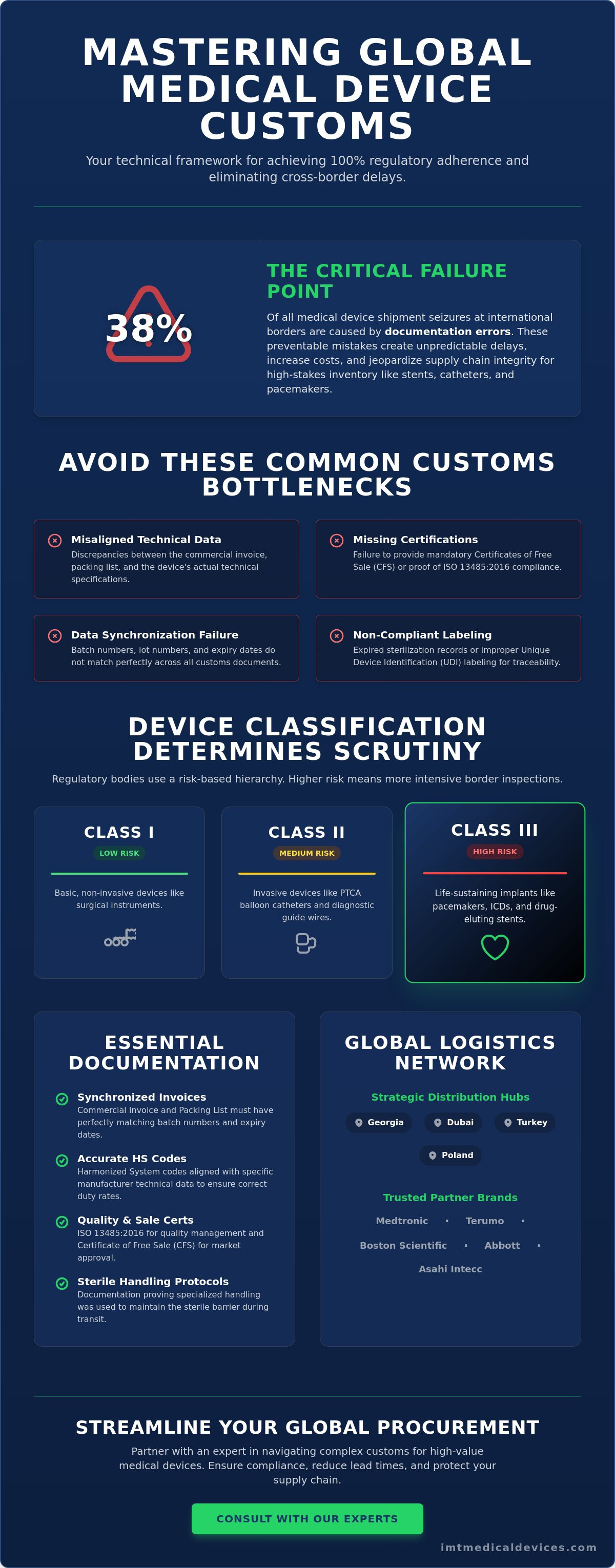
Did you know that documentation errors account for 38% of medical device shipment seizures at international borders? You're likely aware that unpredictable customs delays and complex regional regulatory variations, such as the 2026 EU MDR transition for Class III and Class IIb implantable devices, create severe logistical risks. Managing high-stakes inventory like drug-eluting stents, PTCA balloon catheters, and permanent pacemakers requires absolute technical precision. Navigating customs for medical equipment imports shouldn't be an exercise in uncertainty or a threat to your supply chain integrity.
This guide provides the professional framework needed to master international medical device customs through precise documentation, risk-based classification, and global compliance strategies. You'll gain the expertise to reduce lead times and achieve 100% regulatory adherence. We'll analyze critical factors including U.S. merchandise processing fees, Section 301 tariffs on Chinese hardware, and the mandatory ISO 13485:2016 quality management standards. This technical overview ensures your logistics costs remain predictable while maintaining the highest standards of international commerce.
Key Takeaways
- Accurate Class II and Class III categorization is essential for regulatory clearance and determining applicable international duty rates.
- Master the complexities of navigating customs for medical equipment imports by aligning Harmonized System (HS) codes with specific manufacturer technical data.
- Synchronize batch numbers and expiry dates across commercial invoices and packing lists to eliminate documentation-related shipment rejections.
- Implement specialized handling protocols to maintain the sterile barrier and physical integrity of high-precision catheters, stents, and wires during international transit.
- Leverage strategic distribution hubs in Georgia, Dubai, Turkey, and Poland to optimize delivery timelines for premium inventory from Medtronic, Terumo, and Boston Scientific.
Understanding the Complexity of Global Medical Device Customs
Global B2B distribution of clinical hardware involves high-risk classifications and rigorous oversight. Class II and Class III devices, such as permanent pacemakers and implantable cardioverter defibrillators (ICDs), require precise technical documentation for cross-border transit. Unlike general merchandise, these items directly impact patient safety and clinical outcomes. This applies to a broad spectrum of specialized therapeutic equipment; for example, those interested in the clinical intersection of neck health and neurological function can learn more about diagnosing vagus nerve pain. Customs authorities prioritize the verification of manufacturer credentials and specific device certifications. Navigating customs for medical equipment imports requires a thorough understanding of these heightened scrutiny levels to avoid shipment rejection or expensive terminal storage fees.
The Importer of Record (IOR) holds total legal liability for all entry declarations. This entity ensures that every Medtronic ICD or Boston Scientific stent enters a jurisdiction with correct valuation and duty payment. Documentation errors account for 38% of medical device shipment seizures at international borders. Common bottlenecks often stem from technical discrepancies and administrative oversights, including:
- Misaligned technical specifications between the packing list and commercial invoice.
- Missing Certificates of Free Sale (CFS) or ISO 13485:2016 documentation.
- Discrepancies in batch numbers for surgical staplers or diagnostic guide wires.
- Expired sterilization records or non-compliant Unique Device Identification (UDI) labeling.
The Legal Framework of International Medical Trade
The World Customs Organization (WCO) provides the foundation for Harmonized System (HS) codes, but regional health authorities add layers of complexity. Compliance involves adhering to global medical device regulations while managing local health ministry registrations. B2B distributors must verify that all Terumo or Asahi Intec products meet specific regional standards before transit begins. Liability rests on the accurate transmission of technical files and the maintenance of a transparent supply chain audit trail.
Risk-Based Scrutiny for Interventional Cardiology Products
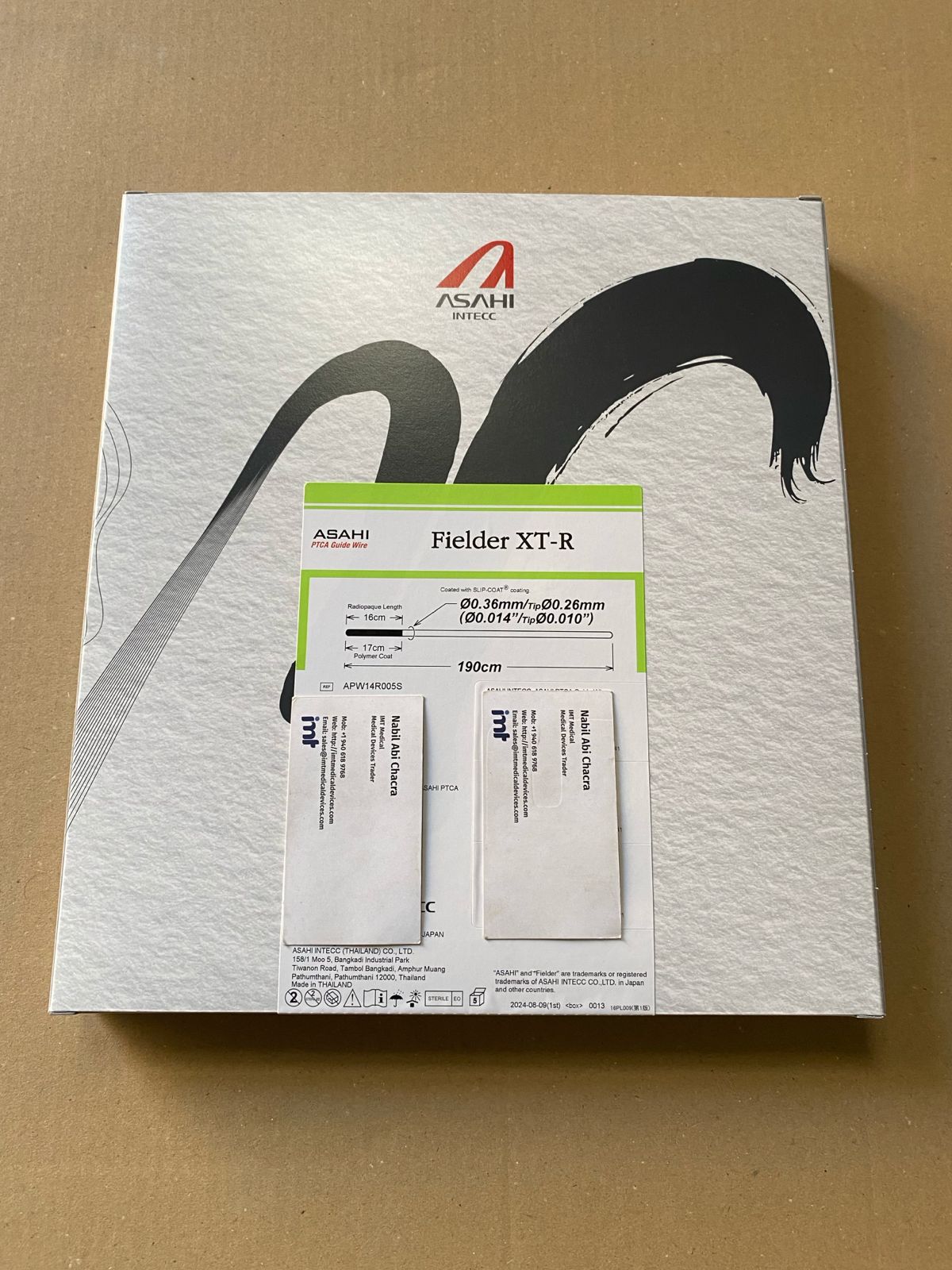
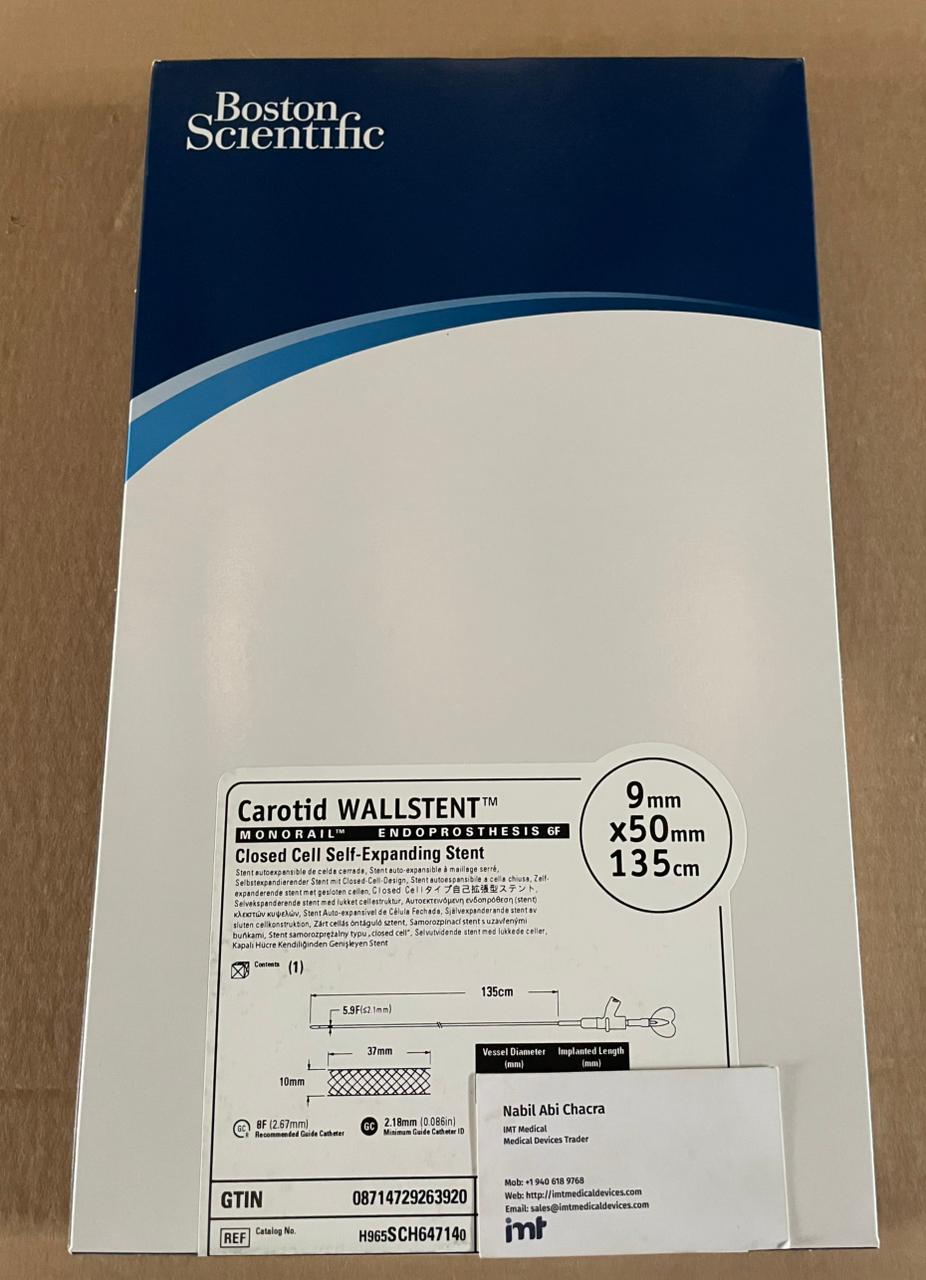
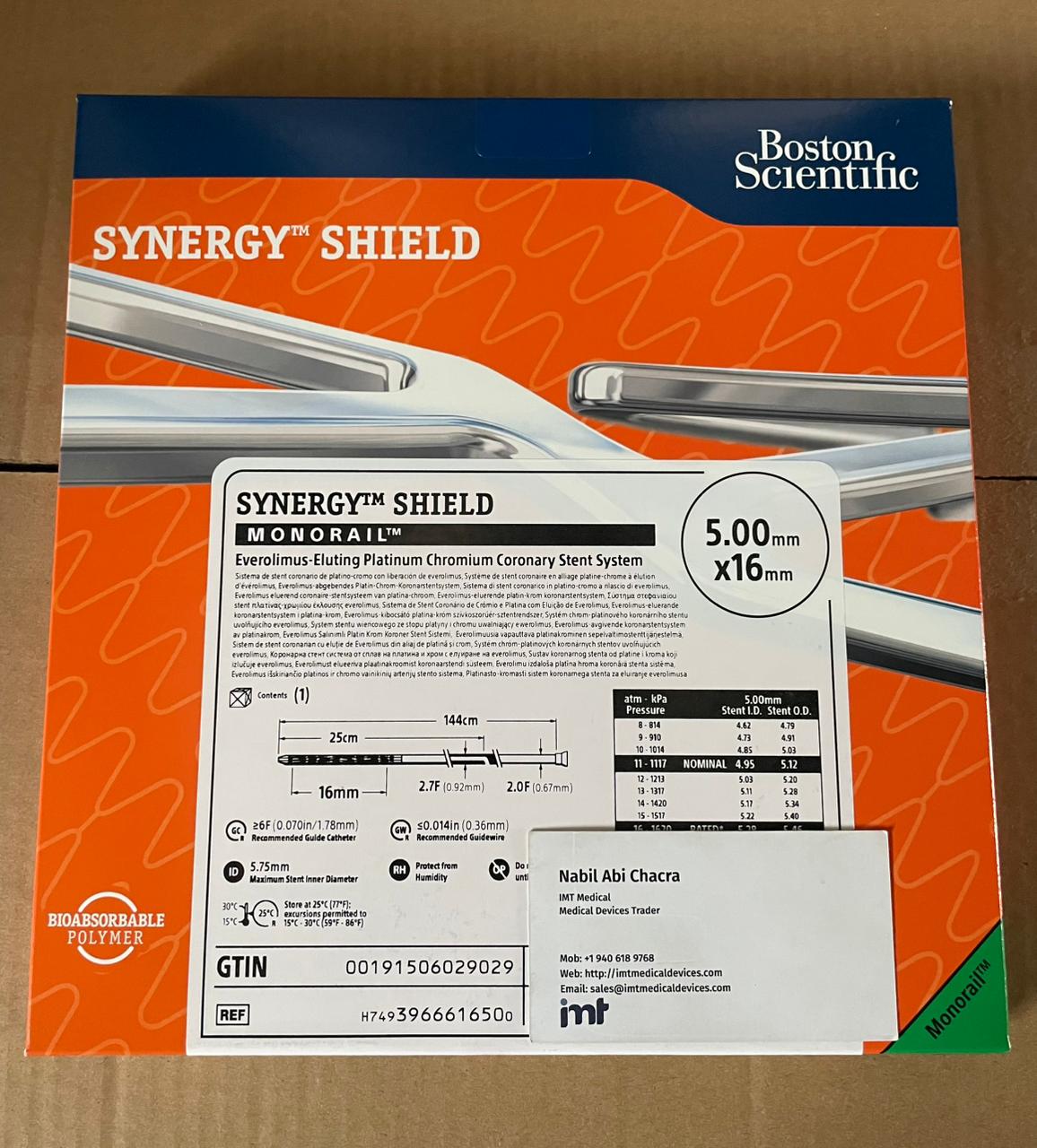
Interventional cardiology hardware, specifically drug-eluting stents, peripheral stents, and PTCA balloon catheters, faces the highest tier of border scrutiny. Customs officials focus intensely on sterile packaging integrity and shelf-life indicators. Because these products are categorized as Class III, any deviation in documentation regarding the drug-polymer coating or the manufacturer site registration leads to immediate seizure. Clinical safety and border security intersect at the point of entry. Successful navigating customs for medical equipment imports depends on providing transparent, manufacturer-verified data for every guiding catheter and electrophysiology catheter. Precision in reporting technical codes for Asahi Intec guidewires is mandatory to ensure rapid clearance and hospital availability.
Regulatory Frameworks: Device Classification and Registration
Medical device classification dictates the intensity of border inspections and the depth of required technical dossiers. Regulators use a risk-based hierarchy to categorize hardware. Class I items, such as basic surgical instruments, present minimal risk. Class II and Class III devices, including interventional cardiology hardware and life-sustaining implants, demand stringent pre-market clearance. Effective navigating customs for medical equipment imports relies on the precise alignment of product risk levels with regional legal mandates. Misclassification often results in immediate shipment quarantine or total seizure by border authorities.
Harmonized System (HS) codes serve as the universal language for tariff assessment and trade statistics. For medical technology, these codes are granular and subject to frequent updates. Establishment registration is a separate requirement from product listing. While a manufacturer must register their facility, each specific device model must also be listed under the correct regulatory identifier. Adherence to FDA regulatory requirements is mandatory for U.S. entry, while ISO 13485:2016 certification acts as a baseline quality management standard for global customs acceptance. If you require assistance with these complex registrations, consult with our logistics team for specialized support.
HS Code Accuracy for Cardiovascular Equipment
Cardiovascular hardware requires specific HS code application to ensure correct duty valuation. Using a generic code for ptca balloon catheters instead of the precise sub-heading for interventional cardiology leads to tariff overpayment or administrative penalties. Precise classification identifies the item as a sterile, single-use medical device rather than general plastic tubing. Procurement professionals should use World Customs Organization (WCO) trade tools or local customs tariff databases to verify current-year classifications before shipping.
Global Regulatory Marks: CE, FDA, and Local Standards
Major trade zones enforce distinct certification standards. The transition to EU MDR 2017/745 by 2026 mandates that all Class III and Class IIb implantable devices entering Europe possess a valid CE Certificate. This contrasts with the FDA 510(k) clearance process required for Class II devices in the United States. Emerging markets often require a Certificate of Free Sale (CFS) to prove the device is legally marketed in its country of origin. Managing documentation for permanent pacemakers across borders involves consolidating these varied marks into a single, accessible technical file. Navigating customs for medical equipment imports requires this multi-jurisdictional approach to maintain a compliant global supply chain.
Critical Documentation Checklist for B2B Medical Imports
Navigating customs for medical equipment imports requires a rigorous administrative protocol. Standard commercial goods use generic invoices; medical hardware demands technical granularity. The Commercial Invoice must list the manufacturer name, model number, and specific regulatory identifiers for every item. A detailed Packing List is equally critical. It must synchronize batch numbers and expiry dates across every line item. Discrepancies between these documents lead to 38% of shipment seizures at international borders. Precision is the only way to avoid these bottlenecks.
A Certificate of Analysis (CoA) confirms that products like surgical staplers or electrophysiology catheters meet manufacturer specifications. Simultaneously, a Certificate of Origin (CoO) determines tariff eligibility. This includes the 2026 Nairobi Protocol duty-free status for specific designs adapted for physical disabilities. Manufacturer Authorization Letters prove an authentic supply chain. They prevent the entry of counterfeit hardware. Finally, Ministry of Health (MoH) approvals or local import permits act as the final gatekeeper for Class III devices. These permits often require pre-registration of the manufacturer and the specific device model before the shipment leaves the warehouse. It's a mandatory step for any high-stakes clinical hardware.
Manufacturer-Specific Paperwork Requirements
Medtronic and Boston Scientific products often require specific technical data sheets for customs validation. These documents provide the clinical justification for the assigned HS code. For example, a guidewire must be defined by its diameter, tip stiffness, and coating material to satisfy border inspections. Providing manufacturer-issued technical files ensures that Asahi Intec or Terumo components pass through health authority checks without additional sampling. Customs officers look for precise technical matches between the shipping documents and the manufacturer's global product database. It doesn't matter how high the demand is; missing technical data stops the shipment.
Digital Documentation and Automated Customs Entry
Modern medical device supply chain management relies on Electronic Data Interchange (EDI). Paper-based submissions are increasingly obsolete in major trade zones. By 2026, blockchain-enabled traceability ensures that every ICD or pacemaker has a verified digital pedigree. Pre-clearance strategies allow for the electronic submission of technical files before the physical arrival of urgent medical supplies. This allows customs agents to review the technical dossier while the goods are still in transit. Navigating customs for medical equipment imports via digital portals reduces dwell time at terminals. It eliminates manual entry errors. Procurement professionals should prioritize partners who offer full digital documentation integration to ensure 100% regulatory compliance and predictable logistics costs.
Logistics Management: Preserving Device Integrity During Transit
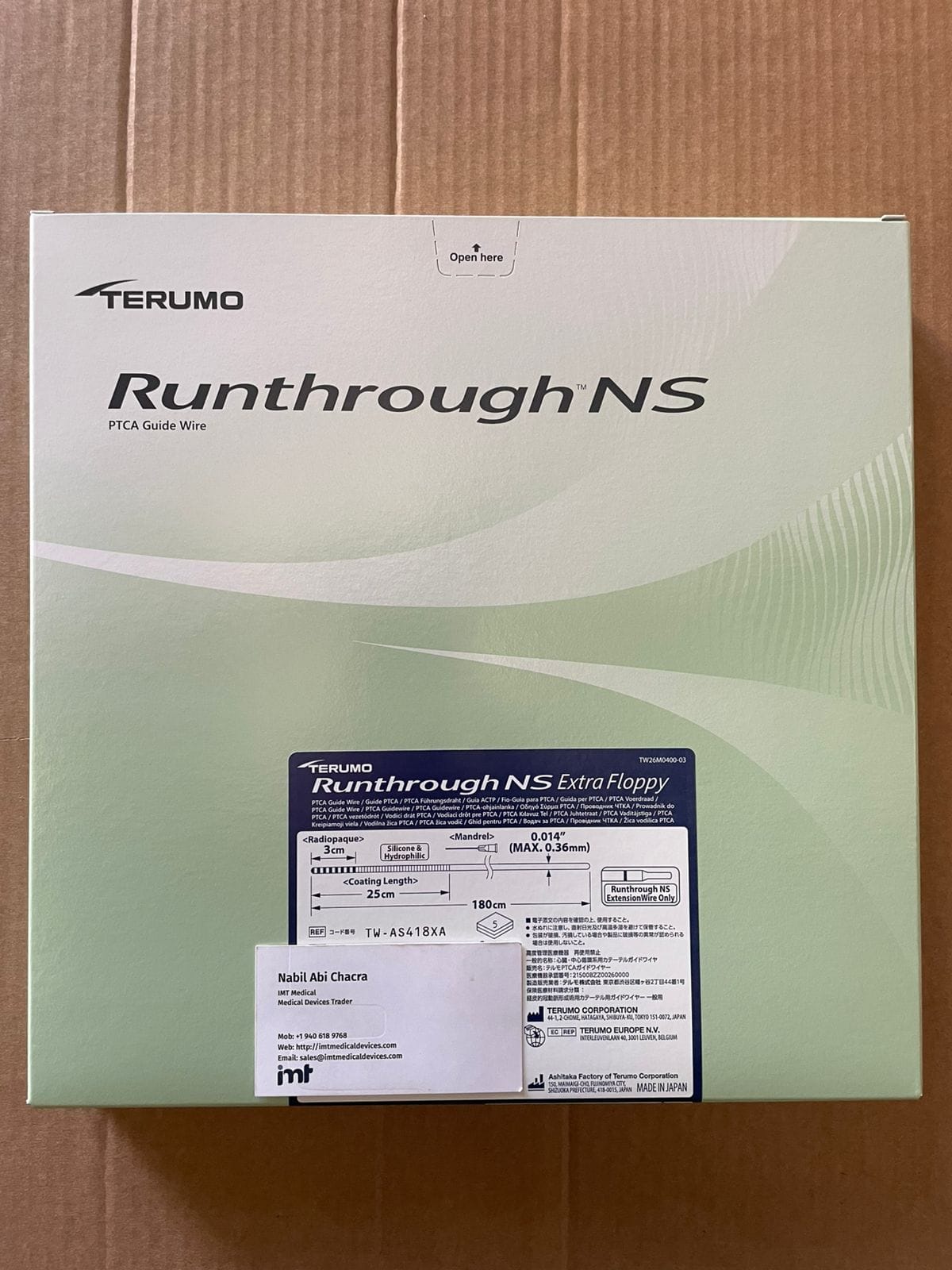
Logistics for medical technology requires strict environmental control. Physical border inspections present risks to the sterile barrier of PTCA balloon catheters and electrophysiology catheters. Navigating customs for medical equipment imports involves coordinating with freight forwarders who understand Good Distribution Practice (GDP) standards. A breach in the sterile seal during a random customs check renders a Terumo guiding catheter or Asahi Intec guidewire unusable. Importers must provide clear handling instructions to prevent unauthorized opening of primary packaging. Reliable logistics partners ensure that customs agents perform inspections in controlled environments when dealing with high-sensitivity hardware.
Sensitive electronic implants like Medtronic ICDs or Boston Scientific permanent pacemakers require shock and vibration monitoring. These devices contain delicate circuitry and battery systems that fail under extreme mechanical stress. Specialized dataloggers must accompany Class III shipments to record temperature, humidity, and impact events. Cold chain requirements apply to drug-eluting stents to preserve the integrity of the pharmacological coating. Failure to maintain these parameters leads to product degradation and regulatory non-compliance. Logistics management isn't just about movement; it's about maintaining the clinical efficacy of the device from the manufacturer to the hospital.
Packaging and Labeling Compliance
Multi-language labeling is a legal prerequisite for international distribution. Unique Device Identification (UDI) systems must be clearly visible for barcode scanning at customs entry points. This allows for traceability without breaching the sterile seal. Ensuring sterile packaging remains intact during physical inspections is a primary logistical priority. Labels must include manufacturer names, batch numbers, and expiry dates that match the commercial invoice exactly. Any discrepancy in labeling results in immediate customs bottlenecks and potential shipment rejection.
Transit Mode Selection for Medical Hardware
Air freight is the preferred transit mode for high-value peripheral stents and diagnostic guide wires. It minimizes transit time and reduces the window for environmental exposure. Sea freight remains a viable option for high-volume surgical staplers where bulk logistics costs take priority over speed. Strategic regional hubs in Georgia, Dubai, and Poland facilitate "Import for Export" scenarios. These locations allow for the temporary storage and rapid redistribution of Medtronic and Terumo products across multiple jurisdictions without repeated duty payments. Emergency logistics protocols ensure life-saving cardiovascular hardware reaches hospitals within 48 hours of order confirmation. Review our high-capacity international distribution capabilities to secure your medical supply chain.
Streamlining Global Procurement with IMT Medical Devices
Efficient B2B procurement requires a distributor with deep technical expertise and a high-capacity logistics network. IMT Medical Devices manages navigating customs for medical equipment imports across 50+ international jurisdictions. Our operations center on four strategic distribution hubs: Georgia, Dubai, Turkey, and Poland. These locations facilitate rapid transit and minimize terminal dwell times for critical hardware. We provide manufacturer-direct sourcing for Abbott, Terumo, and Medtronic products. This ensures every component has a verified digital pedigree and complete technical documentation. Our team handles the administrative burden of export permits and Ministry of Health approvals. We allow partners to focus on clinical delivery while we manage the complexities of border clearance.
Logistical reliability is the foundation of our global service. We provide comprehensive export documentation and logistics support for B2B clients in diverse markets. Our manufacturer-centric approach prioritizes the identity of the original producers. This signals to our partners that they're accessing premium, authentic technology. We don't just move boxes; we manage a vital, efficient bridge between major manufacturers and international clinical centers. Every shipment of surgical staplers or electrophysiology catheters follows a structured, predictable path to its final destination.
Reliable Supply Chain Solutions for Healthcare Providers
IMT minimizes customs risk through rigorous pre-shipment auditing protocols. Every commercial invoice, packing list, and Certificate of Analysis undergoes a multi-point technical review before dispatch. This attention to detail eliminates documentation discrepancies that cause 38% of border seizures. We offer bulk sourcing efficiency for Becton Dickinson and Asahi Intec products, leveraging high-volume inventory to stabilize costs. Our logistics plans are customized for hospital networks and international distributors. We synchronize batch numbers and expiry dates for the following premium categories:
- Medtronic Permanent Pacemakers and ICDs.
- Boston Scientific Drug-Eluting Stents.
- Terumo PTCA Balloon Catheters and Guiding Catheters.
- Asahi Intec Diagnostic Guide Wires and Peripheral Stents.
- Surgical Staplers and Electrophysiology Catheters.
Contact IMT for Global Medical Technology Export
Accessing premium clinical hardware requires a partner capable of navigating customs for medical equipment imports with absolute precision. IMT provides full regulatory compliance support for every transaction. We offer volume-based pricing and manufacturer-specific contract rates to optimize procurement budgets. Our inventory remains current with the latest technical specifications and global regulatory marks. We position your organization for success in the global medical supply chain. Maintain your supply chain integrity with a no-nonsense global partner. Request a consultation for international medical device procurement to secure your high-end inventory today.
Secure Your Global Medical Supply Chain
Success in international distribution depends on the precise integration of regulatory knowledge and logistical execution. Accurate HS code classification and manufacturer-verified documentation are the only defenses against border seizures. Preserving the sterile barrier of PTCA balloon catheters and the electronic integrity of ICDs during transit requires specialized GDP-compliant handling. Mastering the complexities of navigating customs for medical equipment imports ensures clinical hardware reaches its destination without administrative delay or terminal dwell time.
IMT Medical Devices provides the industrial competence required for high-stakes clinical exports. We operate as an authorized distributor for Medtronic, Terumo, and Abbott, maintaining strategic distribution hubs in Georgia, UAE, Turkey, and Poland. Our team currently manages exports to over 50 countries, providing B2B partners with predictable logistics costs and 100% regulatory compliance. Establishing a resilient supply chain requires a partner with extensive reach and technical authority. Partner with IMT Medical Devices for Compliant Global Distribution to optimize your procurement cycle and secure premium inventory. Reliable technology distribution starts with a pragmatic, well-connected global partner.
Frequently Asked Questions
What are the most common reasons for medical equipment customs delays?
Documentation discrepancies account for 38% of medical device shipment seizures and delays at international borders. Missing or inconsistent batch numbers on the commercial invoice for Medtronic ICDs or Terumo catheters lead to immediate quarantine. Technical data must match the manufacturer's global product database exactly to pass health authority inspections without terminal dwell time.
Do I need a local agent to import medical devices in 2026?
Many regional jurisdictions, including the UAE, Turkey, and various emerging markets, require a local authorized representative for 2026 imports. This agent manages product registration with the Ministry of Health and handles mandatory post-market surveillance. You should verify local representative status before dispatching Class II or Class III hardware to avoid total shipment rejection.
How do I determine the correct HS code for a drug-eluting stent?
Correct HS code identification for a drug-eluting stent depends on its pharmacological coating and specific clinical application. Use the World Customs Organization database alongside manufacturer technical files to verify the precise subheading. Misclassification of Boston Scientific or Asahi Intec stents leads to tariff penalties and administrative bottlenecks when navigating customs for medical equipment imports.
What is the difference between a Certificate of Origin and a Certificate of Free Sale?
A Certificate of Origin (CoO) determines tariff eligibility and duty rates based on where the hardware was manufactured. A Certificate of Free Sale (CFS) confirms the device is legally approved for sale in the manufacturer's home country. Approximately 80% of countries outside the U.S. and EU require a CFS for health authority registration and customs entry.
Are refurbished medical devices subject to different customs rules than new ones?
Refurbished medical hardware is subject to significantly more restrictive customs protocols than new inventory. Many jurisdictions impose total bans or require specialized import licenses and "like-new" quality certifications from original manufacturers. Navigating customs for medical equipment imports involving pre-owned hardware requires verifying specific regional health authority bans before shipment to prevent immediate seizure.
How does ISO 13485 certification impact the customs clearance process?
ISO 13485:2016 certification acts as a primary trust signal for customs authorities and health regulators. It proves the manufacturer maintains a globally recognized quality management system for medical technology. Most health authorities require this certification as a mandatory prerequisite for product registration and subsequent customs clearance of Class II and Class III devices.
What specific documentation is required for Medtronic cardiovascular products?
Medtronic cardiovascular products require manufacturer authorization letters and technical data sheets to prove supply chain authenticity. You must provide sterilization records and UDI-compliant labeling to satisfy border inspections for permanent pacemakers and electrophysiology catheters. These documents justify the assigned risk classification and ensure the hardware meets local clinical safety standards.
How can I ensure cold chain integrity during a lengthy customs inspection?
Cold chain integrity depends on the use of GDP-certified logistics partners and continuous temperature dataloggers. Importers should request that physical inspections occur in climate-controlled terminals to protect the pharmacological integrity of drug-eluting stents. Dataloggers provide the necessary audit trail to confirm device efficacy wasn't compromised during border dwell times or physical handling by customs agents.