
Reliable Coronary Balloon Catheter Supplier Selection Guide
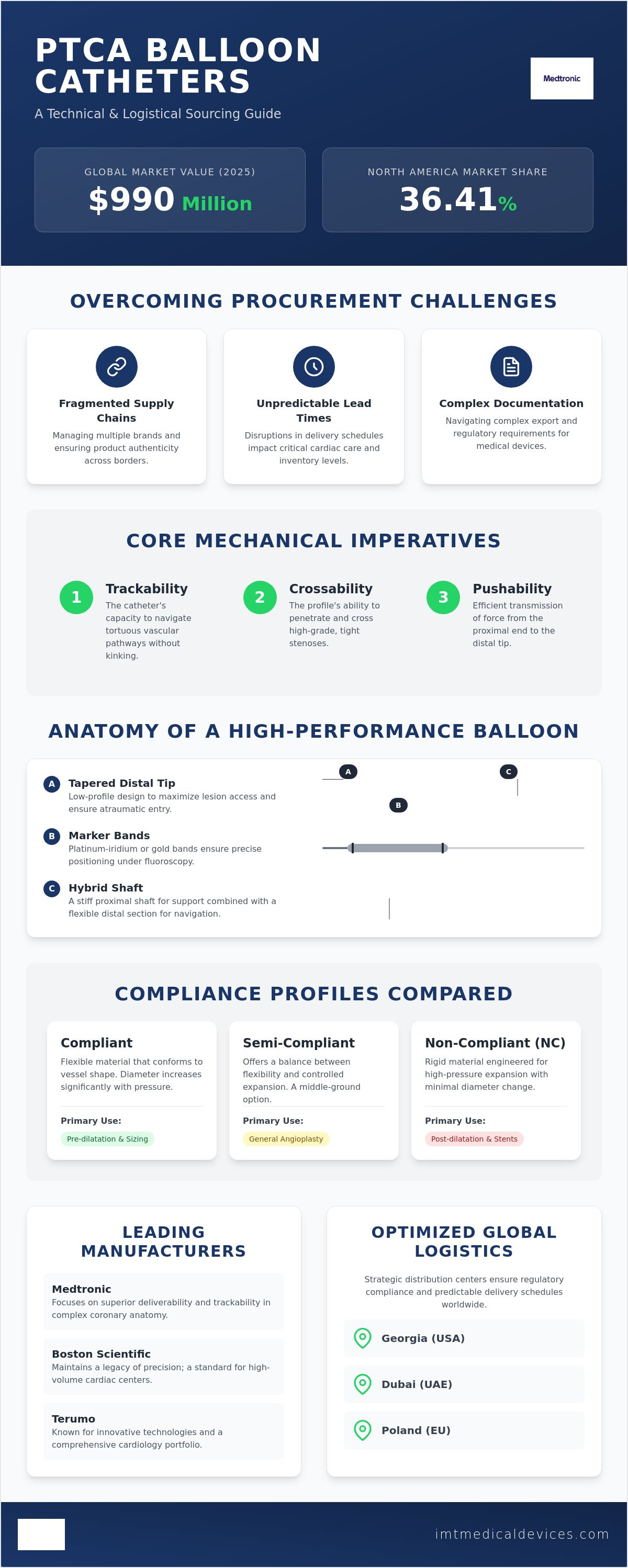
North America held 36.41% of the PTCA balloon market revenue in 2025, yet procurement remains hindered by fragmented supply chains and complex export documentation. Selecting a coronary balloon catheter supplier is a high-stakes logistical decision that impacts clinical outcomes and inventory turnover. Procurement professionals often face the challenge of managing multiple brand profiles while ensuring product authenticity and shelf-life integrity across international borders.
Fragmented sourcing and unpredictable lead times disrupt the delivery of critical cardiac care. This article establishes a comprehensive technical and logistical framework for sourcing high-performance PTCA balloon catheters from leading global manufacturers like Medtronic, Terumo, and Boston Scientific. It details strategies for consolidated procurement, predictable global delivery schedules, and precise technical alignment with clinical needs. The following sections analyze manufacturer-specific specifications and the essential documentation required for streamlined medical device exportation to ensure your facility maintains a high-capacity, reliable inventory.
Key Takeaways
- Identify the core mechanical requirements of PTCA balloons, focusing on trackability and pushability for successful lesion crossing in complex interventions.
- Compare the specialized cardiology portfolios of Medtronic, Terumo, and Boston Scientific to select hardware optimized for specific clinical applications and access routes.
- Establish a partnership with a coronary balloon catheter supplier that offers high-performance inventory with documented Nominal and Rated Burst Pressure safety specifications.
- Optimize international logistics by utilizing distribution centers in Georgia, Dubai, and Poland to ensure regulatory compliance and predictable delivery schedules.
- Leverage B2B wholesale pricing models to consolidate procurement of authentic, high-end interventional devices for large healthcare networks and distributors.
Technical Foundations of PTCA Balloon Catheters
Percutaneous Transluminal Coronary Angioplasty (PTCA) balloon catheters are the primary instruments for vessel preparation and stent optimization in modern interventional cardiology. These devices facilitate Percutaneous coronary intervention (PCI) by mechanically dilating stenotic segments of the coronary arteries. A competent coronary balloon catheter supplier provides inventory that adheres to three mechanical imperatives: trackability, crossability, and pushability. Trackability measures the catheter's capacity to navigate tortuous vascular pathways. Crossability refers to the profile's ability to penetrate high-grade stenoses. Pushability defines the efficient transmission of longitudinal force from the proximal end to the distal tip.
Interventionalists utilize these tools for both pre-dilatation and post-dilatation. Pre-dilatation prepares the lesion for stent delivery, while post-dilatation ensures the metal scaffold is fully apposed to the vessel wall. There is a documented market shift toward high-pressure non-compliant balloons for treating complex, calcified lesions. The global coronary balloon market, valued at nearly $990 million in 2025, reflects this increasing reliance on specialized hardware for advanced interventional procedures. It's critical for clinical teams to have immediate access to these diverse technical profiles.
Anatomy of a High-Performance Balloon
Design efficiency starts with the distal tip. Leading manufacturers utilize tapered, low-profile tips to maximize lesion access. Shaft construction typically features a hybrid design. A stiff proximal shaft provides the necessary support for advancement, while a flexible distal section allows for atraumatic navigation through the coronary tree. Marker bands, usually composed of platinum-iridium or gold, are strategically placed at the balloon shoulders. These bands ensure precise positioning under fluoroscopy. Procurement professionals must evaluate these technical identifiers when sourcing coronary balloons for high-volume clinical settings.
Compliance Profiles: Compliant vs. Non-Compliant
Balloon compliance defines how much the diameter increases relative to internal pressure. Compliant balloons are primarily used for pre-dilatation and vessel sizing. They offer a high degree of flexibility and conform to the vessel's natural shape. Conversely, Non-Compliant (NC) balloons are engineered for high-pressure expansion. They don't significantly expand in diameter beyond their rated size, which makes them essential for post-dilatation and expanding under-deployed stents. Semi-compliant options provide a middle ground for general angioplasty. Selecting the correct coronary balloon catheter supplier ensures access to a full spectrum of compliance profiles, including specialized high-pressure balloons with a high Rated Burst Pressure (RBP) for resistant lesions.
Comparing Global Manufacturers: Medtronic, Terumo, and Boston Scientific
Selecting a coronary balloon catheter supplier requires a data-driven evaluation of manufacturer portfolios. Global leaders like Medtronic, Terumo, and Boston Scientific dominate the market, yet each offers distinct technical advantages that influence hospital procurement. Medtronic focuses heavily on deliverability and trackability, ensuring their devices perform in complex coronary anatomy. Boston Scientific maintains a legacy of precision in balloon dilatation, often serving as the standard for high-volume cardiac centers. These reputations aren't just branding; they're reflections of consistent clinical performance and engineering reliability.
The choice of brand directly impacts clinical success rates and supply chain stability. For instance, the FDA classification for PTCA catheters categorizes these as Class II or Class III devices, necessitating rigorous quality assurance from the supplier. Procurement officers must align manufacturer reputations with specific procedural needs to optimize patient outcomes. It's essential to partner with a distributor that maintains a broad inventory to prevent brand-specific shortages.
Medtronic and Boston Scientific: Market Leaders
Medtronic and Boston Scientific provide extensive PTCA balloon lines characterized by varied compliance profiles and proprietary shaft technologies. Medtronic's portfolio emphasizes high-performance shafts and distal flexibility, which are critical for navigating distal coronary anatomy. Boston Scientific offers specialized options like cutting balloons for resistant, calcified lesions. Large healthcare providers often consolidate their sourcing to these two brands to simplify staff training and ensure consistent stock levels. Procurement officers must weigh the benefits of these broad portfolios against the logistical capabilities of their chosen coronary balloon catheter supplier to avoid stockouts. These manufacturers have the most robust international supply chains, making them reliable choices for global health networks.
Terumo and Nipro: Precision and Reliability
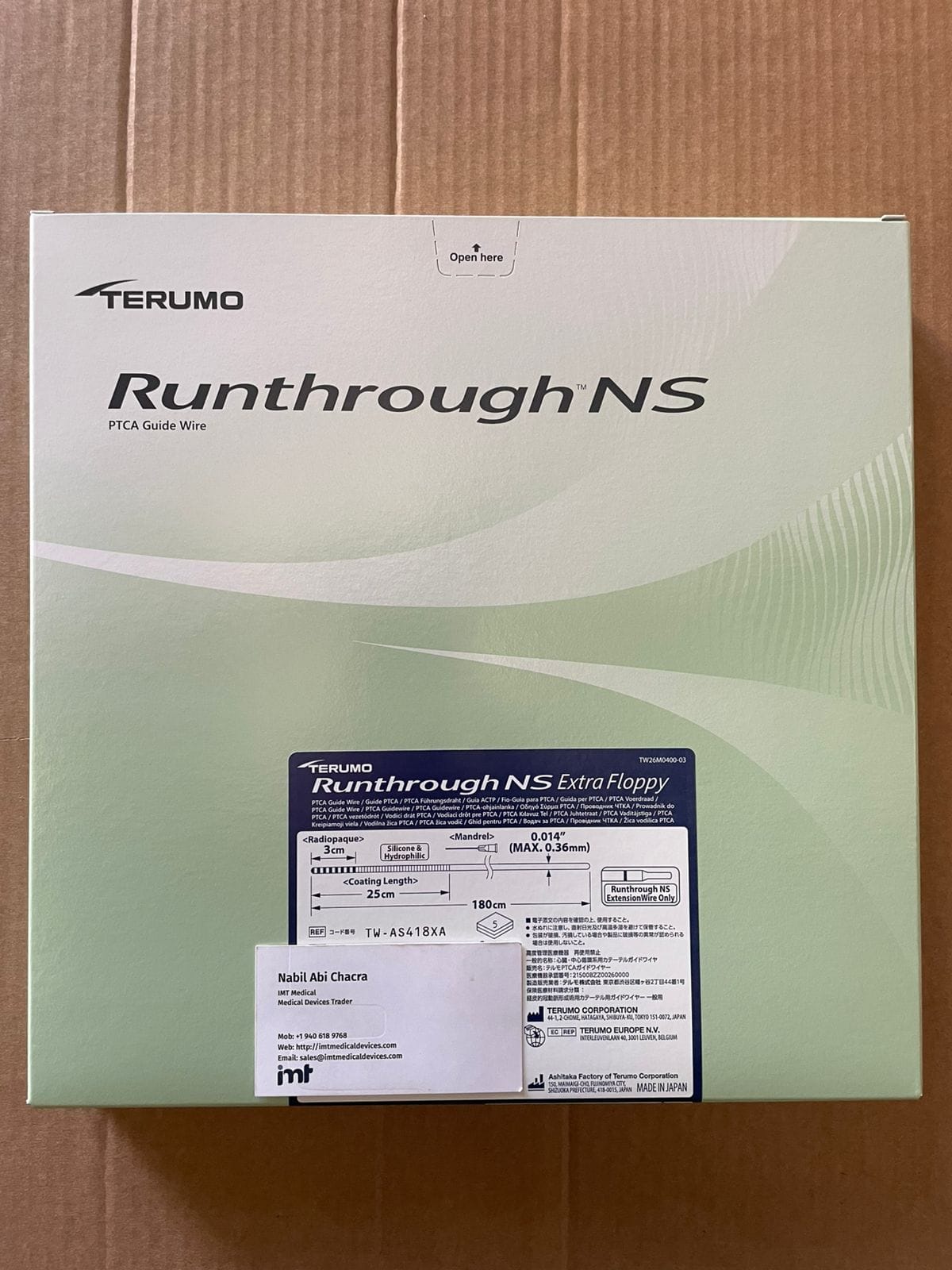
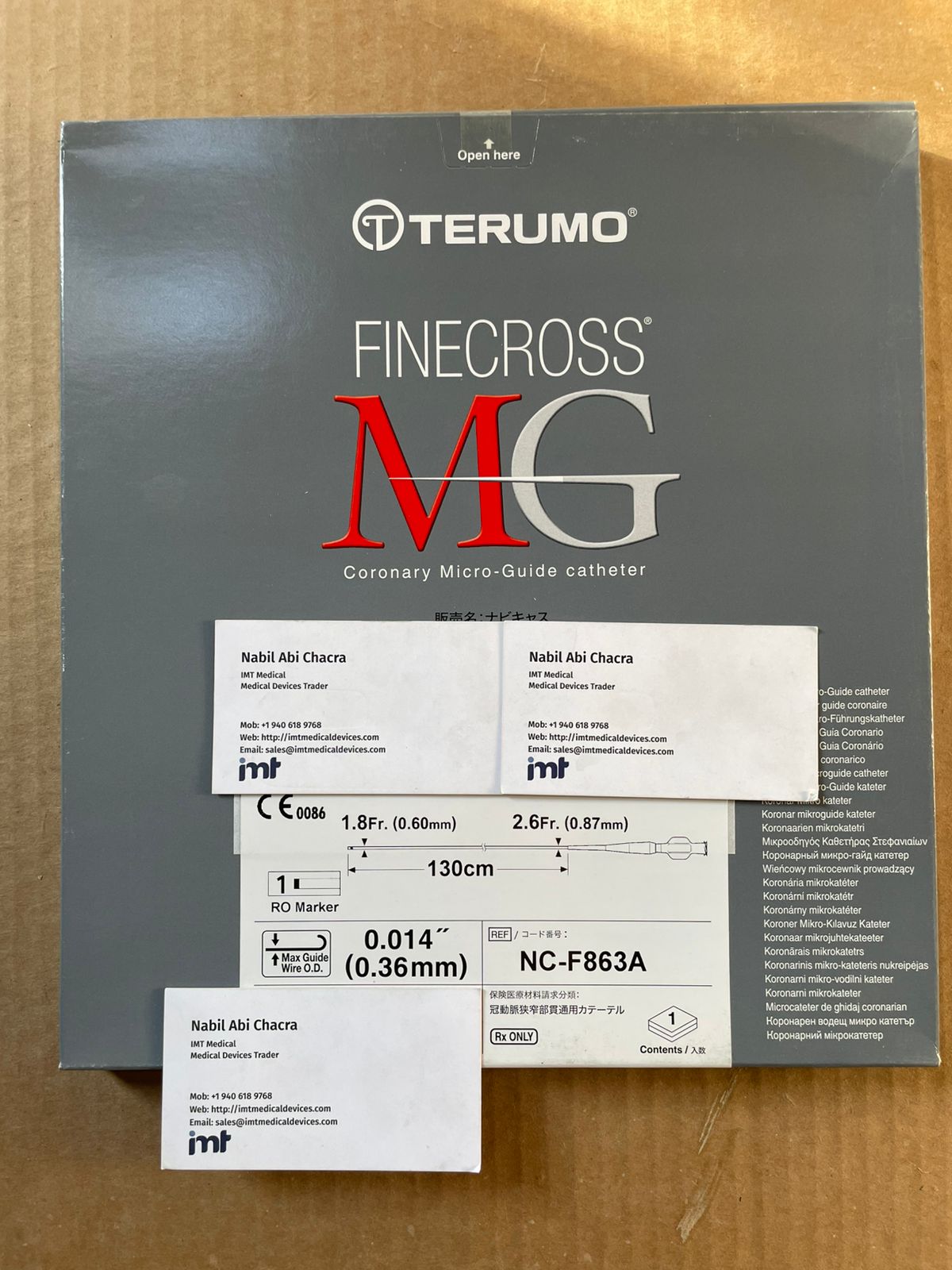
Terumo has established a significant presence by focusing on radial access compatibility and advanced hydrophilic coatings. Their low-profile designs are particularly effective in specialized procedures, such as treating chronic total occlusions (CTO) where crossability is the primary concern. Terumo's commitment to precision makes them a preferred choice for clinicians prioritizing atraumatic navigation in delicate vascular structures. For peripheral interventions, the Terumo Senri PTA Balloon Dilatation Catheter demonstrates the brand's expertise in vessel dilatation across diverse vascular beds. Nipro offers similar reliability with a focus on cost-effectiveness for bulk procurement. When evaluating these Japanese manufacturers, a reliable coronary balloon catheter supplier will provide transparent data on lead times and regional availability. You can explore the available inventory of these major brands to ensure technical alignment with your facility's requirements.
Critical Selection Criteria for Bulk Procurement
Bulk procurement of interventional hardware requires a focus on technical specifications that ensure procedural safety. A reliable coronary balloon catheter supplier must provide detailed data on Nominal Pressure and Rated Burst Pressure (RBP). Nominal pressure is the level at which the balloon reaches its labeled diameter. RBP is the limit that 99.9% of balloons won't burst at a 95% confidence level. Matching these specs to clinical needs prevents vessel trauma during a balloon angioplasty procedure. Reliable data on these metrics is non-negotiable for high-volume procurement.
Inventory managers need to ensure seamless compatibility across the entire interventional toolkit. Balloons must align with the inner diameters of guiding catheters and the performance characteristics of diagnostic guide wires. This technical cohesion reduces the risk of device entrapment or failure during complex cases. Beyond compatibility, batch consistency is vital. Large-scale hospital orders depend on predictable performance across thousands of units. Monitoring shelf-life is equally critical to maintain inventory integrity and avoid waste in high-volume cardiac labs. A coronary balloon catheter supplier with strict quality control protocols minimizes the risk of receiving near-expiry stock.
Sizing and Dimensional Accuracy
Standard coronary balloons typically range from 1.5mm to 4.0mm in diameter. Lengths vary from 6mm to 30mm depending on the lesion profile. Procurement strategies should prioritize 0.25mm sizing increments. These small steps allow interventionalists to match the vessel diameter precisely, which reduces the likelihood of edge dissections. Managing inventory for these specialized sizes requires a supplier with a high-capacity warehouse and real-time stock tracking. This ensures that even rare sizes are available for immediate dispatch when clinical needs shift.
Coating and Material Science
Material choice dictates the balloon's performance under pressure. Nylon is frequently used for its balance of strength and flexibility, while PET (polyethylene terephthalate) offers higher pressure resistance for non-compliant models. The choice between hydrophilic and hydrophobic coatings also impacts deliverability. Hydrophilic coatings attract water to create a low-friction surface. Hydrophilic coatings provide a significant technical advantage by reducing friction during navigation through tortuous anatomy. Hydrophobic coatings, conversely, offer better tactile feedback. Balancing these material properties ensures the facility is equipped for both routine and complex calcified lesions.
Global Supply Chain and Export Logistics
International procurement of PTCA balloons demands rigorous adherence to regulatory standards. Manufacturers like Medtronic and Terumo maintain global certifications, but the coronary balloon catheter supplier must bridge the gap to local markets. Navigating CE Marks, FDA approvals, and regional certifications is a prerequisite for legal importation. Failure to align manufacturer specifications with local laws results in seized shipments and clinical delays. Efficient logistics management ensures that high-performance hardware reaches the catheterization lab without regulatory friction.
Infrastructure is the backbone of reliable medical distribution. Strategic hubs in Georgia, Dubai, and Poland serve as critical nodes in the global medical supply chain. These locations allow for rapid dispatch and reduced transit times for urgent cardiac hardware. Handling sensitive interventional equipment requires specialized protocols to maintain sterile barrier integrity and shelf-life. Export documentation, including Certificates of Origin, Proforma Invoices, and Airway Bills, must be managed with precision to facilitate smooth transit through customs. A professional coronary balloon catheter supplier minimizes lead times by pre-clearing documentation and utilizing established freight networks.
Strategic Logistics Hubs
Regional offices in Turkey and the UAE streamline distribution to the Middle East and Africa. These hubs bypass traditional logistical bottlenecks, allowing for predictable delivery schedules in emerging markets. Polish hubs provide a gateway to the European market, ensuring compliance with EU-wide medical device regulations. New partners can leverage a global guide to supply chain and procurement to understand these logistical pathways. This infrastructure minimizes the impact of geopolitical disruptions on inventory levels, providing a stable source for critical interventional devices.
Documentation and Compliance
Customs delays are often the result of clerical errors in export paperwork. Expert documentation management is essential for minimizing transit time. Suppliers must ensure that technical specs on the invoice match the regulatory filings in the destination country. This includes managing sensitive handling requirements for drug-coated balloons that may require specific temperature monitoring to maintain pharmaceutical efficacy. Reliable logistics management transforms a simple purchase into a sustainable supply chain partnership. If you require a logistics partner with proven export capabilities, contact IMT Medical Devices for a consultation on global distribution and wholesale procurement.
IMT Medical Devices: Your Global Coronary Balloon Supplier
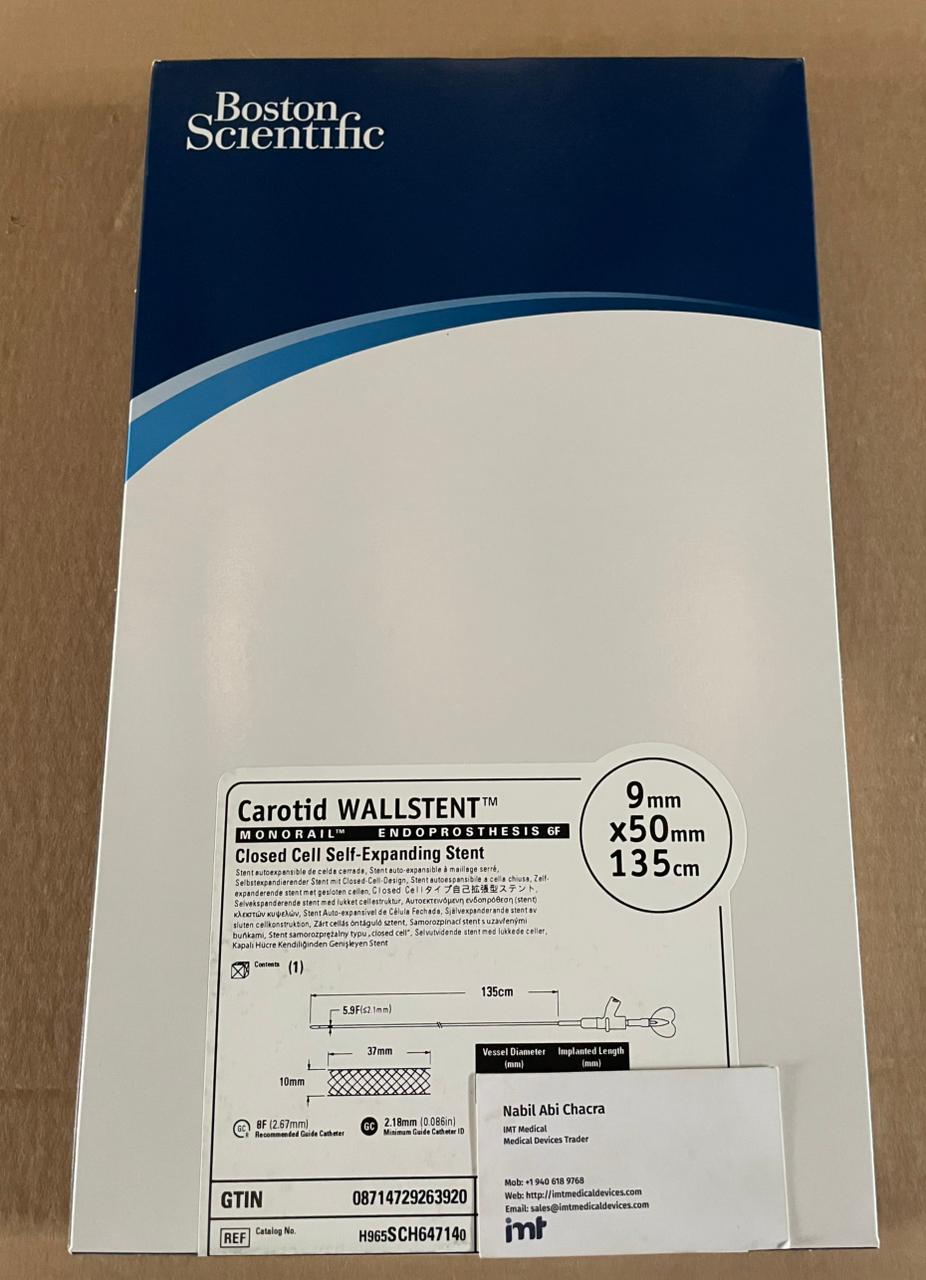
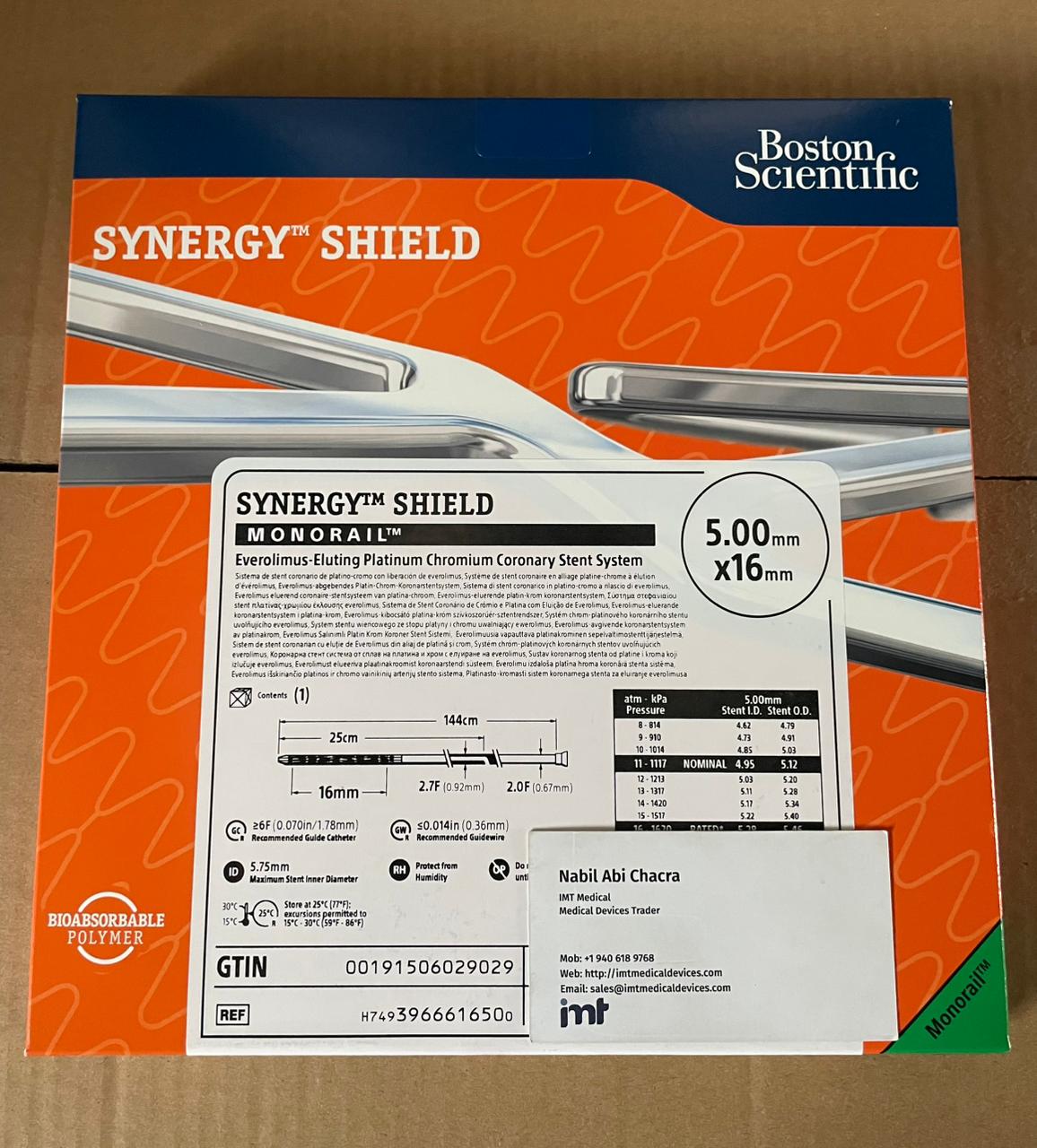
Access to premium interventional technology is the core requirement for modern cardiology departments. IMT Medical Devices maintains an extensive and ready inventory of coronary balloons from global leaders, including Medtronic, Abbott, and Boston Scientific. This centralized availability eliminates the inefficiencies of fragmented sourcing across multiple entities. As a specialized coronary balloon catheter supplier, IMT ensures that every device meets the technical and regulatory requirements established in previous sections. Global healthcare providers benefit from a single, high-capacity point of contact for high-performance PTCA hardware and related consumables.
Inventory authenticity is a primary trust signal. IMT prioritizes the distribution of original manufacturer technology, ensuring that clinical performance remains predictable. High-volume hospital systems and regional distributors require a partner capable of managing complex batch requirements and shelf-life integrity. The logistical framework at IMT is designed to support these large-scale needs, providing a stable supply of critical hardware even during global market fluctuations. This commitment to industrial competence positions the entity as a serious player in the international medical supply chain.
Consolidated Sourcing Solutions
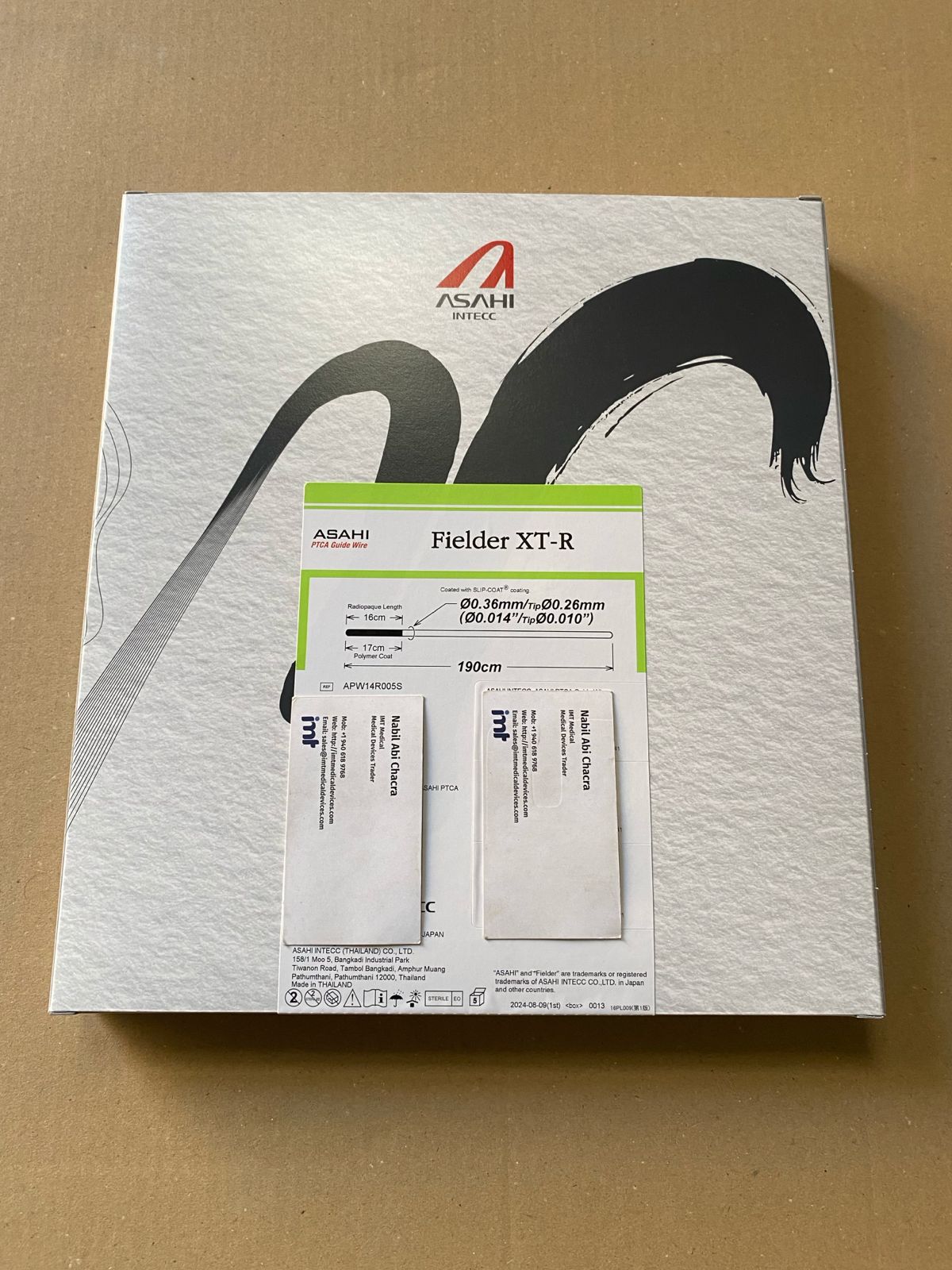
Efficiency in procurement requires a broad technical scope. IMT provides one-stop sourcing for coronary, peripheral, and neurovascular intervention devices. This includes direct access to specialized brands like Asahi Intec and Cordis. B2B wholesale pricing models are structured specifically for international distributors and large-scale hospital networks. These volume-based pricing tiers ensure optimized unit costs for bulk orders. Procurement professionals can consolidate their requirements for PTCA balloons, Drug-Eluting Stents, and Guiding Catheters into a single logistical stream. This consolidation reduces administrative overhead and simplifies the tracking of international shipments.
Partnering for Global Healthcare
Reliability in medical distribution is defined by reach and precision. IMT Medical Devices has a proven track record of exporting to over 50 countries. This expansive reach is supported by dedicated logistics teams familiar with the specific documentation requirements for varied international jurisdictions. The entity acts as a vital bridge, connecting premium manufacturers with global markets that require consistent access to authentic, high-quality medical technology. Supply chain management for critical cardiology consumables, including pacemakers and diagnostic guidewires, is executed with industrial precision. This logistical reliability ensures that clinical teams have the tools they need for successful patient outcomes. For detailed inquiries regarding bulk procurement and international export, Contact IMT Medical Devices for bulk procurement and export inquiries.
Securing Global Access to PTCA Technology
Efficient coronary intervention requires precise technical alignment between device specifications and clinical needs. Successful procurement depends on verifying Rated Burst Pressure and ensuring compatibility across guiding systems. Strategic logistical planning reduces lead times through established hubs and expert documentation management. Selecting a high-capacity coronary balloon catheter supplier is the final step in stabilizing your cardiac inventory. IMT Medical Devices acts as an authoritative bridge between premium manufacturers and international markets.
Our infrastructure supports global distribution to 50+ countries. We maintain strategic offices in Dubai, Poland, and Georgia to ensure rapid dispatch and regulatory compliance. This guide was authored by international medical export specialists to provide a framework for professional B2B sourcing. You can now consolidate your procurement of authentic technology from brands like Medtronic and Boston Scientific through a single reliable partner. We invite you to Request a Wholesale Quote for Coronary Balloon Catheters and optimize your facility's supply chain today. Reliable inventory management starts with a partner focused on industrial competence and logistical reach.
Frequently Asked Questions
What are the primary differences between compliant and non-compliant coronary balloons?
Compliant balloons feature significant diameter growth relative to internal pressure, making them ideal for initial vessel sizing and pre-dilatation. Non-compliant (NC) balloons maintain a specific diameter even at high pressures, which is necessary for uniform stent expansion and post-dilatation. Choosing a coronary balloon catheter supplier with a diverse inventory allows facilities to stock both compliance profiles for varied clinical scenarios.
Which manufacturers are the market leaders for PTCA balloon catheters?
Medtronic, Boston Scientific, and Terumo are the primary market leaders in PTCA technology. These manufacturers dominate the global landscape with extensive portfolios of high-pressure and low-profile balloons. IMT Medical Devices provides consolidated access to these brands, ensuring procurement professionals can source authentic hardware from a single, reliable point of contact without navigating fragmented supply chains.
How does IMT Medical Devices ensure the authenticity of its medical supplies?
Authenticity is guaranteed through direct manufacturer relationships and rigorous quality control protocols. Every item in the inventory is tracked via unique technical codes and manufacturer serial numbers to ensure shelf-life integrity and product origin. This manufacturer-centric approach ensures that only authentic, high-end medical technology reaches the end user, maintaining clinical safety and performance standards.
What documentation is required for the international export of cardiology devices?
International export requires a Certificate of Origin, Proforma Invoice, and Airway Bill, alongside manufacturer-specific regulatory documentation. Depending on the destination, CE Marks or FDA approvals must be provided to ensure compliance with local import laws. Expert documentation management minimizes customs delays and ensures the predictable delivery of cardiology consumables to international healthcare providers.
Can IMT Medical Devices supply both coronary and peripheral balloon catheters?
Yes, the inventory includes both coronary and peripheral balloon catheters to support a wide range of interventional procedures. This expansive scope allows healthcare providers to source hardware for PTCA, PTA, and other vascular interventions from one supplier. Consolidated sourcing for these categories simplifies logistics and improves procurement efficiency for large-scale hospital networks and distributors.
What is the typical lead time for international bulk shipments?
Lead times vary based on the destination and shipping method, though strategic hubs in Dubai, Poland, and Georgia optimize delivery speeds. Express air freight typically reaches major global markets within 3 to 7 business days. Large-scale bulk shipments may require longer timelines, but these are managed with precise tracking to ensure predictable arrival dates for critical medical inventory.
How do I choose the correct balloon profile for complex coronary lesions?
Complex coronary lesions require balloons with low lesion entry diameters and tapered distal tips to maximize crossability. For calcified stenoses, non-compliant balloons with high Rated Burst Pressure (RBP) are the standard choice to ensure effective dilatation without vessel trauma. Selecting the correct profile involves matching the device’s mechanical specifications with the patient’s specific anatomical challenges and lesion characteristics.
Does IMT Medical Devices offer volume-based discounts for large B2B orders?
IMT Medical Devices offers volume-based pricing tiers specifically designed for B2B wholesale clients and large healthcare networks. These models incentivize bulk procurement by reducing unit costs as order volume increases. This transactional efficiency supports distributors and hospitals in maintaining high-capacity inventories while optimizing their procurement budgets through a reliable coronary balloon catheter supplier.