

Choosing a Coronary Stent Supplier
A coronary case does not slow down because a distributor is out of stock. When a cath lab needs a specific stent platform, delivery timing, product authenticity, and exact part number accuracy matter more than sales language. That is why selecting a coronary stent supplier is usually less about price alone and more about whether the supplier can support real procedural demand without adding procurement risk.
For hospitals, independent distributors, and physicians buying outside entrenched local channels, the right supplier is the one that can quote fast, confirm branded inventory clearly, and deliver the exact device requested. In coronary interventions, substitutions are not a minor issue. Platform preference, lesion profile, sizing strategy, and physician familiarity all influence what gets ordered.
What buyers actually need from a coronary stent supplier
A coronary stent supplier should first be evaluated as a sourcing partner, not just a seller of catalog items. Buyers typically already know the manufacturer, device family, and often the exact reference they need. The supplier's job is to reduce friction between request and fulfillment.
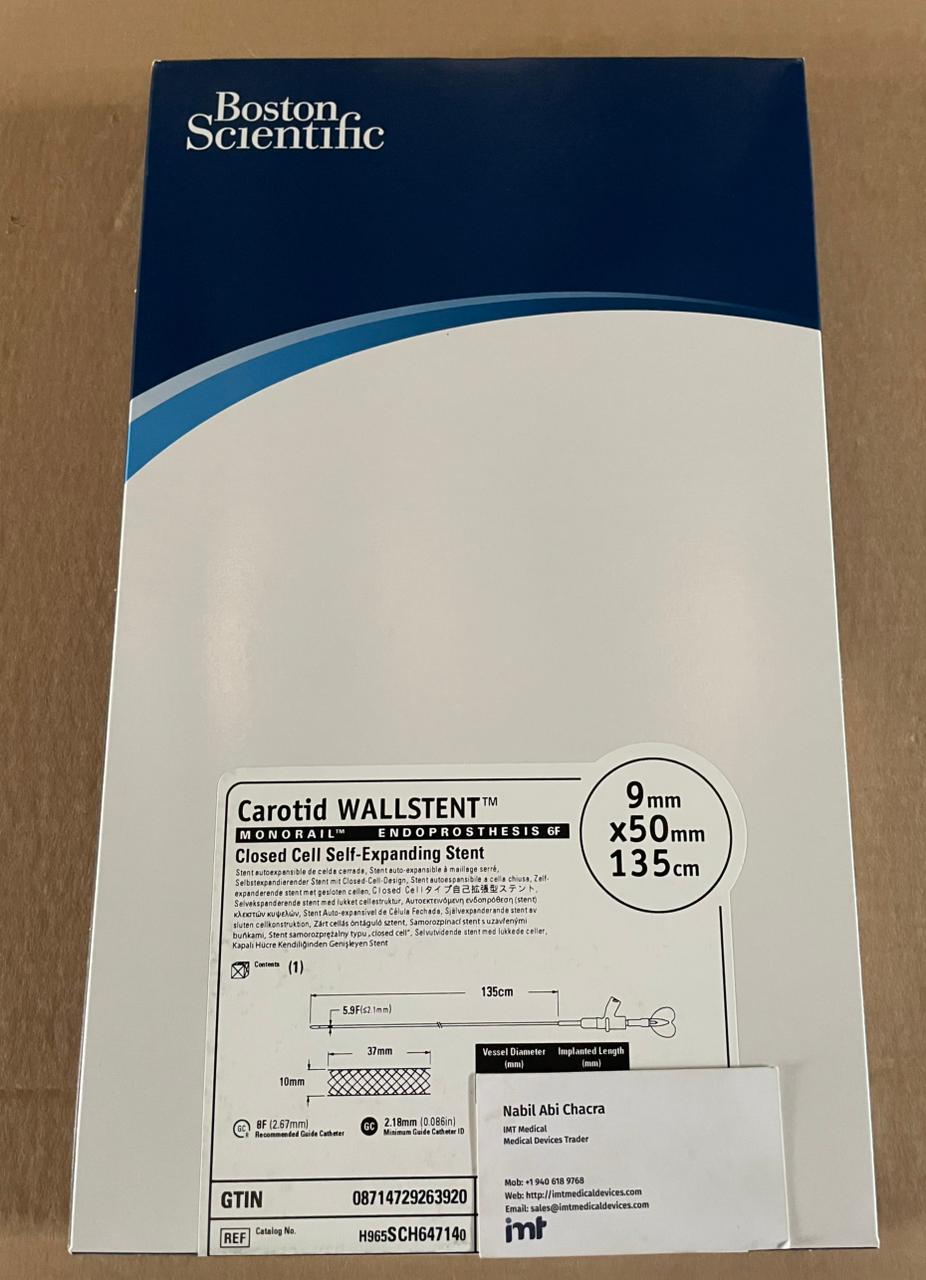
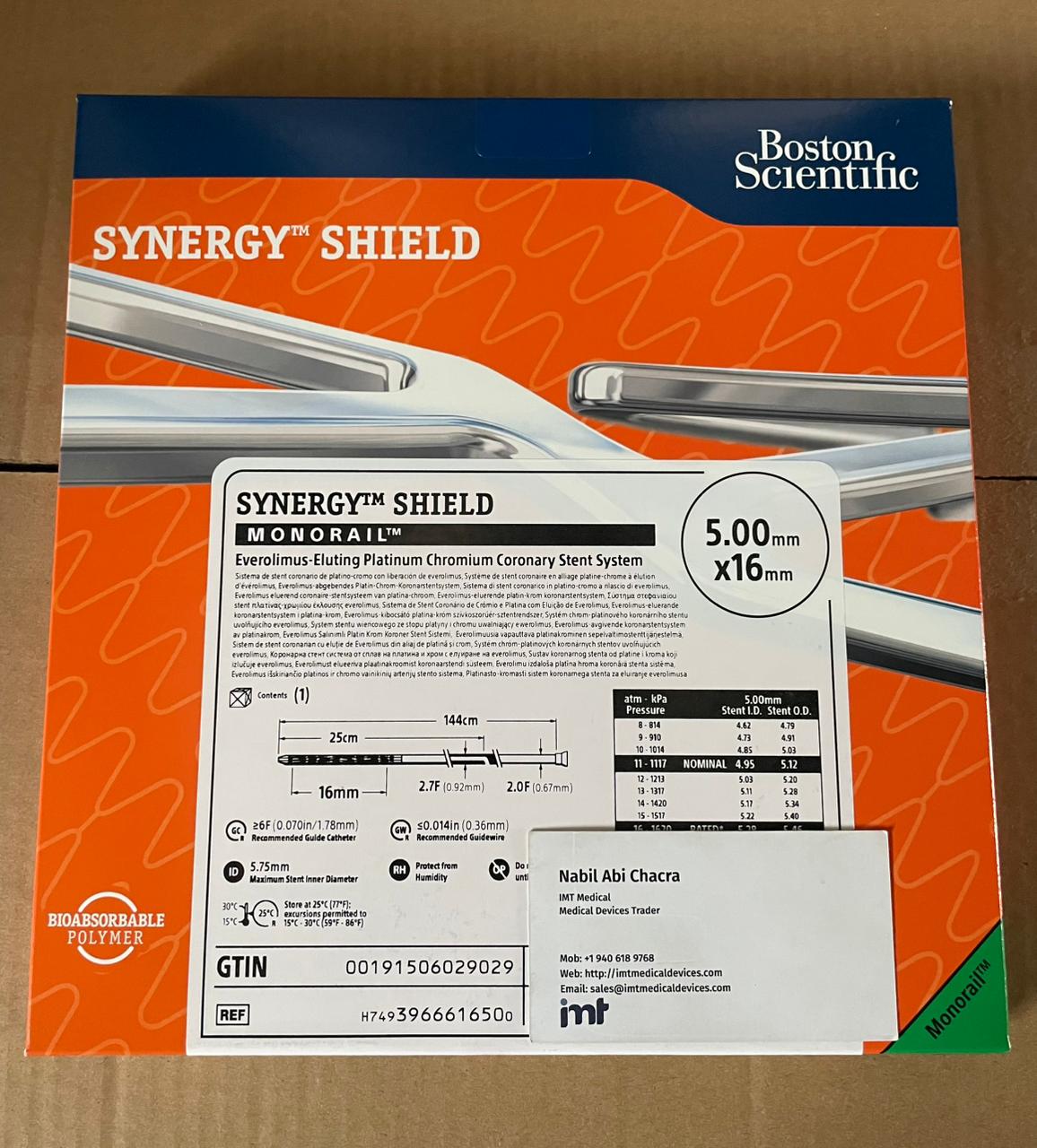
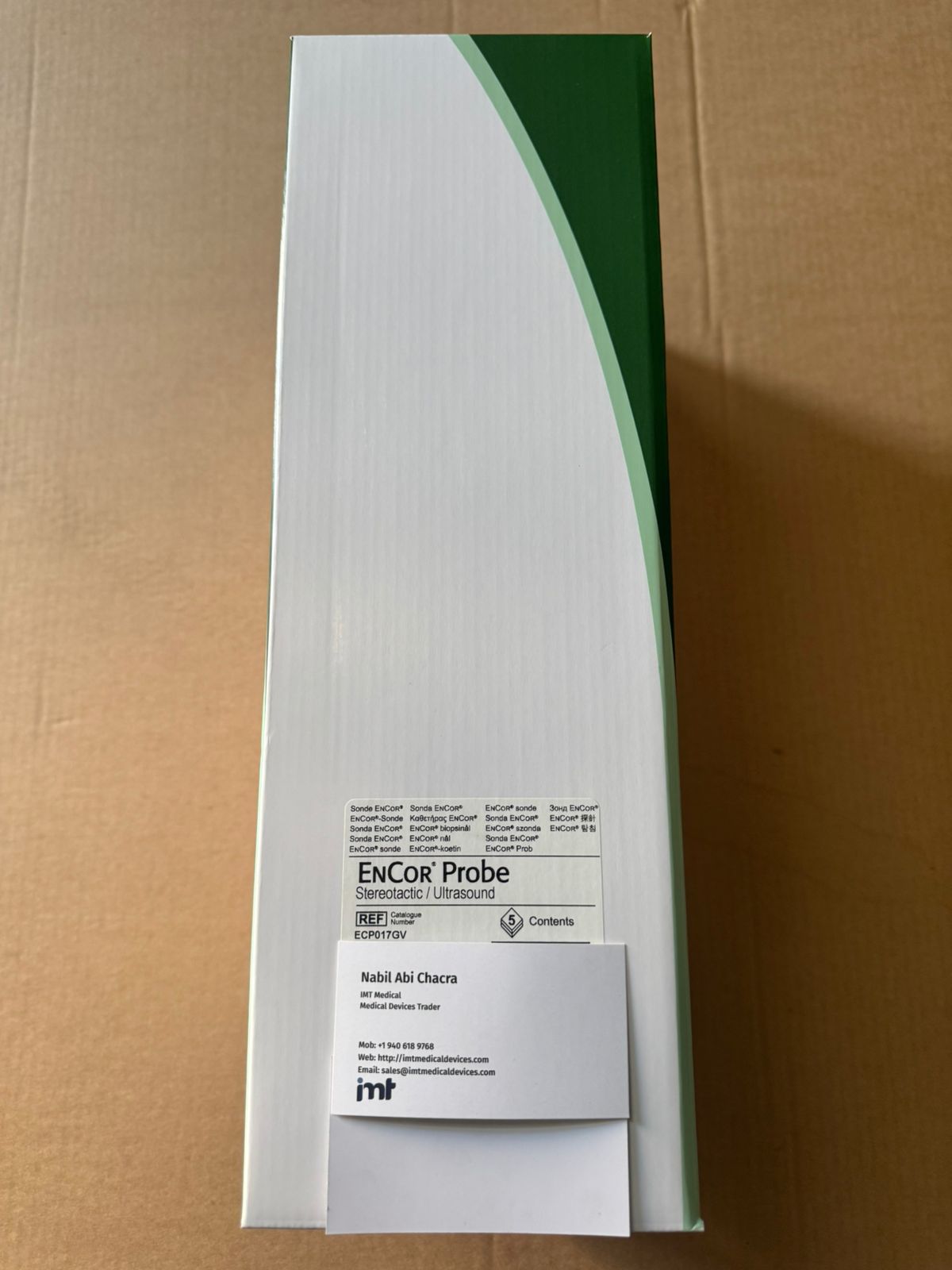
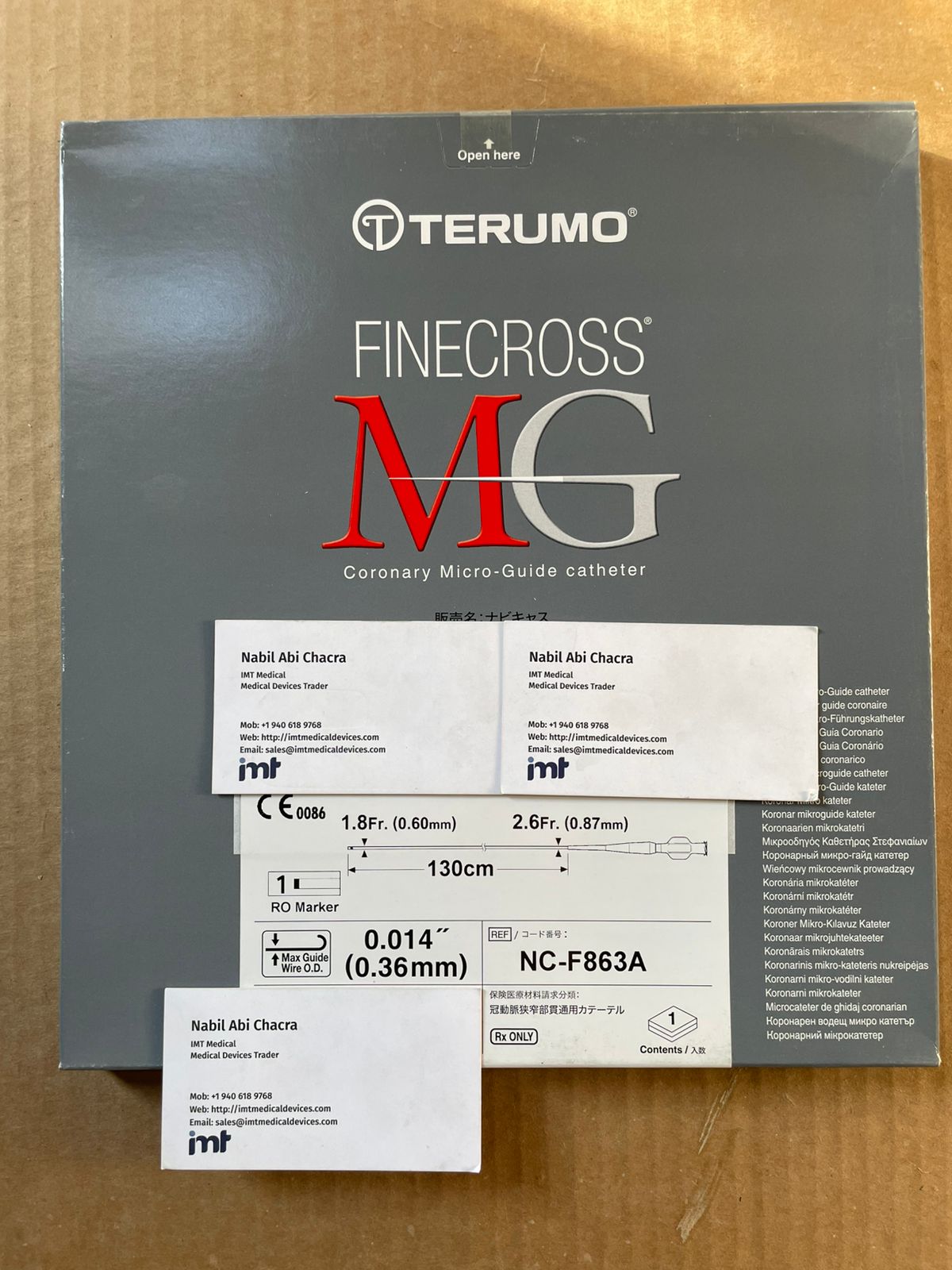
That means clear product identification, access to recognized brands, and quote handling that reflects how cath lab procurement works in practice. If a buyer asks for a specific Abbott, Medtronic, Boston Scientific, or Cordis item, the response needs to be precise. A broad statement like "available on request" is less useful than confirmation tied to an exact product name and reference.
This is especially relevant when hospitals want alternatives to local incumbents, or when regional distributors are competing with established channels in their markets. In those situations, the supplier is not just filling an order. The supplier is helping the buyer maintain continuity without compromising on branded device selection.
Why exact product identification matters
In coronary inventory, ambiguity creates delays. A stent order is not complete because someone wrote down a brand name. Buyers often need to specify diameter, length, platform generation, drug coating family, and packaging reference. If any of that is unclear, the quote cycle slows down and the risk of a mismatch increases.
A dependable coronary stent supplier should work comfortably with exact identifiers. That includes manufacturer naming conventions, part numbers, and related accessories when needed for the case. Procurement teams do not want long educational explanations. They want confirmation that the requested SKU can be sourced, quoted, and shipped.
This is also where branded inventory matters. In interventional cardiology, physician preference is often built around experience with specific systems. A supplier that handles recognized manufacturers reduces hesitation during ordering because the buyer is not being pushed toward unfamiliar alternatives simply because local stock is limited.
Branded access is a practical advantage, not a marketing point
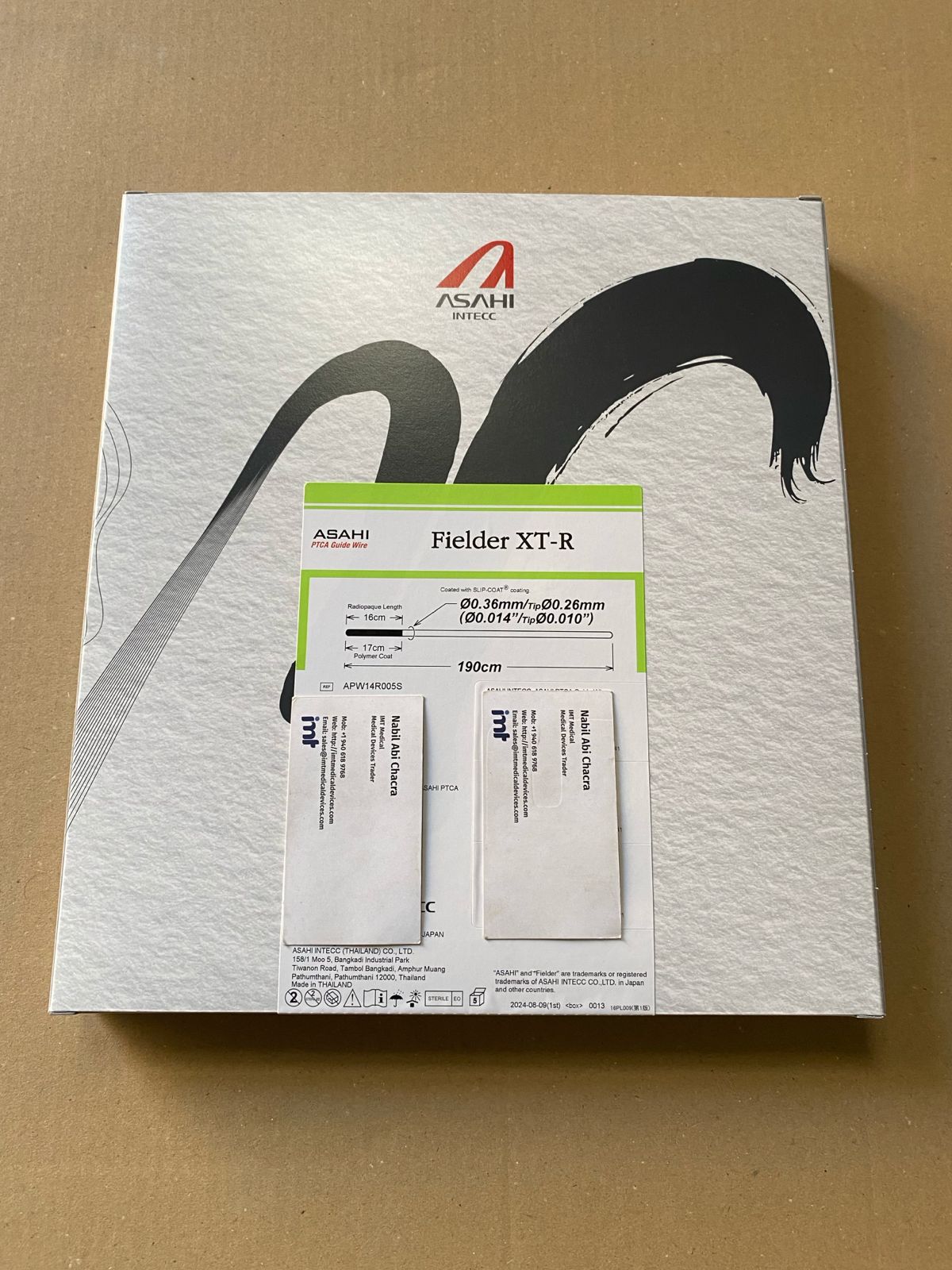
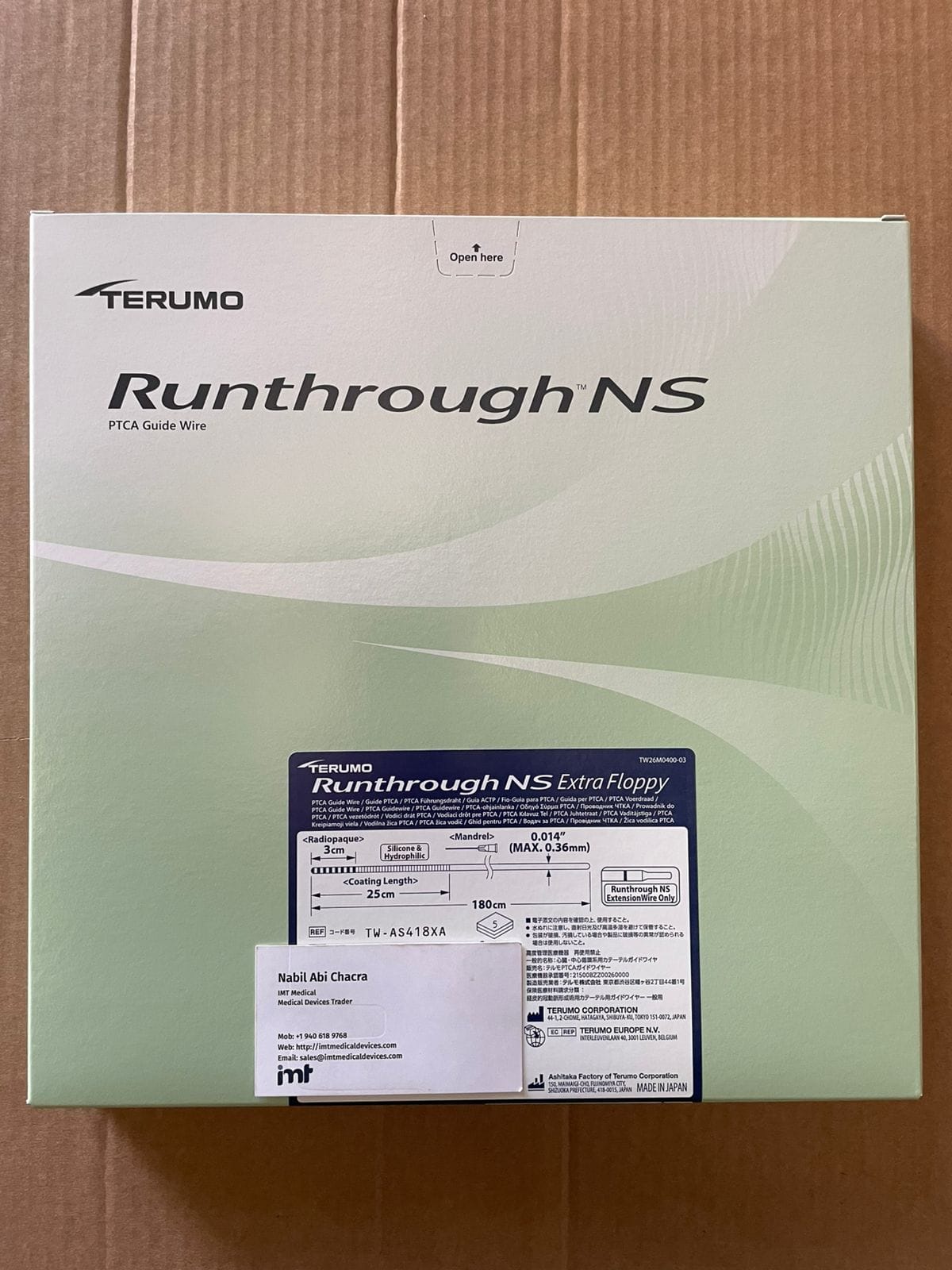
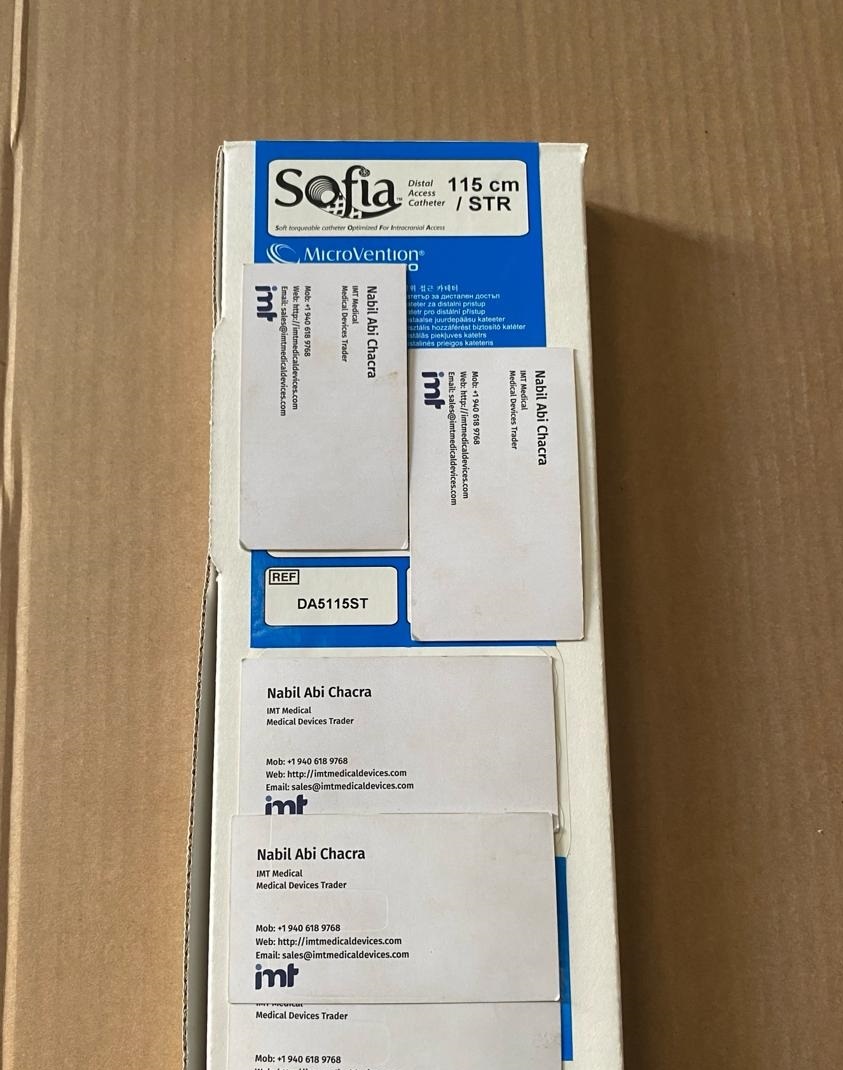
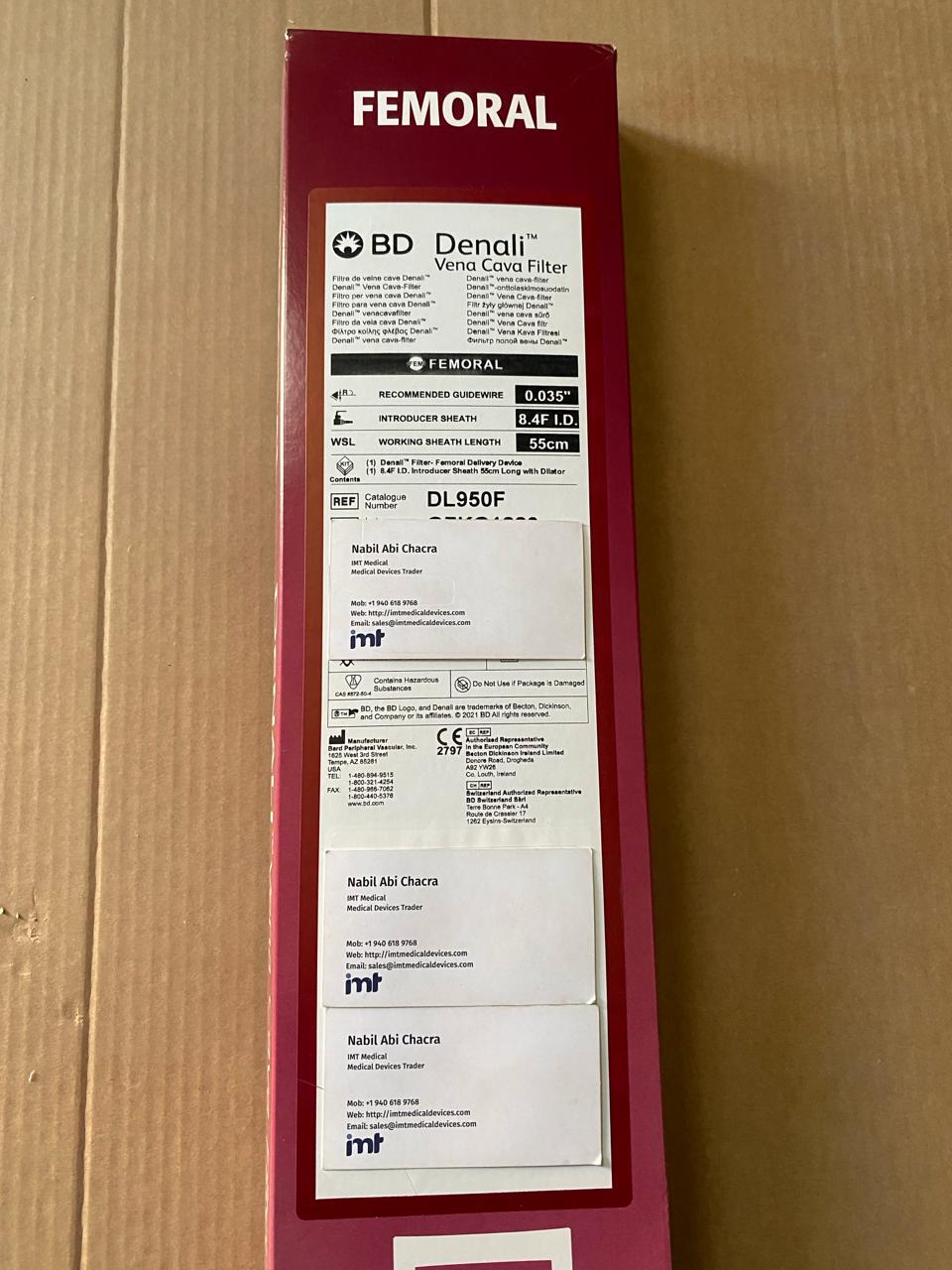
For coronary and broader interventional procurement, manufacturer depth affects buying flexibility. A supplier covering brands such as Medtronic, Boston Scientific, Abbott, Terumo, Asahi, Cordis, BD, B. Braun, and related interventional lines is better positioned to support mixed purchasing patterns across institutions and distributors.
That matters because coronary stent sourcing rarely happens in isolation. A buyer asking for coronary devices may also need guidewires, balloon catheters, guiding catheters, microcatheters, aspiration catheters, or vascular closure devices in the same purchasing cycle. A supplier with relevant adjacent inventory can reduce the number of separate procurement steps.
There is a trade-off here. A broad catalog is helpful only if it is managed with discipline. Buyers should not assume that a long brand list automatically means current availability. The useful question is whether the supplier can confirm exact branded items quickly and communicate clearly when lead times vary by product family.
How hospitals evaluate supplier fit
Hospitals that buy outside local distributor networks usually care about three things first: authenticity, availability, and procurement speed. Clinical teams may drive product selection, but purchasing teams still need documentation, quote clarity, and supply consistency.
A hospital should expect a coronary stent supplier to understand procedure-linked demand. Coronary stents are not generic shelf products. Ordering patterns can shift based on physician preference, case mix, and scheduled interventions versus urgent need. The supplier should be able to handle repeat requests for known references without restarting the qualification process every time.
Hospitals also benefit when the supplier's catalog structure aligns with how cath labs buy. Category-based sourcing across coronary, peripheral vascular, and neurovascular lines is more useful than a general medical inventory presentation. It makes it easier to consolidate requests and move from product search to quote initiation without unnecessary back-and-forth.
What distributors look for in a coronary stent supplier
For competing distributors, the decision criteria are even more operational. They are often trying to secure branded stock that local rivals control more tightly. In that environment, speed and accuracy have direct commercial value.
A distributor needs a coronary stent supplier that will not create uncertainty at the final stage of a customer order. If a hospital asks for a specific coronary stent and the distributor cannot confirm supply quickly, the account may be lost. Reliable access to recognized brands helps the distributor stay credible with cath lab buyers who already know the product they want.
Distributors also tend to care more about repeatability than one-off wins. A supplier that can support ongoing quote requests across coronary stents, balloons, guidewires, and related interventional devices becomes more useful than one that only occasionally sources a requested item. Consistency is what allows a distributor to build a serious alternative channel.
A practical way to assess a supplier before sending business
The fastest way to test a supplier is to use a real inquiry, not a theoretical one. Send exact product names and part numbers. Ask for availability status, quote timing, and whether the supplier can support related items in the same order flow.
The quality of the response usually tells you what you need to know. If the reply is specific, references the requested item accurately, and moves directly toward quotation, that is a good sign. If the response is vague, overly promotional, or disconnected from exact product identification, the procurement process will likely remain inefficient.
Buyers should also check how the supplier handles branded requests across adjacent categories. A strong coronary sourcing partner is often also useful for peripheral and neurovascular products, especially for institutions trying to simplify procurement across interventional service lines.
Coronary stent supplier selection depends on your buying model
There is no single best supplier profile for every buyer. It depends on how the organization purchases and where the pressure points are.
A hospital may prioritize continuity of branded cath lab stock and a clean quote process. A distributor may prioritize fast access to in-demand references that help compete against local market leaders. A physician-led request may focus almost entirely on obtaining a preferred device family when existing country-level relationships are not working.
That is why the most practical coronary stent supplier is the one aligned with your transaction model. Some buyers need breadth across manufacturers. Others need depth in a narrower set of high-turn references. Some need regular export support into markets across the Gulf, Latin America, Asia, China, or Russia, while others only need a dependable secondary channel for occasional sourcing gaps.
What matters is whether the supplier can operate at the level of precision that coronary purchasing requires.
Where supply-chain discipline shows up
In this market, professionalism is visible in small details. Correct manufacturer naming, exact references, category clarity, and prompt quote handling are stronger signals than long claims about service quality. Procurement teams and interventional buyers notice when communication is built around ordering accuracy.
That is also why catalog-first suppliers tend to perform better with experienced buyers. They understand that most customers do not need persuasion. They need a clear path from product identification to quote request. A site like https://imtmedicaldevices.com reflects that buying pattern by centering branded interventional inventory and fast inquiry handling rather than general education.
If you are evaluating a coronary sourcing partner, ask the practical question first: can this supplier help you get the exact branded stent you need, with the clarity and timing your procedure flow requires? If the answer is yes, the relationship is already doing the work that matters.