
How to Choose a Medical Export Supplier
A delayed coronary case rarely starts with the procedure team. More often, the problem begins upstream - the ordered device is backordered, the brand requested is substituted, or export paperwork slows release. That is why selecting the right medical export supplier is not a routine purchasing task for hospitals, cath labs, distributors, and laboratories. It is a supply continuity decision that affects case readiness, budget control, and clinical confidence.
For professional buyers, the issue is not simply finding a seller that lists products online. It is identifying a supplier that can support branded procurement at scale, across borders, with clear product identification and consistent export handling. When the requirement includes interventional cardiology, peripheral intervention, neurovascular devices, laboratory brands, or surgical consumables, the margin for error is small.
What a medical export supplier should actually provide
A qualified medical export supplier should do more than aggregate catalog pages. The practical value is in combining recognized manufacturers, accurate SKU-level sourcing, and export execution under one commercial process. For buyers managing multi-department demand, that can reduce fragmentation across vendors and shorten the time between inquiry and shipment.
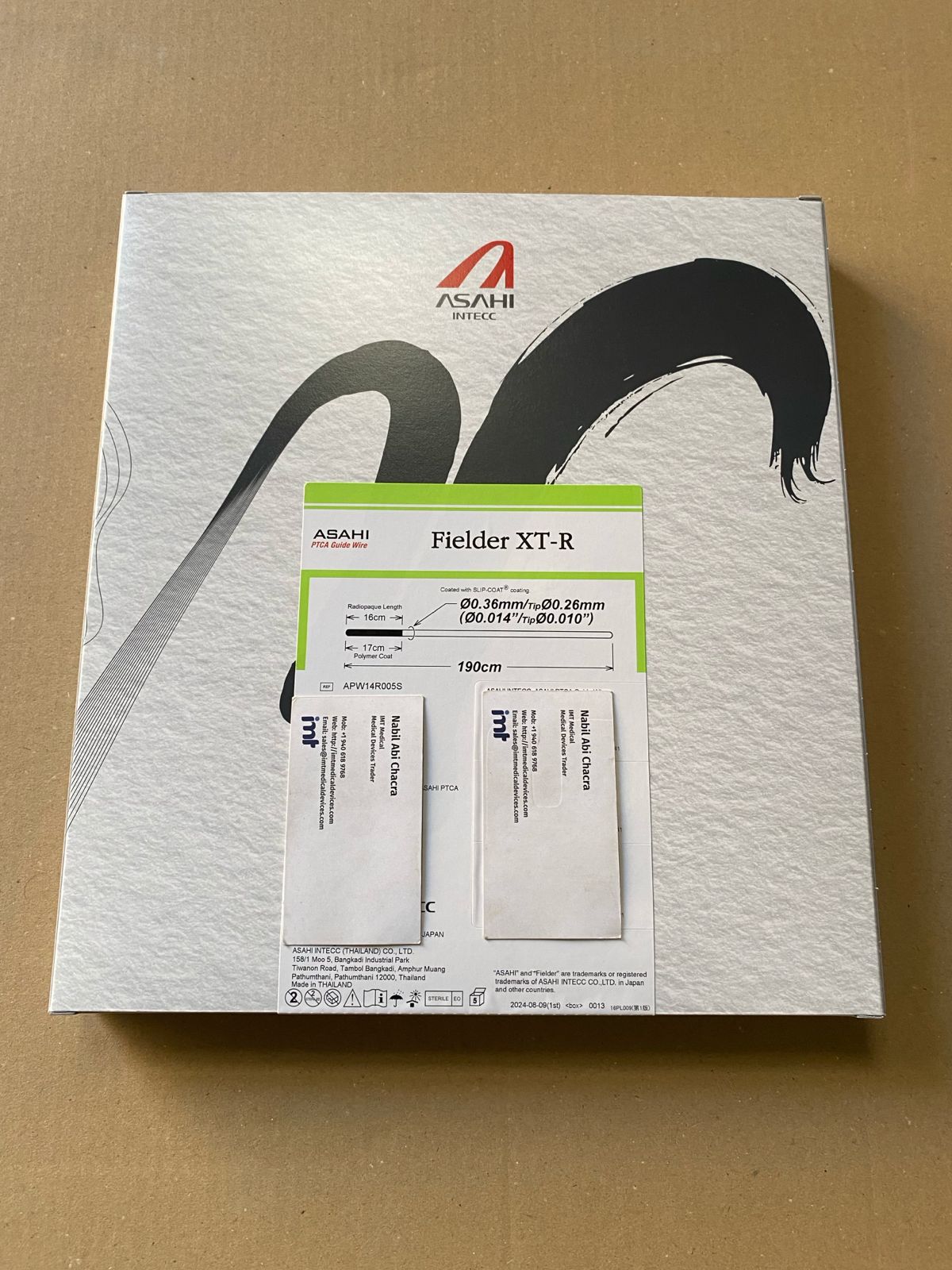
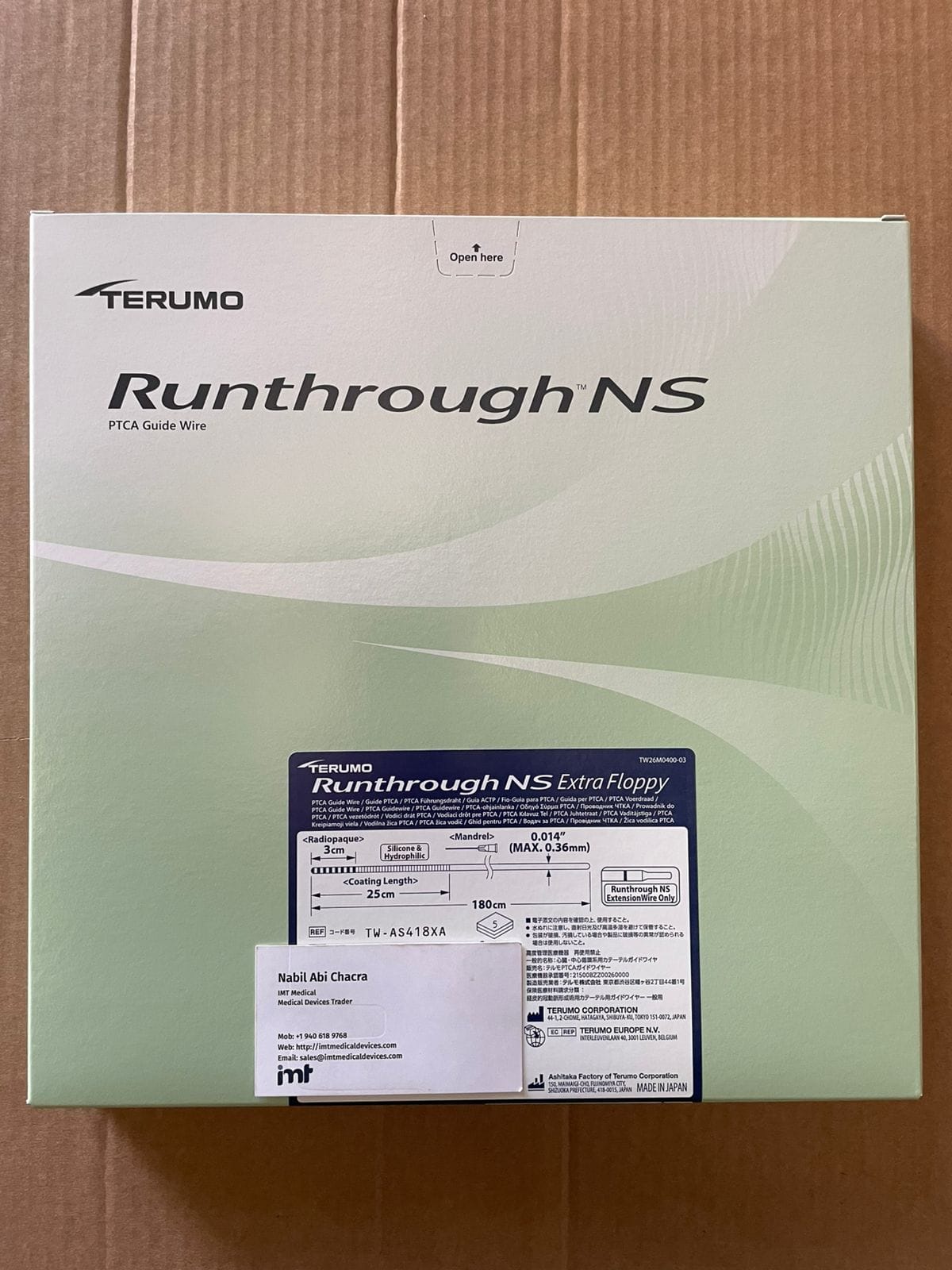
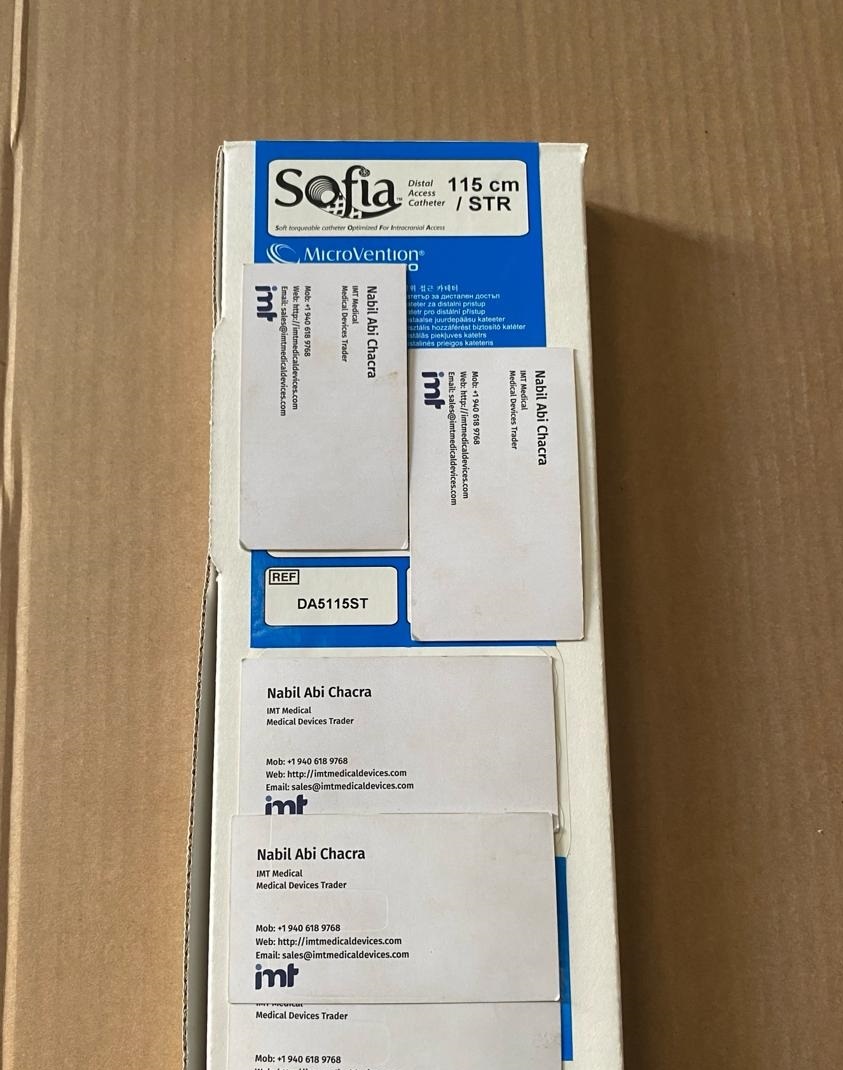
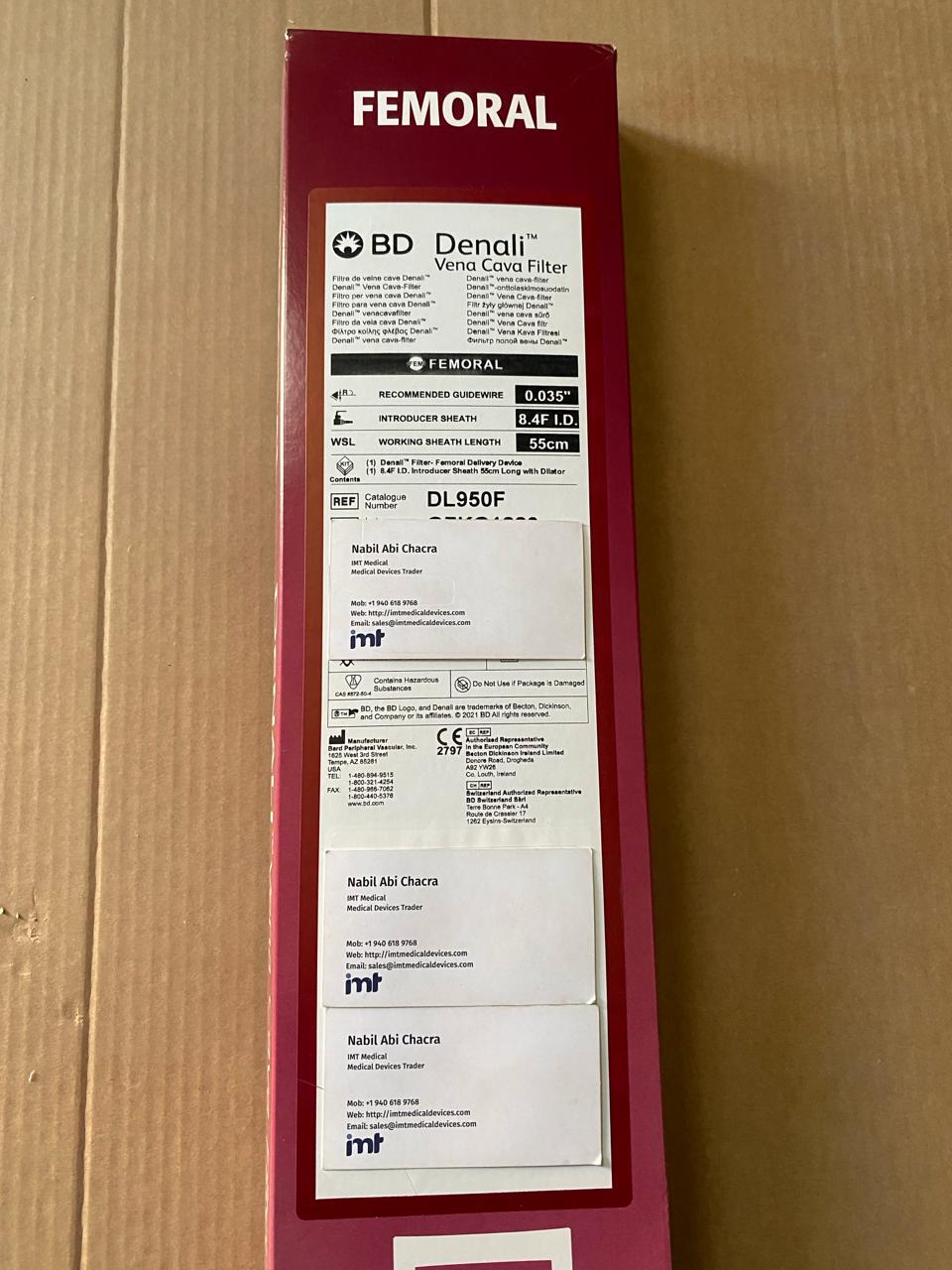
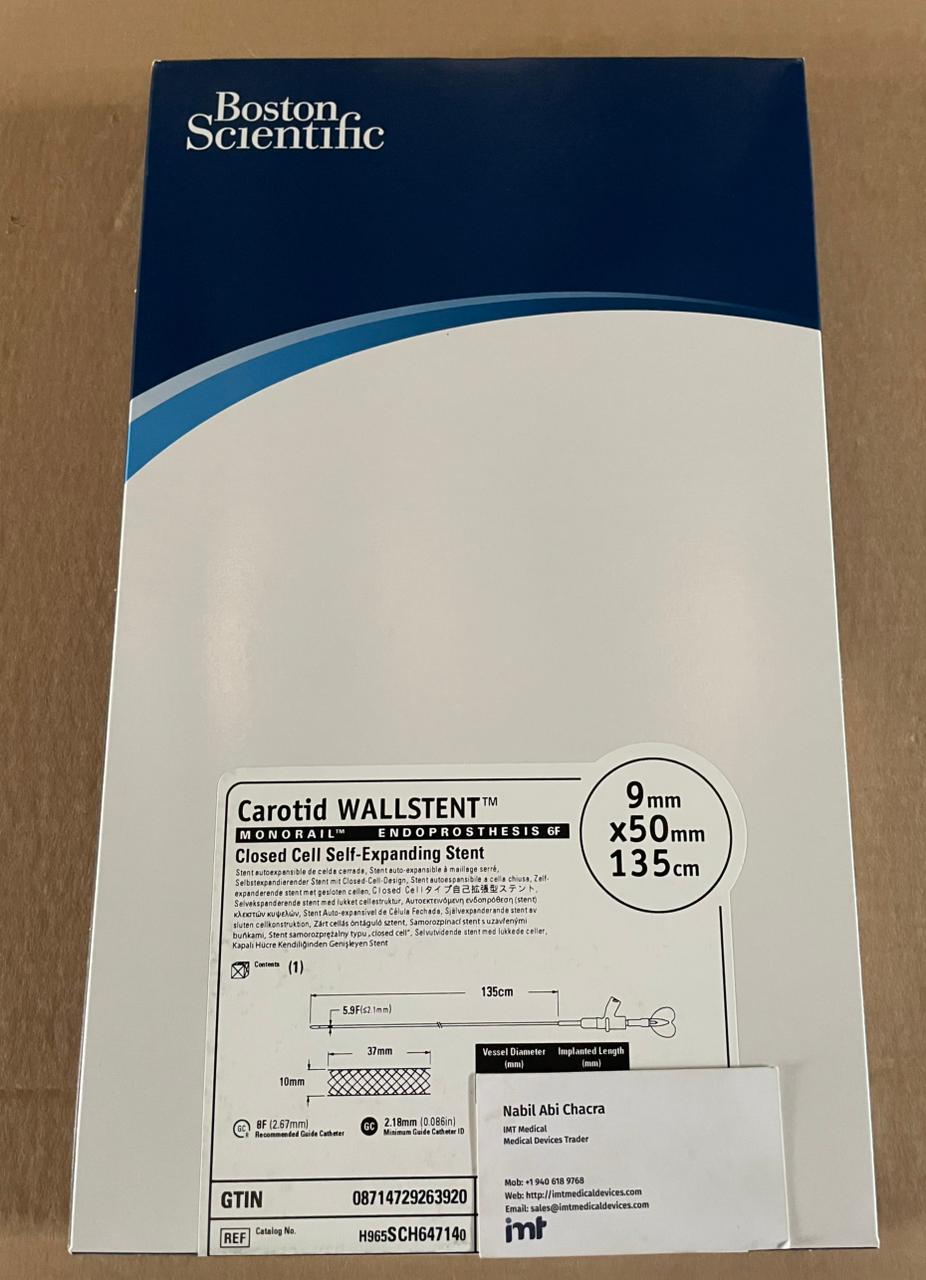
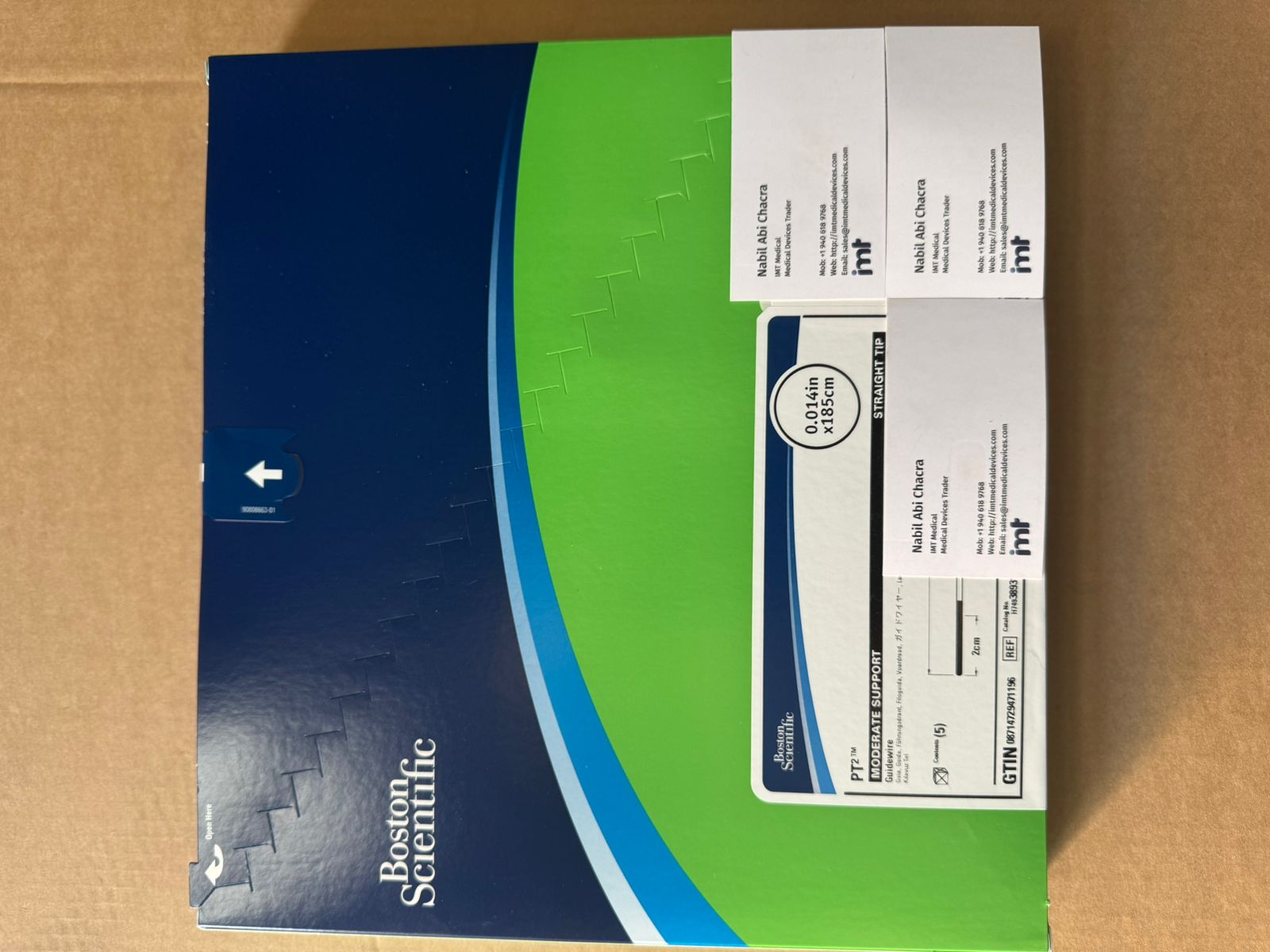
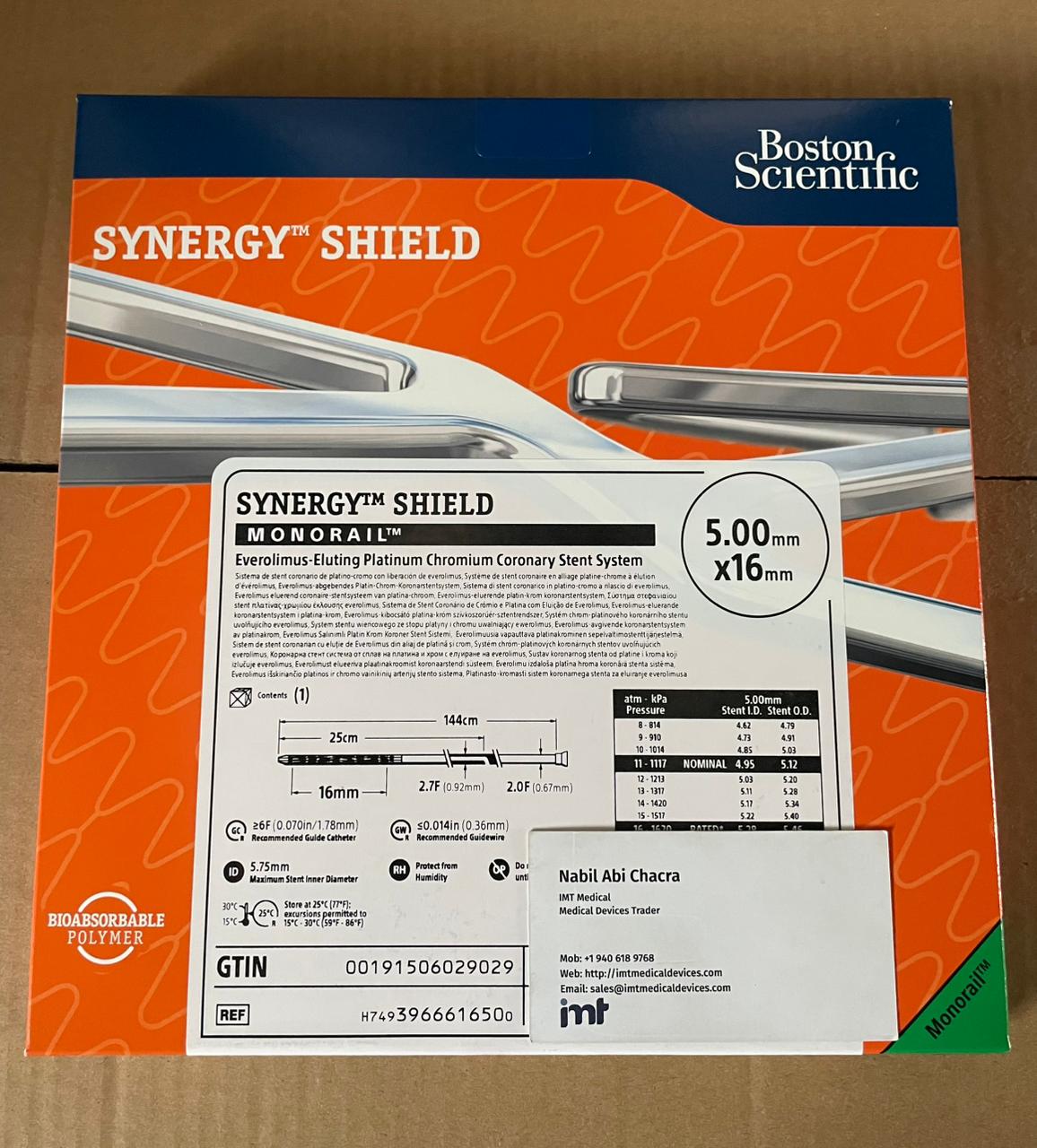
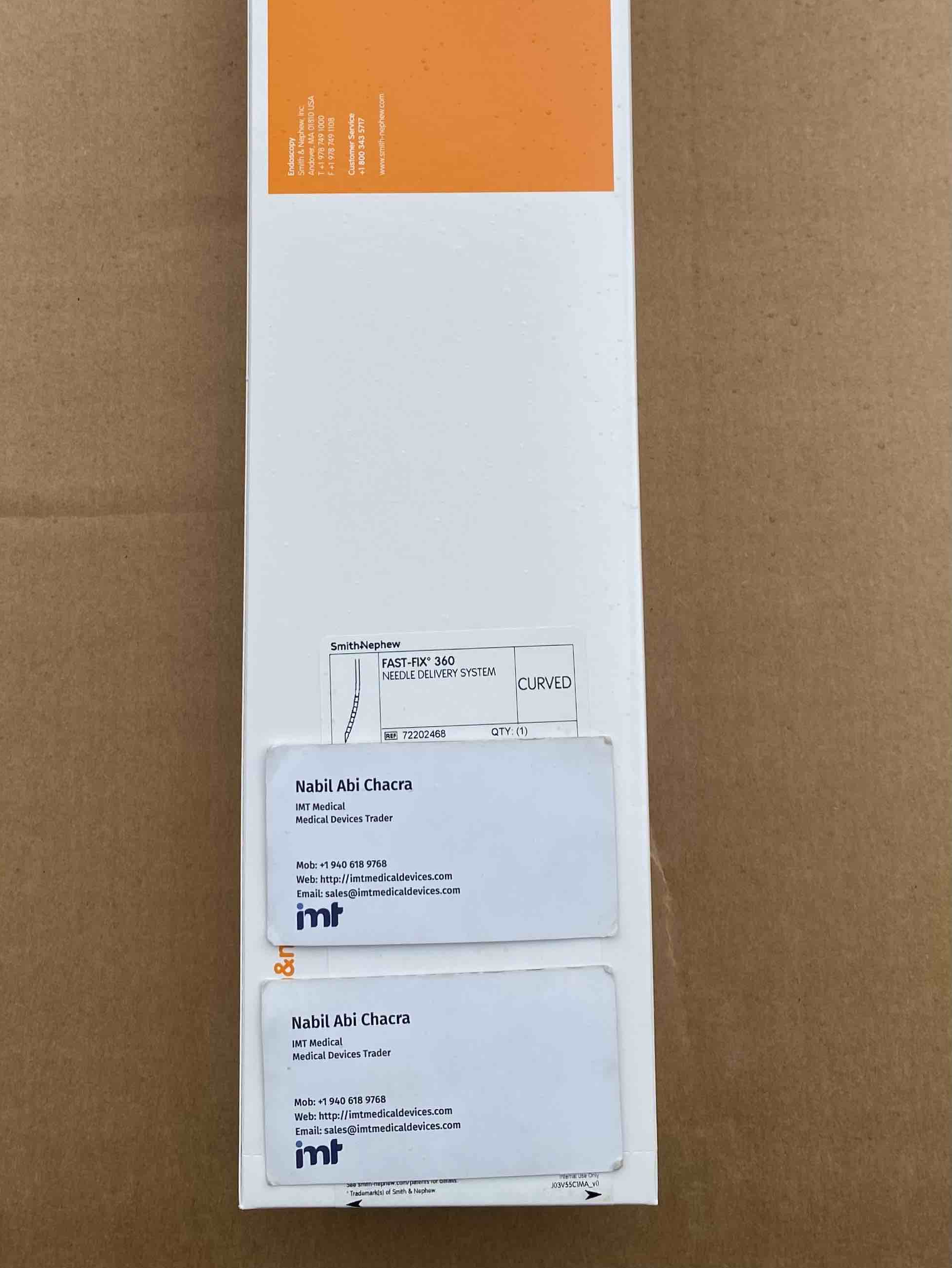
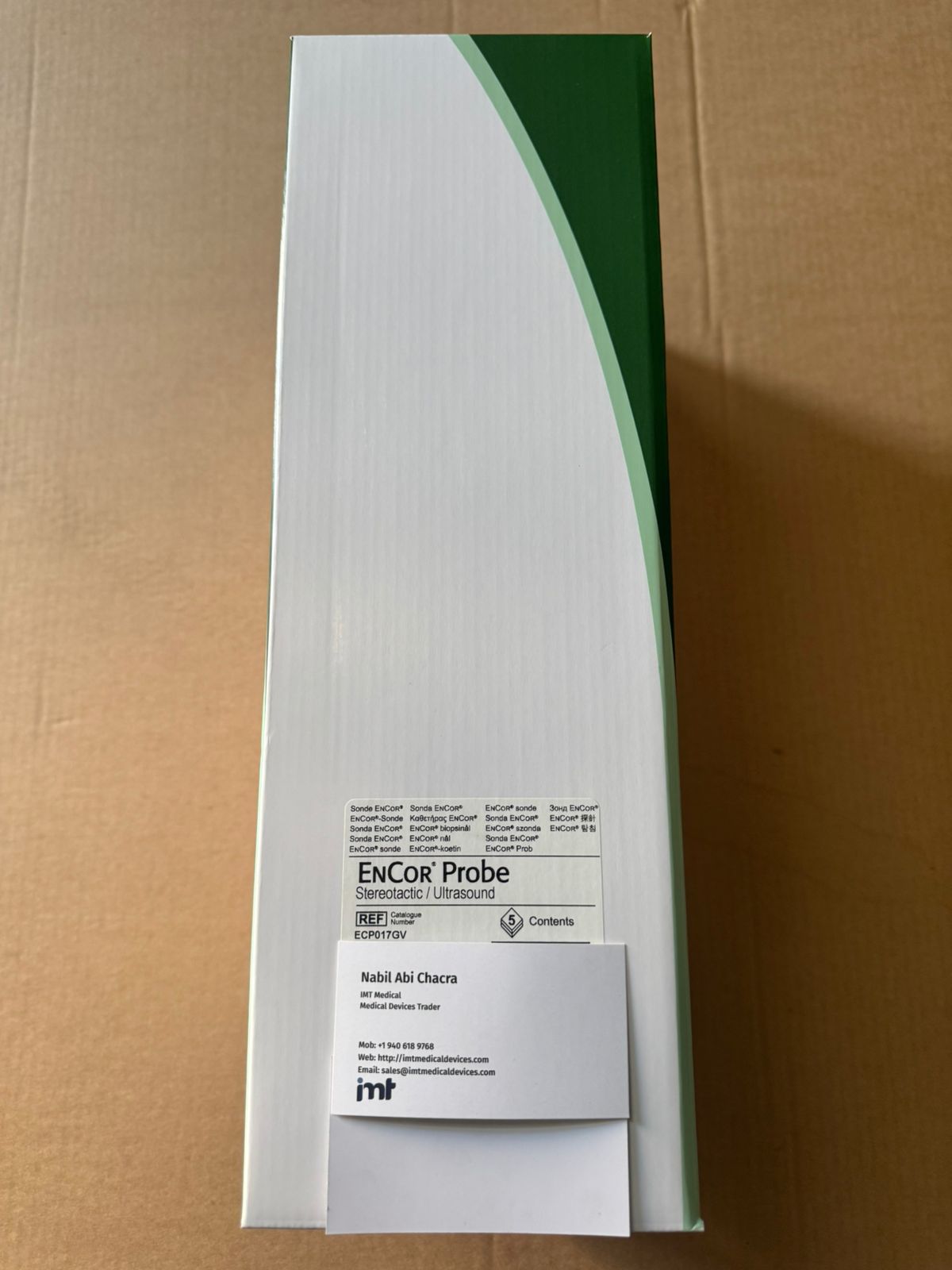
In real procurement terms, this means access to brands already specified by clinicians or approved by internal purchasing teams. It also means familiarity with high-demand categories such as coronary stents, PTCA balloons, guidewires, guiding catheters, aspiration catheters, vascular closure devices, micro catheters, embolization coils, sutures, cava filters, and diagnostic laboratory products. A supplier serving export markets needs to understand that these are not interchangeable line items. Brand, reference number, size profile, and packaging configuration matter.
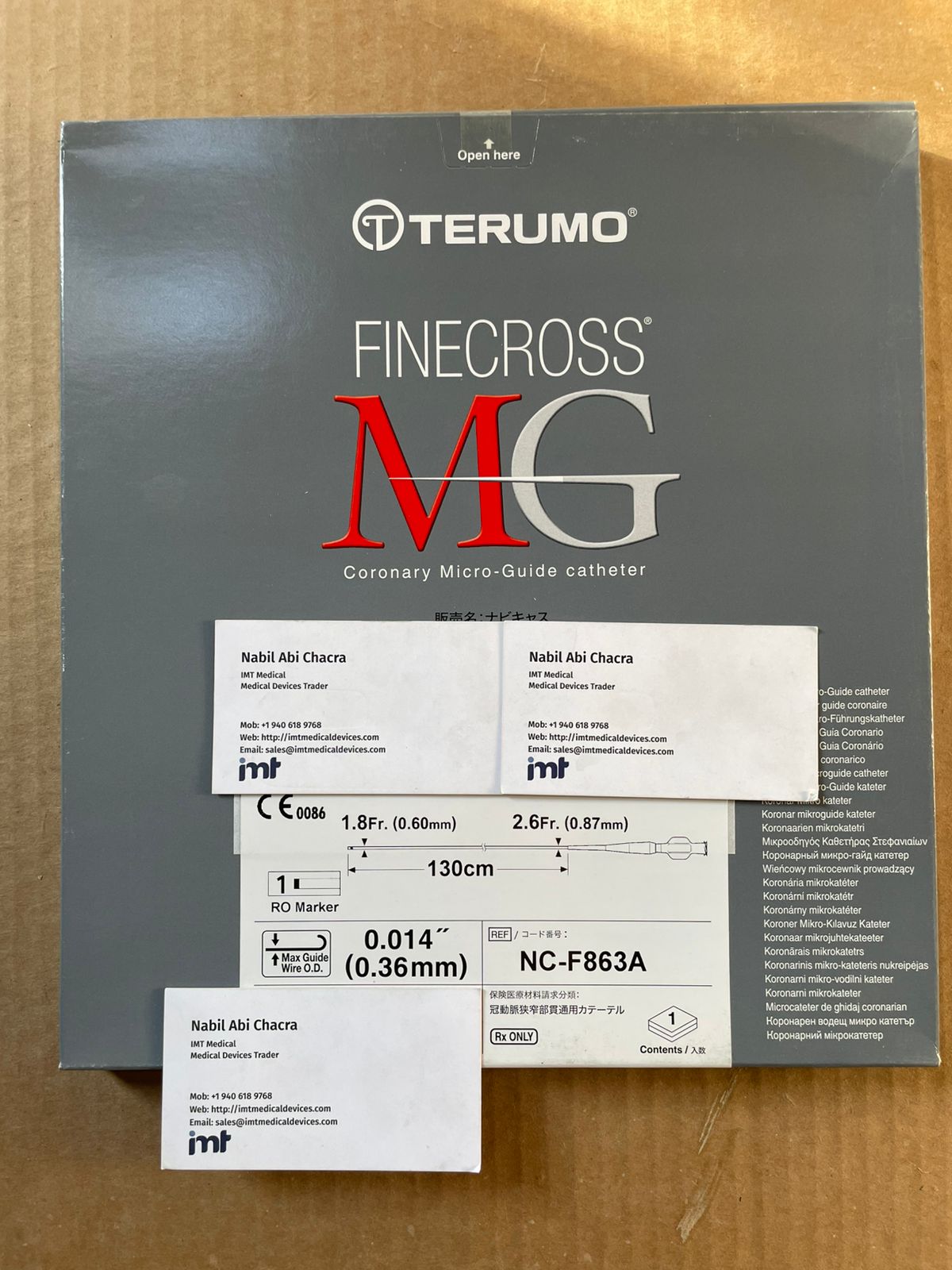
That distinction becomes even more important in specialty procedure areas. An interventional cardiology buyer is not looking for a generic description of a guidewire. They may need a specific Asahi or Terumo reference already aligned with physician preference and inventory planning. The same applies in neurovascular and peripheral intervention, where device selection is often tightly linked to procedural requirements and existing clinical workflows.
Why branded access matters in export procurement
In many international markets, procurement teams are under pressure from both clinical users and finance departments. Clinicians want continuity with trusted manufacturers. Procurement wants fewer sourcing delays, fewer quality disputes, and better control over large-volume purchasing. A medical export supplier that focuses on globally recognized brands addresses both concerns more effectively than a generalist seller.
Recognized manufacturers such as Boston Scientific, Medtronic, Abbott, Cordis, Terumo, Asahi, Stryker, Roche, Siemens, Beckman Coulter, BD, and Ethicon carry practical procurement advantages. Product acceptance is higher, internal review is often faster, and technical identification is clearer. That does not remove every challenge, but it reduces uncertainty compared with unfamiliar alternatives.
There is also a commercial reality here. In urgent or recurring procurement cycles, buyers do not want to spend additional time validating off-brand substitutions unless there is a strong cost or availability reason. In many cases, the preferred path is straightforward: source the exact branded item requested, confirm the quantity, verify export capability, and move the order without introducing avoidable review steps.
How to evaluate a medical export supplier before you send an RFQ
The first test is product specificity. If a supplier cannot engage at the level of exact manufacturer, product family, and SKU reference, the procurement process will slow down quickly. Broad claims about supplying "medical equipment" are not enough for interventional and laboratory buyers who purchase by exact code and approved brand.
The second test is portfolio relevance. A stronger supplier can support multiple clinical categories through one inquiry stream. That matters when a distributor, hospital group, or purchasing department is trying to consolidate orders across cardiology, radiology, surgical, and laboratory needs. Consolidation does not solve every sourcing issue, but it can simplify vendor management and reduce administrative load.
The third test is export handling. This includes commercial documentation, shipment coordination, and practical familiarity with international order flow. Export capability should be operational, not just stated in marketing language. Buyers should be able to confirm whether the supplier routinely serves international destinations, understands documentation requirements, and can communicate clearly on lead times, packing, and dispatch status.
The fourth test is responsiveness. In B2B device procurement, speed matters, but speed without accuracy creates more work later. A reliable supplier answers with clear quotation details, verifies requested references, and addresses availability without vague promises. Fast replies are useful only when they are commercially usable.
Common procurement risks when the supplier is the weak point
The most common problem is substitution risk. A buyer requests a branded device and receives a quote for a similar but different item. Sometimes that happens because the supplier does not carry the requested line. Sometimes it happens because they are trying to close the sale quickly. Either way, it creates review delays and can compromise internal approval.
Another frequent issue is incomplete category support. A supplier may offer coronary products but not peripheral lines, or laboratory brands but not the interventional accessories tied to the same purchasing cycle. That forces the buyer back into fragmented procurement, which adds time and usually weakens visibility across total spend.
Documentation gaps are another concern in export transactions. Even when product availability is acceptable, poor handling of shipping documents, product descriptions, or commercial paperwork can delay movement. For professional buyers, these errors are not minor inconveniences. They affect scheduling, inventory planning, and downstream commitments to clinicians or customers.
Then there is the issue of authenticity and commercial confidence. In specialized device categories, buyers want a sourcing partner that understands the weight of brand integrity. The supplier should communicate in exact product terms and operate with the discipline expected in professional medical procurement.
When one supplier is better than many
There are cases where multiple vendors make sense, especially if pricing pressure is extreme or a buyer is sourcing highly localized product lines. But for many international purchasers, a broader supplier relationship is more efficient. If one source can cover cardiology, peripheral, neurovascular, surgical, and laboratory requirements across established manufacturers, purchasing becomes easier to manage.
This is especially true for distributors and resellers serving varied end users. A fragmented supply base may appear flexible, but it often creates inconsistency in quoting, shipment timing, and product data. A capable export supplier with a wide branded portfolio can reduce that operational noise.
It also helps in environments where demand shifts quickly. A procurement team may begin with guidewires and balloons, then need closure devices, aspiration catheters, sutures, or diagnostic consumables in the same cycle. Working with a supplier that already understands adjacent categories makes those changes easier to absorb.
What strong supplier communication looks like
Good supplier communication is precise, not elaborate. Buyers should expect confirmation of product references, stated manufacturer names, quantity alignment, and realistic availability status. If there are constraints, they should be identified early.
A serious medical export supplier will also understand the buyer context. Hospitals may need continuity for procedure scheduling. Distributors may need broader line coverage and repeatable quote handling. Laboratories may prioritize brand consistency and lot-based planning. The communication style should reflect those realities rather than treating every inquiry as a generic sales lead.
For that reason, the strongest suppliers tend to be transaction-oriented in the right way. They focus on the requested product, the commercial terms, and the export path. That is usually more useful to professional buyers than promotional messaging.
The best fit is not always the cheapest quote
Price matters, especially in bulk purchasing, but unit cost alone is a weak selection standard for specialized medical procurement. A cheaper quote can become more expensive if it introduces substitutions, delays, split shipments, or repeated clarification cycles.
The better comparison is total procurement efficiency. Can the supplier source the exact branded item? Can they support multiple categories? Can they handle export reliably? Can they respond with enough precision for your internal approval process? If the answer is yes, the commercial value is usually stronger than a low quote that creates operational friction.
For buyers sourcing internationally, this is where experience shows. A supplier with broad access to branded devices and established export capability can support continuity across urgent and routine demand alike. That is particularly relevant in product areas where physicians, departments, or customers expect specific manufacturers rather than near equivalents.
A procurement team does not need a flashy vendor. It needs a supplier that can identify the correct device, quote it accurately, and move it through export channels with minimal disruption. If a medical export supplier can do that consistently across cardiology, radiology, neurovascular, surgical, and laboratory categories, the relationship becomes more than transactional. It becomes a practical advantage every time demand tightens.