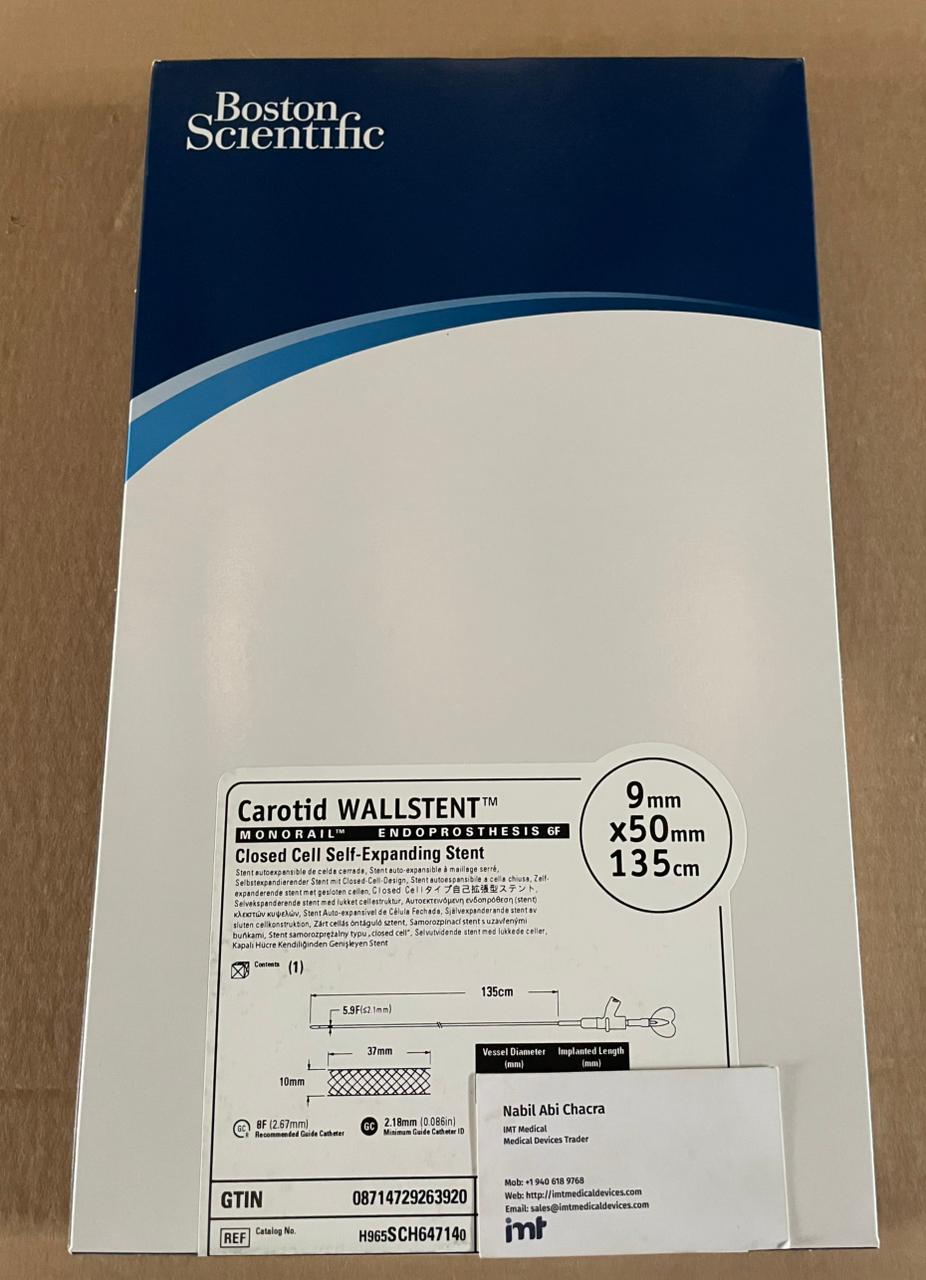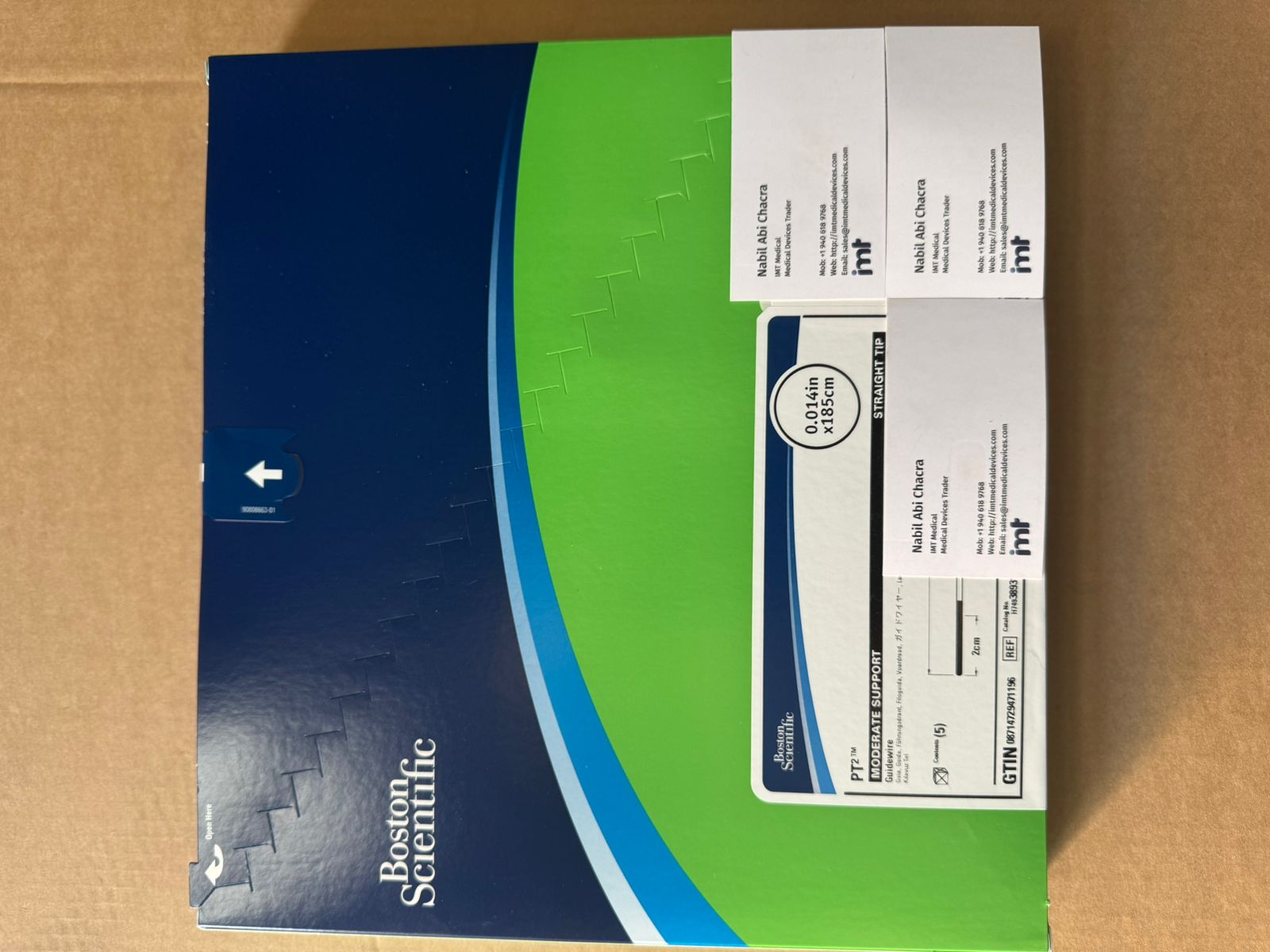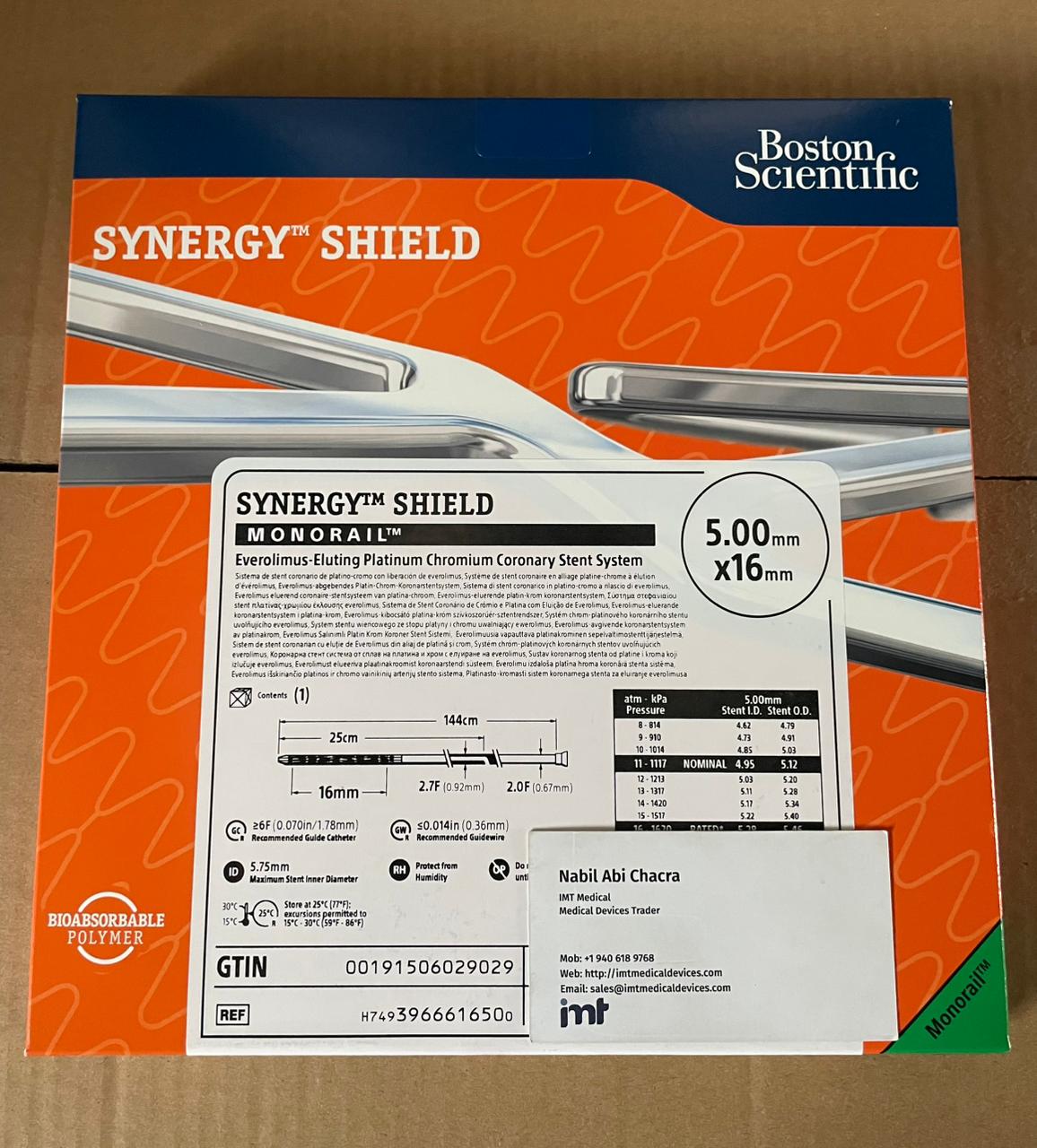

Choosing a Reliable National Medical Device Distributor
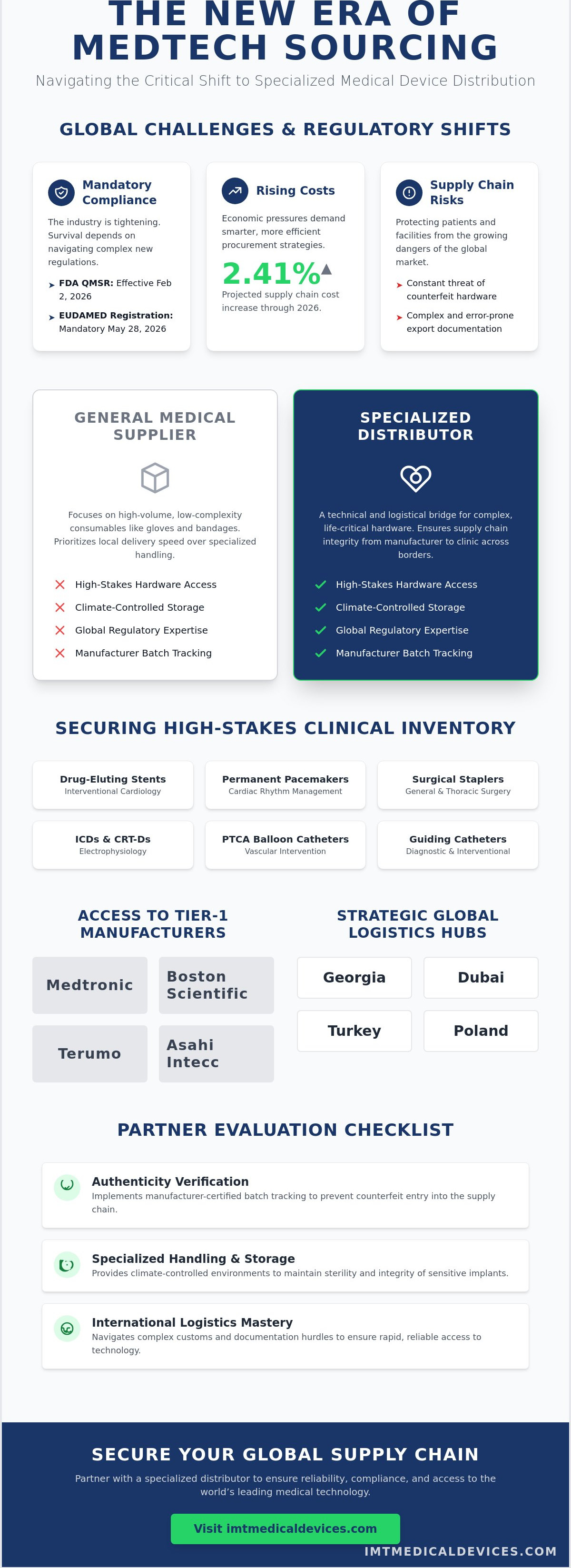
The implementation of the FDA’s Quality Management System Regulation on February 2, 2026, effectively ended the era of the generalist middleman. In an environment where EUDAMED registration is now mandatory for EU market access as of May 28, 2026, selecting a specialized medical device distributor is no longer just about price; it's a matter of technical survival. You're likely facing rising supply chain costs, projected to increase by 2.41% through 2026, alongside the constant threat of counterfeit hardware and complex export documentation.
Securing high-stakes inventory such as drug-eluting stents, permanent pacemakers, and surgical staplers requires a partner with industrial-scale logistical reach. You need a reliable bridge to manufacturers like Medtronic, Terumo, and Boston Scientific that provides more than just a list of codes. This article outlines the specific protocols for identifying a high-capacity partner to secure specialized inventory and streamline international logistics. We will detail the requirements for transparent regulatory documentation, lead time reliability for critical implants, and the vetting processes needed to maintain a resilient global supply chain.
Key Takeaways
- Distinguish between general medical suppliers and a specialized medical device distributor serving as a technical bridge for high-stakes cardiology and surgical hardware.
- Identify the logistics requirements for sourcing Tier-1 manufacturer inventory, including drug-eluting stents, permanent pacemakers, and surgical staplers.
- Navigate international regulatory hurdles and specialized handling protocols for sterile, temperature-sensitive clinical equipment across global borders.
- Apply specific evaluation criteria to verify manufacturer relationships with brands like Medtronic, Terumo, and Boston Scientific to ensure supply chain integrity.
- Leverage strategic distribution hubs in Georgia, Dubai, Turkey, and Poland to streamline international export logistics and optimize procurement lead times.
The Role of a Specialized Medical Device Distributor in Global Healthcare
A specialized medical device distributor functions as a high-capacity technical and logistical bridge within the B2B supply chain. While general medical-surgical suppliers focus on high-volume consumables like gloves or bandages, a specialized technology exporter manages the movement of complex, life-critical hardware. This includes any medical device used for specialized intervention, from diagnostic guide wires to implantable cardioverter defibrillators (ICDs). Procurement professionals prioritize distributors with established global networks to ensure that manufacturer-to-clinic supply chain integrity remains uncompromised across international borders.
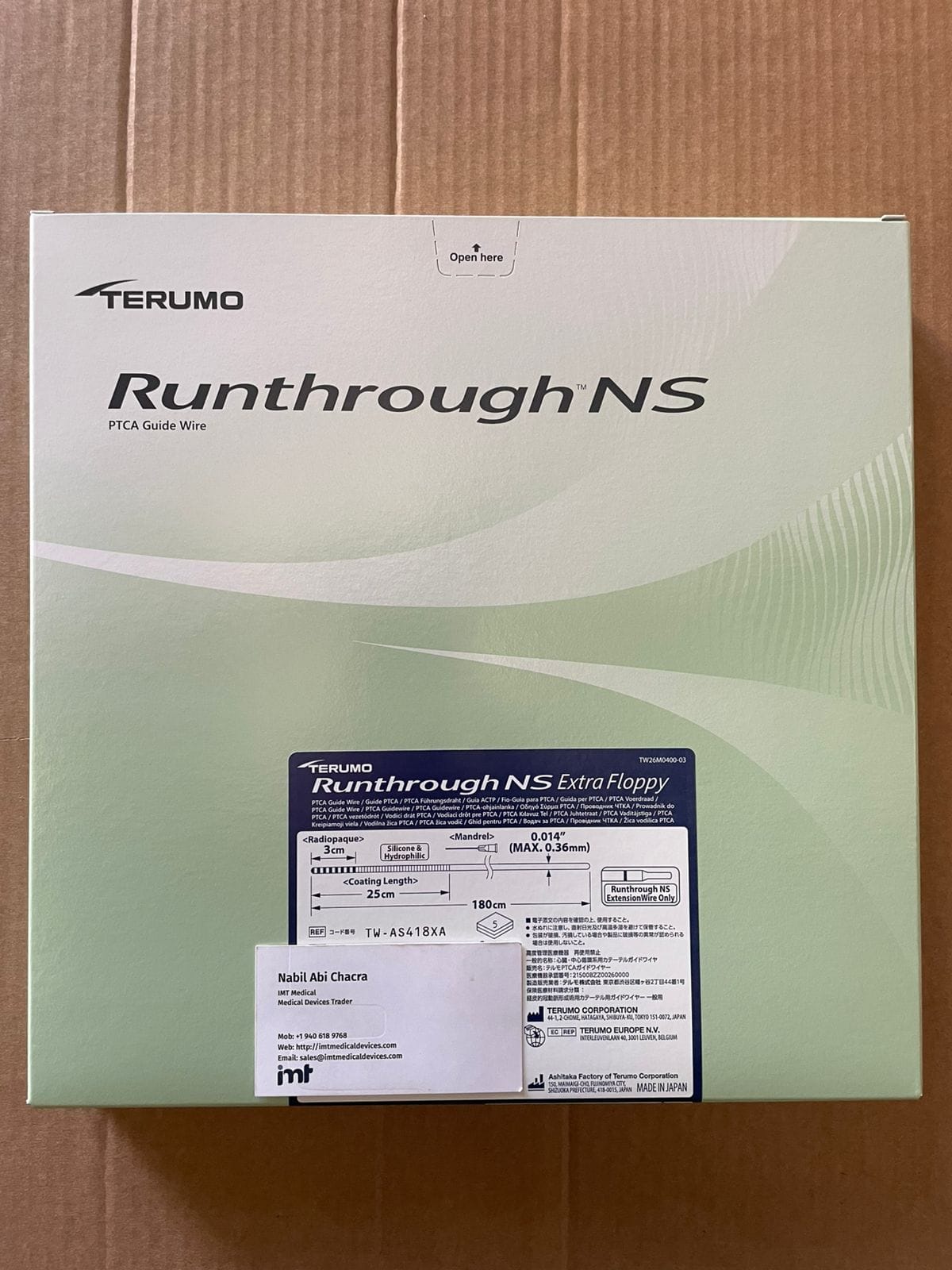
Operational differences between generalists and specialists are significant. Generalists often prioritize local delivery speed for low-cost items, whereas a specialized distributor focuses on the availability of high-complexity surgical and cardiology equipment. They provide a vital link for facilities requiring consistent access to premium brands like Medtronic, Terumo, and Boston Scientific. This partnership isn't just about moving boxes; it's about maintaining a digital warehouse of technical identifiers and manufacturer-certified inventory that meets specific clinical needs.
Bridging the Gap Between Manufacturers and Providers
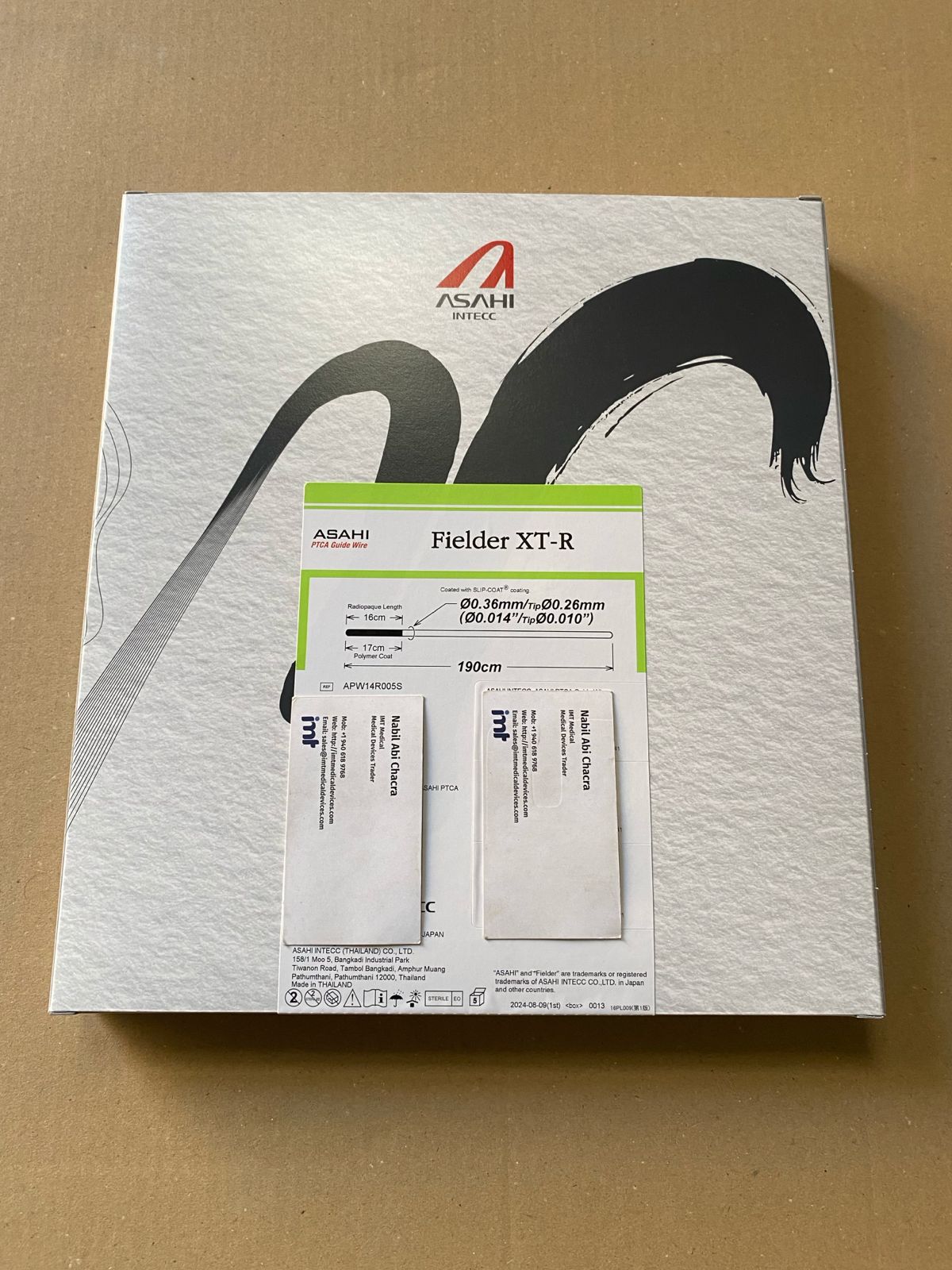
Large-scale production by entities like Asahi Intec requires a middle-tier partner to manage the transition from bulk manufacturing to targeted clinical availability. Distributors handle the granular logistics that manufacturers often can't manage directly. This includes ensuring that technical support data and regulatory documentation move alongside the physical hardware. By maintaining regional inventory buffers, a distributor mitigates localized supply shortages. This allows hospitals to maintain consistent surgical schedules despite global market fluctuations or manufacturing delays. The distributor acts as a shock absorber for the healthcare system, balancing global production with local demand.
Core Responsibilities of an International Wholesaler
Reliability in this sector is defined by rigorous verification of product authenticity. An international wholesaler must implement manufacturer-certified batch tracking to prevent counterfeit entry into the supply chain. This is vital for items like surgical staplers and electrophysiology catheters where precision is mandatory. Beyond security, specialized storage is a functional requirement. Sensitive implants, such as permanent pacemakers and peripheral stents, require climate-controlled environments to maintain sterility and battery integrity. Efficient distributors facilitate rapid access to latest-generation technology, such as drug-eluting stents and PTCA balloon catheters, by navigating customs hurdles that often delay generalist shipments. They ensure that every guiding catheter and guidewire arrives with the necessary certifications for immediate clinical use.
Inventory Breadth: Sourcing From Global Medical Device Manufacturers
Manufacturer reputation serves as the foundational trust signal in the global supply chain. A medical device distributor that manages a multi-brand portfolio, including Medtronic, Boston Scientific, and Terumo, demonstrates the capacity to meet diverse clinical requirements. These manufacturers produce hardware that adheres to the regulatory standards set by the FDA's Center for Devices and Radiological Health (CDRH). Accessing these brands through a single partner simplifies procurement and reduces the administrative burden of managing multiple vendor contracts. This centralized sourcing model is particularly effective for high-demand categories such as interventional cardiology and vascular surgery.
Effective procurement relies on a technical sourcing framework that prioritizes manufacturer identifiers over generic descriptions. This approach minimizes the risk of receiving incompatible hardware. A distributor should provide detailed catalogs that include manufacturer names, product codes, and technical specifications for every item, from a simple guiding catheter to complex ICD systems. This data-driven inventory management allows procurement professionals to cross-reference internal requirements with available stock in real-time. It creates a transparent environment where the identity of the original producer is the primary guarantee of quality.
Cardiology and Interventional Radiology Sourcing
Procurement for interventional suites requires a focus on PTCA balloon catheters and coronary stent platforms. Reliability in this category depends on the availability of specialized hardware like drug-eluting stents and peripheral stents. Sourcing Asahi Intec products is mandatory for facilities performing complex vascular access procedures where specific wire performance is non-negotiable. Technical identifiers, such as manufacturer-specific codes, are utilized to ensure exact inventory matching across global borders. This precision is vital when selecting a guidewire or guiding catheter, as minor variations in diameter or coating can impact clinical outcomes.
Advanced Surgical and CRM Device Supply
Managing stock for Cardiac Rhythm Management (CRM) involves complex logistics for permanent pacemakers and Implantable Cardioverter Defibrillators (ICDs). These devices require strict environmental controls and detailed batch tracking from the point of manufacture to the clinical facility. Distributors must also maintain high-volume supply for surgical staplers and electrophysiology catheters used in routine and specialized procedures. Diagnostic guide wires and other vascular access tools must be kept in stock to prevent surgical delays. Large-scale hospital systems prioritize partners that can provide bulk sourcing without compromising on the technical specifications of individual units. You can view the full inventory to confirm current availability of specific hardware codes.
Navigating Global Logistics and Regulatory Compliance
Moving specialized implants like permanent pacemakers or drug-eluting stents requires more than standard freight. A high-capacity medical device distributor operates within a rigid framework of international trade laws and clinical safety protocols. This involves managing the intersection of local healthcare regulations and global transit requirements. Efficiency in this area prevents customs bottlenecks that delay life-saving procedures. It's a technical challenge where logistical precision directly impacts patient outcomes.
Compliance is the primary barrier to entry for international distribution. All entities must adhere to FDA Establishment Registration Requirements to operate legally and facilitate exports. With the FDA’s Quality Management System Regulation (QMSR) becoming effective on February 2, 2026, alignment with international standards like ISO 13485 is now a regulatory mandate for domestic and international entities. This harmonization simplifies global trade but requires rigorous internal auditing to maintain market access.
Export Documentation and Compliance Standards
Documentation is the currency of international medical trade. Every shipment of PTCA balloon catheters or surgical staplers must include valid Certificates of Free Sale (CFS). These documents prove the hardware is legally marketed in the country of origin. Additionally, as of May 28, 2026, mandatory use of EUDAMED modules for device registration is required for the EU market. Ensuring all inventory carries valid CE marking or equivalent regulatory approval is mandatory for entry into European and Middle Eastern markets. This documentation trail guarantees that every guidewire and guiding catheter meets localized safety standards before reaching the hospital.
Supply Chain Security and Cold Chain Integrity
High-value cardiology implants require constant monitoring. Implementing batch-tracking and real-time tracking systems for ICDs and electrophysiology catheters is standard protocol. Security extends to physical handling; sterile integrity must be maintained during long-distance transit. For temperature-sensitive supplies, specialized packaging solutions prevent battery degradation or material compromise. This protects the manufacturer's reputation and ensures devices arrive in clinical-ready condition.
Strategic positioning facilitates smoother regional reach. Local presence in logistics hubs like Dubai, Georgia, Turkey, or Poland allows a medical device distributor to bypass common congestion points. These locations serve as staging areas to reduce lead times for diagnostic guide wires and peripheral stents. It enables a faster response to regional demand spikes while maintaining a strict chain of custody from the manufacturer to the end-user.
Evaluation Criteria for Choosing a Medical Device Distributor
Selecting a medical device distributor requires a rigorous vetting process that prioritizes technical competence over generic service claims. Procurement officers must verify the distributor’s direct or authorized access to Tier-1 global manufacturers like Medtronic, Boston Scientific, and Terumo. A reliable partner demonstrates an expansive export history, particularly in complex regions where customs regulations frequently shift. Reliability is measured by the distributor's ability to maintain a consistent chain of custody for high-value items, such as permanent pacemakers and implantable cardioverter defibrillators (ICDs).
Technical expertise is a non-negotiable criterion. A distributor must understand the specific clinical applications of the hardware they supply. They should be able to distinguish between the subtle performance characteristics of an Asahi Intec guidewire and a standard guiding catheter. This level of specialization ensures that the procurement team receives the exact technical specifications required for specialized surgical or interventional procedures. Verification of regional reliability involves reviewing past performance in target geographic markets, ensuring the entity can navigate localized documentation requirements without transit delays.
Commercial and Financial Stability
A distributor's financial capacity determines its ability to manage large-scale bulk orders for hospital systems. Transparency in pricing is essential. This includes clear breakdowns of export logistics, documentation fees, and volume-based pricing tiers. Stability also translates to inventory consistency. Partners should provide reliable lead times for high-demand items, including ptca balloon catheters and drug-eluting stents. Evaluating contract flexibility allows facilities to adjust procurement volumes based on actual clinical throughput rather than rigid, outdated projections.
Technical Support and After-Sales Service
The relationship does not end at the point of delivery. Authorized distributors provide comprehensive technical support, including the provision of manufacturer data sheets and technical specifications for all hardware. This support is vital for managing product recalls or regulatory updates issued by the original manufacturer. For complex devices like electrophysiology catheters or surgical staplers, the distributor should facilitate access to manufacturer-authorized training materials. This ensures that clinical staff are informed about the latest hardware iterations and safety protocols. To secure a partner that meets these stringent criteria, you can request a distribution quote for your specific inventory needs.
Assess these criteria as a checklist to ensure your supply chain remains resilient. A partner that combines manufacturer-centric sourcing with industrial-scale logistics provides the stability necessary for modern clinical environments.
IMT Medical Devices: Your Global Partner in MedTech Distribution
IMT Medical Devices operates as a high-capacity medical device distributor with a focused mission: bridging the gap between major manufacturers and international clinical markets. The entity functions as a global wholesaler and exporter, maintaining a strategic presence in Georgia, Dubai, Turkey, and Poland. These hubs serve as logistical anchors, allowing for optimized reach into emerging and established markets alike. By centering operations in these key transit points, IMT Medical Devices ensures that procurement professionals can access Tier-1 technology without the standard delays associated with fragmented supply chains. This infrastructure supports a streamlined flow of goods, moving hardware from production lines to clinical suites with industrial efficiency.
The operational model prioritizes speed and data accuracy. It's a system designed to handle the high-pressure requirements of modern hospital systems and surgical centers. By functioning as a vital link in the global supply chain, IMT Medical Devices provides the stability necessary for facilities to maintain their procedural schedules. The focus remains on logistical reliability and product availability, ensuring that critical inventory is accessible when and where it's needed most.
Our Product Portfolio and Manufacturer Network
The inventory is defined by its breadth and authenticity. IMT Medical Devices provides direct access to critical hardware, including drug-eluting stents, permanent pacemakers, and implantable cardioverter defibrillators (ICDs). The network includes prestigious brands such as Medtronic, Boston Scientific, Terumo, and Asahi Intec. This manufacturer-centric approach ensures that every item, from surgical staplers to electrophysiology catheters, carries the necessary clinical pedigree. Procurement is catalog-driven. This allows for rapid technical identification of specific product codes, ensuring that facilities receive the exact guiding catheter or guidewire required for their procedures. We prioritize high-demand medical technologies, maintaining stock levels that allow for immediate dispatch of PTCA balloon catheters and peripheral stents.
Reliable Export and Logistics Management
Global reach is supported by deep expertise in international shipping and customs documentation. IMT Medical Devices manages the complexities of cross-border trade for healthcare providers in over 50 countries. This includes the preparation of Certificates of Free Sale and compliance with evolving regulatory standards like EUDAMED and the FDA’s QMSR. Supply chain integrity is maintained through rigorous handling protocols for sensitive equipment, such as diagnostic guide wires and electrophysiology catheters. The focus remains on ensuring that sterile and climate-sensitive hardware arrives in clinical-ready condition. Our logistical framework is designed to bypass regional congestion, providing reliable lead times for critical implants. You can contact our procurement team to discuss bulk supply requirements and logistics for your facility.
Optimizing Global Procurement Strategy
Maintaining a resilient supply chain requires transitioning from generalist suppliers to a specialized medical device distributor capable of navigating the 2026 regulatory landscape. Access to authentic technology from Medtronic, Terumo, and Boston Scientific ensures clinical performance remains consistent across all territories. You've identified the necessity for rigorous technical vetting and the importance of strategic logistics hubs to mitigate rising supply chain costs and documentation delays.
IMT Medical Devices functions as a high-capacity partner with a proven track record of exporting to over 50 countries. With strategic offices in Georgia, Dubai, and Poland, we provide the industrial-scale infrastructure needed to secure drug-eluting stents, permanent pacemakers, and surgical staplers. Our manufacturer-centric approach simplifies the procurement of specialized hardware through catalog-driven identification and transparent documentation. Contact IMT Medical Devices for Global Sourcing and Logistics Solutions to streamline your international requirements. Efficient procurement starts with a partner that values technical precision and logistical reach.
Frequently Asked Questions
What is the primary role of a medical device distributor?
A medical device distributor functions as a technical and logistical bridge between global manufacturers and healthcare providers. Their primary responsibility involves managing the supply chain for specialized hardware like permanent pacemakers and drug-eluting stents. This includes navigating international customs, ensuring regulatory compliance, and maintaining regional inventory buffers to prevent clinical supply shortages. They ensure the correct technical identifiers reach the end-user.
How do distributors ensure the authenticity of medical equipment?
Authenticity is guaranteed through manufacturer-certified batch tracking and a strict chain of custody. Specialized distributors source inventory directly from authorized channels of brands like Medtronic, Boston Scientific, and Terumo. This process eliminates the risk of counterfeit products entering the clinical environment. Every unit of hardware, from surgical staplers to electrophysiology catheters, includes a verifiable documentation trail originating from the production line.
What documentation is required for international medical device export?
International exports require Certificates of Free Sale (CFS), ISO 13485 compliance records, and valid CE marking. As of May 28, 2026, mandatory registration in the EUDAMED database is required for all devices placed on the EU market. Distributors must also maintain valid establishment registrations with relevant health authorities to facilitate the legal movement of specialized implants across global borders. It's a precise requirement for market entry.
Can a distributor provide technical support for specialized cardiology devices?
Yes. Authorized distributors provide access to manufacturer data sheets, technical specifications, and authorized training materials. This support is vital for the correct clinical application of complex hardware like ICDs and PTCA balloon catheters. Specialized partners understand the technical identifiers for Asahi Intec guidewires and guiding catheters, ensuring that procurement teams receive the exact specifications required for interventional procedures.
How does volume-based pricing work in medical device wholesale?
Volume-based pricing utilizes a tiered structure where the unit cost for hardware decreases as the order quantity increases. This model is standard for bulk procurement of high-volume items like diagnostic guide wires and surgical staplers. It allows hospital systems to optimize their procurement budgets while securing consistent lead times for critical inventory. Pricing tiers are typically defined by the distributor's commercial agreements with Tier-1 manufacturers.
What are the risks of using a non-specialized distributor for surgical supplies?
Using a non-specialized medical device distributor increases the risk of supply chain disruptions and improper handling of sensitive equipment. Generalist suppliers often lack the technical expertise to manage the specific storage requirements for sterile implants or the documentation needed for complex customs clearance. This can lead to transit delays for critical hardware like peripheral stents, potentially impacting surgical schedules. It's a risk to clinical continuity.
How do distributors manage the cold chain for sensitive implants during export?
Cold chain management involves the use of climate-controlled packaging and real-time tracking systems during transit. This is mandatory for hardware with battery components, such as permanent pacemakers, or materials sensitive to thermal fluctuations. Distributors implement these specialized logistics protocols to ensure every device arrives in clinical-ready condition. This maintains the manufacturer's sterility and performance standards throughout the international export process.
What is the difference between a medical device manufacturer and a distributor?
Manufacturers focus on the research, design, and production of medical hardware. In contrast, distributors manage the global wholesale, export logistics, and regional availability of those products. A distributor provides a centralized sourcing point for multiple brands, such as Boston Scientific and Terumo, whereas a manufacturer typically only provides their own proprietary lines. This allows procurement officers to consolidate their supply chain through a single technical partner.