

Choosing Neurovascular Micro Catheter Suppliers
A delayed neurovascular case rarely fails because the clinical team does not know what to do. More often, the friction starts earlier - wrong SKU, incomplete brand availability, export delays, or a supplier that treats a specialized device category like a general catalog item. For buyers sourcing neurovascular micro catheter suppliers, the real question is not who can send a quote. It is who can supply the exact branded product required, with procurement accuracy and continuity.
In neurovascular intervention, small specification differences matter. Inner diameter, distal flexibility, trackability, compatibility with guidewires and embolic devices, and physician brand preference all affect purchasing decisions. That makes this category different from routine commodity buying. A supplier needs to understand that a micro catheter request is usually tied to a very specific procedural plan, not a broad substitute-acceptable category.
What buyers should expect from neurovascular micro catheter suppliers
Professional buyers usually begin with brand and product fit, not broad marketing claims. In this segment, recognized manufacturers carry weight because physicians and interventional teams often standardize around known performance profiles. A capable supplier should therefore support procurement around exact branded nomenclature and identifiable product lines, not vague descriptions.
That is especially relevant when a hospital, distributor, or specialist center is trying to consolidate sourcing. If neurovascular micro catheters must be purchased from one vendor, coils from another, and guidewires from a third, procurement becomes slower and harder to control. Suppliers with broader interventional portfolios can reduce that friction, particularly when the requirement extends beyond one urgent line item.
A useful supplier relationship also depends on responsiveness at the quotation stage. For B2B buyers, speed alone is not enough. Quotes need to reflect correct product references, realistic availability, and clear commercial handling. A fast but inaccurate response creates more delay than a slower quote built on verified inventory and export readiness.
Branded availability is the first filter
In neurovascular procurement, branded availability usually drives the decision before price does. That does not mean pricing is secondary in every case. It means a lower-priced offer has limited value if it cannot match physician requirements, internal approval standards, or existing inventory protocols.
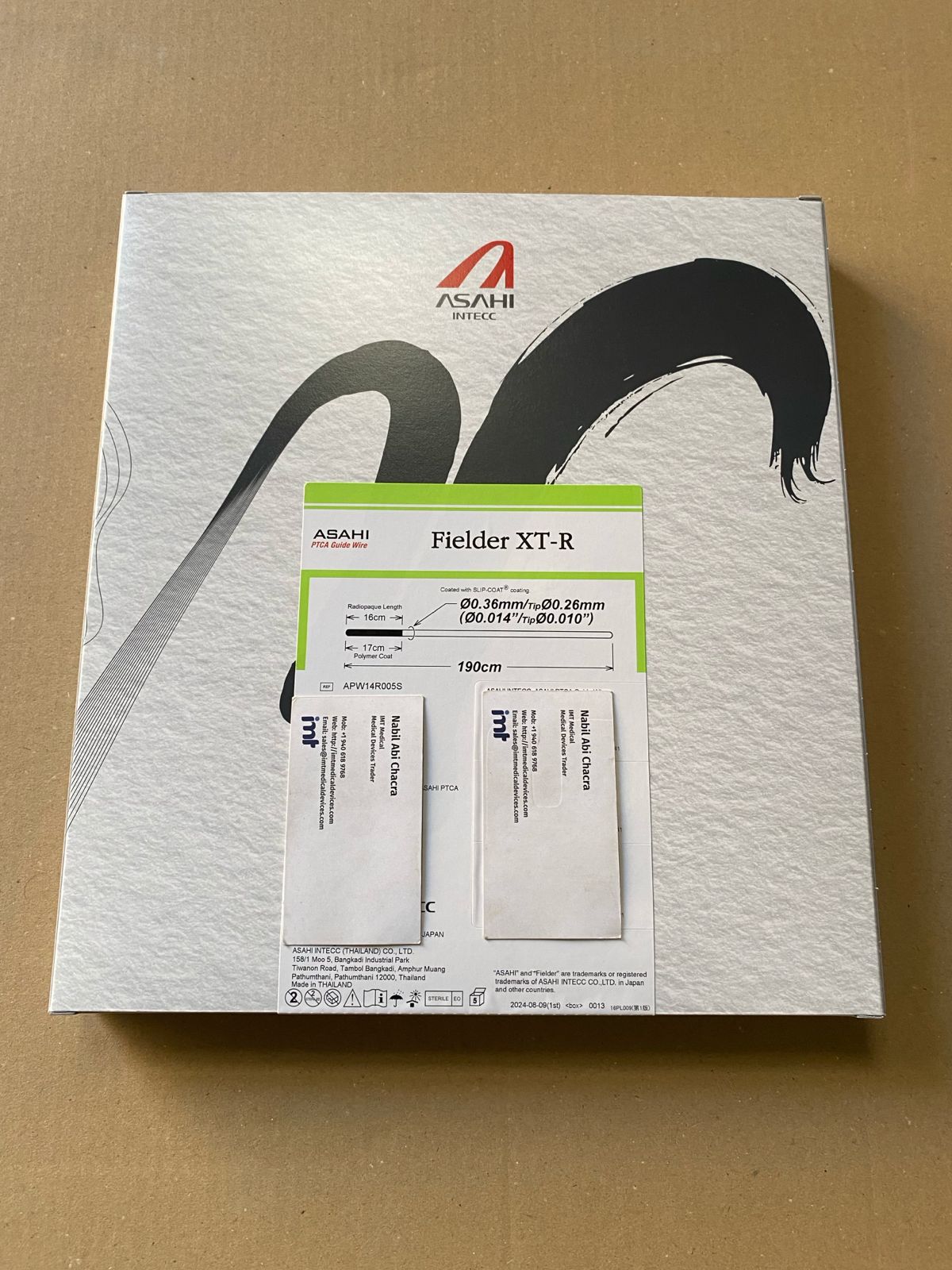
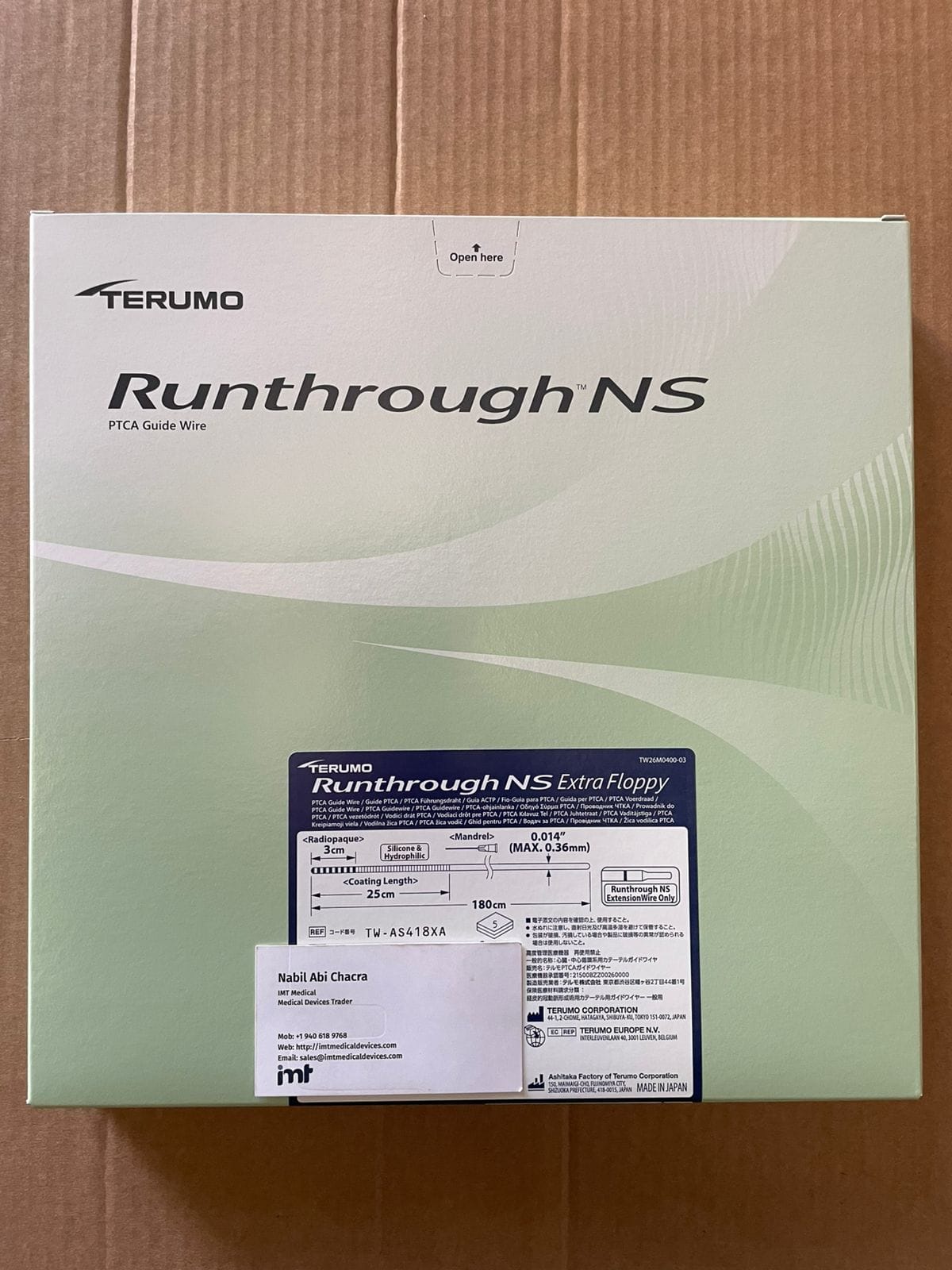
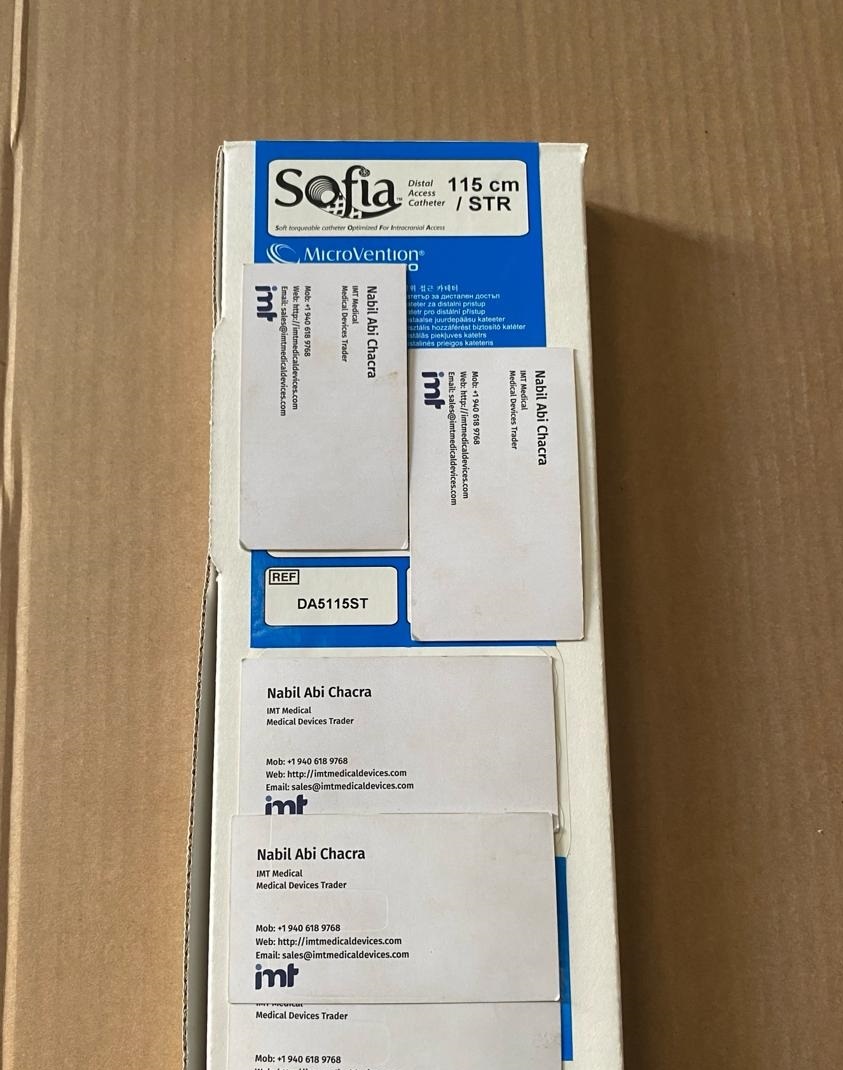
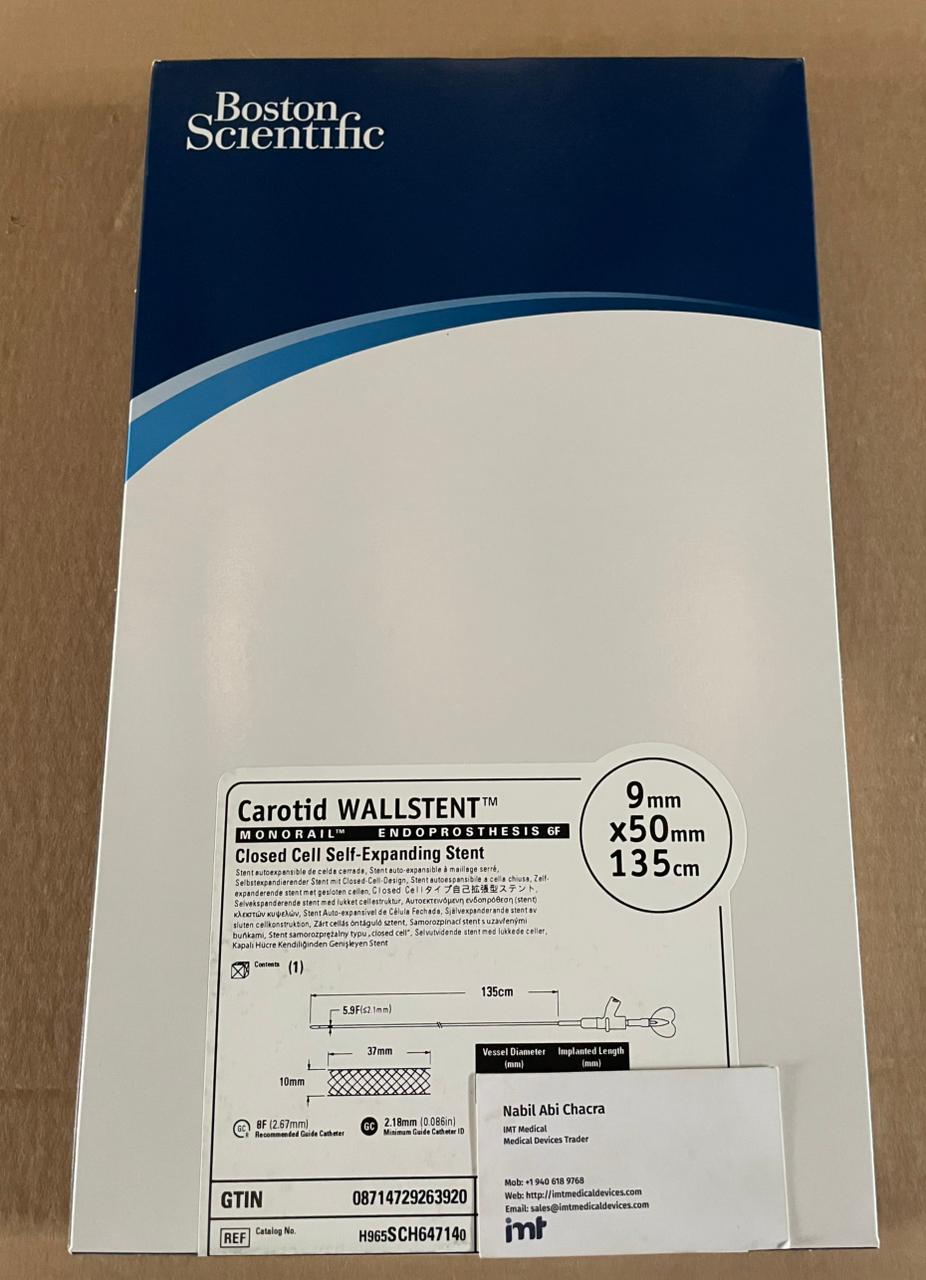
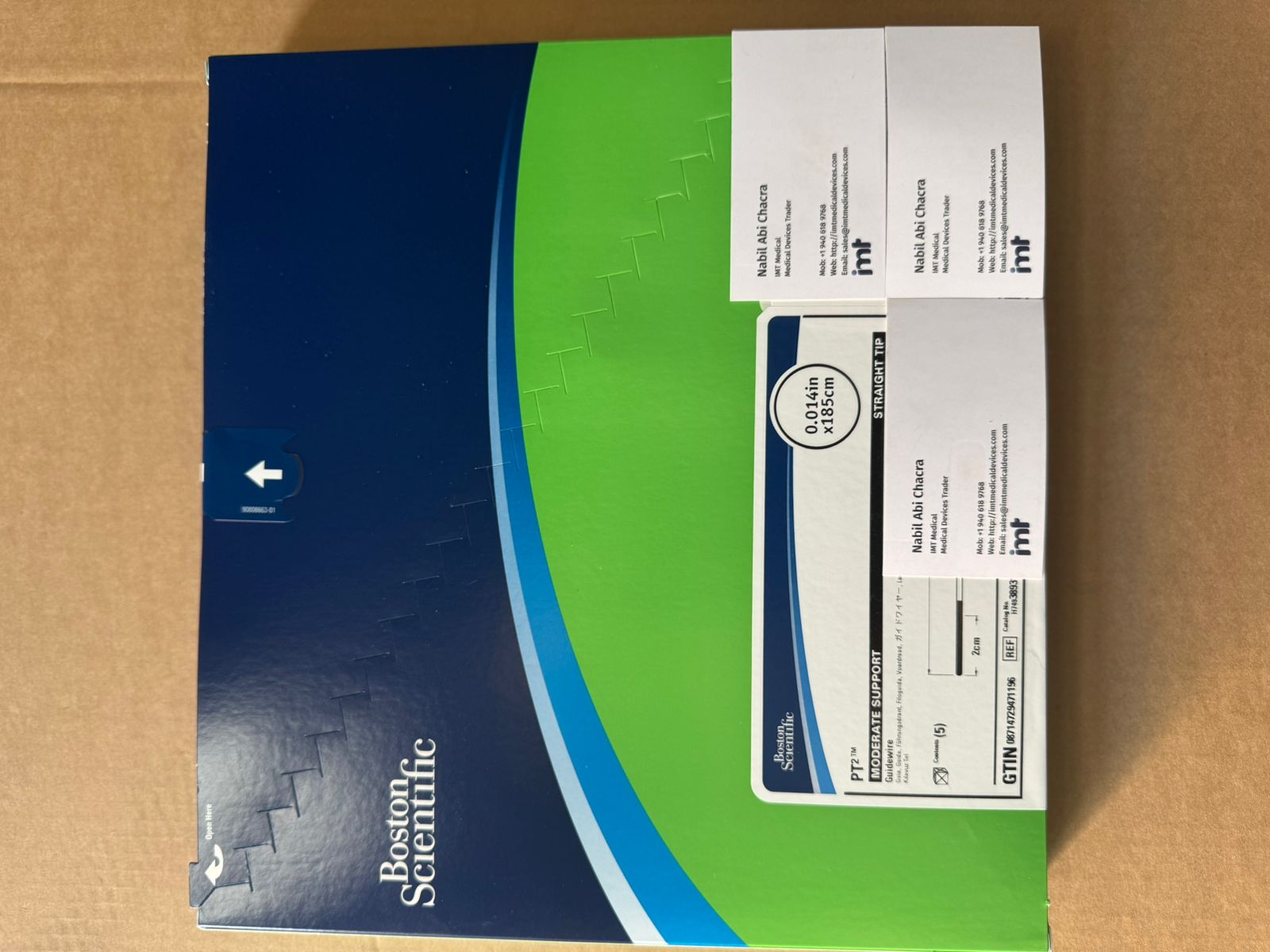
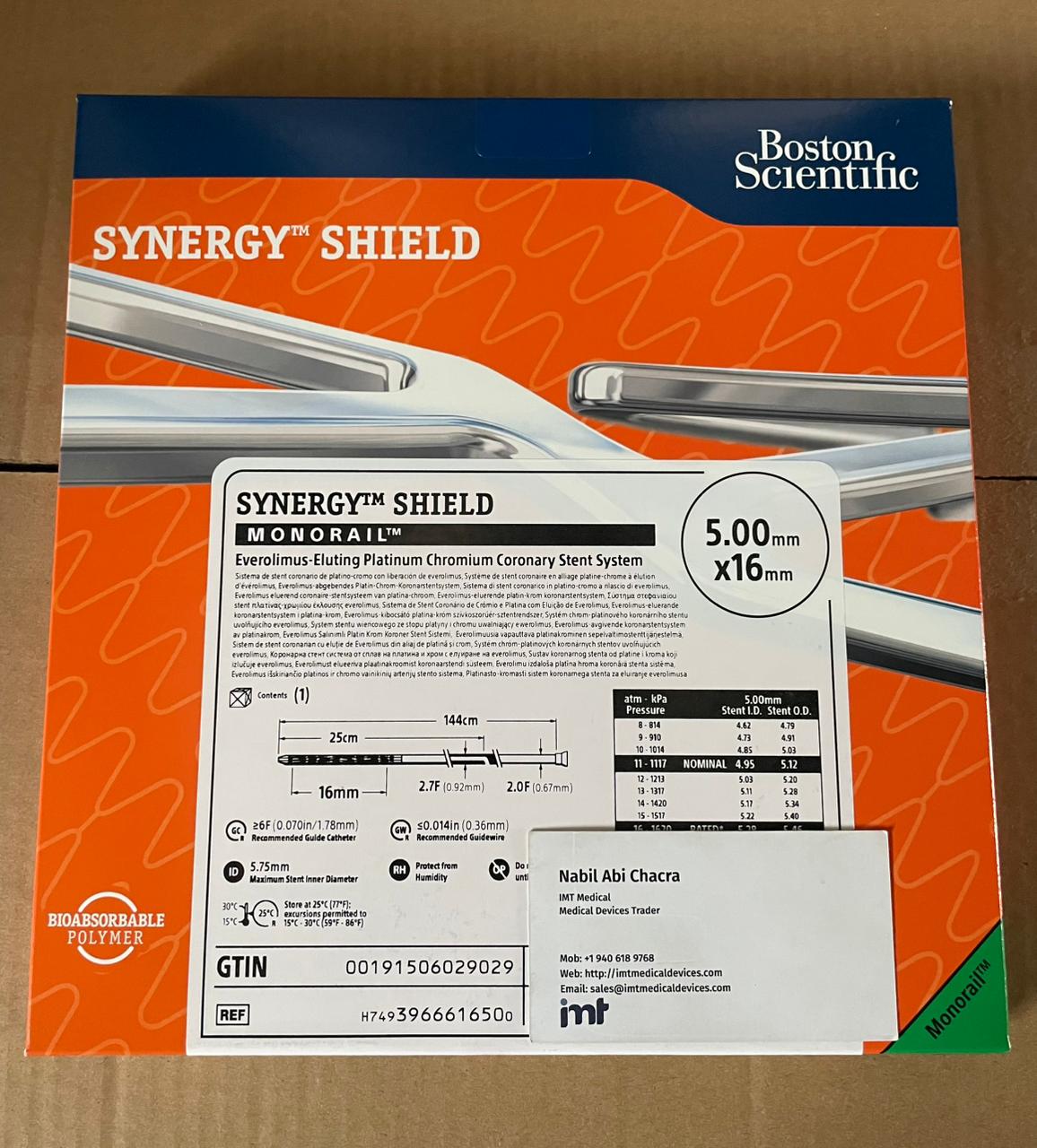
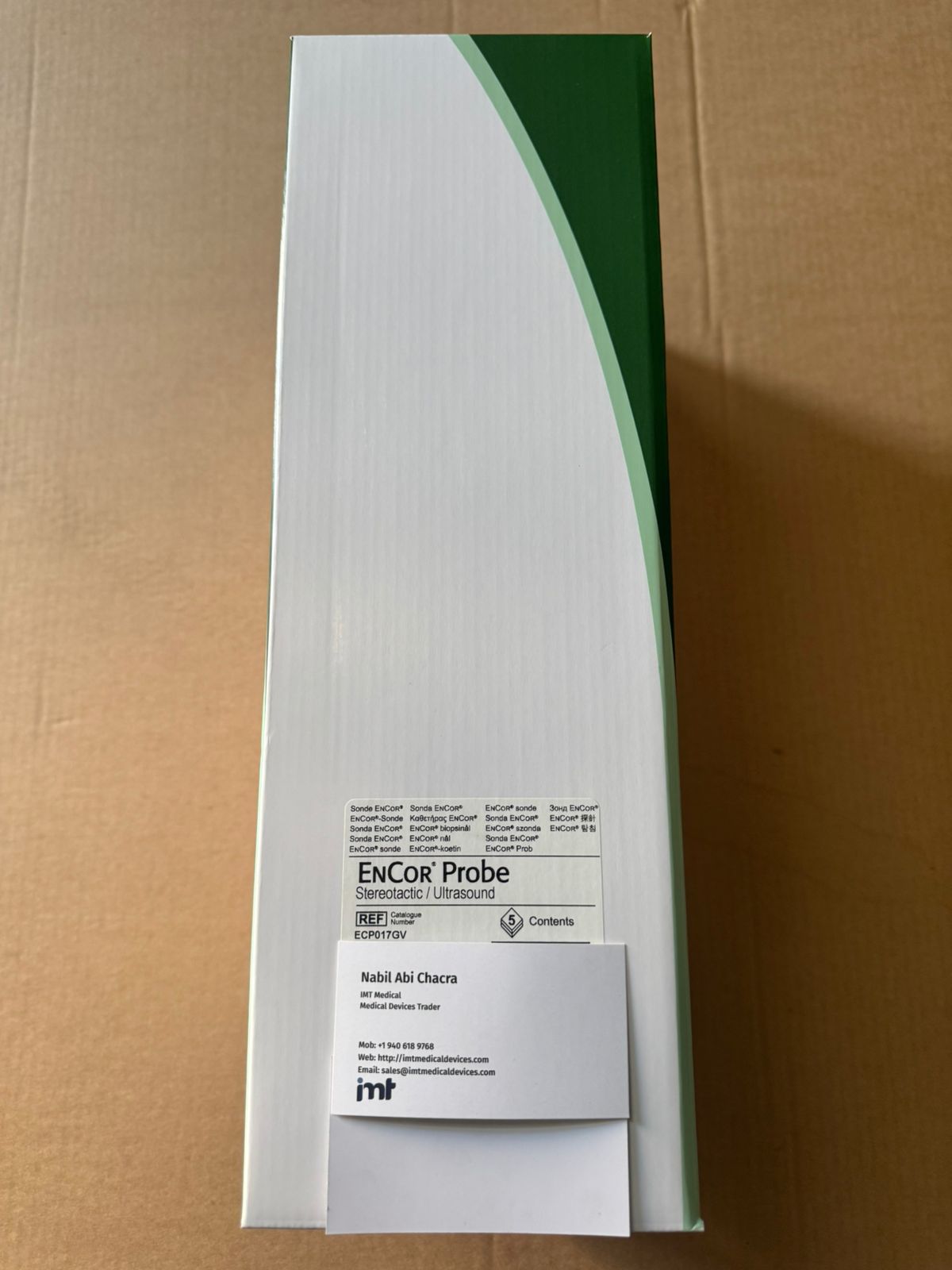
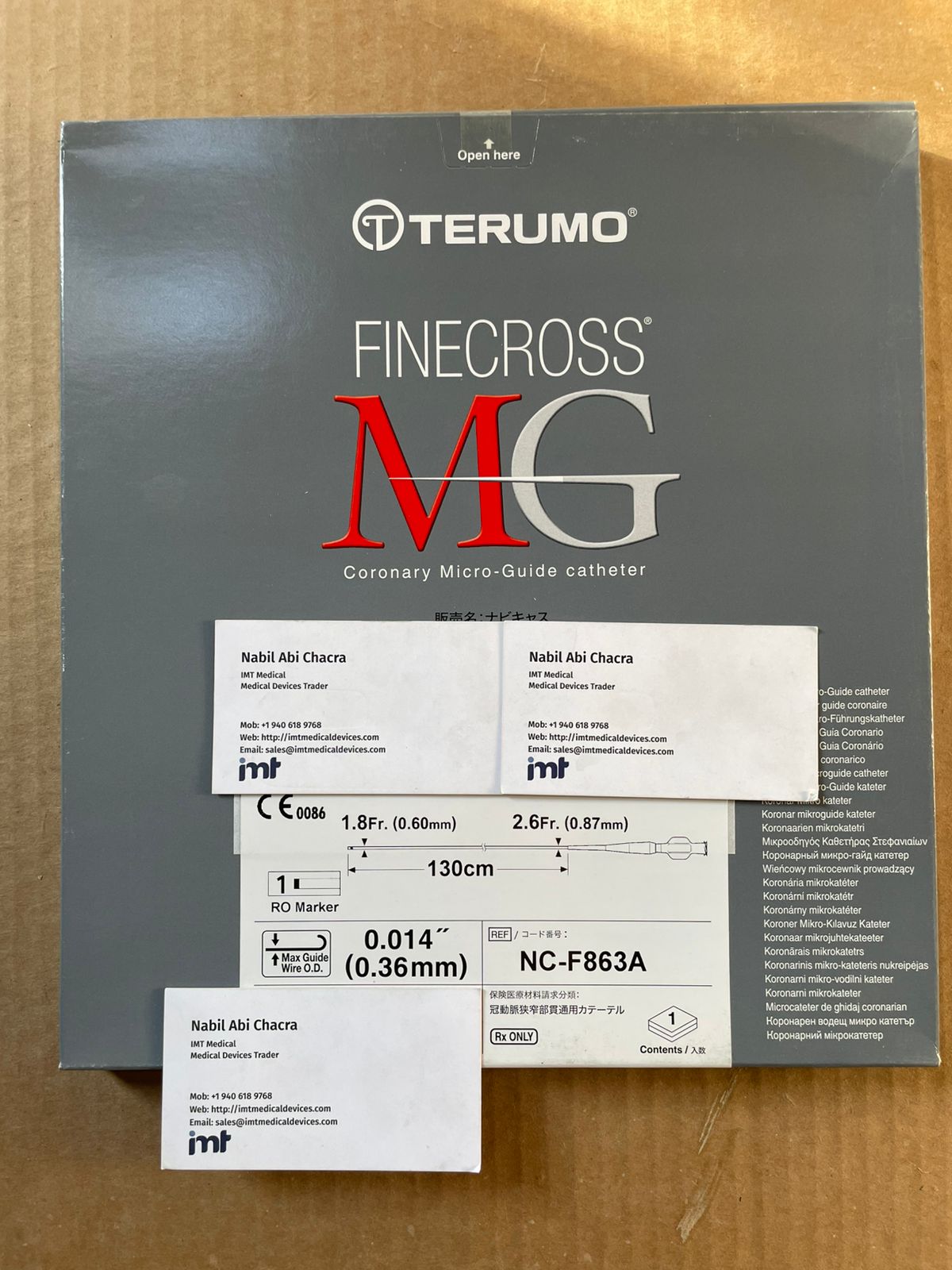
Many buyers are not looking for a generic equivalent. They are looking for a specific branded micro catheter from a recognized manufacturer, often alongside associated devices used in the same intervention. When suppliers can support access to established names such as Stryker, Medtronic, Terumo, Boston Scientific, and other major device manufacturers, procurement becomes more predictable. Buyers can align sourcing with existing clinical preferences instead of reopening product evaluation each time stock is needed.
This matters even more in international purchasing. Product familiarity helps teams manage regulatory review, internal documentation, and user confidence. If a procurement department is serving multiple facilities or resale channels, branded consistency also reduces the operational burden of stocking too many alternative product profiles.
SKU accuracy matters more than broad category claims
A supplier may say it handles neurovascular products, but buyers need more than a category label. Neurovascular micro catheters are purchased by reference, compatibility, and intended use. A serious supplier should be comfortable working from exact product names, sizes, and manufacturer codes.
This is where many sourcing processes either stay efficient or become expensive. If the request is translated incorrectly, if one variant is quoted instead of another, or if accessory compatibility is assumed rather than confirmed, the procurement cycle stretches. Internal teams then spend time clarifying what should have been clear from the start.
For that reason, buyers should look for suppliers that operate in a catalog-disciplined way. Product-centric handling is not just a presentation preference. It is a control mechanism. It reduces errors, supports cleaner quote comparisons, and helps avoid substitutions that may not be clinically acceptable.
How to assess international supply capability
For many healthcare buyers, the challenge is not simply finding neurovascular micro catheter suppliers. It is finding one that can support export transactions without turning every order into a special project. International fulfillment adds practical layers: shipping coordination, documentation, packaging standards, destination-specific requirements, and lead time realism.
A supplier serving global buyers should be able to communicate clearly about these variables before the order becomes urgent. Buyers do not need inflated promises. They need straightforward answers on product availability, dispatch expectations, and the commercial process for cross-border shipment.
This is where wholesale-oriented suppliers tend to outperform local retail-style sellers. Export-capable sourcing partners understand that professional buyers often place repeat orders, mixed-brand requests, and consolidated shipments. They are structured around inquiry, quotation, and volume handling rather than one-off transactional checkout logic.
Portfolio breadth can reduce procurement risk
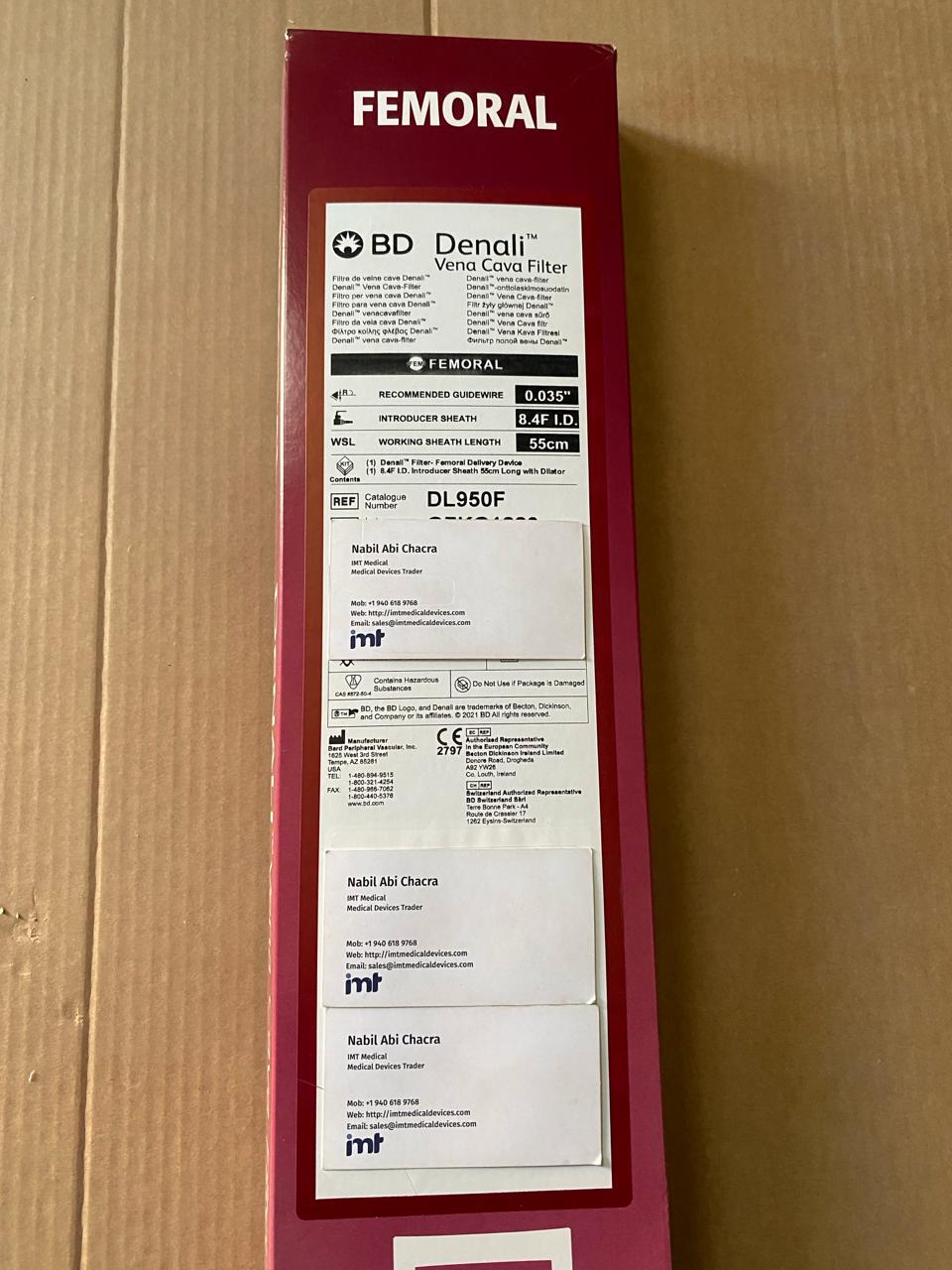
A narrow supplier can still be useful when the requirement is one exact item and availability is confirmed. But in practice, many buyers prefer to reduce vendor fragmentation. Neurovascular purchasing often overlaps with broader interventional demand, including guidewires, guiding catheters, aspiration catheters, peripheral intervention products, and other branded devices.
When a supplier can support multiple categories through one procurement channel, the advantage is operational. Fewer vendor touchpoints can mean simpler approval flows, fewer shipment splits, and better visibility across purchasing activity. It also helps when one item is backordered and the buyer needs alternatives elsewhere in the same order cycle.
That does not mean the broadest catalog is always the best choice. Breadth only matters if it is paired with product accuracy and actual access to in-demand branded SKUs. A long list of categories without reliable fulfillment does not solve anything.
The trade-offs buyers should weigh
There is no single formula for selecting neurovascular micro catheter suppliers because buying priorities vary. A hospital purchasing department may focus on continuity and documented sourcing confidence. A distributor may care more about repeatable availability across brands and geographies. A specialist center may prioritize exact physician preference with minimal substitution risk.
Price, lead time, and product specificity often pull in different directions. The lowest-cost source may not offer the best continuity. The fastest source may have a limited brand range. The broadest source may require quote-based handling rather than instant ordering, which some teams see as slower even when it produces better accuracy.
It depends on what problem the buyer is trying to solve. If the issue is urgent replenishment, immediate stock visibility may matter most. If the issue is strategic sourcing, then brand portfolio, export support, and account responsiveness become more important over time.
A practical standard for supplier evaluation
Most experienced buyers already have internal qualification criteria, but this category benefits from a simple commercial lens. Can the supplier source recognized neurovascular brands? Can it quote exact SKUs correctly? Can it support international shipment where required? Can it handle associated interventional categories in the same procurement relationship? And can it do all of that consistently, not just once?
Those questions are more useful than generic claims about service quality. In this market, supplier value is demonstrated through accurate product handling and dependable commercial execution. That is what keeps procedures supplied and purchasing teams from revisiting the same sourcing problems every quarter.
For buyers seeking a single source across branded interventional categories, including neurovascular product lines, a wholesale and export-focused partner such as IMTMedicalDevices is relevant because the model is built around inquiry-driven B2B procurement rather than consumer-style sales. That distinction matters when the request involves exact manufacturer references, volume purchasing, and cross-border coordination.
Why supplier choice affects more than one order
The wrong supplier decision usually shows up after the first transaction. Communication becomes slower when follow-up orders are placed. Product references need repeated clarification. Availability proves inconsistent. Export handling changes from quote to quote. None of those issues are dramatic on their own, but together they create procurement drag.
The right supplier tends to do the opposite. Teams spend less time explaining standard requirements, less time correcting quotations, and less time splitting orders across multiple sources. That kind of consistency is hard to measure in one line item, but it matters over a year of neurovascular purchasing.
For professional buyers, the best approach is straightforward: treat neurovascular micro catheter suppliers as strategic procurement partners only after they prove brand accuracy, commercial reliability, and supply continuity under real purchasing conditions. A good quote is useful. A dependable sourcing channel is what protects the next case schedule.