
Export Medical Device Supplier: What Buyers Check
A cath lab case gets delayed for only a few reasons: the patient, the physician, or the part number. Procurement teams usually only control one of those.
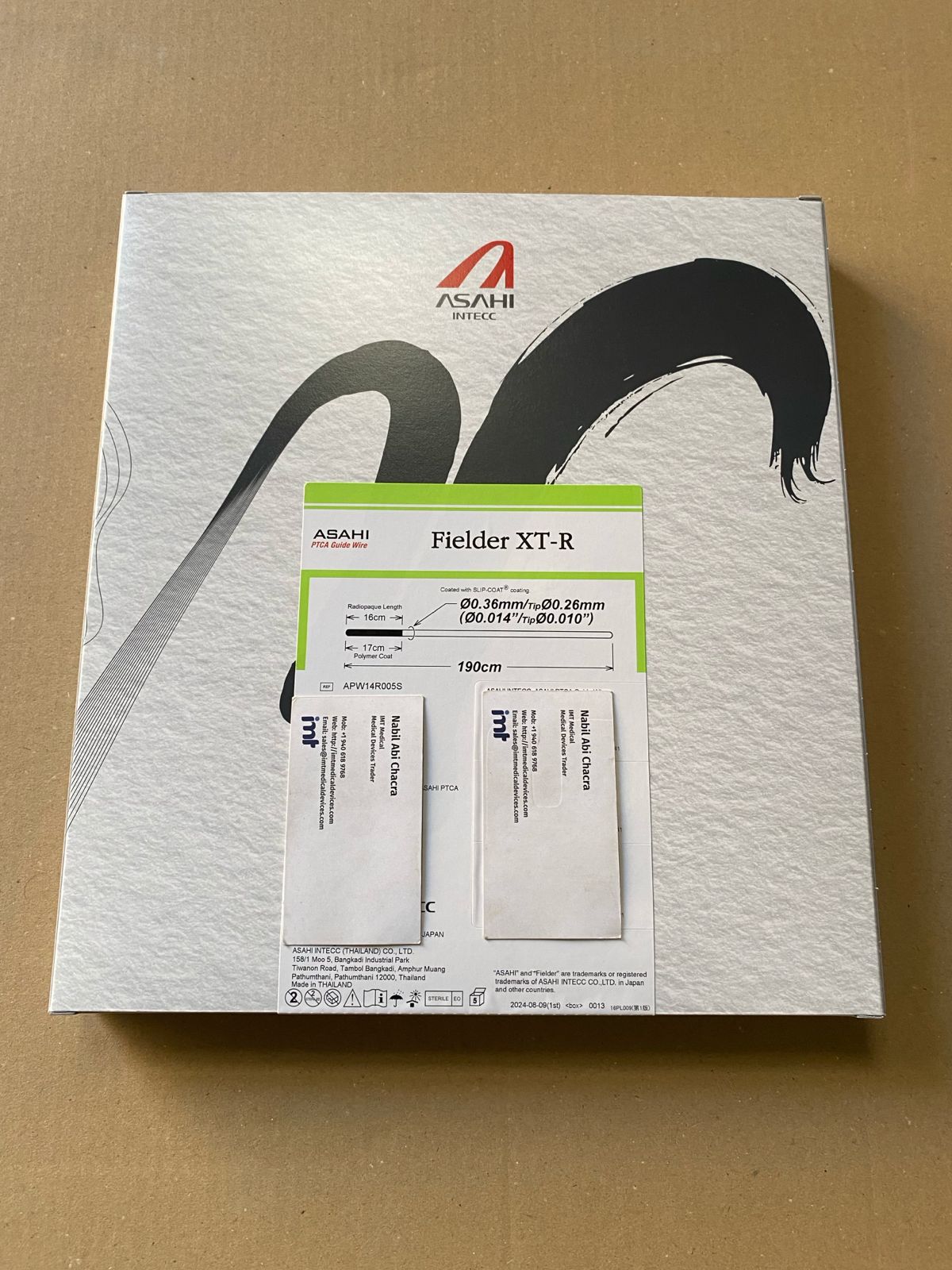
When you buy across borders, that last point gets sharper. An “equivalent” guidewire is not equivalent if the operator is standardized on a specific Asahi tip load. A “similar” microcatheter is not similar if it changes trackability through tortuous anatomy. So the real job when selecting an export medical devices supplier is not finding a catalog - it’s reducing variation and preventing ordering mistakes while staying inside your import rules and timelines.
What “export medical devices supplier” should mean in practice
For interventional and procedural products, export isn’t just international shipping. It’s a workflow that can repeatedly deliver the exact manufacturer, exact SKU, and exact configuration your service line expects, with documentation that clears receiving and internal QA.
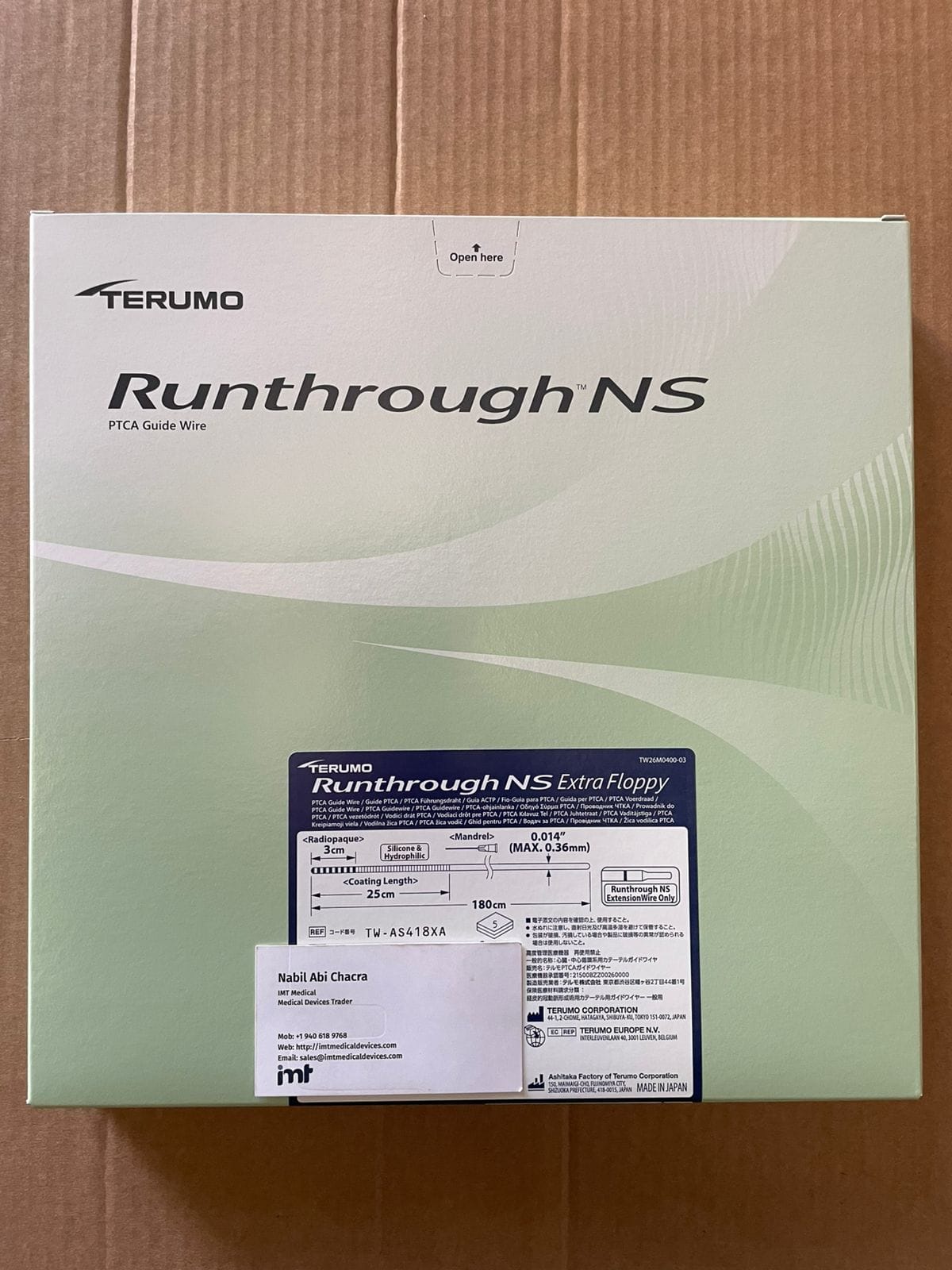
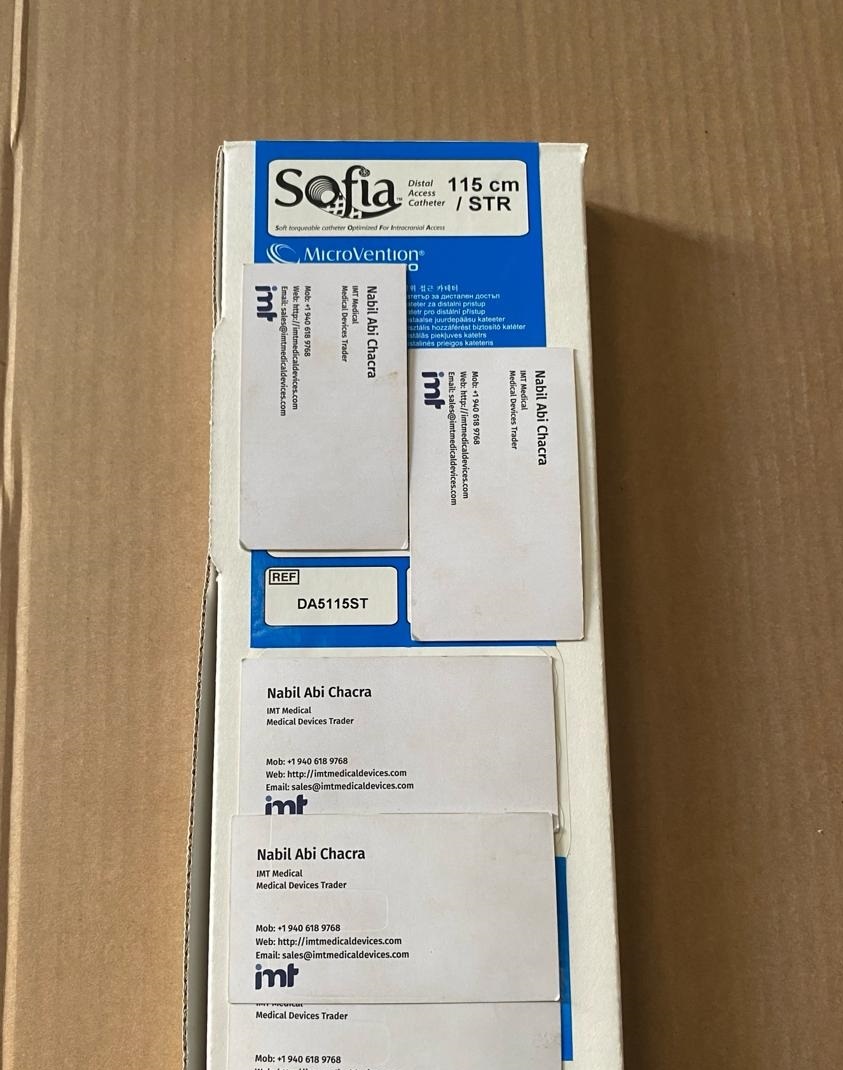
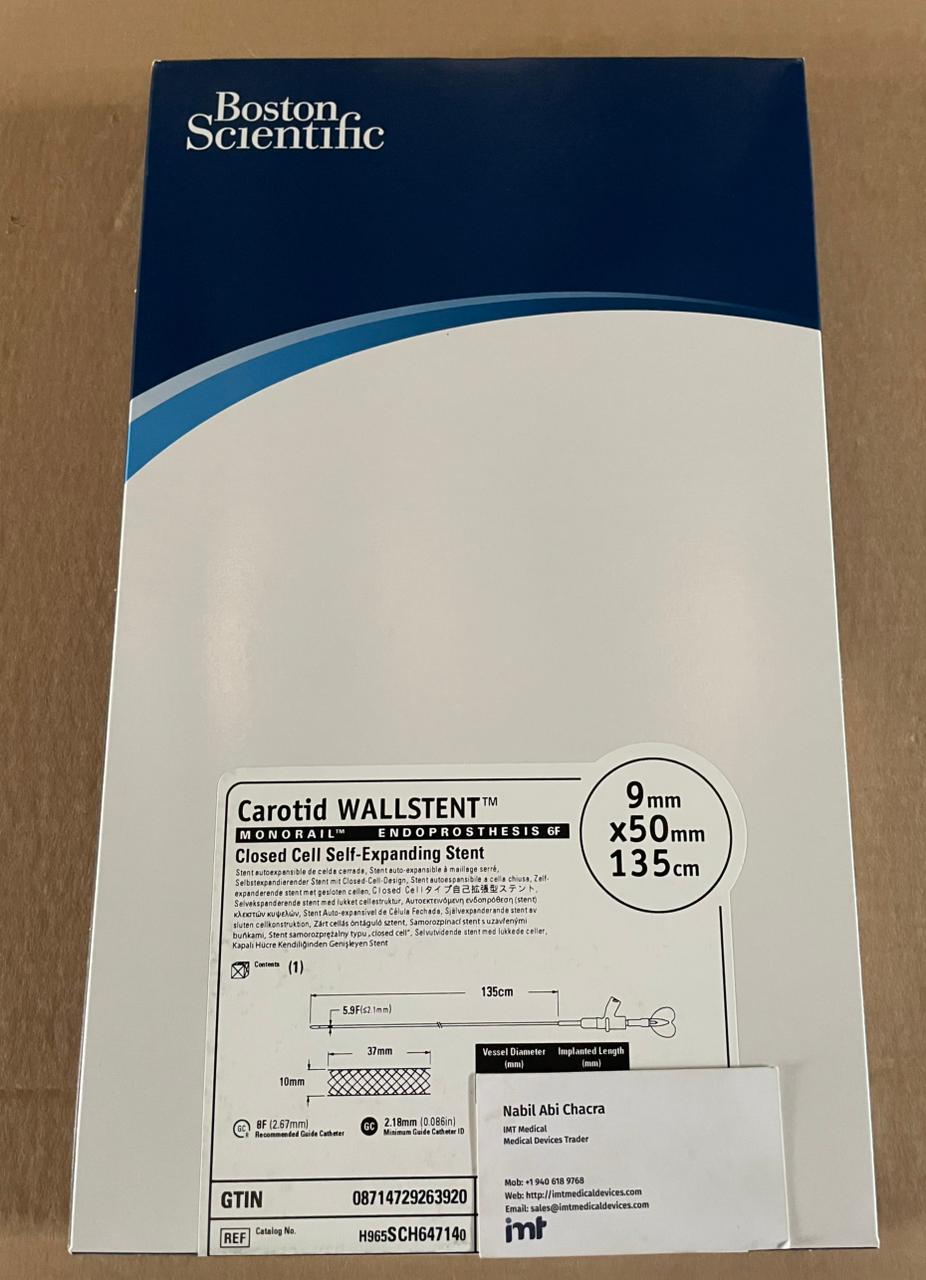
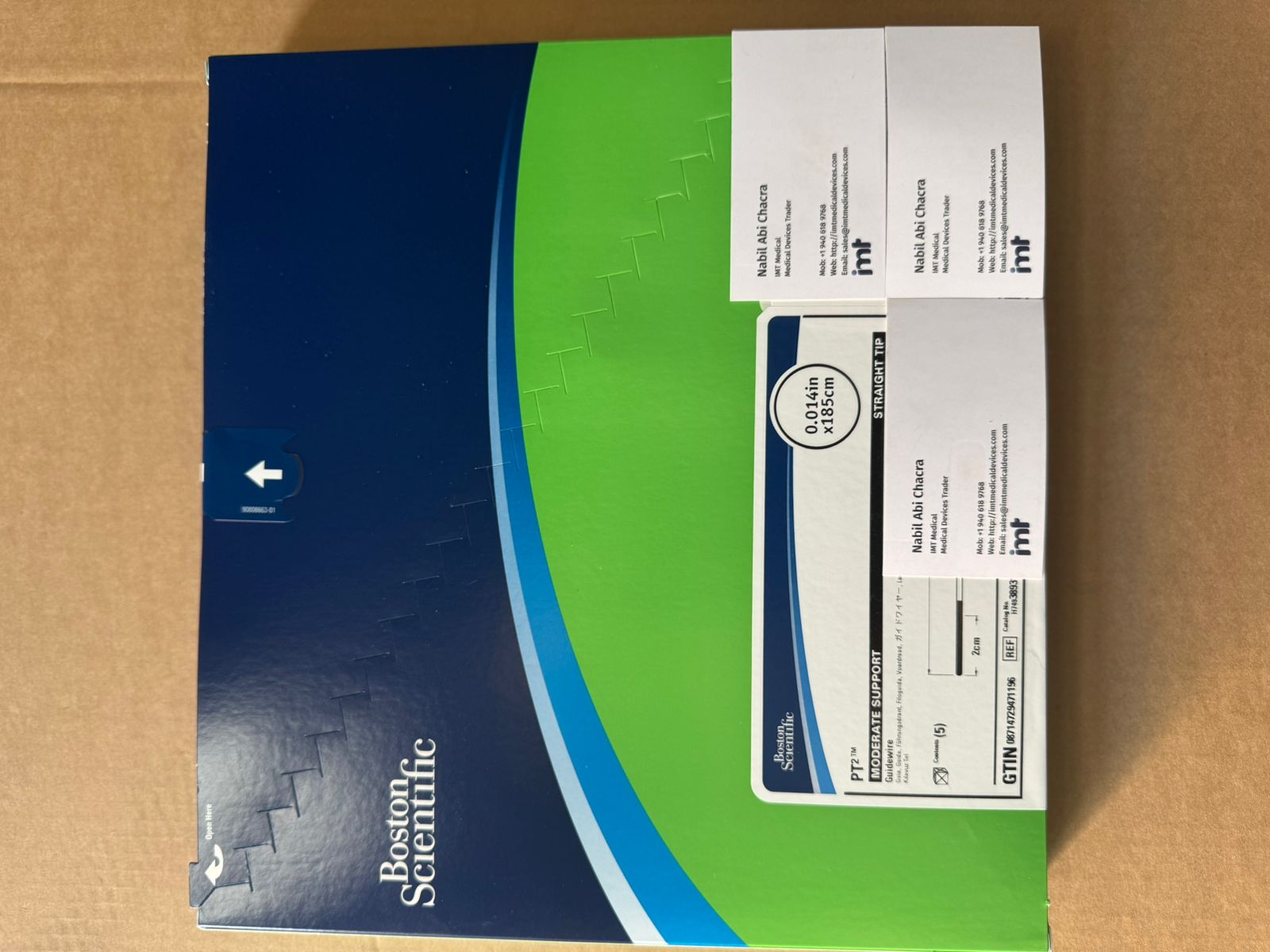
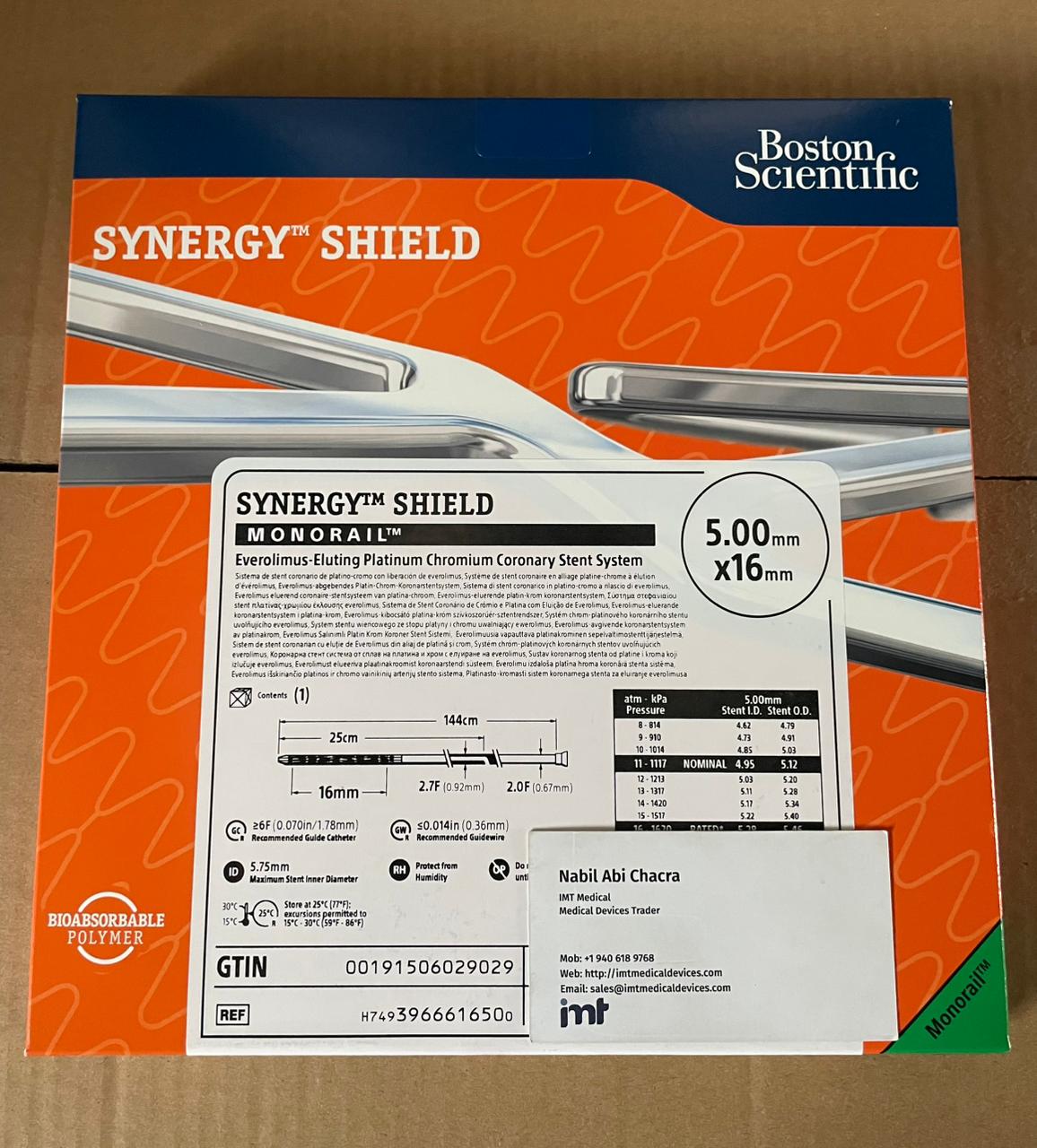
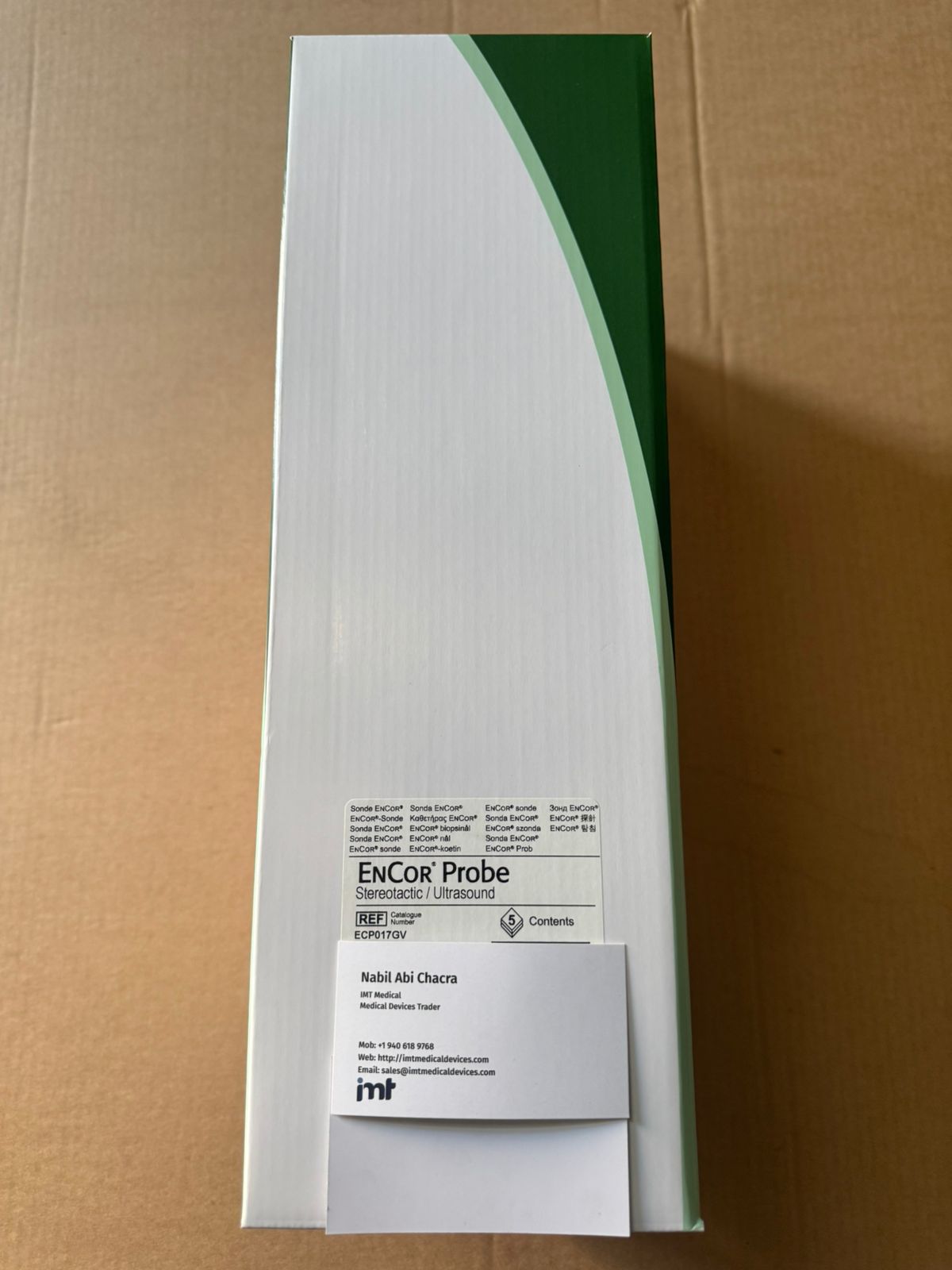
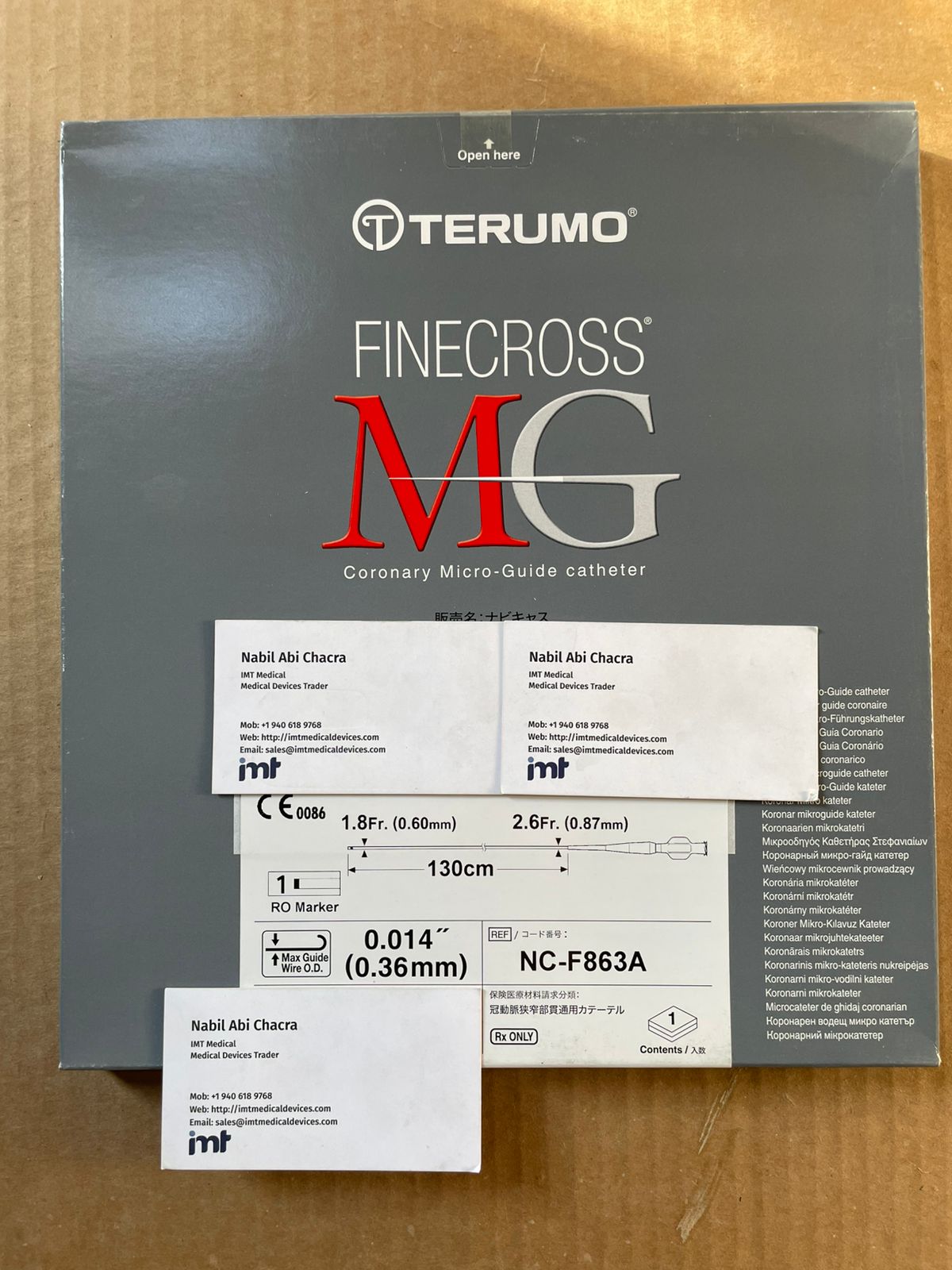
If you’re sourcing coronary and peripheral stents, balloon catheters, guidewires, guiding catheters, microcatheters, aspiration catheters, coils, vascular closure devices, and other high-acuity disposables, export readiness shows up in mundane details: the quote includes the full reference number; the COA or lot information is available when required; outer labels match the configuration your clinicians requested; lead time is explicit; substitutions are controlled rather than improvised.
That is the difference between a supplier that “ships internationally” and a supplier that supports export purchasing.
Start with the ordering unit: SKU precision and configuration control
Interventional purchasing fails most often at the configuration level. Buyers think they’re purchasing “a balloon catheter,” but the physician is standardized on a very specific balloon diameter, length, shaft length, marker configuration, and platform generation. The same is true for neuro coils (size, length, softness profile), aspiration catheters (ID/OD, compatibility), and closure devices (sheath compatibility).
A usable export supplier makes it easy to request by reference number, not by description. Product pages and quotes should reflect the exact SKU and manufacturer naming convention. If your internal item master uses a different shorthand, you want the supplier to mirror the manufacturer’s reference so you can reconcile without guesswork.
You also want explicit substitution rules. Sometimes a program allows a same-brand alternative (for example, a different length within the same family) when a specific SKU is backordered. Other times the rule is “no substitutions, ever.” A reliable export workflow respects that policy and documents exceptions before shipping, not after receipt.
Authenticity, traceability, and what your receiving team will ask for
Across borders, “authentic” is not a marketing claim - it’s a receiving requirement. Your facility may need to log lot numbers, verify packaging integrity, or document chain-of-custody for certain categories.
At minimum, expect the supplier to support:
- Manufacturer identification and reference number on the quote and invoice
- Lot or serial traceability when applicable
- Expiration visibility for time-sensitive disposables
- Packaging condition suitable for clinical inventory (no relabeling that creates ambiguity)
Where it depends: some systems require COAs for specific reagents or lab consumables, while many interventional disposables flow through on standard labeling plus internal inspection. Your export supplier should ask what your receiving team needs rather than assuming a one-size-fits-all packet.
Availability is not a claim - it’s a commitment to lead time
For high-volume services, “available” has to mean one of two things: in stock now, or a clearly stated lead time with a realistic ship date. Anything else is just hope.
A practical way to test this is to request quotes for a mixed cart: a few high runners (common coronary wires, standard balloon sizes, frequently used closure SKUs) plus one or two slower movers (less common coil sizes, niche microcatheter configurations). Good suppliers will respond with a line-by-line status rather than a generic “yes we can supply.”
Also check how they handle partials. Some facilities prefer a complete shipment to simplify receiving. Others want partial shipments to avoid procedure disruption. Export logistics can make partials expensive, so align early: do you want “ship complete,” “ship available,” or a threshold policy (ship when 80% is ready)?
Export documentation: what should be clear before you place the PO
Cross-border purchasing breaks when paperwork is treated as an afterthought. Even when your import agent is competent, they still need consistent commercial documents.
Your supplier should be able to produce, as applicable to your lane and local rules, a clean commercial invoice, packing list, and any origin statements or product descriptions that match the goods. The key word is match. A shipment that arrives with ambiguous descriptions (“medical supplies”) can create clearance delays that wipe out any savings.
It also helps if the supplier can align invoice line items to your internal PO structure. Procurement teams often split costs by service line (cardiology vs neuro) or cost center. If the supplier can keep your line structure intact, you reduce rework.
Where it depends: destination countries and product types can trigger different document expectations. If you’re operating in Gulf countries, Latin America, or Asia, you already know the variability in clearance behavior. The supplier’s job is not to “promise no issues.” It’s to provide consistent, auditable paperwork and respond quickly when your broker requests clarifications.
Category breadth matters when procedures use mixed brands
Cath lab and neuro programs rarely run on a single manufacturer. A typical case cart can include a guidewire from one brand, a microcatheter from another, an aspiration catheter from another, and closure from another - all selected for operator preference and compatibility.
That’s why breadth is operational, not cosmetic. The more of your cart you can source from a single export medical devices supplier, the fewer shipments you coordinate, the fewer invoices you reconcile, and the fewer opportunities there are for “almost the right item.”
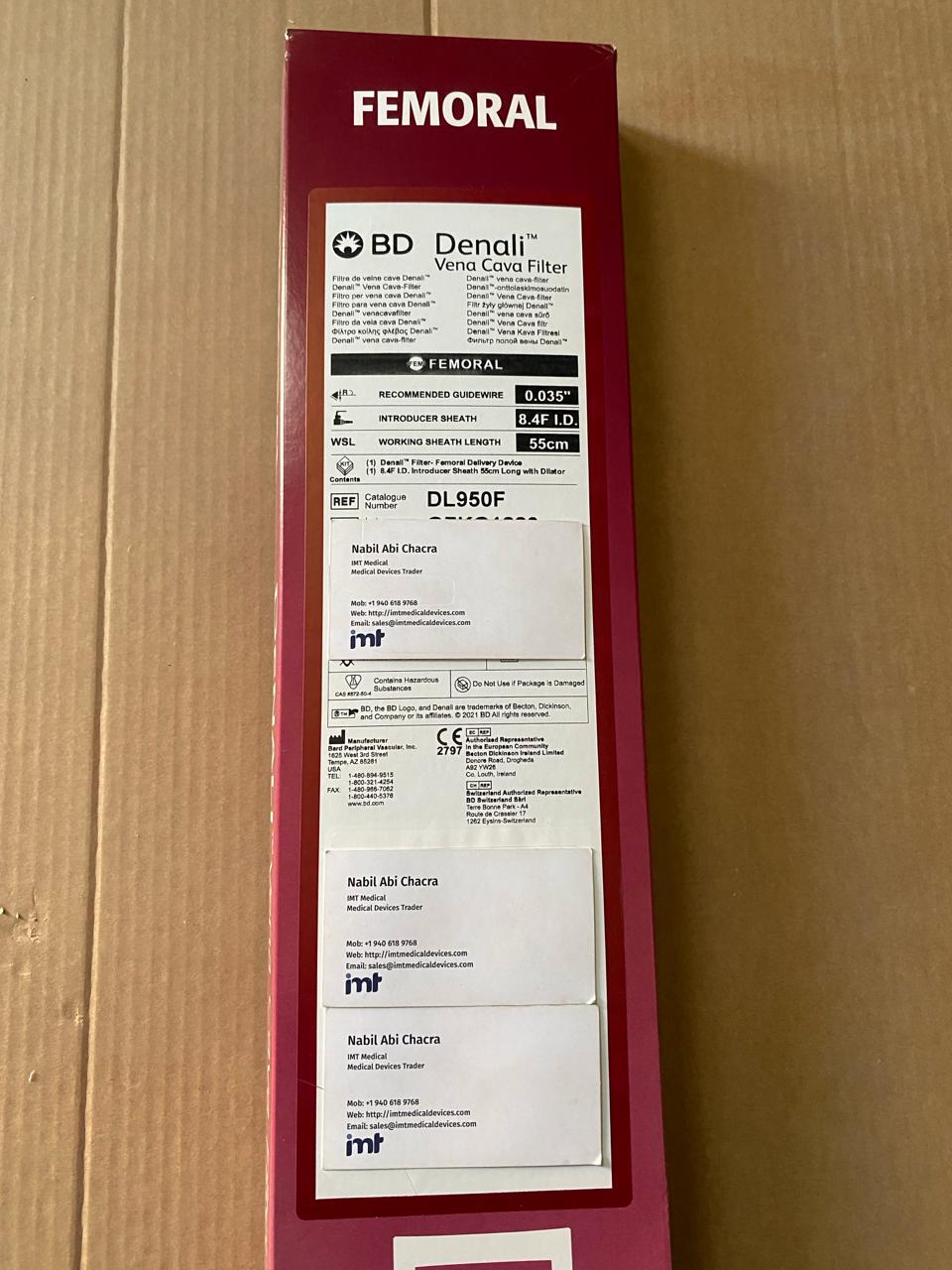
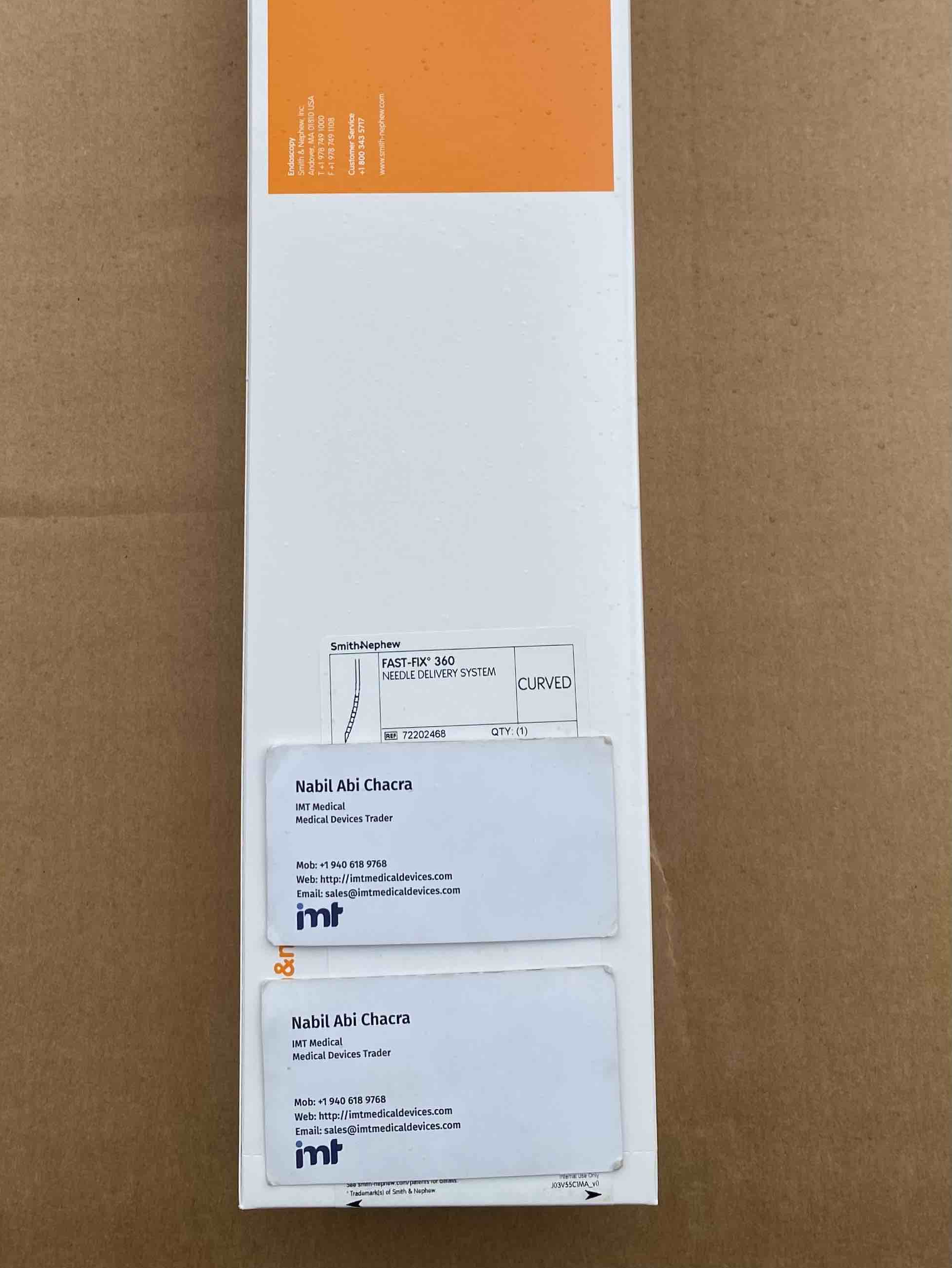
In practice, breadth should be recognizable in the catalog: major interventional brands such as Medtronic, Boston Scientific, Asahi, MicroVention, Terumo Neuro, Terumo, Cordis, BD (Becton Dickinson), Abbott, B. Braun, Ethicon, Smith and Nephew, Coloplast, plus lab and diagnostic lines like Beckman Coulter, Roche Reagents, Bio-Rad, and Siemens when those are part of your procurement scope. For buyers, that’s not a brag. It’s fewer vendor setups and fewer exceptions.
Quote workflow: speed is good, but quote quality is what prevents returns
Most export purchasing runs on quotes because pricing, availability, and shipping terms vary by destination and order size. The fastest quote is not always the best quote if it hides important details.
A quote worth approving typically includes: exact reference number, description that mirrors the manufacturer naming, unit of measure, expiration or shelf-life visibility when relevant, lead time, and shipping terms that match your expectations. If you’re buying for a program that standardizes tightly, you want the supplier to include the full configuration in the line description so a cath lab manager can spot mistakes immediately.
If you’re using a “request a personalized offer” model, the form should encourage buyers to submit reference numbers and quantities, not just general categories. That’s the difference between a quote process that accelerates procurement and one that adds back-and-forth.
A simple way to vet an export supplier before you switch volume
You don’t need a long RFP to pressure-test a supplier’s export readiness. Run a controlled trial that reflects real purchasing behavior.
Pick 10-15 SKUs across coronary, peripheral, and neuro, including at least two items with configuration sensitivity (for example, a specific guidewire variant and a specific coil size) and at least one item with a tight expiration preference. Ask for a quote with your required incoterms, ship-to details, and documentation expectations. Then review the response the way receiving would.
If the supplier returns a quote that is SKU-complete, status-complete, and documentation-aware, you have something you can scale. If the quote is vague, or if the supplier keeps pushing “equivalents,” you should expect the same looseness when the order is bigger.
Where IMT fits for export buyers who already buy by reference
If your team purchases by exact SKU and wants a catalog that spans interventional categories across major manufacturers, IMTmedicaldevices.com is structured for that workflow: product-indexed navigation, branded inventory across cardiovascular, peripheral, and neurovascular lines, and a quote-driven process built around reference numbers.
The practical benefit for procurement is consolidation. Instead of splitting carts across multiple vendors to assemble compatible components, you can request a single offer that covers mixed-brand interventional disposables and accessories, then align that offer to your internal approval and receiving requirements.
The trade-offs to be honest about
Export procurement always involves trade-offs, and you’ll make better decisions if you name them upfront.
If you prioritize the lowest unit price, you may accept longer lead times or more split shipments. If you prioritize speed and in-stock fulfillment, you may pay more for freight or accept a narrower SKU window. If you require zero substitutions, you may face more backorders. None of these are wrong - but the supplier needs to operate inside your policy rather than forcing you into theirs.
The best export relationships are boring: the same SKUs arrive the same way, the paperwork matches, and clinicians stop hearing the phrase “we had to change the setup.” Aim for that kind of boring, and your procedure schedule will thank you.