
Ensuring On-Time Delivery of Surgical Supplies: A Global Procurement Strategy
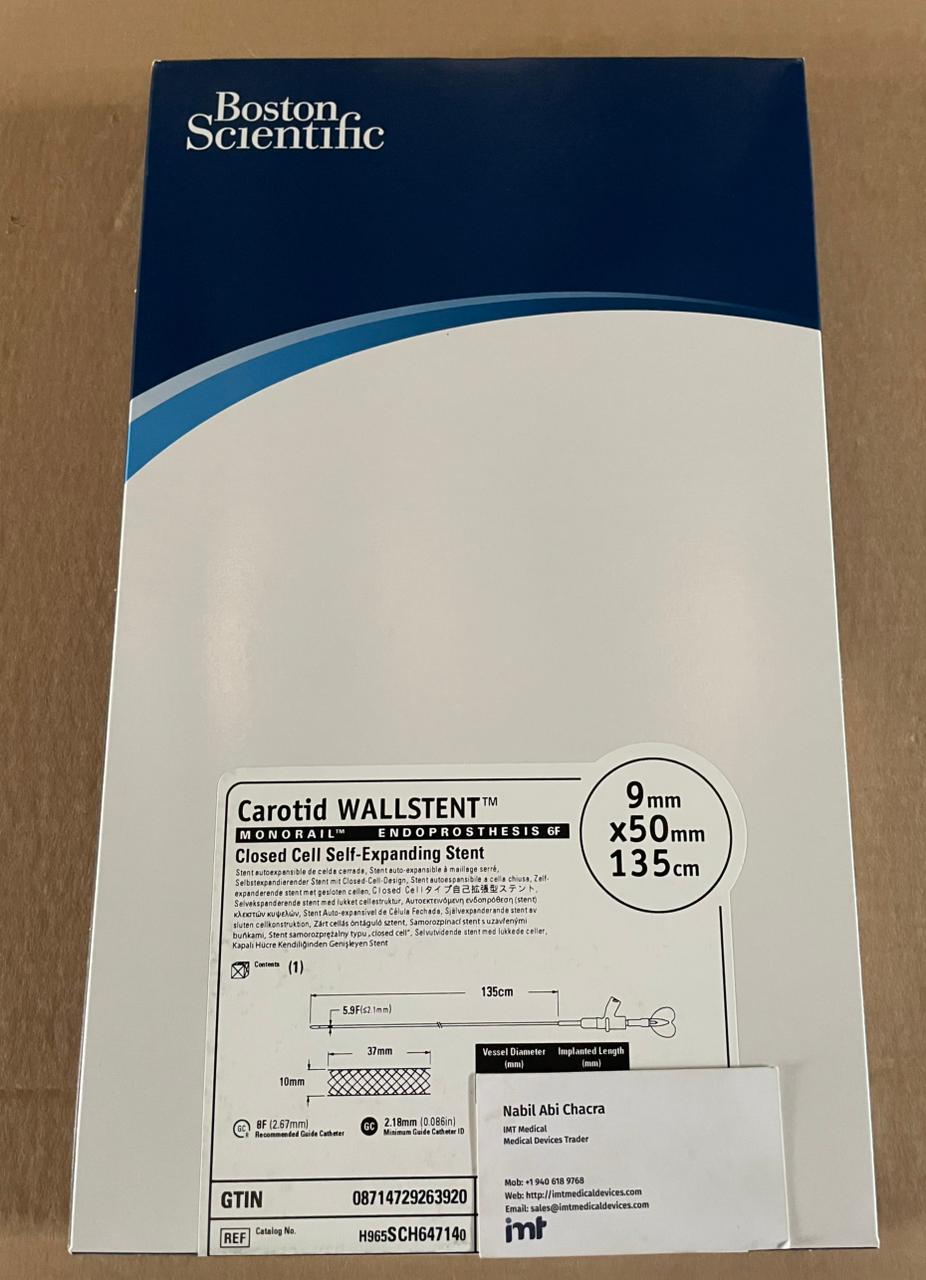
A delayed pacemaker isn't a shipping inconvenience; it's a surgical schedule collapse. Procurement professionals sourcing Medtronic ICDs, Boston Scientific stents, or Asahi Intec guidewires across international borders know this reality firsthand. Ensuring on-time delivery of surgical supplies isn't a courier problem. It's a strategic hubbing and documentation precision problem, and that distinction changes everything about how you build your supply chain.
You already know the pressure. Customs holds in unfamiliar jurisdictions, cold chain failures mid-transit, and stockouts of critical implants don't just create operational friction; they create clinical risk. The variables feel endless, and the tolerance for error is zero.
This article delivers a practical framework for procurement teams sourcing high-demand surgical inventory across global markets. You'll learn how strategic geographic positioning, export documentation expertise, and manufacturer-aligned distribution networks reduce lead times and eliminate the delays that put surgical schedules at risk. From customs clearance protocols for medical imports to transit hub selection, what follows is a procurement playbook built for the realities of international medical device logistics.
Key Takeaways
- Ensuring on-time delivery of surgical supplies requires more than reliable couriers — it demands strategic hub positioning, documentation precision, and manufacturer-aligned distribution networks built for international complexity.
- Exporting Class III medical devices like ICDs and pacemakers across borders triggers strict regulatory requirements; mastering Certificates of Free Sale, country of origin documentation, and manufacturer authorizations is non-negotiable for customs clearance.
- Regional distribution hubs in locations like Dubai, Turkey, and Poland dramatically compress lead times compared to direct manufacturer shipping, giving procurement teams a critical buffer against surgical schedule disruptions.
- Single points of failure — from sole-source suppliers to undocumented chain of custody gaps — represent the highest-risk vulnerabilities in cross-border surgical supply chains, and identifying them is the first step to eliminating them.
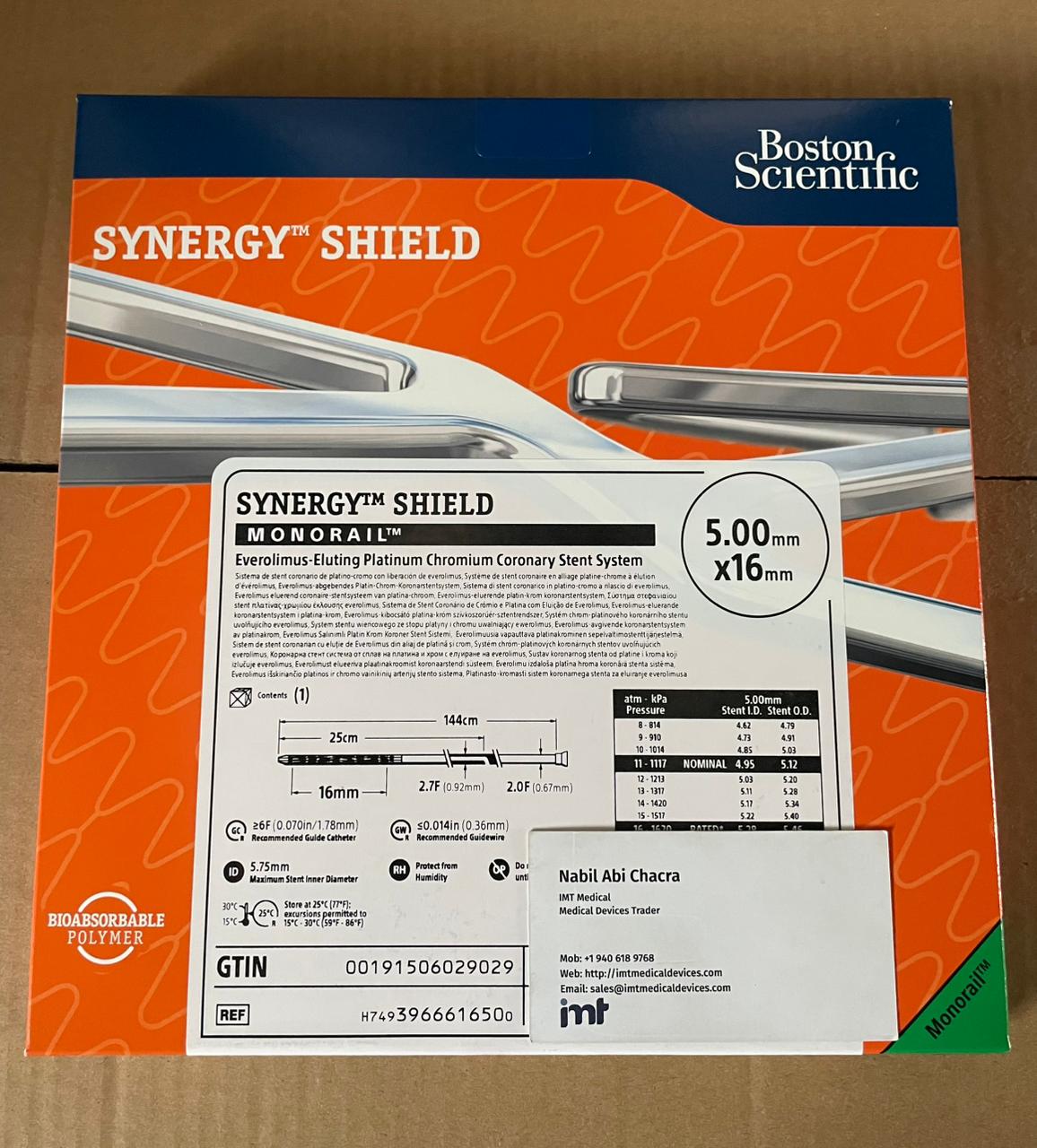
- Access to authenticated inventory from Medtronic, Boston Scientific, Abbott, and Terumo through a single global distributor reduces procurement complexity and strengthens supply continuity across 50+ export markets.
The Critical Impact of Logistics on Surgical Outcomes and Inventory Reliability
Surgical supply logistics isn't about moving boxes. It's the synchronized movement of sterile, high-value implants through a chain of regulatory checkpoints, cold storage requirements, and jurisdictional handoffs, arriving at the operating room in the precise condition and timeframe the surgical team requires. That definition matters because it reframes the entire procurement function. When a drug-eluting stent fails to clear customs in time, the failure point isn't the courier. It's the system built around that courier.
The financial and clinical costs of that system failing are significant. Delayed theater time isn't a scheduling inconvenience; it's a measurable operational loss. Hospital administrators and procurement directors working in markets with constrained surgical capacity understand that each unused theater slot represents wasted anesthesiologist hours, nursing staff costs, and equipment preparation that can't be recovered. For the patient awaiting a cardiac intervention, the consequences extend beyond cost.
Inventory reliability and stockpiling are not the same strategy. Procurement teams that rely on warehousing large quantities of high-value implants to compensate for unpredictable lead times are tying up capital that could be deployed elsewhere. Ensuring on-time delivery of surgical supplies through a distribution network with genuine geographic reach eliminates the need for that buffer. The goal is precision delivery, not volume insurance.
In markets like Venezuela, where import restrictions and currency controls complicate direct manufacturer relationships, a global wholesaler operating through established regional hubs provides supply continuity that local procurement channels can't replicate. This is the structural role that supply chain management theory describes as intermediary stabilization, and in practice it's the difference between a surgical program that runs and one that stalls.
Quantifying the Risks of Supply Chain Latency
Elective surgical schedules absorb delays differently than emergency intervention timelines, but neither absorbs them well. For elective procedures, a 48-hour supply delay cascades into rescheduled patients, reassigned staff, and downstream theater bottlenecks. For cardiac interventions, the clinical calculus is starker. Time-sensitive procedures requiring implants like pacemakers or stents operate within windows where delay directly affects patient outcomes. The risk isn't hypothetical; it's a function of how supply chain latency interacts with clinical urgency.
The financial argument against "just-in-case" inventory is equally concrete. High-value implants carry shelf-life constraints, sterility requirements, and capital carrying costs. A just-in-time delivery model, supported by a distributor with hubs in Dubai and Turkey, converts that static inventory cost into active procurement efficiency.
Standardizing the Definition of 'On-Time' in Medical Export
The word "shipped" is not a delivery metric. In medical export, the only performance benchmark that matters is delivered-to-facility, with product integrity confirmed and documentation complete. For cardiac implants, the critical delivery window is the confirmed arrival of a sterile, manufacturer-authenticated device at the receiving facility within the procurement lead time agreed upon at the point of order, with no customs holds or cold chain deviations recorded in transit.
Procurement teams evaluating wholesale distribution partners should apply these KPIs:
- Delivered-to-facility rate: Percentage of orders confirmed received at the clinical destination, not just dispatched
- Customs clearance cycle time: Average hours from port arrival to facility release, by destination country
- Documentation accuracy rate: Percentage of shipments cleared without correction requests from customs authorities
- Cold chain compliance rate: Percentage of temperature-sensitive shipments delivered within specified parameters
- Lead time variance: Standard deviation between quoted and actual delivery timelines across markets
Ensuring on-time delivery of surgical supplies requires holding distributors accountable to these metrics, not just to shipping confirmation timestamps. The distinction separates a logistics partner from a logistics liability.
Navigating International Export Compliance for High-Risk Medical Devices
Class III medical devices occupy the highest regulatory tier in virtually every jurisdiction that has a formal device classification system. Permanent pacemakers and implantable cardioverter defibrillators don't move across borders on a standard commercial invoice. They move on a stack of jurisdiction-specific documentation that, if incomplete or mismatched, triggers holds that no courier escalation can resolve. Understanding that documentation architecture is the foundation of ensuring on-time delivery of surgical supplies at the international level.
The core export package for Class III cardiac devices typically includes a Certificate of Free Sale (CFS) issued by the competent authority in the country of export, a Certificate of Origin (COO) aligned with bilateral trade agreements between origin and destination countries, and a manufacturer authorization letter confirming the distributor's legitimacy within the supply chain. Missing any single element creates a discrepancy that customs authorities in markets like the UAE, Turkey, or Georgia will flag immediately. The WHO guidance on global medical device supply reliability identifies documentation gaps as one of the primary systemic causes of supply disruption in lower- and middle-income markets, a finding that aligns precisely with what procurement teams encounter at the port level.
Transit hub selection compounds the documentation challenge. Dubai, Turkey, and Georgia each operate under distinct import frameworks for medical devices. The UAE requires Ministry of Health registration confirmation for implantable devices before customs release. Turkey's TITCK authority applies its own technical file review process. Georgia functions as a re-export corridor with comparatively streamlined procedures, which is precisely why it serves as an effective hub for onward distribution into markets with more complex import environments. Knowing which hub applies which ruleset, and preparing documentation accordingly before the shipment departs, is what separates a clean clearance from a 72-hour hold.
Documentation as a Tool for Speed
Pre-cleared documentation packages eliminate dwell time at the port of entry. The logic is straightforward: customs officers reviewing a complete, correctly sequenced file move faster than those chasing missing certificates. Specialized logistics teams that manage country-specific import requirements build these packages proactively, standardizing HS tariff codes, labeling formats, and technical identifiers across the shipment manifest. Consistency across documents reduces the probability of a correction request. Correction requests are where lead times collapse.
Handling Sensitive Cardiac Technologies
Physical compliance matters as much as paperwork compliance. Permanent pacemakers require controlled temperature environments and protection from mechanical shock during multi-modal transit. ICDs present an additional layer: their lithium batteries fall under IATA Dangerous Goods Regulations, specifically Section II of Packing Instruction 968, which mandates state-of-charge limits, packaging specifications, and shipper declarations. Non-compliance doesn't just risk device integrity; it grounds shipments. Distributors handling these technologies at volume build IATA compliance into their standard operating procedures, not as an exception process.
Sterile integrity across air, ground, and bonded warehouse transfers requires validated packaging protocols and documented chain-of-custody records at each handoff point. A distributor with operational hubs in Dubai and Turkey, handling Medtronic and Boston Scientific inventory across 50+ export markets, has the procedural infrastructure to maintain those records consistently. That infrastructure is what makes ensuring on-time delivery of surgical supplies achievable across complex routing scenarios, not a matter of luck.
Strategic Hubbing: Reducing Lead Times through Regional Distribution Centers
Geography is a procurement variable. Where inventory sits before it moves determines how fast it arrives, how much it costs to clear customs, and whether a surgical team in Caracas or Warsaw gets what they need before the theater schedule collapses. The hub-and-spoke model isn't a logistics trend; it's the structural answer to the latency problem that direct manufacturer shipping consistently fails to solve.
Direct shipment from a U.S. or European manufacturer facility to a hospital procurement office in Eastern Europe or South America carries compounding delays: export processing at origin, transatlantic transit, destination customs review, and last-mile delivery, each stage adding days that a surgical schedule can't absorb. A procurement team in Warsaw sourcing Medtronic coronary stents through a regional hub in Poland or Turkey receives the same authenticated inventory in a fraction of the time, with documentation already aligned to EU import requirements, compared to the same order shipped direct from a U.S. distribution center.
IMT Medical Devices operates from offices in Dubai, Turkey, Georgia, and Poland, and that geographic spread isn't incidental. Each location functions as a pre-positioned inventory buffer and documentation processing node for a specific cluster of destination markets. Dubai serves the Gulf states, sub-Saharan Africa, and South Asian corridors. Turkey covers Eastern Europe, the Caucasus, and Central Asian markets. Georgia, with its comparatively streamlined re-export framework, functions as an efficient onward distribution point for markets with more complex import environments, including select Latin American destinations. Poland anchors EU-adjacent supply for Central and Eastern European hospital networks.
For procurement teams sourcing into Venezuela, the UAE and Georgian hubs provide the most practical routing options. Direct manufacturer shipping from North America into Venezuela faces currency control complications and import restriction layers that extend lead times unpredictably. A pre-positioned hub in Dubai or Georgia, operating under established export documentation protocols and referencing the FDA guidelines on importing and exporting medical devices as a baseline for origin compliance, compresses that timeline and reduces the clearance variables at the destination end.
The Advantage of Multi-Location Operations
Regional inventory buffering does something single-source procurement can't: it insulates clinical facilities from manufacturer-level shortages. When a production delay at a Medtronic facility affects global allocation, a distributor holding authenticated inventory across multiple regional hubs maintains supply continuity. That buffer is the operational difference between a delayed surgical schedule and one that runs on time. Ensuring on-time delivery of surgical supplies depends on having inventory positioned ahead of demand, not chasing it after a shortage surfaces.
Consolidated Procurement Strategies
Single-transaction consolidation is where hub-based distribution delivers measurable cost efficiency. A procurement order combining PTCA balloon catheters, coronary guidewires, and cardiac implantable pacemakers from Medtronic, Boston Scientific, and Terumo, consolidated through a single regional hub, generates one customs filing, one freight cost, and one documentation package. The alternative, separate orders from separate manufacturer channels, multiplies every cost and compliance variable. For hospital networks managing procurement across multiple facilities, that consolidation also enforces brand consistency: the same device specifications, the same manufacturer authentication, across every site.

Risk Mitigation Strategies for Cross-Border Surgical Supply Chains
Every cross-border surgical supply chain has a breaking point. The procurement teams that find it before a shipment does are the ones that maintain surgical schedule continuity. Those that discover it during a live shortage spend weeks recovering capacity they'll never fully reclaim. Risk mitigation in this context isn't a contingency exercise; it's a structural design discipline.
The first step is identifying single points of failure in the procurement cycle. A single-source supplier for a critical implant category is a single point of failure. A documentation workflow that depends on one staff member's knowledge of country-specific import requirements is a single point of failure. A routing plan with no alternative hub if a primary transit corridor closes is a single point of failure. Mapping these vulnerabilities systematically, before they activate, is what separates reactive procurement from a resilient one.
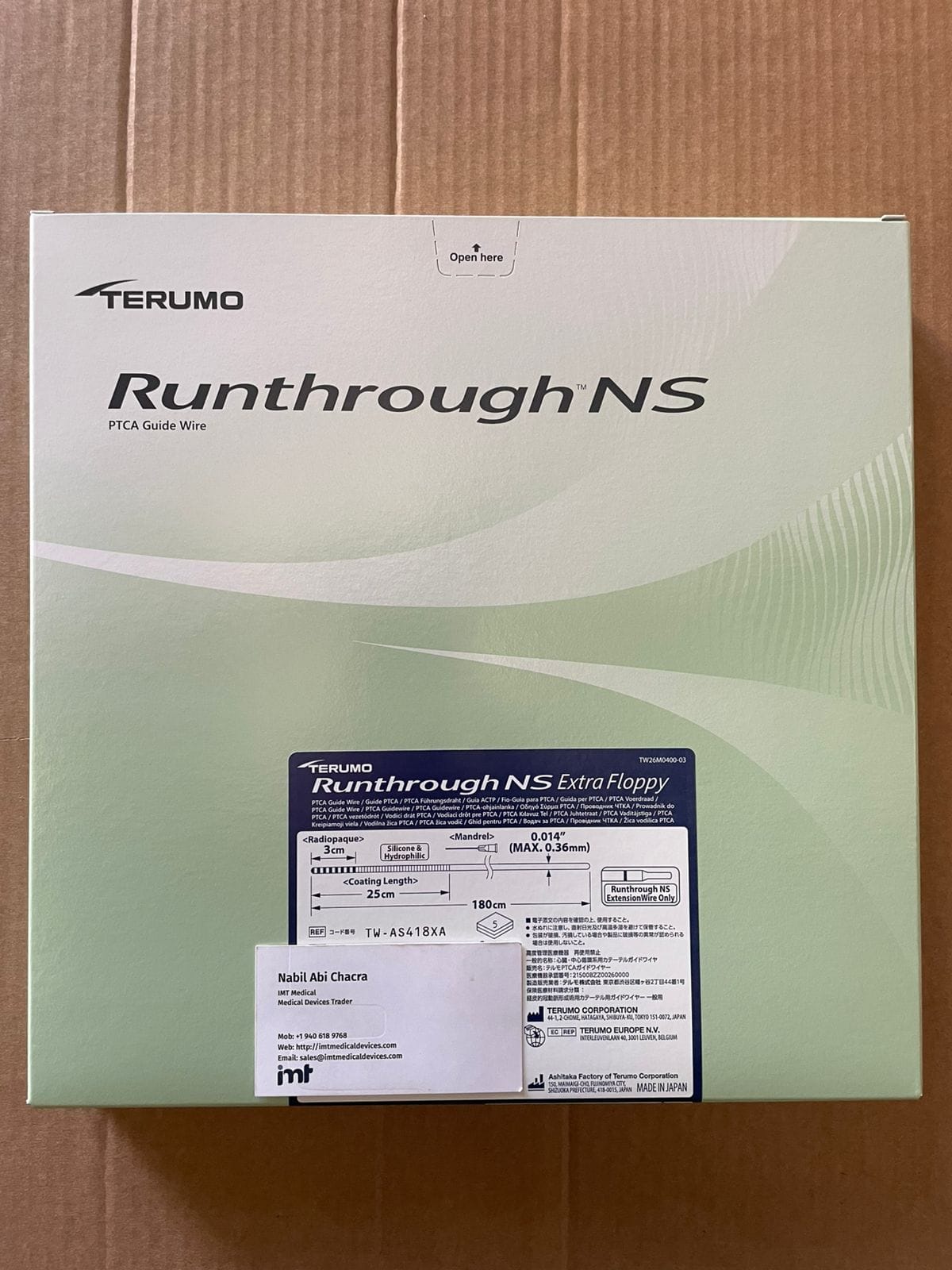
Manufacturer diversification is one of the most practical tools available. For coronary intervention applications, Boston Scientific and Terumo offer overlapping clinical coverage across guidewire and balloon catheter categories. Maintaining approved vendor status with both manufacturers means a production constraint or allocation restriction at one doesn't ground your surgical program. The clinical equivalence between comparable device categories from each manufacturer makes this a viable strategy; the procurement infrastructure to execute dual-source ordering is what makes it practical. Coronary guidewires from both manufacturers are accessible through a consolidated distributor relationship, which eliminates the administrative overhead of managing two separate supply chains.
Geopolitical disruption planning for 2026 requires specific scenario mapping, not generic contingency language. Procurement teams sourcing into Eastern European and Gulf markets should model alternative routing options in the event of regional logistics corridor disruptions, and confirm that their distribution partner holds pre-positioned inventory across multiple hub locations rather than concentrating stock in a single facility.
Proactive Supply Chain Auditing
Vetting a wholesale distribution partner means reviewing more than a product catalog. Regulatory compliance history, manufacturer authorization documentation, and export market track record across 50+ countries are the substantive indicators of reliability. Financial stability matters equally; a distributor that can't sustain inventory across demand cycles creates the same supply gap as a manufacturer shortage. The Medical Device Distribution Guide provides a structured framework for evaluating these criteria before committing to a distribution relationship.
Technological Integration in Logistics
Inventory management systems with automated reorder triggers eliminate the human latency that turns a low-stock alert into a stockout. RFID and blockchain-based chain of custody protocols add cross-border transparency that paper-based records can't replicate, confirming device authenticity and sterility status at each handoff point without manual verification delays. For high-value implants like cardiac implantable pacemakers, that verification isn't optional. Granular tracking of medical guidewires through multi-modal transit confirms both sterile integrity and manufacturer authenticity at the point of clinical receipt, closing the chain of custody gap that customs authorities and clinical risk managers both require.
Ensuring on-time delivery of surgical supplies depends on building these controls into standard operating procedure, not activating them after a failure surfaces. Procurement teams ready to evaluate a distribution partner with the infrastructure to support this level of operational rigor can review IMT Medical Devices' global distribution capabilities as a starting point.
IMT Medical Devices: Streamlined Global Distribution for Critical Implants
The gap between a manufacturer's warehouse and a hospital's operating theater is where surgical programs either hold together or fracture. IMT Medical Devices occupies that gap as a global wholesale distributor, connecting premium manufacturers to healthcare providers and procurement teams across more than 50 export markets. That positioning isn't incidental. It's the operational function that makes ensuring on-time delivery of surgical supplies achievable at scale, across jurisdictions where direct manufacturer relationships consistently fall short.
The manufacturer portfolio is the foundation. IMT distributes inventory from Medtronic, Boston Scientific, Abbott, and Terumo across cardiac implant, coronary intervention, and peripheral vascular categories. Access to this range through a single distribution relationship eliminates the procurement overhead of managing four separate manufacturer channels, four documentation workflows, and four freight arrangements. One partner. One consolidated shipment. One customs filing.
Manufacturer-Centric Sourcing Excellence
Authenticity isn't a marketing claim here; it's a documented supply chain position. Every unit distributed by IMT carries verified manufacturer authorization, traceable chain of custody, and the technical support infrastructure that clinical facilities require when importing Class III devices. Volume-based pricing tiers make this access commercially practical for hospital networks and B2B distributors managing procurement budgets across multiple facilities. Procurement teams sourcing cardiac implantable pacemakers or coronary stents at volume receive pricing structures that reflect that scale, without sacrificing the documentation integrity that customs authorities in complex markets demand.
Export documentation expertise across 50+ countries is where IMT's operational depth becomes a procurement advantage. Markets like Venezuela, with layered import restrictions and currency control frameworks, require documentation packages built specifically for those conditions. That's not a generic logistics capability. It's jurisdiction-specific knowledge applied at the shipment level, before the freight departs.
Your Partner in Global Healthcare Logistics
Strategic offices in Dubai, Turkey, Georgia, and Poland translate into pre-positioned inventory and regulatory alignment for each destination cluster those hubs serve. Shipping solutions are configured to the regulatory environment of the receiving market, not retrofitted after a customs hold surfaces. Dedicated account management for B2B distributors and surgical centers means a procurement team has a single point of contact with full visibility into order status, documentation progress, and delivery timelines.
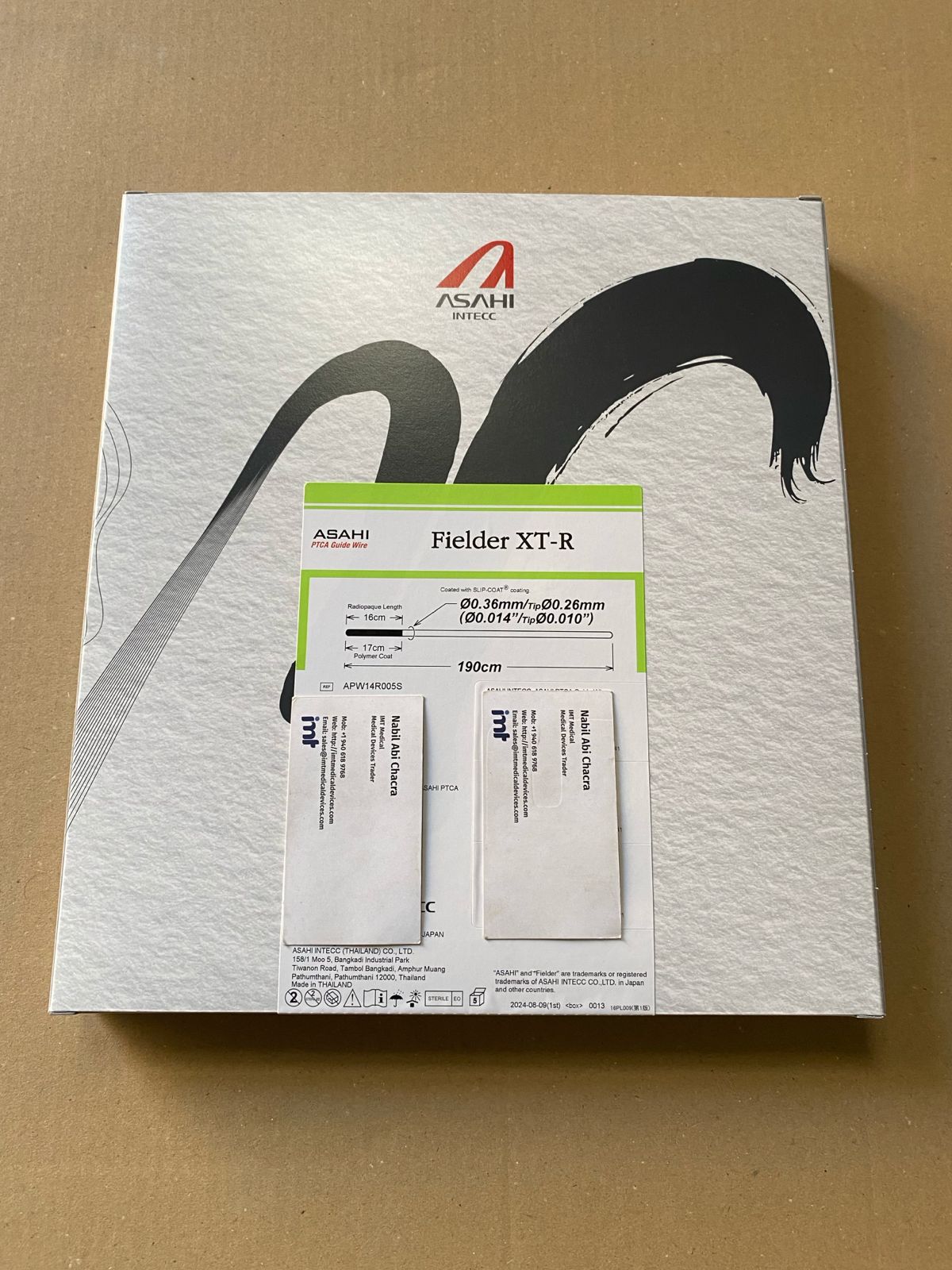
- Manufacturer access: Medtronic, Boston Scientific, Abbott, Terumo, and Asahi Intec inventory through a single distribution relationship
- Export reach: Active distribution across 50+ countries with jurisdiction-specific documentation handling
- Hub network: Dubai, Turkey, Georgia, and Poland for regionally optimized transit and customs clearance
- Account structure: Dedicated B2B account management for distributors and hospital procurement teams
Ensuring on-time delivery of surgical supplies at the international level requires a distribution partner with the infrastructure to execute, not just the catalog to quote. Contact IMT Medical Devices for a customized procurement quote and establish the supply chain foundation your surgical program depends on.
Build the Supply Chain Your Surgical Program Can't Afford to Lose
Surgical schedules don't recover gracefully from supply failures. The framework covered here makes that clear: documentation precision drives customs clearance speed, hub positioning determines lead time reliability, and manufacturer diversification is what keeps a program running when a single source falters. Ensuring on-time delivery of surgical supplies isn't a logistics upgrade; it's a structural commitment that touches every layer of your procurement operation.
The practical path forward is straightforward. Work with a distribution partner that holds pre-positioned inventory across strategic hubs, carries verified authorization from Medtronic, Boston Scientific, and Terumo, and has active export operations across 50+ countries from offices in Dubai, Turkey, Georgia, and Poland. That combination converts unpredictable lead times into manageable, repeatable delivery cycles.
Your surgical teams deserve a supply chain that performs as reliably as the devices they implant. Contact IMT Medical Devices to optimize your global procurement strategy and position your program for consistent, compliant delivery across every market you serve.
Frequently Asked Questions
How do you prevent customs delays for international medical device shipments?
Prevention starts before the shipment departs. Complete documentation packages, including the Certificate of Free Sale, Certificate of Origin, manufacturer authorization letters, and correctly coded HS tariff classifications, must be assembled and verified against the destination country's specific import requirements before freight is booked. Customs holds almost always trace back to missing or mismatched paperwork, not the devices themselves.
Routing through a hub with established customs relationships in the destination region compounds this advantage. A distributor with active operations in Dubai, Turkey, Georgia, and Poland maintains jurisdiction-specific documentation templates that customs authorities in each corridor recognize and process without correction requests. That familiarity is what converts a potential 72-hour hold into a clean clearance.
What are the typical lead times for surgical supplies shipped from Dubai or Turkey?
Lead times from Dubai or Turkey to Gulf Cooperation Council states and Eastern European markets typically run shorter than direct manufacturer shipping from North American or Western European origin facilities, because regional hub inventory eliminates the export processing stage at the manufacturer end. The exact transit window depends on destination country customs processing speed, freight mode selected, and whether documentation is pre-cleared before departure.
Procurement teams should request destination-specific lead time data from their distribution partner rather than relying on general estimates. The relevant benchmark is delivered-to-facility confirmation, not dispatch timestamp. Hub positioning in Dubai and Turkey is specifically designed to compress that total cycle for the market clusters each location serves.
Which documentation is required for importing Class III medical devices to Venezuela?
Venezuela's import framework for Class III medical devices requires a commercial invoice with full device specifications, a Certificate of Free Sale from the country of export, a Certificate of Origin aligned with applicable trade agreements, and a manufacturer authorization letter confirming the distributor's legitimacy in the supply chain. INVIMA registration equivalency documentation may also be required depending on the specific device category and current regulatory conditions in-country.
Venezuela's currency control and import restriction layers add complexity beyond standard documentation. Shipments routed through the Dubai or Georgia hubs benefit from documentation packages built specifically for Venezuelan import conditions, rather than generic export packages retrofitted after a customs query surfaces. Procurement teams sourcing into Venezuela should confirm current regulatory requirements directly with their distributor and the relevant Venezuelan health authority before finalizing an order.
How does IMT Medical Devices ensure the cold chain integrity of sensitive implants?
Cold chain compliance for temperature-sensitive implants requires validated packaging protocols, calibrated transport containers, and documented temperature monitoring at each handoff point across air, ground, and bonded warehouse transfers. IMT's handling procedures for sensitive cardiac technologies are built around these requirements as standard operating procedure, not exception handling. Chain-of-custody records are maintained continuously across multi-modal transit segments.
Lithium battery-equipped devices like ICDs carry additional IATA Dangerous Goods Regulations requirements under Packing Instruction 968, covering state-of-charge limits and shipper declarations. Distributors handling Medtronic and Boston Scientific ICD inventory at volume incorporate IATA compliance into their standard shipment preparation, ensuring physical and regulatory integrity arrive together at the receiving facility.
Can surgical supplies from different manufacturers be consolidated into one shipment?
Yes. Consolidating Medtronic, Boston Scientific, Terumo, and Asahi Intec inventory into a single shipment through one regional hub generates one customs filing, one freight cost, and one documentation package. That consolidation eliminates the administrative and cost multiplication that comes with managing separate manufacturer channels, separate freight arrangements, and separate compliance workflows for each brand.
Ensuring on-time delivery of surgical supplies at scale depends on this kind of procurement efficiency. Multi-manufacturer consolidation through a single distributor also enforces device specification consistency across hospital facilities within the same network, since every unit in the shipment carries verified manufacturer authorization from the same distribution source.
What happens if a surgical device is damaged during international transit?
Sterile or mechanically compromised devices cannot be used clinically, which makes transit damage a procurement failure with direct surgical schedule consequences. The immediate priority is documented evidence: photographs at unboxing, written carrier incident reports, and chain-of-custody records showing the point of failure. These records are required for both insurance claims and replacement order processing.
Procurement teams should confirm before placing orders that their distribution partner maintains validated packaging protocols for high-value implants and carries appropriate cargo insurance coverage for cross-border medical device shipments. Replacement timelines depend on hub inventory availability at the time of the incident, which is why pre-positioned regional stock in locations like Dubai or Turkey reduces recovery time compared to sourcing replacements direct from a manufacturer facility.
How does IMT manage export logistics and documentation fees for bulk orders?
Bulk order structures consolidate logistics costs across a single shipment rather than distributing them across multiple smaller transactions. Volume-based pricing tiers apply to inventory from Medtronic, Boston Scientific, Terumo, and Asahi Intec, and consolidated shipments generate one freight cost and one documentation processing workflow regardless of how many device categories are included in the order.
Specific fee structures depend on destination market, freight mode, and order volume, and procurement teams should request a customized quote directly from IMT to confirm the cost breakdown applicable to their sourcing requirements. No pricing figures are published here, as export logistics costs vary materially by corridor, device classification, and regulatory complexity at the destination end.
Are there specific regulatory requirements for exporting Medtronic or Boston Scientific products?
Exporting Class III devices from Medtronic or Boston Scientific requires manufacturer authorization documentation confirming the distributor's position in the supply chain, a Certificate of Free Sale from the competent authority in the country of export, and compliance with the destination country's device registration or import approval framework. The FDA's guidelines on importing and exporting medical devices establish baseline origin compliance requirements for U.S.-manufactured inventory.
Beyond origin compliance, each destination market applies its own import framework. UAE Ministry of Health registration, Turkey's TITCK technical file review, and EU MDR conformity documentation for Polish-hub shipments into Central Europe each impose distinct requirements on Medtronic and Boston Scientific devices specifically. A distributor with active export operations across 50+ countries maintains jurisdiction-specific compliance protocols for these manufacturers, rather than applying a single generic export template across all destination markets.