
How to Get Buy-In for a New Procurement Partner: A Strategic Guide for Medical Facilities
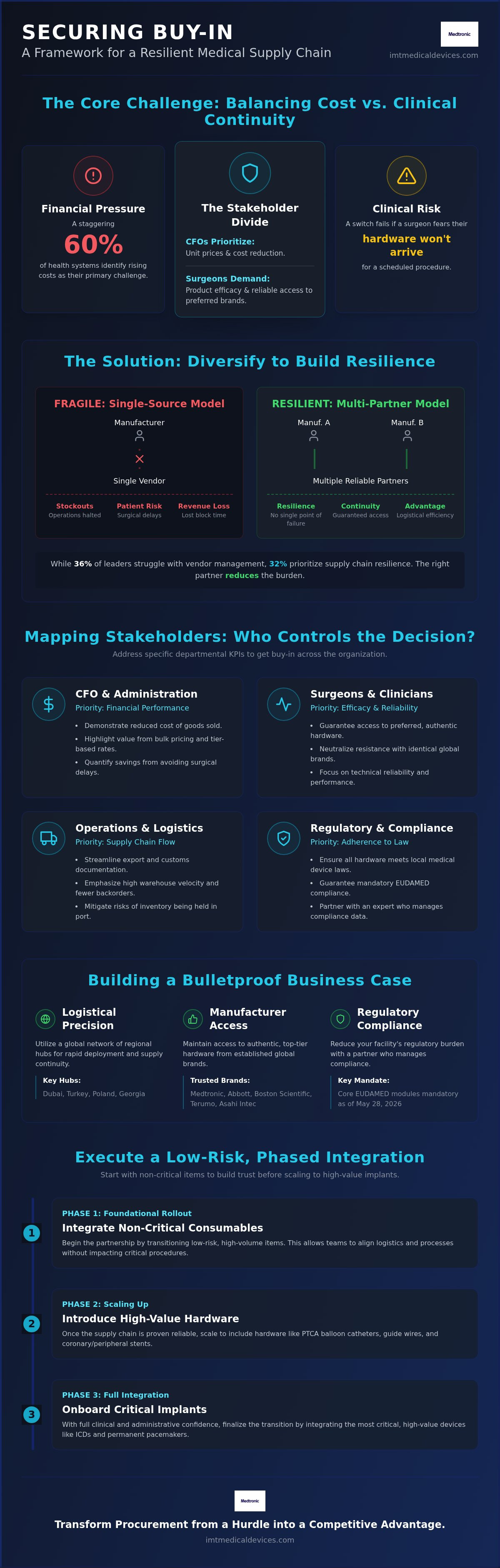
A procurement switch fails the moment a surgeon believes their preferred Boston Scientific or Medtronic hardware might not arrive for a scheduled procedure. With 60% of health systems identifying rising costs as their primary challenge in 2026, the financial case for change is clear. However, technical reliability and clinical continuity remain the only currencies that matter to internal stakeholders. Learning how to get buy-in for a new procurement partner requires a shift from discussing unit prices to demonstrating a bulletproof global supply chain.
The administrative burden of international logistics and mandatory EUDAMED compliance creates significant friction for modern facilities. You need a transition that guarantees access to critical inventory like drug-eluting stents and pacemakers without disrupting daily operations. This guide provides a strategic framework to secure executive and clinical approval for a more efficient distribution model. We will examine risk mitigation strategies, methods for streamlining export documentation, and ways to ensure your facility maintains access to top-tier global manufacturers. By focusing on logistical precision and manufacturer reputation, you can transform procurement from a departmental hurdle into a competitive advantage.
Key Takeaways
- Identify supply chain vulnerabilities and transition from single-source to multi-partner models to prevent stockouts of critical clinical hardware.
- Learn how to get buy-in for a new procurement partner by aligning CFO financial priorities with surgeon requirements for product efficacy and technical reliability.
- Quantify the value of a manufacturer-centric portfolio including Abbott, Terumo, and Medtronic to ensure logistical reliability and regulatory compliance.
- Neutralize clinical resistance by demonstrating that new procurement channels provide identical, authentic hardware from established global brands.
- Execute a low-risk integration through a phased approach, starting with non-critical consumables before scaling to high-value implants like ICDs and permanent pacemakers.
The Strategic Necessity of Diversifying Procurement Partners
Single-source procurement models are increasingly fragile in a volatile global market. When a medical facility relies on a single vendor for drug-eluting stents or permanent pacemakers, any logistical failure halts clinical operations. Stockouts and extended lead times aren't just administrative inconveniences; they represent patient safety risks and significant revenue loss. Diversification serves as the primary hedge against geopolitical instability and manufacturer-specific shortages.
Transitioning to a multi-partner strategy requires effective stakeholder management. You must demonstrate that adding a partner isn't about increasing complexity, but about building resilience. A 2026 survey found that 36% of health system leaders struggle with managing multiple vendors, yet 32% prioritize enhancing supply chain resilience. The goal is to prove that the right partner reduces the administrative burden rather than adding to it. Understanding how to get buy-in for a new procurement partner begins with framing the change as a risk mitigation exercise rather than a simple vendor swap.
The shift toward diversification is also a response to extreme margin pressures. In 2026, health systems face reduced Medicaid funding and shifting drug pricing structures. Cost-to-value ratios must now include logistical efficiency. A lower price per unit is irrelevant if the product is unavailable when the patient is on the table. Diversifying your supply base with a partner like IMT Medical Devices ensures that if one channel fails, critical inventory like peripheral stents remains accessible through an alternative, reliable channel.
Evaluating Current Partner Performance
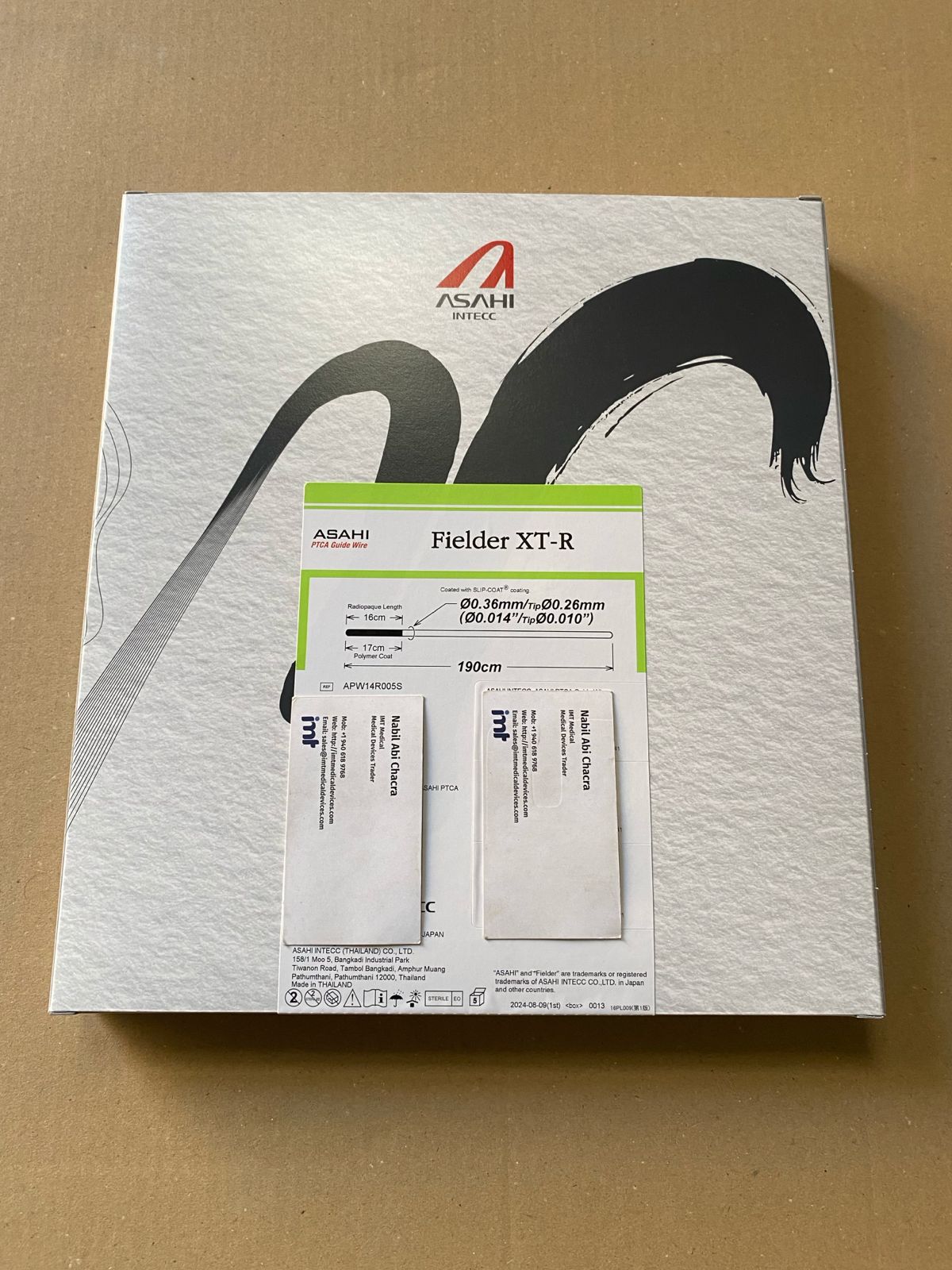
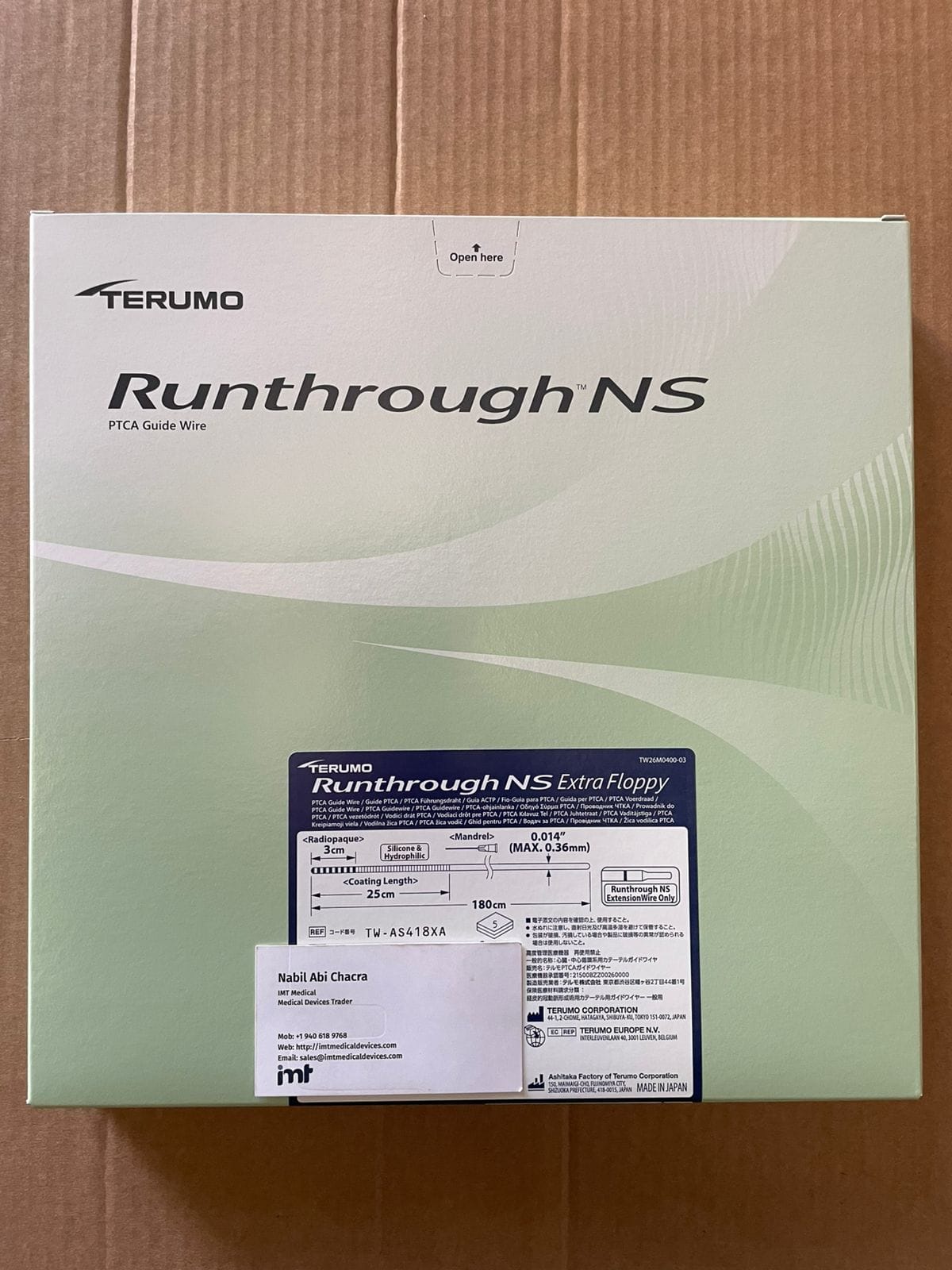
Track key performance indicators (KPIs) with technical precision. High unit costs are often eclipsed by the price of surgical delays. If a partner cannot guarantee the arrival of Terumo guide wires or Asahi Intec products, the facility loses valuable surgical block time. Assess manufacturer-specific availability and the frequency of backorders. Evaluate the hidden costs of customs friction. Documentation errors in international shipping can hold critical inventory in port for weeks, driving up storage fees and disrupting patient care schedules.
The Role of Global Wholesalers in Local Stability
Global wholesalers serve as a vital bridge between manufacturers and regional markets. IMT Medical Devices utilizes regional offices in Dubai, Turkey, Poland, and Georgia to maintain supply continuity. These hubs allow for rapid deployment of PTCA balloon catheters and other sensitive implants. By leveraging international export expertise, a facility reduces its own regulatory burden. As of May 28, 2026, the use of core EUDAMED modules is mandatory. A competent partner manages this data-driven compliance, ensuring all devices meet current market surveillance standards. This logistical reliability is central to how to get buy-in for a new procurement partner from both administrative and clinical leaders.
Mapping Stakeholders: Who Controls the Procurement Decision?
Securing approval for a new distribution channel is a cross-functional exercise. It involves navigating the priorities of four distinct groups. Administrative stakeholders, led by the CFO, prioritize bulk pricing and tier-based rates. Clinical stakeholders, including surgeons and lead technicians, focus exclusively on product efficacy. Operational stakeholders manage warehouse velocity and logistics flow. Regulatory teams ensure hardware meets local medical laws. Understanding how to get buy-in for a new procurement partner requires a granular map of internal influence.
Generic ROI claims are insufficient. You must address specific departmental KPIs. For the CFO, this means demonstrating how a global wholesale partner reduces the cost of goods sold. For the Chief Medical Officer, it means proving the new partner maintains access to high-performance hardware from Medtronic or Boston Scientific. Failure to align these groups often leads to project stagnation during the final review phase.
The Clinical vs. Administrative Divide
Surgeons often exhibit strong brand loyalty to specific Drug-Eluting Stents or permanent pacemakers. This preference is rooted in clinical outcomes and procedural familiarity. To bridge this divide, emphasize that a new procurement partner isn't a brand change but a channel upgrade. The CFO gains from bulk wholesale pricing. The surgeon maintains access to the exact technical specifications required for complex interventions. Supply reliability becomes the common ground. A reliable partner prevents the clinical frustration of canceled cases due to missing inventory. Review the comprehensive Medtronic inventory to confirm product availability for clinical teams.
Identifying the Internal Champion
Select a lead clinician or department head to act as an internal advocate. This individual should trial the new procurement channel for non-critical items before scaling. Empower the logistics team by providing superior tracking data and streamlined export documentation. Building a cross-functional procurement committee ensures all voices are heard during the transition. This committee should review manufacturer-centric portfolios to verify brand continuity. Establishing this group is a critical step in how to get buy-in for a new procurement partner. It transforms a top-down mandate into a collaborative operational improvement.
Building the Business Case: Logistics, Compliance, and Brand Access
Building a business case requires moving beyond trust-based arguments to hard logistical data. Current procurement models often rely on fragmented local distributors who don't have direct manufacturer relationships. This results in inconsistent lead times and high administrative friction. When determining how to get buy-in for a new procurement partner, you must compare current logistics capabilities against a unified global model. A partner with high-capacity international distribution provides streamlined export documentation and specialized handling for sensitive devices. This reduces the emergency shipping costs that often inflate annual medical budgets.
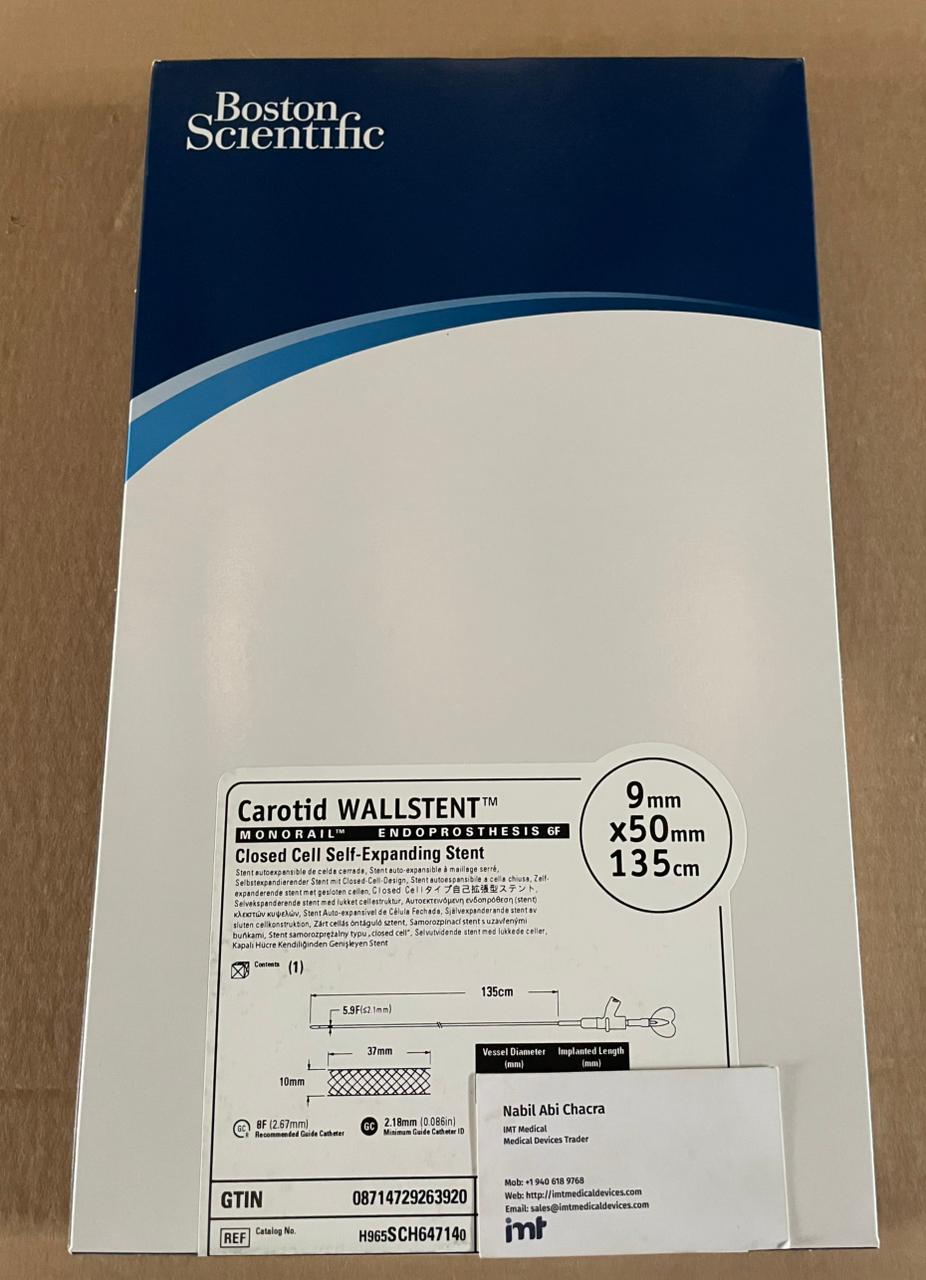
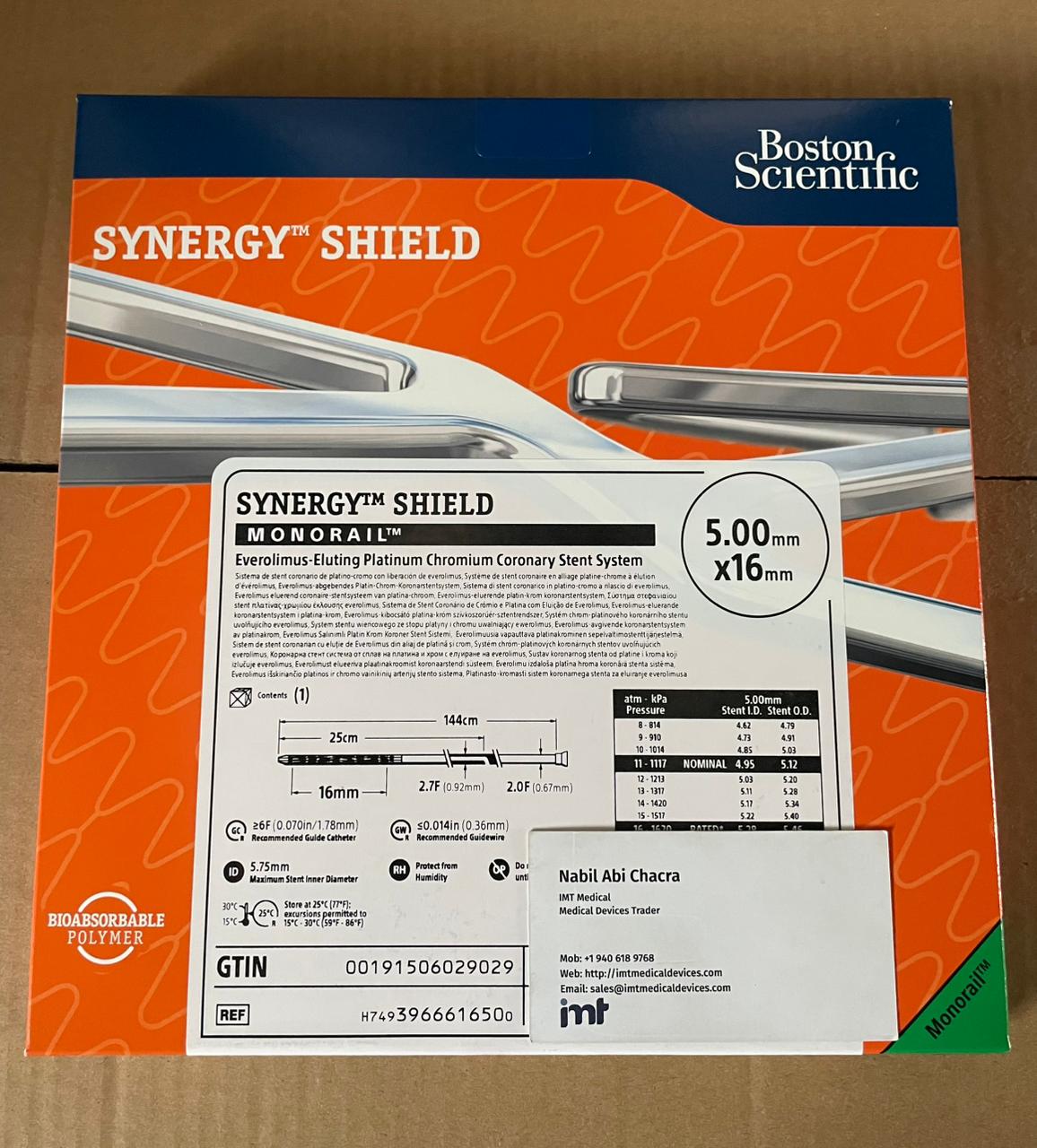
Access to a manufacturer-centric portfolio is a primary value driver. Medical facilities require guaranteed supply for Medtronic Products, Terumo Products, and Boston Scientific Products. By sourcing through an expansive international distributor, a facility ensures product authenticity while eliminating the markups associated with multiple middle-tier vendors. This directness stabilizes the supply chain for critical hardware like permanent pacemakers and drug-eluting stents.
Regional reliability remains a critical proof point for stakeholder approval. In complex markets like Venezuela, local import regulations for 2026 demand precise documentation and specialized logistical reach. A partner with established regional offices in Dubai, Poland, or Georgia can navigate these barriers efficiently. This logistical competence ensures cold chain integrity and maintains the functional status of sensitive cardiac and neurovascular implants during transit. It's about proving that the hardware arrives in theatre exactly when needed, regardless of geographic challenges. Just as a facility might rely on specialized local experts like Tremdecor for high-quality interior finishes to maintain a professional atmosphere, choosing the right global procurement partner is essential for clinical excellence.
Financial and Logistical Projections
Quantify the shift through volume-based tier pricing. High-turnover items such as PTCA Balloon Catheters benefit significantly from bulk wholesale rates. Consolidating orders through a single international channel reduces administrative overhead through unified invoicing and customs clearance. These projections are essential for how to get buy-in for a new procurement partner when presenting to financial stakeholders who prioritize margin improvement and predictable spend.
Regulatory and Compliance Assurance
Authenticity is non-negotiable for implantable hardware. Sourcing from renowned international brands ensures every device meets global quality control standards. Compliance with EUDAMED modules for actor and device registration is now mandatory as of May 28, 2026. A strategic partner manages this data-driven oversight, providing all necessary documentation for international shipping and local customs clearance. This rigorous approach to compliance protects the facility from the legal and clinical risks of non-certified devices.
Overcoming Clinical Resistance and Brand Loyalty
Surgeon brand loyalty is a primary barrier to supply chain optimization. This loyalty is not arbitrary; it is built on procedural success and technical familiarity with specific hardware. For example, an interventional cardiologist's preference for the Medtronic Resolute Integrity stent is rooted in its deliverability and clinical track record. Resistance to a new procurement model often stems from the fear that administrative changes will lead to brand substitution. To neutralize this, you must prove that the new channel secures the exact same SKUs from the same global manufacturers.
Securing buy-in requires a shift from clinical trials to logistical trials. Instead of asking surgeons to evaluate new devices, ask them to evaluate the reliability of the delivery channel. Utilizing pilot orders for non-critical consumables allows clinical teams to verify that technical specifications remain unchanged. This evidence-based approach is fundamental to how to get buy-in for a new procurement partner. By demonstrating that the procurement shift only affects the efficiency of the back-end supply chain, you remove the "learning curve" objection often associated with surgical staplers or specialized catheters.
Maintaining Brand Availability
Highlighting access to a manufacturer-centric portfolio is essential for clinical approval. Your facility must maintain a consistent supply of Asahi Intec, Boston Scientific, and Terumo products. Ensure that every item procured through the new partner matches current surgical protocols exactly. Clinical feedback should be integrated into the evaluation process. If a surgeon confirms that the logistical partner delivers authentic, high-performance hardware without delay, the administrative case for change becomes unassailable.
Addressing Patient Safety Concerns
Supply chain transparency is the ultimate trust signal for clinical stakeholders. A high-capacity international distributor provides end-to-end visibility from the manufacturer to the hospital warehouse. This is critical for managing expiration dates and inventory rotation for sensitive devices like Permanent Pacemakers. Establishing emergency procurement protocols and backup supply strategies ensures that clinical operations never halt due to inventory gaps. This level of logistical precision directly supports patient safety and procedural outcomes. Confirm your facility's access to authentic hardware by reviewing our available Medtronic inventory.
Understanding how to get buy-in for a new procurement partner involves proving that clinical standards will be maintained or improved. When the logistics team and the surgical team align on brand continuity, the facility can finally achieve the bulk wholesale pricing and administrative efficiency required in the 2026 healthcare market.
Implementation: A Phased Approach to Partner Integration
Transitioning to a new distribution channel requires a methodical, risk-mitigated strategy. A phased rollout ensures that clinical operations remain uninterrupted while the facility validates the partner's logistical performance. This structured approach is the final, tactical step in how to get buy-in for a new procurement partner. It provides administrative and clinical stakeholders with concrete data points before a full-scale commitment is made. By breaking the transition into manageable stages, you reduce the perceived risk of supply chain disruption.
Phase 1 involves a small-scale pilot focusing on non-critical consumables. Phase 2 scales to high-value implants, including Coronary Stents and CRM devices. Phase 3 achieves full-scale supply chain optimization. This final phase focuses on data-driven reporting and refining the cost-to-value ratio for the entire facility. Establishing precise communication rhythms with IMT Medical Devices account managers is essential. Regular inventory reviews and demand-sensing algorithms allow for proactive replenishment, reducing the reliance on emergency shipments. This proactive management stabilizes the procurement cycle for high-turnover hardware like PTCA balloons and guide wires.
The Pilot Program: Proving Logistical Competence
Selecting low-risk items for the initial export run allows the facility to test the partner's infrastructure without impacting critical procedures. Items like diagnostic guide wires or non-implantable catheters are ideal for this phase. Monitor delivery timelines with technical precision. Track the speed of customs clearance and the accuracy of all regulatory documentation. Success in this phase proves that the partner can navigate the complexities of international trade and local compliance. It provides the logistical trial data needed to satisfy operational stakeholders who manage warehouse velocity and inventory turnover. Proving competence here neutralizes administrative concerns regarding transition friction.
Scaling to High-Value Cardiac and Neurovascular Supplies
Following a successful pilot, integration moves to high-value hardware. This includes bulk orders for Coronary Stents and permanent pacemakers from manufacturers like Abbott, Terumo, and Medtronic. Scheduled replenishment cycles must be established to ensure inventory levels match surgical block schedules. Finalize long-term procurement contracts and service level agreements (SLAs) that define lead times, fill rates, and documentation standards. This scaling phase is where the facility realizes the primary financial benefits of a new partnership. It consolidates the supply chain, reduces administrative friction, and secures the clinical continuity that surgeons demand. Understanding how to get buy-in for a new procurement partner concludes with this successful, data-backed integration into the hospital's daily operations.
Securing a Resilient Supply Chain for 2026 and Beyond
Securing institutional support for procurement changes is a technical challenge that requires aligning financial efficiency with clinical precision. Stakeholders require proof that a new partner maintains access to high-tier manufacturers while reducing the administrative burden of international logistics. A phased integration model allows for the validation of export capabilities and regulatory compliance without risking procedure continuity. Mastering how to get buy-in for a new procurement partner ensures your facility is no longer vulnerable to single-source failures or local inventory shortages.
IMT Medical Devices acts as a global bridge, providing specialized cardiac and neurovascular portfolios to over 50 countries. Our established supply chain ensures authentic hardware from Medtronic, Boston Scientific, and Abbott reaches your facility with complete regulatory transparency. By prioritizing manufacturer reputations and logistical reliability, you can transform your procurement strategy into a driver of clinical excellence. Request a Manufacturer-Specific Quote from IMT Medical Devices to begin optimizing your facility's inventory today. Establish a more reliable, manufacturer-centric supply chain for your clinical teams.
Frequently Asked Questions
What are the most common reasons medical facilities switch procurement partners?
Facilities primarily switch due to rising operational costs and frequent product stockouts. In 2026, 60% of health systems identified rising costs as their top procurement challenge. A switch is often triggered by the need for better predictability in product demand and a desire to consolidate supplier relationships to reduce administrative complexity.
How can I prove a new partner is reliable for high-stakes cardiac devices?
Reliability is demonstrated through a partner's international distribution reach and specialized handling protocols for sensitive implants. Look for a partner with regional offices in hubs like Dubai or Poland to ensure supply continuity. Verifying a portfolio that includes established brands like Terumo and Asahi Intec provides technical assurance for high-stakes cardiac interventions.
Does switching partners require changing the medical brands our surgeons use?
Switching procurement partners doesn't necessitate a change in medical brands. A high-capacity wholesaler provides direct access to current surgical platforms like Medtronic and Boston Scientific. This continuity is vital when determining how to get buy-in for a new procurement partner from surgical teams who prioritize specific technical specifications and clinical outcomes.
What logistical factors should I prioritize for medical imports to Venezuela?
Prioritize partners with established regional offices that understand local import regulations and customs friction. In complex markets like Venezuela, documentation accuracy and specialized logistics for sensitive implants are critical for 2026 compliance. Using a bridge between manufacturers and local markets reduces the risk of devices being held in port.
How do I calculate the ROI of switching to a global medical wholesaler?
ROI is calculated by measuring the reduction in emergency shipping fees and the benefits of bulk wholesale pricing. Facilities also see gains from lower administrative overhead through unified export documentation. These financial improvements are often paired with increased surgical block time due to better inventory availability for high-turnover items like PTCA balloons.
What documentation is required for international medical device export?
Compliance requires mandatory use of four EUDAMED modules as of May 28, 2026. These include Actor Registration and UDI/Device Registration. Standard international export also requires precise customs documentation and manufacturer-specific technical codes to ensure rapid transit and clinical authenticity.
How can I involve clinical staff in the procurement decision-making process?
Involve clinical staff by establishing a cross-functional procurement committee and initiating pilot orders for non-critical consumables. This allows surgeons to verify that technical specifications remain consistent before scaling to high-value implants. Clinical feedback ensures the new procurement channel supports current surgical protocols and patient safety standards.
What is the typical timeframe for integrating a new procurement partner?
Integration typically follows a phased timeline over several months. A small-scale pilot for non-critical items often takes 30 to 60 days to validate logistical competence. Scaling to high-value cardiac and neurovascular supplies like drug-eluting stents occurs in subsequent phases once documentation accuracy and delivery speeds are confirmed.