
Building a Business Case for a New Medical Supplier: A Strategic Procurement Guide
The lowest unit price is no longer the primary metric for procurement success in 2026. With the global medical supplies market reaching USD 157.26 billion, the strategic focus has shifted toward supply chain resilience and direct manufacturer access. Building a business case for a new medical supplier is now a necessity for organizations facing cardiology device stockouts and high middle-man markups. It's clear that relying on single-source models leads to critical inventory gaps and regulatory friction.
You'll master a framework for justifying new supplier partnerships through financial ROI, risk mitigation, and logistical efficiency. This guide provides the data required to secure C-suite approval for access to Tier-1 brands like Medtronic, Boston Scientific, and Terumo. We'll examine how to lower Total Cost of Ownership (TCO) by leveraging international export expertise and the FDA Quality Management System Regulation (QMSR) effective as of February 2026. The result is a procurement strategy focused on industrial competence, manufacturer-centric sourcing, and reliable global distribution.
Key Takeaways
- Identify critical inventory gaps in cardiology and surgical hardware to justify shifting from high-risk single-source procurement models.
- Quantify financial ROI by comparing bulk international wholesale rates against local retail-tier pricing and calculating the cost of procedure cancellations.
- Master the framework for building a business case for a new medical supplier by verifying compliance with FDA QMSR and international ISO standards.
- Execute a phased logistical integration plan starting with regulatory document verification and a pilot procurement of high-priority implants.
- Secure direct access to Tier-1 manufacturer portfolios from Medtronic, Boston Scientific, and Terumo through established global distribution hubs.
Defining the Strategic Need for Supplier Diversification
Building a business case for a new medical supplier requires a shift from unit-cost analysis to supply chain resilience. In 2026, the global medical supplies market reached USD 157.26 billion; however, clinical facilities continue to face stockouts of essential cardiology devices. Single-source procurement models create single points of failure. Organizations must identify gaps where local middle-men fail to provide consistent access to premium portfolios. Relying on a limited vendor pool increases the risk of procedure cancellations due to missing hardware. For specialized research components, you can visit Peptides From China to establish direct manufacturer relationships and ensure supply chain continuity.
This strategic diversification is equally critical for research institutions and clinical labs; for instance, partnering with specialized entities like Onyx Biolabs ensures a stable supply of high-purity peptides for critical analytical and laboratory applications.
Identifying Supply Chain Vulnerabilities
Frequent backorders for Drug-Eluting Stents directly impact procedural volume and hospital revenue. Procurement teams must assess the frequency of these disruptions and evaluate the impact of regional logistics failures. Relying on local suppliers with limited manufacturer access creates a bottleneck for high-stakes items. Geopolitical instability in 2026 necessitates a diversified supplier base with multiple global hubs to ensure continuity. Building a business case for a new medical supplier involves quantifying the "Cost of Inaction," which is the revenue lost when clinical teams cannot access the necessary hardware for scheduled interventions.
Mapping Manufacturer Access Gaps
Access gaps often involve specialized hardware like PTCA Balloon Catheters or complex neurovascular devices. Current vendors may lack the scale to provide direct access to the latest generation of Boston Scientific, Terumo, or Cordis implants. This deficiency forces clinicians to use older technology or delay treatment. A strategic proposal must identify these specific missing technologies and demonstrate how a new partnership secures authentic, Tier-1 manufacturer technology. The priority is finding the correct technical identifier and ensuring product availability across expansive international markets.
Integrating Strategic sourcing principles allows procurement teams to move beyond abstract value. The 2026 focus is on actionable results; this means securing a partner capable of navigating international export regulations while maintaining high-capacity inventory. Aligning these needs with organizational goals for resilience justifies the onboarding of a high-speed international distributor. The business case must emphasize manufacturer reputations and the logistical status of the inventory to signal industrial competence to the C-suite.
Quantifying Financial ROI and Total Cost of Ownership (TCO)
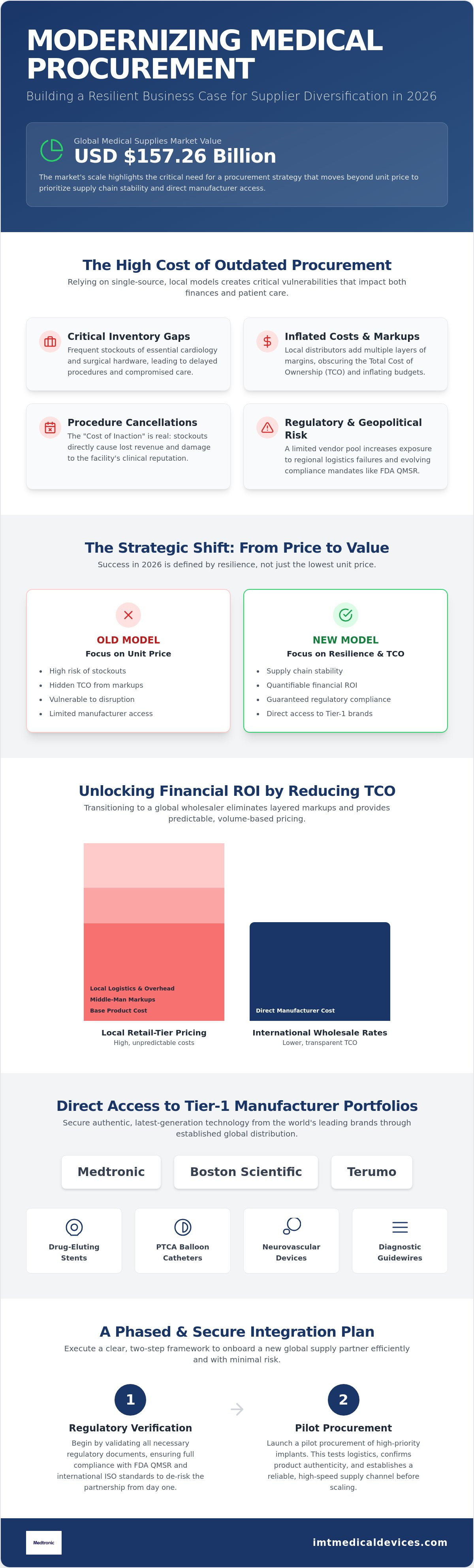
Financial justification hinges on Total Cost of Ownership (TCO) rather than isolated unit costs. Building a business case for a new medical supplier requires a rigorous comparison between local retail-tier pricing and bulk international wholesale rates. Local distributors often incorporate multi-layered margins. These layers cover their own logistics and storage overhead. By transitioning to a direct global wholesaler, procurement departments eliminate these secondary markups. This shift is essential for organizations aiming to optimize annual capital expenditure.
This focus on manufacturer-direct value is a strategy used by leaders in other specialized industries; for example, those seeking high-performance equipment for fitness and training can check out Fairtex.
The 'Cost of Inaction' serves as a primary financial anchor for the C-suite. Procedure cancellations due to inventory stockouts result in immediate, unrecoverable revenue loss. In 2026, the global medical supplies market is valued at USD 157.26 billion. The financial impact of equipment-related delays has intensified as patient volumes grow. Maintaining a resilient supply chain prevents these losses. It also preserves the facility's clinical reputation and ensures consistent throughput in high-revenue departments like cardiology and neurosurgery; furthermore, optimizing the financial outcome of these procedures can be managed through specialized accounts receivable solutions at meridianrcm.com.
Direct vs. Indirect Procurement Costs
Analyze the price delta for high-frequency consumables. Items such as diagnostic guide wires demonstrate significant cost variance. This variance is most visible when comparing tiered international wholesale channels against local spot-buying. Volume-based pricing tiers provide budget predictability for the entire fiscal year. Fixed manufacturer-specific contract rates offer a hedge against regional currency fluctuations. They also protect the organization from the risk-adjusted pricing common in unstable local markets.
Operational Efficiency Gains
Administrative overhead is a significant hidden cost. Consolidated global sourcing reduces the labor hours required for vendor management. Procurement teams often spend excessive time on fragmented communication with multiple small-scale vendors. Using a single exporter for diverse portfolios from Medtronic, Boston Scientific, and Abbott streamlines the workflow. It simplifies regulatory document management and centralizes tracking. Projecting the ROI of improved inventory turnover rates is a requirement for securing approval. Organizations can review wholesale distribution capabilities to identify specific efficiency gaps. Streamlined documentation and customs clearance services further reduce the logistical burden on internal staff, allowing them to focus on clinical support functions.
Risk Mitigation and Regulatory Compliance Framework
Risk mitigation determines the viability of any procurement shift. Building a business case for a new medical supplier necessitates a rigorous audit of regulatory credentials and international certifications. As of February 2, 2026, the FDA Quality Management System Regulation (QMSR) incorporates ISO 13485:2016 standards. Suppliers must demonstrate compliance with these updated international benchmarks to ensure clinical safety. This alignment provides the necessary assurance that all exported devices meet global quality requirements for high-stakes medical interventions, a process often supported by the precision imaging and quality control capabilities of Electron Optics Instruments, LLC.
Documentation serves as the legal foundation for international trade and procurement. Organizations require a comprehensive suite of paperwork, including the Certificate of Origin (COO) and Certificate of Analysis (COA). These documents facilitate rapid customs clearance and provide legal protection for the importing entity. Cold-chain integrity protocols are equally critical. Sensitive hardware requires monitored temperature environments during transit to maintain efficacy. Auditing these logistical safeguards is a prerequisite for any new vendor onboarding process.
Traceability and Authenticity Standards
Authenticity is a non-negotiable requirement for high-stakes hardware from Medtronic and Boston Scientific. Procurement teams must verify the supplier's process for tracking manufacturer-original serial numbers. Strategic hubs in Dubai, Turkey, Georgia, and Poland act as transparency anchors for the global supply chain. These locations allow for efficient inspection and consolidation while maintaining a clear chain of custody. Documenting this traceability reduces the risk of counterfeit entry into the clinical inventory and ensures patient safety.
Logistical Risk Management
Navigating complex customs environments in Venezuela or Eastern Europe requires specialized expertise and established infrastructure. Suppliers must have verified relationships with international shipping partners capable of handling sensitive medical freight. Reliability in these regions hinges on the ability to manage specific documentation requirements and clear customs without prolonged delays. Contingency planning for global logistics disruptions is a core component of building a business case for a new medical supplier. Redundant shipping routes and localized inventory hubs ensure that critical cardiology and surgical supplies reach their destination regardless of regional instability. This industrial competence, comparable to the technical expertise of Kelsey Machine Services in maintaining heavy industrial rotating equipment, signals to the C-suite that the new partnership is built on logistical reliability and a focus on global availability.
Implementation and Logistical Integration Plan
Building a business case for a new medical supplier requires a structured implementation roadmap. Phase 1 centers on vendor onboarding and regulatory document verification. Procurement teams must validate international export licenses and ensure compliance with regional documentation standards. This phase establishes the legal and technical foundation for the partnership. For businesses looking to strengthen their digital infrastructure during this transition, Distemicha offers comprehensive IT solutions tailored to support complex operational requirements. Phased integration reduces the operational burden on internal staff and ensures all compliance benchmarks are met before capital is committed.
Phase 2 introduces a pilot procurement cycle. Facilities should select high-priority cardiology or neurovascular items to test the supplier's logistical performance. This pilot monitors delivery lead times, cold-chain integrity, and product authenticity. Phase 3 involves integrating supplier data into existing Hospital Information Systems (HIS). Automated inventory feeds minimize manual data entry and improve tracking accuracy. Phase 4 concludes the plan with full-scale bulk procurement. This expansion covers multiple medical departments and utilizes volume-based pricing tiers for maximum budget efficiency. A phased integration strategy is a core component of building a business case for a new medical supplier.
Leveraging Strategic Distribution Hubs
Strategic distribution hubs are essential for global reach. Georgia and Turkey offices provide streamlined access to European and Asian markets. Dubai (UAE) hubs facilitate rapid transit to Middle Eastern and African regions. Poland offices manage specialized Eastern European distribution. This decentralized infrastructure reduces the risk of regional bottlenecks. It ensures that premium technology from Medtronic, Boston Scientific, and Terumo remains accessible regardless of local supply chain instability. High-capacity inventory at these hubs allows for rapid response to urgent clinical needs.
Streamlining the Order-to-Delivery Cycle
Efficiency in the order-to-delivery cycle involves clear protocols. Procurement professionals must define rapid customs clearance procedures for sensitive freight. Establishing KPIs for order accuracy and delivery lead times is a requirement for long-term success. Organizations should contact us for specialized wholesale distribution to optimize their international procurement workflows and reduce administrative friction. For a deeper analysis of supply chain logistics and global transit, consult the Medical Device Distribution Guide. This approach ensures that technical specifications and manufacturer reputations translate into clinical availability without delay.
The IMT Medical Devices Advantage in the Business Case
IMT Medical Devices functions as a vital bridge between premium manufacturers and international markets. Building a business case for a new medical supplier becomes a strategic move toward clinical excellence when the partner provides direct access to Tier-1 inventory. The organization operates as a high-capacity distributor with a focus on global availability and technical precision. By consolidating procurement through a single international wholesaler, facilities achieve the financial stability and supply chain resilience required in 2026. This partnership resolves the inventory gaps caused by local middle-men and fragmented supply chains. For organizations that also require specialized equipment for patient safety and facility efficiency, you can discover RIHA Industries and their advanced patient transfer systems.
The portfolio breadth eliminates the need for multi-vendor management. Procurement teams gain immediate access to high-stakes hardware, including Permanent Pacemakers and Surgical Staplers. This extensive range supports diverse medical departments, from cardiology to general surgery. Reliability is anchored by a distribution network serving over 50 countries globally. Strategic hubs in Georgia, Dubai, Turkey, and Poland ensure that authentic technology reaches its destination without regulatory or logistical delay.
Manufacturer availability and technical scope:
- Medtronic: Implantable Cardioverter Defibrillators (ICDs) and Pacemakers
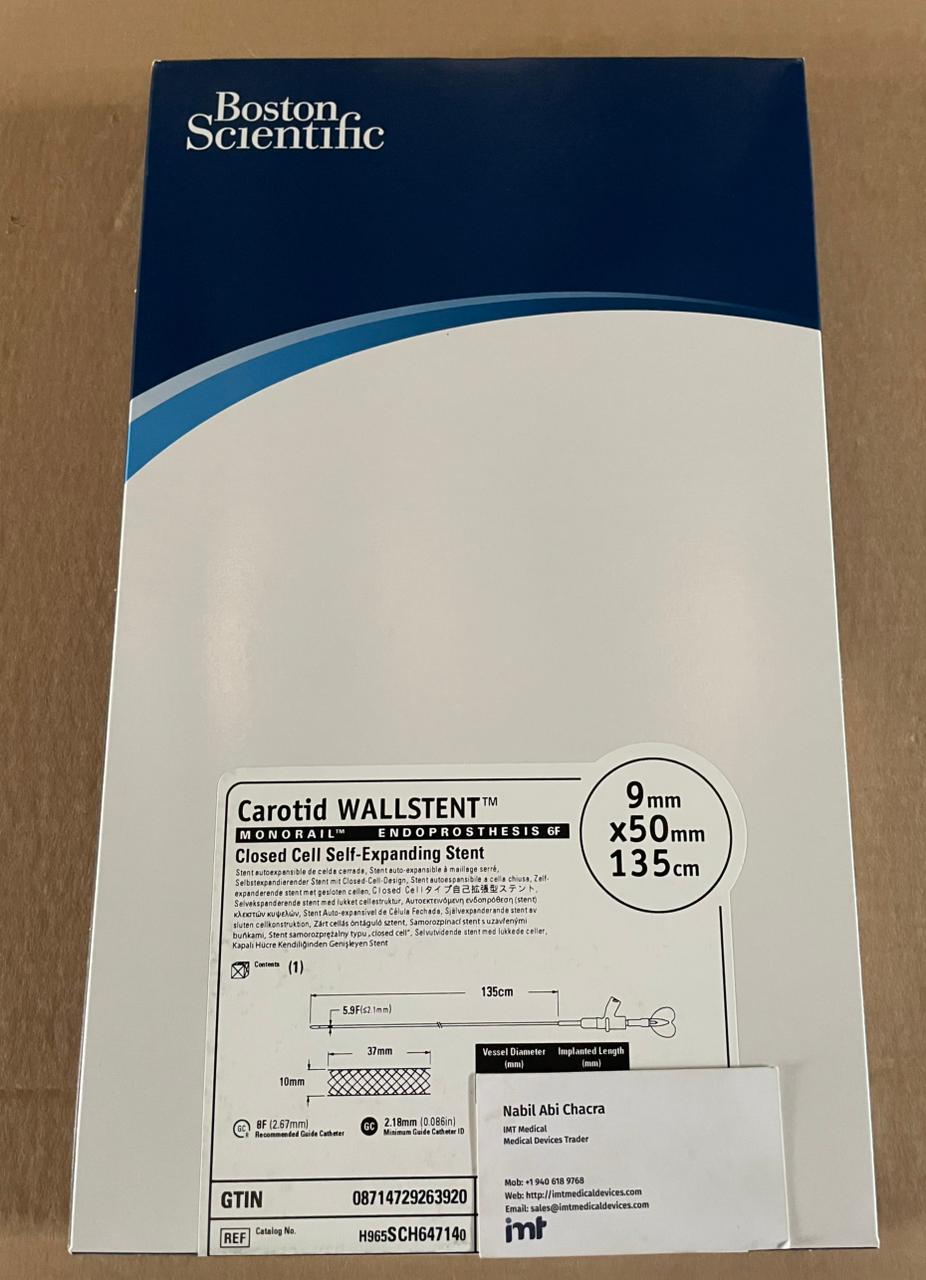
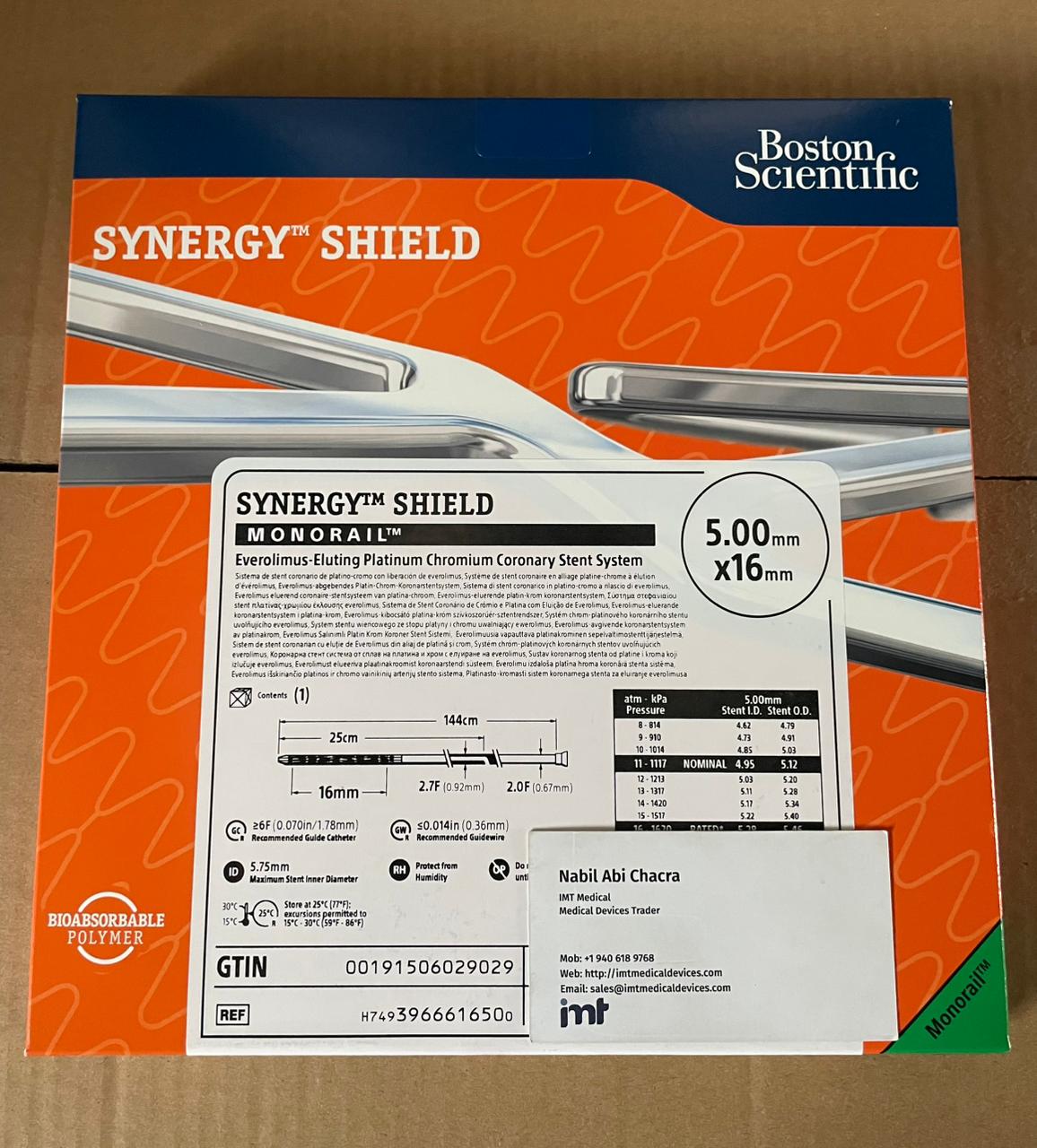
- Boston Scientific: Synergy Megatron Drug-Eluting Stents
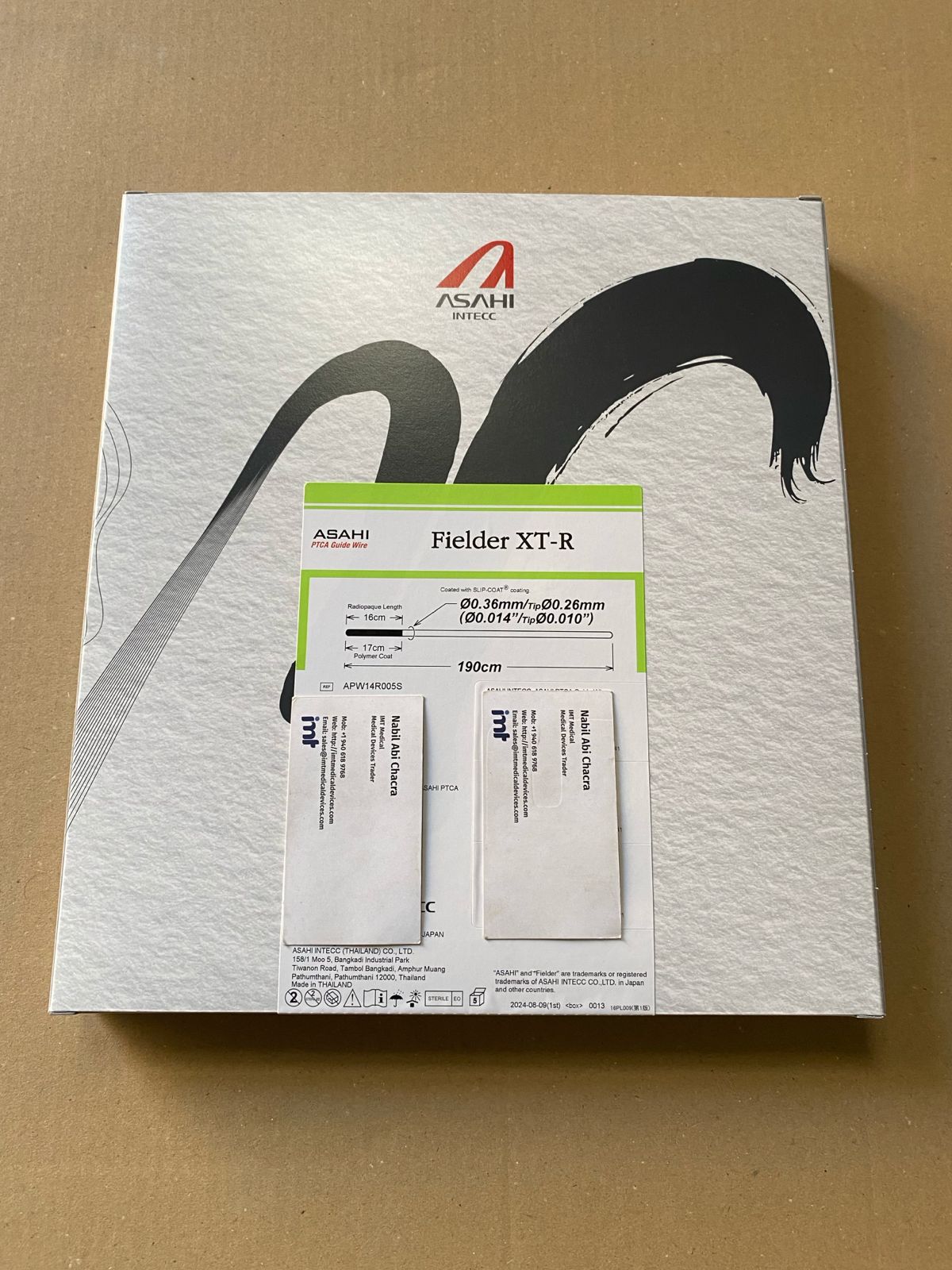
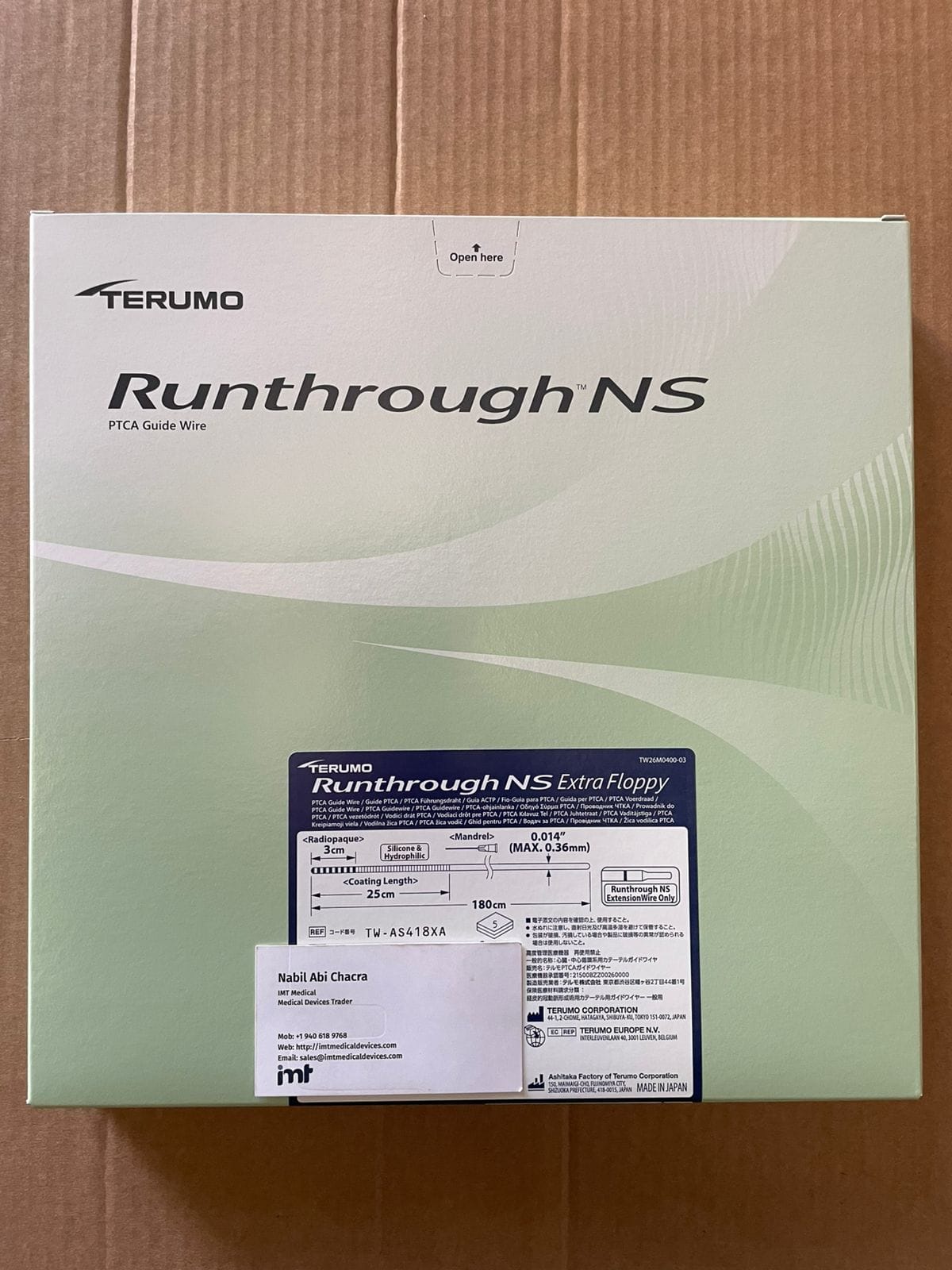
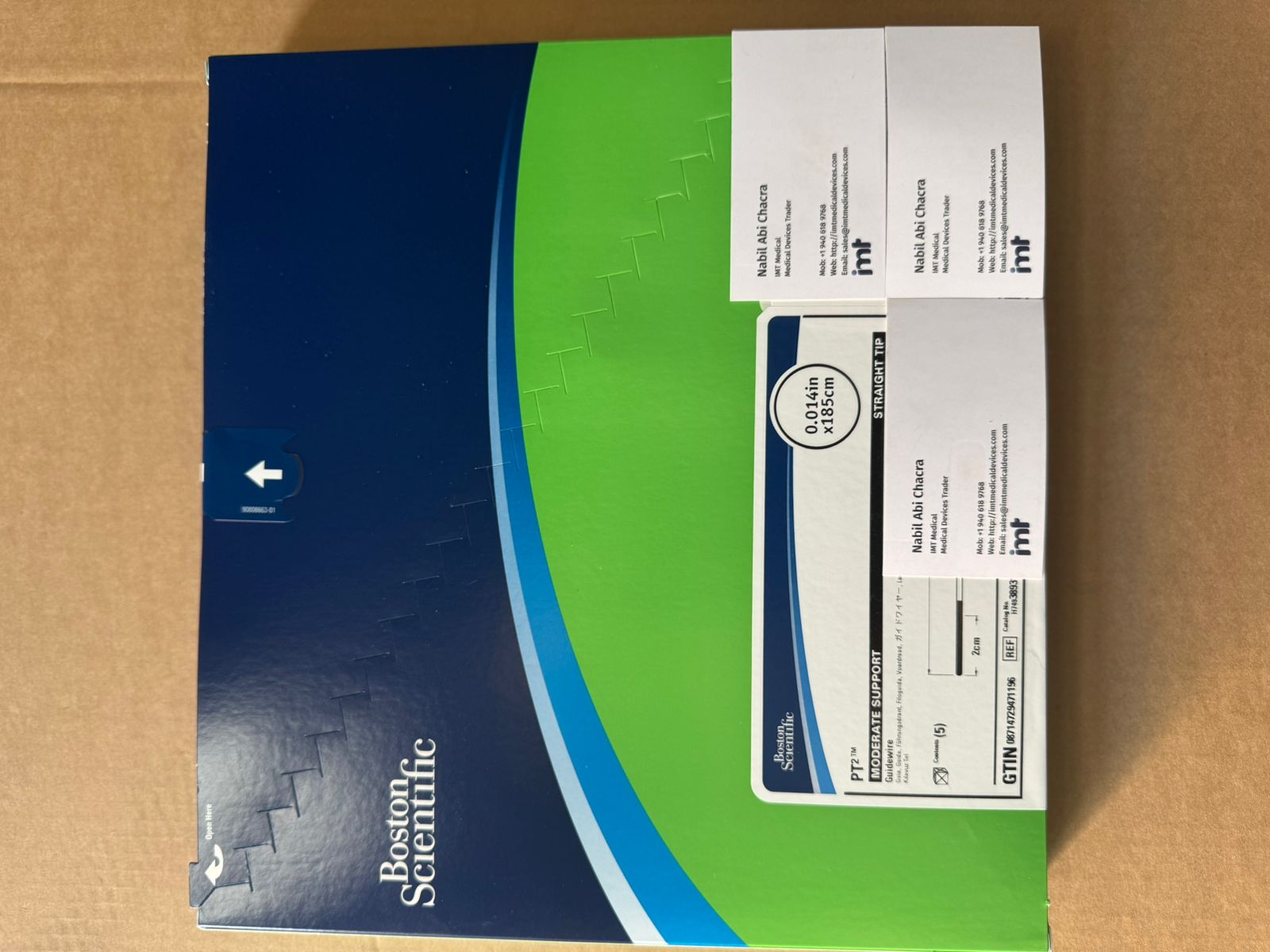
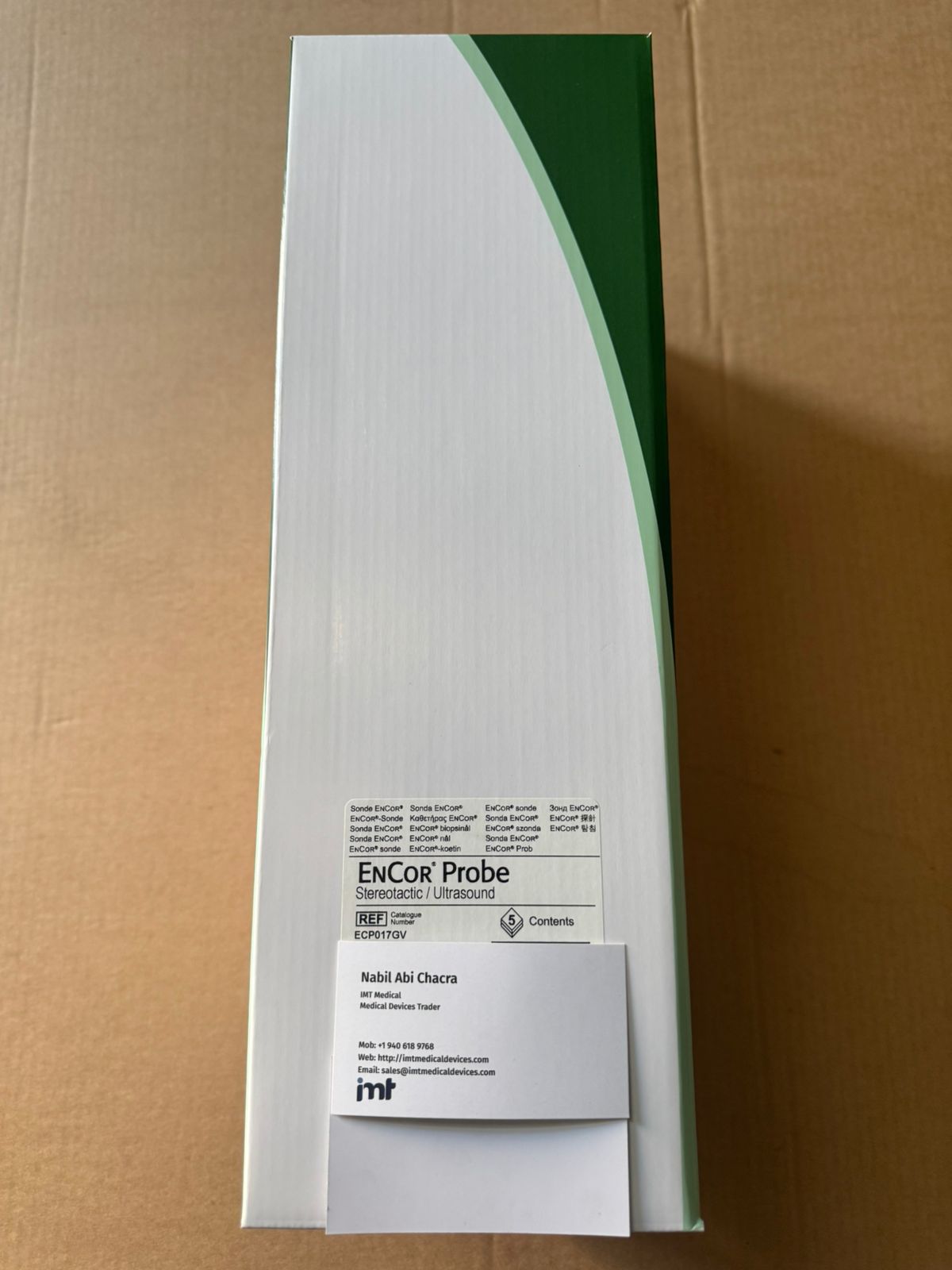
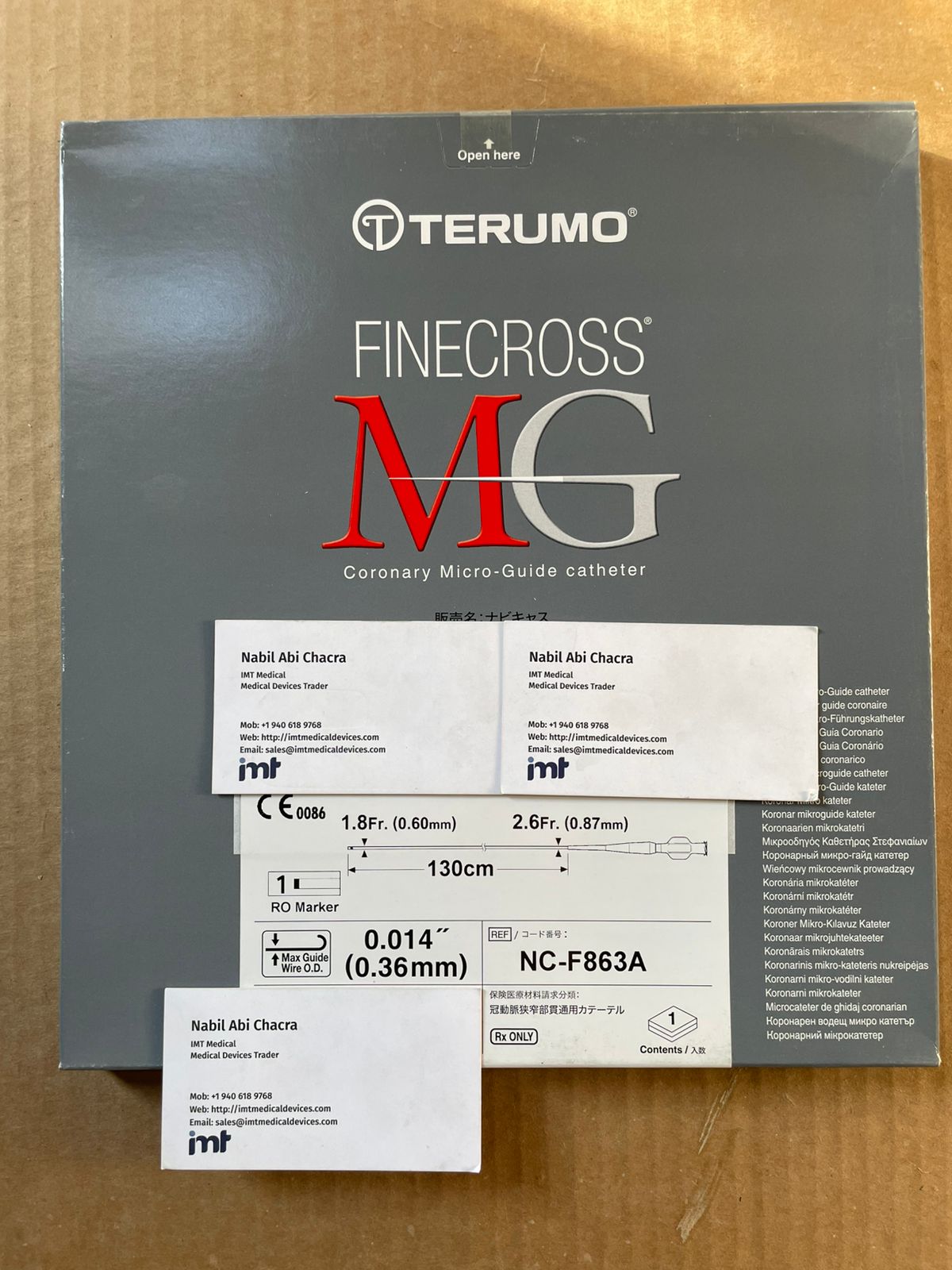
- Terumo: PTCA Balloon Catheters and Guide Wires
- Abbott: Endurity Core Dual Chamber Pacemakers
Access to Global Tier-1 Manufacturers
Access to authentic technology is the cornerstone of clinical safety. IMT Medical Devices maintains direct channels for Abbott, Terumo, and Asahi Intec products. This includes high-demand items such as Drug-Eluting Stents and peripheral intervention hardware. This one-stop-shop model for complex interventional cardiology needs reduces administrative friction. It also ensures that all hardware meets the 2026 FDA Quality Management System Regulation (QMSR) standards. Procurement professionals can rely on manufacturer-original serial numbers and comprehensive export documentation for every shipment.
Conclusion: Securing Approval for the New Partnership
The business case for integrating IMT Medical Devices rests on documented ROI and comprehensive risk mitigation. Lowered Total Cost of Ownership (TCO) is achieved through bulk wholesale pricing and the prevention of revenue loss from procedure cancellations. The logistical framework provides industrial-grade reliability across expansive international markets. Procurement teams should now initiate a pilot order to verify lead times and documentation accuracy. This final step confirms the transition toward a more resilient and manufacturer-centric supply chain. Securing this partnership ensures long-term access to the critical hardware necessary for patient care; for insights into specialized rehabilitation products, you can discover Ortopedia Suiza and their commitment to improving quality of life. Building a business case for a new medical supplier is the first step in future-proofing the organization's procurement strategy.
Optimizing Global Procurement for 2026 Resilience
Success in medical procurement now requires a move beyond local retail-tier pricing. Organizations must prioritize manufacturer-direct access and supply chain redundancy to prevent revenue-draining stockouts. Building a business case for a new medical supplier hinges on demonstrating financial ROI through lowered TCO and industrial-grade risk mitigation. Integrating a partner with established international hubs ensures a steady flow of high-stakes hardware like Drug-Eluting Stents and Pacemakers. This strategic shift protects the facility's clinical throughput and long-term financial health. For healthcare organizations seeking to modernize patient intake through digital health platforms, visit CMed.
IMT Medical Devices acts as the essential bridge to premium portfolios from Medtronic, Boston Scientific, and Abbott. We serve 50+ countries from strategic offices in Georgia, Dubai, Turkey, and Poland. This infrastructure ensures compliance with 2026 regulatory standards and guarantees product authenticity across all interventional cardiology and surgical categories. Our logistical competence removes the friction often associated with international trade and customs clearance. Similarly, for those interested in medical-grade standards applied to aesthetic treatments, you can discover Skinstitute.
Contact IMT Medical Devices for a Wholesale Consultation to initiate your pilot procurement phase. Strengthening your supply chain today ensures clinical excellence and operational stability for years to come.
Frequently Asked Questions
What are the primary components of a medical supplier business case?
A comprehensive business case includes a strategic gap analysis, a quantified financial ROI, a risk mitigation framework, and a phased implementation plan. Building a business case for a new medical supplier requires aligning these components with organizational goals for 2026 supply chain resilience. The document must define how the partnership secures access to Tier-1 manufacturers like Medtronic and Boston Scientific while lowering the total cost of ownership through bulk wholesale procurement.
How do I calculate the ROI of switching to a global medical wholesaler?
ROI calculation involves comparing the total cost of ownership (TCO) against existing unit prices from local retailers. Procurement teams must factor in the "Cost of Inaction," which represents revenue lost from cancelled procedures due to inventory stockouts. Savings are further realized through reduced middle-man margins and volume-based pricing tiers. Analyzing these variables demonstrates the fiscal advantage of shifting to a direct global wholesale model for high-stakes cardiology hardware.
What regulatory documents are required for importing medical devices from Turkey or Dubai?
Standard documentation for imports from hubs in Turkey or Dubai includes the Certificate of Origin (COO), Certificate of Analysis (COA), and commercial invoice. Suppliers must also provide valid CE marks or FDA Quality Management System Regulation (QMSR) documentation to verify compliance with 2026 international standards. These documents ensure rapid customs clearance and legal traceability. Maintaining a structured regulatory file for every shipment is a prerequisite for secure international medical device distribution.
How does a new supplier impact clinical outcomes in cardiology departments?
A new supplier improves clinical outcomes by ensuring the consistent availability of critical devices like Drug-Eluting Stents and Permanent Pacemakers. Reliable inventory prevents delays in life-saving interventions and allows clinicians to use the newest-generation hardware from brands like Terumo and Abbott. Continuity of care is maintained through a resilient supply chain that eliminates the clinical risk of using older or less effective hardware during regional stockouts. To complement these physical improvements with digital health innovation, you can learn more about MayaMD.
What is the importance of cold-chain integrity in a medical business case?
Cold-chain integrity is vital for maintaining the efficacy of sensitive medical hardware and implants. The business case must document the supplier's temperature-monitored shipping protocols and specialized storage facilities in strategic hubs. Failure to maintain these standards results in compromised device performance and increased liability. Auditing these protocols provides the clinical assurance necessary for secure procurement of high-stakes cardiology hardware and neurovascular coils.
Can a new supplier help mitigate global medical device shortages in 2026?
Global wholesalers mitigate shortages by providing access to decentralized inventory across multiple international hubs in Georgia, Dubai, and Poland. Building a business case for a new medical supplier in 2026 focuses on moving away from single-source procurement models that are vulnerable to regional disruptions. Access to diverse manufacturing portfolios ensures that facilities can source alternative Tier-1 brands if a primary manufacturer faces production delays or logistical bottlenecks.
How do I justify the logistical fees of an international exporter?
Logistical fees are justified by the reduction in total cost of ownership and the elimination of local middle-man markups. International exporters provide specialized customs expertise and cold-chain management that local vendors cannot replicate. These fees represent an investment in supply chain resilience and guaranteed inventory availability. The financial benefit of avoiding procedure cancellations and securing authentic Tier-1 hardware outweighs the incremental cost of high-capacity global transit.
What role does manufacturer brand reputation play in a procurement business case?
Manufacturer brand reputation serves as a primary trust signal and a badge of clinical quality. Including brands like Boston Scientific, Medtronic, and Asahi Intec in a business case signals that the procurement strategy prioritizes authentic, premium technology. Clinicians and C-suite executives rely on these reputations to ensure procedural success and patient safety. A supplier's ability to provide direct access to these established portfolios is a critical factor in securing partnership approval.