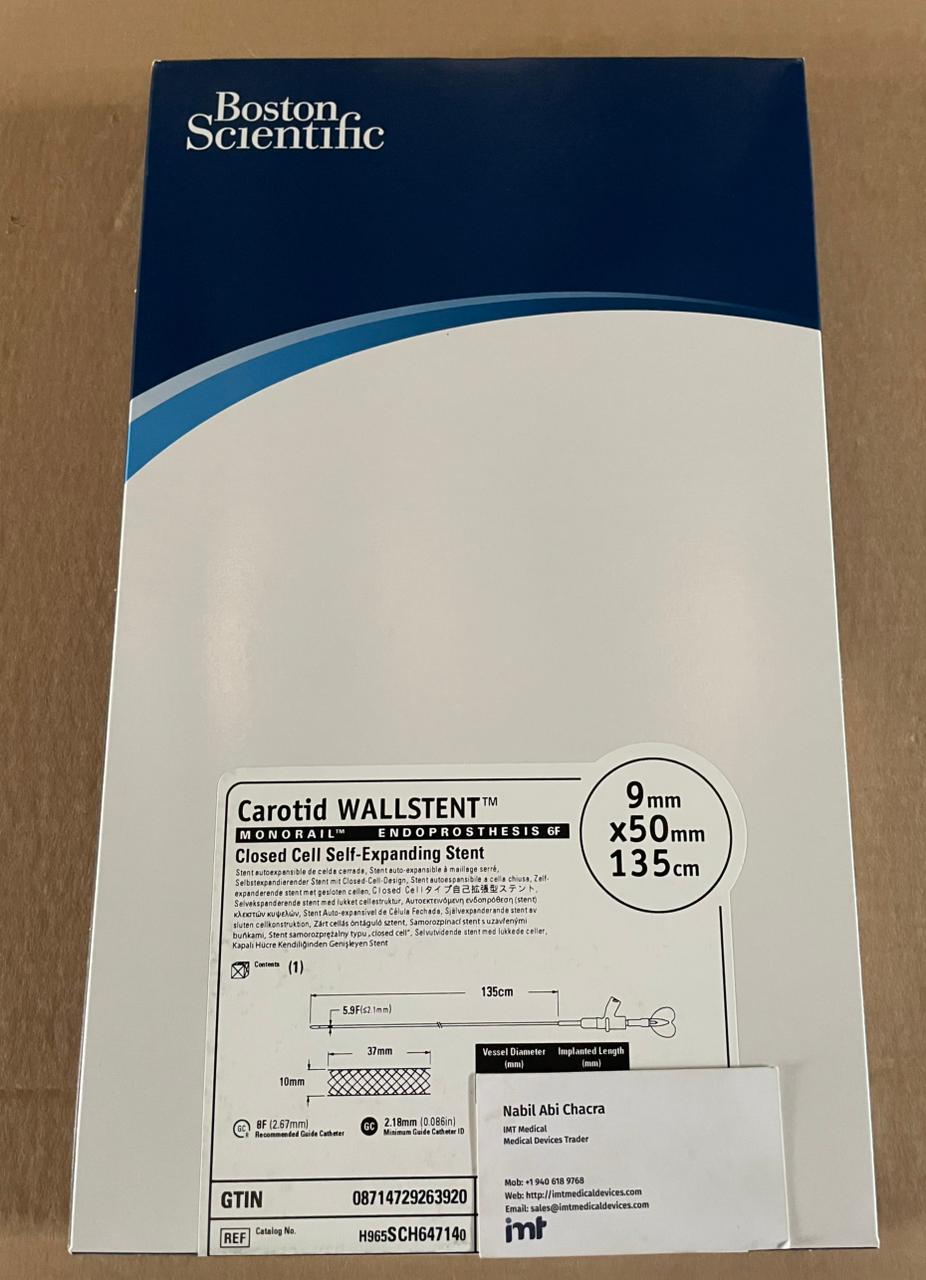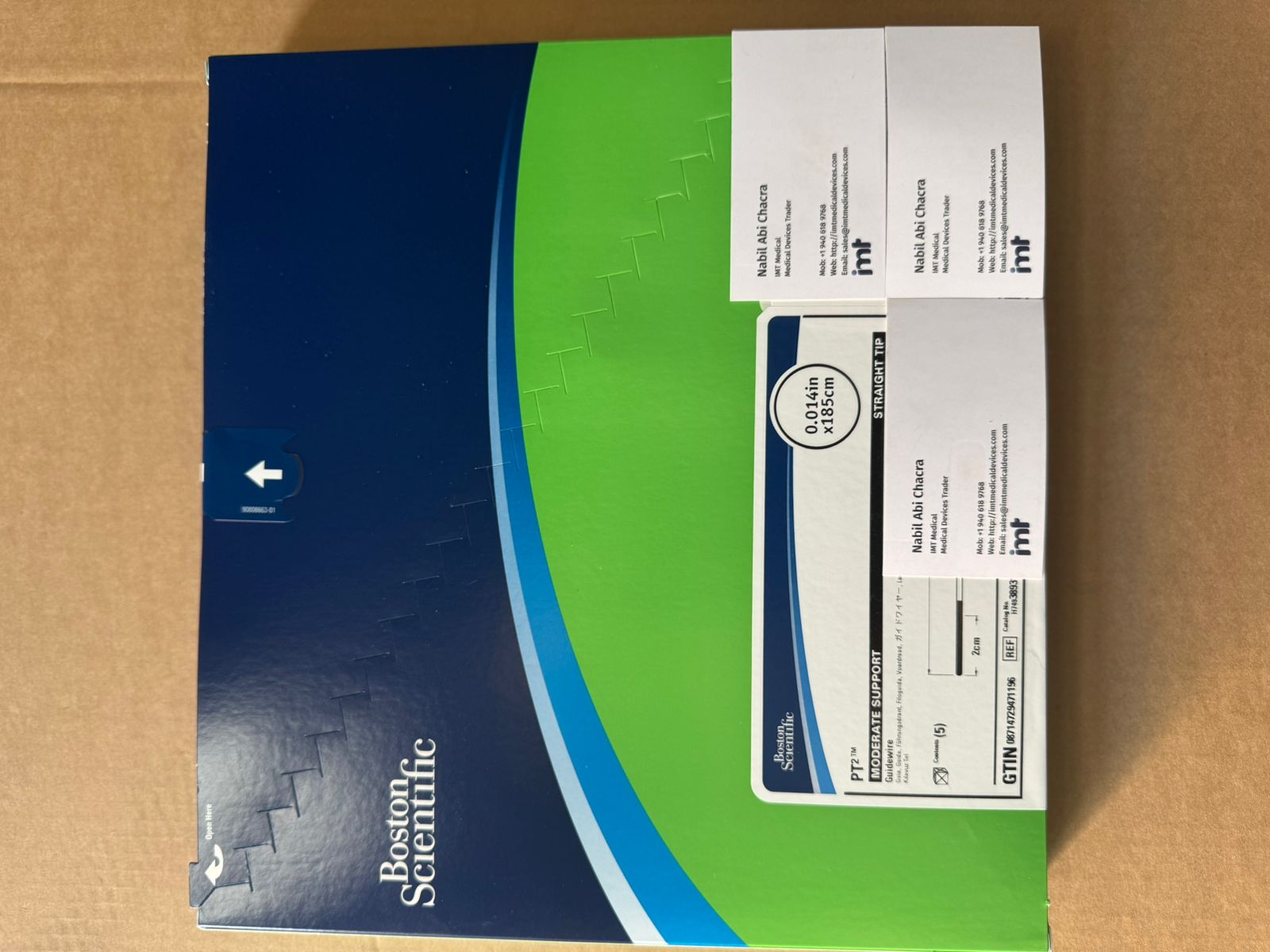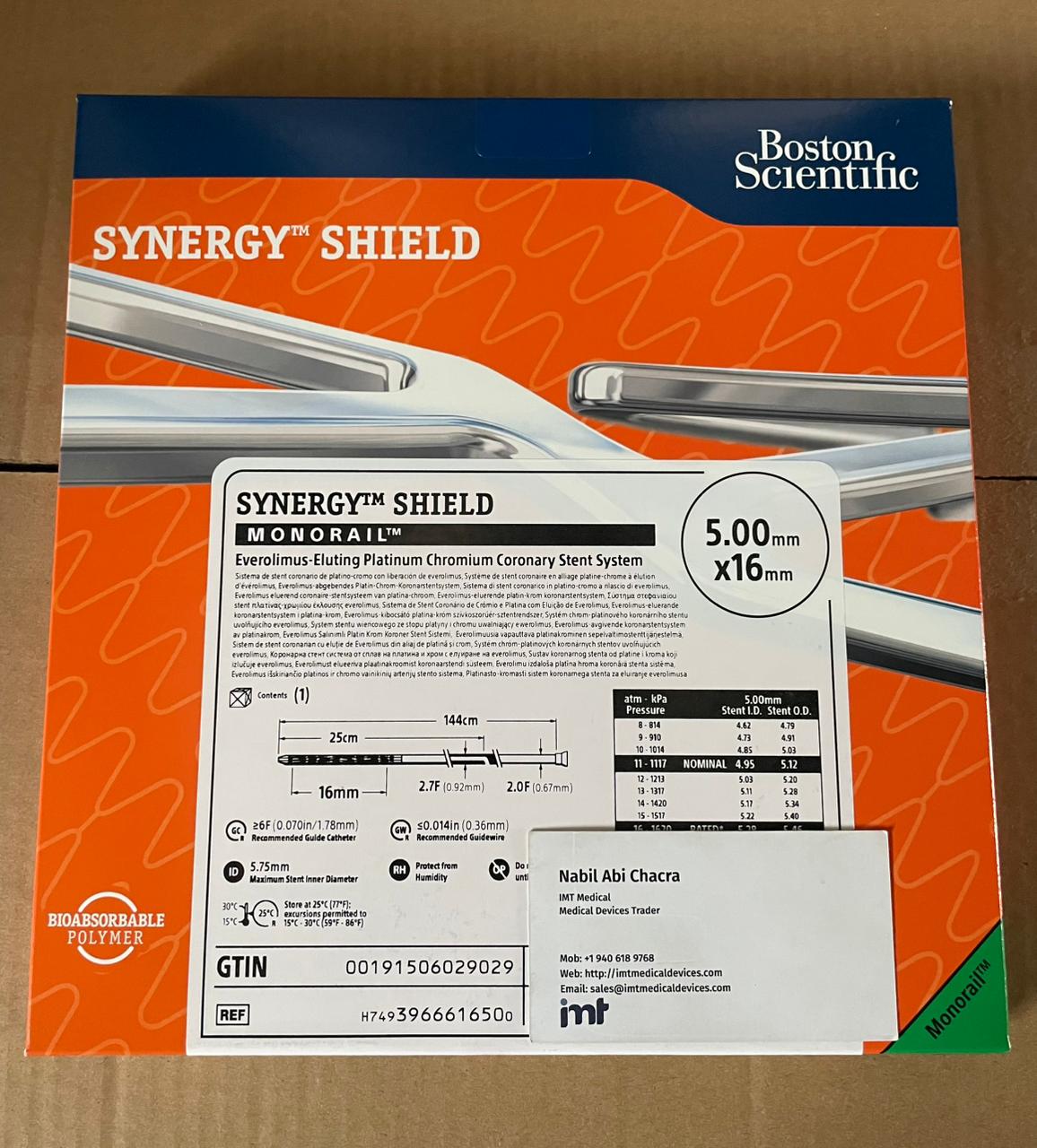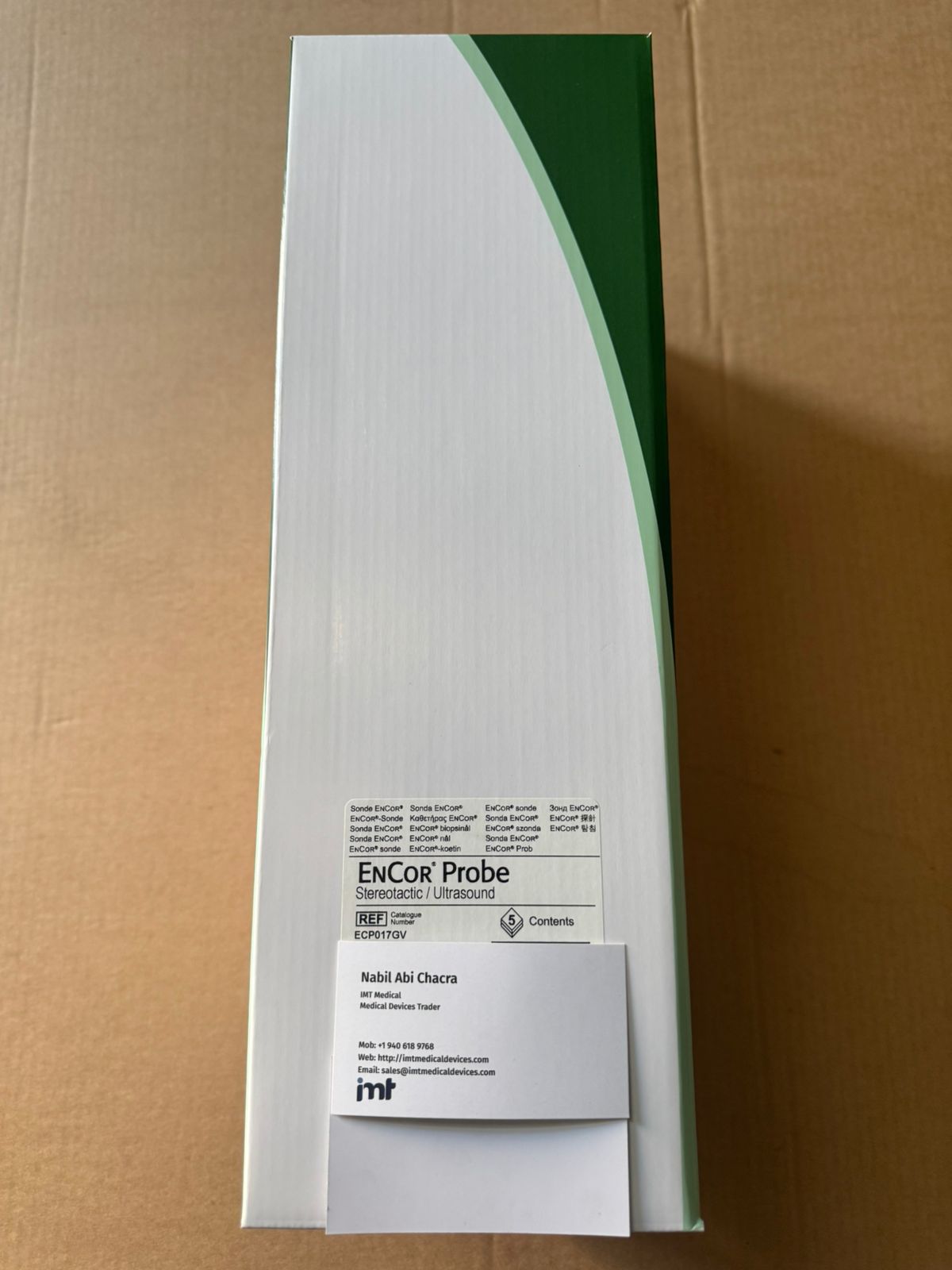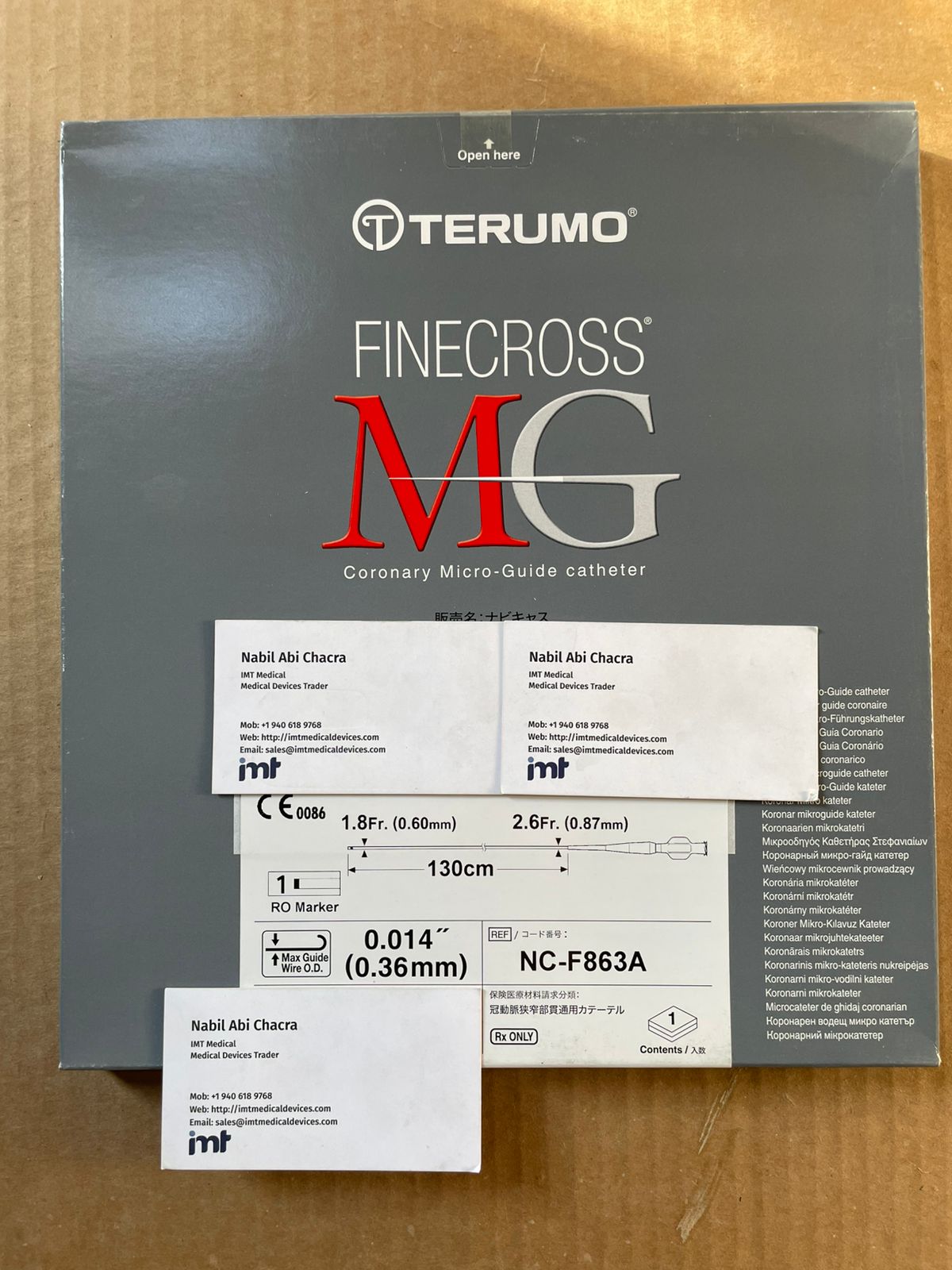

Justifying Wholesale Purchasing to a Hospital Board: A Strategic Framework for 2026
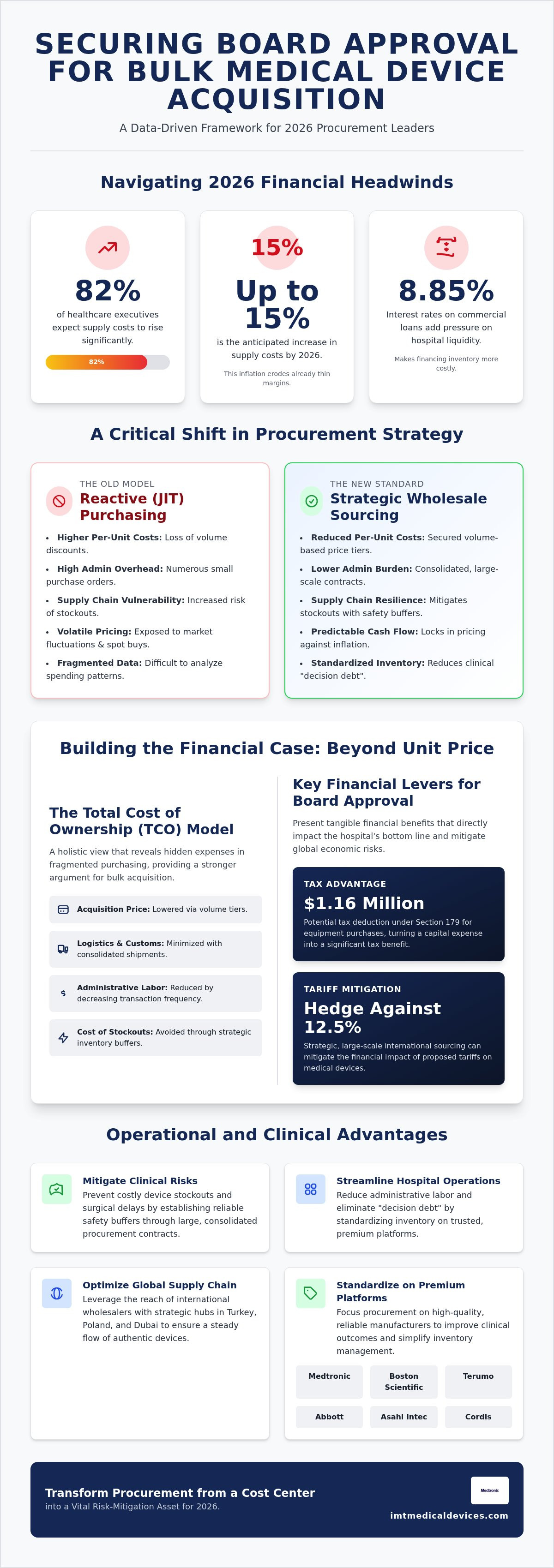
82% of healthcare executives expect supply costs to rise by up to 15% in 2026. With interest rates for hospital commercial loans now reaching 8.85%, the financial margin for error in procurement is non-existent. You understand that maintaining a stable inventory of high-value items like Medtronic drug-eluting stents and Boston Scientific pacemakers requires more than just reactive ordering. However, justifying wholesale purchasing to a hospital board remains a significant hurdle due to intense budgetary scrutiny and a focus on short-term liquidity. Non-clinical board members often view large-scale contracts as a liquidity risk rather than a strategic hedge against global supply chain instability. This article provides a data-driven methodology for procurement leaders to secure board approval for bulk medical device acquisition. We'll analyze how to leverage the $1.16 million Section 179 tax deduction, mitigate the impact of proposed 12.5% tariffs, and utilize volume tiers to reduce per-unit costs for PTCA balloon catheters and ICDs. You'll gain a strategic framework to transform procurement from a cost center into a vital risk-mitigation asset for 2026.
Key Takeaways
- Secure volume-based price tiers by shifting from just-in-time procurement to strategic inventory management for high-value cardiovascular implants.
- Develop a comprehensive financial case for justifying wholesale purchasing to a hospital board using Total Cost of Ownership (TCO) metrics that include logistics and customs costs.
- Mitigate clinical risks and prevent device stockouts by establishing safety buffers through large-scale, consolidated procurement contracts.
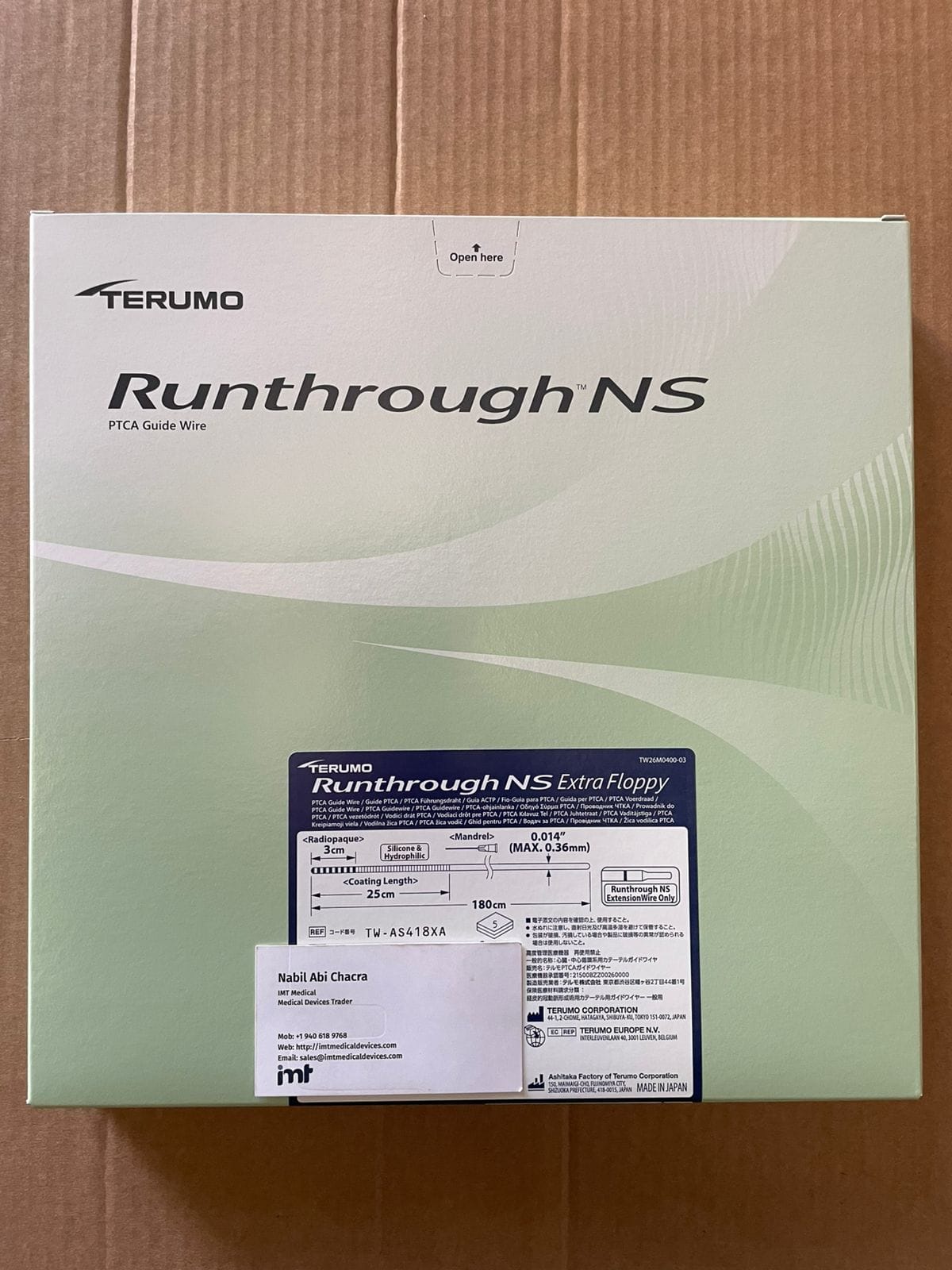
- Streamline hospital operations and reduce administrative labor by standardizing inventory on premium platforms like Terumo, Medtronic, and Boston Scientific.
- Optimize global supply chain resilience by leveraging the export reach and multi-regional presence of international medical device wholesalers in strategic hubs.
The Economic Case for Bulk Medical Device Procurement
The traditional just-in-time (JIT) procurement model has proven insufficient for the volatility of 2026. With 82% of healthcare executives anticipating supply costs to rise by as much as 15% this year, hospital procurement must pivot. Wholesale purchasing involves large-scale acquisition to secure volume-based price tiers, effectively hedging against inflation. Successfully justifying wholesale purchasing to a hospital board requires a clear demonstration of how bulk acquisition protects the facility's long-term fiscal health. High-value items, specifically Drug-Eluting Stents and cardiac implants, offer the highest return on investment when transitioned from ad-hoc orders to wholesale contracts.
Board members often prioritize liquidity, yet reactive purchasing creates hidden liabilities. Small, frequent orders result in higher unit prices and excessive administrative overhead. By consolidating demand, procurement leaders can lock in pricing for premium inventory from manufacturers like Medtronic, Boston Scientific, and Terumo. This shift stabilizes the supply chain while reducing the frequency of emergency shipping fees and logistics disruptions that plague smaller shipments.
Transitioning from Transactional to Strategic Sourcing
Ad-hoc purchasing patterns are characterized by high transaction costs and fragmented data. Implementing Strategic Sourcing Principles allows a hospital to identify the exact threshold where volume discounts outweigh the costs of capital tie-up. Procurement teams should analyze historical utilization rates for high-turnover items like PTCA balloon catheters and diagnostic guide wires. Identifying manufacturers with stable pricing models is essential for 2026 contracts. Key considerations for this transition include:
- Evaluation of current administrative labor costs per purchase order.
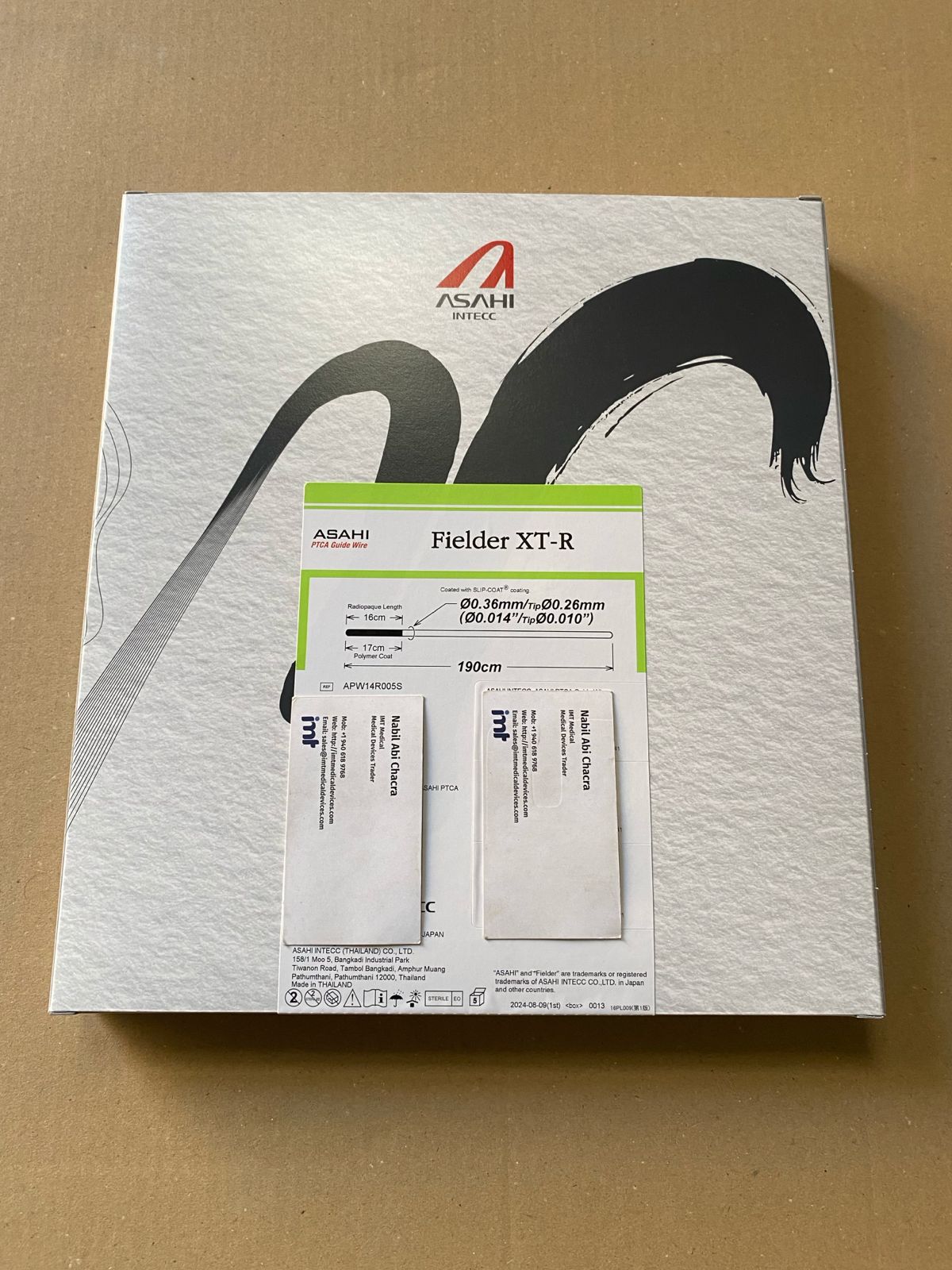
- Analysis of volume-based price breaks for premium brands like Asahi Intec and Cordis.
- Assessment of storage capacity versus the financial benefit of bulk discounts.
Board-Level Value Drivers in Healthcare
When presenting to the board, focus on the EBITDA impact through a direct reduction in the Cost of Goods Sold (COGS). Bulk purchasing serves as a tool for predictable cash flow management, removing the uncertainty of spot-market pricing. In an environment where the Prime Rate remains at 6.75%, the ability to forecast expenditures precisely is a significant financial advantage. You must highlight the following drivers:
- Reduction in per-unit costs for high-value implants including pacemakers and ICDs.
- Elimination of "decision debt" by standardizing on specific manufacturer platforms.
- Mitigation of proposed 12.5% tariffs through strategic, large-scale international sourcing.
By leveraging global distribution networks with hubs in Turkey, Poland, and Dubai, hospitals can ensure a steady flow of authentic medical technology. This approach transforms procurement from a simple transaction into a strategic pillar of hospital operations.
Financial Metrics: Beyond the Unit Price
Unit price is a narrow metric that fails to account for the actual expense of medical device acquisition. When justifying wholesale purchasing to a hospital board, procurement leaders must transition the conversation toward a Total Cost of Ownership (TCO) model. This framework reveals the hidden costs of fragmented purchasing, such as repetitive shipping fees, customs clearance charges, and the administrative labor required to manage dozens of small purchase orders. For instance, comparing the single-unit cost of Medtronic products against tiered wholesale rates often shows a significant discrepancy once logistics are factored in.
The Total Cost of Ownership (TCO) Framework
A robust TCO calculation includes acquisition price, international logistics, and localized storage. Bulk buying reduces the frequency of import documentation fees, which can accumulate rapidly in ad-hoc models. By consolidating shipments, hospitals minimize the risk of "decision debt" and administrative fatigue. Research into resilient procurement strategies highlights that centralized, high-volume sourcing reduces the volatility of landing costs. Additionally, the cost of a clinical stockout in a surgical environment far outweighs the carrying cost of inventory. A single delayed procedure due to a missing pacemaker or stent represents lost revenue that dwarfs the interest expense of holding bulk stock.
Capital Allocation vs. Operational Savings
Board members often express concern regarding the impact of bulk purchases on liquidity. To counter this, present wholesale procurement as a strategic capital allocation that secures operational savings. For the 2026 tax year, hospitals can leverage the Section 179 deduction to deduct the full purchase price of qualifying equipment up to approximately $1.16 million. This immediate tax benefit improves the net present value (NPV) of wholesale contracts. Using manufacturers like Boston Scientific or Abbott as benchmarks, procurement teams can demonstrate how volume tiers protect against the 6.75% Prime Rate by locking in current prices before further inflationary adjustments occur. A phased rollout for high-demand consumables allows the facility to realize these savings without an unmanageable initial cash outlay. To optimize these financial structures, hospitals should partner with a global distributor capable of managing complex logistics across multiple borders.
Mitigating Supply Chain Volatility and Clinical Risk
Clinical excellence depends on the immediate availability of specialized hardware. Stockouts of Permanent Pacemakers, drug-eluting stents, or surgical staplers don't just delay procedures; they jeopardize patient safety and damage a hospital's market reputation. When justifying wholesale purchasing to a hospital board, procurement leaders should emphasize that bulk acquisition creates a critical safety buffer. This inventory reserve protects the facility from global logistics delays and manufacturer backorders that frequently disrupt just-in-time delivery models. Reliable access to premium technology ensures consistent patient outcomes, which is a core metric for board-level oversight.
Global Logistics and Regional Supply Security
Geopolitical shifts and fluctuating trade regulations in 2026 have increased lead times for sensitive medical electronics. Sourcing through established international hubs in Georgia, Dubai, Turkey, and Poland provides a strategic advantage. These locations serve as logistical anchors, ensuring that high-value inventory from Medtronic, Boston Scientific, and Terumo remains accessible even during localized disruptions. Reliable export documentation and experienced handling reduce the risk of shipments being held at customs. A wholesaler with a presence in over 50 countries offers the reach necessary to maintain supply continuity regardless of regional instability. The process of justifying wholesale purchasing to a hospital board is strengthened by presenting a clear plan for clinical risk mitigation through these regional supply chains.
Clinical Standardization Benefits
Bulk procurement facilitates the standardization of devices across surgical teams. When a hospital standardizes on specific PTCA balloons, guide wires, or catheters from a single manufacturer like Asahi Intec, procedural efficiency improves. Surgeons and nursing staff become deeply familiar with the technical specifications and handling characteristics of the standardized hardware. This consistency lowers the training requirements for technical staff and reduces the likelihood of intraoperative errors. Benefits of standardization include:
- Standardized inventory tracking for high-turnover items.
- Reduced variability in surgical hardware during complex interventions.
- Predictable clinical outcomes through the use of authentic, premium brands.
Board members prioritize risk management. By securing a stable supply of premium technology, the hospital ensures consistent patient outcomes and avoids the high costs associated with emergency sourcing from secondary markets. Standardizing inventory through wholesale contracts simplifies quality control. This level of predictability is essential for maintaining the hospital's reputation as a top-tier provider of specialized cardiac and peripheral interventions.
Operational Efficiencies and Device Standardization
Device standardization acts as a catalyst for both clinical safety and rigorous cost control. While previous sections detailed the clinical advantages, the operational benefits of justifying wholesale purchasing to a hospital board are equally compelling. Standardizing on premium platforms like Terumo reduces the complexity of the internal supply chain. It replaces a fragmented vendor list with a structured, manageable inventory profile that's easier to audit and resupply. This approach ensures that procurement teams aren't overwhelmed by the technical nuances of dozens of different manufacturers for the same device category.
Streamlining the Procurement Workflow
Ad-hoc purchasing models generate a high volume of individual purchase orders and complex invoice reconciliations. Transitioning to wholesale contracts allows for consolidated shipping and billing, which significantly reduces the man-hours required for back-office processing. By leveraging digital inventory management systems with wholesale partners, hospitals gain real-time visibility into stock levels. This automation frees up clinical staff from the manual task of managing inventory shortages. Bulk contracts also provide improved technical support and documentation, ensuring that all regulatory requirements are met with minimal internal effort. To begin optimizing your hospital's supply chain, you can partner with a specialized medical device wholesaler to consolidate your procurement pipeline.
Technology Obsolescence and Shelf-Life Management
A primary concern for board members regarding bulk acquisition is the risk of technology obsolescence or expired stock. Proactive procurement strategies address this by focusing wholesale contracts on high-turnover items. Products such as diagnostic guidewires, PTCA balloons, and guiding catheters have high utilization rates, which naturally minimizes the risk of shelf-life expiration. Procurement leaders should negotiate flexible exchange policies within their wholesale agreements. These policies allow for the rotation of stock or the exchange of older items for newer generation technologies as they become available. Smart inventory rotation, supported by the distributor's logistical data, ensures that the hospital maintains a modern inventory without the financial loss associated with waste. This approach turns the perceived risk of bulk buying into a controlled, efficient operational advantage. Standardizing inventory through a reliable global partner ensures the hospital remains at the forefront of clinical technology while maintaining lean operational costs.
Strategic Sourcing: Partnering with Global Distributors
The final stage in justifying wholesale purchasing to a hospital board involves selecting a distributor with the global infrastructure to support large-scale contracts. A partner with a physical presence in strategic hubs like Turkey, Poland, and Dubai ensures proximity to manufacturing centers and streamlined export routes. This regional infrastructure provides the logistical reliability required for high-volume procurement. A capable wholesaler must provide access to a comprehensive portfolio including Asahi Intec and Cordis alongside major manufacturers like Medtronic and Abbott. This breadth allows hospitals to consolidate their specialized cardiovascular and peripheral intervention needs under a single, efficient logistical framework.
Evaluating Wholesaler Capabilities
Distributor evaluation must extend beyond unit costs to include logistical expertise in complex regulatory environments. For hospitals operating in sensitive markets, such as Venezuela or Georgia, the wholesaler's ability to navigate 2026 customs regulations and documentation is paramount. Verify the distributor's capacity to manage cold chain integrity for sensitive implants through rigorous handling protocols. Review the manufacturer portfolio to ensure it encompasses premium brands like Boston Scientific and Terumo. IMT Medical Devices functions as the logistical bridge for high-end technology, facilitating the movement of authentic medical hardware from producers to international markets. This role involves managing the entire export lifecycle, including manufacturer sourcing and final delivery, which eliminates the "decision debt" associated with fragmented supply chains.
Next Steps for Board Presentation
Preparation for the board presentation requires the consolidation of the financial and clinical data points discussed in this framework. Procurement leaders should develop a comparative cost analysis that contrasts reactive ad-hoc spending with projected wholesale savings over a multi-year period. A supply chain resilience report, highlighting the safety buffers provided by regional hubs, serves as a primary trust signal for non-clinical board members. Follow these steps to finalize the proposal:
- Draft a supply chain resilience report focusing on the mitigation of 12.5% tariff impacts.
- Prepare a TCO analysis including reduced administrative labor and shipping fees.
- Contact IMT Medical Devices for customized wholesale pricing data and manufacturer specifications.
By presenting a partner-centric strategy, procurement teams demonstrate that they've accounted for every variable in the global medical supply chain. This comprehensive approach transforms a simple purchase request into a strategic initiative that secures both the clinical and financial future of the institution.
Securing Long-Term Procurement Resilience
Transitioning to a wholesale model is a strategic necessity for 2026. By shifting focus from unit price to Total Cost of Ownership, you expose the hidden inefficiencies of fragmented, ad-hoc purchasing. This framework provides the quantitative data required for justifying wholesale purchasing to a hospital board, focusing on EBITDA impact and clinical risk mitigation. Standardizing inventory on premium platforms like Medtronic, Boston Scientific, and Terumo stabilizes surgical schedules while reducing the administrative burden on procurement teams. It's a move that protects your facility against the 15% rise in supply costs anticipated this year. With global distribution capabilities to over 50 countries and strategic offices in Georgia, UAE, Turkey, and Poland, IMT Medical Devices provides the logistical infrastructure to support this transition. You're now equipped to present a proposal that balances immediate financial savings with long-term supply security.
Request a Wholesale Portfolio and Pricing Analysis to optimize your facility's procurement pipeline today.
Your institution is ready to transform global supply chain volatility into a distinct operational advantage.
Frequently Asked Questions
What are the primary financial benefits of wholesale medical purchasing?
Primary financial benefits include securing volume-based price tiers and a significant reduction in the Total Cost of Ownership (TCO). Wholesale contracts eliminate the high per-unit costs associated with ad-hoc ordering. Consolidating shipments reduces repetitive international logistics fees and administrative labor costs. This approach protects hospital budgets from the 15% rise in supply costs anticipated across the industry in 2026.
How does bulk purchasing affect hospital inventory management?
Bulk purchasing shifts inventory management from reactive, just-in-time ordering to a strategic buffer model. This transition ensures that critical items like pacemakers and stents are available during global supply chain disruptions. Centralizing procurement through a single wholesaler simplifies tracking and auditing. It reduces the "decision debt" that occurs when clinical staff must constantly manage stockouts and substitute products.
Is it risky to buy high-value implants like stents in bulk?
Risk is minimal when bulk acquisition is targeted at high-turnover items with consistent surgical demand. Drug-eluting stents and PTCA balloons have high utilization rates, ensuring inventory rotates well before shelf-life expiration. Standardizing on premium brands like Medtronic or Boston Scientific ensures that surgical teams are using familiar, high-performance hardware. This consistency reduces clinical variability and procedural errors.
How can we justify the initial capital outlay to the board?
Justifying wholesale purchasing to a hospital board involves presenting the outlay as a strategic capital allocation rather than a simple expense. Highlight how bulk buying serves as a hedge against 2026 inflationary trends and the 6.75% Prime Rate. Use the Section 179 tax deduction, which allows for immediate equipment write-offs up to approximately $1.16 million, to demonstrate a faster return on investment.
Does wholesale purchasing help with clinical standardization?
Yes, wholesale contracts are a primary driver for clinical standardization across surgical departments. By securing a stable supply of specific platforms from manufacturers like Terumo or Asahi Intec, hospitals ensure all surgeons use identical hardware. This reduces the need for extensive training on multiple device types. Standardization also simplifies the technical documentation required for regulatory compliance and patient safety monitoring.
What role does a global distributor play in supply chain security?
A global distributor functions as a logistical bridge between major manufacturers and international markets. They manage complex export documentation and customs clearance, which are common points of failure in the supply chain. Strategic offices in hubs like Dubai, Turkey, and Poland provide regional anchors for inventory. This infrastructure ensures that sensitive medical technology reaches the facility regardless of localized geopolitical shifts.
How do we manage shelf-life for wholesale medical supplies?
Effective shelf-life management involves focusing wholesale contracts on high-demand consumables and specialized hardware with predictable utilization. Procurement teams should work with distributors to implement smart inventory rotation based on expiration dates. Many global wholesalers offer flexible exchange policies. These agreements allow hospitals to trade older stock for newer generation technologies, ensuring the inventory remains current and clinically relevant.
Can wholesale purchasing improve our relationship with manufacturers?
Wholesale purchasing creates a stable, high-volume channel that manufacturers value for its predictability. By committing to specific volumes, hospitals often gain priority access to technical support and new product releases. While the transaction occurs through a distributor, the consistent use of a manufacturer's platform like Abbott or Cordis strengthens the hospital's position as a key clinical partner. This reliability often leads to better long-term contract terms.