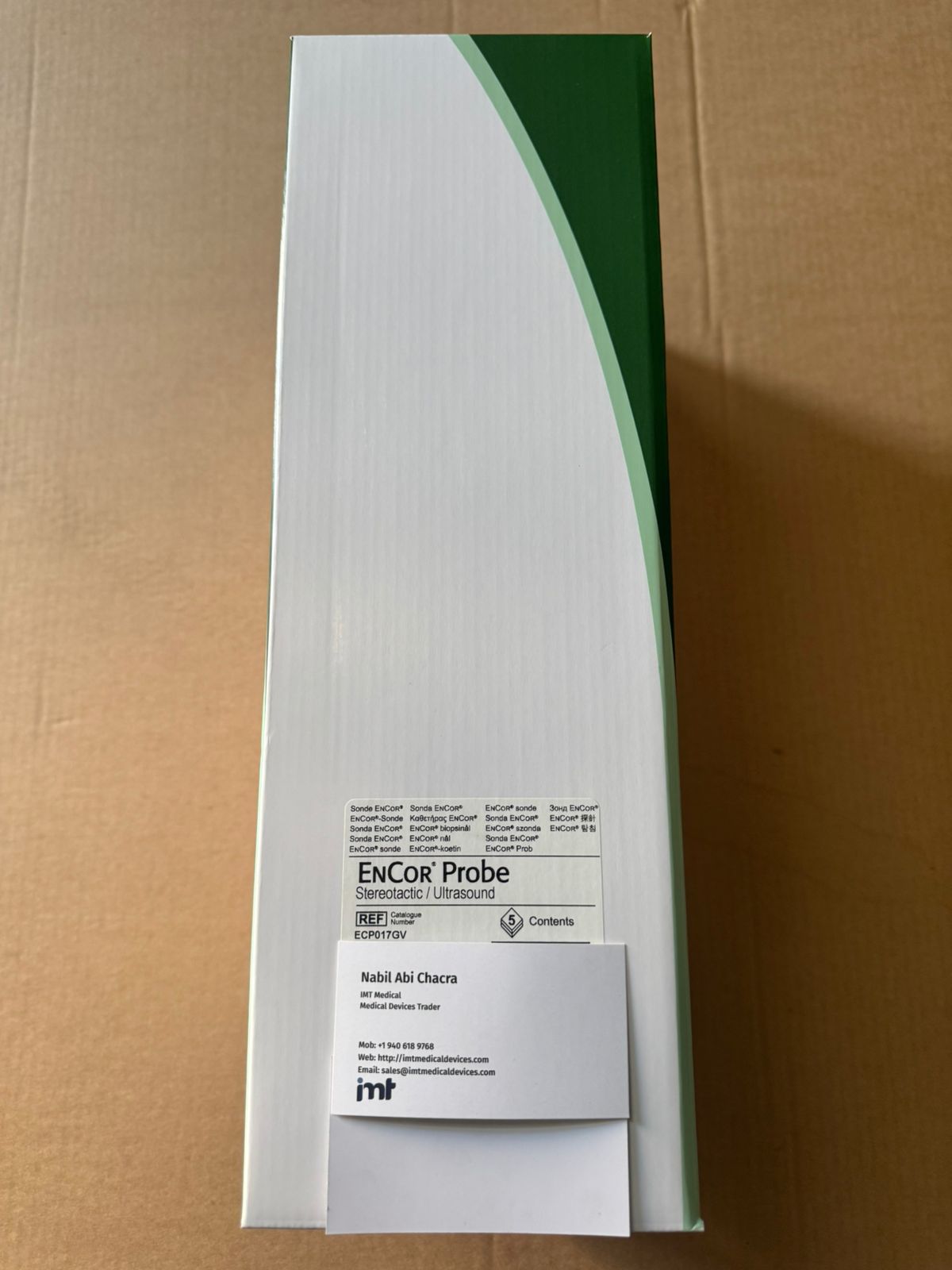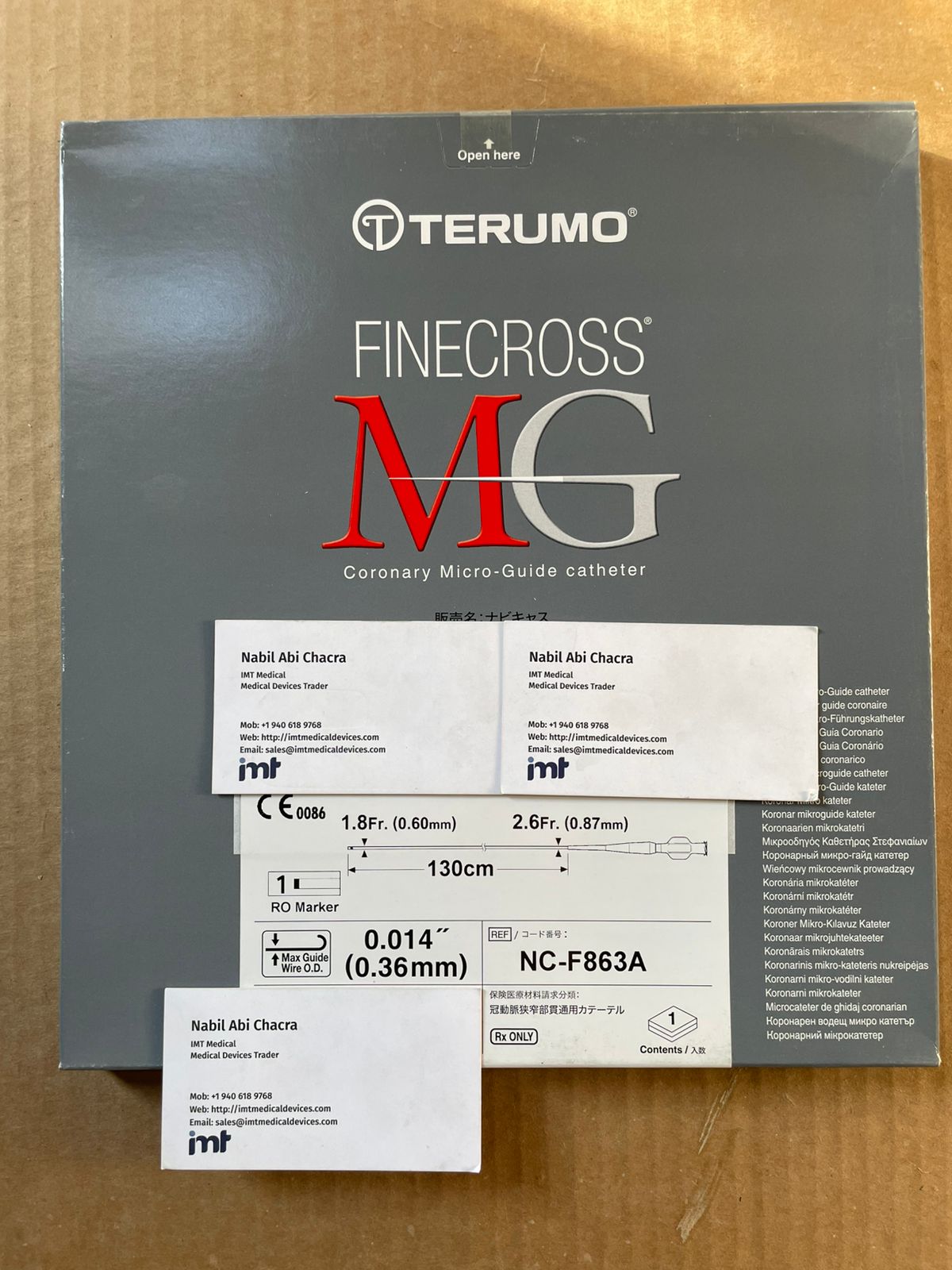

Strategic Procurement Strategy for Cardiology Medical Devices in 2026
The 8% decrease in 2026 Medicare reimbursement for ICD system implants, combined with the February 2 effective date of the FDA's Quality Management System Regulation, necessitates a more rigorous procurement strategy for cardiology medical devices. Procurement leaders currently face persistent supply chain volatility for premium brands and high costs for Cardiac Rhythm Management devices. It's a difficult environment where regulatory hurdles for medical imports often collide with the urgent need for stock in critical care units.
This article provides a data-driven framework to ensure a reliable supply of authentic hardware from manufacturers like Terumo, Medtronic, and Boston Scientific. You'll find a strategy for bulk sourcing and streamlined international delivery designed to reduce costs without compromising clinical performance. The focus remains on building a multi-supplier architecture that aligns with the new ISO 13485:2016 standards while maintaining a consistent inventory of Drug-Eluting Stents, PTCA catheters, and electrophysiology hardware. By focusing on total cost of ownership and logistical reliability, healthcare providers can maintain operational stability in an increasingly complex global market.
Key Takeaways
- Implement a value-based procurement strategy for cardiology medical devices to navigate the shift from transactional buying to long-term clinical outcomes.
- Evaluate technical specifications for high-stakes hardware, including drug-eluting stents and permanent pacemakers, to ensure portfolio performance.
- Prioritize manufacturer-centric sourcing from global brands like Medtronic and Terumo to minimize risks associated with supply chain volatility.
- Secure international logistics by maintaining environmental integrity for sensitive implants and managing complex customs clearance in emerging markets.
- Leverage multi-brand wholesale partnerships to maintain continuous product availability and reduce bulk procurement costs for global healthcare providers.
The Fundamentals of Cardiology Medical Device Procurement
A successful procurement strategy for cardiology medical devices in 2026 requires more than simple vendor selection. It demands a systematic framework for acquiring high-stakes hardware, ranging from coronary consumables to complex electrophysiology implants. This process integrates clinical requirements with global supply chain realities. It's no longer just about transactional purchasing. Instead, the focus has shifted toward value-based strategic sourcing. This transition reflects the need for industrial competence in a market defined by rapid technological cycles and tightening reimbursement margins. This shift requires a mastery of the Fundamentals of Medical Equipment Management to ensure device selection aligns with institutional infrastructure and clinical goals.
Cardiology requires specialized procurement due to the high-volume, high-risk nature of the hardware. Technological cycles move quickly, often rendering current inventory obsolete within months. Stakeholder coordination is essential for operational success. Surgeons require technical precision and specific device deliverability. Administrators demand fiscal transparency and contract compliance. Logistics managers need reliable lead times and stock availability. A robust procurement strategy for cardiology medical devices aligns these disparate goals through technical identifiers and manufacturer reputations.
Value-Based vs. Cost-Based Procurement
The 2026 landscape forces a shift toward Total Cost of Ownership (TCO). While the initial unit price is a factor, the true cost includes device performance and its impact on hospital readmission rates. For example, the 2026 Medicare physician payment rate for an ICD system implant has decreased 8% to $798. This margin pressure makes efficient sourcing critical. Procurement professionals must balance these budget constraints with clinical excellence in interventional labs. A high-performing device that prevents a secondary procedure offers greater long-term value than a lower-cost alternative with higher complication rates. It's about securing the best clinical outcome per dollar spent.
The Cardiology Device Lifecycle
Inventory management in cardiology centers on shelf-life and sterility. Items such as drug-eluting stents and PTCA balloons have strict expiration profiles that require high turnover rates. Managing these assets involves precise tracking of manufacturer codes and batch numbers to prevent stock-outs or expired inventory. Organizations must maintain a lean supply of guidewires and catheters while planning for technology upgrades in CRM hardware. Sourcing strategies must account for battery longevity and lead performance to ensure clinicians have access to the latest pacing and defibrillation technology without overextending the budget.
Technical Evaluation Criteria for Cardiology Portfolios
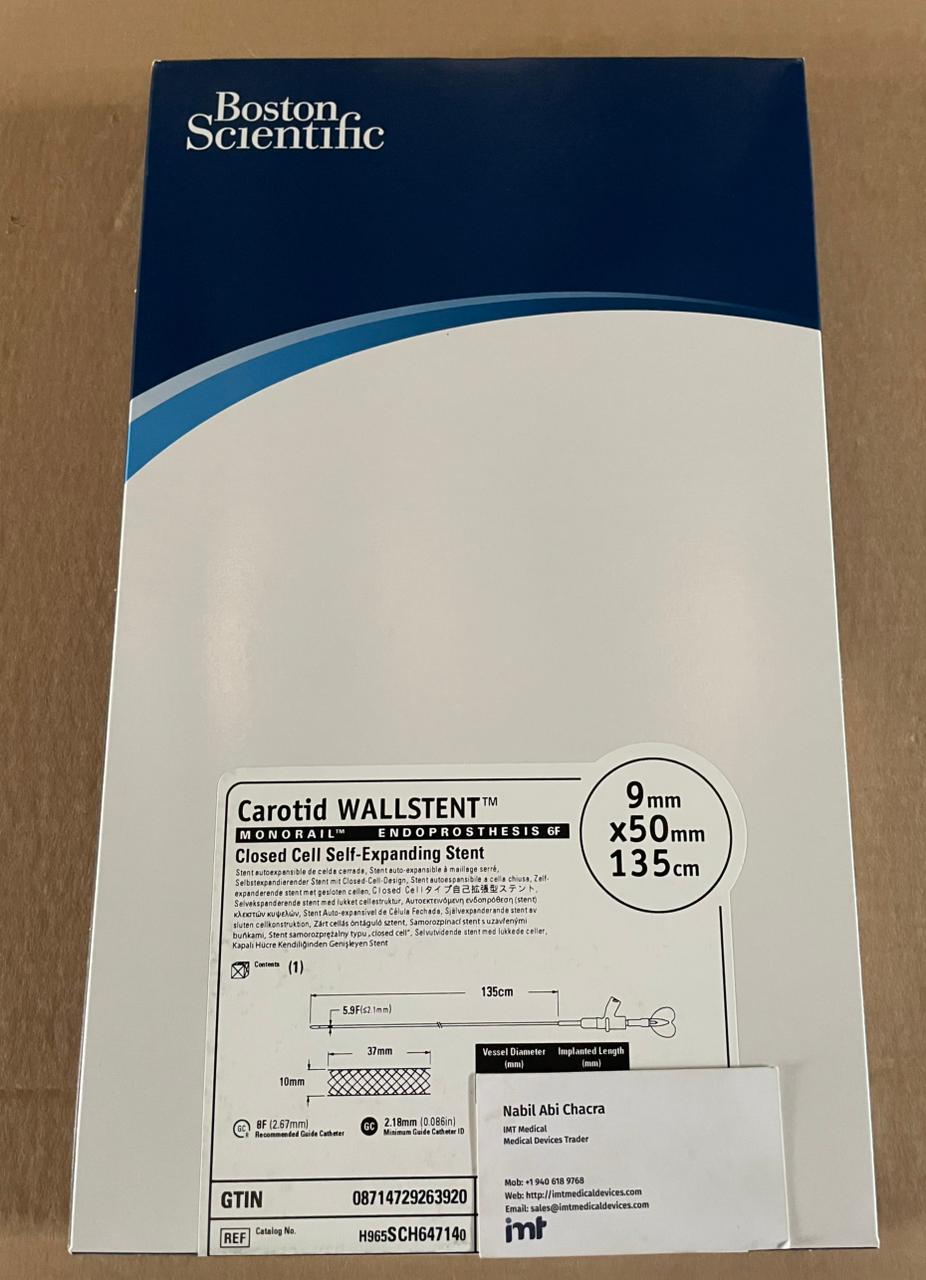
Technical evaluation forms the core of a robust procurement strategy for cardiology medical devices. It requires a granular analysis of hardware specifications to ensure compatibility with clinical protocols. In interventional cardiology, teams must evaluate drug-eluting stents and PTCA balloons based on deliverability and radial strength. For Cardiac Rhythm Management (CRM), the focus shifts to the procurement of permanent pacemakers and ICDs. Here, battery longevity and lead integrity are primary metrics for total cost of ownership. Peripheral interventions and diagnostic procedures demand high-performance peripheral stents, diagnostic wires, and guiding catheters that meet international ISO 13485:2016 standards.
A data-driven procurement strategy for cardiology medical devices prioritizes manufacturer specifications over generic alternatives. This approach minimizes the risk of component failure in high-stakes environments. Technical identifiers such as strut thickness in stents or the burst pressure of a balloon catheter provide the necessary data points for clinical comparison. Procurement professionals must coordinate with lab managers to ensure that sourced hardware meets the specific anatomical challenges of their patient populations.
Stent and Balloon Specifications
Successful DES procurement involves analyzing polymer coatings and drug release profiles. Bioresorbable vs. permanent polymer options impact long-term patient outcomes and follow-up care costs. When sourcing PTCA balloon catheters, evaluation hinges on trackability and crossability in calcified lesions. Compliance standards differentiate high-pressure balloons, which maintain shape under force, from semi-compliant balloons used for pre-dilation. These technical identifiers allow procurement teams to match inventory with specific procedural needs and manufacturer reputations.
Guide Wire and Catheter Precision
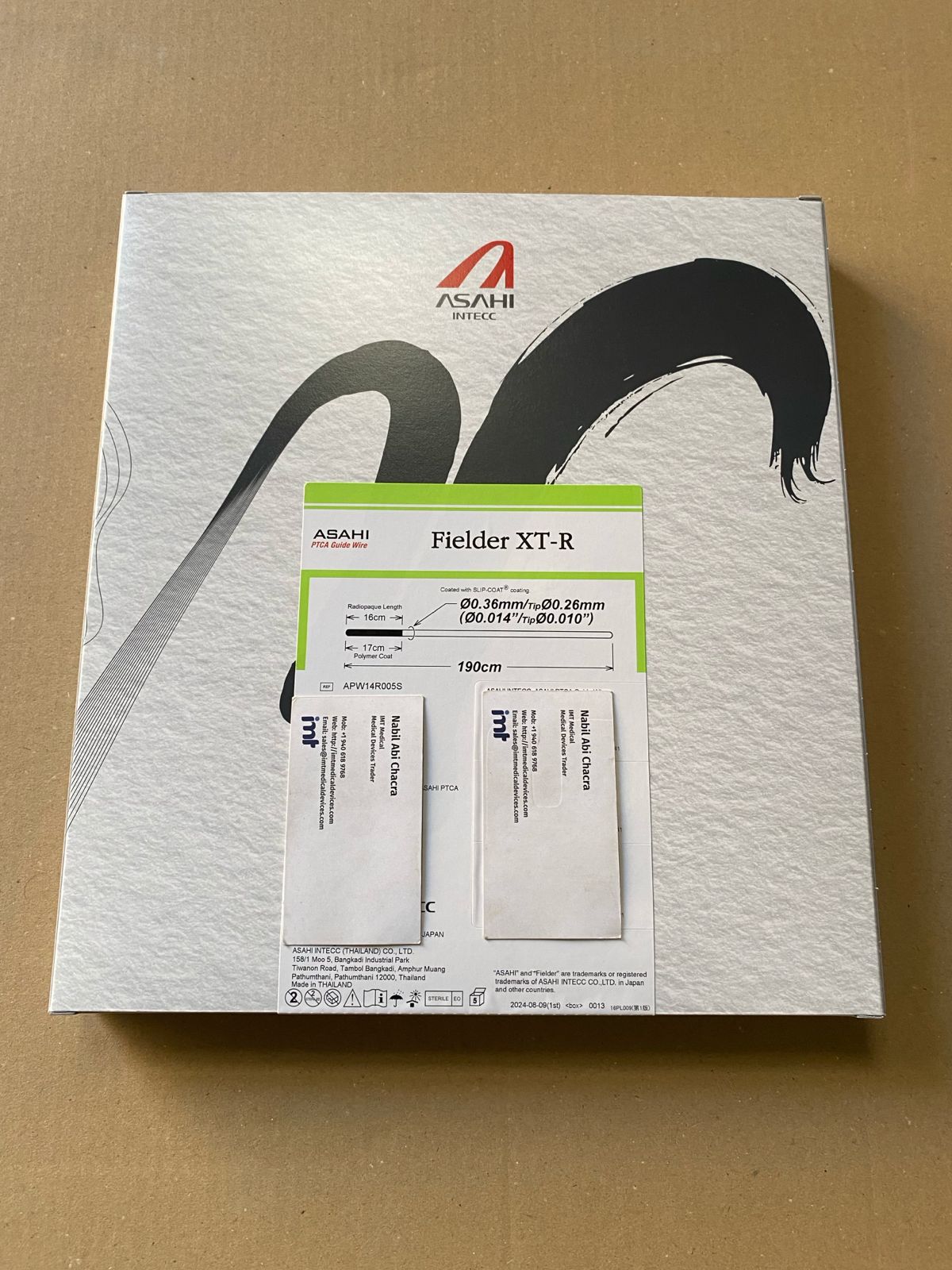
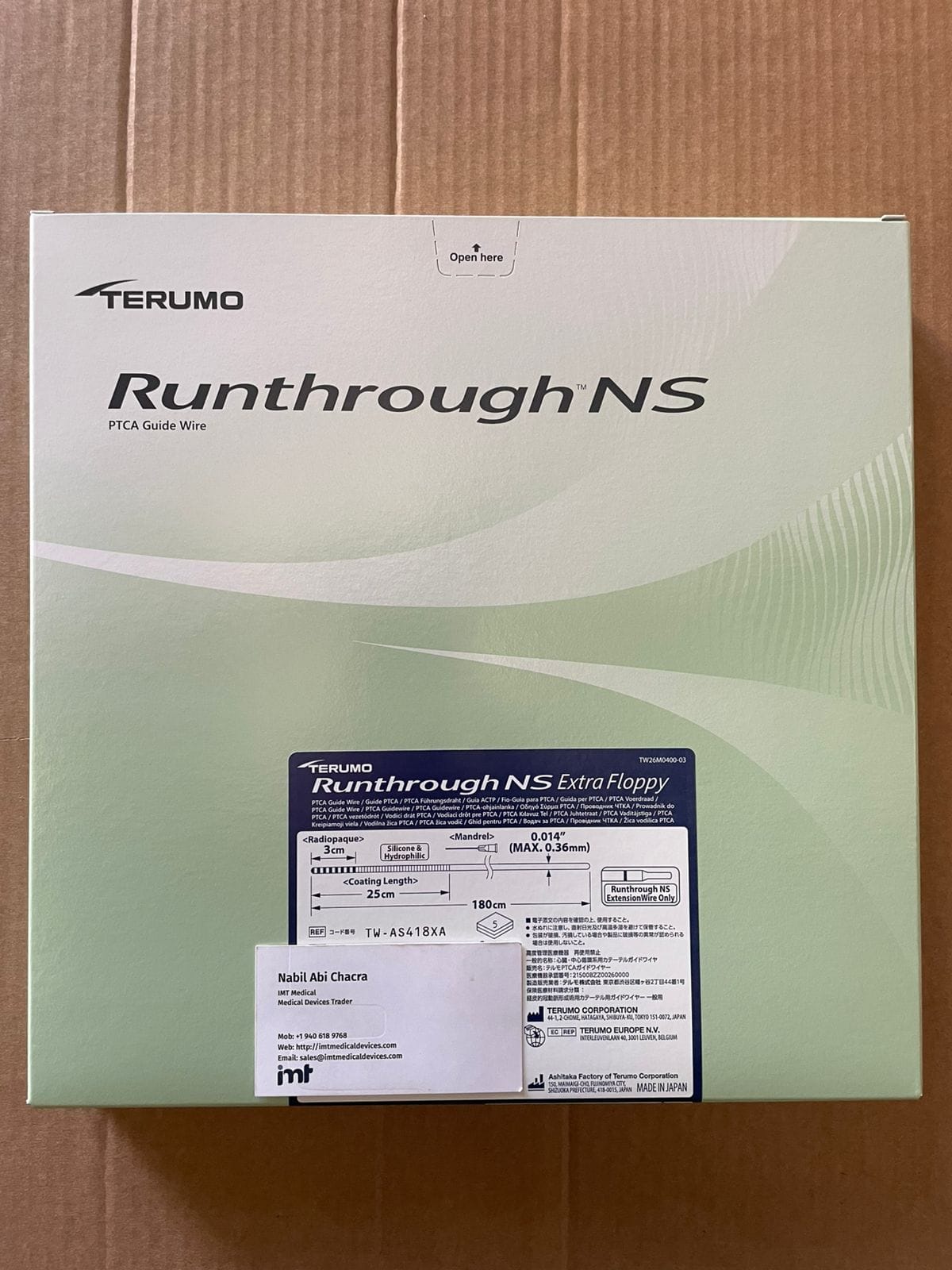
Material science dictates performance in guidewire design. Nitinol cores offer superior kink resistance and shape memory; stainless steel provides maximum pushability. Hydrophilic coating performance is essential for navigating complex vascular access or tortuous anatomy. Selecting guiding catheters requires assessing backup support and torque control for precise positioning. High-capacity distributors provide access to these specialized components from manufacturers like Asahi Intec, Medtronic, and Terumo.
Strategic sourcing must account for the high-turnover nature of these consumables in a market projected to grow at a CAGR of 6.1% to 8.1% through 2026. Reliability in the supply chain ensures that interventional labs remain operational without the risk of stock-outs in critical care environments. To optimize your inventory with authentic cardiology hardware, browse our interventional cardiology portfolio.
Manufacturer-Centric Sourcing: Brand Analysis and Strategy
Manufacturer reputation is the primary trust signal in global healthcare. A robust procurement strategy for cardiology medical devices relies on established brands to ensure clinical safety and logistical reliability. Medtronic, Terumo, and Boston Scientific dominate the 2026 landscape. These manufacturers provide the technical foundation for interventional labs and CRM departments. Sourcing from these entities requires a dual focus on product availability and risk management. Recent Class I recalls, such as the July 2026 Medtronic Harmony Catheter Delivery System recall and the May 2026 Boston Scientific ACCOLADE software correction, highlight the necessity of active vendor monitoring. Diversifying the cardiology inventory with Abbott and Cordis platforms prevents stock-outs when specific manufacturer lines face regulatory pauses or supply chain interruptions.
Strategic sourcing must account for the specialized nature of each portfolio. Medtronic offers high-performance Resolute Integrity and Onyx platforms for coronary interventions. Terumo and Boston Scientific provide specialized hardware for complex vascular access and lesion crossability. A manufacturer-centric approach allows procurement teams to leverage specific technical advantages while maintaining a predictable supply of authentic hardware. This strategy minimizes ambiguity in the surgical suite and streamlines training requirements for clinical staff.
Wholesale vs. Direct-from-Manufacturer
Bulk sourcing through international wholesalers offers distinct advantages over direct manufacturer contracts. Wholesale partnerships provide access to multi-brand portfolios under a single procurement framework. This reduces administrative complexity and allows for more flexible volume tiers. Regional hubs in Georgia, Dubai, Turkey, and Poland serve as critical logistical anchors. These hubs reduce lead times for sensitive medical implants and consumables. By leveraging a wholesaler's established distribution network, providers can bypass the volatility of direct manufacturer lead times. This is especially vital given the 2026 FDA Quality Management System Regulation (QMSR) changes that have harmonized international standards and shifted inspection techniques.
Brand-Specific Procurement Highlights
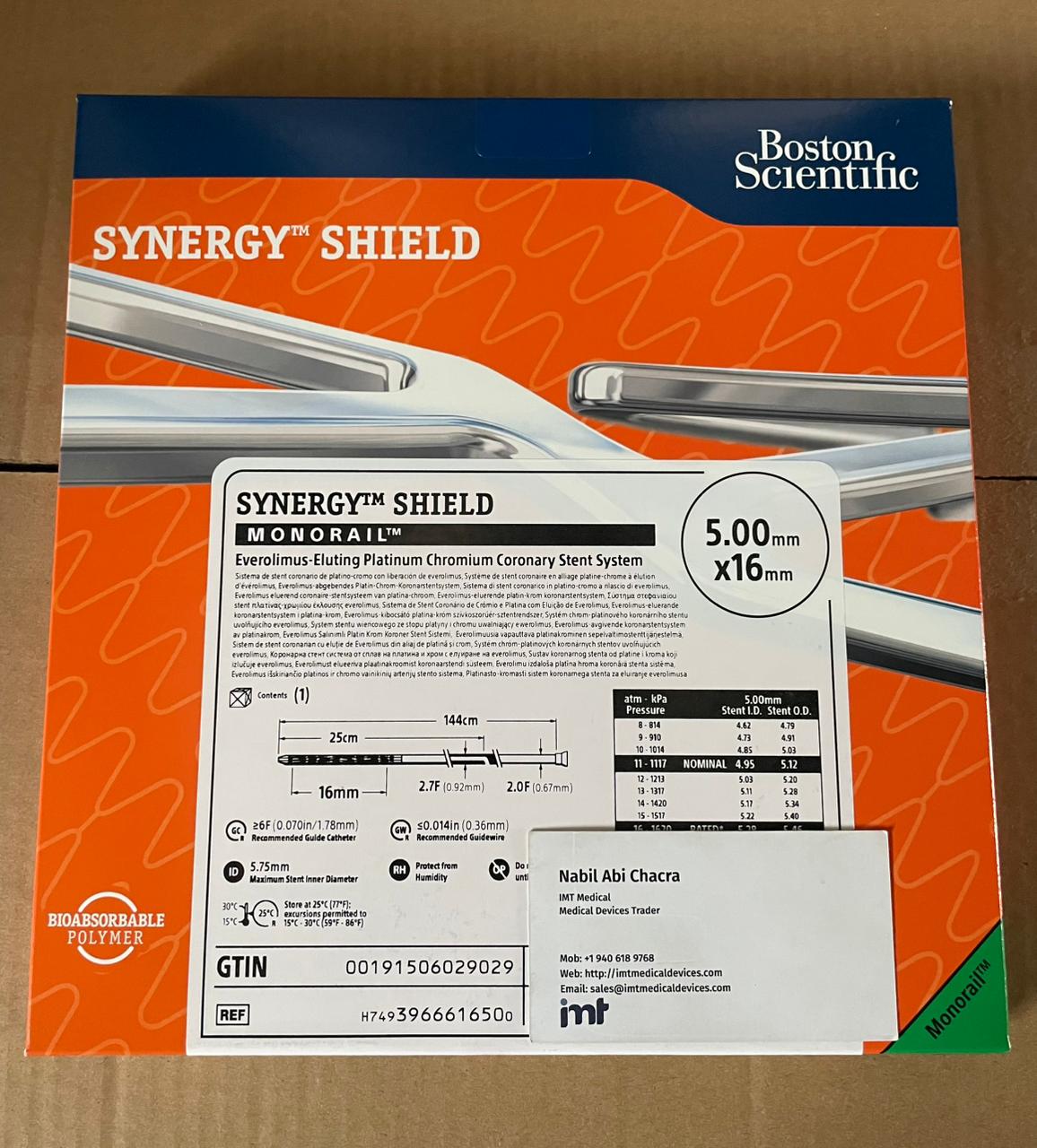
Technical evaluation of specific platforms ensures clinical compatibility. Sourcing the Medtronic Resolute Integrity stent provides interventional labs with a proven platform for coronary revascularization. For complex coronary lesions, evaluating the Boston Scientific Synergy system is essential due to its bioabsorbable polymer and everolimus-eluting profile. Strategic advantages also lie in the Terumo Ultimaster Nagomi, which offers superior deliverability in global markets. These brand-specific choices allow procurement managers to match inventory with specific procedural codes and patient needs. Each selection must align with the 2026 Medicare reimbursement rates, where efficiency in sourcing directly impacts the financial stability of the cardiology department.
International Logistics and Regulatory Compliance
Logistics remains the foundational pillar of a successful procurement strategy for cardiology medical devices. Moving sensitive hardware such as permanent pacemakers or drug-eluting stents across international borders requires strict environmental integrity. High-stakes cardiology hardware demands consistent temperature control and vibration monitoring to prevent component degradation. Stock-outs in critical care environments often result from logistical bottlenecks rather than manufacturing shortages. Navigating customs clearance in emerging markets requires specialized expertise and precise technical documentation. This complexity is particularly evident for providers in Georgia and Venezuela where local regulations and import duties create significant entry hurdles. Efficient management of these variables ensures a reliable supply of authentic hardware for B2B partners.
Specialized documentation serves as the primary trust signal for international medical exports. Each shipment must maintain a clear chain of custody from the manufacturer to the end-user hospital. This traceability is essential for managing risk and ensuring patient safety in high-volume interventional labs. A robust procurement strategy for cardiology medical devices incorporates these logistical realities to minimize lead times and reduce the total cost of ownership. Leveraging regional hubs in Dubai, Turkey, and Poland allows for rapid distribution while maintaining compliance with local health authorities.
Export Logistics Framework
Operational efficiency in medical exports follows a structured three-step process. Step 1 involves the technical verification of manufacturer codes and lot numbers to ensure product authenticity. Step 2 requires a regulatory compliance check for the target country; this includes verifying registration status in markets like Turkey or Poland. Step 3 focuses on specialized packaging for sterile cardiology hardware. Tamper-evident, climate-controlled containers are necessary for sensitive implants to maintain clinical efficacy during transit. This framework minimizes the risk of damage or regulatory rejection at the point of entry.
Regulatory and Documentation Standards
International commerce in cardiology devices depends on adherence to ISO 13485:2016 and CE marking requirements. These standards ensure that all sourced hardware meets global quality management benchmarks. Essential documentation includes the Certificate of Free Sale (CFS) and the Certificate of Analysis (COA). These files verify the technical specifications and legal status of items like PTCA balloons and electrophysiology catheters. Traceability protocols must track hardware from the original producer to the clinical setting. This ensures a rapid response during recall events, such as the July 2026 FDA Class I recall of the Terumo Aortic RelayPro system. Secure your global supply chain by partnering with us for reliable medical device export solutions.
Optimizing Cardiology Supply Chains with IMT Medical Devices
A robust procurement strategy for cardiology medical devices requires a partner with industrial capacity and expansive global reach. IMT Medical Devices serves as a strategic wholesale bridge between major producers and international healthcare providers. We leverage a multi-brand portfolio to ensure continuous product availability. This approach mitigates the risks associated with single-source vendor concentration and manufacturer-specific supply interruptions. Our operational model prioritizes logistical reliability through strategic hubs in Dubai, Georgia, Turkey, and Poland. These locations facilitate rapid distribution of high-stakes hardware. B2B distributors and hospital networks utilize our infrastructure to maintain consistent inventory levels for their clinical departments. Our focus remains on providing access to authentic technology without the administrative burden of managing multiple direct manufacturer contracts.
The IMT Distribution Advantage
Procurement professionals gain access to premium inventory from Abbott, Terumo, and Medtronic. Our portfolio encompasses Drug-Eluting Stents, PTCA Balloon Catheters, and permanent pacemakers. We also supply Implantable Cardioverter Defibrillators (ICDs), Electrophysiology Catheters, and specialized Guidewires. Our proven export capabilities extend to over 50 countries. We manage the logistical complexities of shipping sensitive medical implants to challenging markets like Venezuela. Our team handles all specialized documentation, including Certificates of Free Sale and technical analysis reports. We verify manufacturer codes and lot numbers to ensure traceability from the factory to the end-user. This precision reduces lead times and prevents the regulatory rejection of sterile cardiology hardware at international borders.
Next Steps for Procurement Professionals
Strategic supply chain optimization begins with technical data and manufacturer-specific volume quotes. Procurement teams should request current price lists for high-demand platforms like the Medtronic Onyx or Boston Scientific Synergy. We provide detailed information on technical specifications and identifying codes to maximize the speed of data transmission. Our specialists also offer guidance on regional regulatory requirements for established and emerging cardiology labs. This ensures your procurement strategy for cardiology medical devices aligns with the latest ISO 13485:2016 standards and local health authority mandates. To secure a reliable supply of authentic hardware and reduce procurement costs through bulk sourcing, Contact IMT Medical Devices for cardiology procurement solutions.
Securing Your Cardiology Supply Chain for 2026
Effective management of the cardiology supply chain in 2026 requires a transition from transactional buying to value-based sourcing. A successful procurement strategy for cardiology medical devices integrates technical evaluation of hardware specifications with a manufacturer-centric approach to inventory. Prioritizing authentic hardware from global brands like Medtronic, Abbott, and Terumo ensures clinical performance while mitigating the risks of regulatory delays or product recalls. Organizations that focus on total cost of ownership rather than initial unit price will maintain the highest standards of patient care in an increasingly competitive reimbursement environment.
Logistical reliability remains the core requirement for international healthcare providers and B2B distributors. IMT Medical Devices maintains strategic distribution hubs in Georgia, Dubai, and Poland to streamline medical exports and reduce lead times. We support distribution to over 50 countries, providing the necessary scale for bulk procurement and specialized documentation handling. Our team is ready to assist with manufacturer-specific quotes and regional compliance requirements for your next project. Request a Wholesale Quote for Cardiology Devices to secure your facility's operational future. Let's build a resilient and efficient supply chain together.
Frequently Asked Questions
What are the key factors in a cardiology procurement strategy?
Technical evaluation and manufacturer reputation drive a modern procurement strategy for cardiology medical devices. It's essential to align clinical requirements with logistical capabilities to prevent stock-outs. High-stakes hardware selection must account for rapid technological cycles and reimbursement shifts. Success depends on coordinating surgeons, administrators, and logistics managers to ensure consistent stock availability for interventional labs.
How do I choose between different drug-eluting stent platforms?
Selection depends on polymer coatings, drug release profiles, and strut thickness specifications. Evaluate platforms based on deliverability and radial strength within calcified lesions. Interventionalists often prioritize specific technical identifiers for complex coronary cases. Authentic hardware from Medtronic, Terumo, or Boston Scientific provides the necessary clinical data points for objective comparison during the sourcing process.
What regulatory documents are needed for medical device imports in 2026?
Importation requires ISO 13485:2016 certification and valid CE marking for all hardware. Essential documentation includes the Certificate of Free Sale (CFS) and Certificate of Analysis (COA) for every batch. All shipments must comply with the FDA's Quality Management System Regulation (QMSR) effective February 2, 2026. These documents ensure traceability and product authenticity at international borders.
Why is wholesale sourcing more efficient than direct manufacturer contracts?
Wholesale partnerships offer a multi-brand portfolio through a single, streamlined procurement framework. This reduces the administrative complexity of managing multiple direct manufacturer contracts simultaneously. Wholesalers provide more flexible volume tiers and better stock availability during regional manufacturing shortages. Strategic hubs in Georgia and Poland further reduce lead times for sensitive cardiology hardware.
How do you ensure the sterility of cardiology implants during international shipping?
Maintaining environmental integrity requires tamper-evident, climate-controlled packaging for all sensitive items. Implants such as drug-eluting stents or permanent pacemakers demand vibration monitoring during transit to prevent component degradation. Traceability protocols track the hardware's status from the manufacturer to the hospital. This ensures clinical efficacy and prevents damage in high-stakes healthcare environments.
Can IMT Medical Devices source specific products from Medtronic or Boston Scientific?
IMT Medical Devices provides authorized sourcing for Medtronic and Boston Scientific portfolios. This includes high-demand items like Resolute Integrity stents and Synergy platforms for complex interventions. We also supply Terumo, Abbott, and Asahi Intec hardware to global markets. Our distribution network ensures a reliable supply of authentic cardiology consumables and implants for B2B partners.
What are the benefits of sourcing cardiology supplies from a Dubai-based hub?
A Dubai-based hub provides strategic connectivity for rapid international distribution across the MEA region. It serves as a critical logistical anchor for reducing lead times and managing complex customs clearance. Centralized logistics allow for efficient document handling and faster transit times. This location maximizes the speed of product availability for global healthcare providers and distributors.
How does value-based purchasing affect cardiology device selection?
Value-based purchasing prioritizes long-term clinical outcomes and device performance over initial unit costs. Device selection centers on performance metrics such as battery longevity in permanent pacemakers or lead integrity in ICDs. This approach aligns with a data-driven procurement strategy for cardiology medical devices to optimize the total cost of ownership. It's a pragmatic shift toward institutional efficiency.