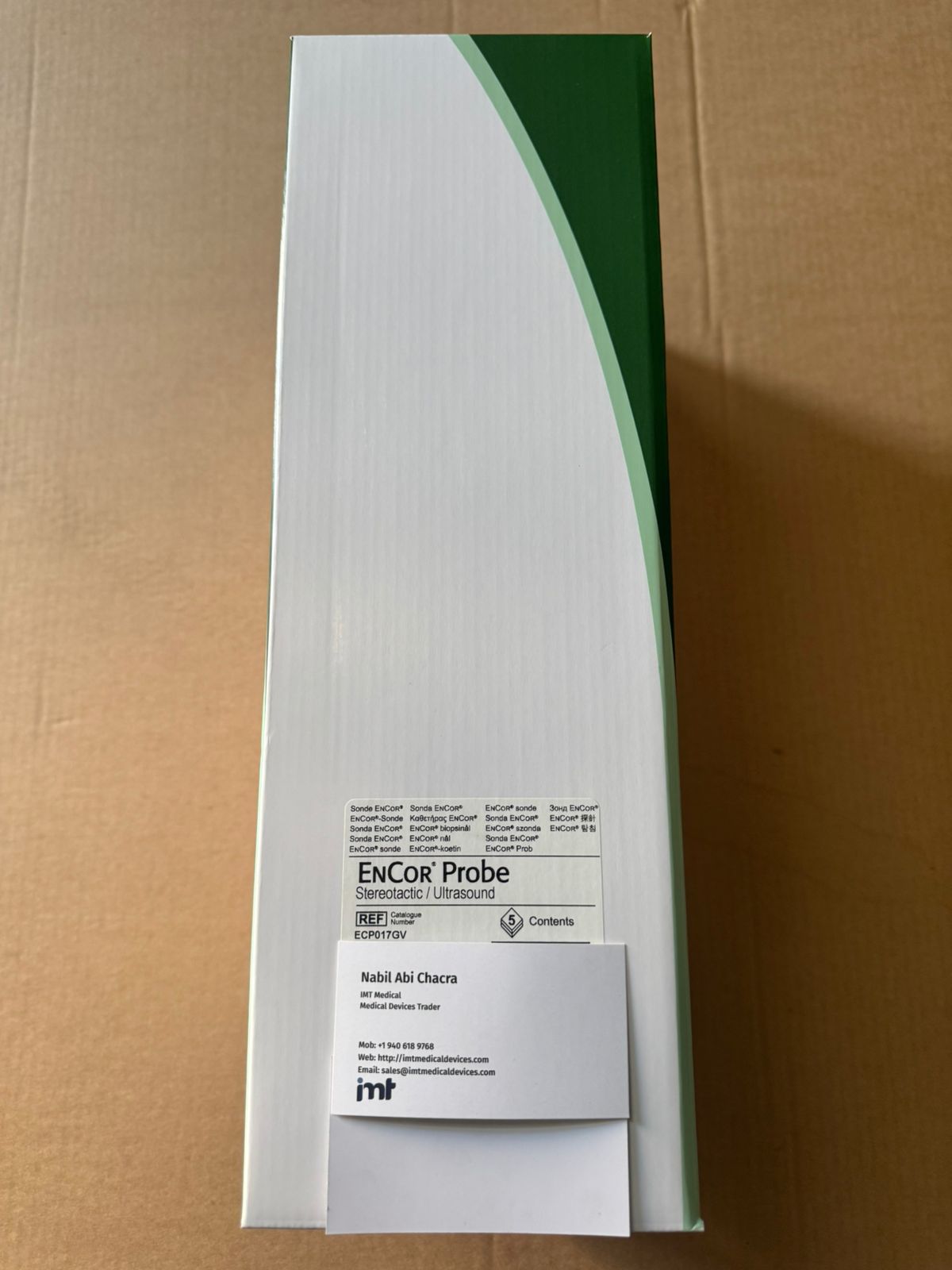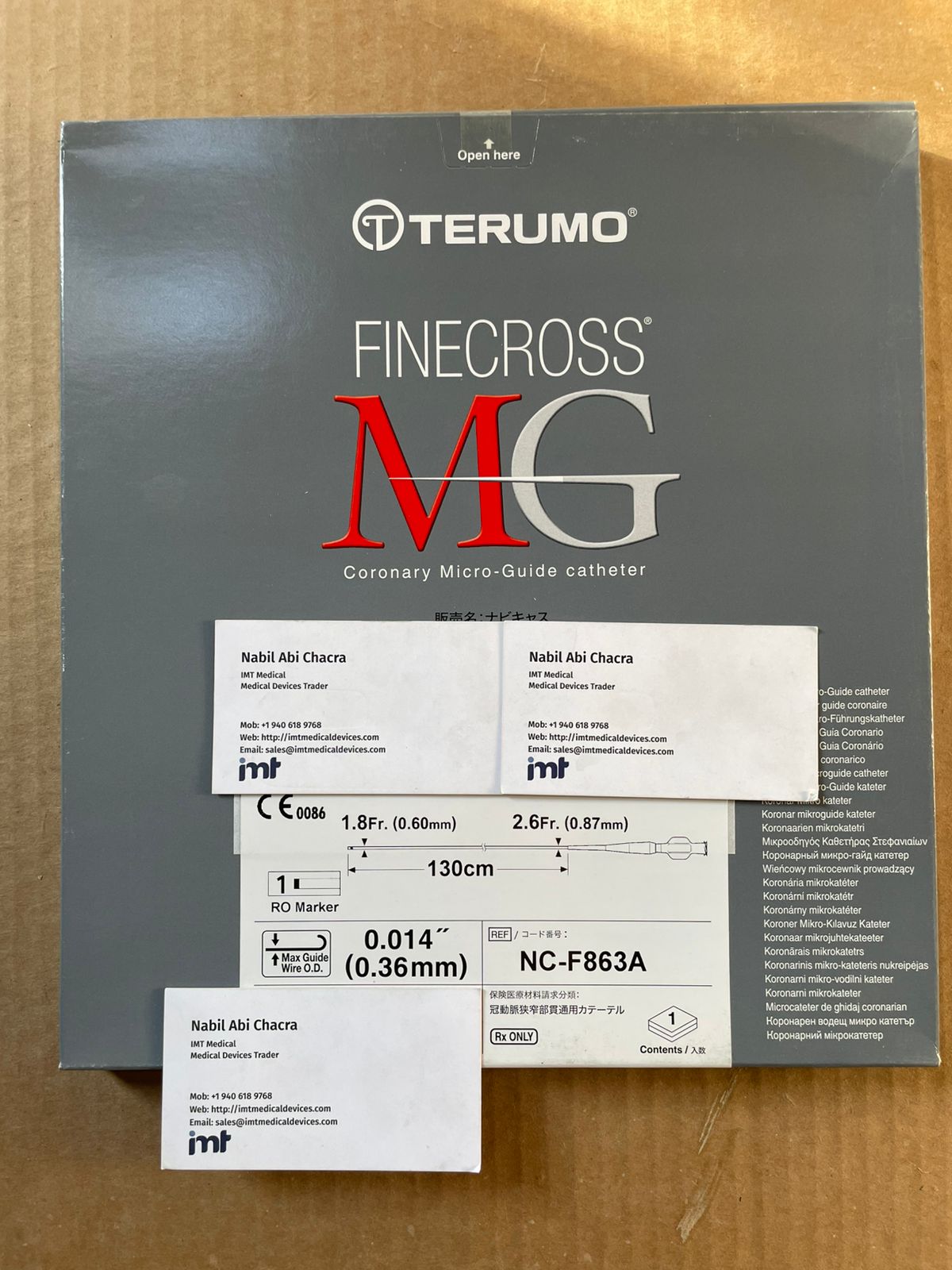

Medical Device Procurement for Private Clinics: 2026 Guide
Optimizing procurement processes in healthcare can reduce total supply chain expenses by up to 17.7% in 2026. For many administrators, medical device procurement for private clinics remains a fragmented process defined by frequent stockouts of critical cardiology supplies and the persistent risk of counterfeit hardware. It's a logistical bottleneck that threatens patient outcomes and operational stability. Relying on local retail channels often leads to inconsistent inventory and opaque pricing.
This guide will show you how to master the complexities of international medical device procurement to ensure your clinic maintains a reliable supply of authentic, high-end cardiovascular and surgical technology. We'll examine EUDAMED compliance mandates effective as of May 2026, verified logistics for sensitive equipment, and direct wholesale strategies for brands like Medtronic, Boston Scientific, and Terumo. You'll learn to navigate international customs and medical documentation while securing a streamlined pipeline for high-cost devices like drug-eluting stents and permanent pacemakers.
Key Takeaways
- Implement value-based procurement strategies to move beyond deceptive price-per-unit metrics for interventional cardiology and surgical inventory.
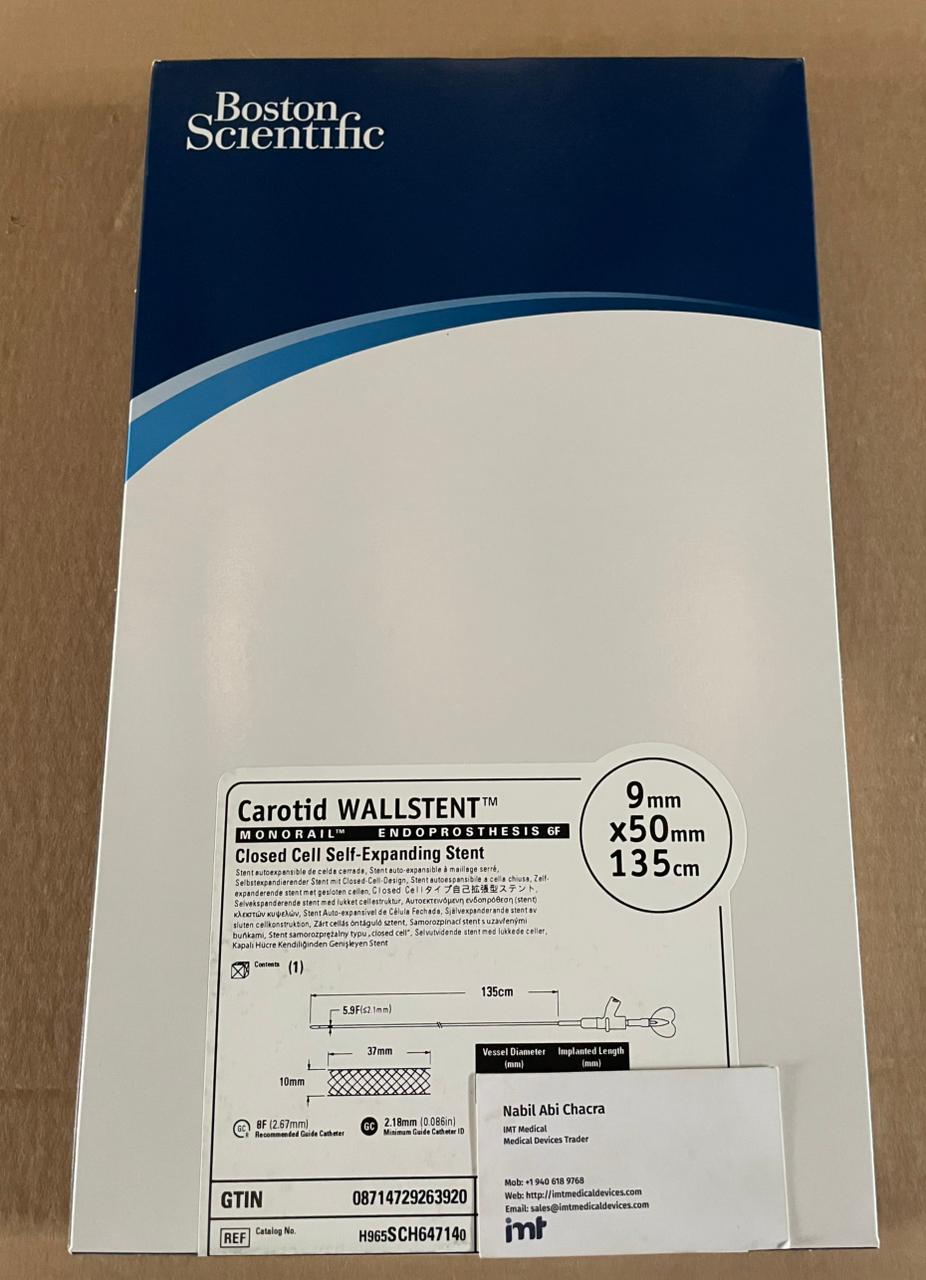
- Secure reliable access to authentic Tier 1 technology, including Drug-Eluting Stents and Permanent Pacemakers, from Medtronic, Boston Scientific, and Abbott.
- Streamline medical device procurement for private clinics by utilizing strategic regional distribution hubs in Georgia, Dubai, and Turkey to mitigate stockout risks.
- Execute compliant international exports to complex markets like Venezuela using established humanitarian exceptions and specialized logistics protocols.
- Deploy a technical checklist to verify wholesaler manufacturer-direct access, international export track records, and cold-chain integrity.
The Shift to Value-Based Medical Device Procurement for Private Clinics
Value-based procurement in 2026 defines success through patient outcomes rather than initial acquisition costs. For specialized facilities, medical device procurement for private clinics requires a shift toward long-term clinical utility. Every medical device, from a simple guide wire to a complex implantable cardioverter defibrillator (ICD), carries a lifecycle cost. Relying on price-per-unit metrics is deceptive. A low-cost surgical stapler that fails during a procedure creates liabilities far exceeding the initial savings.
Total Cost of Ownership (TCO) includes procurement logistics, sterilization requirements, storage, and the risk of clinical complications. Efficient sourcing directly impacts patient throughput. If a clinic lacks the specific catheter needed for a scheduled PTCA, the entire surgical suite sits idle. This downtime erodes profitability and damages the clinic's reputation among referring physicians and patients. High-capacity international distributors provide the technical expertise required to manage these variables. They act as a bridge between global manufacturers and regional care centers.
Moving Beyond Local Retail Constraints
Local retail channels in markets like Venezuela often suffer from volatility and limited stock depth. These constraints lead to reactive buying. Private clinics must transition to strategic inventory management through international wholesalers. Strategic sourcing from hubs in Georgia, Dubai, or Turkey ensures a stable supply of authentic hardware. This model bypasses the inconsistency of local vendors and secures access to premium brands like Medtronic and Abbott. It's about moving from emergency orders to a predictable supply chain.
Key Performance Indicators for Clinic Procurement
Measuring success requires tracking specific technical metrics. Inventory turnover rates for high-value items, such as Drug-Eluting Stents, must be optimized to prevent expiration while maintaining safety stock. Managing these rates ensures capital isn't wasted on stagnant inventory.
- Stockout frequency for critical cardiology items.
- Accuracy of sterile barrier documentation.
- Consistency of cold-chain logistics for sensitive components.
- Manufacturer-direct verification of serial numbers.
Procurement lead time is the total duration from order placement to the physical receipt of goods at the clinic. It's the critical factor for clinic operational continuity. Minimizing this window allows for tighter scheduling and reduced capital tied up in sitting inventory. Reliable wholesalers maintain the infrastructure to keep these lead times predictable despite global shipping fluctuations.
Sourcing Premium Brands: Medtronic, Boston Scientific, and Abbott
Tier 1 manufacturers like Medtronic, Boston Scientific, and Abbott define the standard for interventional cardiology. For specialized centers, medical device procurement for private clinics focuses on these brands to ensure consistent clinical outcomes and patient safety. Sourcing Permanent Pacemakers and ICDs requires a verified chain of custody to prevent the introduction of counterfeit or improperly handled hardware. Authentic supply chains are non-negotiable when dealing with life-critical implants. Reliable procurement ensures that every device meets manufacturer specifications for sterile barrier integrity and temperature control.
Technical precision is equally vital when selecting PTCA Balloon Catheters. Factors such as trackability, pushability, and crossing profile determine the success of complex lesion interventions. Adopting a model of Value-Based procurement for medical devices helps clinics justify the higher acquisition cost of Tier 1 equipment by reducing re-intervention rates and procedural complications. High-value cardiology hardware requires specialized handling that local, non-specialized vendors cannot consistently provide. By partnering with a global wholesaler, clinics gain access to the same inventory depth as major hospital systems.
Cardiovascular Intervention Essentials
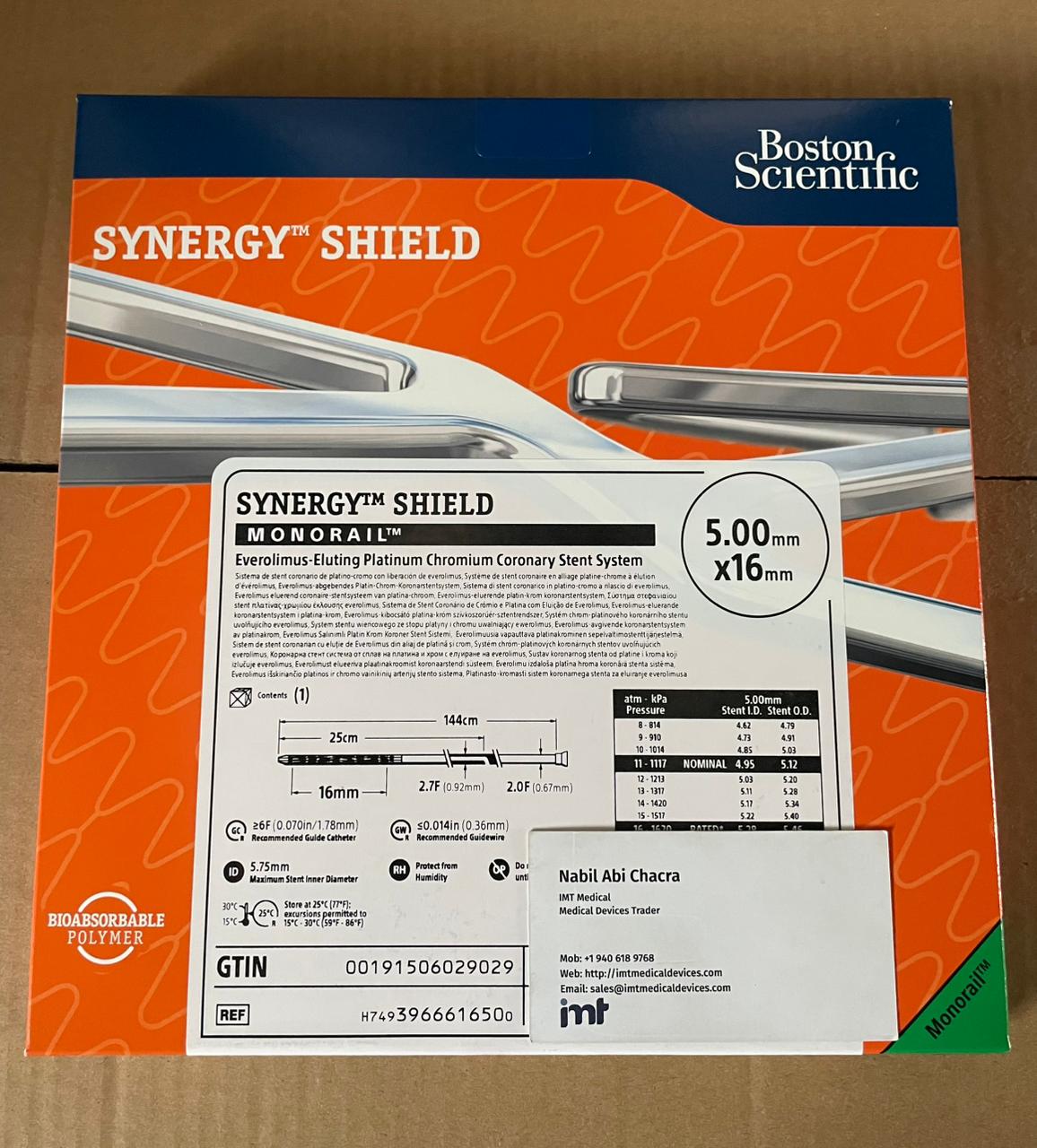
Procuring Medtronic Resolute Integrity Stents provides clinicians with reliable deliverability in tortuous coronary anatomy. For large vessel bifurcations, sourcing the Boston Scientific Synergy Megatron ensures structural integrity and high radial strength. Procurement teams must also master Abbott's alphanumeric SKU system to ensure dual-chamber pacing systems match specific patient lead requirements. You can view Medtronic inventory specifications to confirm current SKU availability for your next shipment.
Vascular Access and Diagnostic Tools
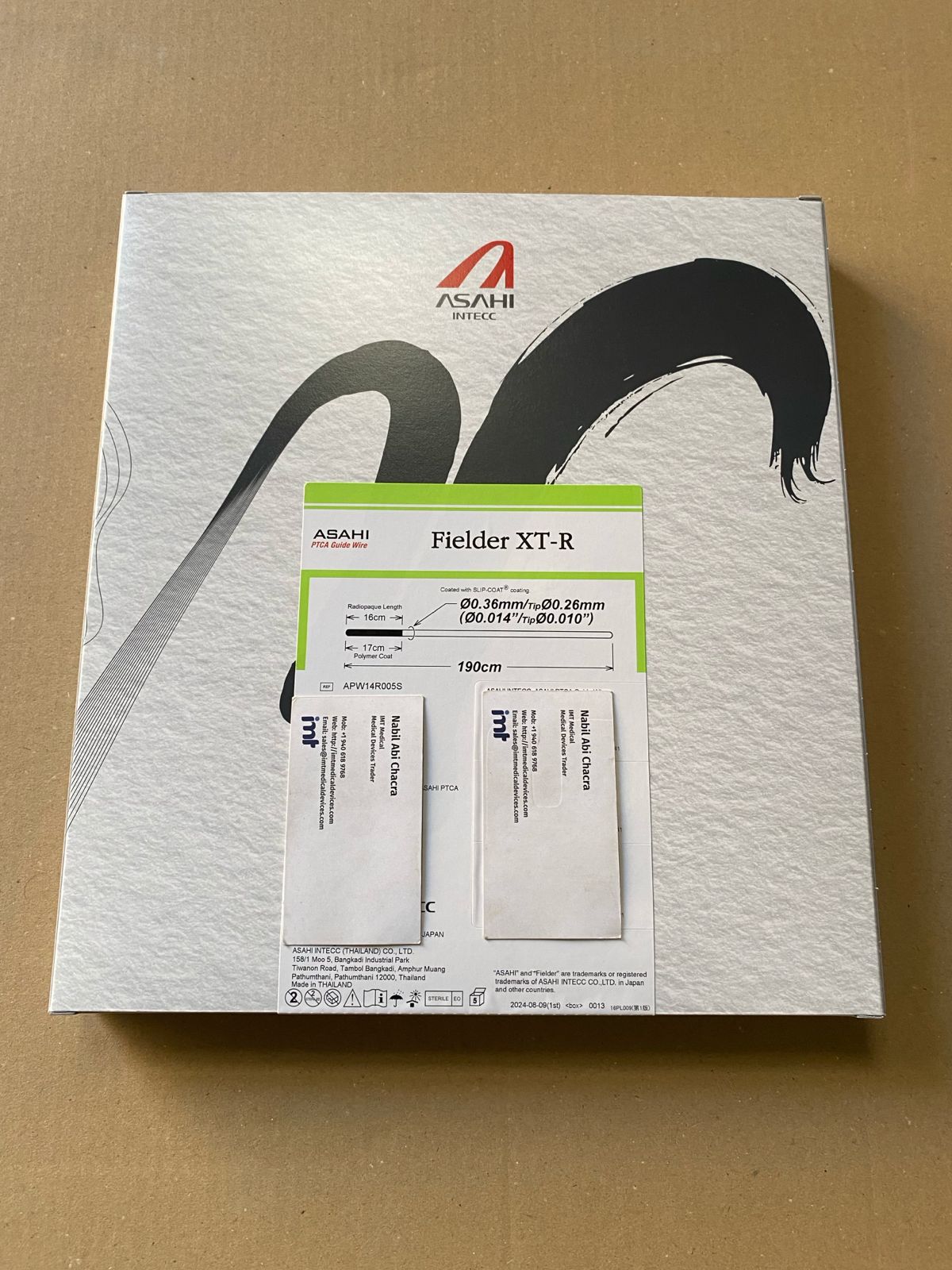
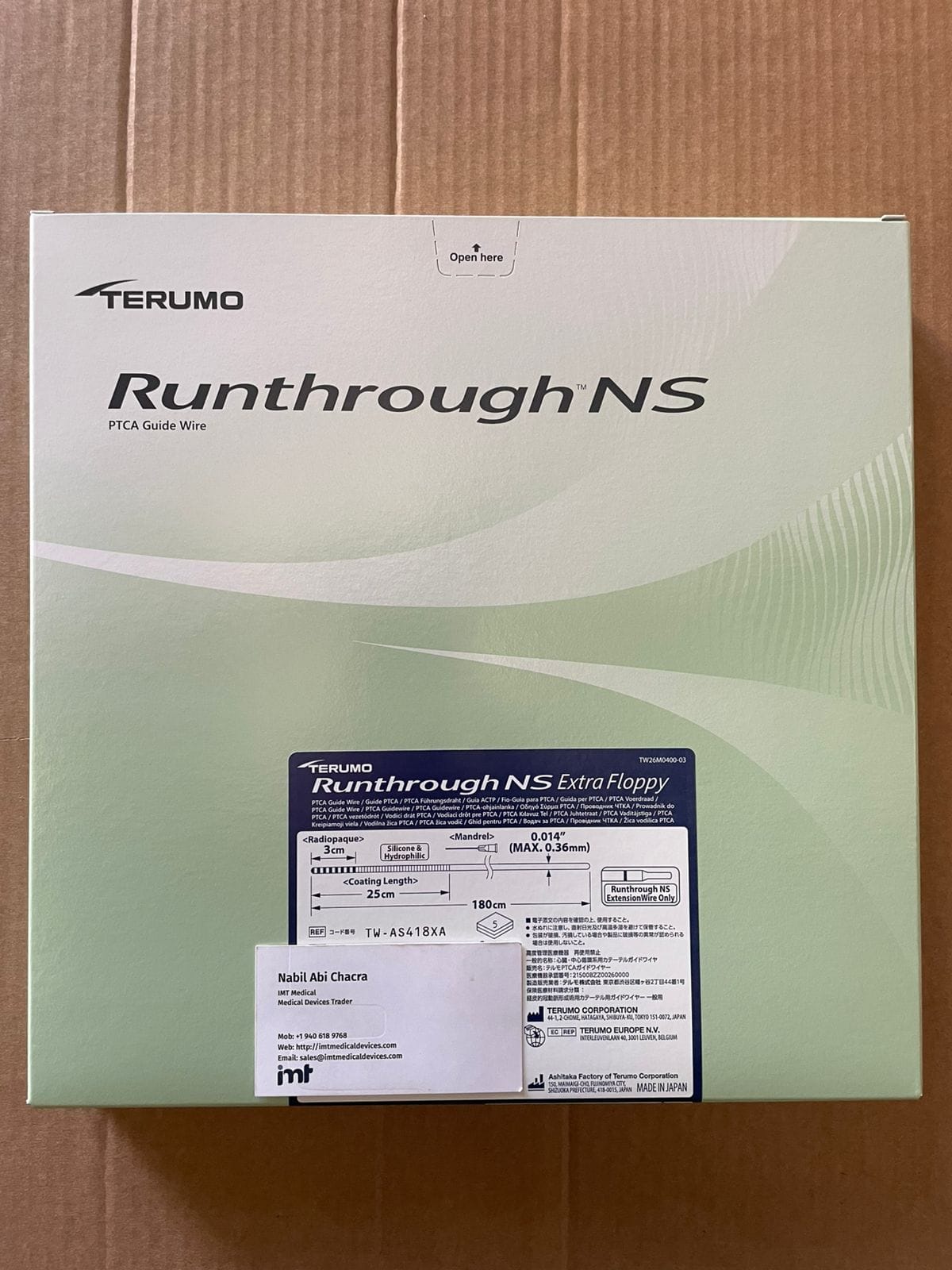
Bulk acquisition of Terumo products remains a standard for clinics utilizing radial-first protocols. These inventories typically include hydrophilic sheaths and compression devices essential for high-volume labs. Specialized procedures often require Asahi Intec products, known for superior torque response in chronic total occlusions. Procurement protocols for hydrophilic-coated guidewires must specify exact diameter, length, and tip load stiffness to ensure seamless microcatheter compatibility and procedural safety. Reliable medical device procurement for private clinics relies on these granular technical identifiers to maintain operational flow and clinical excellence.
Logistics and Compliance: Navigating International Exports to Venezuela
Exporting to Venezuela requires extreme regulatory precision. While US sanctions remain a factor, medical device procurement for private clinics is facilitated through humanitarian exceptions under General License 4. This provision allows for the financing and exportation of critical clinical hardware. Successful delivery depends on navigating the Office of Foreign Assets Control (OFAC) and Department of Commerce licensing requirements. Documentation must be exhaustive to prevent port delays. Certificates of Analysis (CoA), Certificates of Free Sale, and Certificates of Origin are mandatory for customs entry. These documents verify that the technology meets the same standards as devices sold in the manufacturer's domestic market.
Strategic inventory placement minimizes transit risk and reduces lead times. Regional hubs in Georgia, Dubai, and Turkey serve as logistical bridges for global distribution. These locations allow for rapid deployment to South American markets, bypassing the volatility of direct long-haul shipping from primary manufacturer plants. Hubs provide a controlled environment for staging inventory before final export. This infrastructure ensures compliance with international standards for Exporting Medical Devices to restricted or emerging markets. Utilizing these strategic centers stabilizes the supply chain against geopolitical shifts.
Specialized Handling for Cardiac Implants
Drug-coated stents and balloons require strict thermal management. Temperature monitoring protocols must remain active throughout the transit cycle to prevent pharmaceutical degradation. Electronic devices like ICDs and pacemakers require dedicated shock and vibration protection. Specialized packaging prevents electrostatic discharge and physical damage to sensitive internal circuitry. Customs clearance acceleration relies on pre-filed documentation and established relationships with regional brokers. Efficient medical device procurement for private clinics depends on these specialized logistical layers to maintain device efficacy upon arrival.
Documentation and Legal Compliance
Managing export documentation for Medtronic and Abbott products requires granular serial number tracking. This transparency serves as a primary trust signal in B2B wholesale. Each device must be traceable from the original manufacturer to the clinic floor. This rigor prevents the entry of unauthorized or gray-market inventory into the clinical environment. For a broader perspective on supply chain management, consult our Medical Device Distribution: A Global Guide. Reliable medical device procurement for private clinics relies on this fusion of logistical speed and regulatory precision to ensure patient safety and operational continuity.
Checklist: Evaluating Your Medical Device Wholesale Partner
Partner selection for medical device procurement for private clinics requires rigorous technical vetting. Reliability is a measurable output of logistical infrastructure and manufacturer relationships. Clinics must move beyond price-focused selection to verify the industrial competence of their suppliers. A failure in the supply chain directly translates to procedural cancellations and compromised patient safety. Use this checklist to audit potential wholesale partners:
- Tier 1 Access: Confirm direct procurement channels for brands like Medtronic, Abbott, and Boston Scientific.
- Logistical Reach: Verify a proven export track record to over 50 countries, including active hubs in Georgia, Dubai, and Turkey.
- Compliance Standards: Ensure registration in the EUDAMED database and adherence to international distribution protocols.
- Specialized Inventory: Assess technical support for high-complexity items, such as Neurovascular coils and electrophysiology catheters.
Financial and Contractual Transparency
Transactional clarity remains essential for international trade. Clinics should evaluate volume-based pricing tiers that reward scale without sacrificing inventory depth. Verification of manufacturer-specific contract rates ensures that bulk orders remain economically viable across fiscal quarters. Currency stability is a critical factor. Partners must offer transparent payment terms to mitigate exchange rate volatility. This financial predictability allows for accurate total cost of ownership (TCO) calculations. It's about securing long-term fiscal health through predictable procurement cycles.
Technical Competence and Product Knowledge
A wholesaler must function as a technical bridge. This requires a deep understanding of device specifications, such as the pressure ratings for non-compliant versus semi-compliant PTCA balloons. Procurement professionals should demand technical data sheets and clinical evidence for all sourced hardware. Accurate technical identifiers prevent the acquisition of incompatible or outdated technology.
- Verify that all sterile medical consumables have a minimum remaining shelf-life (RSL) of 18 months upon delivery to the clinic.
Inventory accuracy depends on precise technical identifiers and manufacturer-centric sourcing. You can partner with an experienced global distributor to secure a technically verified supply chain for your facility.
IMT Medical Devices: Your Global Procurement Partner
IMT Medical Devices functions as a pragmatic, high-capacity international distributor. Our manufacturer-centric model prioritizes product availability and technical authenticity. For specialized facilities, medical device procurement for private clinics requires a partner capable of bridging the gap between major producers and regional markets. We maintain direct access to inventory from Medtronic, Terumo, and Boston Scientific. This ensures that every component, from drug-eluting stents to permanent pacemakers, carries a verified chain of custody. Authentic supply chains are the foundation of our global operations.
Our operational scale relies on strategic hubs in Georgia, Dubai, Turkey, and Poland. These locations serve as rhythmic anchors for our global distribution network. They allow for rapid information retrieval and inventory deployment. This infrastructure minimizes the impact of global supply chain disruptions. It provides clinics with a predictable logistics feed for sensitive hardware. We currently export to over 50 countries. Our team manages the complex documentation required for markets like Venezuela; we ensure that international customs standards are met without procedural delays.
Why Clinics Choose IMT for Cardiology and Surgery
Access to an expansive portfolio defines our partnership value. This includes specialized items such as Surgical Staplers, peripheral stents, and electrophysiology catheters. We understand the technical identifiers that drive clinical success. Our logistics expertise extends to managing documentation fees and international regulatory filings. This technical competence allows clinics to focus on patient throughput while we stabilize the inventory pipeline. We operate as a no-nonsense global partner for facilities requiring scale and reach.
Get Started with a Strategic Procurement Assessment
Operational efficiency begins with accurate data. Clinics can request a comprehensive Medtronic or Abbott price list for bulk procurement planning. Our regional offices provide specialized advice on export regulations and technical specifications. This assessment helps align your inventory turnover rates with clinical demand. You can Contact IMT Medical Devices for Global Procurement Solutions to initiate a technical audit of your supply requirements. We provide the logistical reliability needed for medical device procurement for private clinics in 2026.
Securing Your Clinic's Technical Future in 2026
Successful medical device procurement for private clinics requires a transition from reactive retail purchasing to a strategic wholesale integration model. This shift ensures inventory stability and the verified authenticity of high-cost cardiology and surgical technology. Prioritizing Tier 1 manufacturers like Medtronic, Abbott, and Boston Scientific is essential for maintaining clinical standards and patient safety. Managing the total cost of ownership through value-based procurement reduces operational risks and prevents procedural delays caused by stockouts or documentation failures.
IMT Medical Devices functions as the industrial bridge for these requirements. We supply authentic Tier 1 brands to over 50 countries through strategic distribution hubs in Georgia, Dubai, Turkey, and Poland. Our infrastructure supports specialized logistics for sensitive cardiology and neurovascular implants, including temperature-controlled drug-eluting stents and electronic ICDs. We manage the technical documentation and export compliance necessary for complex international markets, ensuring your facility maintains a reliable pipeline of premium technology.
Secure your inventory depth and operational continuity through a technically verified global supply chain. Optimize Your Clinic's Supply Chain with IMT Medical Devices. We provide the scale and logistical reach required for modern clinical excellence.
Frequently Asked Questions
What are the most critical medical devices for a private cardiology clinic to stock?
A specialized clinic requires a consistent supply of drug-eluting stents, PTCA balloon catheters, and cardiac implantable electronic devices like permanent pacemakers. These items define the core interventional capability of the facility. Maintaining safety stock of diagnostic guide wires and guiding catheters is also essential to prevent procedural cancellations. Efficient medical device procurement for private clinics ensures these high-turnover items are always available for scheduled and emergency interventions.
How can a private clinic in Venezuela verify the authenticity of imported stents?
Authenticity is verified through manufacturer-direct serial number tracking and the inspection of sterile barrier integrity. Clinics should cross-reference the device's identifying codes with the manufacturer's global database. Reliable wholesalers provide a transparent chain of custody from Tier 1 producers like Medtronic and Boston Scientific. This technical documentation serves as the primary trust signal for high-cost implants in South American markets.
What is the typical lead time for international medical device procurement?
Lead times generally range from 7 to 14 business days when sourcing from regional hubs in Dubai, Turkey, or Georgia. The total duration depends on the destination's customs protocols and the availability of direct freight routes. Utilizing strategic distribution centers reduces the transit time compared to direct shipping from manufacturing plants in the United States or Europe. Predictable lead times are vital for maintaining clinic operational continuity.
Do I need a special license to import Medtronic or Abbott products to my clinic?
Imports to Venezuela are generally permitted under humanitarian exceptions provided by General License 4. While specific OFAC licenses aren't usually required for medical supplies, clinics must comply with local health ministry registration requirements. Wholesalers manage the export licensing process to ensure all shipments meet international and regional legal standards. It's essential to verify current 2026 regulatory updates for specific electronic implants like ICDs.
How is the cold chain maintained for drug-eluting stents during international shipping?
Cold chain integrity is secured through specialized thermal packaging and active temperature monitoring sensors. These systems provide a continuous data log of the environment inside the shipping container from the warehouse to the clinic. Any deviation from the manufacturer's specified temperature range triggers a technical review of the device's clinical viability. This rigor is mandatory for preserving the efficacy of pharmaceutical coatings on stents and balloons.
Can private clinics buy medical devices in smaller volumes from global wholesalers?
Yes, global wholesalers often provide tiered volume options specifically designed for medical device procurement for private clinics. This model allows smaller facilities to access Tier 1 manufacturer inventory without the massive capital outlay required for hospital-scale bulk orders. Strategic partnerships enable clinics to maintain a lean inventory while securing the same high-end technology used in major international cardiac centers.
What documentation is required for medical device customs clearance in Venezuela?
Standard requirements include the Certificate of Free Sale, Certificate of Origin, and a detailed Certificate of Analysis for each lot number. Shipping manifests must clearly state the humanitarian nature of the cargo to align with international trade exceptions. Providing accurate technical identifiers and manufacturer documentation minimizes the risk of port delays. Transparent documentation is the critical factor for successful customs navigation in South America.
Why is value-based procurement better than price-based procurement for clinics?
Value-based procurement focuses on the total cost of ownership and clinical outcomes rather than the initial unit price. High-quality devices from Tier 1 brands often reduce re-intervention rates and procedural complications. This approach protects the clinic's reputation and long-term profitability by ensuring higher patient throughput and lower liability risks. Price-only metrics often ignore the hidden costs of device failure or logistical inconsistency.