

How to Choose a Medical Device Wholesaler: A B2B Procurement Guide for 2026
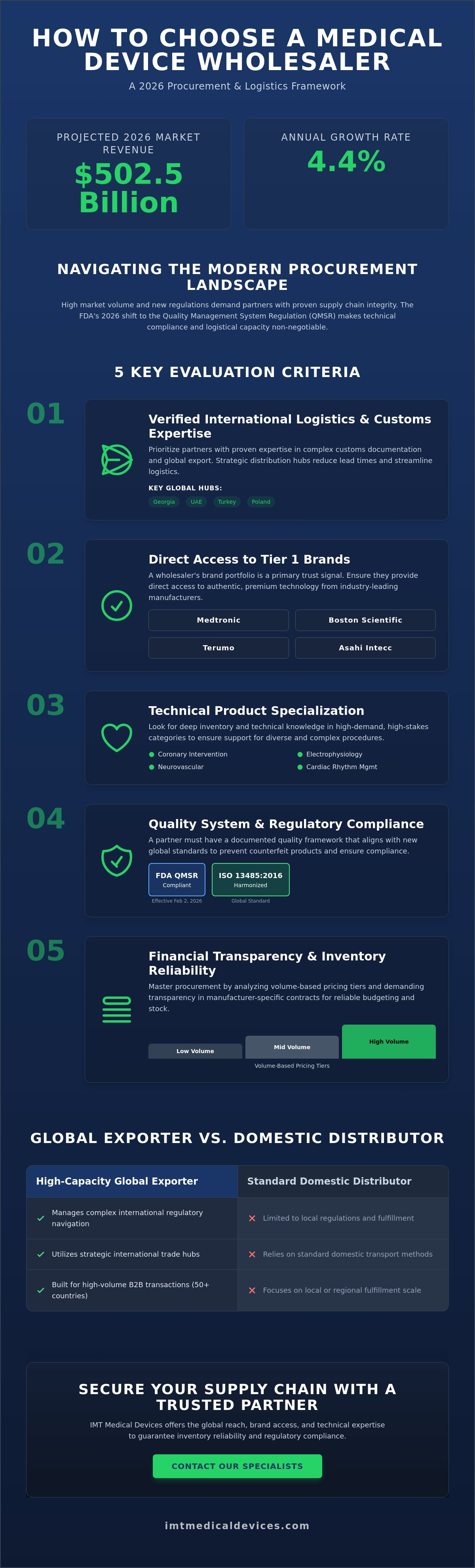
The U.S. medical supplies wholesaling industry is projected to reach $502.5 billion in revenue in 2026, reflecting a 4.4% increase this year. High market volume complicates the search for partners who can guarantee supply chain integrity. You've likely faced the friction of complex customs documentation or the risk of sub-standard products when sourcing items like drug-eluting stents and permanent pacemakers. Knowing how to choose a medical device wholesaler is now a requirement for technical compliance and logistical capacity.
On February 2, 2026, the FDA officially replaced the Quality System Regulation with the Quality Management System Regulation (QMSR), harmonizing U.S. standards with ISO 13485:2016. Procurement success requires a partner with a documented quality framework to secure inventory from Tier 1 brands like Medtronic, Terumo, and Boston Scientific. You'll learn to master the technical criteria for selecting a high-capacity distributor with proven international shipping capabilities. This guide provides a framework for evaluating bulk pricing structures and navigating the trade uncertainties following the May 2026 Section 232 investigation results.
Key Takeaways
- Identify wholesalers with verified export logistics and customs clearance expertise to manage complex international documentation requirements.
- Prioritize partners offering direct access to Tier 1 brands such as Medtronic, Terumo, and Boston Scientific for guaranteed supply chain integrity.
- Evaluate technical specialization in high-demand categories including neurovascular, coronary intervention, and electrophysiology to ensure inventory depth.
- Master how to choose a medical device wholesaler by analyzing volume-based pricing tiers and manufacturer-specific contract transparency.
- Leverage strategic distribution hubs in Georgia, UAE, Turkey, and Poland to streamline global logistics and reduce lead times.
Understanding the Role of High-Capacity Medical Device Wholesalers
A high-capacity medical device wholesaler acts as a strategic logistical partner managing bulk inventory for the global medical device market. This role isn't just about moving boxes; it's about mitigating supply chain risks through diversified manufacturer relationships and guaranteed inventory availability. Procurement professionals often struggle with fluctuating stock levels. Learning how to choose a medical device wholesaler involves identifying partners that bridge the gap between Tier 1 manufacturers and providers across 50+ countries. The primary value lies in ensuring authentic product delivery through a verified, high-transparency supply chain.
In the 2026 procurement landscape, the distinction between a simple reseller and a high-capacity distributor is clear. A reliable wholesaler manages complex international logistics while maintaining a digital warehouse flow. This efficiency allows for rapid information retrieval, focusing on product codes and technical specifications. The ability to export to 50 countries serves as a primary trust signal, indicating a partner can handle the industrial scale required for modern healthcare systems.
The Distinction Between Domestic Distributors and Global Exporters
Domestic distributors typically focus on local fulfillment and standard transport methods. They often lack the infrastructure to navigate international regulatory navigation or complex customs documentation. Global exporters utilize strategic office locations in trade hubs like Georgia, UAE, Turkey, and Poland. These hubs facilitate high-volume B2B transactions and allow for optimized distribution across regional borders. When you evaluate how to choose a medical device wholesaler, prioritize those with an established international footprint. This ensures that logistical competence remains a priority over simple unit pricing.
Core Responsibilities in the Medical Supply Chain
Inventory management for high-stakes technologies requires extreme precision. Wholesalers take responsibility for the batch-tracking integrity of sensitive devices such as:
- Medtronic Permanent Pacemakers and ICDs
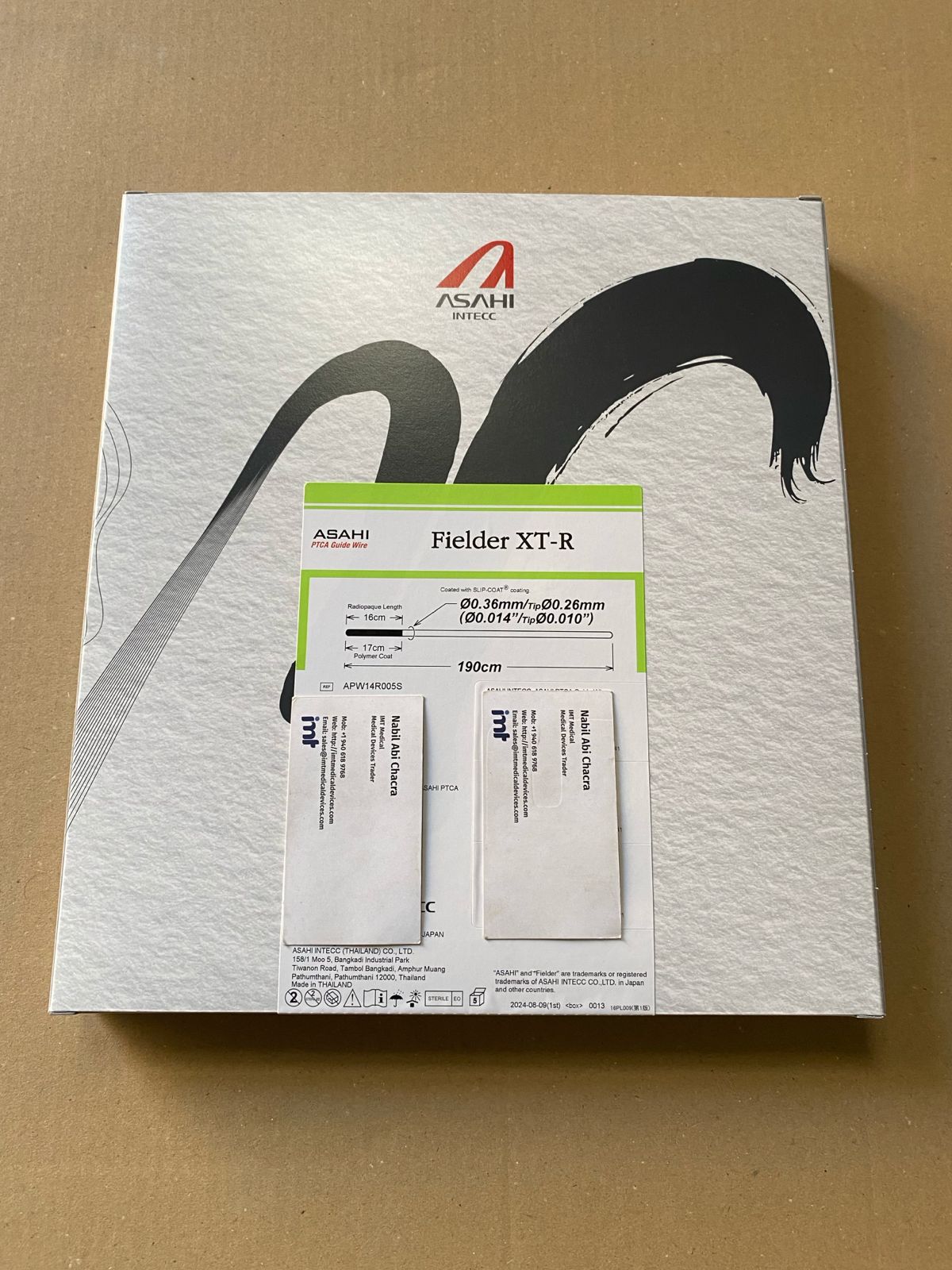
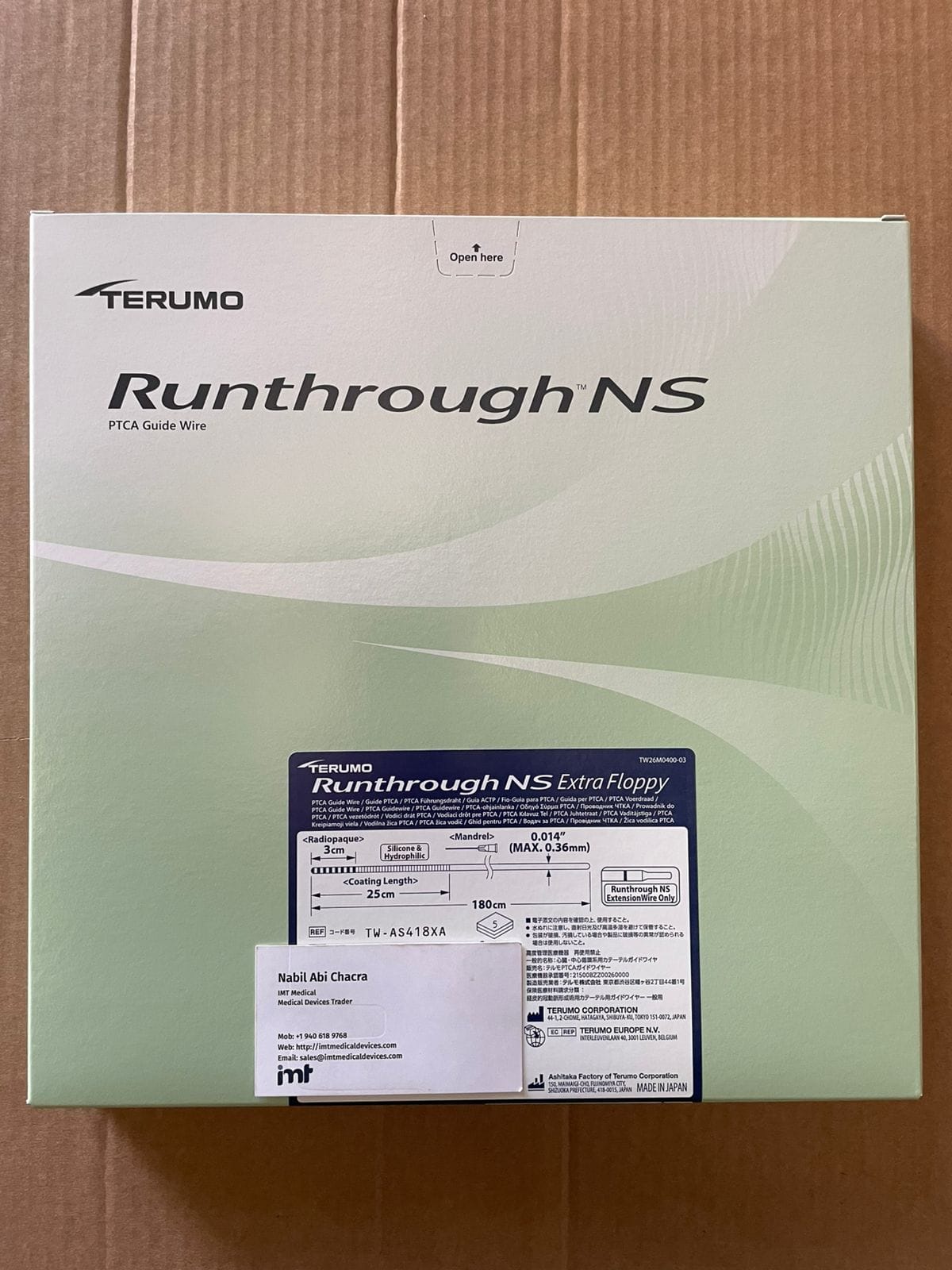
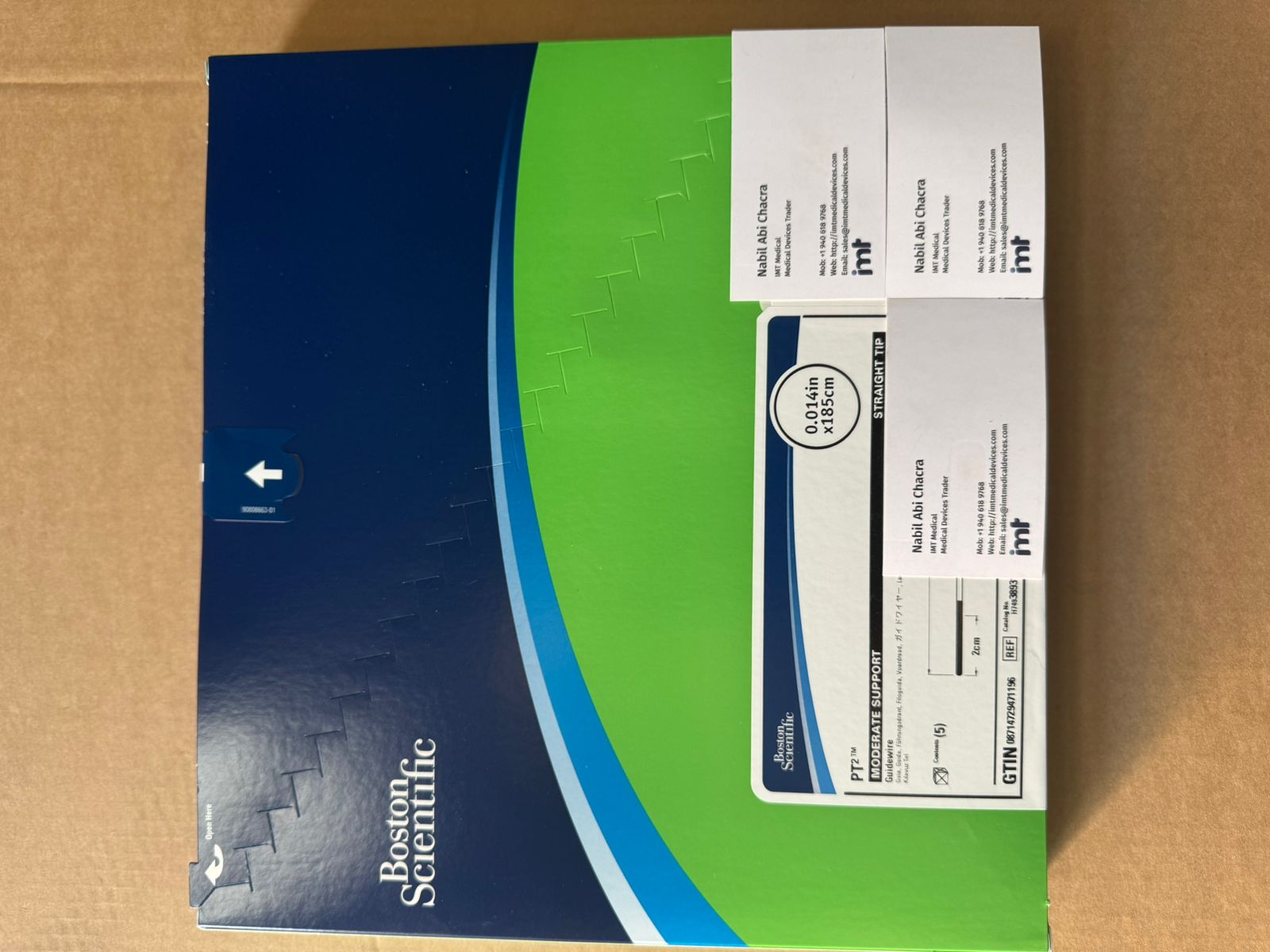
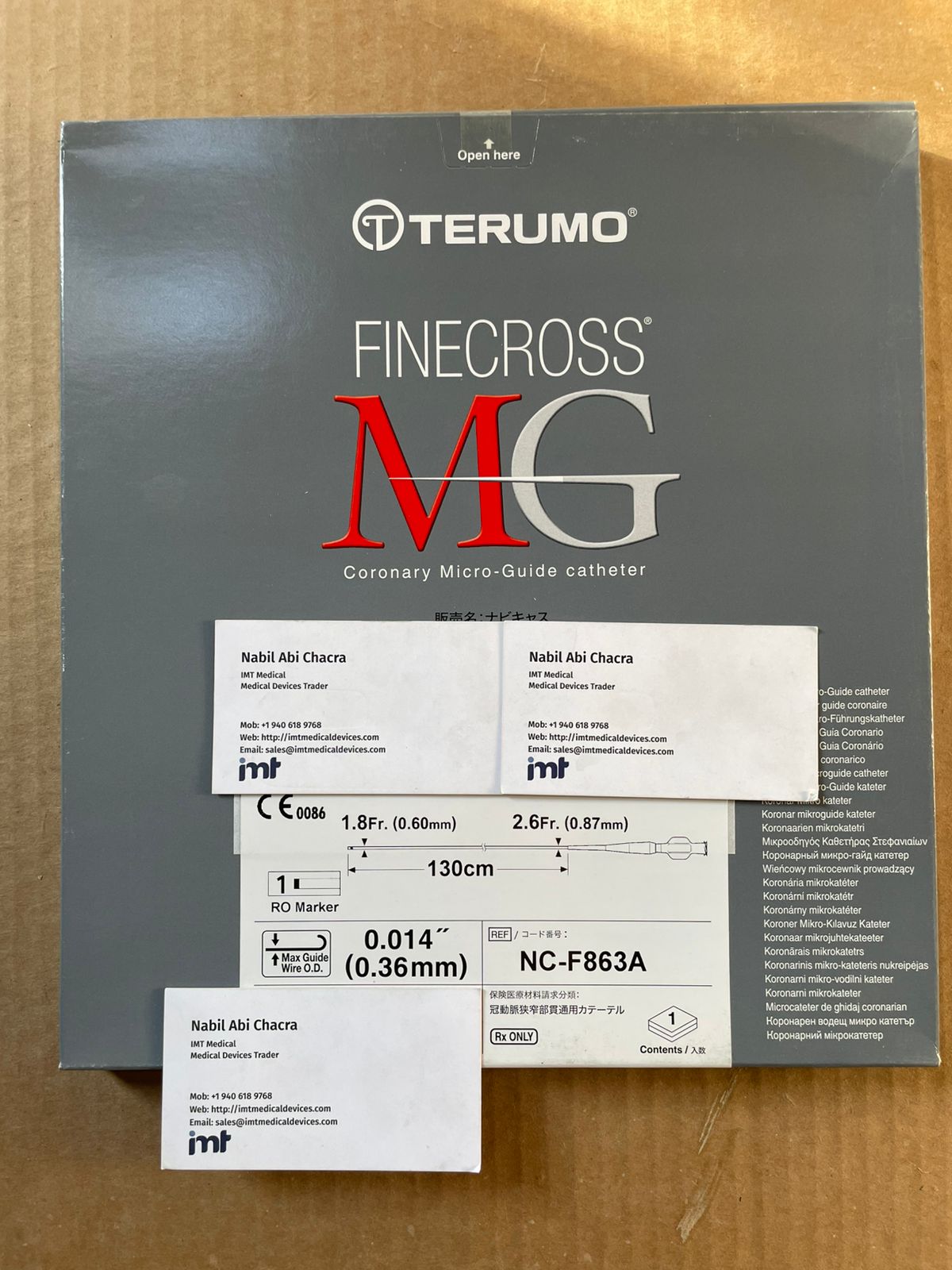
- Terumo PTCA Balloon Catheters and Guidewires
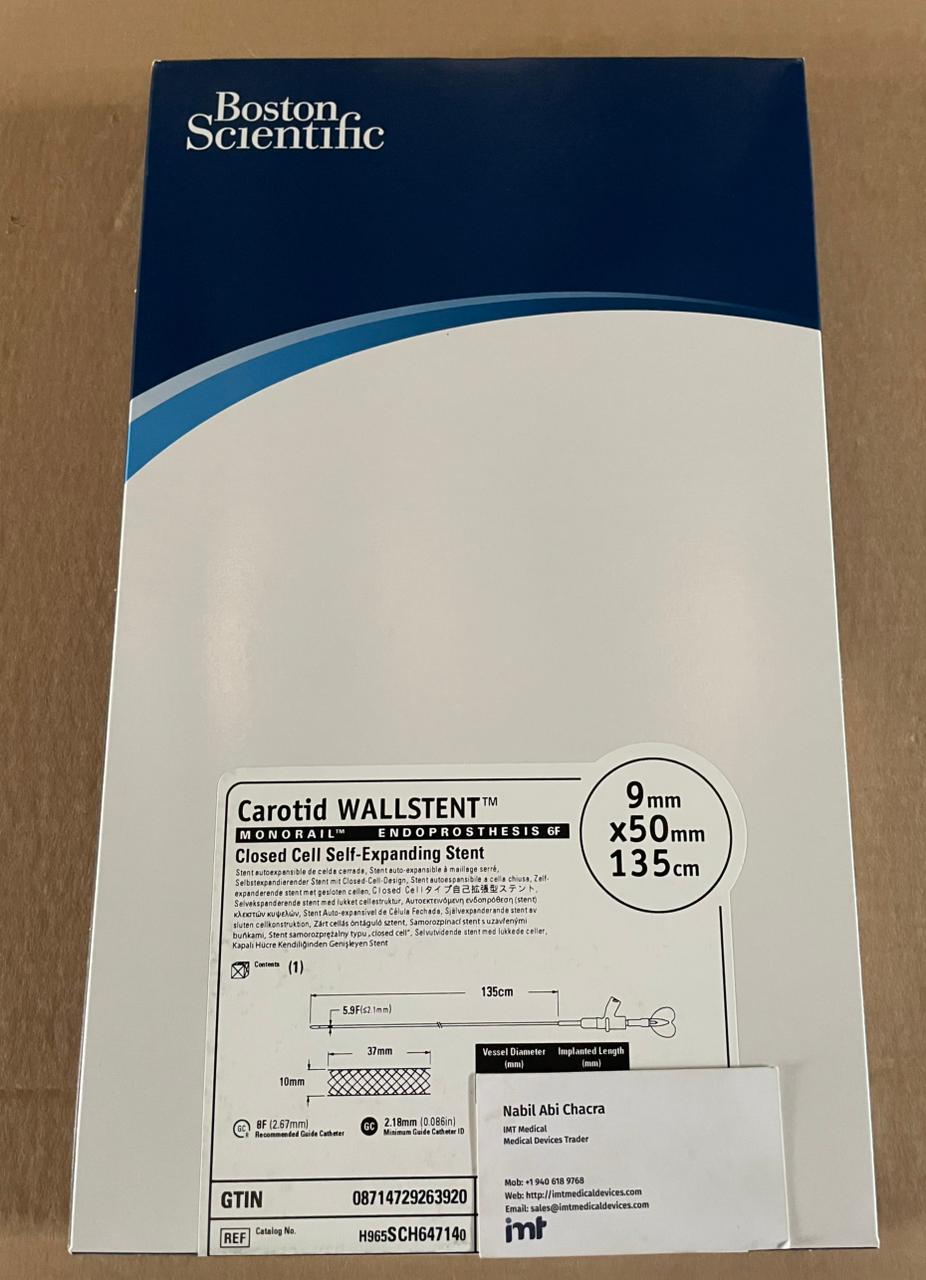
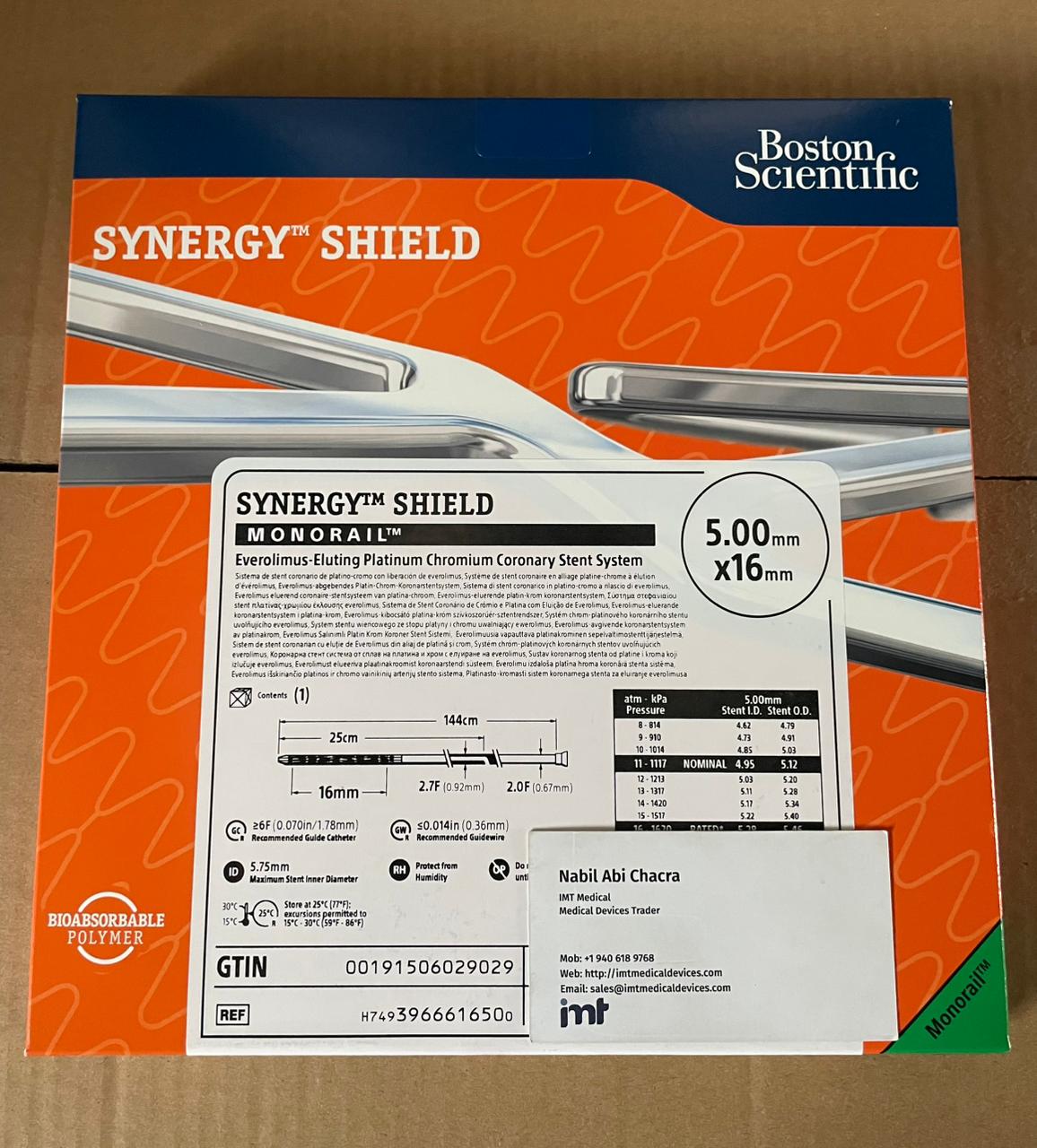
- Boston Scientific Drug-Eluting Stents
- Asahi Intec Diagnostic Guide Wires
A high-capacity partner verifies manufacturer-specific contract rates and maintains direct access to premium inventory. They don't just supply parts; they manage the technical lifecycle of products like Electrophysiology Catheters and Surgical Staplers. This responsibility includes ensuring all items meet the 2026 FDA Quality Management System Regulation (QMSR) standards. By focusing on brand-first inventory, these wholesalers provide a vital bridge between major manufacturers and global markets.
Evaluating Brand Portfolio and Technical Product Specialization
Brand reputation serves as the primary trust signal in high-stakes medical procurement. When determining how to choose a medical device wholesaler, you must verify their direct access to Tier 1 manufacturers like Medtronic, Boston Scientific, and Terumo. These brands define the standard for interventional cardiology and cardiac rhythm management (CRM). A wholesaler's portfolio breadth indicates their capacity to support diverse surgical and interventional procedures. Technical alignment ensures that the wholesaler understands specific part numbers and model specifications, which is critical for clinical success.
Reliable distributors maintain a brand-first approach to inventory. This means prioritizing the identity of the manufacturer as much as the product itself. In the global market, access to authentic, premium technology is a primary trust signal. Professional procurement officers look for wholesalers who can demonstrate compliance with FDA regulatory requirements for storage, handling, and tracking. This level of technical oversight prevents the entry of counterfeit or sub-standard products into the supply chain.
Tier 1 Brand Access: Medtronic, Boston Scientific, and Terumo
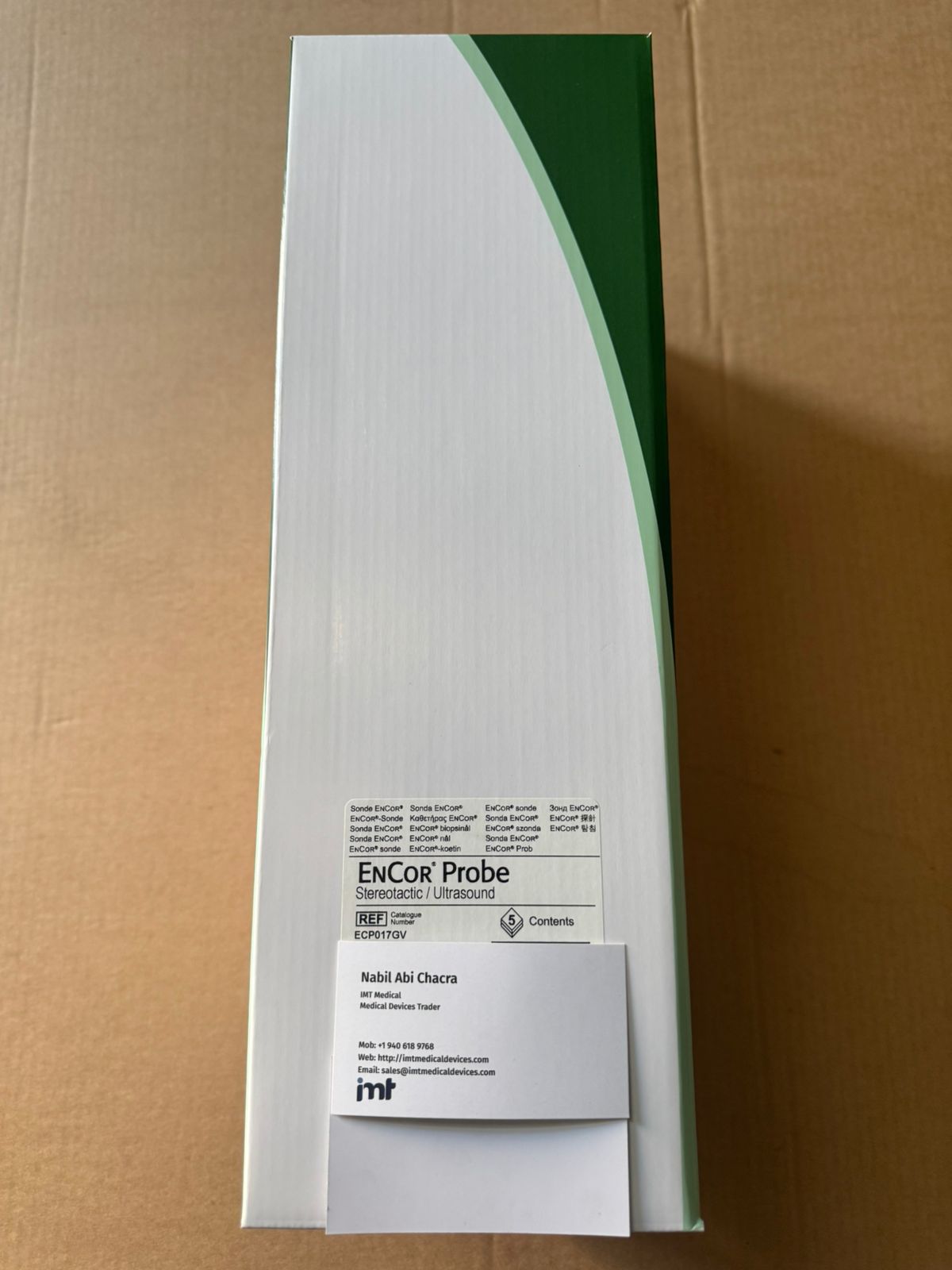
Consistency of supply for high-demand platforms is essential for hospital operations. You need a partner who ensures the availability of ptca balloon catheters and specialized wires without the lengthy lead times common in fragmented supply chains. High-capacity wholesalers focus on Medtronic, Terumo, and Boston Scientific because these brands represent the majority of global interventional cardiology volume. This specialization allows for rapid data transmission and simplified order fulfillment for complex model numbers.
Specialized Inventory for Interventional Cardiology and Surgery
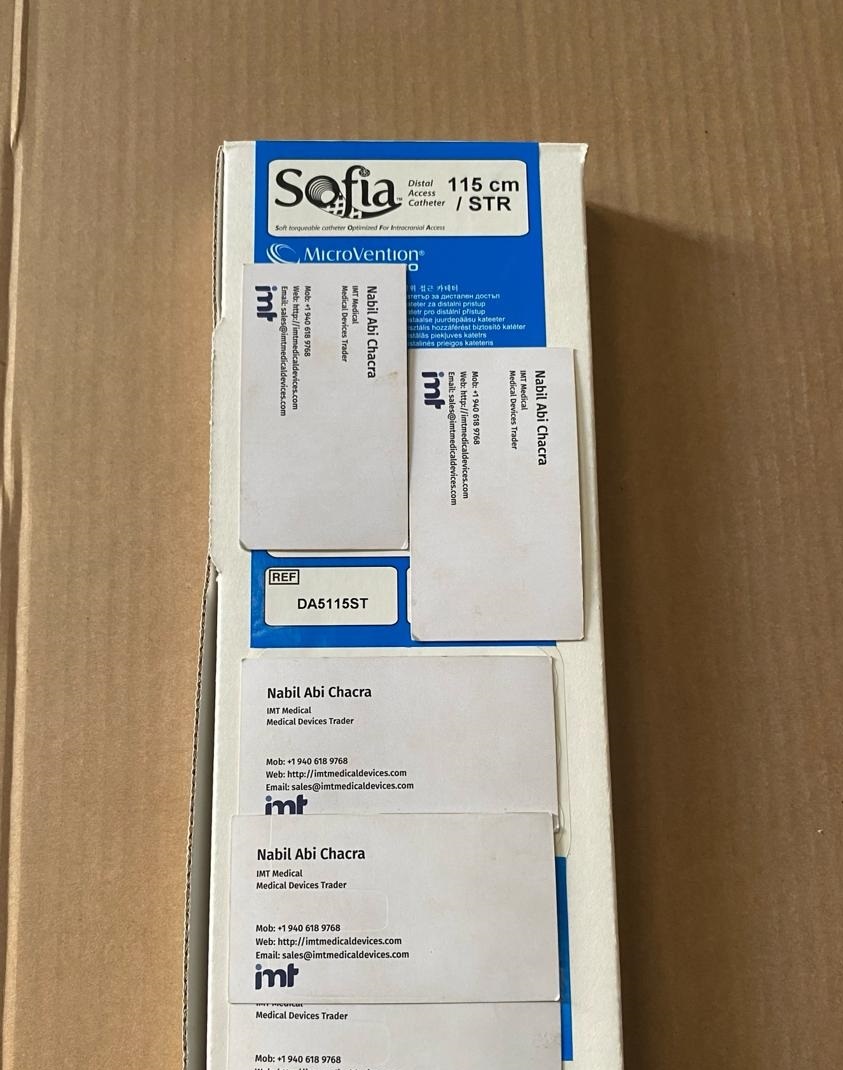
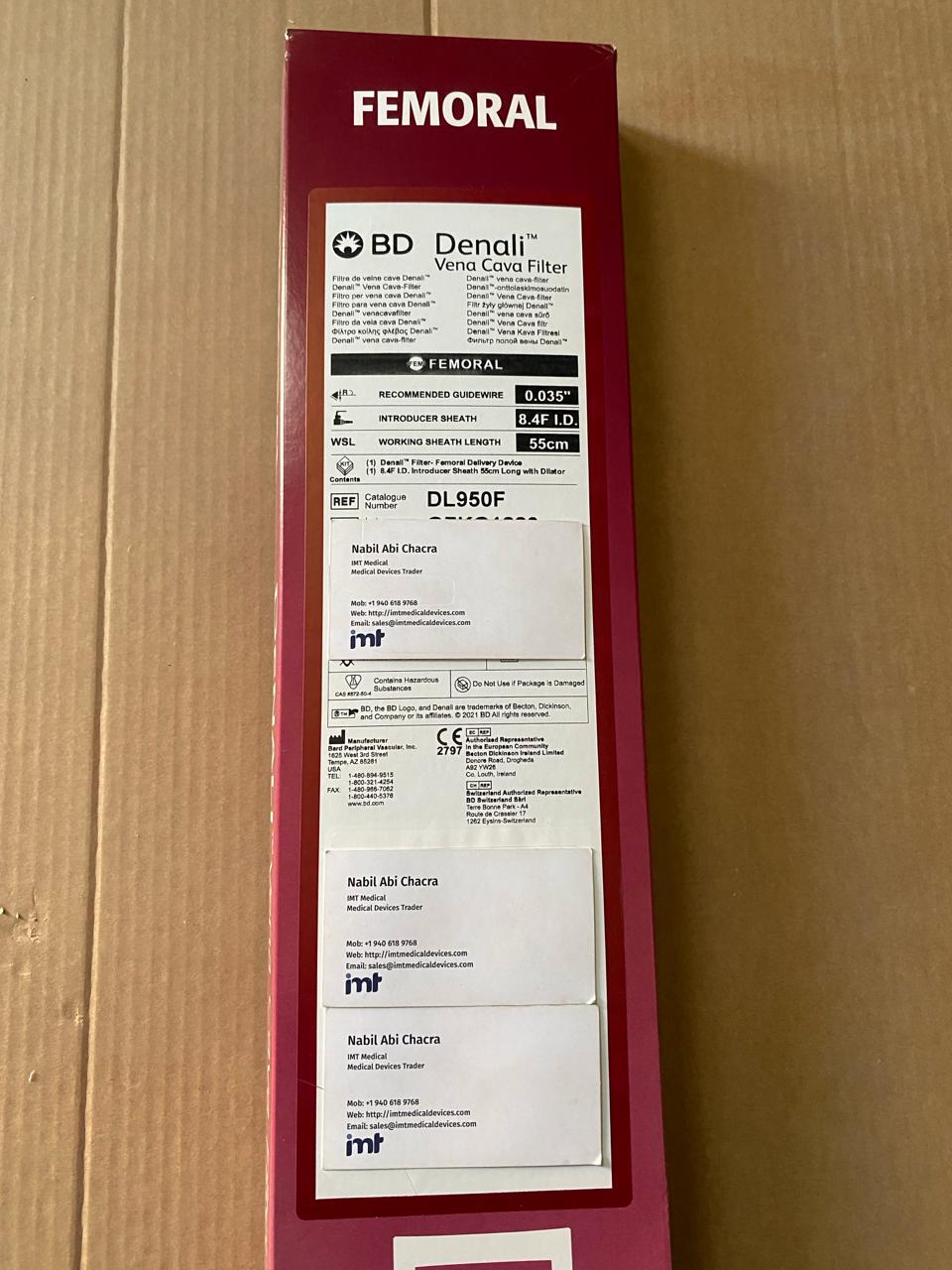
Procurement officers require extreme depth in specialized categories like Coronary Interventions, Neurovascular, and CRM. This involves sourcing drug-eluting stents and peripheral stents in bulk quantities. Technical specifications for Permanent Pacemakers and ICDs must align precisely with facility requirements. A comprehensive portfolio includes:
- Asahi Intec: Diagnostic Guide Wires and specialized guidewires.
- Terumo: Guiding Catheters and PTCA Balloon Catheters.
- Medtronic: Permanent Pacemakers and Electrophysiology Catheters.
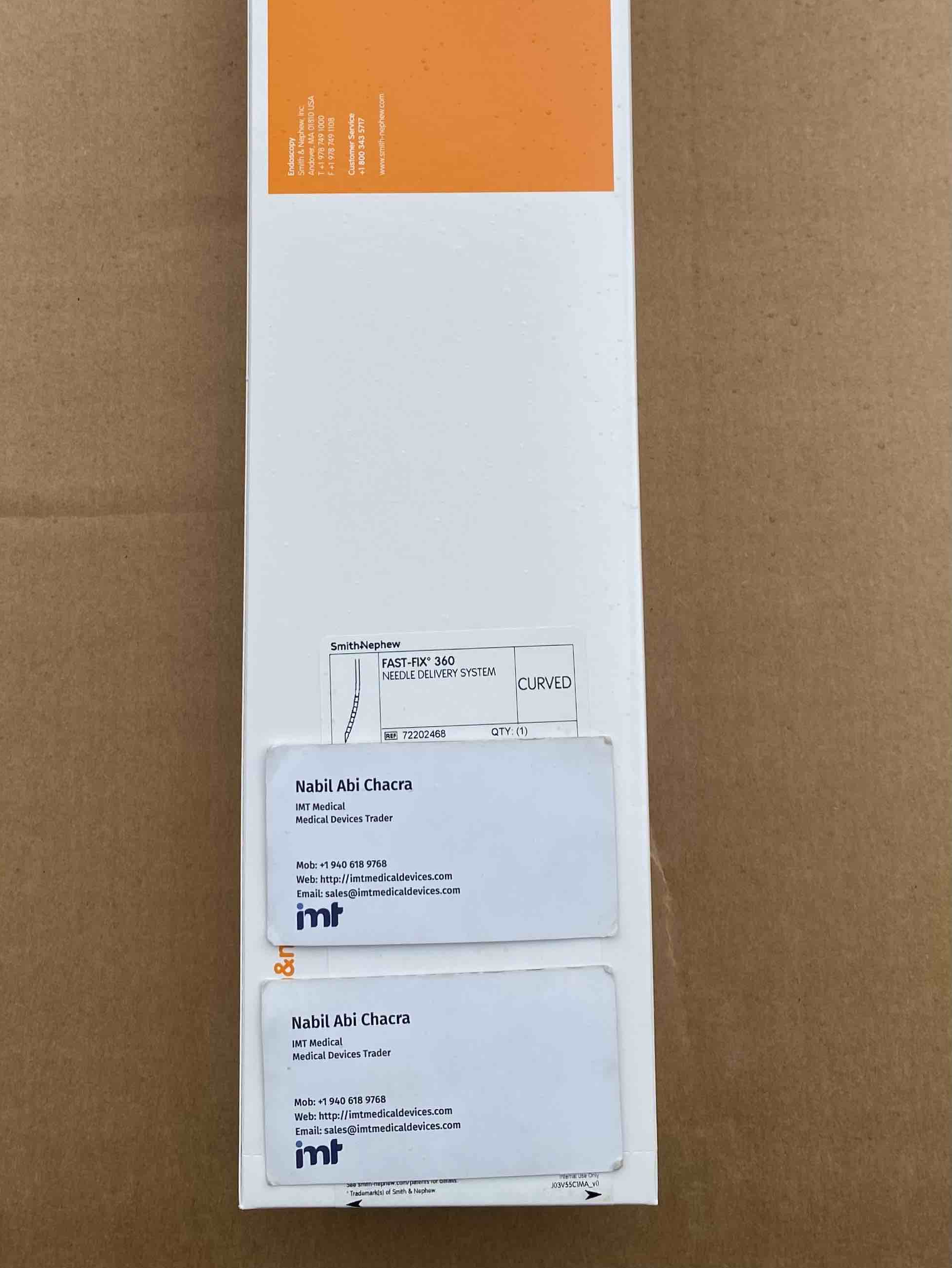
- Boston Scientific: Surgical Staplers and Drug-Eluting Stents.
When evaluating how to choose a medical device wholesaler, technical specialization is a non-negotiable metric. A competent partner understands the distinction between an Asahi Sion Blue and a Fielder FC guidewire. They provide a warehouse-like flow of information that prioritizes part numbers and model codes. You can explore our full catalog of Tier 1 medical devices to see how brand-first sourcing streamlines your procurement process.
Assessing International Logistics and Regulatory Export Compliance
International logistics for medical technology demands more than basic freight forwarding. It requires a deep understanding of regulatory export compliance and specialized handling protocols. When you evaluate how to choose a medical device wholesaler, examine their ability to manage air and sea freight under ISO 13485 standards. Reliable partners provide real-time tracking and transparency for every shipment. This visibility ensures that procurement officers can manage hospital inventory levels with precision, avoiding the delays caused by incomplete documentation or customs hold-ups.
Strategic geographic positioning is a critical factor in 2026. Wholesalers with operational hubs in Turkey, Poland, and the UAE act as logistical gateways. These locations allow for rapid distribution across Europe, Asia, and the Middle East. By maintaining physical presence in these trade zones, a distributor can navigate local import laws and minimize regulatory documentation fees. This infrastructure is what separates a high-capacity exporter from a standard local reseller. Efficiency in these hubs translates to shorter lead times for critical items like PTCA balloon catheters and electrophysiology tools.
The Importance of a 50+ Country Export Reach
A demonstrated capability in navigating 50+ countries serves as a primary trust signal. This reach proves the wholesaler can handle diverse customs environments and shifting trade policies. It's particularly vital when shipping sensitive guidewire technology and implantable devices. Reliability in transcontinental distribution means the partner understands the specific certificate of origin and sterilization documentation required for each border. This expertise reduces the risk of shipment seizures or long-term storage fees in bonded warehouses. Global reach isn't just a claim; it's a badge of international capability.
Cold Chain and Sensitive Equipment Handling
Sensitive medical supplies like Drug-Eluting Stents and Permanent Pacemakers require specialized packaging to maintain structural integrity. While not all items require active refrigeration, many need climate-controlled environments to prevent degradation of polymer coatings or battery life. Procurement protocols must verify that the wholesaler uses validated thermal packaging and shock-resistant crating for high-value electronics like ICDs. Documentation for sterile surgical instruments must be accessible and accurate to pass health authority inspections upon arrival. Insurance and risk mitigation strategies should be standard for all global transits to protect the capital investment in bulk inventory. Every part number must arrive in the same condition it left the manufacturer's facility.
Analyzing Financial Transparency and Inventory Reliability
Financial transparency is a primary trust signal in high-volume medical procurement. Determining how to choose a medical device wholesaler involves auditing their financial resilience and pricing structures. A high-capacity distributor provides manufacturer-specific contract rates rather than opaque, fluctuating quotes. This level of clarity allows procurement officers to forecast annual budgets with precision. It's not just about the immediate unit price; it's about the wholesaler's ability to maintain that price across a long-term supply agreement. Reliability in this sector is a direct result of the wholesaler's capital strength and direct relationships with Tier 1 manufacturers.
Inventory consistency is the only way to support multi-year hospital contracts. Wholesalers must demonstrate the capacity to hold high-value stock, such as Drug-Eluting Stents and Electrophysiology Catheters, without stockouts. In the 2026 market, where industry revenue is projected to grow by 4.4%, the ability to secure inventory early is a competitive advantage. You need a partner that treats inventory as a tangible asset, ensuring that critical surgical consumables are always available for rapid dispatch. This reliability reduces the administrative burden on your procurement team and prevents clinical delays.
Volume-Based Tiers and Wholesale Pricing Models
Bulk procurement significantly impacts the unit cost of Drug-Eluting Stents (DES) and ICDs. Professional wholesalers utilize volume-based pricing tiers to reward large-scale B2B transactions. Structuring annual supply contracts ensures predictable procurement costs and protects against sudden market shifts. These models typically include:
- Tier 1: Standard wholesale rates for mid-sized facility orders.
- Tier 2: Discounted rates for regional hospital networks.
- Tier 3: Preferential bulk pricing for national-level procurement and ministry contracts.
Managing currency fluctuations is another vital component of international medical trade. A no-nonsense global partner offers stable pricing in major currencies to simplify cross-border transactions and minimize exchange rate risks. You can request a bulk pricing quote to see how our tiered structures align with your procurement goals.
Inventory Continuity and Lead Time Accuracy
Predicting lead times for permanent pacemakers requires a wholesaler with a direct manufacturer feed. These links allow for accurate forecasting and mitigate the impact of global manufacturing delays. Safety stock protocols are essential for critical surgical consumables like PTCA Balloon Catheters and Surgical Staplers. A reliable wholesaler maintains a digital warehouse flow that provides real-time updates on stock levels. This transparency ensures that lead time estimates are based on actual warehouse data, not optimistic projections. When you understand how to choose a medical device wholesaler, you prioritize those who provide concrete data over vague promises of availability.
Strategic Sourcing with IMT Medical Devices: Global Reach and Reliability
IMT Medical Devices operates as a pragmatic bridge between premium manufacturers and international healthcare markets. The company functions as a high-capacity distributor, focusing on industrial-scale supply chain solutions. Understanding how to choose a medical device wholesaler requires evaluating the partner’s ability to scale and maintain inventory consistency. With a strictly B2B transactional focus, IMT prioritizes logistical efficiency and product availability over brand storytelling. Every process is designed for rapid data transmission, ensuring that procurement officers receive the specific part numbers required for clinical operations.
Optimized distribution relies on physical infrastructure in key global trade zones. IMT maintains strategic hubs in Georgia, UAE, Turkey, and Poland. These locations serve as logistical anchors, allowing for the rapid movement of goods across borders and minimizing regional supply chain disruptions. By positioning inventory in these gateways, IMT ensures that Tier 1 medical technology remains accessible to 50+ countries. This geographic diversity is a critical factor when deciding how to choose a medical device wholesaler for transcontinental procurement.
Global Export Excellence and Logistical Infrastructure
Strategic offices facilitate rapid customs clearance and precise regulatory documentation. IMT manages the technical requirements for international shipping, ensuring compliance with manufacturer standards and local import laws. The "Export 50 Country" claim serves as a primary trust signal of logistical reliability. The company handles high-value exports with a focus on warehouse-like flow and information accuracy. This infrastructure supports the export of complex technologies, including permanent pacemakers and neurovascular catheters, without the typical delays associated with fragmented supply chains.
Comprehensive Product Portfolio for Specialized Medicine
IMT provides direct access to exhaustive portfolios from Medtronic, Terumo, Abbott, and Boston Scientific. This includes specialized technology for coronary interventions, neurovascular procedures, and cardiac rhythm management. Reliable supply for PTCA balloons, drug-eluting stents, and CRM devices is a core competency. The inventory is organized for utility, allowing procurement officers to identify specific model numbers at a glance. The brand-first approach ensures that the identity of the manufacturer is given maximum weight, signaling the company's value as a bridge to authentic, premium medical technology.
Procurement success depends on a partner that values scale and reach. IMT’s industrial competence and logistical reliability make it a serious player in the global medical supply chain. You can view our complete medical device inventory and export capabilities to streamline your 2026 procurement strategy.
Securing Your Global Medical Supply Chain
Effective B2B procurement in 2026 requires more than simple unit-price comparisons. It's about securing a technical partnership with a distributor capable of navigating the 2026 FDA Quality Management System Regulation. Mastering how to choose a medical device wholesaler ensures your facility maintains consistent access to Tier 1 brands like Medtronic, Terumo, and Boston Scientific. Prioritize partners with established logistical hubs in Georgia, UAE, Turkey, and Poland to minimize lead times. Verified export records to 50+ countries serve as a primary trust signal for supply chain integrity.
Reliable sourcing for PTCA balloon catheters and permanent pacemakers depends on industrial-scale capacity. IMT Medical Devices provides the pragmatic bridge needed between major manufacturers and international markets. We operate with a brand-first approach, prioritizing technical specifications and product availability. Partner with IMT Medical Devices for Global Supply Solutions and streamline your international procurement today. Your facility's operational efficiency starts with a reliable inventory feed.
Frequently Asked Questions
What certifications should a medical device wholesaler hold?
ISO 13485:2016 is the primary international standard for medical device quality management systems. Since February 2, 2026, wholesalers must also align with the FDA's new Quality Management System Regulation (QMSR). These certifications ensure that the distributor maintains rigorous standards for storage, handling, and tracking of high-risk devices like ICDs and drug-eluting stents.
How do wholesalers ensure the authenticity of medical devices?
Wholesalers verify authenticity through strict batch-tracking and direct manufacturer-to-warehouse supply chains. They prioritize brand-first sourcing from Tier 1 manufacturers like Medtronic and Terumo. This system includes verifying unique device identifiers (UDI) and maintaining a digital audit trail for every part number, from the production line to the final export destination.
What are the typical lead times for international medical device exports?
Lead times range from 3 to 10 business days depending on the destination and customs complexity. Wholesalers with strategic hubs in Turkey or the UAE often achieve faster transit times. Factors like the May 2026 Section 232 investigation results can impact regional shipping speeds; however, high-capacity distributors use air freight to maintain schedule reliability for critical surgical consumables.
How do volume-based pricing tiers work in medical procurement?
Volume-based pricing tiers reward larger B2B orders with lower per-unit costs. This model is essential when learning how to choose a medical device wholesaler for large hospital networks. Procurement officers typically select from three or four tiers based on the annual volume of items like PTCA balloon catheters or surgical staplers, ensuring transparent and predictable bulk pricing structures.
What documentation is required for importing medical devices from a global wholesaler?
Standard requirements include a commercial invoice, packing list, certificate of origin, and sterilization certificates. Depending on the territory, importers may also need a Certificate of Free Sale or specific health authority registrations. High-capacity wholesalers manage these documents to ensure compliance with international standards and to facilitate rapid customs clearance at 50+ borders.
How does a wholesaler manage cold chain requirements for sensitive implants?
Wholesalers use validated thermal packaging and climate-controlled storage for temperature-sensitive devices. While many stents and pacemakers require stable room temperature, certain biological coatings need stricter monitoring. Distributors employ calibrated data loggers to track environmental conditions throughout the transcontinental shipping process, ensuring the structural integrity of the device remains intact upon delivery.
Can a wholesaler provide clinical training or technical support?
High-capacity wholesalers focus on logistical and transactional excellence rather than direct clinical training. They act as the bridge between the manufacturer and the provider, ensuring the correct technical specifications and model numbers are delivered. For specialized training on devices like electrophysiology catheters, wholesalers coordinate with manufacturer representatives to ensure hospital staff receive official brand-certified instruction.
What is the role of a strategic office in medical device distribution?
Strategic offices in hubs like Georgia, Poland, and the UAE serve as logistical gateways for regional markets. These locations allow wholesalers to navigate local import laws and minimize documentation fees more effectively than a single-site operation. Physical presence in these trade zones is a key metric in how to choose a medical device wholesaler, as it ensures faster distribution and better regional stock availability.