

Reliable DES Stent Supplier: Quality Cardiac Solutions
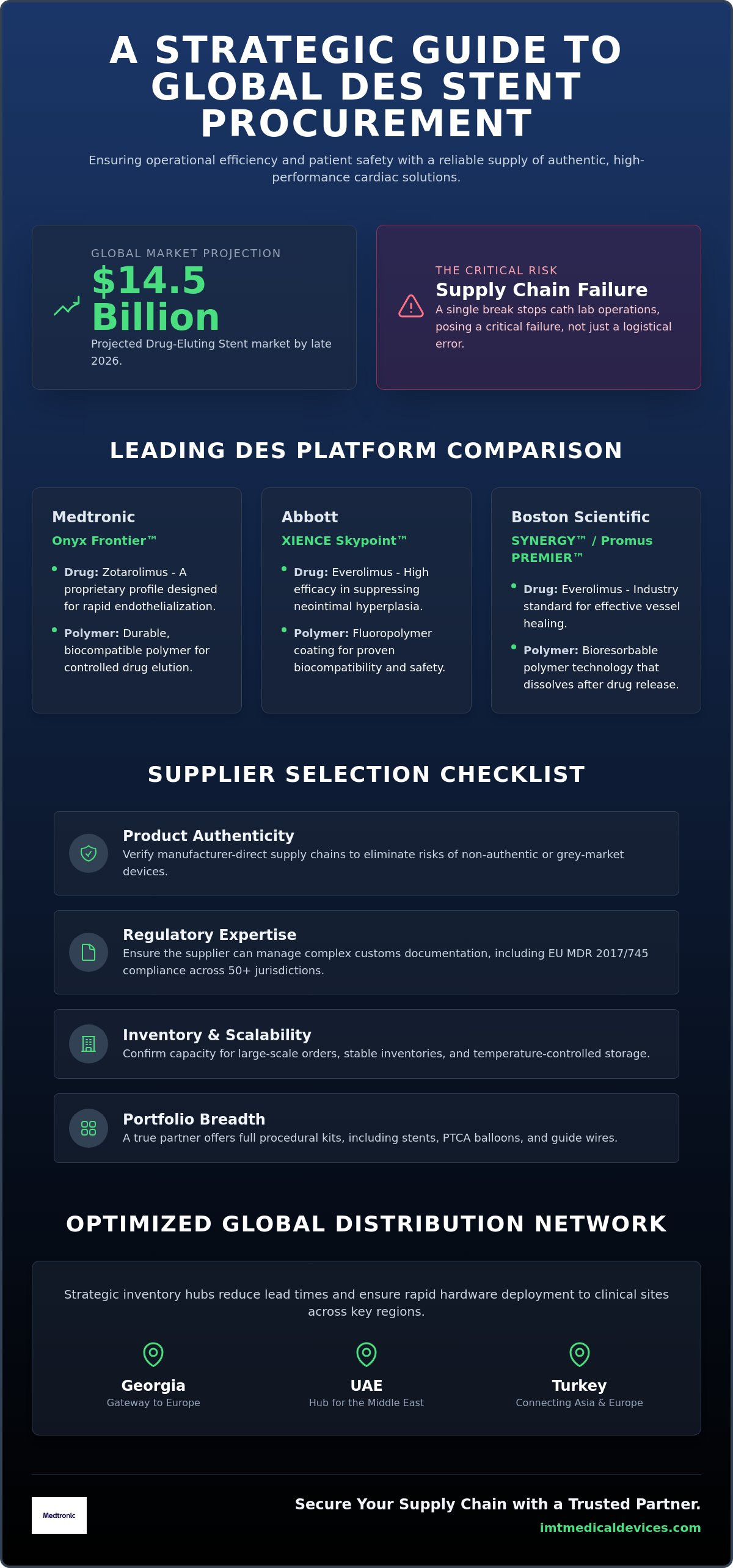
A single break in the cardiac supply chain isn't just a logistical error; it's a critical failure that stops cath lab operations immediately. You already understand that securing a verified DES stent supplier is the only way to mitigate the risks of non-authentic devices and grey-market hardware. In a global market projected to reach $14.5 billion by late 2026, the margin for error in procurement has disappeared. Reliable access to authentic technology is now the primary differentiator between operational efficiency and costly clinical delays.
This article identifies high-capacity suppliers capable of maintaining stable inventories for premium platforms like the Medtronic Onyx Frontier and Abbott XIENCE Skypoint. You'll master the logistical requirements for international medical exports, including complex customs documentation and EU MDR 2017/745 compliance. We provide a clear roadmap to minimize lead times and ensure your facility maintains a reliable stock of authentic, high-performance cardiac solutions across multiple jurisdictions. The focus remains on technical specifications, manufacturer reputation, and efficient global distribution.
Key Takeaways
- Evaluate a high-capacity DES stent supplier based on manufacturer portfolio breadth and inventory stability for cardiac cath labs.
- Compare technical profiles of premium platforms from Medtronic, Abbott, and Boston Scientific, focusing on drug elution and polymer technology.
- Understand the logistical protocols for international stent distribution, including temperature-controlled storage and regulatory documentation for 50+ jurisdictions.
- Implement a strategic procurement checklist to verify wholesaler reach and ensure a consistent supply of authentic cardiac intervention hardware.
Evaluating a DES Stent Supplier for Global Cardiology Procurement
A professional DES stent supplier functions as a critical node in the international medical hardware supply chain. In the B2B wholesale context, these entities manage high-volume inventories of the drug-eluting stent (DES) platforms required for modern percutaneous coronary interventions. The global DES market is projected to reach approximately $14.5 billion by late 2026. This growth is driven by rising cases of coronary artery disease and a shift toward minimally invasive procedures. For procurement officers, finding a partner that offers stability is the priority. A reliable distributor eliminates the risks associated with grey-market devices and ensures that cardiac cath labs maintain uninterrupted operational capacity.
Manufacturer reputation serves as the primary trust signal in this industry. Leading brands such as Medtronic, Abbott, and Boston Scientific define the standard for clinical efficacy. A high-capacity supplier must demonstrate direct or verified access to these specific manufacturer portfolios. When a distributor stocks the Medtronic Onyx Frontier or the Abbott XIENCE Skypoint, it signals a commitment to authentic, high-performance technology. This manufacturer-centric approach allows healthcare providers to bypass the volatility of fragmented local markets and secure hardware that meets stringent FDA and CE Mark standards.
The Strategic Importance of Wholesale Distribution
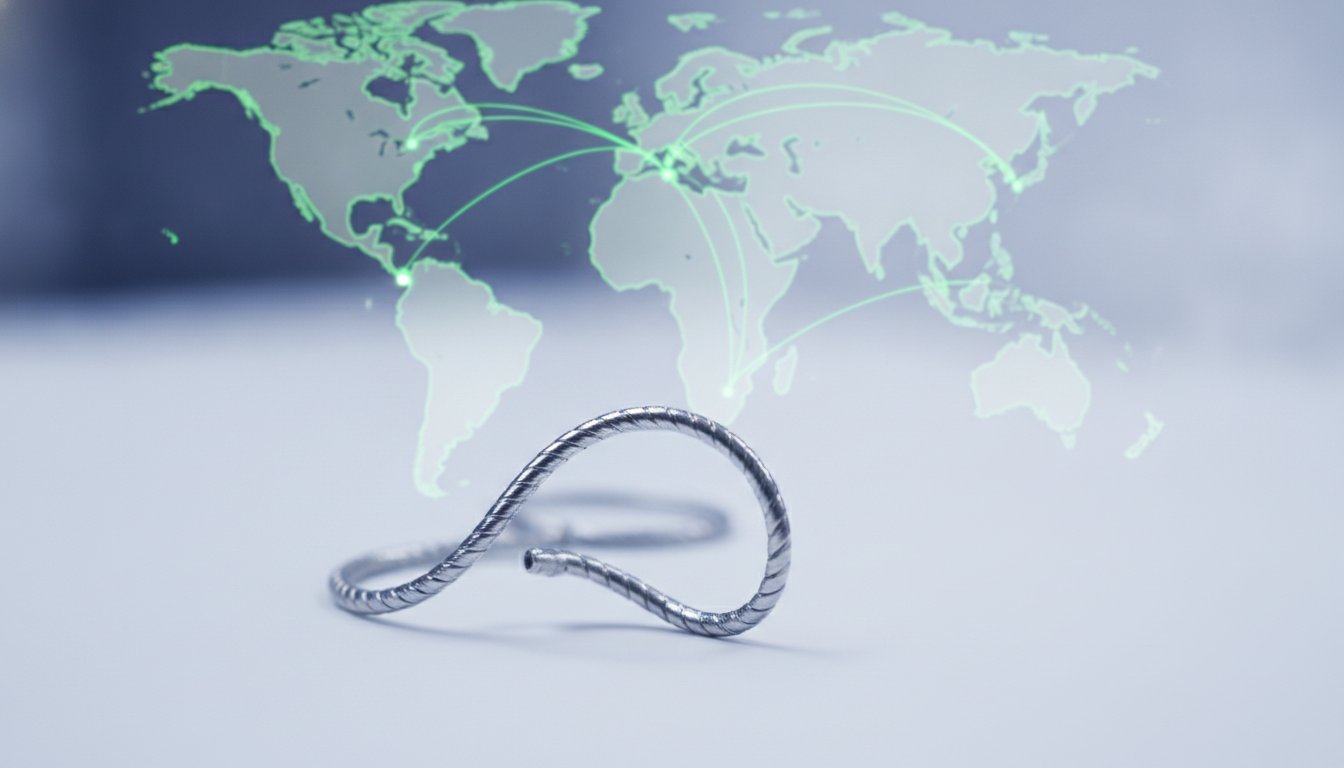
Wholesale distribution bridges the gap between high-volume manufacturing and local healthcare providers. It's about logistical reach. Regional inventory hubs in Georgia, UAE, and Turkey are essential for reducing lead times. These hubs allow for rapid deployment of hardware to clinical sites across Europe, Asia, and the Middle East. By maintaining localized stock, a distributor ensures that the latest generation stent technologies are available globally without the delays typically associated with transcontinental shipping. Efficiency in this sector is measured by product availability and the speed of data transmission regarding stock levels.
Core Criteria for Selecting an International Supplier
Success in procurement depends on a supplier's inventory depth across multiple coronary intervention categories. A partner shouldn't just offer stents; they must provide the full procedural kit, including PTCA balloons and guide wires. Core selection criteria include:
- Product Authenticity: Verification of manufacturer-direct supply chains to prevent the entry of non-authentic devices.
- Regulatory Expertise: Ability to manage complex customs and documentation for international medical exports.
- Scalability: Capacity to fulfill large-scale orders for national healthcare tenders and private hospital groups.
The right partner acts as a vital bridge between major manufacturers and international markets. They prioritize technical specifications and product availability over brand storytelling. This focus on industrial competence ensures that healthcare systems can scale their cardiac care capabilities with confidence.
Technical Specifications of Leading DES Platforms: Medtronic, Abbott, and Boston Scientific
Identifying a high-capacity DES stent supplier requires a technical analysis of hardware architecture and clinical data. Procurement professionals must differentiate between platforms based on three primary factors: strut thickness, polymer biocompatibility, and drug elution profiles. These variables dictate vessel healing rates and long-term clinical outcomes. From a clinical perspective on DES, the shift toward ultra-thin struts and bioresorbable polymers has significantly reduced late-stent thrombosis risks. For international distributors, maintaining a stock that reflects these technological advancements is essential for meeting the demands of high-volume cardiac centers.
Technical differentiation between major manufacturers often centers on the choice of antiproliferative drugs and delivery systems:
- Everolimus Delivery: Utilized by Abbott and Boston Scientific. Known for high efficacy in suppressing neointimal hyperplasia.
- Zotarolimus Delivery: A Medtronic-proprietary drug elution profile designed for rapid endothelialization.
- Polymer Technology: Bioresorbable coatings (Terumo, Boston Scientific) dissolve after drug release, whereas permanent polymers (Medtronic) utilize highly biocompatible materials for long-term stability.
Medtronic Resolute Series and Integrity Platforms
The Medtronic Resolute Integrity Stent remains a benchmark for flexibility and radial strength. It utilizes Continuous Sinusoid Technology, a manufacturing process that creates a single strand of cobalt-chromium wire into a circular motion. This design enhances deliverability in tortuous anatomy while maintaining vessel support. The BioLinx polymer is specifically engineered for rapid drug elution and biocompatibility. Global procurement of Medtronic products focuses on these specific technical identifiers to ensure compatibility with existing cath lab protocols.
Boston Scientific Synergy and Megatron Systems
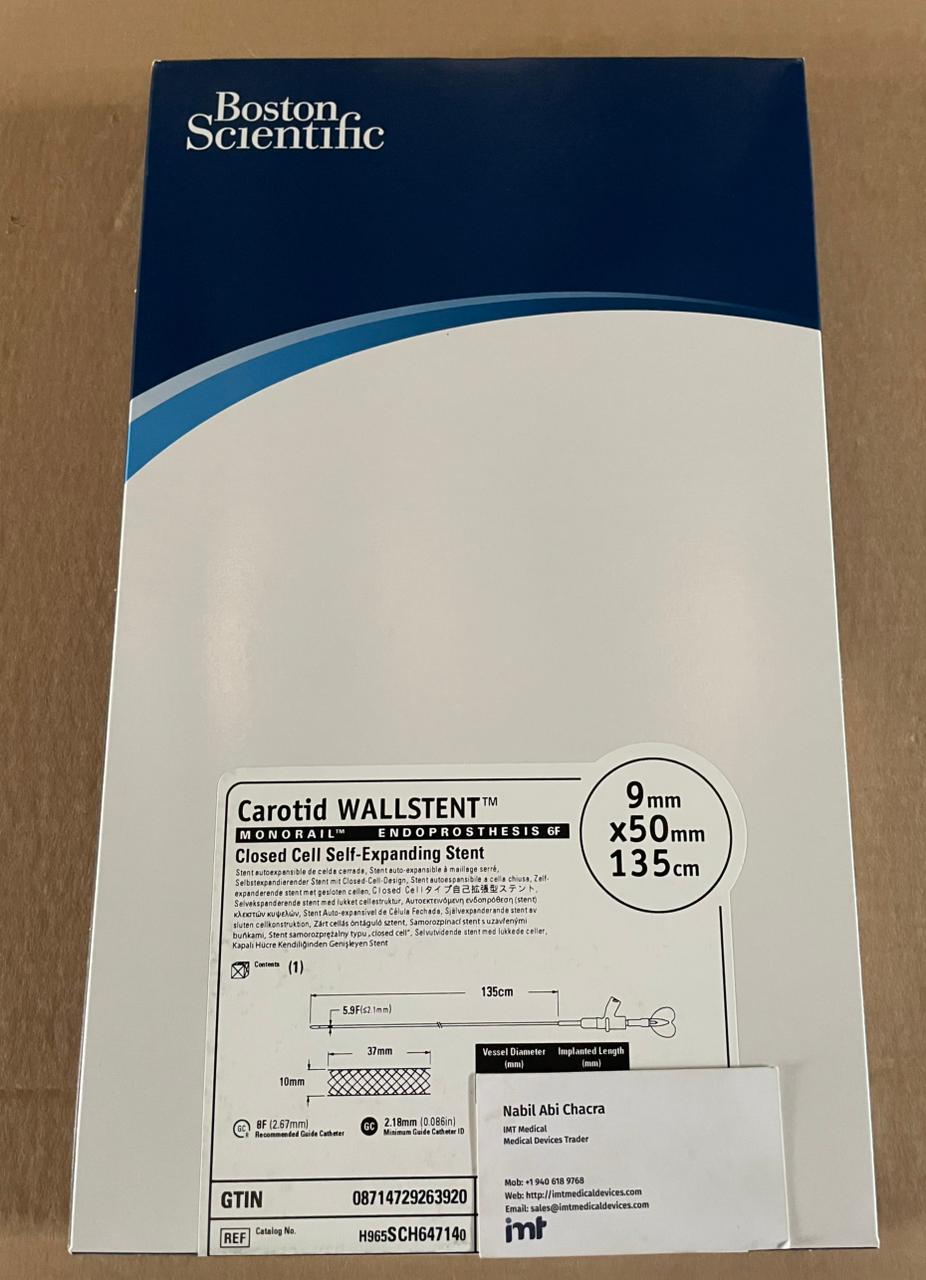
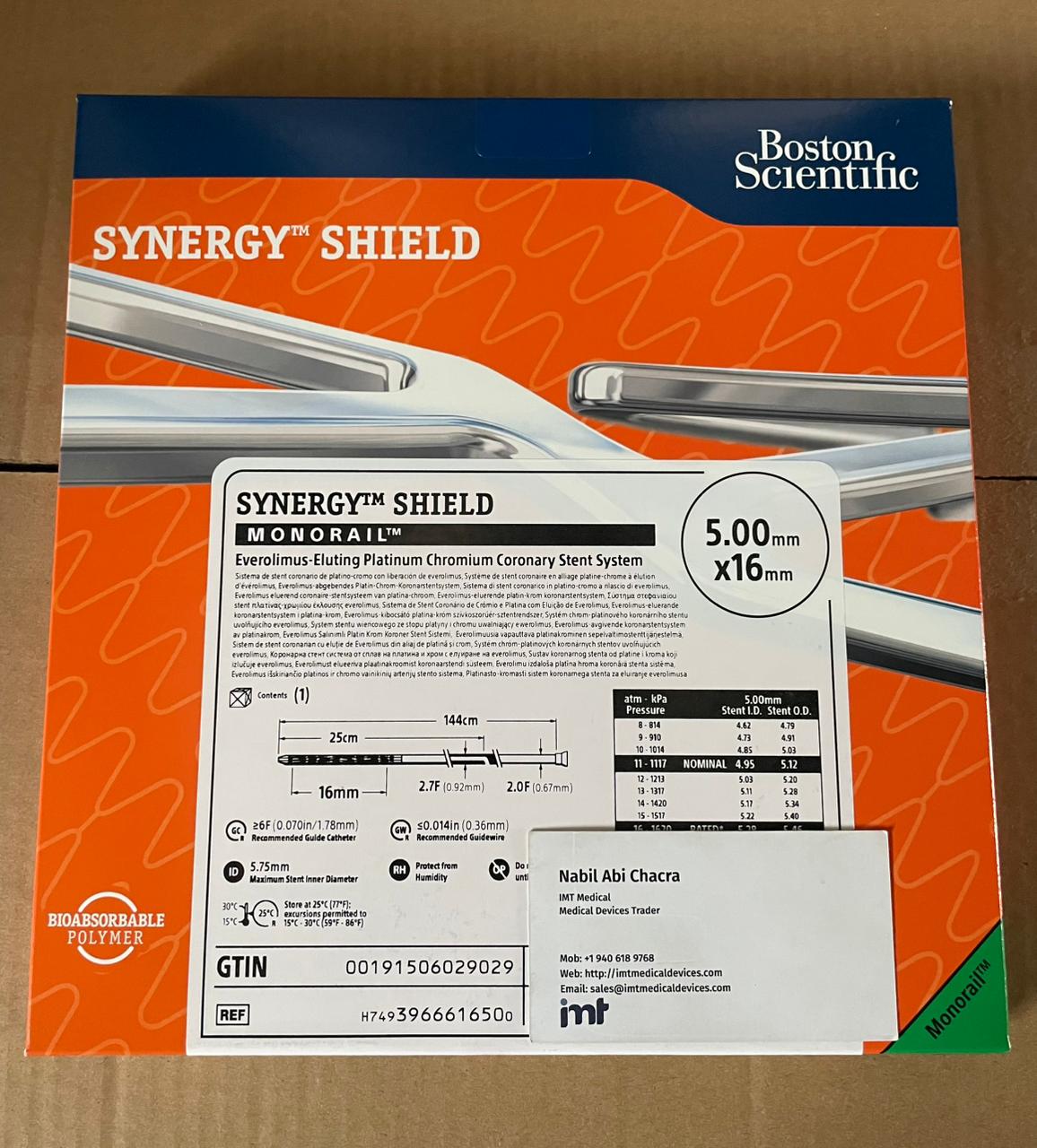
The Boston Scientific Synergy Megatron platform addresses the complexities of large-vessel stenting and ostial lesion management. Its primary advantage is the bioabsorbable polymer, which disappears within four months, leaving only the platinum-chromium (PtCr) frame. This PtCr alloy provides superior radiopacity, allowing for precise placement under fluoroscopy. For complex cases, the Megatron's increased radial strength is a critical specification. A reliable DES stent supplier ensures these specialized platforms are available for high-acuity interventions.
Terumo and Abbott Coronary Solutions
Technical excellence in the Terumo Ultimaster Nagomi Coronary Stent is defined by its gradient coating and bioresorbable polymer. This allows for controlled drug release and improved vessel healing. In contrast, the Abbott Graftmaster RX coronary stent graft serves a specialized role in treating coronary artery perforations and aneurysms. Sourcing these products requires a partner with a deep understanding of complex PCI requirements. You can explore our full range of high-performance coronary stents to find the exact technical match for your facility.
Logistical Requirements for International Stent Distribution
A high-capacity DES stent supplier must function as a specialized logistics provider rather than a simple wholesaler. Exporting cardiovascular hardware across more than 50 countries requires strict adherence to FDA recognized consensus standards and international quality protocols. Strategic office locations in Georgia, Dubai, and Poland act as operational anchors for global trade. These hubs facilitate rapid customs clearance for high-value cardiovascular implants, ensuring that cardiac centers receive inventory without bureaucratic delays. Logistics in this sector is a matter of technical precision and regulatory expertise. Efficient transit depends on a network of regional warehouses that allow for immediate dispatch to emerging markets and established healthcare systems alike.
Ensuring Cold Chain Integrity and Product Stability
Drug-eluting stents require strict temperature-controlled storage, typically between 15°C and 30°C, to prevent the premature degradation of the polymer-drug matrix and ensure consistent elution profiles upon implantation. Specialized packaging is utilized for long-distance international shipping to shield the hardware from environmental extremes. This process involves validated insulated containers and real-time thermal monitoring. Logistical monitoring provides a transparent audit trail for sensitive cardiology shipments, verifying that product stability remains intact from the warehouse to the hospital. Maintaining these conditions is critical for preserving the efficacy of the drug elution profile.
Regulatory Documentation and Export Compliance
International distribution requires a comprehensive understanding of regional mandates and import licenses. Suppliers must provide the Certificate of Free Sale (CFS), the Certificate of Origin, and technical data sheets for every shipment. These documents are essential for navigating the customs protocols of Turkey, the EU, and the Middle East. Adherence to ISO 13485 standards ensures that every step of the distribution process meets global medical device requirements. Procurement professionals prioritize partners who manage these documentation burdens internally. This expertise reduces the risk of shipment seizures or regulatory audits for the end-user. Maintaining compliance across multiple jurisdictions ensures that the supply chain remains resilient against shifting trade policies.
Managing high-volume coronary stents inventory involves continuous oversight of the physical supply chain. It's about maintaining a seamless flow of goods through diverse jurisdictions. A partner with established trade lanes and regional expertise offers the most reliable path to inventory stability. By centralizing distribution through strategic hubs, a supplier can effectively bridge the gap between manufacturer production cycles and immediate clinical needs.
Procurement Checklist: Selecting a High-Volume DES Wholesaler
Selecting a high-capacity DES stent supplier requires a systematic evaluation of manufacturer breadth and logistical scalability. Professional procurement focuses on five primary criteria. First, the manufacturer portfolio must include Medtronic, Boston Scientific, Terumo, and Abbott. Second, global reach must extend to healthcare providers in over 50 countries. Third, inventory management must be comprehensive. A warehouse that stocks coronary stents alongside PTCA balloons prevents supply chain fragmentation. Fourth, documentation support is non-negotiable. Full export and regulatory paperwork must accompany every shipment to avoid customs delays. Finally, technical expertise is essential. A professional DES stent supplier employs staff who possess deep knowledge of interventional cardiology hardware to ensure precise order fulfillment.
Technical expertise goes beyond knowing product codes. It involves understanding the deliverability of various platforms in specific clinical scenarios. Staff knowledge includes understanding the shelf-life requirements and sterilization standards for different manufacturer batches. This ensures that the inventory you receive is always within its optimal performance window. Documentation support must be equally exhaustive. It includes managing the complexities of import licenses and technical data sheets required by customs authorities globally. A professional partner handles these administrative burdens internally, which eliminates the risk of shipment seizures and clinical downtime. This capability is a primary trust signal for long-term B2B partnerships.
Bulk Sourcing and Volume-Based Pricing Models
Tier-based pricing models define B2B medical supply contracts. These structures allow procurement departments to balance inventory turnover with the necessity of immediate clinical availability. High-volume wholesalers offer scalability for national tenders and private hospital groups, ensuring that cost-efficiency doesn't compromise delivery speed. Maintaining a high-velocity supply chain requires a partner who understands the financial and logistical nuances of bulk exports. For broader context on global logistics and procurement strategies, review our Medical Device Distribution: A Global Guide to Supply Chain and Procurement.
Integrated Cardiology Supply Chains
Single-source procurement maximizes cath lab efficiency. Sourcing stents alongside coronary guidewires creates a streamlined, procedure-ready supply chain. This integration eliminates the administrative burden of managing multiple vendor contracts and disparate delivery schedules. It also ensures technical compatibility between components during complex interventions, such as bifurcated lesions or chronic total occlusions. Consolidating your procurement through a single high-capacity wholesaler reduces shipping costs and simplifies inventory tracking. Consult our PTCA Balloon Catheters Guide for detailed accessory selection and procurement strategies.
Establish a reliable supply line for your facility by reviewing our Medtronic and Abbott stent inventory.
IMT Medical Devices: Strategic Sourcing for Coronary Intervention
IMT Medical Devices operates as a high-capacity DES stent supplier, bridging the gap between global manufacturers and clinical centers. Our operations focus on logistical efficiency and immediate product availability. By maintaining strategic distribution hubs in Georgia, Dubai, Turkey, and Poland, we ensure rapid deployment of cardiovascular hardware. This geographic footprint allows us to bypass common supply chain disruptions and maintain consistent inventory levels for international partners. We prioritize technical precision and manufacturer authenticity to support the operational continuity of cardiac cath labs worldwide. Our role as a vital bridge in the global medical supply chain is defined by industrial competence and a no-nonsense approach to B2B procurement.
Unrivaled Access to Premium Cardiology Brands
Our portfolio is defined by technical excellence and manufacturer-direct authenticity. We provide direct access to the latest generation DES platforms and peripheral stents. The inventory is structured for rapid information retrieval and includes:
- Medtronic Products: Resolute Integrity and Onyx Frontier DES platforms
- Abbott Products: XIENCE Skypoint and Graftmaster RX coronary stent grafts
- Boston Scientific Products: Synergy Megatron and PtCr coronary systems
- Terumo Products: Ultimaster Nagomi and Senri PTA catheters
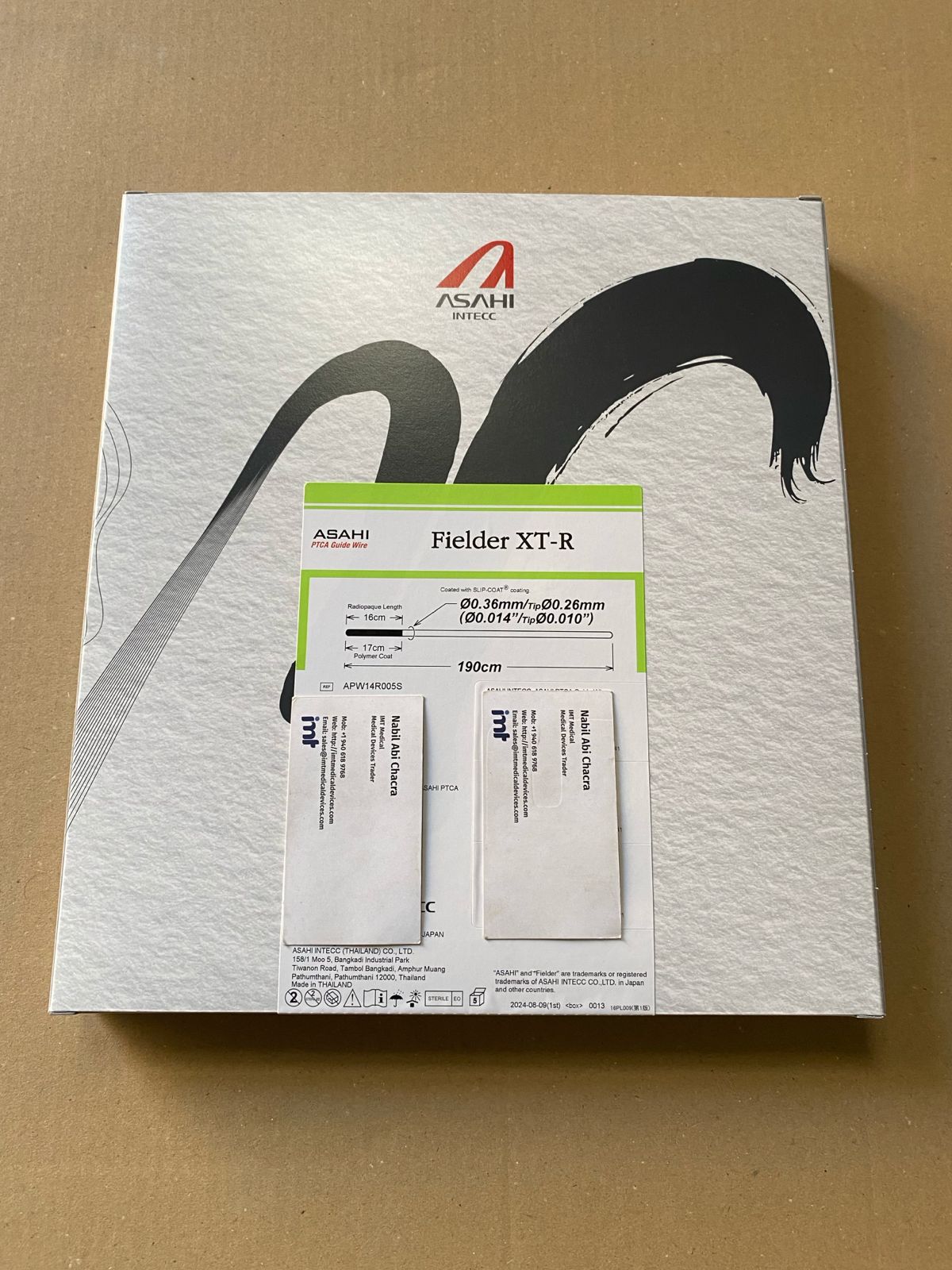
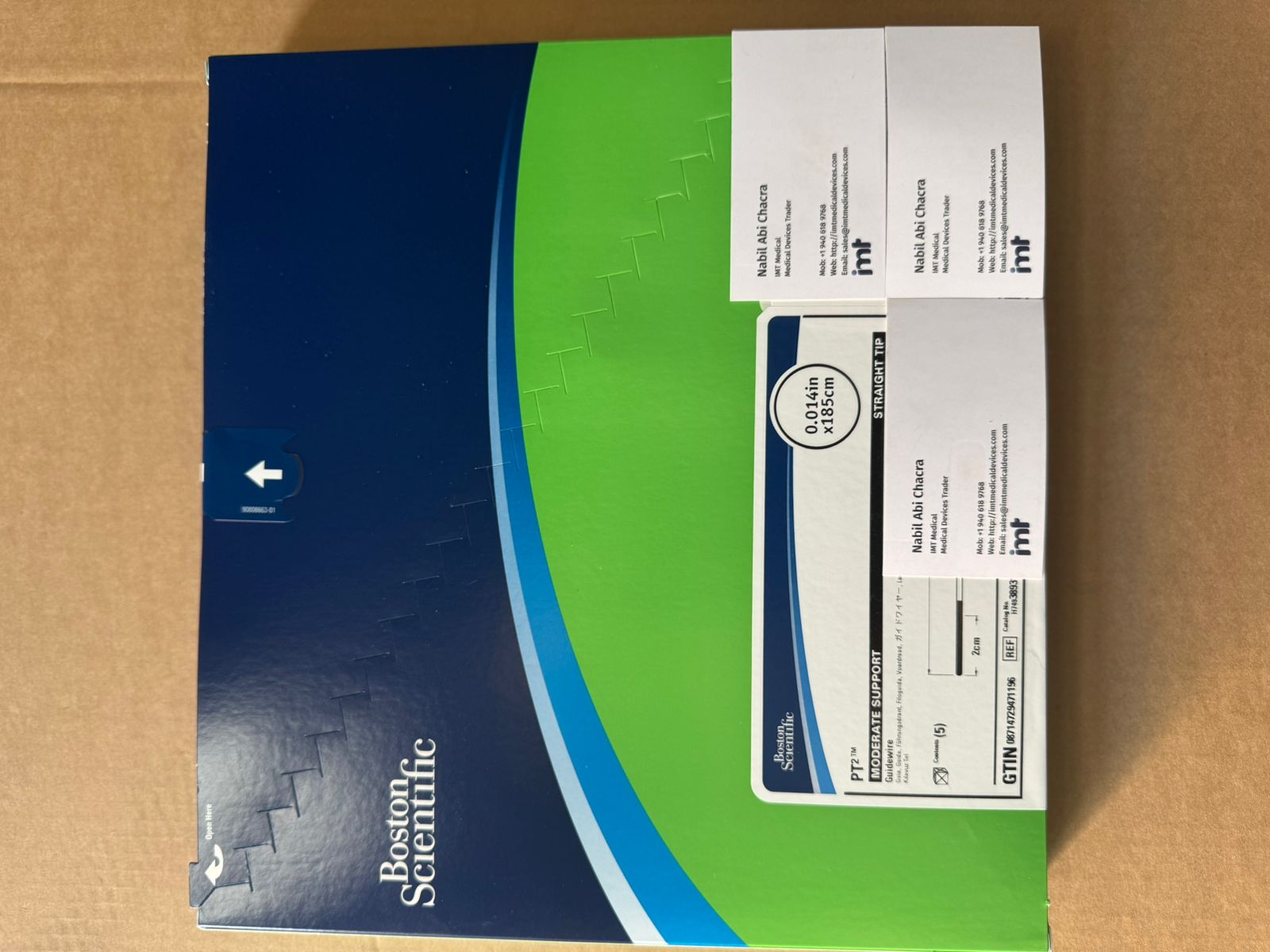
- Asahi Intec: High-performance PTCA guide wires and microcatheters
Beyond coronary interventions, we maintain a comprehensive inventory of permanent pacemakers, implantable cardioverter defibrillators (ICDs), and electrophysiology catheters. This breadth allows for single-source procurement of essential interventional hardware. Every item is verified for clinical integrity and stored according to strict technical specifications to prevent drug-polymer degradation. Our commitment to providing authentic, high-performance medical hardware ensures that clinicians work with the most reliable technology available in 2026.
Partnering for Global Healthcare Excellence
Global distribution excellence requires more than inventory; it requires regulatory mastery. We support healthcare providers in over 50 countries by managing the entire export documentation process. This includes the Certificate of Free Sale (CFS), Certificate of Origin, and compliance with ISO 13485 standards. Our logistical framework is designed for high-volume transactions, serving national tenders and private hospital groups with equal precision. Efficient customs management and real-time shipment tracking minimize lead times and ensure that critical hardware arrives on schedule. We don't just ship products; we manage the complex intersection of clinical technology and international commerce.
Establish a stable supply of authentic cardiac solutions for your facility. Contact IMT Medical Devices for bulk procurement of Drug-Eluting Stents and cardiology supplies.
Securing High-Capacity Cardiac Solutions
Efficient cardiology procurement relies on the technical alignment of manufacturer technology and logistical reach. You now have the framework to evaluate a DES stent supplier based on inventory depth, technical specifications, and regulatory mastery. Maintaining a stable supply of authentic hardware from Medtronic, Boston Scientific, and Abbott is the only way to prevent clinical delays and ensure procedural success. With strategic hubs in Georgia, UAE, Turkey, and Poland, the infrastructure exists to support your facility regardless of geographic complexity. We manage the documentation for exports to over 50 countries, allowing you to focus on clinical delivery rather than supply chain hurdles.
Establishing a resilient procurement strategy is essential for the modern cath lab. By prioritizing manufacturer-direct authenticity and specialized cold-chain logistics, you protect your inventory from degradation and grey-market risks. We're ready to serve as your vital bridge to the world's most advanced cardiac technology. Your facility's operational success starts with a reliable partner.
Request a Quote for Bulk DES Stent Supply to streamline your international medical device procurement today.
Frequently Asked Questions
What is the role of a DES stent supplier in the medical supply chain?
A DES stent supplier functions as an international distributor bridging the gap between global manufacturers and healthcare facilities. They manage high-volume inventories to prevent cath lab supply chain disruptions. These entities handle complex logistical requirements and regulatory documentation for cross-border trade. This ensures that cardiac centers maintain operational efficiency without the risk of stockouts or the entry of non-authentic medical hardware into their inventory systems.
How do suppliers ensure the authenticity of drug-eluting stents?
Suppliers ensure authenticity by maintaining direct or verified supply chains with original equipment manufacturers. Every batch is tracked through technical identifiers and manufacturer-specific codes. By bypassing fragmented secondary markets, a professional wholesaler guarantees the integrity of the drug-polymer matrix. This manufacturer-centric approach serves as a primary trust signal, ensuring that every device meets the stringent safety standards required for coronary interventions.
Which manufacturers are the leading producers of DES technology in 2026?
Leading producers in 2026 include Medtronic, Abbott, and Boston Scientific. These manufacturers provide advanced platforms such as the Onyx Frontier, XIENCE Skypoint, and SYNERGY XD. These devices feature ultra-thin strut designs and next-generation drug elution profiles. A reliable DES stent supplier maintains consistent stock of these specific brands to meet the clinical requirements of high-acuity cardiac centers globally.
What are the shipping requirements for international medical device exports?
Shipping requirements focus on cold chain integrity and regulatory documentation. Drug-eluting stents must be stored and transported within a controlled temperature range, typically 15°C to 30°C, to prevent polymer degradation. International exports also require a Certificate of Free Sale (CFS) and a Certificate of Origin. Using specialized, insulated packaging and real-time thermal monitoring ensures that product stability remains intact throughout the entire transit process.
Can a DES supplier provide complementary products like PTCA balloons?
High-capacity wholesalers typically provide a full range of coronary intervention hardware. This includes PTCA balloon catheters, diagnostic guide wires, and guiding catheters. Sourcing these complementary items alongside stents allows procurement officers to create procedure-ready kits. Single-source procurement reduces administrative overhead and ensures technical compatibility between different components used during complex percutaneous coronary interventions.
What regulatory certifications should a medical device wholesaler hold?
Wholesalers should hold ISO 13485 certification for medical device quality management. This standard ensures that all distribution processes meet global safety and efficacy requirements. Additionally, compliance with EU MDR 2017/745 and FDA Premarket Approval mandates is essential for handling high-risk cardiovascular implants. These certifications verify that the supplier operates within a structured regulatory framework, minimizing risks for international healthcare providers.
How does a DES stent supplier manage inventory for 50+ countries?
Inventory for multiple jurisdictions is managed through strategic distribution hubs in Georgia, UAE, Turkey, and Poland. These regional centers allow for localized stock management and rapid customs clearance. By decentralizing inventory, a supplier reduces lead times and mitigates the impact of global supply chain disruptions. Real-time tracking systems provide transparency, allowing distributors to monitor stock levels and shipment status across diverse international markets.
What is the difference between bioresorbable and permanent polymer DES platforms?
Bioresorbable polymers dissolve naturally after the drug elution process is complete, leaving only the metallic stent frame. This design aims to improve long-term vessel healing and reduce inflammatory responses. Permanent polymers utilize highly biocompatible materials that remain on the stent indefinitely to provide structural stability. Both technologies are engineered to minimize the risk of late-stent thrombosis, though the choice depends on specific clinical indications and patient profiles.