

How to Choose a Stent Supplier
How procurement teams actually evaluate a stent supplier
When a cath lab case is scheduled, the question is rarely whether a stent is needed. The real issue is whether the exact device is available, correctly identified, and ready to move without delay. That is why selecting a stent supplier is usually less about price alone and more about part-number accuracy, brand access, and supply continuity.
For hospitals, independent distributors, and physicians sourcing outside local channels, the purchasing risk is operational. A wrong diameter, an outdated reference, or an unclear brand substitution creates friction fast. In interventional cardiology and peripheral vascular work, buyers typically know the product family they want. They need a supplier that can match that request precisely and respond in procurement language, not general marketing language.
What matters most in a stent supplier
A qualified stent supplier should be evaluated on four points first: branded inventory access, exact product identification, response speed, and consistency across repeat orders. These factors affect whether a quote turns into a usable shipment.
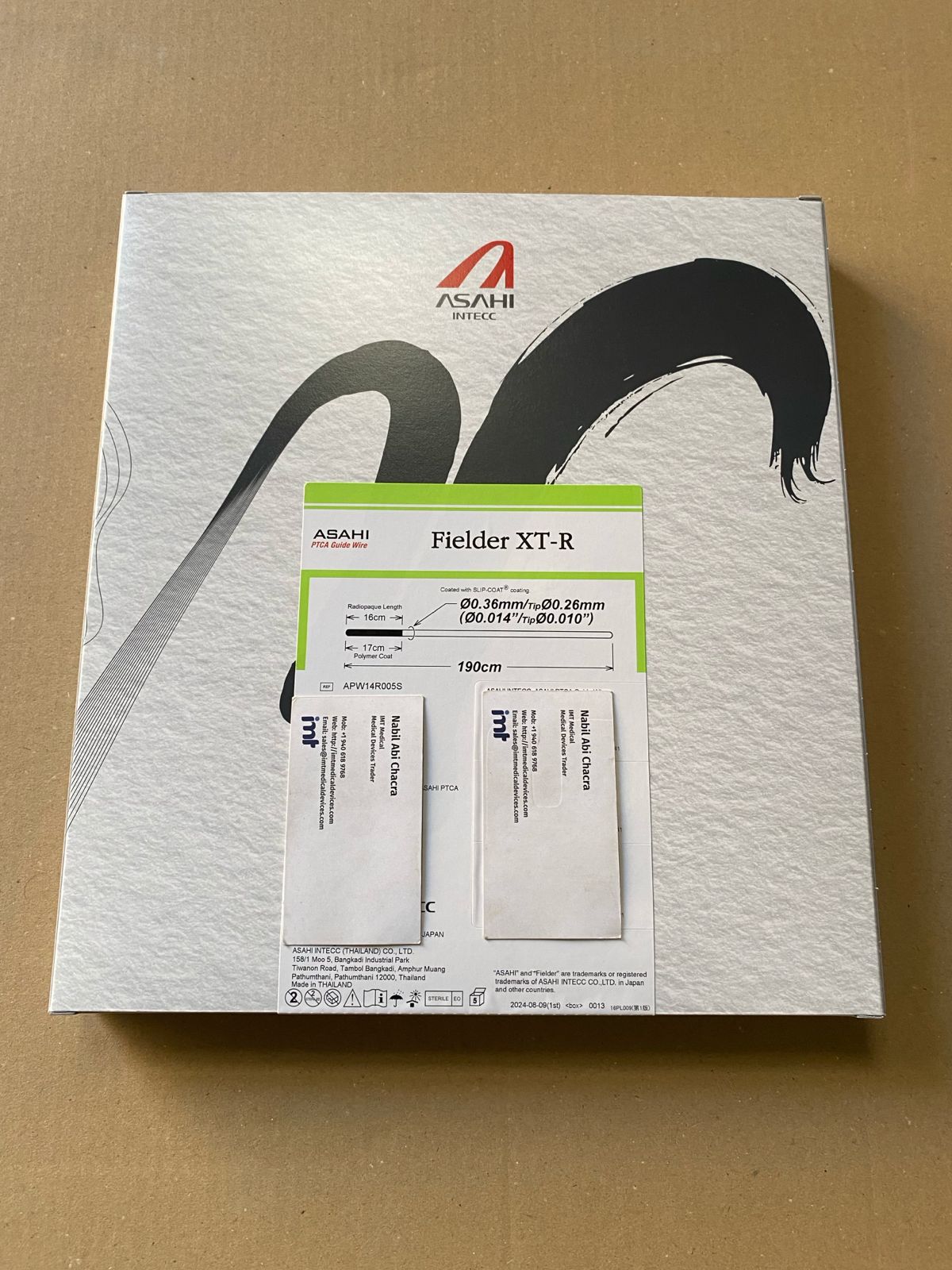
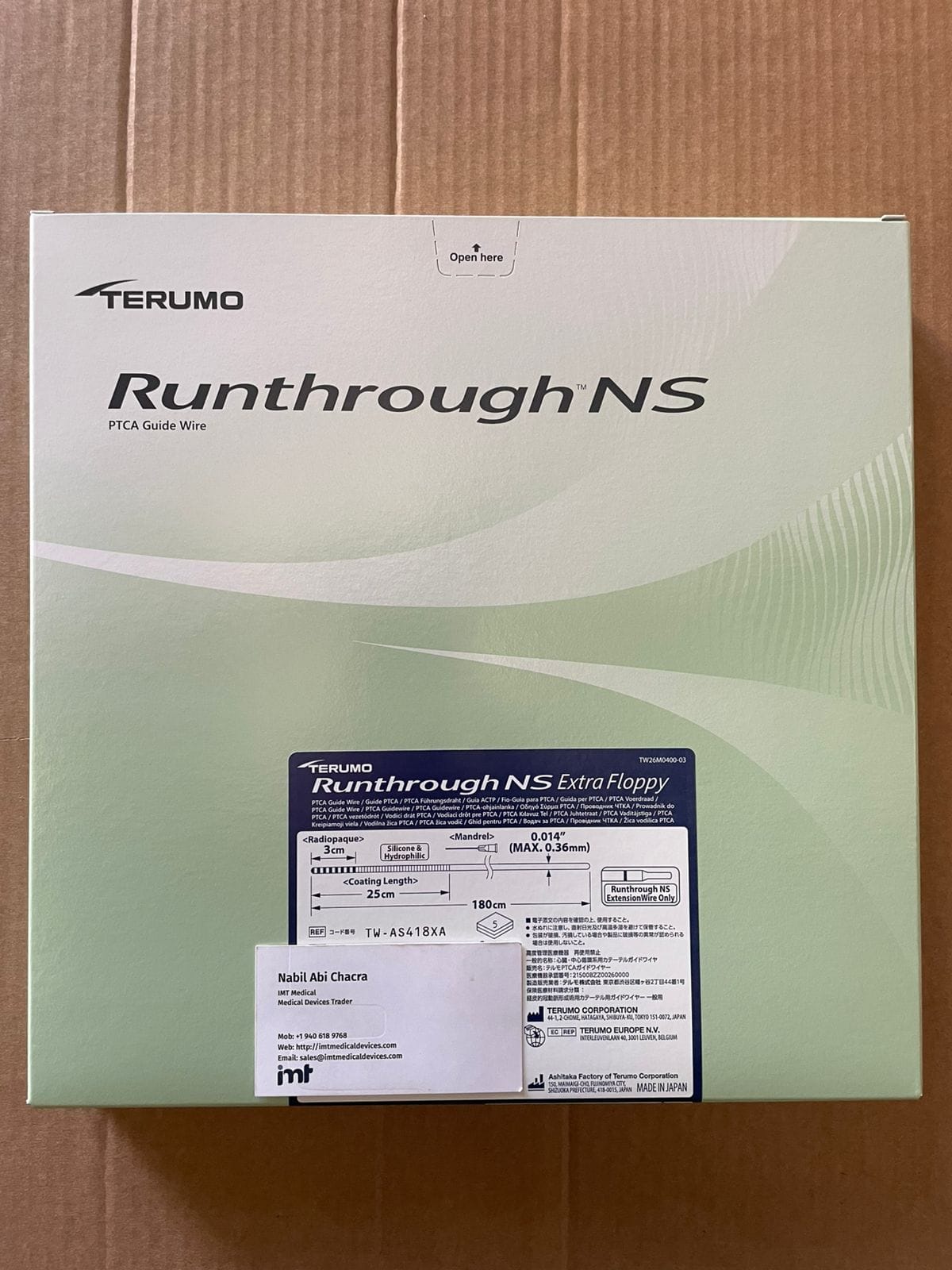
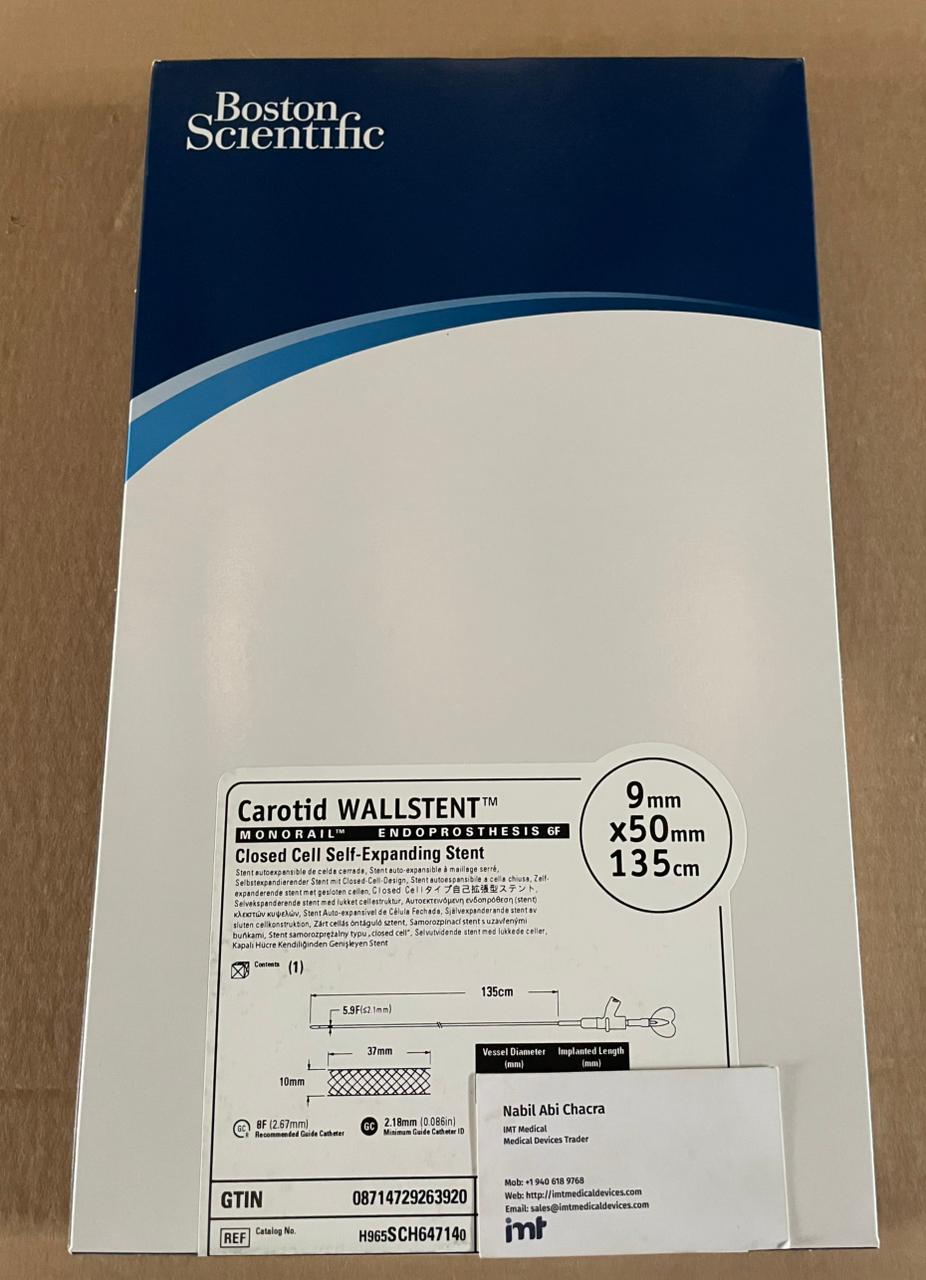
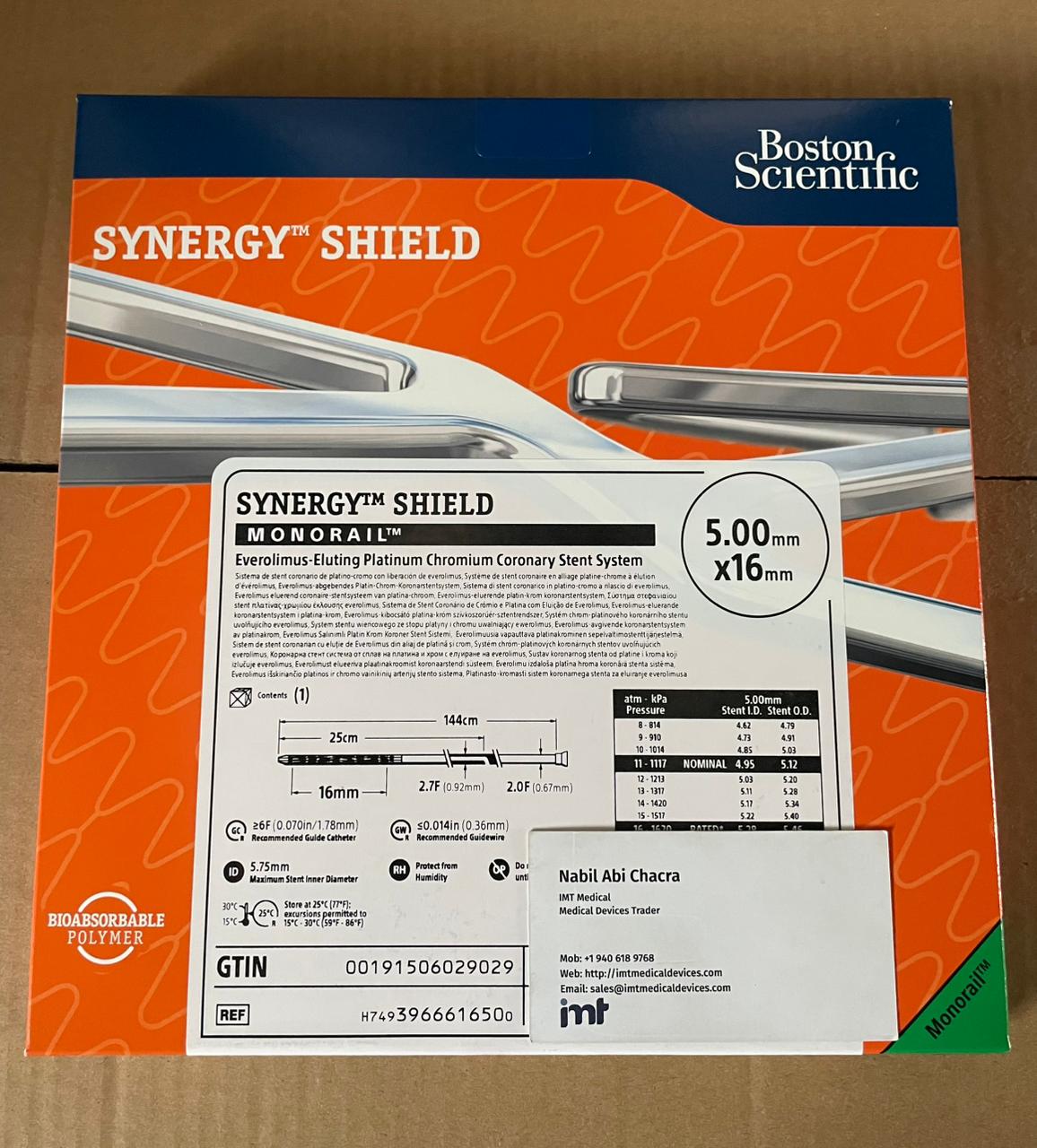
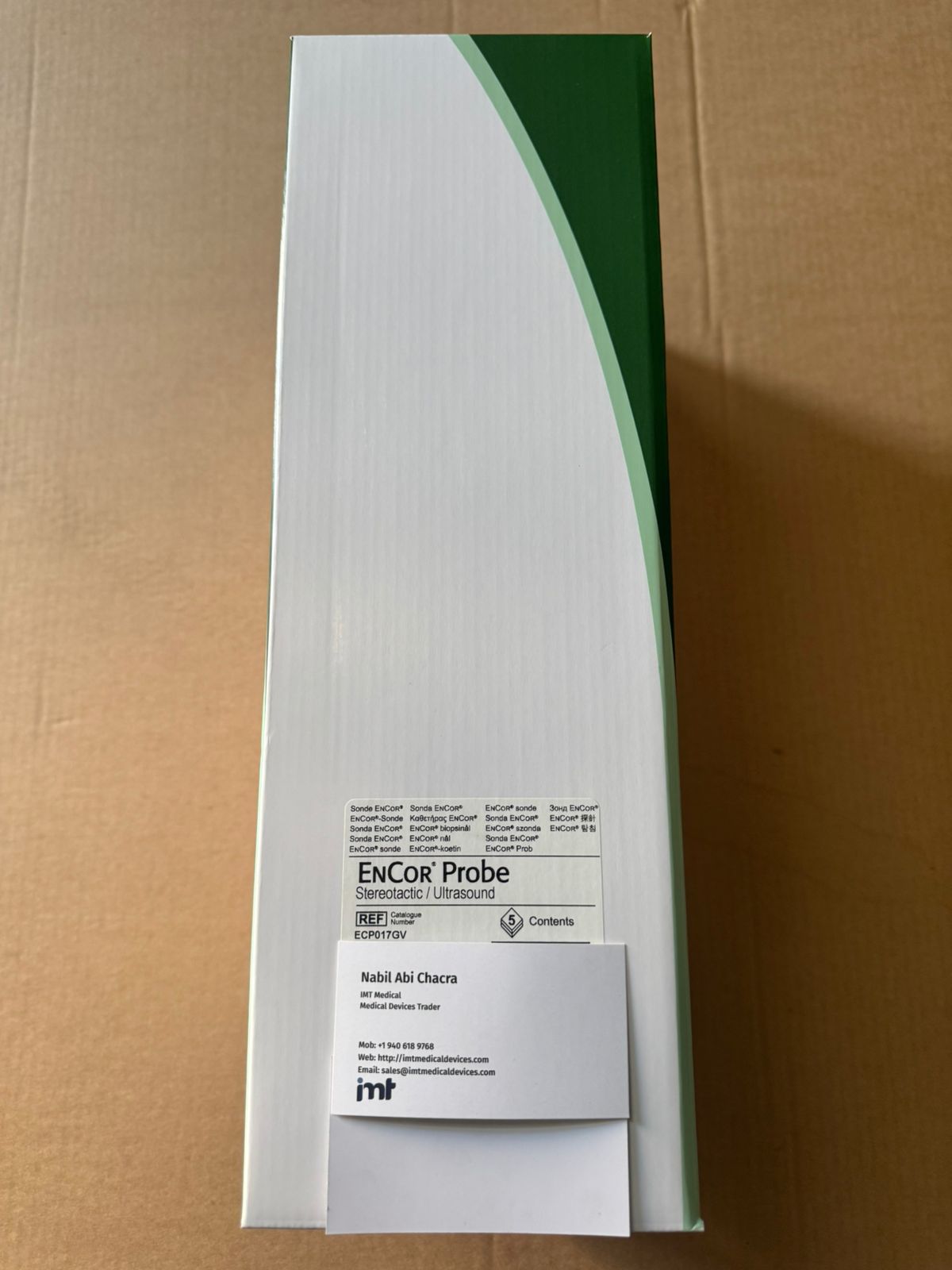
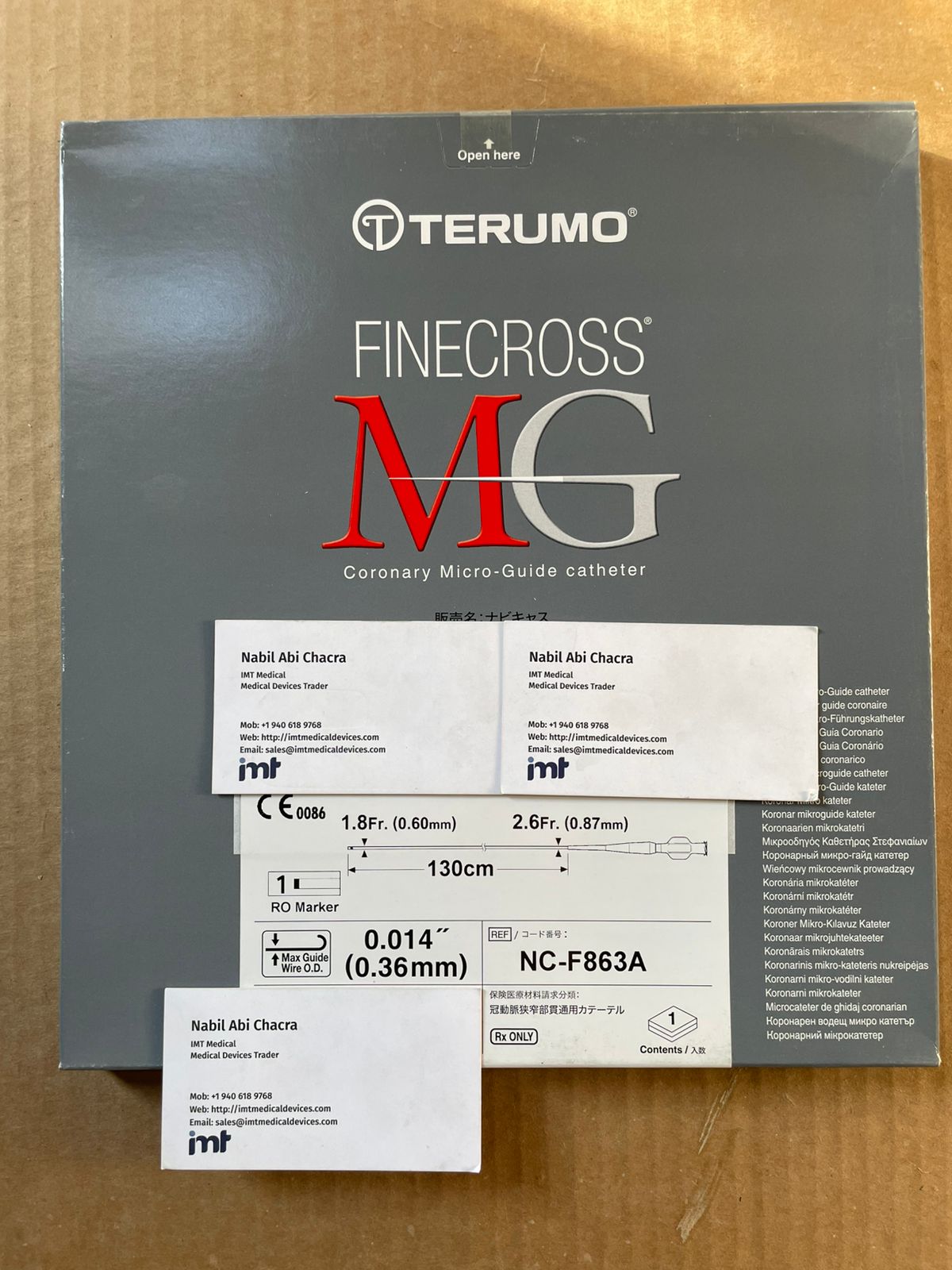
Branded inventory matters because many buyers are not looking for a broad generic category. They are looking for a specific manufacturer and a specific platform that aligns with physician preference, facility protocol, or tender requirements. In this market, recognizable names reduce uncertainty. For coronary and peripheral interventions, that often means sourcing requests tied to manufacturers such as Medtronic, Boston Scientific, Cordis, Terumo, or Abbott.
Exact product identification matters just as much. A stent request without a clear reference number creates unnecessary back-and-forth, and back-and-forth costs time. Reliable suppliers work from exact product names, SKUs, and reference numbers because that is how hospitals and competing distributors buy. Precision reduces returns, prevents substitution errors, and helps internal purchasing teams document what was requested versus what was quoted.
Response speed is not just customer service. It is a supply-chain function. A delayed quote can lose a procedure window or force a buyer back to an incumbent local distributor. Speed matters most when the buyer already knows the target item and simply needs confirmation on availability and lead time.
Consistency is where many suppliers fail. A supplier may answer one urgent order correctly, then struggle with the next because stock visibility is weak or product mapping is inconsistent. Buyers should look for suppliers that can support repeat procurement across categories, not just one-off spot buys.
Coronary, peripheral, and neurovascular sourcing are not the same
Not every stent supplier is structured to support the same clinical mix. That distinction matters because procurement workflows differ by procedure type.
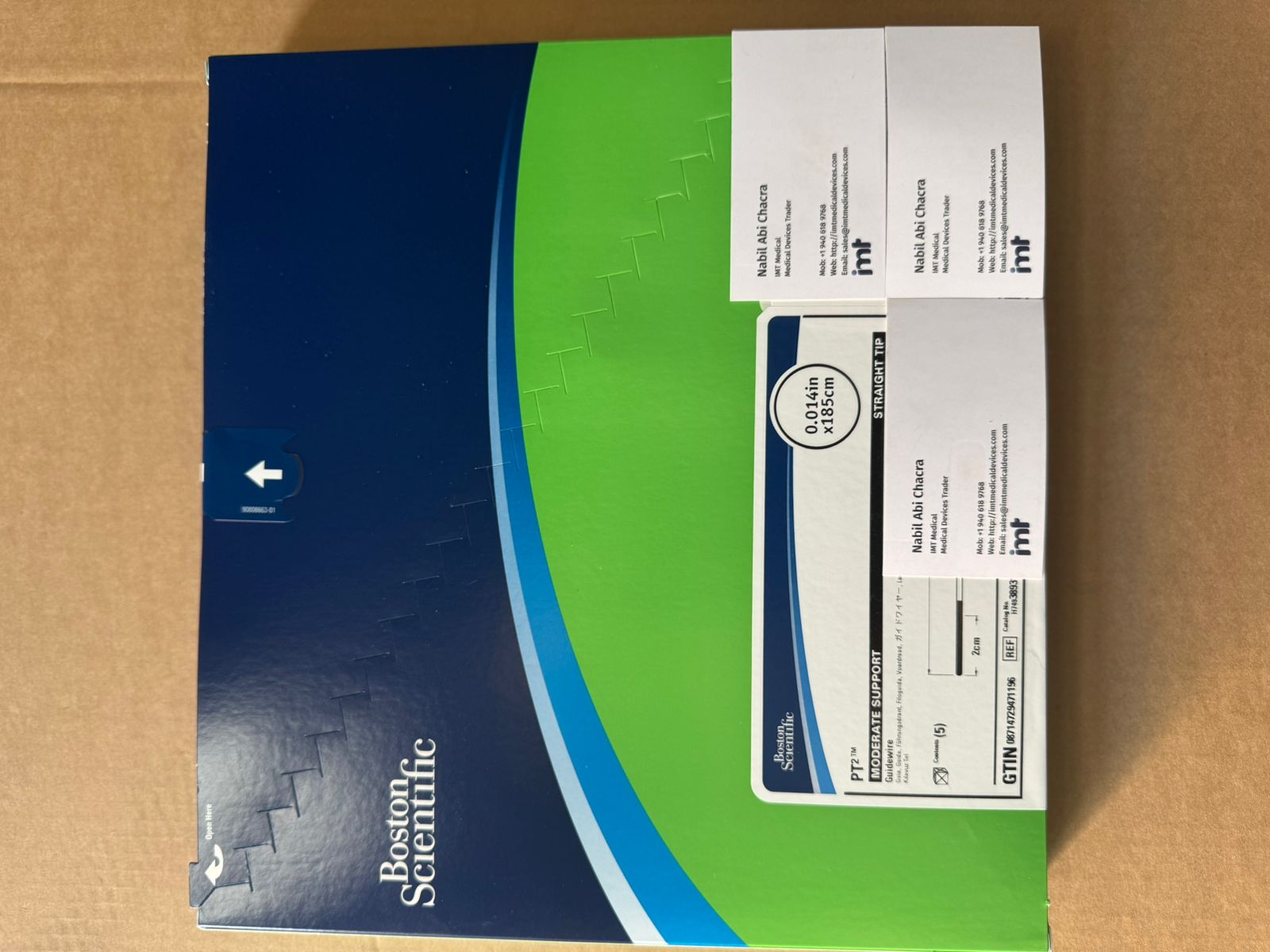
In coronary intervention, product selection is typically physician-driven and highly specific. Buyers often request a branded coronary stent family with exact size requirements and may pair that request with guidewires, guiding catheters, balloon catheters, and closure products. Here, a supplier is more useful when it can support a procedure basket rather than only a single SKU.
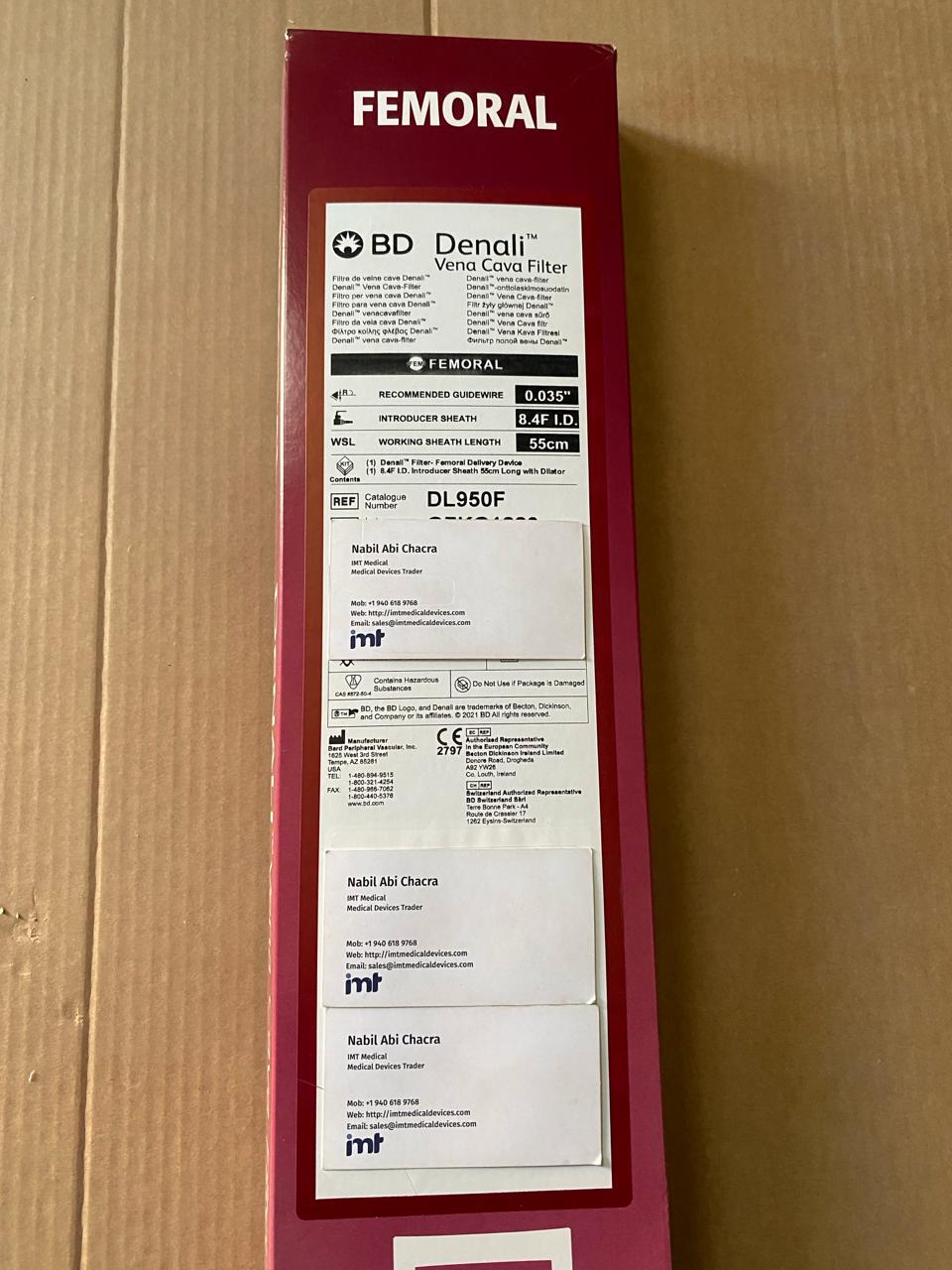
Peripheral vascular sourcing has a different profile. Case planning may involve broader variation in lesion type, vessel diameter, and adjunctive device use. Buyers may need support across peripheral stents, PTA balloons, wires, and access products. Availability across related categories becomes more valuable than a narrow catalog.
Neurovascular procurement is even less forgiving. Product specificity is high, and physicians are often unwilling to accept alternatives that are not already established in their workflow. If a supplier covers neurovascular inventory, buyers should expect exact references and disciplined communication. A vague answer is usually a warning sign.
Why brand access is a practical issue, not a branding issue
In this segment, brand names are functional data. They tell the buyer what clinical platform is being requested, what compatibility may be expected, and whether the product fits established physician preference.
A supplier with access to multiple recognized manufacturers can reduce procurement risk because it gives hospitals and distributors more than one sourcing path. That does not mean substitutions should be automatic. In many cases, they should not. It means the supplier can quote precisely when the requested brand is available and discuss alternatives only when the buyer asks for them.
This is especially relevant for hospitals and distributors working outside existing local distribution relationships. They are not just trying to find product. They are trying to preserve control over what is sourced, from which manufacturer, and under what commercial terms.
The role of part numbers in reducing purchasing errors
Procurement teams do not need broad educational copy when they are ready to buy. They need exact identifiers. That is why part numbers remain central in stent purchasing.
An exact part number shortens the path from inquiry to quote. It also lowers the chance of confusion between similar product families, size variants, or regional naming differences. For distributors competing with incumbent local suppliers, this level of precision is essential because they are often quoting into a market where the end user already knows the exact item needed.
A dependable supplier should be comfortable working from the buyer's product code, manufacturer reference, or detailed device description. If the item is not available, the response should be clear about that fact rather than loosely redirecting the buyer toward unrelated inventory.
What hospitals and distributors should ask before placing an order
A practical screening process is better than a long vendor questionnaire. For a stent supplier, the first conversation should answer a few specific points.
Can the supplier confirm the exact manufacturer and reference number requested? Can they state whether the product is available or subject to lead time? Can they support associated interventional products for the same procedure set? Can they maintain continuity if the same item is ordered again next month?
It also helps to assess how the supplier handles quote initiation. Professional buyers prefer a direct request flow: product name, reference number, quantity, destination, and response. That is more useful than a generic sales exchange. At this stage, procurement teams are measuring reliability.
Where alternative sourcing adds value
There are several buyer types that benefit from working with a non-incumbent supplier. A hospital may need faster access to a branded item than its current local distributor can provide. A regional distributor may need inventory channels that allow it to compete in active tenders or fill urgent customer demand. A physician-led buying inquiry may arise when a preferred product is difficult to obtain through existing local relationships.
In each case, the value is not abstract. It is the ability to source a known device with less friction. For buyers in Gulf markets, Latin America, Asia, China, and Russia, this can be particularly relevant when local availability is inconsistent or brand access is constrained by existing distributor structures.
What a capable stent supplier should be able to source around the stent
A stent rarely moves alone in an interventional workflow. That is why buyers often prefer suppliers that understand the procedure context.
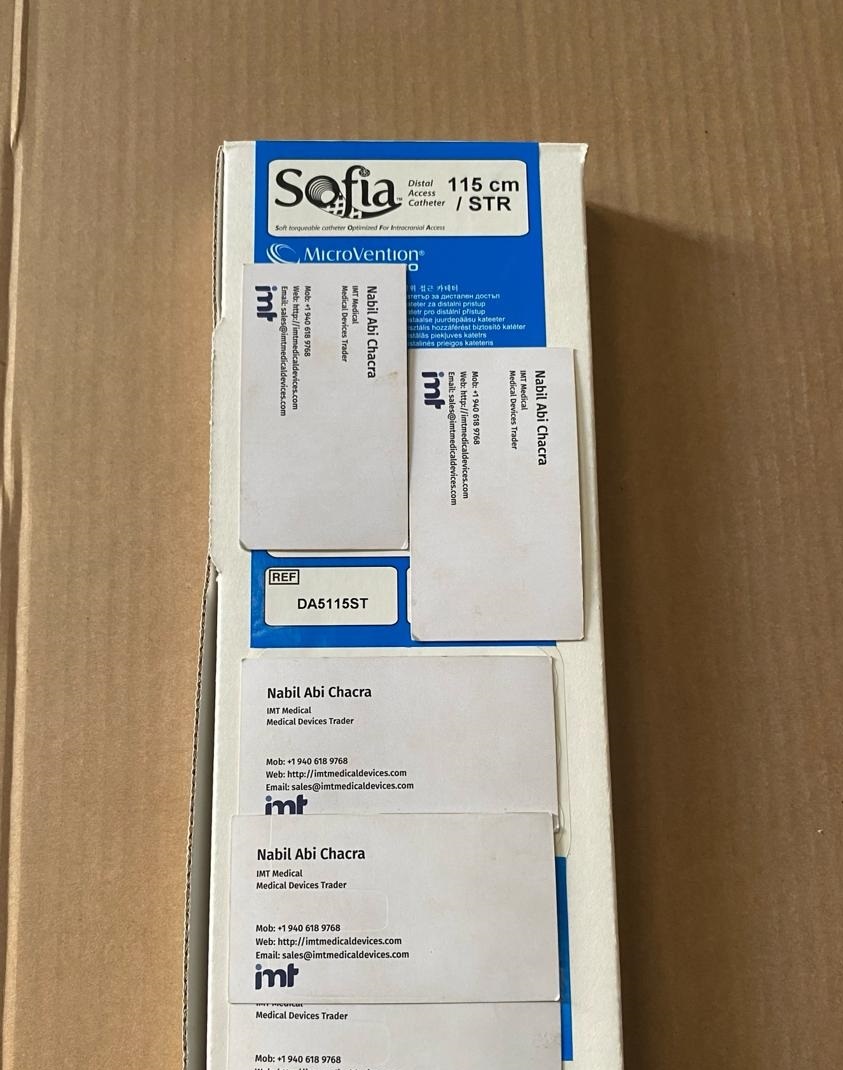
For coronary and peripheral cases, related demand may include balloon catheters, guidewires, guiding catheters, microcatheters, aspiration catheters, coils, and vascular closure devices. Even when the initial inquiry starts with one stent reference, the purchasing decision can expand quickly into a broader procedural set.
This matters because consolidating procurement across related devices can reduce administrative time and improve shipment coordination. It also gives buyers a clearer view of whether a supplier is built for interventional business or simply reselling isolated items.
A stent supplier should reduce friction, not add another layer
The best suppliers in this category are not trying to educate buyers on basics they already know. They are trying to remove obstacles between a precise request and a reliable quote. That means clear product mapping, recognizable manufacturer coverage, and communication built around reference numbers, quantities, and timing.
For professional buyers, trust is earned through accuracy. A supplier that consistently quotes the right device, confirms availability clearly, and supports repeat sourcing becomes useful very quickly. One that relies on vague catalog language or broad substitutions usually does not.
For teams sourcing branded interventional products, https://imtmedicaldevices.com reflects the practical standard that matters most: exact product requests, recognizable manufacturers, and a quote-driven process built for hospitals, distributors, and physicians who already know what they need.
A useful supplier is the one that makes the next order easier than the last one.