
How to Evaluate Medical Device Wholesale Distributors
When a cath lab is waiting on a specific guide catheter, balloon, or coronary wire, the issue is not general supply chain theory. It is whether your source can provide the exact branded SKU, in the required quantity, with documentation and shipment support that matches your market. That is why selecting medical device wholesale distributors is a procurement decision with direct operational consequences.
For professional buyers, the distributor is not just a seller. The distributor is part of the continuity plan for interventional cardiology, peripheral intervention, neurovascular procedures, laboratory operations, and surgical supply. If the supplier cannot support exact product identification, recognized manufacturer sourcing, and export handling, the buyer absorbs the delay.
What buyers should expect from medical device wholesale distributors
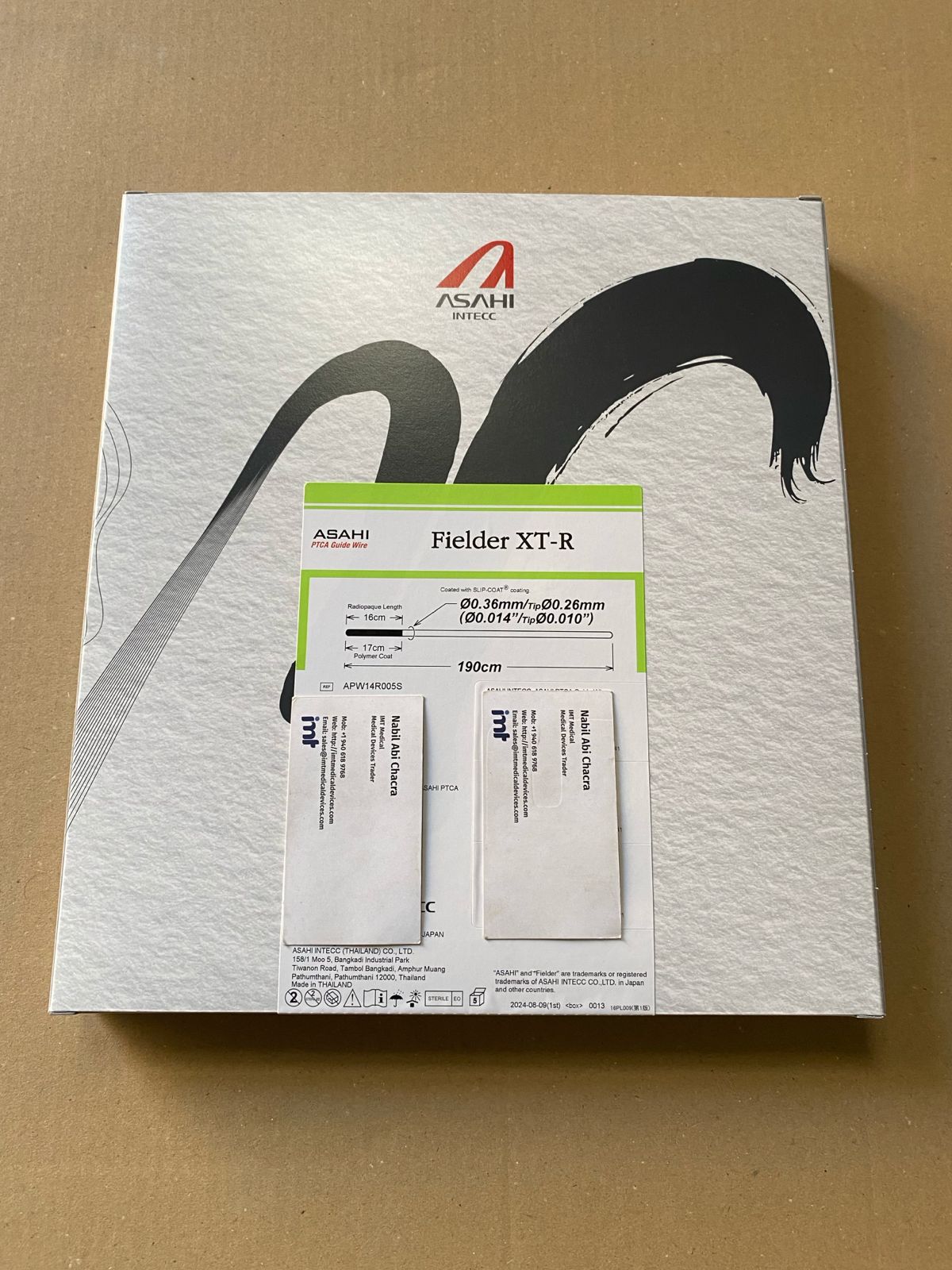
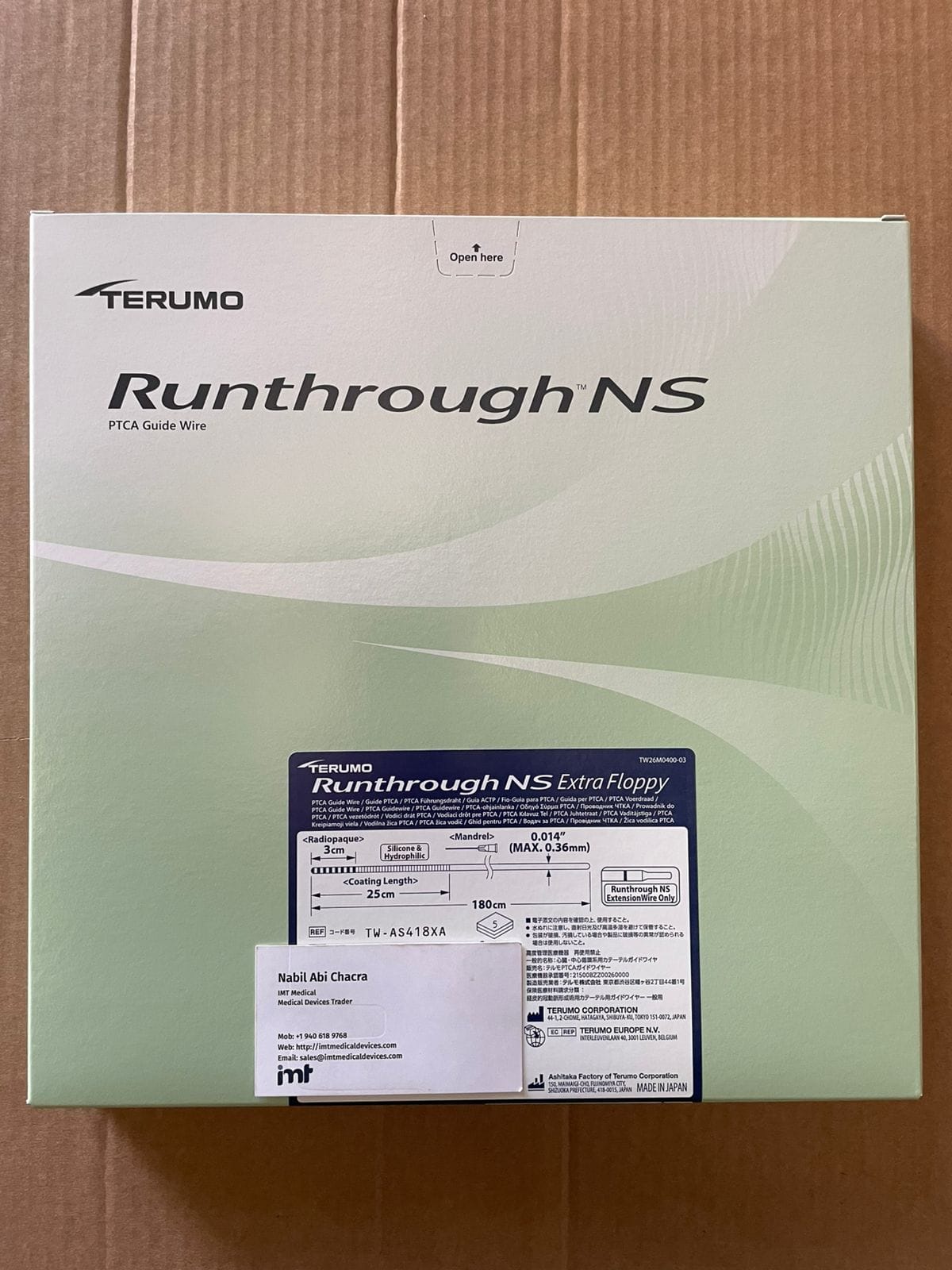
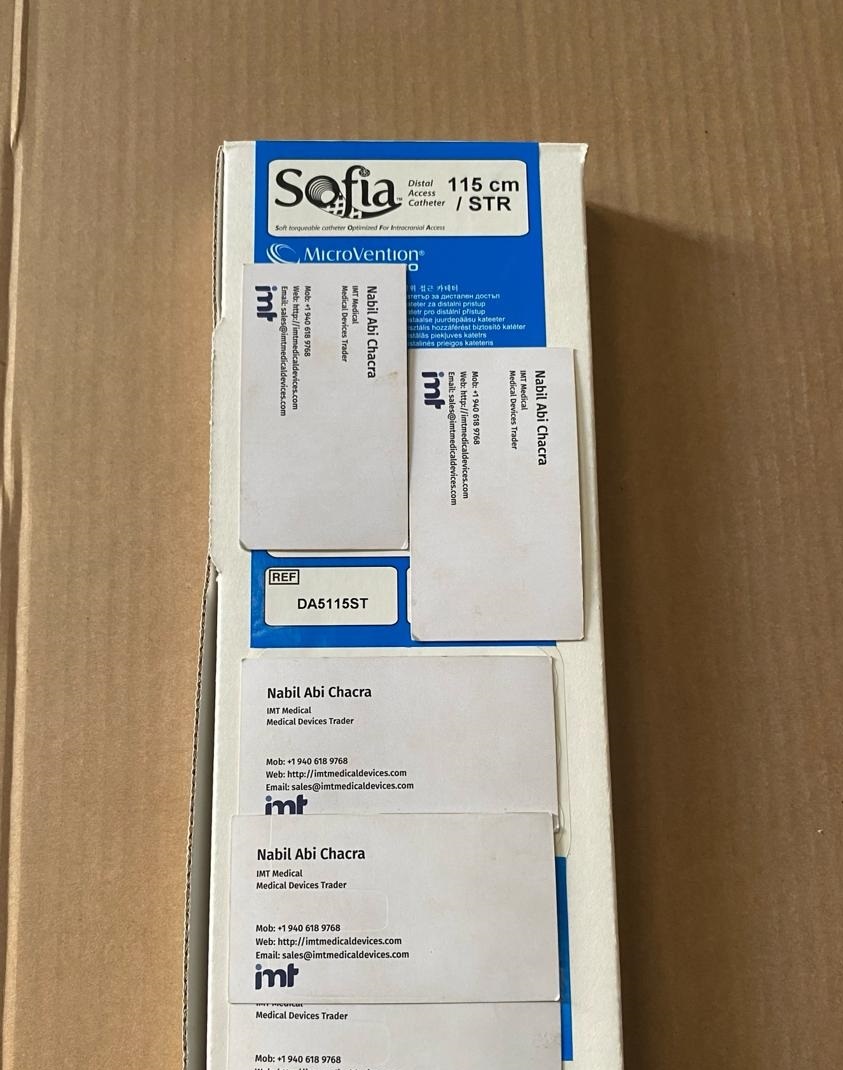
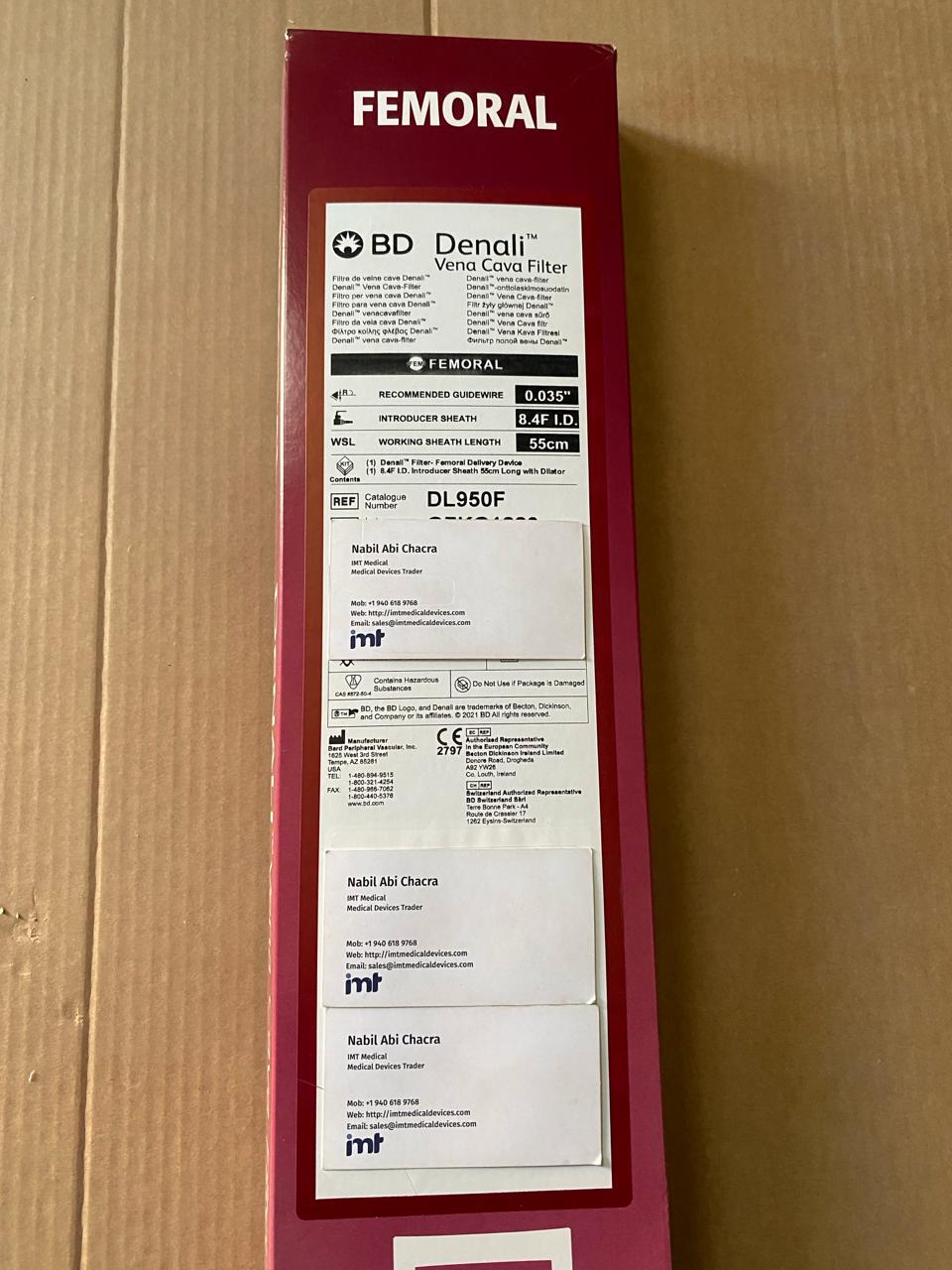
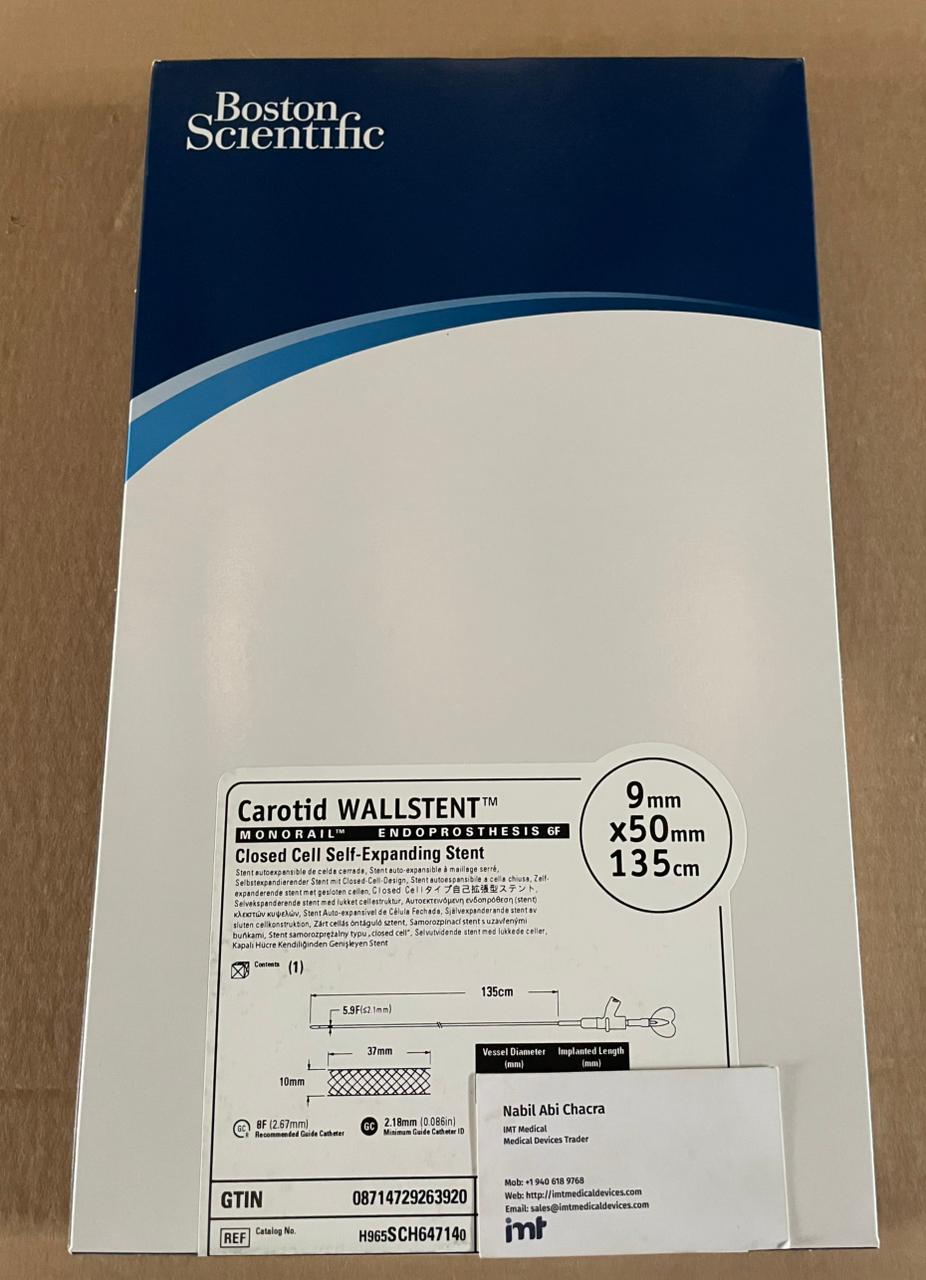
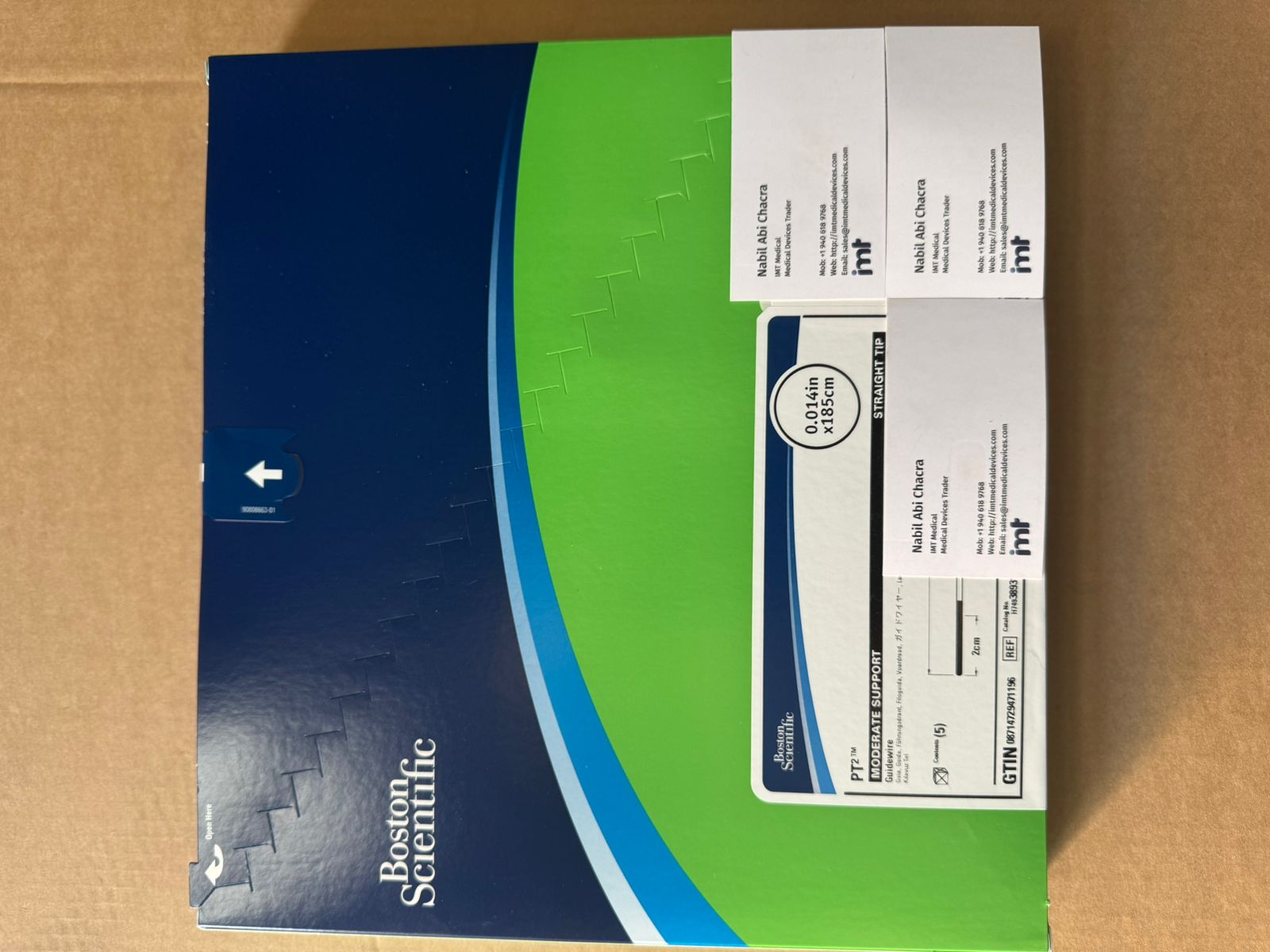
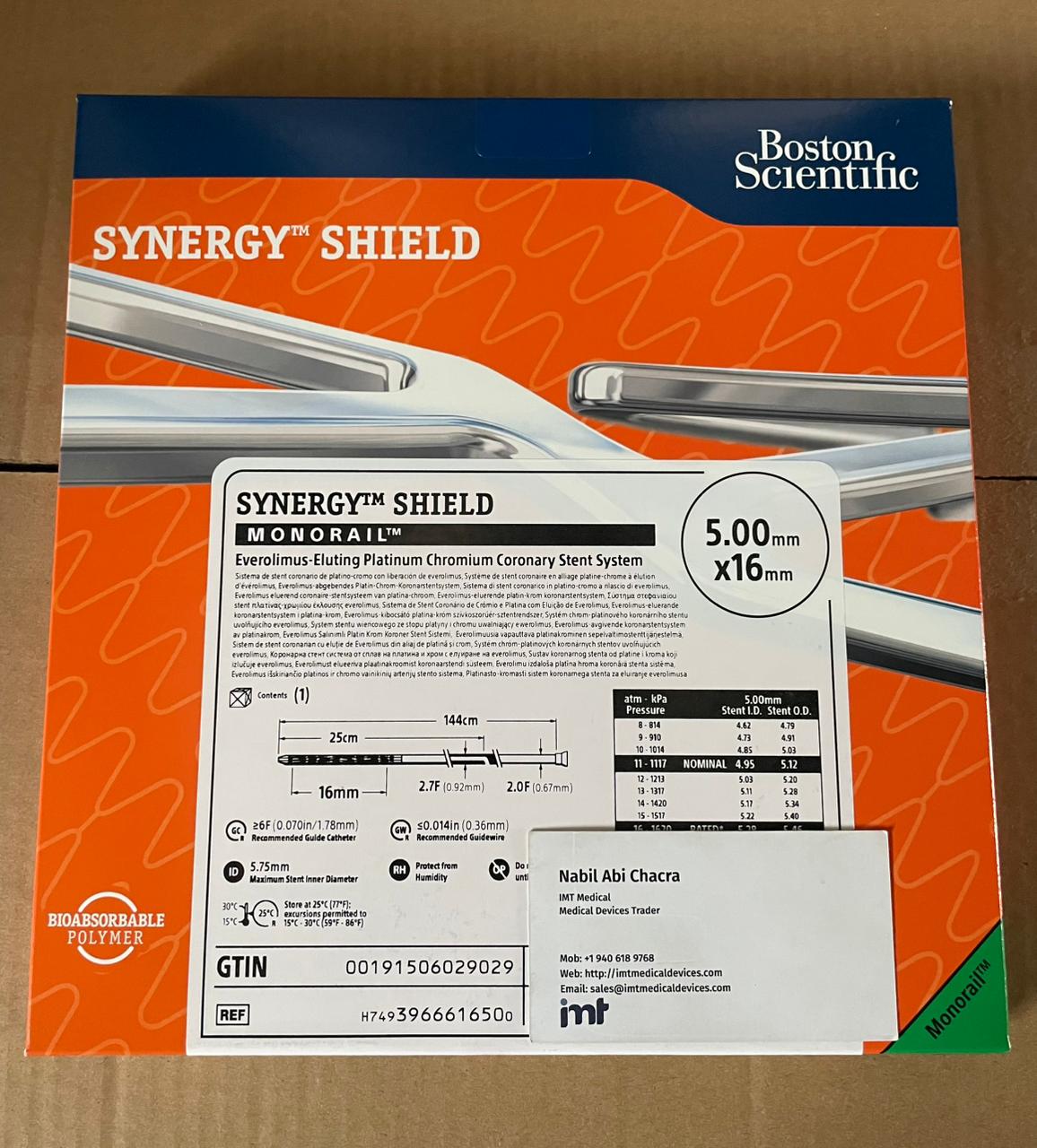
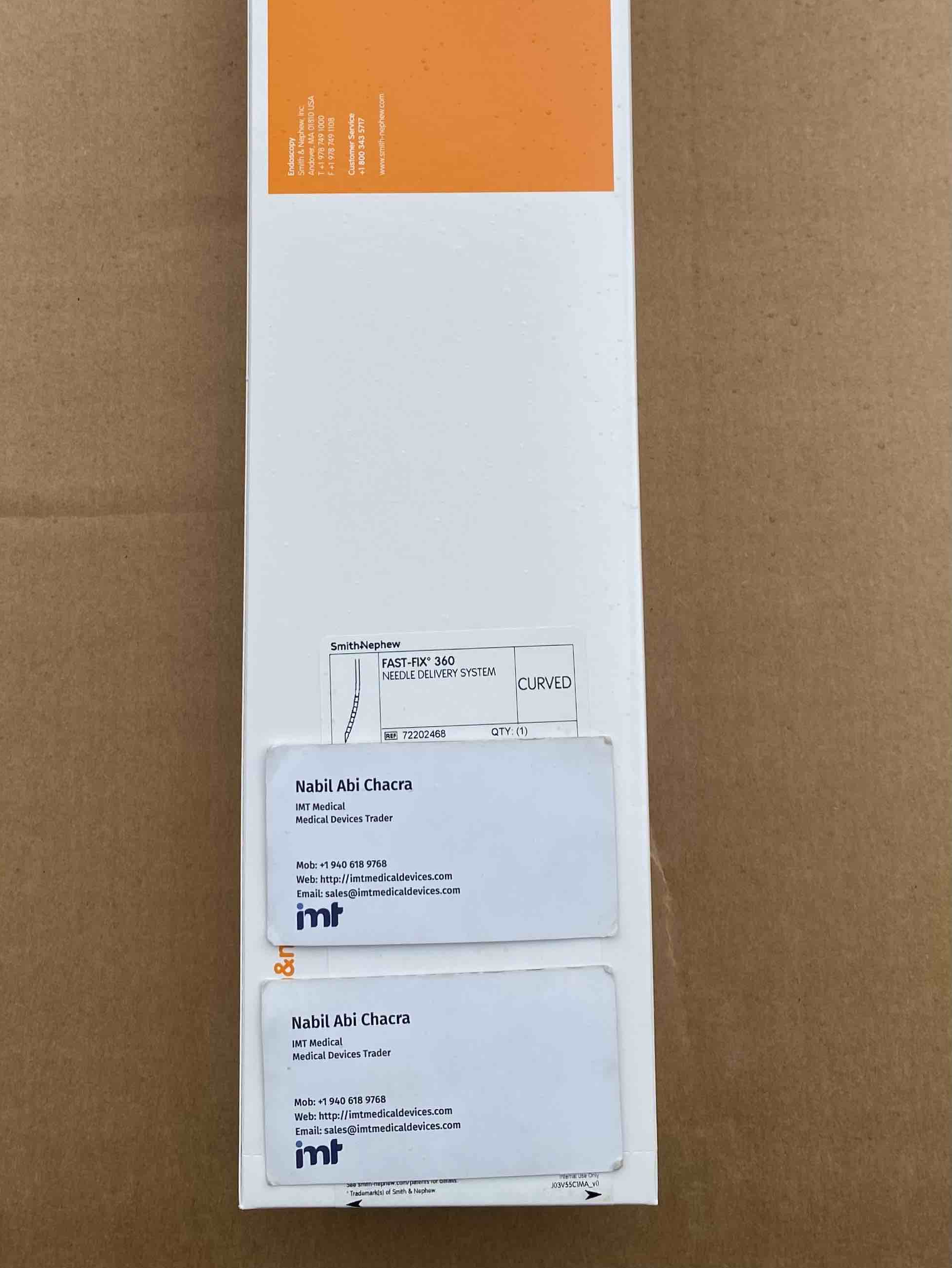
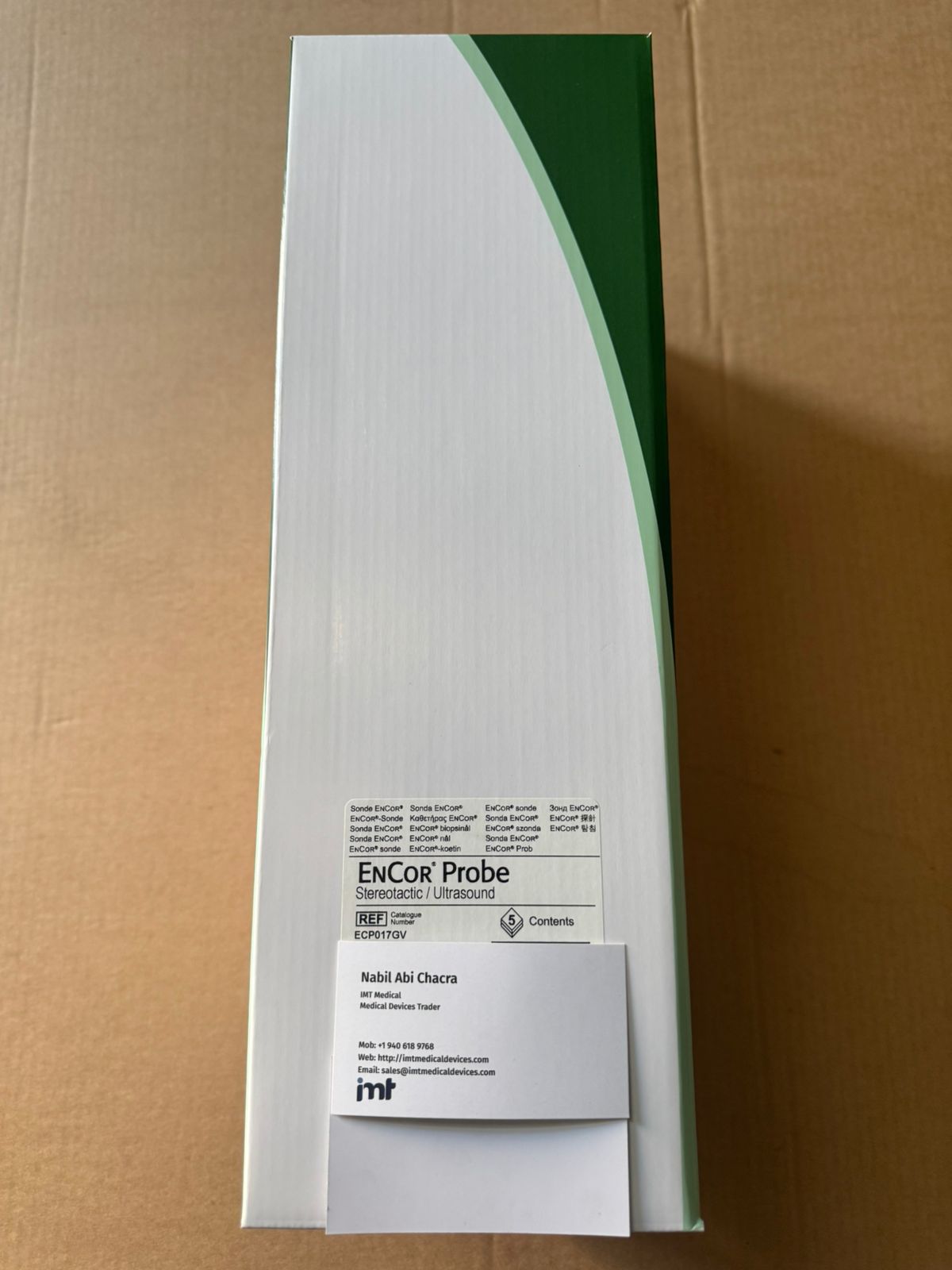
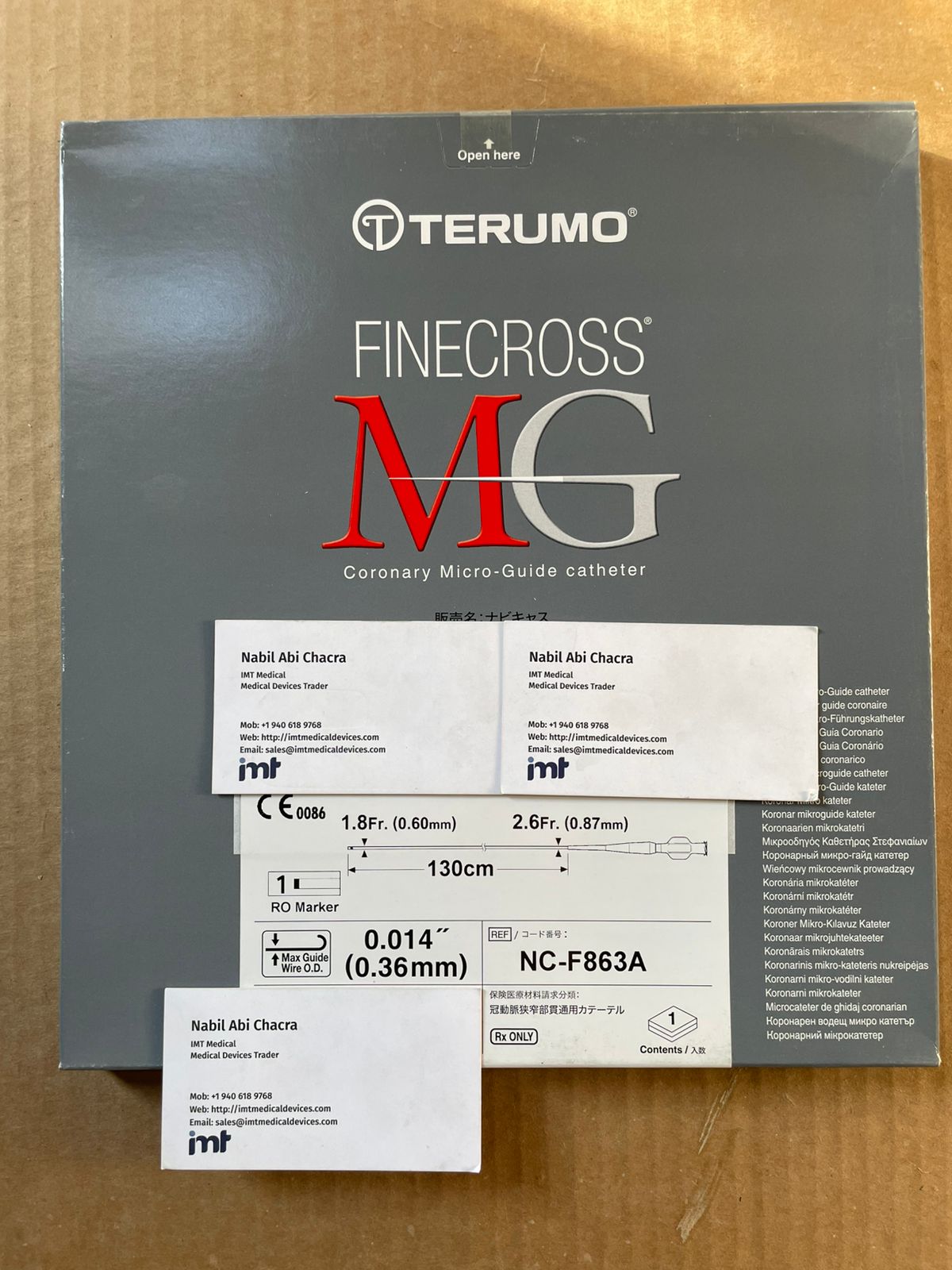
The strongest medical device wholesale distributors are built around precision. That starts with product scope and extends to quoting, documentation, and international fulfillment. In this market, broad claims about inventory are less useful than a clear ability to source branded categories such as coronary stents, PTCA balloons, guidewires, guiding catheters, aspiration catheters, vascular closure devices, neurovascular coils, micro catheters, cava filters, sutures, and diagnostic laboratory products.
For hospitals, clinics, laboratories, and regional distributors, the value of a wholesale partner often comes from consolidation. A procurement team may need products across Abbott, Medtronic, Boston Scientific, Terumo, Asahi, Cordis, BD, Ethicon, Roche, Siemens, Beckman Coulter, or Stryker, but may not want to manage separate sourcing conversations for every category. A distributor with real breadth reduces that burden.
That said, breadth alone is not enough. A wide catalog that does not translate into usable quote support, export capability, and reliable brand access creates more work, not less. Buyers should look for evidence that the distributor understands how procedure-specific procurement actually happens.
Brand access matters more than generic assortment
In many healthcare settings, brand substitution is limited or undesirable. Physician preference, existing protocols, familiarity with device handling, reimbursement considerations, and local registration requirements can all narrow the acceptable options. A distributor that primarily competes on generic assortment may not be the right fit for specialized intervention or laboratory purchasing.
Branded device procurement is different. It requires exact nomenclature, manufacturer familiarity, and the discipline to align the inquiry with the requested item rather than offering a near match that creates internal review delays. When a buyer requests a defined vascular closure device, neurovascular micro catheter, or interventional guidewire, the distributor should be prepared to respond at that level of specificity.
This is especially true in cross-border supply. International buyers are often managing both clinical preference and import requirements at the same time. In that environment, recognized global manufacturers carry practical value beyond reputation. They can simplify internal approval, support technical confidence, and reduce friction in procurement review.
SKU accuracy is not administrative detail
A common weakness in wholesale sourcing is loose product matching. That may be manageable in low-acuity commodity categories, but it becomes costly in interventional and laboratory procurement. Minor differences in diameter, length, tip configuration, French size, compatibility, coating, packaging format, or generation can affect usability.
For that reason, serious medical device wholesale distributors should operate with SKU discipline. The buyer should be able to submit a targeted request and receive a response that reflects exact product identification, not a broad category reply. Clear quotation practice matters here. If the product, pack format, or manufacturer reference is ambiguous, the transaction slows down and the risk shifts back to the customer.
Experienced procurement teams already know this, but it is worth stating plainly: a distributor that is vague before the order is often difficult after the order. Accurate quoting is one of the clearest indicators of operational quality.
Export capability is a core requirement for international buyers
For many global procurement teams, export support is not an extra service. It is the service. A distributor may have access to strong brands, but if it cannot support international shipping documentation, commercial coordination, and destination-specific handling, the sourcing advantage is limited.
This is where many suppliers separate into two groups. Some are essentially domestic sellers with occasional overseas transactions. Others are structured to serve international healthcare buyers as a standard operating model. The difference shows up in responsiveness, document readiness, packaging coordination, and familiarity with country-to-country shipment requirements.
International buyers should ask whether the distributor regularly supports export orders for hospitals, clinics, laboratories, or in-country resellers. The question is not just whether they can ship abroad. The question is whether international fulfillment is built into how they work.
A global sourcing partner with established export capability can also help buyers consolidate demand across multiple categories. That becomes useful when a purchasing department needs interventional cardiology products, neurovascular devices, and laboratory brands through one quote process instead of multiple fragmented procurements.
Inventory access and supply continuity should be discussed early
Not every product request is urgent, but many are time-sensitive. The practical issue is not whether a distributor claims to supply a category. It is whether that source can support continuity for high-demand branded items over time.
This matters in product lines where demand can be uneven, where physician preference is fixed, or where local alternatives are limited. Coronary intervention, peripheral intervention, and neurovascular supply all tend to expose weak sourcing structures quickly. If a distributor can only fulfill selectively, procurement teams are forced into reactive purchasing.
A better approach is to qualify the supplier before that pressure arrives. Ask how they handle recurring demand, whether they work across multiple manufacturer categories, and how quote responsiveness changes for volume requests. Buyers do not need unrealistic promises. They need clarity about what can be sourced consistently and what may depend on availability cycles.
There is always a trade-off here. A very broad distributor may offer more category coverage but vary by lead time across specific lines. A more focused supplier may move faster in a narrow range but fail to support adjacent needs. The right choice depends on whether your priority is consolidation, speed on a defined category, or long-range continuity across several intervention types.
Why category knowledge still matters in wholesale distribution
Professional buyers do not need basic product education, but they do benefit from suppliers who understand category context. A distributor serving interventional cardiology should recognize the relationship between wires, balloons, guiding catheters, stents, and closure devices. A supplier handling neurovascular requests should be comfortable with coils, micro catheters, and related procedural accessories. Laboratory buyers expect the same competence around analyzer-linked brands and consumables.
This kind of familiarity improves communication. It reduces back-and-forth, limits mismatched quotations, and helps buyers move faster from inquiry to order review. It also signals that the distributor is operating in the professional device market rather than treating medical products as a generic wholesale catalog.
For this reason, catalog breadth should be paired with category credibility. Buyers should look for suppliers whose product structure reflects actual clinical purchasing patterns, not just a long unorganized list of items.
A practical standard for evaluating distributors
If you are reviewing medical device wholesale distributors, the most useful test is straightforward. Can the supplier support exact branded products, respond clearly at SKU level, handle quote-based bulk purchasing, and fulfill internationally where required? If one of those elements is weak, the relationship may still work for occasional orders, but it may not hold up as a dependable procurement channel.
The better distributors tend to be strong in the same areas. They carry recognized manufacturers, organize their offering by real procedure categories, communicate in exact product terms, and understand that hospitals, labs, and resellers buy based on specificity, not marketing language. For international healthcare buyers, that combination is usually more valuable than low-friction ordering claims or oversized catalogs with unclear availability.
A sourcing partner such as IMTMedicalDevices.com fits this model when the procurement need centers on branded interventional, neurovascular, laboratory, and surgical products with export support across markets. That is not a retail proposition. It is a wholesale function built for buyers who need recognized devices and a direct path to quotation.
The right distributor should make procurement more precise, not merely more convenient. When your next order depends on brand integrity, exact matching, and cross-border execution, that standard is the one worth buying against.