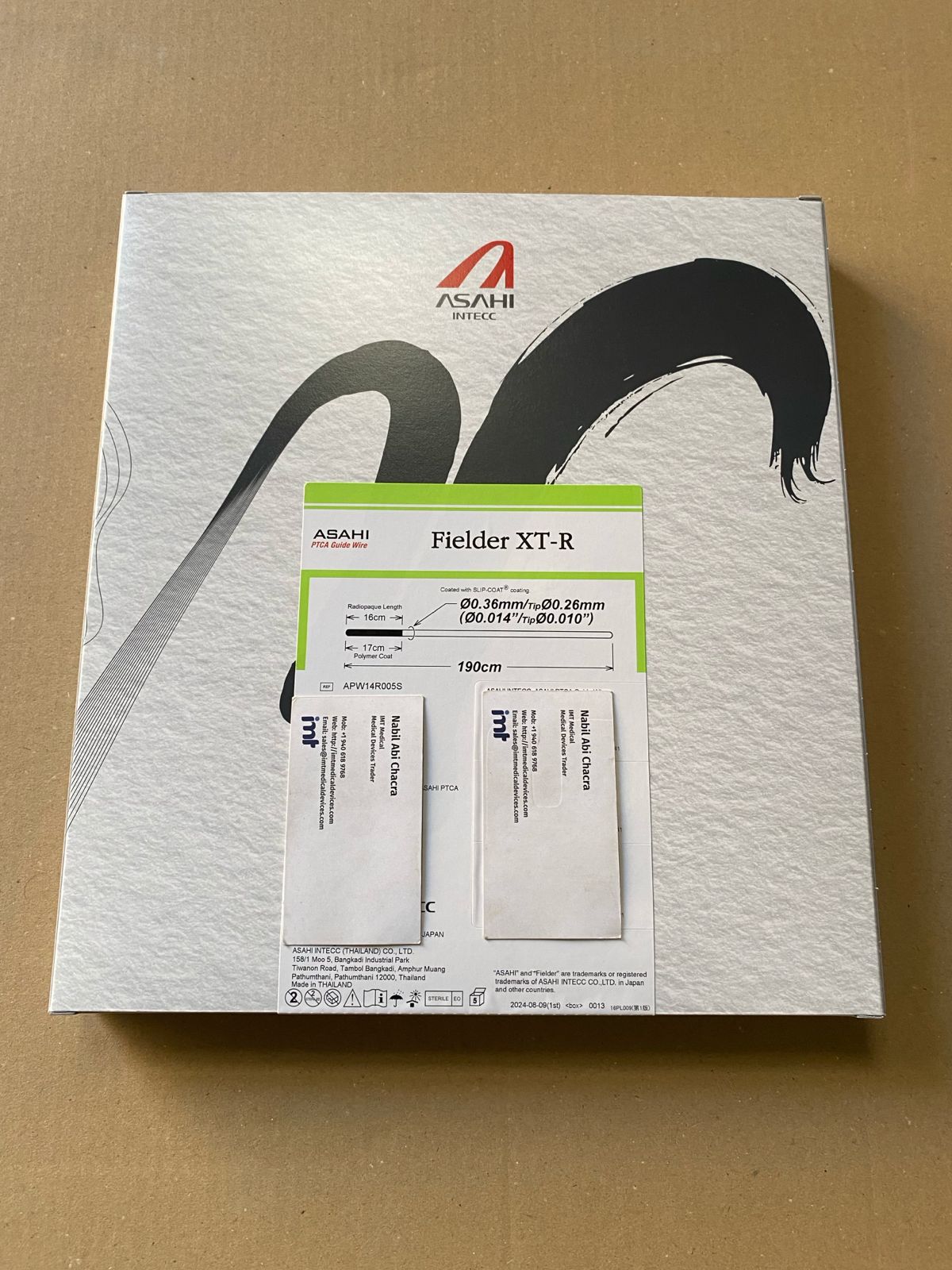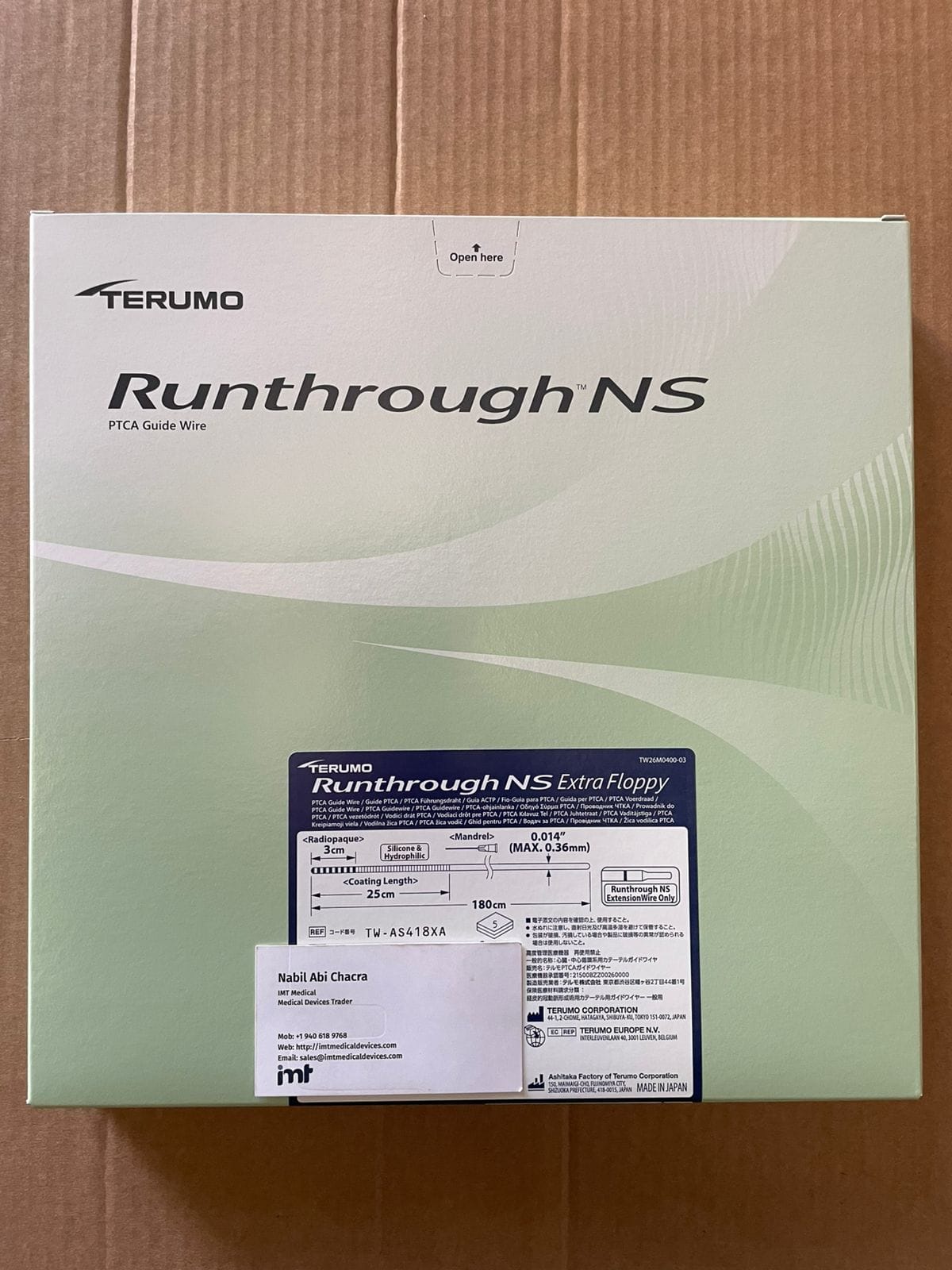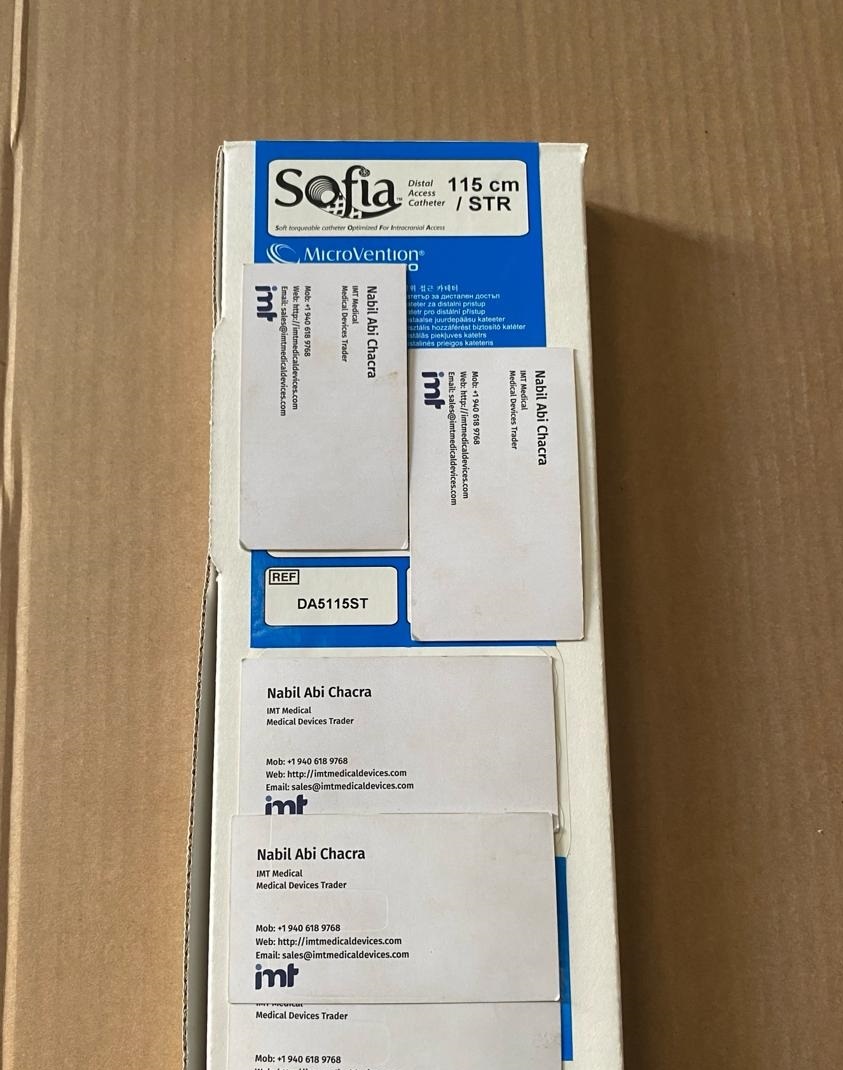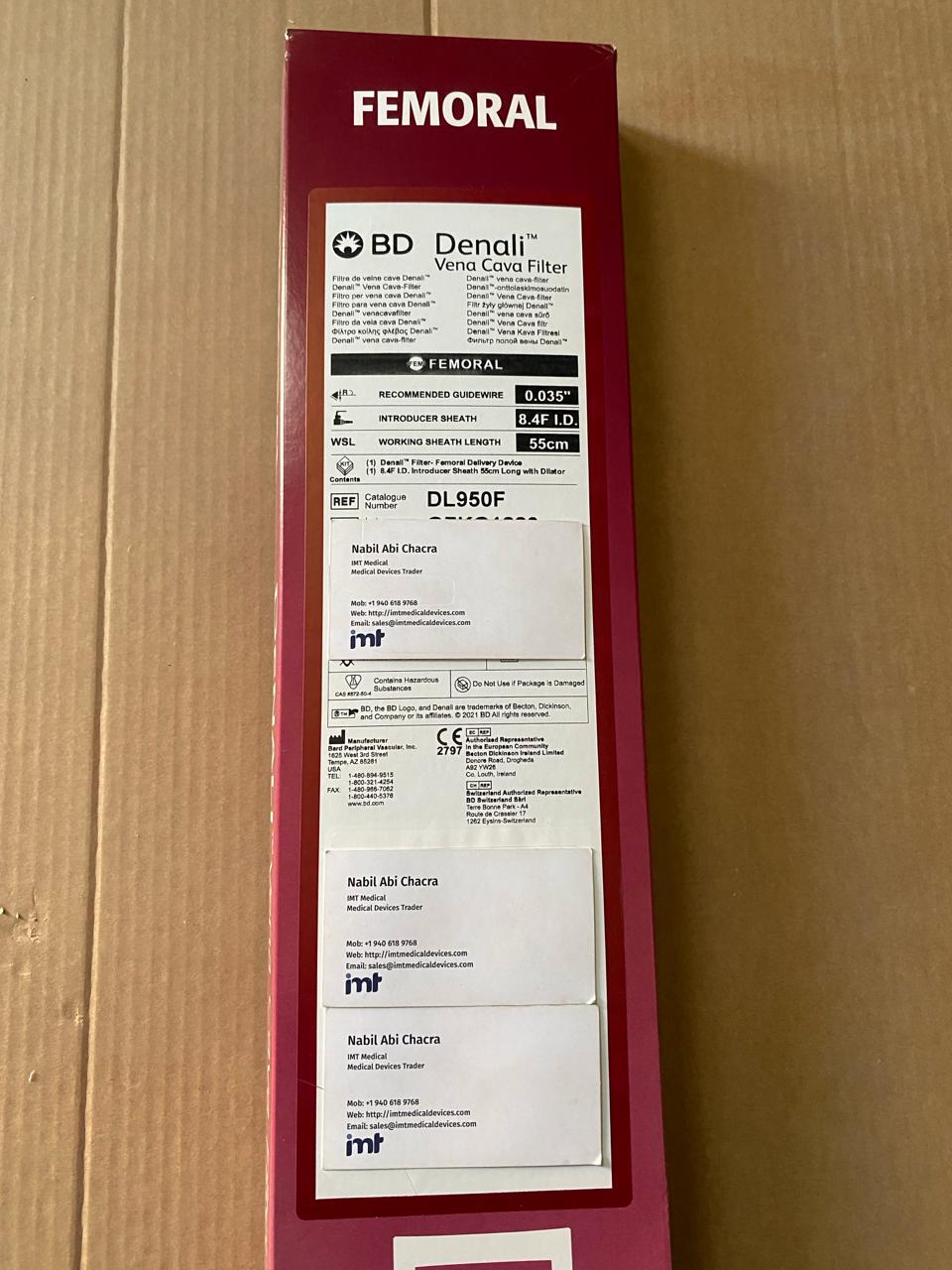

2026 Export Guide for Temp-Sensitive Medical Devices
A single temperature excursion during the transit of high-value hardware like drug-eluting stents or PTCA balloon catheters results in immediate loss of clinical efficacy and total financial waste. Procurement professionals recognize that maintaining a zero-defect cold chain is a logistical necessity for international trade. Mastering export logistics for temperature-sensitive medical devices requires strict adherence to the 14th edition of the IATA Temperature Control Regulations and the February 2026 FDA Quality Management System Regulation.
It's common to face delays from complex customs regulations in regions like Georgia or Turkey and a lack of transparency in last-mile delivery. This guide provides the technical framework to ensure reliable B2B supply of top-tier brands including Medtronic, Boston Scientific, and Terumo. You'll learn to streamline customs clearance through mandatory electronic technical files and Unique Device Identification protocols. We'll preview the 2026 landscape of air and sea freight trade-offs to help you secure clinical-grade hardware across global borders with industrial competence.
Key Takeaways
- Identification of technical requirements for validated packaging and real-time IoT visibility in medical cold chains.
- Comparative analysis of air and sea freight modes to optimize export logistics for temperature-sensitive medical devices.
- Strategic utilization of logistical hubs in Georgia, Dubai, and Turkey for accelerated customs clearance in emerging markets.
- Integration of high-capacity wholesale procurement with specialized export protocols for brands like Medtronic and Boston Scientific.
- Application of 2026 regulatory standards to eliminate temperature-related inventory loss and ensure clinical efficacy.
Fundamentals of Export Logistics for Temperature-Sensitive Medical Devices
Medical cold chain logistics refers to the specialized infrastructure required to maintain a specific temperature range for clinical hardware from the manufacturer to the point of care. In the context of international trade, export logistics for temperature-sensitive medical devices involve a multi-layered approach to risk mitigation. It's not merely about refrigeration; it's about the Fundamentals of a Secure Medical Supply Chain that preserve the molecular and mechanical integrity of high-value implants. For global wholesalers, any deviation from specified thermal parameters renders the entire shipment commercially and clinically void.
Financial waste in B2B medical wholesale extends beyond the initial procurement cost. Temperature excursions during the execution of export logistics for temperature-sensitive medical devices trigger immediate asset devaluation. Replacement logistics, specialized disposal of compromised hardware, and administrative overhead for insurance claims create significant friction. For distributors operating in regions like Georgia or Turkey, maintaining an unbroken cold chain is a prerequisite for logistical reliability and market reputation.
The Science of Sensitivity: Why Implants Require Cold Chain
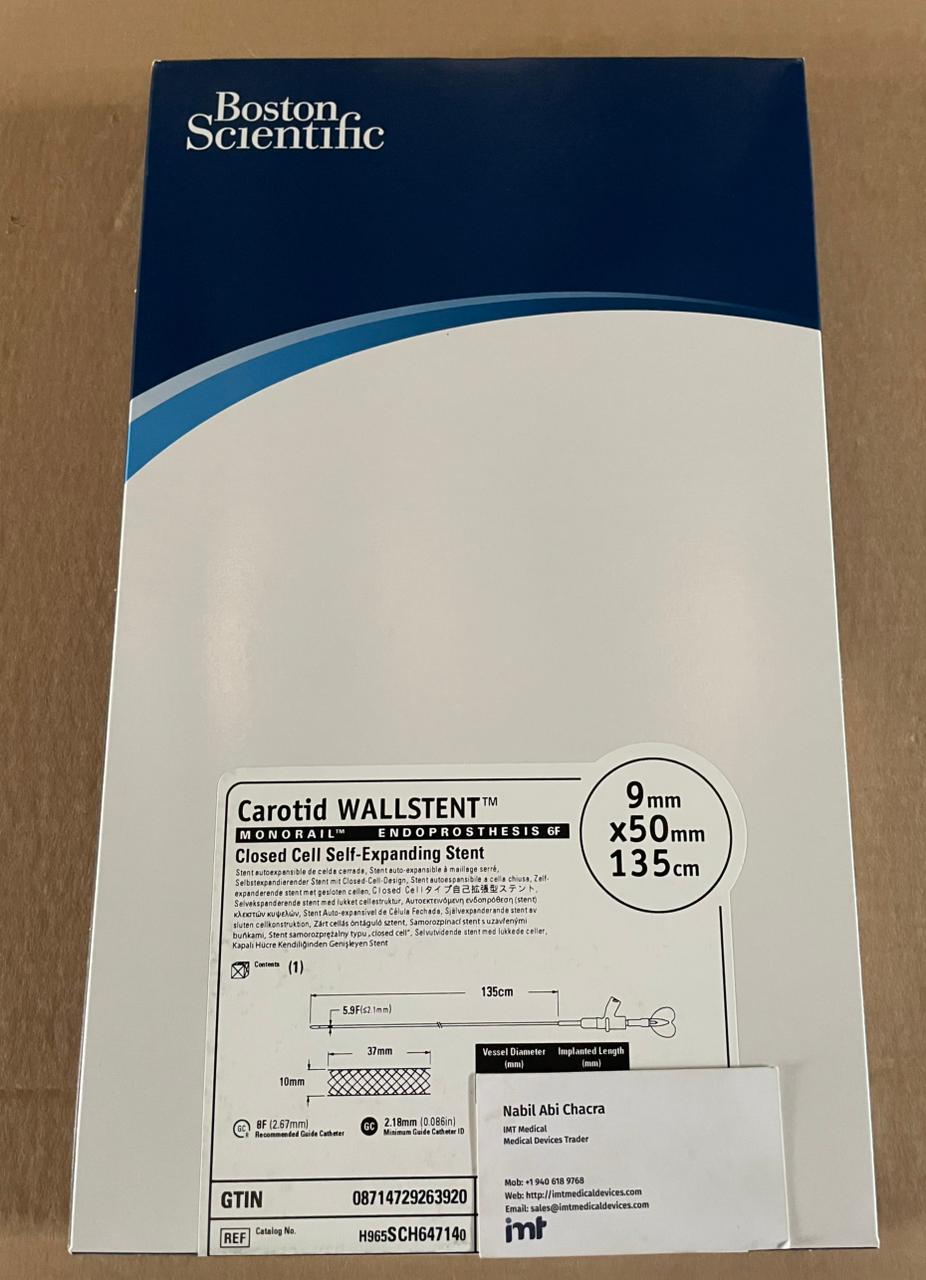
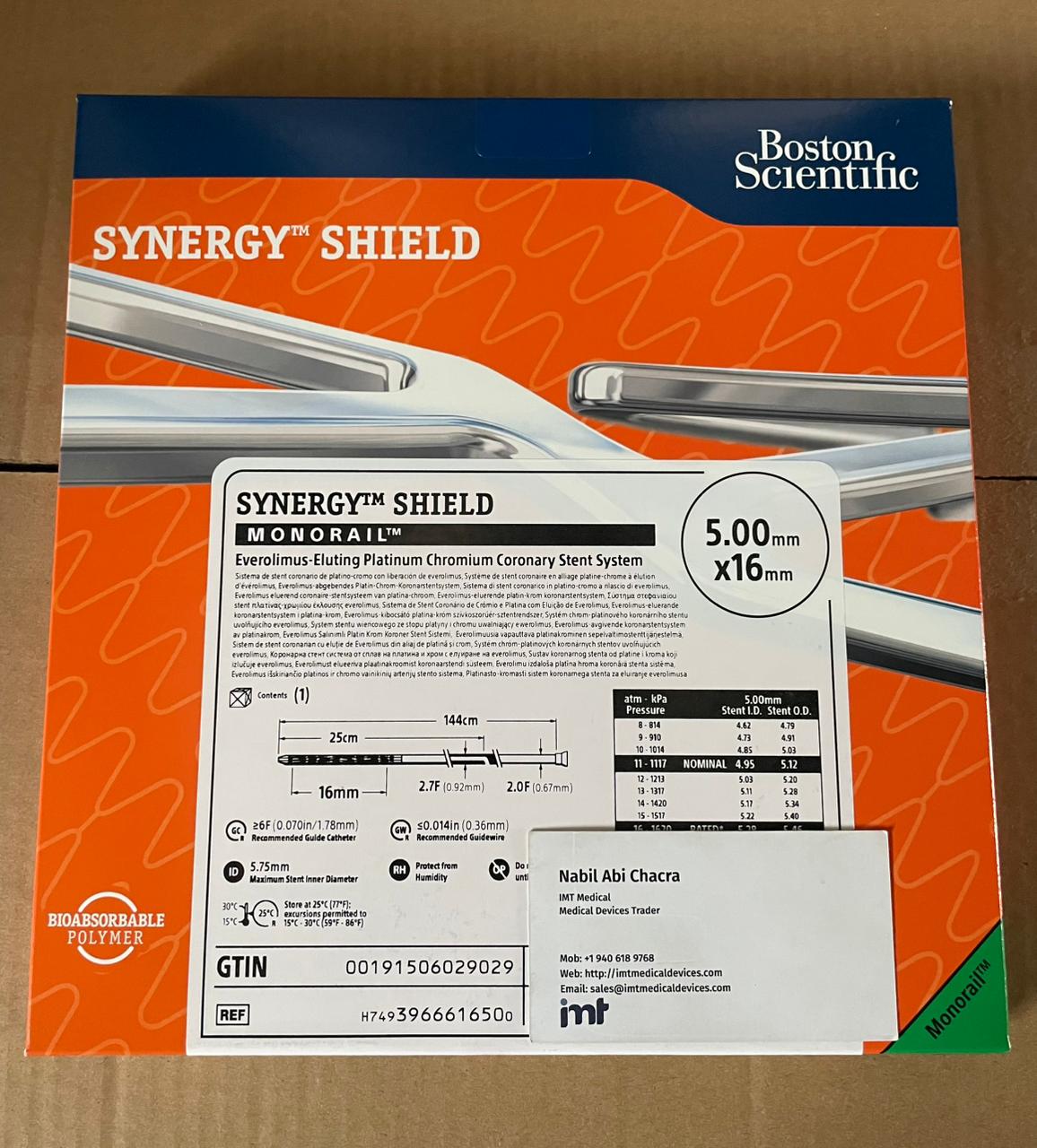
Thermal stress directly impacts the drug-polymer coatings found in drug-eluting stents. If temperatures exceed the manufacturer's range, the polymer can degrade, leading to unpredictable drug release rates or premature elution. This mechanical failure compromises patient safety and violates regulatory standards. Precision is mandatory for these devices to function as intended once implanted in the coronary vasculature.
Electronic stability is equally critical for permanent pacemakers and ICDs. Extreme temperatures affect battery chemistry and circuit reliability. Hardware like the Medtronic Resolute Integrity Stent and related delivery systems rely on structural integrity that must be protected against thermal fluctuations during long-haul transit. Even minor deviations can lead to material fatigue or compromised sterility packaging.
Regulatory Compliance: GDP and GxP Standards
The 2026 regulatory environment demands digital precision and documented accountability. The 14th edition of the IATA Temperature Control Regulations (TCR) is the current global mandate for air transport, effective through December 31, 2026. Key standards for international exporters include:
- FDA QMSR: Harmonized with ISO 13485 as of February 2026, requiring documented carrier qualification and rigorous quality management.
- Good Distribution Practice (GDP): Mandatory certification for carriers handling sensitive technology to ensure environmental consistency.
- Unique Device Identification (UDI): Mandatory for all exported devices in 2026 to ensure full traceability throughout the cold chain.
Compliance ensures that technology from manufacturers like Abbott and Boston Scientific maintains its clinical profile across borders. Documentation now requires electronic technical files for customs clearance; paper-based systems are no longer sufficient for major trade zones. This transition to digital-first compliance minimizes delays at strategic hubs, allowing for faster throughput of critical inventory.
Technical Components of a Secure Medical Supply Chain
Technical execution of export logistics for temperature-sensitive medical devices relies on validated hardware and integrated data systems. The transition from manufacturer warehouse to international destination requires a documented chain of custody. According to the Export Logistics for Temperature-Sensitive Medical Devices guidelines, exporters must ensure that every technical component, from the shipping container to the data logger, meets rigorous GxP standards. This technical framework prevents the mechanical and chemical degradation identified in the previous section.
Advanced Packaging: Passive vs. Active Cooling Systems
Packaging selection is dictated by the thermal mass of the shipment and the total transit time. Passive cooling systems utilize phase-change materials (PCM) to maintain specific temperature ranges without external power. These are effective for ambient-sensitive devices and smaller consignments. Active refrigeration units provide superior stability for high-volume wholesale shipments. These units feature internal thermostats and mechanical cooling powered by batteries or aircraft electrical systems. For high-value coronary intervention products, active systems offer a higher safety margin during long-haul airfreight. The cost-benefit analysis favors active cooling when the financial risk of a single excursion exceeds the premium for specialized hardware.
Monitoring and Data Integrity
Real-time visibility is a standard requirement in 2026. Supply chains now integrate Bluetooth and cellular data loggers that transmit temperature, humidity, and location data at every transit hub. This technology creates an unbroken digital audit trail for clinical end-users and regulatory bodies. Monitoring protocols include:
- Automated Alerts: Immediate notification to logistics teams if temperatures approach the upper or lower thresholds.
- Intervention SOPs: Pre-defined actions for re-icing or moving cargo to temperature-controlled zones during flight delays.
- Data Redundancy: Use of both internal and external loggers to verify environmental consistency.
Risk mitigation strategies focus on equipment malfunction and human error. Standard operating procedures (SOPs) at transit hubs must include mandatory power source checks for active units and physical inspections of passive container seals. Reliable B2B supply depends on these granular technical details to ensure zero-defect delivery. Professionals seeking to optimize their procurement and shipping workflows can leverage the expertise of IMT Medical Devices to secure their global supply chains.
Human error remains a primary variable in logistics. Training protocols for ground handlers emphasize the "Do Not Freeze" or "Keep Refrigerated" labels specific to sensitive implants. By combining advanced IoT monitoring with rigid hub SOPs, exporters minimize the risk of inventory loss. This technical infrastructure serves as the foundation for the strategic routing decisions discussed in the following section.
Strategic Routing: Airfreight vs. Sea Freight for Medical Tech
Selecting the optimal transport mode is a critical decision in export logistics for temperature-sensitive medical devices. Airfreight and ocean freight offer distinct trade-offs regarding speed, cost, and environmental stability. For high-value interventional cardiology hardware, air transport is often the only viable option to mitigate the risk of spoilage. In contrast, ocean freight serves as a cost-effective solution for large-scale distribution of shelf-stable consumables, provided that refrigerated "reefer" containers are utilized. Effective Strategic Routing: Airfreight vs. Sea Freight for Medical Tech requires a deep understanding of the 2026 shipping landscape, where geopolitical shifts like the Red Sea crisis have added up to 15 days to traditional sea routes.
Airfreight: The Gold Standard for Interventional Cardiology
Speed serves as the primary risk-mitigation factor for cargo with narrow thermal tolerances. Rapid delivery of PTCA balloon catheters and drug-eluting stents minimizes the time these devices spend in transitional environments. Major logistics gateways like Dubai (DXB) and Istanbul (IST) have established dedicated pharma-zones to ensure GxP compliance during layovers. These facilities provide temperature-controlled storage and rapid ramp transfers to prevent heat-soak. In 2026, major carriers utilize 'Pharma-Cool' protocols that prioritize healthcare cargo for immediate unloading and placement in climate-controlled staging areas upon arrival. This speed is essential for Class II devices where sterility and shelf-life constraints are absolute.
Multi-Modal Solutions for Emerging Markets
Bulk medical consumables and surgical staplers often move via ocean freight to manage costs. While sea freight carries over 80% of global goods by volume, the 25 to 35 day transit times for transpacific or European routes demand rigorous container monitoring. The "last mile" transition from an international port to a local hospital is the most vulnerable point in the chain. Logistics providers must coordinate refrigerated ground transport to maintain the thermal profile established during the ocean voyage.
Emerging markets in Central Asia and Eastern Europe require multi-modal strategies that combine airfreight with temperature-controlled trucking. Strategic hubs in Poland and Georgia facilitate cross-border movement into the CIS region, ensuring compliance with local customs and 2026 electronic documentation standards. For a detailed framework on supply chain architecture, refer to the Medical Device Distribution Guide. Efficient routing ensures that premium technology from Terumo and Medtronic reaches its destination without defect, maintaining the clinical efficacy required for complex medical interventions.
Regional Logistics Hubs and Local Market Expertise
Efficiency in global medical distribution depends on strategic hub placement. Dubai (DXB) serves as a primary gateway for MENA and African markets, offering 2026-standard pharma-zones and specialized handling for high-volume exports. Poland acts as a stabilizing anchor for Eastern European supply chains, facilitating GxP-compliant movement of Medtronic and Abbott hardware into the EU and neighboring territories. These locations provide the necessary cold chain infrastructure to support export logistics for temperature-sensitive medical devices across diverse regulatory zones, ensuring product availability meets local clinical demand.
The Georgia-Turkey Corridor: Accessing the CIS Region
Sourcing through Tbilisi and Istanbul offers distinct regulatory advantages for the CIS region. The Georgia-Turkey corridor provides the logistical backbone for cardiology stents and other interventional cardiology products destined for the Caucasus. Customs efficiency in these regions is enhanced by 2026 electronic filing mandates, which reduce dwell times and thermal exposure at border crossings. Istanbul (IST) provides high-frequency air connections that integrate with refrigerated ground transport networks, allowing for rapid replenishment of hospital inventory in markets with emerging healthcare infrastructure.
Venezuela: Specialized Import and Distribution Logistics
Exporting to Venezuela requires specialized import management and localized expertise. Navigating regulatory hurdles in this market demands rigid cold chain continuity from the initial port of entry to the clinical end-user. Success in Caracas depends on partnerships that manage the "last mile" transition with precision. Inventory such as surgical staplers and catheters must be processed through local customs with pre-cleared documentation to avoid delays in non-climate-controlled environments. Maintaining a +2°C to +8°C profile in challenging local climates is mandatory for preserving the integrity of high-value implants from brands like Boston Scientific and Terumo.
Reliable regional distribution requires a partner with established infrastructure in these strategic hubs. You can leverage our expansive international distribution network and technical expertise at IMT Medical Devices to secure your global supply chain. By consolidating wholesale procurement with regional logistical hubs, distributors minimize risk and maximize the speed of delivery to critical markets. This integrated approach ensures that specialized clinical technology remains accessible and effective, regardless of the geographic or regulatory complexity of the destination.
Procurement Integration: IMT Medical Devices' Logistical Advantage
Consolidating wholesale procurement with specialized export logistics for temperature-sensitive medical devices eliminates the fragmented communication often found in global supply chains. IMT Medical Devices functions as a high-capacity bridge between prestigious manufacturers and international markets. By managing both inventory acquisition and technical distribution, we ensure that high-value hardware remains within a single, controlled quality management system. This integration supports delivery to over 50 countries, utilizing customized documentation and compliance packs tailored to regional mandates in the CIS, MENA, and Latin American zones.
Manufacturer-direct sourcing from Terumo, Medtronic, and Boston Scientific guarantees product authenticity and technical traceability. Our protocols include rigorous quality assurance for Permanent Pacemakers and ICDs. These devices require verified battery status and electronic stability checks before export. By centralizing these technical verifications, we provide procurement professionals with a streamlined, zero-defect supply of critical cardiac technology. This manufacturer-centric approach ensures that technical specifications dictate the supply chain architecture, preserving the clinical efficacy of every item in our catalog.
Manufacturer-Centric Quality Control
- Terumo Integrity: Maintaining the specific thermal and mechanical profile of Terumo products from the primary warehouse through to the final hospital delivery.
- Abbott Technical Verification: Pre-export assessment of Abbott pacemakers to confirm data integrity and hardware specifications.
- Consolidated Shipping: Strategic multi-brand order management for Abbott, Medtronic, and Cordis inventory to optimize freight costs and customs processing.
Getting Started: Scalable Logistics for Global Partners
Procurement professionals can request a comprehensive logistical assessment for bulk interventional device orders. This assessment evaluates transit routes, packaging requirements, and regional customs protocols to ensure long-term supply chain stability. We focus on industrial competence and logistical reach, providing the infrastructure necessary for reliable B2B supply in emerging markets. It's essential to align procurement volume with specialized handling capabilities to prevent inventory loss in transitional zones.
Establish a reliable, high-capacity partnership for your international medical supply needs. Contact IMT Medical Devices for professional export solutions and technical procurement support.
Optimizing Global Supply Chains for 2026 and Beyond
Success in international medical trade requires the synchronization of technical hardware and logistical precision. The transition to 2026 standards demands real-time IoT visibility and strict adherence to the 14th edition of IATA TCR. By leveraging strategic hubs in Georgia, Dubai, Turkey, and Poland, distributors can bypass regional bottlenecks and ensure zero-defect delivery of high-value interventional cardiology implants. These hubs provide a vital bridge to emerging markets, ensuring that clinical efficacy is maintained across every border.
Effective export logistics for temperature-sensitive medical devices rely on a manufacturer-centric model where technical specifications drive the supply chain architecture. IMT Medical Devices maintains direct B2B partnerships with Medtronic, Abbott, and Boston Scientific to provide high-capacity wholesale solutions. With specialized export capabilities serving over 50 countries, including expertise in the Venezuelan market, we provide the industrial competence required for complex clinical environments. It's time to consolidate your procurement and logistics with a partner that values scale and reliability.
Contact IMT Medical Devices for Global Export and Logistics Solutions to secure your international distribution network and maintain product integrity through every mile of transit.
Frequently Asked Questions
What are the standard temperature ranges for exporting drug-eluting stents?
Controlled ambient (20°C to 25°C) or refrigerated (2°C to 8°C) are the primary ranges dictated by the specific drug-polymer coating of the device. Manufacturers like Medtronic and Boston Scientific provide strict thermal parameters that must be maintained to prevent polymer degradation. Export logistics for temperature-sensitive medical devices require continuous monitoring to ensure these thresholds aren't breached during long-haul flight segments or ground handling at transit hubs.
How does IMT Medical Devices ensure cold chain integrity for exports to Venezuela?
Cold chain integrity for the Venezuelan market is maintained through a combination of high-performance thermal packaging and localized last-mile partnerships. We utilize pre-cleared electronic documentation to minimize dwell times in non-climate-controlled customs environments at ports of entry. This specialized approach ensures that high-value hardware reaches clinical end-users in Caracas and other regions without thermal stress, even in challenging tropical climates.
Which documentation is required for importing medical devices into Georgia or Turkey?
Mandatory documentation includes electronic technical files, Unique Device Identification (UDI) codes, and Good Distribution Practice (GDP) certificates. As of 2026, paper-based submissions are no longer accepted for major trade zones in these regions. Importers must also provide manufacturer-specific storage protocols and validated thermal data logs to confirm that the devices remained within specified ranges throughout the entire export logistics for temperature-sensitive medical devices.
Can pacemakers be shipped via standard airfreight?
Pacemakers are shipped via airfreight but require specialized handling under the 14th edition of the IATA Temperature Control Regulations. These Class II devices are processed through "Pharma-Cool" or "Fly-Quiet" protocols to ensure priority loading and climate-controlled staging. Technical verification of battery chemistry and circuit stability is performed before export to ensure the hardware meets the original manufacturer specifications from brands like Abbott or Medtronic.
What is the difference between active and passive cooling in medical logistics?
Active cooling utilizes mechanical refrigeration units powered by internal batteries or aircraft electrical systems, while passive cooling relies on phase-change materials (PCM) to maintain temperatures. Active systems provide superior environmental control for high-volume wholesale shipments and long-haul transit. Passive systems are effective for smaller consignments and ambient-sensitive devices where external power isn't required but thermal mass is sufficient for the transit duration.
How are temperature excursions handled during international transit?
Automated alerts from IoT sensors trigger immediate intervention standard operating procedures (SOPs) when temperatures approach critical thresholds. Logistics teams coordinate with ground handlers at hubs like Dubai or Istanbul to move cargo to climate-controlled zones or perform re-icing of passive containers. Every intervention is documented in the digital audit trail to provide clinical end-users with full transparency regarding the device's environmental history.
Does IMT Medical Devices provide real-time tracking for all wholesale orders?
Real-time tracking is standard for all wholesale orders through the integration of Bluetooth and cellular data loggers. These devices transmit location, humidity, and temperature data to a centralized monitoring platform throughout the journey. This technology ensures an unbroken digital audit trail, allowing procurement professionals to verify the logistical status and environmental stability of their inventory from our regional hubs to the final destination.