

International Medical Device Sourcing Strategy: A B2B Procurement Framework for 2026
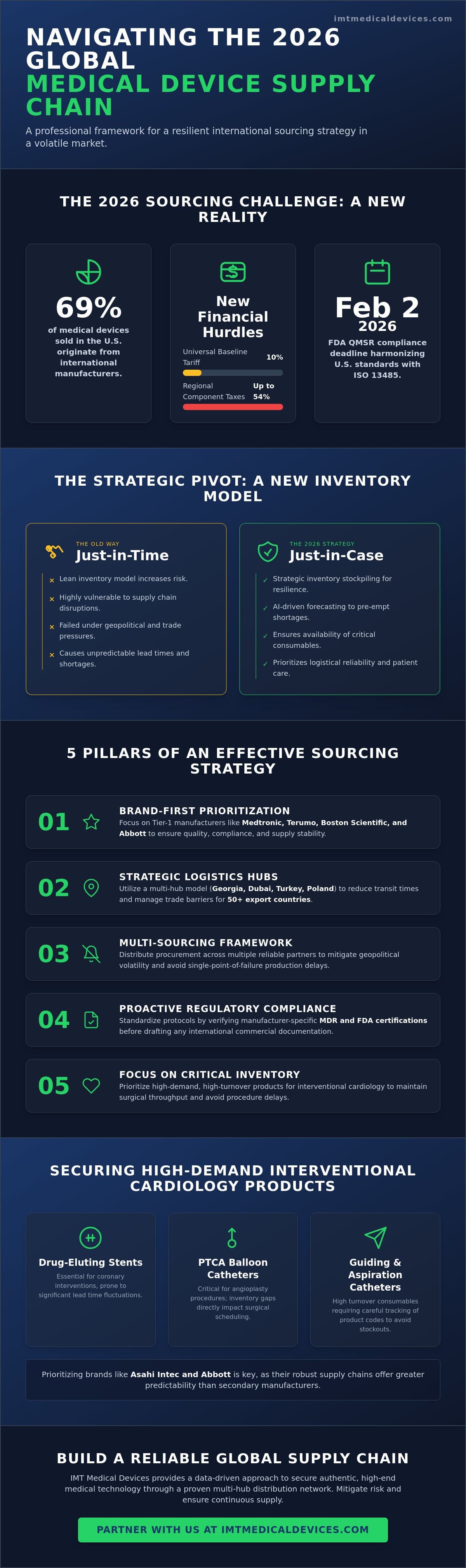
69% of medical devices sold in the U.S. originate from international manufacturers, but a 10% universal baseline tariff enacted in April 2026 has redefined the cost of global procurement. Inventory shortages of critical interventional cardiology products and complex export regulations across 50 countries create constant risk for B2B buyers. It's difficult to maintain a stable supply of premium brands when lead times fluctuate and component taxes on specific regions reach 54%.
This article presents a professional framework for an international medical device sourcing strategy tailored for 2026. It focuses on a brand-first, multi-hub distribution model to ensure access to Medtronic, Terumo, and Boston Scientific technologies. You'll find data on navigating the FDA QMSR compliance deadline of February 2, 2026, and managing international tenders under Malaysia Circular No. 1/2026. The result is a clear roadmap to reduce lead times and transition from "Just-in-Time" to "Just-in-Case" inventory for high-demand surgical consumables. This data-driven approach prioritizes logistical reliability and product availability across the global medical supply chain.
Key Takeaways
- Implement a brand-first international medical device sourcing strategy to prioritize access to premium inventories from Medtronic, Terumo, and Boston Scientific.
- Utilize strategic logistics hubs in Georgia, Dubai, Turkey, and Poland to reduce transit times and maintain consistent supply across 50+ export countries.
- Transition from "Just-in-Time" to "Just-in-Case" models for critical interventional cardiology products, including Drug-Eluting Stents and PTCA Balloon Catheters.
- Standardize regulatory compliance protocols by verifying manufacturer-specific MDR and FDA certifications before drafting international commercial documentation.
- Mitigate geopolitical supply chain volatility by leveraging a multi-sourcing framework that distributes procurement across reliable global distribution partners.
The Global Medical Device Landscape: Sourcing Challenges in 2026
The 2026 medical technology market faces a volatile intersection of high clinical demand and restrictive trade policies. As of April 2026, major medtech firms encounter an annual tariff impact of $500 million due to a 10% universal baseline tariff on U.S. imports. With 69% of medical devices sold in the U.S. manufactured internationally, procurement officers require a resilient international medical device sourcing strategy. The traditional "Just-in-Time" model has failed under the weight of 54% taxes on Chinese components. Most organizations now adopt "Just-in-Case" inventory models, using AI-driven demand forecasting to secure critical consumables before shortages disrupt patient care.
Brand reputation remains the primary driver for high-risk procurement. Hospitals prioritize established names like Medtronic, Terumo, and Boston Scientific to ensure quality and supply stability. These manufacturers align with the FDA Quality Management System Regulation (QMSR) that went into effect on February 2, 2026. This regulation harmonizes U.S. requirements with global regulatory standards for medical devices, specifically ISO 13485:2016. Reliable sourcing partners focus on these Tier-1 brands to bypass the challenges smaller companies face with rising compliance costs and regulatory hurdles.
Inventory Volatility in High-End Interventional Cardiology
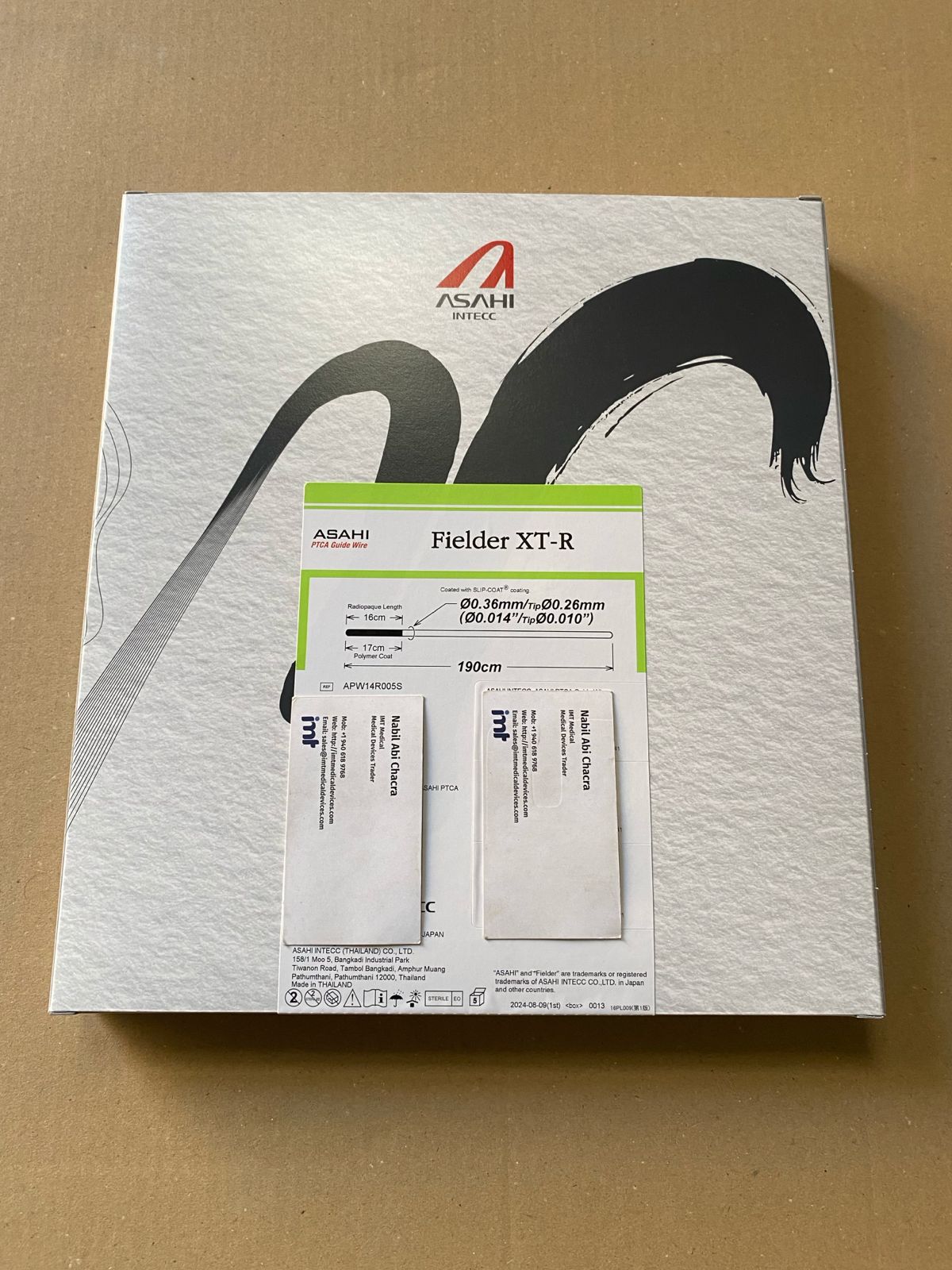
High-demand categories like drug-eluting stents and PTCA balloon catheters experience the most significant lead time fluctuations. Procurement delays directly impact hospital surgical scheduling, often forcing the postponement of elective procedures. Identifying "Best Seller" products with high turnover rates is essential for maintaining surgical throughput. Premium brands such as Asahi Intec and Abbott are prioritized because their supply chains offer better predictability than secondary manufacturers. Procurement officers must track specific product codes for aspiration catheters and guiding catheters to avoid inventory gaps during peak demand cycles.
Geopolitical Drivers of Sourcing Strategy
Geopolitical shifts have forced a regionalization of the global supply chain. Eastern Europe and Middle East hubs, particularly in Poland, Georgia, and Dubai, now serve as vital transit points for 50+ export countries. These hubs help manage trade barriers for sensitive medical implants like permanent pacemakers and ICDs. Supply chain nationalism, evidenced by Malaysia's Circular Letter No. 1/2026, complicates international tenders for diagnostic guide wires and electrophysiology catheters. Effective wholesale partners manage currency fluctuations and regional compliance demands to ensure a continuous flow of neurovascular and coronary intervention products. This "Export 50 Country" capability serves as a primary trust signal for B2B buyers seeking logistical reliability. Access to authentic, high-end technology through a multi-hub distribution network is the only way to mitigate global risks in 2026.
Pillars of an Effective International Medical Device Sourcing Strategy
A resilient international medical device sourcing strategy for 2026 defines procurement through manufacturer reliability rather than unit price alone. This brand-first framework prioritizes consistent access to Tier-1 manufacturers like Medtronic, Abbott, and Terumo. With 50% to 80% of components in U.S. made devices being imported as of May 2026, manufacturer specific disruptions are inevitable. Multi-sourcing mitigates these risks. It ensures that a production delay at one global facility doesn't halt local clinical operations. Procurement officers now establish volume-based tiers. These tiers allow for wholesale efficiency while maintaining a diversified supplier base across multiple geographic regions.
Technical specifications must align with manufacturer history. A device with superior specs is useless if the lead times remain indefinite. Procurement teams evaluate the logistical infrastructure of brands to ensure stable delivery to their specific region. This balance of performance and availability is the core of 2026 procurement. It requires a deep understanding of which brands maintain the most robust inventory levels for interventional cardiology and surgical applications. Reliable partners focus on high-capacity distributors that bridge the gap between manufacturer production and international market demand.
Brand Tiering and Manufacturer Selection
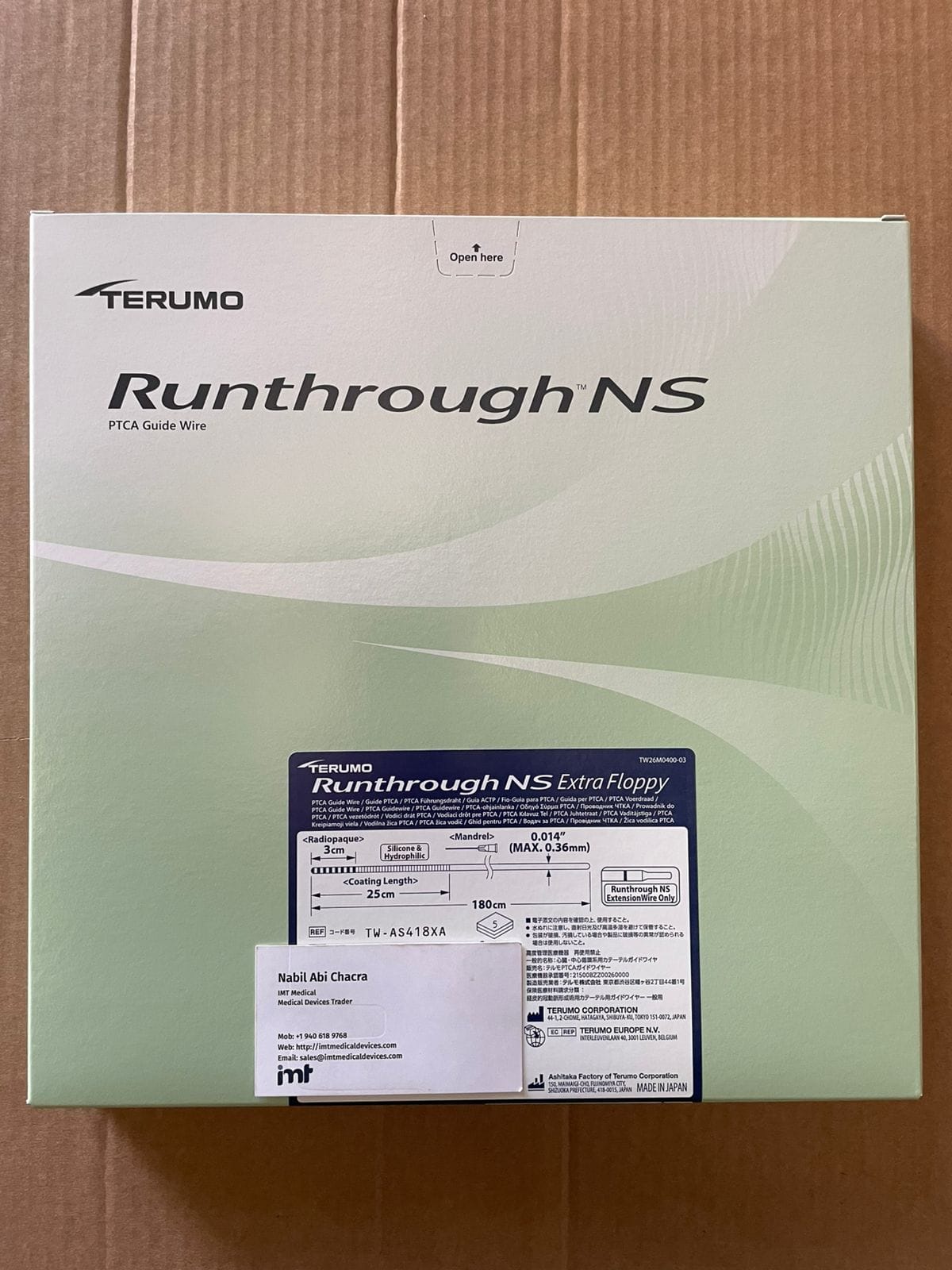
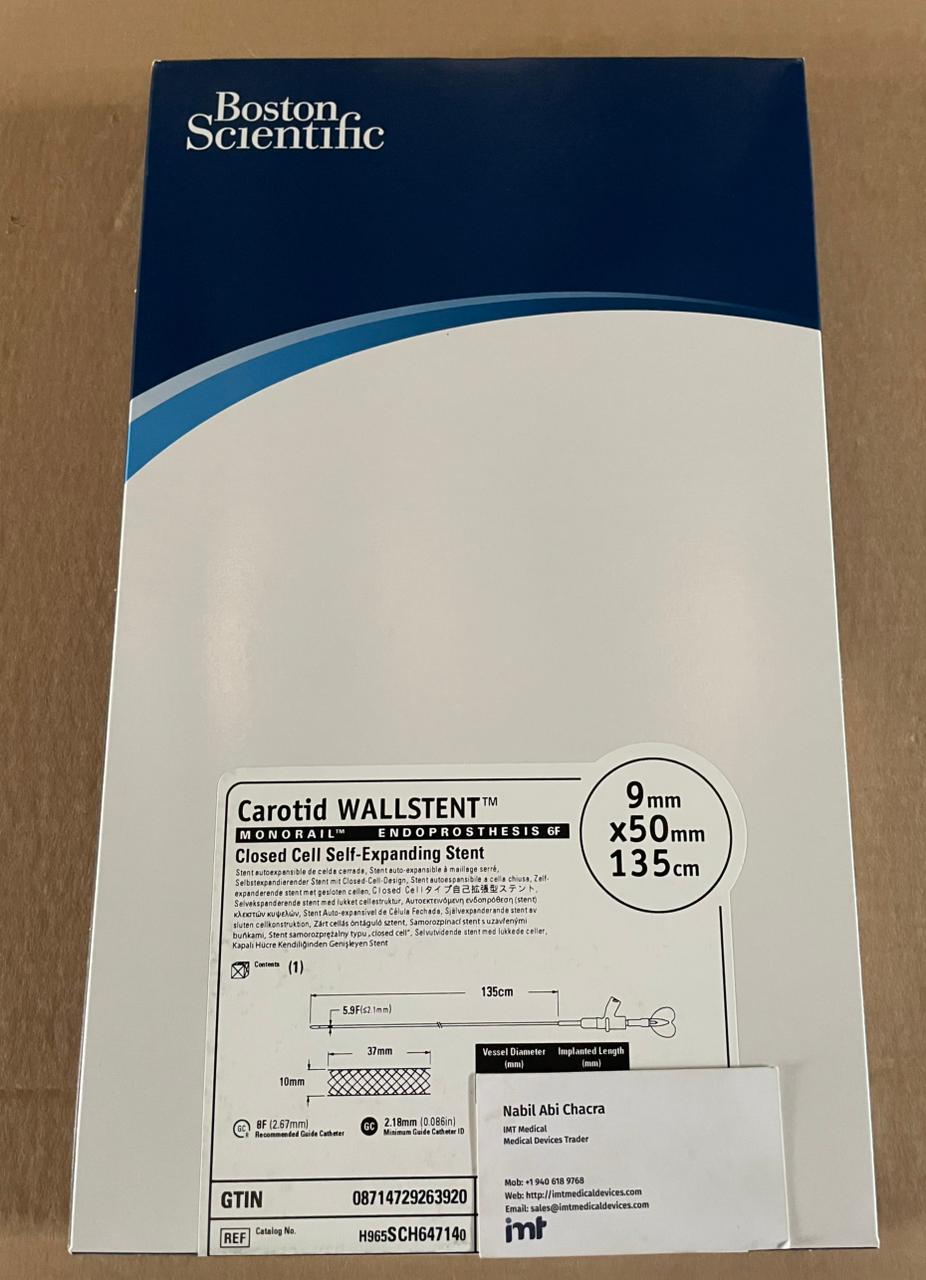
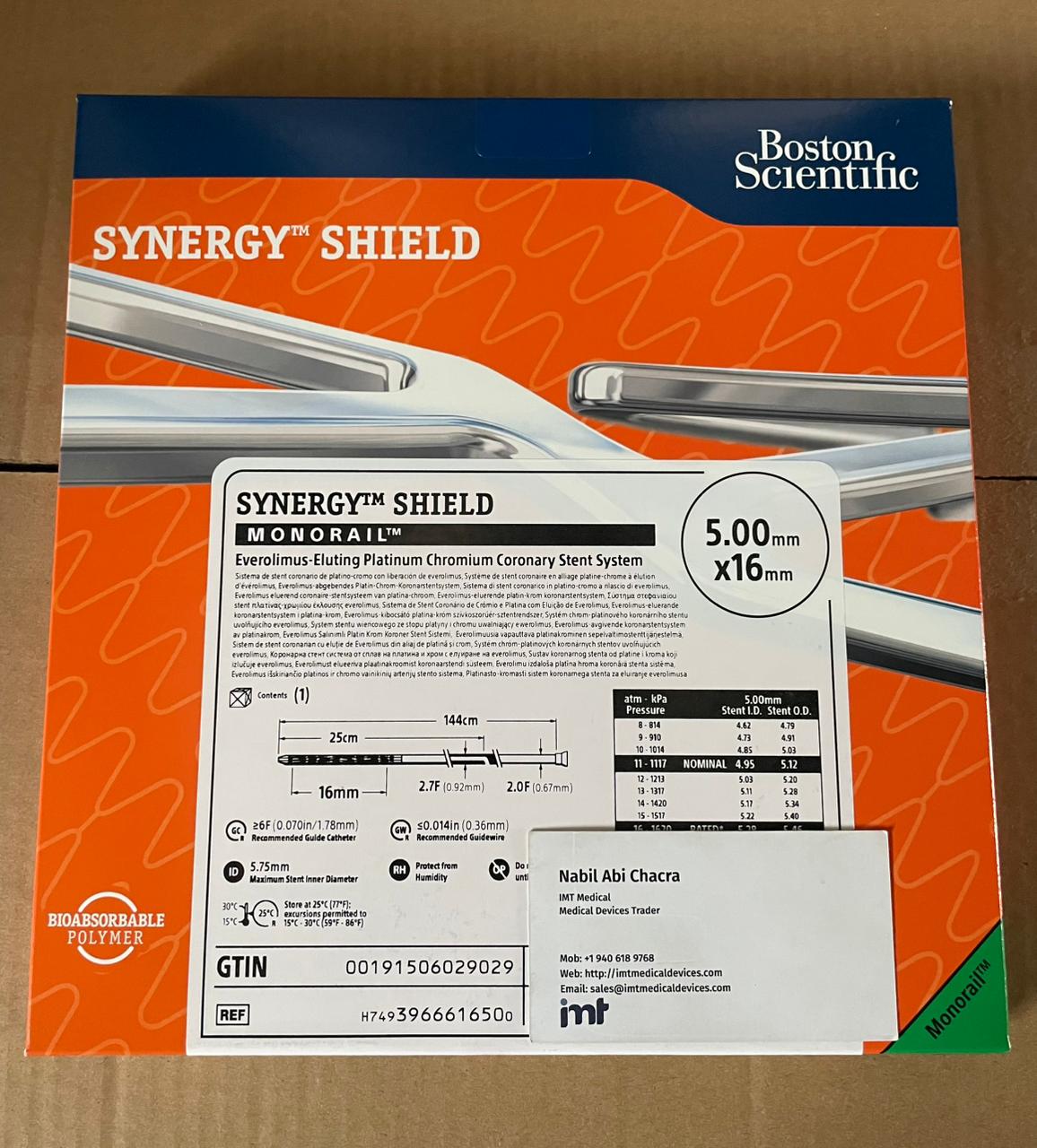
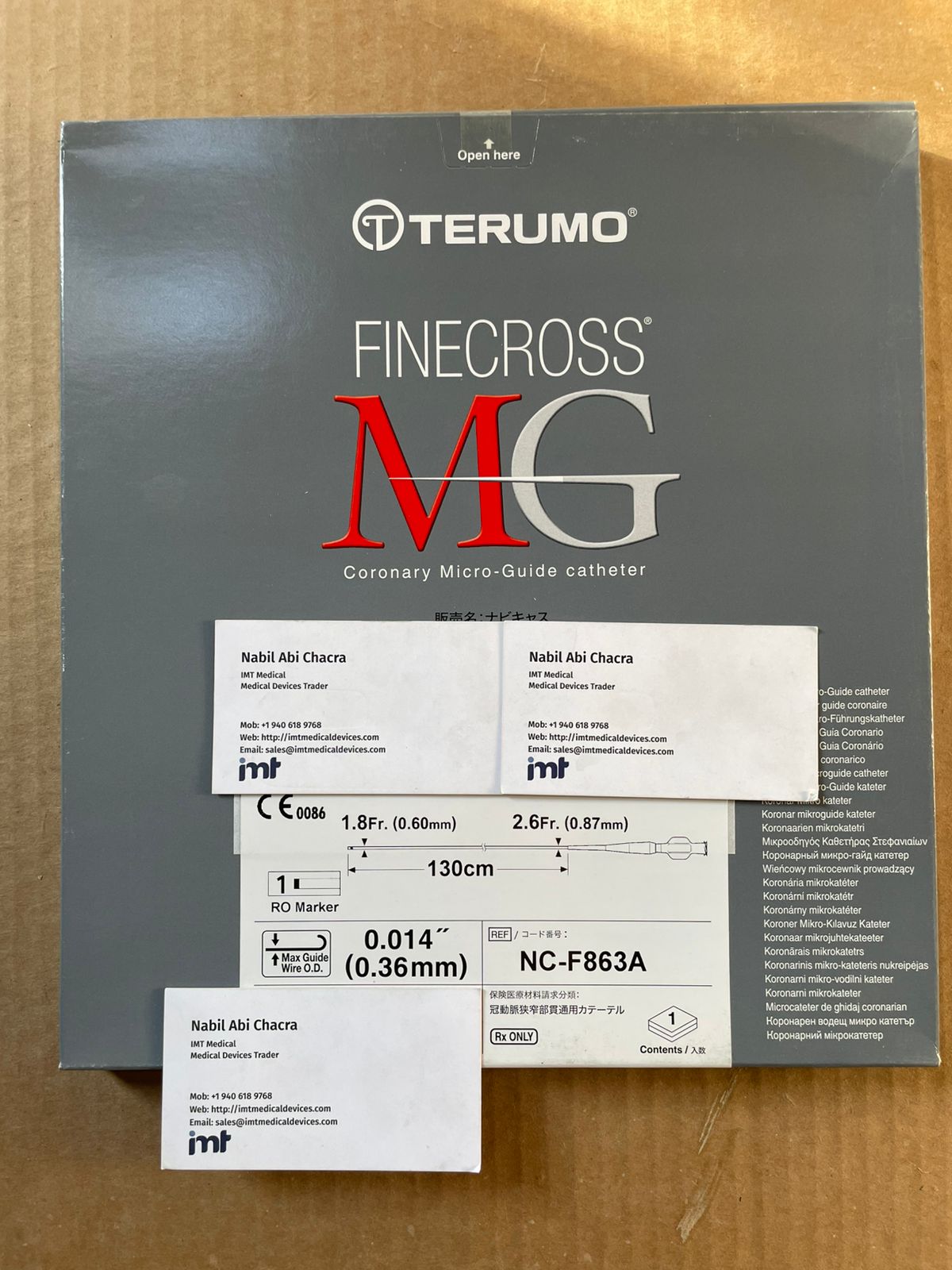
Procurement focuses on high-demand interventional cardiology platforms. Medtronic Resolute Onyx and Boston Scientific Synergy stents remain the global standards for drug-eluting performance. Sourcing permanent pacemakers and ICD platforms involves a data-driven evaluation of manufacturer support and lead time stability. Asahi Intec and Terumo dominate the vascular access category. Their specialized manufacturing processes for guidewires and guiding catheters provide the precision required for complex neurovascular and coronary interventions. Procurement officers categorize these as "A-Tier" brands due to their clinical reputation and 2026 market share. You can browse available brands to identify multi-sourcing opportunities that align with current regulatory standards.
Multi-Sourcing for Critical Interventional Consumables
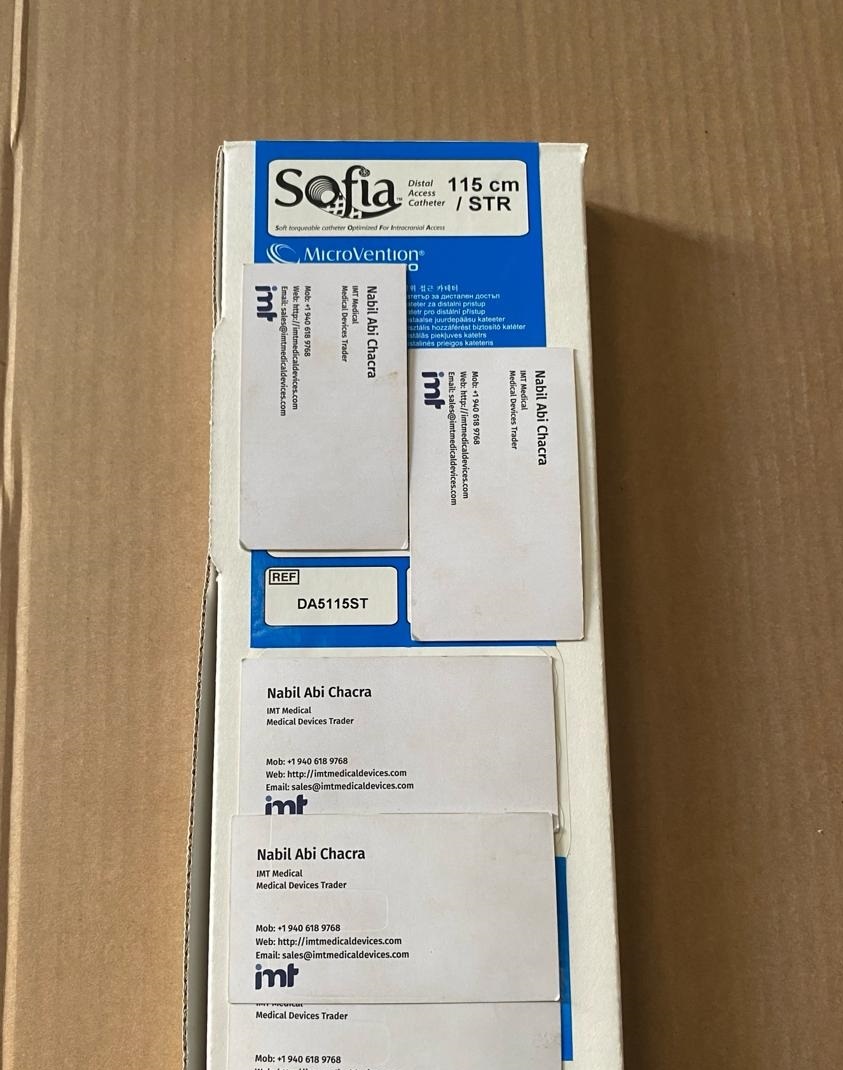
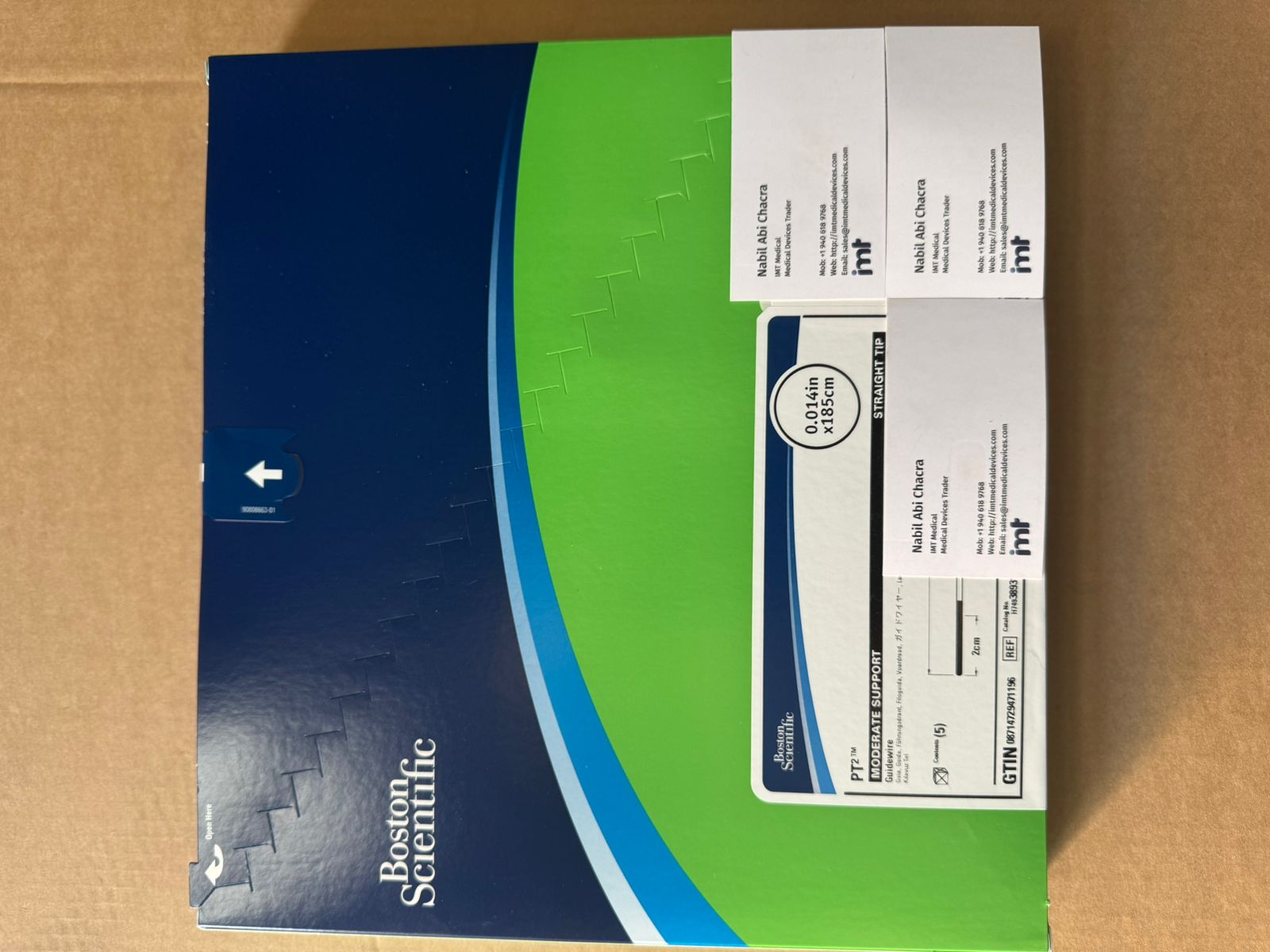
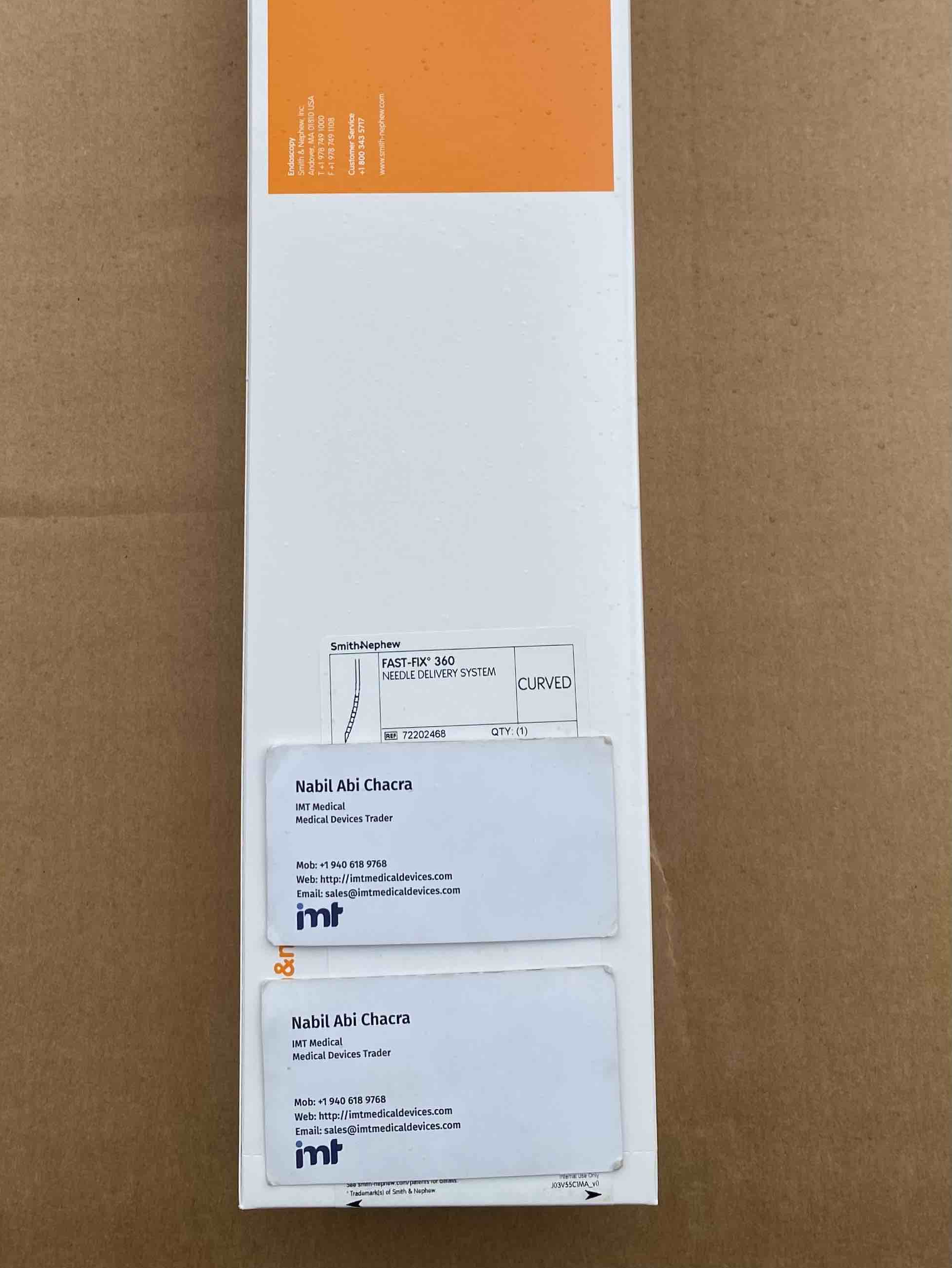
Redundancy serves as the primary defense against inventory volatility. Sourcing guidewires from multiple Tier-1 brands prevents procedural cancellations during supply chain shifts. Hospitals avoid reliance on single sources for PTCA balloon catheters. Instead, they maintain contracts with at least two manufacturers to hedge against regional export restrictions or shipping delays. This strategy extends to surgical stapler supply chains. Managing diverse manufacturer channels ensures that surgical teams have constant access to necessary staples and reloads. This approach secures the supply chain against the $500 million annual tariff impacts currently affecting the industry while ensuring compliance with the FDA QMSR standards enacted on February 2, 2026.
Leveraging Strategic Logistics Hubs for Global Distribution
A robust international medical device sourcing strategy depends on the geographic placement of physical inventory. In 2026, relying on single-point manufacturing from the U.S. or China is no longer a viable model for global providers. Strategic logistics hubs in Georgia, Dubai, Turkey, and Poland provide the necessary infrastructure to bypass regional trade barriers and high tariffs. These locations act as regional buffers. They allow for the "Just-in-Case" inventory model required to combat the 10% universal baseline tariffs affecting 69% of medical devices sold in Western markets. Warehouse proximity to emerging markets ensures that emergency procurement needs for neurovascular and coronary intervention products are met within 24 to 48 hours.
Optimizing "Cold Chain" logistics is a technical priority for sensitive cardiology implants. Permanent pacemakers and ICDs require climate-controlled environments and specialized handling to maintain battery integrity and sterile packaging. Strategic hubs utilize advanced monitoring systems to track these parameters throughout the transit process. By maintaining regional offices in these hubs, distributors reduce transit times for the "Export 50 Country" network. This logistical reach transforms a digital warehouse into a high-speed inventory feed. It provides direct access to premium brands like Medtronic, Terumo, and Boston Scientific while ensuring compliance with the FDA QMSR standards effective since February 2, 2026.
Tbilisi and Dubai: Gateway Hubs for Emerging Markets
- Dubai (UAE): Primary distribution point for the MENA region. Jebel Ali Free Zone offers duty-free advantages for wholesale pricing on PTCA balloon catheters and drug-eluting stents.
- Tbilisi (Georgia): Logistical bridge between Europe and Asia. Georgia provides a low-tax environment and simplified export documentation for diagnostic guide wires and guiding catheters.
Poland and Turkey: Sourcing Stability in Europe
Turkey serves as a critical manufacturing and export corridor. Its presence in the medical supply chain facilitates the movement of surgical staplers and electrophysiology catheters across three continents. Poland acts as the central hub for EU-regulated medical device distribution. With the FDA QMSR now aligned with ISO 13485:2016, Poland’s regional presence allows for rapid customs clearance of Asahi Intec and Abbott technologies. These hubs manage the complexities of Malaysia Circular No. 1/2026 and other regional tender requirements. They ensure that interventional cardiology products reach their destination without the lead time fluctuations typical of direct manufacturer shipping.
Navigating Regulatory Compliance and Export Documentation
A successful international medical device sourcing strategy requires rigorous adherence to shifting global mandates. Since the FDA QMSR alignment with ISO 13485:2016 took effect on February 2, 2026, documentation standards have become more stringent. Wholesalers must execute a five-step verification process to ensure market access across 50 countries. This process begins with manufacturer-specific regulatory certification checks. It's essential to confirm that products like Medtronic Resolute Onyx or Boston Scientific Synergy stents carry valid MDR or FDA markings before procurement. Precise drafting of international commercial invoices and packing lists follows. These documents must include exact manufacturer part numbers and batch details to prevent customs delays.
Managing Certificates of Origin is the third critical step. These documents are vital for calculating the 10% universal baseline tariff or the 54% component tax on specific regional imports. Step four involves ensuring compliance with country-specific import regulations, such as the Malaysian Circular Letter No. 1/2026. Finally, logistical documentation for sensitive technology must be finalized. This includes temperature logs for permanent pacemakers and ICDs to prove sterile integrity during transit. You can contact our export department to review current compliance requirements for your region.
Essential Export Documentation for Medical Wholesale
Professional documentation relies on "Product Details" anchors. This structured approach ensures rapid information retrieval for customs officers and procurement managers. Invoices must clearly separate VAT and customs duties for bulk medical exports to maintain financial transparency. Traceability is mandatory for implantable devices. Every drug-eluting stent (DES) and implantable cardioverter defibrillator (ICD) requires a documented chain of custody. This level of detail supports the "Export 50 Country" claim by providing the logistical reliability needed for high-capacity distribution.
Quality Control and Authentic Technology Verification
Authenticity verification is a non-negotiable component of modern sourcing. Wholesalers verify Medtronic and Boston Scientific products through direct manufacturer serial number validation. This prevents the entry of counterfeit or sub-standard technology into the supply chain. Sterile integrity must be maintained from the warehouse to the final destination. Specialized packaging and climate-controlled transit are used for neurovascular and coronary intervention products. Wholesalers also manage recall notifications across international borders. They act as a vital bridge between manufacturers and international markets, ensuring that safety alerts reach hospital procurement officers immediately. This systematic approach to quality control defines a reliable international medical device sourcing strategy in 2026.
IMT Medical Devices: Your Partner in Global Sourcing Execution
IMT Medical Devices operates as a high-capacity international distributor, providing the logistical infrastructure necessary for a modern international medical device sourcing strategy. With a verified "Export 50 Country" capability, the company bridges the gap between major manufacturers and global markets. This reach is essential in 2026, where 50% to 80% of device components are imported and trade barriers remain high. Partners gain direct access to premium inventories from Medtronic, Terumo, Boston Scientific, and Abbott. This access ensures that clinical facilities maintain a stable supply of authentic technology without the lead time volatility common in single-source manufacturer relationships.
Wholesale pricing structures are designed for procurement efficiency. IMT utilizes volume-based tiers that reward large-scale procurement, allowing healthcare providers to optimize their budgets against the $500 million annual tariff impacts currently facing the industry. The company provides comprehensive support for export documentation, ensuring every shipment complies with the FDA QMSR standards effective since February 2, 2026. This includes managing country-specific mandates like Malaysia Circular No. 1/2026. By handling the complexities of international commerce, IMT allows procurement officers to focus on clinical availability rather than administrative hurdles.
Inventory Depth in Interventional Cardiology and Surgery
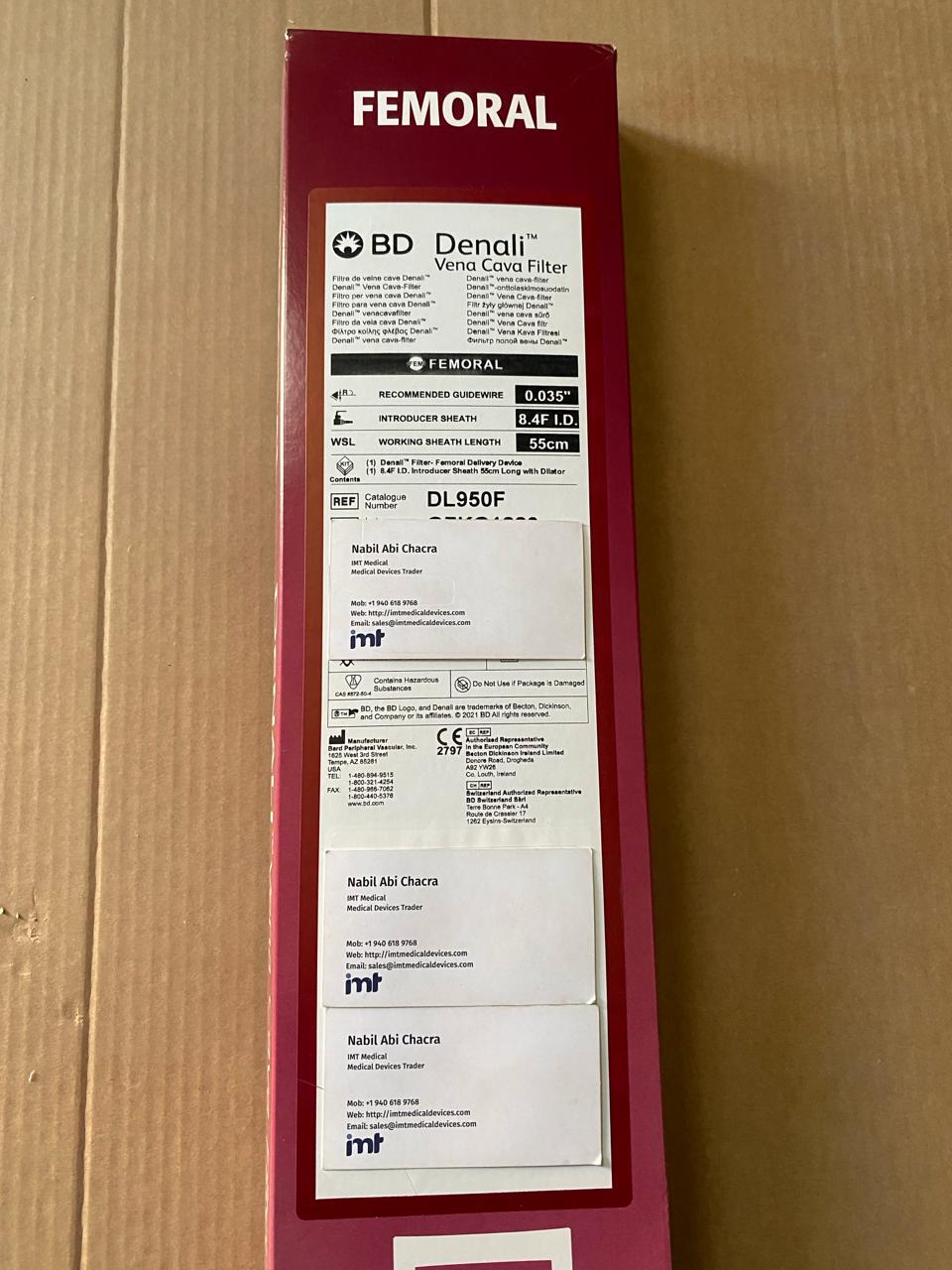
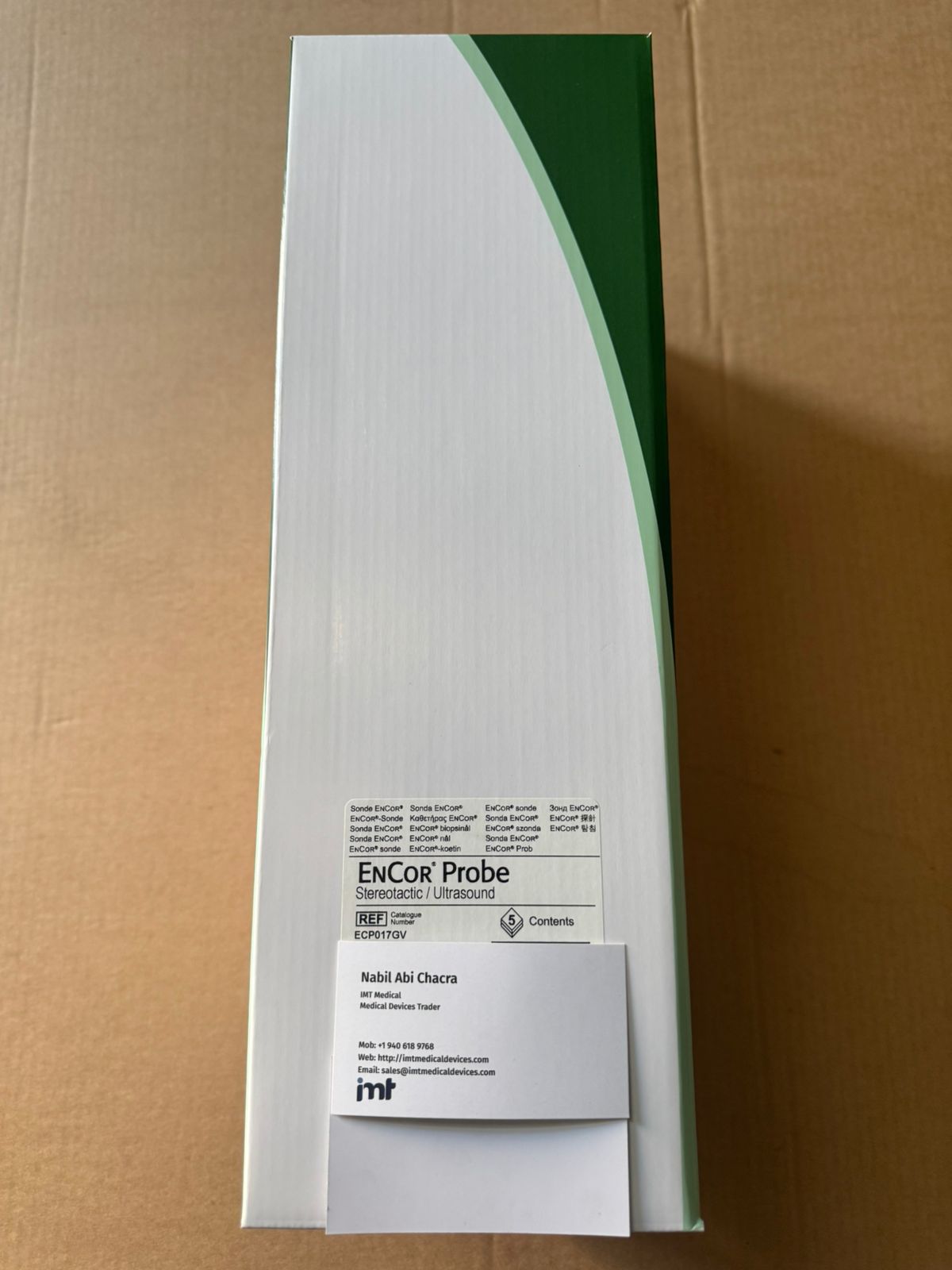
IMT maintains bulk availability across high-demand categories. Inventory includes Drug-Eluting Stents, PTCA Balloon Catheters, and Diagnostic Guide Wires. Specialized sourcing is available for CRM devices, including permanent pacemakers and ICDs, alongside a full range of surgical staplers and reloads. Large-scale healthcare providers benefit from customized procurement solutions that align with their specific surgical volumes. Every item in the catalog is organized by brand and part number for rapid data transmission. This brand-first approach ensures that interventional cardiology and neurovascular teams receive the exact specifications required for complex procedures.
Logistical Reliability and Global Reach
Managing the "Export 50 Country" promise requires precision and scale. IMT utilizes strategic offices in Georgia, Dubai, Turkey, and Poland to provide 24/7 logistical support. These hubs ensure that transit times are minimized and cold chain integrity is maintained for sensitive implants. The company’s digital warehouse operates as a high-speed inventory feed, providing real-time data on product availability. This logistical reliability is the foundation of a resilient international medical device sourcing strategy in 2026. To secure your supply chain, Contact IMT Medical Devices for a wholesale quote and identify the best sellers for your specific region.
Securing Global Supply Chain Resiliency for 2026
A resilient international medical device sourcing strategy requires shifting from reactive purchasing to a proactive, brand-first distribution model. Success in 2026 depends on navigating the FDA QMSR standards enacted on February 2, 2026, and mitigating the 10% universal baseline tariffs on imports. Procurement officers must leverage strategic logistics hubs in Georgia, Dubai, Turkey, and Poland to ensure consistent availability of Tier-1 brands like Medtronic, Terumo, and Boston Scientific. This framework reduces transit times and secures the supply of critical interventional cardiology products, including drug-eluting stents and permanent pacemakers. It transforms the supply chain from a vulnerability into a logistical advantage.
IMT Medical Devices provides the high-capacity infrastructure and technical expertise to execute this framework across 50 countries. As an authorized distributor, the company maintains direct access to authentic surgical staplers, PTCA catheters, and electrophysiology technology. This network ensures that your facility bypasses lead time fluctuations and inventory shortages common in the current medtech market. Request a Wholesale Quote for Global Medical Supplies to optimize your procurement pipeline and secure your inventory. Reliable access to premium medical technology is the foundation of clinical excellence and operational stability in a complex global landscape.
Frequently Asked Questions
What are the key components of a medical device sourcing strategy?
The primary components of an international medical device sourcing strategy include brand tiering, logistical hub selection, and regulatory compliance protocols. This framework prioritizes access to Tier-1 manufacturers while maintaining diversified supplier channels to mitigate inventory volatility. Procurement officers focus on identifying high-turnover products and establishing volume-based tiers to optimize wholesale efficiency across global markets.
How does multi-sourcing improve supply chain resilience in hospitals?
Multi-sourcing prevents procedural cancellations by ensuring clinical teams have access to alternative brands if a primary manufacturer faces production delays. This redundancy is critical for high-demand surgical consumables like PTCA balloon catheters and guidewires. By maintaining contracts with at least two manufacturers, hospitals hedge against regional export restrictions and shipping delays, ensuring a stable supply of interventional cardiology technology.
What documentation is required for international medical device exports?
Required documentation includes manufacturer certifications, international commercial invoices, packing lists, and Certificates of Origin. Specialized export permits are also necessary for sensitive cardiology implants like permanent pacemakers to ensure sterile integrity and traceability. Precise documentation prevents customs delays and ensures compliance with country-specific import regulations, facilitating the rapid movement of neurovascular and coronary intervention products.
Why is regional hub placement important for medical device distribution?
Regional hubs in locations like Dubai, Poland, and Georgia reduce transit times and provide duty-free advantages for wholesale procurement. Proximity to major markets allows for 24 to 48-hour delivery windows, which is essential for emergency medical needs. These hubs act as regional buffers, supporting the "Just-in-Case" inventory model required to combat global supply chain shifts and high component taxes.
How do I verify the authenticity of wholesale medical devices?
Authenticity is verified through manufacturer serial number validation and rigorous inspection of sterile packaging integrity. Wholesalers provide a documented chain of custody for every implantable device, including drug-eluting stents and ICDs. This verification process ensures that products from Medtronic, Terumo, or Boston Scientific are genuine, safe for clinical use, and compliant with current quality management system regulations.
What are the advantages of sourcing Medtronic or Terumo products through a wholesaler?
Sourcing through a wholesaler provides volume-based procurement advantages and consolidated access to multiple premium brands through a single partner. This approach simplifies the international medical device sourcing strategy by offering a high-speed inventory feed of diverse manufacturer catalogs. Wholesalers manage the complexities of international commerce and regional compliance, allowing procurement officers to focus on clinical availability and product performance.
How does IMT Medical Devices manage shipping to 50+ countries?
IMT manages global distribution through a network of strategic offices and dedicated logistics partners in Georgia, Dubai, Turkey, and Poland. This "Export 50 Country" infrastructure handles the complexities of regional customs clearance and temperature-controlled transit for sensitive medical technology. The company utilizes a digital warehouse model to provide real-time data on product availability, ensuring rapid and reliable delivery of interventional cardiology and surgical supplies.