

International Medical Equipment Shipping Regulations: A 2026 Global Compliance Reference
A single documentation error in 2026 can result in a 14-day impoundment of life-critical neurovascular devices at international borders. You recognize that regulatory misalignment between EU MDR and FDA standards creates high-risk bottlenecks for global distribution. It's clear that maintaining the cold chain for sensitive implants while navigating international medical equipment shipping regulations requires more than just standard freight protocols. This technical roadmap provides the 2026 framework to ensure 100% customs clearance and product integrity for high-end systems from Medtronic, Terumo, and Boston Scientific.
We detail exact documentation requirements, specialized handling for coronary intervention tools, and a repeatable export-import protocol for distribution to 50 countries. You'll gain a functional guide to managing regional compliance variances and securing your global supply chain against costly transit delays. We focus on the industrial requirements for aspiration catheters and neurovascular stents. This reference serves as a logistical bridge for wholesale export operations. It delivers the precise data needed for rapid information retrieval by procurement officers and international medical distributors.
Key Takeaways
- Implement IMDRF global standards and ISO 13485 quality management protocols to ensure regulatory compliance across international supply chains.
- Identify mandatory documentation requirements, including technical specification details for commercial invoices and Certificate of Free Sale protocols for non-origin markets.
- Navigate international medical equipment shipping regulations for high-stakes cardiology devices requiring specialized temperature control and environmental monitoring.
- Mitigate distribution risks by utilizing GDP-certified carriers and strategic bonded warehouses located in key international medical hubs.
- Leverage IMT Medical Devices’ operational reach for direct export and logistics management to over 50 countries via strategic distribution hubs in Georgia, Dubai, Turkey, and Poland.
Global Regulatory Frameworks for Medical Device Export
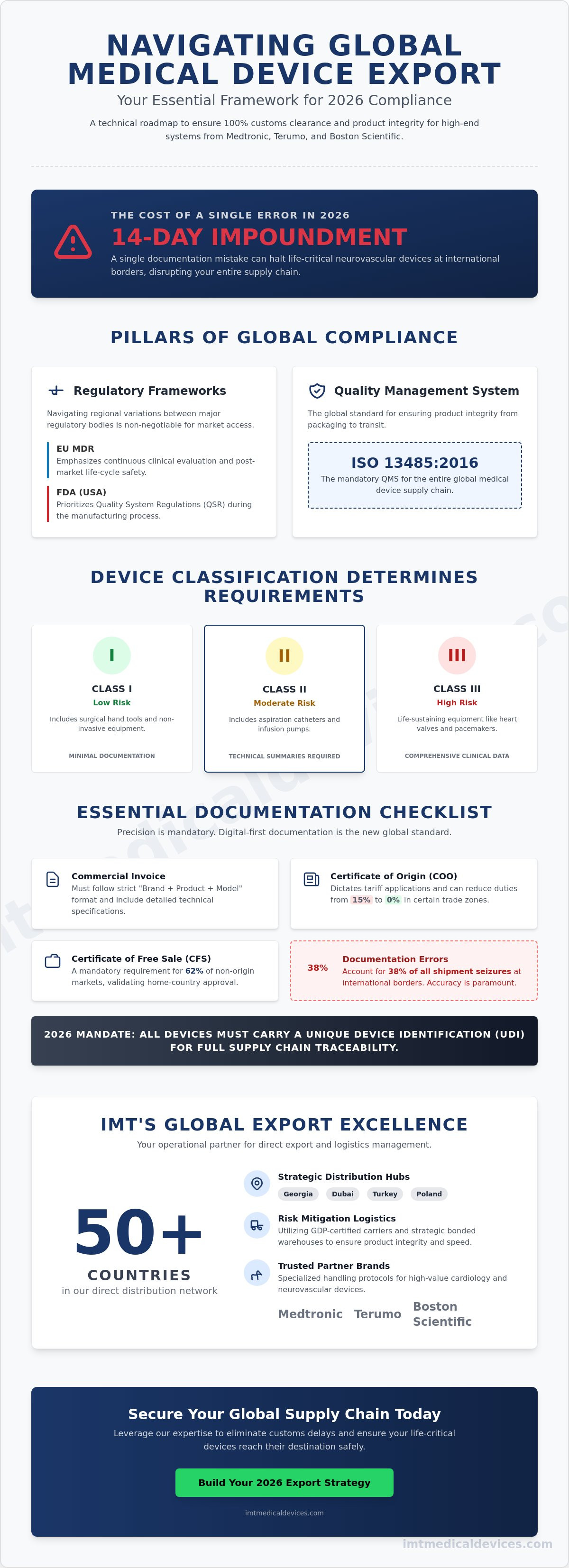
Adherence to international medical equipment shipping regulations requires strict alignment with the International Medical Device Regulators Forum (IMDRF) standards. These frameworks provide the technical basis for harmonized market entry. ISO 13485:2016 remains the mandatory quality management system (QMS) for the global supply chain. It dictates every phase of the logistical process, from sterile packaging to climate-controlled transit. For high-capacity distributors, this standard ensures that products from brands like Medtronic and Terumo maintain integrity during cross-border movement.
Device classification dictates the level of regulatory scrutiny and documentation required for customs clearance. The distinction between categories is based on risk and intended use:
- Class I: Low-risk devices. Includes surgical hand tools and non-invasive equipment. Minimal documentation required.
- Class II: Moderate-risk. Includes aspiration catheters and infusion pumps. Requires specific performance standards and technical summaries.
- Class III: High-risk. Life-sustaining equipment such as heart valves and pacemakers. Requires comprehensive clinical data and pre-market approval.
The EU Medical Device Regulation (MDR) 2017/745 has redefined global medical device regulations by shifting the focus toward life-cycle safety. This regulation impacts all manufacturers exporting to the Eurozone. It mandates rigorous clinical evaluations and technical documentation updates. Compliance is non-negotiable for maintaining access to the European market. Most global markets now adopt similar high-stringency models to ensure patient safety.
Harmonized Standards and Regional Variations
Current IMDRF policies evolved from the Global Harmonization Task Force (GHTF) legacy guidelines. Despite harmonization efforts, critical differences persist between FDA 21 CFR Part 820 and EU MDR. The FDA system prioritizes Quality System Regulations (QSR) during manufacturing. EU MDR emphasizes continuous clinical evaluation and post-market safety. Emerging logistics hubs like the UAE (MOHAP) and Turkey (TITCK) have implemented localized registration requirements. Turkey’s TITCK system aligns with EU MDR protocols to facilitate rapid transit within the Customs Union. IMT Medical Devices leverages these frameworks to maintain an Export 50 Country reach.
The 2026 Compliance Landscape
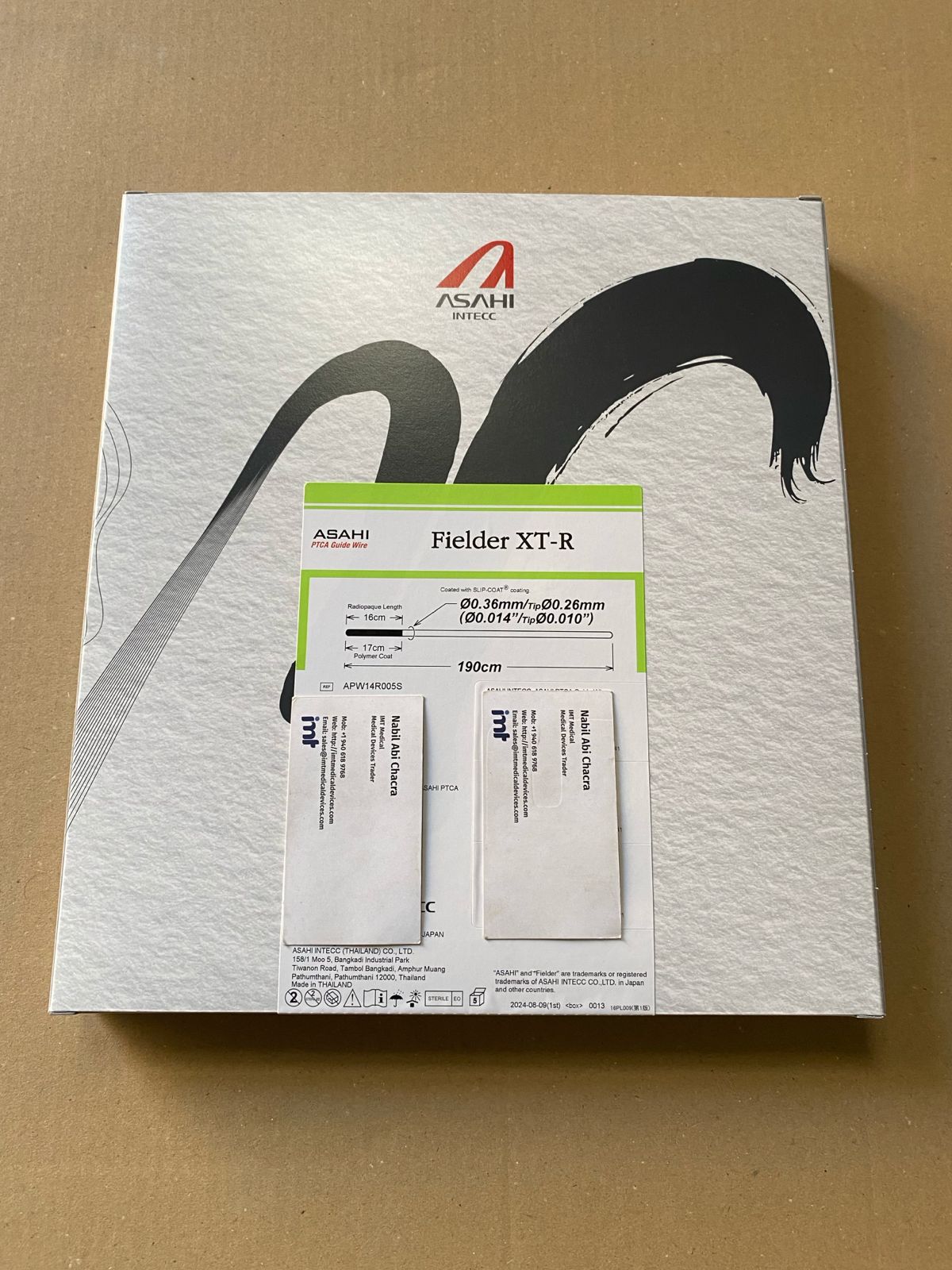
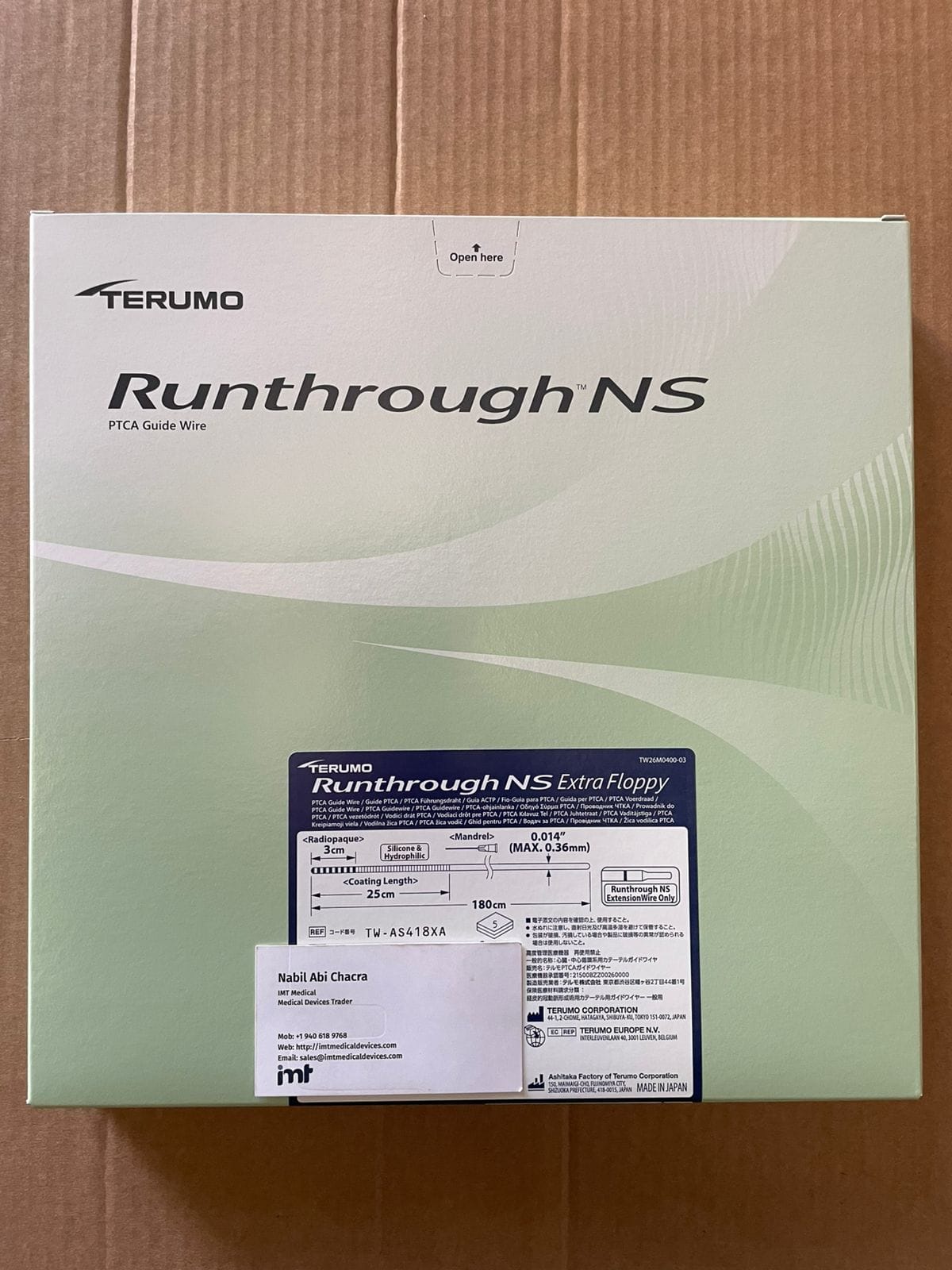
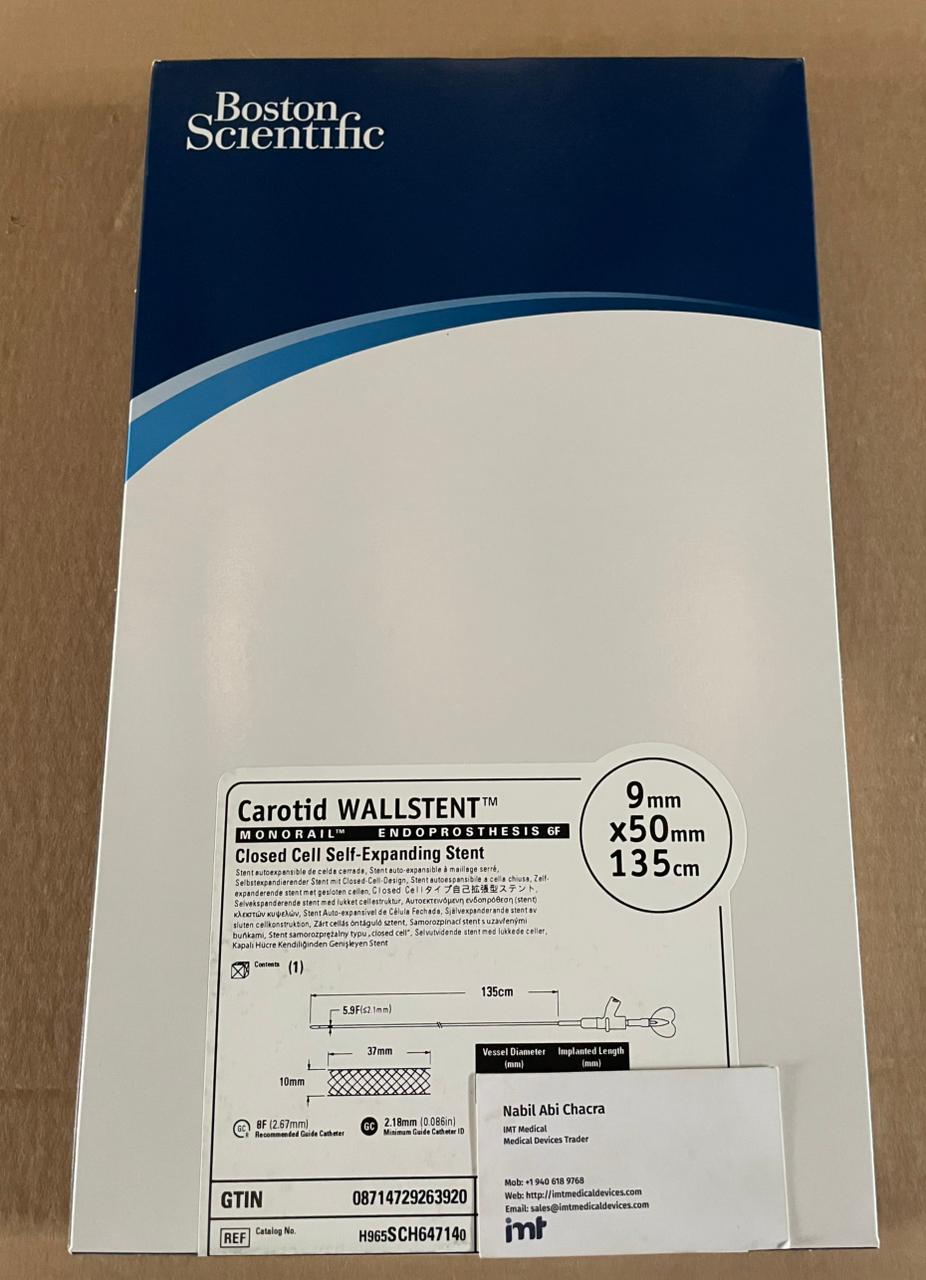
By 2026, all medical devices exported globally must carry a Unique Device Identification (UDI) to ensure full traceability throughout the supply chain. Digital reporting requirements for international customs now mandate the use of electronic Technical Files. Paper-based documentation is no longer accepted in major trade zones. Exporters must fulfill post-market surveillance (PMS) obligations, which include real-time reporting of field safety corrective actions to regional regulators. Precision in international medical equipment shipping regulations is essential for avoiding port-of-entry delays. Product Details: Medtronic neurovascular, Boston Scientific coronary intervention, and Terumo aspiration catheters available for immediate wholesale export.
Essential Documentation for International Customs Clearance
International medical equipment shipping regulations for 2026 demand absolute precision in data submission. Documentation errors account for 38% of shipment seizures at international borders. Rapid clearance depends on the alignment of commercial paperwork with physical inventory. It's vital to maintain a digital-first documentation strategy to meet the evolving standards of global customs authorities.
- Commercial Invoice: This document must follow a strict "Brand + Product + Model Number" format. Example: Medtronic, Resolute Onyx DES, Model RES3518Z. Technical specifications, including material composition and dimensions, are required for 100% of cardiology devices.
- Certificate of Free Sale (CFS): This is a mandatory requirement for 62% of non-origin markets. It validates that the device is approved for sale in the manufacturer’s home country.
- Certificate of Origin (COO): This document dictates tariff applications. Accurate COOs allow importers to leverage trade agreements, potentially reducing duties from 15% to 0% in specific economic zones.
- Packing List: A granular breakdown is necessary. Logistics teams must separate sterile components, such as Terumo Glidewires, from non-sterile hardware or monitors in the manifest.
Technical and Sterilization Certificates
Shipments of surgical implants require valid sterilization validation. Proof of compliance with ISO 11135 (Ethylene Oxide) or ISO 11137 (Radiation) must accompany the airway bill. Drug-Eluting Stents (DES) involving pharmaceutical agents require additional chemical data sheets. Customs officers check the "Use By" dates on 100% of sterile inventory. If the remaining shelf-life is less than 18 months, many ports will deny entry. Aligning with FDA import and export regulations ensures that these technical hurdles don't disrupt the supply chain.
Import Permits and Licensing
Wholesale medical equipment distribution requires valid regional licenses in 94% of global jurisdictions. Specialized cardiology devices, like Boston Scientific aspiration catheters, often require pre-import notifications. Logistics partners must secure a Customs Power of Attorney (POA) to facilitate legal representation during the clearance process. Our Export 50 Country infrastructure manages these complexities to ensure zero-day delays at the port. For high-capacity distribution, you can browse our compliant medical inventory. Product Details: Medtronic, Terumo, Boston Scientific. Global logistics excellence. Reliable technical data. High-speed inventory transmission.
Specialized Handling for High-Stakes Cardiology Devices
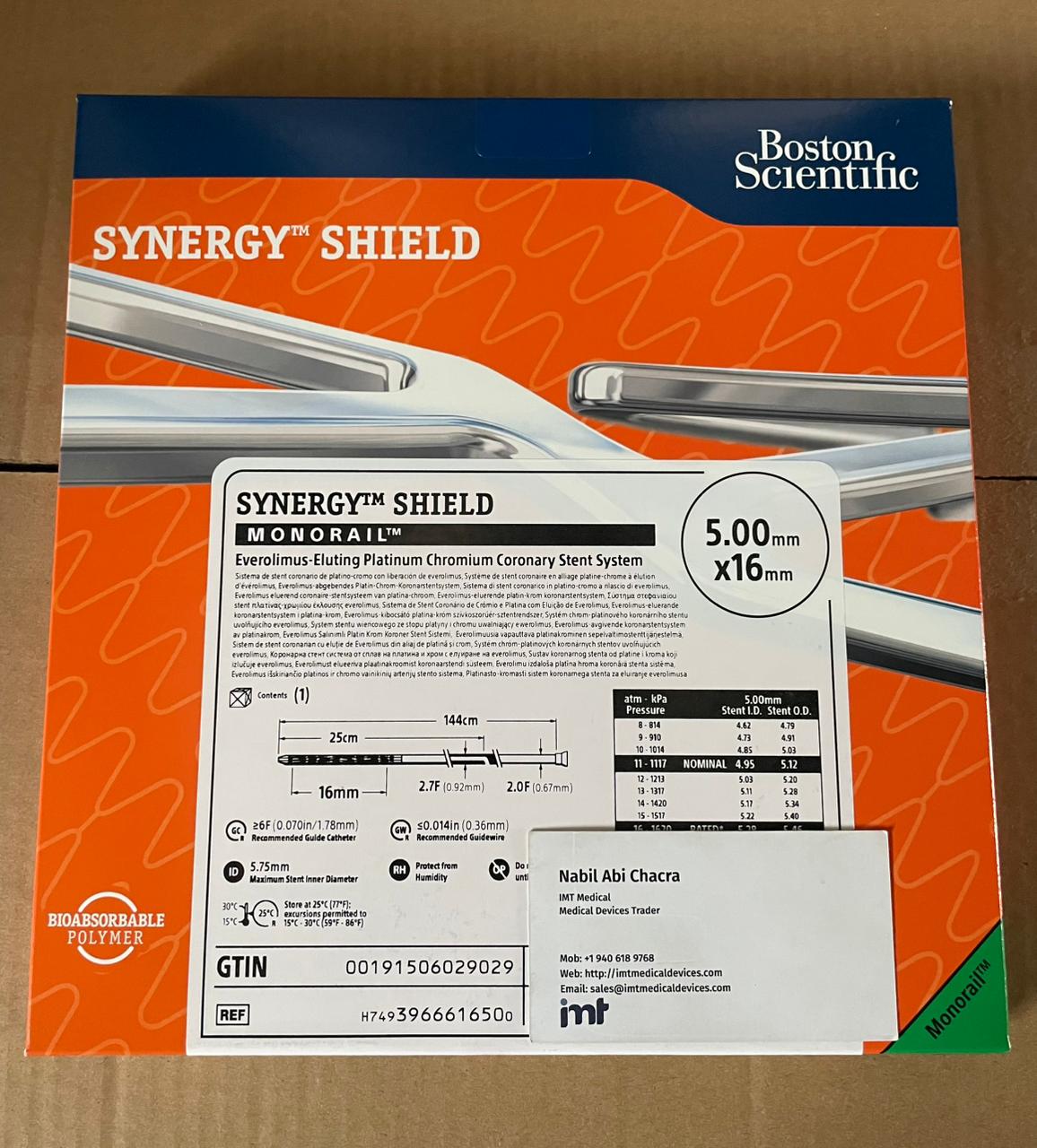
Coronary intervention logistics require extreme precision. Shipping drug-eluting stents (DES) from manufacturers like Medtronic or Boston Scientific involves managing pharmaceutical stability and mechanical integrity simultaneously. These devices feature sensitive polymer coatings that degrade if exposed to environmental extremes. International medical equipment shipping regulations for 2026 mandate rigorous documentation for every transit leg to ensure patient safety. Logistics providers must account for vibration and shock protection to prevent microscopic damage to the stent struts or delivery systems.
Cold Chain Integrity for Implants
Maintaining a strict 2°C to 8°C environment is essential for drug-coated technologies. Thermal instability compromises the elution rate of the medication, rendering the stent ineffective. Logistics teams utilize active cooling systems and vacuum-insulated packaging to prevent spikes. Data loggers are mandatory for verifying compliance upon arrival at global distribution hubs. A Temperature Excursion Protocol is a documented emergency procedure that outlines the specific steps taken to assess and validate product safety after a shipment leaves its required temperature range. Adherence to FDA requirements for exporting medical devices ensures that all cold chain data meets international audit standards for high-risk implants.
Battery-Operated Device Regulations
Shipping permanent pacemakers and Implantable Cardioverter Defibrillators (ICDs) presents unique challenges due to integrated lithium-ion batteries. These components are classified as Class 9 hazardous materials. Carriers must follow IATA Dangerous Goods Regulations (DGR) for all air transport. Key requirements include:
- UN38.3 testing certification to confirm battery cell stability during pressure changes and thermal cycling.
- Shock-absorbent inner packaging to protect delicate circuitry from transit vibration.
- Specific labeling for "Lithium Ion Batteries Contained in Equipment" on all outer cartons.
- Verification of the state of charge (SoC), which is often restricted to 30% for bulk air shipments.
Documentation for international medical equipment shipping regulations must include the Shipper's Declaration for Dangerous Goods. It's vital to provide accurate UN38.3 test summaries to avoid customs seizures. Precise handling prevents micro-fractures in the device housing. This ensures the 10-year battery life expected from premium brands like Abbott or Biotronik remains intact. Global distributors prioritize these technical protocols to maintain the reliability of life-critical cardiac rhythm management systems.
Logistics Infrastructure and Global Risk Mitigation
Strict adherence to international medical equipment shipping regulations requires a robust logistics framework. Carriers must hold Good Distribution Practice (GDP) certification. This certification, updated for 2026 compliance, ensures that temperature-sensitive devices maintain their specified environment throughout the supply chain. Global distributors utilize bonded warehouses in strategic hubs like Singapore, Dubai, and Rotterdam. These facilities allow for tax-deferred storage and streamlined customs clearance for rapid regional deployment.
Risk assessment is critical for high-value interventional cardiology supplies. Devices such as Medtronic drug-eluting stents or Terumo coronary catheters require specialized handling to prevent structural damage. Logistics protocols must include shock-impact monitoring and vibration analysis. Standard insurance policies often fail to cover the specific needs of the MedTech sector. Current 2026 industry standards demand insurance coverage that includes clinical trial delays and regulatory spoilage. These policies protect against financial loss when shipments are held for extended inspections by national health authorities.
Packaging Standards for Sterility
Sterility maintenance depends on rigorous packaging engineering. ISO 11607 standards govern terminal sterilization packaging. Shipping configurations must utilize a three-tier system. The primary layer acts as the sterile barrier; the secondary layer provides structural protection; the tertiary layer serves as the outer shipping container. This is vital for guidewires and aspiration catheters. Labeling must feature ISO 15223-1 symbols and clear UDI placement. Multi-language instructions are mandatory for 50-country export operations. Correct labeling prevents 25 percent of typical customs delays.
Tracking and Traceability Systems
Bulk wholesale orders utilize real-time GPS and environmental sensors. These systems track location, humidity, and temperature for neurovascular devices and high-end imaging components. Integrating ERP data with international shipping manifests reduces manual documentation errors by 30 percent. Blockchain applications provide an immutable record of device provenance. This technology verifies the authenticity of products from brands like Boston Scientific or Cordis. It creates a transparent audit trail for global regulatory bodies. Modern traceability ensures that every model number is accounted for from the warehouse floor to the hospital loading dock.
IMT Medical Devices: Global Export Excellence
IMT Medical Devices maintains a strict focus on global logistics efficiency and high-capacity distribution. We manage direct export operations to over 50 countries, ensuring that critical medical technology reaches clinical environments without delay. Our infrastructure relies on four strategic distribution hubs located in Georgia, Dubai, Turkey, and Poland. These locations serve as vital transit points for moving inventory across Europe, Asia, and the Middle East. We prioritize brand-first sourcing, maintaining extensive stock from industry leaders like Medtronic, Boston Scientific, Terumo, and Abbott. Our team provides the comprehensive documentation support required for high-risk devices, including PTCA balloons and drug-eluting stents, to meet 2026 international standards.
Wholesale Supply Chain Solutions
We specialize in managing bulk procurement for PTCA balloon catheters and other interventional cardiology tools. Our logistics team optimizes volume-based shipping for large-scale hospital networks and regional distributors. This approach minimizes per-unit costs and stabilizes the supply chain for high-turnover items. We offer rapid response capabilities for urgent clinical supply needs, often dispatching stock within 24 to 48 hours. Our inventory management systems track specific model numbers and batch codes for the following categories:
- Coronary intervention: Stents, balloons, and guide wires from Medtronic and Abbott.
- Neurovascular access: Aspiration catheters and embolization coils.
- Peripheral vascular: High-pressure balloons and sheath introducers from Terumo.
Expert Regulatory Consultation
Compliance with international medical equipment shipping regulations is the foundation of our export business. We provide direct assistance with regional import licensing and the complex documentation required by national health authorities. Our team ensures 100% authenticity for all Medtronic and Terumo products, providing the necessary certificates of origin and technical data sheets. Our team stays updated on international medical equipment shipping regulations to prevent delays at customs hubs in Georgia or Dubai. We help partners navigate the specific 2026 requirements for labeling and sterilization certification. Contact our logistics team for a tailored export compliance assessment to streamline your procurement process. We act as a pragmatic bridge between major manufacturers and international markets, prioritizing speed and technical accuracy in every transaction.
Navigating 2026 Global Compliance Requirements
Success in the 2026 medical export market depends on strict adherence to international medical equipment shipping regulations. Managing documentation for high-stakes cardiology devices and neurovascular catheters requires absolute technical precision. Logistics must meet Good Distribution Practice (GDP) standards to ensure product integrity across international borders. IMT Medical Devices maintains strategic hubs in Dubai, Turkey, and Georgia to streamline these complex distribution processes. We currently export to 50+ countries, providing direct access to premium inventory from major manufacturers like Medtronic, Terumo, and Boston Scientific. Our infrastructure mitigates global risks while maintaining a high-capacity supply chain for coronary intervention products. Efficient procurement starts with a partner that understands specialized customs clearance and regional certification requirements. We're ready to facilitate your next high-volume shipment with technical accuracy and logistical speed. Contact IMT Medical Devices for Global Wholesale Export Solutions. Your global supply chain remains secure with our proven compliance framework and extensive distribution network.
Frequently Asked Questions
What are the main documents required for international medical device shipping?
Standard documentation includes the Commercial Invoice, Packing List, Certificate of Origin, and Airway Bill. International medical equipment shipping regulations also mandate a Certificate of Free Sale (CFS) and technical data sheets for specific HS codes like 9018.39. Export 50 Country operations require precise UDI (Unique Device Identification) data on all shipping manifests to ensure customs clearance without delays.
How does the EU MDR affect medical device imports in 2026?
The EU MDR 2017/745 transition period ends in 2026 for Class III and Class IIb implantable devices. All products entering the European Union must have a valid CE Certificate under the new MDR rules rather than the old MDD. This affects 100% of high-risk imports, requiring updated technical files and clinical evaluation reports for manufacturers like Medtronic and Boston Scientific.
Do drug-eluting stents require special shipping regulations?
Drug-eluting stents (DES) are classified as combination products and follow both medical device and pharmaceutical regulations. Under EU MDR Article 1(8), these devices require a consultation procedure with a medicinal competent authority. Logistics for Medtronic Resolute or Boston Scientific Promus stents must maintain a controlled temperature range of 15 to 25 degrees Celsius to preserve the drug coating integrity.
Can I ship medical devices with batteries internationally?
Shipping devices with lithium batteries is permitted if they comply with IATA Dangerous Goods Regulations (DGR) Section II of PI 966 or 967. You must provide a UN38.3 test summary confirming the battery meets safety standards. Packages containing more than two lithium cells require specific handling labels and must stay under the 100Wh limit for individual battery packs to avoid Class 9 classification.
What is the role of ISO 13485 in medical device logistics?
ISO 13485:2016 defines the Quality Management System (QMS) requirements for companies involved in the medical device lifecycle. It ensures 100% traceability from the warehouse to the hospital. For an international distributor, this certification proves that storage and transport conditions meet the manufacturer's specifications for high-end equipment like Terumo neurovascular catheters or aspiration systems.
How do I ensure the sterility of medical equipment during transit?
Sterility is maintained by adhering to ISO 11607 standards for terminal sterilization packaging. Transit validation using ASTM D4169 protocols simulates shipping stresses to ensure the sterile barrier remains intact. We use reinforced secondary packaging for all coronary intervention products. This prevents punctures to the primary sterile pouch during high-volume international medical equipment shipping regulations compliance checks.
What are the customs requirements for medical devices in Turkey and the UAE?
Turkey requires mandatory registration in the ÜTS (Product Tracking System) for all medical devices before customs entry. The UAE mandates an import permit from the Ministry of Health and Prevention (MOHAP) via the e-System. Approximately 95% of devices entering these markets must have a local authorized representative to manage the registration and post-market surveillance requirements.
Is a Certificate of Free Sale mandatory for all medical exports?
A Certificate of Free Sale (CFS) is required by approximately 80% of countries outside the European Union and the United States. It serves as official evidence that the device is legally marketed in its country of origin. Export 50 Country logistics depend on this document to facilitate rapid registration in markets across Southeast Asia and the Middle East where local certifications are not yet established.