
Medical Device Export Documentation Requirements: A 2026 Global Guide
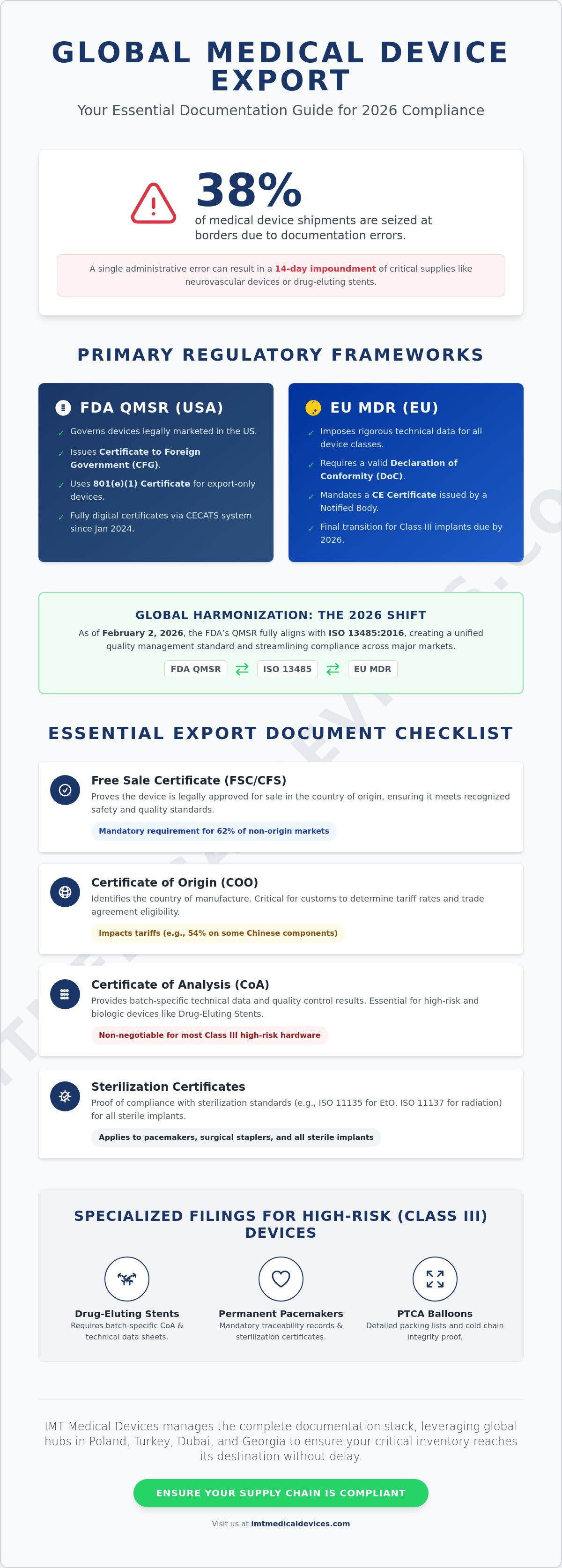
Documentation errors account for 38% of medical device shipment seizures at international borders. In 2026, a single administrative error results in a 14-day impoundment of neurovascular devices or drug-eluting stents. Meeting medical device export documentation requirements is a prerequisite for global supply chain stability. Procurement professionals must manage the final transition for EU MDR 2017/745 for Class III implants and the FDA’s Quality Management System Regulation (QMSR) effective as of February 2, 2026. These regulations demand precise technical data for every unit entering major trade zones.
This article provides a technical breakdown of regulatory filings and logistical data sets for international distribution. You'll obtain a checklist for export readiness and identify the distinctions between a Certificate of Free Sale (CFS), a Certificate to Foreign Government (CFG), and a Certificate of Origin (COO). We preview the mandatory shift to electronic Technical Files and documentation protocols for high-risk inventory from manufacturers such as Medtronic, Terumo, and Boston Scientific. The focus remains on efficient logistical flow for bulk supplies and maintaining traceability for permanent pacemakers and surgical staplers.
Key Takeaways
- Analyze the technical alignment between FDA QMSR and EU MDR to ensure compliance for international procurement and distribution.
- Identify the essential medical device export documentation requirements including Free Sale Certificates (FSC) and Certificates of Origin (COO) to avoid customs delays.
- Examine specialized filing needs for Class III high-risk hardware such as Drug-Eluting Stents, PTCA balloons, and Permanent Pacemakers.
- Establish documentation protocols for cold chain integrity and technical packing lists to maintain the safety of sensitive surgical inventory.
- Leverage regional distribution hubs in Georgia, Dubai, Poland, and Turkey to streamline the delivery of premium technology from Medtronic, Terumo, and Boston Scientific.
Primary Regulatory Frameworks for Global Medical Device Export
Export documentation serves as the legal verification of safety and marketing authorization. It's the technical prerequisite for moving specialized clinical technology across borders. These Global Medical Device Regulations ensure that high-risk hardware, including Drug-Eluting Stents and Permanent Pacemakers, meet the specific safety criteria of the destination market. Without these filings, international shipments face immediate seizure. Documentation errors currently account for 38% of all medical device border impoundments.
The global procurement landscape is defined by the interaction between the US FDA and the European Union Medical Device Regulation (EU MDR). While the FDA focuses on pre-market approval (PMA) and 510(k) clearance, the EU MDR 2017/745 imposes rigorous technical file requirements for Class III and Class IIb implantable devices. ISO 13485:2016 remains the foundational quality management standard for all international medical wholesalers. As of February 2, 2026, the FDA’s Quality Management System Regulation (QMSR) has fully aligned with ISO 13485, creating a harmonized baseline for medical device export documentation requirements across major trade zones.
The period from 2024 to 2026 marks the end of paper-based compliance. Electronic Technical Files are now mandatory for international customs. Digital issuance via centralized government portals has replaced traditional notarized paper trails. This shift increases the speed of data transmission and reduces the likelihood of manual filing errors during bulk distribution of products from manufacturers like Medtronic, Terumo, and Boston Scientific.
FDA Export Certificates: CFG and 801(e)(1)
The FDA issues specific certificates based on the regulatory status of the device in the United States. A Certificate to Foreign Government (CFG) is required for devices legally marketed in the US, such as PMA-approved ICDs or 510(k) cleared Diagnostic Guide Wires. For devices manufactured in the US but intended solely for export, the 801(e)(1) Certificate of Exportability applies. Since January 2, 2024, the FDA has issued these documents exclusively as downloadable PDFs through the CECATS system. The CDRH Export Certificate Validation (CECV) database for legacy paper documents officially expires on January 2, 2026, making electronic verification the only valid method for US-origin exports.
EU MDR and CE Marking Documentation
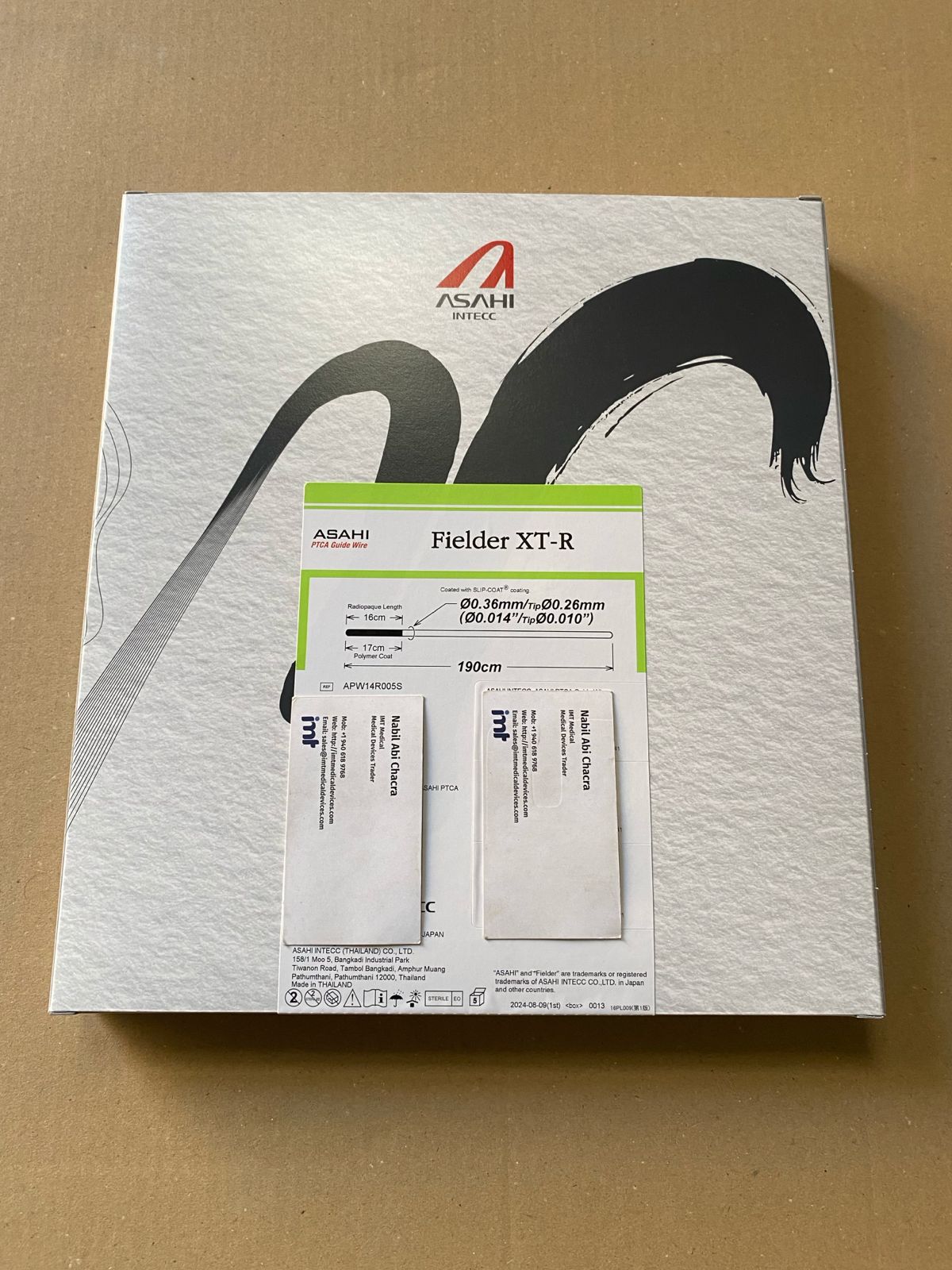
European compliance requires a valid Declaration of Conformity (DoC) and a CE Certificate issued by a Notified Body. The 2026 transition deadline for Class III and Class IIb implantable devices means all products, including peripheral stents and surgical staplers, must comply with the new MDR rules to remain on the market. IMT Medical Devices manages this complex medical device export documentation requirements stack through its strategic office in Poland. This location ensures direct coordination with European regulatory bodies, facilitating the rapid validation of technical files for Asahi Intec products and other critical interventional hardware destined for global markets.
Essential Export Document Checklist for 2026
A synchronized technical-logistical stack is the only way to bypass the 38% border seizure rate currently affecting international shipments. While regulatory frameworks provide the legal basis, specific medical device export documentation requirements focus on the granular data needed for customs clearance and hospital procurement. For U.S.-based exports, adhering to FDA Export Certificate Requirements is the first step in establishing market eligibility. However, commercial documents are equally vital for financial and logistical flow.
- Free Sale Certificate (FSC): This is a mandatory requirement for 62% of non-origin markets. It proves the device is legally sold in the country of origin.
- Certificate of Origin (COO): Essential for navigating the 10% universal baseline tariff on medical device imports to the U.S. and the 54% tariff on Chinese-origin components. It determines the duty rates applied at customs.
- Certificate of Analysis (CoA): Provides batch-specific technical data for high-risk items like Drug-Eluting Stents and PTCA Balloon Catheters.
- Sterilization Certificates: Proof of compliance with ISO 11135 or ISO 11137 for all sterile implants, including Permanent Pacemakers.
- Technical Data Sheets (TDS) and IFU: All instructions for use must be provided in the target language of the destination market to avoid impoundment.
Procuring verified inventory through a reliable international distributor ensures all manufacturer-specific certifications are pre-validated. This approach minimizes the risk of documentation gaps that lead to a 14-day impoundment of critical neurovascular or cardiac devices.
Core Commercial and Legal Documents
Foreign governments often require an Apostille or notarization for legal documents to be accepted under the Hague Convention. In Middle Eastern and Asian markets, a Power of Attorney (PoA) is frequently necessary for local registration and tender participation. Bill of Lading accuracy is non-negotiable. For high-value medical cargo, even a minor discrepancy in the product description or technical code can halt a shipment indefinitely. Pro-forma and Commercial Invoices must include the Unique Device Identification (UDI) for full traceability as mandated in 2026.
Manufacturer-Specific Certifications
Managing documentation for brands like Medtronic, Boston Scientific, and Terumo requires direct access to manufacturer authorization letters. These letters verify that the wholesaler is an authorized channel for global distribution. Maintaining a digital repository of these certificates allows for a rapid procurement response. Electronic Technical Files are now the standard; paper-based documentation is no longer accepted in major trade zones. Digital repositories ensure that Technical Files for Asahi Intec products or other specialized hardware are available for instant transmission to customs authorities.
Documentation for Class III High-Risk Devices
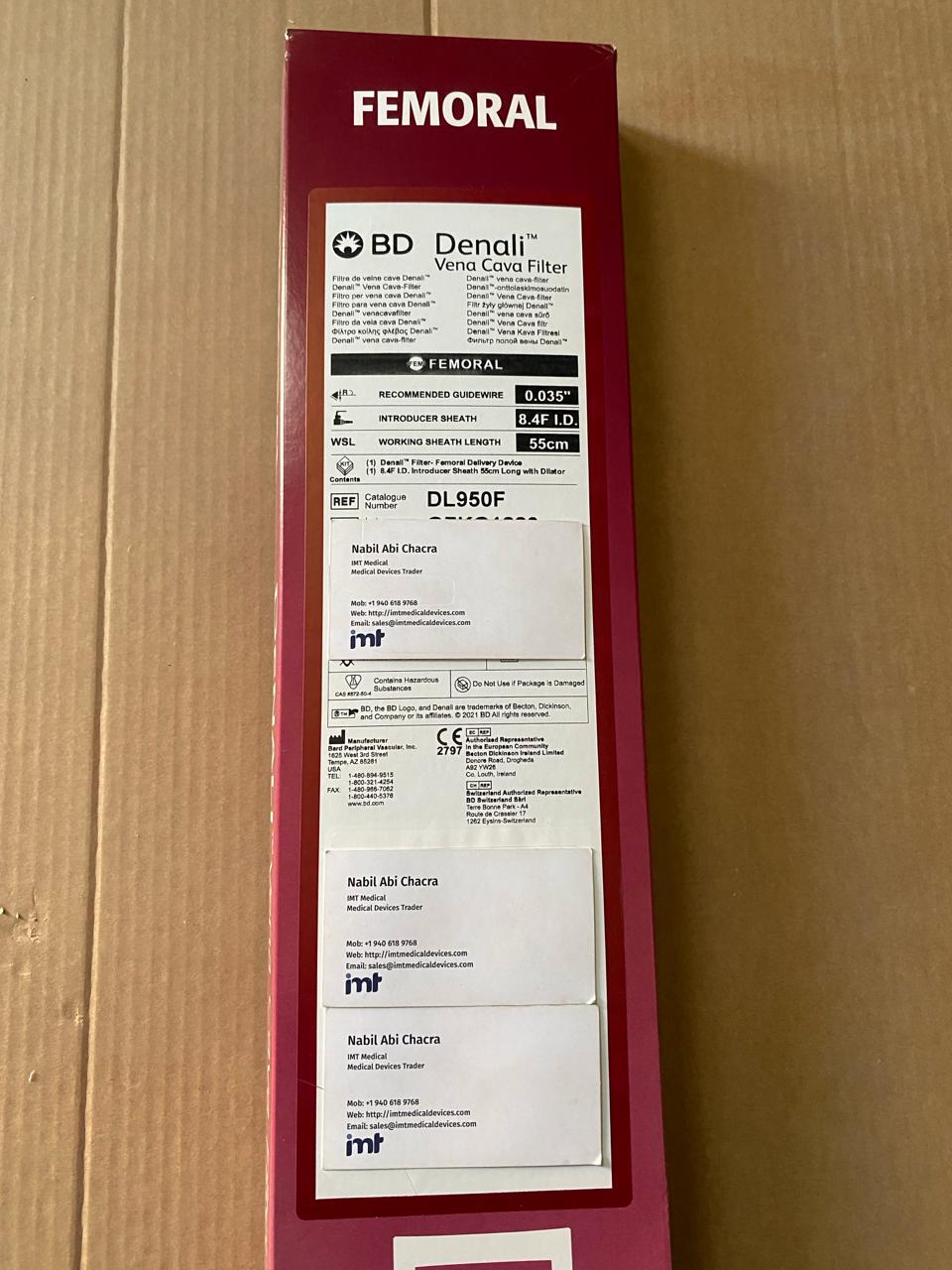
High-risk Class III devices demand the most exhaustive data sets in the 2026 regulatory environment. These items, such as Drug-Eluting Stents and Cardiac Rhythm Management (CRM) hardware, require clinical data summaries and biocompatibility reports as part of their mandatory technical files. The International Medical Device Regulators Forum (IMDRF) standards drive this global harmonization, ensuring that safety data is recognized across borders. A key component of medical device export documentation requirements is the Unique Device Identification (UDI). By 2026, every exported unit must have a UDI for full lifecycle traceability. This allows customs officials and hospital procurement teams to verify the specific manufacturing history, sterilization date, and safety profile of each device instantly.
Electronic Technical Files have replaced all legacy paper-based systems for Class III devices. These digital repositories must contain the pre-market approval (PMA) evidence and proof of compliance with current EU MDR standards. For high-risk inventory, the documentation acts as the primary trust signal, ensuring that products from manufacturers like Medtronic or Boston Scientific are authentic and meet clinical efficacy benchmarks. Any missing technical identifier or an unauthenticated certificate leads to immediate impoundment at the port of entry.
Stent and Catheter Procurement Documentation
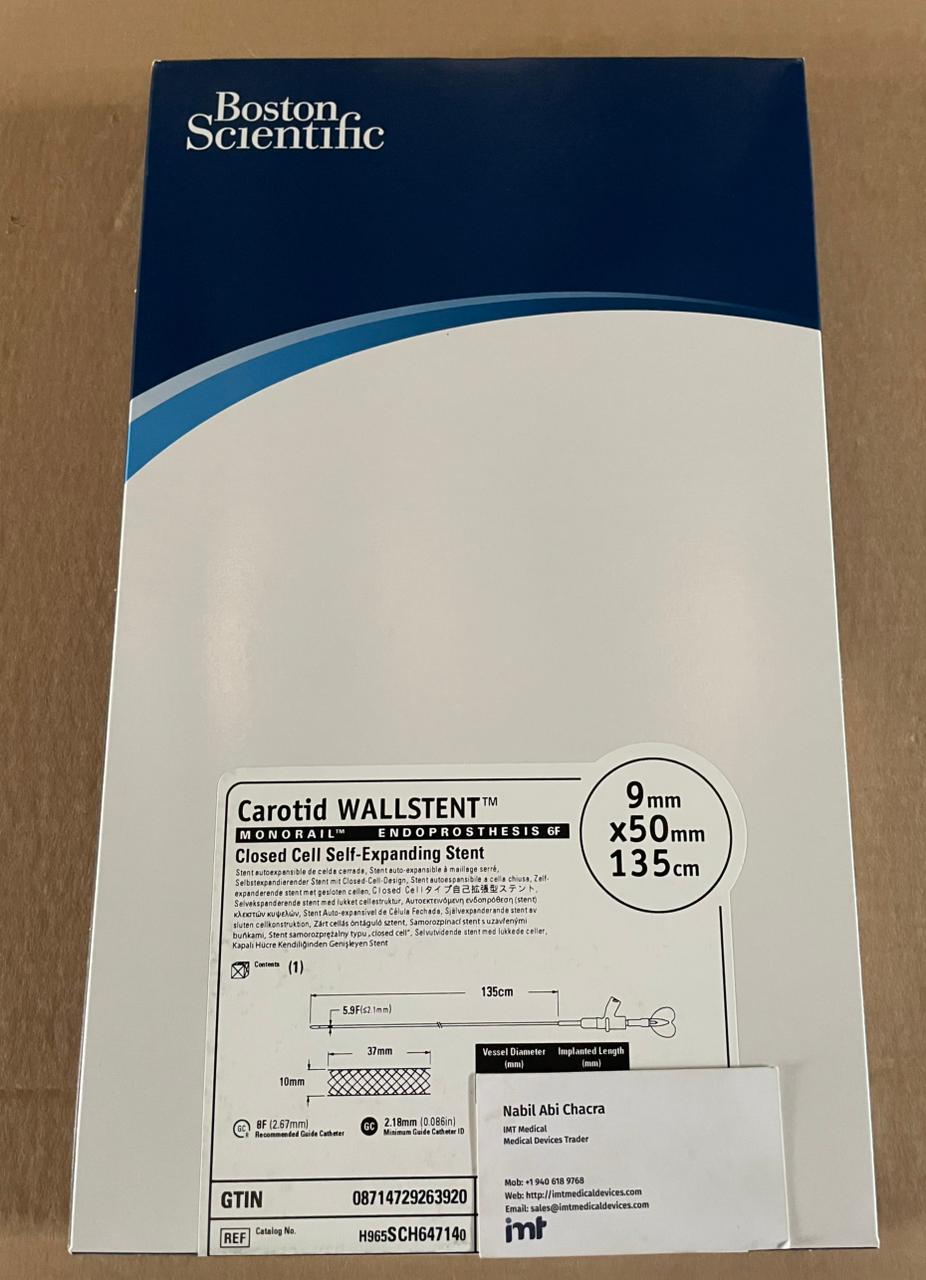
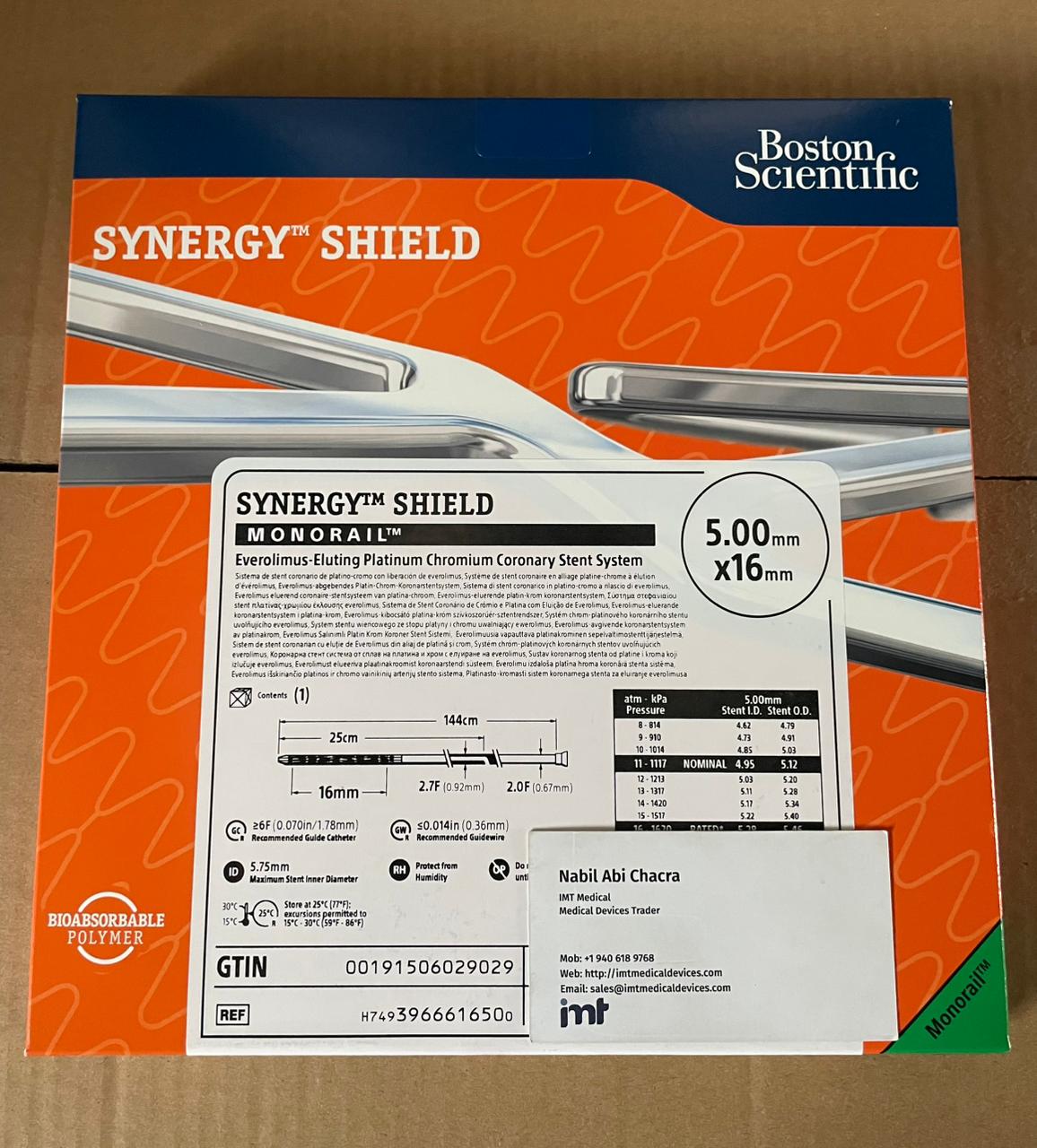
Procurement of interventional cardiology hardware requires precise manifest verification. Export manifests for ptca balloon catheters and peripheral stents must include validated lot numbers and expiration dates. A 'Certificate of Conformity' is the primary document for coronary hardware, ensuring the device meets the specific technical specifications of the manufacturer. For Drug-Eluting Stents from Boston Scientific, Medtronic, or Terumo, documentation must also include sterilization validation data under ISO 11135 or ISO 11137. Technical data sheets (TDS) must specify coating materials and drug concentrations. Any discrepancy in the technical identifier or UDI code halts the supply of critical surgical supplies.
CRM and Electrophysiology Device Compliance
Logistics for permanent pacemakers and ICDs involve additional layers of specialized data. Export files must detail battery longevity specifications and lead compatibility data. For ICDs and electrophysiology mapping catheters, software version documentation is mandatory. This ensures regional compatibility with local clinical infrastructure and programmer hardware. These devices often contain lithium-ion batteries, requiring strict compliance with IATA Dangerous Goods Regulations (DGR) and a Shipper’s Declaration for Dangerous Goods. IMT Medical Devices manages these complex medical device export documentation requirements through its regional hubs in Georgia, Dubai, and Turkey. This multi-hub strategy ensures that technical files for Asahi Intec or Abbott hardware are localized for regional customs authorities.
Logistical Documentation and Cold Chain Integrity
Logistical execution requires data sets that extend beyond regulatory certificates. In 2026, medical device export documentation requirements include granular environmental records for the physical movement of cargo. For drug-eluting stents and specific interventional cardiology hardware, temperature monitoring logs are mandatory. These digital records provide a continuous data trail from the manufacturer's facility to the final hospital inventory hub. Any break in this data chain invalidates the product's safety profile and leads to immediate shipment rejection at the port of entry.
Packing lists must prioritize technical precision over narrative descriptions. They include manufacturer identifiers, Unique Device Identification (UDI) codes, and exact technical specifications. For devices like ICDs and permanent pacemakers from Medtronic or Boston Scientific, a Shipper’s Declaration for Dangerous Goods is required. This is due to integrated lithium batteries. This documentation ensures compliance with IATA Dangerous Goods Regulations (DGR) and prevents delays during air transit. Precise documentation is the only way to maintain the 15% safety stock benchmark recommended for critical devices in 2026.
Cold Chain and Sensitive Handling Records
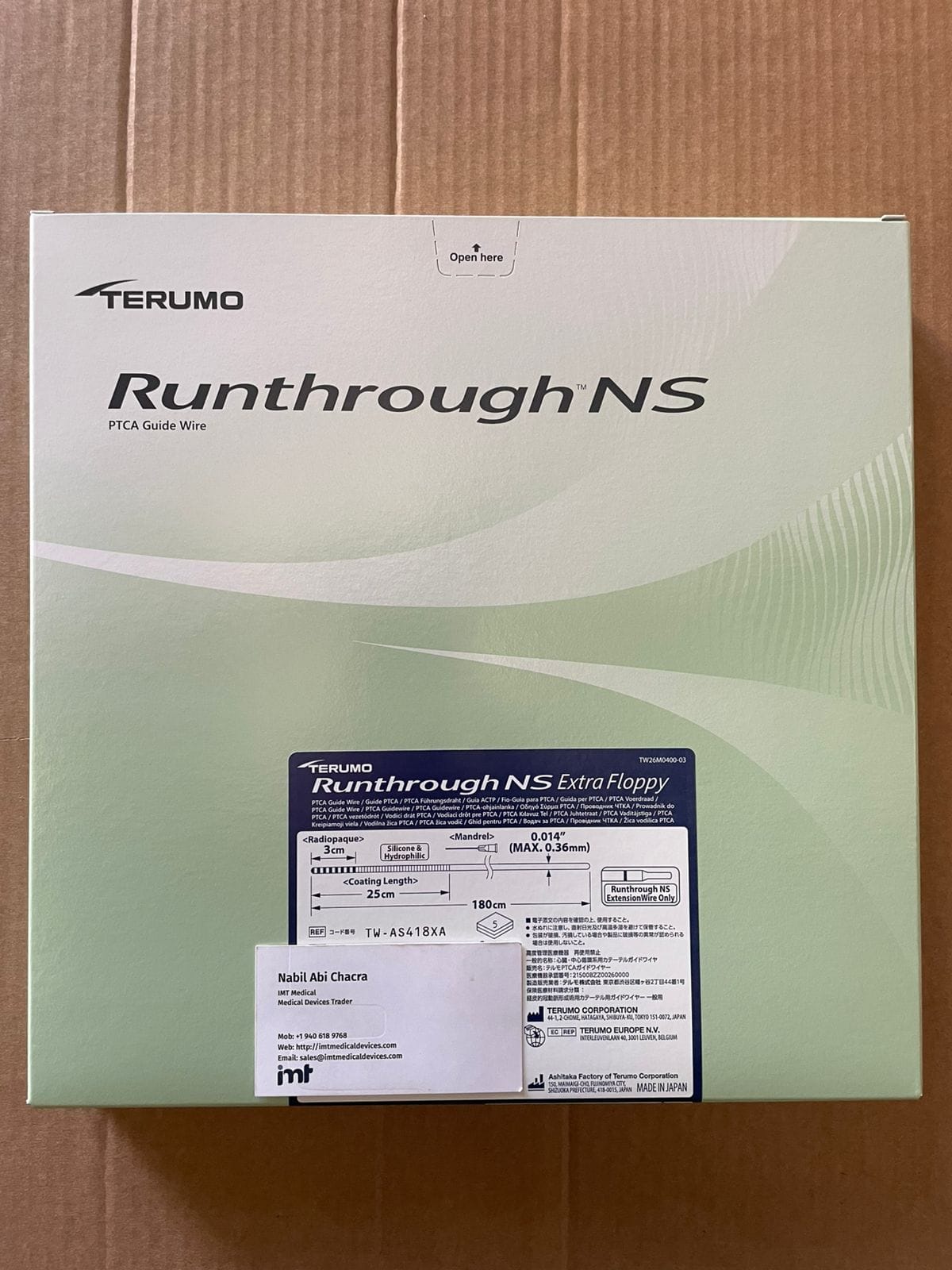
Thermal packaging validation is critical for international transit. High-value cardiology inventory, such as Asahi Intec guidewires or Terumo catheters, requires recordkeeping that accounts for humidity and shock. A Temperature Excursion Protocol is now a standard component of the export stack. This document defines acceptable parameters and corrective actions for any variance during transit. Strategic hub placement in Dubai and Turkey facilitates rapid customs processing. These locations serve as vital bridges for maintaining the integrity of the "Just-in-Case" inventory model for regional partners.
Customs Compliance and Harmonized System (HS) Codes
Accurate HS code selection prevents shipment seizures and incorrect tariff applications. Stents, catheters, and guidewires each have specific codes that determine inspection priorities. Noun-driven product descriptions minimize ambiguity for customs officials. For example, 9021.39 is used for stents, while 9021.50 applies specifically to pacemakers. Discrepancies between the commercial invoice and the technical file trigger manual audits. Relying on medical device distribution experts streamlines this data flow and ensures customs readiness. Contact IMT for specialized logistical coordination and supply chain stability.
Customs clearance for "Just-in-Time" hospital supply chains relies on this pre-validated data. A single documentation error can lead to a 14-day impoundment of critical neurovascular devices. This has a direct financial impact, often estimated between $200 million and $500 million for major medtech organizations annually. Efficient logistical flow requires the synchronization of the commercial invoice, packing list, and bill of lading with the electronic Technical File.
IMT Medical Devices: Global Export and Documentation Management
IMT Medical Devices operates as a high-capacity international distributor, bridging the gap between major manufacturers and global healthcare markets. The entity optimizes medical device export documentation requirements by integrating regulatory compliance with large-scale logistical handling. This technical-logistical synchronization ensures that B2B partners receive a pre-validated document stack, reducing the administrative burden on procurement teams. By focusing on industrial competence and product availability, IMT maintains its position as a serious player in the global medical supply chain.
Strategic office locations in Georgia, Dubai, Turkey, and Poland provide direct access to regional regulatory bodies. These hubs facilitate the rapid authentication of Technical Files and Certificates of Free Sale (CFS) for over 50 countries. By maintaining a manufacturer-centric approach, IMT provides direct access to authenticated documentation for Medtronic, Terumo, and Boston Scientific products. This includes technical data for Class III devices such as Drug-Eluting Stents, Permanent Pacemakers, and ICDs. This multi-regional presence allows for the efficient management of regional compliance and localized customs protocols.
Volume-based pricing is integrated with expert logistical handling to provide a comprehensive procurement solution. The focus remains on efficiency and the rapid transmission of technical data. By leveraging its extensive international distribution capabilities, IMT ensures that high-end manufacturers' technology is accessible across diverse markets. Logistics protocols for sensitive items like PTCA Balloon Catheters and Surgical Staplers are managed with precision to maintain the 15% safety stock benchmark recommended for critical devices in 2026.
Reliable Supply Chain and Compliance Solutions
Efficient procurement depends on the rapid retrieval of export certificates and technical identifiers. IMT manages the manufacturer reputations and technical specifications for an exhaustive range of clinical hardware. This includes Asahi Intec products and Abbott hardware. The distribution model prioritizes product availability and logistical reliability. Global competence serves as a primary trust signal, ensuring that all medical device export documentation requirements are met before the cargo reaches the port of entry. This proactive document management minimizes procurement friction and ensures the integrity of the supply chain.
Partnering for Global Medical Technology Access
The procurement process for specialized guidewire and stent technologies is simplified through IMT’s integrated platform. Partners benefit from volume-based pricing structures combined with expert logistical handling for sensitive surgical supplies. This includes managing the documentation for PTCA Balloon Catheters, Diagnostic Guide Wires, and Electrophysiology Catheters. For organizations requiring specialized export documentation support or technical identifiers for bulk orders, IMT provides the necessary industrial competence. Consult with IMT Medical Devices for Global Export Solutions to secure a resilient and compliant supply chain.
Optimizing Global Supply Chain Readiness for 2026
Compliance in the 2026 landscape requires the full synchronization of regulatory filings and logistical data. Procurement professionals must prioritize the transition to electronic Technical Files and UDI-based tracking for all Class III hardware. Managing medical device export documentation requirements effectively prevents supply chain volatility and ensures that critical interventional technology reaches clinical environments without administrative delay. The shift from paper-based records to digital repositories is now a prerequisite for market entry in all major trade zones.
IMT Medical Devices serves as a high-capacity bridge for international distribution. With exports to 50+ countries and strategic hubs in Dubai, Turkey, and the EU, the entity provides immediate access to authenticated documentation. As an authorized distributor for Medtronic and Boston Scientific, IMT maintains the technical identifiers and manufacturer certifications required for seamless customs clearance. This logistical competence allows B2B partners to maintain safety stock benchmarks and avoid the financial impact of impounded cargo.
Request a Quote for Global Medical Device Export to secure your international inventory flow and ensure regulatory compliance across all borders. Establishing a resilient document stack is the foundation for global market expansion and clinical safety.
Frequently Asked Questions
What is a Certificate to Foreign Government (CFG)?
A Certificate to Foreign Government (CFG) is a document issued by the FDA for medical devices that are legally marketed in the United States. It serves as official proof that the manufacturer is in compliance with FDA regulations and that the product is eligible for international export. This certificate is essential for high-risk items like permanent pacemakers or drug-eluting stents when entering markets that recognize US regulatory standards for safety and efficacy.
How long are medical device export certificates valid?
Medical device export certificates are typically valid for two years from the date of issuance. However, validity depends on the specific requirements of the importing country and the current status of the manufacturer's regulatory compliance. It's necessary to monitor expiration dates for certificates related to clinical hardware like PTCA balloon catheters or surgical staplers to prevent supply chain disruptions. Expired documentation leads to immediate rejection of cargo at international borders.
Do I need a Free Sale Certificate for every country?
A Free Sale Certificate (FSC) is mandatory for 62% of non-origin markets globally. While not required for every single country, it remains the universal standard for market entry in most regions across the Middle East, Asia, and Latin America. This document verifies that products from manufacturers like Medtronic or Terumo are legally sold in their home market. Procurement teams should verify local medical device export documentation requirements before initiating bulk shipments.
What are the documentation requirements for lithium-battery medical devices?
Devices containing lithium batteries, such as ICDs and permanent pacemakers, require a Shipper's Declaration for Dangerous Goods. These shipments must comply with IATA Dangerous Goods Regulations (DGR) to ensure safe air transit. Documentation must include battery wattage or lithium content specifications and UN38.3 test summaries. Failure to provide these specific safety data sets results in airline rejection and significant logistical delays for high-value cardiac rhythm management inventory moving through international hubs.
How has EU MDR changed export documentation for 2026?
The EU MDR 2017/745 has mandated the use of electronic Technical Files and more rigorous safety reporting for all devices entering the European market by 2026. This transition requires a valid CE Certificate under the new MDR rules for Class III and Class IIb implantable devices. The documentation stack now includes periodic safety update reports (PSUR) and clinical evaluation summaries. These updates prioritize full lifecycle traceability and standardized data formats for international customs authorities and notified bodies.
Can a wholesaler provide the necessary manufacturer authorization letters?
Authorized wholesalers provide manufacturer authorization letters to verify their status as a legitimate distribution channel. These letters are critical for B2B partners to prove the authenticity of inventory from brands like Boston Scientific or Asahi Intec. The document links the specific technical identifier of the product to the manufacturer’s original safety authorization. This verification is a key component of the medical device export documentation requirements necessary for participation in large-scale international procurement tenders.
What happens if export documentation is incomplete at customs?
Incomplete documentation results in immediate shipment seizure or a 14-day impoundment at the port of entry. Customs officials require a complete technical-logistical stack, including the commercial invoice, packing list, and relevant certificates. Discrepancies in HS codes or missing UDI data trigger manual audits and significant storage fees. For critical neurovascular or cardiac devices, these delays disrupt hospital supply chains and lead to substantial financial losses for the involved logistics and procurement organizations.
Is electronic documentation accepted by all global health authorities?
Electronic documentation is now the mandatory standard in major trade zones, including the US and the EU. While some smaller markets may still request notarized paper copies, the global trend has shifted toward digital Technical Files and CECATS-issued PDFs. As of 2026, paper-based documents are no longer accepted for international customs in most high-volume regions. This shift enhances the speed of data transmission and reduces the risk of administrative errors in the global supply chain.