

Medical Device Procurement Best Practices 2026: A Strategic Guide for Global Sourcing
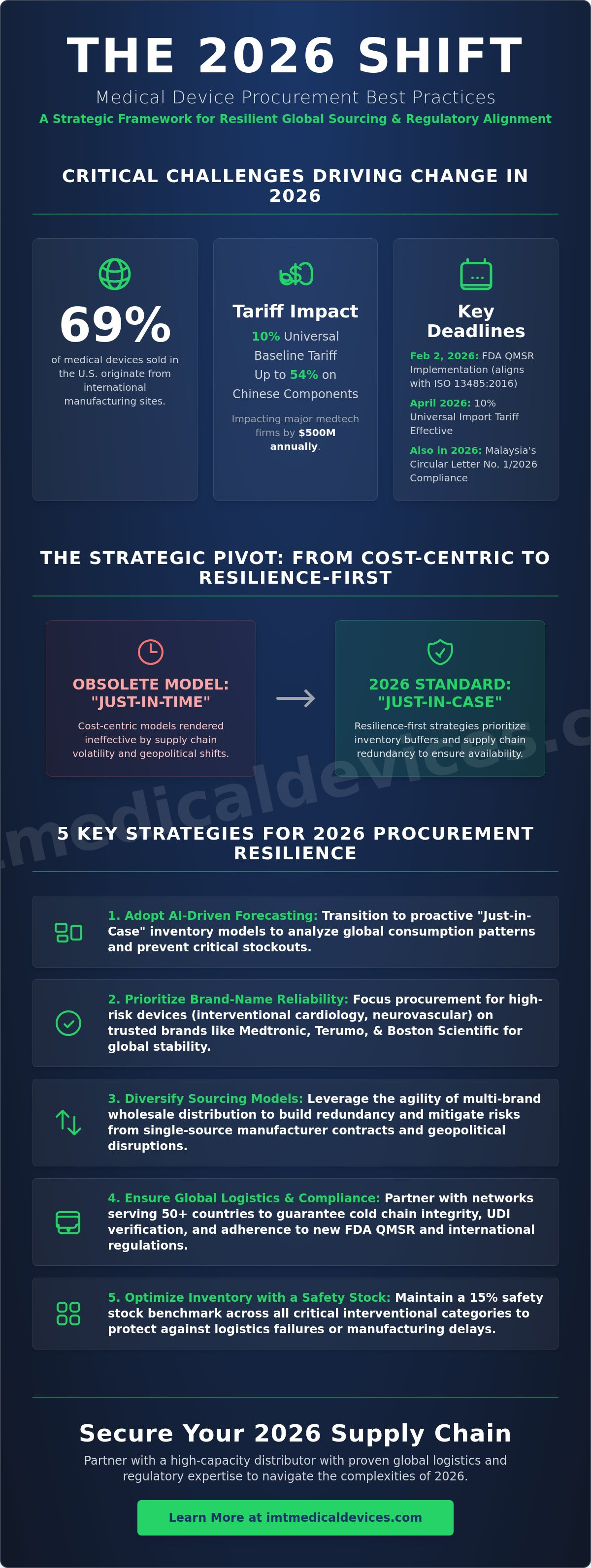
69% of medical devices sold in the U.S. originate from international manufacturing sites. As of April 2026, procurement officers face a 10% universal baseline tariff on imports, with Chinese components taxed as high as 54%. These costs, combined with the February 2, 2026, implementation of the FDA Quality Management System Regulation (QMSR), demand an immediate shift in strategy. Implementing medical device procurement best practices 2026 is no longer about simple cost-saving. It's about securing brand-name reliability from Medtronic, Terumo, and Boston Scientific while navigating the $500 million annual tariff impact currently hitting major medtech firms.
Stable inventory requires regional manufacturing models and ISO 13485:2016 compliance. You need a supply chain that ensures product availability despite shifting geopolitical pressures. This guide provides the strategic framework for resilient global sourcing, focusing on regulatory alignment and wholesale efficiency. We'll detail the transition to digital procurement and the impact of Malaysia's Circular Letter No. 1/2026 on international tenders to ensure your 2026 operations remain compliant and cost-effective.
Key Takeaways
- Implement AI-driven demand forecasting to transition from "Just-in-Time" to "Just-in-Case" inventory models for critical medical consumables.
- Apply medical device procurement best practices 2026 to prioritize brand-name reliability for high-risk interventional cardiology and neurovascular devices.
- Analyze the agility of multi-brand wholesale distribution against direct manufacturer contracts to mitigate global supply chain disruptions.
- Ensure cold chain integrity and regulatory compliance for sensitive implants through specialized logistics networks serving 50+ countries.
- Transition to usage-based inventory strategies to maximize fulfillment speed for premium brands like Medtronic, Terumo, and Boston Scientific.
Navigating the 2026 Medical Device Procurement Landscape
The 2026 procurement landscape demands a move away from reactive purchasing. Supply chain volatility, driven by universal 10% tariffs and geopolitical shifts, has rendered "Just-in-Time" models obsolete. Medical device procurement best practices 2026 now prioritize "Just-in-Case" inventory strategies. AI-driven demand forecasting tools analyze global consumption patterns to optimize procurement cycles and prevent stockouts. Digital procurement platforms provide real-time transparency, tracking SKU availability across international logistics nodes. Brand-name reliability from manufacturers like Medtronic and Abbott serves as a primary risk-mitigation tool. These brands maintain the production scale and quality assurance required for global stability. ESG (Environmental, Social, and Governance) factors also influence supplier selection, as hospitals prioritize sustainable sourcing and ethical labor practices in 2026.
From Cost-Centric to Resilience-First Models
Supply chain disruptions in 2025 and 2026 resulted in an annual impact of $200 million to $500 million for the largest medtech organizations. Cost-centric models failed because 69% of devices marketed in the U.S. are manufactured entirely outside the country. Building redundancy through multi-regional wholesale partners is now essential for risk diversification. Procurement resilience for 2026 is defined by the maintenance of a 15% safety stock benchmark across all critical interventional categories. This buffer protects against logistics failures or manufacturing delays in high-demand categories like coronary intervention and neurovascular surgery.
Regulatory Evolution and Compliance Standards
Effective February 2, 2026, the FDA Quality Management System Regulation (QMSR) mandates alignment with ISO 13485:2016. International sourcing requires comprehensive Medical Equipment Management Lifecycle oversight to ensure compliance at every transit point. Unique Device Identification (UDI) must be verified across global borders to facilitate accurate tracking. High-risk Class III devices, including drug-eluting stents and aspiration catheters, require authenticated documentation. Compliance with Malaysia's Circular Letter No. 1/2026 is now mandatory for procurement tenders, requiring distributors to meet the same quality management requirements as medical device manufacturers.
Product Details: Medtronic Coronary Stents
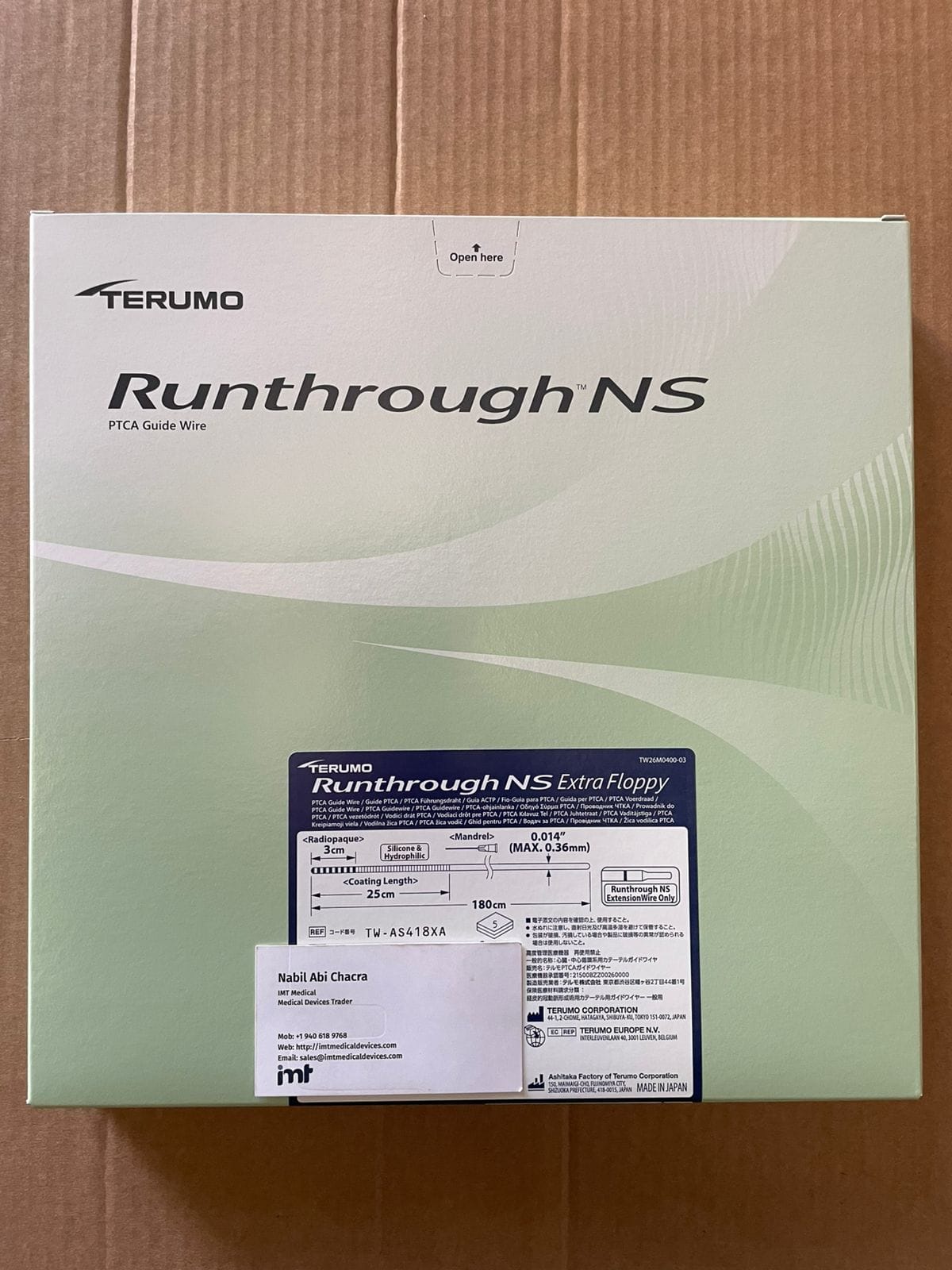
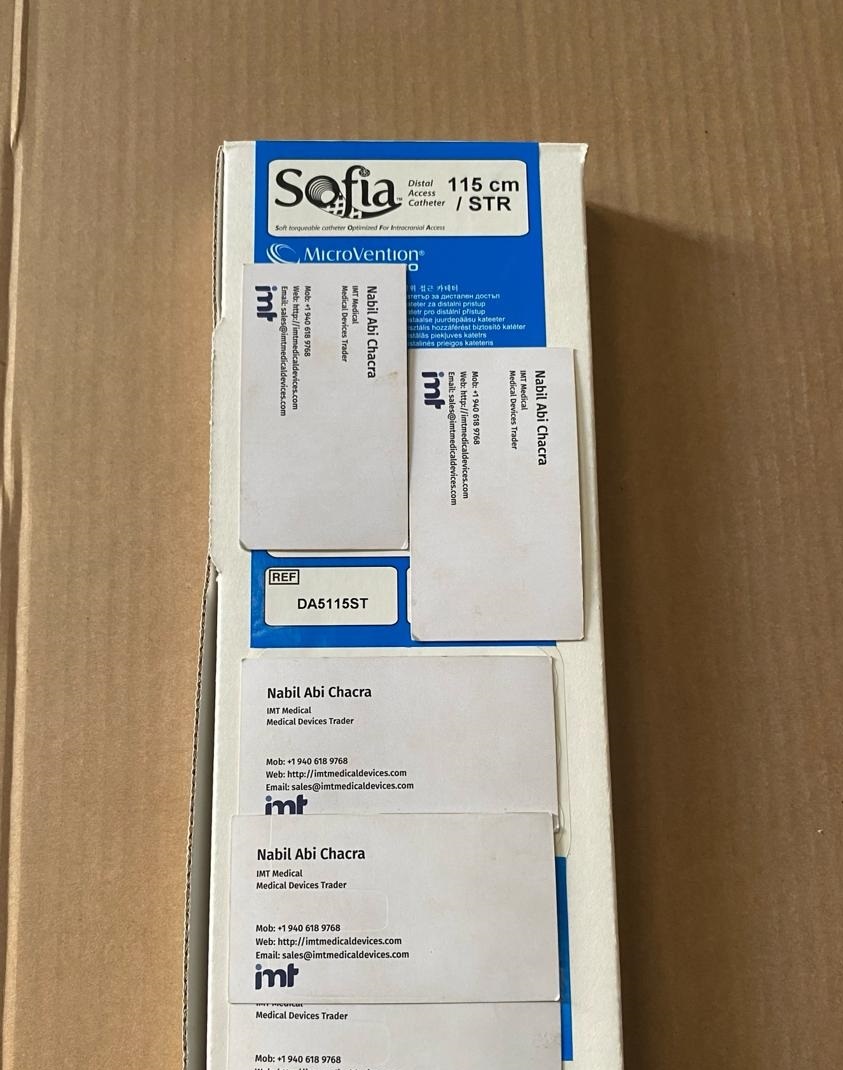
Product Details: Terumo Aspiration Catheters
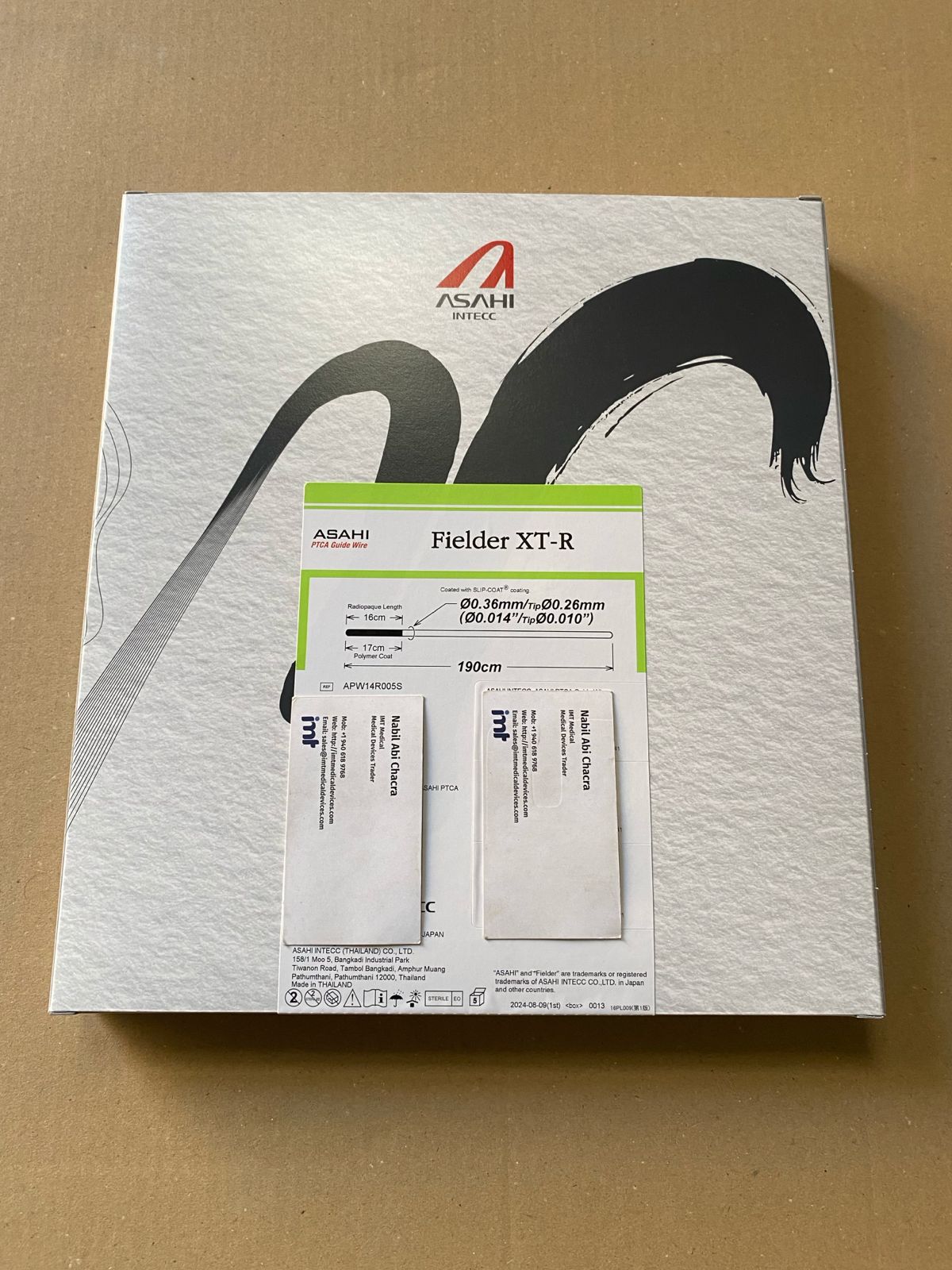
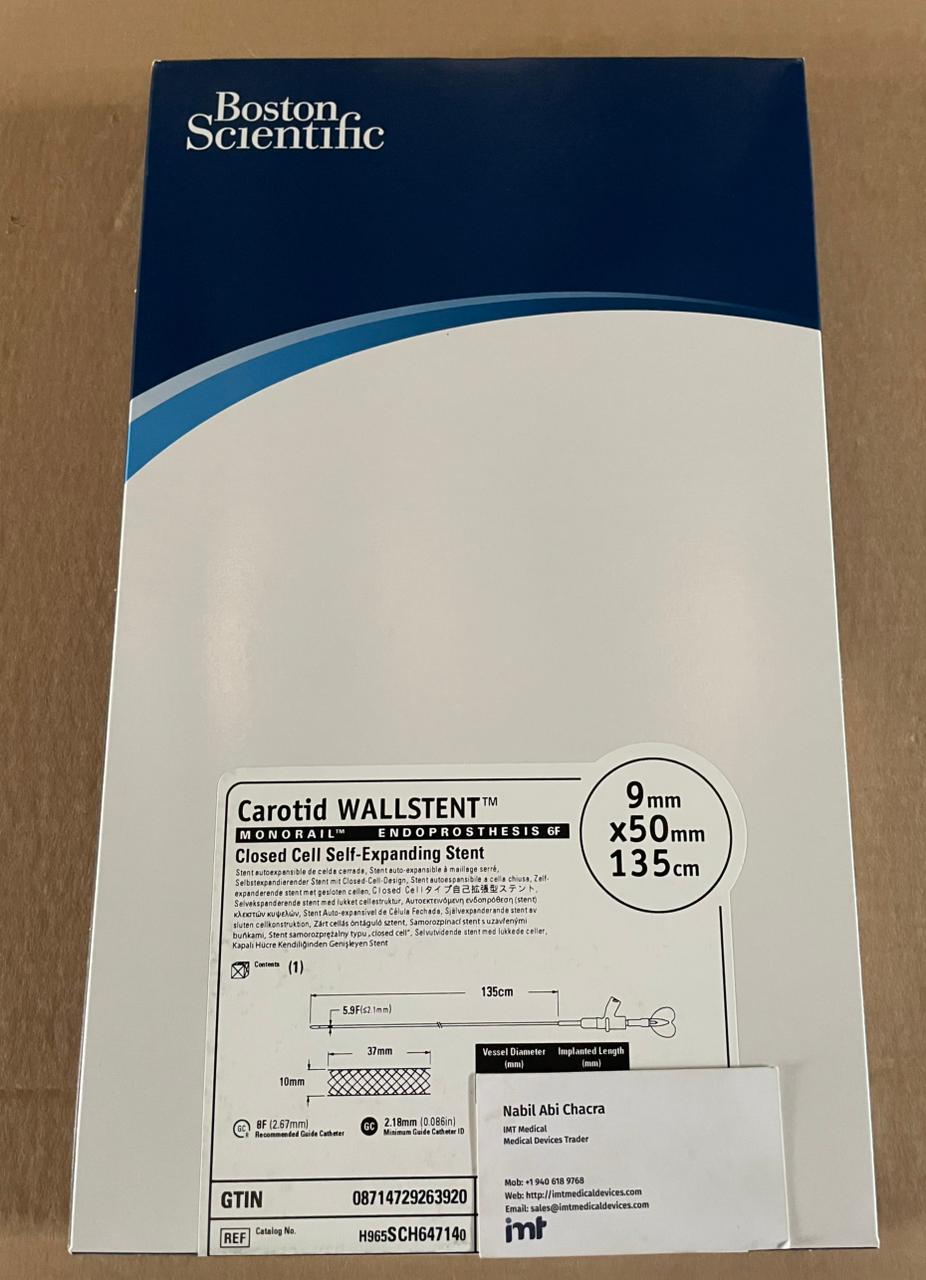
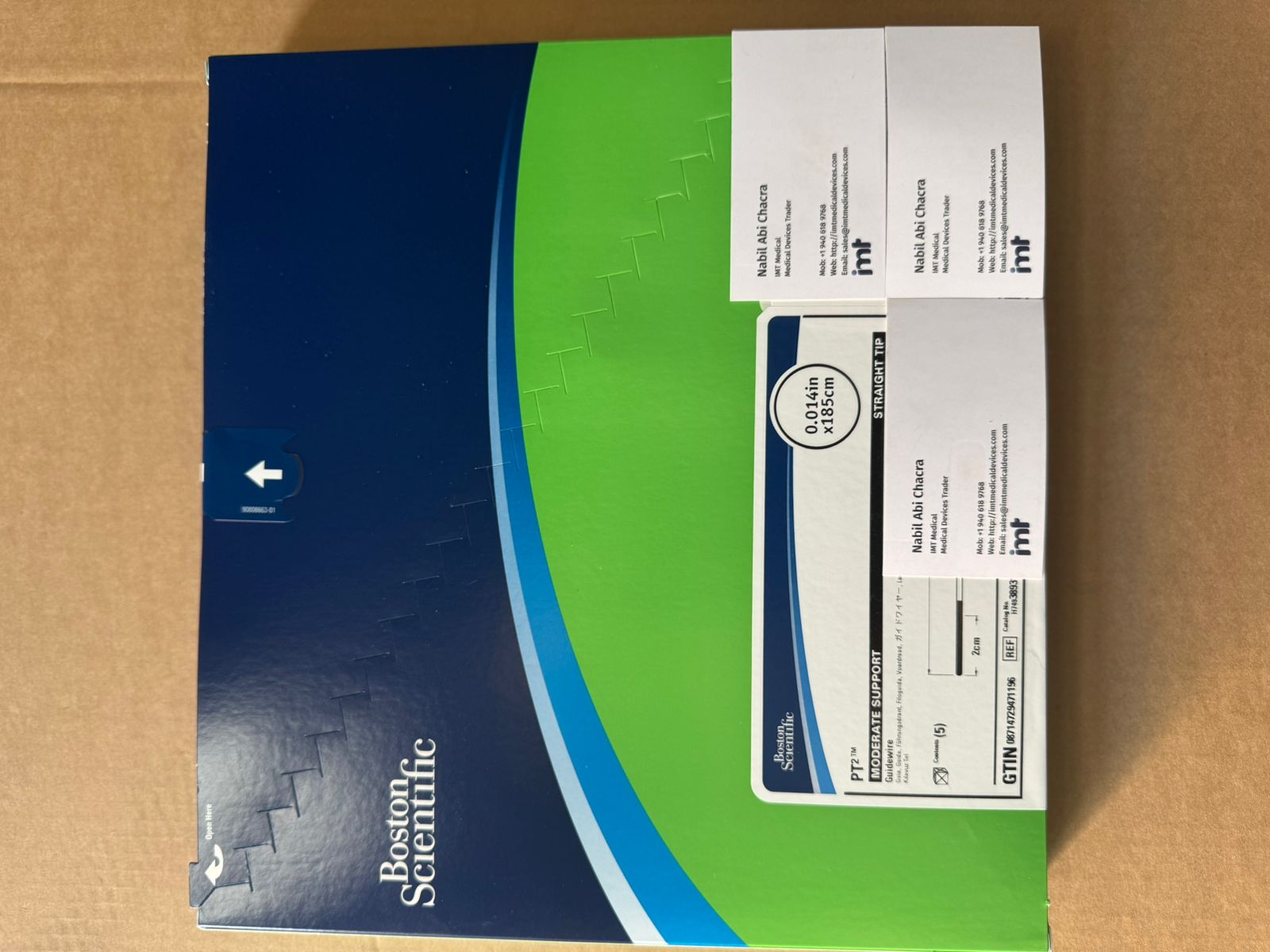
Product Details: Boston Scientific Guidewires
Export 50 Country capability remains the primary trust signal for international procurement officers seeking reliable logistics partners.
Technical Product Evaluation and Brand Reliability Standards
High-risk interventional cardiology procedures necessitate a "Brand-First" procurement strategy. 2026 standards prioritize clinical efficacy over initial unit cost. Reliable brands like Medtronic, Boston Scientific, and Terumo provide the scale required for global supply stability. Using the WHO Procurement Process Resource Guide as a framework helps establish these technical benchmarks. Medical device procurement best practices 2026 involve rigorous evaluation of technical specifications for drug-eluting stents (DES) to ensure patient safety and procedural success. Sourcing authentic PTCA balloon catheters from established manufacturers reduces the risk of vessel trauma and procedural failure.
Manufacturer-specific innovations drive procurement decisions in 2026. Medtronic focuses on stent deliverability and radial strength. Boston Scientific leads in bioabsorbable polymer technology. Terumo specializes in hydrophilic coatings for access devices. Comparing these technical advantages requires a data-driven approach. Procurement officers must analyze clinical trial data and post-market surveillance reports. This ensures that the selected devices meet the specific needs of the local patient population. Reliable access to these premium brands is a primary risk-mitigation tool against sub-standard or counterfeit products.
Interventional Cardiology: Stents and Balloons
Current generation DES must meet specific strut thickness and polymer bio-absorbability benchmarks. Sourcing authentic PTCA balloon catheters from established manufacturers reduces the risk of vessel trauma. Procurement officers must evaluate guidewire technology using metrics for crossability and trackability. Standardizing inventory around specific catheter models minimizes clinical variability across surgical teams. This approach ensures that technical specifications like tip load and coating durability remain consistent across all 50 countries of export. It's essential to verify that all components in a coronary intervention kit are compatible and meet 2026 regulatory standards.
Cardiac Rhythm Management (CRM) Devices
Evaluation of permanent pacemakers and ICDs centers on lead performance and battery longevity. These metrics serve as critical KPIs for wholesale acquisition. Compatibility between pulse generators and leads must be verified in bulk orders to prevent surgical delays. High-capacity distributors provide the necessary technical data sheets to confirm these specifications before shipment. 2026 procurement models prioritize devices with remote monitoring capabilities and MRI compatibility. Lead integrity remains the most significant factor in long-term device performance and patient safety.
Product Details: Medtronic Onyx Frontier DES
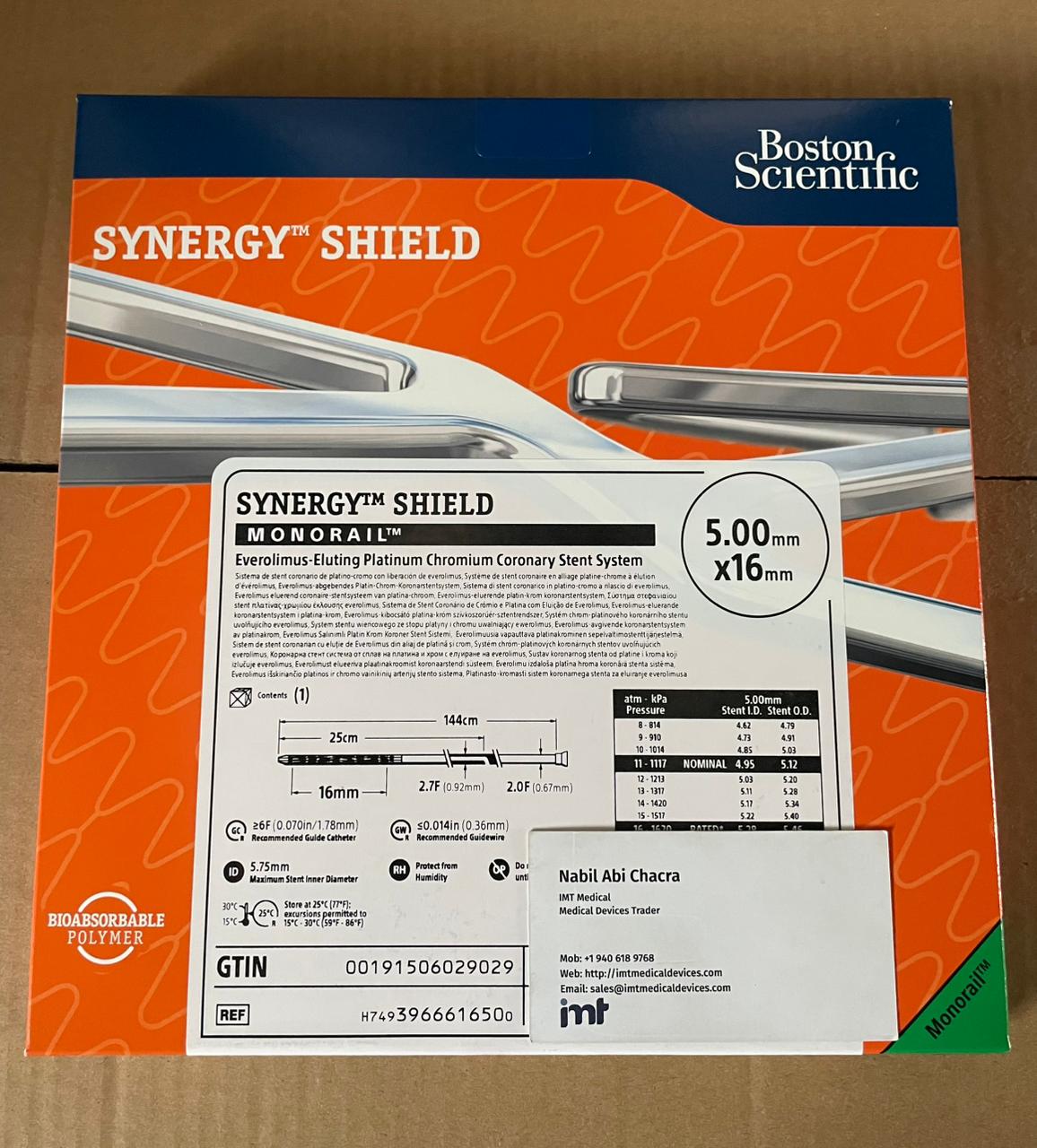
Product Details: Boston Scientific Synergy Megatron
Product Details: Terumo Ultimaster Tansei
Export 50 Country logistics networks ensure these high-specification devices reach their destination with full regulatory documentation. For high-volume requirements, partnering with an experienced distributor streamlines the technical evaluation process.
Strategic Sourcing Models: Wholesale vs. Direct Manufacturer Contracts
Procurement efficiency in 2026 requires balancing direct manufacturer relationships with high-capacity wholesale partners. Direct contracts provide specialized technical support but often lack the agility to navigate sudden supply chain shifts. Medical device procurement best practices 2026 emphasize a hybrid approach to maximize inventory availability during periods of high volatility. Wholesalers act as a vital bridge, offering access to restricted or high-demand stock when manufacturer lead times exceed clinical requirements. Global exporters leverage volume-based pricing tiers to provide competitive rates across multiple product categories. This model is particularly effective for managing the 10% universal baseline tariff currently impacting imported medical technology.
The cost-benefit analysis of sourcing models has shifted toward multi-brand wholesale agility. Direct manufacturer contracts often involve rigid volume commitments and localized shipping restrictions. In contrast, wholesale sourcing allows procurement officers to adjust orders based on real-time usage data. This flexibility prevents capital from being locked in slow-moving inventory while ensuring that "Best Seller" items remain in stock. Wholesalers also aggregate demand from multiple regions, securing priority allocation for prestigious brands like Medtronic, Terumo, and Boston Scientific.
The Wholesaler Advantage in 2026
Centralized procurement through a single wholesale partner consolidates brands like Medtronic, Terumo, and Abbott into unified shipments. This consolidation reduces administrative overhead and simplifies customs clearance procedures for exports to 50 countries. High-capacity distributors maintain significant stock of coronary intervention and neurovascular products, allowing for rapid fulfillment without long-term manufacturer commitments. Centralized billing and documentation streamline the financial management of large-scale medical device procurement best practices 2026.
- Product Details: Medtronic Heart Valves
- Product Details: Terumo Radial Access Kits
- Product Details: Abbott Vascular Closures
Risk Mitigation in Global Sourcing
Vetting wholesalers for authenticity and regulatory compliance is a mandatory step in 2026. Strategic offices in the UAE, Poland, and Turkey serve as critical regional hubs for the global medical supply chain. Establishing regional inventory hubs in strategic locations like the UAE or Turkey reduces overall transit time by 40% compared to direct intercontinental shipping. These hubs ensure that Class III devices reach hospitals within 48 to 72 hours of order placement. Wholesalers also provide an additional layer of quality control, verifying UDI compliance and documentation before export. This regional presence mitigates the risk of supply chain disruptions caused by geopolitical tensions or logistics bottlenecks.
Export 50 Country logistics capability is the standard for reliable wholesale partners. For hospitals requiring rapid stock replenishment of premium brands, leveraging a global distribution network provides the necessary infrastructure for uninterrupted patient care.
Global Logistics and Regulatory Compliance in International Procurement
Global logistics for sensitive medical implants requires specialized infrastructure to maintain product integrity. 2026 procurement standards mandate end-to-end visibility for high-value items like neurovascular coils and coronary stents. Medical device procurement best practices 2026 focus on mitigating transit risks through verified cold chain protocols and secure handling. 50% to 80% of components in U.S.-made devices are imported. This makes international logistics a critical factor for supply chain stability. Cross-border transfers must align with the FDA Quality Management System Regulation (QMSR) effective February 2, 2026. This regulation ensures quality standards are maintained from the point of manufacture to the clinical destination.
Regulatory alignment across borders involves managing customs clearance and specialized export documentation. Procurement officers must verify that all international shipments include certificates of origin and compliance. Failure to provide accurate documentation leads to port delays and increased storage fees. Wholesalers with established networks in 50 countries provide the administrative expertise required to navigate these hurdles. Implementing medical device procurement best practices 2026 ensures that centralized logistics hubs facilitate rapid customs processing. This prevents inventory bottlenecks and maintains the flow of critical supplies to international hospitals.
Export Logistics and Documentation
Class II and III medical device exports require specific documentation including Certificates of Free Sale and CE Marking evidence. Managing specialized handling for neurovascular products involves climate-controlled environments and shock-resistant packaging. Logistical efficiency directly influences the total cost of ownership by reducing lead times and administrative labor. Reliable export partners use standardized documentation templates to accelerate the clearance process in diverse international markets. This precision prevents regulatory bottlenecks and ensures that Medtronic, Terumo, and Boston Scientific products arrive with full traceability. Documentation accuracy is the primary defense against localized customs rejections.
Resilient Supply Chain Solutions
Tracking and tracing technology provides real-time data on the location and condition of international shipments. This is vital for sensitive equipment like surgical staplers and catheters that require specific storage conditions. Strategies for overcoming regional port congestions include utilizing air freight for high-priority Class III implants. Diversifying entry points through regional offices in Turkey or the UAE mitigates the impact of localized disruptions. 2026 logistics models prioritize partners with high-capacity distribution capabilities to ensure consistent stock levels despite global transit challenges. Real-time monitoring allows for immediate intervention if temperature or handling parameters are breached during transit.
Product Details: Medtronic Neurovascular Coils
Product Details: Terumo Interventional Catheters
Product Details: Boston Scientific Surgical Staplers
Export 50 Country logistics expertise ensures your facility receives authentic, compliant medical technology. To optimize your international supply chain, contact our global logistics team today.
Optimizing Inventory with High-Capacity Distribution Partners
Static inventory management fails to address the supply chain volatility observed in April 2026. Medical device procurement best practices 2026 require a transition to real-time fulfillment through high-capacity distribution partners. Usage-based models minimize capital tied in slow-moving SKUs while ensuring that high-priority items like aspiration catheters are always available. IMT Medical Devices facilitates this transition by maintaining a digital warehouse of premium brands. We provide access to Medtronic, Terumo, and Boston Scientific inventory without the 90-day lead times often associated with direct manufacturer orders. This agility is essential for maintaining the 15% safety stock benchmark required for procedural resilience.
Leveraging wholesaler stock allows procurement officers to bypass production bottlenecks and localized shipping delays. 69% of medical devices sold in the U.S. are manufactured internationally, making a reliable bridge between manufacturers and markets vital. High-capacity distributors aggregate demand to secure priority allocation of prestigious brand-name technology. This approach ensures that hospitals maintain a stable supply of coronary and neurovascular essentials despite fluctuating global trade conditions. Transitioning to a usage-based model requires a partner with the logistical scale to support rapid, multi-brand replenishment.
Leveraging Global Wholesale Capacity
Accessing Medtronic, Boston Scientific, and Abbott products via bulk wholesale provides significant pricing advantages and logistical speed. Our "Export 50 Country" logistics network ensures that regional hubs in the UAE, Poland, and Turkey maintain consistent stock levels for localized support. Multi-brand consolidation into a single shipment reduces customs clearance fees and administrative complexity for international buyers. This infrastructure allows procurement teams to focus on clinical outcomes rather than tracking fragmented shipments from multiple vendors.
- Product Details: Medtronic Onyx Frontier DES
- Product Details: Terumo Glidewire Advantage
- Product Details: Boston Scientific Rotapro System
- Product Details: Abbott Perclose ProStyle
Actionable Procurement Checklist for 2026
Procurement officers must audit current supplier reliability to ensure compliance with the latest global standards. Verify that all partners meet the FDA Quality Management System Regulation (QMSR) requirements effective February 2, 2026. This audit should also confirm compliance with Malaysia's Circular Letter No. 1/2026 for companies participating in procurement tenders. A resilient partnership is built on documented history and technical transparency.
- Audit supplier ISO 13485:2016 certifications and international export history.
- Verify availability of technical specifications and UDI documentation for all Class III devices.
- Confirm that the exporter provides full traceability, including batch numbers and expiration dates.
- Establish a partnership with a global exporter capable of consolidating premium brands into unified shipments.
- Verify cold chain integrity protocols for sensitive interventional consumables.
Export 50 Country capability remains our primary trust signal for global medical device procurement best practices 2026. To secure your supply chain and audit your current sourcing efficiency, consult with our international distribution experts today.
Strategic Implementation for Global Supply Chain Stability
Success in the current landscape requires technical brand reliability and regional logistical agility. Implementing medical device procurement best practices 2026 involves transitioning to usage-based inventory models and aligning with the February 2, 2026, FDA QMSR standards. Supply chain resilience is secured through regional distribution hubs that mitigate the impact of universal 10% tariffs. These strategic locations ensure Class III device availability despite global transit volatility.
IMT Medical Devices provides the high-capacity infrastructure needed for international sourcing. We maintain strategic offices in the UAE, Turkey, Poland, and Georgia to streamline cross-border logistics. Our role as an authorized distributor for Medtronic, Boston Scientific, and Terumo guarantees product authenticity and regulatory compliance. With active exports to over 50 countries, we provide the documentation and scale required for efficient customs clearance.
Contact IMT Medical Devices for Global Wholesale Solutions to optimize your facility's supply chain. Reliable distribution secures your access to premium medical technology.
Medical Device Procurement FAQs
What are the primary medical device procurement challenges in 2026?
The primary challenges include navigating the 10% universal baseline tariff on imports and the 54% tariff on Chinese components. Compliance with the FDA Quality Management System Regulation (QMSR) effective February 2, 2026, also requires significant administrative adjustments. Procurement officers must address the fact that 69% of medical devices sold in the U.S. are manufactured internationally, necessitating robust medical device procurement best practices 2026 to ensure supply chain stability.
How can hospitals ensure the authenticity of wholesale medical devices?
Authenticity is verified through rigorous auditing of the wholesaler's authorized distributor status and their international export history. Hospitals should require Unique Device Identification (UDI) verification and complete documentation for Class III devices. Working with partners who maintain strategic offices in regional hubs like Turkey or the UAE provides an additional layer of regulatory oversight. Verified batch numbers and expiration dates must accompany every shipment of Medtronic or Boston Scientific products.
What is the role of cold chain logistics in stent and catheter procurement?
Cold chain logistics ensure the structural and chemical integrity of drug-eluting stents and specialized interventional catheters. Temperature fluctuations during transit can degrade drug coatings or affect the trackability of polymer-based delivery systems. Reliable procurement requires end-to-end climate monitoring from the warehouse to the clinical facility. This is particularly vital for neurovascular and coronary intervention products where material stability directly impacts procedural success rates.
Why should procurement officers prioritize brand-name products like Medtronic or Terumo?
Prioritizing prestigious brands serves as a primary risk-mitigation tool against sub-standard or counterfeit products. Manufacturers like Medtronic, Terumo, and Boston Scientific maintain the production scale required for consistent global availability. These companies provide extensive clinical trial data and post-market surveillance reports that smaller manufacturers often lack. Sourcing these brands through established wholesale channels ensures that devices meet 2026 regulatory standards across 50 countries of export.
How does a global wholesaler differ from a local medical supply distributor?
A global wholesaler provides multi-brand consolidation and the logistical capacity to manage international customs across 50 countries. Local distributors often lack the inventory depth to support "Just-in-Case" models or the 15% safety stock benchmark. Global partners leverage strategic regional offices in the UAE and Poland to reduce transit times by 40%. This scale allows for competitive volume-based pricing that local entities can't typically offer for premium interventional technology.
What documentation is required for international medical device export in 2026?
Required documentation includes Certificates of Free Sale, CE Marking evidence, and proof of compliance with ISO 13485:2016. Shipments must also adhere to the FDA QMSR standards and Malaysia's Circular Letter No. 1/2026 for procurement tenders. Accurate certificates of origin and UDI tracking data are mandatory to prevent port delays and customs rejections. Procurement officers must verify these documents before finalizing any international medical device procurement best practices 2026 strategy.
Can wholesale procurement help mitigate the impact of global supply chain disruptions?
Wholesale procurement mitigates disruptions by providing access to diversified inventory and regional logistics hubs. Global wholesalers maintain buffer stocks of "Best Seller" items that protect against manufacturing delays or port congestions. By consolidating products from Medtronic, Abbott, and Terumo into single shipments, wholesalers reduce the number of potential failure points in the supply chain. This model ensures a stable supply of critical implants even during periods of high geopolitical volatility.