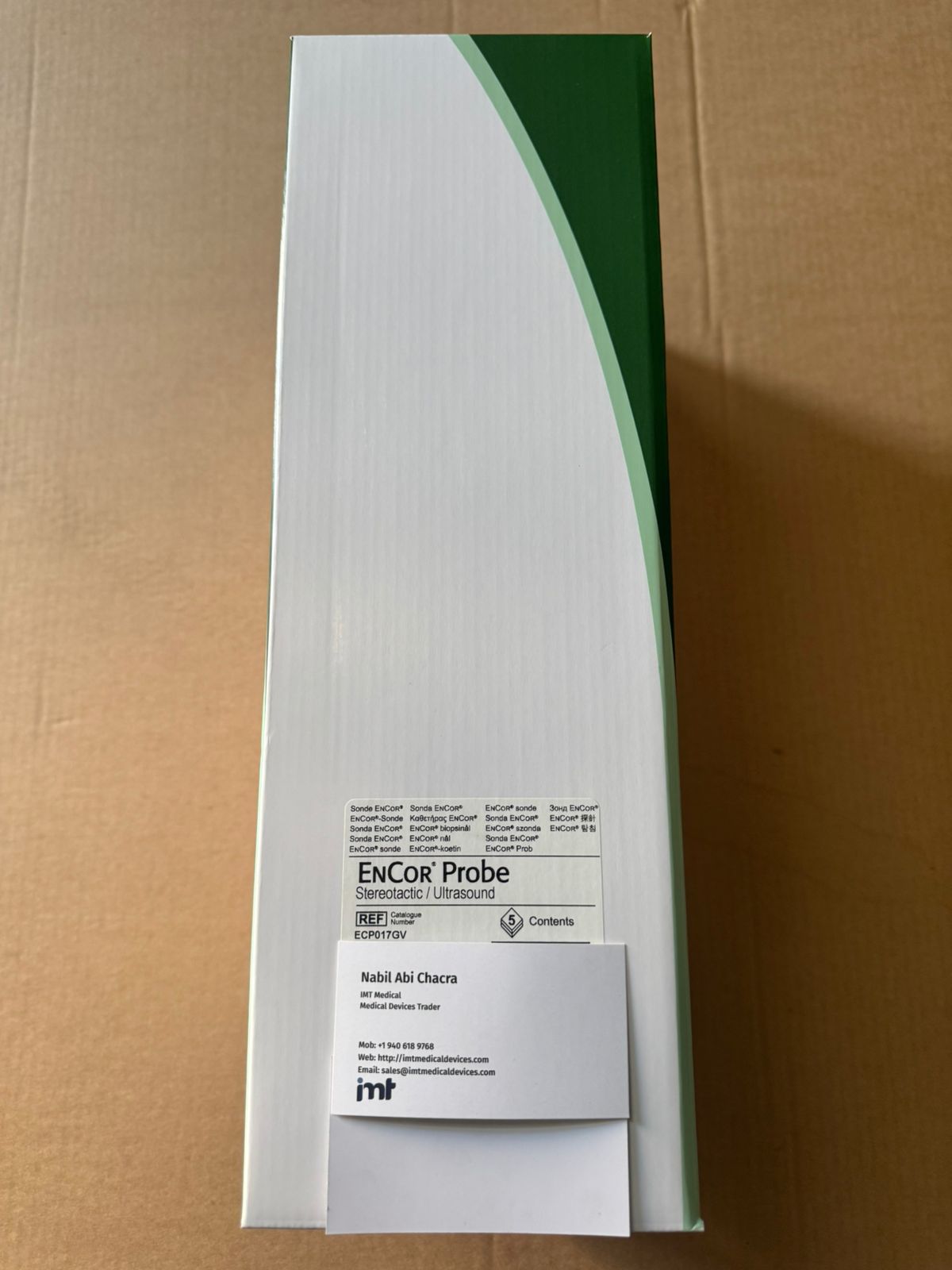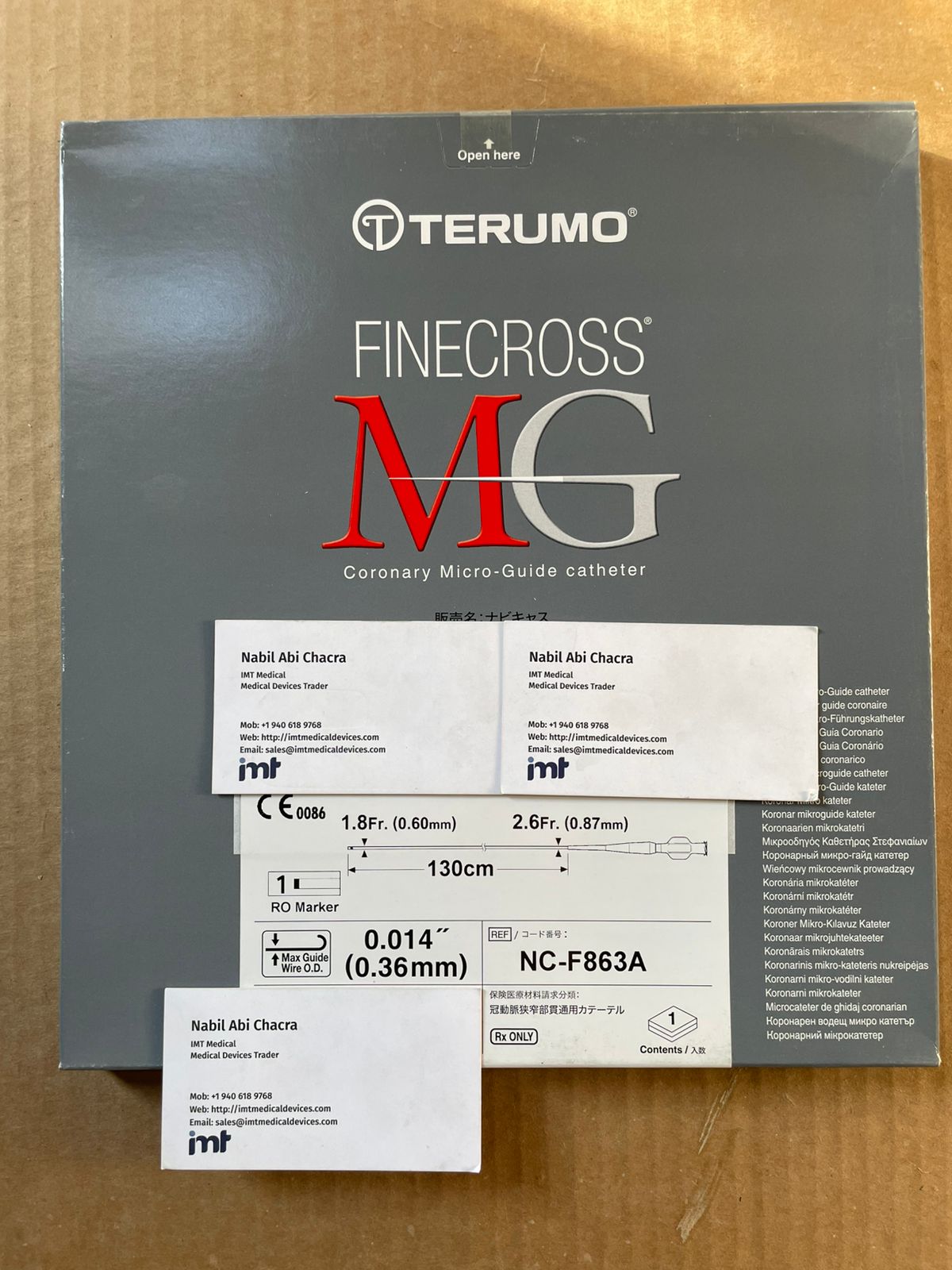


Medical Device Wholesale That Actually Works
A cath lab case does not get delayed because a buyer misunderstood the theory of procurement. It gets delayed because the requested device was not available, the part number was wrong, or the distributor could not supply the exact branded item the physician wanted. That is the real standard in medical device wholesale.
For hospitals, independent distributors, and physicians buying outside local channel constraints, wholesale is not just about price. It is about getting the correct device, from the correct manufacturer, in the correct configuration, with quoting and shipment handled without friction. In interventional care, that means precision at the SKU level.
What medical device wholesale means in practice
In many industries, wholesale simply means buying larger volumes at lower unit cost. In interventional medicine, the definition is tighter. Medical device wholesale is the supply of branded devices and related products to professional buyers who already know the product family, clinical use, and exact identifiers they need.
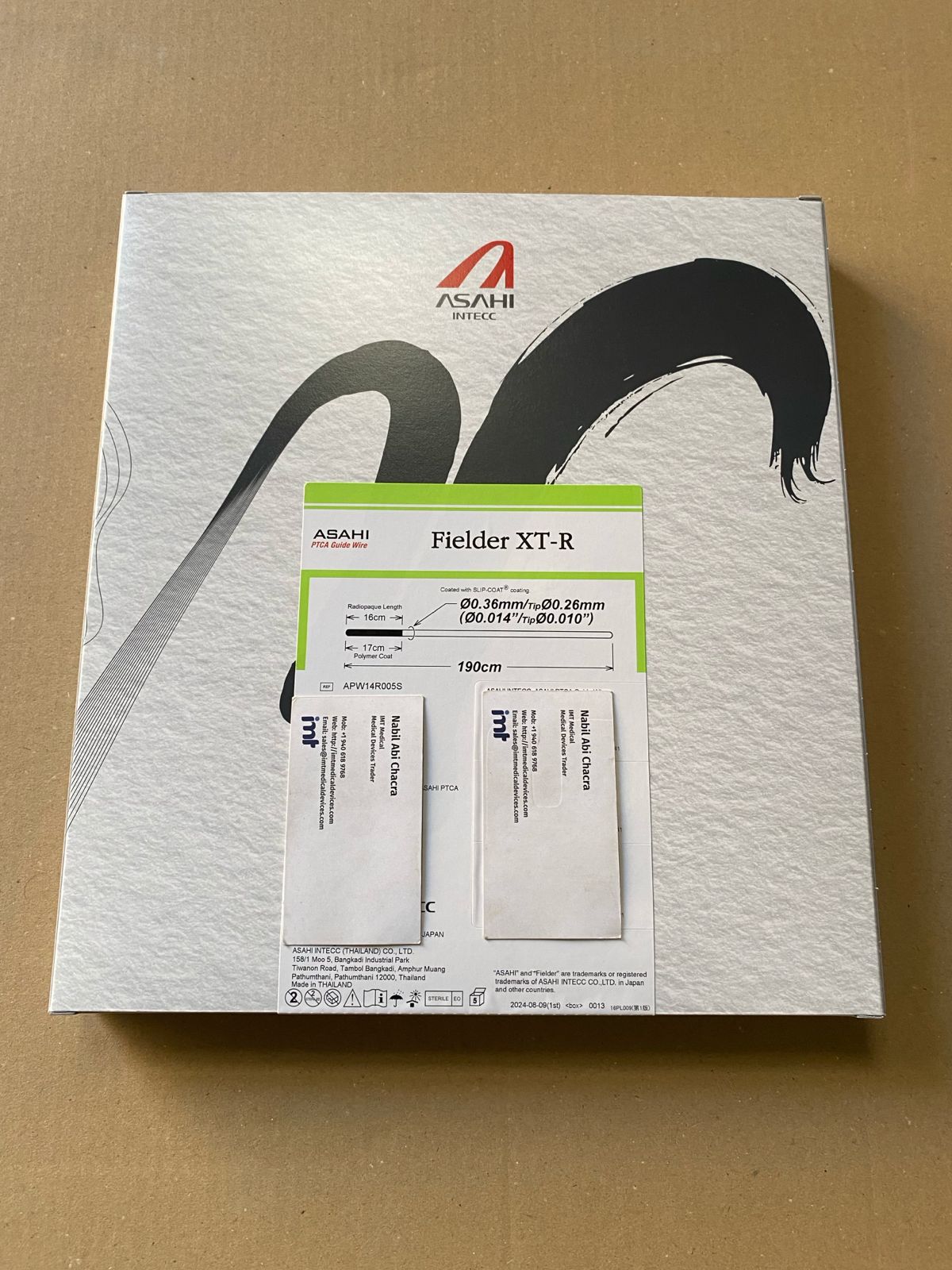
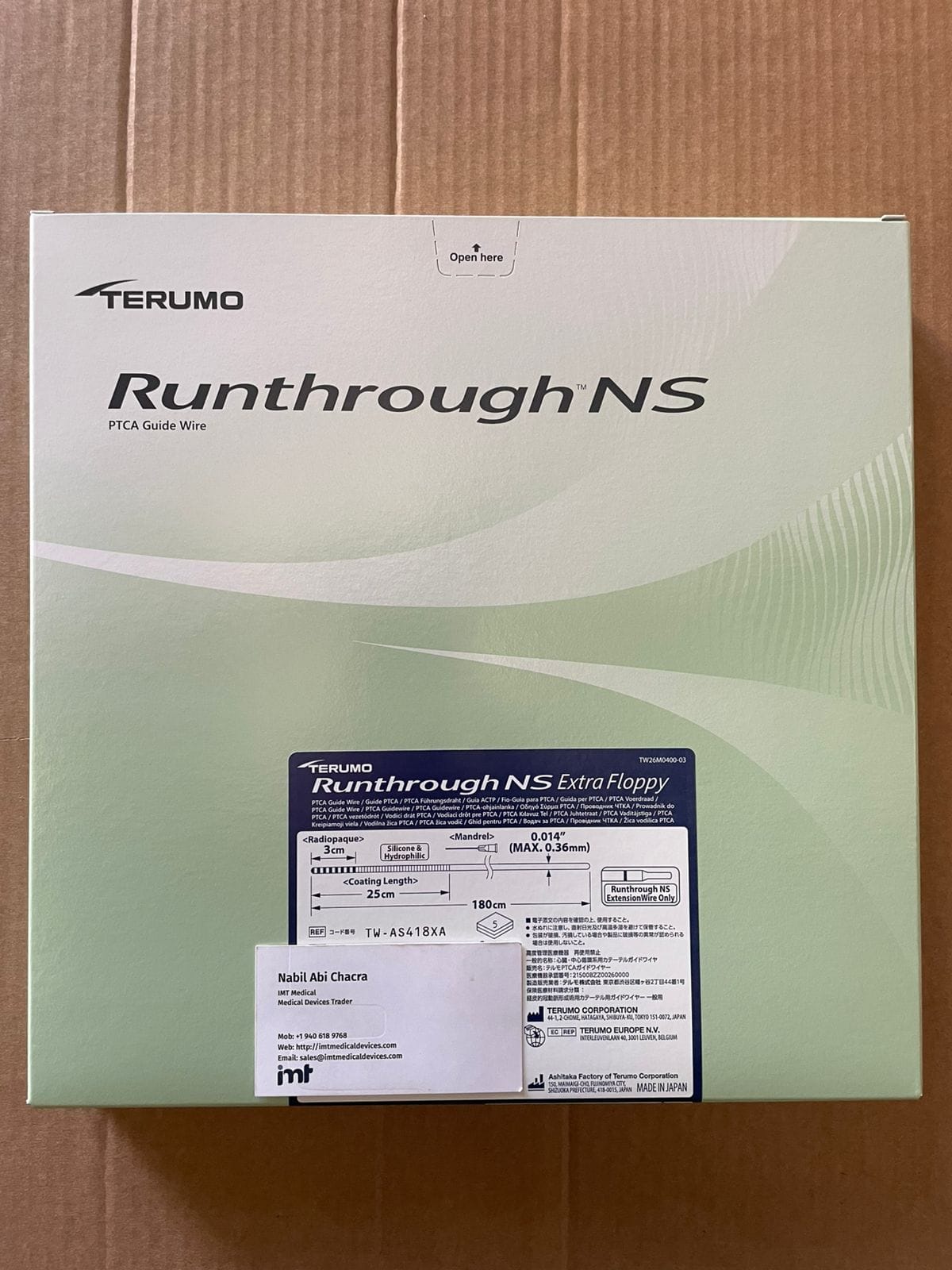
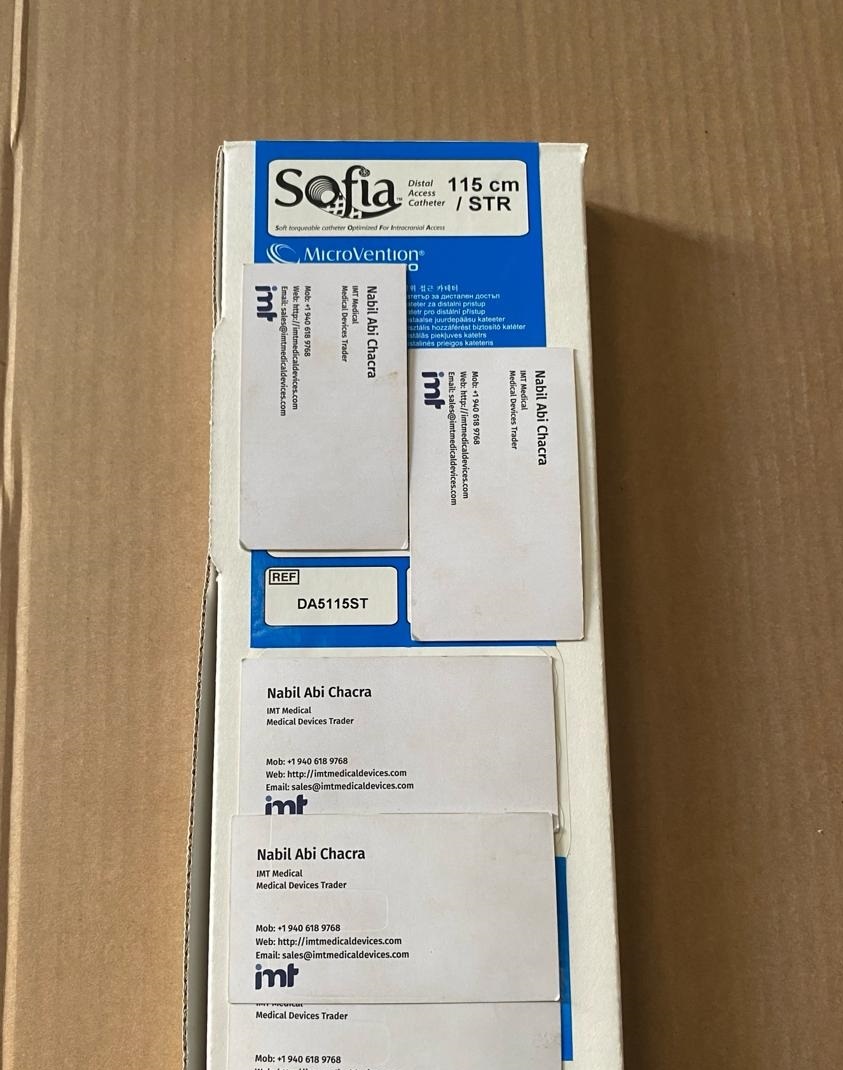
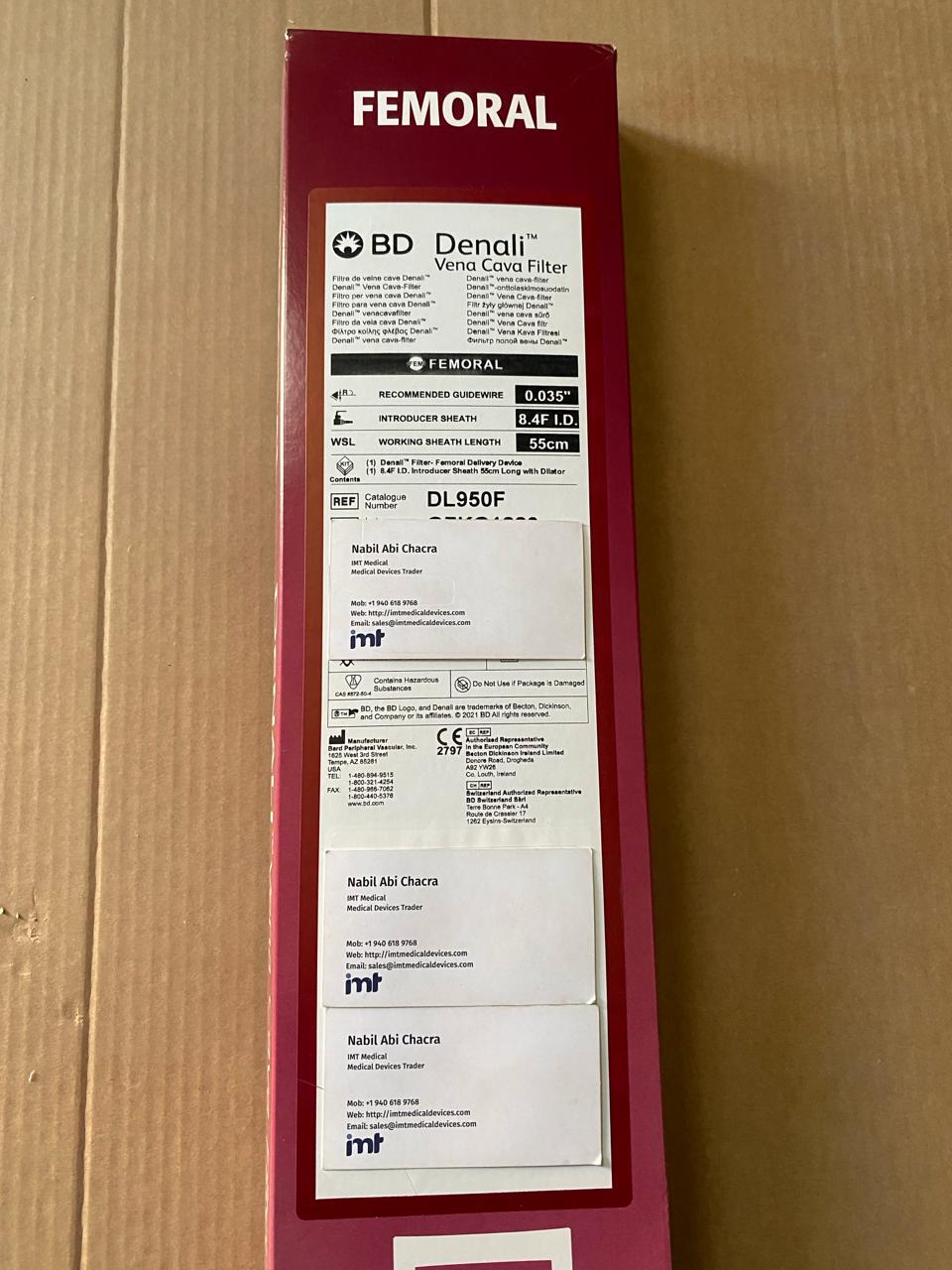
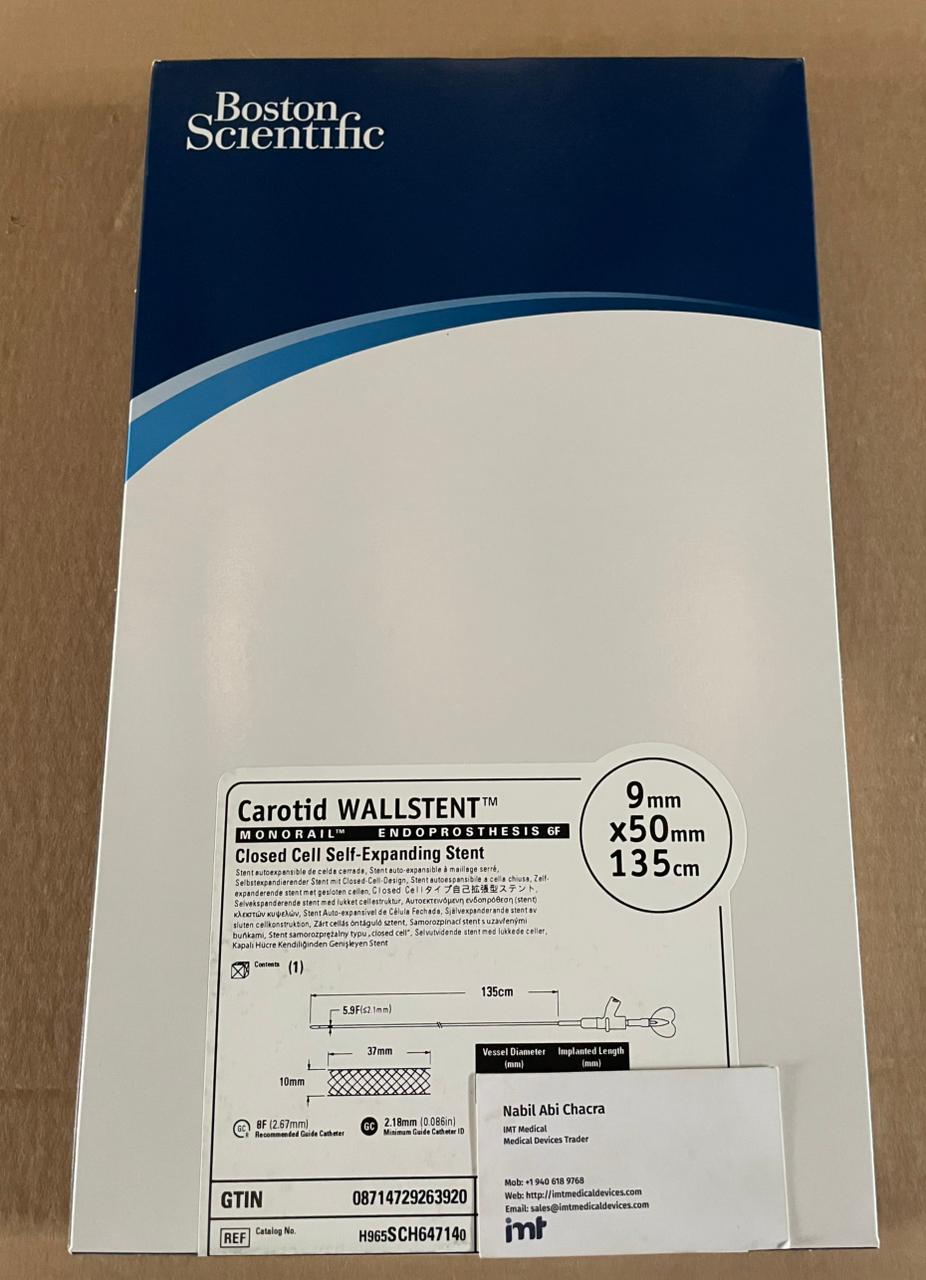
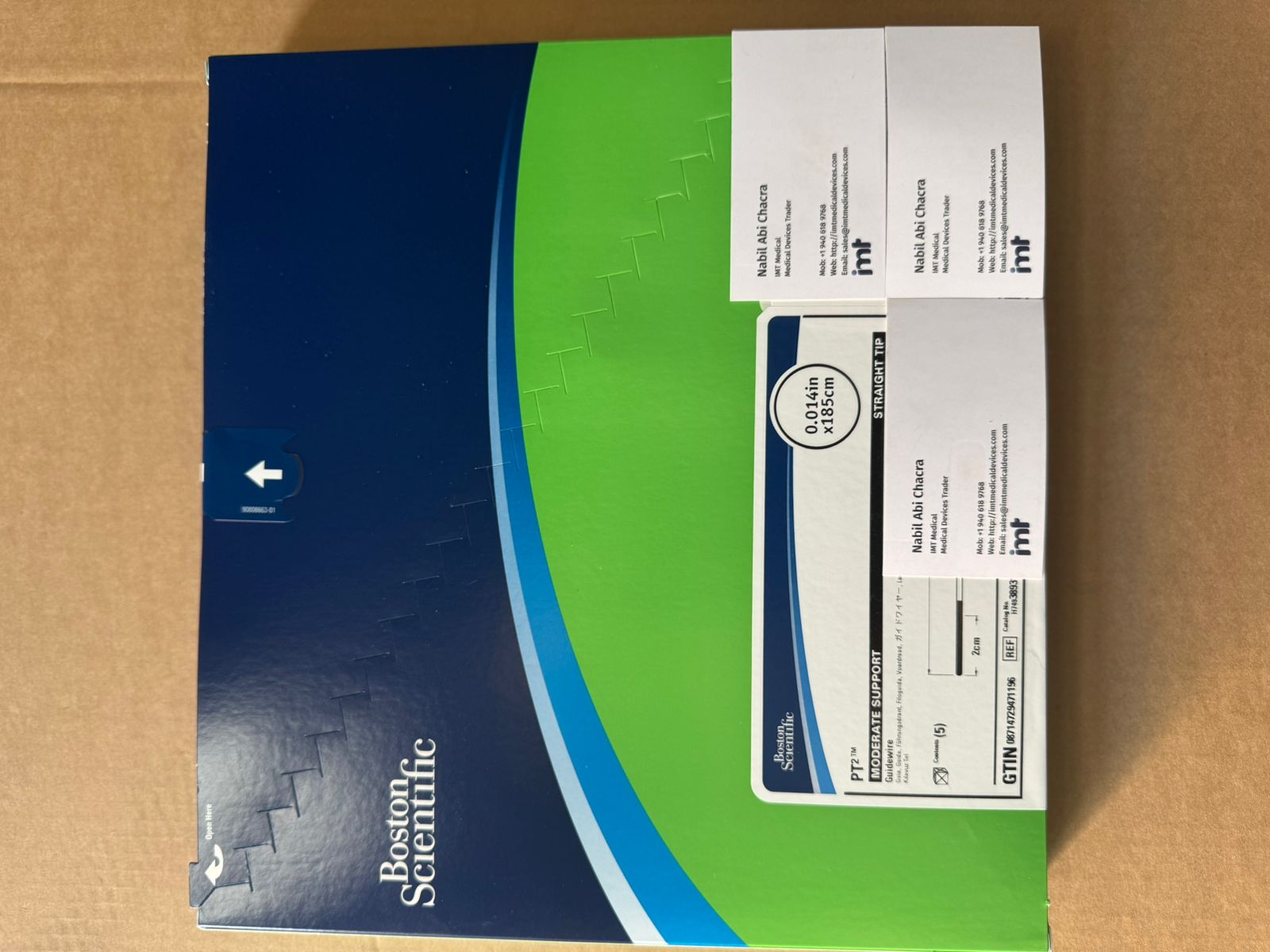
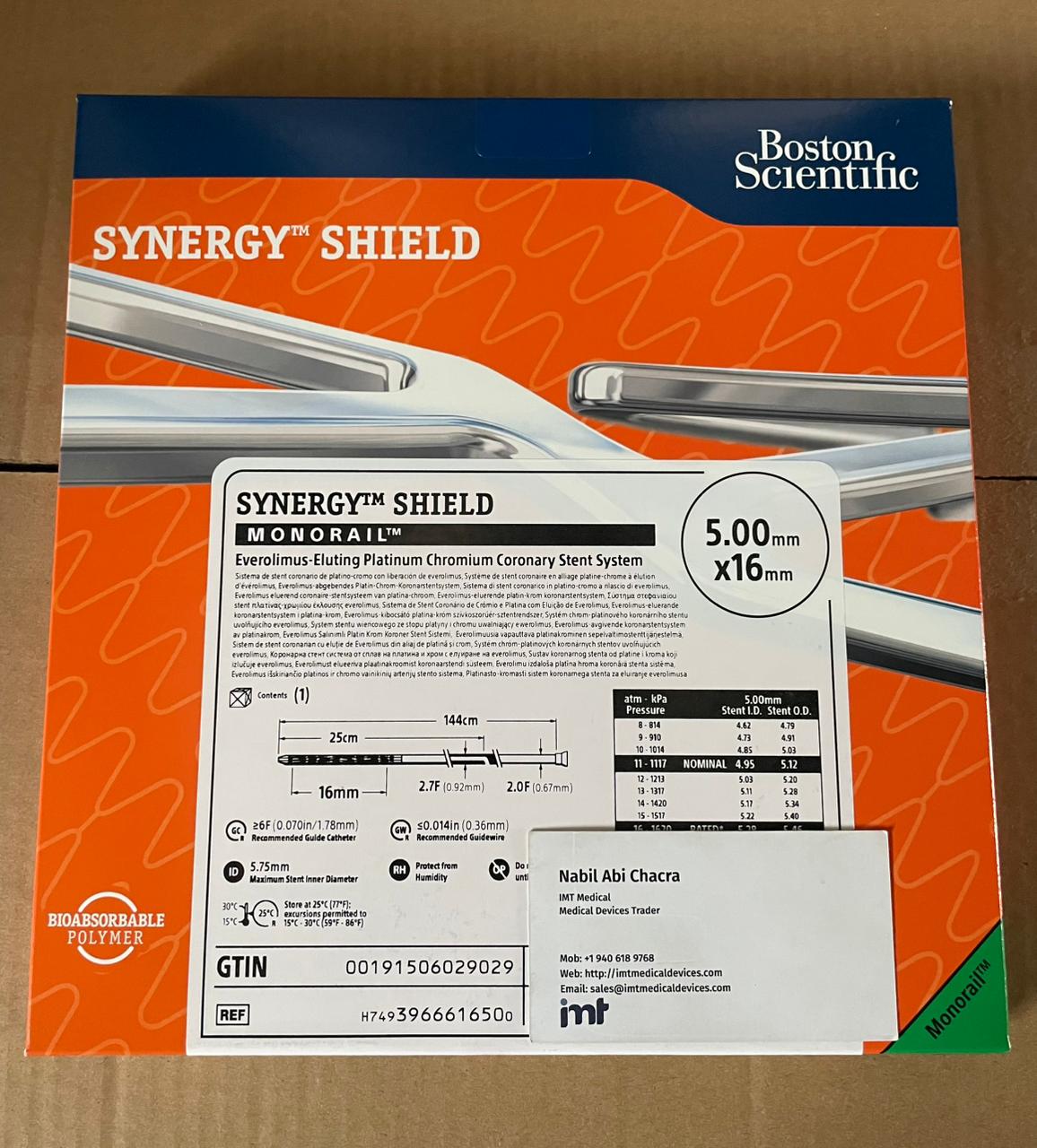
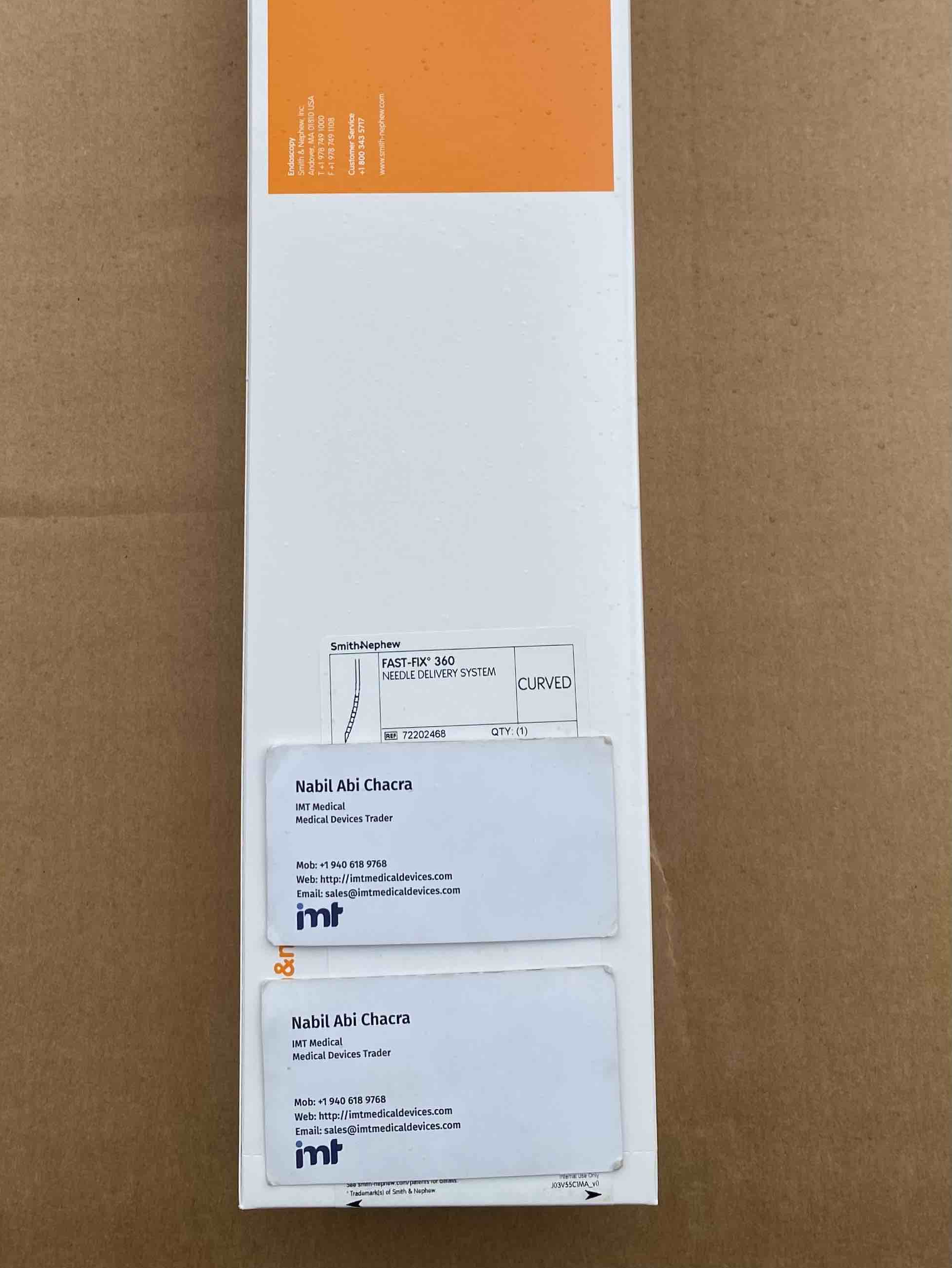
That is why broad statements like "we carry vascular products" are not very useful. Serious buyers are looking for specifics such as coronary stents, peripheral balloons, microcatheters, aspiration catheters, guidewires, guiding catheters, coils, and vascular closure devices. They also want the manufacturer confirmed up front - Medtronic, Boston Scientific, Asahi, MicroVention, Terumo Neuro, Terumo, Cordis, Abbott, BD, B. Braun, Ethicon, Smith+Nephew, Coloplast, Beckman Coulter, Roche Reagents, Bio-Rad, and Siemens - because brand alignment matters in procedure planning and hospital preference.
A workable wholesale model serves buyers who do not want to rely on a local distributor, distributors competing within their own market, and physicians who need access to exact products without local channel limitations. In those cases, the value is availability and sourcing accuracy first, then commercial terms.
Why branded availability matters more than broad catalogs
A large catalog can look impressive and still fail the buyer. If the listing does not clearly identify manufacturer, product name, size, and part number, it creates more work for procurement teams and more risk for clinical users.
In cath lab and specialty hospital purchasing, substitution is often not simple. A guidewire is not interchangeable just because another wire appears similar on paper. The same goes for balloon catheters, neurovascular coils, microcatheters, and closure devices. Physician familiarity, procedural workflow, and hospital approval all affect what can actually be used.
That is why medical device wholesale works best when the supplier operates more like a sourcing desk than a generic reseller. Exact identifiers reduce ordering errors. Recognizable brands reduce clinical hesitation. Fast quote response reduces administrative delay.
There is also a practical trade-off here. A supplier with a very wide product range but weak SKU clarity can slow down purchasing. A supplier with a narrower but well-indexed inventory of branded interventional products often supports faster decision-making because the buyer can verify what is being quoted immediately.
How buyers evaluate a medical device wholesale partner
Most professional buyers are not looking for educational content. They are looking for a fast way to confirm availability and move to quote. The evaluation process is usually straightforward.
First, the supplier should be able to identify products exactly, not approximately. Product family, manufacturer, size, and part number should be clear. If a quote request starts with too many back-and-forth questions on basic product identification, that is usually a sign the sourcing process will be slower than it needs to be.
Second, the supplier should show strength in the relevant procedure categories. For interventional buyers, that usually means coronary, peripheral vascular, and neurovascular lines rather than a general medical assortment with limited depth. A broad inventory is useful only if it includes the brands and product types actually used in these cases.
Third, responsiveness matters. Hospitals and distributors often already know what they need. They do not want a long sales conversation. They want confirmation on branded availability, quantity, and quote timing. Transaction speed is part of the product.
Fourth, reliability matters more than promotional language. Buyers tend to trust supplier communications that use exact product names and part numbers rather than broad marketing claims. In this market, precision is credibility.
Product categories that matter most in interventional sourcing
Not every wholesale supplier is built for high-acuity intervention. Buyers in this segment usually need access to specific categories tied directly to procedure volume and physician preference.
In coronary intervention, the recurring demand centers on stents, balloon catheters, guidewires, guiding catheters, and adjunct access products. In peripheral vascular work, buyers often need a similar sourcing model but with product specifications adapted to vessel size, lesion profile, and access strategy.
Neurovascular procurement is even less tolerant of ambiguity. Microcatheters, aspiration catheters, coils, and access devices often need to match physician technique and case planning with little room for substitution. That is one reason buyers in this area tend to prefer suppliers who are comfortable working with exact branded requests instead of generic category descriptions.
Lab and diagnostic product lines can also matter depending on the facility. Reagents and equipment-associated consumables from manufacturers such as Roche Reagents, Beckman Coulter, Bio-Rad, and Siemens require the same discipline. Buyers want exact references, not near matches.
Where wholesale breaks down
The most common failure in wholesale medical sourcing is not necessarily stock shortage. It is poor alignment between buyer request and supplier process.
Sometimes the supplier is set up for broad retail-style distribution, while the buyer is operating at hospital procurement speed and expects part-number accuracy. Sometimes the supplier can access a manufacturer line but cannot confirm the exact item quickly enough. Sometimes pricing looks acceptable, but documentation and quote handling create delay.
Cross-border purchasing adds another layer. Hospitals and distributors in Gulf countries, Latin America, Asia, China, and Russia may pursue alternative channels because local distribution is restricted, overpriced, slow, or commercially inflexible. In those cases, the wholesale partner must be operationally disciplined. Availability without quoting accuracy is not enough. Quoting accuracy without shipment follow-through is not enough either.
There is also the issue of local market competition. Independent distributors buying against entrenched local players often need a source that will move quickly on branded demand without introducing unnecessary process. When that support is missing, opportunities go back to incumbent channels.
What a good request looks like
The fastest wholesale transactions usually start with a precise request. Buyers who provide the manufacturer, exact product name, part number, required quantity, and destination country tend to get cleaner quotes and fewer clarification cycles.
If a product has multiple sizes or variants, include the full identifier. If the request is linked to a planned case volume or tender cycle, say that early. If alternatives are acceptable, that should also be explicit. If they are not acceptable, state that too.
This is where procurement efficiency becomes very practical. A supplier can act quickly when the request is structured around exact items instead of broad categories. For example, asking for a specific guidewire or aspiration catheter by part number is materially different from asking for "something similar." One supports immediate sourcing. The other creates uncertainty.
For buyers who work this way regularly, a catalog-first supplier model is usually more useful than a content-heavy sales model. Clear navigation by clinical category, manufacturer filters, inventory familiarity, and a direct quote path are what keep purchasing moving.
What to expect from a specialized supplier
A specialized supplier should feel predictable. Buyers should be able to search by category, verify manufacturer lines, identify products quickly, and request quotes without having to explain the clinical basics.
That matters especially in interventional segments where branded preference is strong and procedural demand can be urgent. A supplier focused on this market should understand the difference between coronary, peripheral, and neurovascular product flows and maintain inventory visibility around those categories.
This is where a company such as IMTmedicaldevices.com fits the market well. The value is not general marketing language. It is the ability to support professional buyers looking for branded interventional devices from recognized manufacturers, with the sourcing process built around exact product identification and direct quote initiation.
Medical device wholesale is only useful when it reduces friction. If it helps the buyer get the exact device faster, with fewer errors and less channel dependency, it is doing its job. If it creates uncertainty around brand, part number, or availability, it is just another obstacle in the purchasing chain.
For hospitals, distributors, and physicians buying outside local distributor constraints, the best next step is usually simple: start with the exact item, ask for the quote, and work only with suppliers who answer with the same level of precision.