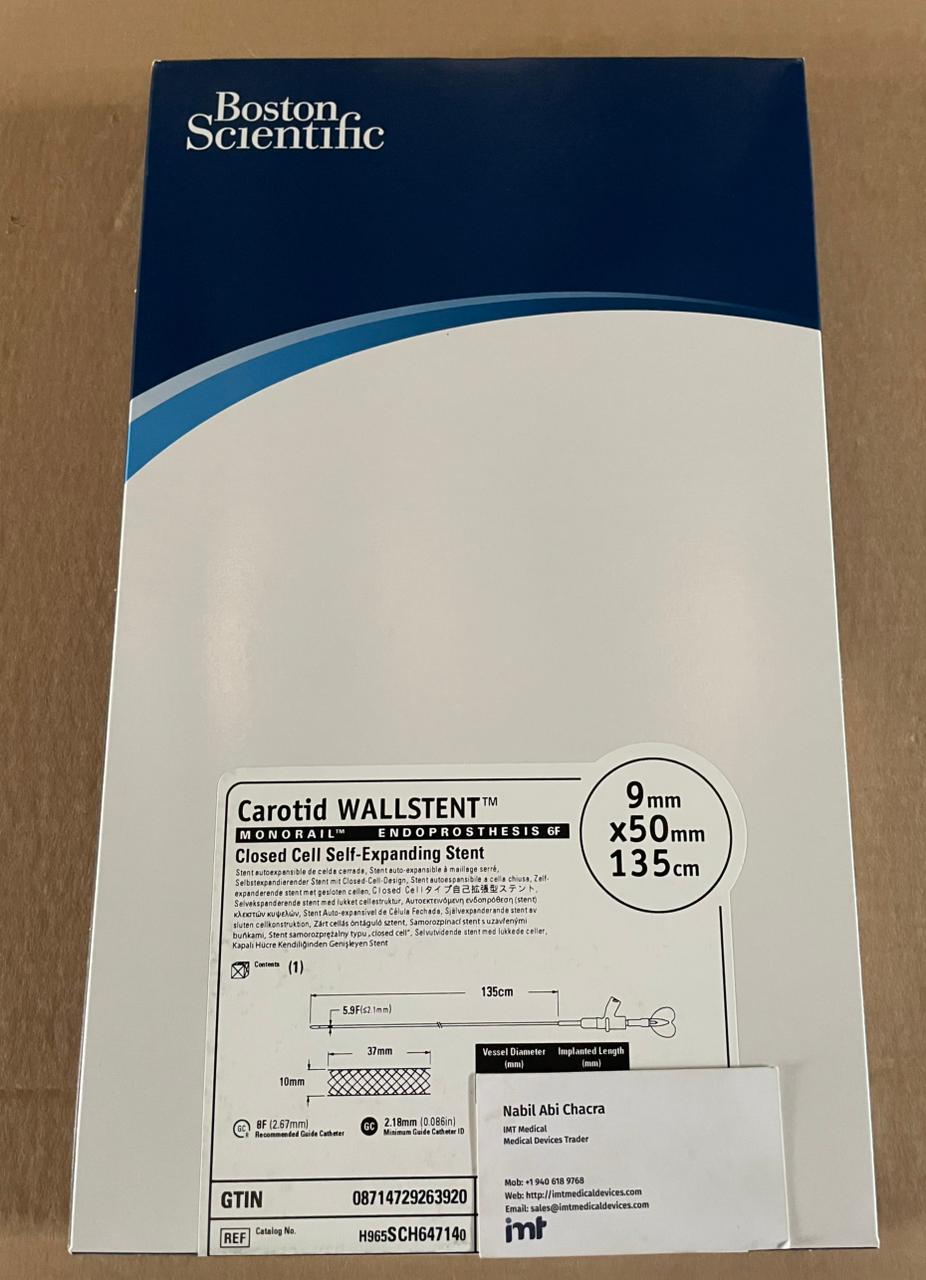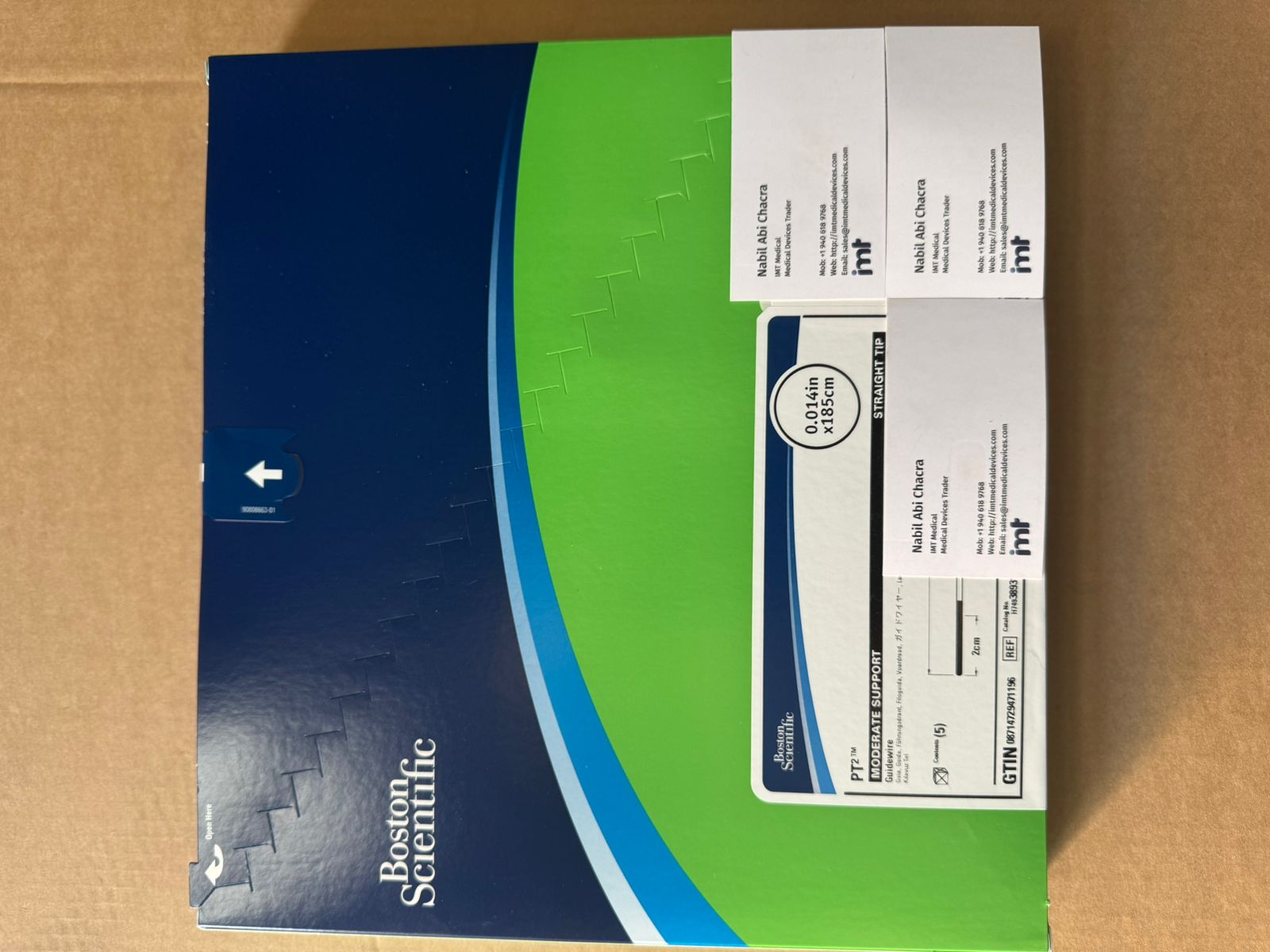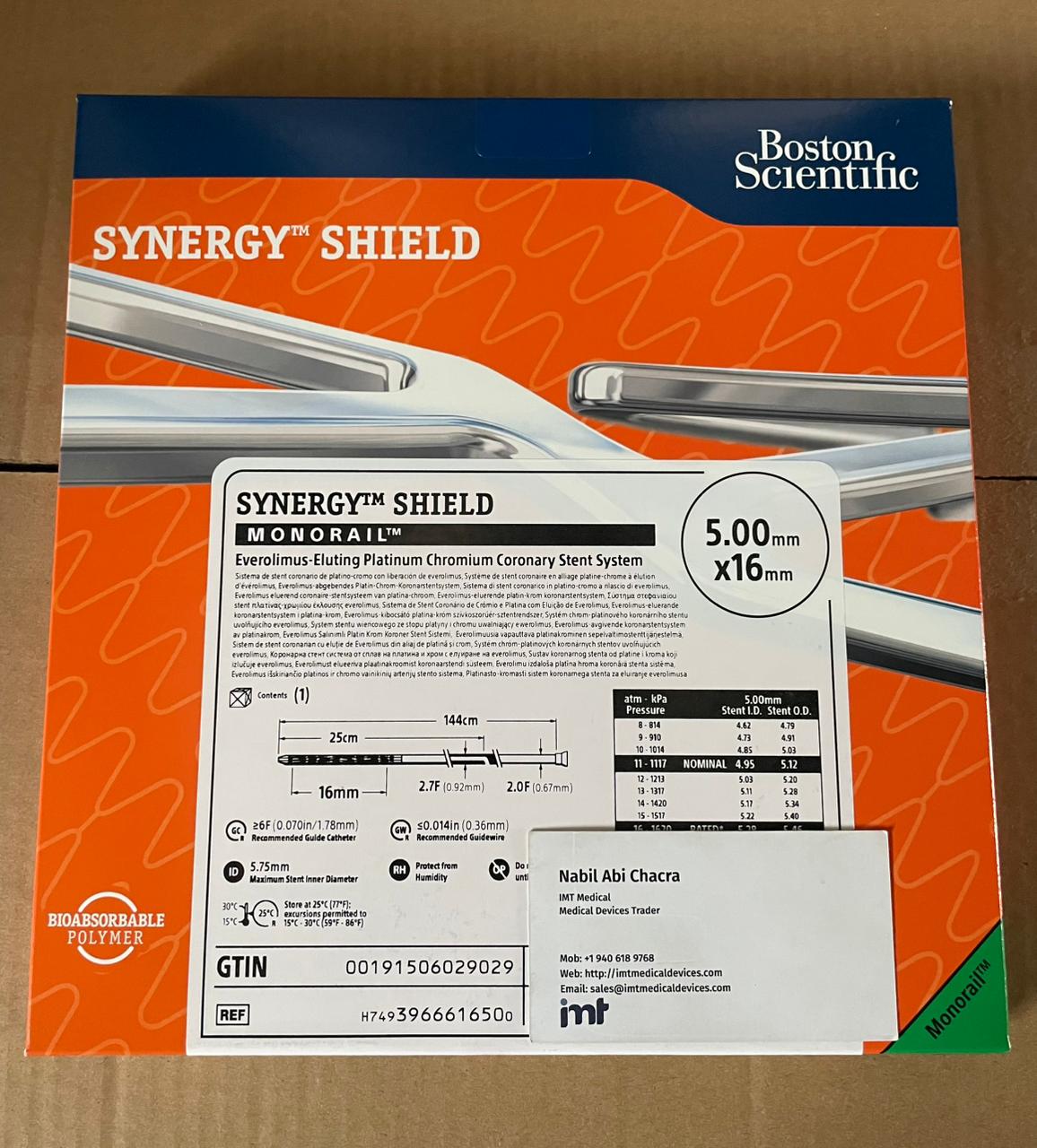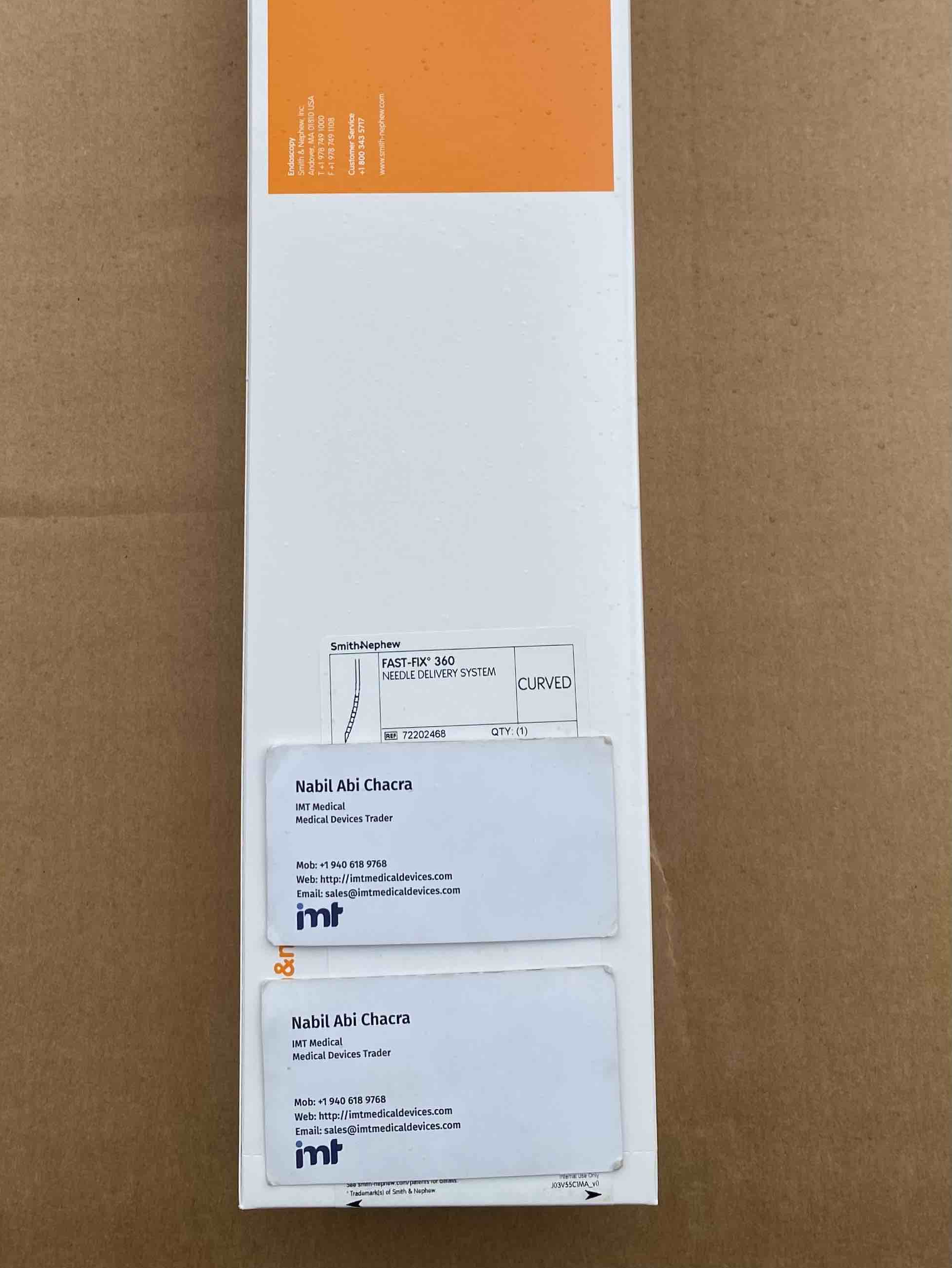


Medical Equipment Export Logistics: A Strategic Guide for Global Procurement 2026
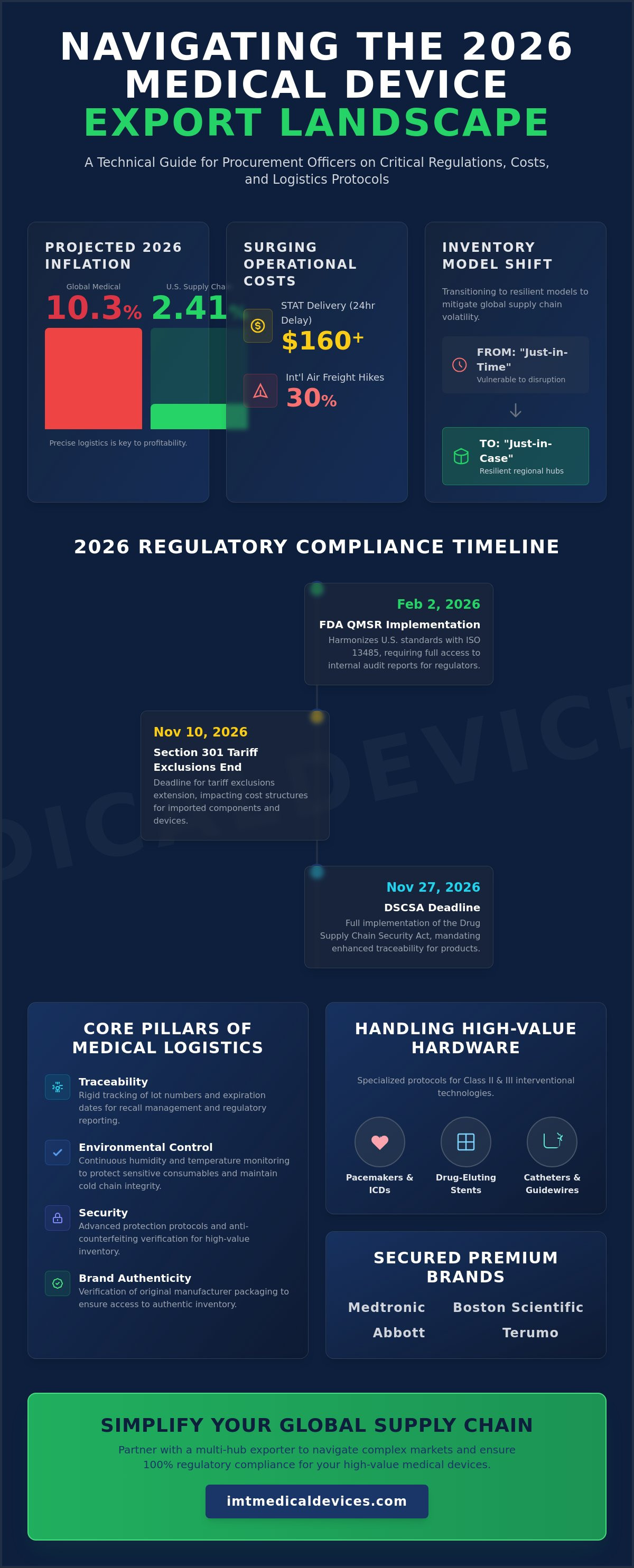
Global medical inflation is projected to reach 10.3% in 2026, but the specific cost increase for U.S. medical supply chains is forecasted at a more controlled 2.41% by Vizient. This gap demonstrates that profitability depends on precise medical equipment export logistics rather than market luck. Procurement officers face immediate pressure from the FDA Quality Management System Regulation (QMSR) implemented on February 2, 2026, which now requires regulators to have full access to internal audit reports. Technical precision in shipping is no longer optional; it's a baseline requirement for market access.
You recognize that a 24-hour delay in a STAT delivery, which now costs upwards of $160 according to Dropoff data from February 20, 2026, is more than a line-item expense. It's a direct threat to patient outcomes and contract integrity. This guide provides the technical protocols to ensure 100% regulatory compliance and maintain strict cold chain integrity for high-value items like drug-eluting stents, ICDs, and permanent pacemakers. We'll detail the impact of the November 27, 2026, DSCSA deadline, examine the extension of Section 301 tariff exclusions through November 10, 2026, and outline regional distribution strategies to bypass the 30% price hikes currently affecting international air freight.
Key Takeaways
- Integrate 2026 regulatory standards including FDA QMSR and Malaysia GDPMD for uninterrupted cross-border device distribution.
- Optimize medical equipment export logistics by applying specific handling protocols for Class II and Class III interventional hardware.
- Secure high-value inventory through brand-standardized shipping for Medtronic, Boston Scientific, and Terumo products.
- Mitigate global supply chain volatility by transitioning to resilient "Just-in-Case" inventory models and regional distribution hubs.
- Maintain product integrity for drug-eluting stents and pacemakers using specialized cold chain and anti-counterfeiting verification protocols.
Supply Chain Integrity in Global Medical Device Distribution
Effective medical equipment export logistics functions as a specialized branch of third-party logistics (3PL) dedicated to life-critical hardware. This discipline prioritizes the technical transit requirements of high-value interventional technologies over simple transport speed. A foundational Medical logistics overview highlights the requirement for specialized handling that standard freight forwarders rarely provide. Most general providers lack the Good Distribution Practice (GDP) certifications necessary to maintain the safety of Class III medical devices during cross-border transit. They don't have the specialized infrastructure to manage the unique risks associated with medical-grade compliance.
Standard logistics firms often fail to meet medical-grade standards because they aren't aligned with ISO 13485:2016 requirements. This failure results in damaged electronic components or compromised drug coatings on specialized catheters. Logistical inefficiency directly impacts hospital procurement cycles. It leads to critical stockouts in catheterization labs and surgical suites. For procurement officers, the priority is a reliable bridge between manufacturers like Medtronic or Terumo and the end-user facility. Reliability in the supply chain is the only way to counteract the 10.3% global medical inflation projected for 2026.
The Core Pillars of Medical Logistics
- Traceability: Rigid tracking of lot numbers and expiration dates. This is essential for recall management and regulatory reporting across fifty countries.
- Environmental Control: Continuous monitoring of humidity and temperature. This protects the integrity of sensitive consumables like diagnostic guide wires and PTCA balloon catheters.
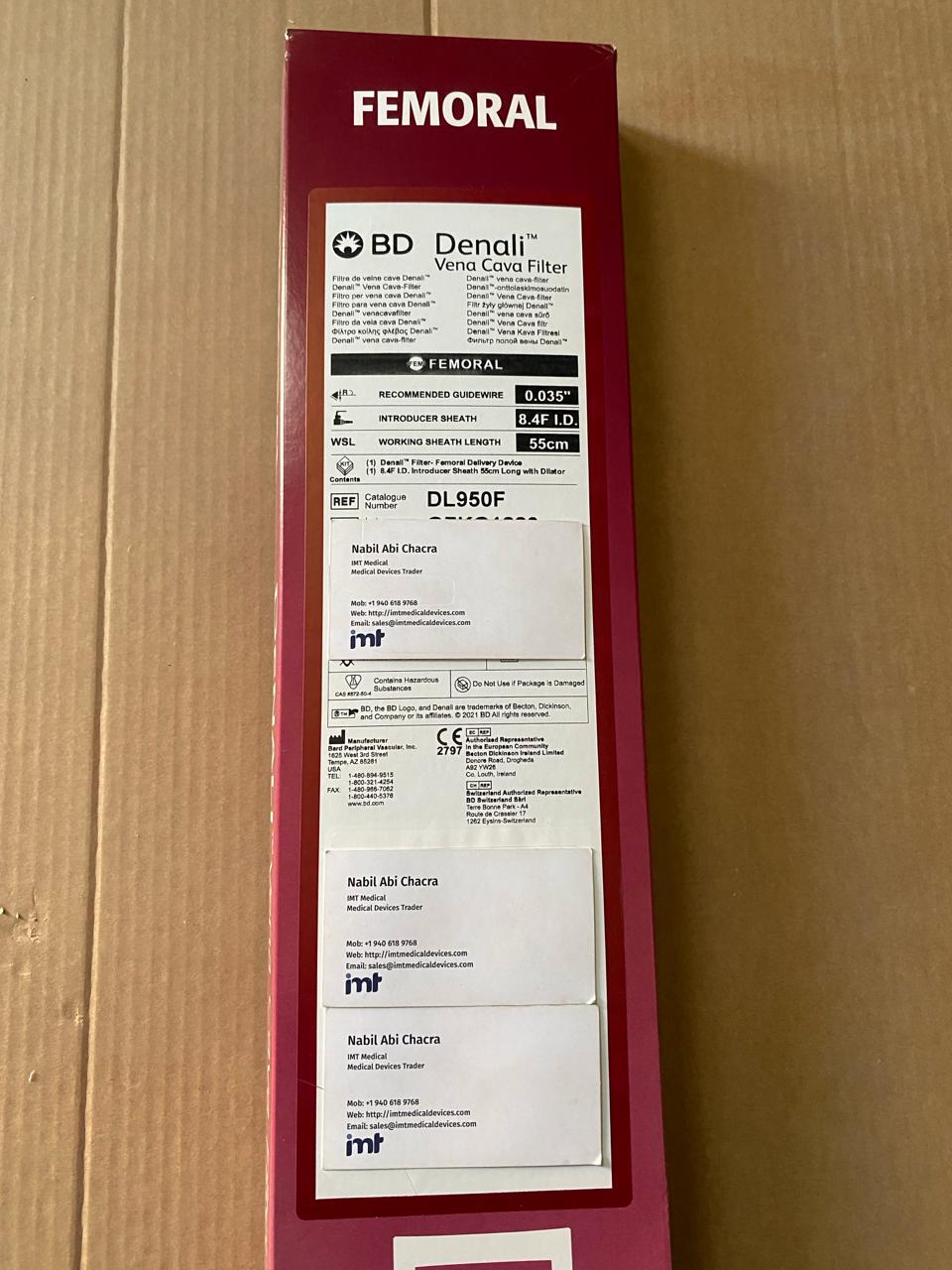
- Security: Advanced protection protocols for high-value inventory. This includes drug-eluting stents, permanent pacemakers, and ICDs.
- Brand Authenticity: Verification of original manufacturer packaging. We ensure direct access to authentic inventory from Boston Scientific, Abbott, and Asahi Intec.
Regulatory Landscape for 2026
The regulatory environment for medical exports underwent a significant shift on February 2, 2026. This date marked the implementation of the FDA’s Quality Management System Regulation (QMSR). It harmonizes U.S. quality system requirements with international ISO 13485 standards. Global distributors must now provide regulators with access to internal audit reports, increasing the pressure for 100% compliance during inspections. Digital-first documentation is now the standard for global customs brokerage. Utilizing Authorized Economic Operator (AEO) status allows for expedited clearance; this is vital for maintaining the "Just-in-Case" inventory models that have replaced "Just-in-Time" strategies in 2026.
Essential Documentation and Regulatory Compliance for Medical Exports
Administrative precision is the primary driver of successful medical equipment export logistics. Without exact documentation, high-value shipments like permanent pacemakers or surgical staplers risk indefinite impoundment. Two critical documents anchor this process: the Certificate of Free Sale (CFS) and the Certificate of Origin (COO). Understanding FDA export certificate requirements is mandatory for any distributor moving U.S.-manufactured hardware into international markets. These certificates verify that products are legally marketed and meet the manufacturing standards of the country of origin.
IMT Medical Devices utilizes a strategic network of offices in various international locations. These hubs serve as regulatory checkpoints for regional compliance. For example, a specific national medical device authority implemented Circular Letter No. 1/2026 on January 28, 2026. This regulation requires valid Establishment Licences and GDPMD compliance for all tenders. Our multi-regional presence ensures we manage these local health authority registrations across 50+ countries without delay. For procurement teams seeking reliable distribution, partnering with a multi-hub exporter simplifies the entry into complex markets.
Standard Shipping Documentation
- Commercial Invoices: Must include precise technical descriptions and specific Harmonized System (HS) codes for every line item.
- Packing Lists: Required detailed breakdown by manufacturer model number and unique serial numbers for Class III devices like ICDs or drug-eluting stents.
- Air Waybills (AWB): Must clearly state the 'Medical Equipment' designation to ensure prioritized handling and appropriate storage conditions during transit.
- Product Details: Medtronic Pacemaker + Model Number; Terumo Guidewire + Lot Number; Boston Scientific Stent + Serial Number.
Regional Regulatory Nuances
Shipments entering or transiting through certain regulatory zones must strictly adhere to their specific medical device regulations. This involves specific labeling and UDI (Unique Device Identification) verification. In other jurisdictions, national customs clearance protocols require legalized documentation and adherence to local health authority standards. For emerging markets globally, we streamline the process by managing pre-shipment inspections and local health authority permits. This proactive approach prevents the supply chain bottlenecks that lead to stockouts in critical care environments. We ensure every shipment of Asahi Intec or Medtronic products meets local standards before it leaves the warehouse.
Logistics Protocol Comparison: Handling Sensitive vs. Standard Medical Hardware
Logistical requirements vary significantly based on device classification. Class I devices require standard protective packaging. Class III hardware, including implantable cardioverter defibrillators (ICDs) and drug-eluting stents, demands rigorous medical equipment export logistics protocols. Failure to distinguish these categories leads to either over-expenditure or catastrophic device failure. As of March 2026, global ocean freight costs have risen sharply, making ocean transport less viable for high-volume, low-unit-value consumables. High-value interventional products remain suited for air freight to minimize transit time and environmental exposure.
Protecting fragile diagnostic equipment requires packaging innovations like vacuum-insulated panels (VIPs). These provide superior thermal resistance compared to expanded polystyrene. Redundant tracking systems are now mandatory for 'never-out' hospital inventory. We utilize dual-sensor GPS and cellular data loggers to provide real-time location and shock detection for prestigious brands like Medtronic and Boston Scientific. This ensures that the engineering quality of the manufacturer is preserved until the point of clinical use.
Cold Chain vs. Ambient Shipping
Active temperature control is non-negotiable for specific interventional tools. Do PTCA balloon catheters require active cooling? While many are shelf-stable at room temperature, extreme transit environments in the Middle East or Africa require passive cooling validation. We use validated gel packs and data loggers to ensure temperatures stay within manufacturer-specified ranges. Real-time monitoring allows for immediate intervention if a shipment deviates from the 15-25°C ambient or 2-8°C cold chain requirements. Every data log is archived for regulatory audit trails.
Strategic Warehousing and Hub Operations
Maintaining 'Near-Market' storage in hubs like Dubai or Turkey reduces lead times for critical surgical supplies. This strategy supports the shift to "Just-in-Case" inventory models seen in early 2026. We implement First-Expired, First-Out (FEFO) strategies rather than standard FIFO to manage sterile products effectively. This is vital for permanent pacemakers and ICDs where battery shelf life and sterilization expiration are critical. Our specialized handling includes dedicated secure zones for high-value inventory from Terumo and Asahi Intec. This infrastructure allows for rapid information retrieval and product availability for procurement officers.
Strategic Inventory Management for High-Value Interventional Technologies
Managing the manufacturer-to-distributor link requires a brand-first strategy. Inventory management for Medtronic, Boston Scientific, and Abbott products isn't general cargo handling. It's a precise execution of medical equipment export logistics. Authenticity is the primary trust signal. We implement anti-counterfeiting measures throughout the wholesale chain to meet the November 27, 2026, DSCSA deadline for distribution security. This ensures every serial number matches the manufacturer's master record. Small-batch high-value exports require different protocols than bulk consumable shipping. High-value implants need individual tracking and white-glove handling during every stage of transit.
Risk mitigation depends on comprehensive insurance and clear liability frameworks. International transit for Class III devices involves high financial exposure. We define liability at every handover point between the regional hubs in Georgia, Dubai, and Poland. This prevents disputes during cross-border transit. For procurement officers, the goal is 100% stock availability without the burden of excessive local storage. You can optimize your high-value inventory procurement by leveraging our established global footprint and technical expertise.
Specialized Handling for Cardiology and Vascular Devices
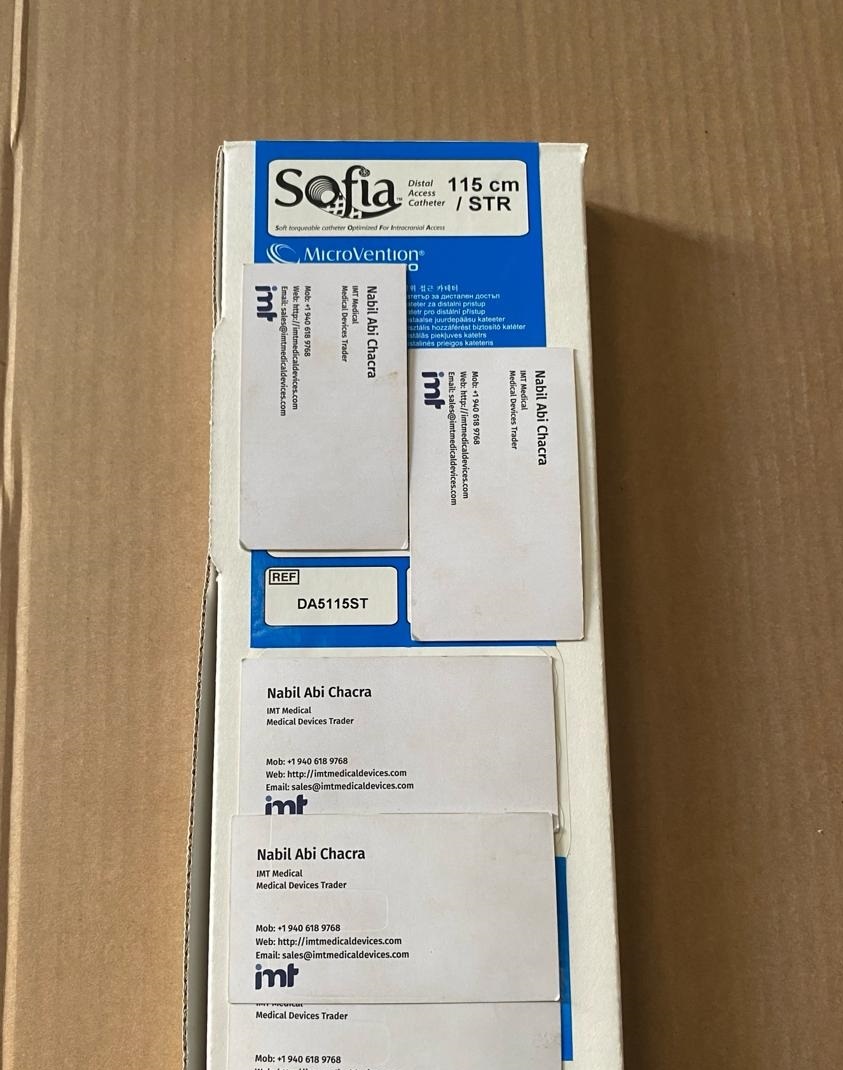
Managing guidewires and diagnostic catheters requires rigid vertical storage to prevent mechanical kinking. Drug-eluting stents need protection from coating degradation; transit vibration and environmental spikes must be eliminated. Surgical staplers require mechanical integrity checks and secondary sterile barrier protection to ensure performance in the operating theater. Our protocols match the engineering quality of the original equipment manufacturers.
Product Details:
- Medtronic Onyx Resolute Stent
- Boston Scientific Promus Elite
- Abbott XIENCE Sierra
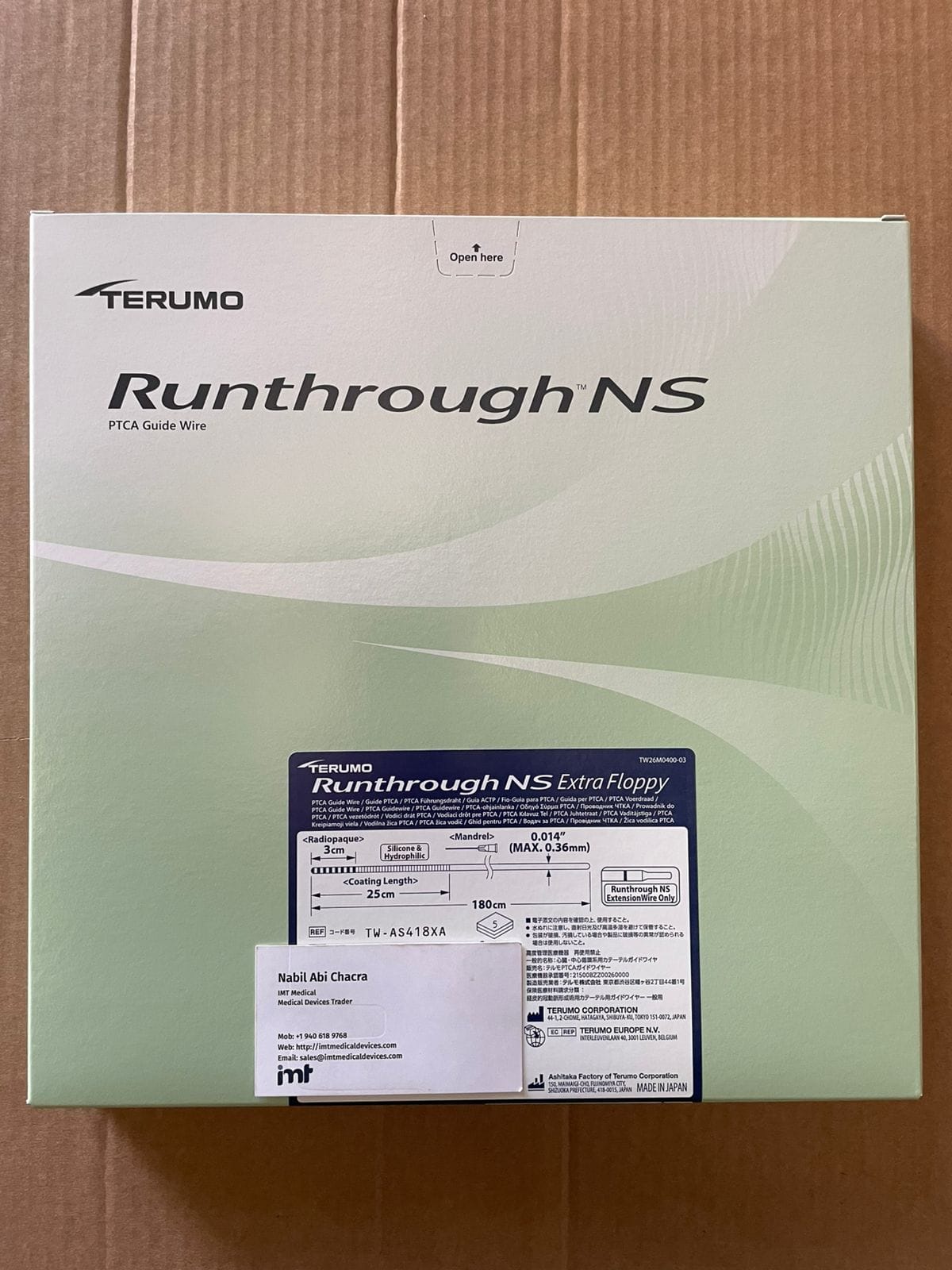
- Terumo Radifocus Guidewire
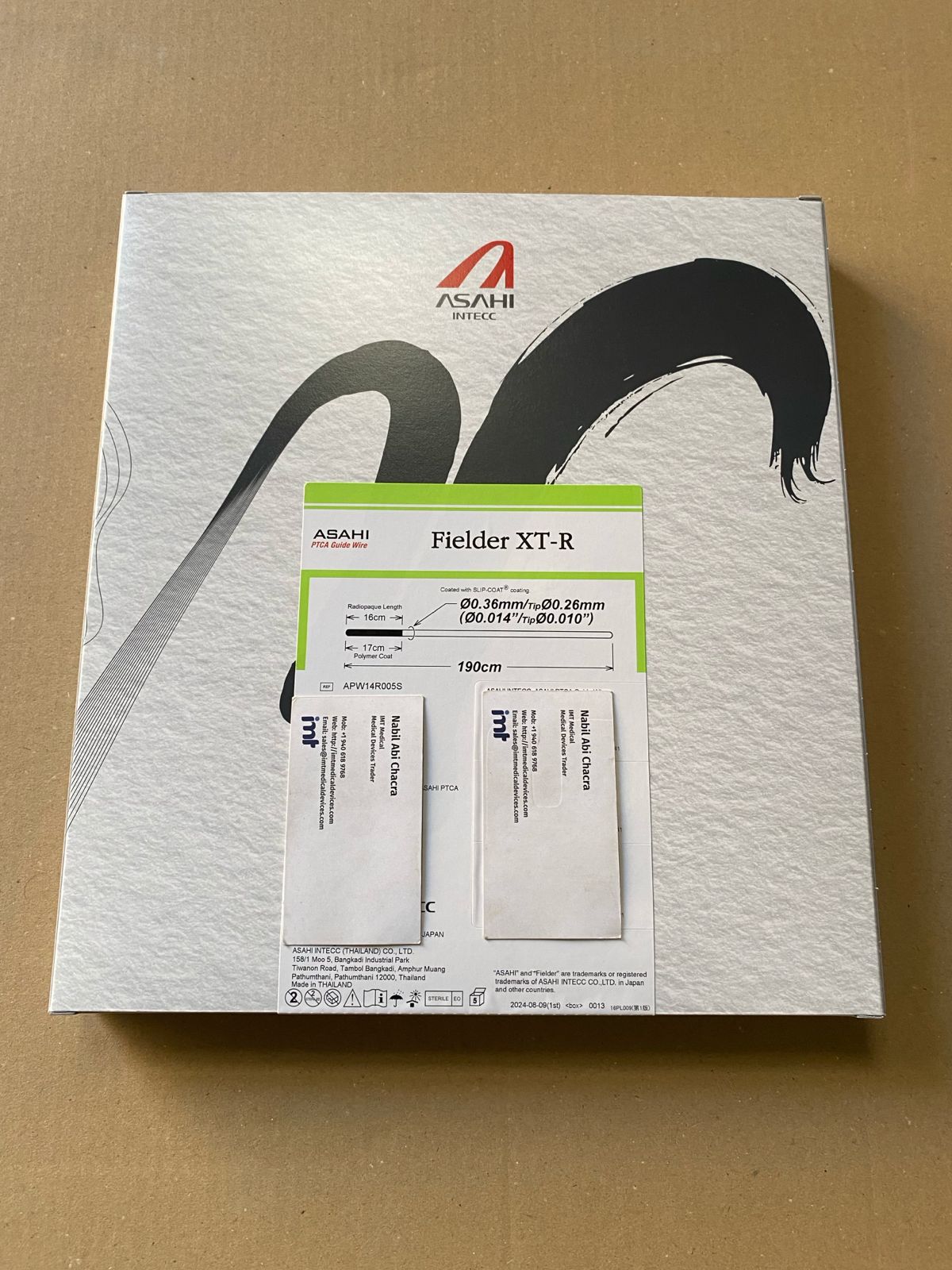
- Asahi Intec Gaia Next
Emergency and 'Just-in-Time' Logistics
Rapid-response supply chains solve critical surgical shortages. Air courier rates in 2026 for STAT deliveries range from $90 to $160+, according to Dropoff data from February 20, 2026. Balancing inventory carrying costs with logistical speed is a mathematical necessity. While "Just-in-Case" models are rising, emergency air courier services remain the safety net for unexpected demand spikes in neurovascular or coronary intervention. Effective medical equipment export logistics integrates these emergency lanes into the standard procurement cycle. This prevents the supply chain disruptions that lead to surgical delays.
IMT Medical Devices: Scaling Global Access to Premium Medical Brands
IMT Medical Devices operates a multi-national footprint across Georgia, Dubai, Turkey, and Poland to facilitate seamless global distribution. This infrastructure supports our "Export 50 Country" signature, providing a reliable bridge between major manufacturers and international markets. We maintain direct access to premium inventory, including Medtronic, Terumo, Abbott, and Boston Scientific. Our medical equipment export logistics protocols ensure that technical specifications and brand reputations remain intact from the warehouse to the catheterization lab. Reliability in the supply chain is a baseline requirement for high-capacity international distribution.
B2B wholesale solutions prioritize volume-based pricing and logistical consolidation. This approach is essential for procurement officers managing the projected 10.3% global medical inflation in 2026. We consolidate shipments of drug-eluting stents, permanent pacemakers, and surgical staplers to reduce unit-level shipping costs. Our operations mitigate the impact of the 30% price increases seen in international air freight since February 2026. Efficiency is our primary driver for maintaining product availability.
Product Details:
- Medtronic + ICD + Evera MRI
- Terumo + PTCA Balloon + Ryujin Plus
- Boston Scientific + Peripheral Stent + Eluvia
- Abbott + Drug-Eluting Stent + XIENCE Skypoint
- Asahi Intec + Guidewire + Gaia Next
Our Global Distribution Network
Strategic offices in Dubai and Turkey reduce customs friction and transit times for emerging markets. We provide technical expertise in handling complex interventional cardiology portfolios, including neurovascular and coronary intervention devices. Our commitment to GDP standards remains constant across all international shipping lanes. This ensures compliance with the FDA's Quality Management System Regulation (QMSR) effective February 2, 2026. We prioritize rapid information retrieval to identify specific brands or product categories at a glance.
Partnering for Procurement Excellence
International healthcare providers benefit from streamlined ordering processes designed for speed and utility. We provide customized logistical solutions for bulk wholesale orders of diagnostic guide wires and peripheral stents. Our systems integrate with the growing healthcare supply chain management software market, which is projected to reach $11.35 billion by 2034. This digital integration improves the accuracy of medical equipment export logistics for our global partners. IMT Medical Devices maintains 100% supply chain transparency to meet the November 27, 2026, DSCSA deadline for enhanced distribution security.
Optimizing Global Procurement for 2026
Navigating the updated FDA Quality Management System Regulation (QMSR) and the November 27, 2026, DSCSA deadline requires a technical approach to medical equipment export logistics. Success depends on more than just transit speed; it requires a brand-first strategy that maintains the engineering integrity of Medtronic, Abbott, and Boston Scientific technologies. By leveraging regional hubs in Dubai, Georgia, Turkey, and Poland, procurement teams can bypass the 30% air freight price spikes recorded in February 2026. This strategic placement ensures 100% regulatory compliance and product availability across fifty countries.
IMT Medical Devices serves as a high-capacity bridge for international healthcare providers. We provide direct access to authentic Class III hardware, including drug-eluting stents, permanent pacemakers, and ICDs. Our multi-national footprint eliminates customs friction and secures the wholesale chain against counterfeit risks. Efficient distribution is the only way to manage the 10.3% global medical inflation projected for the current year. Request a Wholesale Export Quote from IMT Medical Devices to secure your 2026 inventory. We look forward to scaling your access to premium medical brands with logistical precision.
Frequently Asked Questions
What are the primary challenges in medical equipment export logistics?
Primary challenges include navigating regional customs regulations and maintaining environmental stability for Class III devices. The implementation of the FDA Quality Management System Regulation (QMSR) on February 2, 2026, increased inspectional oversight for all distributors. Fluctuating air freight costs, which rose 30% in early 2026, also impact procurement budgeting. Successful medical equipment export logistics requires mitigating these risks through regional hub distribution and digital-first documentation.
How do you ensure cold chain integrity for drug-eluting stents during export?
Cold chain integrity is maintained through validated passive cooling systems and real-time data logging. We utilize vacuum-insulated panels (VIPs) and gel packs to ensure drug-eluting stents remain within the manufacturer-specified 15-25°C or 2-8°C range. Dual-sensor loggers record temperature and humidity throughout the transit cycle. This data is archived to meet regulatory audit requirements for interventional cardiology hardware and biological coatings.
Which international brands are available for wholesale export through IMT Medical Devices?
IMT Medical Devices provides wholesale export for prestigious global manufacturers including Medtronic, Terumo, Abbott, and Boston Scientific. Our inventory features high-demand models like the Medtronic Onyx Resolute, Terumo Radifocus guidewires, and Asahi Intec Gaia Next catheters. We focus on interventional cardiology, neurovascular, and peripheral vascular portfolios. All products are sourced directly to ensure 100% authenticity for international healthcare providers and hospital systems.
What documentation is required for importing medical devices into the UAE or Turkey?
Importing into the UAE requires a Certificate of Free Sale (CFS), a Certificate of Origin (COO), and legalized commercial invoices. UAE shipments must also comply with MoHAP standards. For Turkey, devices require registration in the TITUBB or UTS systems. Our offices in Dubai and Turkey manage these local health authority registrations to prevent customs bottlenecks. Precise HS codes are mandatory for every line item on the packing list.
How does IMT Medical Devices manage regulatory compliance in 50+ countries?
Compliance is managed through a multi-national footprint in Georgia, Dubai, Turkey, and Poland. This network allows for localized regulatory expertise in over 50 countries. We utilize Authorized Economic Operator (AEO) status to expedite customs clearance. Our systems are updated to reflect the 2026 Malaysia GDPMD requirements and EU MDR transshipment protocols. This localized approach ensures seamless medical equipment export logistics for every target region.
What is the typical lead time for international medical device shipping?
Typical lead times for international air freight range from 3 to 7 business days depending on the destination region. STAT deliveries provide immediate dispatch for urgent surgical shortages; costs for these range from $90 to $160+ based on February 2026 industry data. Lead times are optimized by maintaining "Just-in-Case" inventory levels in regional hubs. Customs clearance efficiency at the destination country significantly influences the final delivery date.
How do you handle the logistics of sensitive electronic implants like ICDs?
Sensitive electronic implants like ICDs require shock-resistant packaging and protection from electromagnetic interference. We utilize specialized crates that exceed standard ISTA testing requirements. These Class III devices are tracked with high-precision GPS sensors that monitor for vibration and tilt. This ensures the mechanical and electronic integrity of the pulse generator remains within Medtronic or Boston Scientific factory specifications throughout the journey.
Is insurance included in medical equipment export logistics services?
Standard carrier liability is included in B2B shipping contracts; however, we recommend comprehensive transit insurance for high-value wholesale exports. This covers the full replacement value of drug-eluting stents, pacemakers, and surgical staplers. Insurance protocols are defined during the initial procurement phase to align with international Incoterms. This provides a financial safety net against transit damage or total loss in global shipping lanes.