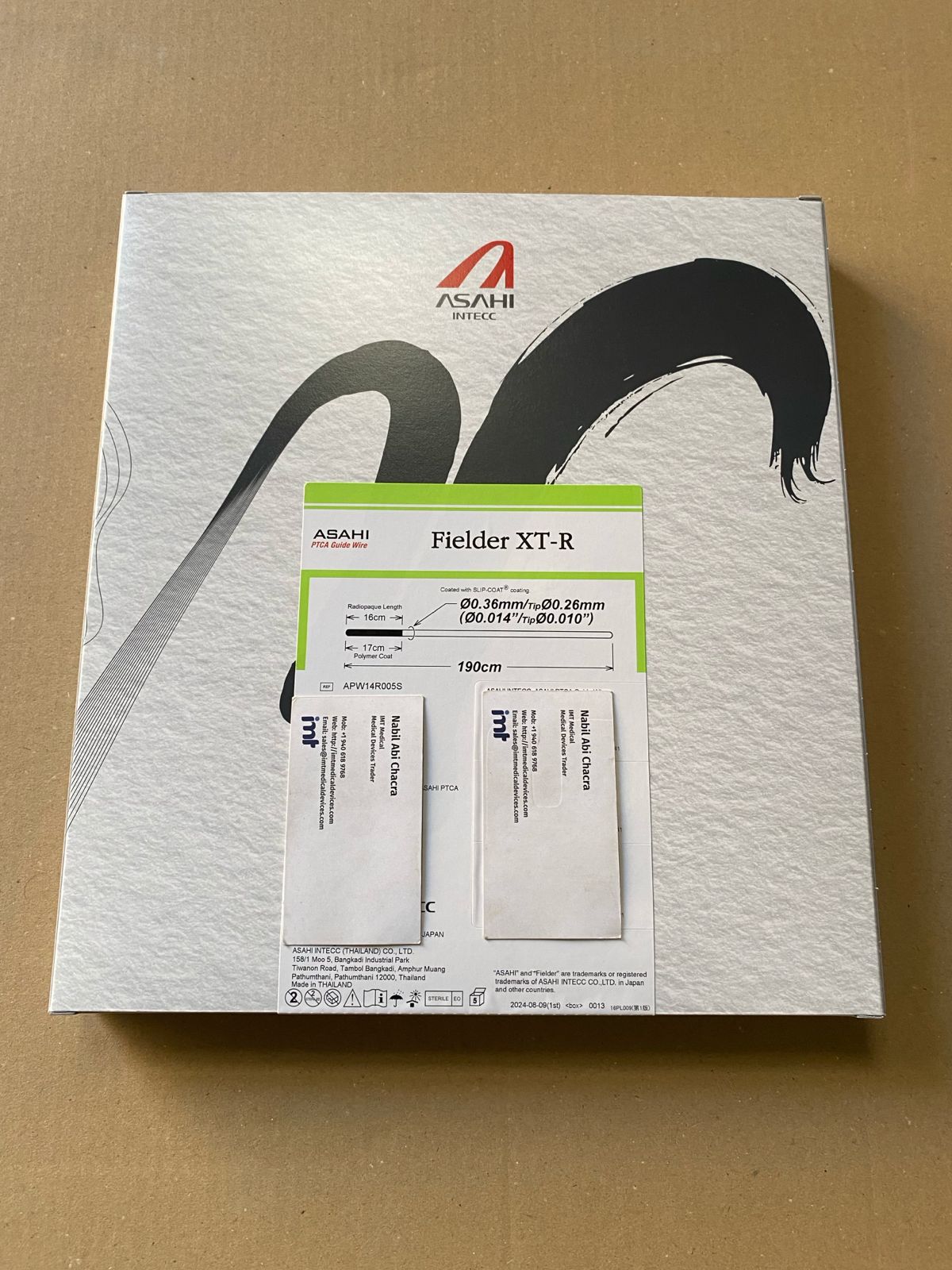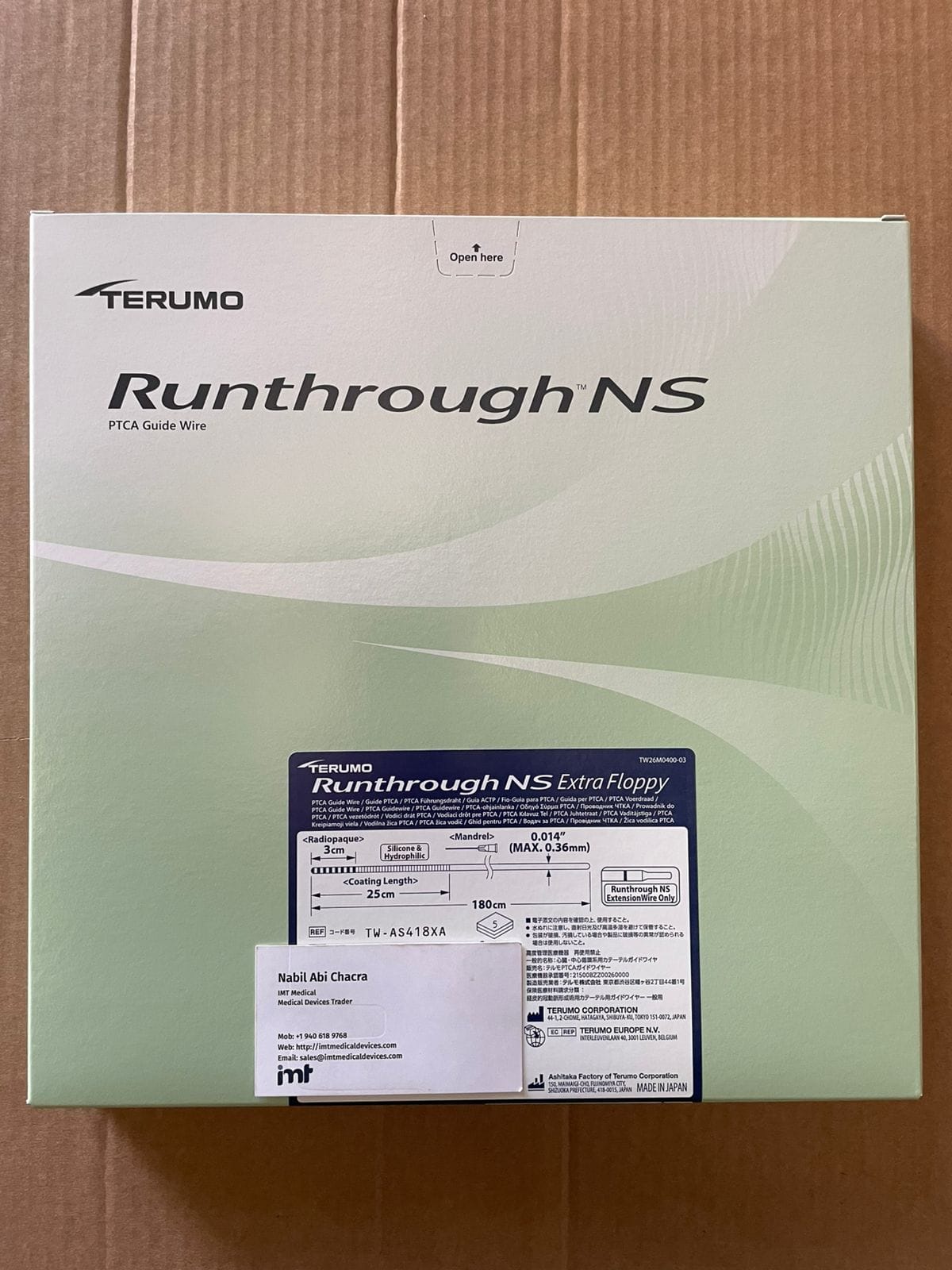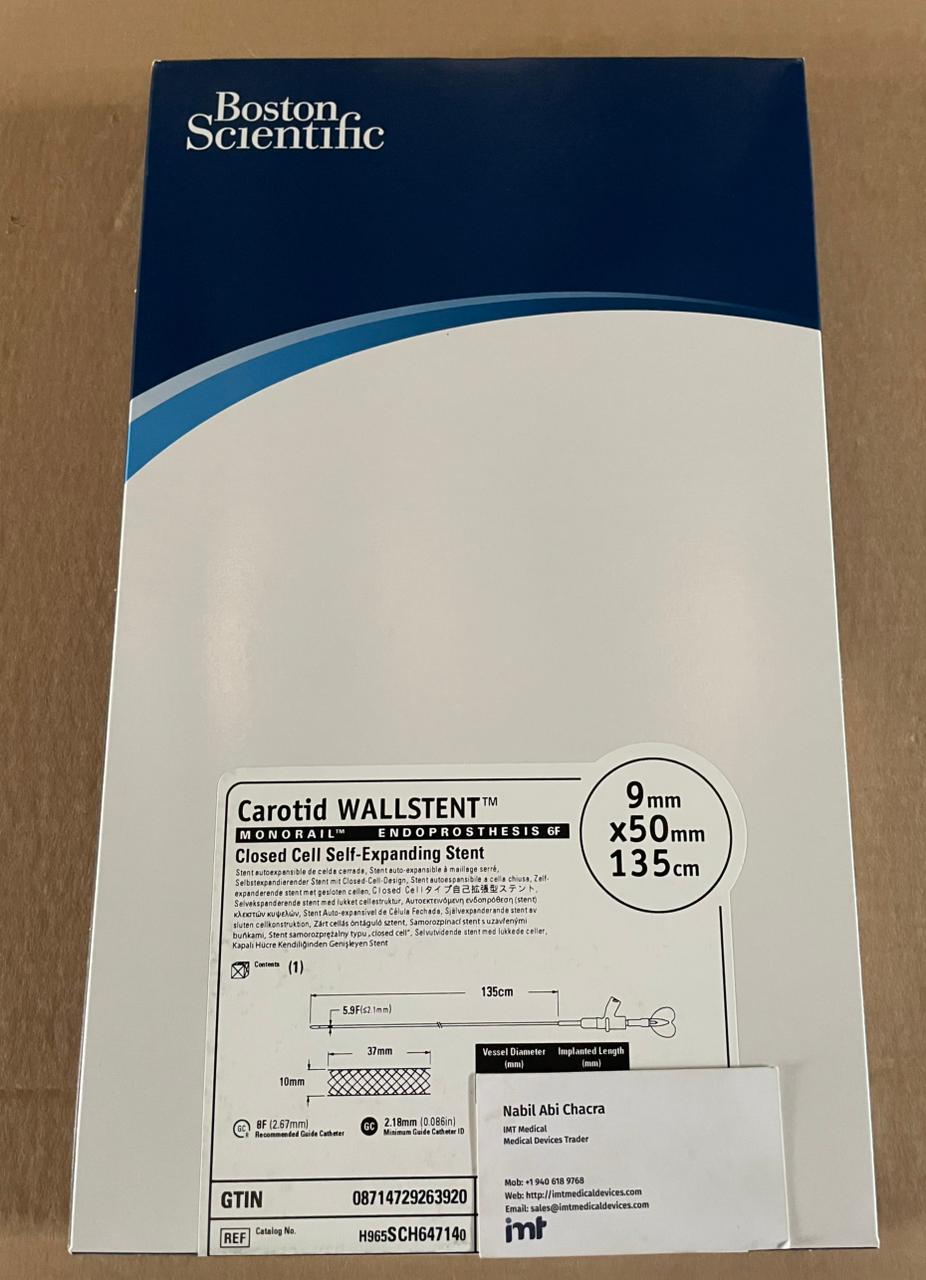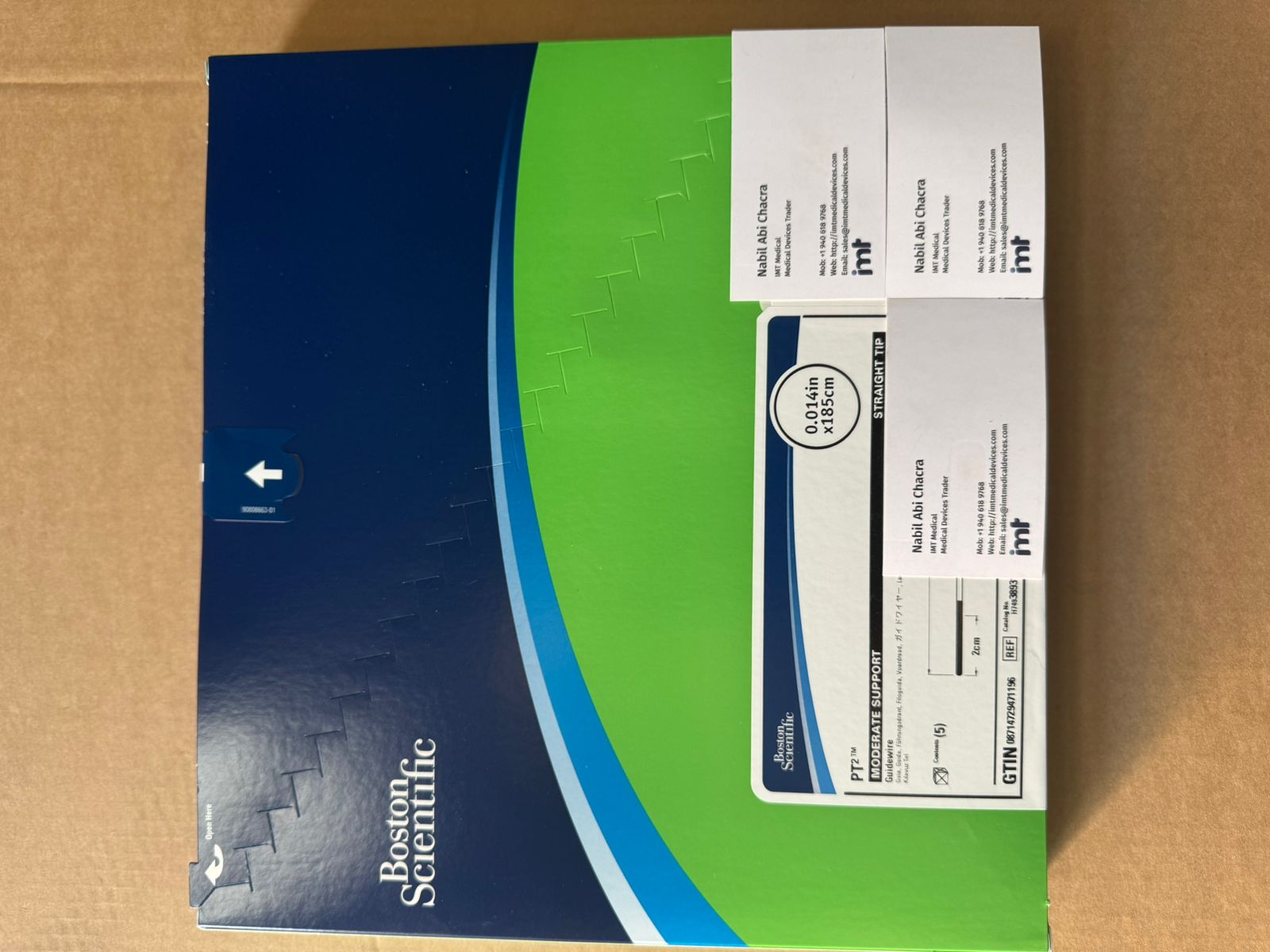


Medical Guidewire Technology: A Technical Reference for Global Procurement
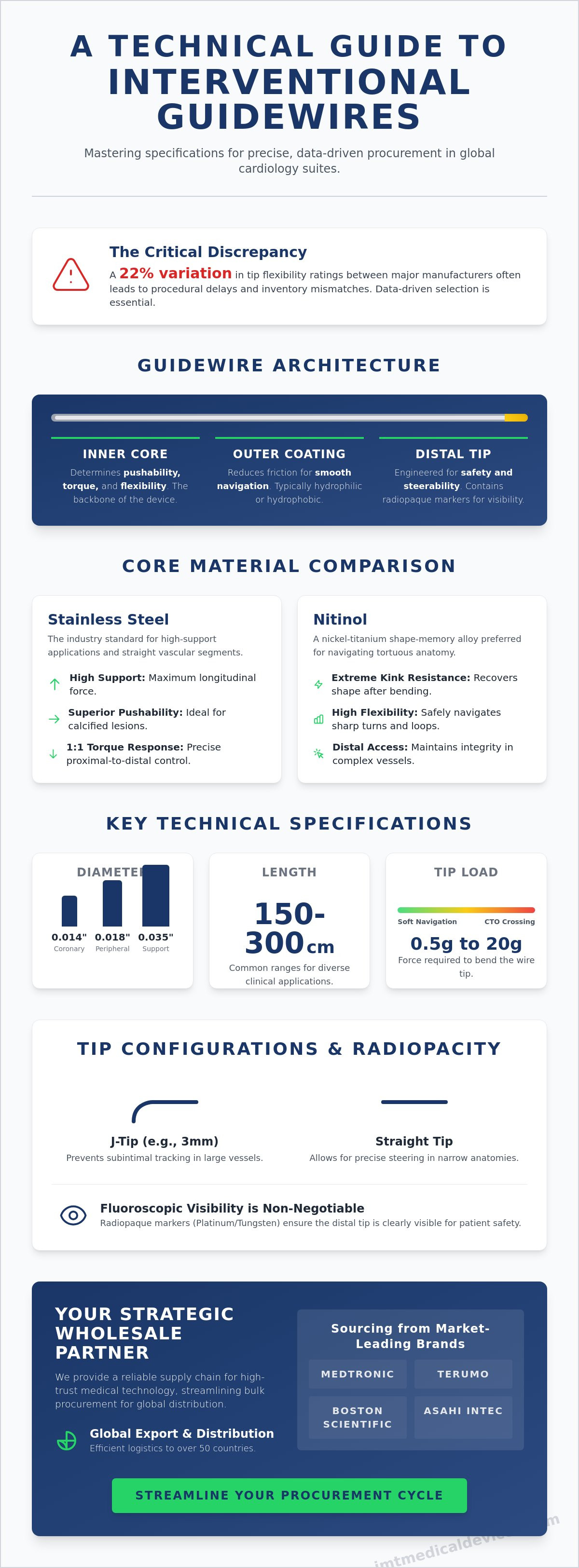
A 22% discrepancy in tip flexibility ratings between major manufacturers often leads to procedural delays and inventory mismatches in interventional suites. You understand that sourcing a consistent guidewire supply across international borders requires more than a simple purchase order. It demands technical precision and a deep understanding of manufacturer-specific performance metrics. Comparing the hydrophilic coating of a Terumo Radifocus against the torque response of an Asahi Intec Sion requires a data-driven approach rather than brand loyalty alone.
We recognize the complexity of managing medical inventory when technical specs vary widely across brands. This technical reference provides the exact framework needed to identify the correct wire for specific clinical needs while securing a reliable wholesale partner for global distribution. We detail the documentation standards for medical exports to 50 countries and provide a clear roadmap to streamline your procurement cycle. You'll gain immediate clarity on technical specifications and logistical requirements for high-capacity medical device management. Our focus remains on industrial competence and the rapid transmission of data for busy procurement officers who require authentic medical technology from brands like Medtronic and Boston Scientific.
Key Takeaways
- Identify critical technical specifications including diameter and length for specific clinical applications in PTCA and stenting.
- Master selection criteria for the optimal guidewire to ensure precise navigation and delivery of interventional tools.
- Evaluate market-leading brands like Terumo and Medtronic to establish high-trust procurement standards for cardiology labs.
- Implement professional inventory management practices to streamline bulk procurement and rotation of sterile consumables.
- Leverage strategic wholesale partnerships for efficient global export and distribution of premium medical technology across 50 countries.
Understanding Medical Guidewire Architecture and Clinical Function
A medical guidewire is a high-precision intravascular tool designed to navigate complex vascular networks and facilitate the delivery of interventional devices. It acts as the foundational rail for Percutaneous Transluminal Coronary Angioplasty (PTCA), stent placement, and diagnostic catheterization. Procurement officers must evaluate guidewire architecture based on three primary components: the inner core, the outer coating, and the tip design. Efficient selection directly correlates with a 15-20% reduction in procedural time by minimizing wire exchanges. The initial access point typically utilizes the Seldinger technique, where the guidewire provides the structural stability required for sheath and catheter advancement.
High-capacity distributors focus on technical specifications to ensure clinical success. Selecting the correct wire architecture reduces the risk of vessel dissection and improves the speed of tool delivery. Product details for premium brands like Terumo, Medtronic, and Boston Scientific emphasize the balance between flexibility and rigidity. This technical reference assists global procurement teams in identifying the right inventory for high-volume surgical centers.
Core Materials: Stainless Steel vs. Nitinol
Core material choice determines torque transmission and pushability. Stainless steel cores remain the industry standard for high-support applications. These cores offer maximum longitudinal force, making them ideal for crossing calcified lesions or providing a stable platform for heavy device delivery. However, stainless steel is prone to permanent deformation if kinked.
- Stainless Steel: High support, superior pushability, 1:1 torque response, best for straight vascular segments.
- Nitinol: Nickel-titanium shape-memory alloy, extreme kink resistance, high flexibility, ideal for tortuous anatomy.
Nitinol cores are preferred for distal access where the guidewire must navigate sharp turns without losing structural integrity. While stainless steel provides the "backbone" for complex interventions, Nitinol ensures the wire returns to its original shape after navigating loops. IMT Medical Devices maintains stock of both core types to meet diverse clinical requirements across its Export 50 Country network.
Guidewire Tip Configurations and Radiopacity
Tip design dictates the safety profile and navigation capability of the device. J-tip configurations, typically with a 3mm radius, are used to prevent subintimal tracking in large vessels. Straight-tip designs allow for precise steering in narrow, branched anatomies. Visibility under fluoroscopy is a non-negotiable requirement for patient safety. Manufacturers integrate radiopaque markers, often composed of platinum or tungsten, to ensure the distal tip is clearly visible during the procedure. Tip load is the specific force, measured in grams, required to bend the wire tip, and it directly impacts the safety of vessel penetration. Lower tip loads (0.5g to 1.0g) are standard for soft tissue navigation, while higher loads (12g to 20g) are reserved for chronic total occlusions.
Key Technical Specifications for Interventional Guidewires
Technical precision drives clinical success in the cath lab. Standard diameter ranges include 0.014 inch for coronary and neurovascular interventions; 0.018 inch for peripheral arterial work; and 0.035 inch for diagnostic access and heavy-duty support. These dimensions dictate compatibility with catheters and microcatheters. A thorough understanding of guidewire design and characteristics allows procurement officers to select inventory that matches specific procedural requirements. Product Details:- Standard Diameters: 0.014", 0.018", 0.035"
- Common Lengths: 150cm, 180cm, 260cm, 300cm
- Torque Ratio: 1:1 proximal-to-distal transmission
- Core Materials: Stainless steel, Nitinol, Elgiloy
Hydrophilic vs. Hydrophobic Coatings
Coating technology defines performance. Hydrophilic coatings attract water to create a low-friction surface. This is essential for crossing 90% or greater stenoses. Hydrophobic (PTFE) coatings provide superior tactile feedback. They facilitate smooth device delivery. Procurement Tip: Check packaging for coating integrity. Shelf-life stability is critical for global export. IMT Medical Devices maintains strict storage protocols for all inventory, ensuring performance remains consistent across our Export 50 Country network.Support Levels and Transition Zones
Support levels range from light to heavy. Light support offers maximum flexibility for distal access. Heavy support provides a stable rail for delivering bulky equipment. The transition zone connects the stiff proximal shaft to the flexible distal tip. Proper transition design prevents prolapse during the procedure. Matching support levels to drug-eluting stents delivery requirements is vital for complex lesions. Product Details:- Major Brands: Terumo, Medtronic, Boston Scientific, Abbott
- Supply Model: Wholesale, Global Export
- Target Markets: Hospitals, Tier-1 Distributors
Comparing Leading Guidewire Brands: Terumo, Medtronic, and Asahi Intec
The global market for interventional cardiology is dominated by three primary manufacturers: Asahi Intec, Terumo, and Medtronic. These brands represent the industry standard for safety and clinical performance. Procurement departments treat brand reputation as a primary trust signal. High-volume hospital labs require a diverse portfolio to address varying case complexities. Reliability in the cath lab reduces procedure time. It also minimizes patient complications. Stocking specialized wires for Chronic Total Occlusions (CTO) is a strategic requirement for modern cardiac centers.
Asahi Intec: Precision in Complex Interventions
Asahi Intec focuses on wires for highly complex vascular access. Their engineering emphasizes tactile feedback and torque response. The product line is essential for crossing difficult lesions. Key Asahi Intec products include:
- Sion Series: A standard workhorse for tortuous anatomy and side-branch access.
- Gaia Series: Engineered specifically for CTO penetration with a tapered tip design.
- Miracle Series: High-gram force wires for heavy calcification.
These products utilize proprietary ACT ONE cable tube technology. This design improves torque transmission and prevents wire whipping during rotation. These technical specifications align with FDA guidewire performance and labeling standards for coronary and peripheral applications. Asahi's focus on precision makes it the preferred choice for micro-movements in neurovascular and coronary access.
Terumo and Medtronic: Standard-Setting Solutions
Terumo and Medtronic provide the foundational inventory for most interventional procedures. Terumo products, particularly the Glidewire series, are the industry benchmark for hydrophilic coatings. These wires offer high lubricity for effortless navigation through long peripheral segments. Medtronic contributes high-performance guidewire options optimized for stenting procedures.
Strategic procurement requires comparing torque control and durability across these manufacturers:
- Terumo Glidewire: Superior lubricity and trackability in calcified vessels.
- Medtronic Persuader: Effective support for heavy stent delivery systems.
- Medtronic Cougar: Nitinol core provides excellent kink resistance.
Terumo leads in durability for long-distance tracking. Medtronic offers specialized support for routine stenting. Hospitals stocking multiple brands mitigate supply chain risks. Relying on a single manufacturer creates vulnerability during global shortages. A mix of Terumo for initial access, Medtronic for stenting, and Asahi for CTO cases ensures total clinical readiness. This brand-first approach signals that a facility is equipped with authentic, premium medical technology for any clinical scenario.
Procurement and Inventory Management for Cardiology Labs
Efficient cardiology lab operations require rigorous inventory control. Procurement managers focus on high-turnover items like the interventional guidewire. These Class III medical devices represent a significant portion of procedural budgets. Strategic sourcing through wholesale distributors mitigates supply chain risks. Global logistics expertise ensures product availability across 50 countries. Brands like Medtronic, Terumo, and Boston Scientific dominate the global market. Inventory rotation follows the First-In, First-Out (FIFO) protocol. This prevents the expiration of sterile stock. Most wires carry a 2 to 5 year shelf life. It's critical for regulatory compliance and patient safety. Class III devices require Pre-Market Approval (PMA) or CE Marking under MDR 2017/745 to enter international markets.
Bulk Ordering and Cost Efficiency
Volume-based tiers offer substantial savings for large-scale facilities. Purchasing in bulk reduces the per-unit cost of specialized wires by up to 20% in some regions. Procurement officers must balance these savings against storage capacity. Overstocking leads to capital tie-up. Understocking causes procedural delays. International customs clearance requires specific documentation. This includes the Certificate of Analysis (CoA), Bill of Lading, and ISO 13485 certification. Wholesale partners streamline this process. They provide the necessary paperwork for rapid export and import. Product Details. Model Numbers. Brand Authenticity. These factors drive purchasing decisions in the global medical supply chain. Reliable distributors maintain consistent stock of the most utilized diameters and tip loads. Don't overlook the importance of local registration numbers during the customs phase.
Maintaining Sterility and Cold Chain Integrity
Storage conditions affect the performance of polymer-coated wires. Hydrophilic and hydrophobic coatings are sensitive to environmental shifts. Temperature fluctuations outside the 15°C to 30°C range can cause coating delamination. This degradation impacts the device's trackability during complex coronary interventions. Global shipping protocols must include shock-resistant packaging and moisture barriers. Packaging integrity is the primary check upon delivery because any breach in the sterile barrier renders the device unusable and unsafe for patient contact. Rigid inspection routines ensure only uncompromised units enter the sterile field. Handling protocols mandate that boxes remain upright and away from direct sunlight to prevent material fatigue. Wholesale distributors act as a buffer against manufacturer lead times. They maintain large safety stocks of best sellers. This allows cardiology labs to respond to fluctuating patient volumes without disruption.
Optimize your lab inventory with authentic products from global manufacturers. View our wholesale guidewire catalog and export details.
IMT Medical Devices: Global Wholesale and Export of Premium Guidewires
IMT Medical Devices operates as a high-capacity strategic partner for international medical procurement. We focus on the wholesale and export of critical interventional tools. Our inventory provides B2B partners with immediate access to the full portfolio of Medtronic, Terumo, and Abbott products. This availability is vital for hospitals and clinics requiring a consistent supply of the guidewire technology used in neurovascular and coronary interventions. We maintain industrial competence through precise inventory management and technical expertise.
Strategic Logistics and Global Reach
Our logistical network spans strategic hubs in Georgia, Dubai, Turkey, and Poland. These locations allow for optimized medical device distribution across Europe, Asia, and the Middle East. We prioritize rapid information retrieval for our partners. This ensures that procurement officers can verify product availability and model numbers without delay. Our supply chain management handles the complexities of international transit and documentation. We provide a functional bridge between top-tier manufacturers and global healthcare markets.
Product Details: Medtronic interventional systems, Terumo hydrophilic wires, Abbott vascular access tools. Our system uses a Brand + Product + Model Number format to eliminate ambiguity. This utilitarian approach accelerates the procurement cycle for busy medical professionals. We focus on clarity and speed in every transaction. Our offices serve as local points of contact to ensure regional regulatory compliance and efficient shipping logistics.
Partnering for Reliable Medical Supply
The "Export 50 Country" guarantee stands as our primary trust signal. This certification of reach confirms our ability to navigate diverse international trade regulations and documentation requirements. We have established reliable shipping routes to over 50 countries. Our team manages all aspects of export documentation, including CE certifications, Certificates of Origin, and sterilization records. This comprehensive service minimizes the administrative burden on our wholesale partners.
Product Details: Rapid response logistics, high-volume inventory, standardized export protocols. We don't just supply products; we provide a stable foundation for medical supply chains. Our commitment to high-capacity distribution ensures that essential medical consumables reach their destination on time. We handle bulk orders with the same precision as specialized technical requests. This reliability makes IMT Medical Devices a preferred partner for global health organizations and private distributors alike.
Maintain your facility's operational efficiency with a reliable supply of a premium guidewire or other interventional tools. Our streamlined ordering process is designed for industrial-scale requirements. Inquire about bulk guidewire pricing and export logistics to secure your next shipment.
Streamlining Global Guidewire Procurement and Supply Chains
Successful interventional outcomes depend on the precise selection of guidewire architecture and technical specifications. Facilities must balance clinical requirements with inventory availability from established manufacturers like Terumo, Medtronic, and Asahi Intec. Efficient procurement teams prioritize supply chain reliability to maintain high-capacity cardiology labs. IMT Medical Devices serves as a specialized bridge between these premium manufacturers and international markets.
We're an authorized wholesaler for Medtronic, Terumo, and Boston Scientific, maintaining a logistical footprint across 50 countries. Our operations are managed through four strategic offices in Georgia, UAE, Turkey, and Poland to ensure rapid global export. This infrastructure allows us to provide immediate access to technical components required for complex neurovascular and coronary interventions. We've built our reputation on industrial competence and high-speed inventory fulfillment for procurement officers.
Browse our wholesale inventory of premium medical guidewires
Efficient logistics and authentic technology ensure your facility stays equipped for every clinical challenge.
Frequently Asked Questions
What is the standard diameter for a coronary guidewire?
0.014 inches is the industry standard diameter for a coronary guidewire used in percutaneous coronary interventions. This 0.36 mm specification ensures compatibility with most rapid exchange and over the wire balloon catheters. Procurement teams verify this dimension to maintain system interoperability during complex stenting procedures. Product details for these models emphasize precise outer diameter tolerances for patient safety.
Can guidewires be reused after sterilization?
Guidewires aren't reusable and carry a strict "Single Use Only" label from manufacturers like Medtronic and Terumo. FDA 510(k) clearances and EU MDR 2017/745 regulations prohibit reprocessing due to risks of material fatigue and cross-contamination. Sterilization processes like Ethylene Oxide can degrade polymer coatings. This leads to device failure or patient injury during subsequent vascular procedures.
What is the difference between a hydrophilic and a hydrophobic guidewire?
Hydrophilic coatings attract water to create a low-friction surface, while hydrophobic coatings repel water to enhance tactile feedback. A hydrophilic guidewire, such as the Terumo Glidewire, excels in navigating tortuous anatomy and narrow stenoses. Hydrophobic options, often PTFE-coated, provide the operator with superior control and feel when crossing calcified lesions. Selection depends on the specific anatomical challenges of the case.
How do I choose the right guidewire for a Chronic Total Occlusion (CTO)?
Choosing the right wire for a Chronic Total Occlusion requires selecting a device with a high tip load, often exceeding 12 grams. Operators prioritize tapered tips down to 0.009 inches and stiff cores for penetration power. The Asahi Intecc Gaia series and Boston Scientific Hornet are primary selections for these 100% blocked arterial segments. These specialized tools provide the column strength necessary to cross dense fibrous caps.
What documentation is required for importing medical guidewires internationally?
International import requires ISO 13485 certification, a Certificate of Free Sale, and valid CE Mark or FDA documentation. Our Export 50 Country logistics protocols ensure all commercial invoices and packing lists meet local customs standards. Technical files must match the specific regulatory requirements of the destination's health ministry. This documentation prevents shipment delays and ensures compliance with global medical device distribution laws.
Which brands are considered the gold standard for interventional guidewires?
Terumo, Boston Scientific, Medtronic, and Asahi Intecc represent the gold standard for interventional guidewire technology. These manufacturers dominate the global market share because of their proven clinical outcomes in PCI and neurovascular procedures. Procurement officers focus on these brands to ensure high procedural success rates and reliable supply chain availability. Their product catalogs offer the most diverse range of tip loads and coating technologies.
What is the typical shelf life of a sterile medical guidewire?
The typical shelf life for a sterile medical guidewire ranges from 2 to 5 years from the date of manufacture. This duration depends on the integrity of the Tyvek pouch packaging and the Ethylene Oxide sterilization validation. Procurement departments should monitor expiration dates on the external labels to ensure 100% compliance with hospital safety protocols. Expired units must be discarded to avoid potential sterility breaches or material degradation.
How does core material affect the performance of a guidewire during PCI?
Core material determines the balance between support, flexibility, and torque transmission during a PCI. Stainless steel cores provide 30% more support for delivering heavy equipment, while Nitinol cores offer superior kink resistance and shape memory. High-performance wires often use a hybrid approach to maximize trackability through 90 degree vessel bends. Understanding these material properties allows clinicians to select the optimal tool for complex coronary anatomy.