

Reducing Medical Supply Chain Costs: Strategic B2B Procurement in 2026
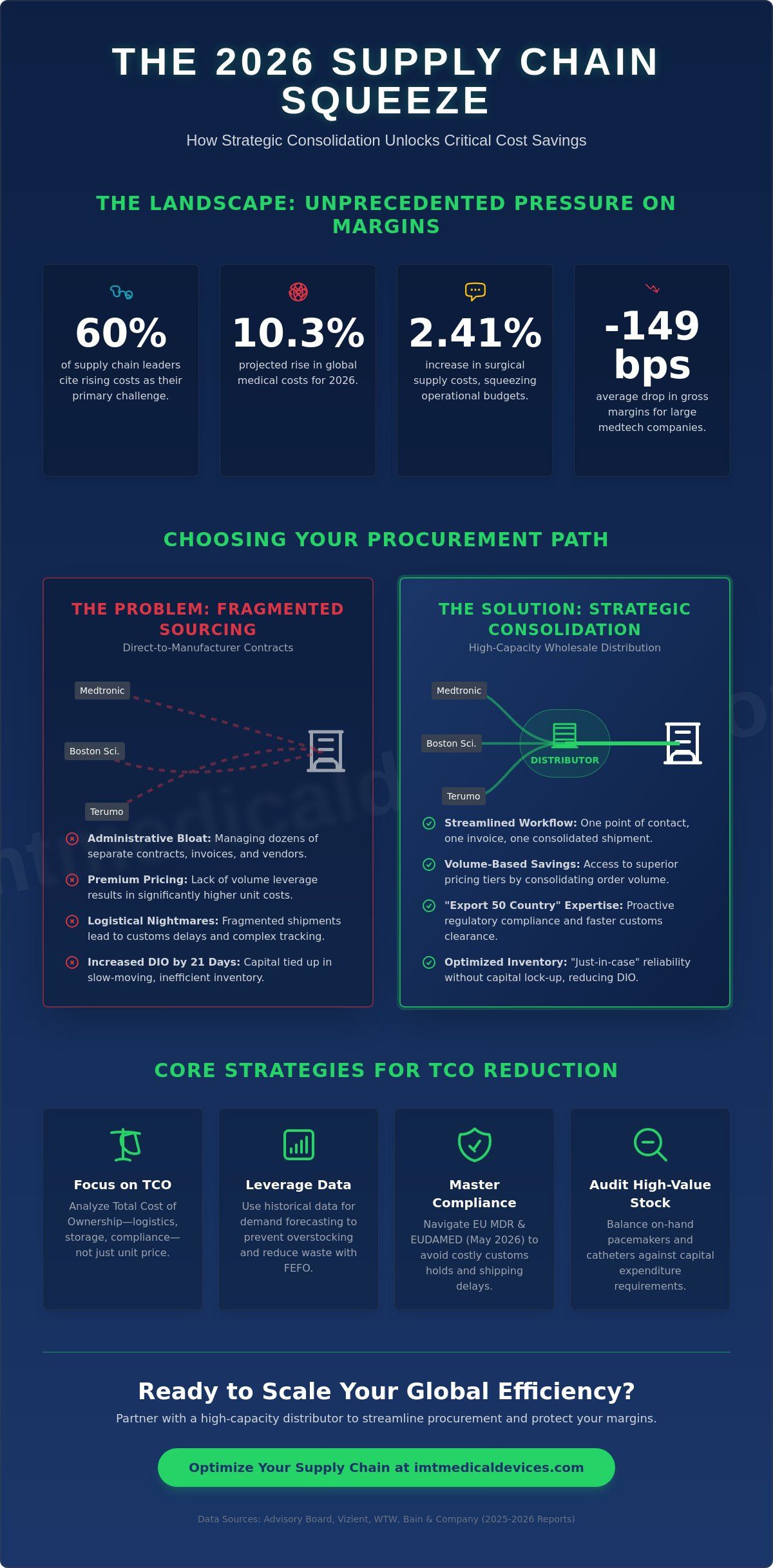
Advisory Board data from March 2026 indicates that 60% of health system supply chain leaders identify rising costs as their primary procurement challenge. With global medical inflation reaching 10.3% this year and surgical supply costs up 2.41% per Vizient reports, your operational margins face unprecedented pressure. You recognize that direct manufacturer contracts for high-value devices often result in premium pricing and fragmented international logistics. Successfully reducing medical supply chain costs requires a shift toward strategic wholesale consolidation rather than isolated purchasing agreements.
This article provides a functional framework for optimizing global procurement and lowering the Total Cost of Ownership (TCO) for critical inventory. We'll examine how consolidating brands like Medtronic, Boston Scientific, and Terumo through a high-capacity distributor streamlines export documentation and international logistics. You'll learn to identify hidden inefficiencies while maintaining consistent access to drug-eluting stents, PTCA balloon catheters, and permanent pacemakers. Our analysis focuses on logistical reliability and technical precision for 2026 procurement standards.
Key Takeaways
- Define Total Cost of Ownership (TCO) to identify hidden inefficiencies beyond the initial unit price of high-value medical devices.
- Implement enterprise-wide inventory visibility and strategic consolidation as primary methods for reducing medical supply chain costs in volatile markets.
- Analyze the financial benefits of wholesale distribution models compared to direct manufacturer contracts for increased multi-brand access and order flexibility.
- Execute structured audits of permanent pacemaker and PTCA balloon catheter stock levels to balance on-hand inventory against capital expenditure requirements.
- Leverage "Export 50 Country" logistical capabilities to ensure consistent global access to premium brands including Medtronic, Terumo, and Boston Scientific.
The Landscape of Medical Supply Chain Expenses in 2026
WTW data from November 2025 projects global medical costs will rise by 10.3% in 2026. This escalation reflects a volatile market where surgical supplies are expected to increase by 2.41% according to Vizient's July 2025 analysis. Procurement officers must look beyond unit price. Total Cost of Ownership (TCO) serves as the primary metric. It encompasses acquisition, international logistics, warehouse storage, and regulatory compliance. Effective strategies for reducing medical supply chain costs now prioritize "just-in-case" inventory models to mitigate geopolitical instability and post-COVID-19 fractures. Medical supply chain cost optimization for B2B stakeholders is the systematic reduction of TCO through strategic inventory consolidation, regulatory compliance efficiency, and the elimination of fragmented procurement workflows.
Hidden Inefficiencies in Fragmented Procurement
Fragmented sourcing across multiple manufacturers creates administrative bloat. Managing separate contracts for Medtronic ICDs, Terumo guiding catheters, and Boston Scientific stents increases labor costs and complicates Medical Logistics. Manual inventory tracking in cardiology and neurovascular labs often results in data silos. These silos lead to emergency procurement at premium rates when stockouts occur. A March 2026 Advisory Board survey found 60% of health system leaders cite rising costs as their top challenge. Fragmented models lack the scale to absorb the 3.34% increase in indirect spending projected for 2026. Relying on a single, high-capacity distributor eliminates the need for redundant vendor management and reduces the 21-day increase in days inventory outstanding (DIO) reported by Bain & Company in April 2026.
Impact of Regulatory Compliance on Global TCO
Regulatory deadlines in 2026 add significant financial weight to procurement operations. The EU Medical Device Regulation (MDR) deadline for Class III custom-made implantable devices is May 26, 2026. Additionally, EUDAMED becomes mandatory for actor registration and UDI/device registration on May 28, 2026. These regulations demand increased resource allocation for mandatory documentation and certification. Delays in customs clearance for sensitive implants, such as drug-eluting stents or permanent pacemakers, incur storage fees and disrupt surgical schedules. Leveraging a partner with "Export 50 Country" expertise reduces these bottlenecks. It ensures all international documentation and certification requirements are met before shipping. This proactive approach prevents the contraction of gross margins, which Bain & Company reported dropped by 149 basis points on average across 19 large medtech companies leading up to 2026.
Core Strategies for Reducing Medical Supply Chain Costs
Efficiency in 2026 demands more than superficial price negotiations. Realizing reducing medical supply chain costs requires enterprise-wide inventory visibility systems that track high-value assets across global borders. Fragmented tracking leads to a 21-day increase in days inventory outstanding (DIO) as noted by Bain & Company in April 2026. Standardizing product categories and reducing SKU proliferation allows procurement officers to focus on high-impact brands like Medtronic and Terumo. By consolidating cardiology and vascular supplies through a specialized global wholesaler, facilities can access volume-based pricing tiers that are typically unavailable through fragmented manufacturer contracts.
Leveraging Data for Demand Forecasting
Precise data prevents overstocking and capital lock-up. Historical consumption patterns in interventional cardiology reveal seasonal demand spikes. Tracking these trends ensures that permanent pacemakers and ICDs are available without excessive safety stock. Implementing First-Expired-First-Out (FEFO) management reduces waste in specialized labs. This is critical as surgical supply costs are projected to rise 2.41% this year per Vizient. Using technical data to forecast needs for aspiration catheters and neurovascular guides ensures clinical readiness. It also limits the 3.35% price increase expected for pharmaceuticals and related clinical goods.
Optimizing Product Category Management
Evaluating clinical equivalence across brand platforms simplifies the supply chain. Consolidating orders for drug-eluting stents and PTCA balloon catheters through a single-source partner reduces administrative overhead. This model eliminates the need for multiple vendor portals and documentation streams. Effective category management includes:
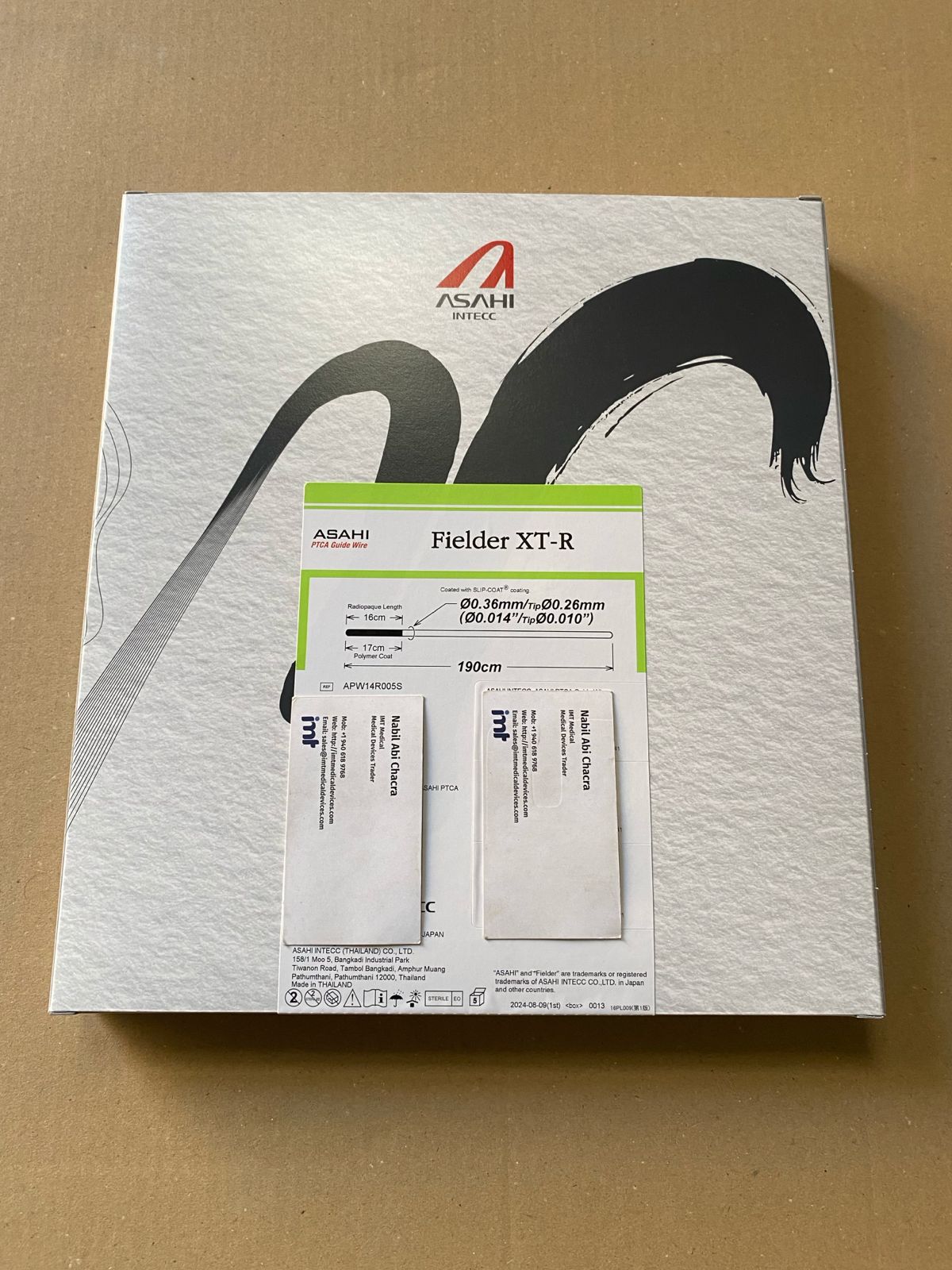
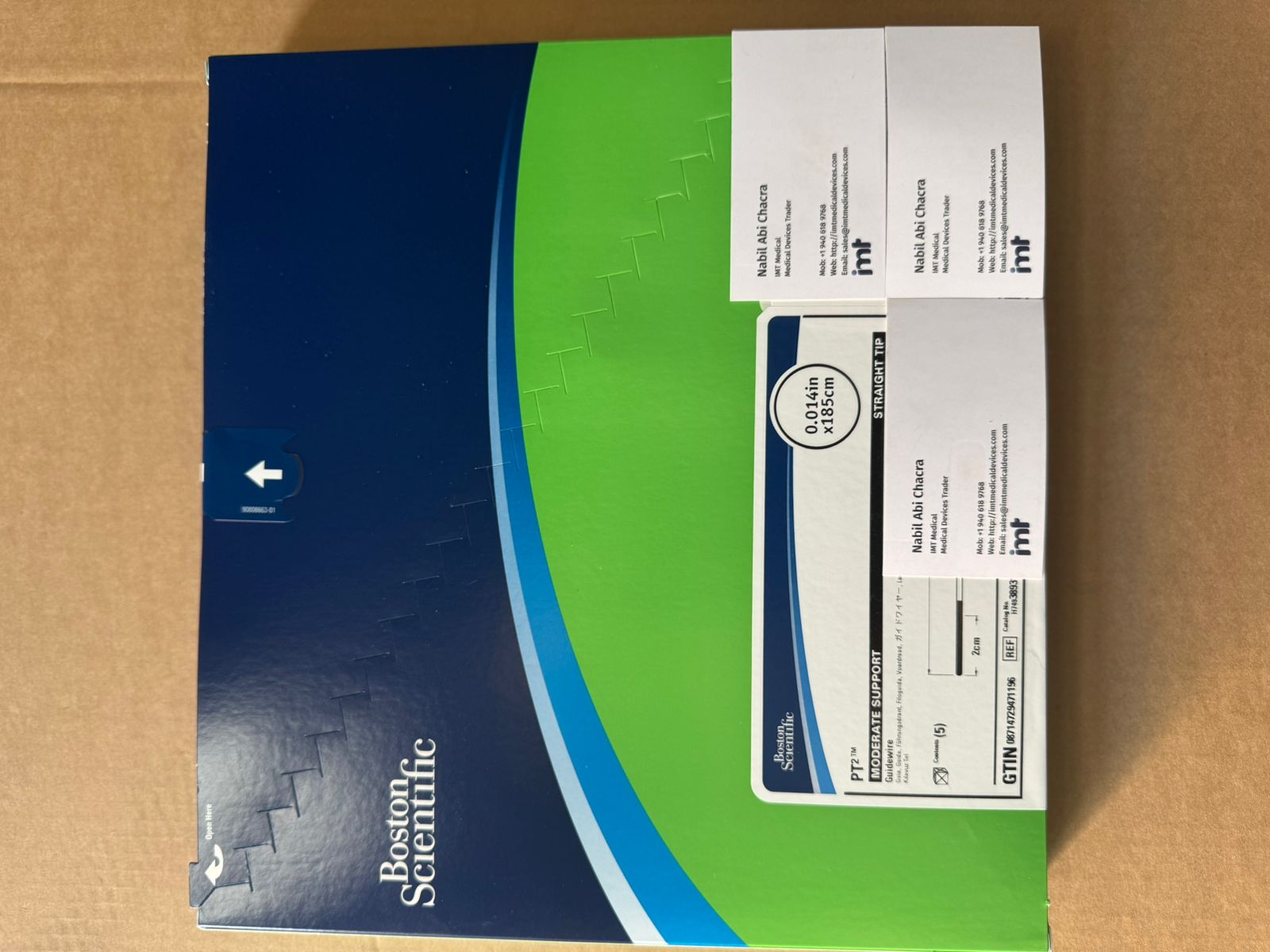
- Standardizing on Asahi Intec guidewires for coronary interventions.
- Bulk procurement of Boston Scientific and Medtronic electrophysiology catheters.
- Consolidating surgical stapler inventory to reduce vendor-specific maintenance costs.
- Implementing automated reorder points for diagnostic guide wires.
Reducing the number of active contracts directly lowers the 3.34% increase in indirect spending projected for 2026. Facilities looking to streamline these processes can partner with a high-capacity international distributor to manage multi-brand inventory efficiently. This approach addresses the 60% of health system leaders who identified rising costs as their primary procurement challenge in March 2026. Centralizing high-value device acquisition through a partner with "Export 50 Country" capability ensures both price stability and logistical reliability.
Comparing Sourcing Models: Direct-to-Manufacturer vs. Wholesale Distribution
Direct-to-manufacturer contracts prioritize brand loyalty over facility efficiency. These agreements often impose rigid minimum order quantities (MOQs) that tie up capital in slow-moving stock. In contrast, wholesale distribution focuses on logistical agility and multi-brand availability. This model is essential for reducing medical supply chain costs because it allows procurement officers to pivot during manufacturer-specific stockouts. If a specific Medtronic ICD is delayed, a wholesaler provides immediate access to Boston Scientific or Terumo alternatives. Wholesale distribution often yields a lower Total Cost of Ownership (TCO) for international hospitals by consolidating multi-brand procurement and complex export documentation into a single, high-efficiency logistical stream.
Contract Flexibility and Volume-Based Tiering
Wholesalers leverage global volume to secure pricing tiers that individual hospitals cannot reach alone. This is critical in 2026 as 60% of health system leaders identify rising costs as their primary challenge. Product Details: Medtronic ICD, Terumo PTCA, Boston Scientific Stent. By aggregating demand across fifty countries, wholesalers eliminate the premium pricing typically found in direct manufacturer contracts. Facilities gain access to diverse product lines without managing dozens of separate vendor relationships. This reduces administrative bloat and prevents the 21-day increase in days inventory outstanding (DIO) seen in fragmented systems. Product Details: Asahi Intec Guidewire, Diagnostic Guide Wires, Surgical Staplers.
Reducing Export Logistics and Documentation Fees
International logistics costs are a significant component of the 10.3% global medical inflation projected for 2026. Sourcing directly from multiple manufacturers results in multiple freight charges and separate customs entries. A high-capacity distributor consolidates these into a single shipment. This logistical consolidation is a primary lever for reducing medical supply chain costs in cross-border commerce. It reduces freight-per-unit expenses and simplifies the "Export 50 Country" process through expert coordination.
Compliance is a major financial burden this year. Class III custom-made implantable devices must comply with EU MDR by May 26, 2026. EUDAMED use becomes mandatory on May 28, 2026. Experienced export partners handle actor registration and UDI/device registration. This prevents costly regulatory fines and avoids delays in customs clearance for sensitive implants like drug-eluting stents. Outsourcing these complex documentation tasks ensures that specialized labs maintain consistent access to premium brands without the overhead of an in-house international regulatory team.
Practical Implementation: Auditing High-Value Cardiac Inventory
Inventory audits for Cardiac Rhythm Management (CRM) devices reveal immediate opportunities for reducing medical supply chain costs. A technical audit of permanent pacemakers and ICD stock levels identifies capital trapped in low-turnover models. High-value implants require precise tracking to prevent obsolescence, especially with the EU MDR deadline of May 26, 2026, requiring updated certifications for Class III devices. The 149 basis point contraction in gross margins reported by Bain & Company in April 2026 highlights the risk of unmanaged inventory. Procurement teams must categorize devices by clinical utilization rates rather than brand preference alone.
Performing a cost-benefit analysis of ptca balloon catheters involves weighing stocking costs against emergency freight fees. On-demand ordering for niche sizes reduces carrying costs, but high-volume standard sizes require consistent on-site availability. Streamlining the supply chain for guidewire and catheter consumables prevents procedural delays. Product Details: Asahi Intec Guidewire, Diagnostic Guide Wires, Guiding Catheter. Automated reorder points for these high-turnover consumables eliminate manual tracking errors and reduce the 21-day increase in days inventory outstanding (DIO) observed across 19 large medtech companies.
Standardizing Cardiology Lab Procurement
Reducing the number of active stent platforms allows for deeper volume leverage. Aligning procurement with clinical outcomes ensures that device longevity justifies the acquisition cost. When facilities standardize on two primary manufacturers, such as Medtronic and Boston Scientific, they simplify the training requirements for lab staff and reduce SKU proliferation. This strategy addresses the 2.41% increase in surgical supply costs projected for 2026. Consolidating consumable orders through a single global wholesaler further reduces administrative overhead and simplifies tracking for drug-eluting stents and peripheral stents.
Streamlining International Shipping and Cold Chain
Logistical efficiency is a core component of reducing medical supply chain costs for international hospitals. Leveraging strategic distribution hubs in Georgia, Dubai, and Turkey minimizes transit times and reduces freight-per-unit costs. These hubs serve as critical links for the "Export 50 Country" network. Optimized packaging for sensitive implants ensures structural integrity while reducing volumetric weight. For temperature-sensitive devices, specialized cold chain logistics prevent thermal excursions that could lead to product loss. It's paramount for operational resilience to maintain the integrity of high-value inventory during transit.
To optimize your facility's high-value device procurement and inventory management, contact IMT Medical Devices for specialized wholesale solutions.
Scaling Global Efficiency with IMT Medical Devices
Consolidating high-value device procurement through a specialized international distributor is the most effective method for reducing medical supply chain costs in 2026. IMT Medical Devices provides a centralized B2B platform for accessing premium manufacturers without the administrative burden of fragmented contracts. Our volume-based pricing models allow healthcare providers and regional distributors to offset the 10.3% global medical inflation projected for this year. By leveraging a single-source partner, facilities eliminate redundant documentation and streamline their international logistics. It's a pragmatic approach to maintaining surgical readiness while protecting gross margins that have contracted by 149 basis points across the industry since 2019. We provide the scale necessary to absorb the 2.41% increase in surgical supply costs reported by Vizient.
Accessing Premium Brand Portfolios
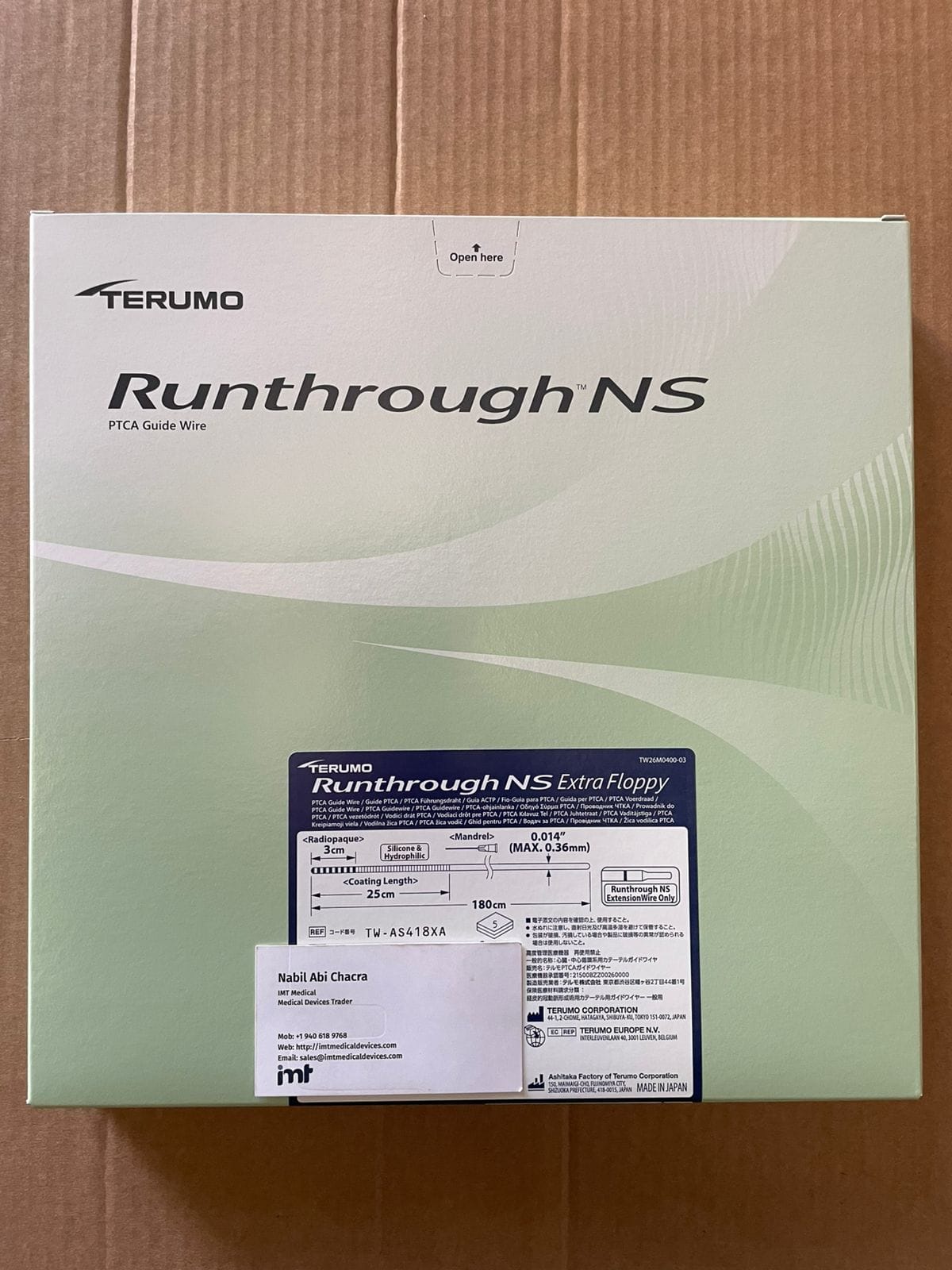
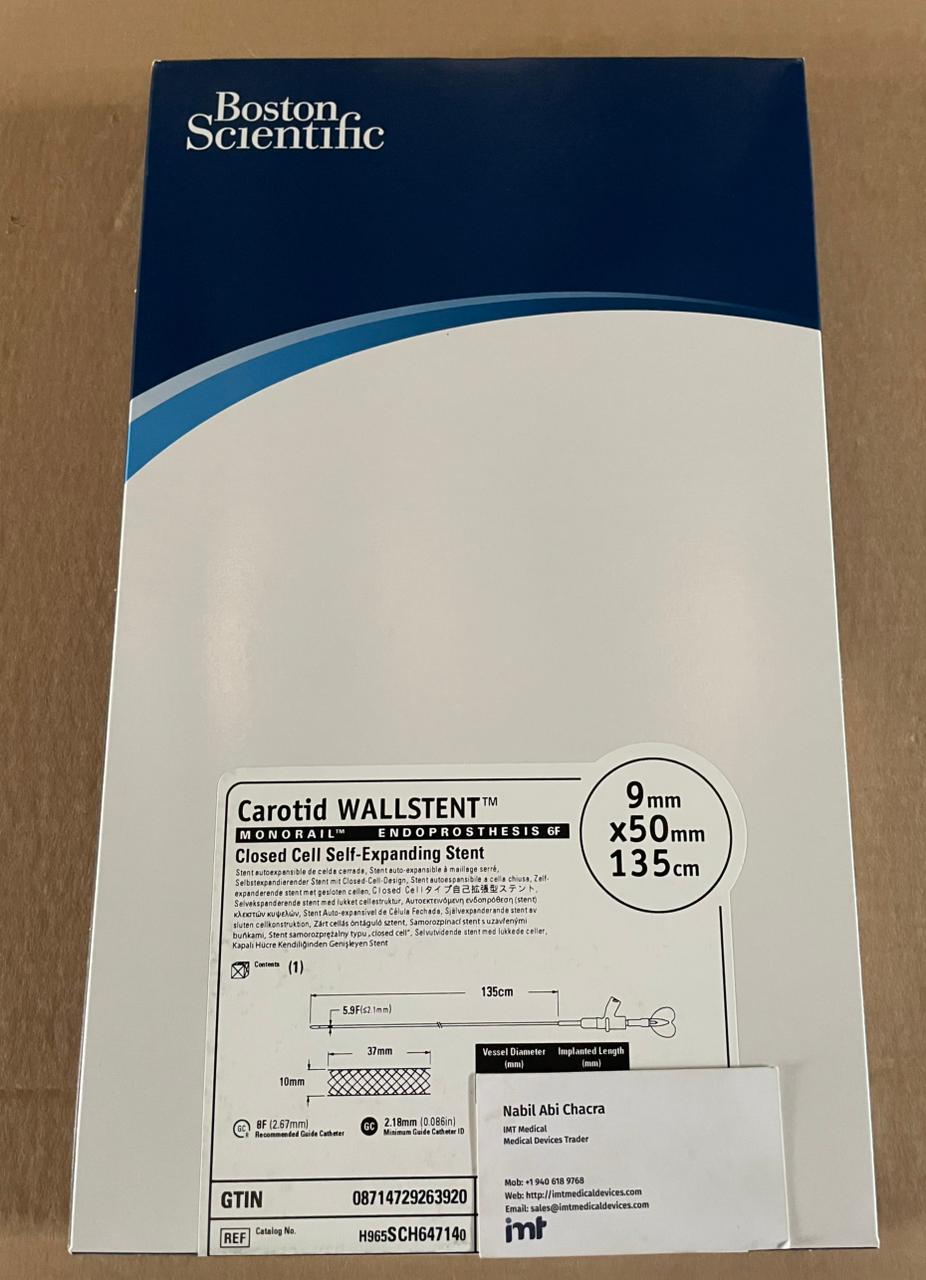
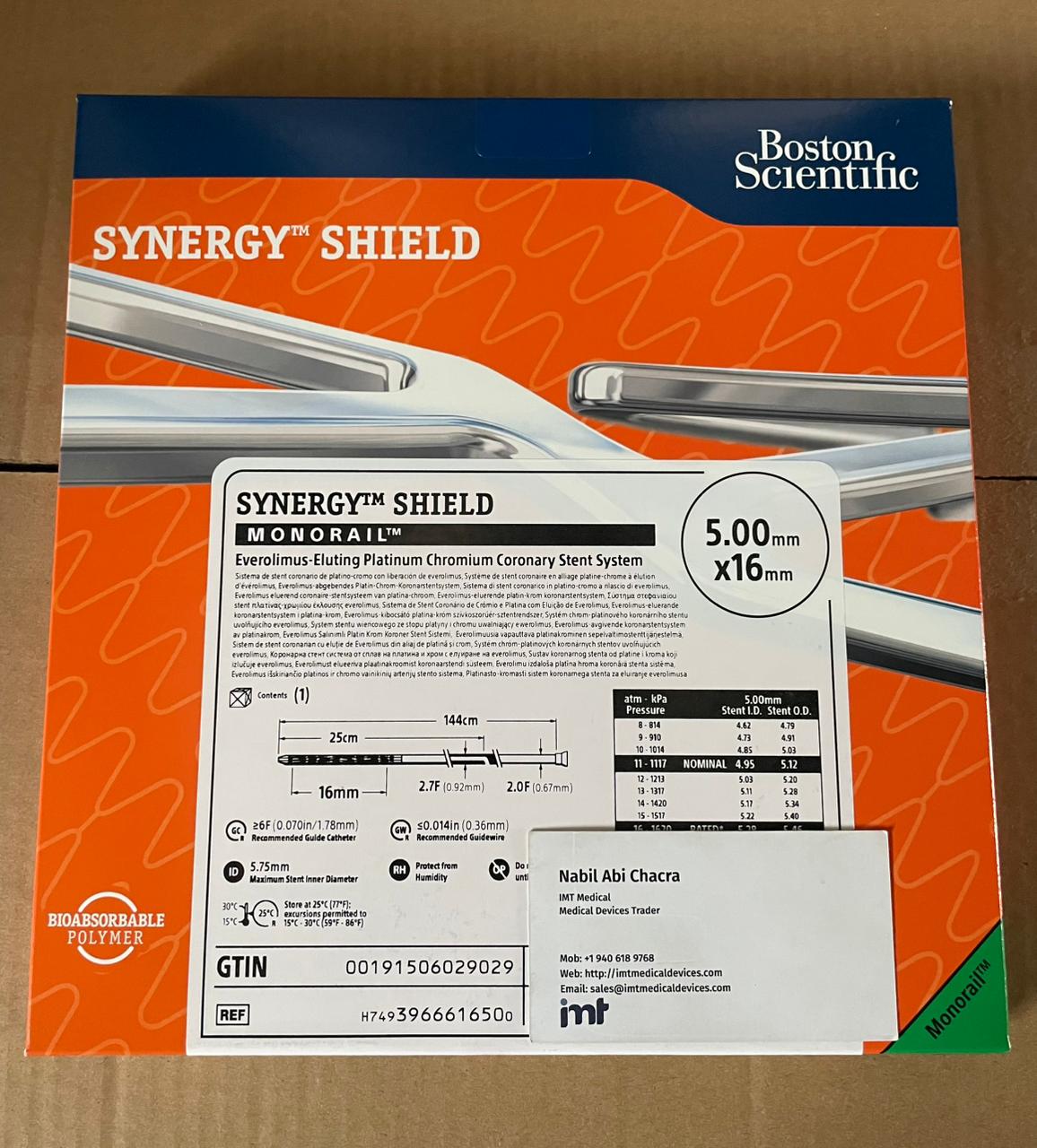
Reliability in the medical supply chain depends on consistent access to authentic, high-end technology. IMT Medical Devices maintains an expansive inventory of specialized cardiology and vascular products. Product Details: Medtronic Permanent Pacemakers, Boston Scientific Drug-Eluting Stents, Terumo PTCA Balloon Catheters. We ensure wholesale availability of critical interventional tools, including electrophysiology catheters and peripheral stents. Sourcing specialized Asahi Intec guidewires and neurovascular accessories through one channel reduces the risk of stockouts and emergency procurement fees. Product Details: Medtronic ICDs, Asahi Intec Guidewires, Surgical Staplers, Diagnostic Guide Wires, Guiding Catheters. This brand-first approach guarantees that procurement officers receive only genuine, certified equipment for their specialized labs, maintaining the high standards required for Class III custom-made implantable devices.
Strategic Global Distribution Network
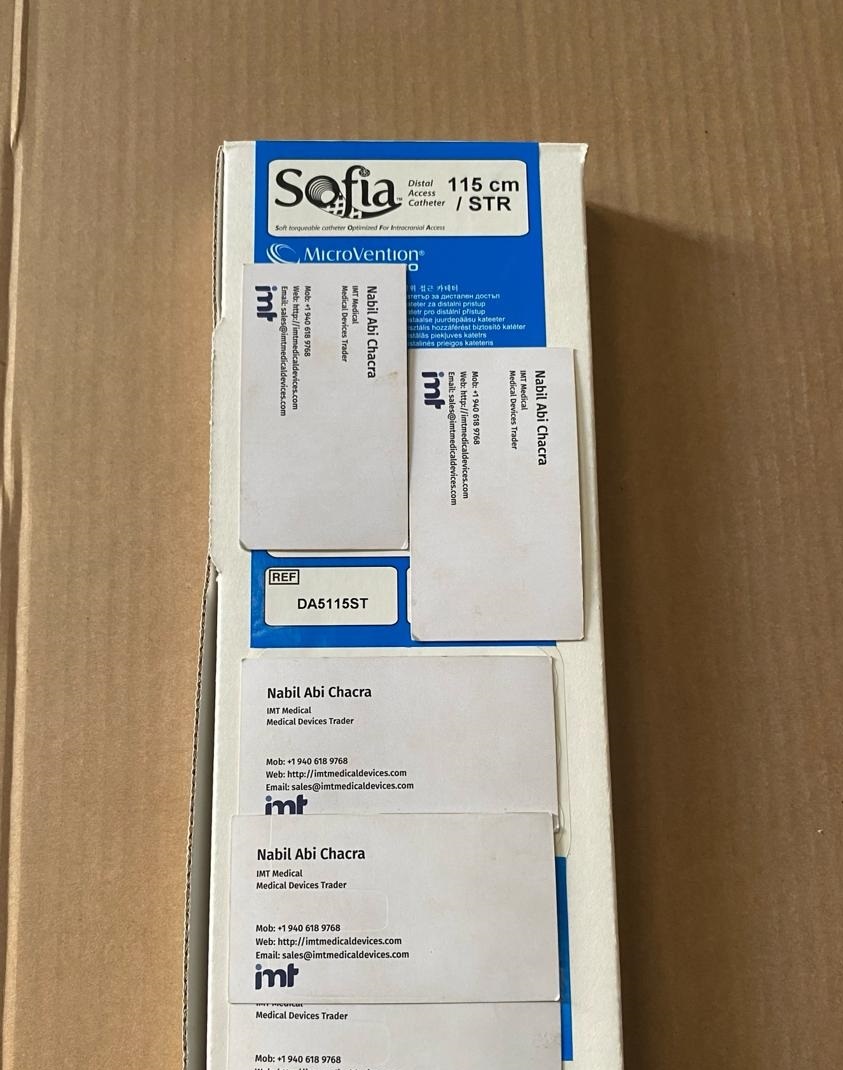
Logistical speed is a primary trust signal for our international partners. Our "Export 50 Country" capability is supported by strategic offices in Georgia, UAE, Turkey, and Poland. These hubs facilitate rapid delivery and ensure compliance with the May 26, 2026 EU MDR deadline. We handle all actor registration and UDI documentation for EUDAMED, which becomes mandatory on May 28, 2026. We manage all customs documentation and international shipping requirements to prevent delays for sensitive implants. Product Details: Aspiration Catheters, Electrophysiology Catheters, Guidewire. Our expertise in global commerce addresses the 60% of health system leaders who view rising costs as their top challenge. By integrating logistics and documentation into one workflow, we provide a vital bridge between major manufacturers and international markets. Reducing medical supply chain costs becomes a function of our logistical scale and reach. We offer reliable supply chain solutions for over 50 countries worldwide, ensuring that every shipment meets the technical specifications and regulatory standards required for the 2026 fiscal year.
Optimizing Global Procurement for 2026 Fiscal Resilience
Strategic inventory management and wholesale consolidation are the primary levers for reducing medical supply chain costs in the current fiscal year. Shifting from fragmented manufacturer contracts to a centralized distribution model eliminates administrative bloat. It reduces Total Cost of Ownership. Regular audits of high-value stock, specifically permanent pacemakers and ICDs, prevent capital stagnation. These audits mitigate risks associated with rapid product obsolescence. Efficient procurement isn't just about unit price; it requires logistical reliability and regulatory compliance across international borders.
IMT Medical Devices acts as a high-capacity partner for global markets. Our portfolio features authentic technology from Medtronic, Terumo, and Boston Scientific. We operate strategic distribution hubs in the UAE, Turkey, Georgia, and Poland for accelerated delivery. It's our "Export 50 Country" capability that ensures your facility navigates complex documentation and export requirements without delay. Optimize your medical procurement with IMT Medical Devices to stabilize your inventory pipeline. You can achieve measurable efficiency through professional wholesale consolidation.
Frequently Asked Questions
What are the most common hidden costs in the medical supply chain?
Administrative bloat and emergency freight fees are the most common hidden expenses. Bain & Company reported in April 2026 that days inventory outstanding (DIO) increased by 21 days on average across 19 medtech companies. Manual tracking in specialized labs leads to data silos and stockout premiums. These inefficiencies contribute to the 3.34% rise in indirect spending projected for 2026. Consolidating these processes reduces the labor required for vendor management.
How does wholesale procurement reduce the total cost of ownership?
Wholesale procurement lowers Total Cost of Ownership (TCO) by consolidating multi-brand logistics and export fees into a single stream. It allows facilities to bypass rigid manufacturer minimum order quantities (MOQs) that often lock up capital. This strategy is a primary lever for reducing medical supply chain costs in volatile markets. Centralized sourcing reduces the administrative labor required for contract management and international documentation while providing better pricing tiers through aggregated volume.
Can I source Medtronic and Boston Scientific products through a single wholesaler?
You can source Medtronic, Boston Scientific, and Terumo products through a single distributor like IMT Medical Devices. Our inventory includes permanent pacemakers, drug-eluting stents, and PTCA balloon catheters. Accessing these brands through one channel simplifies procurement for cardiology and neurovascular labs. It eliminates the need for multiple vendor portals and separate shipping streams. This multi-brand access ensures that labs maintain operational readiness even during manufacturer-specific supply fractures.
How does international export documentation impact supply chain efficiency?
International export documentation delays increase warehousing fees and risk product obsolescence. Compliance with the May 26, 2026 EU MDR deadline is mandatory for Class III implants. Inefficient documentation leads to customs bottlenecks and procedural delays. Expert logistical management ensures that sensitive devices like ICDs reach their destination without thermal excursions or regulatory fines. Outsourcing these tasks to an experienced partner prevents the 149 basis point margin contraction seen in fragmented supply chains.
What is the role of data analytics in reducing medical procurement expenses?
Data analytics provide visibility into consumption patterns to prevent overstocking and capital lock-up. These tools enable First-Expired-First-Out (FEFO) management for high-value items like electrophysiology catheters. This data-driven approach addresses the concerns of 60% of health system leaders who identified rising costs as their top challenge in March 2026. It ensures surgical readiness without excessive safety stock. Accurate forecasting limits the impact of the 3.35% price increase expected for clinical goods this year.
How can hospitals manage the rising costs of medical device logistics in 2026?
Consolidating shipments through strategic hubs in Georgia, UAE, Turkey, and Poland mitigates rising logistics expenses. Global medical inflation is projected at 10.3% this year. Using established distribution networks reduces the freight-per-unit cost for heavy items like surgical staplers. It also ensures the integrity of the cold chain for temperature-sensitive medical technology during transit. Leveraging a partner with "Export 50 Country" capability allows facilities to scale their reach without increasing their internal logistical overhead.
Is it more cost-effective to buy stents and catheters in bulk?
Bulk buying is effective for high-turnover consumables like diagnostic guide wires and PTCA balloon catheters. This method secures volume-based pricing tiers that offset the 2.41% increase in surgical supply costs. However, procurement officers should use on-demand models for niche peripheral stents to avoid obsolescence risks. Effective reducing medical supply chain costs depends on balancing bulk orders with clinical utilization data. Standardizing on fewer platforms allows for deeper volume leverage while maintaining clinical outcomes.
How does IMT Medical Devices ensure regulatory compliance for international exports?
IMT Medical Devices ensures compliance by managing actor registration and UDI data for EUDAMED registration. This becomes mandatory on May 28, 2026. Our "Export 50 Country" network handles all international certification and customs documentation for every shipment. We provide a reliable bridge between major manufacturers and global markets. This expertise prevents regulatory delays and ensures the lawful placement of Class III devices on the market. We prioritize technical precision to maintain the integrity of the global supply chain.