
Supply Chain Resilience in Healthcare: A 2026 Strategic Procurement Guide
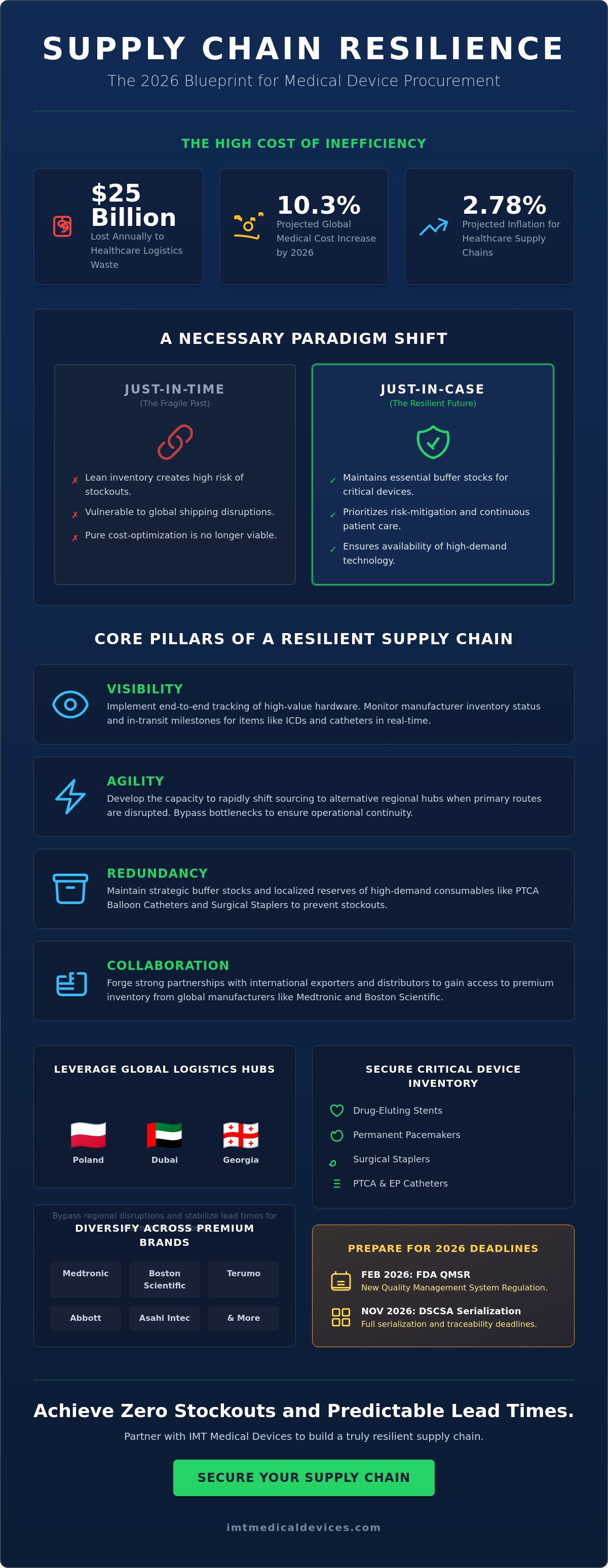
Global medical costs are projected to increase by 10.3% in 2026, yet the healthcare industry still loses an estimated $25 billion annually to logistics waste. Procurement professionals face a volatile market defined by frequent shortages of critical implants and rising international shipping costs. You know that the traditional just-in-time model is no longer sufficient for maintaining continuous patient care. True supply chain resilience in healthcare now depends on strategic vendor redundancy and the maintenance of localized buffer stocks for high-demand clinical technology.
This guide provides a functional framework to achieve zero stockouts for life-saving procedures and establish predictable lead times for international imports. You'll learn to secure a stable supply of premium brands like Medtronic and Boston Scientific while navigating the February 2026 FDA Quality Management System Regulation (QMSR) and the November 2026 DSCSA serialization deadlines. We outline specific procurement strategies for drug-eluting stents, permanent pacemakers, and surgical staplers to ensure your facility remains operational despite global disruptions.
Key Takeaways
- Transition procurement strategies from Just-in-Time to Just-in-Case models to maintain essential buffer stocks of drug-eluting stents and pacemakers.
- Strengthen supply chain resilience in healthcare by diversifying sourcing across premium manufacturers like Medtronic, Boston Scientific, and Terumo.
- Leverage international logistics hubs in Dubai, Poland, and Georgia to bypass regional shipping disruptions and stabilize lead times for surgical staplers.
- Implement end-to-end visibility for high-value hardware, including ICDs and catheters, to track manufacturer inventory status and transit milestones.
- Conduct rigorous inventory audits of life-saving clinical devices to identify and resolve supply vulnerabilities before they impact patient care.
Defining Supply Chain Resilience in Modern Healthcare
Supply chain resilience is the capacity of a healthcare system to absorb global shocks without compromising clinical standards. The 2026 market landscape demands a move away from fragile Just-in-Time models. We're seeing a widespread transition to Just-in-Case (JIC) inventory strategies. This involves maintaining deeper buffer stocks of high-demand devices like Drug-Eluting Stents and Permanent Pacemakers. Logistics volatility is the new baseline. Establishing supply chain resilience in healthcare requires a shift from pure cost-optimization to risk-mitigation through redundancy. The shift to JIC models is a direct response to the $25 billion in annual waste seen in healthcare logistics. By prioritizing availability for high-value items like Peripheral Stents and Diagnostic Guide Wires, facilities avoid the high cost of procedural cancellations.
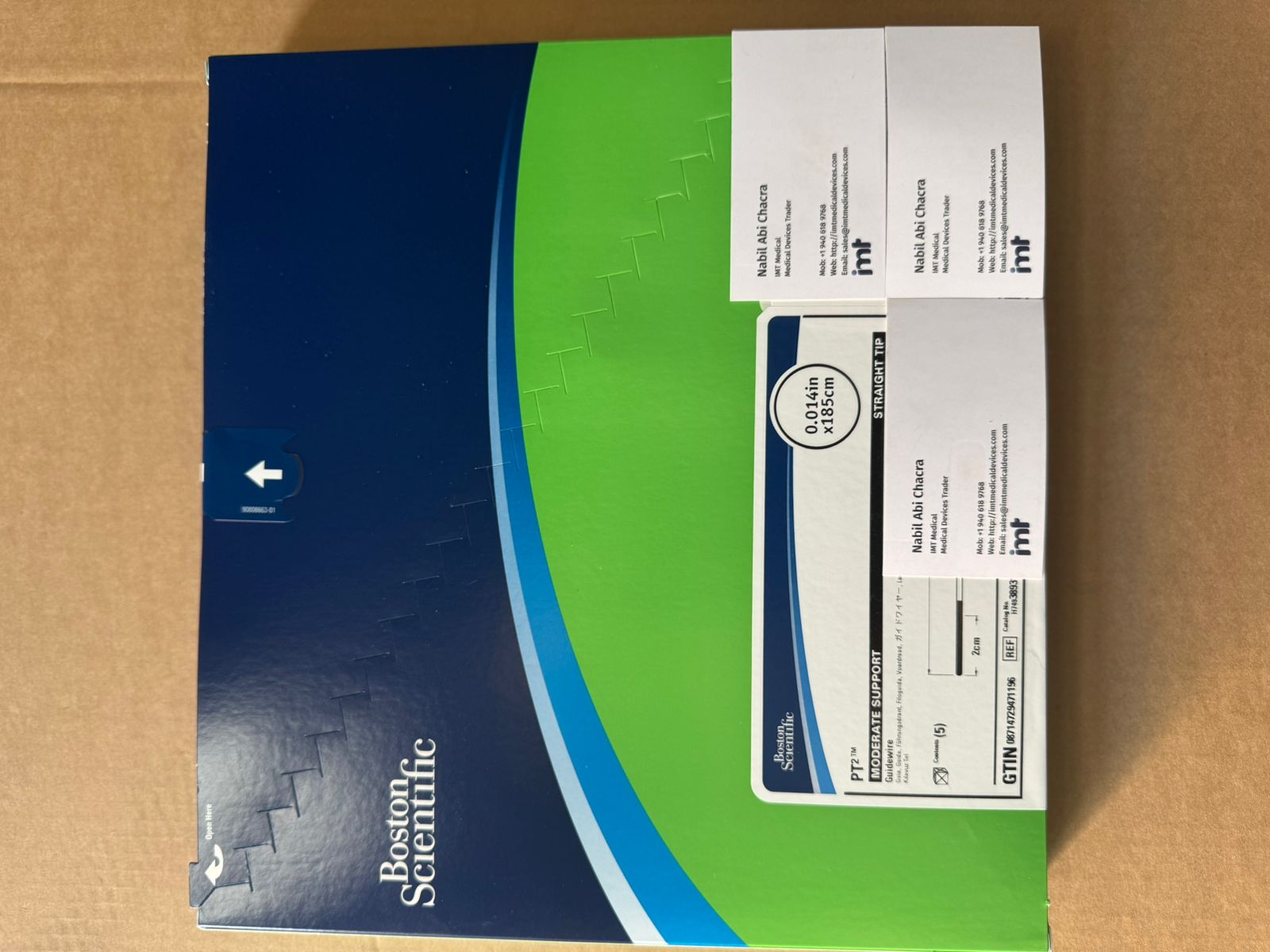
Effective resilience is quantified by specific performance indicators. Lead Time Variability measures the consistency of manufacturer delivery windows. Stockout Frequency tracks the availability of critical life-saving hardware. In 2026, a resilient system maintains low variability despite international shipping disruptions or regional manufacturing delays. This stability is essential for items like Implantable Cardioverter Defibrillators (ICDs) and PTCA Balloon Catheters where procedural delays aren't an option. Resilience isn't just about having extra stock. It's about having the right manufacturer codes ready for immediate clinical use.
The Evolution of Medical Device Logistics
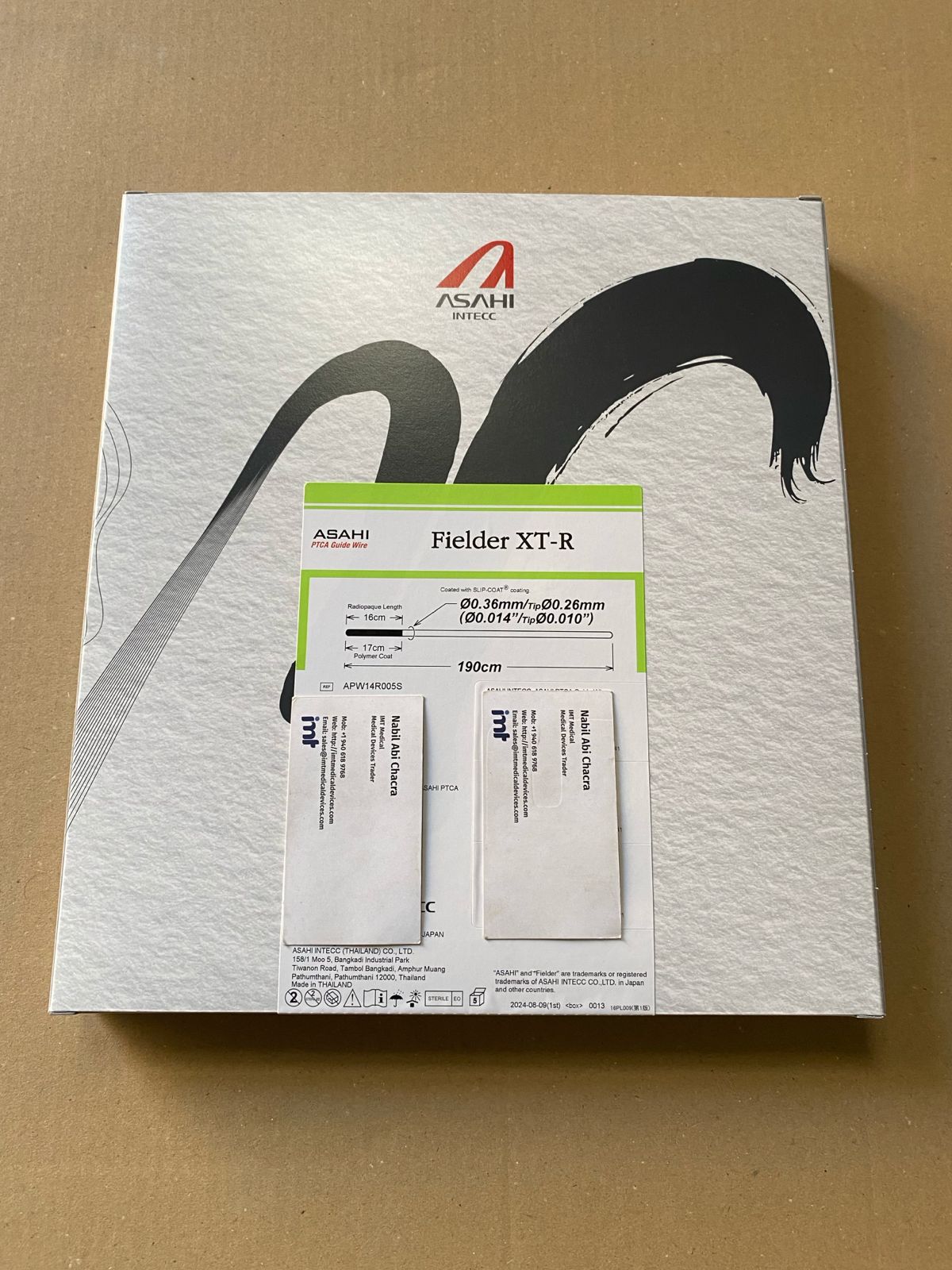
Modern logistics have moved beyond localized purchasing. Diversified global sourcing is now standard practice. Digital inventory tracking provides real-time visibility into manufacturer stock levels and transit milestones. Geopolitical shifts and the 2026 implementation of the FDA Quality Management System Regulation (QMSR) have forced a re-evaluation of traditional trade routes. Strategic procurement now utilizes regional hubs in Poland, Dubai, and Georgia to ensure continuity. This approach secures a steady flow of specialized hardware from manufacturers like Asahi Intec and Medtronic, bypassing localized bottlenecks and regulatory delays. Supply chain resilience in healthcare depends on these expansive distribution networks to maintain inventory flow during market volatility.
Economic Implications of Supply Disruptions
Supply chain failures create immediate financial pressure. Direct costs emerge from expedited shipping surcharges and emergency procurement premiums for Electrophysiology Catheters or Surgical Staplers. Indirect costs are often higher. Operating room downtime and delayed surgeries reduce hospital revenue. With global medical costs projected to increase by 10.3% in 2026, financial efficiency is paramount. Long-term stability agreements offer a solution. These contracts lock in predictable lead times and provide a shield against the 2.78% inflation rate projected for the healthcare supply chain. Consistent access to premium brands like Boston Scientific and Terumo ensures operational efficiency and protects the bottom line.
Core Pillars of a Resilient Medical Device Supply Chain
Structural stability requires four distinct operational pillars. Visibility involves end-to-end tracking of manufacturer inventory levels and transit status. Procurement teams require real-time data on manufacturer codes for Electrophysiology Catheters and Guidewires. Agility allows for rapid shifting of sourcing to alternative regional hubs when primary routes fail. According to the National Academies report on Building Resilience into the Nation's Medical Product Supply Chains, visibility and agility are critical for absorbing market shocks. Effective supply chain resilience in healthcare relies on these data-driven foundations to prevent procedural delays.
Redundancy involves maintaining strategic reserves of high-demand consumables. This includes PTCA Balloon Catheters and Surgical Staplers. Collaboration requires strong partnerships with international exporters. Reliability comes from established relationships with global manufacturers like Medtronic and Boston Scientific. Accessing premium inventory through specialized medical device distributors ensures consistent product availability during global volatility.
Geographic Diversification of Inventory
Strategic placement of inventory across multiple regions minimizes localized risk. Utilizing distribution hubs in Georgia, the UAE, and Turkey provides faster regional access to critical technology. These cross-border networks mitigate local shortages by allowing rapid stock transfers. Multi-regional warehouse placement reduces transit times for heavy hardware like Permanent Pacemakers and ICDs. This geographic spread is a core component of supply chain resilience in healthcare. It ensures that regional border closures or logistics strikes don't halt the flow of Asahi Intec or Terumo products to clinical centers.
Regulatory and Documentation Compliance
Successful medical device export requires precise documentation management. Pre-cleared customs paperwork is mandatory for sensitive cardiac implants. Each manufacturer has specific export restrictions that procurement officers must manage. Failure to meet these technical requirements leads to port delays and inventory spoilage. Cold chain integrity is another critical factor. Maintaining temperature-controlled environments for sensitive cardiac hardware during transit is non-negotiable. Using specialized containers with real-time monitoring ensures that high-value inventory remains clinically viable upon arrival.
Beyond transit logistics, the underlying reliability of medical hardware depends on the quality of its components. Specialized industrial distributors like Plastiques Elastomères ensure that manufacturers have consistent access to the technical materials, such as PTFE and elastomers, necessary for high-specification medical production.
Evaluating Single-Source vs. Multi-Vendor Procurement Strategies
Single-source procurement. High volume discounts. Standardized inventory. These advantages come with significant operational risk. Manufacturer-specific disruptions cause immediate stockouts. If a primary producer faces a factory shutdown or regulatory hold, the facility lacks a backup. Multi-vendor strategies provide a solution. Access to Medtronic, Boston Scientific, and Abbott ensures hardware availability. This approach is central to supply chain resilience in healthcare. Diversified sourcing prevents procedural cancellations. It allows procurement teams to secure Peripheral Stents and Electrophysiology Catheters from alternative producers when primary lines fail.
Hybrid models offer a balanced alternative. Primary contracts provide baseline stability. Reliable wholesale partners supplement these during peak demand or supply contractions. Recent research highlights the necessity of healthcare supply chain resilience for crisis preparedness. Cost-benefit analysis in high-stakes cardiology reveals that the financial loss of a cancelled procedure outweighs the savings from single-source discounts. Maintaining access to multiple manufacturer platforms for Permanent Pacemakers and ICDs is a clinical and financial requirement. It ensures that the specific technical codes required for patient care are always in stock.
Risk Assessment of Manufacturer Dependency
Identify "single points of failure" in your device inventory. Evaluate manufacturer production capacity. Track historical reliability. Clinical risk is high when switching stent or pacemaker platforms. Surgeons often prefer specific manufacturer specifications for Drug-Eluting Stents or Diagnostic Guide Wires. Forced platform migration due to supply gaps leads to procedural delays. Supply chain resilience in healthcare requires maintaining technical compatibility across multiple vendors. This prevents the need for emergency platform changes during critical interventions.
Strategic Sourcing through Global Wholesalers
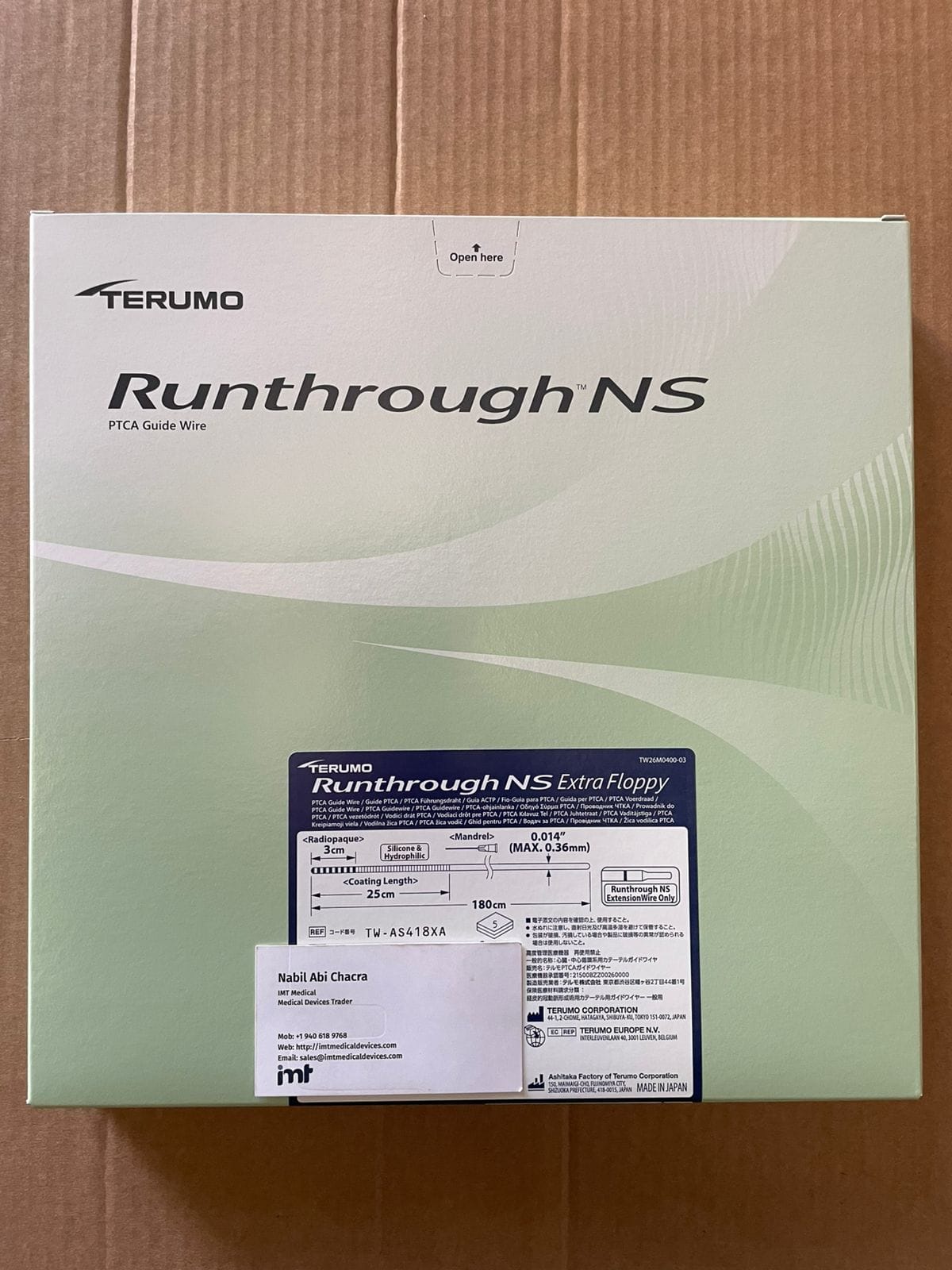
Accessing diversified inventory through a single high-capacity distributor streamlines logistics. It allows for managing volume-based pricing across multiple premium brands like Terumo and Asahi Intec. Leveraging medical device distribution efficiency reduces administrative overhead. High-capacity exporters provide a central point of contact for Guidewires and Guiding Catheters. This model simplifies the procurement of specialized hardware. It provides a vital bridge between major manufacturers and international markets, ensuring that premium, authentic technology remains accessible despite local market volatility. Wholesale networks offer the scale and reach necessary to maintain consistent stock levels of PTCA Balloon Catheters and Surgical Staplers in 2026.
Practical Steps to Mitigate Supply Chain Vulnerabilities
Operational stability begins with a technical audit of current inventory levels. Procurement officers must identify stock levels for critical life-saving hardware. This includes Permanent Pacemakers and Implantable Cardioverter Defibrillators (ICDs). Identifying alternative sourcing partners with proven export capabilities is the next step. Relying on a single manufacturer is a vulnerability. Establishing buffer stocks for high-velocity items like ptca balloon catheters ensures procedural continuity during shipping delays. Implementing real-time supply chain monitoring software allows for immediate visibility into transit status. Formalizing emergency procurement protocols for surgical departments ensures that surgeons have the hardware they need without administrative delay.
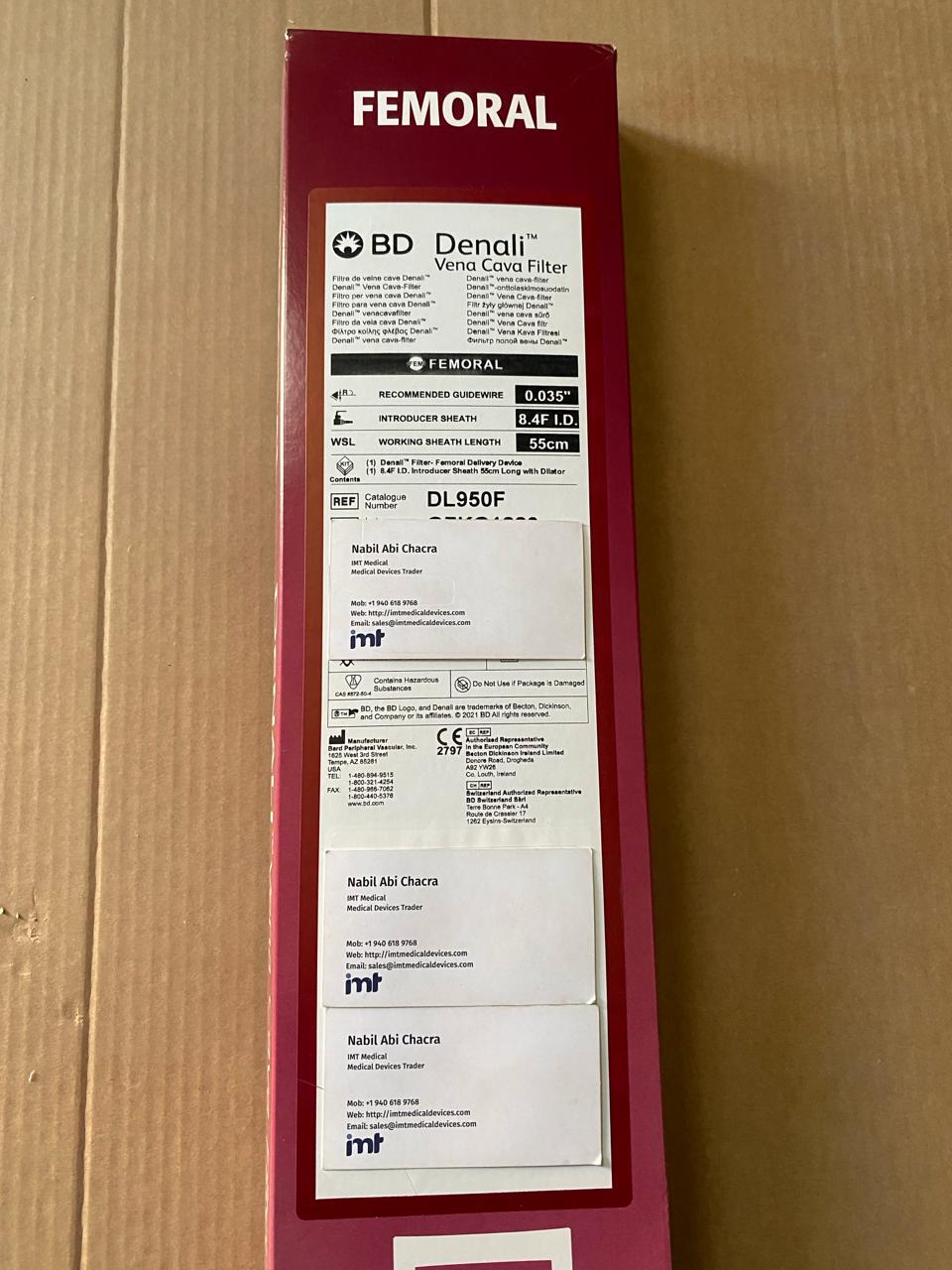
These actions strengthen supply chain resilience in healthcare by creating a multi-layered defense against market shocks. Redundancy isn't a luxury. It's a logistical requirement. Facilities that maintain a deep inventory of Diagnostic Guide Wires and Peripheral Stents avoid the $25 billion in annual waste associated with logistics failures. Accessing a global medical device export network provides the necessary backup for primary supply lines. This ensures that clinical teams aren't dependent on a single point of failure during global market volatility.
Inventory Auditing and Demand Forecasting
Analyze historical usage data to predict future needs. This is particularly critical for drug-eluting stents and electrophysiology catheters. Predict seasonal fluctuations in cardiovascular procedure volumes to adjust order frequencies. Setting minimum threshold alerts for critical hardware prevents emergency shortages. For example, a 15% drop below safety stock should trigger an automated reorder from a secondary distributor. This data-driven approach is a pillar of supply chain resilience in healthcare, ensuring that high-demand items from manufacturers like Terumo and Asahi Intec are always available.
Building Strategic Partnerships
Selecting a global medical equipment wholesaler requires strict criteria. Verify exporter track records in over 50 countries. A reliable partner must demonstrate the ability to navigate complex regulatory hurdles across different regions. Establish clear communication channels for rapid order fulfillment. This includes direct access to inventory feeds for Medtronic and Boston Scientific products. A strategic partnership isn't just about price. It's about logistical reliability and the capacity to deliver Surgical Staplers and Guiding Catheters to any global destination within predictable lead times.
Leveraging Global Networks for Reliable Supply: The IMT Advantage
IMT Medical Devices provides the logistical infrastructure required for supply chain resilience in healthcare. We offer procurement professionals direct access to an extensive portfolio of premium medical technology. This includes hardware from Medtronic, Boston Scientific, Terumo, and Asahi Intec. Our operational model focuses on high-capacity distribution and logistical precision. We maintain consistent inventory flow through strategic offices in Georgia, Dubai, Turkey, and Poland. These regional hubs bypass localized constraints. They ensure that international facilities receive critical hardware like permanent pacemakers and ICDs without the lead time variability common in direct-to-manufacturer orders.
Our expertise in international shipping and regulatory documentation minimizes port delays. We manage manufacturer-specific export restrictions and complex customs clearances for over 50 countries. This ensures that technical identifiers for Electrophysiology Catheters and Diagnostic Guide Wires remain in stock. Redundancy is built into our distribution network. If one trade route faces disruption, our regional offices coordinate to shift sourcing and maintain delivery schedules. This proactive approach to supply chain resilience in healthcare protects surgical departments from the financial and clinical risks of hardware shortages.
Global Reach and Logistical Efficiency
We export high-quality medical technology to a global network of hospital systems and distributors. Our logistics team handles specialized cardiovascular and surgical equipment with technical precision. This includes temperature-sensitive cardiac implants and high-precision surgical staplers. We offer bulk sale pricing tiers for B2B procurement optimization. This structure allows hospital networks to secure inventory at scale while maintaining predictable costs. Our distribution centers are positioned to reduce transit times and ensure that premium inventory is available for immediate clinical use.
Ensuring Continuity of Care
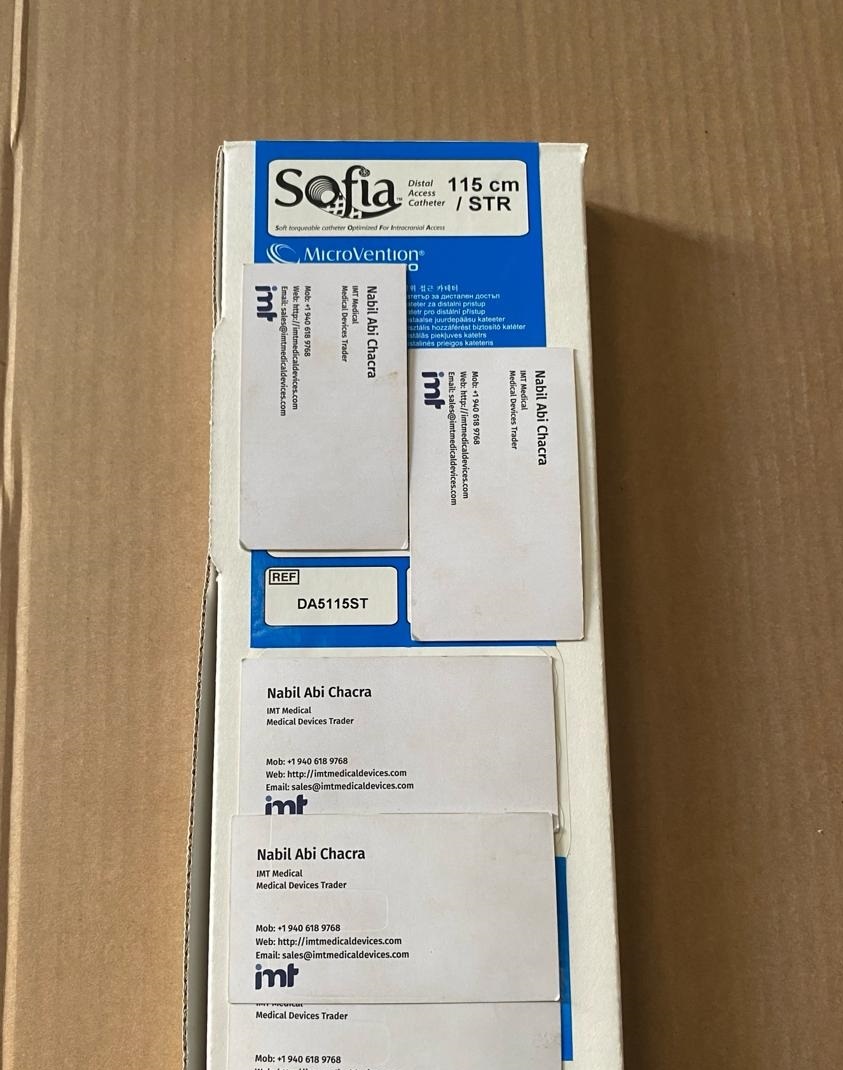
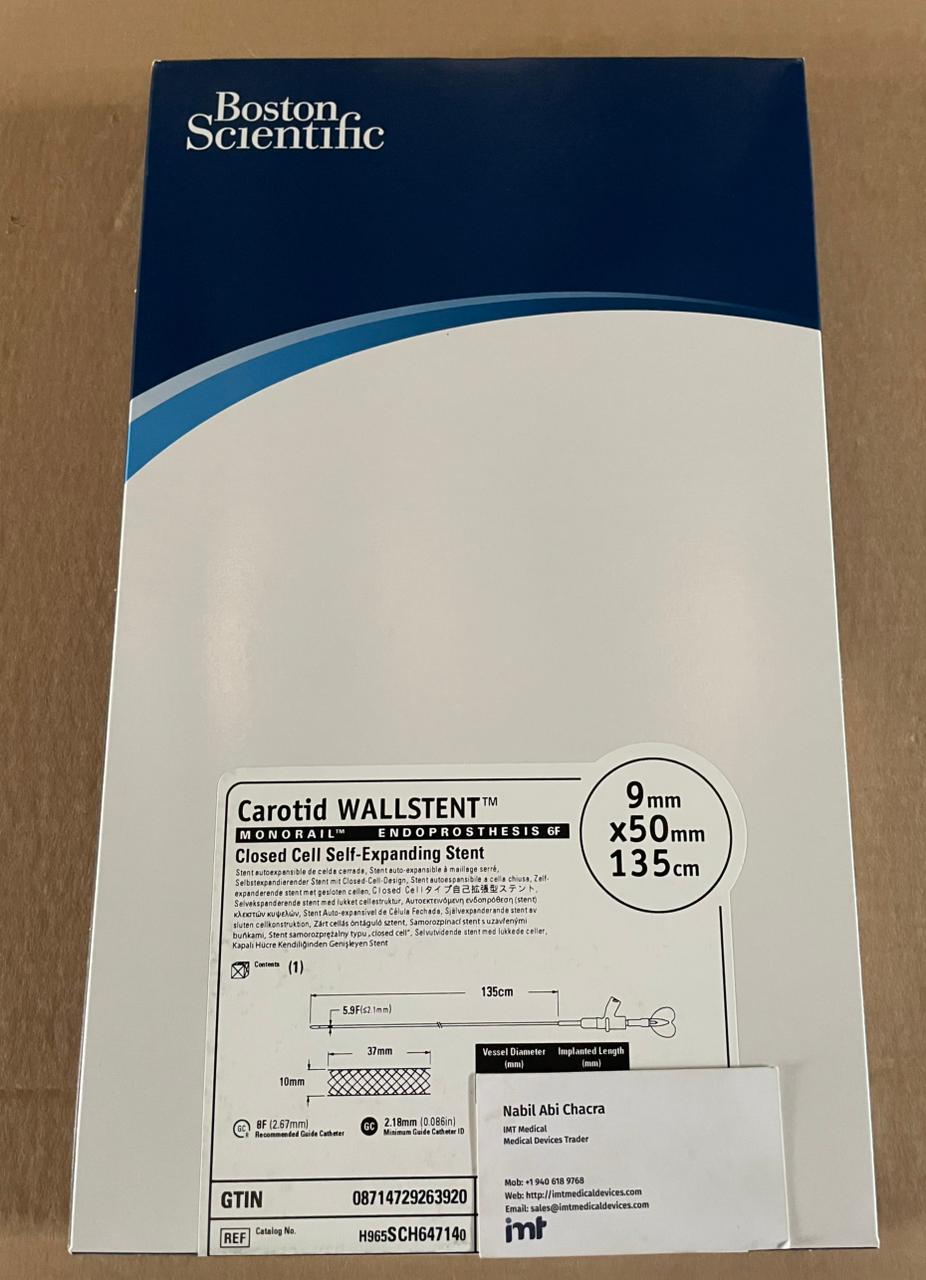
Consistent access to guidewire and catheter inventory is essential for procedural success. IMT Medical Devices reduces lead times through strategic regional distribution. We provide a vital bridge between premium manufacturers and international markets. Our inventory includes:
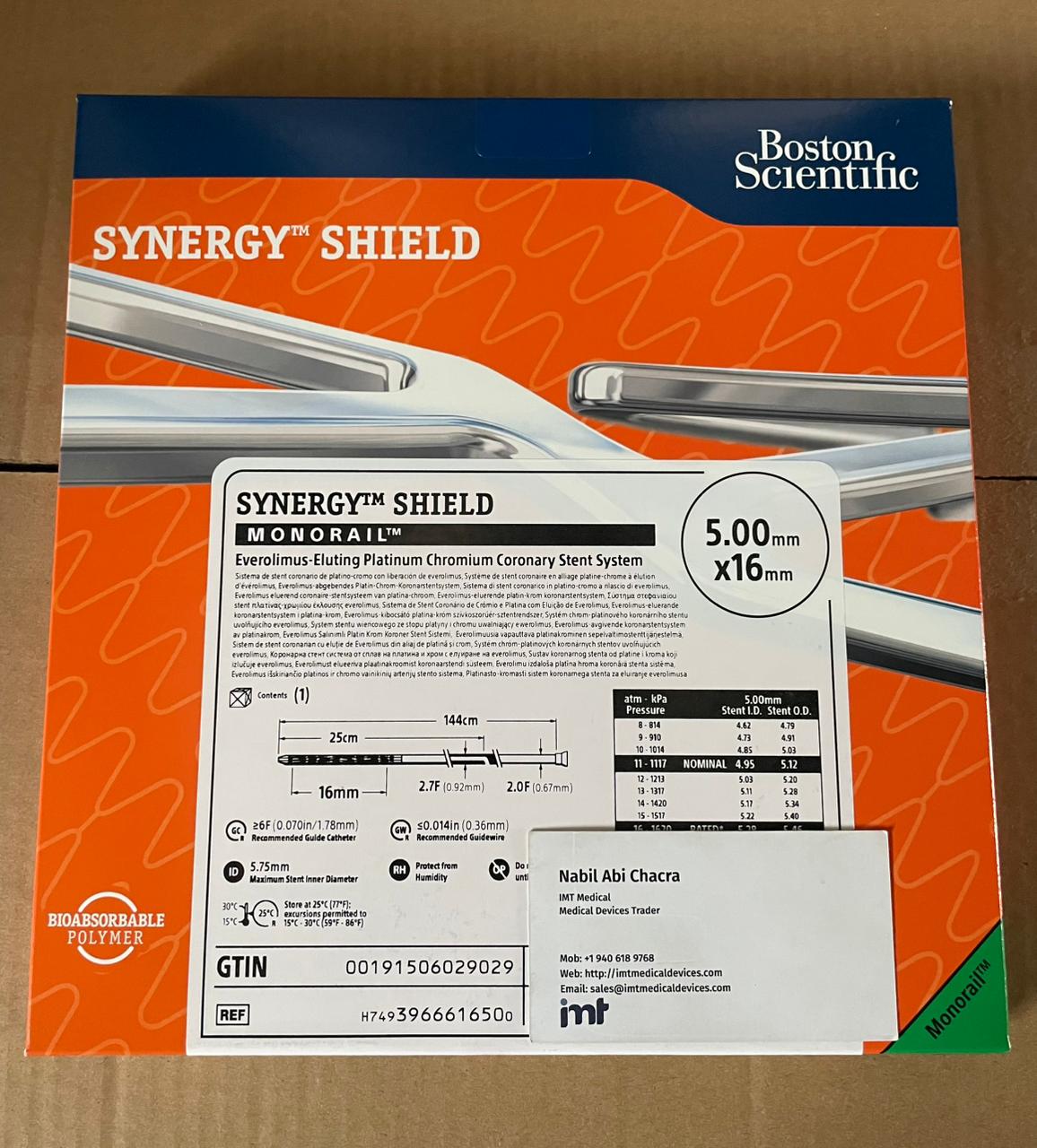
- Drug-Eluting Stents
- PTCA Balloon Catheters
- Peripheral Stents
- Guiding Catheters
- Permanent Pacemakers
Securing Long-Term Procurement Stability
Achieving supply chain resilience in healthcare requires a structural shift from single-source dependency to diversified global networks. Establish buffer stocks of high-velocity items like PTCA Balloon Catheters and Surgical Staplers to absorb market shocks. Leverage multi-regional distribution hubs to bypass localized shipping delays and regulatory bottlenecks. Consistent access to authentic manufacturer inventory is the only way to prevent procedural cancellations and operational downtime. Proactive planning ensures that your facility remains functional despite international logistics volatility.
IMT Medical Devices provides the scale and reach necessary for consistent inventory flow. We export to over 50 countries from strategic hubs in Georgia, the UAE, Turkey, and Poland. Access authentic technology from manufacturers like Medtronic, Boston Scientific, and Abbott. Our logistics infrastructure ensures predictable lead times for Permanent Pacemakers, ICDs, and Electrophysiology Catheters. We bridge the gap between premium global producers and international medical centers with technical precision and industrial competence.
Reliable procurement is a clinical requirement. Don't let global volatility compromise patient care. Secure your medical device supply chain today and maintain operational continuity across all surgical departments. Your facility's stability depends on proactive, data-driven sourcing strategies. Start building a robust inventory of Asahi Intec and Terumo products to protect your clinical outcomes.
Frequently Asked Questions
What is supply chain resilience in healthcare?
Supply chain resilience in healthcare is the systemic ability to absorb global disruptions while maintaining the availability of life-saving medical devices. It involves a strategic shift from Just-in-Time models to Just-in-Case inventory strategies. This approach focuses on diversifying sourcing and maintaining localized buffer stocks of items like Drug-Eluting Stents to ensure clinical continuity during market shocks.
How does multi-sourcing improve medical device availability?
Multi-sourcing improves availability by removing manufacturer-specific dependency and single points of failure. Procurement teams access inventory from multiple premium brands like Medtronic, Boston Scientific, and Abbott simultaneously. This ensures that production halts or regulatory holds at one manufacturer facility don't stop clinical interventions. It provides a technical safety net for high-demand hardware like Electrophysiology Catheters.
What are the biggest risks to the healthcare supply chain in 2026?
The 2026 landscape is defined by geopolitical trade risks and significant regulatory deadlines. The FDA Quality Management System Regulation (QMSR) implementation and the November 2026 DSCSA serialization requirements create technical hurdles for international exports. These factors increase lead time variability for Permanent Pacemakers and ICDs, making traditional logistics routes less predictable for hospital procurement officers.
How can hospitals reduce lead times for international medical imports?
Reducing lead times requires the use of strategic regional hubs in locations like Georgia, Poland, and the UAE. These hubs bypass localized port congestion and regional shipping bottlenecks, ensuring faster delivery of Surgical Staplers and Guiding Catheters. Partnering with exporters that maintain diverse warehouse placements allows for rapid cross-border transit and more predictable arrival windows for critical technology.
Why is buffer stock important for cardiovascular implants?
Buffer stocks are critical because cardiovascular implants require specific technical identifiers that aren't easily substituted during a shortage. Maintaining reserves of PTCA Balloon Catheters and Guidewires protects against supply volatility and shipping delays. This strategy prevents the $25 billion in annual waste associated with logistics failures by ensuring that the exact manufacturer codes required for surgery are always in stock.
How do global wholesalers assist in supply chain resilience?
Global wholesalers strengthen supply chain resilience in healthcare by maintaining high-capacity inventory across multiple manufacturer brands. They manage complex international logistics and documentation for over 50 countries, securing a steady flow of Peripheral Stents. These distributors act as a vital bridge, providing facilities with the scale and reach necessary to bypass localized manufacturer shortages and regional trade barriers.
What role does regulatory compliance play in medical logistics?
Regulatory compliance ensures the legal and technical viability of medical exports during international transit. Pre-cleared documentation for Class III devices prevents border delays, which is essential for maintaining the clinical integrity of sensitive cardiac hardware. Adhering to the 2026 FDA QMSR and EU MDR standards minimizes the risk of port seizures or inventory spoilage, ensuring that products remain viable upon delivery.
Can digital tracking prevent medical device shortages?
Digital tracking provides end-to-end visibility into manufacturer stock levels and transit milestones, allowing for proactive intervention. This data-driven approach identifies potential shortages of Guiding Catheters or Diagnostic Guide Wires before they impact surgical schedules. By monitoring real-time supply data, procurement teams can shift sourcing to alternative regional hubs in supply chain resilience in healthcare frameworks to maintain consistent inventory levels.