

Wholesale Cardiology Supplies: A B2B Guide to Global Procurement in 2026
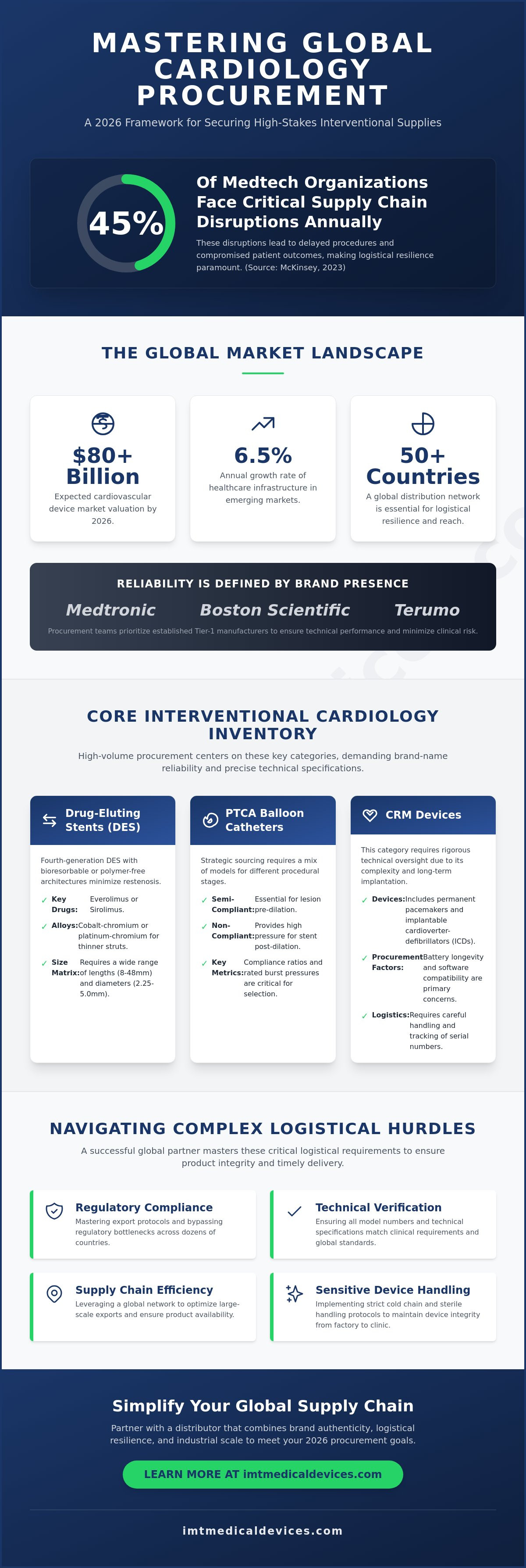
A 2023 McKinsey report reveals that 45% of medtech organizations experience critical supply chain disruptions annually. For procurement officers, these figures translate to delayed procedures and compromised patient outcomes. You know that securing wholesale cardiology supplies is no longer about simple vendor selection; it's about logistical resilience and brand authenticity. Sourcing high-stakes interventional tools like the Medtronic Onyx Frontier or Terumo Glidewire requires a partner with documented international reach.
This guide provides the technical framework to master global procurement in 2026. We'll detail bulk acquisition strategies for Tier-1 brands, export protocols for 50 countries, and methods to bypass regulatory bottlenecks. We'll also examine how to verify technical specifications and model numbers to ensure compliance in the global medical device market. You'll learn to simplify international logistics while maintaining access to premium inventory at industrial scale. Our focus remains on clarity, product availability, and the specific data required for efficient B2B transactions.
Key Takeaways
- Identify high-demand interventional cardiology devices and navigate the shifting global market landscape for 2026.
- Streamline procurement by categorizing essential wholesale cardiology supplies, including drug-eluting stents and cardiac rhythm management technology.
- Evaluate top-tier manufacturers like Medtronic to ensure brand-first reliability and technical performance in clinical settings.
- Manage complex logistical requirements including international regulatory compliance and cold chain handling for sensitive medical devices.
- Leverage a global distribution network spanning 50 countries to optimize large-scale export and supply chain efficiency.
Navigating the Global Market for Wholesale Cardiology Supplies
The global market for wholesale cardiology supplies is entering a period of rapid transformation. By 2026, the cardiovascular device sector is expected to reach a valuation exceeding $80 billion. This growth is centered in emerging markets where healthcare infrastructure is expanding at a 6.5% annual rate. Procurement officers require a reliable bridge between Tier 1 manufacturers and local clinical settings. This role is filled by the international distributor. A distributor manages the logistical complexity of an Export 50 Country operation, ensuring that inventory moves from factory floors to sterile storage without delay. Reliability in this sector is defined by brand presence. Medtronic, Boston Scientific, and Terumo dominate the inventory lists. These brands provide the technical specifications required for complex surgeries. Trust isn't built on marketing; it's built on part numbers and regulatory clearances. Procurement teams prioritize these established names to minimize clinical risk.The Shift Toward Interventional Cardiology Procurement
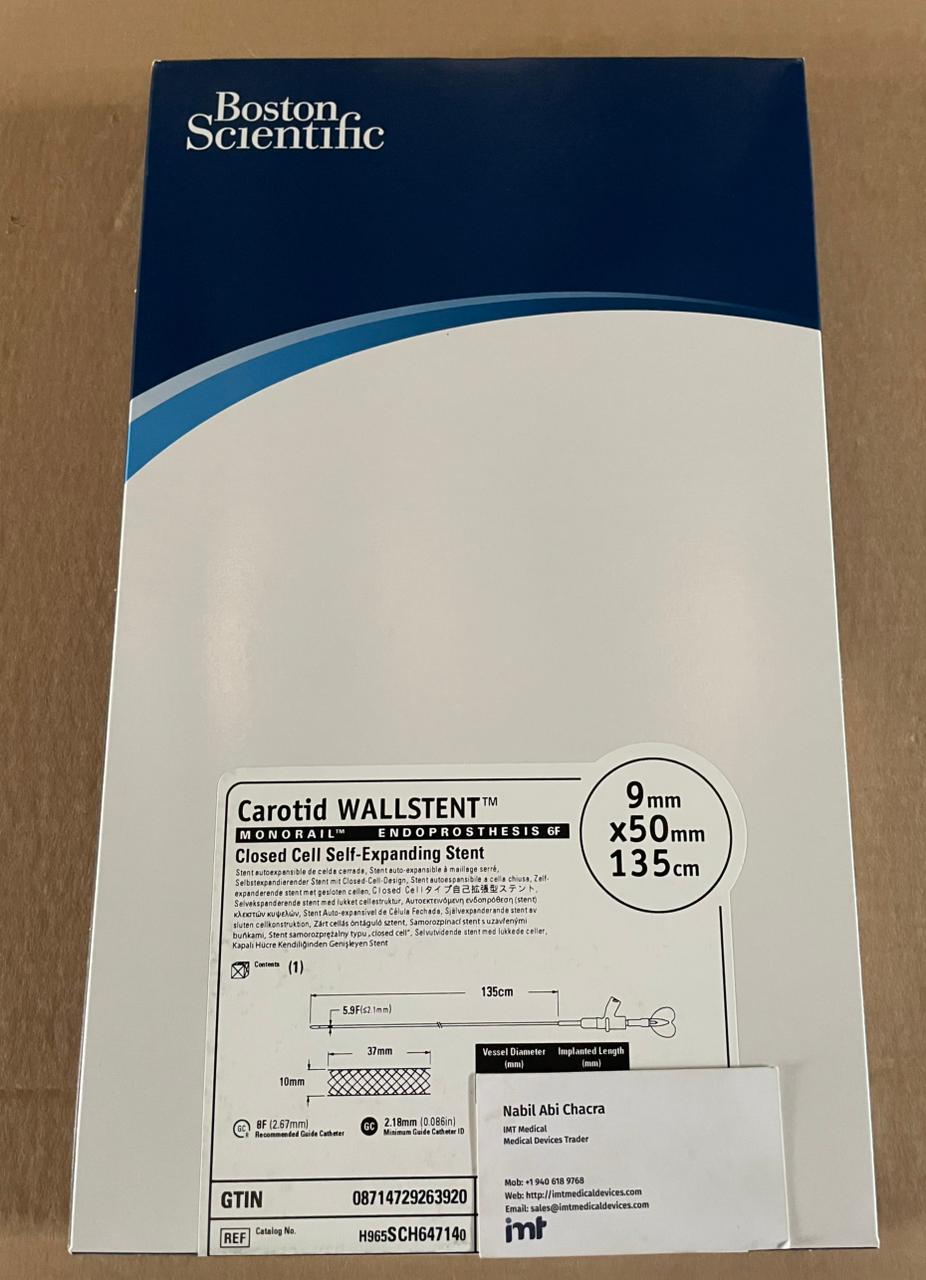
Hospital infrastructure is evolving. Many regional clinics are upgrading from diagnostic-only facilities to full-scale catheterization labs. This shift increases the volume of specialized inventory required for Interventional cardiology procedures. In 2026, supply chain shifts focus on regional hubs to mitigate the risks of global logistics disruptions. Interventional cardiology supplies are the backbone of modern cardiac care. Access to specialized catheters and guidewires determines a facility's surgical capacity and patient throughput. Product Details:- Coronary Stents: Drug-eluting and bare-metal options.
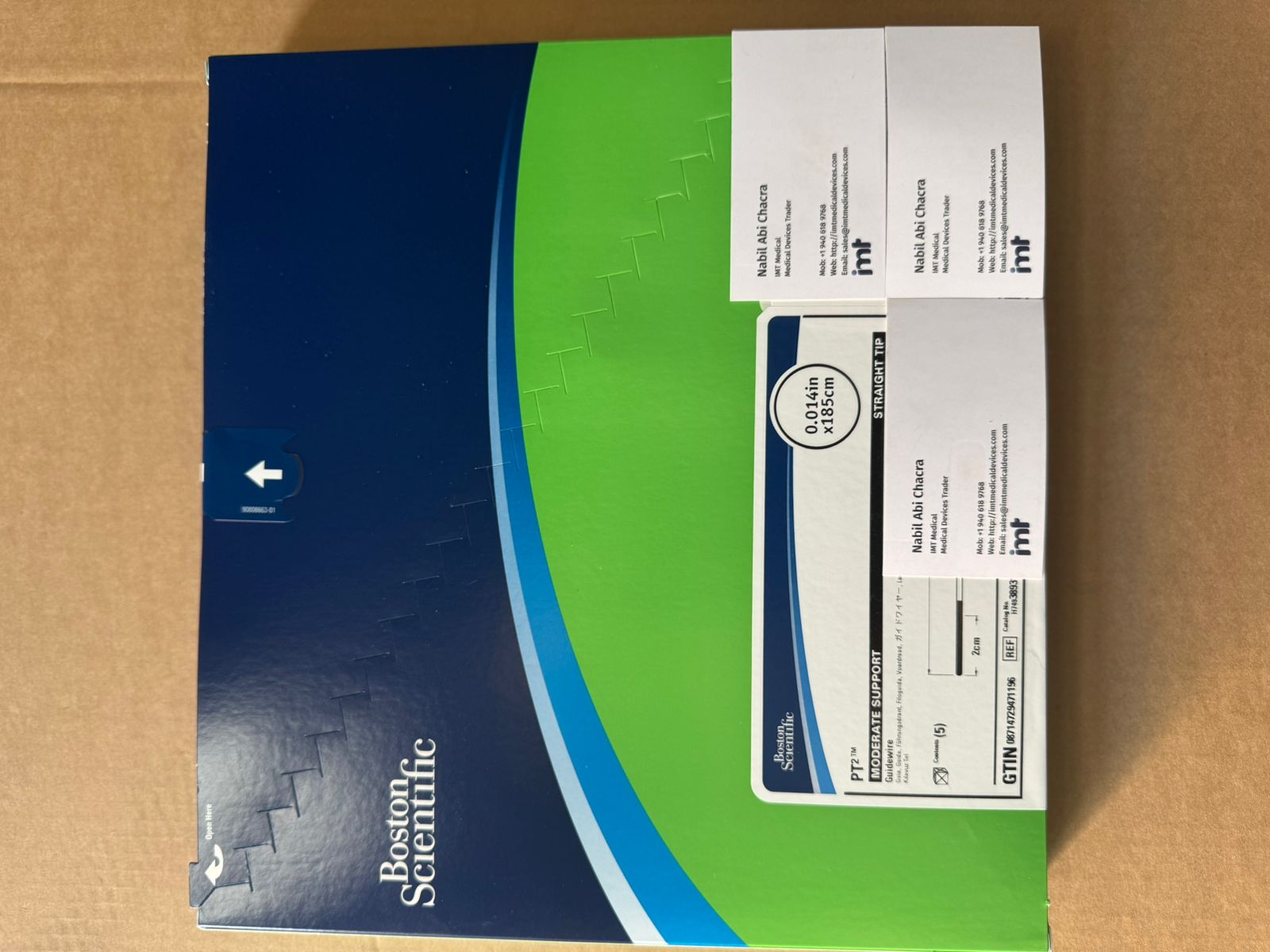
- Guidewires: Hydrophilic and non-hydrophilic coatings.
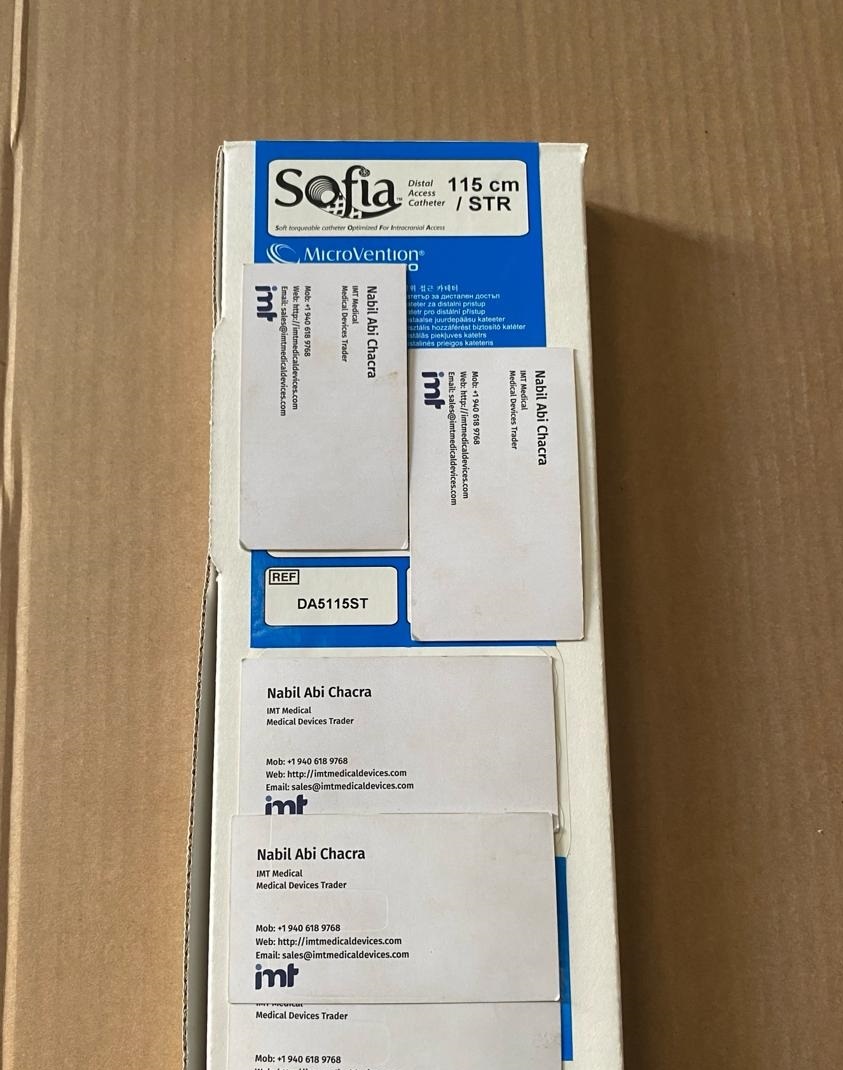
- Aspiration Catheters: High-performance thrombectomy tools.
- Diagnostic Catheters: Precision imaging and pressure measurement.
Wholesale vs. Retail: The B2B Advantage
Volume-based pricing tiers offer significant cost-efficiency for large-scale healthcare providers. Bulk procurement reduces the unit cost of high-turnover items like diagnostic leads and balloon catheters. Effective medical device distributionCore Inventory Categories for Interventional Cardiology
High-volume procurement in interventional cardiology centers on three pillars: coronary stents, balloon catheters, and cardiac rhythm management (CRM) systems. Efficient supply chains for wholesale cardiology supplies prioritize brand-name reliability and technical specifications. Global distributors must maintain high stock levels of Medtronic, Boston Scientific, and Terumo products to meet 2026 clinical demands. Inventory managers focus on rapid turnover for high-use items while securing specialized diagnostic guide wires and guiding catheters for complex percutaneous coronary interventions (PCI).
Drug-Eluting Stents and PTCA Balloons
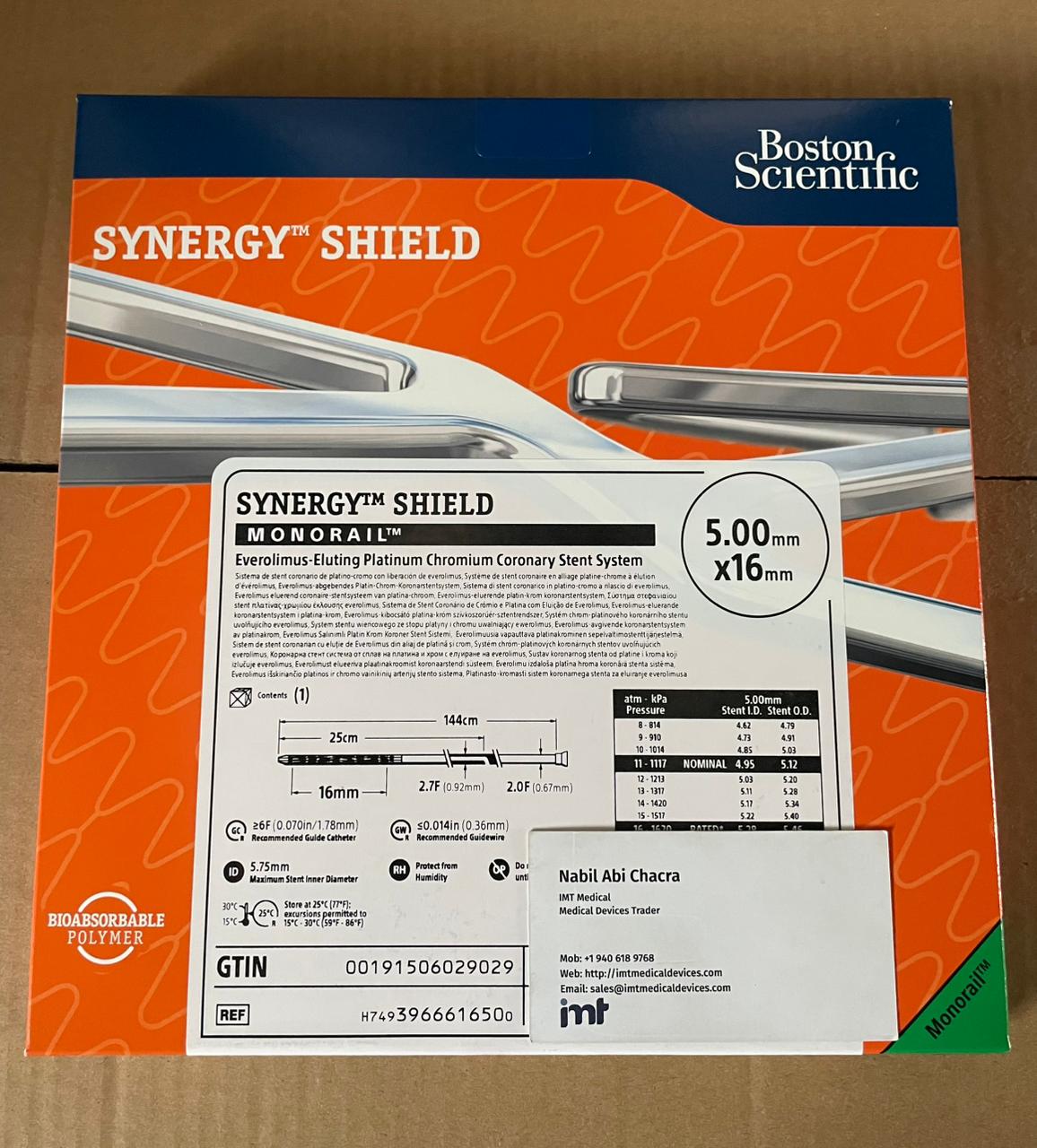
Current procurement cycles favor fourth-generation Drug-Eluting Stents (DES) featuring bioresorbable polymers or polymer-free architectures. These platforms utilize Everolimus or Sirolimus to minimize restenosis. Procurement officers prioritize cobalt-chromium or platinum-chromium alloys for thinner struts and improved deliverability. Product Details: DES inventory requires a wide matrix of lengths (8mm to 48mm) and diameters (2.25mm to 5.0mm) to accommodate diverse vessel anatomies.
Strategic sourcing for ptca balloon catheters involves a calculated mix of semi-compliant and non-compliant models. Semi-compliant balloons are essential for pre-dilation, while non-compliant versions provide the high pressure needed for stent post-dilation. Compliance ratios and burst pressures are the primary metrics for selection. Logistics teams at IMT Medical Devices leverage an Export 50 Country network to ensure these sterile components reach international markets without cold-chain or handling delays. Maintaining a 25 percent buffer on common balloon sizes prevents procedure cancellations during peak demand periods.
Cardiac Rhythm Management (CRM) Devices
The CRM category requires rigorous technical oversight due to battery longevity and software compatibility. Procurement strategies for permanent pacemakers and Implantable Cardioverter Defibrillators (ICDs) focus on devices with 10 to 15 year battery life. Managers must track sterilization expiration dates closely; most implants carry a two to three year shelf life from the date of manufacture. Product Details: Electrophysiology (EP) catheters and 3D mapping systems are increasingly integrated into wholesale contracts to support atrial fibrillation ablation procedures.
Regulatory compliance is a non-negotiable factor in global distribution. Technical teams often reference FDA research on cardiovascular devices to verify safety benchmarks and material integrity before adding new lines to the wholesale cardiology supplies catalog. This data-driven approach ensures that every exported unit meets international safety standards. For organizations looking to optimize their 2026 inventory, you can view our full cardiology catalog to compare technical specifications across major manufacturers. This professional focus on part numbers and brand authenticities defines the modern B2B medical supply chain.
Evaluating Top-Tier Manufacturers: Brand Performance and Reliability
Procuring wholesale cardiology supplies requires a brand-first strategy. Interventional cardiology relies on clinical data and proven outcomes; generic alternatives don't meet the safety margins required for 2026 cath lab operations. High-volume distributors prioritize Medtronic, Boston Scientific, and Terumo due to their established supply chains and regulatory approvals across 50 countries. Reliability in B2B procurement hinges on manufacturer track records for stent delivery and cardiac rhythm management (CRM) stability.
Medtronic and Boston Scientific: The Industry Standard
Medtronic and Boston Scientific dominate the drug-eluting stent (DES) market. The Medtronic Resolute Onyx platform utilizes CoreWire technology for enhanced radiopacity and 2.0 mm sizes for small vessel treatment. In contrast, the Boston Scientific Synergy platform features a bioabsorbable polymer that disappears after three months, leaving only the platinum chromium stent behind. This reduces long-term inflammatory responses in patients. Wholesale cardiology supplies from these manufacturers ensure compatibility with existing hospital infrastructure. Medtronic pacemakers, including the Azure and leadless Micra models, remain essential inventory items for international B2B procurement. Medtronic stands as the most requested brand in global cardiology exports.
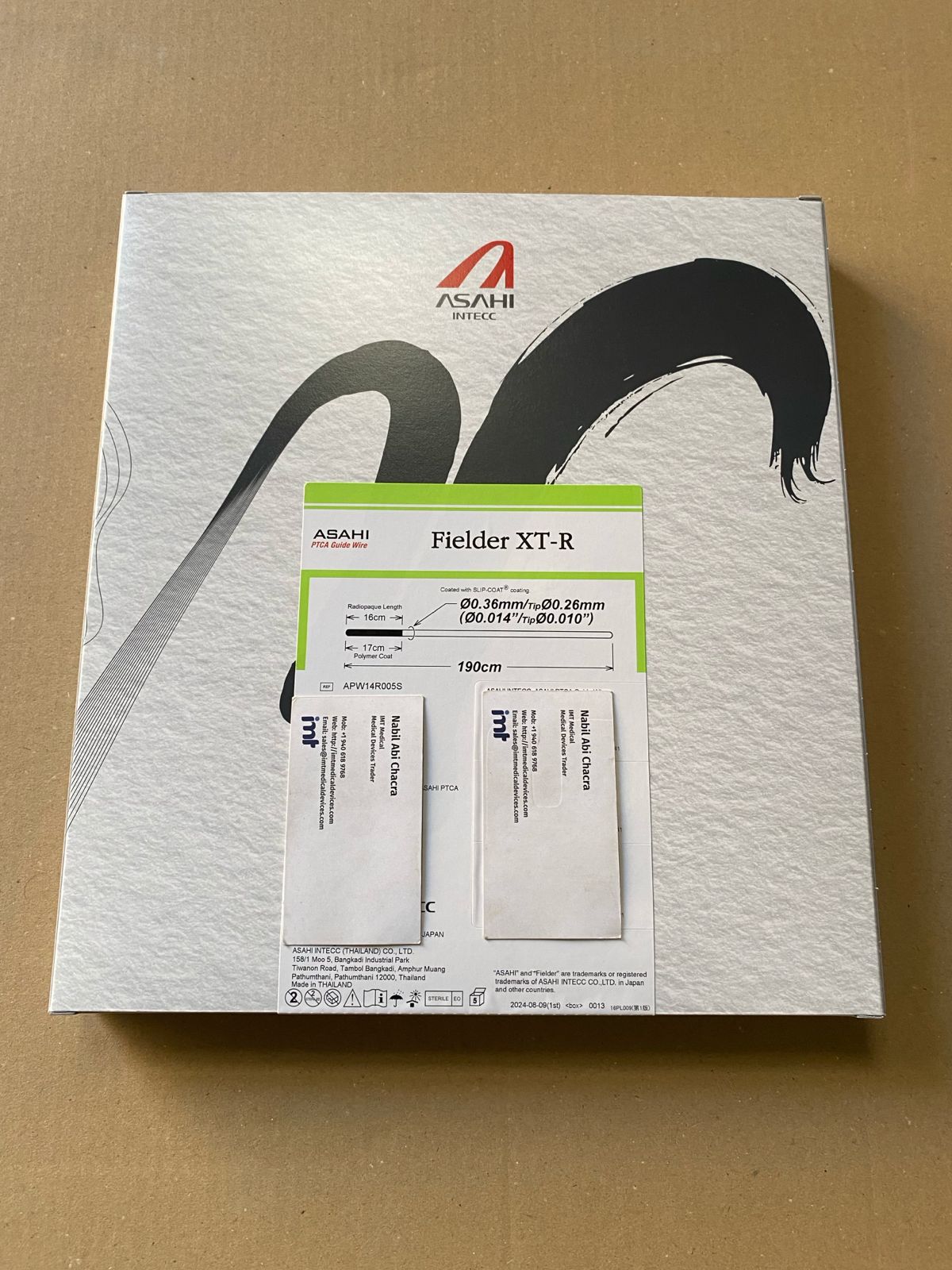
Specialized Access: Terumo and Asahi Intec
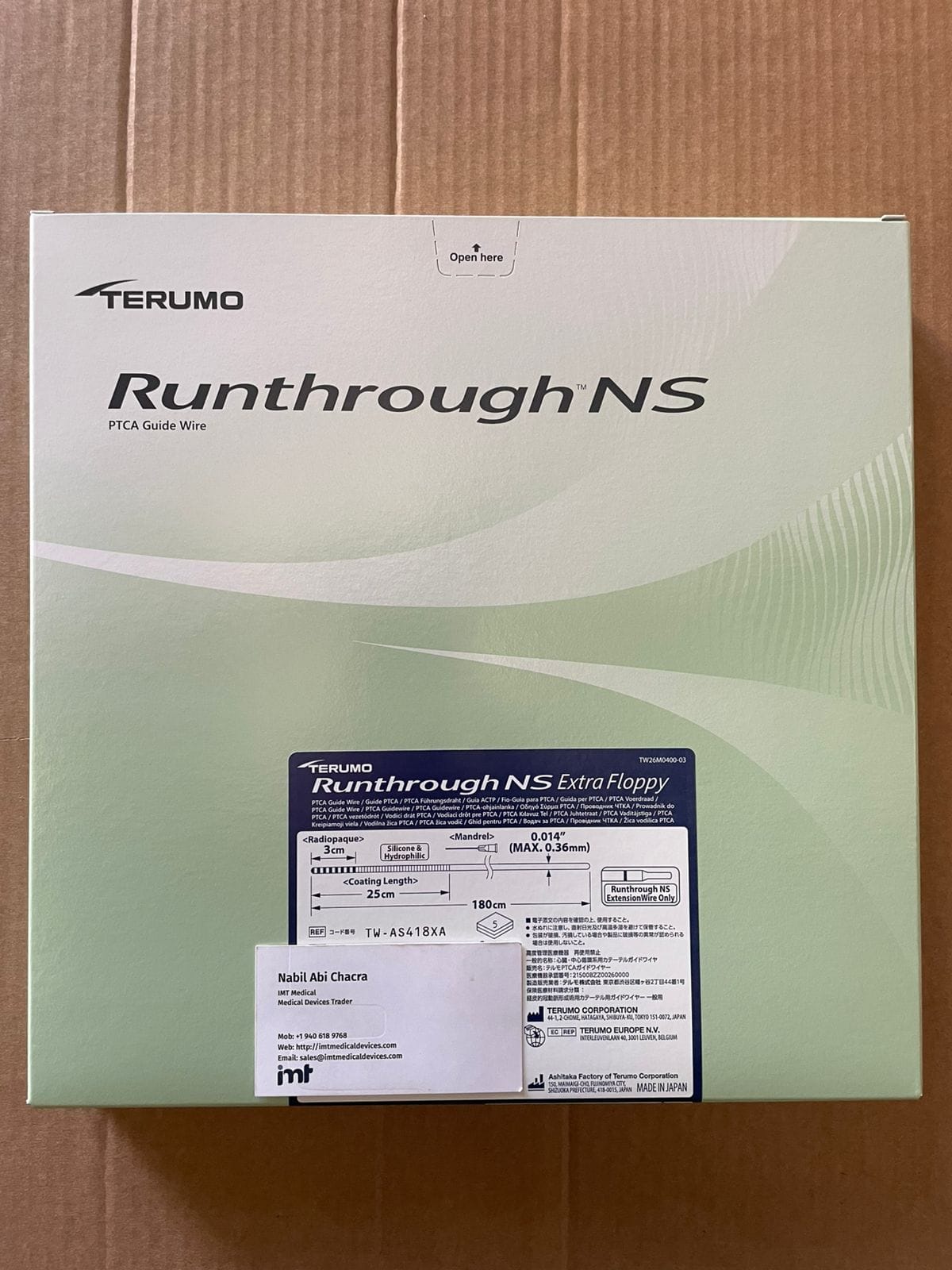
Radial access procedures rely heavily on Terumo engineering. The Glidesheath Slender provides a 20% thinner wall than standard sheaths, maintaining a smaller puncture site while allowing larger device passage. This reduces radial artery spasm rates by 15% in high-volume clinics. For complex percutaneous coronary intervention (PCI), Asahi Intec provides the technical benchmark. Their guidewire technology, specifically the Sion and Gaia series, offers superior torque control for crossing chronic total occlusions (CTO). Sourcing these specialized accessories requires a distributor capable of managing high-turnover inventory for the following components:
- Terumo: Glidewire Advantage, Radifocus Introducer II, Heartrail II catheters.
- Asahi Intec: Corsair Pro microcatheters, Sion Blue wires, Caravel microcatheters.
- Boston Scientific: Rotablator systems, Emerge PTCA balloons, Wolverine cutting balloons.
- Medtronic: Valiant Captivia thoracic stent grafts, Covalence delivery systems.
Reliable procurement ensures these technical tools are available for immediate export. Inventory precision prevents delays in life-saving interventional procedures. Asahi Intec’s ACTONE cable tube technology provides the tactile feedback necessary for complex lesion crossability, making it a non-negotiable requirement for specialized cardiology centers. Global B2B partners prioritize these brands to maintain surgical excellence and logistical efficiency.
Logistical Requirements for International Medical Device Export
Global distribution of wholesale cardiology supplies demands rigorous technical oversight and precise logistical execution. International trade in 2026 relies on strict regulatory alignment and specialized handling protocols to maintain device efficacy. Every shipment must meet the specific legal requirements of the destination country to avoid seizure or patient risk. Reliable procurement depends on a distributor's ability to manage complex customs landscapes and sensitive hardware requirements simultaneously.
Regulatory compliance centers on valid CE marks and FDA 510(k) clearances. Local health authority registrations remain essential for market entry in high-growth regions. Cold chain management is critical for sensitive components. Drug-eluting stents and certain bio-absorbable materials require constant temperature monitoring during transit. Maintaining a range of 2°C to 8°C or controlled room temperature (15°C to 25°C) prevents polymer degradation. High-value medical shipments include real-time tracking and comprehensive insurance to mitigate financial loss from damage or delays.
Export Compliance and Documentation
Navigating customs clearance in the UAE, Turkey, and Poland involves distinct procedural hurdles. UAE imports require MOHAP registration and digital certificate verification. Turkey utilizes the ÜTS system for real-time tracking of every medical device entering the country. Poland adheres to the latest EU MDR standards, requiring exhaustive technical files. Procurement officers must maintain a checklist of mandatory export documents to ensure rapid clearance:
- Certificate of Origin: Verifies manufacturing location for duty assessments.
- Free Sale Certificate (FSC): Confirms the device is legally sold in the country of origin.
- Proforma Invoice: Details quantities, exact SKU numbers, and unit values.
- Batch and SKU Tracking: Essential for Medtronic, Terumo, and Boston Scientific implants to ensure recall traceability.
Global Supply Chain Integrity
Packaging for drug-eluting stents and sterile catheters uses medical-grade materials to prevent puncture and maintain sterility. Lead times for international air freight average 3 to 7 days. Sea freight takes 25 to 40 days depending on the global route. The 2026 trade environment introduces stricter environmental reporting and digital ledger requirements. Distributors now track the carbon footprint and transit history of every shipment. High-capacity logistics partners ensure that brands like Medtronic and Abbott reach hospitals in over 50 countries without compromising structural integrity or sterile barriers.
Secure your global supply chain with a partner that understands international export protocols. Explore our wholesale cardiology supplies and export details.
IMT Medical Devices: Your Global Partner for Cardiology Procurement
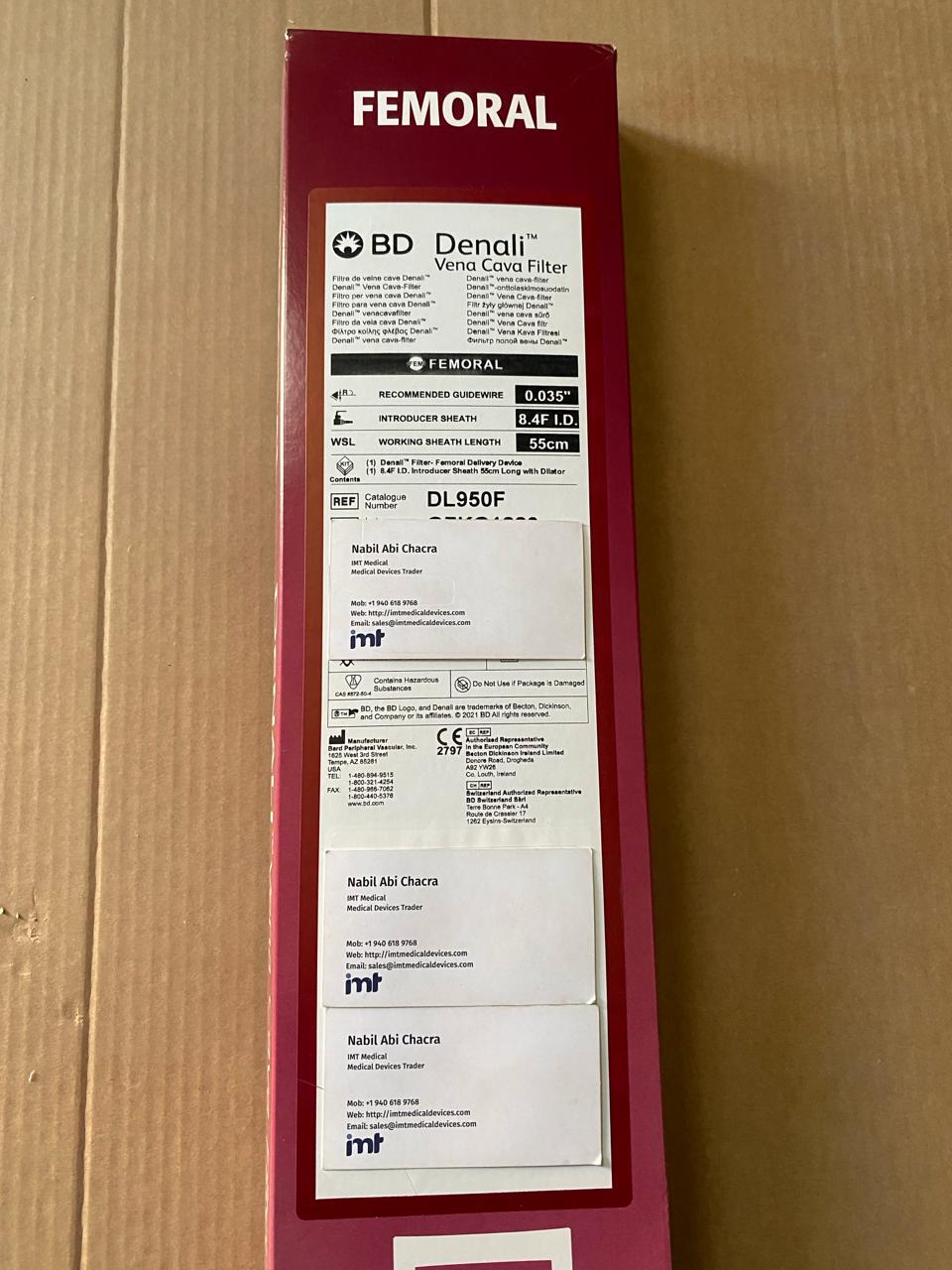
IMT Medical Devices functions as a high-capacity distribution partner specializing in the rapid export of premium medical technology. The company manages a supply chain that currently reaches over 50 countries, bridging the gap between top-tier manufacturers and international healthcare facilities. Strategic operations are centered in Georgia, UAE, Turkey, and Poland. These physical locations allow for localized logistical control and faster transit times across Europe, Asia, and the Middle East. For organizations seeking wholesale cardiology supplies, IMT provides direct access to inventory from Medtronic, Abbott, Terumo, and Boston Scientific.
Transactional excellence is the core of the IMT procurement model. The system is built for speed and technical accuracy, catering to the specific demands of large-scale hospitals and regional distributors. By focusing on product availability and logistical scale, IMT eliminates the delays often found in fragmented supply chains. It's a pragmatic approach that prioritizes the delivery of authentic, high-specification equipment over brand storytelling.
Logistical Velocity and Reliability
Managing international documentation for medical devices requires extreme precision. IMT Medical Devices handles all aspects of export compliance, including certificates of origin, sterilization records, and complex customs filings. This expertise ensures that shipments don't face administrative bottlenecks. The inventory system follows a brand-first, catalog-driven structure. This allows procurement teams to identify specific part numbers and technical specifications with minimal friction.
- Direct access to interventional cardiology consumables like drug-eluting stents and balloon catheters.
- Product Details: Consistent availability of Terumo Glidewires and Medtronic Onyx Resolute systems.
- Reliable supply of diagnostic catheters and vascular access kits.
- Strict adherence to international shipping standards for sensitive medical electronics.
The "Export 50 Country" capability serves as a primary trust signal for global partners. Reliability in this sector depends on consistent stock levels for coronary intervention tools. IMT maintains deep reserves of these consumables to support uninterrupted clinical operations in busy cardiac units.
Next Steps for Procurement Officers
Procurement officers can initiate the acquisition process by requesting a formal quote. IMT Medical Devices offers volume-based pricing and fixed contract rates for long-term supply agreements. Every transaction includes a verification of product availability and batch expiration dates to ensure clinical viability. This transparency is vital for managing hospital inventory cycles and budget planning. To begin the procurement process, Contact IMT Medical Devices for current wholesale cardiology price lists. The team provides rapid responses to RFQs, focusing on technical data and logistical timelines to meet the urgent needs of the medical industry.
Scale Your Global Cardiology Operations for 2026
Success in the 2026 medical market depends on securing a consistent inventory of wholesale cardiology supplies from verified sources. Procurement officers must prioritize direct access to Tier-1 manufacturers like Medtronic, Terumo, and Boston Scientific to ensure clinical efficacy and patient safety. IMT Medical Devices eliminates logistical bottlenecks through our strategic distribution hubs located in Georgia, UAE, Turkey, and Poland. We're an official distributor with a proven track record, currently exporting to 50+ countries worldwide. This expansive reach allows us to maintain high-capacity inventory levels for coronary intervention and neurovascular products. It's time to move beyond fragmented supply chains and embrace a centralized, industrial-grade procurement model. Our focus on logistical precision and brand authenticity provides the stability your institution requires for long-term growth. We're ready to support your facility's high-volume requirements with speed and technical accuracy. Secure your inventory and strengthen your international supply network today.
Request a Wholesale Quote for Cardiology Supplies
Frequently Asked Questions
How do you ensure the authenticity of wholesale cardiology supplies?
We ensure the authenticity of wholesale cardiology supplies by sourcing directly from authorized manufacturers and verified international channels. Every stent, catheter, and pacemaker, such as the Medtronic Resolute Onyx, includes full traceability and original documentation. We've maintained strict compliance with ISO 13485 standards to guarantee product integrity across our inventory. This rigorous verification process protects our supply chain in 50 countries, ensuring clinical safety for all coronary intervention devices.
What are the typical lead times for international medical device exports?
Dispatch for in-stock items occurs within 3 to 7 business days from our strategic hubs in the UAE and Turkey. It's standard for international lead times to vary based on the final destination and specific local regulatory requirements. We utilize a global logistics network to minimize delays for urgent cardiology procurement. Our 2026 shipping protocols prioritize high-demand regions to maintain consistent stock levels for hospital groups and distributors worldwide.
Do you handle customs documentation for cardiology supply shipments?
IMT Medical Devices provides comprehensive support for export documentation, including Certificates of Origin and necessary regulatory filings. Our team manages the complex paperwork required for customs clearance in over 50 countries. We ensure every shipment of wholesale cardiology supplies meets international trade laws and local health authority standards. It's this proactive approach that reduces border delays and facilitates the smooth transition of medical technology through global ports.
Can I source multiple brands like Medtronic and Boston Scientific in one order?
Clients can consolidate multiple brands like Medtronic, Boston Scientific, and Terumo into a single order. Our warehouse model facilitates multi-brand procurement for stents, guide wires, and balloons like the Boston Scientific Emerge series. It's a consolidation strategy that simplifies logistics and reduces overall shipping costs for international partners. We manage inventory across 100 manufacturers to provide a one-stop solution for coronary intervention and aspiration catheter needs in the global market.
What is the minimum order quantity for wholesale stents?
Minimum order quantities (MOQs) depend on the specific brand and model number requested. We offer tiered pricing structures to accommodate large hospital groups and mid-sized regional distributors effectively. Our system allows procurement officers to select from a wide range of inventory based on their specific volume requirements. This flexibility allows for scalable orders of high-end medical technology without the burden of unnecessary inventory overhead or high storage costs.
How is cold chain integrity maintained during transit for sensitive devices?
We use specialized climate-controlled packaging and expedited shipping to maintain cold chain integrity for sensitive devices. While most cardiology supplies are shelf-stable, specific temperature-sensitive items require rigorous monitoring during transit. It's part of our 2026 logistics framework that includes real-time tracking to ensure clinical efficacy remains intact from the warehouse to the hospital. This protocol prevents degradation of specialized medical components during long-distance international transport across different climates.