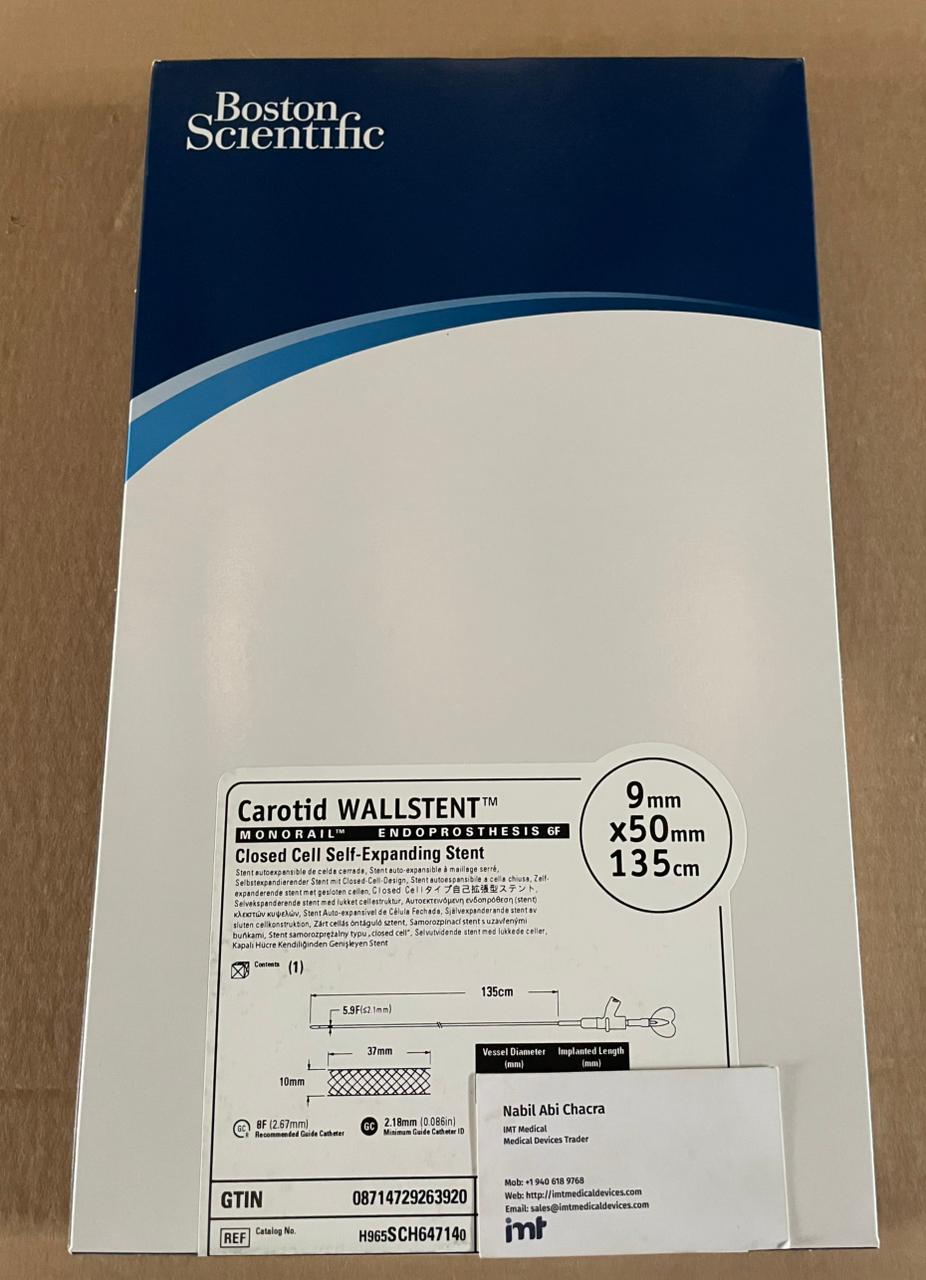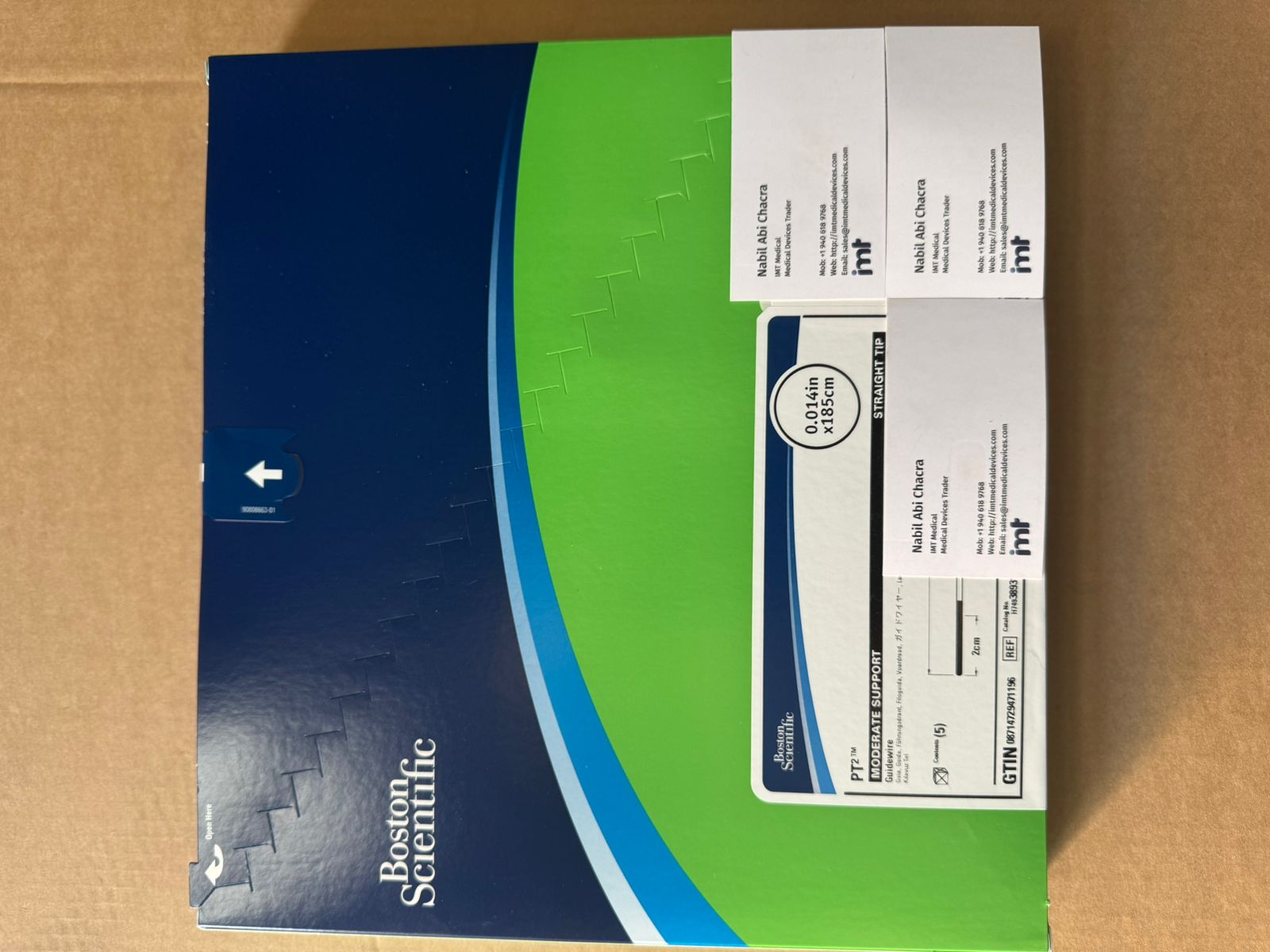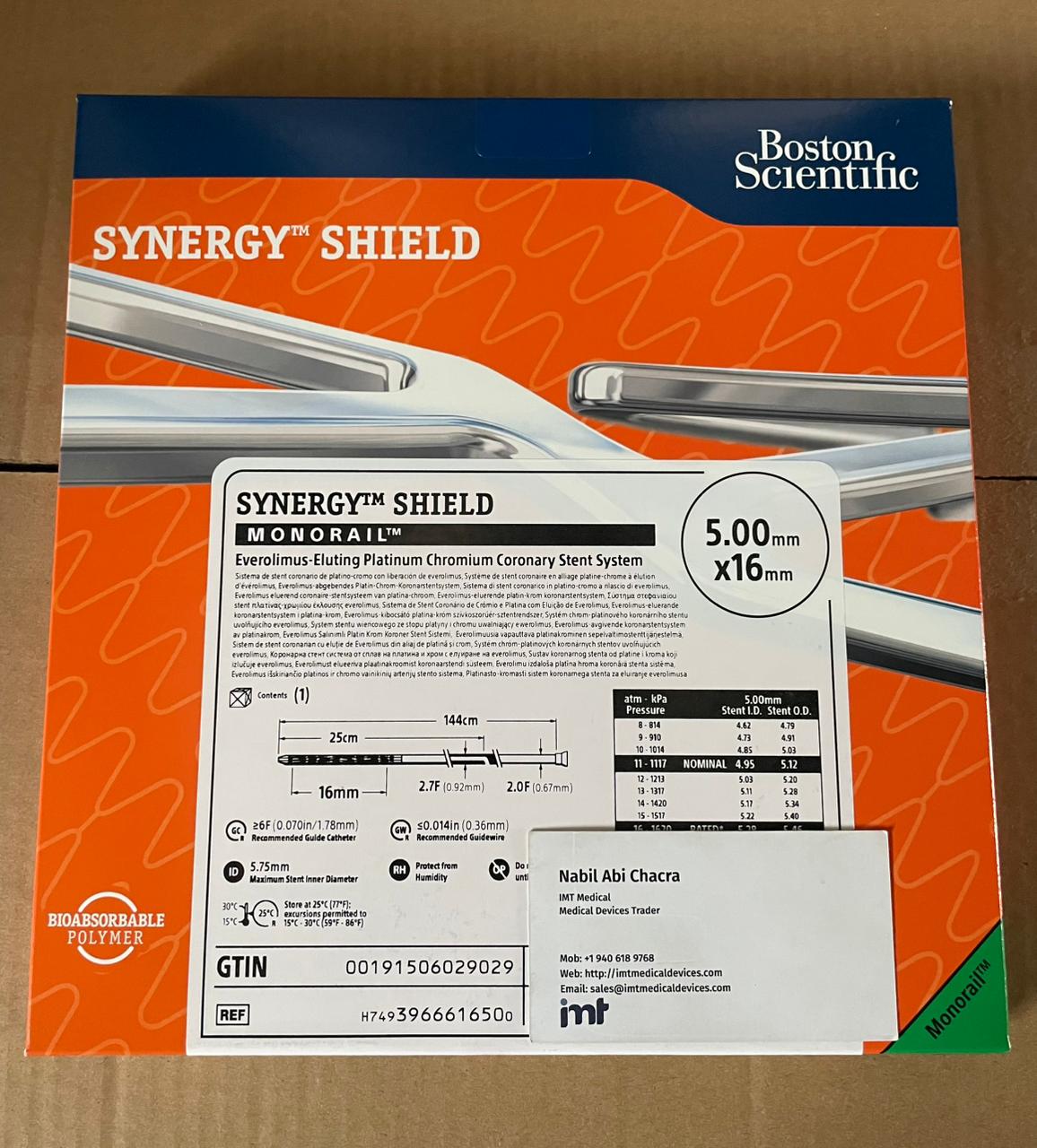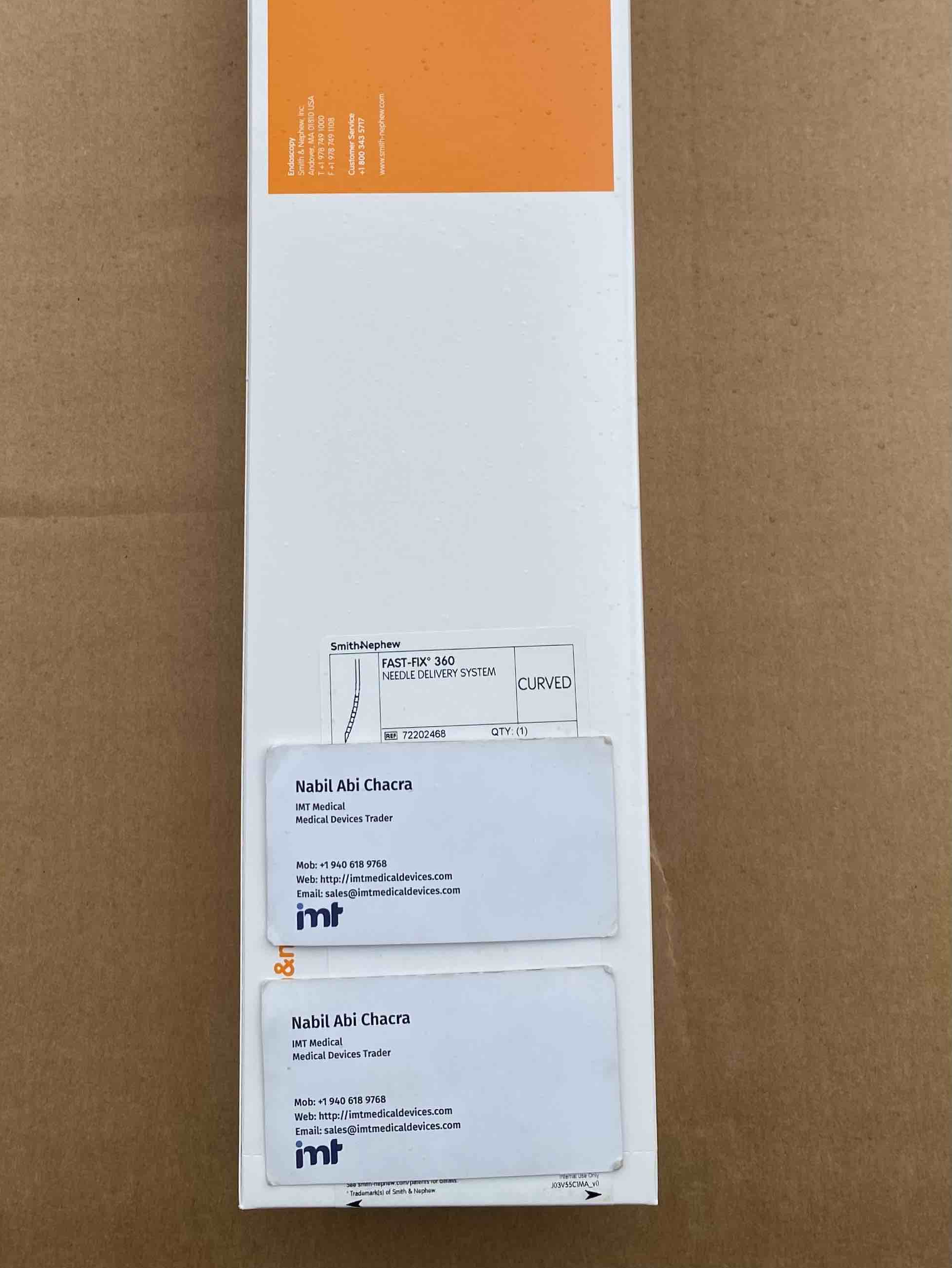


Wholesale Medical Devices for Global Buyers
When a cath lab needs a specific guidewire, balloon, or vascular closure device, procurement delays are not an administrative nuisance. They affect scheduling, inventory confidence, and, in some cases, procedure continuity. That is why wholesale medical devices sourcing is less about finding a low unit price and more about securing authentic branded products, accurate specifications, and dependable supply across borders.
For professional buyers, the market is not short on suppliers. The problem is that many suppliers are either too narrow in portfolio, too local in fulfillment, or too inconsistent in documentation and availability. Hospitals, clinics, laboratories, and medical distributors usually need a sourcing partner that can support multiple specialties at once, handle quote-based volume orders, and align with the realities of international procurement.
What matters most in wholesale medical devices
In B2B healthcare purchasing, product category alone is not enough. Buyers often need exact brand and SKU alignment because clinicians specify what they already use, what they have validated, or what fits established procedural protocols. A coronary balloon is not interchangeable simply because it belongs to the same category. Diameter, length, shaft compatibility, coating, crossing profile, and manufacturer preference all affect purchasing decisions.
This is especially true in interventional cardiology, interventional radiology, peripheral intervention, and neurovascular procedures, where device selection is tied directly to clinical workflow. The same principle applies in laboratory procurement. A buyer sourcing diagnostic brands such as Roche, Siemens, Beckman Coulter, or BD is typically purchasing around installed systems, reagent continuity, and validated lab operations, not browsing general substitutes.
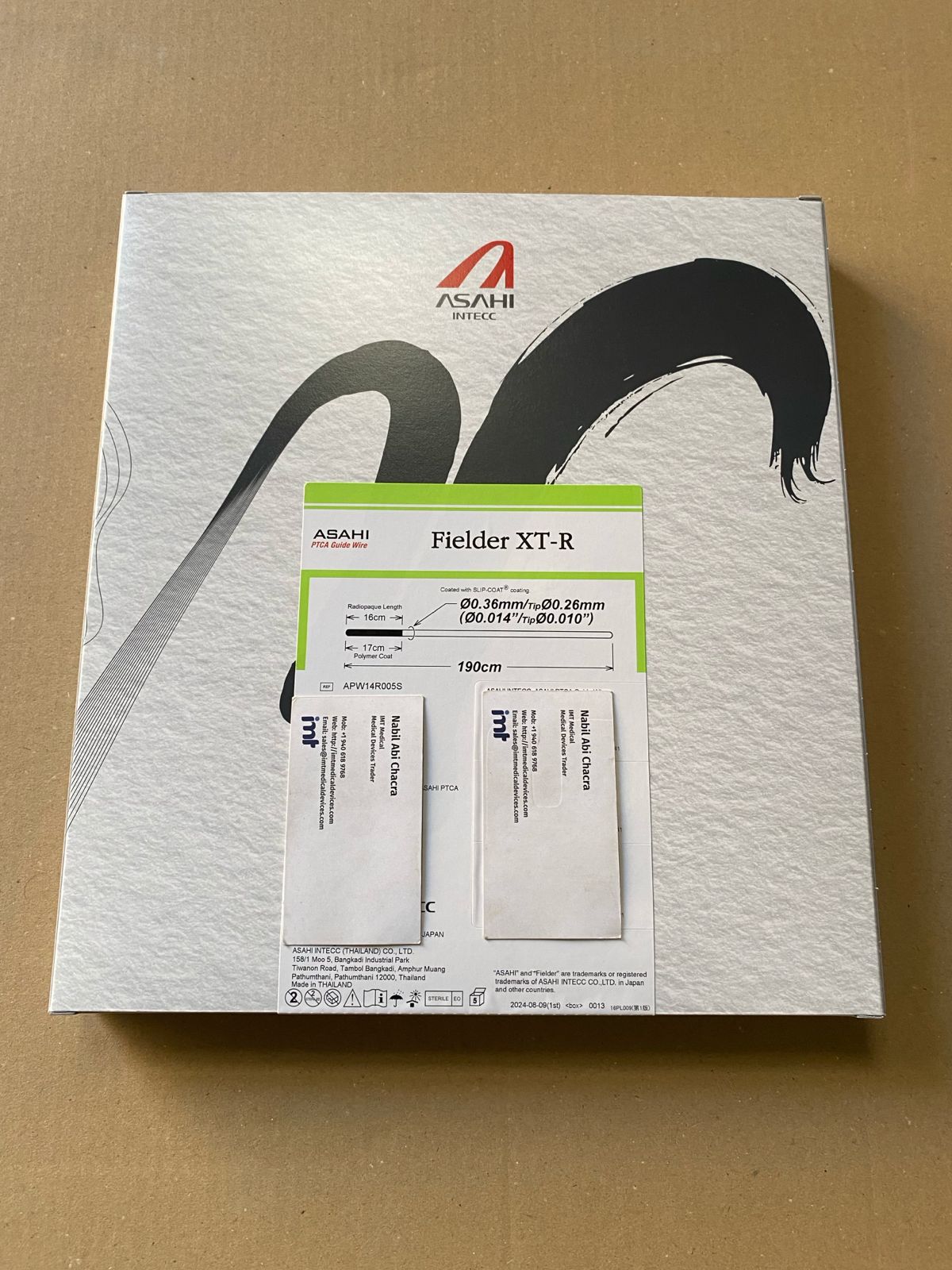
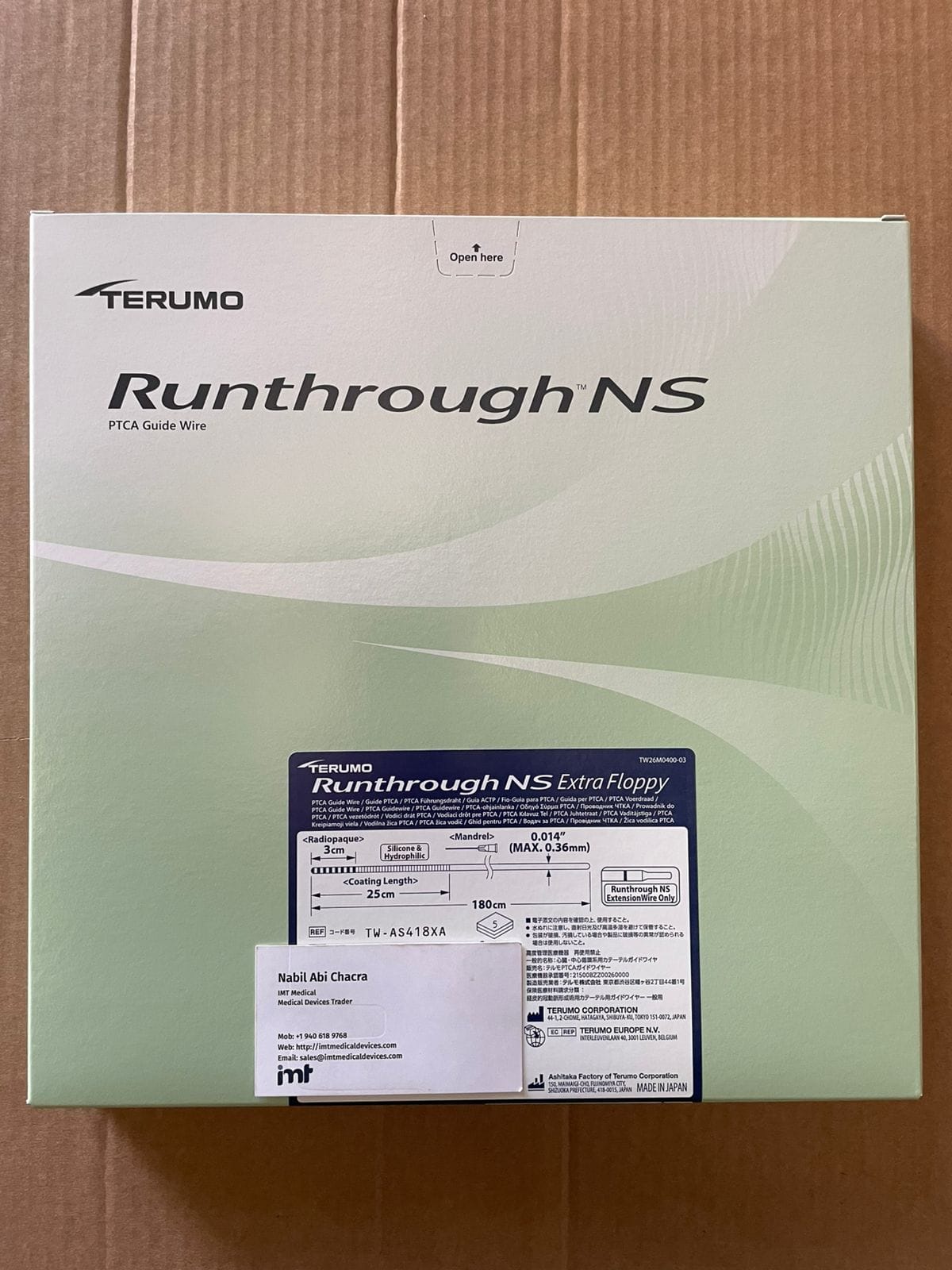
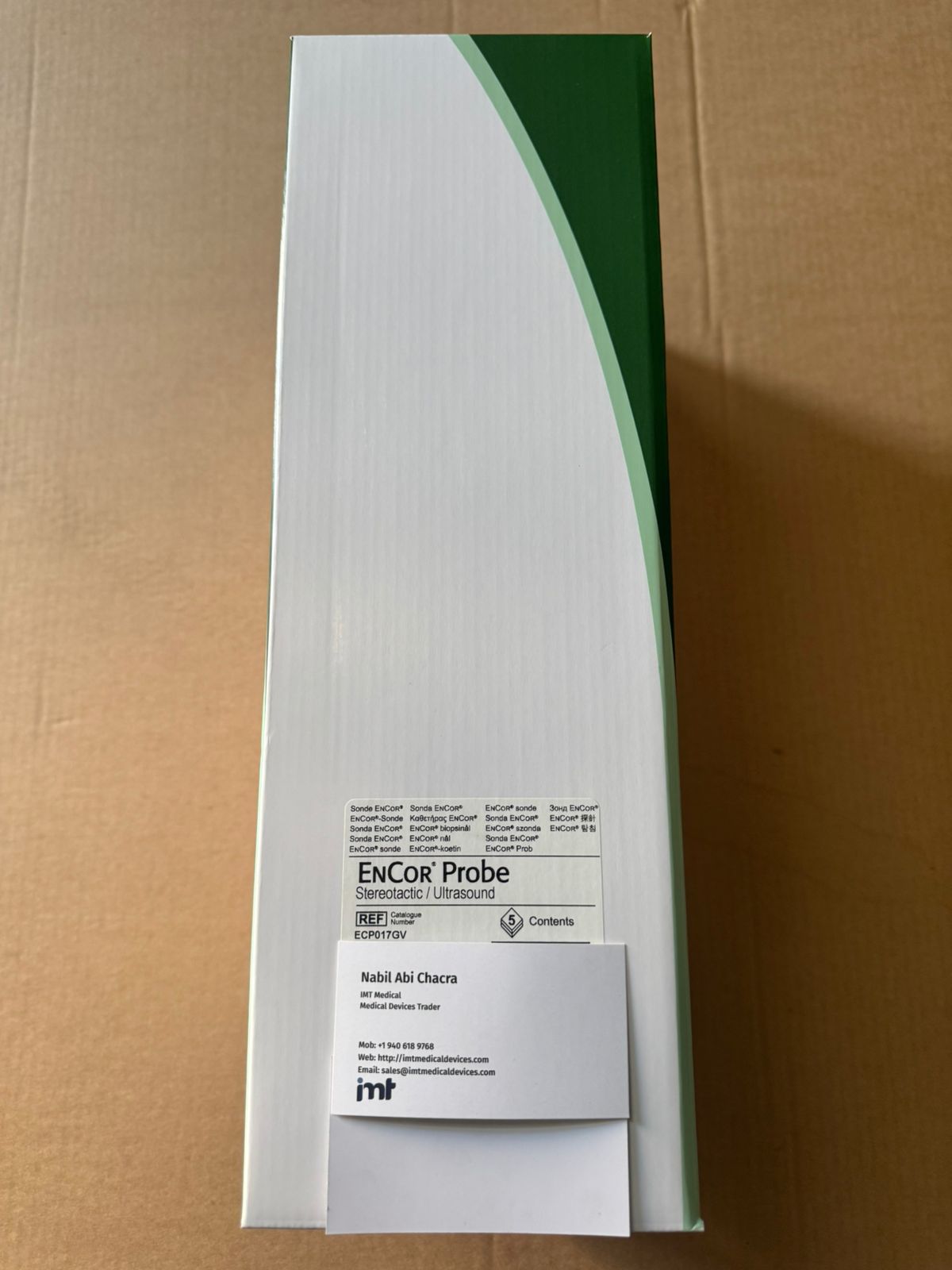
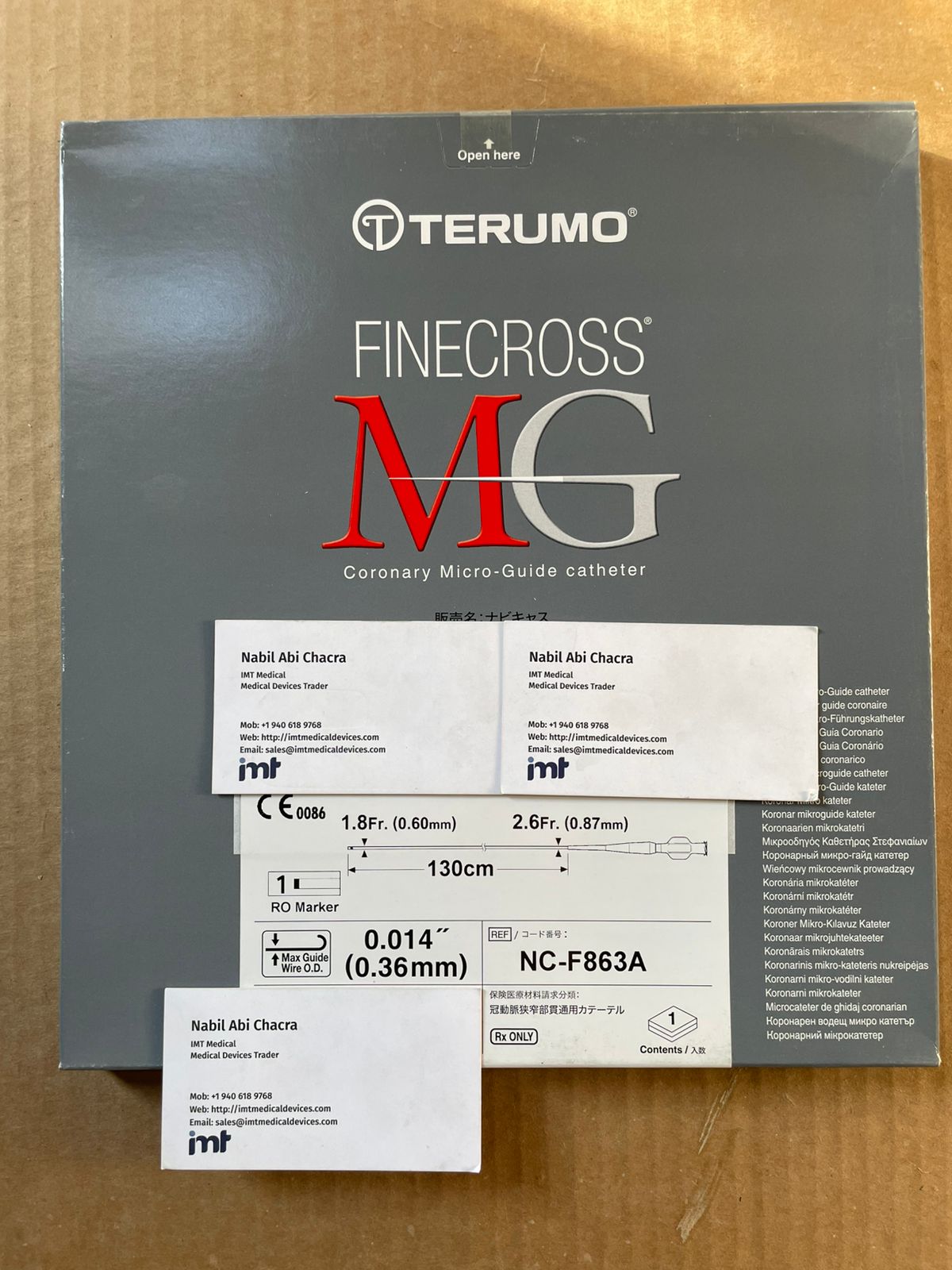
That is why a credible wholesale source needs to do more than list broad categories. It should support exact product identification across recognized manufacturers such as Terumo, Asahi, Boston Scientific, Medtronic, Abbott, Cordis, Ethicon, Stryker, and others. For procurement teams, that reduces friction at the quotation stage and lowers the risk of specification errors.
Why branded product access drives purchasing decisions
In the medical wholesale channel, brand recognition is not cosmetic. It functions as a shortcut for quality expectations, technical familiarity, and internal approval. Purchasing departments often work with clinician-preferred brands because those products are already known within the hospital or specialty center. In some cases, standardized use across departments also simplifies stock planning and staff training.
There is a practical trade-off here. Branded devices can carry a higher acquisition cost than lesser-known alternatives. But for many buyers, especially those purchasing for specialized interventions, the lower-risk option is worth the premium. A recognized brand with a known performance profile, clear nomenclature, and established procedural acceptance often creates fewer downstream complications than a cheaper substitute.
For distributors and wholesale resellers, the same logic applies from a marketability standpoint. Demand is stronger and turnover is usually faster when inventory consists of globally recognized SKUs. That matters when planning stock positions for interventional devices, surgical products, or lab consumables in competitive regional markets.
Product breadth is not a convenience feature
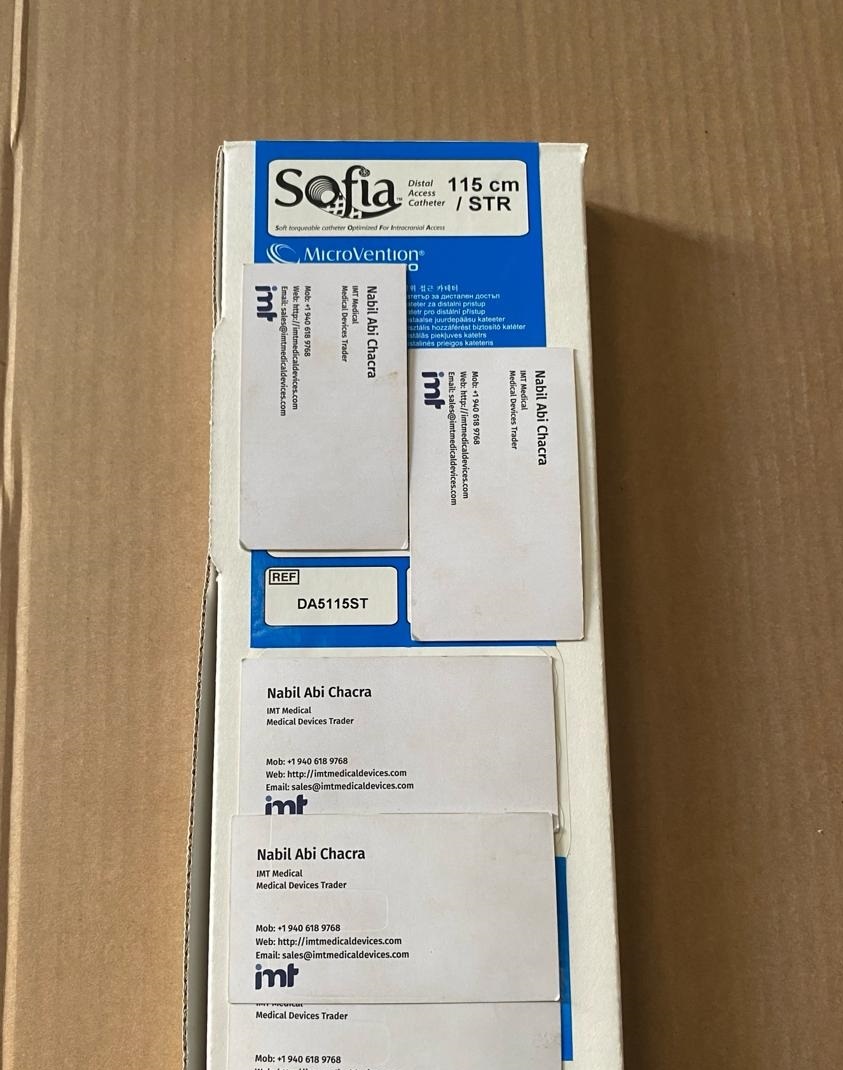
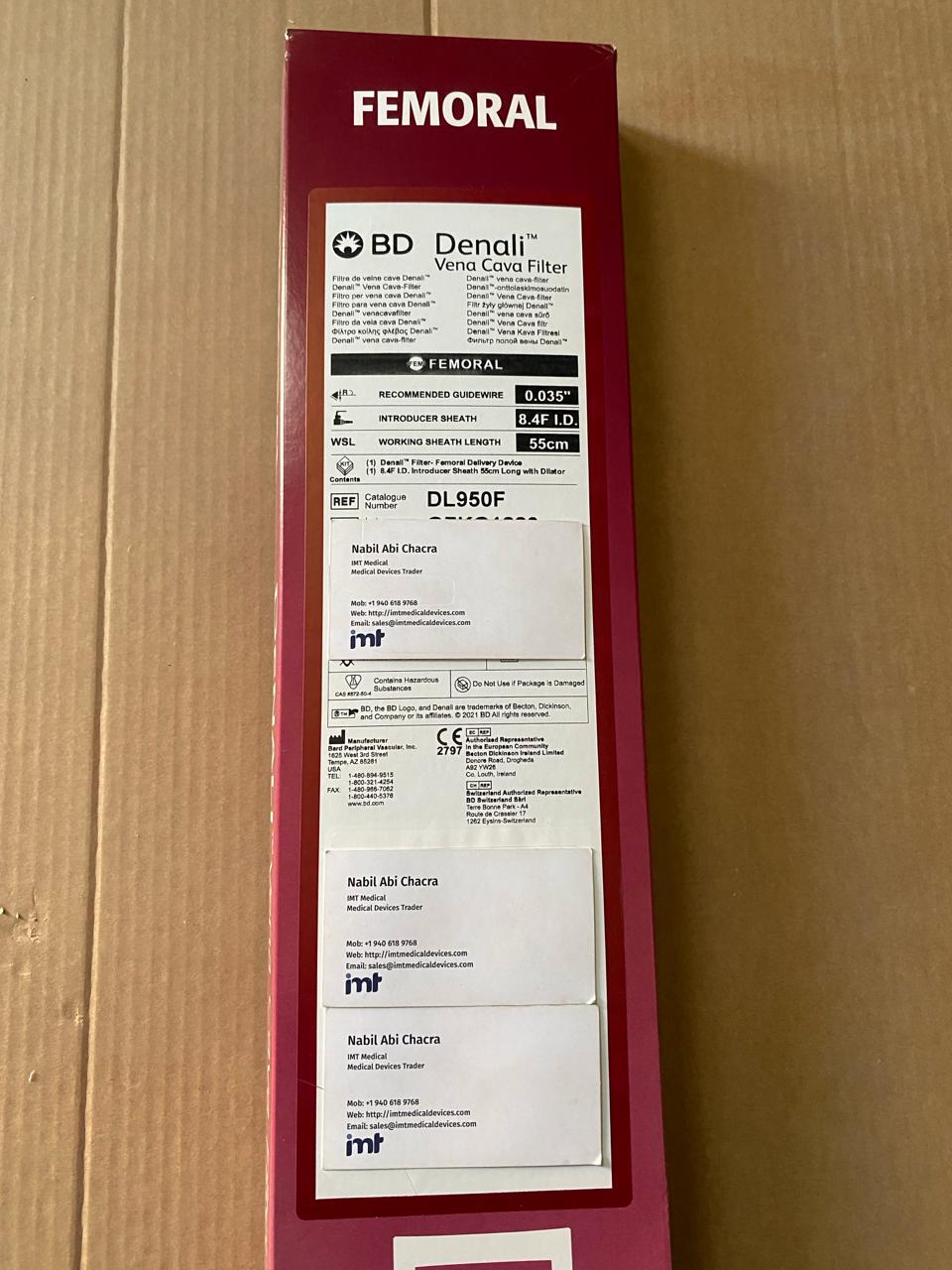
A broad catalog is often treated as a secondary benefit, but for international buyers it is central to procurement efficiency. A hospital group or distributor may need coronary stents, PTCA balloons, guidewires, guiding catheters, aspiration catheters, micro catheters, neurovascular coils, sutures, cava filters, and laboratory brands within the same purchasing cycle. Managing those needs across separate vendors increases administrative load and often introduces avoidable delays.
A wholesale partner with category depth across cardiology, peripheral intervention, neurovascular, surgical, and diagnostic lines can reduce that burden. Consolidated sourcing helps buyers align quotations, shipping coordination, and documentation under one commercial workflow. It also gives procurement teams a better chance of filling partial backorders or identifying acceptable alternatives within the same brand ecosystem when an exact item has limited availability.
This is where portfolio design matters. A supplier focused on high-demand branded SKUs is usually more useful than one with an oversized but unfocused catalog. Serious buyers are not looking for endless browsing. They need relevant inventory categories that match actual procedural demand.
Wholesale medical devices in export markets
International procurement adds another layer of complexity. The product may be standard, but the transaction rarely is. Export buyers must consider country-specific import requirements, shipping methods, documentation, lead times, and whether the supplier can consistently support cross-border orders at commercial scale.
A local distributor may perform well domestically but struggle when orders involve international coordination. That gap matters for buyers in emerging markets, multinational procurement groups, and regional resellers that depend on regular access to branded devices from global manufacturers.
In wholesale medical devices, export capability should be evaluated as an operational function, not a marketing claim. Buyers should expect competence in quote handling, product identification, packing coordination, and communication around availability. The best supplier is not always the one with the widest claims. It is the one that can move exact products through a repeatable international process.
For that reason, many professional buyers prefer working with an export-oriented sourcing partner rather than piecing together orders from multiple region-specific sellers. It simplifies communication and creates a more predictable purchasing cycle.
How professional buyers should evaluate a supplier
The most reliable evaluation method is to look at how a supplier supports real purchasing behavior. Can they identify exact branded products by category and manufacturer? Can they quote for volume? Can they handle specialized requests in interventional and surgical lines? Can they support international buyers without treating export as an exception?
Product accuracy is usually the first signal. In this sector, vague naming is a warning sign. Procurement teams should expect clear product categories such as coronary stents, guidewires, vascular closure devices, aspiration catheters, or neurovascular micro catheters, not generic descriptions that blur clinical use.
Brand coverage is the next indicator. A supplier serving professional buyers should be able to source across major global manufacturers, not just a narrow subset. That matters because hospitals and distributors rarely operate within a single-brand environment.
Responsiveness also matters, especially in quote-driven sales. Buyers do not need consumer-style marketing. They need fast confirmation on availability, brand alignment, and commercial terms. A supplier that understands B2B device procurement will generally communicate in a direct, specification-focused way.
Where consolidation creates the most value
The value of consolidation is highest when purchasing spans multiple specialties or when buyers are supporting downstream customers with varied needs. A distributor serving both cardiovascular and neurovascular accounts benefits from a source that understands both procedural categories. A hospital network purchasing both intervention devices and laboratory brands gains efficiency when procurement can be centralized.
There are limits, of course. In some cases, buyers may still need direct manufacturer engagement for tenders, local registration issues, or highly specialized contractual arrangements. Wholesale sourcing does not replace every procurement model. But for many routine branded device requirements, especially in volume or export contexts, consolidation reduces complexity without lowering specification standards.
That balance is what makes a focused international wholesaler useful. The goal is not to replace clinical judgment or internal approval pathways. The goal is to support them with faster sourcing and broader access to recognized products.
A practical sourcing model for hospitals, labs, and distributors
For most buyers, the most efficient model is straightforward. Start with exact product requirements, including manufacturer preference and any critical size or compatibility details. Then work with a supplier that can quote across the needed categories rather than forcing separate purchasing conversations for each product family.
This is particularly effective in high-demand lines such as coronary intervention, peripheral intervention, neurovascular devices, sutures, and laboratory brands. The more precise the request, the faster a serious wholesale partner can respond. That precision benefits both sides. Buyers get cleaner quotations, and suppliers can confirm commercially relevant options without unnecessary back-and-forth.
For organizations purchasing internationally, it also helps to work with a supplier built for export demand. IMTMedicalDevices.com reflects that model by concentrating branded medical devices and diagnostics into a single wholesale procurement channel for global buyers.
The strongest wholesale relationships are built on repetition. When a supplier consistently supports exact branded products, responds clearly to quote requests, and handles international orders with discipline, procurement becomes less reactive and more controlled. For hospitals, laboratories, and distributors managing critical inventory, that kind of reliability is often more valuable than any short-term pricing advantage.
A good wholesale partner should make it easier to buy the right device the first time, in the right quantity, from the right manufacturer, with fewer variables slowing the process.