
Aspiration Catheters in Stroke Thrombectomy
A neurointerventional case gets delayed for one reason more often than anyone likes to admit: the exact aspiration catheter the operator wants is not on the shelf, not the right length, or not compatible with the chosen guide catheter and access plan. In aspiration catheter stroke thrombectomy, that mismatch is not a minor inconvenience - it can force a mid-case pivot in technique, increase exchanges, and create avoidable variability across teams.
This article is written for cath lab and neuro lab procurement and clinical leads who already know what aspiration is clinically, and need a supply-chain clean way to standardize carts, reduce substitutions, and keep high-use SKUs available.
Where aspiration catheters fit in stroke thrombectomy workflows
Aspiration catheters are used either as the primary first-pass device (direct aspiration) or alongside a stent retriever (combined technique) to improve clot engagement and reduce distal embolization risk. From an inventory perspective, this means the aspiration catheter is rarely a “nice to have.” It is a core consumable in ischemic stroke response, and it interacts with nearly every other component in the tray: sheath, guide catheter or long sheath, intermediate catheter, microcatheter, microwire, aspiration tubing, and the vacuum source.
A practical way to think about aspiration catheter stroke thrombectomy is that you are buying a system, not a single SKU. The catheter’s inner diameter (ID), outer diameter (OD), length, distal profile, and trackability determine what guide you can use, what access sites are realistic, and how often the team can stay in a single setup without reconfiguring.
Aspiration catheter selection criteria that impact purchasing
Most teams choose aspiration catheters based on performance, but procurement has to manage the operational side: compatibility, shelf depth, and how often “physician preference” translates to multiple near-duplicate SKUs.
Inner diameter and aspiration efficiency
Bigger ID is typically favored because it can improve aspiration force at the tip and increase the chance of ingesting clot rather than corking at the distal end. The trade-off is that larger-bore catheters usually require more supportive proximal systems and can be less forgiving in tortuous anatomy.
For stocking, ID tends to drive segmentation into at least two tiers: a larger-bore “go-to” catheter for proximal LVOs when anatomy allows, and a smaller or more trackable option for distal targets or challenging arch/carotid anatomy.
Length and access planning
Length is a silent source of procedural friction. A catheter that is perfect on paper can be unusable if it is short for the chosen approach (radial vs femoral), the patient’s anatomy, or the guide catheter position.
If your program uses both femoral and radial access, length variants matter. Minimizing lengths to one “universal” option sounds efficient until you discover it is not universal for your operator mix. Facilities that standardize on femoral may be able to keep fewer length options without compromising coverage.
OD and guide catheter compatibility
OD determines what it can pass through. This is where procurement can prevent incompatibility events by building approved combinations into ordering pathways.
When aspiration catheters get upsized, you often need to upsize the guide catheter or long sheath, and that can ripple into what closure devices are used and what inventory is required for hemostasis. Standardization is not just a neuro shelf decision - it touches vascular access inventory.
Trackability vs support
Operators generally want both: a distal segment that tracks and a proximal shaft that supports. In practice, designs vary. Some catheters behave well in a straight path but resist advancing through severe cavernous ICA tortuosity. Others track well but can kick back unless the guide system is strong.
From a stocking standpoint, trackability is what drives the need for at least one “tortuous anatomy” option. If your team’s experience is that the largest-bore catheter fails to reach target in a meaningful percentage of cases, you will see frequent mid-case substitutions. That is a demand signal to keep the alternate option in higher par.
Building a compatible aspiration thrombectomy system
The fastest way to reduce waste and last-minute substitutions is to define a small set of validated system builds, then stock to those builds.
Proximal access: sheath, guide, or long sheath
Aspiration performance and catheter deliverability can depend on proximal stability. Some teams favor balloon guide catheters to help flow arrest during retrieval or aspiration. Others rely on long sheaths or standard guides. Each choice changes what intermediate catheter sizes are practical.
Procurement should treat proximal access SKUs as part of the aspiration catheter decision, not separate categories. If you stock a large-bore aspiration catheter but do not stock compatible guides in adequate quantity, you have effectively understocked the catheter.
Intermediate catheter vs direct-to-guide approach
Many stroke workflows use an intermediate catheter as the aspiration catheter itself, positioned intracranially. Others may position it more proximally and deliver a smaller device distally. The distinction matters because some hospitals label these differently in inventory (intermediate catheter vs aspiration catheter) even when functionally they are used for aspiration.
Align your internal taxonomy to how the lab uses the product. If clinicians routinely pull an “intermediate” to aspirate, stock counts and usage reporting should reflect that.
Vacuum source and tubing standardization
Aspiration can be performed with a large syringe or with a pump system. Operationally, tubing sets, stopcocks, and connectors create avoidable variability if not standardized.
If one operator uses pump aspiration and another uses syringe aspiration, you can stock both, but define a default kit build and keep alternates clearly labeled. Small consumables are often the first to go out of stock, and they can halt a case as effectively as a missing catheter.
It depends: direct aspiration vs stent retriever plus aspiration
Programs that primarily run direct aspiration first may consume more aspiration catheters per case due to repositioning and catheter exchanges. Programs that default to combined technique might have a steadier usage profile but will require consistent availability of both aspiration catheters and stent retrievers.
The purchasing implication is simple: case volume alone is not enough to set par. Technique preference changes burn rate.
If your neuro team is transitioning technique (for example, more direct aspiration first), expect a temporary spike in consumption as operators dial in sizing and learn what tracks best in your patient population.
SKU rationalization without restricting clinicians
A common failure mode is over-rationalization: cutting to one aspiration catheter because it was the “most used last quarter.” That usually pushes substitutions into the procedure rather than eliminating them.
A tighter approach is to rationalize to a small, intentional spread: one large-bore high-use catheter, one trackable alternative, and one option that covers distal or more delicate navigation needs. Whether those are three SKUs or six depends on your length strategy and whether you support both femoral and radial.
When clinicians request a new catheter, require one of two justifications: it solves a specific compatibility gap (length, guide fit, distal reach), or it replaces an existing SKU with a documented plan to reduce the old one to zero.
Inventory planning for stroke: availability beats variety
Stroke thrombectomy is time-sensitive. The procurement goal is not to offer the largest menu - it is to ensure the preferred builds are always present.
Set minimums based on call coverage and resupply lead times. If your facility can run multiple thrombectomies in a short window, your on-hand levels should reflect surge capacity, not average daily use.
Also plan for packaged damage and product aging. High-acuity neuro items can sit untouched until they are needed urgently. Cycle counts and expiration checks should be routine, and storage locations should be consistent so staff can find the correct size and length under pressure.
Manufacturer sourcing considerations
Many labs standardize by manufacturer family to reduce variability in feel and compatibility. Others mix brands to match clinician preference. In either model, authenticity and traceability matter.
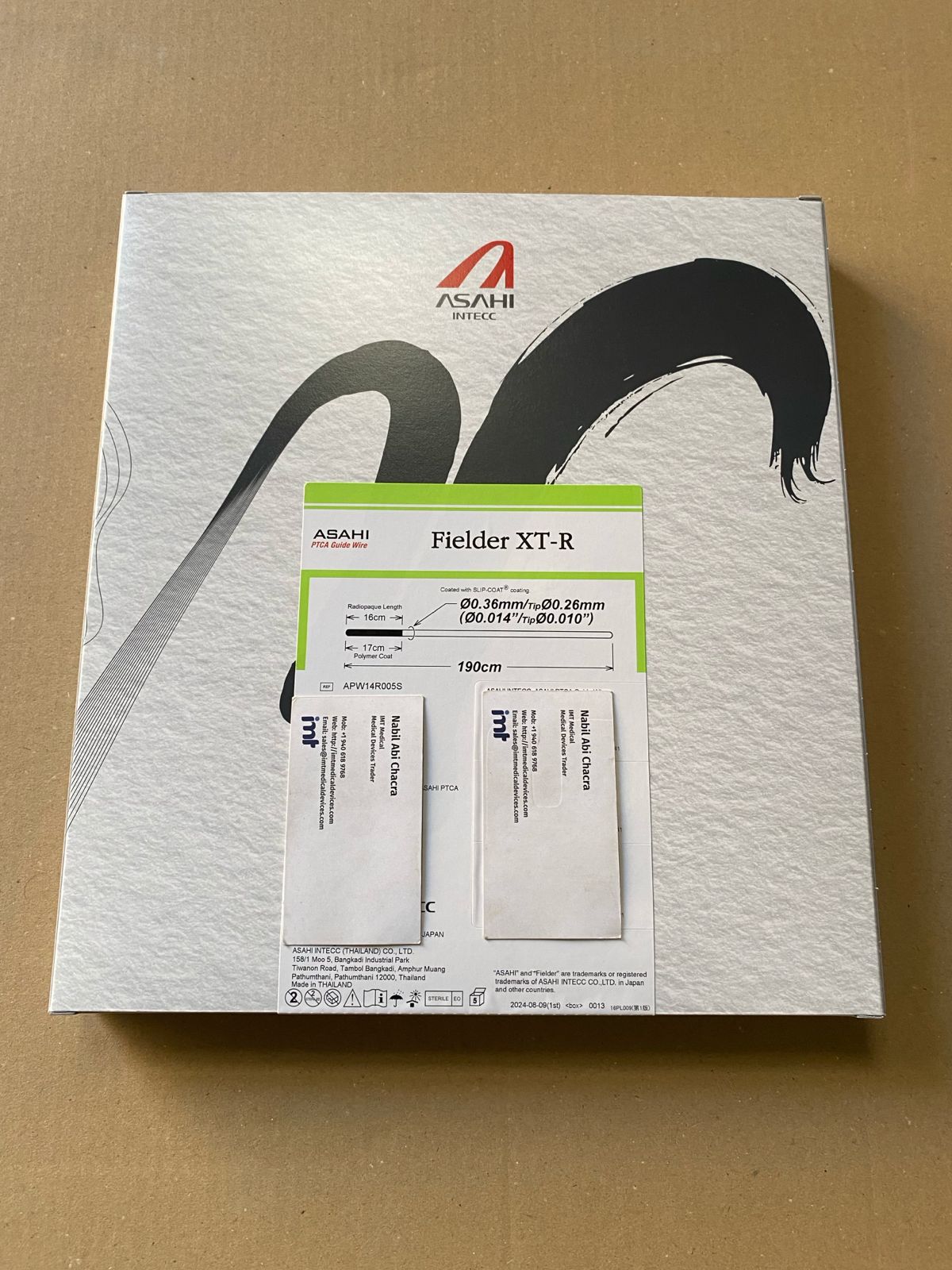
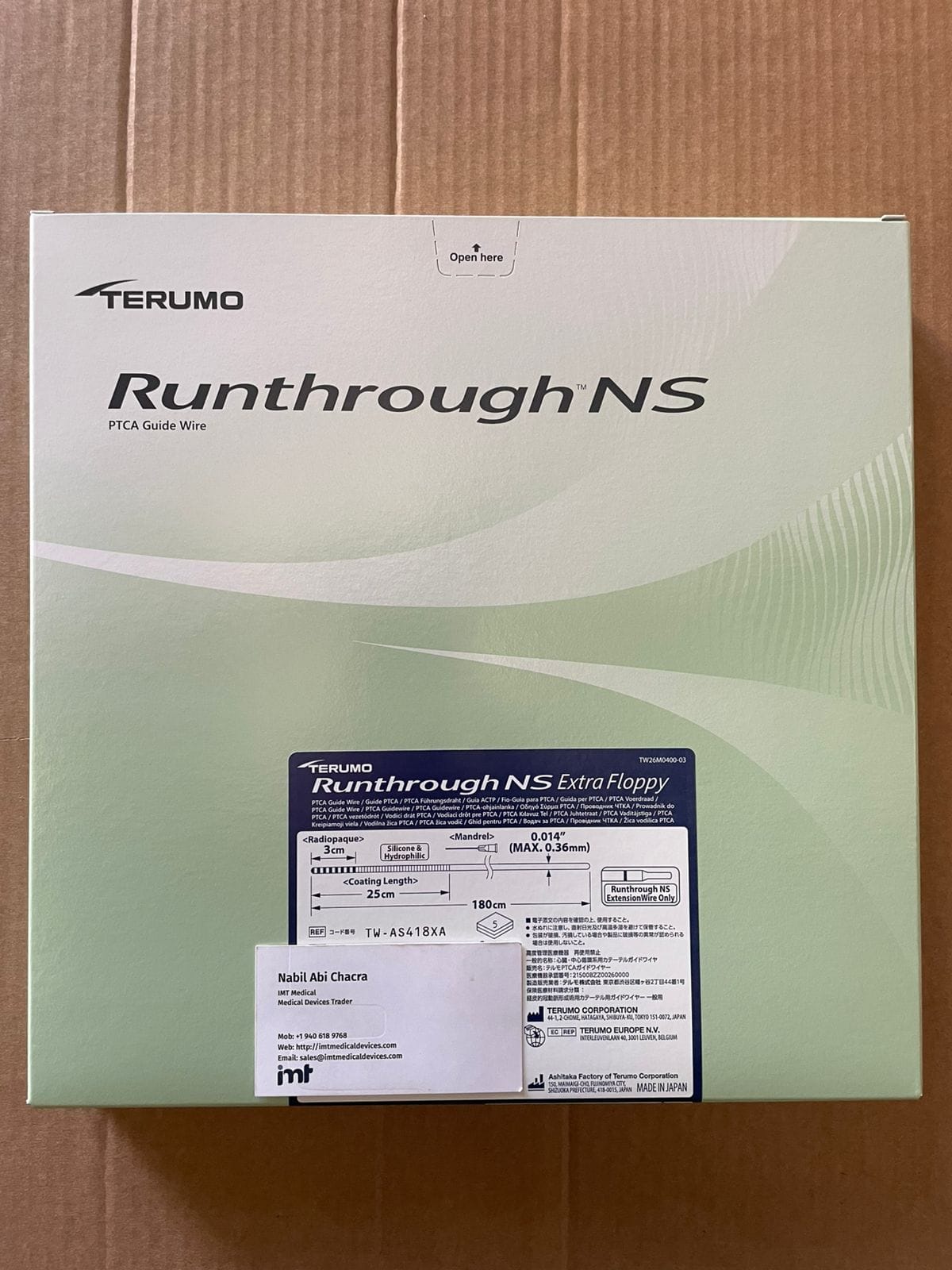
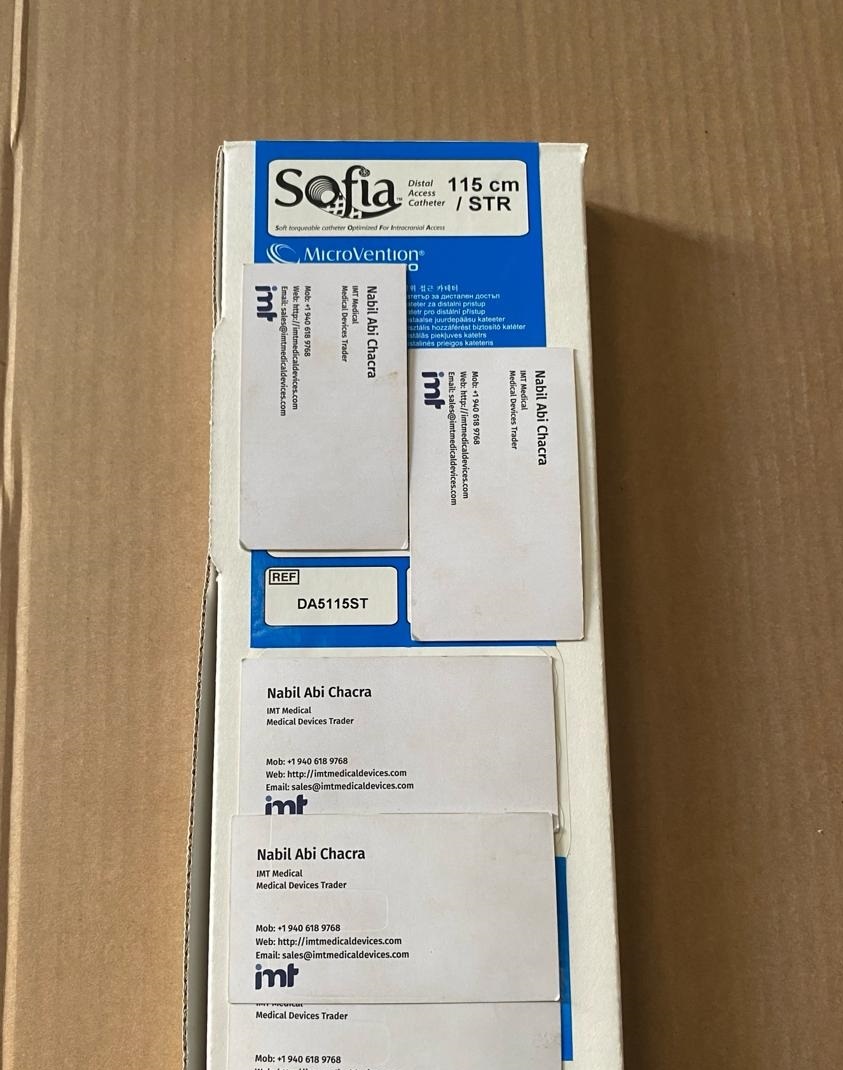
Facilities commonly request aspiration catheters and companion components from major interventional portfolios such as Medtronic, Boston Scientific, MicroVention, Terumo Neuro, Terumo, Cordis, Abbott, BD (Becton Dickinson), B. Braun, and others used across interventional service lines. The operational benefit of consolidating is fewer vendors to manage and fewer surprises in backorders.
If you are sourcing across borders or supporting multiple sites, confirm that labeling, UDI documentation, and packaging configurations match your receiving and regulatory workflows. Export shipments can add time and complexity, so buffer stock and clear part-number verification become more important, not less.
Requesting quotes with fewer back-and-forth cycles
Quote cycles slow down when the request is “aspiration catheter for stroke” instead of an exact identifier. For faster fulfillment, provide the manufacturer, product family, exact part number, desired length, and target quantity, plus any required companion SKUs (guide catheter size, sheath size, aspiration tubing set).
If you are consolidating multiple interventional categories with one distributor, it is often more efficient to request a bundled quote aligned to your standard thrombectomy build and par levels. That reduces partial shipments and keeps the system compatible.
For teams that prefer to source multiple branded interventional components through a single catalog and export-capable workflow, IMTmedicaldevices.com is structured around category navigation and quote-based purchasing so buyers can reference exact SKUs and request a personalized offer.
A procurement checklist that actually prevents case disruption
The goal is to prevent the “we have it, but it doesn’t fit” scenario.
Confirm that your primary aspiration catheter(s) are compatible with your most common guide catheter or long sheath choices, that length variants match your access strategy, and that tubing/connectors/vacuum method are stocked in the same location. Then validate that your alternates are not theoretical - they should be on the shelf at meaningful quantity, not one unit that disappears after the first difficult anatomy case.
The most useful question to ask your neuro team is also the simplest: when the first-pass catheter fails to reach or fails to ingest, what is the second device you grab? Stock that second device like it is part of the first-line plan, because operationally it is.
Closing thought: if you treat aspiration catheter stroke thrombectomy as a standardized system build with controlled variants - not a single product category - your lab will spend less time improvising mid-case and more time running the same reliable setup every time it matters.